
Most women get shawls completely wrong — treating them like afterthoughts instead of the statement pieces they are. I learned this lesson the hard way when I threw a beautiful paisley shawl over my shoulders at a gallery opening and spent the entire evening pulling it back up. That’s when I realized the problem wasn’t the shawl, it was how I was wearing it.
A shawl demands intention. It’s not a scarf you can loop twice and forget about. The fabric weight, the draping method, even how you position it on your body — everything matters. The women who look effortlessly put-together in shawls aren’t naturally gifted. They’ve just figured out the rules that most of us were never taught.
After years of styling clients through every season and occasion, I’ve seen what transforms a basic outfit into something memorable. The right shawl technique can make your silhouette look longer, your shoulders more balanced, and your entire outfit more considered. But get it wrong, and you’ll spend your day fighting with fabric instead of enjoying your look.
Styling Tips
Master the asymmetrical drape
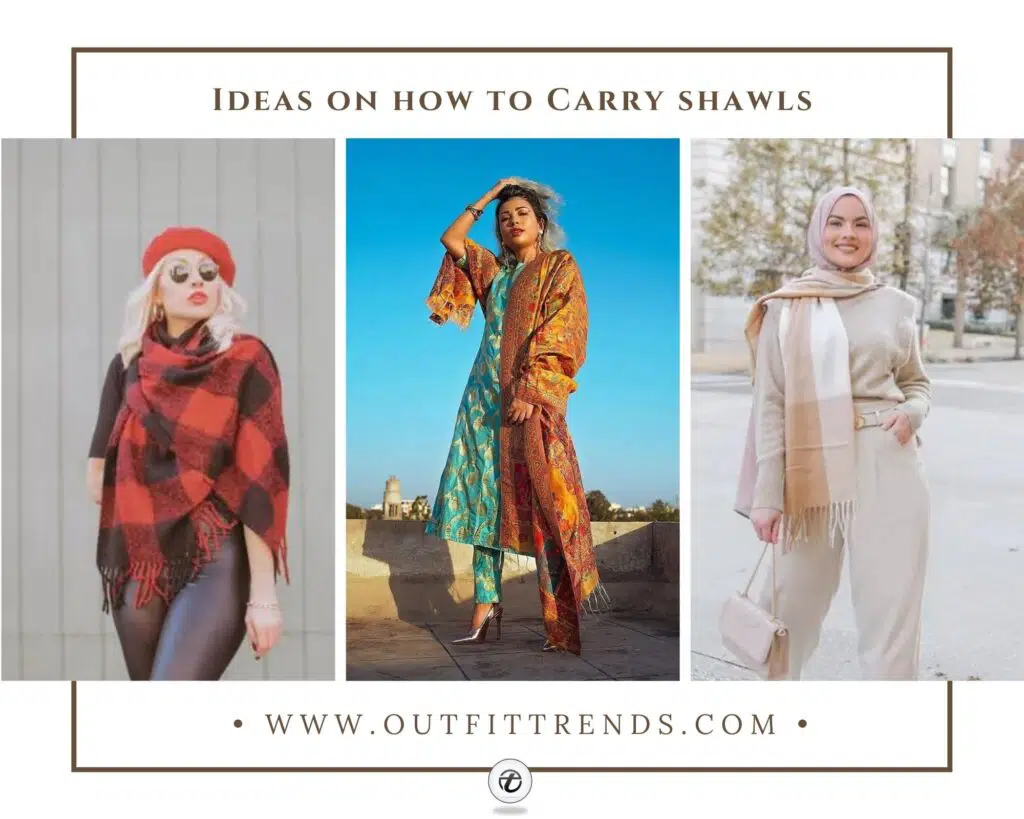
The woman in the red plaid shawl demonstrates exactly why symmetrical styling kills the impact. By letting one side fall longer than the other, she creates visual interest and avoids that boxy, wrapped-in-a-blanket look that makes most shawl attempts fail. The longer side should hit at your hip bone — any lower and you risk looking overwhelmed by fabric.
Use the cape method for bold patterns
This geometric shawl works because it’s worn like a cape, not wrapped tightly around the body. The open drape lets the pattern breathe and creates movement with every step. When you have a statement print, less wrapping means more impact. The key is keeping your base outfit simple so the shawl can be the star.
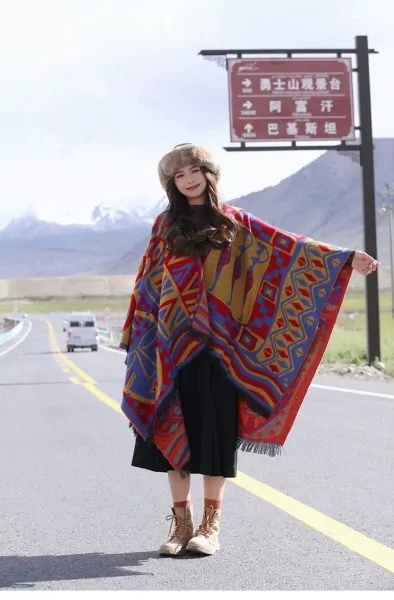
Position paisley prints strategically
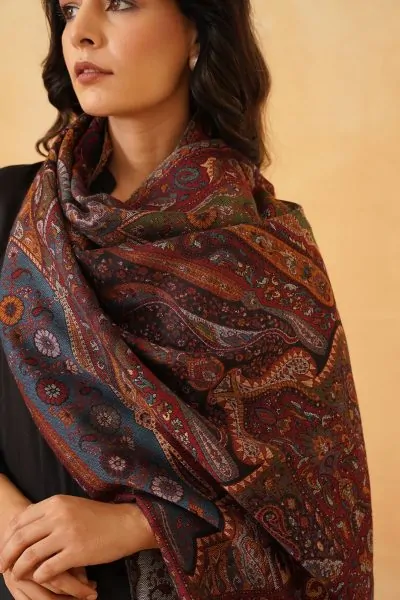
Notice how this paisley shawl is draped so the pattern sits perfectly across the shoulder and chest area. Paisley has a natural flow direction, and fighting against it makes the print look chaotic. Always drape so the pattern moves in the same direction as your body line — it creates a more polished, intentional appearance.

Tomboy Outfit Ideas 15 Tips How to Dress Like a Tomboy
Long Wool Coat Outfit Ideas – 22 Ways To Style Them
Masculine Outfit Ideas For Women – 22 Ways To Dress Differently
20 Best Teal Outfit Ideas and Ways to Wear Them
How to Style Stripped Sweater in 29 Ways ? Outfit Ideas
What to Wear in Scotland: 22 Outfit Ideas with Packing Tips
What to Wear to the Full Moon Party? 18 Outfit Ideas
19 Green Jumpsuit Outfit Ideas for Every Occasion
Balance proportions with wrapped styles
The key to this wrapped shawl technique is how it defines the waist while keeping the torso proportions balanced. The wrap sits at the natural waist, not higher, which prevents that dumpy, shapeless effect that destroys most shawl attempts. The tassel details add movement without overwhelming the silhouette.

The traditional Kashmir shawl technique involves never using pins or fastenings — the draping method itself keeps the shawl in place through strategic folding and weight distribution. This is why modern attempts with clips and brooches often look forced rather than natural.
Fabric Weight Guidelines
The weight of your shawl determines everything about how you should style it. I’ve watched too many women try to wrap a heavy wool shawl the same way they’d handle silk chiffon — it never works.
Heavy wools and cashmeres need minimal manipulation. Let gravity do the work. One shoulder draping or simple back-of-neck positioning works best because the fabric has enough weight to stay put. Fighting against this weight creates bunching and constant readjustment.
Medium-weight fabrics like cotton blends offer the most versatility. You can wrap, twist, or knot these without creating bulk. They hold their shape but aren’t so heavy that they pull your outfit off balance.
Light silks and chiffons need more structure in your draping technique. A loose loop around the neck or strategic knotting keeps them from sliding around. The ethereal quality works, but only if the shawl stays where you put it.
Color Coordination Rules
Forget matching your shawl to your outfit — that’s the fastest way to look like you’re wearing a costume. The most successful shawl combinations create harmony rather than perfect coordination.
Choose one color from your outfit and echo it in the shawl’s pattern, but never make it the dominant shade. If you’re wearing navy, a burgundy shawl with navy accents looks infinitely more sophisticated than a navy shawl with navy clothes.
Neutral base with pattern shawl remains the safest approach, but avoid beige-on-beige combinations that wash you out. Cream clothes with a warm-toned patterned shawl creates depth without risk.
Monochromatic dressing can handle a contrasting shawl beautifully. All black with a jewel-toned paisley, or all grey with a rich burgundy wrap — the contrast becomes the entire point of the outfit.
Shawl Outfit Ideas: 32 Ways to Carry a Shawl Like A Diva
Vibrant Paisley Kimono Over Coordinated Separates
This golden orange paisley kimono works as a statement shawl over a turquoise printed dress and matching pants. The key is matching the base colors — the turquoise in both pieces creates cohesion despite the bold patterns. This works best for women who want to embrace color without looking chaotic, and the loose draping flatters every body type.

Oversized Grid Check Poncho With Fitted Bottoms
A cream and black windowpane check poncho creates instant weekend polish when balanced with fitted leather leggings. The fringe detail adds texture without bulk, while the neutral palette keeps it versatile. This combination works because the tight bottoms prevent the oversized top from overwhelming your frame — essential for petite women especially.

Paisley Shawl Draped as Evening Wrap
This rust and black paisley shawl transforms a simple slip dress into evening wear through strategic shoulder draping. The fringe hem adds movement, while the rich colors work beautifully against neutrals. Perfect for women who need to transition day pieces to night — the shawl does all the work.

Bright Fuchsia Statement Shawl With Denim
A vibrant pink open-front shawl elevates basic jeans when worn as a dramatic cardigan alternative. The cold-shoulder cutouts prevent the bold color from overwhelming, while matching pink shoes create intentional coordination. This works for women who want to add punch to casual outfits without looking overdressed.
Quick tip
Balance oversized shawls with fitted clothing to avoid looking overwhelmed.

Color-Block Blanket Shawl Over Mini Dress
This burgundy, cream and camel geometric shawl creates cozy luxury when wrapped loosely over a black mini dress. The neutral base allows the shawl’s colors to pop, while over-the-knee boots add sophistication. Perfect for women who want to wear shorter hemlines in cooler weather — the shawl provides coverage without hiding your silhouette.

Plaid Blanket Scarf as Cozy Layer
A cream, red and navy plaid blanket scarf worn as an oversized wrap adds instant texture to winter whites. The trick is letting one end drape longer for asymmetrical interest rather than perfect symmetry. This works beautifully for casual weekend looks when you want warmth without the bulk of a heavy coat.

Glen Check Scarf With Monochromatic Base
A black and white houndstooth scarf becomes the focal point when paired with all-black underneath. The structured pattern adds visual interest to a simple sweater dress, while the neutral palette keeps it office-appropriate. Perfect for women who prefer classic patterns but want them to make a statement rather than blend in.
Quick tip
Choose tonal matching for formal events — keep shawl and outfit in the same color family.

Ornate Paisley Shawl as Cultural Statement Piece
This intricately patterned paisley shawl transforms a simple blue shirt into something special through artful draping across one shoulder. The rich jewel tones and gold details work as wearable art, while the navy base keeps it grounded. Ideal for women who want to incorporate cultural textiles into modern wardrobes without costume-like effects.

Designer Logo Shawl as Luxury Accent
This brown and tan geometric logo shawl adds instant polish when draped asymmetrically over winter basics. The monogrammed pattern reads as luxury while the neutral colorway works with everything in your closet. Perfect for women who want to add one high-end piece that elevates multiple outfits without requiring a complete wardrobe overhaul.

Intricate Paisley Shawl as Artisan Touch
This multi-colored paisley shawl brings handcrafted beauty to a simple cream outfit through generous draping that showcases the full pattern. The neutral base lets the shawl’s intricate details shine, while the relaxed styling keeps it approachable rather than precious. This works for women who appreciate artisan textiles but want to wear them in everyday settings.
Quick tip
Use one patterned shawl as your statement piece against solid colors.

Olive Green Monochrome with Floral Accent
A sage green blazer and matching trousers create a tonal base that’s instantly pulled together by the botanical print scarf in complementary greens and browns. The bright yellow bag prevents the earthy palette from feeling dull while staying within the nature-inspired theme. This works brilliantly for women who want to wear green head-to-toe without looking like they’re trying too hard — the floral scarf bridges the gap between serious tailoring and approachable style.

Oversized Blanket Scarf as Statement Layer
When your scarf is this substantial, let it be the star by keeping everything else simple in black and neutral tones. The oversized proportions work because they’re balanced with fitted leggings underneath, while the wide-brim hat adds another textural element without competing. Perfect for women who love dramatic accessories but want to stay grounded — the blanket scarf gives you presence without looking costume-y.

Classic Plaid Scarf with Tailored Coat
The traditional plaid pattern feels fresh when styled loosely around the neck rather than tightly wound, and the neutral color palette makes it work with both the brown coat and black accessories. This is textbook transitional dressing — warm enough for cool weather but polished enough for the office. Ideal for women who want reliable style that never looks dated.
Quick tip
For traditional looks, coordinate metallic tones between shawl and outfit.

Tonal Grey Scarf for Minimalist Appeal
Matching your scarf to your coat creates an intentional, put-together look that’s more interesting than wearing solid colors alone. The monochromatic approach elongates the silhouette while the fringe detail adds just enough texture to prevent boredom. This works especially well for petite women because the continuous color line creates the illusion of height.

Contrast Scarf with Camel Coat
A light-colored scarf against a rich camel coat creates the kind of contrast that makes both pieces look more expensive than they probably are. The neutral palette stays sophisticated while the tonal difference adds visual interest around your face. This combination is foolproof for women who want to look polished without overthinking it — camel and cream work together every single time.

Embellished Statement Scarf for Special Occasions
The intricate beading and metallic details on this mint green shawl elevate a simple white kurta into something worthy of celebration. Matching the choker necklace to the shawl’s embellishments creates a cohesive look that feels intentional rather than accidental. Perfect for cultural events or formal gatherings where you want traditional elements with contemporary styling.
Quick tip
Neutral stripes work with almost any base outfit and keep casual looks polished.

Bold Pattern Mix with Color-Block Scarf
The burgundy and navy color-blocking in this scarf works because it picks up the darker tones in the outfit while adding a graphic element that feels modern. Asymmetrical draping keeps the look from feeling too structured, which is essential when you’re wearing this much pattern and texture together. Best for confident dressers who aren’t afraid to mix prints and textures.

Formal Black Scarf with Dramatic Hat
When you’re wearing a statement hat like this, your scarf should complement rather than compete — this black mesh wrap does exactly that. The tonal black-and-white palette keeps the focus on the beautiful hat details while the scarf adds an extra layer of sophistication. Ideal for formal events where you want to make an impression without looking overdone.

Ornate Paisley Shawl in Royal Blue
The rich blue base with intricate gold paisley detailing creates the kind of luxurious look that works for both cultural celebrations and upscale evening events. Draping it asymmetrically over one shoulder shows off the beautiful border while keeping the styling contemporary rather than traditional. This works best for women who appreciate craftsmanship and aren’t afraid of bold colors.
Quick tip
Consider full coverage draping for dramatic effect at special occasions.

Neutral Fringe Scarf for Casual Elegance
The soft beige tones and fringe details add texture without overwhelming the simple outfit underneath, while the relaxed draping style keeps things approachable. This is perfect transitional weather dressing — warm enough to be functional but light enough to not look bulky. Great for women who want to add interest to basic outfits without investing in statement pieces.

Traditional Sari with Golden Shawl Draping
This golden shawl draped over a coral sari demonstrates how to use a shawl as part of traditional Indian wear. The coordinated metallic tones create a cohesive look while the shawl adds an extra layer of warmth and formality. This works beautifully for cultural celebrations, weddings, or any formal Indian occasion where you want to honor tradition while staying comfortable.

Oversized Striped Shawl as Cozy Cover-Up
A large striped shawl worn as a wrap transforms casual jeans and a sweater into something more intentional. The neutral stripe pattern works with almost any base outfit, while the generous size means you can adjust the draping based on temperature. Perfect for those days when you want comfort without looking like you’ve given up — the structured stripes keep it polished.

Long Plaid Scarf with All-Black Base
This oversized plaid shawl adds the only color to an all-black outfit, which is exactly why it works so well. The single pop of pattern against black creates instant visual interest without competing elements. This combination works for anyone who loves color but prefers a streamlined silhouette — let the shawl do all the talking.

Head-to-Toe Shawl Coverage
When a shawl covers both your head and shoulders, it creates a completely different aesthetic — more dramatic and protective. The golden paisley pattern adds richness while the full coverage feels both modest and striking. This style works particularly well for cultural or religious occasions, or when you want to create a sense of mystery and elegance.

Formal Dress with Light Shawl Layer
A delicate shawl over a formal dress solves the eternal wedding guest dilemma of staying warm without ruining your look. The tonal matching — keeping shawl and dress in the same color family — maintains the dress’s elegance while adding practical coverage. This approach works for any formal outdoor event where temperature might drop.

Blanket Scarf with Fitted Separates
This massive plaid shawl balances perfectly with a fitted black top and structured skirt underneath. The contrast in proportions — oversized on top, fitted on bottom — creates a flattering silhouette that doesn’t overwhelm. The coordinated handbag ties the whole look together, proving that accessories should complement, not compete.

Embroidered Shawl as Statement Layer
A heavily embroidered shawl turns a simple magenta outfit into something special — the intricate detailing adds texture and visual weight that transforms the entire look. The tonal coordination between the base outfit and shawl’s dominant colors creates harmony while the embroidery provides the interest. This works when you have a simple outfit that needs elevating for a more formal occasion.

Key takeaways
- Match your shawl to your outfit’s undertones — coordinate within the same color family for a polished look
- Balance proportions by pairing oversized shawls with fitted clothing underneath
- Use a patterned shawl as the single statement piece against neutral or solid clothing
- For formal events, choose lightweight shawls in tonal colors that won’t compete with your dress
- Traditional draping styles require coordinated metallic or rich tones to maintain cultural authenticity
- Consider coverage needs — full head-and-shoulder draping creates drama while partial coverage stays practical
Tomboy Outfit Ideas 15 Tips How to Dress Like a Tomboy
Long Wool Coat Outfit Ideas – 22 Ways To Style Them
Masculine Outfit Ideas For Women – 22 Ways To Dress Differently
20 Best Teal Outfit Ideas and Ways to Wear Them
How to Style Stripped Sweater in 29 Ways ? Outfit Ideas
What to Wear in Scotland: 22 Outfit Ideas with Packing Tips
What to Wear to the Full Moon Party? 18 Outfit Ideas
19 Green Jumpsuit Outfit Ideas for Every Occasion