

Last month I watched a woman try on the same fedora hat three different ways in a boutique mirror. First perched high on her head like a fascinator, then tilted so far forward it covered half her face, then finally settled at the right angle — and suddenly her entire outfit transformed. The fedora is the most misunderstood hat in fashion, but master the basics and it becomes your most versatile styling tool.
I’ve been wearing fedoras for eight years, through every styling mistake you can imagine. The first time I wore one, I paired it with a flowing maxi dress and looked like I was heading to a music festival instead of brunch. The hat wasn’t the problem — my approach was. A fedora works with almost everything, but only if you understand proportion, angle, and attitude.
The key lies in treating your fedora as the anchor piece, not an afterthought. Every other element in your outfit should complement its structured silhouette. Get this right, and you’ll never struggle with hat hair or feeling overdressed again.
What and How to Wear with Fedora Hats
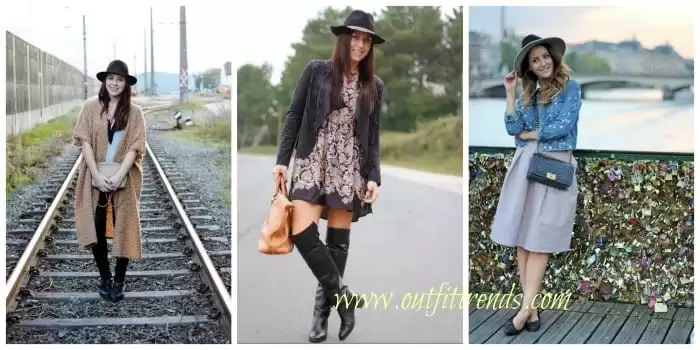
Layer with Long Cardigans
A floor-length cardigan creates the perfect vertical line to balance a fedora’s horizontal brim. The key is choosing structured fedoras with softer knitwear — the contrast prevents your outfit from looking too rigid. I always ensure my cardigan hits mid-calf or longer because shorter lengths compete with the hat’s proportions.
Master the Leather Jacket Combination
This pairing works because both pieces have architectural structure. The leather jacket‘s sharp lines echo the fedora’s defined brim, creating a cohesive silhouette. Choose ankle boots over knee-high styles here — too much coverage fights with the hat’s presence. The secret is keeping everything else simple so these two statement pieces can shine.
Choose Straight-Leg Jeans Over Skinny
Wide-leg and straight-leg denim create the balanced proportions that make fedoras look intentional rather than costume-like. Skinny jeans create a triangle silhouette that makes the hat appear oversized. I always opt for a mid-rise or high-rise waist because low-rise jeans throw off the entire vertical line.
How to Wear a Neckerchief? 22 Tips and Outfits for Women
25 Outfit Ideas On How to Wear a Brown Bag
What to Wear with Tote Bags? 22 Stylish Outfit Ideas
How To Style Metallic Bags? 30 Outfit Ideas & Tips
How To Wear A Baseball Cap – 20 Pro Styling Tips
How to Wear a Clutch? 20 Styling Tips to Follow

What Jewelry to Wear for Work? 19 Ideas
20 Mini Bag Outfit Ideas and How to Style Them
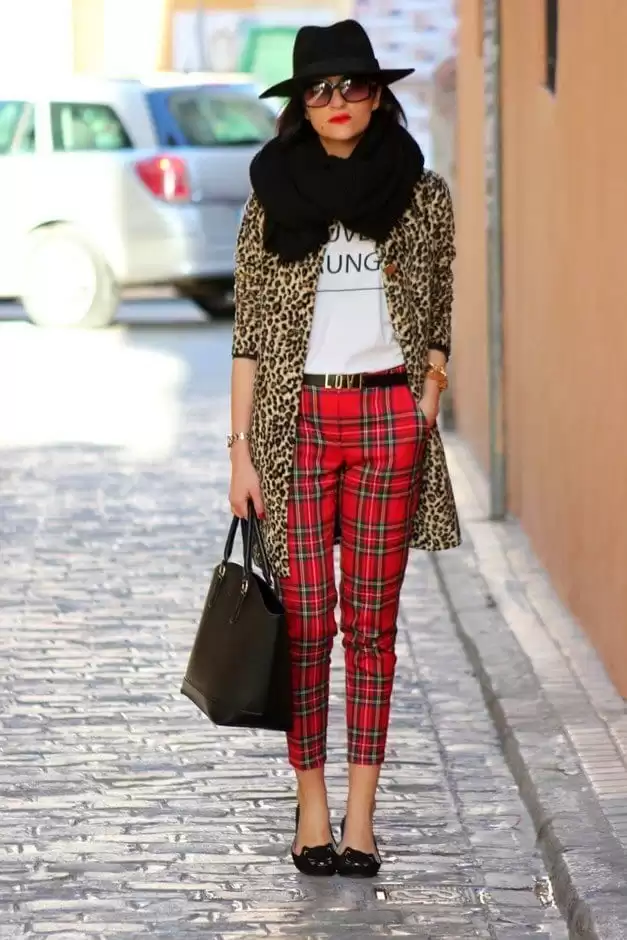
Embrace Pattern Mixing with Confidence
A fedora can anchor bold pattern combinations that might otherwise feel chaotic. In this leopard and plaid mix, the hat provides visual weight at the top to balance the busy patterns below. The trick is keeping one pattern smaller in scale — here, the plaid trousers work because they’re more linear than the leopard’s organic spots.
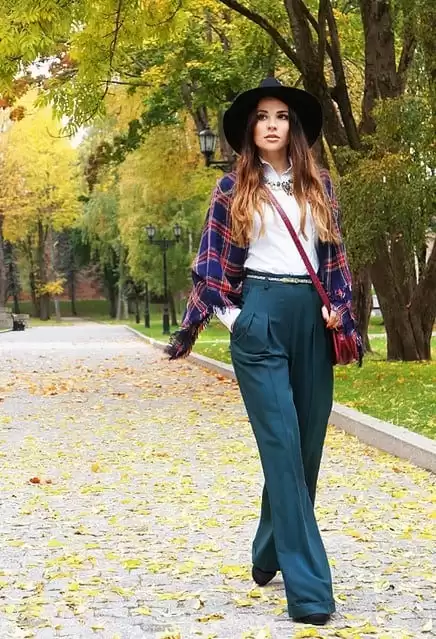
Perfect the Blazer and Wide-Leg Balance
This combination epitomizes modern suiting with personality. The fedora adds unexpected femininity to masculine tailoring, but only when proportions align perfectly. Choose wide-leg trousers that skim the ground — cropped styles make the hat look disconnected from the outfit. The blazer should fit close to the body to contrast with the flowing pants.
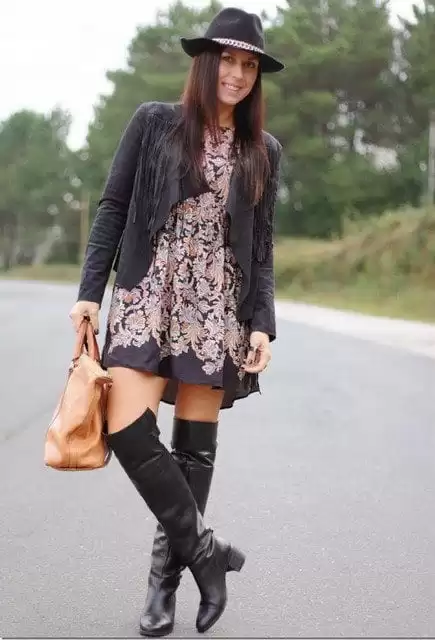
Style Over-the-Knee Boots with Shorter Hemlines
Over-the-knee boots with a fedora create dramatic vertical lines that require careful hemline consideration. Your dress or skirt should hit mid-thigh or higher to prevent the outfit from looking bottom-heavy. I learned this the hard way when I wore knee-length skirts with this combination and looked completely unbalanced.
The fedora hat was originally designed for women in 1882, inspired by a character in the French play “Fédora.” Men didn’t adopt the style until the 1920s, making it one of fashion’s most successful gender-crossover accessories.
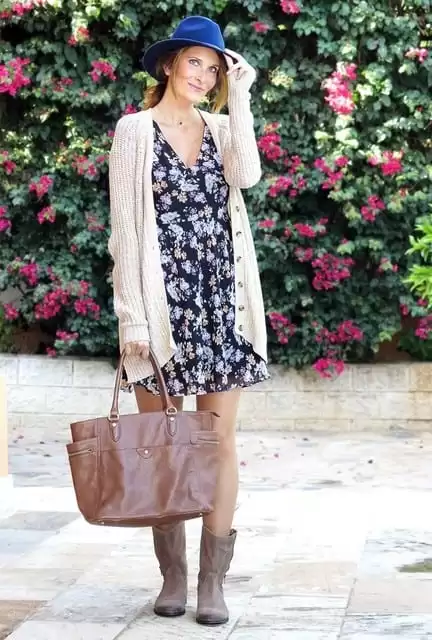
Nail the Printed Dress Formula
Floral dresses and fedoras work beautifully when you match the hat’s intensity to the print. Bold, busy florals need a structured felt fedora to provide visual anchor, while delicate prints pair better with softer straw versions. The brown boots here echo the hat’s earthy tone, creating a cohesive color story that grounds the feminine print.
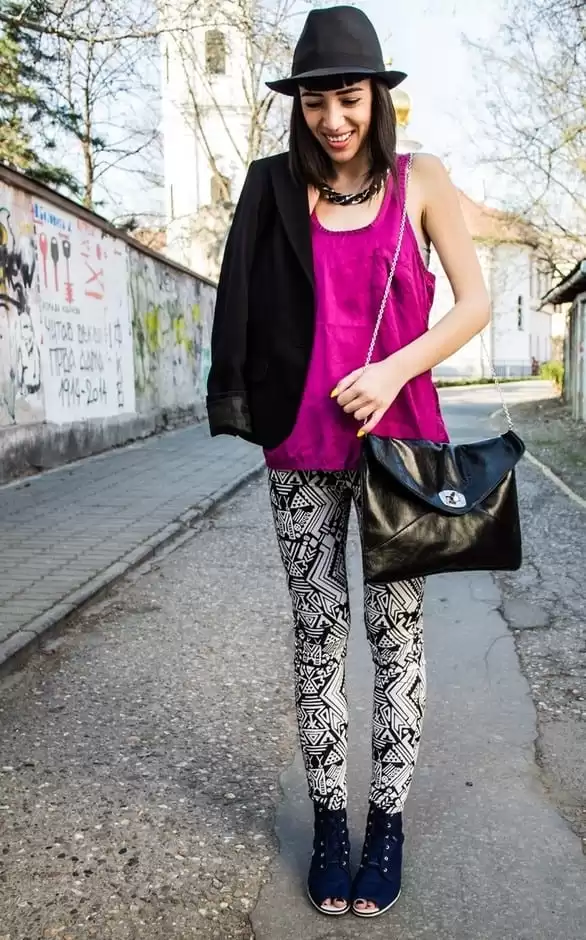
Make Statement Leggings Work
Patterned leggings require solid color anchoring throughout the rest of your outfit. The black fedora, blazer, and bag create enough visual weight to balance the geometric print without competing. This only works when your top remains simple — any additional patterns would push the look into costume territory.
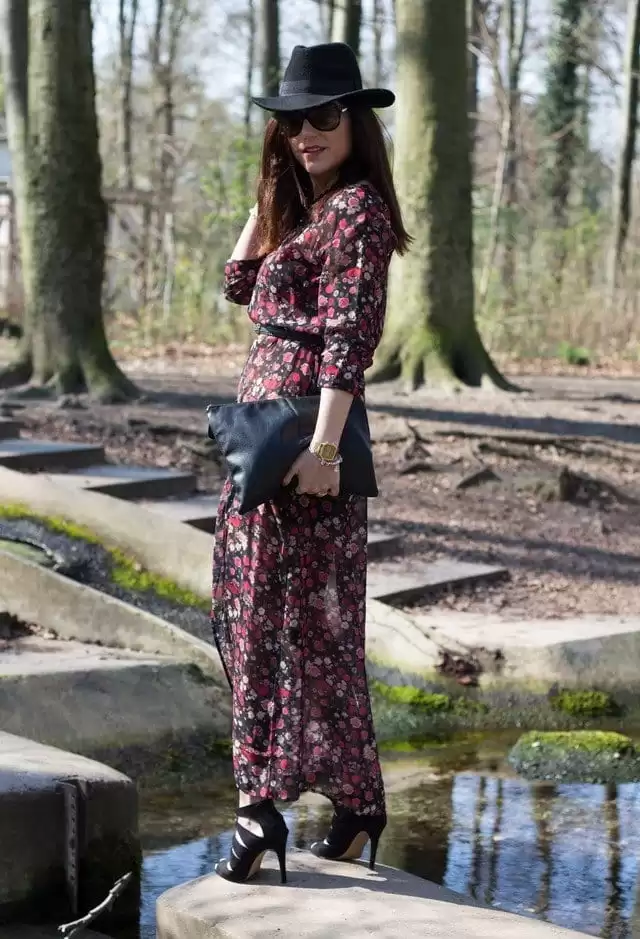
Create Flowing Maxi Magic
Long dresses with fedoras need defined waistlines to prevent looking shapeless. Whether through a belt, the dress’s natural construction, or strategic tucking, your waist must remain visible. The hat adds structure to flowing fabrics, but only when your silhouette maintains some definition. Platform shoes help maintain proper proportions with floor-length hemlines.
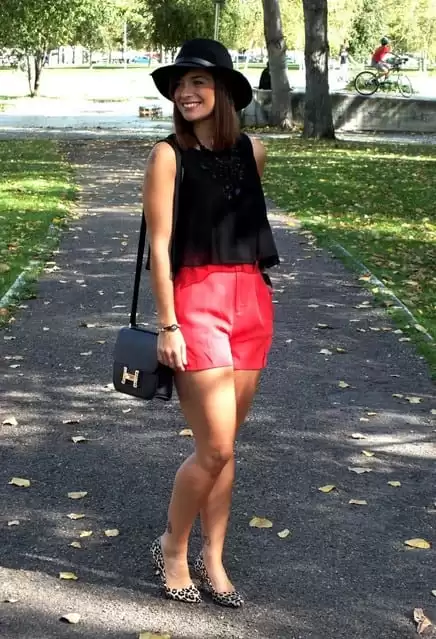
Style with Bright Colors Strategically
Vibrant pieces like this coral skirt need a neutral fedora to avoid color clash. Black or brown hats work best with bright bottoms because they provide visual grounding without competing for attention. The key is keeping your top neutral as well — three bold elements (hat, top, and bottom) would overwhelm the eye.
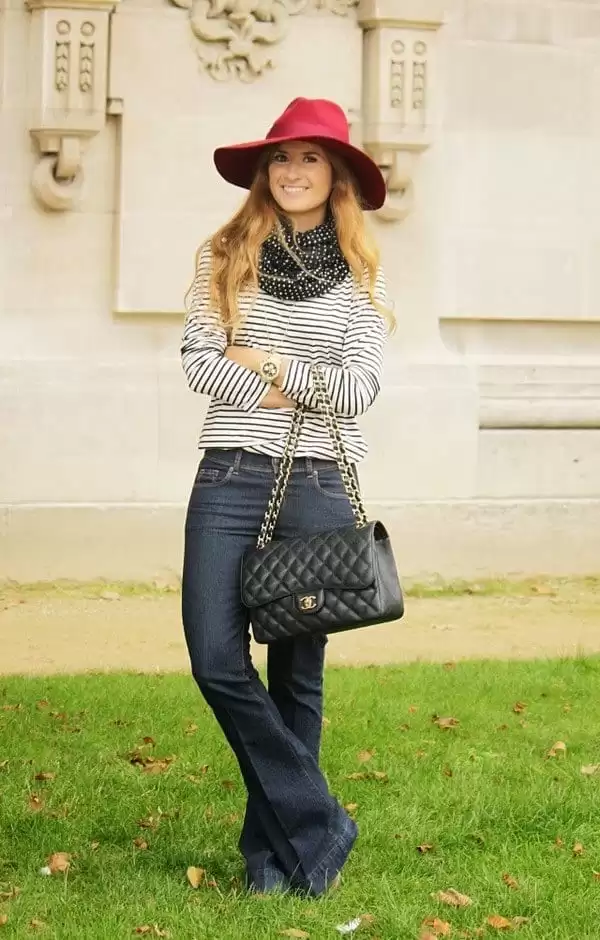
Layer Scarves for Autumn Sophistication
Adding a scarf between your fedora and jacket creates textural depth and seasonal appropriateness. The scarf should complement the hat’s color family — this polka dot scarf works because it shares the same navy base as the hat’s band. Avoid bulky scarves that compete with the hat’s brim for face-framing space.
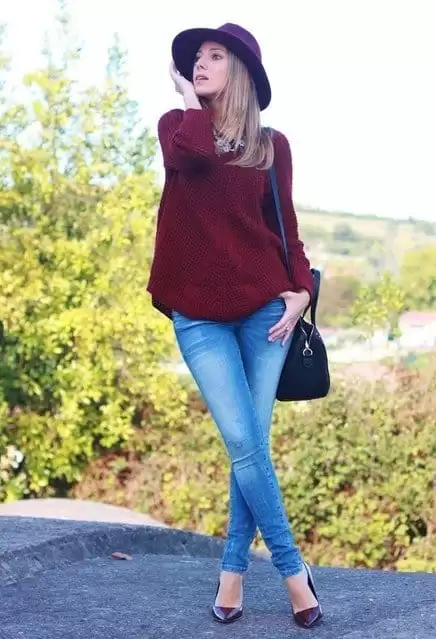
Perfect Casual Knitwear Pairing
Chunky sweaters need structured accessories to prevent looking sloppy, making fedoras ideal partners. The hat’s defined shape counterbalances the sweater’s soft drape, while dark denim grounds both pieces. Choose sweaters with interesting necklines — this boat neck creates better proportions than crew necks, which can compete with the hat’s horizontal line.
Master Bohemian Layering
Multiple patterns and textures require a unifying element — here, the black fedora anchors the various prints and provides visual rest. The key to successful boho styling is varying pattern scales: large geometric cardigan, medium floral top, and small-scale accessories. Without the hat’s solid presence, this combination would feel chaotic.
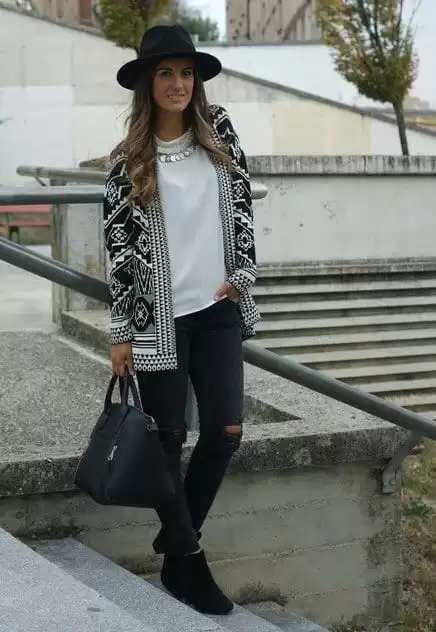
Choose the Right Wide-Leg Proportions
Extra-wide palazzo pants need fitted tops and substantial hat brims to maintain balance. A narrow-brimmed hat would look overwhelmed by these pants’ volume, while the wide brim creates proportional harmony. Always tuck or semi-tuck your top with wide-leg pants — loose tops create a shapeless silhouette that fedoras cannot rescue.
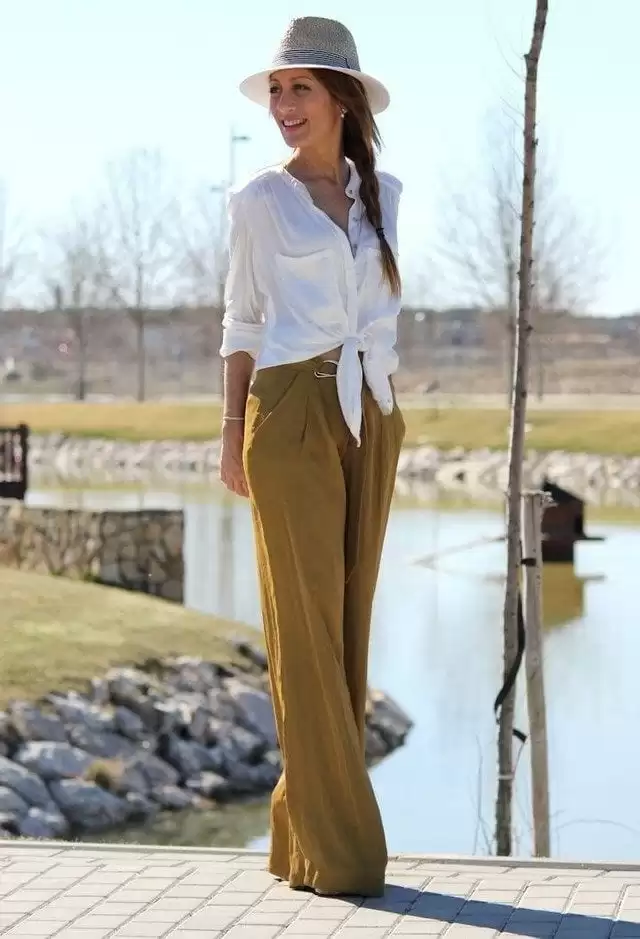
Style Mini Skirts with Confidence
Short hemlines and fedoras create an unexpectedly sophisticated combination when styled thoughtfully. The hat adds maturity to potentially juvenile mini skirts, while the short hemline keeps the hat from looking too serious. Choose opaque tights or boots to maintain modesty, and ensure your top provides adequate coverage.
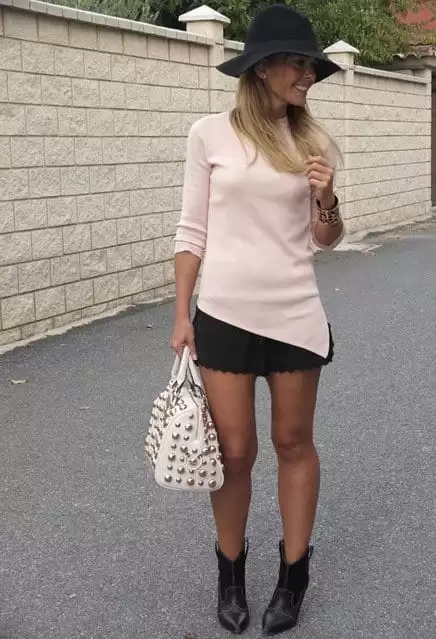
Perfect Distressed Denim Styling
Ripped jeans benefit from polished accessories that elevate the casual destruction. The fedora and structured blazer transform weekend denim into intentional street style. The key is choosing distressing that feels current rather than overdone — strategic knee rips work better than all-over shredding when paired with sophisticated accessories.
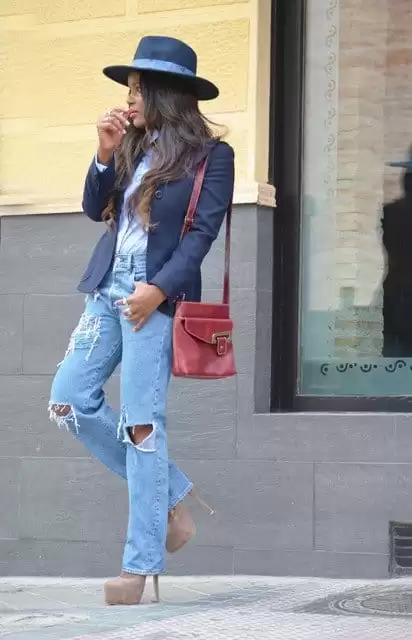
Layer Denim on Denim Successfully
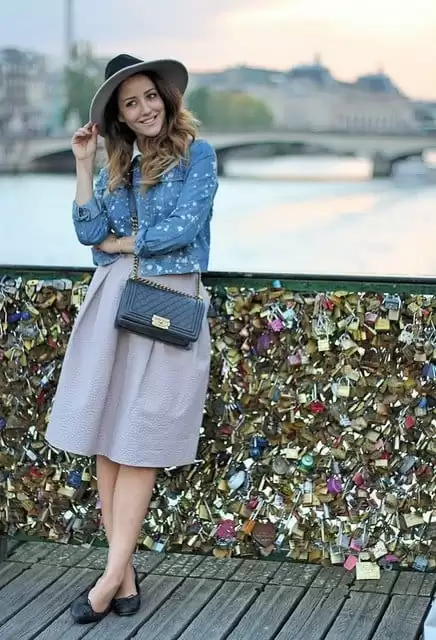
Double denim requires contrasting textures and tones to avoid looking monotonous. This lighter wash shirt over darker jeans creates sufficient contrast, while the black fedora breaks up the blue palette. The floral skirt adds feminine softness to the masculine denim combination, preventing the look from feeling too utilitarian.
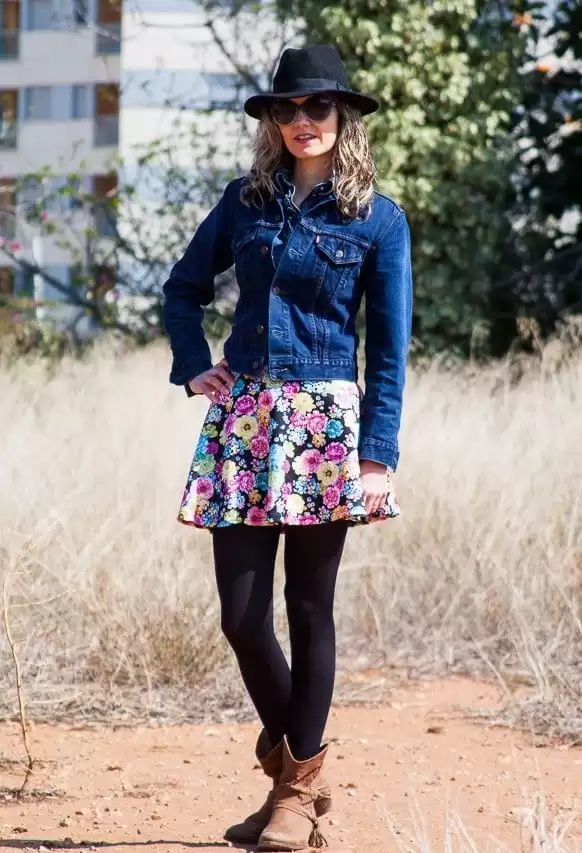
Style Oversized Cardigans Properly
Long, flowing cardigans need structured elements to prevent overwhelming your frame. The fedora provides this structure at face level, while fitted jeans create balance at the bottom. Without these defined pieces, oversized cardigans can make you appear shapeless. The cardigan’s length should never compete with the hat’s presence.

Create Vintage-Inspired Combinations
Modern vintage styling requires contemporary elements to feel current rather than costume-like. This combination works because the distressed jeans and modern accessories update the classic cardigan-and-hat pairing. Pure vintage looks can appear affected, but mixing eras creates sophisticated, wearable style.
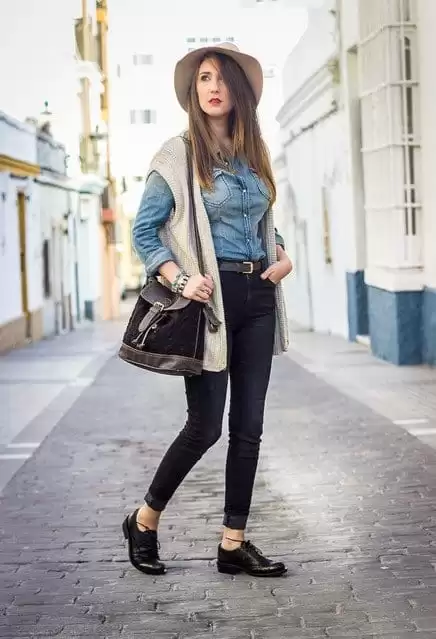
Master Statement Poncho Styling
Dramatic outerwear like ponchos need simple foundations underneath to prevent visual chaos. The black base layers allow the poncho’s pattern to shine, while the fedora provides necessary structure to balance the poncho’s flowing shape. Fitted bottoms are essential — loose pants would create an overwhelming silhouette.
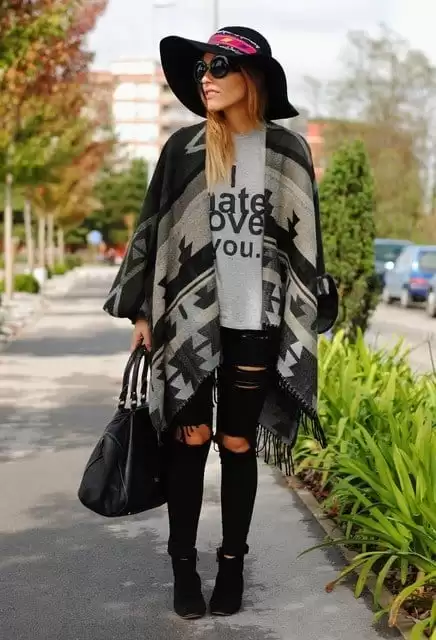
Style Sleeveless Pieces for Transition Seasons
Sleeveless tops with fedoras create interesting seasonal tension that works beautifully in spring and fall. The hat suggests cooler weather while bare arms acknowledge warmth — this combination feels current and weather-appropriate for unpredictable seasons. Choose structured sleeveless pieces over flowing tanks for better proportion balance.
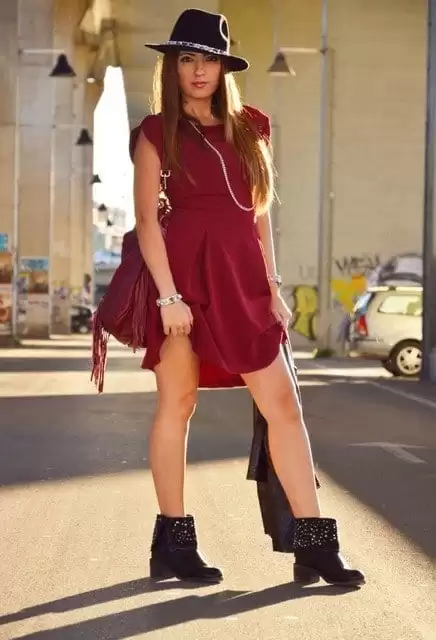
Perfect Business Casual Integration
Incorporating fedoras into professional settings requires subtle styling and classic colors. Navy, black, or brown hats work best in conservative environments, paired with tailored pieces that maintain professionalism. The key is ensuring your hat enhances rather than distracts from your overall presentation. Save avant-garde styles for weekend wear.
Style Kimono-Style Cardigans
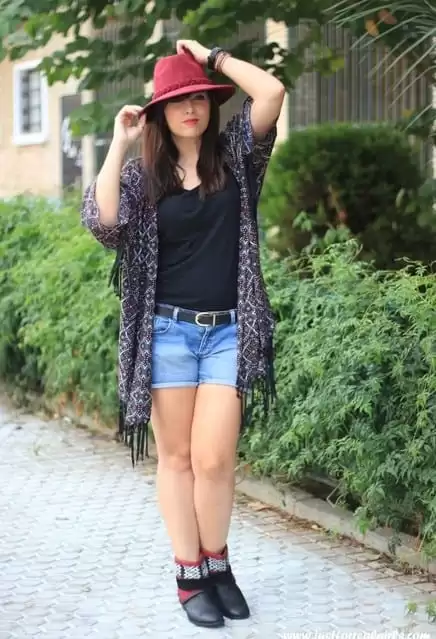
Flowing kimono cardigans create beautiful draping that complements fedoras’ structured lines. The contrast between hard and soft elements prevents either piece from overwhelming your outfit. Choose kimonos with interesting patterns or textures, but ensure they don’t compete with your hat for attention. Fitted bottoms are essential to ground the flowing upper layers.
Create Textural Interest with Scarves
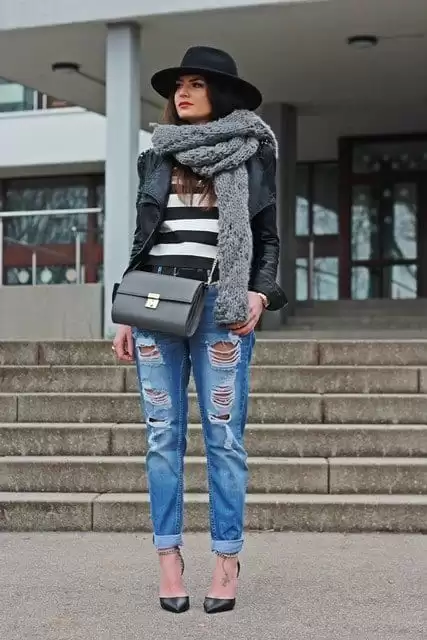
Chunky scarves add dimensional layering between your fedora and outerwear, creating sophisticated autumn styling. The scarf should complement your hat’s color family while adding textural contrast. Avoid scarves that bulk up around your neckline — they should enhance the hat’s face-framing qualities, not compete with them.
Master Trench Coat Combinations
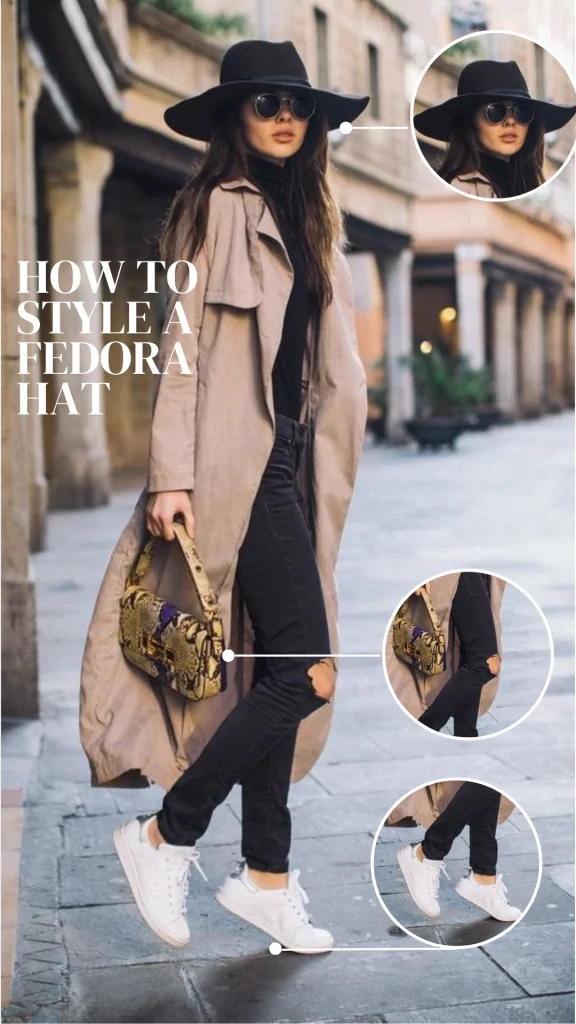
Classic trench coats and fedoras create timeless elegance that transcends seasonal trends. Both pieces share similar proportions and structured silhouettes, making them natural partners. The key is choosing complementary colors — this neutral palette feels sophisticated and intentional. Add modern elements like contemporary sneakers to keep the combination feeling fresh.
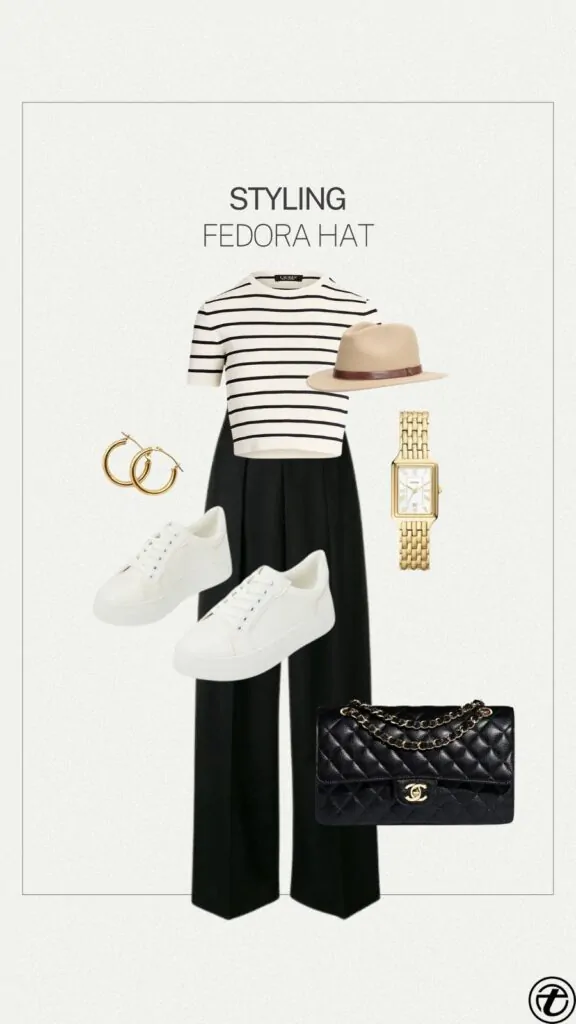
Perfect the Striped Foundation
Striped basics provide graphic simplicity that allows fedoras to shine without competing elements. This classic combination works because stripes create visual interest without overwhelming the hat’s presence. Choose horizontal stripes for broader shoulders or vertical stripes for a lengthening effect, but ensure the stripe width complements your hat’s scale.
Dos & Don’ts
How to Wear a Neckerchief? 22 Tips and Outfits for Women
25 Outfit Ideas On How to Wear a Brown Bag
What to Wear with Tote Bags? 22 Stylish Outfit Ideas
How To Style Metallic Bags? 30 Outfit Ideas & Tips
How To Wear A Baseball Cap – 20 Pro Styling Tips
How to Wear a Clutch? 20 Styling Tips to Follow
What Jewelry to Wear for Work? 19 Ideas
20 Mini Bag Outfit Ideas and How to Style Them