Most men think gentleman equals stuffy. I’ve spent ten years proving them wrong, and the mistake costs them respect, opportunities, and confidence every single day.
The fit comes first — always. A perfectly tailored £50 shirt beats an expensive one that pulls across your chest or bunches at the waist. I tell every client the same thing: fit is 80% of looking like a gentleman, everything else is just decoration. Get the proportions right, and you’re already ahead of 90% of men out there.
The real problem isn’t that men don’t want to dress well — it’s that they’re paralysed by extremes. Either they’re buying everything the internet tells them to, or they’re so afraid of looking overdressed that they settle for mediocre. Both approaches fail because they ignore the most important rule: gentleman dressing is about intention, not imitation.
A Guide to Dressing Up as a Gentleman
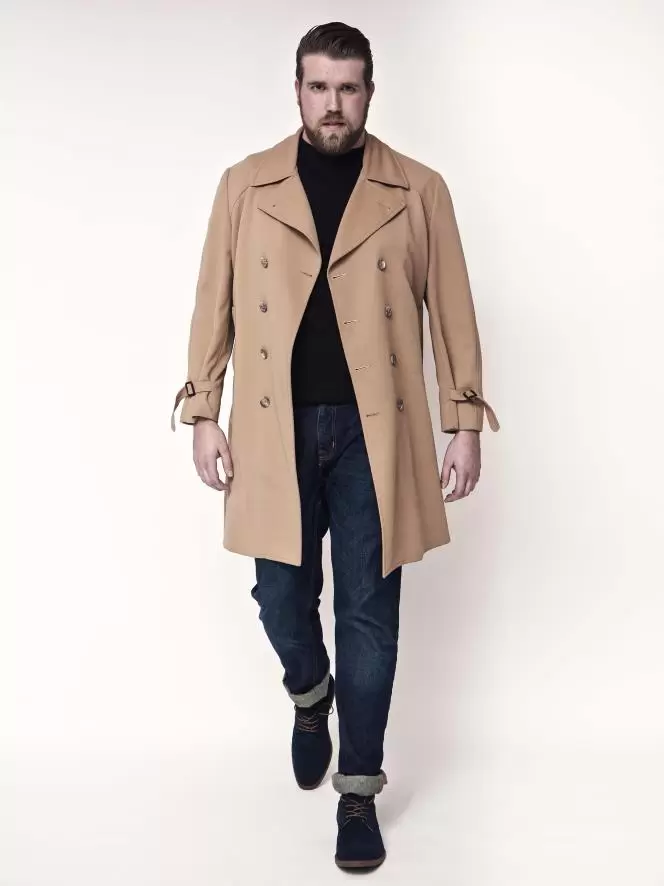
Master the Trench Coat Foundation
The trench coat remains the ultimate gentleman’s outer layer because it works with everything from jeans to suits. This camel version demonstrates perfect proportion — hitting mid-thigh, not knee-length like most men choose. The key is wearing it open over fitted layers rather than buttoned up like a bathrobe. Notice how the black turtleneck creates contrast without competing, while the dark jeans keep the look grounded instead of overly formal.
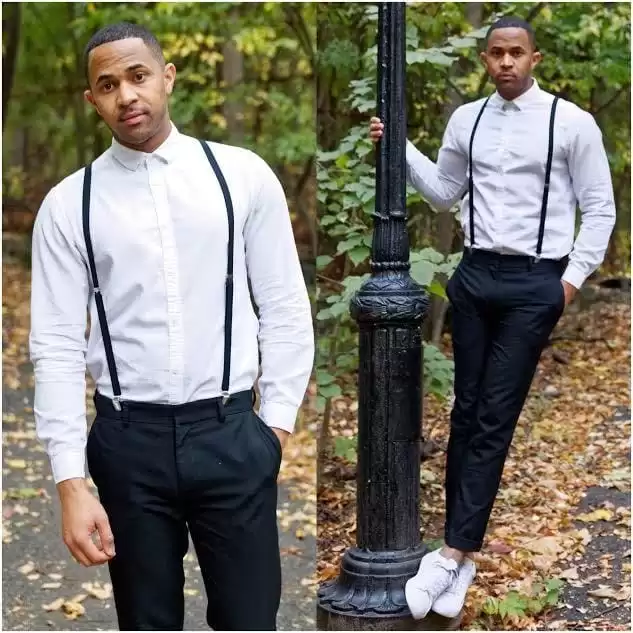
Use Suspenders as Statement, Not Costume
Suspenders work when they’re functional, not theatrical. This outfit shows exactly how: thin straps over a fitted white shirt, paired with tailored trousers that actually need the support. The mistake most men make is treating suspenders like a bow tie — something you add for effect. Instead, they should replace your belt entirely and create clean lines from shoulder to hem. The white sneakers keep this from looking like a period drama.
Layer Leather Jackets Over Formal Elements
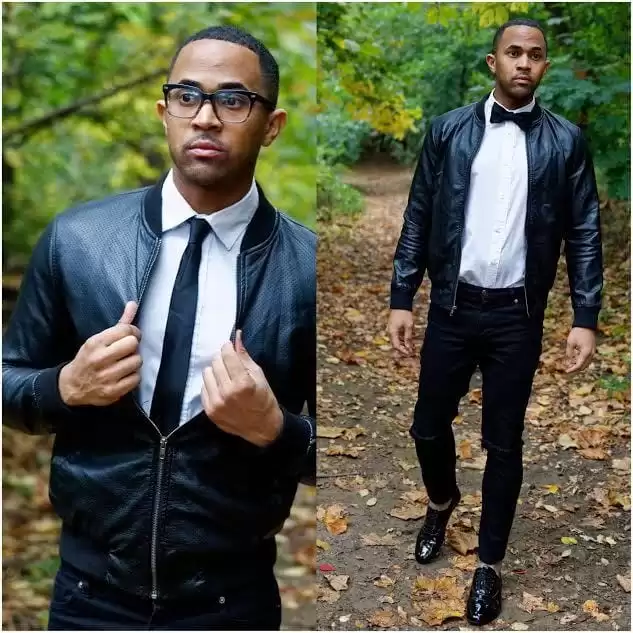
The gentleman’s secret weapon is mixing formal and casual in unexpected ways. This leather jacket over a dress shirt and tie breaks every traditional rule — and that’s exactly why it works. The key is choosing structured leather over distressed and keeping everything else sharp and clean. The bow tie adds personality without looking like you’re trying too hard, while the black trousers create a cohesive base that lets the jacket be the star.
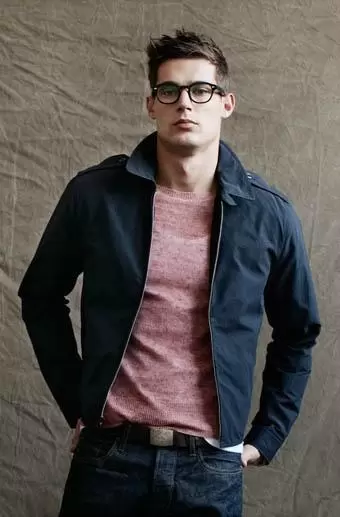
How To Dress Like Nerdy Boy 28 Outfit Ideas
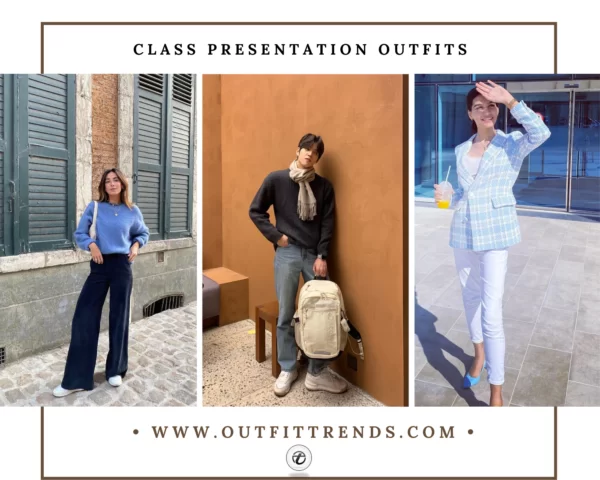
How To Dress For Class Presentation? 20 Outfit Ideas
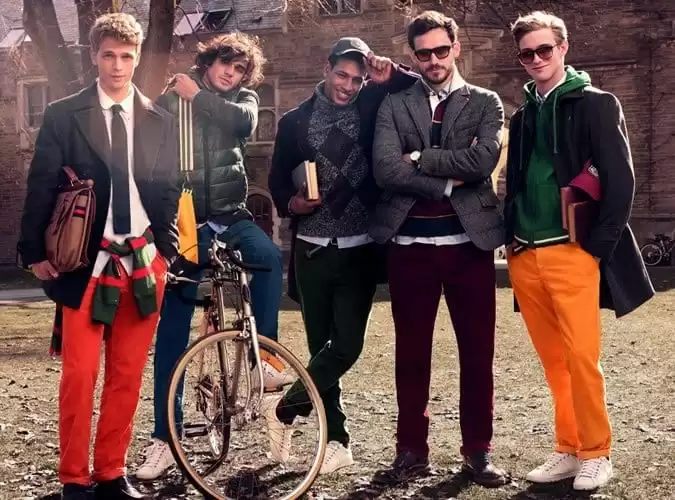
How To Dress Preppy For Men – 12 Outfit Ideas
How to Dress Up for University Interview?10 Best Outfits for Men
35 Latest Style Engagement Dresses For Men In India
30 Amazing Men’s Suits Combinations to Get Sharp Look
45 Best Boating Outfit Ideas for Men & Styling Tips

30 Best Formal Outfit Ideas for Men & Styling Tips
The word “gentleman” originally had nothing to do with clothing — it simply meant a man who didn’t work with his hands. The clothing associations came later, when visible leisure became a status symbol.
Dos & Don’ts
Classic Gentleman’s Outfits That Actually Work
Smart Casual with Chelsea Boots
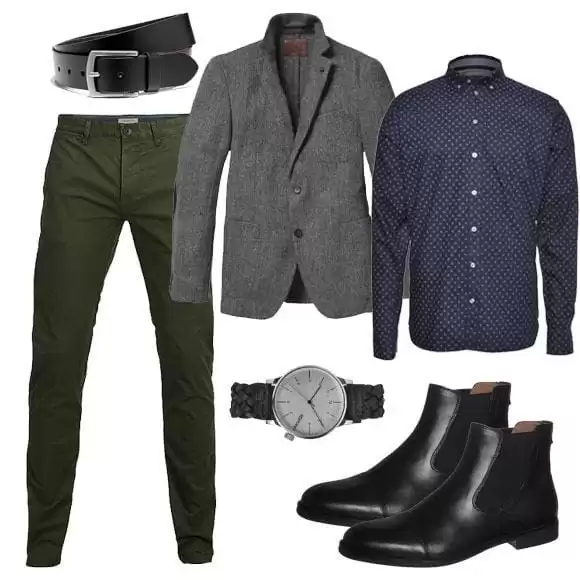
Forest green chinos paired with a grey wool blazer and navy patterned shirt creates an ideal smart casual look. The Chelsea boots ground the outfit while maintaining versatility for both office meetings and weekend dinners. This combination works best for men who want to look polished without the formality of a full suit.
Navy Cardigan and Cropped Trousers
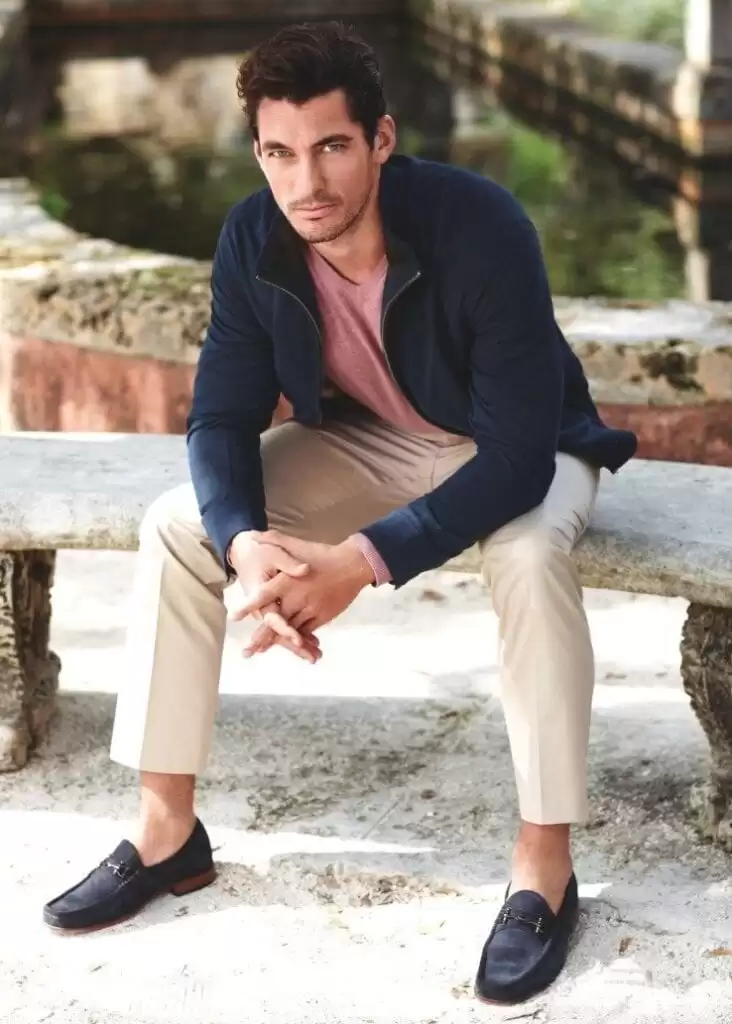
The relaxed fit of this navy cardigan over a burgundy henley demonstrates how layering adds depth without bulk. Cropped beige trousers with loafers create a continental European aesthetic that’s perfect for warmer climates. This look suits men comfortable with showing ankle and embracing a more relaxed approach to tailoring.
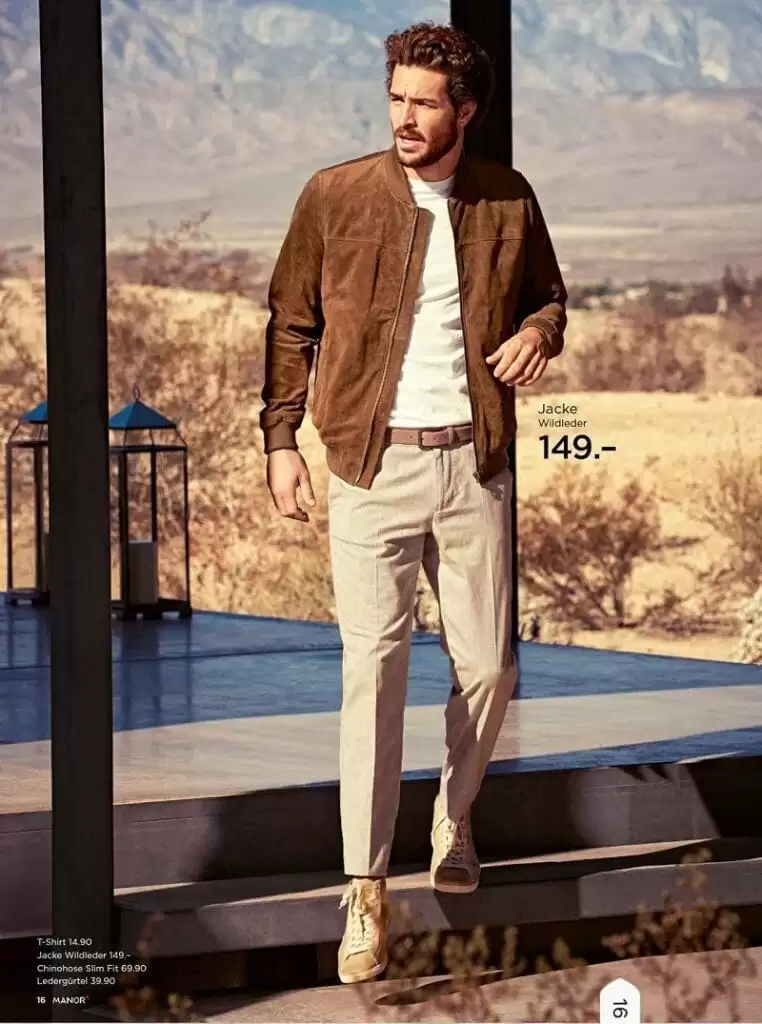
Suede Bomber with Neutral Tones
A tan suede bomber jacket transforms basic beige trousers and a cream tee into something more intentional. The monochromatic palette creates visual harmony while the suede texture adds richness without being overly dressy. Desert boots complete the look with rugged sophistication that works for casual Friday through weekend activities.
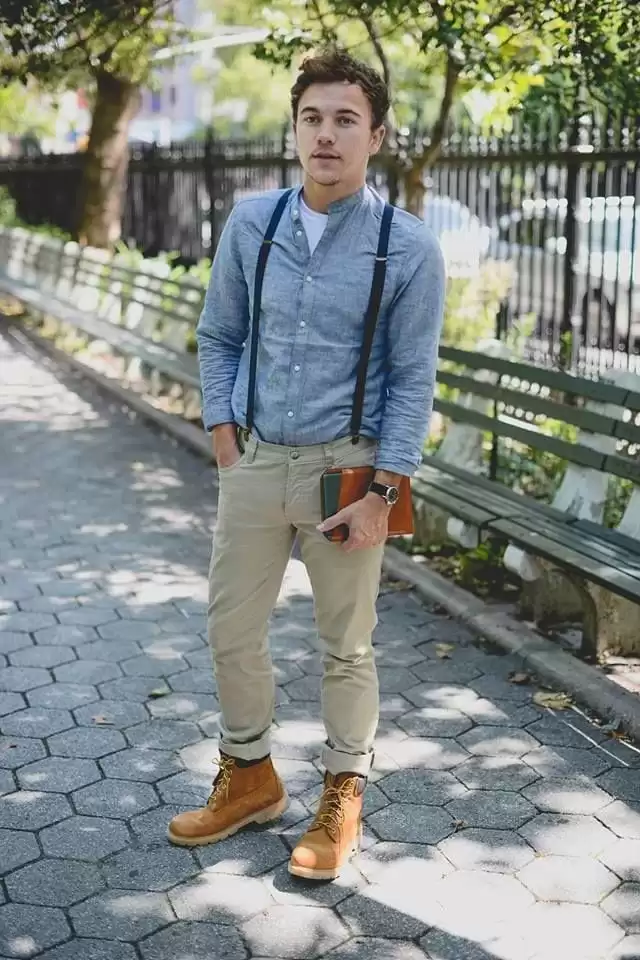
Chambray Shirt with Suspenders
Suspenders paired with rolled khaki chinos and work boots create an authentic workwear-inspired look. The chambray shirt provides the perfect casual foundation while the suspenders add character without looking costume-like. This outfit works for creative professionals and weekend wear where personality matters more than polish.
Quick tip
Choose navy as your suit foundation — it works in more situations than black or grey.
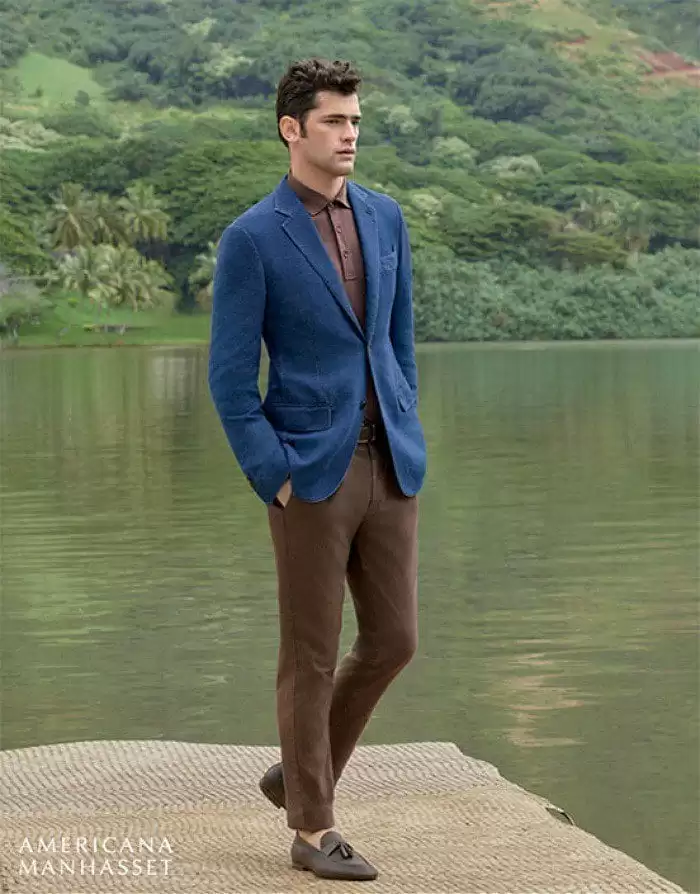
Blue Blazer with Brown Accents
This blue linen blazer paired with chocolate brown trousers demonstrates the power of complementary earth tones. The relaxed tailoring and loafers keep it approachable while maintaining sophisticated proportions. Perfect for summer events where you need to look dressed up but not overdone.
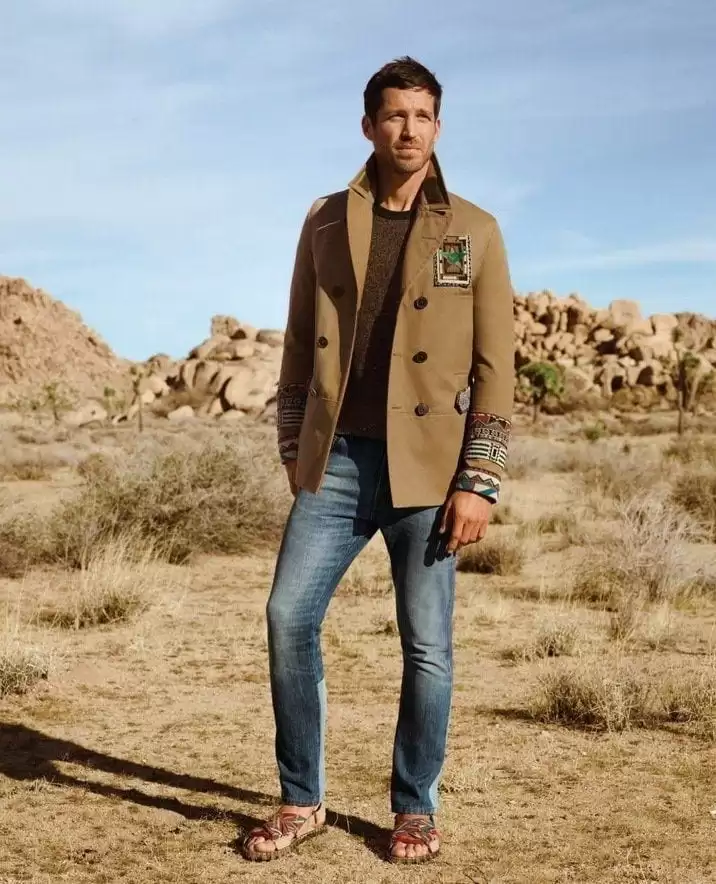
Double-Breasted Coat Over Casual Base
A camel double-breasted coat elevates simple jeans and a knit sweater into something genuinely refined. The coat’s structured silhouette contrasts beautifully with the relaxed underlayers, creating visual interest. This approach works for men who want to invest in one statement outerwear piece that transforms their entire wardrobe.
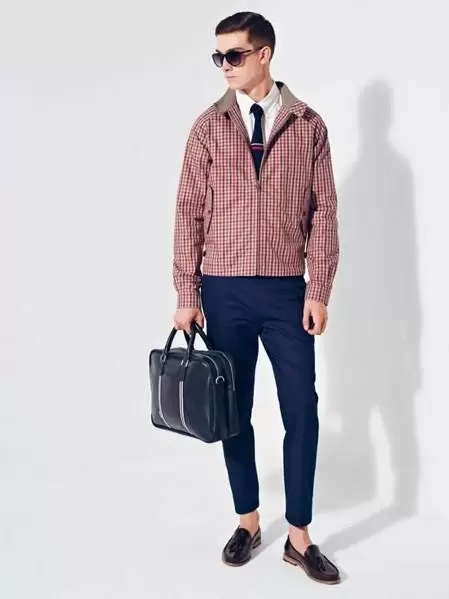
Gingham Harrington with Tailored Trousers
The gingham Harrington jacket paired with navy tailored trousers strikes an ideal balance between casual and formal. Cropped trousers show just enough sock to add personality while maintaining clean lines. This look works particularly well for men who want to appear put-together without looking overly serious.
Quick tip
Roll your jeans once for a cleaner look with loafers or boat shoes.
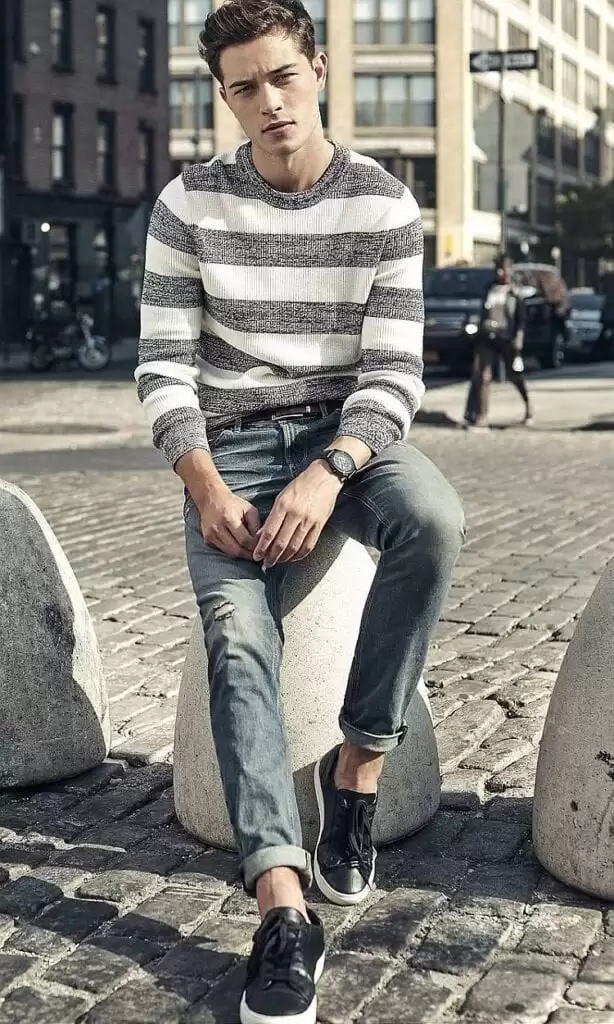
Striped Sweater with Raw Denim
Wide horizontal stripes in this knit sweater create visual weight that balances perfectly with substantial raw denim jeans. The contrast between refined knitwear and rugged denim exemplifies smart casual dressing. Black sneakers keep the look grounded and approachable for everyday wear.
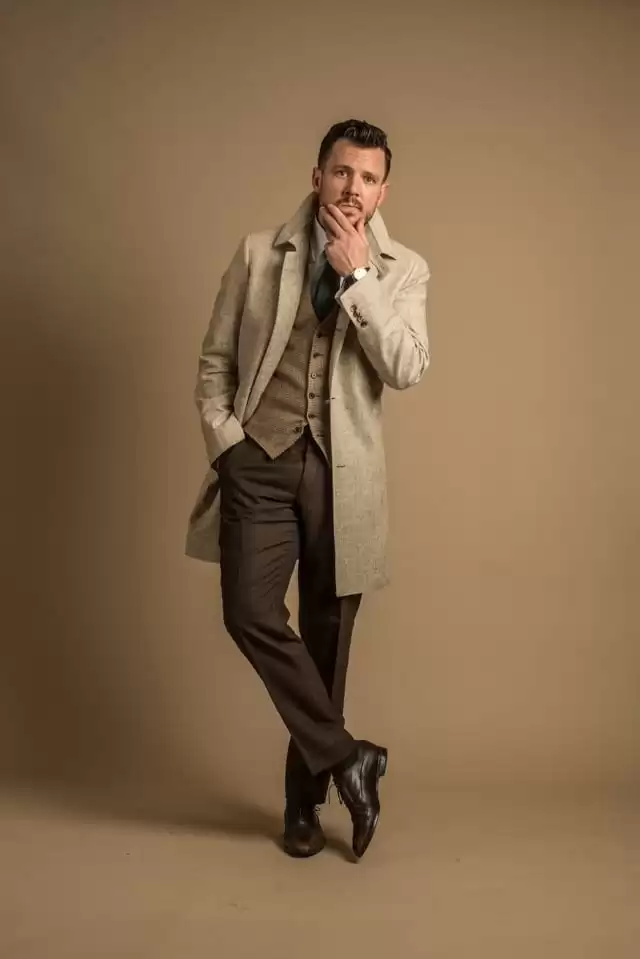
Three-Piece Suit with Overcoat
The light grey overcoat worn over a complete three-piece brown suit represents traditional formal dressing executed flawlessly. Tonal coordination between the waistcoat and trousers creates sophisticated depth while the overcoat adds gravitas. This ensemble works for formal business occasions and special events where impression matters most.
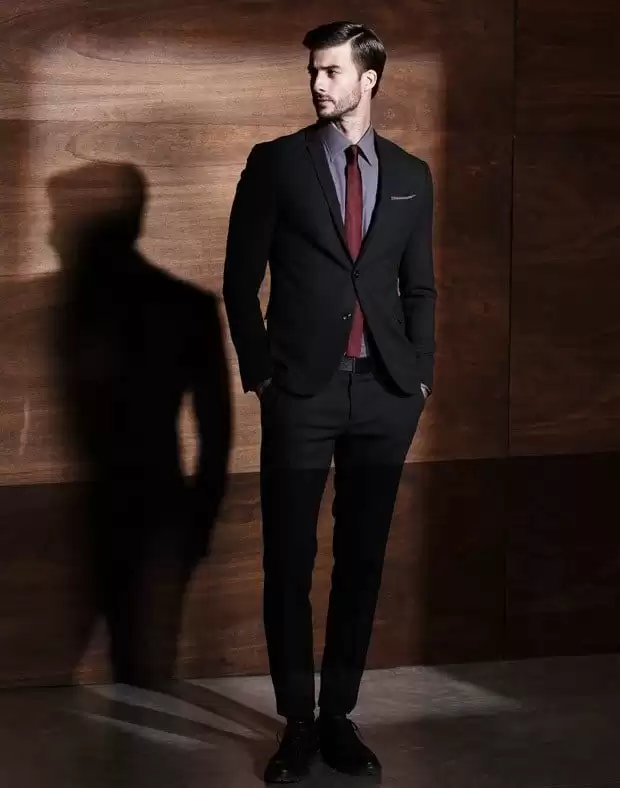
Classic Black Suit with Burgundy Tie
A perfectly fitted black suit with burgundy tie and pocket square demonstrates timeless formal wear principles. The subtle color coordination between accessories shows attention to detail without being flashy. This is the foundation every gentleman needs for formal events, business meetings, and evening occasions.
Quick tip
A waistcoat instantly elevates any suit but skip the tie for smart-casual events.
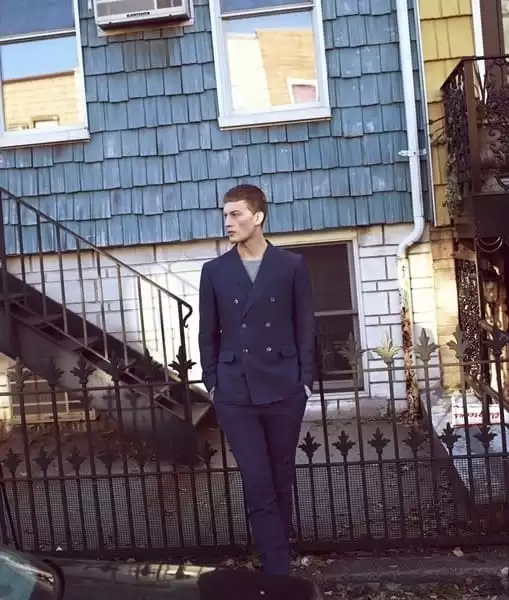
Navy Double-Breasted Suit
This classic navy double-breasted suit demonstrates perfect proportions — the jacket hits at the right length, and the trousers have a clean straight cut without excessive break. The double-breasted style adds gravitas to any professional situation, making this ideal for senior roles, client meetings, or formal events. The monochromatic navy approach keeps the focus on fit and cut rather than pattern mixing.
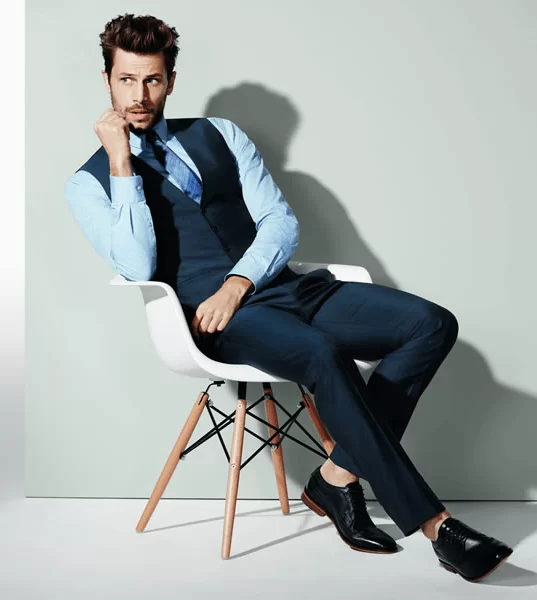
Three-Piece Navy Suit with Light Blue Shirt
The waistcoat transforms a standard navy suit into something more distinguished, while the light blue shirt creates subtle contrast without being flashy. This combination works because the tonal harmony keeps everything cohesive — navy and light blue are natural partners. Perfect for men who want to look more polished than the standard suit-and-tie approach without crossing into formal evening wear territory.
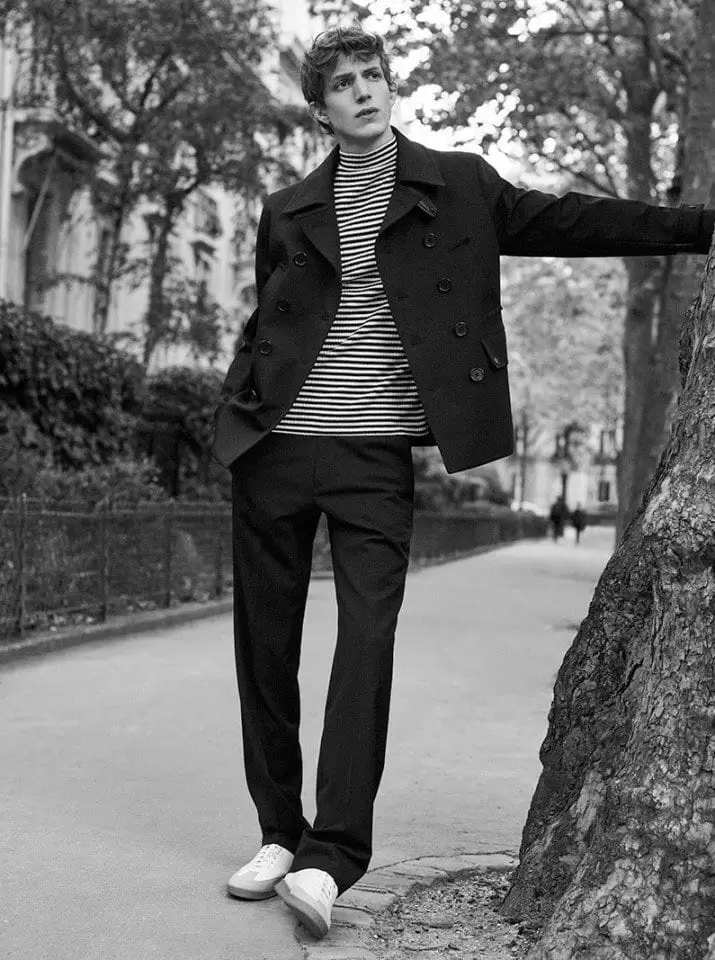
Peacoat with Striped Turtleneck
The horizontal stripes add visual interest to an otherwise monochrome outfit, while the peacoat provides structure and warmth. This works because the stripe scale is proportional — not too thin to look busy, not too wide to look cartoonish. Ideal for casual weekends or creative workplace environments where you need to look put-together but not corporate.
Quick tip
Horizontal stripes work best in medium width — avoid both pinstripes and thick rugby stripes.
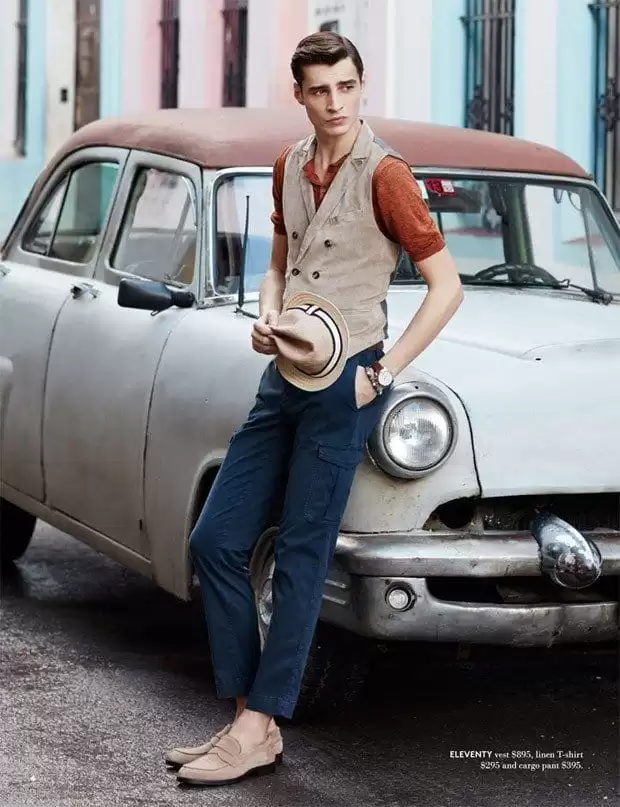
Vintage-Inspired Vest and Rolled Jeans
The knit vest over a rust-colored shirt creates an authentic 1950s aesthetic that feels intentional rather than costume-like. The rolled cuffs on the jeans show the ankle and create a cleaner silhouette with the loafers. This vintage approach works for men with a strong personal style who want to stand out from standard menswear without looking overdressed.
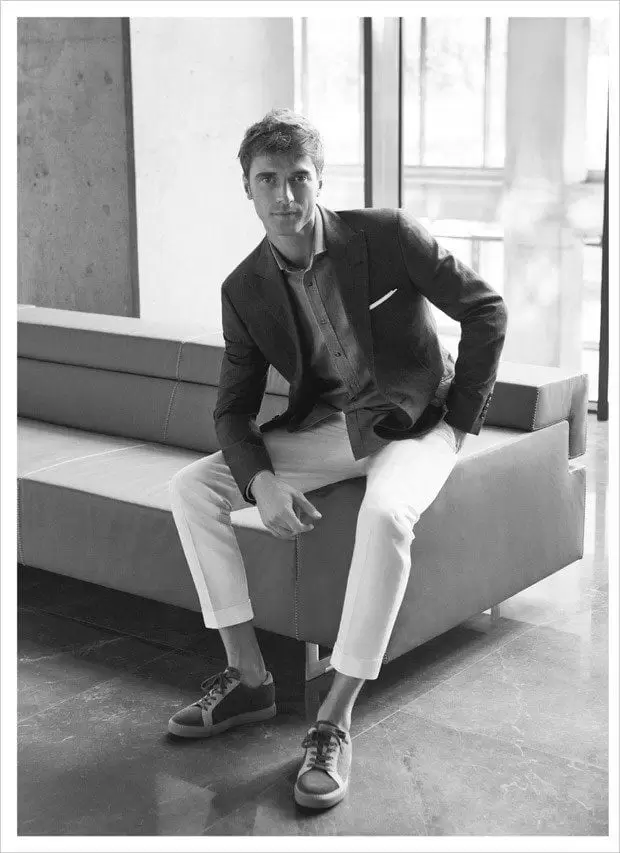
Blazer with White Chinos and Sneakers
The dark blazer grounds the white trousers, preventing them from looking too summery or casual, while clean white sneakers keep the whole outfit from being too formal. The key is the cropped trouser length — showing ankle creates a modern, intentional look rather than poor tailoring. Perfect for smart-casual events where you need to bridge the gap between professional and relaxed.
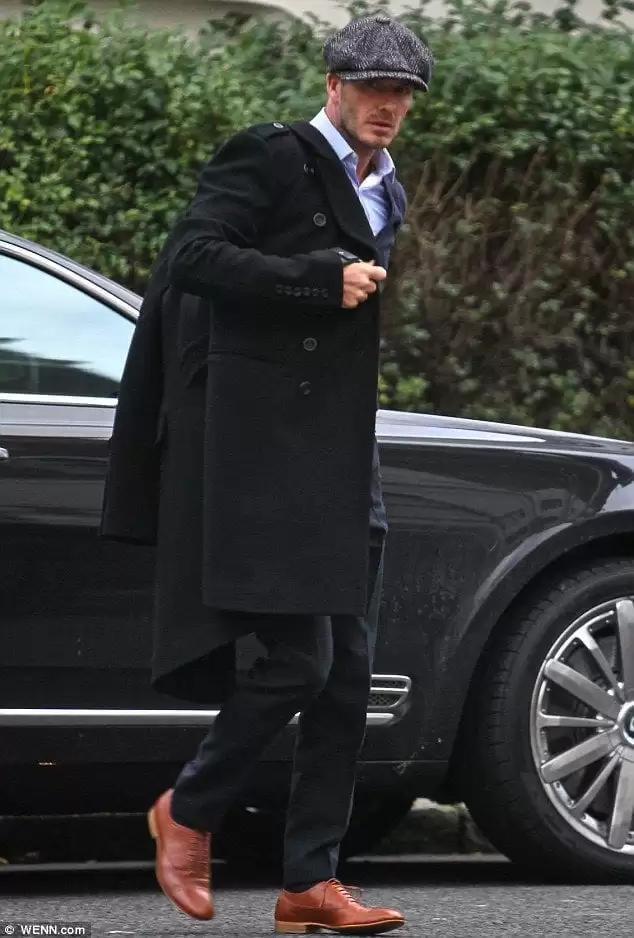
Long Overcoat with Flat Cap
The long, single-breasted overcoat creates a strong silhouette that works with both casual and formal underlying pieces. The flat cap adds character without looking affected because it matches the coat’s formality level. This approach suits men who appreciate traditional British styling and want outerwear that makes a statement while remaining practical for cold weather.
Quick tip
Match your accessories’ formality level to your outfit — flat caps with coats, not baseball caps.
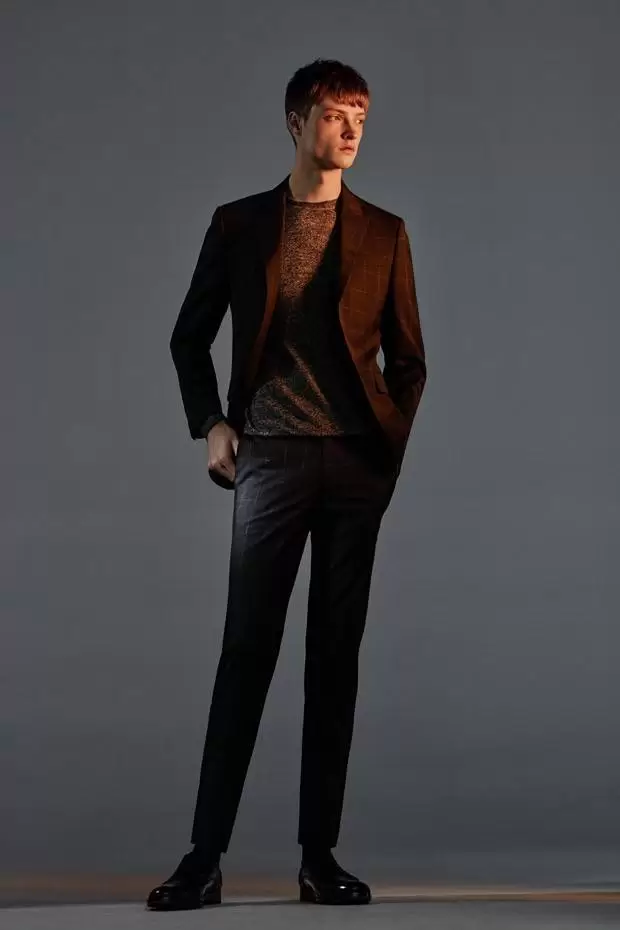
Brown Blazer with Textured Sweater
The rich brown blazer paired with a textured sweater creates depth and visual interest without requiring a shirt and tie. The tonal brown palette looks sophisticated while remaining approachable — perfect for creative professionals or evening social events. The textured knit underneath adds dimension that a plain shirt couldn’t provide.
Key takeaways
- Fit trumps everything else — a properly tailored basic suit beats an expensive one that doesn’t fit your body
- Master tonal dressing first before attempting bold color combinations or patterns
- The right trouser length matters — show ankle intentionally or break properly, never accidentally crop
- Build around one statement piece per outfit — a textured blazer, patterned shirt, or distinctive shoes
- Waistcoats and vests add instant polish but only work when the formality level matches the rest of your outfit
- Your shoes should match the occasion — sneakers for casual, leather shoes for everything else
How To Dress Like Nerdy Boy 28 Outfit Ideas
How To Dress For Class Presentation? 20 Outfit Ideas
How To Dress Preppy For Men – 12 Outfit Ideas
How to Dress Up for University Interview?10 Best Outfits for Men
35 Latest Style Engagement Dresses For Men In India
30 Amazing Men’s Suits Combinations to Get Sharp Look
45 Best Boating Outfit Ideas for Men & Styling Tips
30 Best Formal Outfit Ideas for Men & Styling Tips