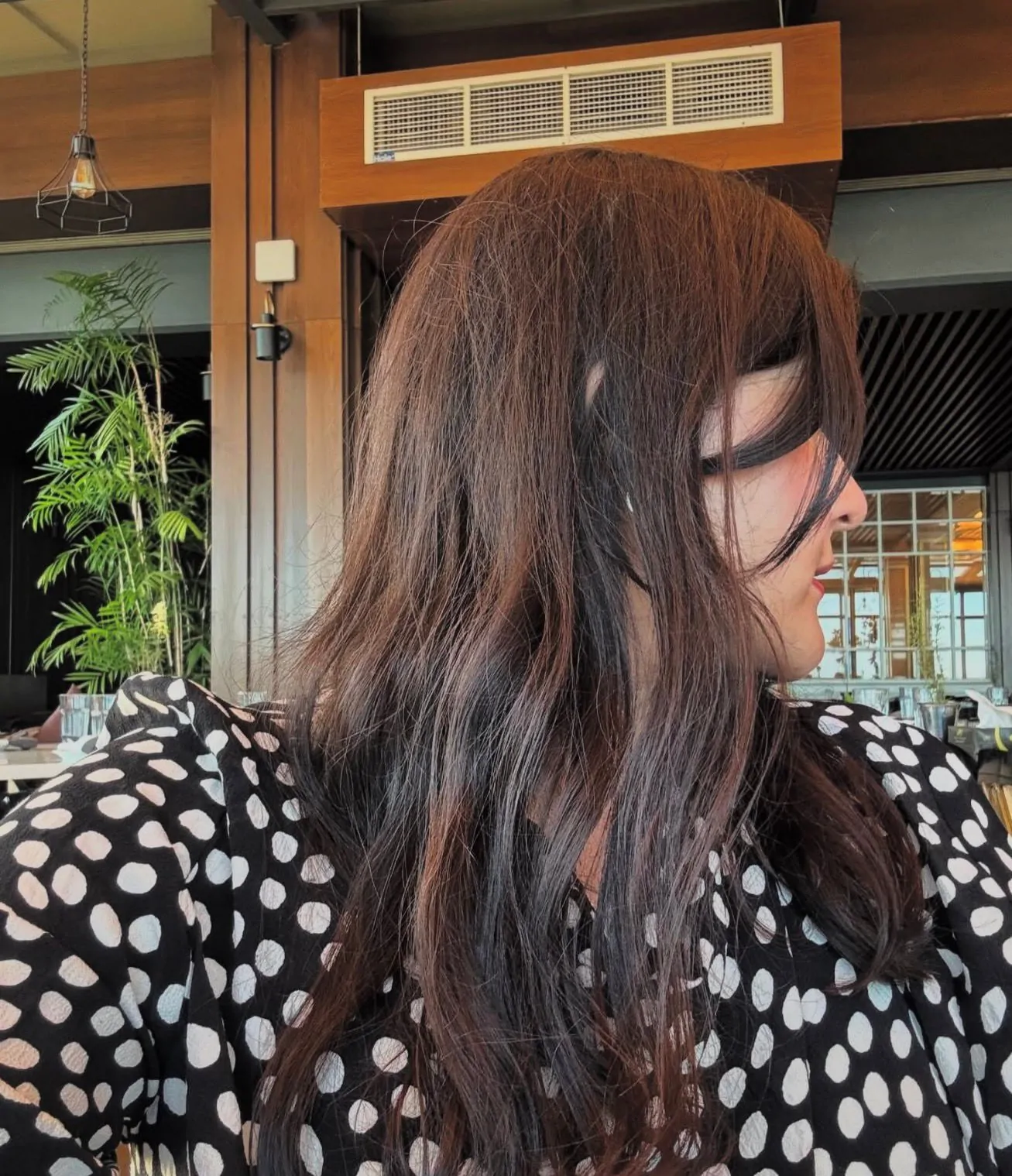
The shalwar kameez with coat combination has become the uniform of Pakistani men who want to honor tradition while looking completely modern. I see it at every mehndi, every Eid gathering, and increasingly at corporate events where Pakistani men are finding ways to bring their heritage into professional settings.
Growing up, my dad would struggle with this exact question every wedding season. He wanted to wear traditional clothes but worried about looking outdated next to cousins in sharp suits. The coat-style combination solves this perfectly — it gives you the structure and formality of Western tailoring while keeping the comfort and cultural significance of traditional wear. The key is understanding that this isn’t just throwing any jacket over a kameez. The proportions, colors, and styling have to work together.
Styling Tips
Match your coat length to your kameez length — this is the difference between looking polished and looking like you grabbed random pieces. If your kameez hits mid-thigh, your coat should end just below that point or at the same level. Too short and the proportions look off; too long and you lose the clean lines that make this combination work.
Keep sleeves fitted, not loose — traditional kameezes often have relaxed sleeves, but when you add a coat, those loose sleeves bunch up and create bulk at the armpit. Choose kameezes with closer-fitting sleeves or have a tailor adjust them. The coat sleeves should show about half an inch of kameez sleeve at the wrist.
Use the coat color to bridge formal and traditional — navy, charcoal, and deep maroon coats work because they read as formal in Western settings while complementing traditional Pakistani colors. I avoid black coats unless it’s a very formal evening event, as they can make the whole outfit feel too stark against the softer textures of traditional fabrics.
Choose complementary textures, not matching ones — pairing a silk kameez with a wool coat creates visual interest and prevents the matchy-matchy look that can make the outfit feel costume-like. Cotton kameezes work well with linen or cotton-blend coats for daytime events.
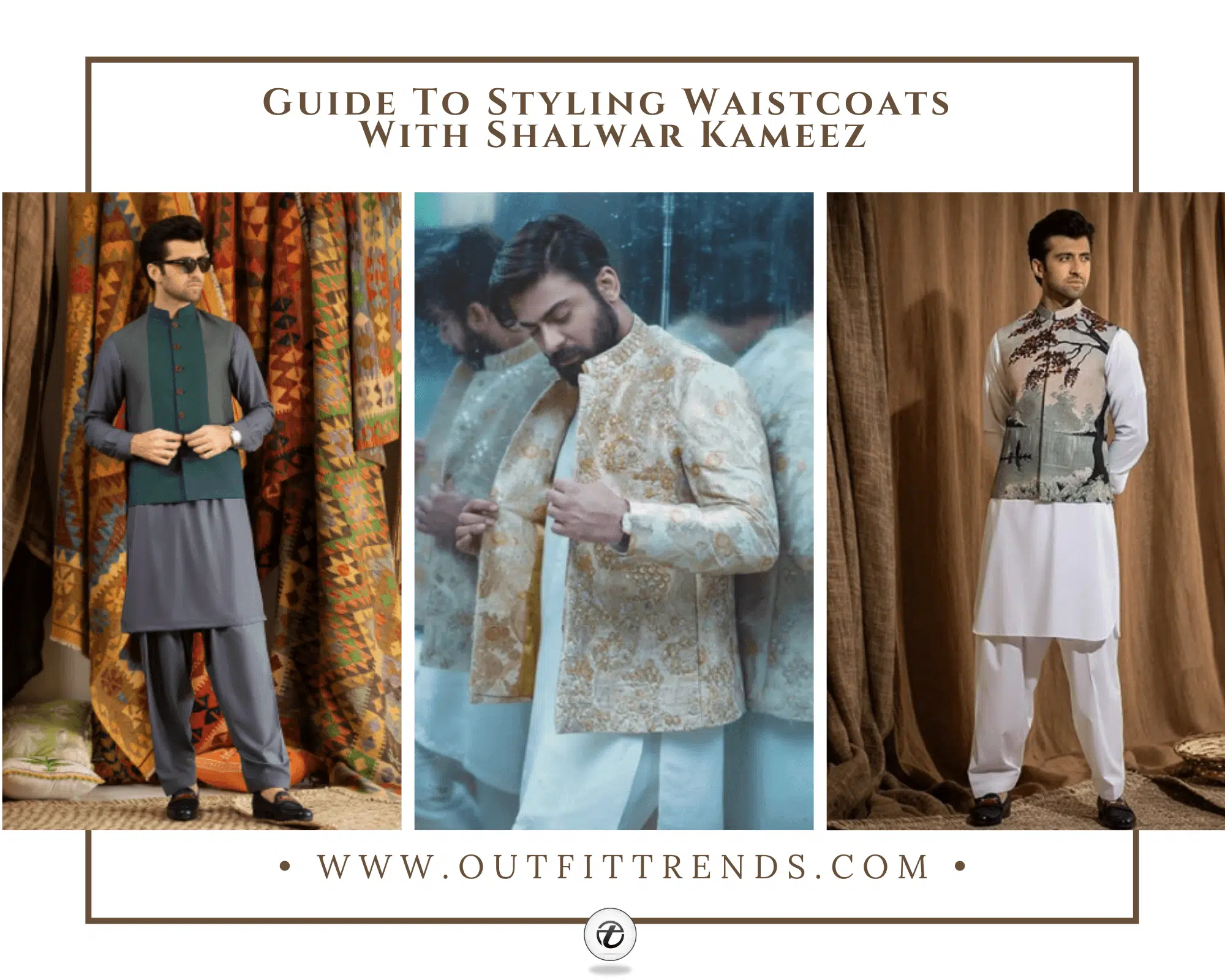
16 Stylish Shalwar Kameez & Waistcoats Combinations For Men

How to Style Long Coats for Men? 30 Outfit Ideas
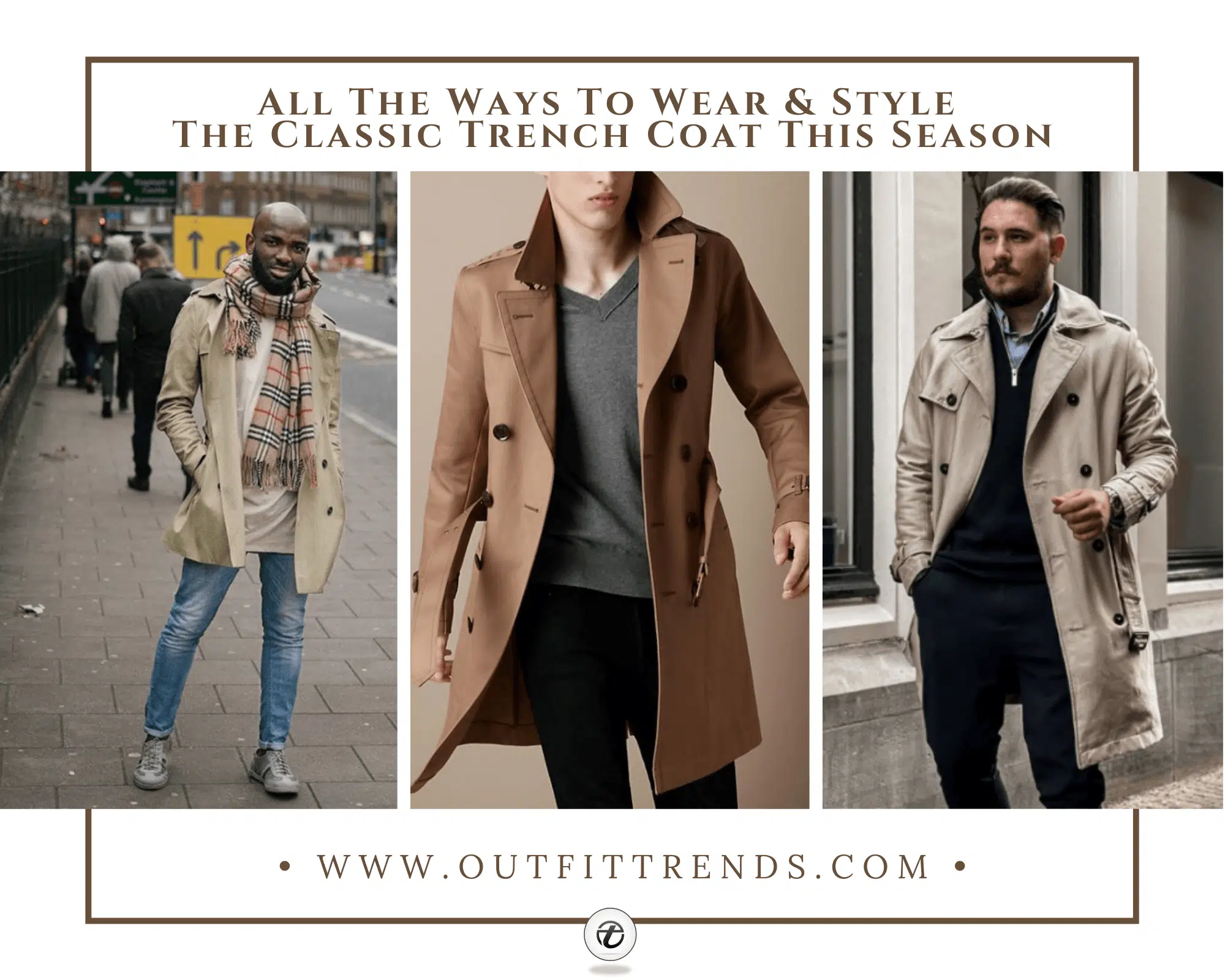
How to Wear Trench Coats? 36 Outfit Ideas for Men

How to Wear Waistcoats for Men? 18 Outfit Ideas
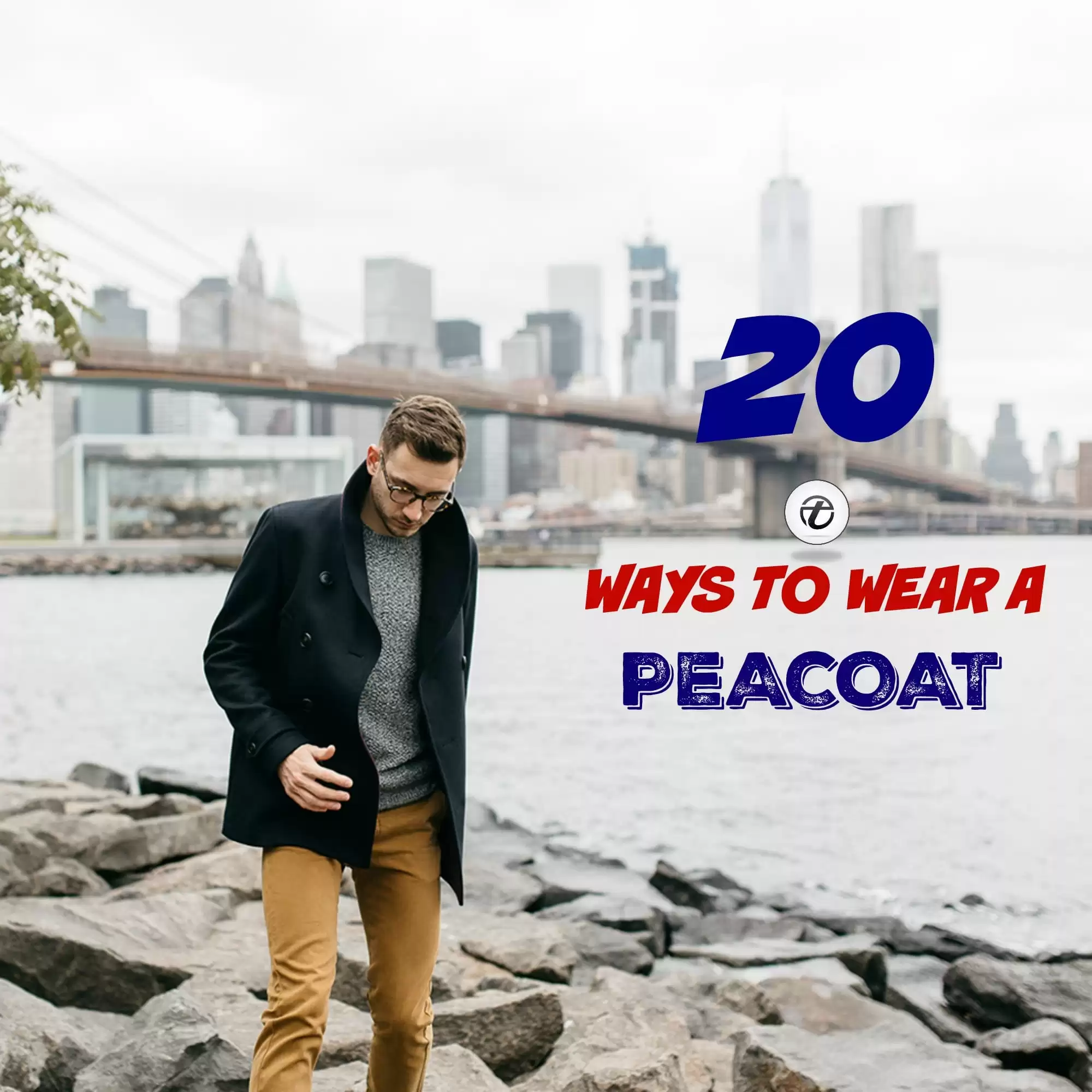
How To Wear A Peacoat ? 20 Outfit Ideas for Men
How To Wear Shearling Jacket For Men 22 Outfit Ideas

25 Latest Men’s Eid Shalwar Kameez Designs For Eid
20 Latest Style Wedding Sherwani For Men and Styling Ideas
Button strategy matters more than you think — leave the bottom button undone on your coat, just like with a Western suit jacket. For the kameez underneath, if it has a full button placket, button it completely. If it’s a kurta-style with partial buttons, leave the bottom 1-2 undone for a more relaxed look.
Color Coordination Rules
The biggest mistake I see men make is treating the coat as an afterthought rather than planning the color story from the beginning. Start with your kameez color and build outward — this is opposite to Western styling where you might start with a neutral suit and add color through accessories.
Navy and royal blue create the strongest foundation because they work across the formality spectrum. A navy coat over a white or cream kameez works for everything from office meetings to wedding ceremonies. Royal blue coats pair beautifully with cream, white, or light grey kameezes, and the combination feels distinctly Pakistani while still looking completely professional.
Burgundy and maroon coats require more careful handling — they’re gorgeous but can overwhelm lighter skin tones or clash with certain kameez colors. Test these colors against your face in natural light before committing. They work best with cream, white, or very light pink kameezes.
The coat-over-kameez style actually originated in the Mughal courts, where court dress codes required structured outer garments to show rank and formality, leading to the development of the sherwani and its modern variations.
Fabric and Texture Combinations
Fabric choice determines whether your outfit looks expensive or thrown together. Avoid pairing shiny fabrics with shiny fabrics — a silk kameez with a satin-finish coat creates too much competing shine. Instead, pair smooth textures with textured ones.
Cotton or cotton-blend kameezes work well with wool, cotton, or linen coats for daytime and semi-formal events. For evening wear, silk or fine cotton kameezes pair beautifully with wool or cotton-silk blend coats. The key is ensuring one element has more texture than the other.
Pay attention to seasonal appropriateness — heavy brocade kameezes with thick wool coats work for winter weddings but will make you look overdressed and uncomfortable at summer events. Lightweight cotton combinations are more versatile across seasons and can be dressed up or down with accessories.
Latest Shalwar Kameez with Coat Combinations
Color-Block Formal Combinations
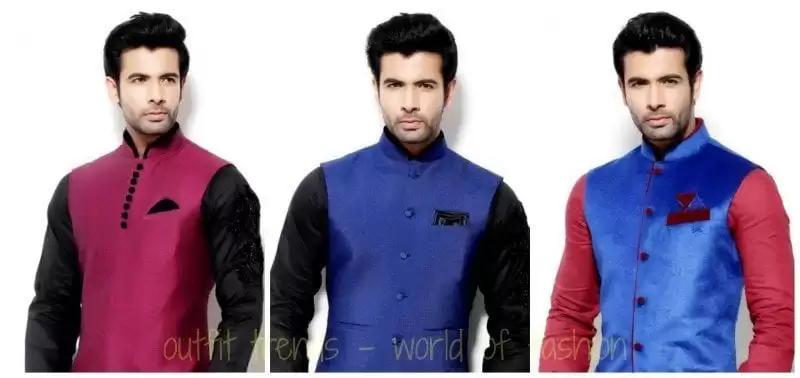
These three looks demonstrate the power of strategic color blocking — maroon with black, navy with black, and the more adventurous blue with coral red. Each combination creates a strong silhouette while keeping traditional elements intact. The fitted coats provide structure while the traditional kameez maintains cultural authenticity, making these perfect for formal family events or professional gatherings where you want to represent your heritage with confidence.
Key takeaways
- Choose coat lengths that complement your kameez proportions rather than overwhelm them
- Build your color story starting from the kameez and adding the coat as a complementary layer
- Mix textures strategically — pair smooth with textured to avoid competing surfaces
- Keep sleeves fitted rather than loose to prevent bunching and maintain clean lines
- Use your pocket square to tie colors together and show intentional styling
- Invest in proper shoulder fit for coats — it makes the biggest difference in overall appearance
**Quick Tips:**
1. Test coat colors against your face in natural light before buying — some traditional colors can wash out certain skin tones.
2. Keep a seam ripper handy for adjusting button spacing on coats to better complement your kameez style.
3. Match your belt to your shoes when wearing a coat combination — it creates a cleaner, more intentional look.
4. Choose pointed-toe shoes over round — they maintain the sleek line that coat combinations require.
5. Avoid patterns in both pieces — let one element be solid while the other carries any patterns or embroidery.
6. Press both pieces before wearing — wrinkled traditional wear with structured coats looks particularly sloppy and undermines the entire outfit.
16 Stylish Shalwar Kameez & Waistcoats Combinations For Men
How to Style Long Coats for Men? 30 Outfit Ideas
How to Wear Trench Coats? 36 Outfit Ideas for Men
How to Wear Waistcoats for Men? 18 Outfit Ideas
How To Wear A Peacoat ? 20 Outfit Ideas for Men
How To Wear Shearling Jacket For Men 22 Outfit Ideas
25 Latest Men’s Eid Shalwar Kameez Designs For Eid
20 Latest Style Wedding Sherwani For Men and Styling Ideas