

The hardest part about dressing for Ganesh Chaturthi isn’t finding something beautiful — it’s finding something that survives eleven days of celebration without making you feel overdressed for morning prayers or underdressed for evening aarti. I learned this the hard way during my first festival celebration when I chose a heavily embroidered lehenga that looked incredible for photos but felt completely wrong for the intimate home ceremony that followed.
What makes Ganesh Chaturthi dressing unique is the blend of devotion and celebration it requires. You need outfits that transition seamlessly from quiet morning rituals to vibrant community gatherings, from sitting cross-legged during prayers to dancing during visarjan. The key isn’t owning more clothes — it’s choosing pieces that work across multiple moments of the festival.
After years of festival dressing mistakes and successes, I’ve discovered that the best Ganesh Chaturthi outfits share three qualities: they’re comfortable enough for long periods of sitting, respectful enough for religious occasions, and beautiful enough to match the joy of welcoming Bappa home. Here’s exactly how to get that balance right.
Tips to Remember
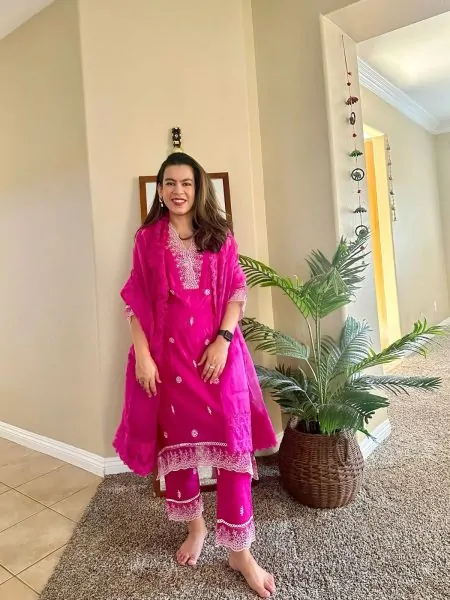
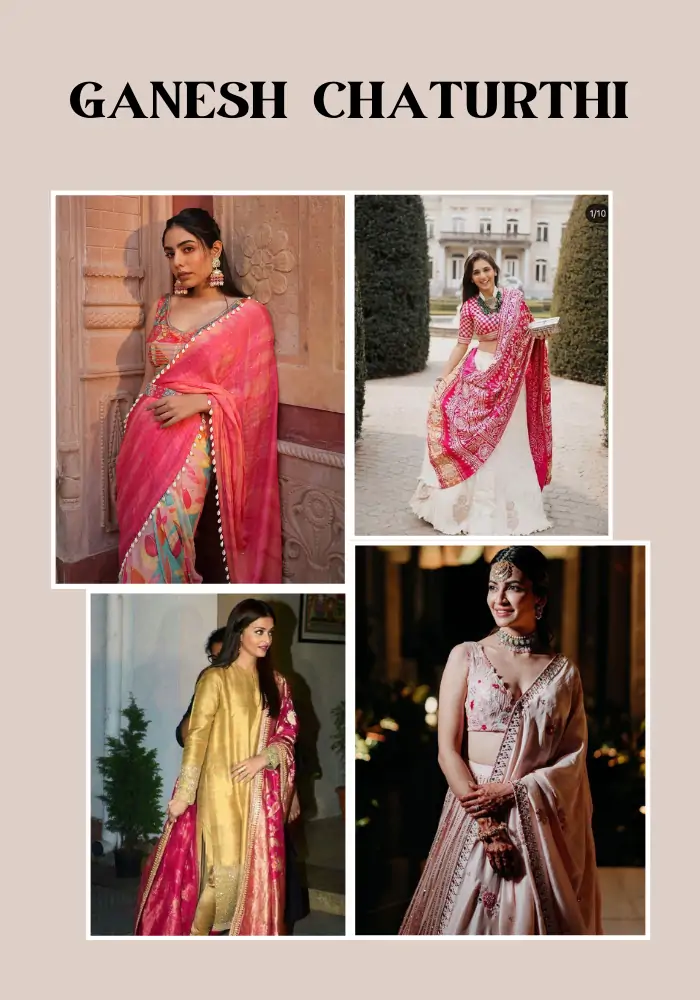
Choose vibrant colours that photograph beautifully
This bright pink suit demonstrates why bold colours work so well for Ganesh Chaturthi — they capture the festive energy and show up beautifully in photos against decorative backdrops. Pink, orange, and yellow are particularly auspicious for the festival and create that celebratory mood you want.
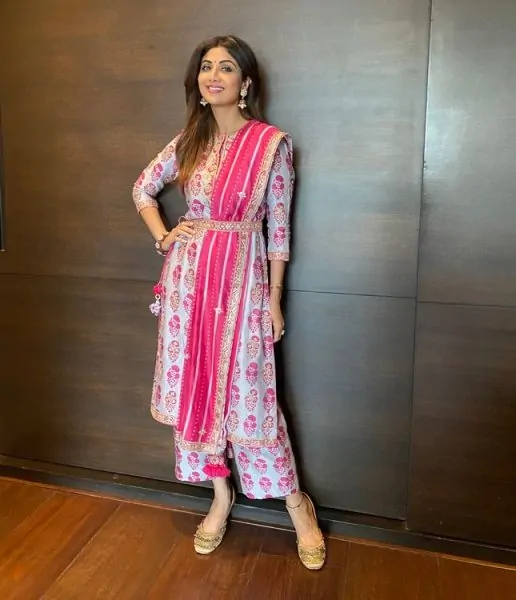
Mix prints strategically for visual interest
The combination of floral print with striped detailing shows how to layer patterns without looking chaotic. When mixing prints for festival wear, keep one pattern dominant (the florals) and use the second as accent detailing (the stripes on the dupatta). This creates depth while maintaining harmony.
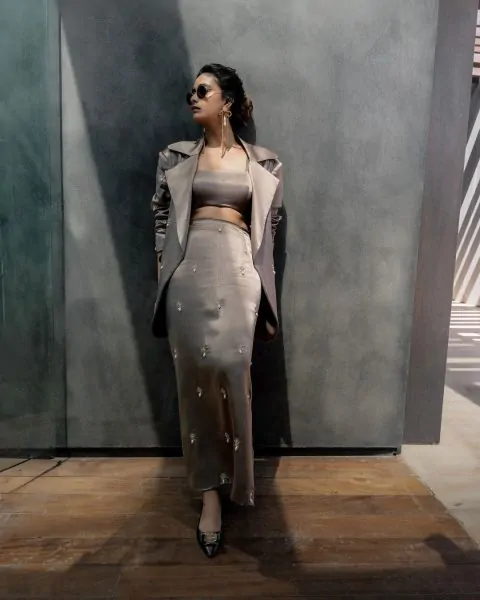
Master the art of tonal dressing
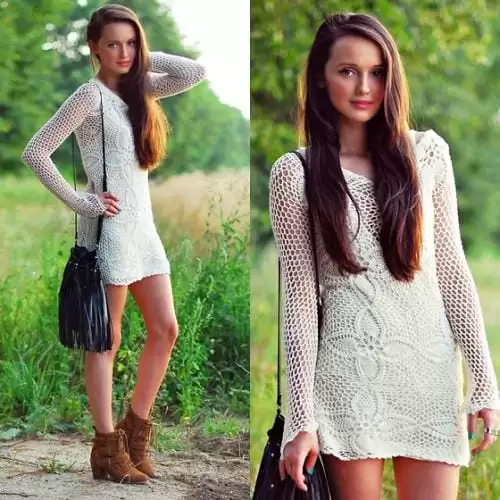
This beige ensemble proves that monochromatic dressing can be just as impactful as bright colours. When you choose one colour family, vary the textures and shades slightly — the crop top’s smooth fabric against the skirt’s flowing material creates visual interest without relying on colour contrast.

22 Internship Outfit Ideas For Women To Look Their Best
24 Cute Black Blazer Outfit Ideas for Women
20 Elegant Office Outfits For Women Over 50
How To Wear A Red Blazer – 20 Outfit Ideas
15 Fab Stagecoach Outfit Ideas You Should Try
22 Cute Crepe Skirt Outfit Ideas & Styling Tips
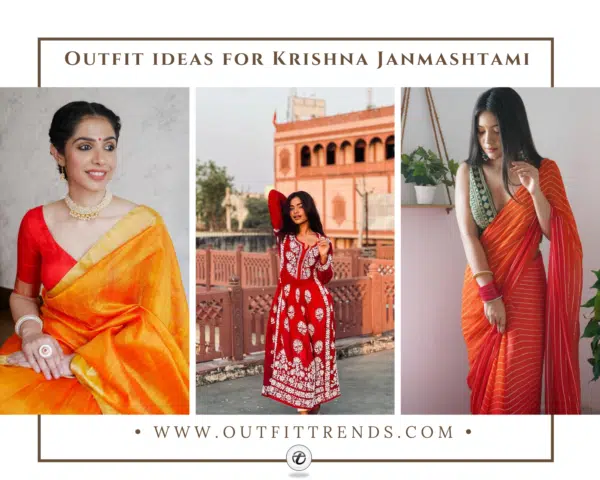
What to Wear to Krishna Janmashtami? 20 Outfit Ideas
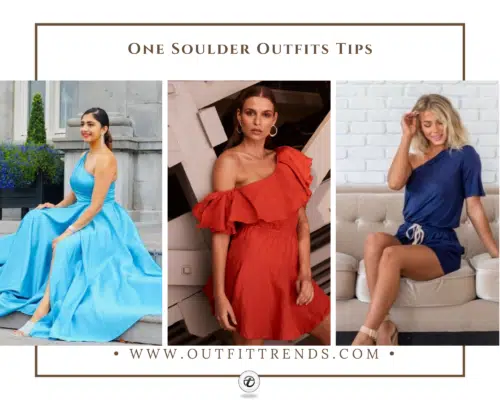
20 Best One Shoulder Outfit Ideas for Your Wardrobe This Year
The colour red is considered especially auspicious for Ganesh Chaturthi because it represents energy and new beginnings — which is why you’ll see it prominently featured in both decorations and traditional festival attire.
Invest in versatile ethnic separates
These kurta and palazzo combinations show the power of building a festival wardrobe around mix-and-match pieces. A well-fitted kurta works with different bottom styles, while palazzo pants pair with various tops. This approach gives you multiple outfit options from fewer pieces.
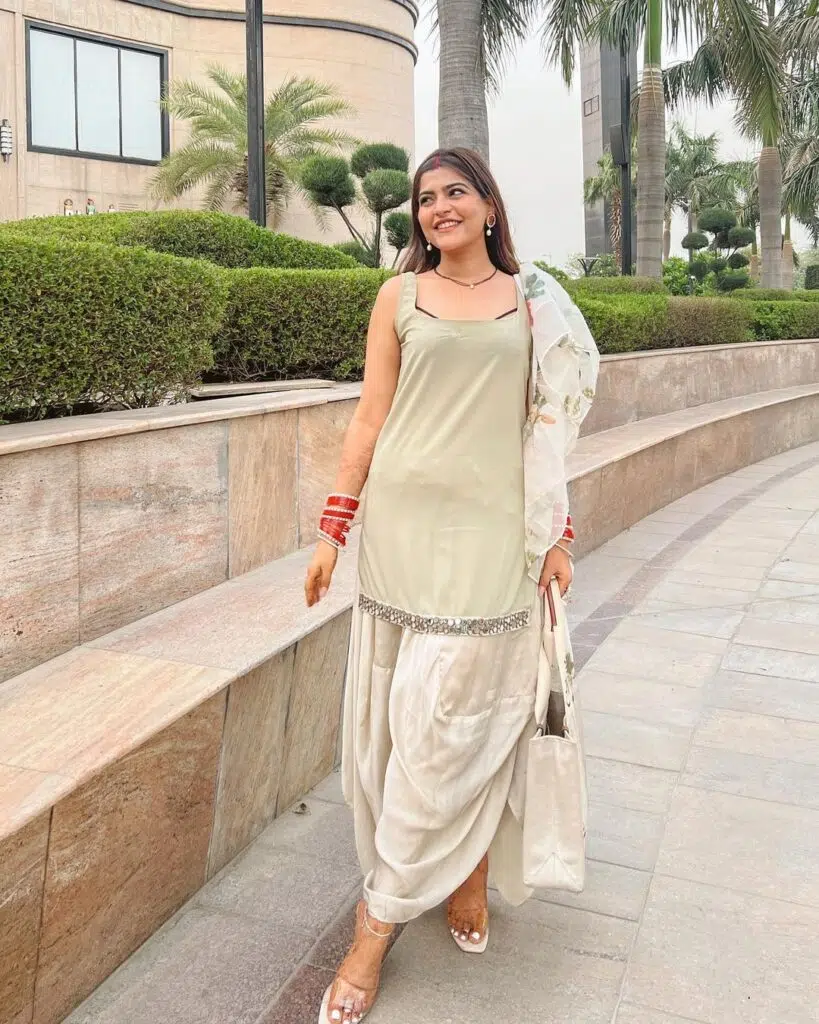
Use flowing silhouettes for comfort and elegance
This sage green dhoti-style bottom paired with a fitted top demonstrates perfect proportion balance for festival wear. The draped silhouette allows for comfortable sitting during long prayers while the fitted top prevents the overall look from appearing shapeless. The metallic belt adds definition exactly where you need it.
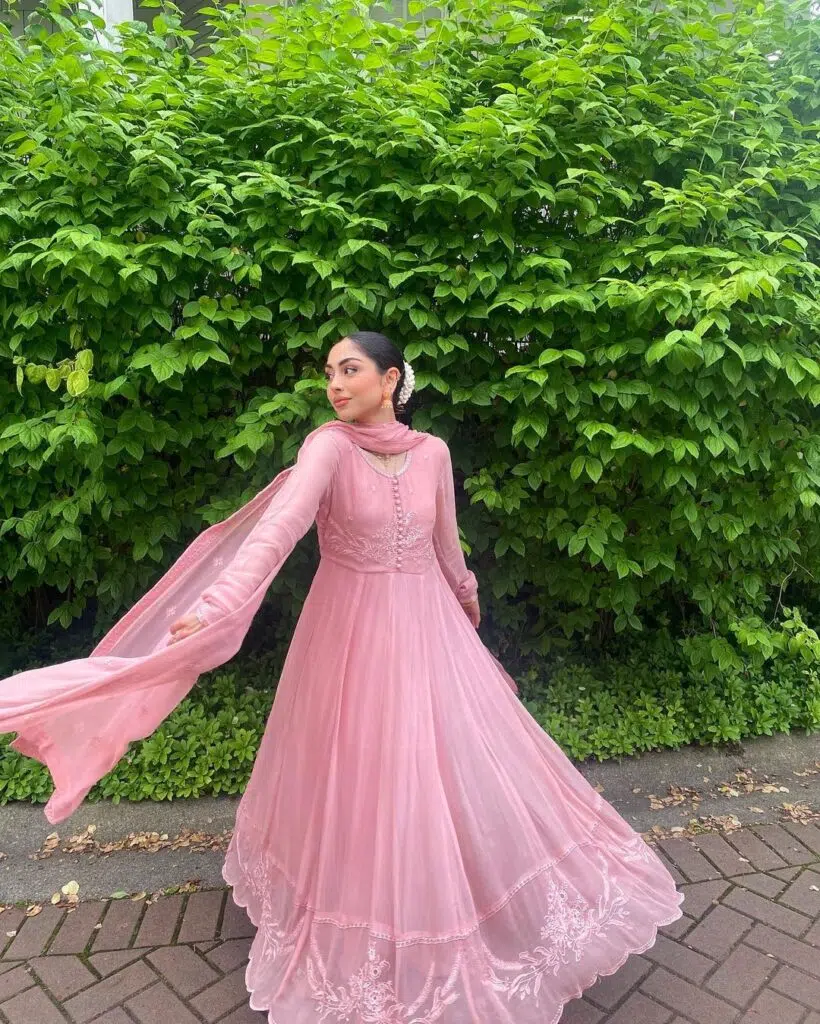
Embrace full-length anarkalis for maximum impact
This pink anarkali shows why floor-length styles work so well for Ganesh Chaturthi — they create a graceful silhouette that’s appropriate for religious ceremonies while still feeling celebratory. The fitted bodice and flowing skirt combination is universally flattering and allows for comfortable movement during rituals.
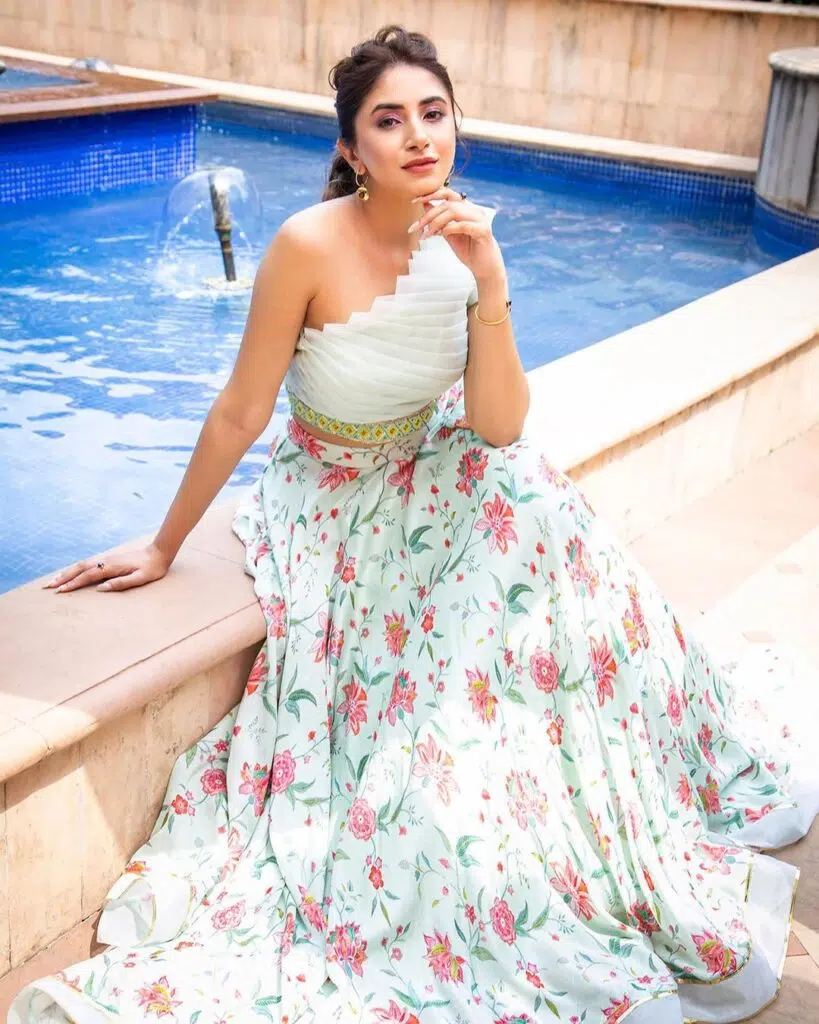
Try strapless styles with traditional skirts
This white strapless top with a floral lehenga skirt demonstrates how to modernise traditional festival wear. The key is balancing the contemporary top with a heavily traditional bottom — the floral print and full skirt maintain the festive feel while the fitted bodice keeps the look fresh.
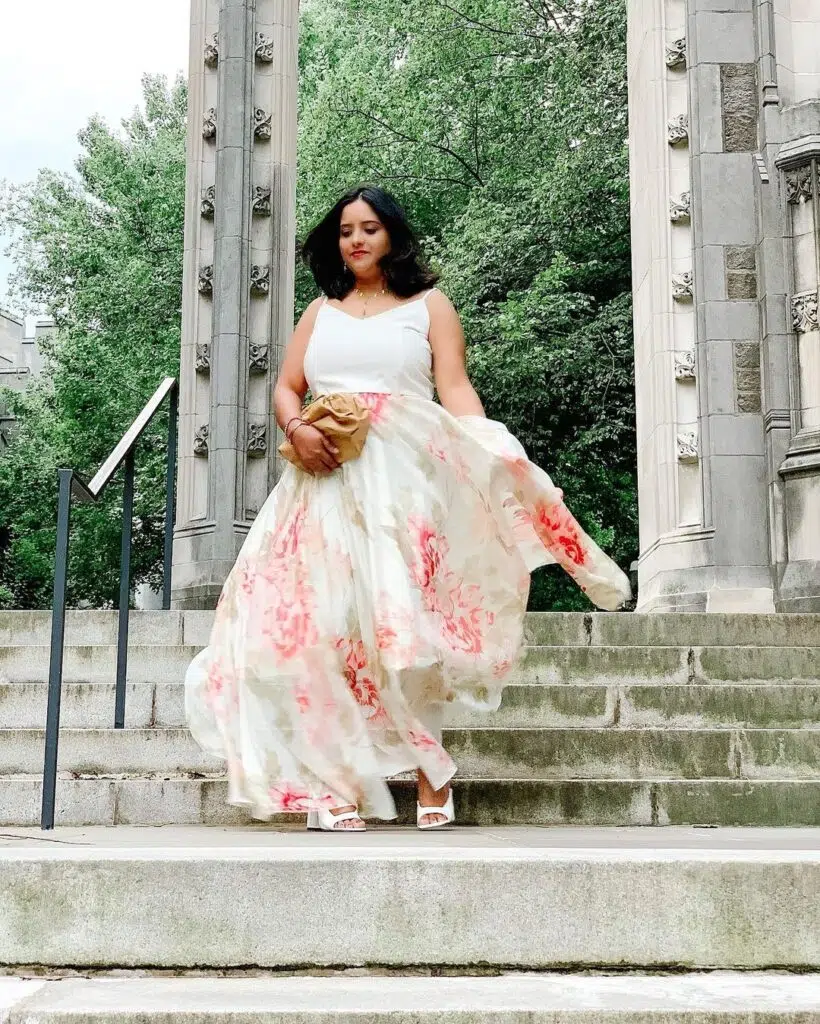
Work with large-scale florals for statement dressing
This flowing floral dress proves that Western silhouettes can work for religious occasions when the print and styling feel appropriate. Large-scale florals in soft colours read as elegant rather than casual, while the full-length sleeves and maxi length provide proper coverage for temple visits.
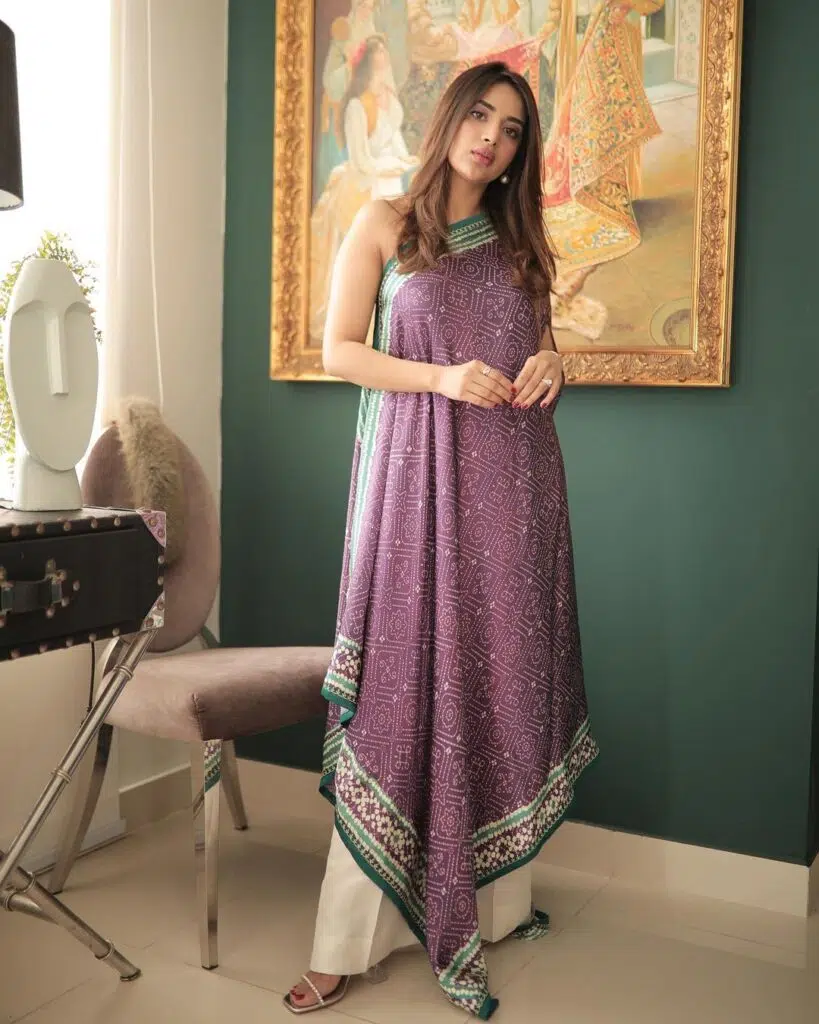
Layer prints within the same colour family
This purple ensemble shows sophisticated print mixing — the geometric border print on the dupatta complements rather than competes with the main pattern. Staying within one colour family while varying the print scales creates a cohesive look that feels intentional rather than accidental.
Choose classic saree draping for timeless appeal
This traditional white saree with red border represents the gold standard of festival dressing — it’s appropriate for every occasion during the eleven-day celebration. The classic drape, modest blouse, and contrasting border create a look that’s both respectful and beautiful. This style never feels overdone or underdressed.

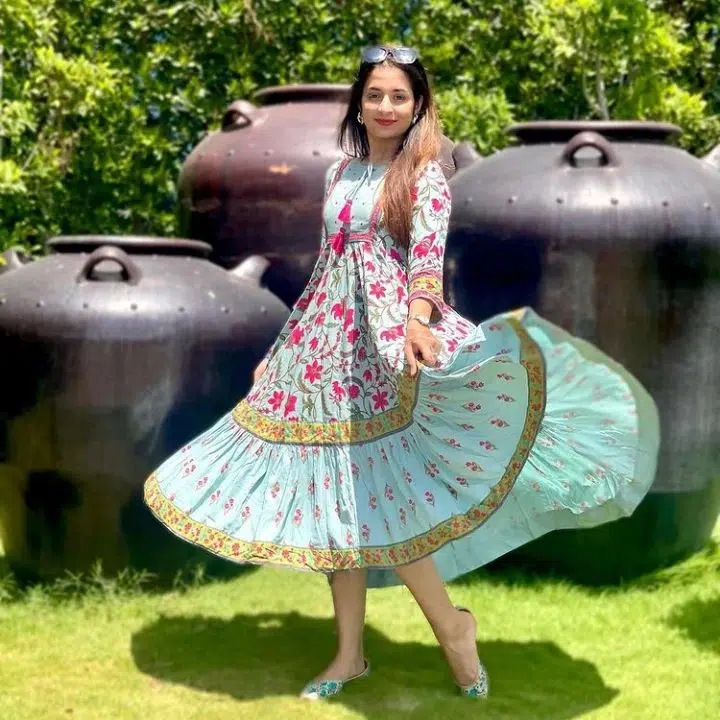
Opt for midi-length dresses with ethnic prints
This mint green midi dress with floral print shows how to adapt Western silhouettes for festival wear. The three-quarter length provides appropriate coverage while the ethnic-inspired print and empire waist nod to traditional Indian aesthetics. This length is perfect for younger celebrants or more casual festival gatherings.
Dos & Don’ts
22 Internship Outfit Ideas For Women To Look Their Best
24 Cute Black Blazer Outfit Ideas for Women
20 Elegant Office Outfits For Women Over 50
How To Wear A Red Blazer – 20 Outfit Ideas
15 Fab Stagecoach Outfit Ideas You Should Try
22 Cute Crepe Skirt Outfit Ideas & Styling Tips
What to Wear to Krishna Janmashtami? 20 Outfit Ideas
20 Best One Shoulder Outfit Ideas for Your Wardrobe This Year