The biggest mistake I see women make with kurtis? Treating them like any other tunic and throwing on whatever shoes they wore yesterday. I learned this the hard way at my cousin’s mehndi last year — my beautiful emerald kurti looked completely off-balance with the wrong footwear, and I spent the entire evening feeling underdressed despite wearing one of my most expensive pieces.
The truth is, kurtis have their own proportion rules that most Western styling advice completely misses. The length, the silhouette, the neckline — they all change which shoes will make you look polished versus sloppy. After years of trial and error (and some truly regrettable shoe choices at family functions), I’ve figured out exactly which pairs work and why.
Styling Tips
Match your shoe height to your kurti length. Long kurtis that hit mid-thigh or below need shoes with some height — either heels, wedges, or chunky sneakers. Flat shoes get swallowed up by the fabric and make your legs look shorter. Short kurtis above the knee can handle delicate flats, but they still look better with a slight heel.
Consider your bottom half when choosing shoes. Kurtis with palazzo pants or wide-leg bottoms need shoes that won’t compete with all that fabric. Skip busy patterns or embellished shoes — they’ll create visual chaos. When wearing leggings or churidar, you have more freedom to play with textured or decorated footwear since the silhouette is streamlined.
Think about the kurti’s neckline and sleeves. Heavy, ornate kurtis with detailed necklines or sleeves look best with simple shoes that don’t fight for attention. If your kurti is minimalist — solid color, clean lines — that’s when you can introduce interesting shoes with metallic details, patterns, or unique textures.
Factor in the fabric weight. Lightweight cotton and lawn kurtis pair beautifully with casual shoes like sneakers or flat sandals. Heavier fabrics like silk, velvet, or heavily embroidered pieces need more substantial footwear to balance the richness — think leather boots, proper heels, or structured loafers.

39 Lug Sole Boots Outfit Ideas & Styling Tips
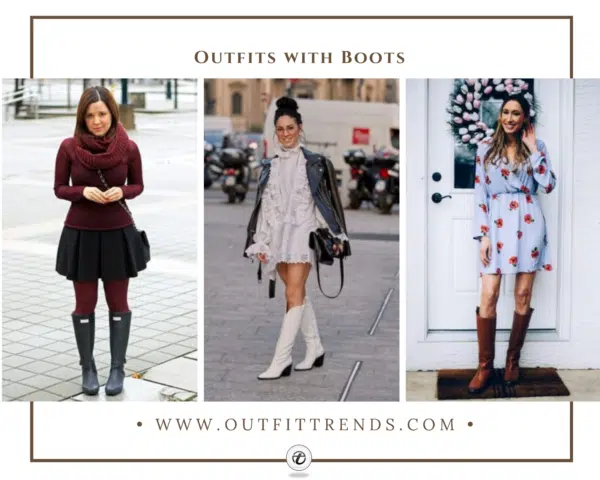
70+ Best Outfit Ideas with Boots & Styling Tips

14 Cool Sneaker Ball Outfit Ideas & Styling Tips
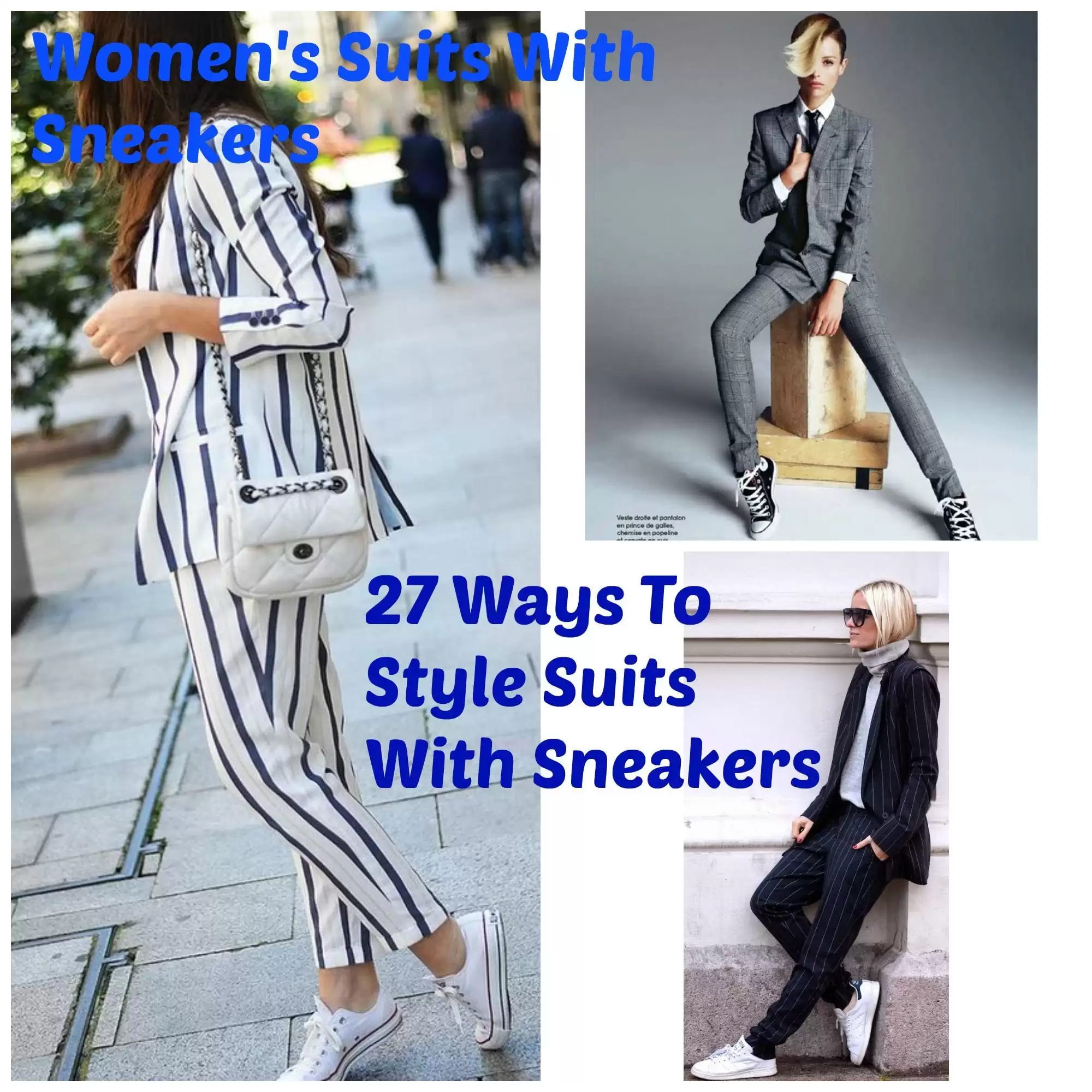
How to Wear Suits With Sneakers ? 27 Styling Tips
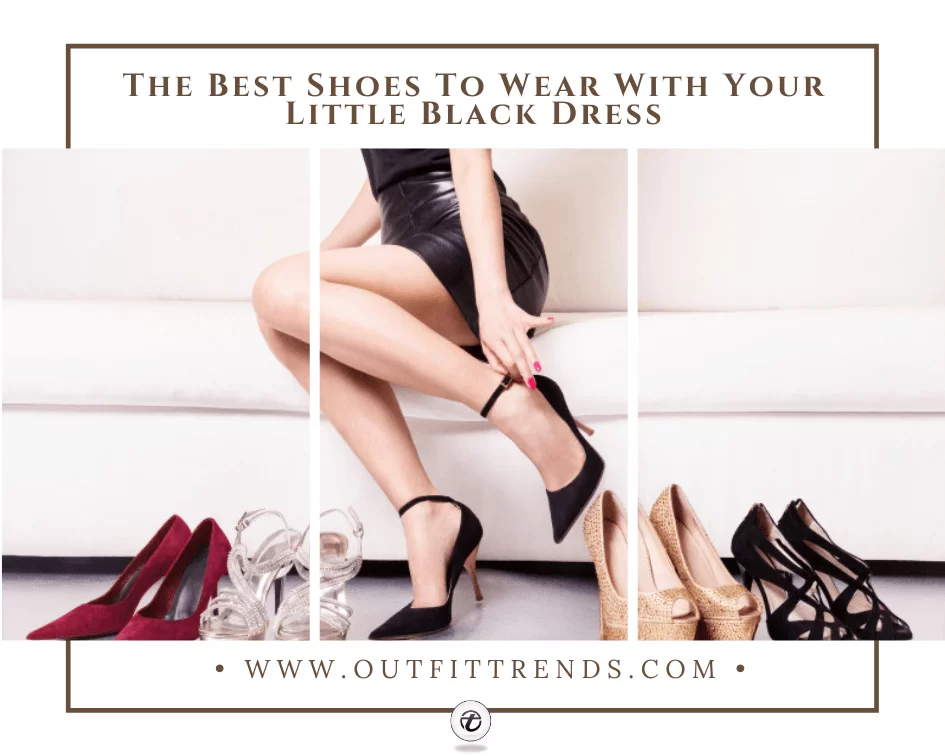
What Shoes To Wear With A Black Dress?23 Best Footwear Ideas
What To Wear With Leopard Print Shoes – 20 Outfit Ideas

147 Super Cool Adidas Outfits for Girls with Styling Tips
How to Wear Mismatched Shoes? 42 Ways to Pull Them Off
Pay attention to proportions with cropped styles. Short kurtis or kurti tops worn as regular shirts follow different rules. They work with almost any shoe style, but ankle boots create the most flattering proportions when paired with fitted bottoms underneath.
Don’t ignore the occasion. Family gatherings and formal events call for leather shoes, heels, or dressy flats. Casual day wear allows for sneakers and comfortable sandals. But remember — even casual kurti styling should look intentional, not like you grabbed whatever was closest to the door.
Dos & Don’ts
Stylish Kurti and Shoe Combinations That Actually Work
Navy Kurti with Gold Motifs and Dhoti Pants
The fitted navy kurti with scattered gold bootis paired with loose dhoti-style pants creates perfect proportion balance. The keyhole neckline adds contemporary appeal while the traditional motifs keep it rooted. This combination works brilliantly for day events or casual office wear where you want to look polished without being overdressed.
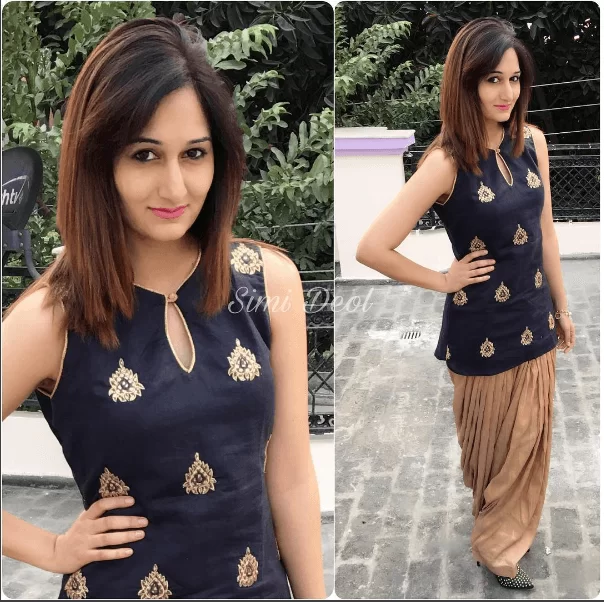
Tip: Block heels in nude or metallic tones elongate legs when wearing dhoti pants — avoid ankle straps that cut the leg line.
Mustard Kurta with Wide Palazzo Pants
This vibrant mustard kurta with small white dots paired with flowing white palazzos proves that bright colors don’t need to be intimidating. The loose silhouette throughout creates a relaxed, bohemian vibe that’s perfect for weekend outings or casual gatherings. The flower crown adds a playful touch that works surprisingly well with traditional silhouettes.
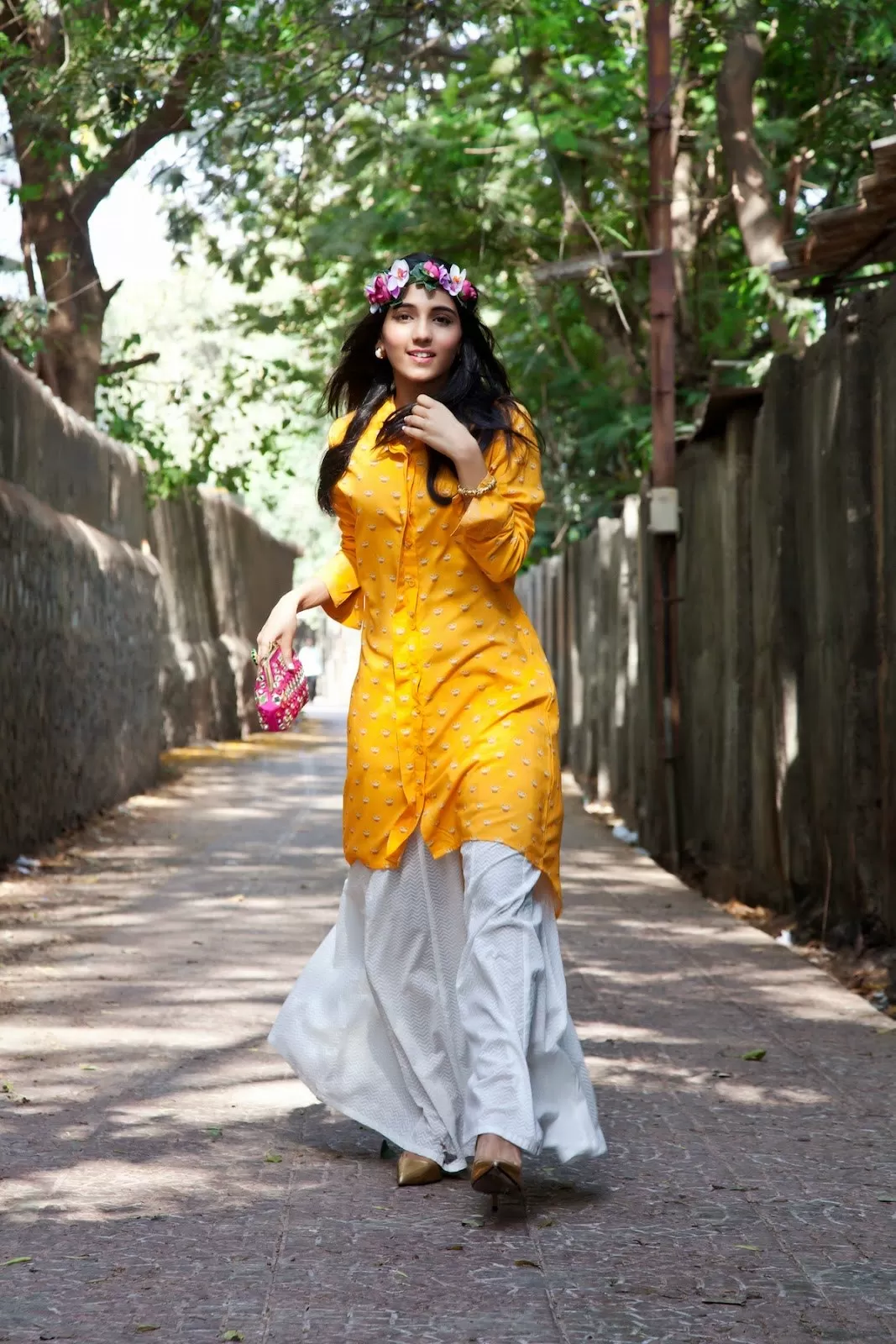
Tip: With such voluminous bottoms, choose shoes with some height — flat sandals will make you look shorter and the outfit overwhelming.
White Kurti with Floral Print Leggings
A crisp white cotton kurti becomes interesting when paired with bold floral print leggings instead of plain ones. The contrast creates visual interest without overwhelming the look. This combination works well for college, casual shopping trips, or relaxed family gatherings where comfort is key but you still want to look put-together.
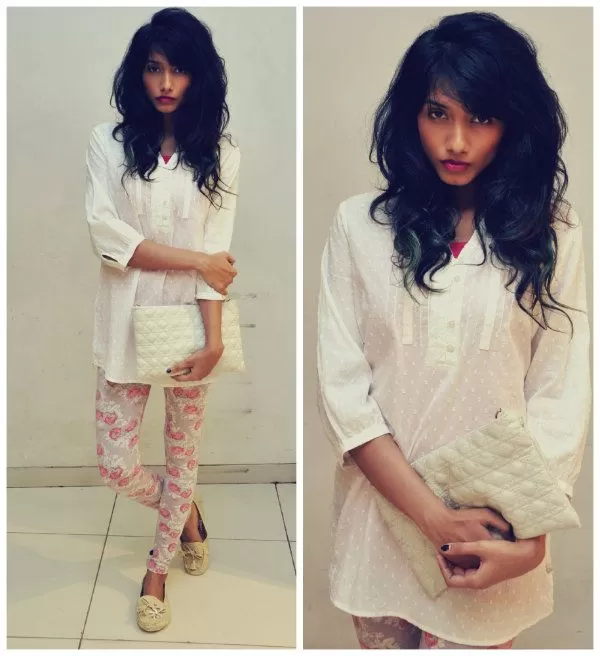
Tip: Espadrille wedges are perfect here — they add height while maintaining the casual, comfortable vibe of the outfit.
Mint Green Wrap-Style Kurti Dress
This mint green kurti styled as a dress with the wrap silhouette offers a fresh take on traditional wear. The geometric print clutch adds a modern element that bridges ethnic and contemporary styling. The length hits at just the right spot for a dress-like appearance while maintaining kurti proportions.
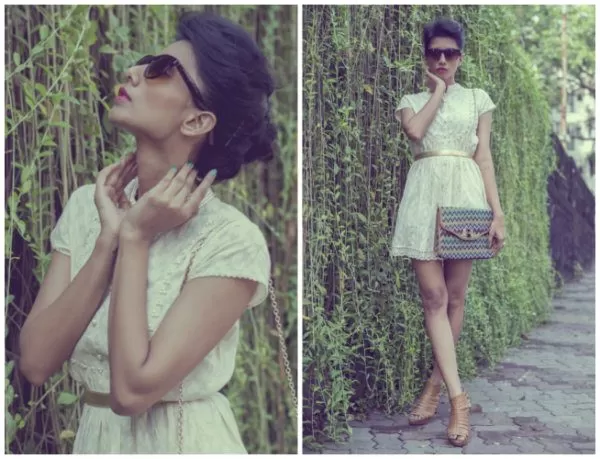
Tip: Strappy sandals with a low block heel work best with knee-length kurtis — they’re comfortable for walking while adding just enough formality.
Embellished Anarkali with Churidar
The heavily embellished high-neck anarkali creates a regal silhouette that’s perfect for formal occasions. The gold and beige embroidery against the muted base creates richness without being gaudy. This style works beautifully for weddings, festivals, or any event where you want to make a statement while staying traditional.
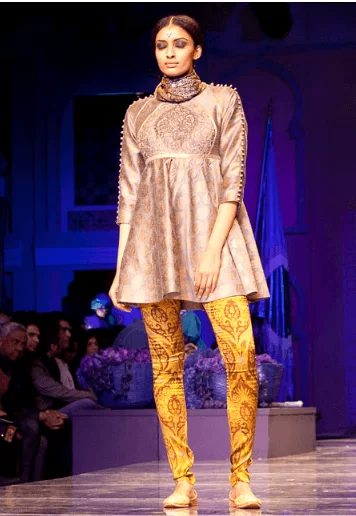
Tip: With heavy embellishment on top, choose simple juttis or low heels — ornate shoes will compete with the detailed neckline and sleeves.
Black Printed Kurti with Straight Pants
This casual black kurti with small prints paired with bright blue straight pants shows how color-blocking can work in ethnic wear. The relaxed setting suggests this combination is perfect for everyday comfort while still looking intentional. The contrast creates energy without being too bold for daily wear.
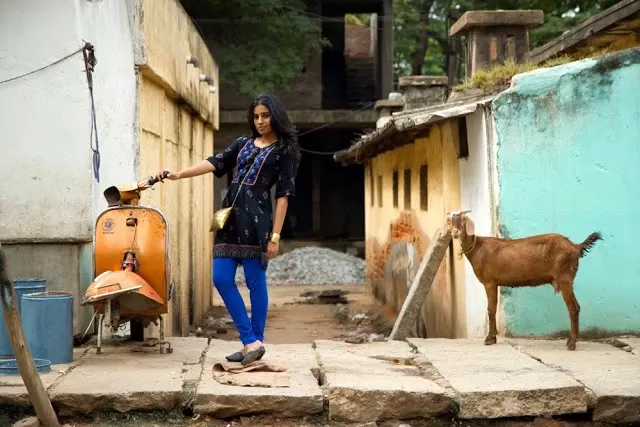
Tip: Canvas sneakers or simple slip-on shoes work well with casual kurti-pant combinations — they keep the outfit grounded and comfortable.
Long Kurti with Sharara Set
Both the pink and navy versions show how long kurtis with contrasting sharaara bottoms create elegant proportions. The fitted top with flowy, wide-leg bottoms flatters most body types. These combinations are ideal for festive occasions, family functions, or any time you want traditional elegance with contemporary comfort.
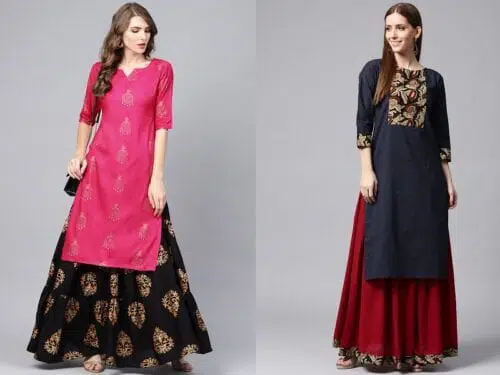
Tip: Medium heels (2-3 inches) are essential with shararas — they prevent the wide legs from overwhelming petite frames and create better proportions.
Maroon Embroidered Short Kurti
This rich maroon kurti with intricate floral embroidery on the yoke creates a perfect balance of traditional craft and modern cut. The shorter length makes it versatile for both formal and semi-formal occasions. The matching accessories tie the look together without overwhelming the beautiful needlework.
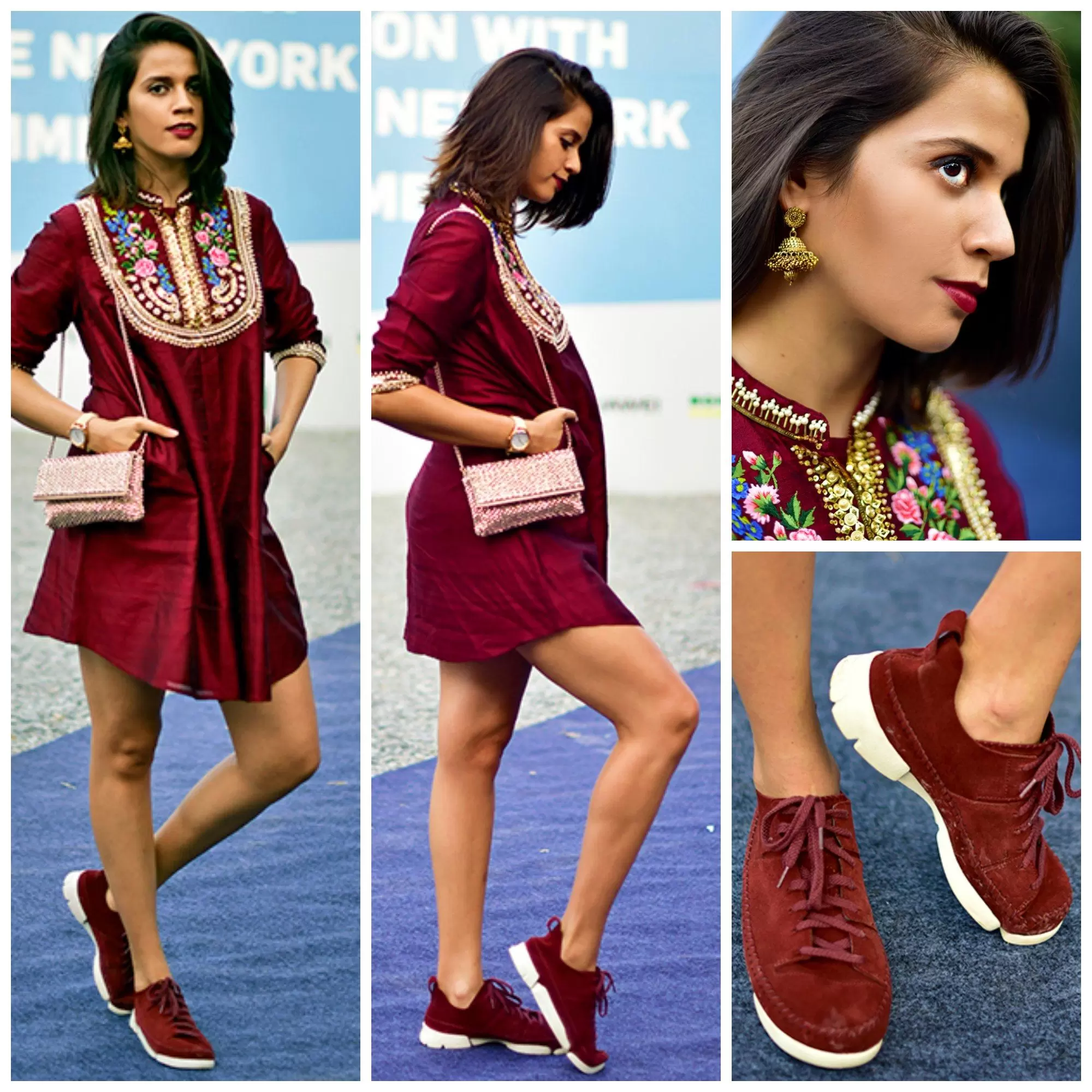
Tip: Suede or velvet shoes in coordinating colors enhance rich fabrics like this — they add texture harmony rather than competing with the embroidery.
Grey Asymmetrical Tunic with Casual Styling
This oversized grey tunic with asymmetrical hem offers a contemporary take on the kurti silhouette. The relaxed fit and unique cut line make it perfect for creative professionals or anyone who likes their traditional wear with a modern edge. The casual styling shows how versatile this piece can be.
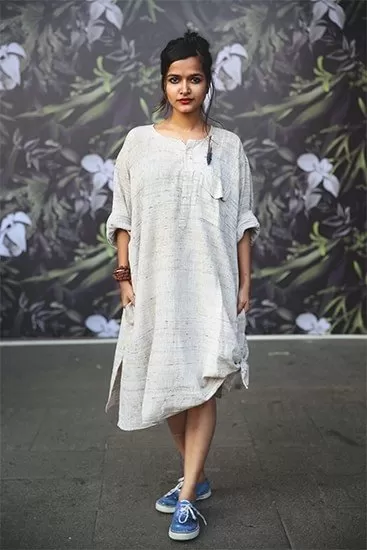
Tip: Minimalist sneakers or slip-on shoes complement asymmetrical cuts best — structured shoes can clash with the free-flowing design lines.
Black Anarkali with Layered Dupatta
This floor-length black anarkali with pink and gold embroidery creates drama through both silhouette and embellishment. The way the dupatta is draped adds another layer of traditional elegance. This style is perfect for formal events, weddings, or occasions where traditional grandeur is expected.
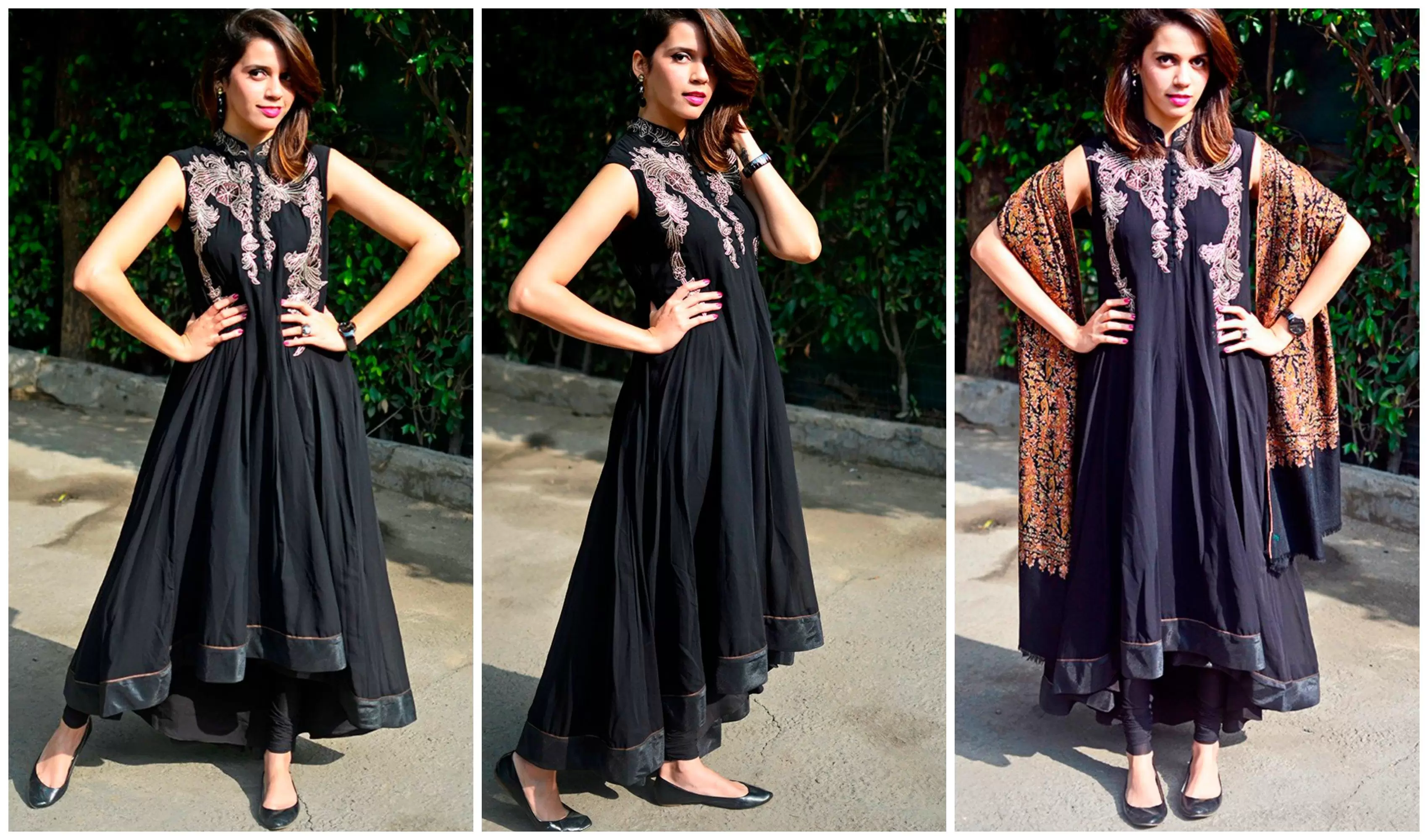
Tip: With floor-length anarkalis, choose heels high enough that the hem just grazes the floor — too short looks unfinished, too long creates tripping hazards.
Embellished Flats with Light Blue Kurti
The powder blue kurti with delicate embroidery pairs beautifully with matching embellished flats, creating a coordinated look that feels intentional without being too matchy. The neutral trench coat adds structure while the yellow dupatta introduces warmth that complements the blue tones. This combination works particularly well for daytime events where you want to look put-together but comfortable.
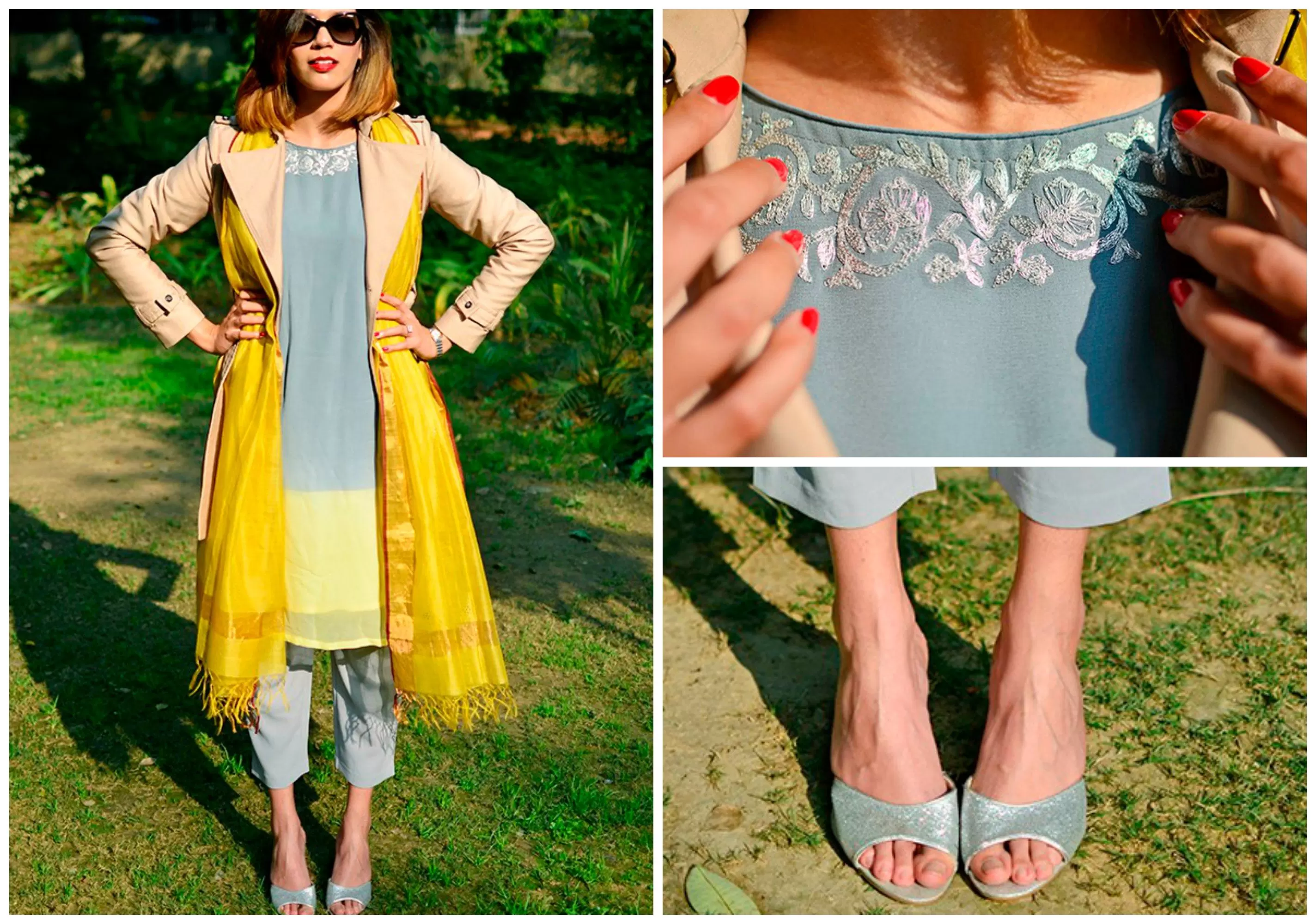
Tip: When wearing embellished shoes, keep other accessories minimal — the dupatta provides enough colour interest without competing with the footwear details.
Red Bridal Lehenga with Traditional Khussa
Heavy bridal lehengas demand shoes that can handle the weight and movement of the outfit, making traditional khussa or mojari the perfect choice. The closed-toe design protects your feet during long ceremonies while the low profile won’t catch on the heavy skirt hem. The ornate gold clutch and traditional chooda complete this classic bridal ensemble.
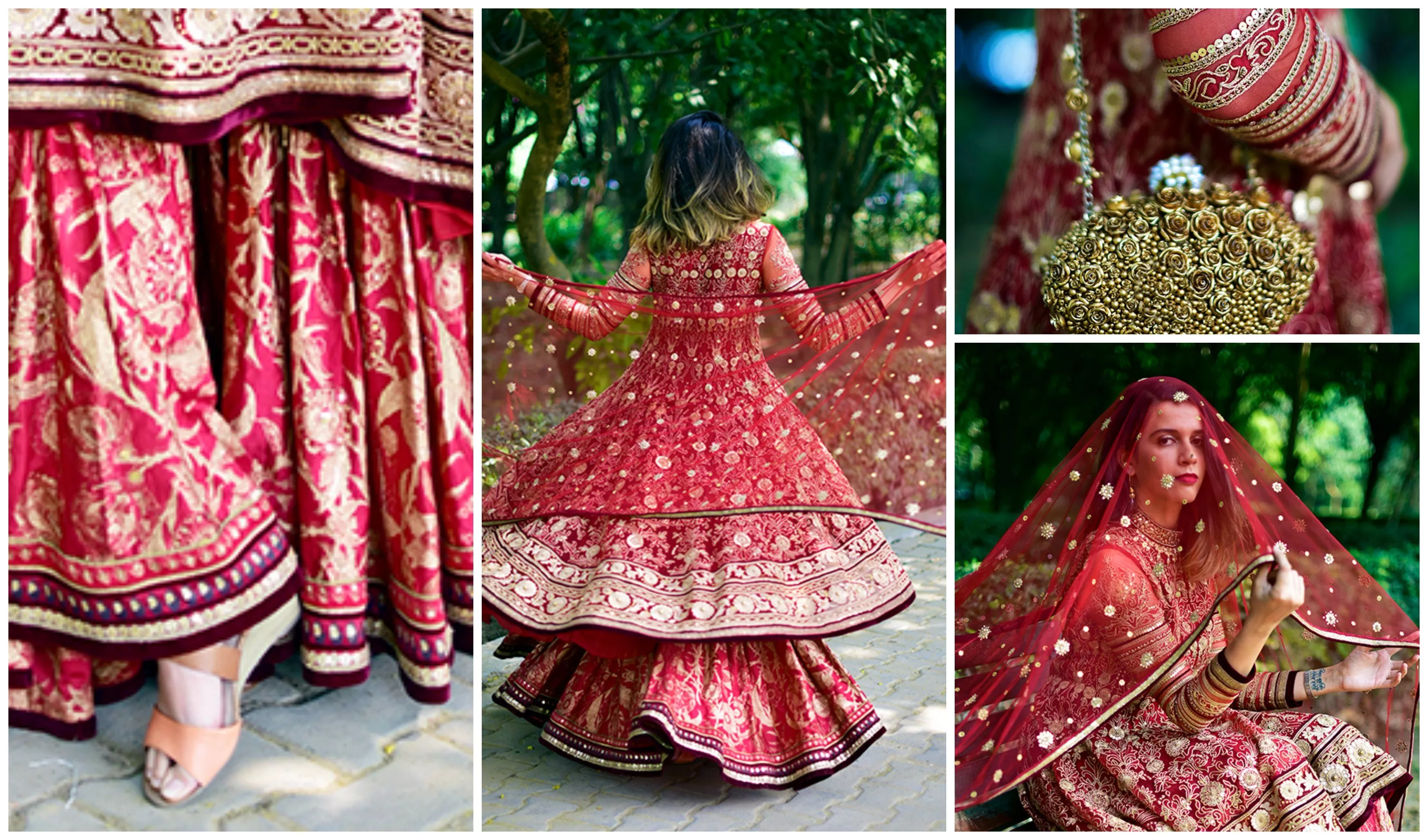
Tip: For lehengas with extensive floor coverage, choose shoes with a slight heel or platform sole to prevent tripping on the heavy fabric.
White Anarkali with Embroidered Chappals
A flowing white anarkali gets the perfect casual complement with traditional leather chappals, proving that comfort and style aren’t mutually exclusive. The relaxed silhouette of the kurta pairs naturally with the flat, open design of the footwear. This combination works beautifully for garden parties, casual family gatherings, or any daytime occasion where you want to stay cool and comfortable.
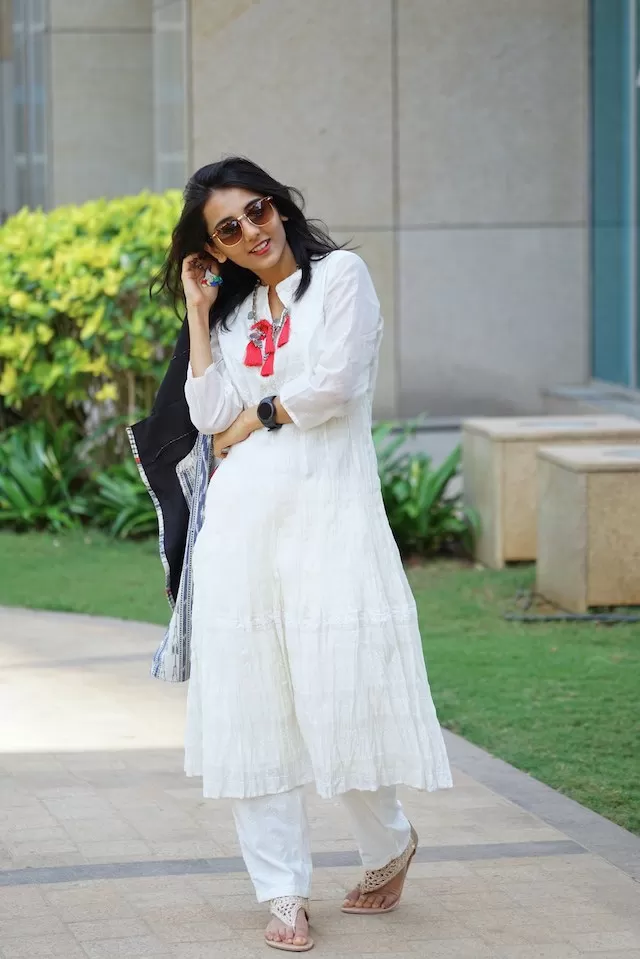
Tip: White kurtas are incredibly versatile for footwear — they work with everything from bright colours to metallics, so use your shoes to add personality to the outfit.
Pink Kurti with Statement Silver Jewelry
The vibrant pink kurti creates a bold base that’s grounded by dark fitted trousers and elevated with substantial silver jewelry. This look demonstrates how the right footwear choice — likely heeled sandals or wedges based on the styling — can transform a simple kurti into an occasion-appropriate outfit. The heavy necklace adds just enough drama without overwhelming the bright colour.
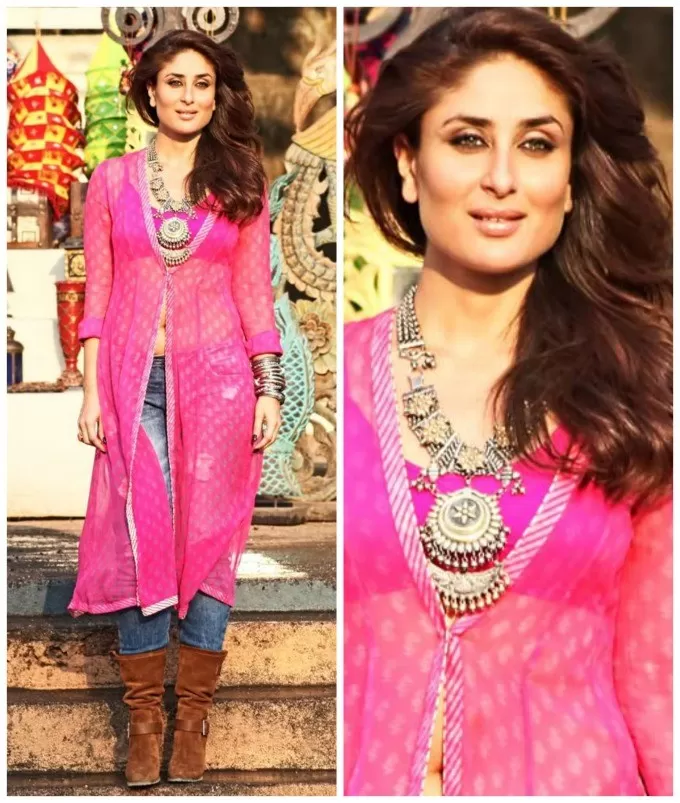
Tip: With bold coloured kurtis, metallic shoes in silver or gold create a sophisticated bridge between the vibrant top and neutral bottoms.
Black and White Geometric Kurti with Heels
The structured geometric pattern of this black and white kurti pairs perfectly with sleek heeled sandals, creating a look that transitions seamlessly from office to evening events. The monochromatic palette allows for versatile shoe choices, while the fitted silhouette works best with footwear that has some height. This combination strikes the perfect balance between professional and fashionable.
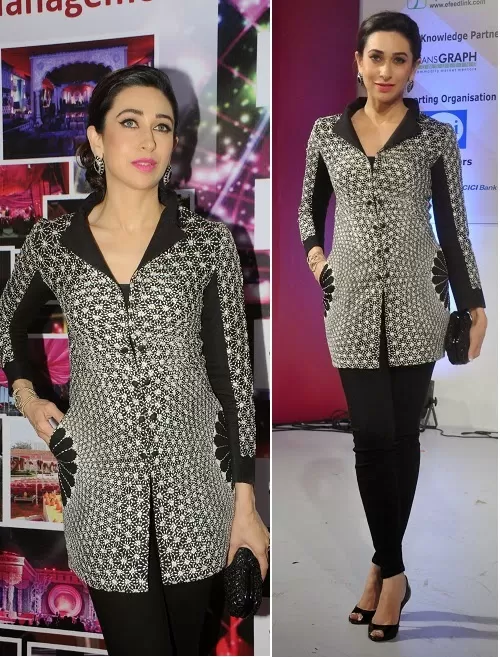
Tip: Geometric patterns look best with clean-lined shoes — avoid overly embellished footwear that might clash with the graphic print.
Printed Palazzo Sets with Flat Sandals
These coordinated palazzo sets demonstrate the versatility of flat sandals with ethnic wear, offering three distinct styling approaches from casual to semi-formal. The wide-leg trousers create beautiful movement that works best with low-profile footwear that won’t compete for attention. Each look maintains perfect proportions while ensuring all-day comfort.
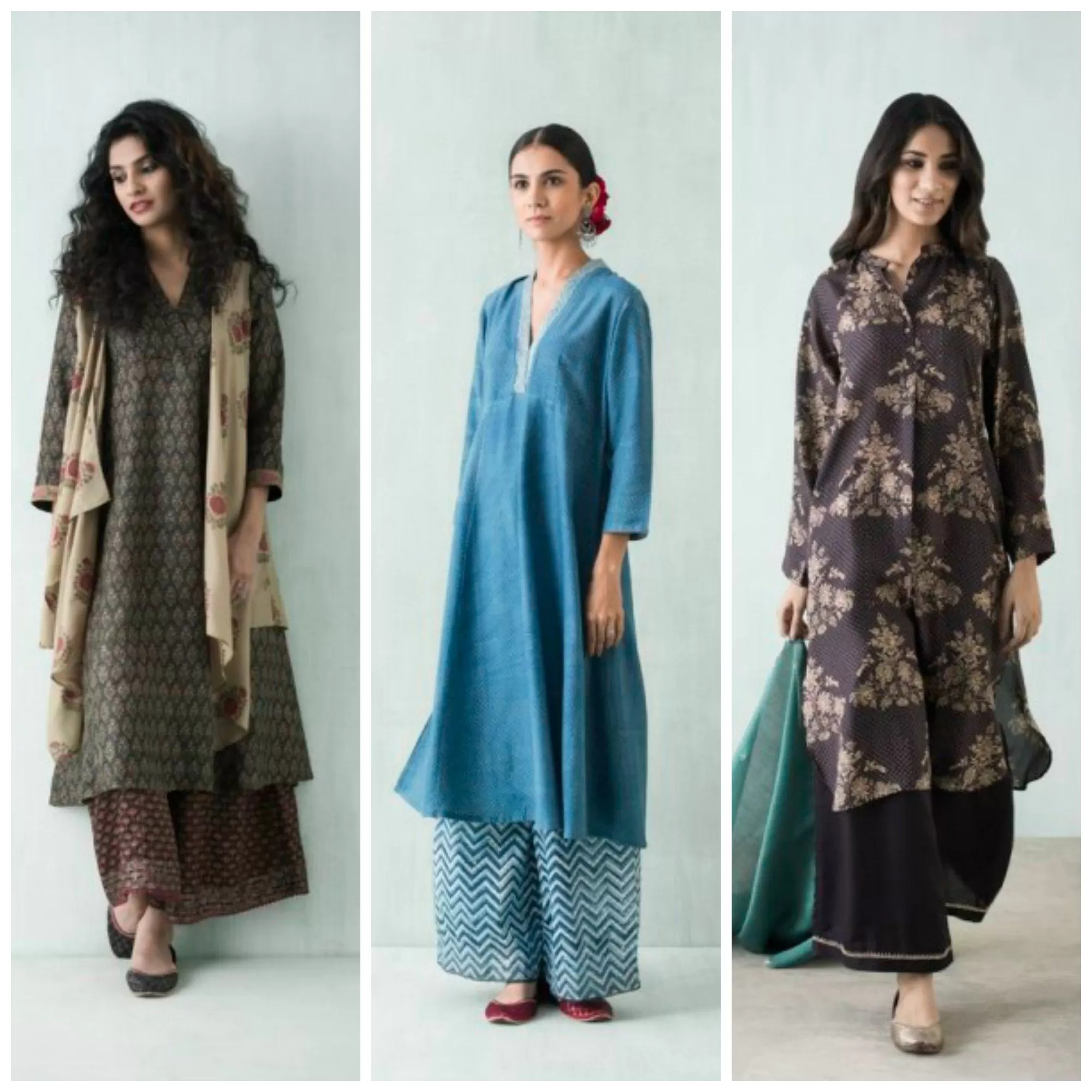
Tip: With printed palazzo sets, choose sandals in colours that pick up one of the print colours rather than introducing entirely new shades to the outfit.
Long Kurtis with Traditional Leather Sandals
Long, flowing kurtis find their perfect match in traditional leather sandals, creating an effortlessly elegant combination that works across seasons and occasions. The ankle-grazing length of these kurtis requires footwear that provides a clean line without adding bulk. These natural leather tones complement the earthy colour palette while offering the comfort needed for extended wear.
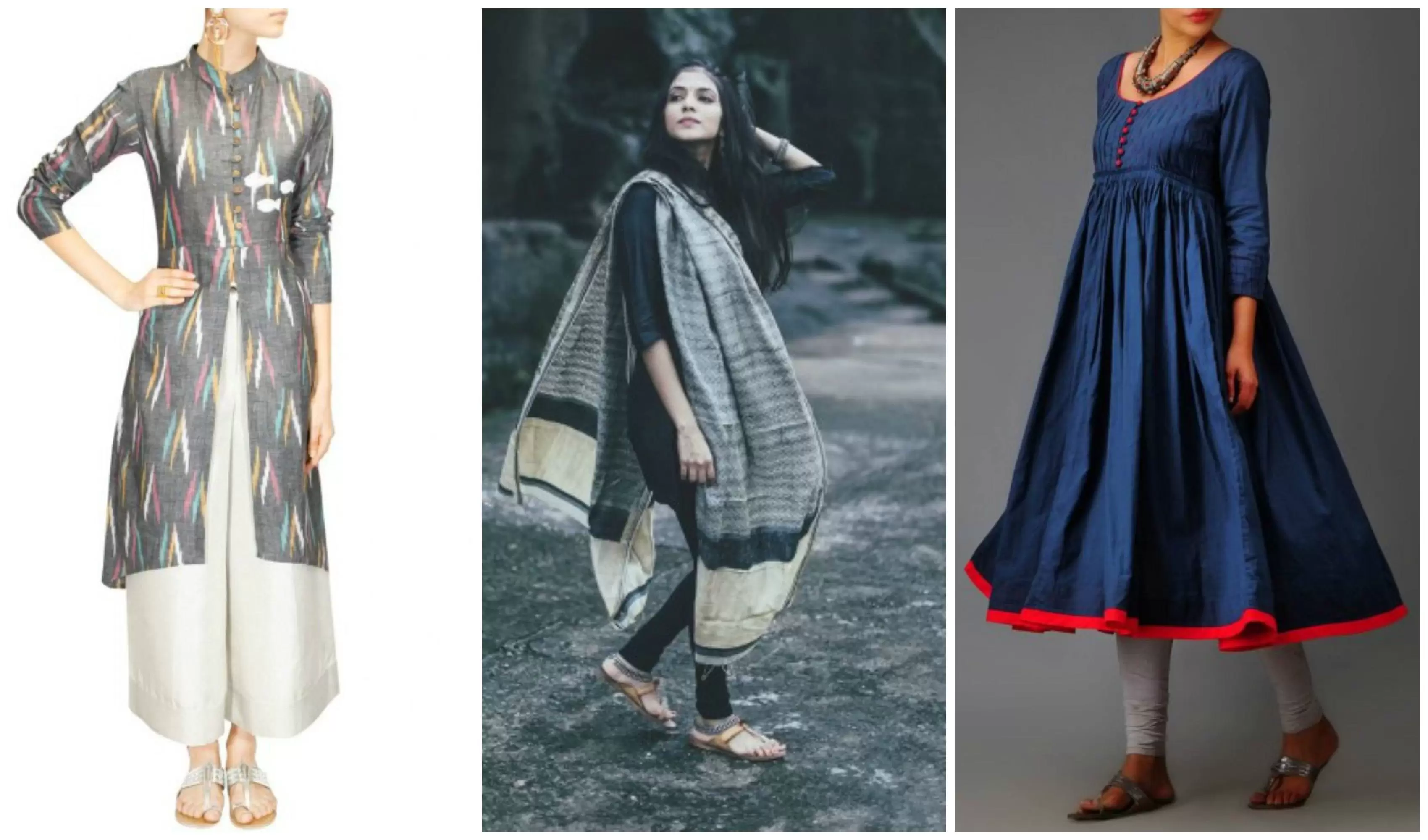
Tip: For long kurtis, avoid shoes with ankle straps or excessive detailing that might create a cluttered look at the hemline.
Blue Embellished Kolhapuri Chappals
These traditional Kolhapuri chappals showcase how classic Indian footwear can incorporate contemporary elements like embellishment and colour blocking. The blue fabric upper with mirror work adds festive flair while maintaining the comfort and durability that makes this style so enduring. The contrasting gold sole creates visual interest without compromising the traditional silhouette.
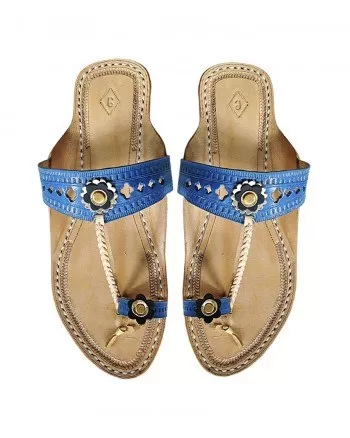
Tip: Embellished Kolhapuris work best with solid-coloured kurtis where the shoe can serve as the outfit’s focal point.
Multicolour Embroidered Khussa
These intricately embroidered khussa demonstrate the artistry possible in traditional Indian footwear, with multicoloured threadwork creating a tapestry effect across the upper. The curved silhouette and pointed toe maintain the classic khussa profile while the rich embroidery makes them suitable for festive occasions. The natural leather sole provides comfort for extended wear during celebrations.
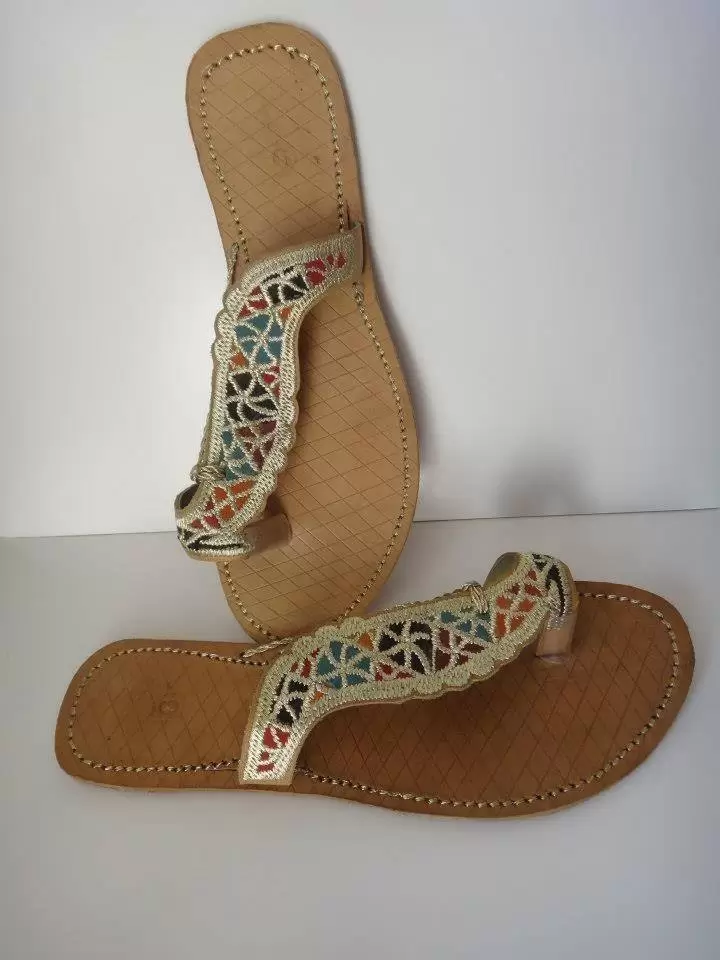
Tip: Heavily embroidered shoes like these work best with simpler kurtis in solid colours that won’t compete with the intricate footwear detailing.
Brown Leather Kolhapuri with Metallic Details
The rich brown leather of these Kolhapuri chappals creates a sophisticated base enhanced by subtle metallic accents and traditional cutwork patterns. The T-bar design offers more security than basic slip-on styles while maintaining the casual comfort that makes this footwear so practical. The contrast stitching adds an authentic handcrafted touch that pairs beautifully with handloom or khadi kurtis.
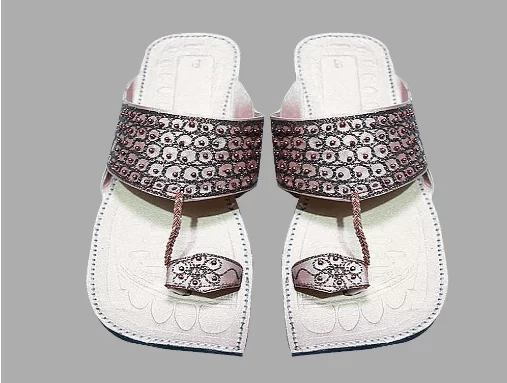
Tip: Brown leather Kolhapuris are incredibly versatile — they work with everything from white cotton kurtis to jewel-toned silk pieces, making them an excellent investment shoe.
Beaded Toe-Ring Sandals
These intricately beaded flat sandals with toe rings bring traditional craftsmanship to modern styling. The red and gold beadwork complements the warm tones in most kurtis, while the flat sole keeps you comfortable through long family gatherings. Perfect for anyone who wants authentic detailing without sacrificing comfort.
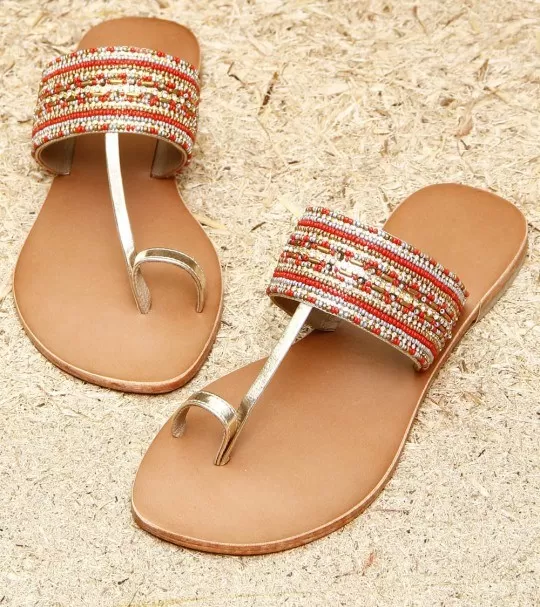
Tip: The toe ring design works best with ankle-length kurtis or palazzos — longer hemlines can hide the beautiful beadwork detail.
39 Lug Sole Boots Outfit Ideas & Styling Tips
70+ Best Outfit Ideas with Boots & Styling Tips
14 Cool Sneaker Ball Outfit Ideas & Styling Tips
How to Wear Suits With Sneakers ? 27 Styling Tips
What Shoes To Wear With A Black Dress?23 Best Footwear Ideas
What To Wear With Leopard Print Shoes – 20 Outfit Ideas
147 Super Cool Adidas Outfits for Girls with Styling Tips
How to Wear Mismatched Shoes? 42 Ways to Pull Them Off