

Three months ago, I watched a fashion editor walk into a presentation wearing one black pump and one navy — completely by accident. She was mortified until someone complimented her on the “intentional mismatch.” That moment proved what I’ve been saying for years: mismatched shoes are the most underestimated styling trick in any wardrobe.
I started experimenting with mismatched footwear after a particularly boring week of outfits. The first time I wore one black and one brown ankle boot, I got more compliments than I had in months. But here’s the thing most women get wrong — they think mismatched means completely different styles. It doesn’t. The best mismatched looks share a common element that ties them together.
The secret is understanding which elements to match and which to contrast. Get this balance right, and you’ll look intentionally stylish instead of like you got dressed in the dark.
Celebrity Style
Start with Color Coordination
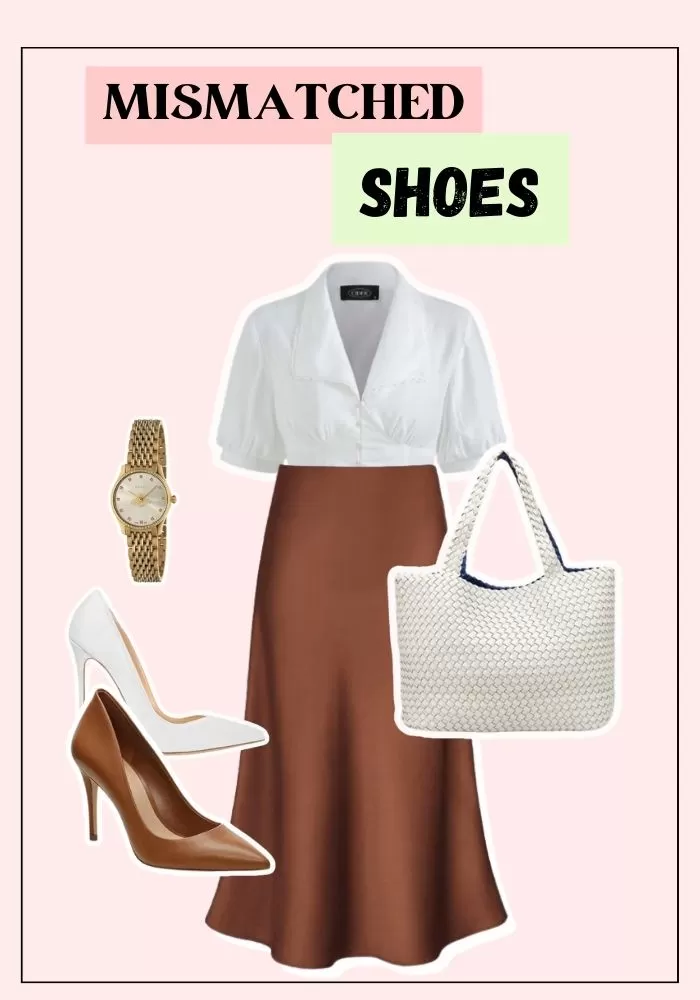
This brown and white combination demonstrates the safest entry point into mismatched shoes. Both shoes share the same silhouette and heel height, with color being the only variable. The neutral palette ensures the mismatch feels intentional rather than chaotic, and the similar tones prevent your feet from competing with each other.
Match the Heel Height
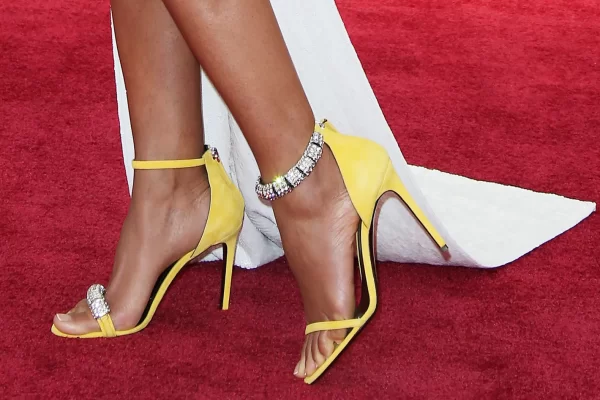
Yellow strappy heels prove that dramatic color differences work when the shoe construction stays consistent. Both shoes have identical heel heights and strap placements, creating visual harmony despite the bold color contrast. This approach lets you experiment with vibrant hues while maintaining a polished appearance.
Keep the Silhouette Similar
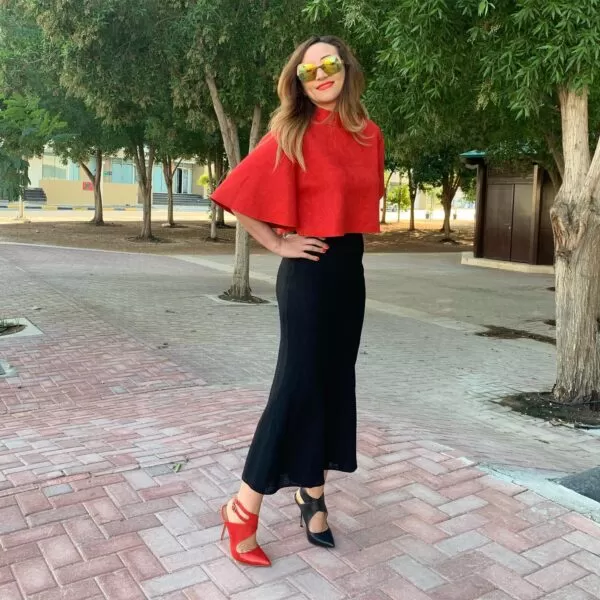
Red block heels with ankle straps show how matching the shoe shape creates cohesion even with different colors. The identical silhouette and heel style make this mismatch feel purposeful. When both shoes have the same structural elements, your eye reads them as a coordinated pair rather than a mistake.
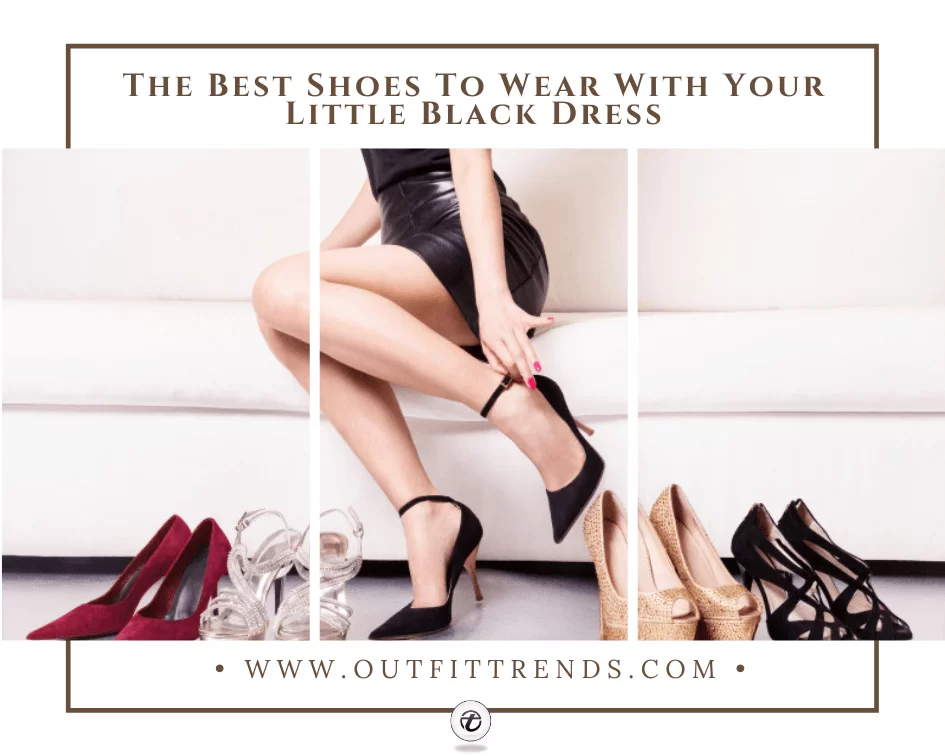
What Shoes To Wear With A Black Dress?23 Best Footwear Ideas

What To Wear With Leopard Print Shoes – 20 Outfit Ideas

15 Best Shoes To Wear With Sweater Dresses

What Shoes to Wear with Sweat Pants? 20 Outfit Ideas

27 Ideal Shoes to Wear With Skinny Jeans

30 Appropriate Business Casual Shoes For Women
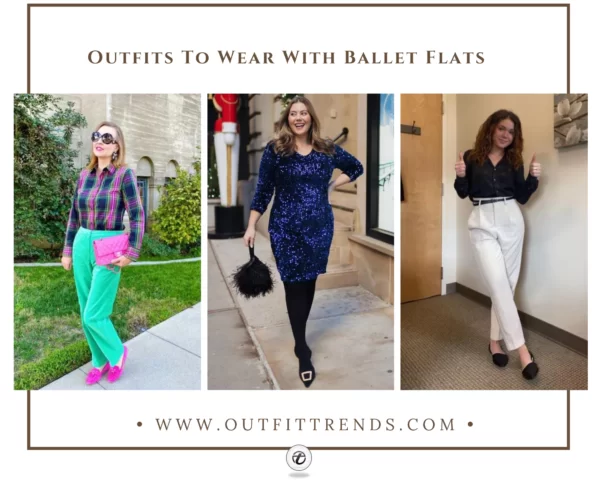
43 Best Outfits to Wear With Ballet Flats (Casual + Formal)

20 Outfits With Square-Toed Sandals And How To Style Them
Mix Textures, Not Styles
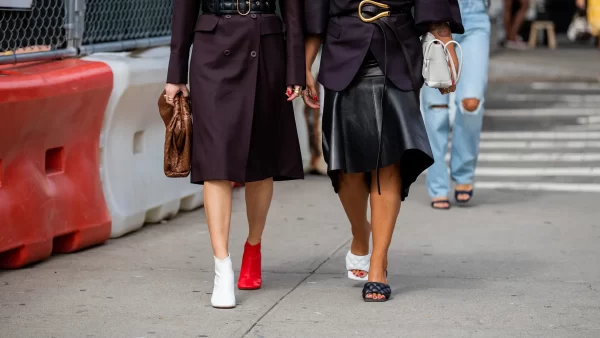
These street style ankle boots demonstrate texture mixing within the same shoe category. Both are ankle boots with similar heel heights, but different surface treatments create visual interest. This technique works because the fundamental shoe type remains consistent while adding subtle variation.
Fashion designer Vivienne Westwood popularized intentionally mismatched shoes in the 1980s as a punk rebellion against traditional fashion rules. She claimed matching shoes were “boring and conformist.”
Play with Color Blocking
These red and white ankle boots showcase how color blocking principles apply to footwear. The stark contrast works because both shoes maintain identical proportions and styling details. The bold color difference becomes a design feature rather than an oversight when the shapes are perfectly matched.
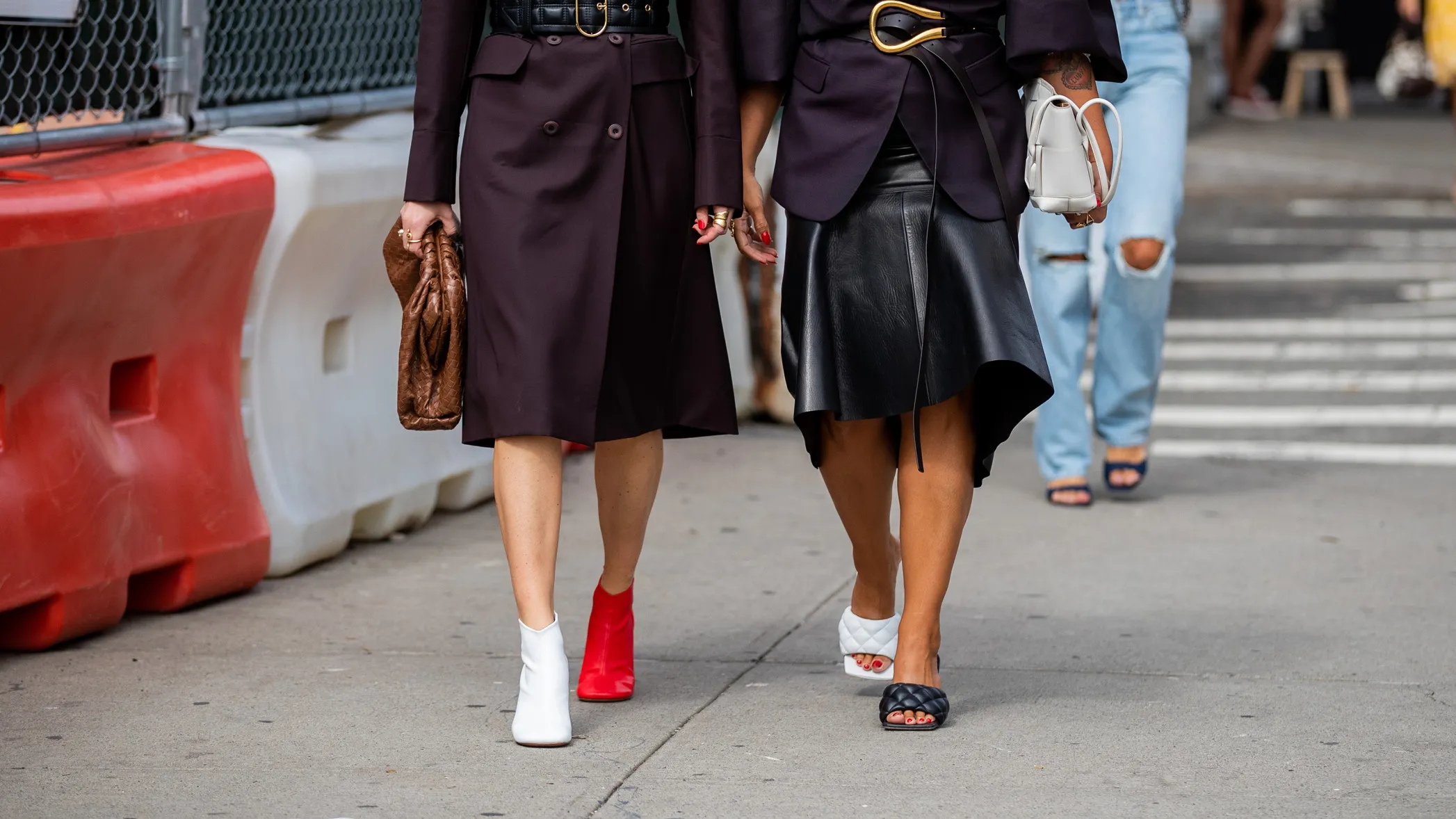
Coordinate Through Laces
Mismatched sneaker colors unified by coordinating laces demonstrate a clever styling trick. The different colored laces create a bridge between the two shoe colors, making the mismatch appear completely intentional. This technique works with any lace-up shoe style.
Use Different Sandal Colors
Birkenstock-style sandals in contrasting colors show how casual footwear can handle bold mismatching. The identical strap placement and sole design create enough similarity that the color difference feels like a deliberate choice. Casual shoes actually handle dramatic color contrasts better than formal styles.

Mix Within the Same Color Family
Green and red Converse demonstrate color wheel opposites working together. These complementary colors create visual tension that’s energizing rather than jarring because the shoe style remains identical. Opposite colors on the color wheel naturally balance each other when used in equal proportions.

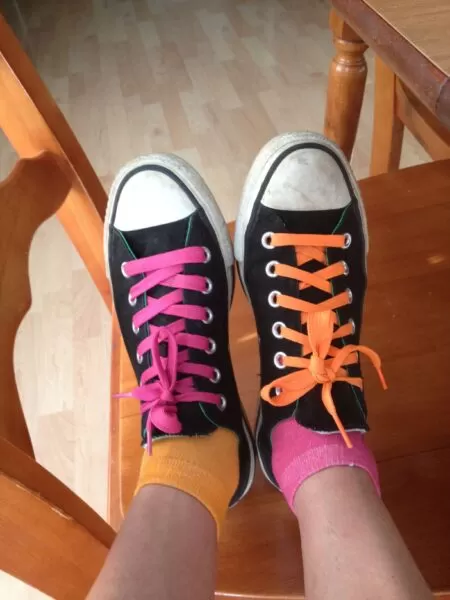
Try Logo Variations
Different team logos on similar sneakers prove that pattern variation can work as well as color differences. The identical shoe construction allows the graphic elements to be the focal point of contrast. This approach works best when both patterns share similar visual weight and complexity.
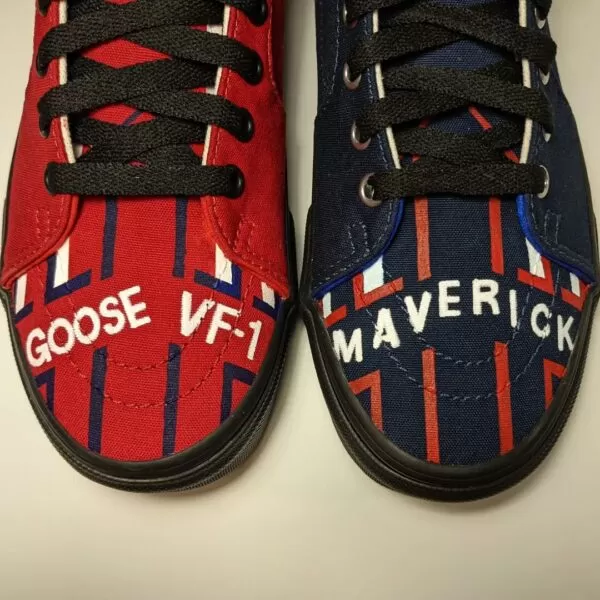
Embrace Rainbow Combinations
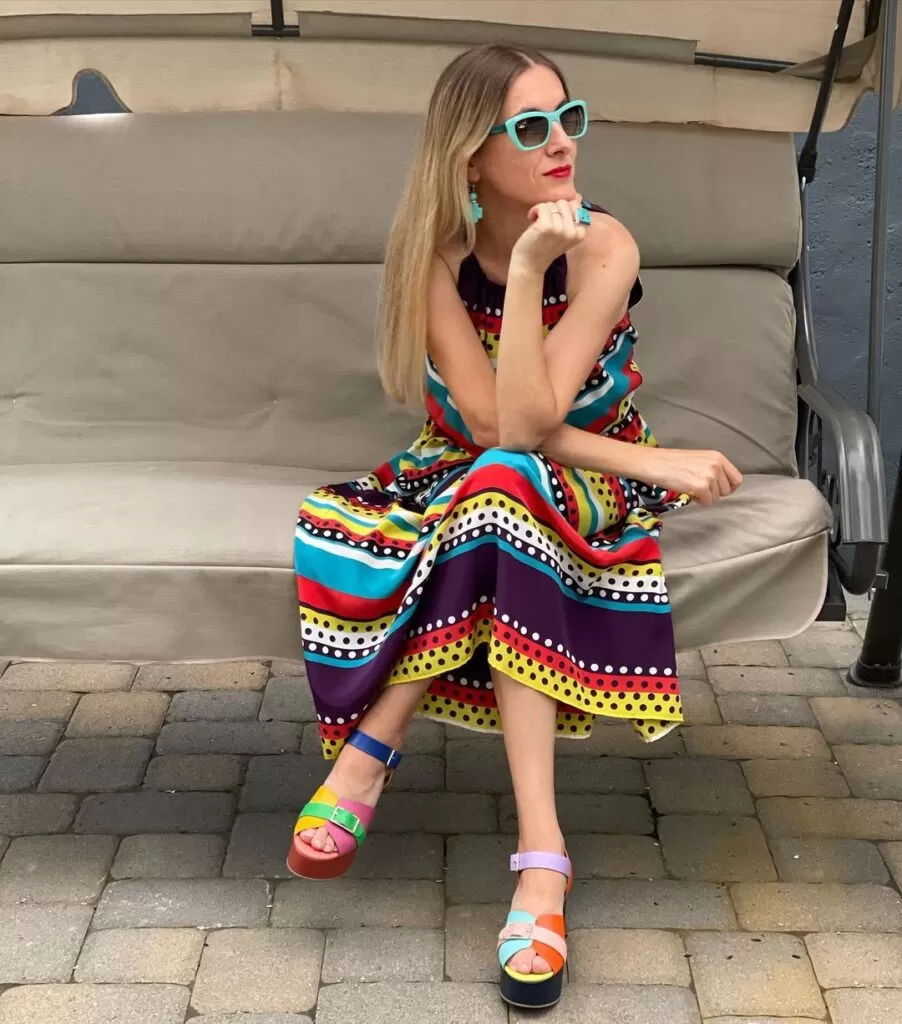
Multi-colored platform sandals show how rainbow elements can unify different base colors. When both shoes contain multiple colors, individual color differences become less noticeable. The shared rainbow elements create a cohesive theme that justifies any color combination.

Match Heel Style, Vary Color
Color-blocked platform sandals demonstrate how maintaining heel construction allows for bold color experimentation. Both shoes share identical platform proportions and ankle strap placements, making the color difference feel like an intentional design choice rather than a mismatch.
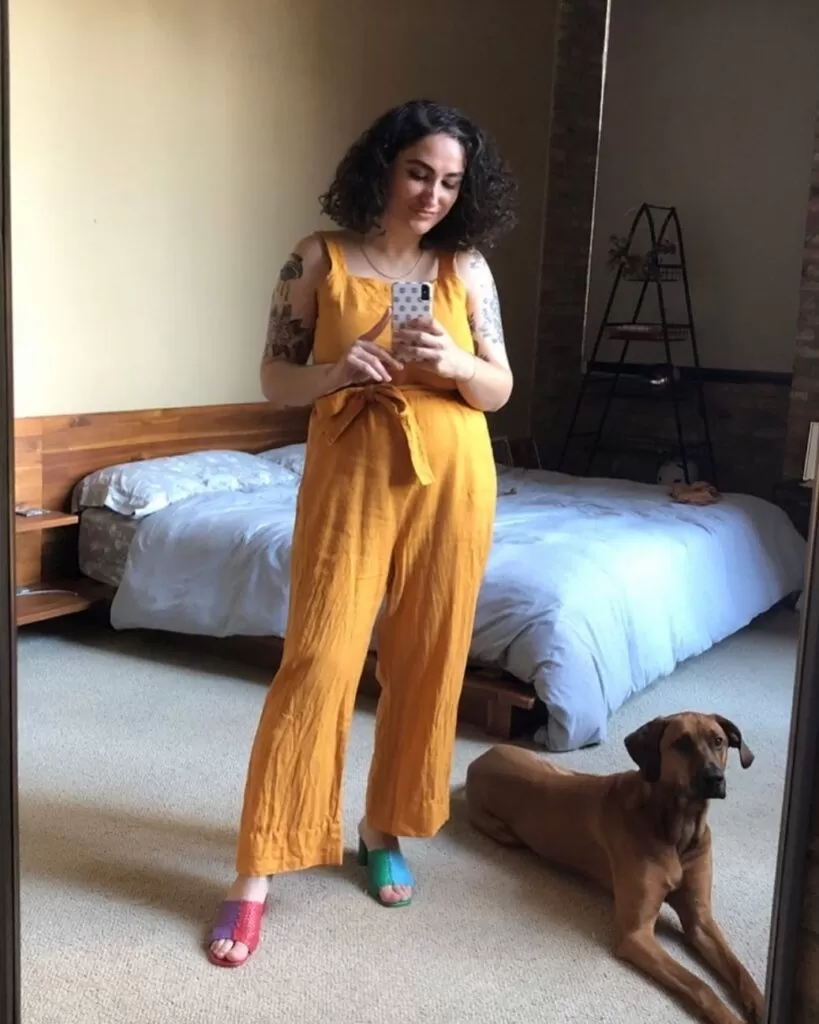
Use Striped Elements
Rainbow-striped sandals with different color arrangements show how pattern can create unity within variety. Both shoes feature similar striped patterns, so the different color arrangements feel related rather than random. Patterned shoes handle mismatching better than solid colors because they already contain multiple hues.

Work Within Print Themes
Colorful patterned dress paired with different colored shoes that pull from the dress palette demonstrates advanced color coordination. Each shoe picks up different colors from the print, creating intentional harmony. This technique requires that both shoe colors appear somewhere in your outfit.
Pull Colors from Your Outfit
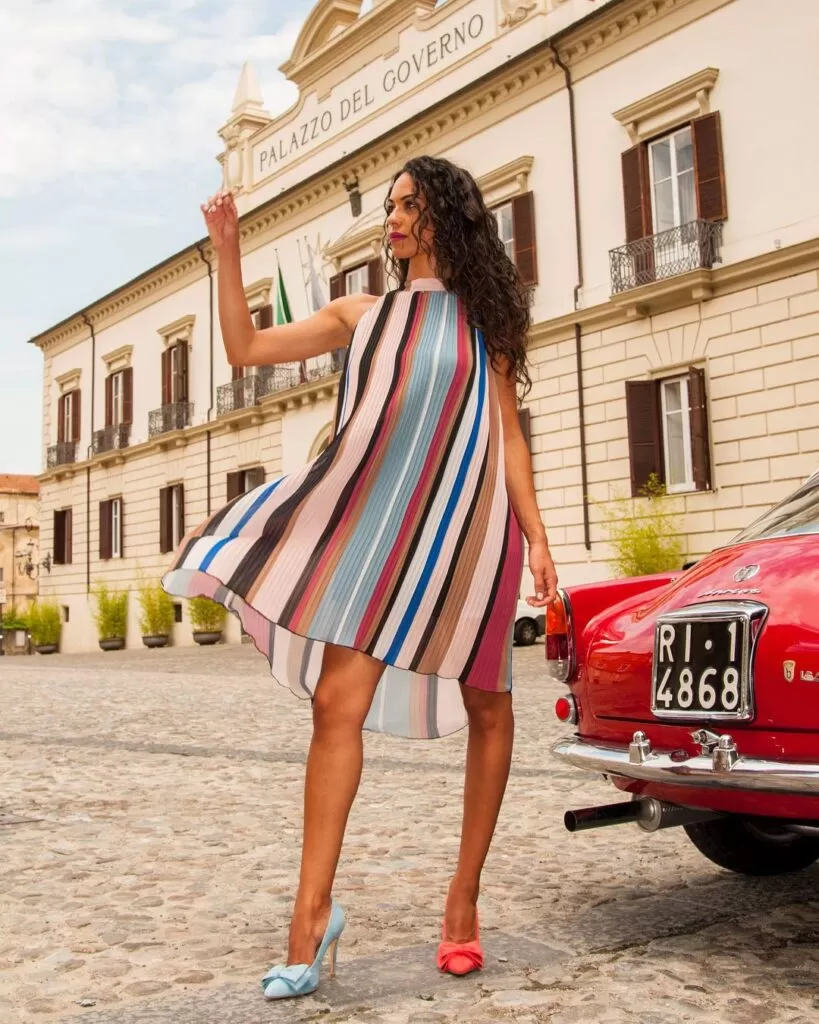
Striped dress with shoes that match different stripe colors shows perfect color extraction. One shoe matches the blue stripes while the other matches the red, creating obvious intentionality. This is the most foolproof way to make mismatched shoes look completely purposeful.
Dos & Don’ts
Mismatched Shoes That Actually Work
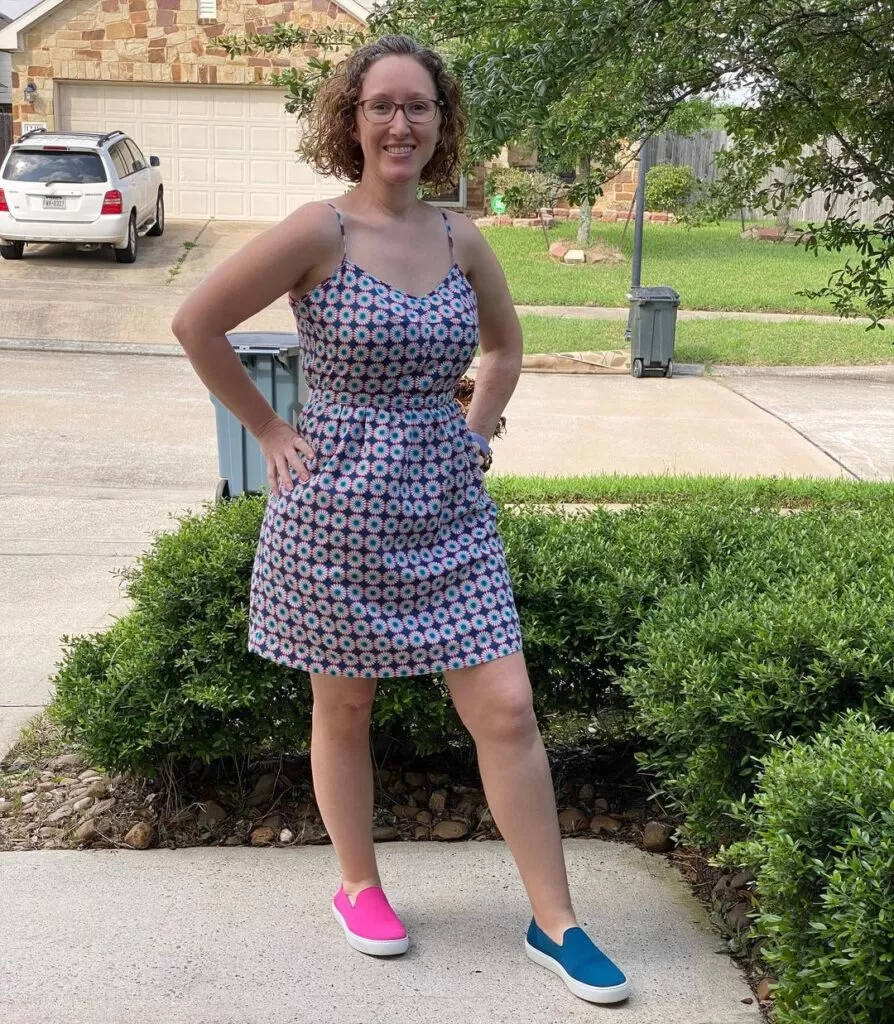
Pink and Blue Slip-On Sneakers with Patterned Dress
The key to pulling off mismatched shoes is making it look intentional, and this woman nails it by choosing two colors that both appear in her geometric print dress. The casual slip-on style keeps the look playful rather than trying-too-hard. This works best when your outfit already has multiple colors to pull from — it gives you permission to be bold with your feet.
White T-Shirt Dress with Black and White Sneakers
Sometimes the simplest approach is the smartest one. Pairing a clean white dress with one black sneaker and one white sneaker creates a deliberate contrast that feels modern rather than accidental. The monochrome palette keeps it grounded while the mismatched shoes add just enough edge to make the basic dress interesting.

Orange Sweatshirt with Mixed Print Sneakers
This is how you wear mismatched shoes when you want maximum impact — choose two completely different patterns and let them fight it out. The solid orange sweatshirt acts as a neutral backdrop that lets the shoes be the star. This approach works best when you keep the rest of your outfit simple and let your feet do all the talking.

Bright Blue Hoodie with Colorful Statement Sneakers
When you’re already wearing head-to-toe color, mismatched shoes become part of the overall statement rather than a separate styling choice. The key here is confidence — this look only works if you own it completely. The bright blue hoodie and lime green pants create such a bold base that the different colored sneakers just add to the fun.
Quick tip
Choose metallic shoes as neutrals that work with any bold color.

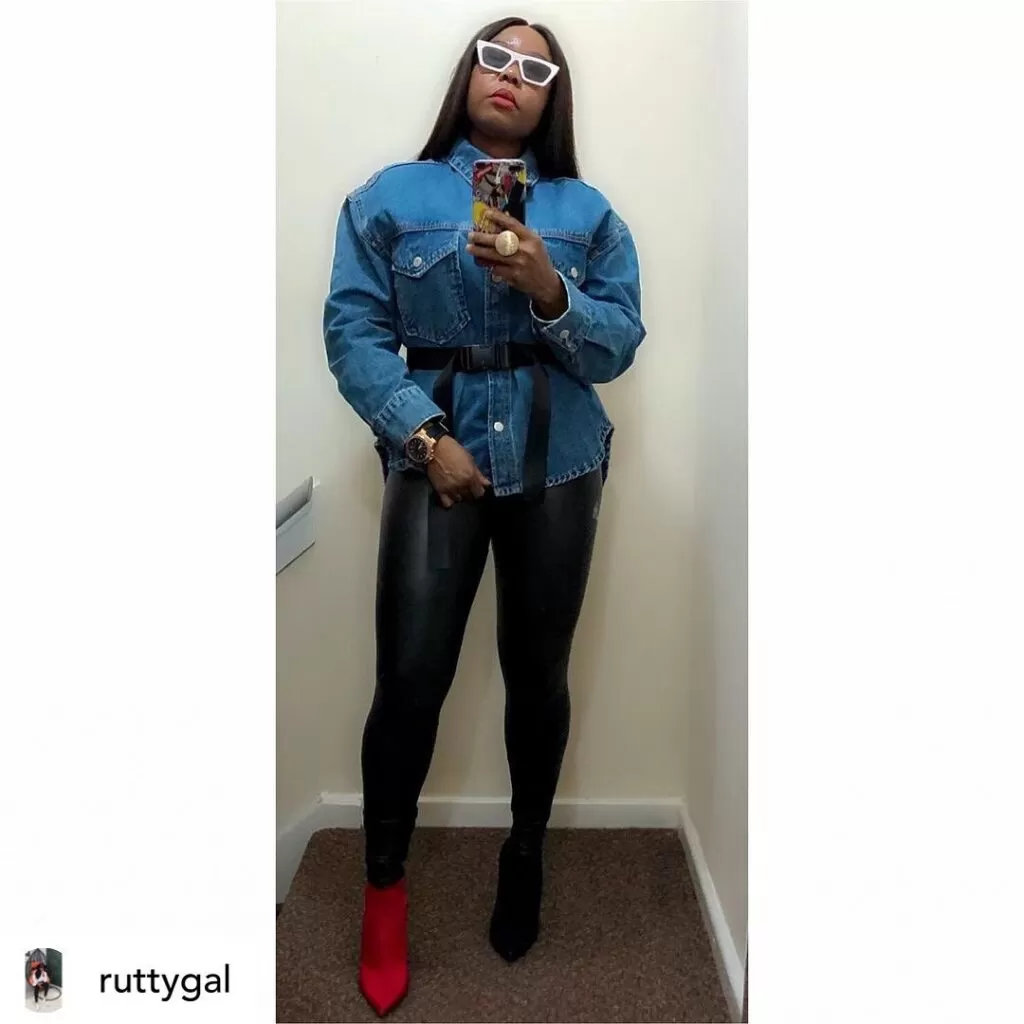
Oversized Denim Jacket with Black Leggings
The beauty of this look is how the neutral base — black leggings and denim jacket — lets the mismatched red and black boots become the focal point. The belt at the waist adds structure to balance out the playful shoe choice. This proves you can wear mismatched shoes with classic pieces if you style them right.
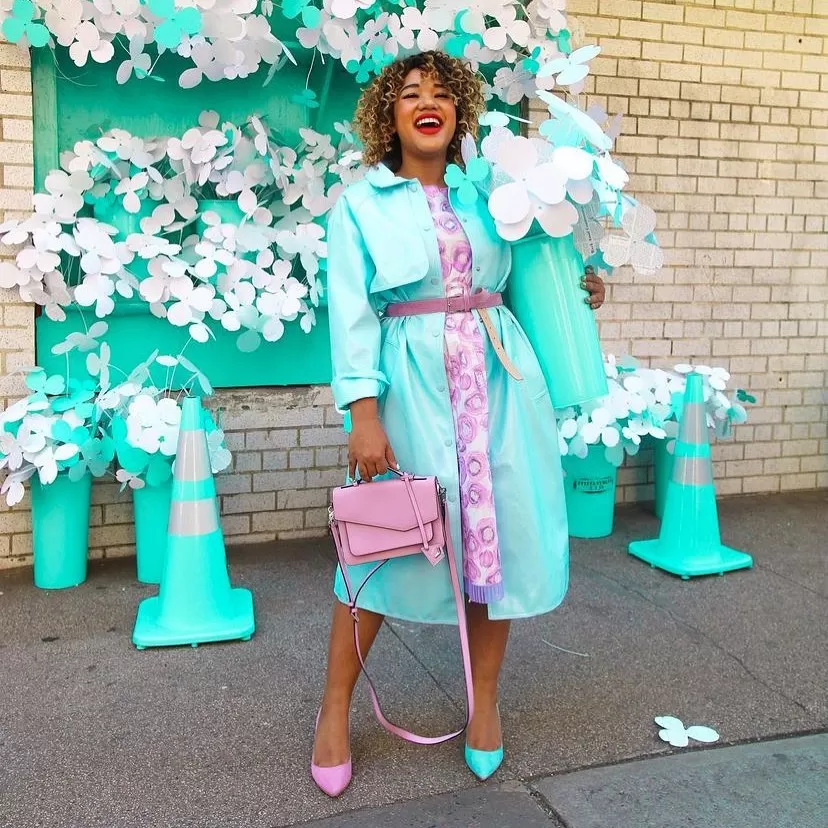
Mint Green Coat with Pink and Blue Accessories
This is advanced-level color mixing that works because every piece shares the same soft, pastel intensity. The mint coat, pink bag, and mismatched pink and blue shoes create a cohesive color story rather than looking random. The key is choosing colors that have the same saturation level — they need to feel like they belong in the same family.
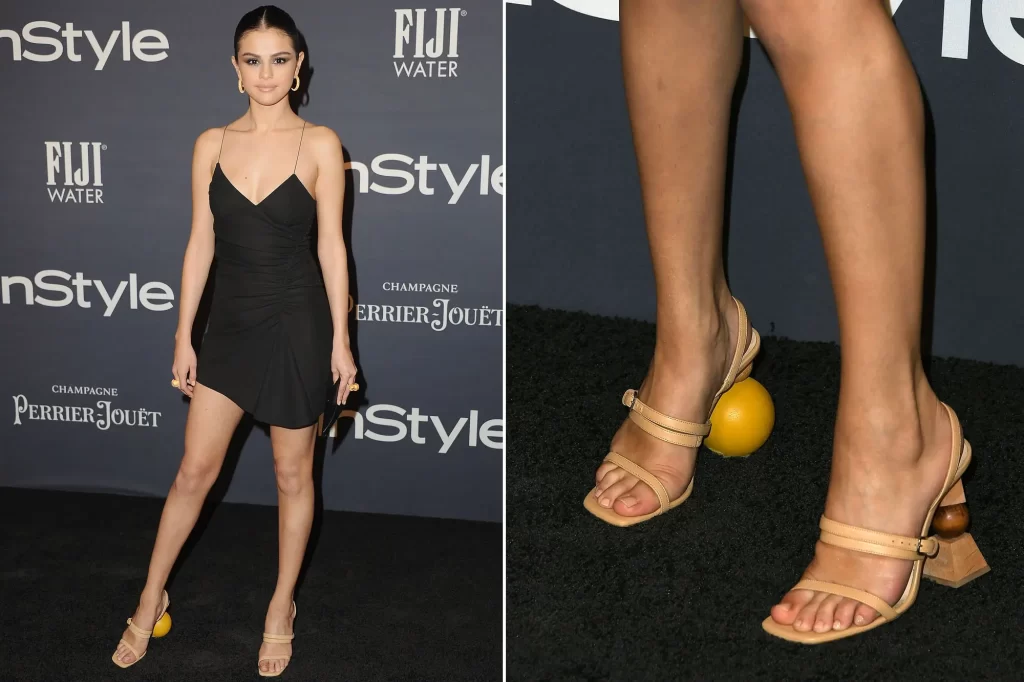
Celebrity Red Carpet Mismatched Heels
Even on the red carpet, mismatched shoes can work — but only when they’re perfectly coordinated with the outfit. These nude sandals with different heel details create visual interest without overwhelming the sleek black dress. The trick is choosing shoes that are similar enough in style and color that the difference feels intentional, not accidental.
Quick tip
Match the saturation levels of different colored shoes for cohesion.
Stadium Style with Red and White Sneakers
Sports events are actually the perfect place to experiment with mismatched shoes because the energy is already high and playful. This woman pairs team-colored sneakers — one red, one white — with her jersey for a look that feels spirited rather than sloppy. The key is making sure your mismatched shoes somehow relate to your outfit or the occasion.

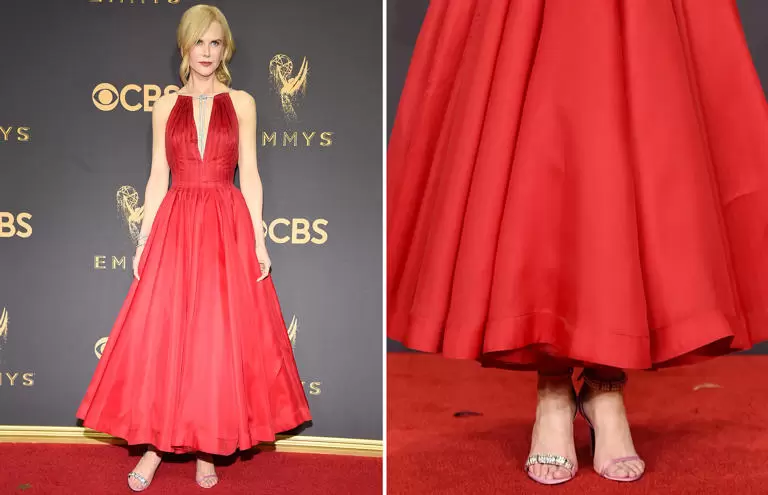
Red Carpet Glamour with Silver Strappy Sandals
This voluminous red gown paired with delicate silver ankle-strap heels proves that metallic shoes work as neutrals with bold colors. The thin straps don’t compete with the dress’s dramatic silhouette, while the silver adds just enough sparkle for a formal event. Choose this approach when your outfit is already making a statement and you need shoes that enhance rather than distract.
Black Strapless with Multi-Strap Heels
The sleek black dress gets elevated by strappy heels that add architectural interest without overwhelming the look. Multiple thin straps create visual texture while maintaining the outfit’s sophisticated edge. This combination works perfectly for cocktail events where you want to show personality through your shoe choice while keeping the overall look polished.
Quick tip
Pull two colors from a print for your mismatched shoe palette.

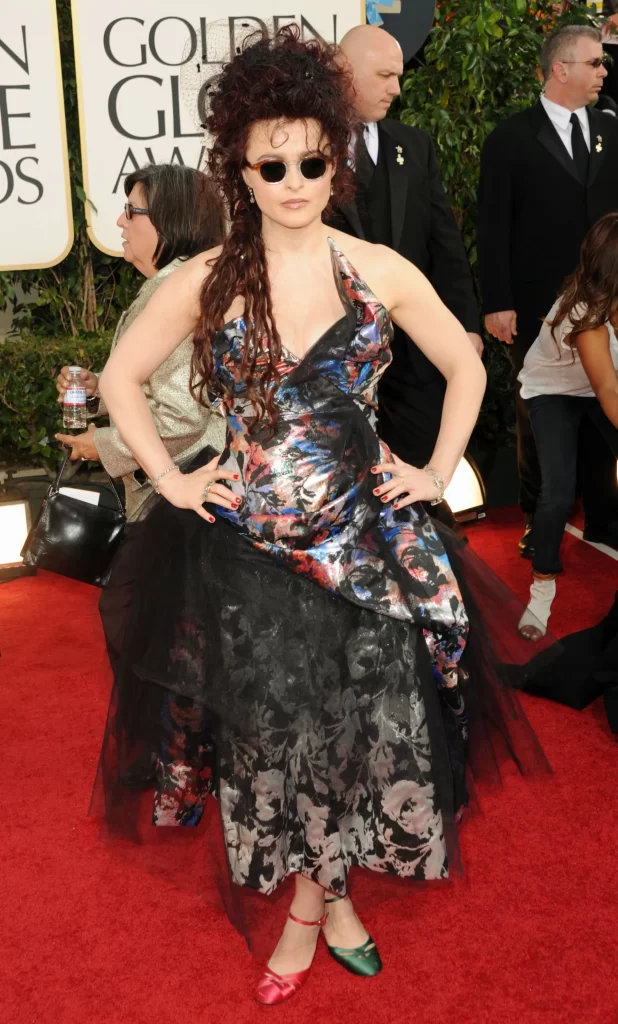
Bold Print Gown with Mismatched Color Pumps
Here’s proof that pulling two colors from a busy print for your shoes creates intentional coordination rather than chaos. One pink shoe and one green shoe echo colors already present in the floral pattern, making the mismatch feel deliberate. This works best with prints that contain multiple colors and when you’re feeling confident enough to make a statement.
Athleisure with Different Colored Sneakers
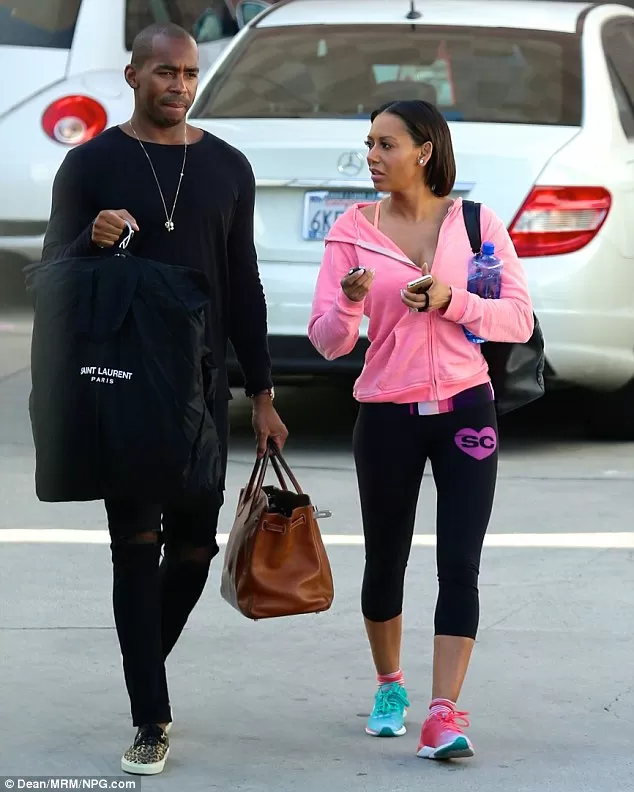
Mismatched sneakers in coordinating colors show how this trend translates to casual wear. The pink and teal shoes share similar saturation levels, which keeps the look cohesive despite the color difference. Matching the intensity of colors rather than the exact hues is key to making mismatched casual shoes work without looking like you got dressed in the dark.
Key takeaways
- Start with similar shoe styles in different colors rather than completely different designs
- Pull colors from your outfit’s existing palette to make mismatched shoes look intentionally coordinated
- Match the formality levels of both shoes — don’t pair a sneaker with a stiletto
- Keep the rest of your outfit relatively simple when experimenting with bold shoe combinations
- Choose shoes with similar heel heights to maintain your posture and gait
- Practice walking in mismatched shoes beforehand — different weights can affect balance
What Shoes To Wear With A Black Dress?23 Best Footwear Ideas
What To Wear With Leopard Print Shoes – 20 Outfit Ideas
15 Best Shoes To Wear With Sweater Dresses
What Shoes to Wear with Sweat Pants? 20 Outfit Ideas
27 Ideal Shoes to Wear With Skinny Jeans
30 Appropriate Business Casual Shoes For Women
43 Best Outfits to Wear With Ballet Flats (Casual + Formal)
20 Outfits With Square-Toed Sandals And How To Style Them