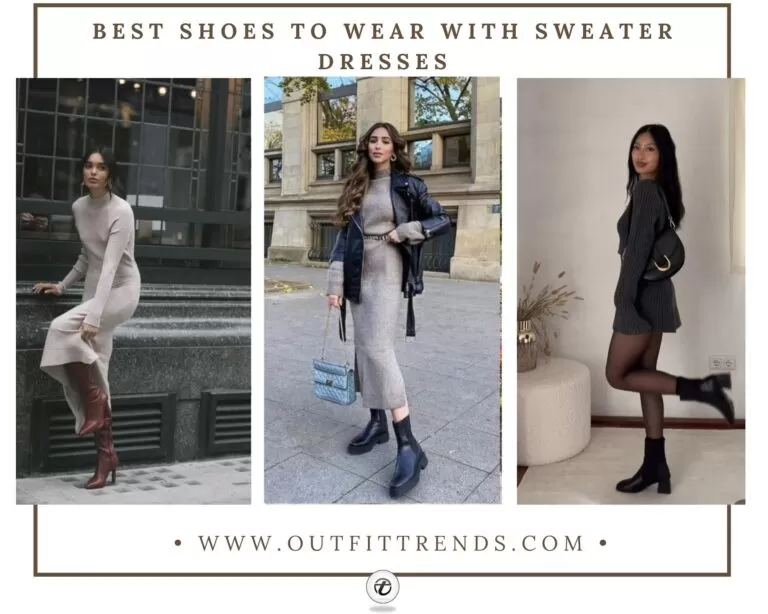
The no-socks trend looks effortless in photos, but I’ve watched too many women suffer through blisters and slipping heels because they skipped the preparation. Going sockless isn’t just about pulling off your socks — it requires the right shoes, proper foot prep, and knowing which combinations actually work versus which ones leave you hobbling home.
I learned this the hard way during a summer wedding when I thought I could wear new leather loafers without any barrier. Three hours in, my feet were raw and I was walking like I’d aged twenty years. The issue wasn’t the concept — it was my execution. Done correctly, sockless shoes create clean lines and work beautifully in warm weather, but there are non-negotiable rules that separate success from disaster.
Styling Tips
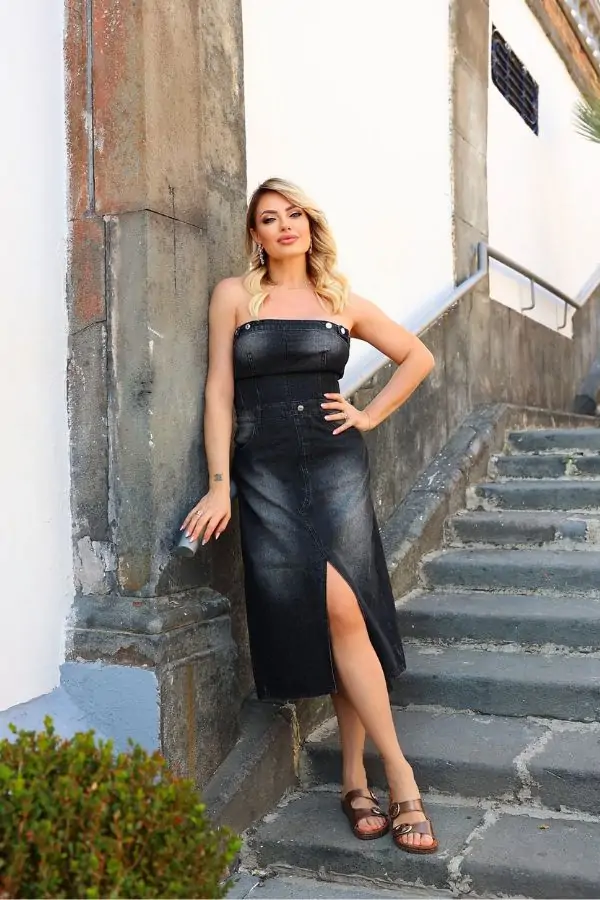
Choose structured shoes over soft materials
This leather dress demonstrates why firmer materials work better sockless. The structured bodice-style top and midi length create a foundation that can handle substantial footwear without looking unbalanced. Soft, floppy shoes without sock barriers often cause more friction and slipping, while structured leather or canvas shoes maintain their shape and provide better foot stability.
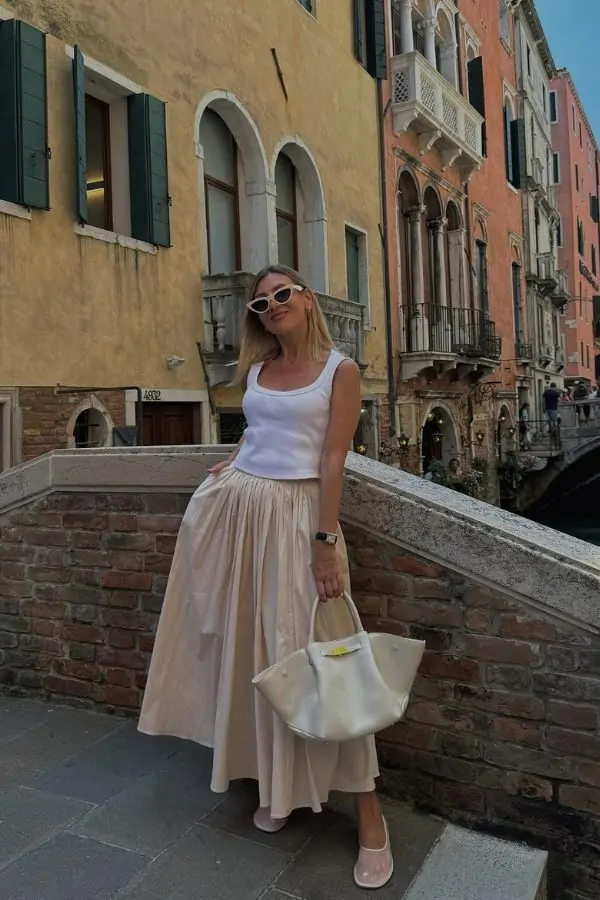
Pair neutral tones for foolproof coordination
The white tank and beige skirt combination shows how sockless shoes work best in tonal dressing. When your feet are exposed, busy patterns or clashing colors draw attention to the absence of socks in an unflattering way. This neutral palette lets the clean lines of sockless footwear enhance the overall look rather than distract from it.
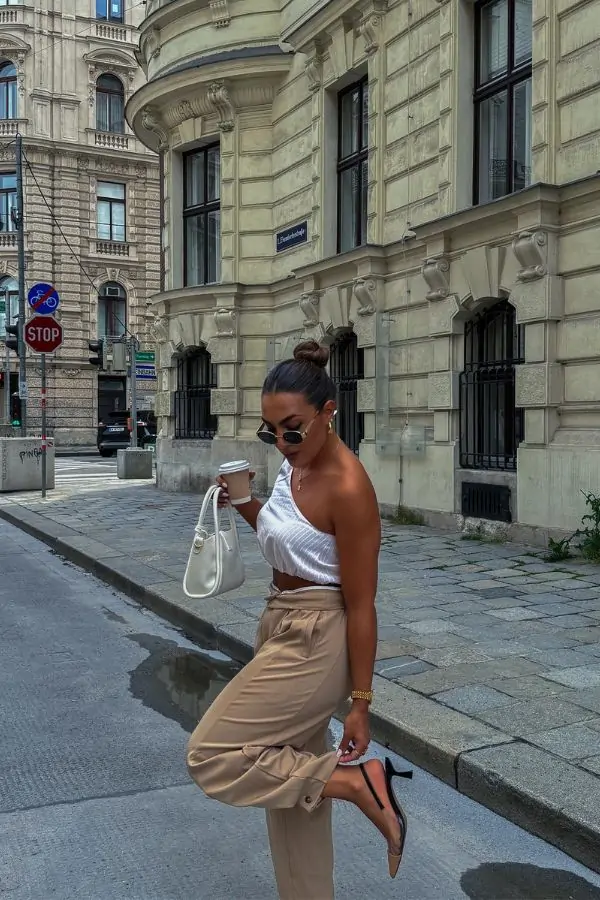
Match your shoe tone to your outfit’s undertones
The beige shoes here pick up the warm undertones in the outfit perfectly. This is crucial when going sockless because there’s no sock color to bridge any gaps between shoe and clothing. The exposed ankle area needs visual flow, which happens when your shoe color relates to something else you’re wearing — even if it’s just the undertone of your top.
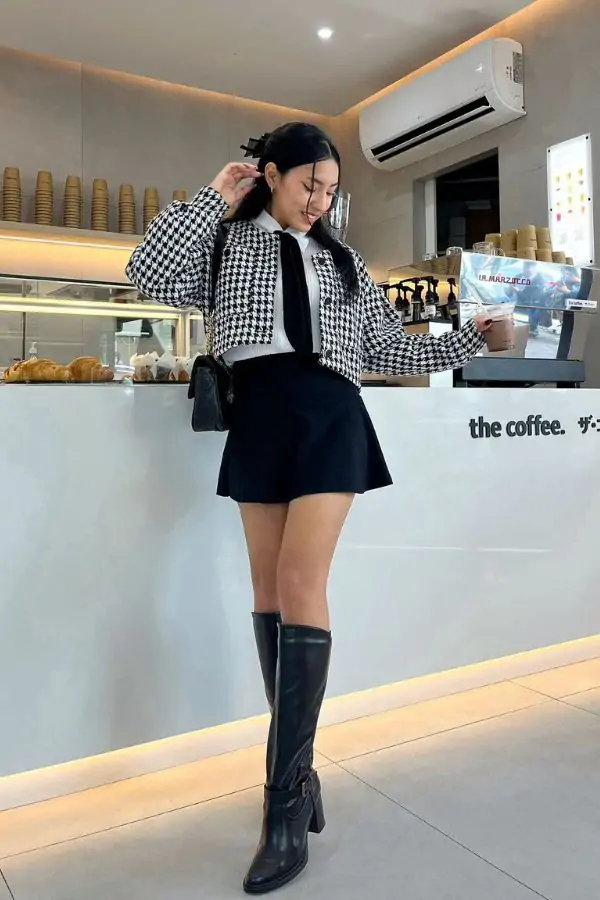
Use knee-high boots to eliminate the sockless question entirely
This houndstooth jacket with tall boots shows the smartest approach to sockless styling — choose shoes that cover enough leg that socks become irrelevant. The boot height creates a strong vertical line while the mini skirt keeps proportions balanced. You get the clean aesthetic without any of the practical challenges of truly sockless footwear.
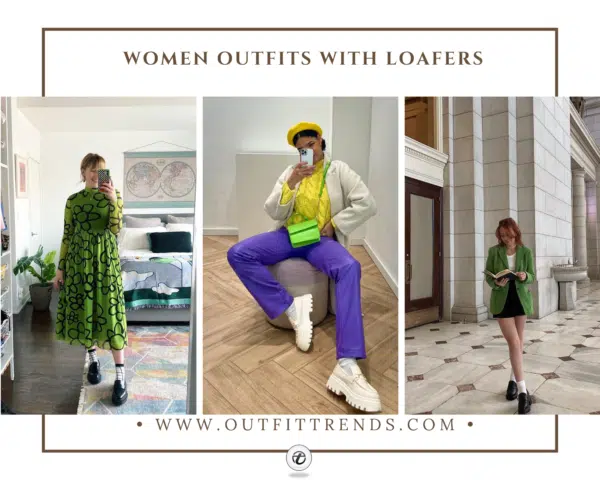
22 Cute Outfits to Wear with Loafers with Styling Tips
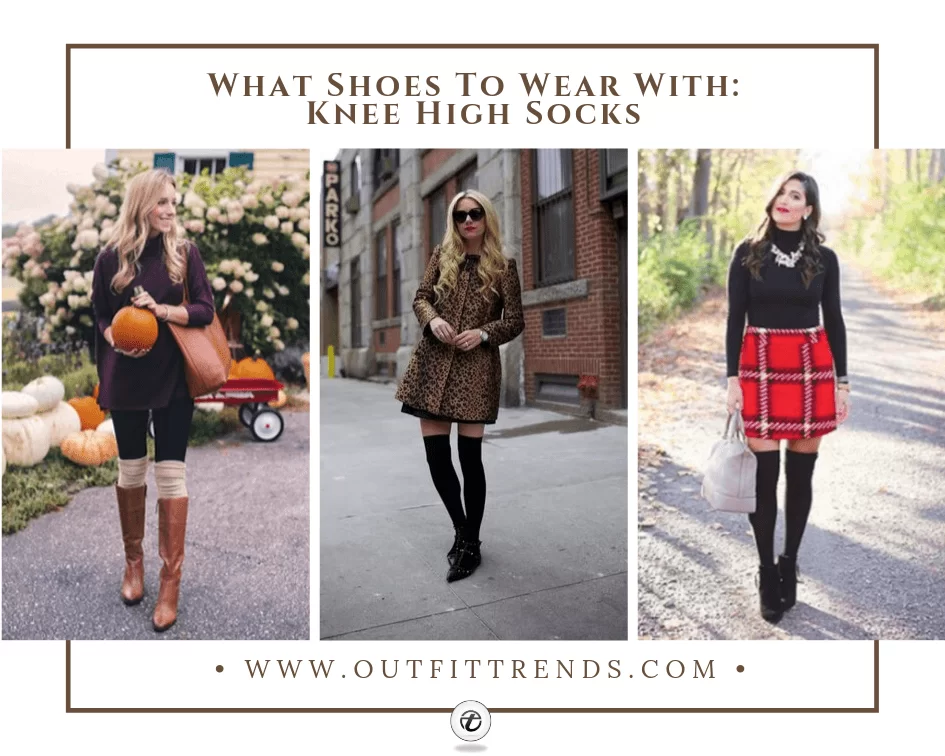
10 Best Shoes to Wear with Knee High Socks
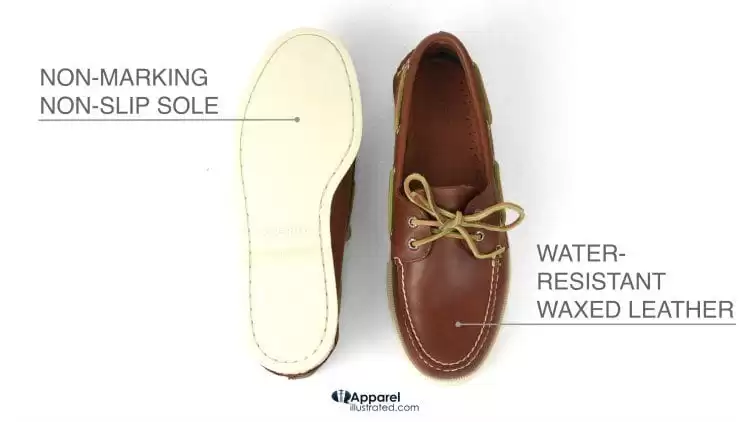
How to Wear Boat Shoes for Women? 16 Outfit Ideas
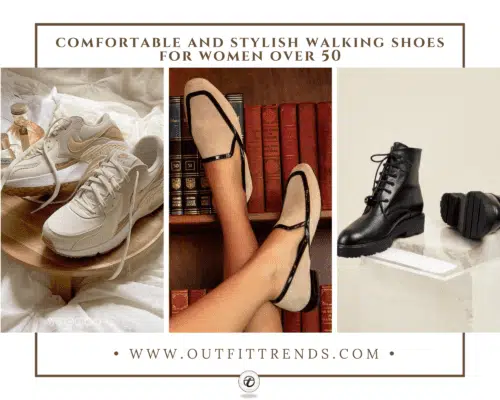
20 Most Comfortable Walking Shoes for Women Over 50 To Wear
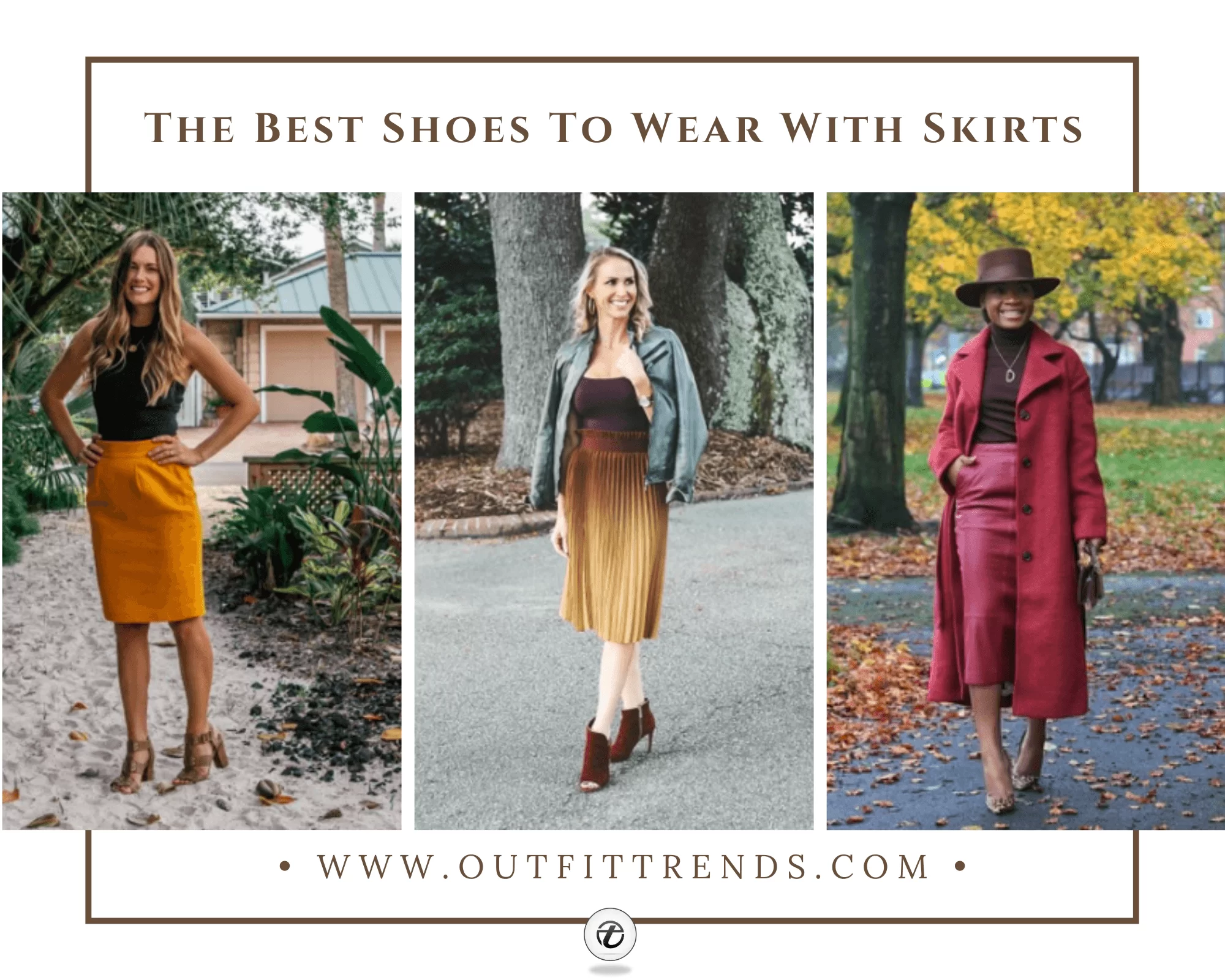
18 Best Shoes to Wear with Skirts & Styling Tips
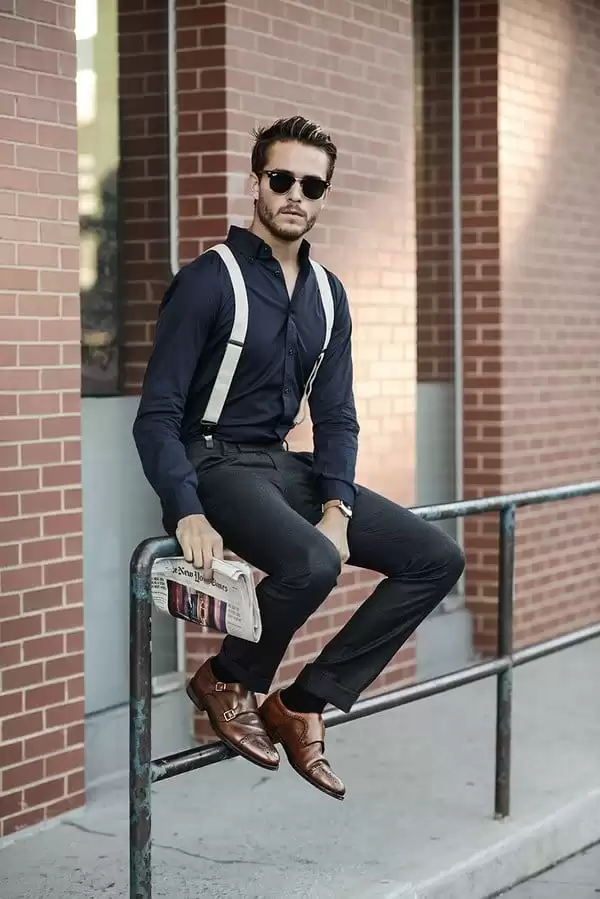
30 Best Men’s Outfit Ideas to Wear with Monk Strap Shoes
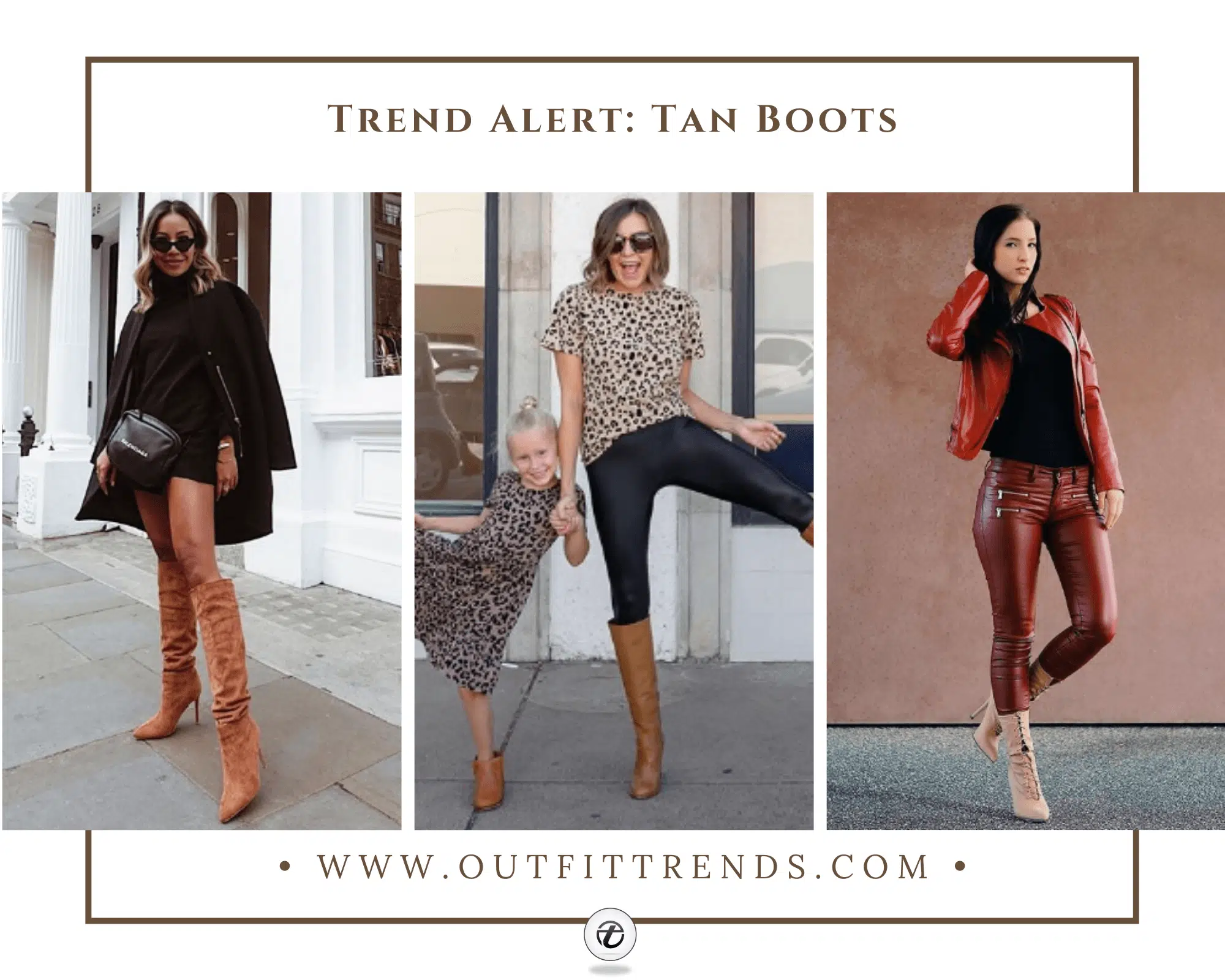
How to Wear Tan Shoes for Girls ? 30 Outfit Ideas
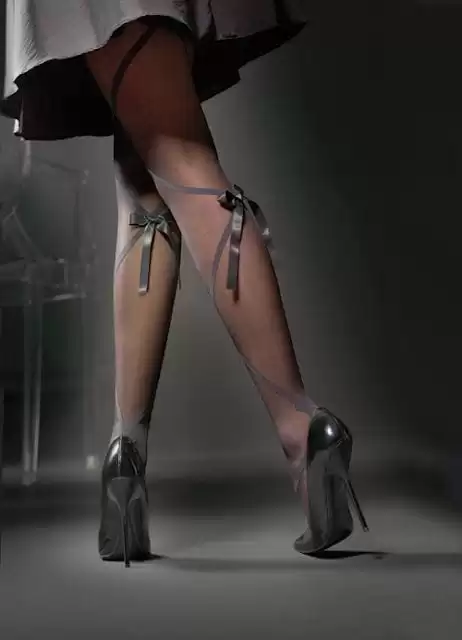
14 Best Shoes To Wear With Tights & Leggings
The sockless trend originated from Italian men’s formal wear in the 1960s, where going without socks with loafers was considered a mark of confident, relaxed elegance. The look was specifically designed for brief social occasions, not all-day wear.
Best Shoe Types for Going Sockless
Not all shoes work without socks, and the material matters more than the style. Canvas sneakers and leather loafers top my list because they breathe well and typically have smoother interior construction. The canvas allows airflow while leather naturally wicks moisture away from your skin.
Ballet flats can work, but only if they have soft interior seams and cushioned footbeds. Most cheap ballet flats have rough interior stitching that will tear up your heels within hours. I’ve found that slightly more expensive pairs with leather lining make all the difference for sockless wear.
Avoid anything with rough interior textures, cheap synthetic linings, or materials that don’t breathe. Faux leather and plastic-based shoes trap moisture and create the perfect environment for blisters and odor.
Foot Preparation That Actually Works
The antiperspirant trick isn’t just internet folklore — it genuinely prevents your feet from sliding around inside your shoes. Apply it to clean, dry feet and let it fully dry before putting on shoes. This creates a invisible barrier that reduces both moisture and friction.
Moleskin on pressure points saves the day when you know you’ll be walking more than usual. I keep small pieces cut and ready in my bag because prevention is so much easier than dealing with blisters later. Focus on your heel and any spots where the shoe feels snug.
Powder might seem obvious, but most people use too much. A light dusting of foot powder or cornstarch absorbs moisture without creating a gritty feeling inside your shoes. Too much powder actually makes things worse by clumping.
Going Sockless With Style: 10 Outfits That Actually Work
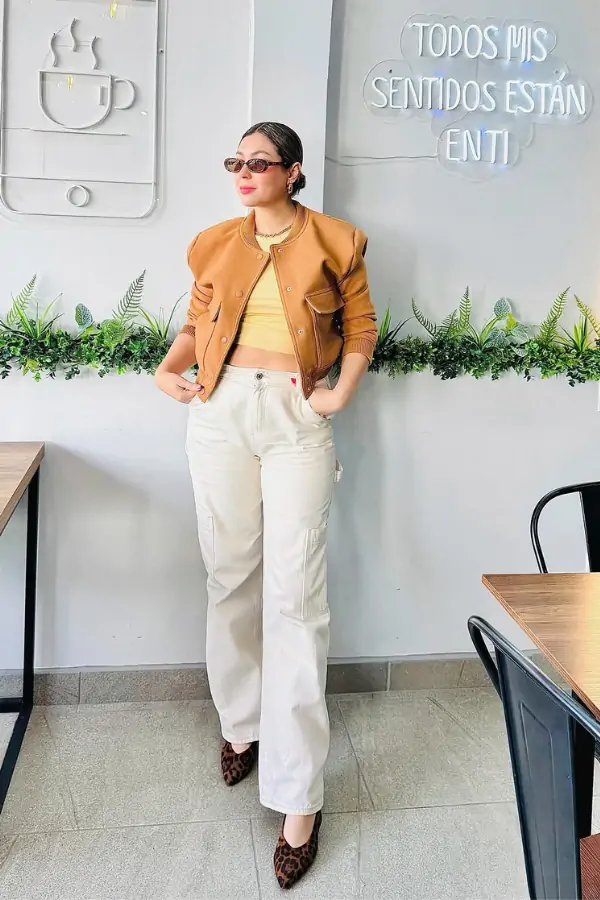
Cropped Wide-Leg Trousers With Leopard Flats
The key to pulling off sockless flats is choosing cropped trousers that hit at the ankle — this creates a clean line that doesn’t look like you forgot something. The leopard print adds visual interest exactly where your eye lands, while the wide-leg silhouette balances the delicate shoe. This works best if you have narrow ankles and aren’t prone to blisters.
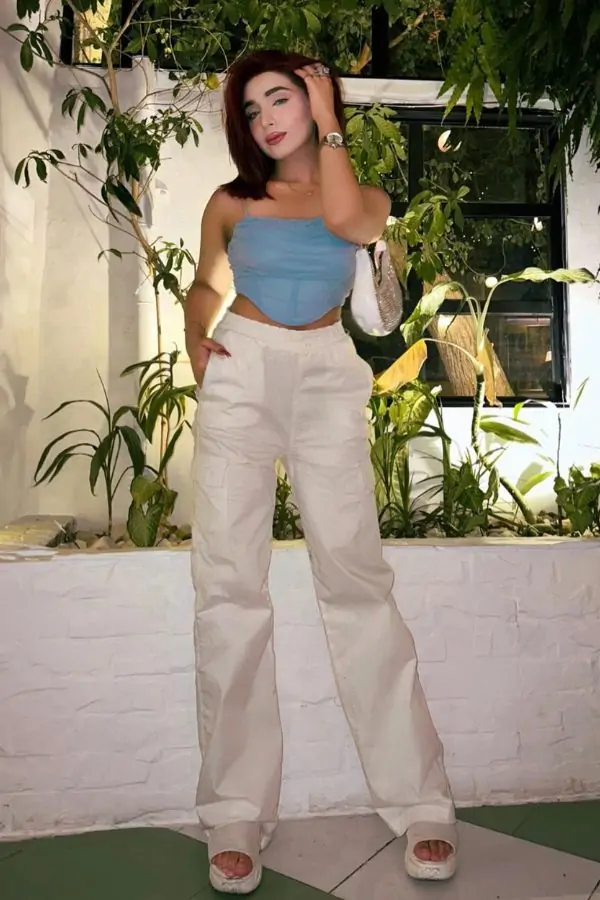
Platform Sandals With High-Waisted Trousers
Platform sandals are your safest bet for going sockless because there’s minimal foot contact with the shoe. The high-waisted cream trousers create a long, unbroken line that makes legs look miles longer. Just make sure the platforms have some grip on the sole — smooth soles plus no socks equals slipping around inside the shoe.
Blue Sneakers With A Mini Dress
Bright sneakers without socks work when the rest of your outfit is simple and feminine. The contrast between sporty shoes and a ruffly dress creates an intentional clash that looks planned, not accidental. Canvas sneakers breathe better than leather, making them more comfortable sockless, though you’ll want to treat them with antibacterial spray.

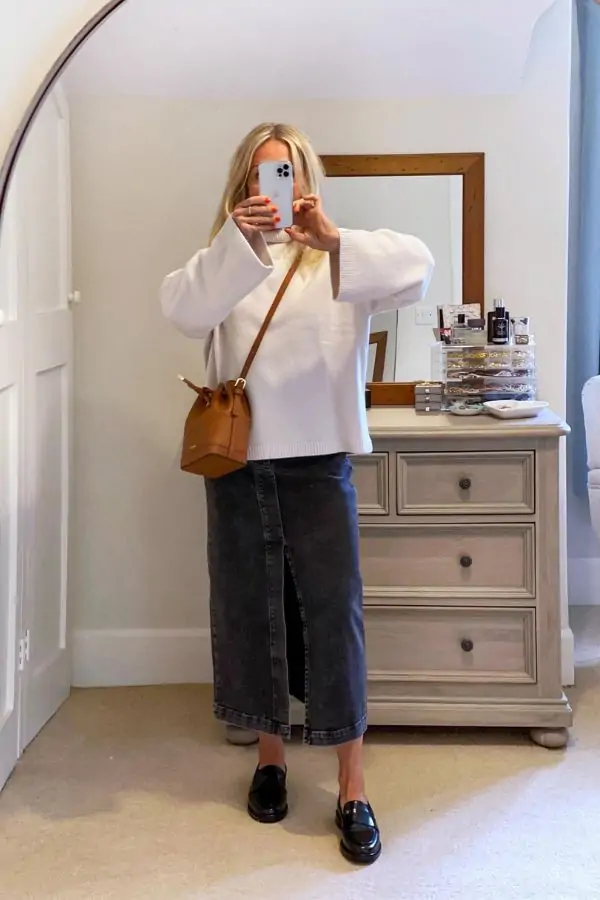
Penny Loafers With A Midi Skirt
This is the most classic way to wear loafers without socks — with a midi-length skirt that covers the top of your thighs. The proportions are perfect: substantial shoe, covered legs, just a hint of ankle showing. Leather loafers need breaking in first, and I’d recommend heel grips to prevent slipping.
Quick tip
Match your shoe formality to outfit structure — loafers with tailored pieces, sandals with flowing dresses.
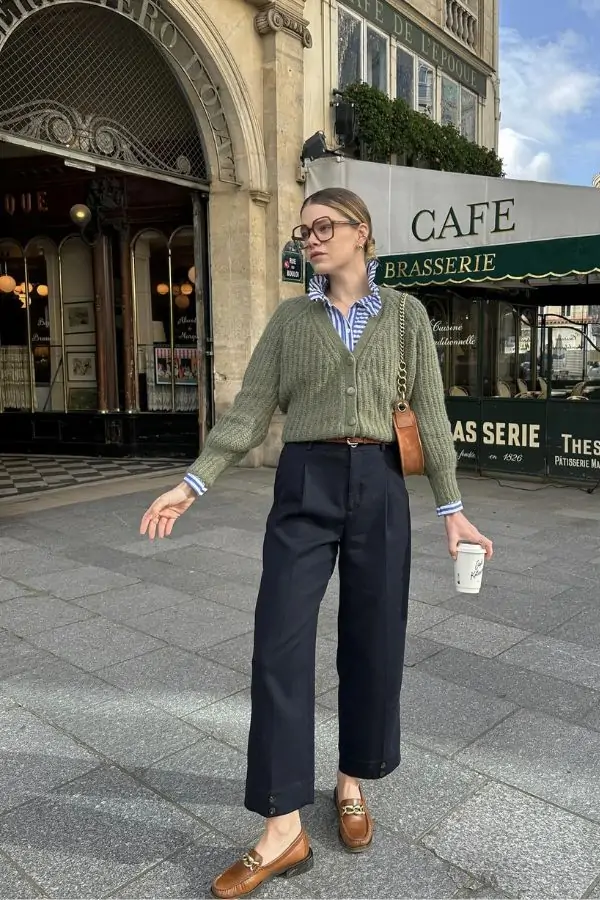
Brown Loafers With Cropped Wide-Leg Pants
The trick here is the substantial trouser hem that creates weight at the bottom — it balances the chunky loafer and makes the whole look feel intentional. Navy and brown is an underrated combination that feels more interesting than navy and black. Size up half a size in loafers if you’re going sockless regularly.
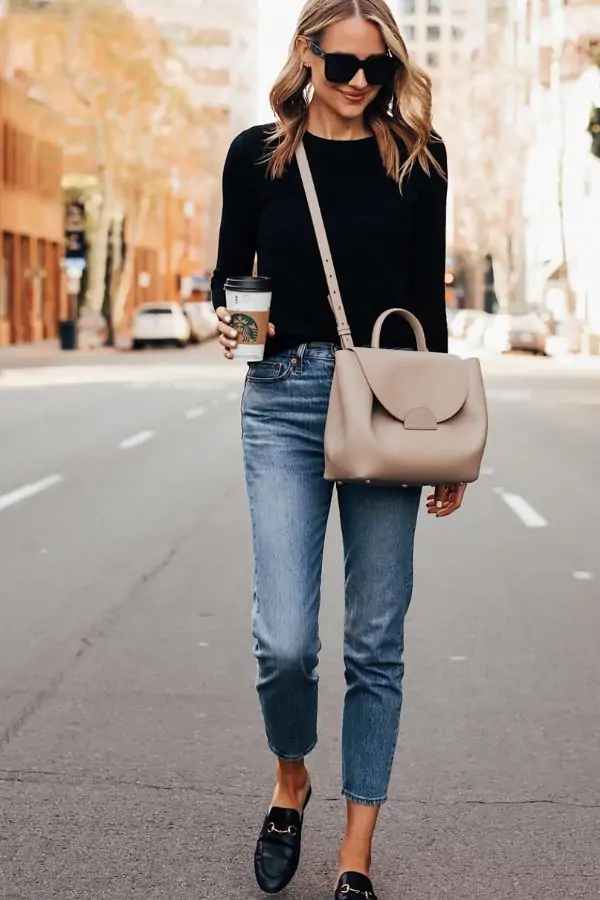
Black Slip-On Mules With Cropped Jeans
Backless mules are perfect for sockless wearing because your heel sits directly on the shoe bed without any enclosed areas to cause friction. The cropped straight-leg jeans show just enough ankle to create a modern silhouette. Black mules work with everything, but they show scuffs easily, so invest in good leather.
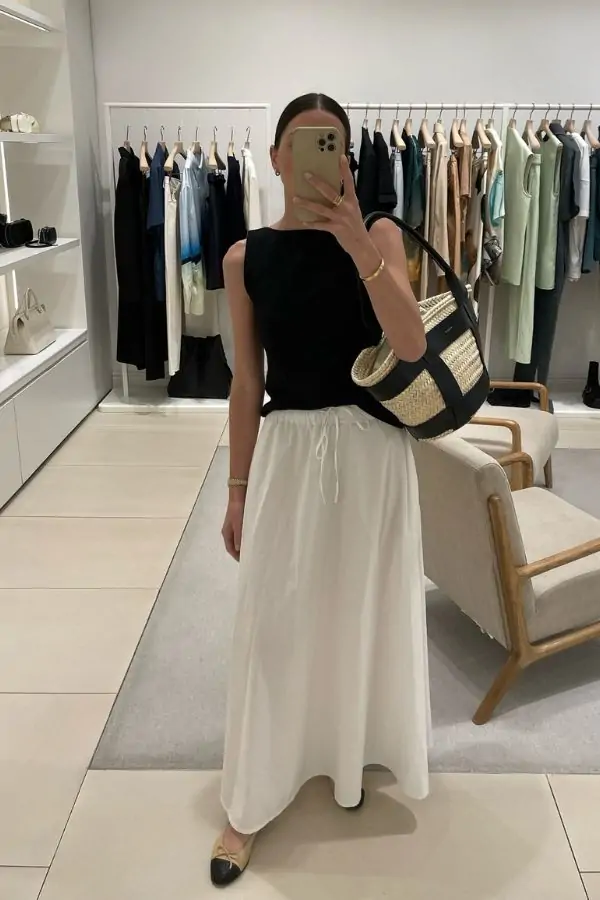
Black Ballet Flats With A Midi Skirt
The most minimalist approach — simple black flats that disappear into the outfit rather than compete with it. The midi skirt length is crucial here; any shorter and the proportions would look off. Ballet flats are notoriously uncomfortable sockless, so look for ones with cushioned insoles and consider gel heel strips.
Quick tip
Try monochromatic dressing from light to dark tones for a sophisticated sockless look.
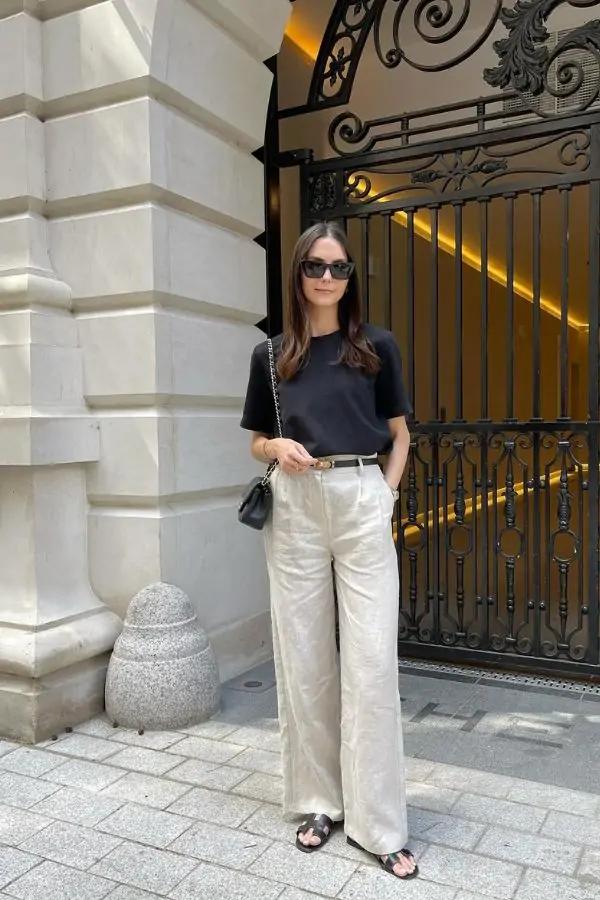
Black Slide Sandals With Linen Trousers
Slides are foolproof for sockless styling because there’s no enclosed heel or sides to rub — your foot just sits on top. The wide-leg linen trousers create elegant draping that makes this feel polished rather than casual. Choose slides with a slight heel for better posture and a more refined look.
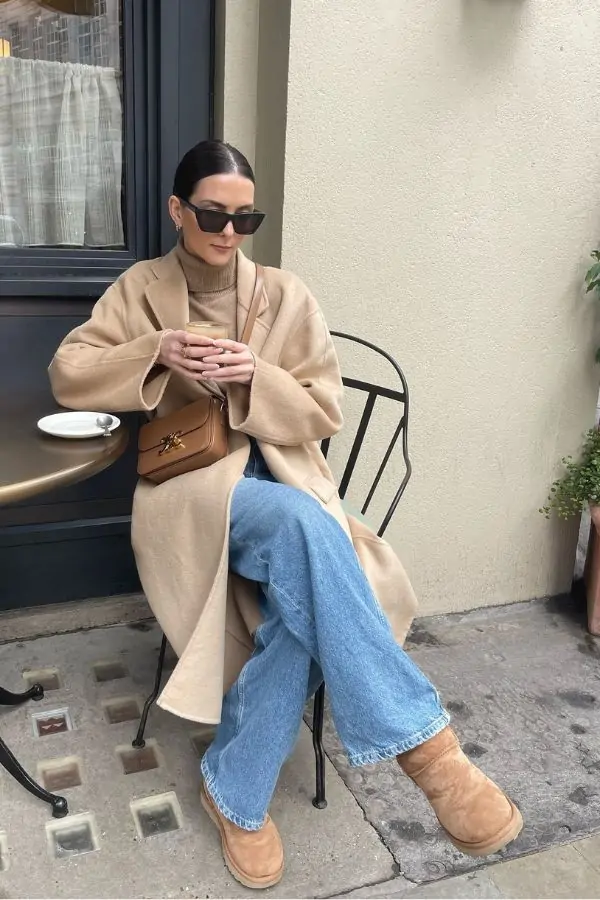
Suede Ankle Boots With Relaxed Jeans
This breaks the conventional wisdom about boots needing socks, but it works because suede is softer against skin than leather. The relaxed fit of the jeans means no tight fabric pressing the boot opening against your ankle. Only attempt this with well-fitted boots — any looseness will cause blisters without socks as a buffer.
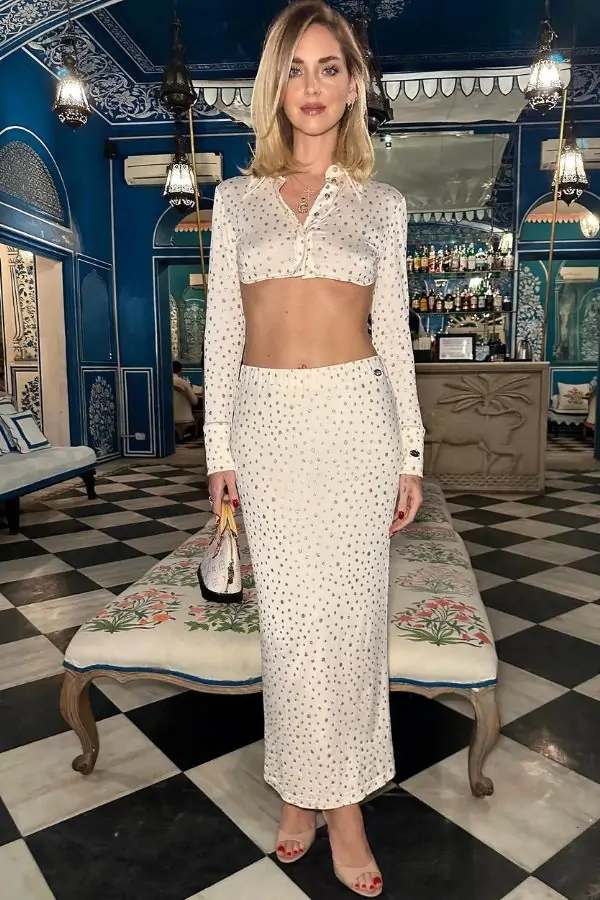
Nude Heeled Sandals With A Matching Set
Strappy heeled sandals in nude tones create the illusion of bare feet in fancy shoes — which is exactly what you want when going sockless. The matching co-ord set keeps the focus on the overall silhouette rather than individual pieces. Choose sandals with adjustable straps so you can get the fit exactly right without socks to fill any gaps.
Quick tip
Choose nude-based shoes to visually elongate legs when wearing shorts or mini dresses.
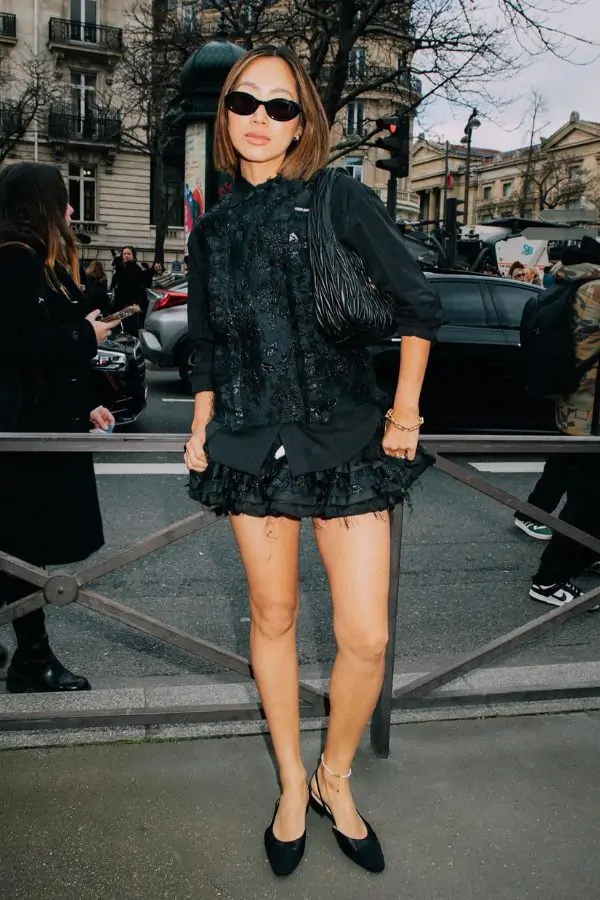
Evening Embellished Mini with Ballet Flats
This dark embellished mini dress paired with black ballet flats shows how to ground a dressy piece without sacrificing comfort. The tonal matching between dress and shoes creates a streamlined silhouette, while the flats keep the look accessible rather than overly formal. This works particularly well for petite frames as the monochromatic approach creates an unbroken line.
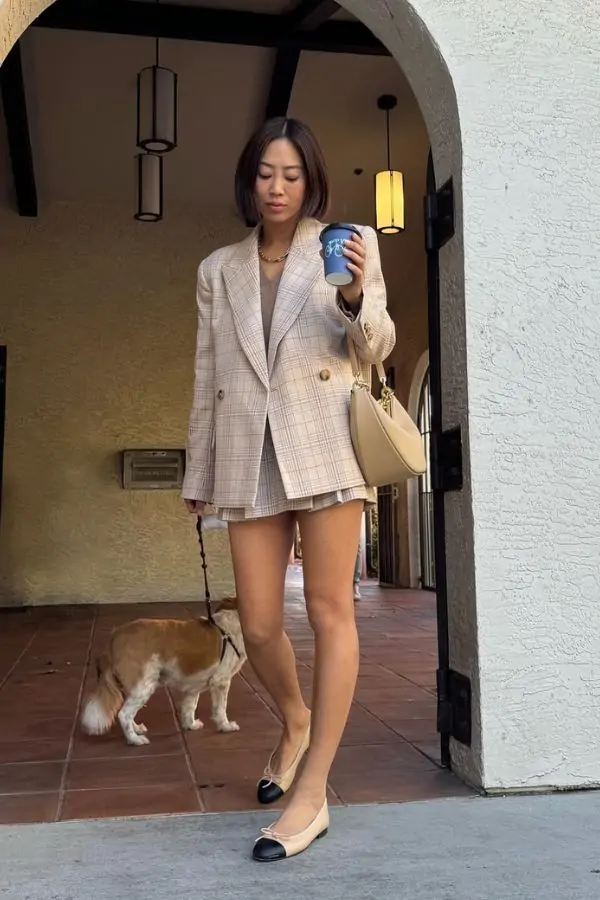
Blazer Set with Cap-Toe Flats
A matching blazer and shorts set becomes office-appropriate when styled with structured cap-toe flats in nude and black. The two-tone shoe design adds visual interest without competing with the plaid pattern, while the nude base elongates the legs. This combination works because the shoe’s formality matches the tailored nature of the set.
Tropical Knit Maxi with Minimal Sandals
This cream cutout dress demonstrates how barely-there footwear can enhance rather than detract from a statement piece. The thin-strap sandals virtually disappear, letting the dress’s dramatic details take center stage while still providing necessary foot protection. The neutral shoe choice ensures the focus stays on the dress’s interesting neckline and side cutouts.
Quick tip
Let dramatic dress details shine by selecting minimal, disappearing footwear.

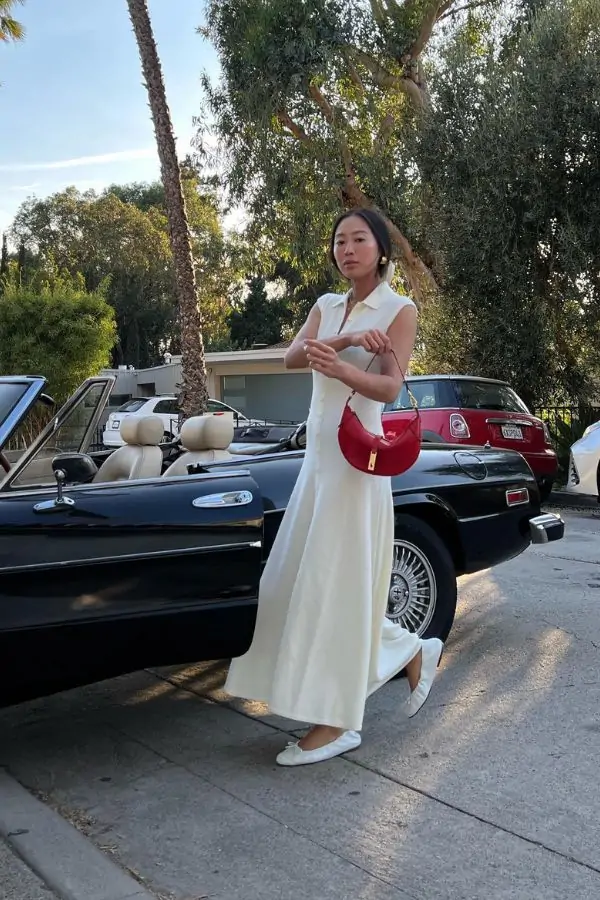
Sleeveless Midi with White Loafers
A cream sleeveless dress paired with white loafers creates a fresh take on sockless dressing that feels both polished and relaxed. The monochromatic cream-to-white progression creates visual flow while the loafer’s structured shape prevents the look from appearing too casual. The red bag provides the perfect pop of color against the neutral palette.
Key takeaways
- Choose shoes that match your outfit’s formality level — ballet flats for dressy pieces, loafers for tailored looks
- Use tonal dressing to create an unbroken line when going sockless, especially in monochromatic outfits
- Let statement pieces dominate by choosing minimal, disappearing footwear that won’t compete for attention
- Consider two-tone shoes to add subtle interest while maintaining sophistication in professional settings
- Ground bold or dressy pieces with flat shoes to make them more wearable for everyday occasions
- Use a single pop of color in accessories when working with neutral shoe and clothing combinations
22 Cute Outfits to Wear with Loafers with Styling Tips
10 Best Shoes to Wear with Knee High Socks
How to Wear Boat Shoes for Women? 16 Outfit Ideas
20 Most Comfortable Walking Shoes for Women Over 50 To Wear
18 Best Shoes to Wear with Skirts & Styling Tips
30 Best Men’s Outfit Ideas to Wear with Monk Strap Shoes
How to Wear Tan Shoes for Girls ? 30 Outfit Ideas
14 Best Shoes To Wear With Tights & Leggings
Which look is your favourite?
Tap the outfit you would wear. Results show right after you vote.