The waist belt is fashion’s most underestimated problem-solver. I discovered this three years ago when a client complained her dresses made her look shapeless — until I added a simple black belt that transformed her entire silhouette in seconds.
Most women treat belts as afterthoughts, grabbing whatever matches their shoes. This backwards approach misses the point entirely. A waist belt isn’t decoration — it’s architecture for your outfit. It creates shape where there wasn’t one, defines proportions that flattery your body, and turns loose pieces into intentional looks.
The key is understanding that belts work differently on every body type and with every fabric weight. What cinches perfectly on a silk dress will buckle awkwardly on thick knit. After years of styling women of all shapes, I’ve learned that the right belt placement can make you look taller and the wrong one can cut you in half.
Styling Tips
Place the belt at your natural waist, not where your jeans sit. Your natural waist is the narrowest part of your torso — usually an inch or two above your belly button. This creates the most flattering silhouette and makes your legs look longer. I see women constantly belting at their hip bones, which shortens their torso and creates an unflattering line.
Choose belt width based on your torso length. If you have a short torso, stick to belts under two inches wide — anything wider overwhelms your midsection. Long-torso women can handle wider statement belts up to four inches. I learned this the hard way when I wore a wide obi-style belt that made my already short waist disappear completely.
Match belt thickness to fabric weight. Thin leather belts work perfectly over lightweight fabrics like silk, cotton, and jersey. Thick belts need substantial fabrics like wool, denim, or structured cotton to support them properly. A chunky belt over a flimsy sundress looks amateur because the fabric can’t hold the weight.
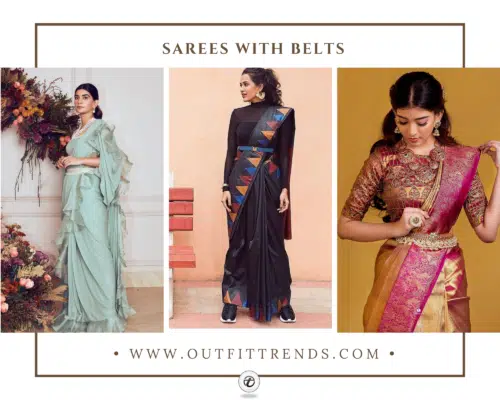
How to Wear Sarees With Belts – 30 Tips And Tutorial

How to Wear High Waisted Jeans 26 Outfit Ideas
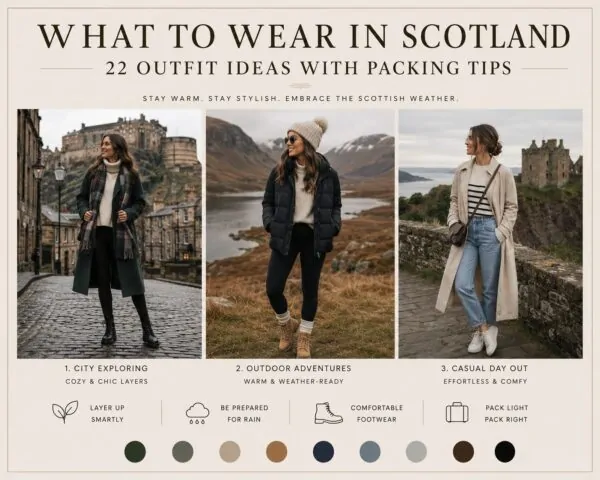
What to Wear in Scotland: 22 Outfit Ideas with Packing Tips
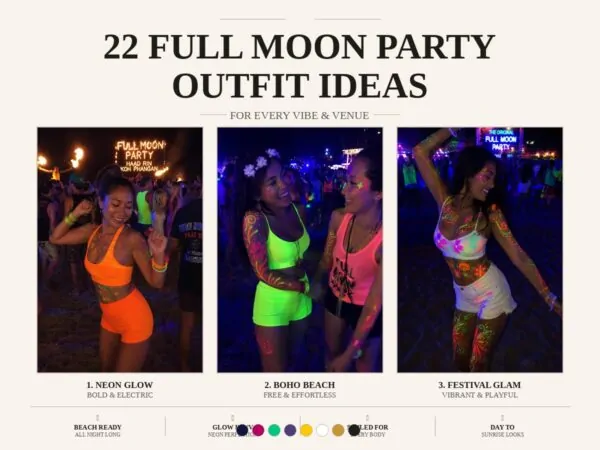
What to Wear to the Full Moon Party? 18 Outfit Ideas
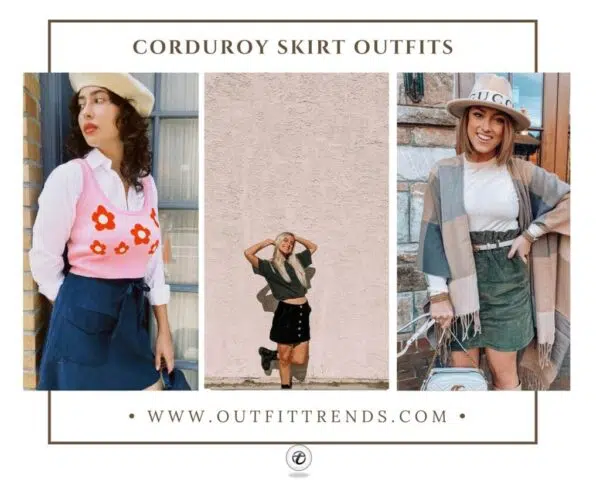
How to Wear Corduroy Skirts? 16 Outfit Ideas

How to Wear Lace Pants? 18 Outfit Ideas with Styling Tips
How to Wear Chinos For Women? 15 Best Outfit Ideas
What to Wear in Ukraine? 12 Outfit Ideas, Packing List & Tips
Coco Chanel popularized the waist belt in the 1920s as a way to create feminine curves while maintaining the decade’s straight-line silhouette. She believed the belt was essential for making dropped-waist dresses wearable for real women.
Consider proportion over matching. Your belt doesn’t need to match your shoes or bag — it needs to balance your outfit’s visual weight. A thin black belt works with almost everything because it defines without competing. Save contrasting or statement belts for simple outfits that need more interest.
Adjust for different dress styles. Fit-and-flare dresses need belts placed higher to emphasize the waist before the skirt flares out. Straight dresses can handle belts at the natural waist or slightly lower. Wrap dresses already have built-in waist definition, so only add a belt if you want more structure.
Test the tuck before committing. Some fabrics bunch awkwardly when belted, creating bulk instead of smoothness. Always do a mirror check from the side — if you see fabric pooling above or below the belt, try a different placement or skip the belt entirely. The goal is a clean line, not fabric fighting against leather.
Dos & Don’ts
Waist Belt Styling Ideas That Work
Floral Dress with Dark Floral Blazer
A thin brown leather belt defines the waist on this light blue floral dress, while a dark floral blazer adds structure without overwhelming the look. The narrow belt width keeps the focus on the dress’s feminine silhouette rather than creating bulk. This combination works best for casual daytime events where you want to look put-together without being overly formal.

Bold Neon Dress with Statement Belt
This bright lime dress uses its matching fabric belt to create definition at the natural waist, preventing the sleeveless shift from looking shapeless. The wide belt treatment works because it’s in the same material and color as the dress, creating a cohesive look rather than competing elements. Perfect for summer events where you want to make a confident color statement.

Floral Dress with Contrasting Cardigan
A dark belt cinches this navy floral dress at the waist, while the soft peach cardigan provides gentle contrast without clashing with the print. The belt creates an hourglass shape that prevents the cardigan from overwhelming the dress’s fitted bodice. This approach works well for transitional weather when you need layering that maintains your silhouette.

Dramatic Full Skirt with Wide Belt
A substantial leather belt at the natural waist is essential for this voluminous black skirt to avoid looking costume-like. The wide belt proportion matches the drama of the full skirt while the crisp white shirt provides necessary contrast. This combination requires confidence to wear but creates genuine elegance for special occasions.
Quick tip
Choose contrasting belt colors for maximum waist definition and visual impact.

Professional Blazer and Pencil Skirt
A narrow black belt defines the waist between this white blazer and grey pencil skirt, creating clear separation between the two pieces. The slim belt width maintains the outfit’s professional appearance without adding bulk to the fitted silhouette. This formula works reliably for office settings where you need polish without fuss.

Turtleneck Tucked into Pencil Skirt
A metallic belt adds visual interest while defining the waist where this cream turtleneck meets the black pencil skirt. The belt’s metallic finish provides just enough shine to lift what could be a monotonous neutral combination. This technique works when you want to dress up basic separates without adding bold colors or patterns.

Striped Dress with Simple Belt
A thin belt in a coordinating color cinches this navy striped dress without interrupting the pattern’s flow. The minimal belt width defines the waist while letting the horizontal stripes do their work of creating visual interest. This approach suits anyone who wants the waist definition of a belt without drawing attention away from a favorite print.
Quick tip
Place belts at your natural waist, not where the garment hits — ignore dress seaming if it’s wrong for your body.

Blazer Dress with Metallic Belt
A wide metallic belt transforms this navy blazer dress from corporate uniform into evening-appropriate attire. The statement belt width and finish creates a focal point that elevates the simple dress silhouette. This styling works for after-work events where you need to transition from professional to social without changing clothes.

Plus-Size Dress with Structured Blazer
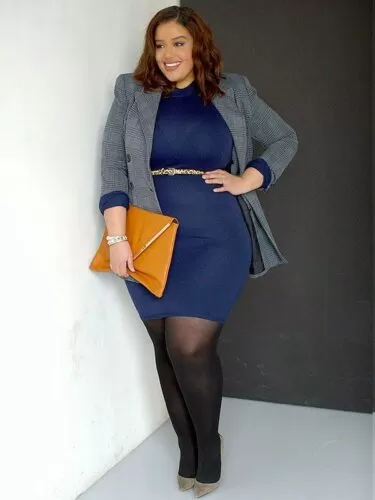
A slim chain belt defines the waist on this navy dress while the grey blazer provides structure and professional polish. The delicate belt proportion creates definition without cutting the torso in half, which is crucial for plus-size styling. This combination works for business settings where you want authority with femininity.
Vintage-Inspired Dress with Cardigan
A narrow belt cinches this fit-and-flare dress at its natural waist, while the rust cardigan adds warmth without disrupting the vintage-inspired silhouette. The belt placement at the smallest part of the waist enhances the dress’s retro proportions rather than fighting them. This styling suits anyone who appreciates classic femininity with modern wearability.
Quick tip
When layering, wear belts over cardigans and blazers to maintain your silhouette.

Navy Anchor Dress with Statement Belt
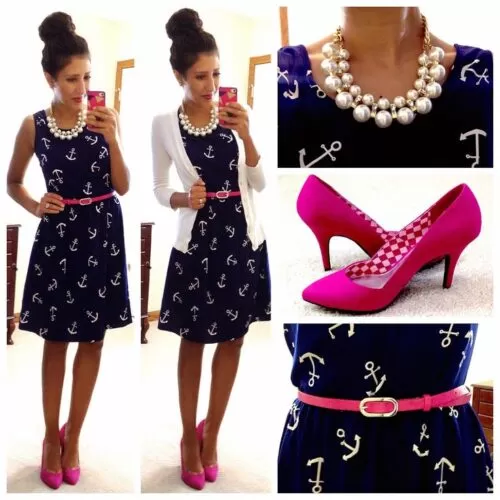
This nautical print dress shows how a contrasting belt color can completely transform a look. The bright pink belt breaks up the navy perfectly and creates an hourglass silhouette on the fit-and-flare shape. Works brilliantly for petite frames because the belt placement hits at the natural waist, not floating somewhere in the middle.
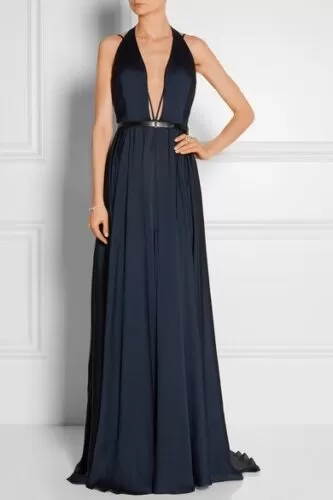
Deep Navy Evening Gown with Metallic Belt
A thin metallic belt on a flowing gown proves that less can be more impactful. The gold hardware catches light and defines the waist without competing with the dress’s drama. This approach works when you want the dress to remain the star while still creating shape.
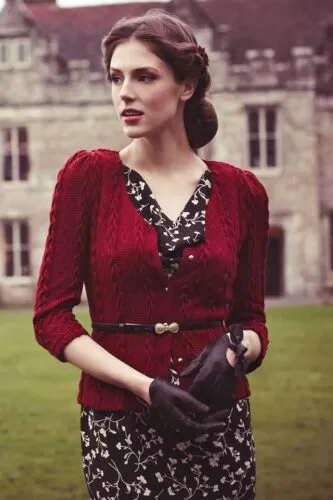
Burgundy Cardigan Over Patterned Dress
Layering a cardigan doesn’t mean losing your waistline — the thin belt worn over the cardigan keeps everything defined. The burgundy and black print combination feels rich and autumnal. Perfect for transitional weather when you need warmth but don’t want to hide your silhouette.
Quick tip
Match belt color to existing accessories like shoes or bags for a cohesive look.
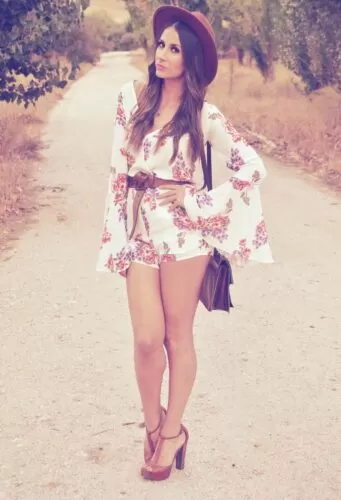
Bohemian Romper with Wide Belt
A wide belt on a flowy romper prevents the whole look from becoming too ethereal. The belt grounds the feminine florals and bell sleeves with structure. This combination works best on taller frames — petite women should choose a narrower belt width to avoid overwhelming their torso.
Pattern Mixing with Neutral Belt
The brown belt here acts as a neutral bridge between the geometric top and polka dot skirt. When mixing patterns, a solid belt in a complementary color helps unify the look instead of adding another competing element. The leopard clutch adds just enough extra pattern without chaos.

Winter Layers with Leather Belt
Even bundled up for cold weather, you can maintain shape with strategic belt placement. The brown belt worn over the white cardigan creates definition that would disappear otherwise. The key is choosing a belt that complements your boot color — this creates a cohesive color story from head to toe.
Quick tip
Petite frames should choose narrower belt widths to avoid overwhelming the torso.

Metallic Pleated Gown with Delicate Belt
On formal gowns with built-in texture, choose a belt that enhances rather than competes. This delicate chain belt adds just enough sparkle to complement the metallic pleating without overwhelming it. The placement sits perfectly at the natural waist where the dress already has seaming.

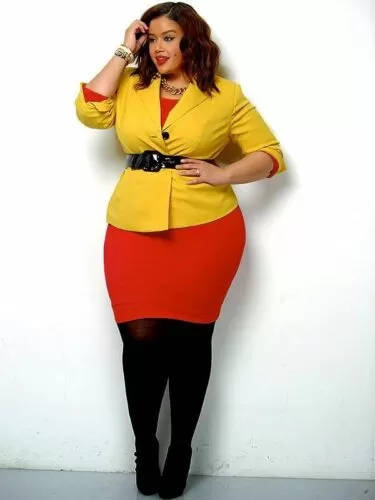
Color Block Styling with Bold Belt
The wide black belt here creates a striking focal point between the yellow top and red skirt. This triple color combination works because the belt acts as a grounding element. The key with color blocking is choosing one neutral element — in this case, the black belt and tights — to balance the brights.
Polished Separates with Metallic Accent
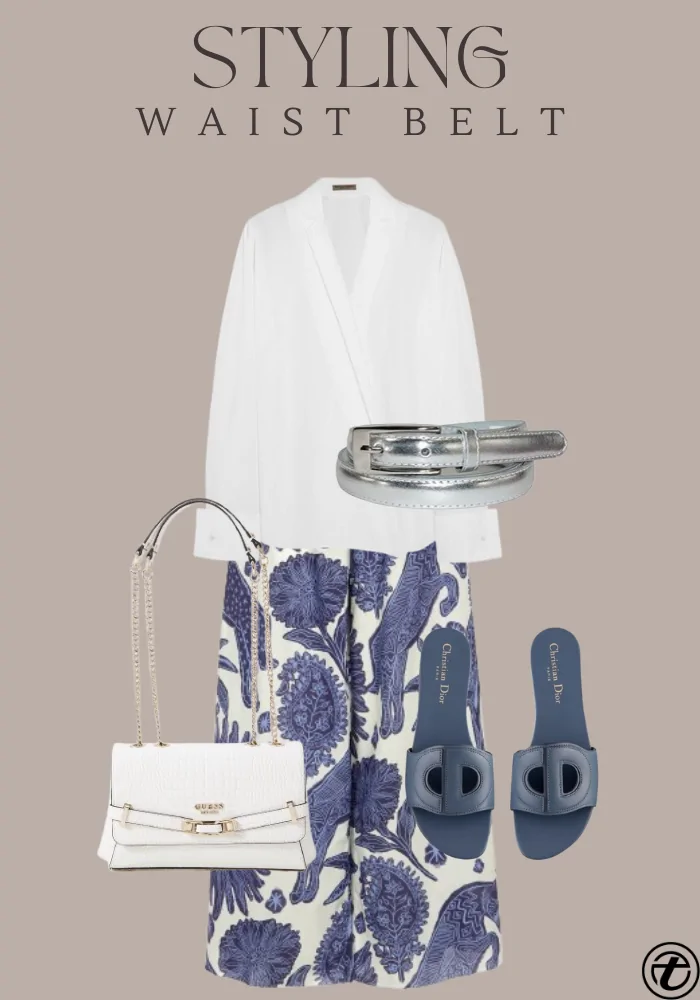
A silver belt elevates basic separates into something more intentional. The metallic finish bridges the gap between the white blazer and blue printed skirt. This styling trick works because the belt adds just enough shine to make the whole outfit feel more dressed up without requiring statement jewelry.
Quick tip
On formal gowns, choose delicate chain or metallic belts that complement rather than compete with the fabric.
Key takeaways
- Belt placement should hit your natural waist, not floating randomly on your torso
- Use contrasting colors for maximum impact — navy with pink, burgundy with gold
- When layering cardigans or jackets, wear the belt over the layer to maintain shape
- Match your belt to existing accessories like shoes or bags for cohesion
- Choose belt width proportional to your frame — petite women need narrower belts
- On patterned pieces, solid belts work better than adding another competing pattern
How to Wear Sarees With Belts – 30 Tips And Tutorial
How to Wear High Waisted Jeans 26 Outfit Ideas
What to Wear in Scotland: 22 Outfit Ideas with Packing Tips
What to Wear to the Full Moon Party? 18 Outfit Ideas
How to Wear Corduroy Skirts? 16 Outfit Ideas
How to Wear Lace Pants? 18 Outfit Ideas with Styling Tips
How to Wear Chinos For Women? 15 Best Outfit Ideas
What to Wear in Ukraine? 12 Outfit Ideas, Packing List & Tips