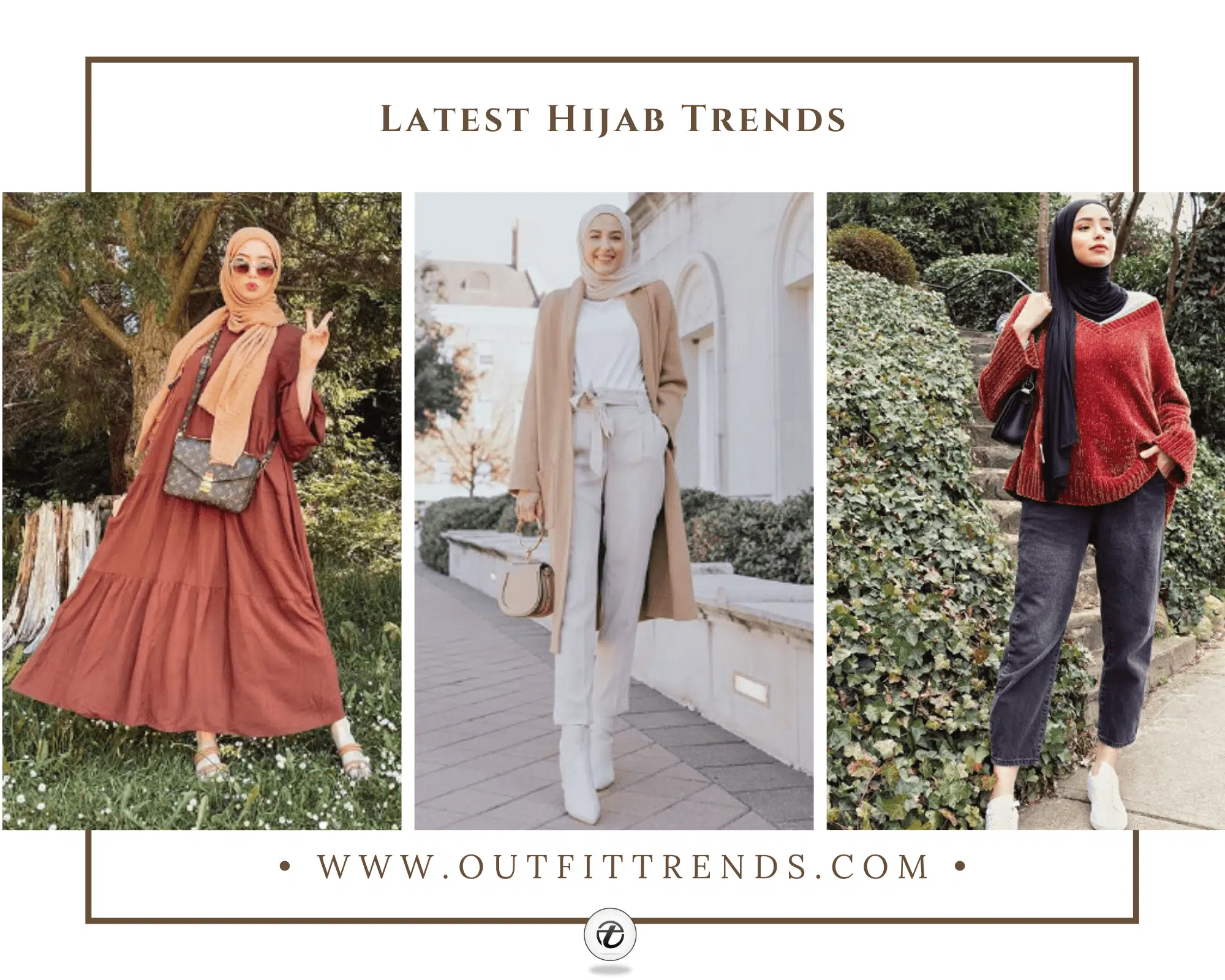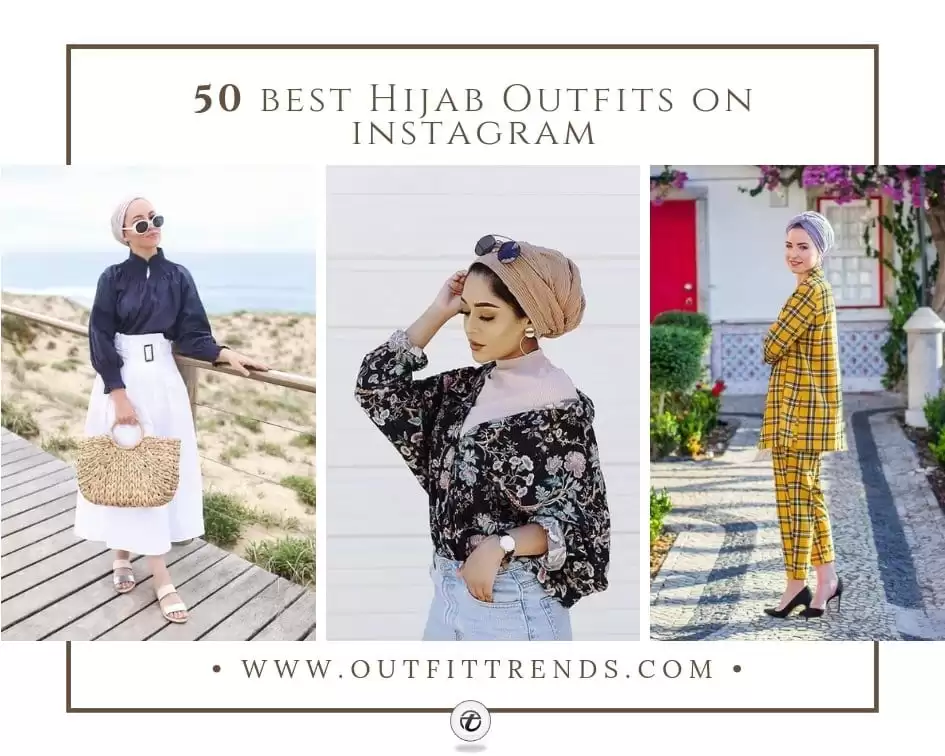
The abaya is the most misunderstood garment in modest fashion — most women think it limits their style options when it actually multiplies them. I’ve been wearing abaya with hijab for fifteen years, and what I’ve learned is that this combination gives you a canvas for creativity that Western fashion simply doesn’t offer. The key is understanding that your hijab isn’t just covering your hair — it’s the finishing touch that can make or break your entire look.
The mistake I see sisters make repeatedly is treating their abaya and hijab as separate decisions. They’ll choose a beautiful abaya, then grab whatever hijab is closest. But these two pieces work together like a colour-coordinated outfit. When you get the balance right, you create looks that are both modest and striking. The wrong combination, however, can make even the most expensive abaya look ordinary.
Dos & Don’ts
Choosing the Right Hijab Fabric
Jersey hijabs work best with casual abayas because they drape naturally and don’t require pins — perfect for those morning rushes when you need to get out the door in minutes. I reach for jersey when I’m wearing everyday abayas in cotton or lightweight blends because the fabrics complement each other.
Chiffon hijabs are my go-to for formal abayas, especially those with embellishment or structured tailoring. The lightweight nature of chiffon doesn’t compete with detailed abaya work, and it photographs beautifully under artificial lighting. Just remember that chiffon requires more careful storage to prevent wrinkles.
For winter abayas in heavier fabrics like wool or thick polyester blends, I choose pashmina or viscose hijabs. These have enough weight to balance the abaya without looking disproportionate. The key is matching fabric weights — lightweight with lightweight, structured with structured.
Colour Coordination Principles
Monochrome dressing with abaya and hijab creates the most polished look, but it requires attention to texture and proportion. When everything is the same colour, the fit and drape become crucial — any awkward bunching or poor proportions become immediately obvious.
The safest approach for daily wear is neutral abaya with a hijab that picks up one accent colour from your accessories or shoes. This gives you coordination without looking overly planned, and it works whether you’re heading to work or travelling.
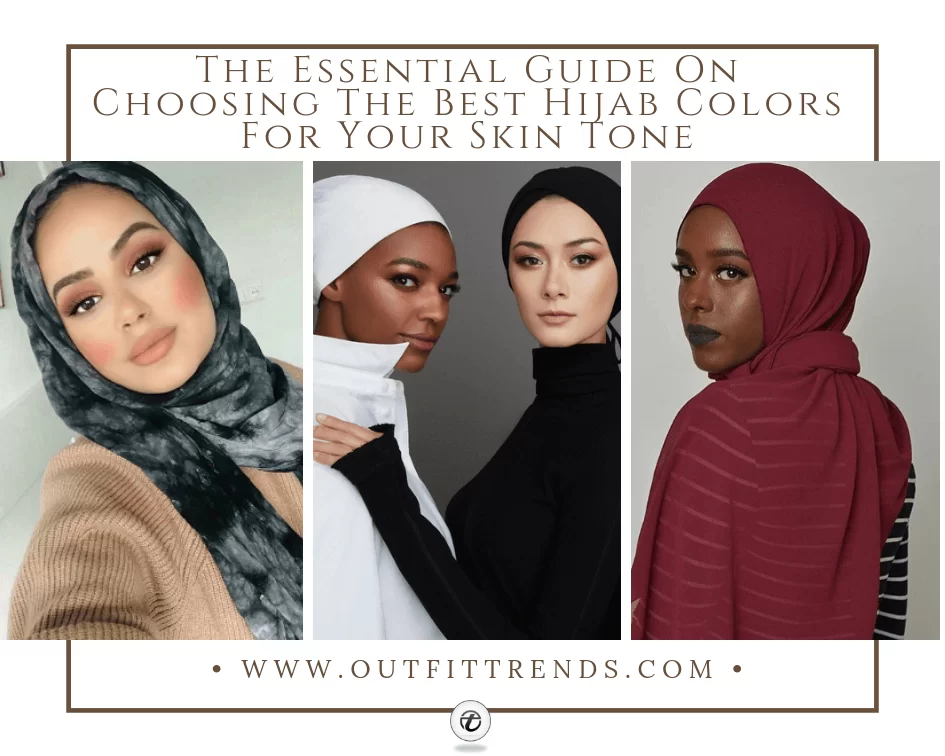
White hijabs are the most versatile because they work with almost any abaya colour, but they require more careful maintenance. Black hijabs are practical and sophisticated, but they can sometimes make your face look washed out depending on your skin tone.
How To Wear Abaya With Hijab
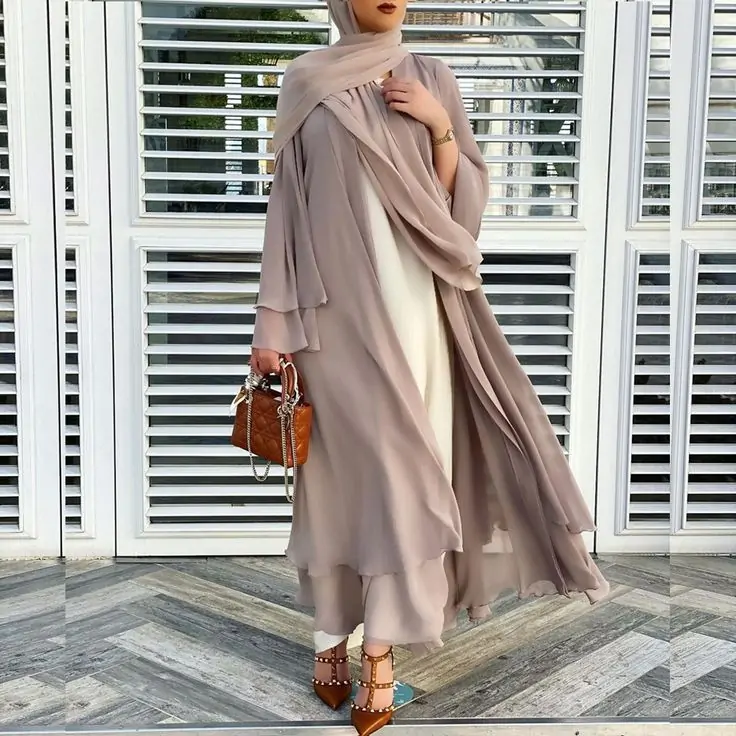
Match Your Hijab Undertones to Your Abaya
This taupe abaya works because the hijab shares the same warm undertone. When your hijab and abaya are in the same colour family, you create a cohesive look that appears intentional rather than thrown together.
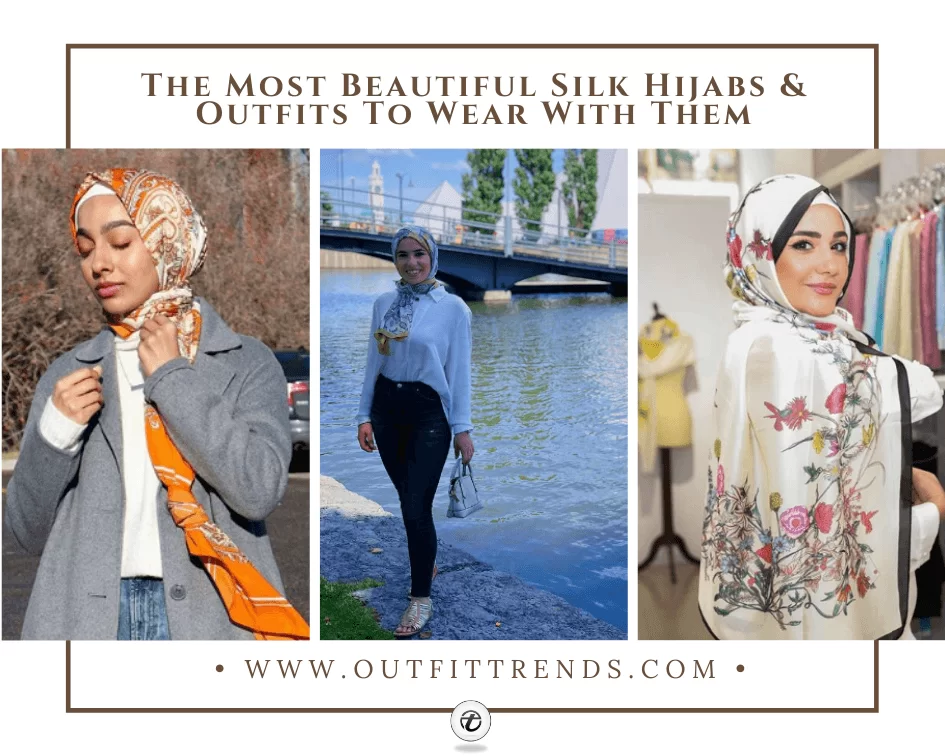
Silk Hijab Styles-25 Ideas How To Wear A Silk Hijab
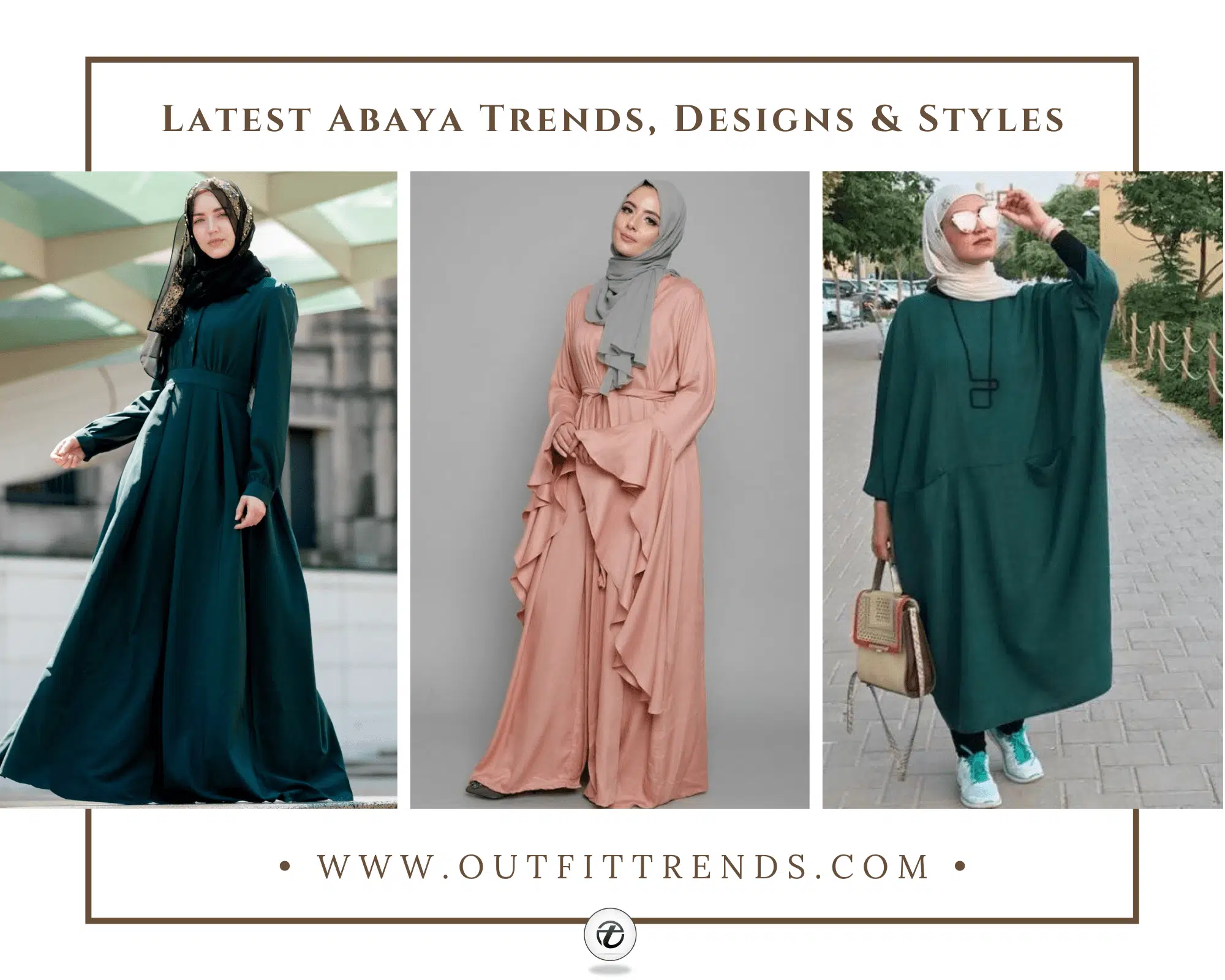
27 Fancy Abaya Designs & Ideas to Wear Them
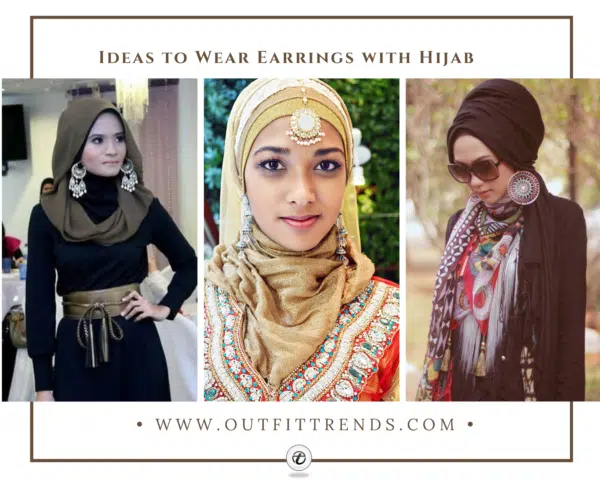
16 Stylish Ideas on How to Wear Earrings With Hijab
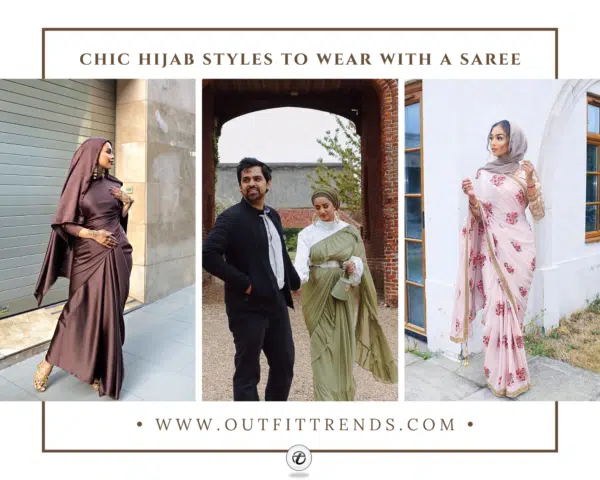
How to Wear Saree with Hijab ? 14 Styling Tips
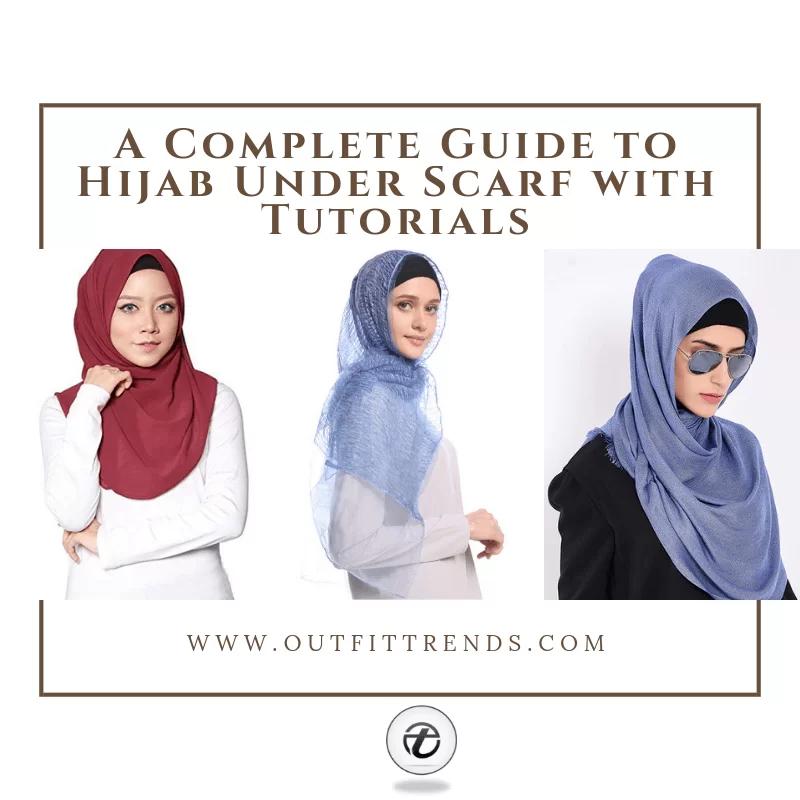
Complete Guide on How to Wear Hijab Underscarf & Tutorials
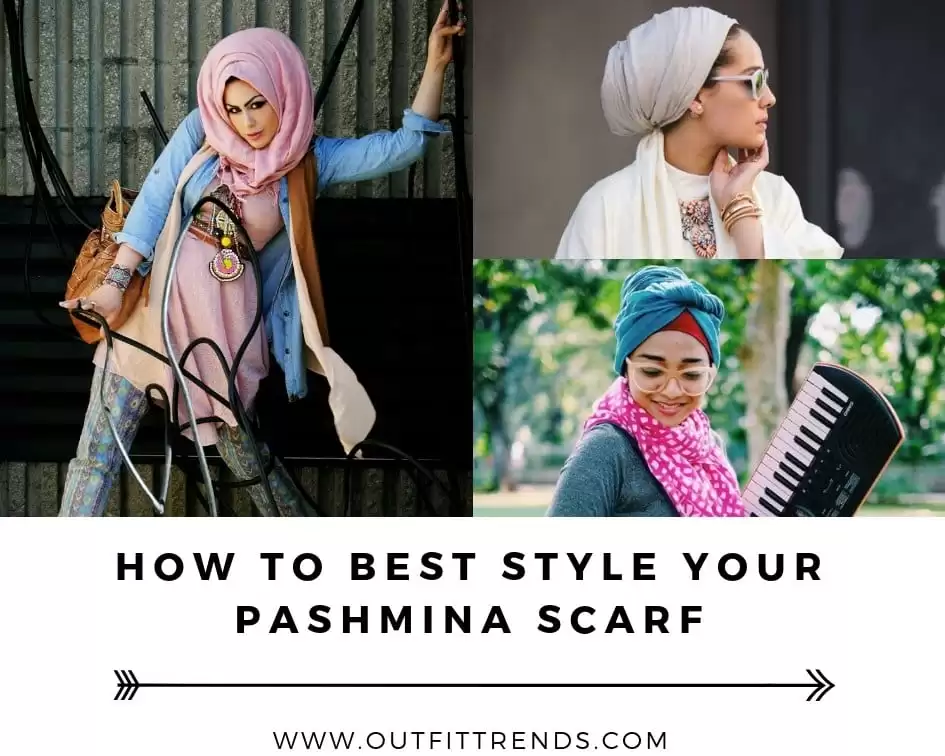
How To Wear a Pashmina Hijab 10 Best Styling Tips
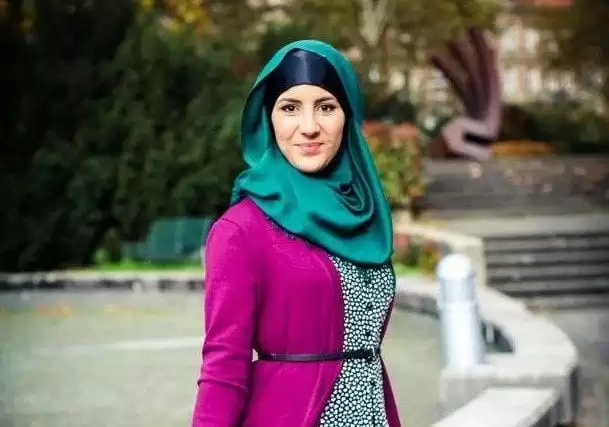
20 Ideas on How to Style Jilbab with Hijab
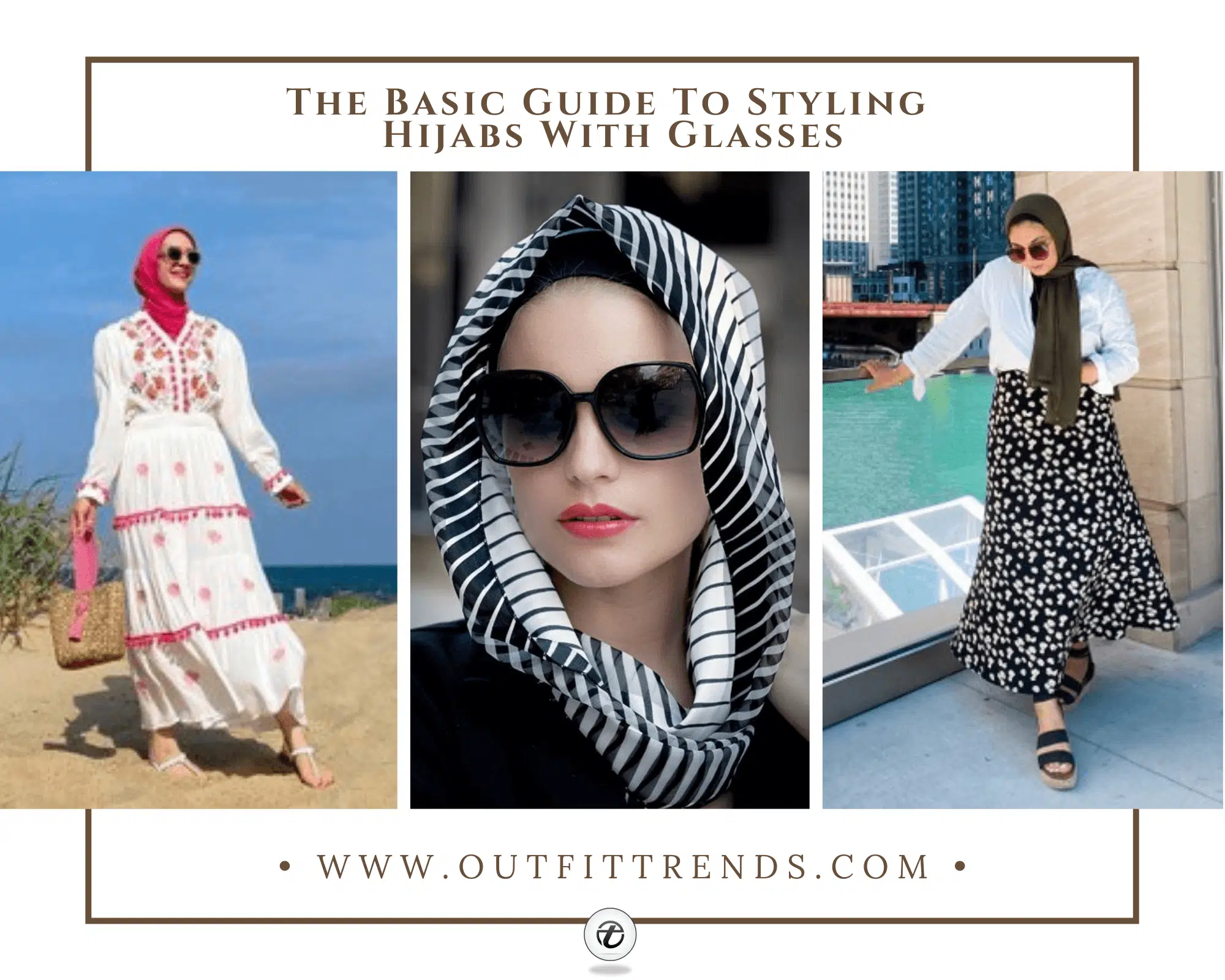
Hijab With Glasses – 15 Stylish Ideas to Try
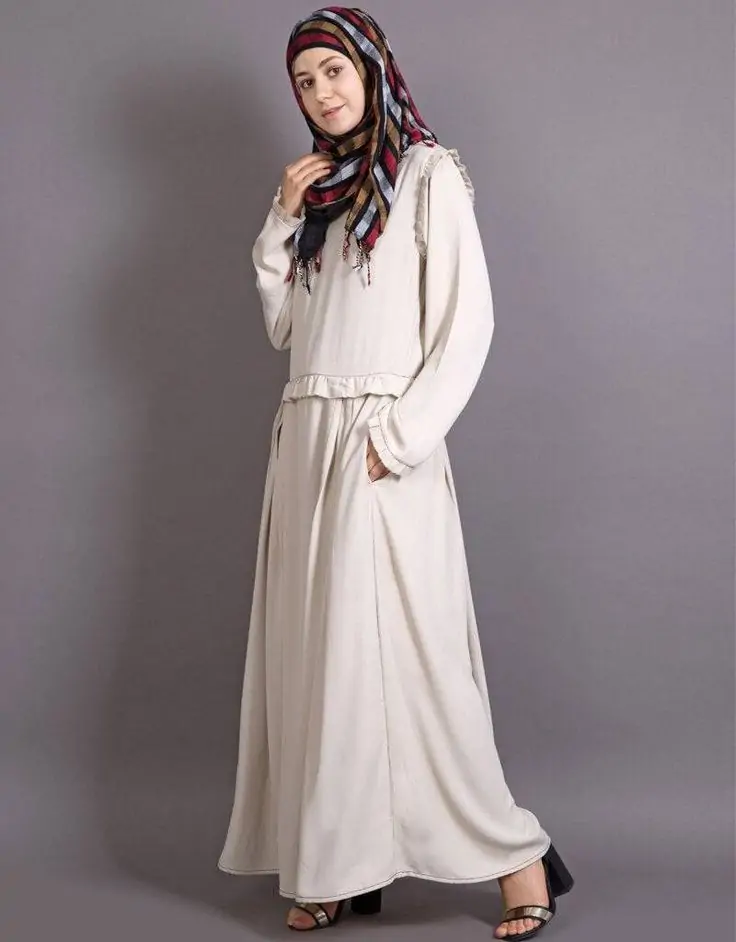
Use Pattern Mixing to Add Visual Interest
The striped hijab elevates this simple cream abaya by introducing pattern without overwhelming the outfit. This technique works because the stripes pick up the neutral tones from the dress while adding movement to an otherwise solid look.
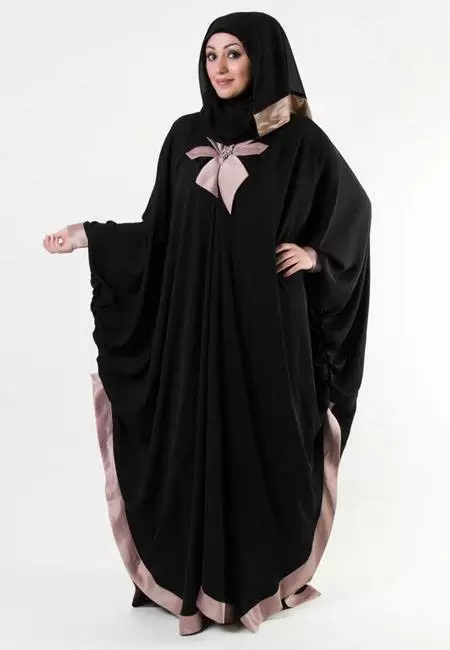
Create Drama with High Contrast
Black abaya with pink contrast trim becomes striking when paired with a coordinating pink hijab. This approach works best for special occasions because the contrast creates a formal, polished appearance that photographs beautifully.
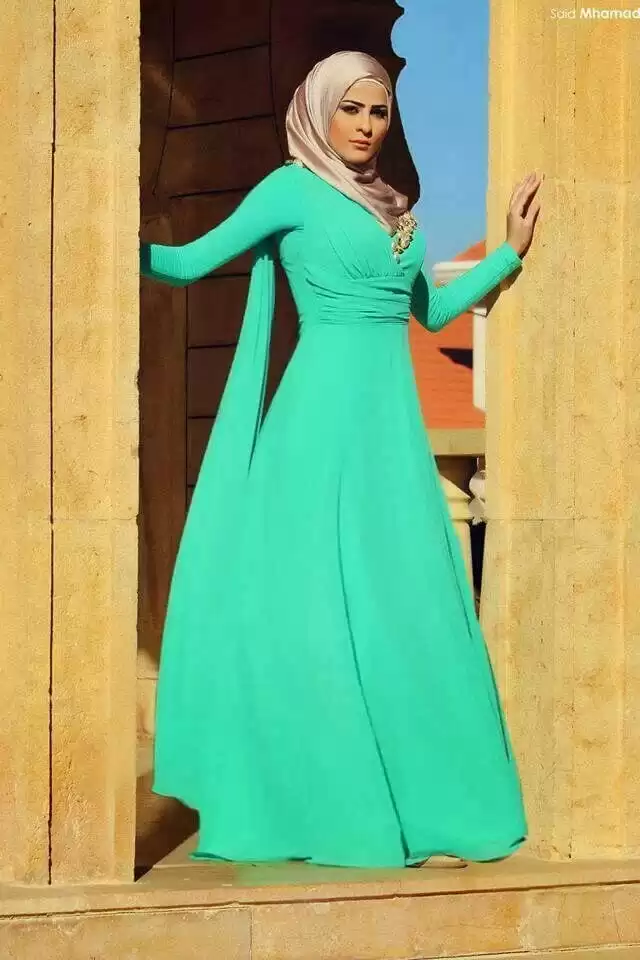
Let Bright Colours Make the Statement
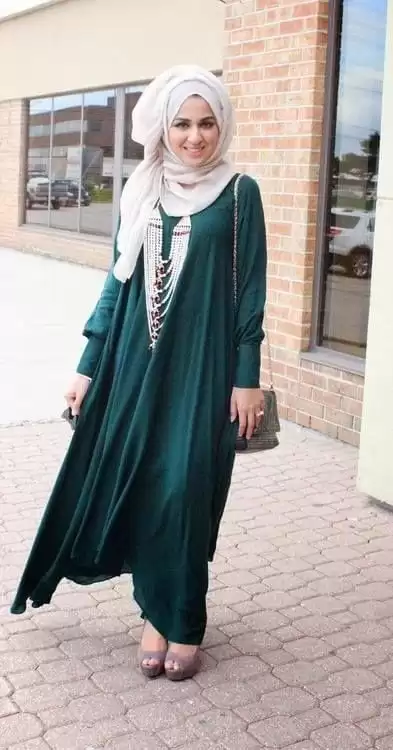
This emerald green abaya is the focal point, with the neutral hijab providing balance rather than competing. When your abaya is a bold colour, your hijab should support it, not fight for attention.
Coordinate Metallics for Evening Elegance
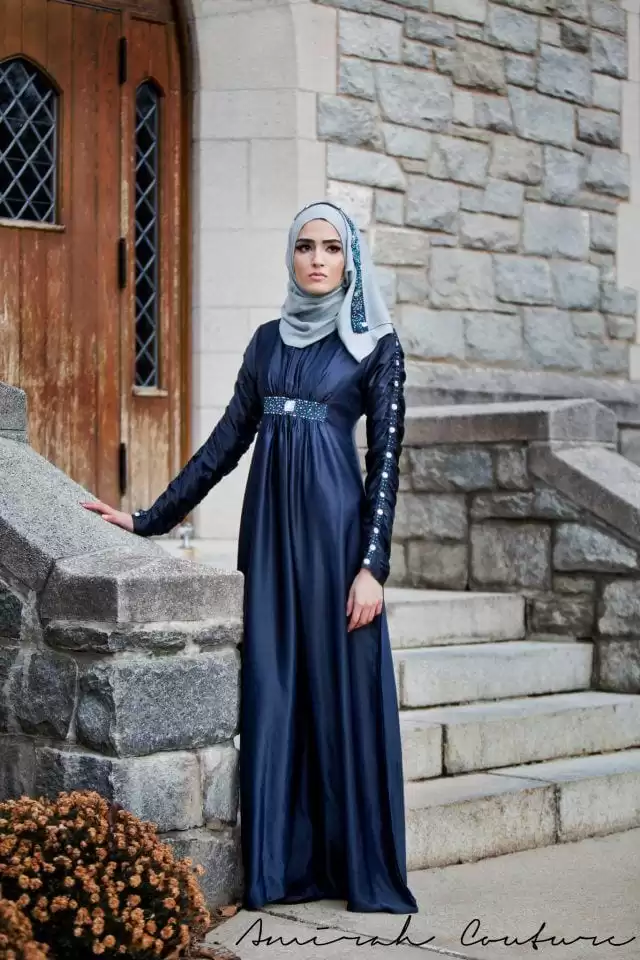
The embellished belt on this navy abaya connects visually with the metallic threads in the patterned hijab. This coordination technique works for formal events where you want your hijab styling to match the occasion’s formality.
Layer Textures for Depth
The flowing abaya fabric contrasts beautifully with the structured way this hijab is styled. Different textures in similar colours create visual interest without looking busy — a technique that works particularly well for daytime events.
Use Embellishments as Connection Points
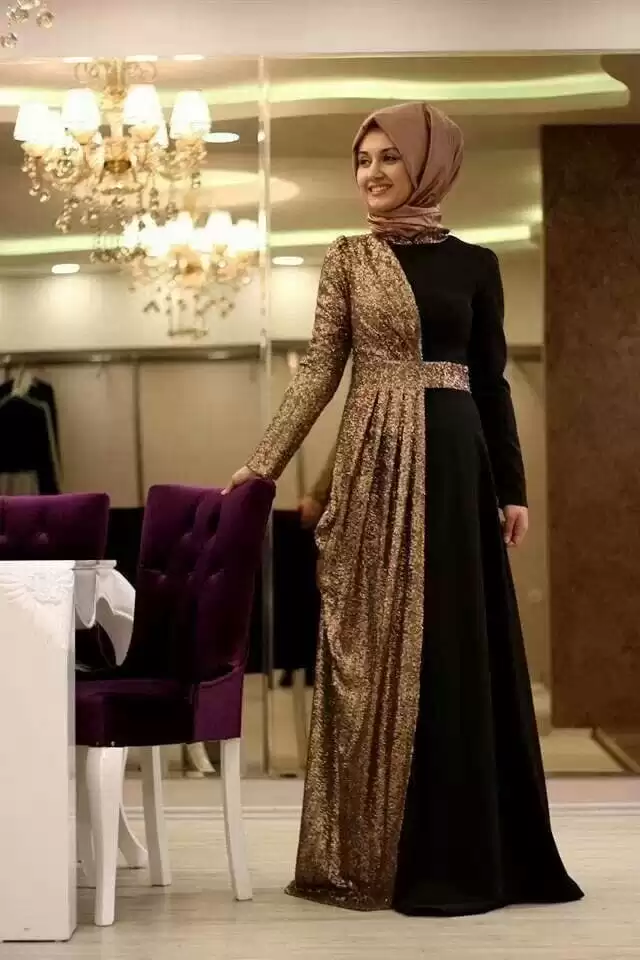
The gold sequin panel on this black and gold abaya is echoed in the hijab’s metallic undertones. This creates a cohesive look where both pieces feel like they belong together, rather than being styled separately.
Master the Art of Tonal Dressing
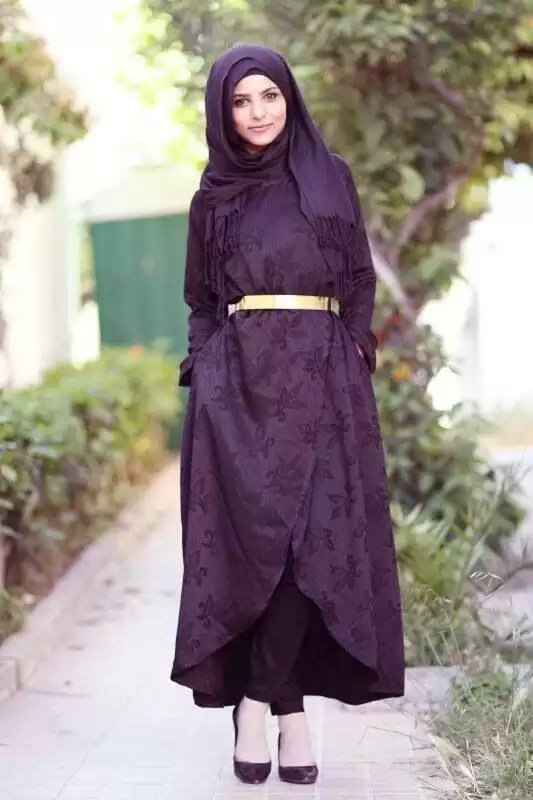
Deep purple abaya with matching hijab creates a sophisticated monochrome look. The gold belt breaks up the single colour while the belt’s metallic finish prevents the outfit from looking flat or one-dimensional.
Balance Proportions with Careful Colour Placement
This colour-blocked abaya uses brown and black strategically, with the peach hijab adding warmth without overwhelming the neutral palette. The proportions work because the hijab colour appears in the belt detail, creating visual connection.
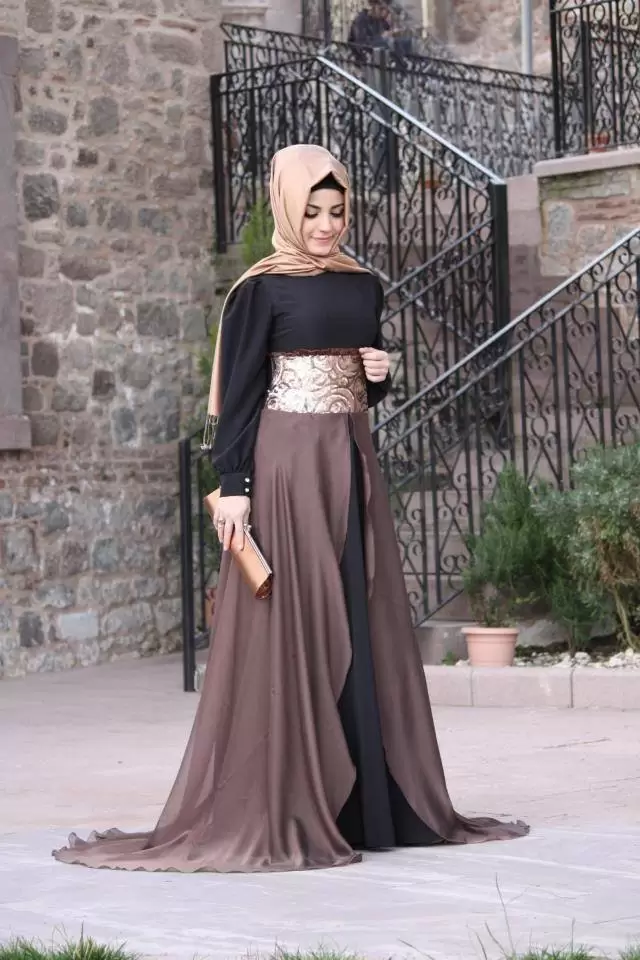
Work Within a Limited Colour Palette
Grey abaya with black details pairs naturally with this neutral hijab because all pieces work within the same muted colour family. This approach is foolproof for daily wear because everything coordinates effortlessly.
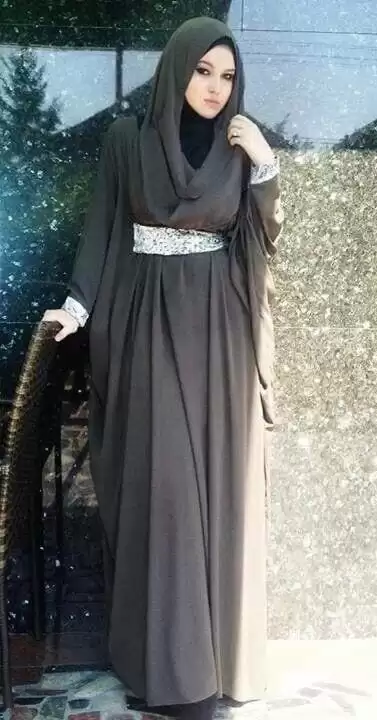
Use Metallic Accents to Unify Different Pieces
The gold embroidery on this black abaya connects with metallic elements in the hijab styling. This technique allows you to wear pieces that weren’t originally designed together while maintaining a cohesive appearance.
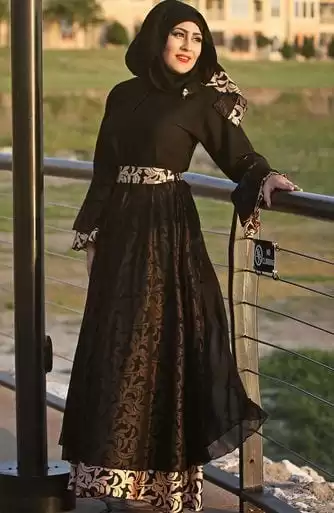
Keep It Simple with Classic Combinations
Navy abaya with white embroidery works perfectly with this draped hijab because navy and white is a timeless combination. Sometimes the most effective styling is the most straightforward — especially for everyday wear.
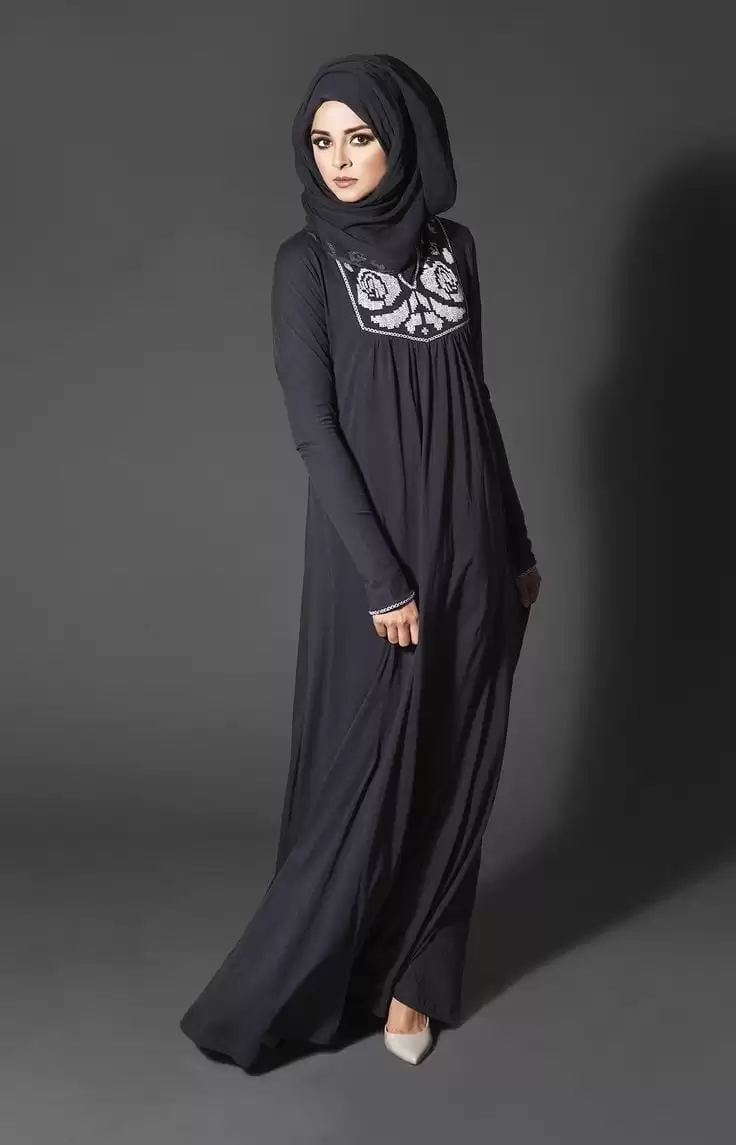
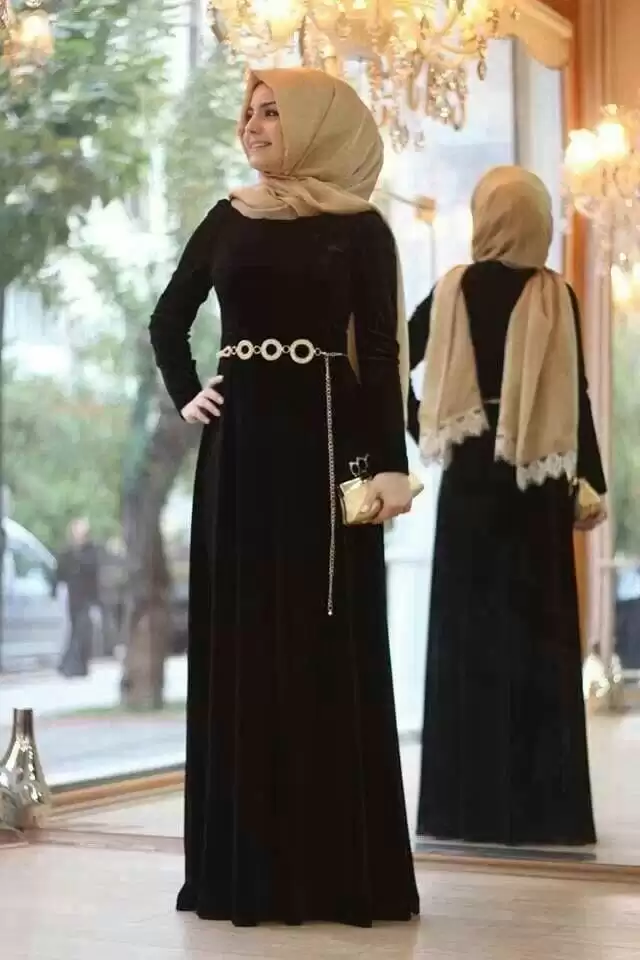
Add Interest Through Chain Belting
The gold chain belt on this black abaya creates a focal point that’s echoed in the hijab’s neutral tones. This styling technique works because the metallic element provides connection between the two pieces without being matchy-matchy.
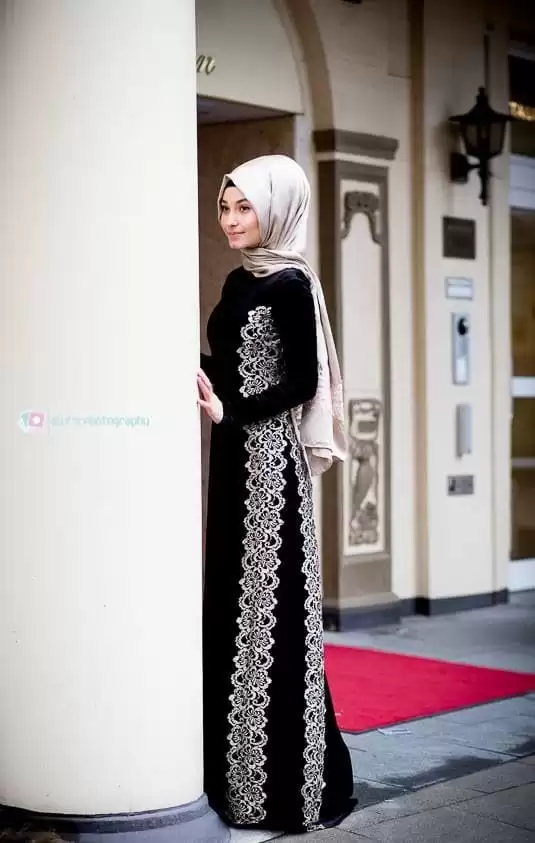
Use Lace Details as Coordination Tools
The white lace embroidery on this black abaya is picked up in the light hijab colour, creating subtle coordination. This approach works well when you want sophistication without being too obvious about your colour matching techniques.
Frequently Asked Questions
Should my hijab always match my abaya exactly?
No — exact matching often looks costume-like rather than stylish. Instead, choose hijabs that complement your abaya through shared undertones or by picking up accent colours from details like embroidery or belting. The goal is coordination, not duplication.
How do I prevent my hijab from clashing with patterned abayas?
With patterned or embellished abayas, always choose solid hijabs in colours that already appear in the pattern. If your abaya has multiple colours, pick the most neutral one for your hijab. This lets the abaya be the focal point while keeping everything harmonious.
What’s the best way to store hijabs to prevent damage?
Roll delicate fabrics like chiffon and silk rather than folding them to prevent creasing. This silk scarf care guide has more detail on rolling and storage techniques that also apply to hijabs. Jersey hijabs can be folded, but store them flat rather than hanging to prevent stretching. Keep different fabrics separated — rough textures can snag delicate ones.
How many hijabs should I own for a basic abaya wardrobe?
Start with five: black, white, nude/beige, and two colours that complement your most-worn abaya colours. This gives you enough variety for daily coordination without overwhelming your storage space or budget.
Silk Hijab Styles-25 Ideas How To Wear A Silk Hijab
27 Fancy Abaya Designs & Ideas to Wear Them
16 Stylish Ideas on How to Wear Earrings With Hijab
How to Wear Saree with Hijab ? 14 Styling Tips
Complete Guide on How to Wear Hijab Underscarf & Tutorials
How To Wear a Pashmina Hijab 10 Best Styling Tips
20 Ideas on How to Style Jilbab with Hijab
Hijab With Glasses – 15 Stylish Ideas to Try