The underscarf is the secret foundation that makes every hijab style work — and most sisters are choosing the wrong one for their needs. After fifteen years of wearing hijab, I’ve learned that your underscarf choice determines whether you’re adjusting your hijab every twenty minutes or forgetting you’re even wearing one.
Want more hijab looks? See how to wear hijab fashionably.
I remember my first Ramadan wearing hijab — I’d bought three beautiful scarves but kept using the same cotton underscarf my aunt gave me. By Maghrib prayer, my hijab would be sliding backward, the fabric bunching around my ears. It wasn’t until another sister showed me her silk underscarf that everything clicked. The right underscarf doesn’t just hold your hijab in place; it transforms how the outer fabric falls and moves with you.
Every hijab style requires its own underscarf approach. What works perfectly under a jersey wrap will create bulk under a lightweight chiffon. Understanding this foundation piece changes everything about how you approach hijab styling.
Styling Tips
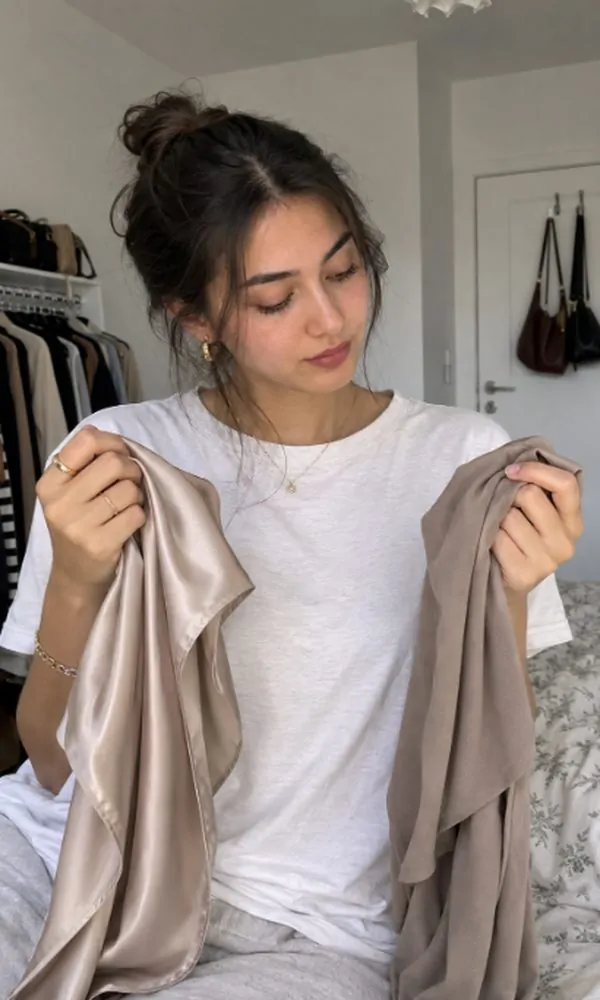
Match your underscarf to your outer fabric weight — cotton underscarves work beautifully with cotton or jersey hijabs but create too much friction under silk or chiffon. When I wear my georgette hijabs for weddings, I always use a silk or satin underscarf. The smooth surface lets the outer fabric glide and drape naturally instead of catching and bunching.
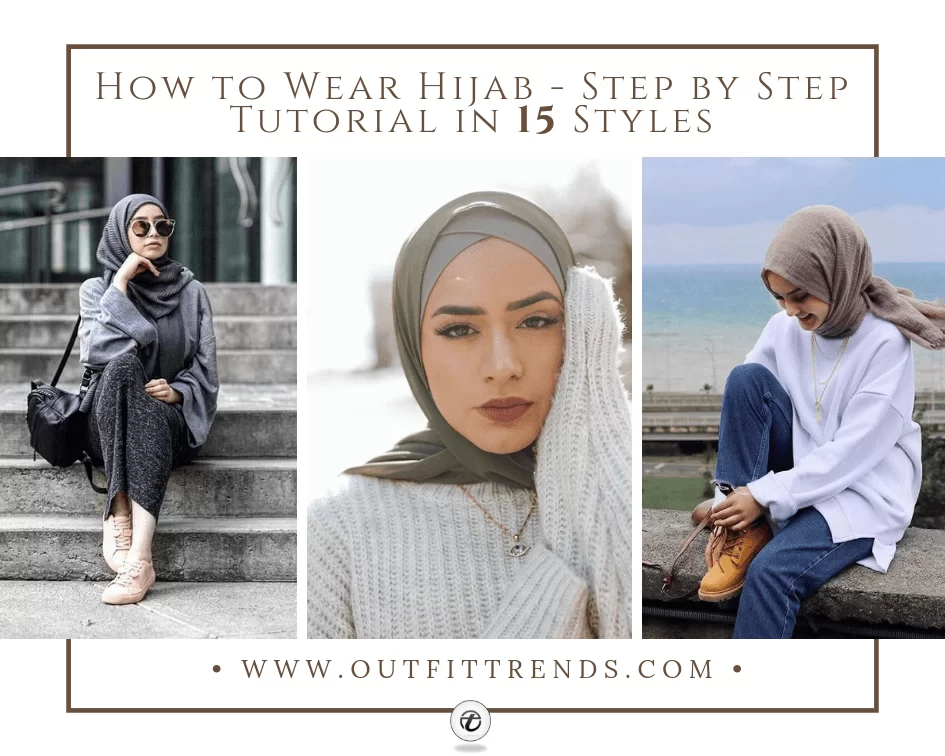
How to Wear a Hijab? Step by Step Tutorials and 35 Styles
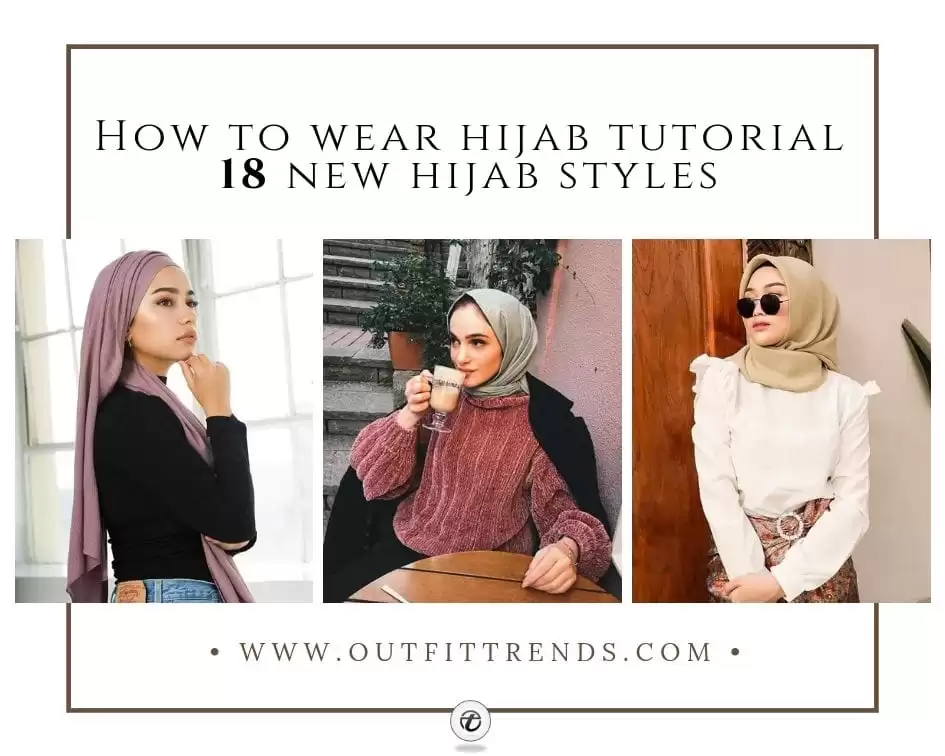
How To Wear Hijab? 10 Hijab Tutorials & Styles To Try Now
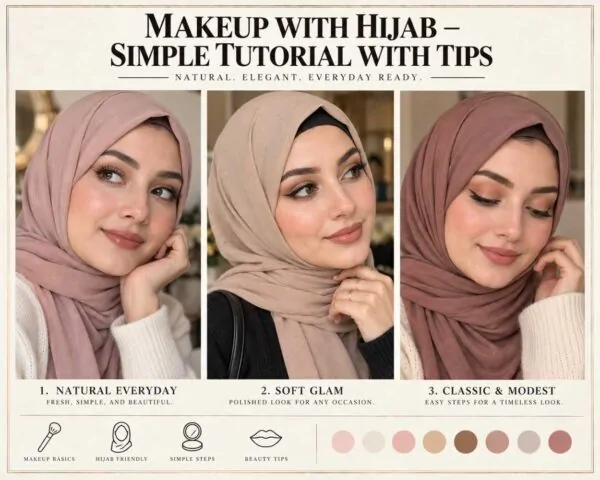
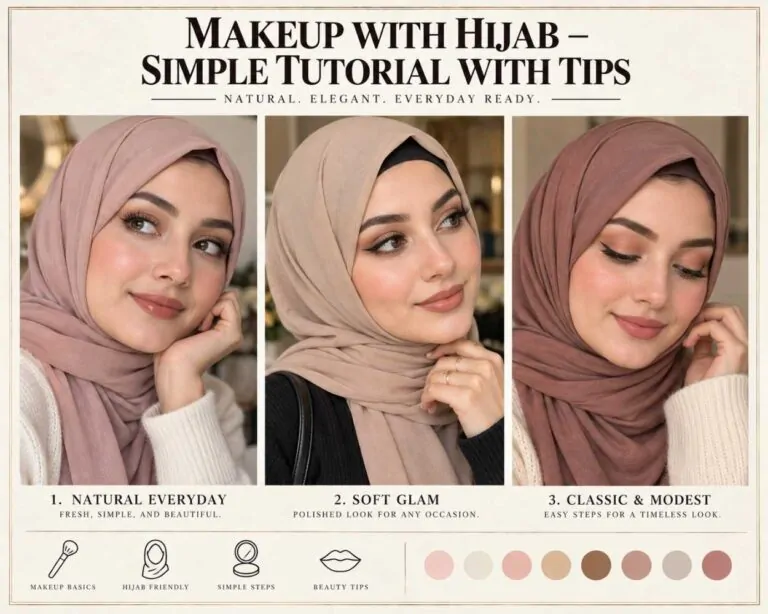
Makeup with Hijab – Simple Tutorial with Tips
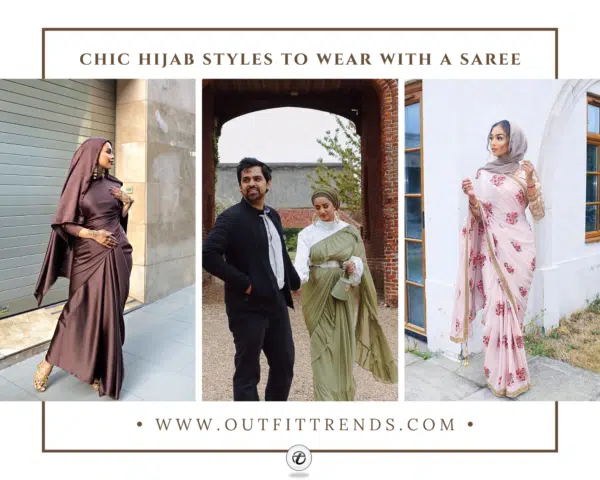
How to Wear Saree with Hijab ? 14 Styling Tips
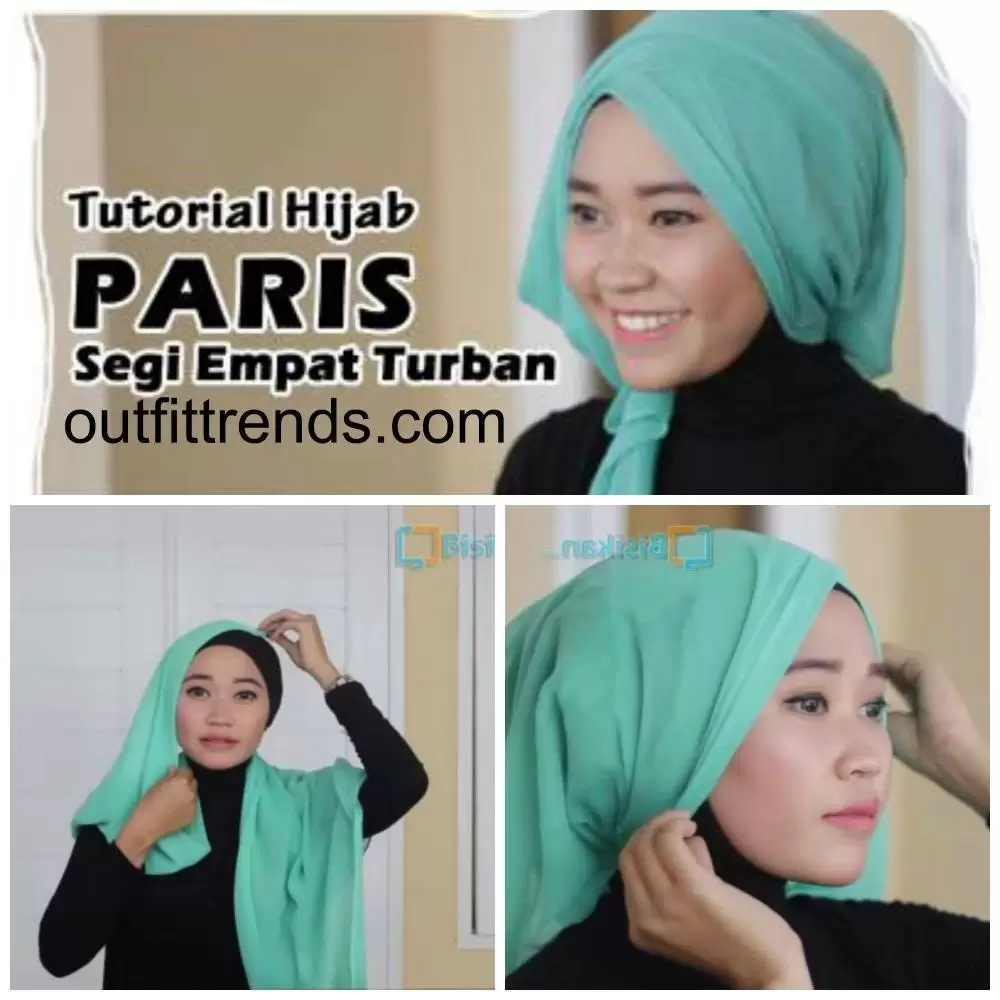
10 Simple Hijab Paris Tutorials In Less Than a Minute
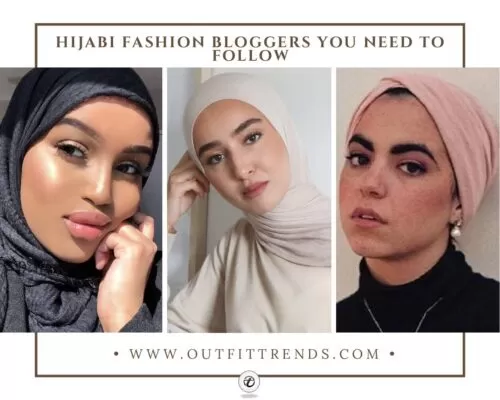
Top Hijab Bloggers & Instagram Influencers to Follow
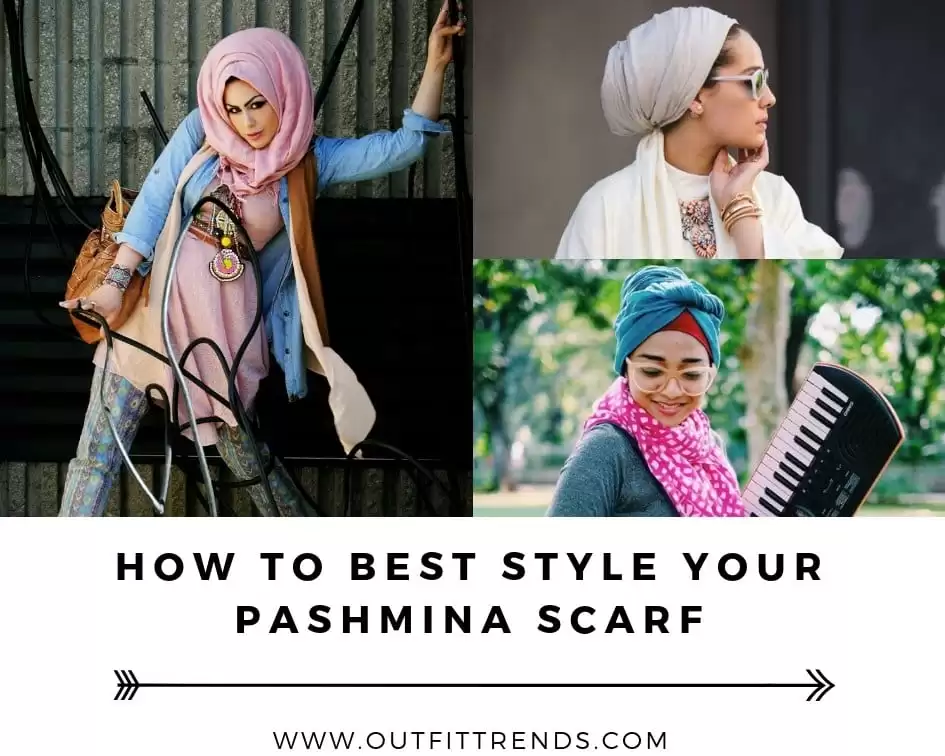
How To Wear a Pashmina Hijab 10 Best Styling Tips
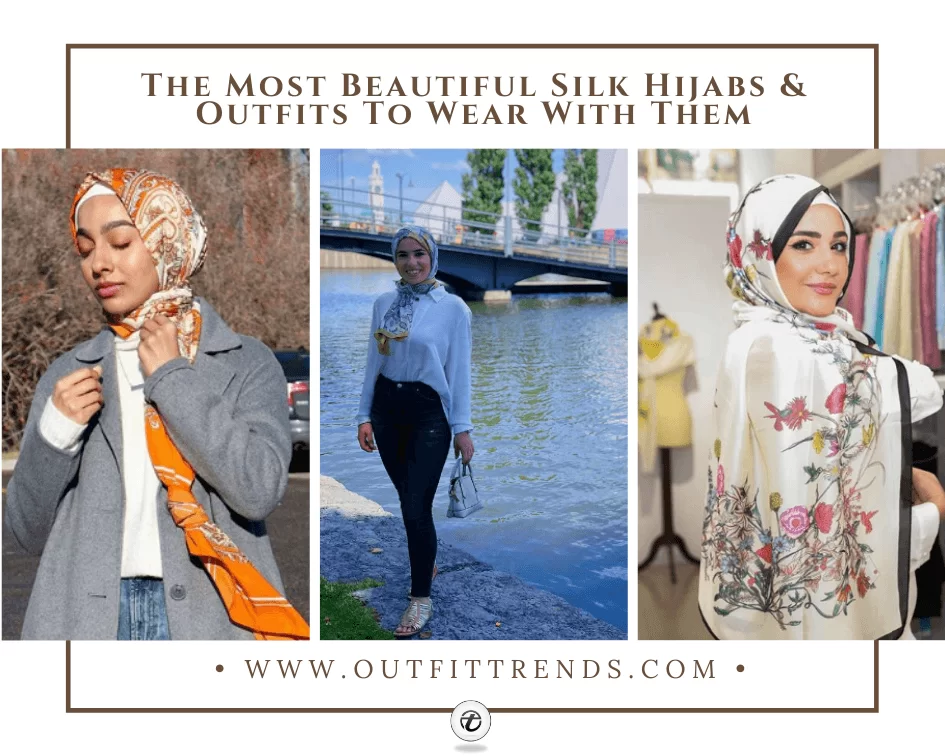
Silk Hijab Styles-25 Ideas How To Wear A Silk Hijab
Choose nude or white for versatility — these colors disappear under most hijab shades and won’t show through lightweight fabrics. I own underscarves in three colors: white, a nude that matches my skin tone, and black. The black one only comes out when I’m wearing very thick, opaque fabrics where color bleeding isn’t a concern.
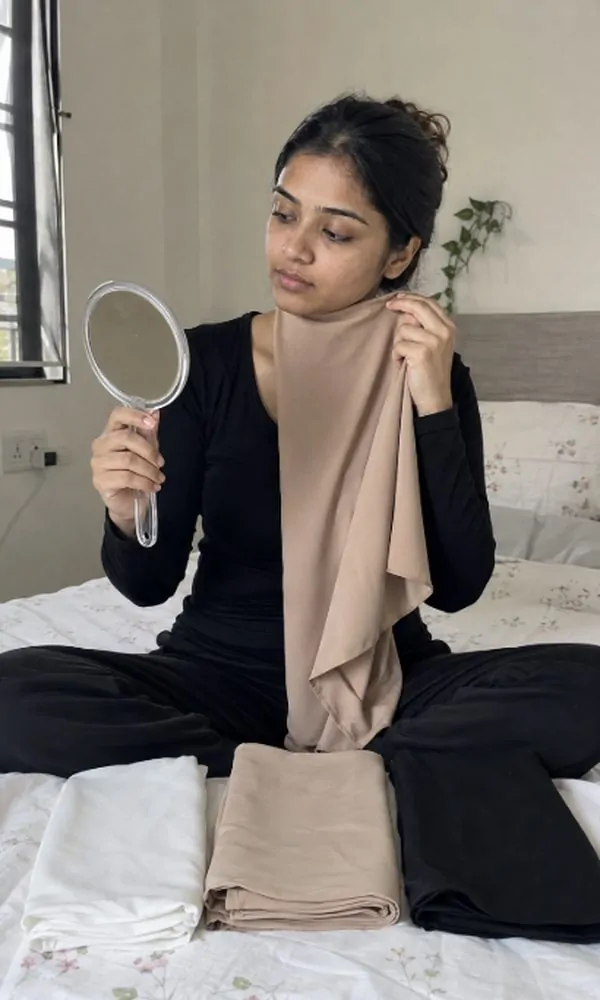
Consider the neckline coverage you need — higher necklines require underscarves that come up closer to your chin, while lower necklines can work with shorter styles. The al-amira style underscarf gives me the most consistent coverage, especially when I’m wearing tops with wider necklines that might show skin at the throat.
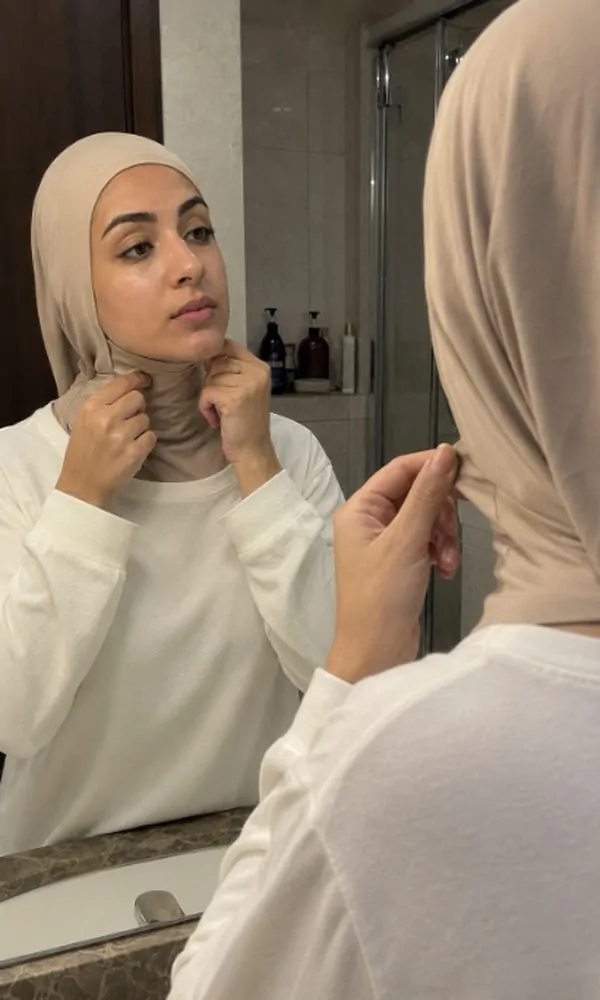
Test the stretch factor before buying — underscarves that are too stretchy lose their shape throughout the day, while ones with no give feel restrictive. I look for fabrics with just enough stretch to move comfortably but enough structure to maintain coverage. Modal blends hit this balance perfectly.
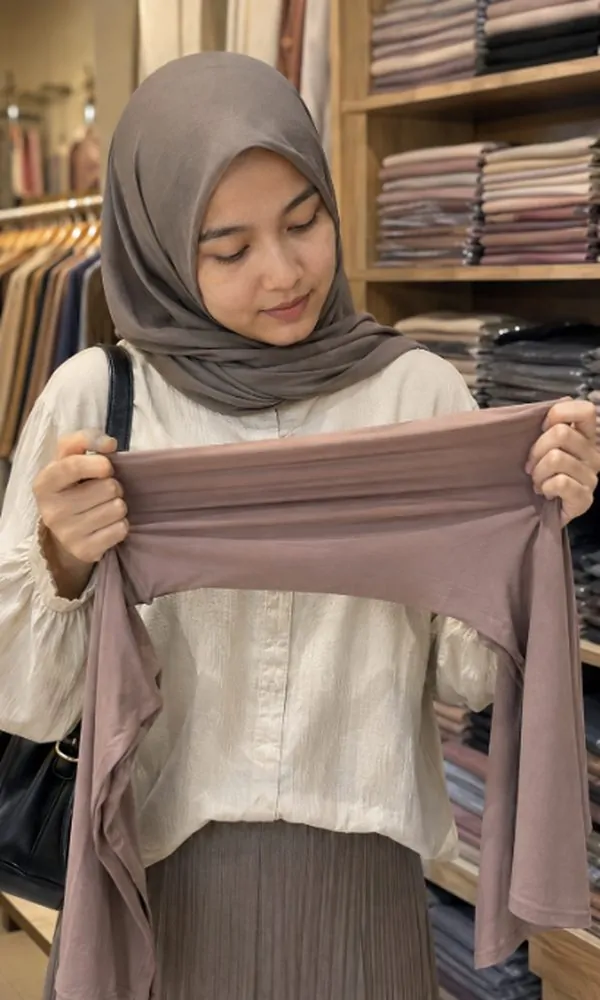
The modern hijab underscarf evolved from traditional Middle Eastern head wraps that were worn in multiple layers for both modesty and protection from desert winds. This layering technique is why many contemporary underscarves still feature ties or elastic bands — they’re designed to stay secure under a second covering.
Pay attention to the hemline — underscarves that are too short create gaps when you move, while overly long ones bunch up under your outer hijab. I measure from my hairline to just below my collarbone to find the right length. Most underscarves should hit about mid-chest when worn properly.
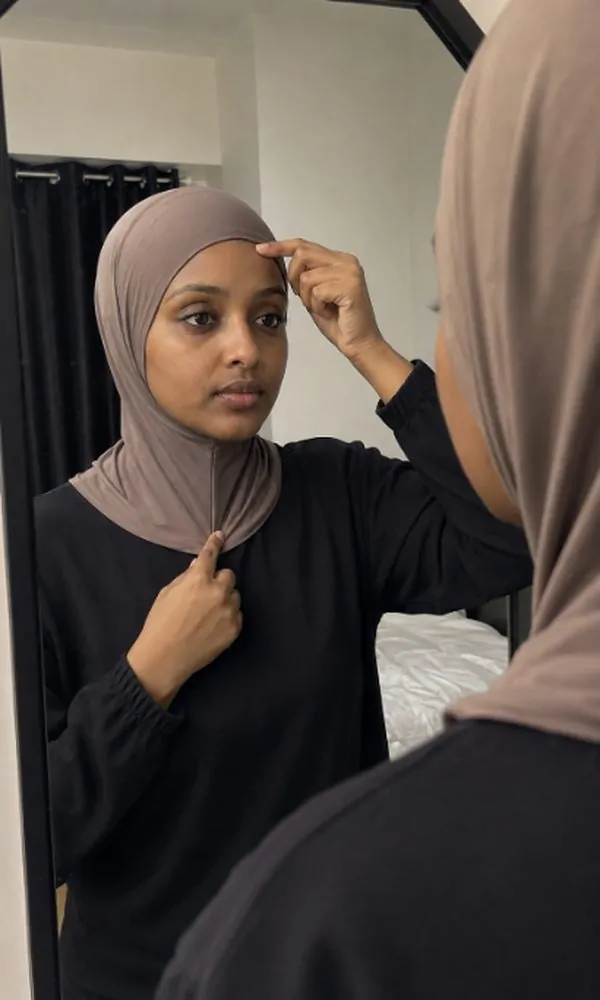
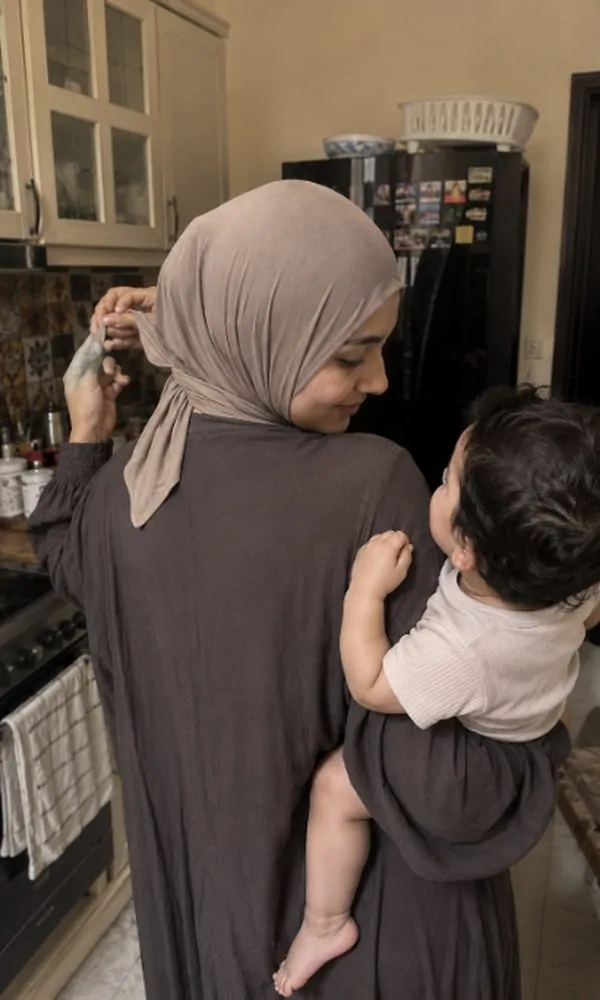
Consider your daily activities when choosing closure types — tie-back styles stay more secure during active days, while pull-on versions work better for quick morning routines. On days when I’m lifting my daughter or doing housework, I always choose an underscarf with ties. The extra security is worth the additional thirty seconds it takes to put on.
Dos & Don’ts
Essential Hijab Underscarf Styles & Tutorials
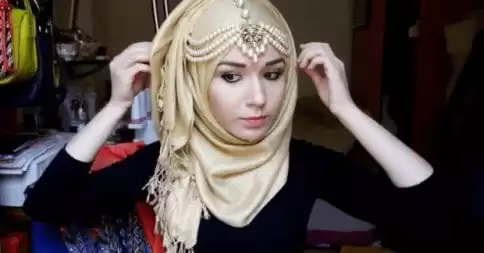
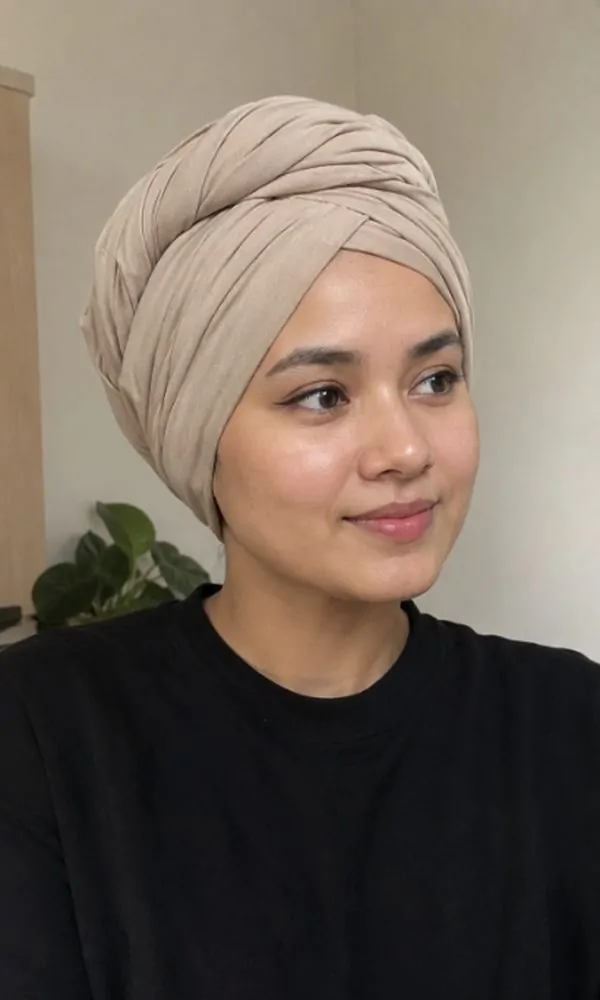
Classic Beige Turban Style
This neutral beige underscarf creates a structured turban base that works perfectly under lightweight hijabs. The multiple wrap technique adds volume around the crown while keeping the neckline smooth and secure. Best for sisters who prefer minimal daily styling since it requires no pins once wrapped correctly.
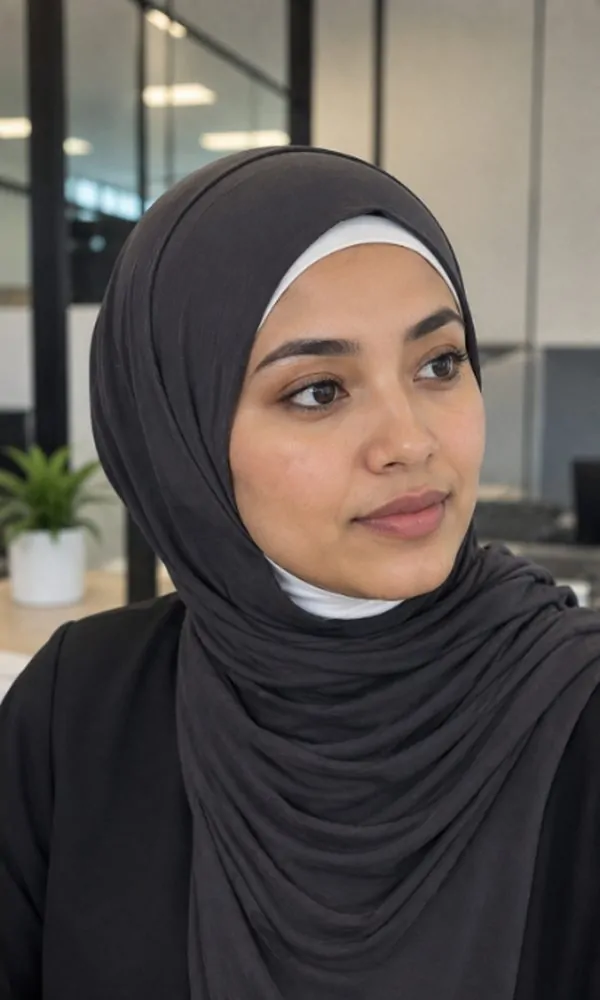
Charcoal Cotton with White Underscarf
A cotton jersey hijab in charcoal paired with a crisp white underscarf creates clean contrast at the face. The white band prevents the darker fabric from washing out your complexion while the cotton material stays breathable all day. This combination works especially well for professional settings where you need structure without bulk.
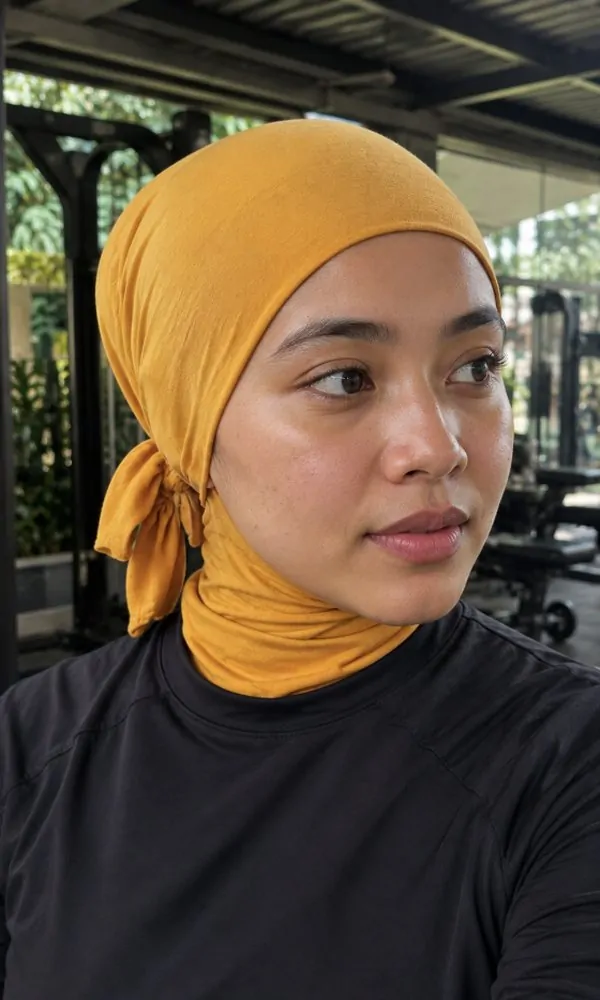
Golden Yellow Tie-Back Style
This bright yellow underscarf demonstrates the tie-behind-ear technique that keeps everything secure without head pins. The stretchy fabric creates a snug fit while the side ties prevent slipping during active days. Perfect for beginners who struggle with traditional pin placement or anyone who exercises regularly.
Soft Pink Flowing Combination
A dusty pink hijab over a neutral underscarf shows how tonal layering creates depth without harsh contrast. The underscarf prevents the outer fabric from slipping while maintaining the graceful drape that makes this style so versatile. Ideal for formal occasions where movement and comfort both matter.
Quick tip
Choose cotton-blend jersey underscarves for the most comfortable daily wear.
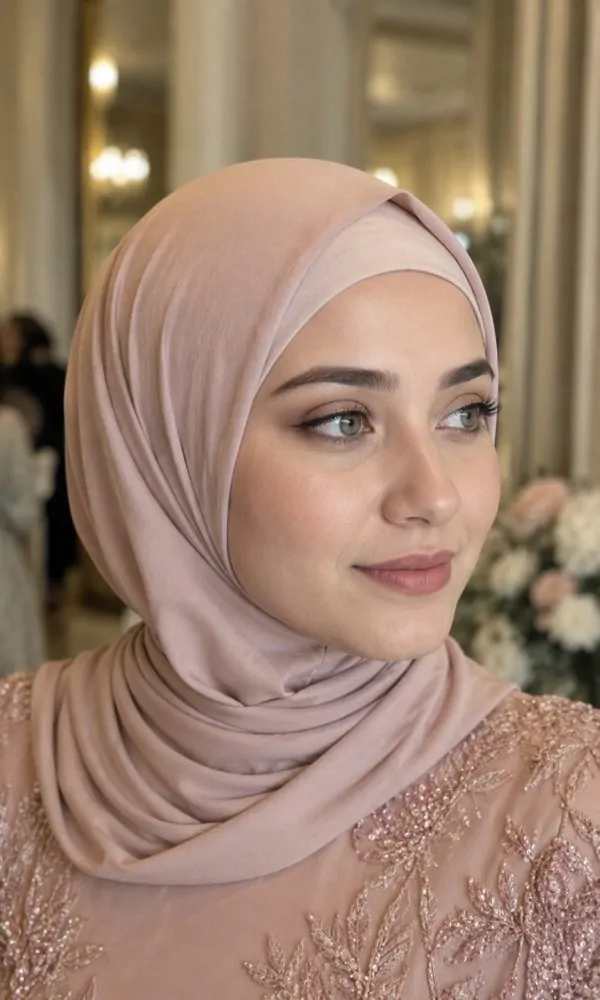
Bold Pattern Mix Collection
These patterned underscarves prove that your base layer doesn’t have to be boring. Choose prints that complement rather than compete with your outer hijab — if your hijab is solid, a subtle pattern underneath adds interest. When your outer layer has prints, stick to coordinating colors in simple patterns.
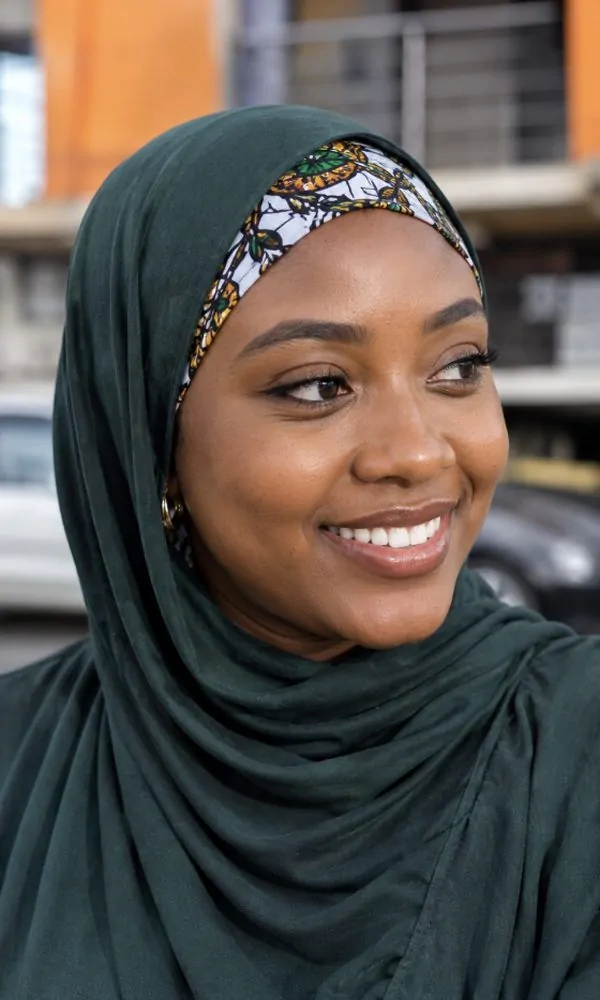
Structured Gray Volume Style
This gray underscarf creates impressive height and structure through strategic wrapping. The multi-layer technique builds volume gradually, giving you that salon-styled look without the hassle of constant adjustments. Works best with lighter outer hijabs that won’t weigh down the carefully constructed shape.
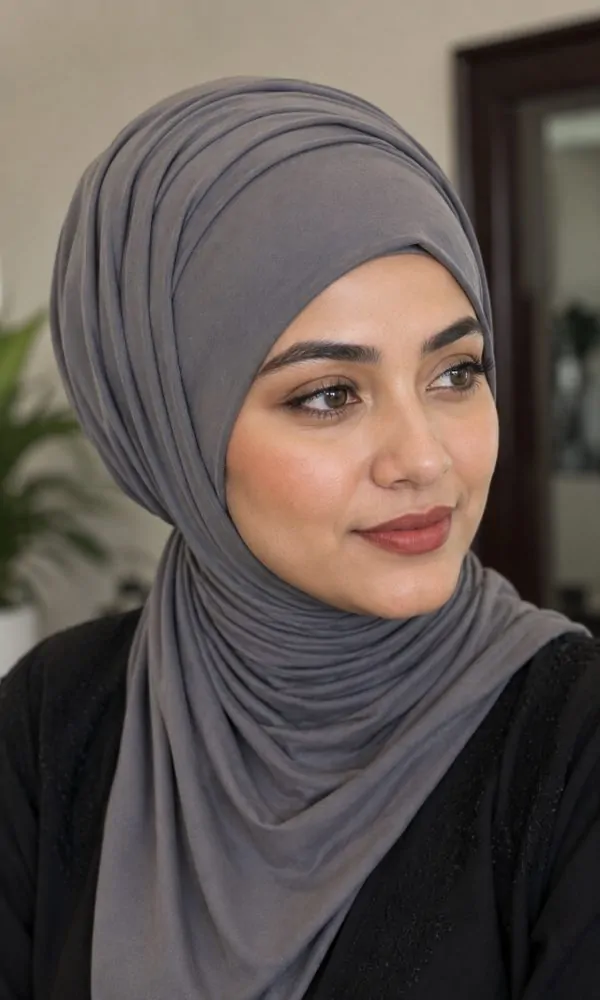
Mustard Jersey Wrap
A mustard yellow jersey underscarf demonstrates perfect stretch fabric benefits — it moves with you while maintaining its shape all day. The warm tone complements most skin undertones while the seamless construction eliminates pressure points. This style proves that underscarves can be both functional and beautiful.
Quick tip
Match your underscarf to your hijab tone for a seamless professional look.
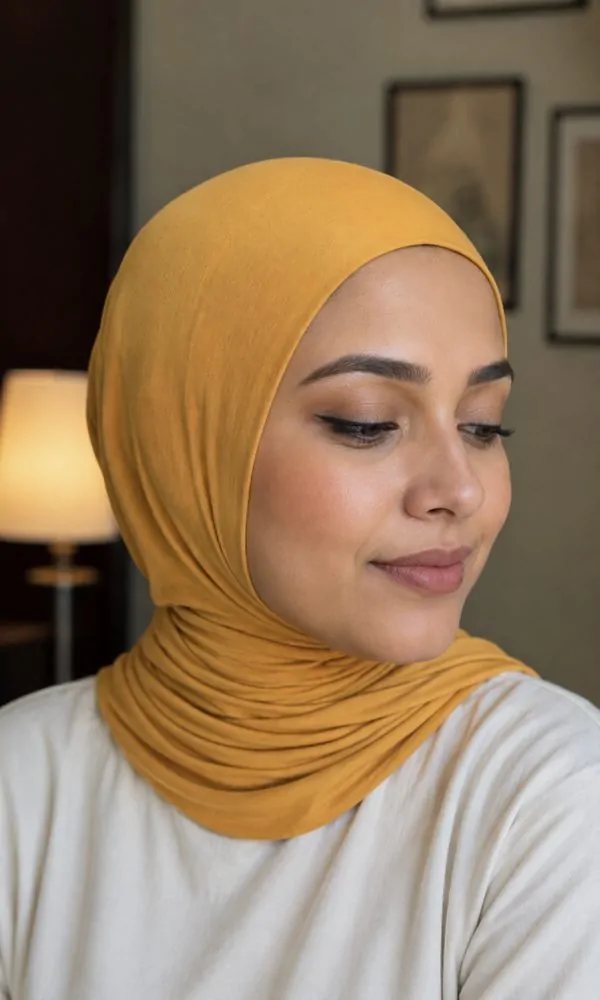
Delicate Lace Underscarf
This lace underscarf adds texture and femininity while serving its practical purpose. The stretch lace construction provides grip without bulk, making it perfect under silk or satin hijabs that tend to slip. Choose lace underscarves in neutral tones so they enhance rather than distract from your outer layer.
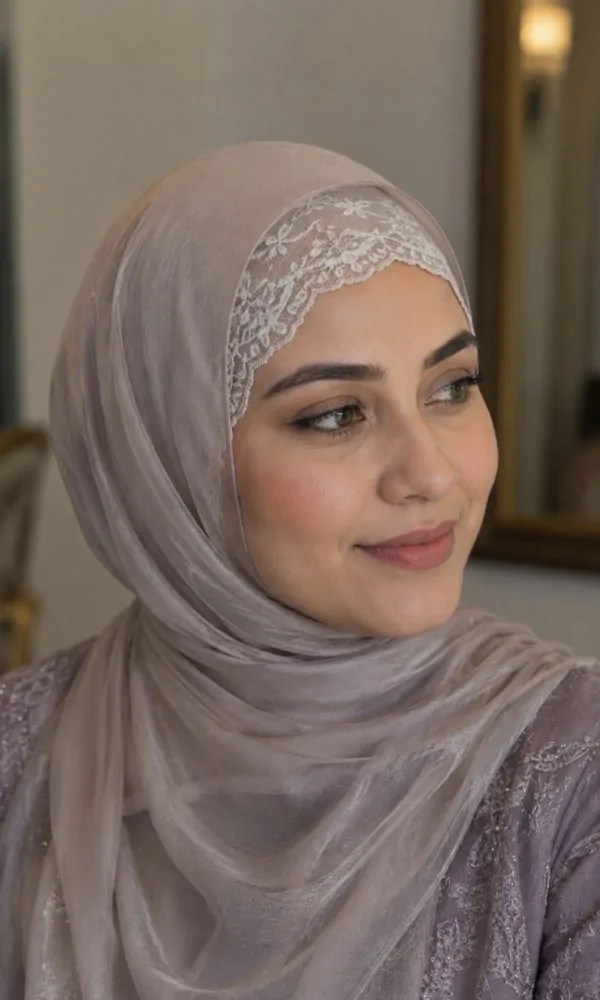
Simple Black Jersey Base
A basic black jersey underscarf is the ultimate wardrobe foundation — it disappears under any color while providing reliable grip and coverage. The seamless construction means no uncomfortable seams against your hairline, and the stretchy material accommodates different head sizes without adjustment. Every hijabi needs at least three of these.
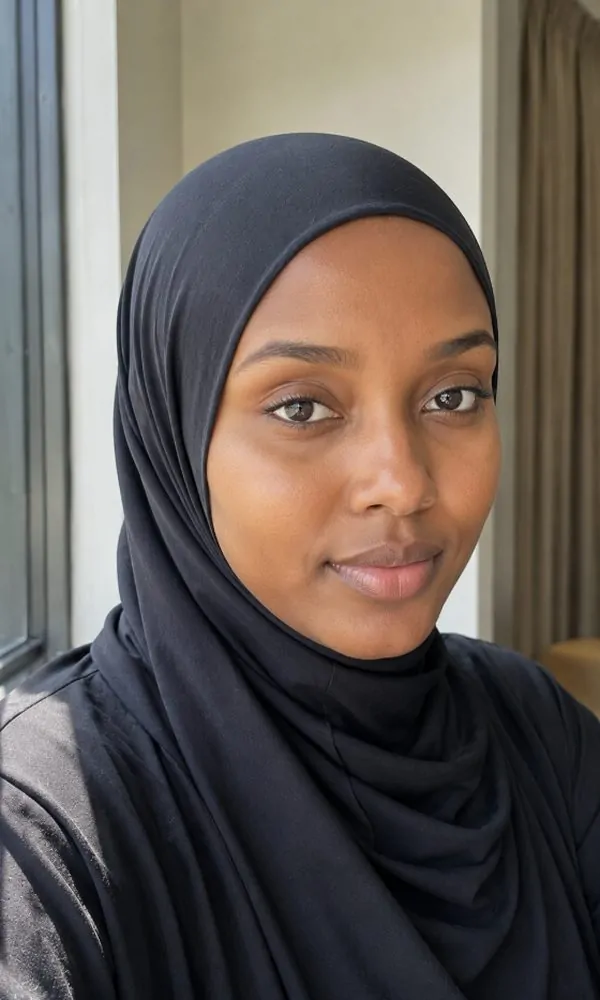
White Satin Formal Style
This white satin underscarf creates the perfect base for special occasions when you need everything to stay pristine. The smooth material prevents friction that could disturb your outer hijab styling, while the structured fit maintains its shape even under heavier fabrics. Essential for weddings, graduations, or any event where your hijab needs to look perfect all day.
Quick tip
Try crossover styles with ties if traditional caps slide around on you.
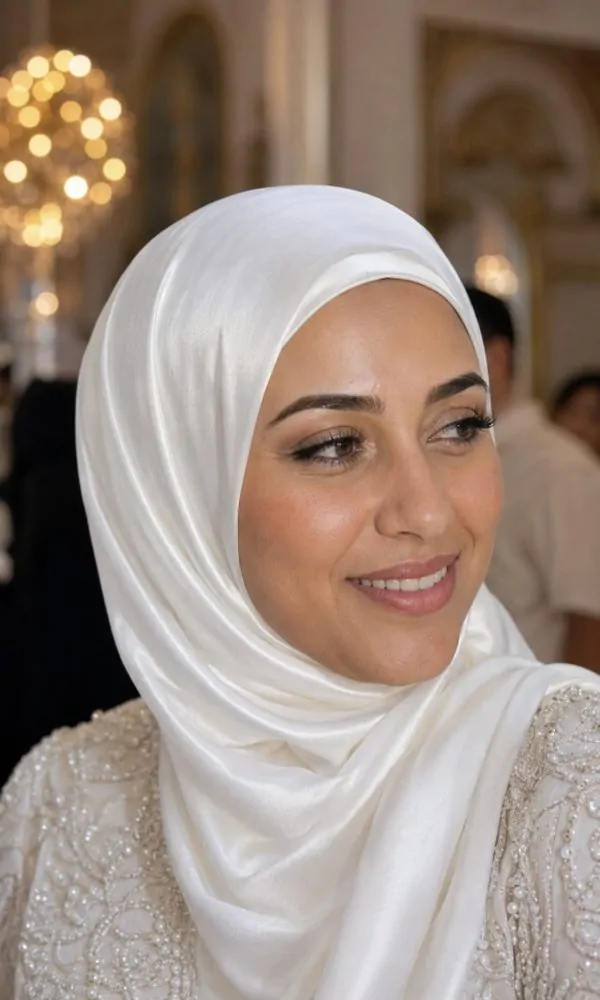
Classic White Jersey Underscarf
This basic white jersey underscarf shows the foundation every hijabi needs in her collection. The soft cotton-blend fabric creates a smooth base that prevents your outer hijab from slipping, while the neutral white works under any color hijab. Perfect for beginners because jersey requires no pins and stays put all day.
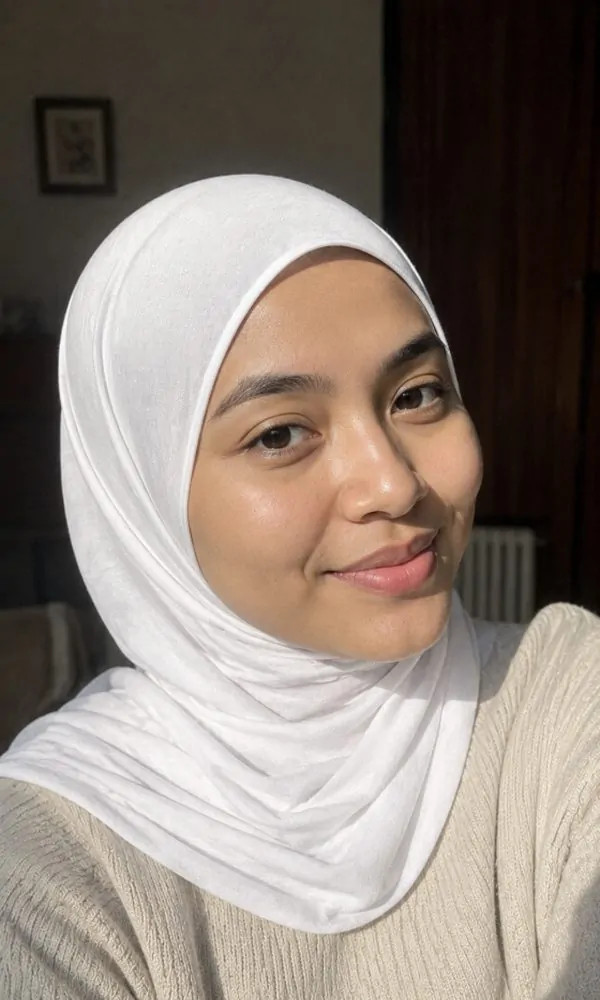
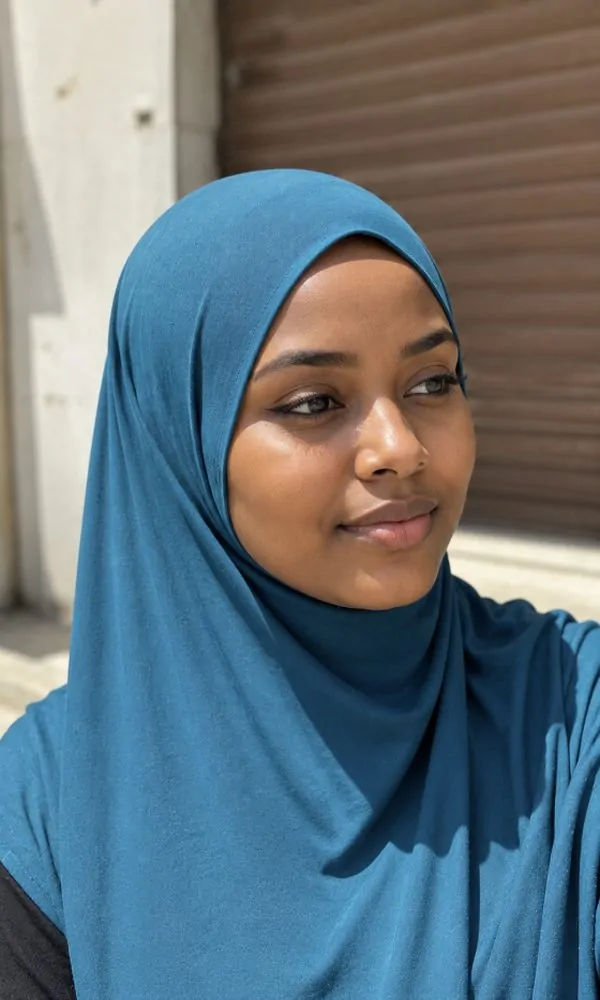
Teal Blue Full Coverage Underscarf
This deeper teal underscarf demonstrates how colored options can add dimension under lighter hijabs or create beautiful layered effects. The snug fit around the hairline ensures no baby hairs peek through, while the extended neck coverage works perfectly under square scarves. The cotton material breathes well during long days.
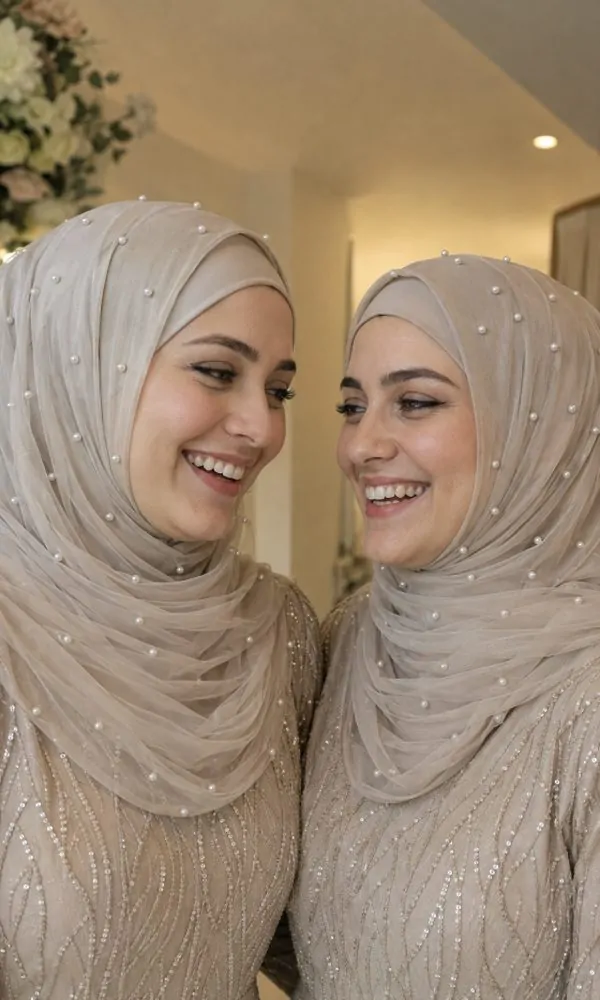
Coordinated Pearl-Detailed Hijab Styling
These sisters show how matching your underscarf tone to your hijab creates a seamless, polished look. The pearl embellishments on their outer hijabs catch light beautifully against the neutral underscarf base. Notice how the white and cream underscarves disappear completely, letting the decorative elements shine.
Quick tip
Invest in one structured turban style for instant volume without bulk.
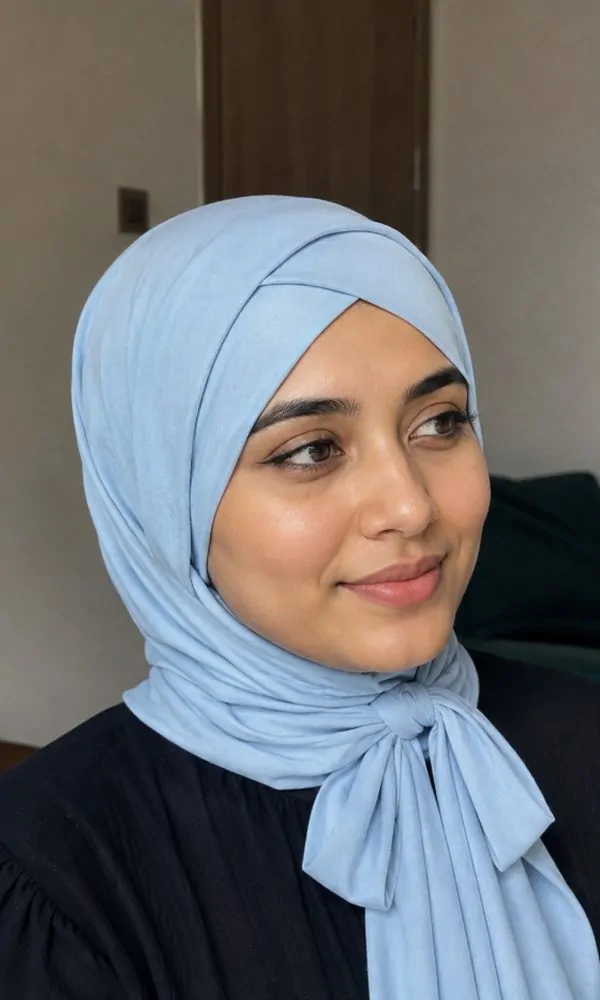
Light Blue Crossover Underscarf with Tie Detail
This crossover style underscarf features ties at the back instead of the typical cap design, giving you adjustable coverage that won’t shift throughout the day. The pale blue color works as both an underscarf for darker hijabs or as a standalone modest head covering. The wraparound design accommodates different head shapes comfortably.
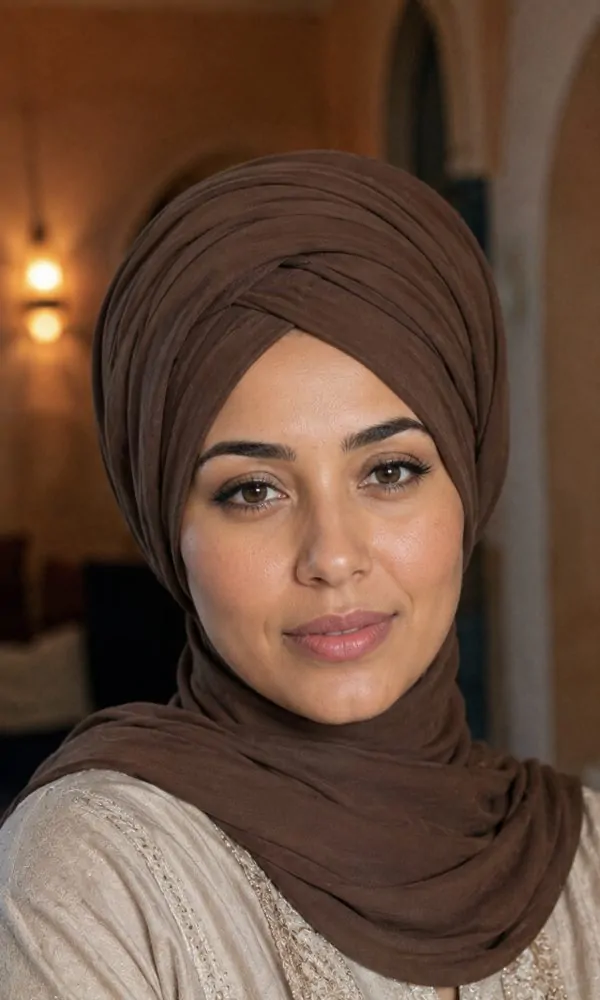
Brown Turban-Style Underscarf
This chocolate brown underscarf creates volume at the crown with its twisted turban design, perfect for sisters who want height without bulk. The pre-formed shape eliminates guesswork in wrapping, and the rich brown color pairs beautifully with earth tones and jewel colors. The structured design maintains its shape even after hours of wear.
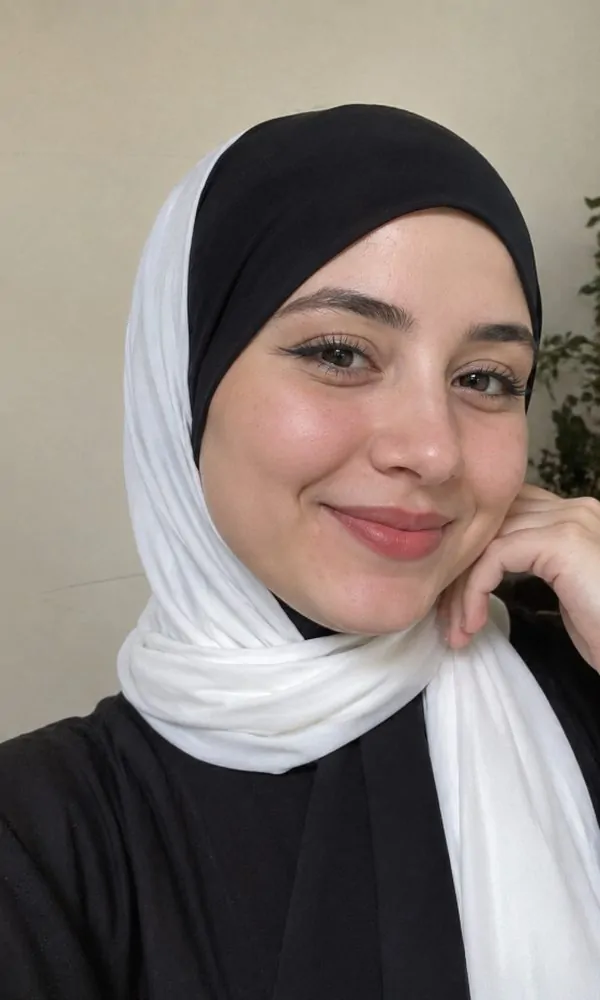
Two-Tone Black and White Underscarf
This clever two-tone design features a black front panel with white sides, giving you the best of both worlds in one piece. The contrasting colors help you see the coverage better while styling, and the combination works under virtually any hijab color. The fitted design hugs your hairline without feeling tight or restrictive.
Quick tip
Keep a two-tone underscarf in your collection — it works under any color hijab.
Key takeaways
- Choose jersey cotton underscarves for daily wear — they stay put without pins and feel comfortable all day
- Match your underscarf tone to your hijab for seamless layering that looks intentional, not accidental
- Invest in full coverage styles that extend down your neck to prevent gaps when you move or bend
- Try pre-formed designs like turbans or crossovers if you struggle with traditional cap styles
- Keep both neutral and colored options — neutrals disappear under any hijab, while colors can create beautiful layered effects
- Look for adjustable tie closures instead of fixed caps for a custom fit that accommodates different head shapes
How to Wear a Hijab? Step by Step Tutorials and 35 Styles
How To Wear Hijab? 10 Hijab Tutorials & Styles To Try Now
Makeup with Hijab – Simple Tutorial with Tips
How to Wear Saree with Hijab ? 14 Styling Tips
10 Simple Hijab Paris Tutorials In Less Than a Minute
Top Hijab Bloggers & Instagram Influencers to Follow
How To Wear a Pashmina Hijab 10 Best Styling Tips
Silk Hijab Styles-25 Ideas How To Wear A Silk Hijab
Which look is your favourite?
Tap the outfit you would wear. Results show right after you vote.