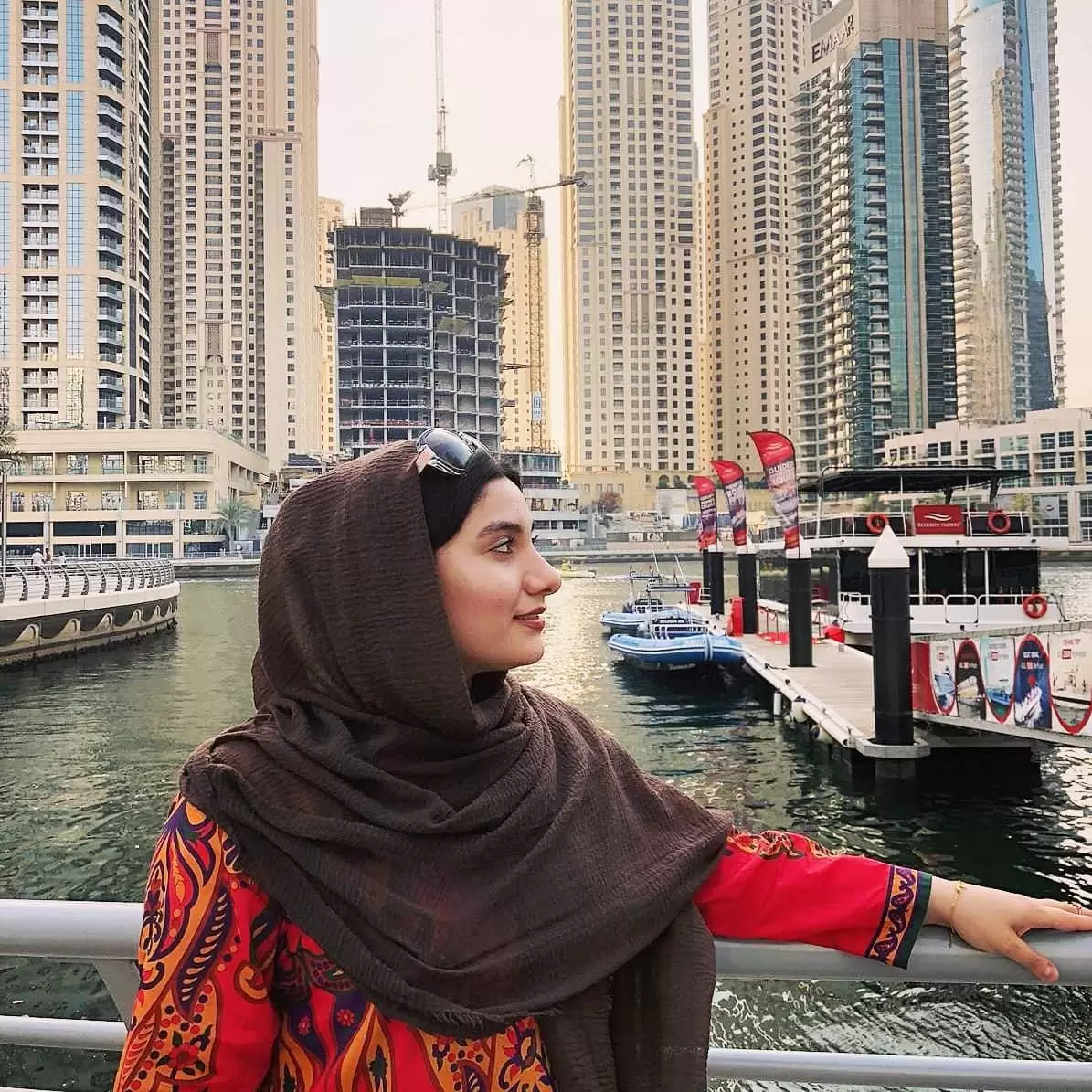
The biggest mistake I see hijabi sisters make in summer? Reaching for synthetic fabrics because they think they’ll dry faster. I learned this the hard way during my first Ramadan in Dubai — by noon, I felt like I was wrapped in plastic wrap. Natural fabrics like cotton and linen actually keep you cooler because they let your skin breathe, even if they take longer to dry.
After fifteen years of wearing hijab through sweltering summers, I’ve discovered that staying cool isn’t about wearing less — it’s about wearing smarter. The right fabric choice can drop your perceived temperature by 10 degrees, and the perfect hijab wrap can create airflow where you need it most. What I tell new hijabis is this: summer hijab styling is 70% fabric selection and 30% everything else.
Styling Tips
Choose Breathable Cotton Over Synthetic Blends
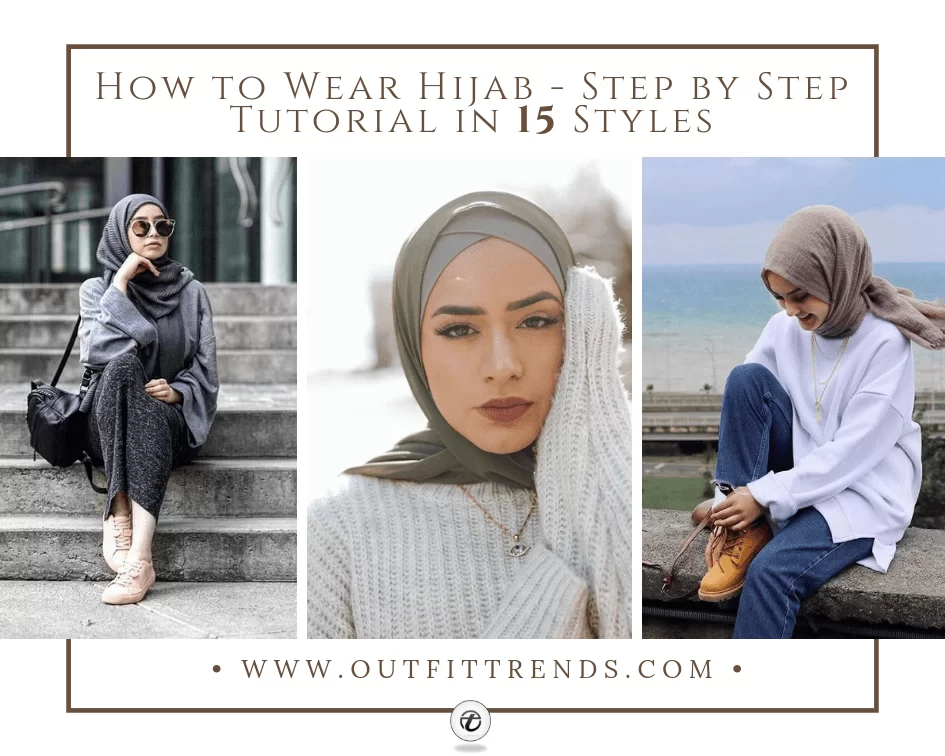
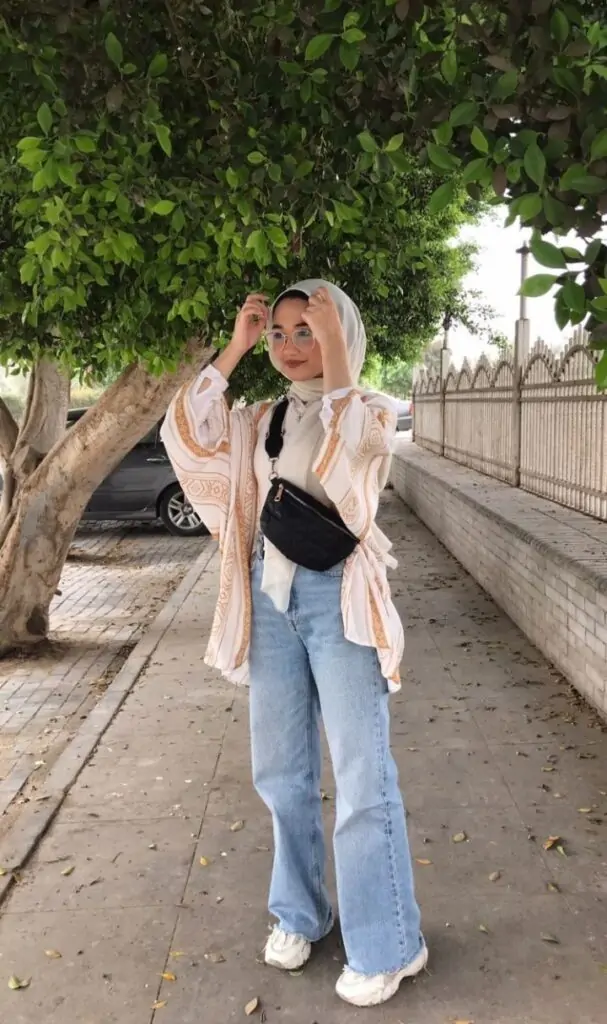
This casual look demonstrates why cotton is your summer savior. Unlike polyester hijabs that trap heat against your scalp, cotton allows air circulation while still providing full coverage. The loose weave in this cotton scarf creates tiny pockets of air that work like natural air conditioning.
Dos & Don’ts
Fabric Guide for Hot Weather
Jersey hijabs are my morning lifesaver — they wrap in 30 seconds flat and stay put all day without pins. For formal occasions, I reach for chiffon because it’s lightweight but photographs beautifully. Cotton voile is perfect for everyday wear because it breathes like cotton but has the slight stretch that makes styling easier.
Avoid viscose in high humidity — it clings when you sweat. Bamboo fabric is incredibly underrated for summer hijabs because it’s naturally antimicrobial and temperature-regulating. For those learning different hijab wrapping techniques, start with jersey because it’s the most forgiving fabric while you perfect your style.
The one fabric investment that changed my summer game completely? Modal. It feels like silk but washes like cotton, and it’s naturally cooling against skin — this breakdown of modal’s breathability explains why it performs so well in heat. I have three modal hijabs in different neutrals and they rotate through my week constantly because they work with everything and never feel stuffy.
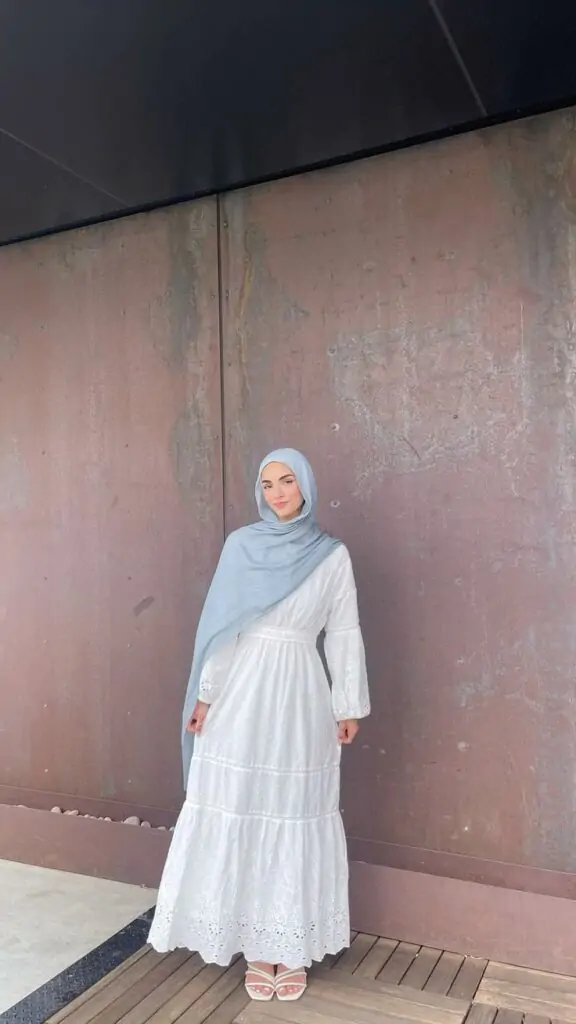
Layer Light Fabrics for Full Coverage
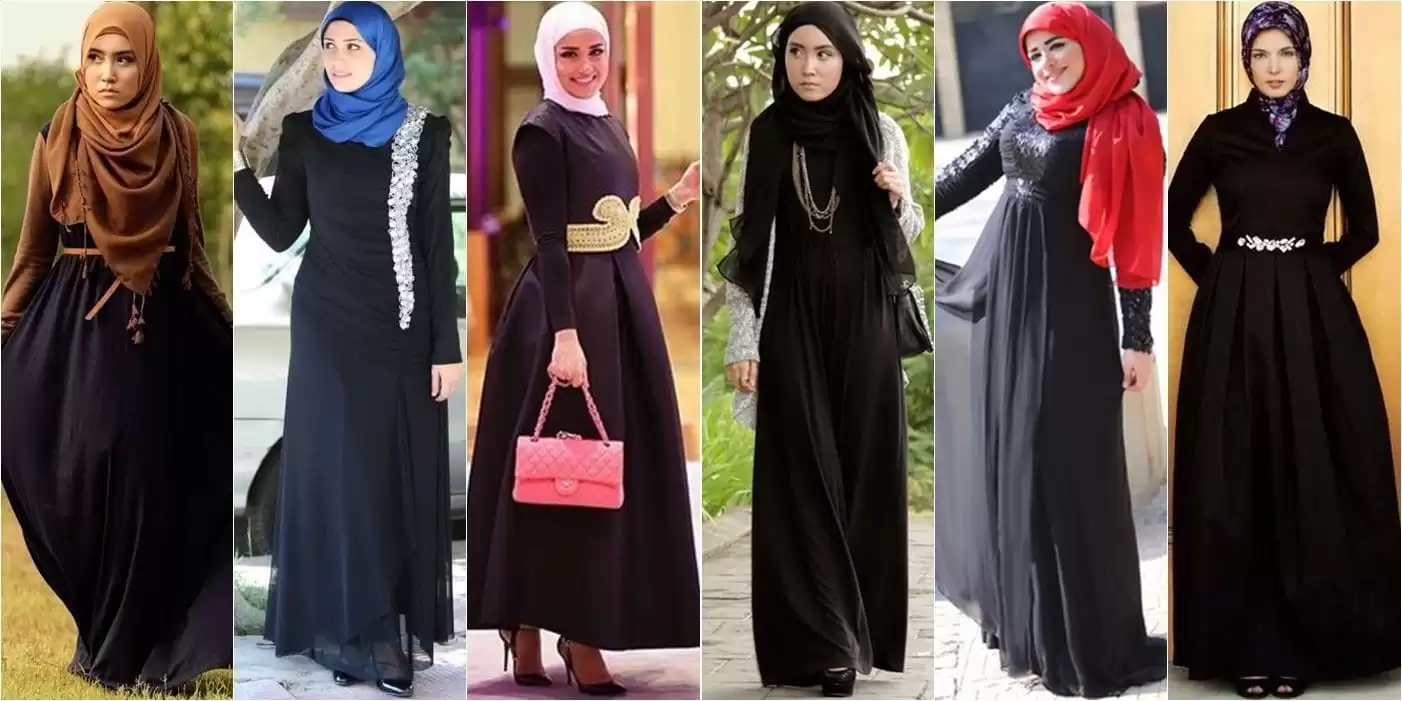
This white dress shows the power of layering without overheating. The lightweight cotton dress provides coverage while the chiffon hijab adds movement and airflow. The key is choosing fabrics so light they feel like you’re wearing nothing at all.
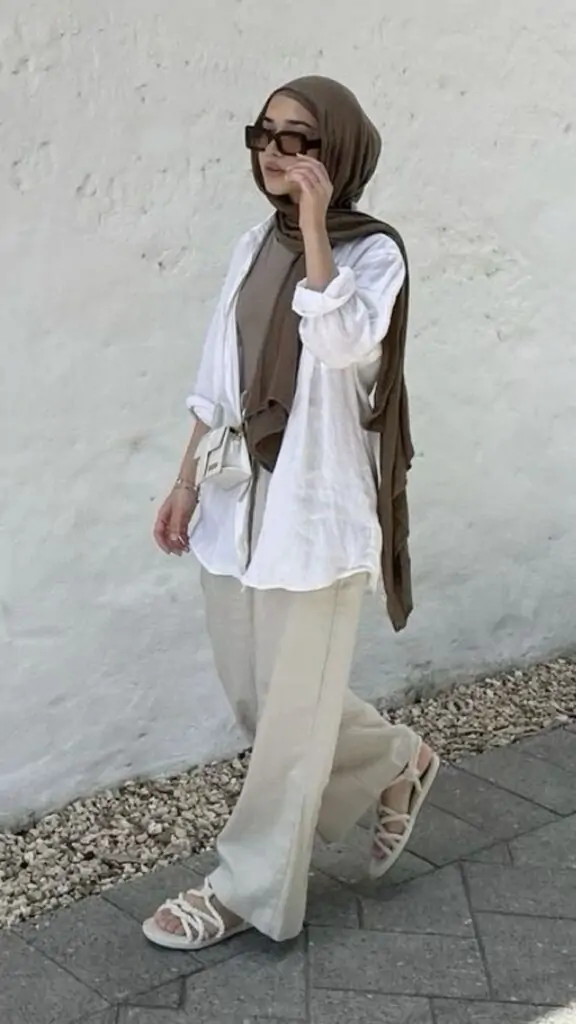
Go Monochrome in Light Colors
This olive-toned outfit proves that light doesn’t mean just white and beige. Monochrome dressing in any light shade reflects heat better than mixing dark and light pieces. The single color story also creates a longer silhouette that’s incredibly flattering.
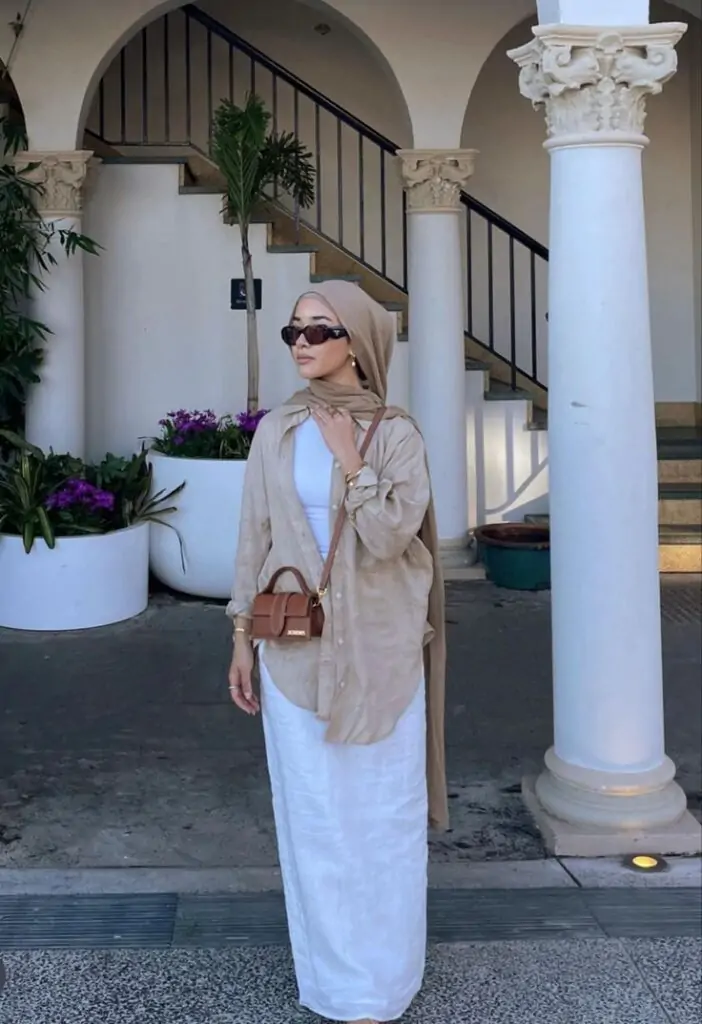
Add Structure with Light Layers
The beige shirt over white here creates shape without weight. This layering technique lets you maintain modesty while allowing air to circulate between the garments. It’s the same principle as loose-fitting traditional clothing in desert climates.
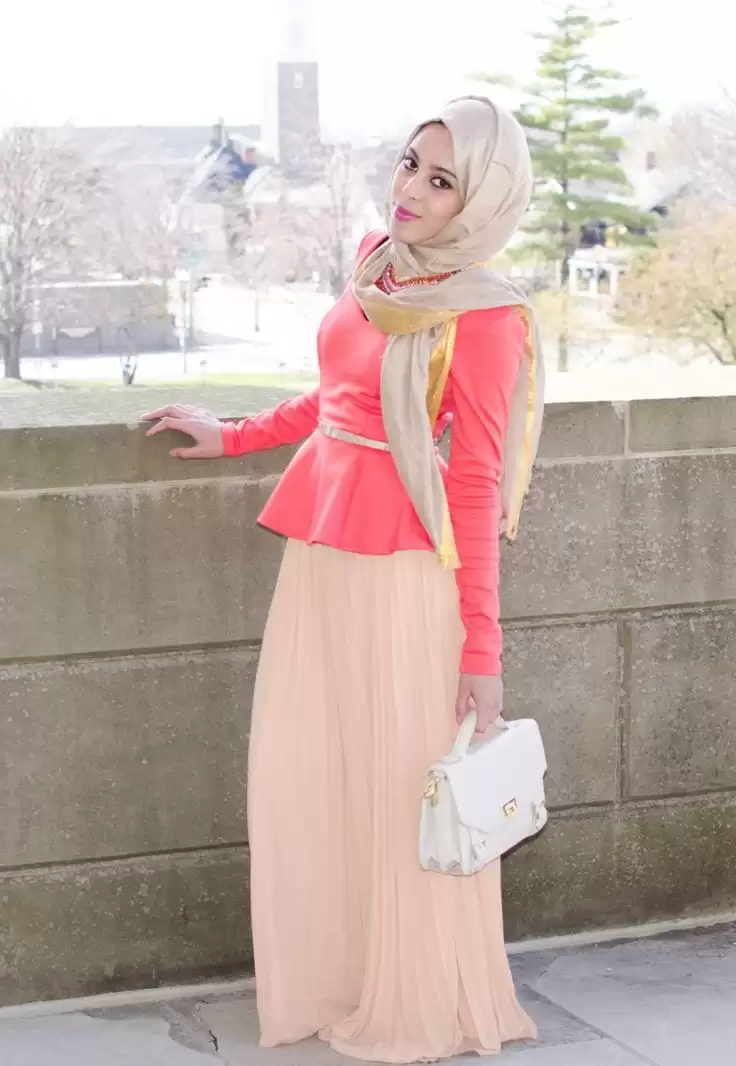
Use Color Blocking to Define Your Silhouette
The coral top against the nude skirt creates visual interest without adding fabric weight. When you’re covered from head to toe, strategic color placement helps define your waistline and creates movement in your outfit.
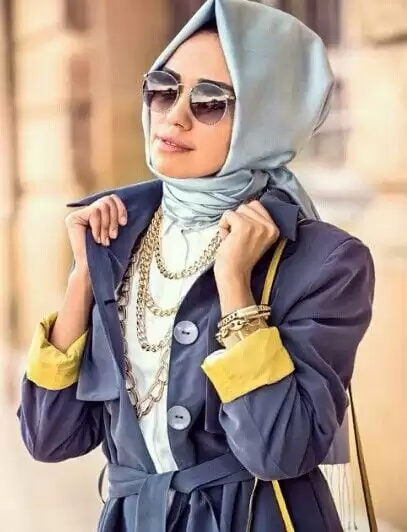
Master the Statement Necklace with High Necklines
This layered necklace technique transforms a simple covered neckline into something special. The key is choosing pieces that lay flat against fabric rather than chunky jewelry that creates bulk under your hijab.
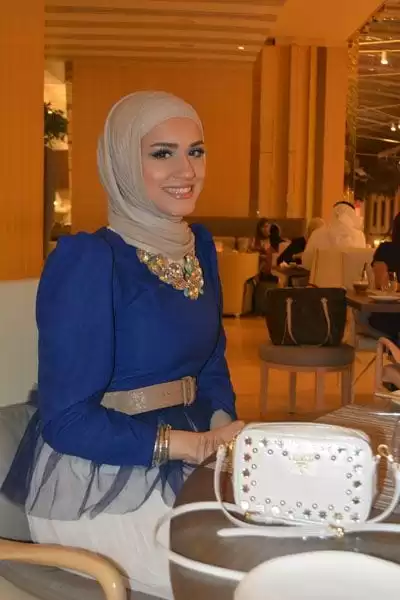
Belt Everything for Definition
The thin belt on this blue top shows how essential belting is for hijab styling. When your silhouette is naturally flowing, a belt at your natural waist prevents the “tent” effect and creates an hourglass shape.
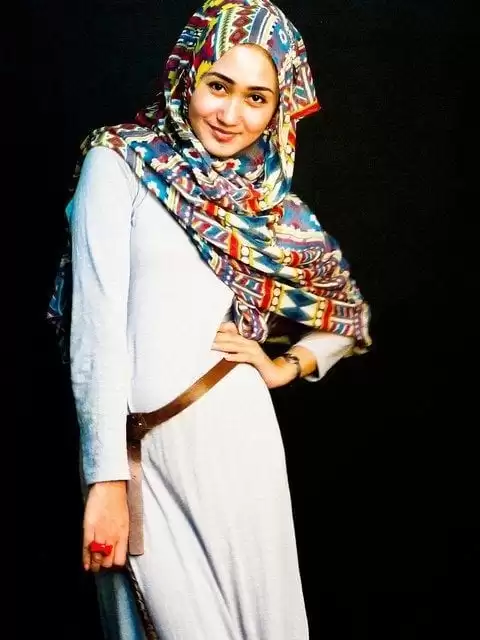
Choose Geometric Prints for Visual Impact
This patterned hijab adds personality without overwhelming the neutral outfit underneath. Geometric patterns work better than florals with hijab because they create clean lines that complement the structured nature of head covering.
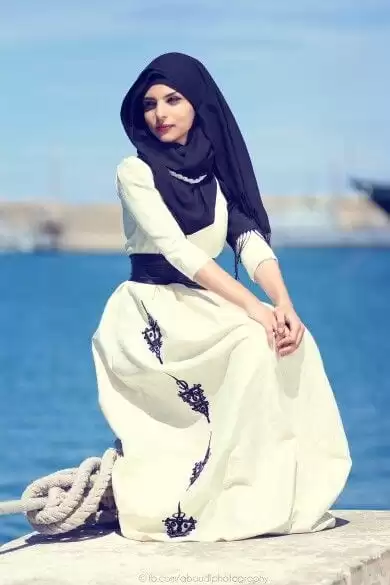
Perfect the Loose Tuck for Casual Days
This navy hijab shows the ideal casual draping — loose enough for airflow but structured enough to stay put. The key is leaving space between the fabric and your neck while ensuring the ends don’t create bulk around your shoulders.
Embrace Soft Pink for Romantic Femininity
The floral dress paired with a pink hijab proves that modest doesn’t mean masculine. Soft pinks are universally flattering and create a gentle contrast against most skin tones without being as stark as pure white.
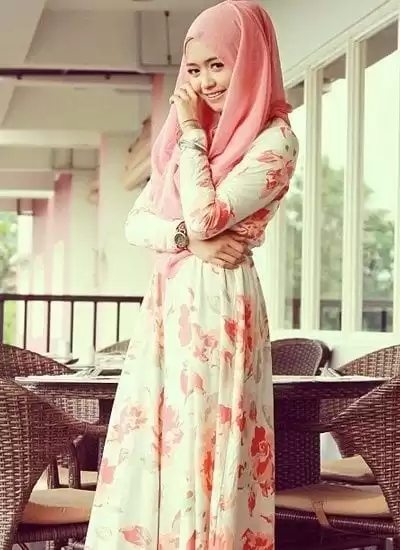
Layer Tunics Over Fitted Bottoms
This floral tunic over dark pants is the perfect modest formula. The flowing top provides coverage and movement while fitted bottoms keep your silhouette defined. It’s comfortable enough for all-day wear but polished enough for any occasion.
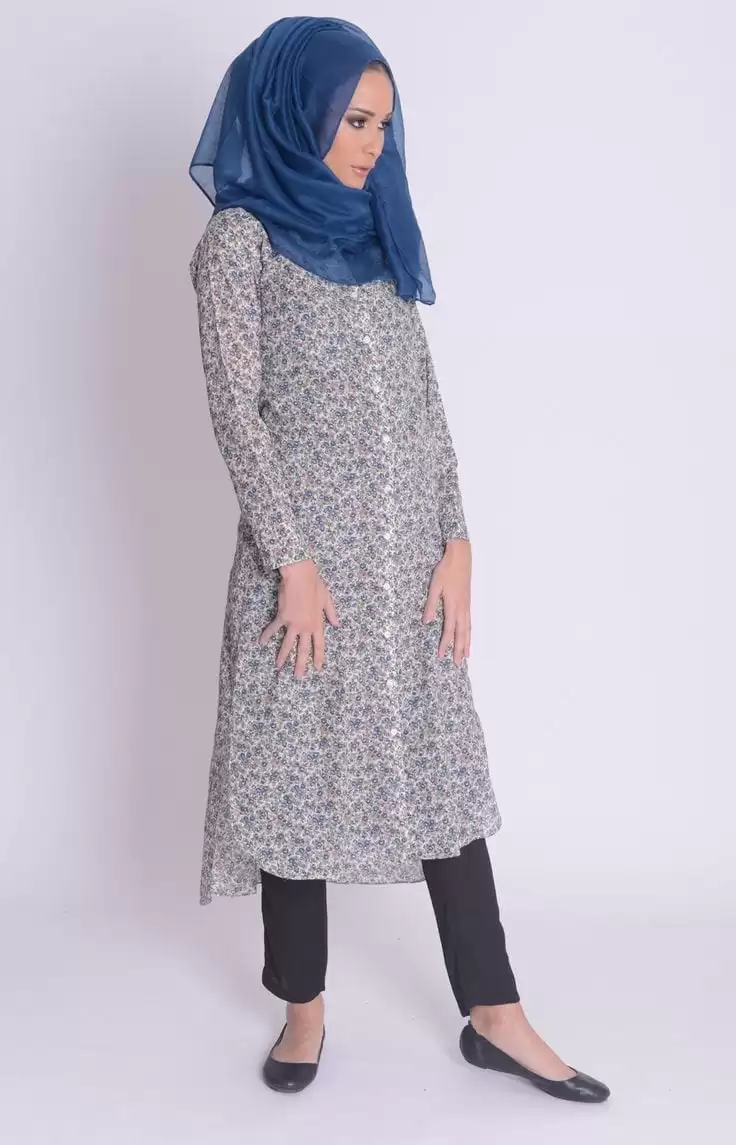
Go Floor-Length for Elegant Simplicity
This long white tunic demonstrates the power of simple, flowing silhouettes. Floor-length pieces eliminate the need to coordinate separates while creating an effortlessly elegant look that works from morning to evening.
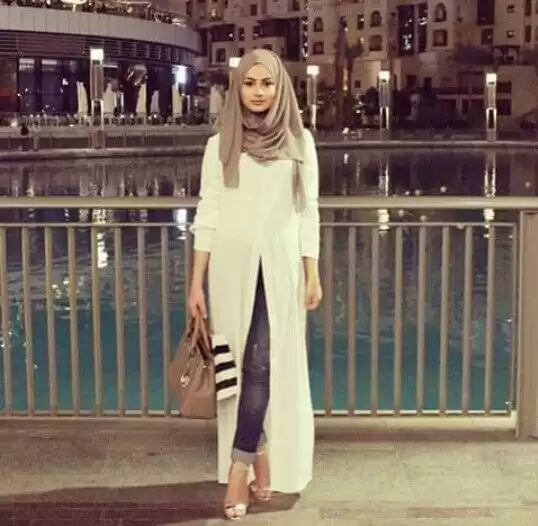
Mix Textures in the Same Color Family
The patterned skirt with the solid top shows smart texture mixing. Staying within the same color palette while varying textures adds depth to your look without creating visual chaos — essential when combining hijab with Western pieces.
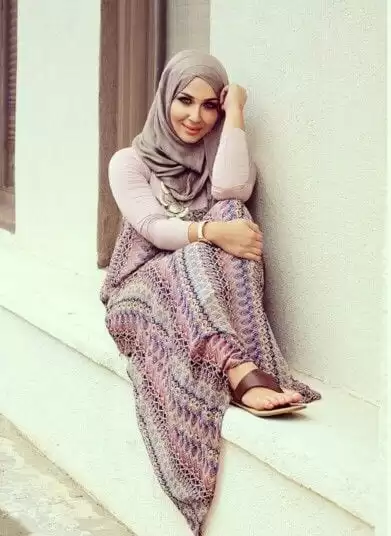
Try Side Styling for Face-Framing
This side-draped hijab creates soft framing around the face while maintaining full coverage. The asymmetrical draping adds visual interest and prevents the sometimes severe look of perfectly centered styling.
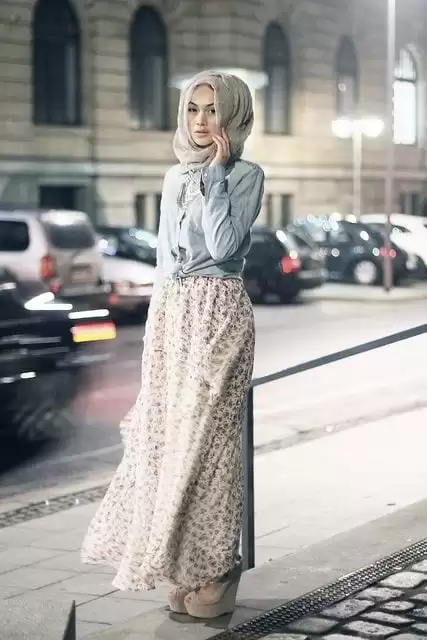
Pair Bright Skirts with Neutral Tops
The hot pink skirt balanced with a neutral sweater shows smart color distribution. When wearing hijab, putting your brightest color on the bottom half creates visual balance and draws the eye down, lengthening your overall silhouette.
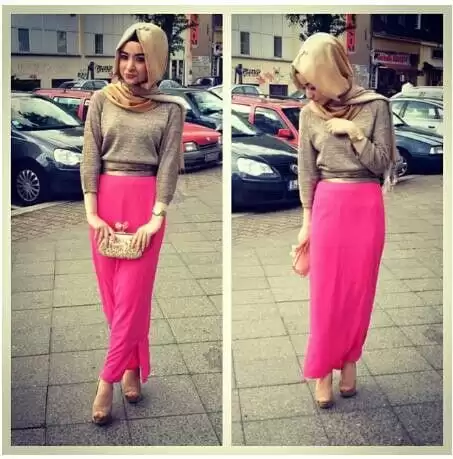
Choose A-Line Dresses for Universal Flattery
This floral A-line dress is the most universally flattering silhouette for hijabis. It skims the body without clinging, provides full coverage, and the fitted bodice with flowing skirt creates an hourglass shape on any body type.
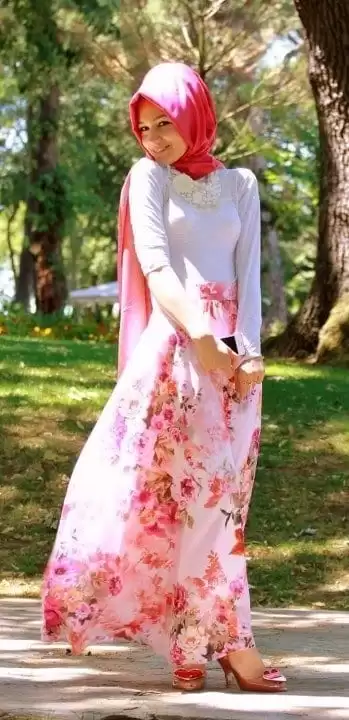
Master Bold Color Combinations
The red hijab with the floral dress demonstrates confident color mixing. The key is finding one color that appears in both pieces — here, the red in the hijab picks up the red flowers in the dress, creating harmony.
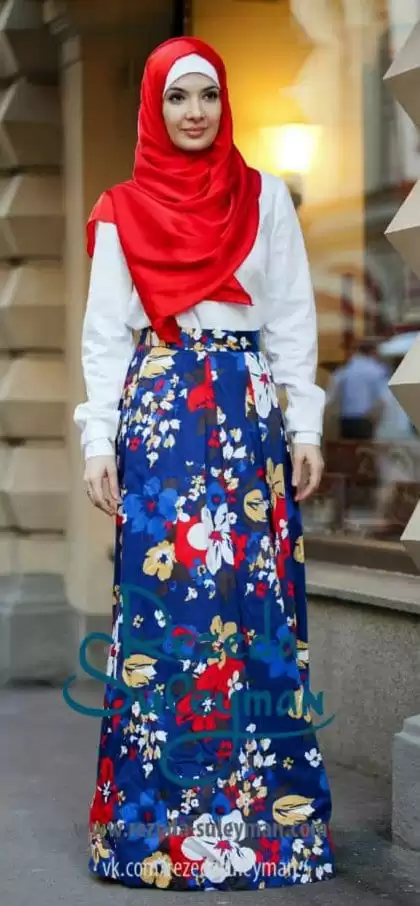
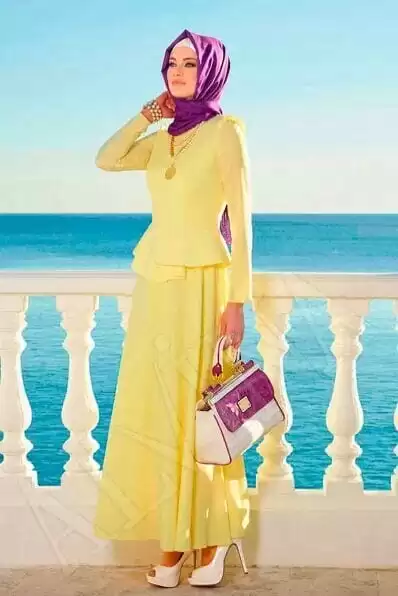
Go Tonal with Yellow for Sunny Sophistication
This head-to-toe yellow look shows the power of tonal dressing. Wearing different shades of the same color creates depth while maintaining sophistication. Yellow is particularly flattering in summer because it complements sun-kissed skin.
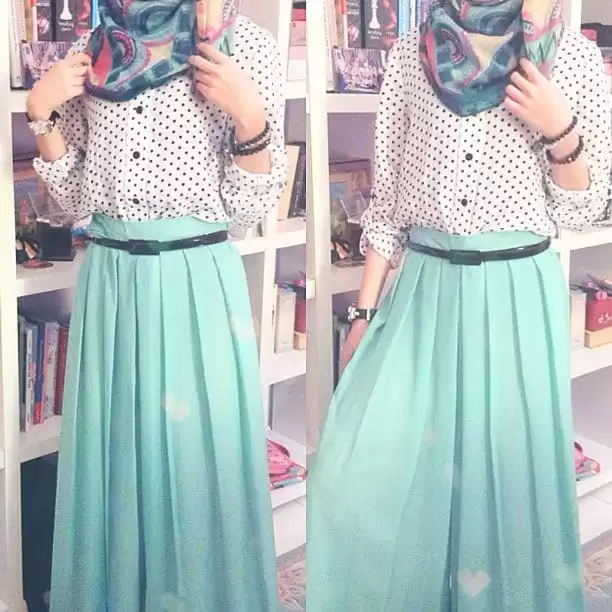
Add Interest with Polka Dots
The polka dot top with the teal skirt proves that patterns and hijab can work beautifully together. Polka dots are particularly hijab-friendly because they’re small enough not to compete with your head covering but interesting enough to add personality.
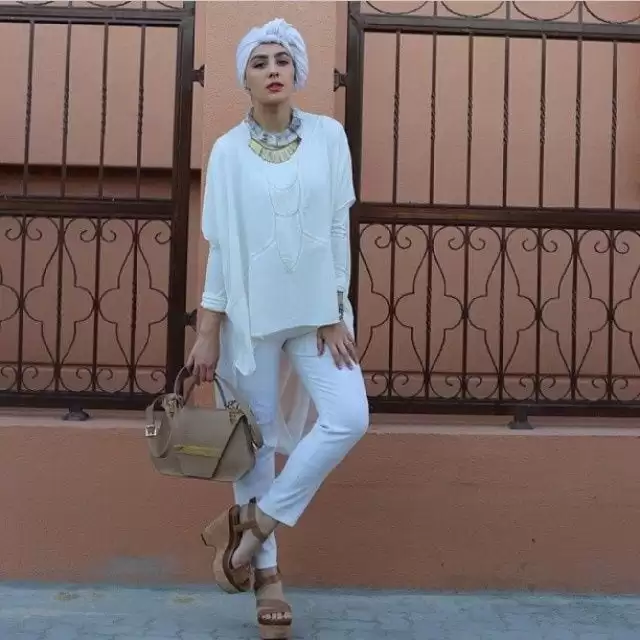
Layer White for Crisp Summer Elegance
This all-white ensemble shows the sophistication possible with tonal white dressing. Different textures and silhouettes in white create depth while maintaining the cool, crisp feeling that’s perfect for hot weather.
Use Statement Necklaces as Your Focal Point
The colorful necklace here transforms a simple outfit into something special. When your hair isn’t visible, jewelry becomes your primary way to add personality and draw attention to your face.
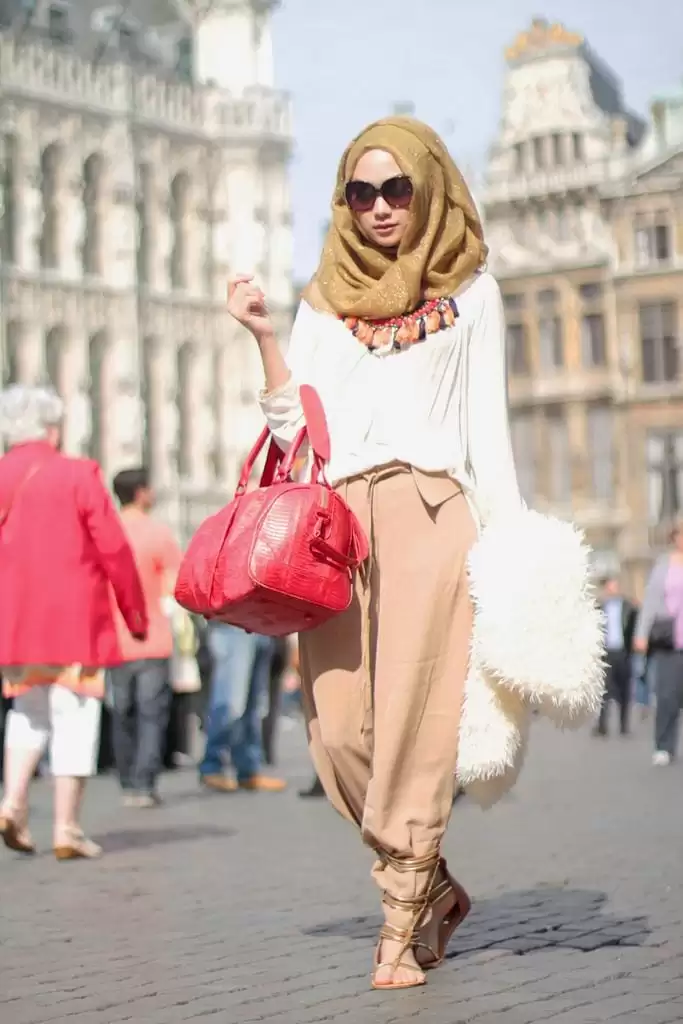
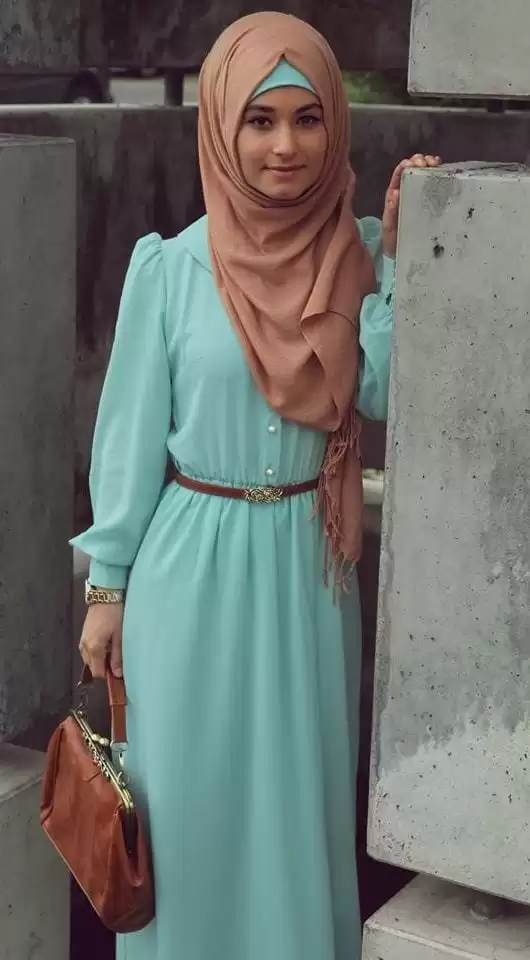
Perfect the Color-Coordinated Look
The camel hijab with the brown outfit demonstrates sophisticated color coordination. Staying within the same color family but varying the shades creates a put-together look that’s more interesting than exact matches.
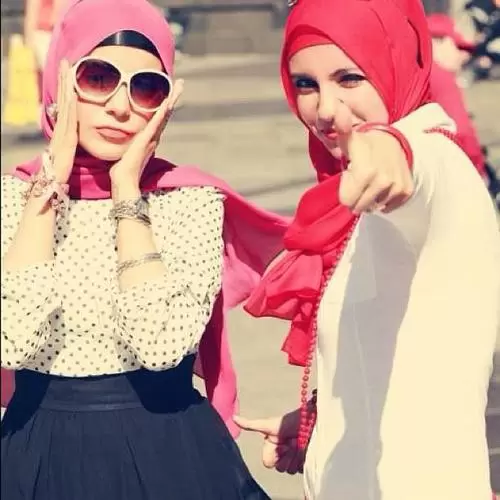
Try Bright Hijabs with Friend Coordination
This twin styling shows how fun coordinated looks can be with friends. The pink hijabs create a unified aesthetic while each outfit maintains its individual personality — perfect for special occasions or group photos.
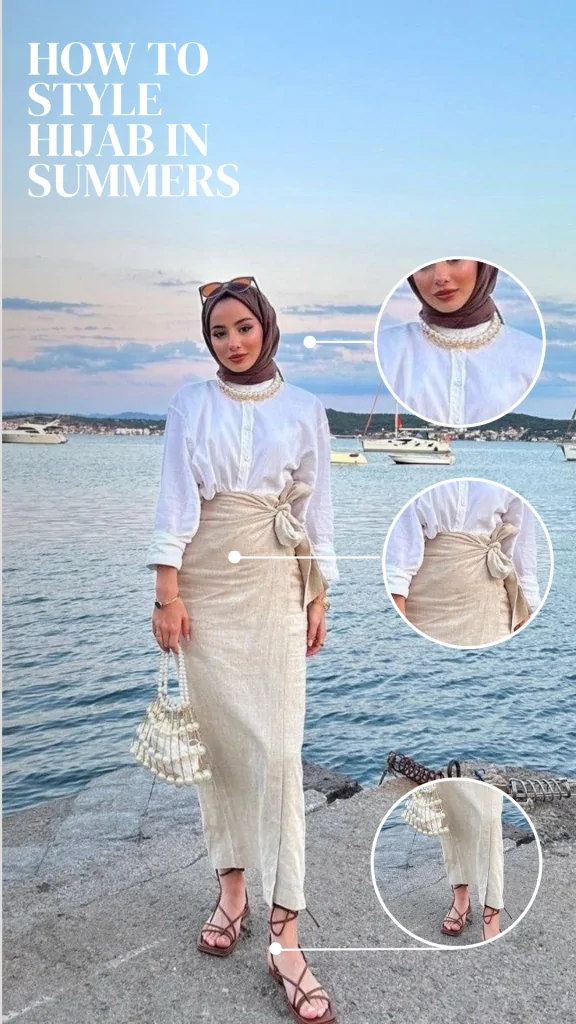
Focus on Breathable Fabrics for All-Day Comfort
This summer styling guide emphasizes the importance of fabric choice in hot weather. The lightweight materials and loose-fitting silhouettes show how to stay covered while keeping cool, which is exactly what summer hijab styling should accomplish.
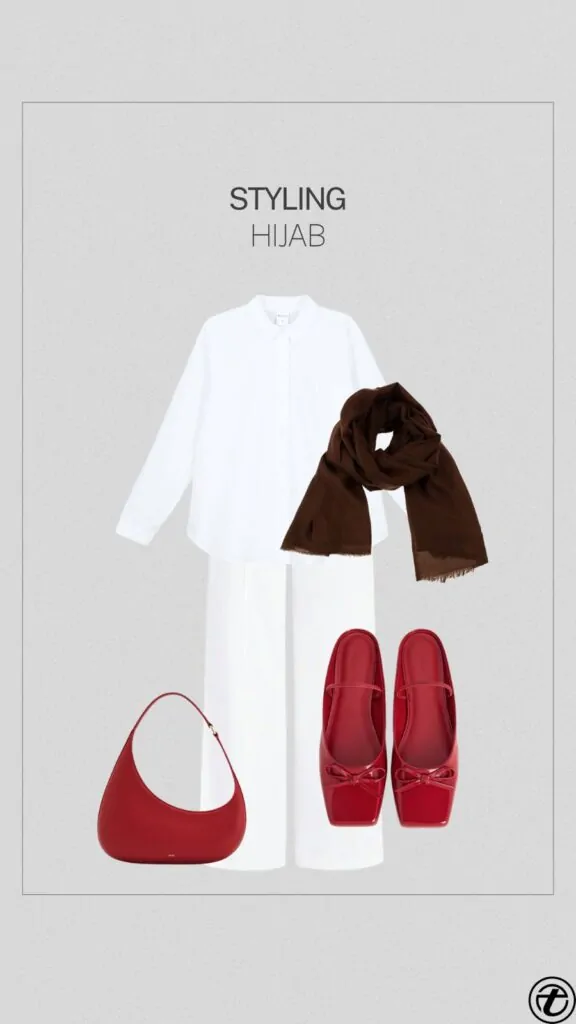
Create a Capsule Summer Palette
This styling flat lay demonstrates the power of a curated color palette. Having a few key colors that all work together — like white, brown, and red — means every piece in your wardrobe coordinates, making morning dressing effortless.
Frequently Asked Questions
20 Latest Turkish Hijab Styles and Outfit Ideas
20 Ideas on How to Style Jilbab with Hijab
Silk Hijab Styles-25 Ideas How To Wear A Silk Hijab
20 Popular Hijab Street Style Fashion Ideas For This Season
20 Spring Hijab Style Ideas For a Beautiful Look
14 Beautiful Summer Hijab Styles for School Girls
20 Cute Hijab Styles for University Girls
50 Best Hijab Styles on Instagram Trending These Days
What hijab fabrics work best in summer heat?
Jersey is my go-to for busy mornings — it breathes well and never needs pins. Cotton voile feels like air but wrinkles in humidity, so I save it for air-conditioned days. Bamboo blends are worth the investment if you sweat easily. Skip chiffon unless you want to spend your day adjusting it.
How do I keep my hijab secure in windy weather?
Magnet pins are game-changers for windy days — they hold without creating holes and won’t pop open like safety pins. I place one under each ear and one at the back of my neck. For really gusty weather, I tuck the loose end into my top or use a hijab band underneath to create grip.
Can I wear bright colors with hijab in summer?
Bright hijabs actually reflect heat better than dark ones, but the key is choosing the right undertones for your skin. Coral and turquoise work on most people, while neon yellow is tricky unless you have warm undertones. I test colors against my neck in natural light — if my skin looks gray, the color isn’t working.
What’s the easiest hijab style for beginners?
Start with a rectangular jersey scarf and the simple wrap — drape it over your head with one side longer, wrap the long side around your neck, and pin both ends at your shoulder. No pleating, no complex folds. Once this feels natural, you can experiment with different draping techniques.
20 Latest Turkish Hijab Styles and Outfit Ideas
20 Ideas on How to Style Jilbab with Hijab
Silk Hijab Styles-25 Ideas How To Wear A Silk Hijab
20 Popular Hijab Street Style Fashion Ideas For This Season
20 Spring Hijab Style Ideas For a Beautiful Look
14 Beautiful Summer Hijab Styles for School Girls
20 Cute Hijab Styles for University Girls
50 Best Hijab Styles on Instagram Trending These Days