Most men think business casual means “anything that isn’t a full suit” — and that’s exactly why they look unprofessional. I’ve spent ten years helping guys navigate this minefield, and the confusion is understandable. Business casual sits in that awkward middle ground between formal and relaxed, where one wrong choice can make you look either overdressed or sloppy.
The real problem isn’t understanding what business casual is — it’s understanding what it isn’t. It’s not your weekend chinos with a polo shirt. It’s not your suit trousers with a t-shirt. And it’s definitely not whatever you wore to university. Business casual requires intentional choices, and fit comes first. Always.
A well-fitted button-down shirt in the wrong fabric will always look better than an expensive shirt that pulls across your shoulders or gaps at the waist. Get the fit right first, then worry about everything else. This principle applies to every single piece in your business casual wardrobe, and it’s the foundation that makes everything else work.
Styling Tips
Master the trouser-shoe relationship. Your business casual trousers should have a slight break on dress shoes and no break on loafers or clean sneakers. This one detail separates men who understand the dress code from those who don’t. A proper break creates a clean line that elevates the entire outfit.
Layer strategically, not randomly. A blazer over a button-down shirt immediately shifts you toward the formal end of business casual. Remove the blazer and roll your sleeves, and you’re at the relaxed end. The same base outfit works for different situations when you understand how each layer changes the formality level.
Choose fabrics that bridge casual and formal. Cotton twill trousers work better than denim but aren’t as formal as wool dress pants. Knit polo shirts in solid colours sit between t-shirts and button-downs. These bridge pieces give you more flexibility without looking confused about the dress code.
Men’s Smart Casual Attire Guide: 22 Outfit Ideas
30 Casual Outfit Ideas For Black Men with Styling Tips
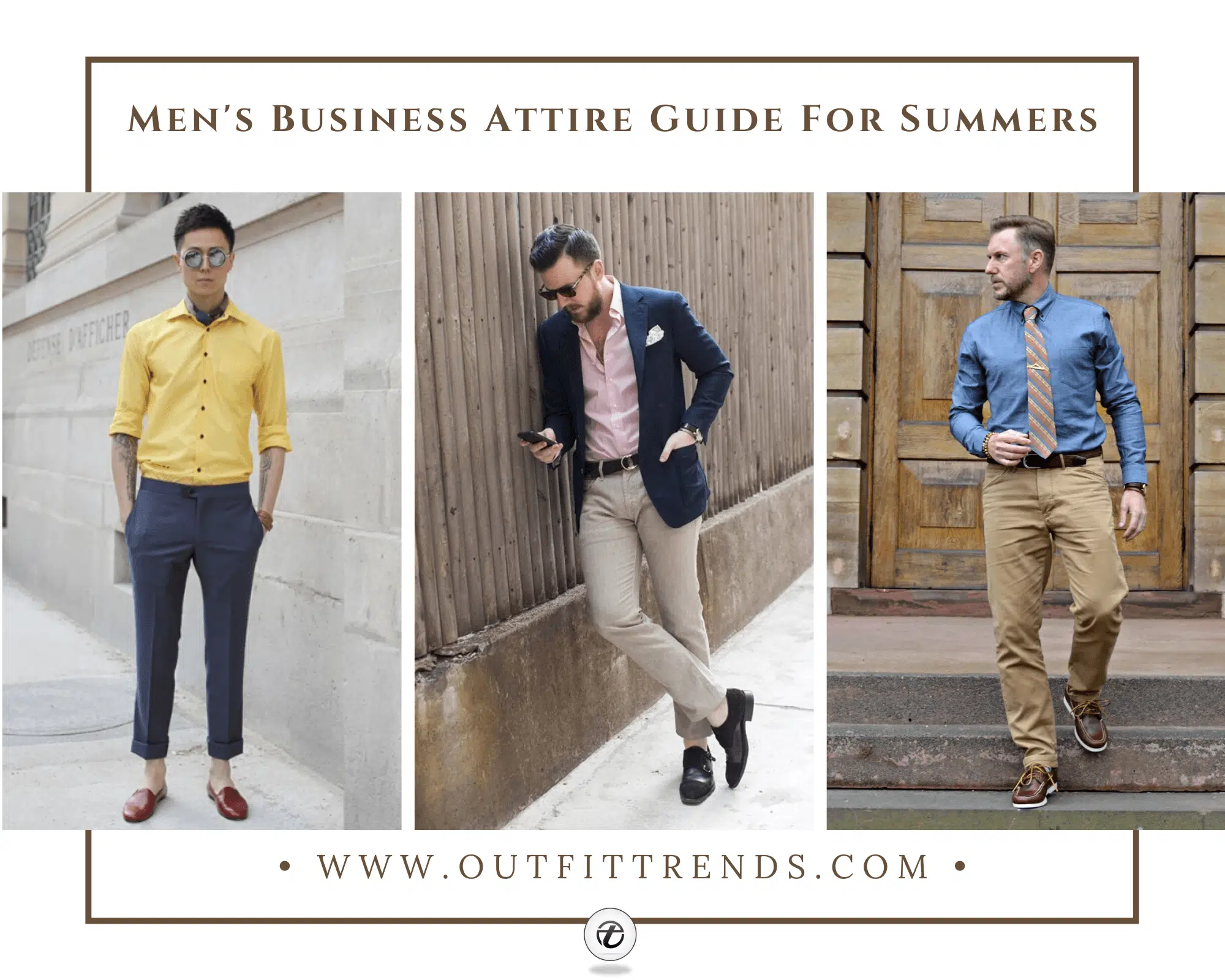
30 Best Summer Business Attire Ideas for Men
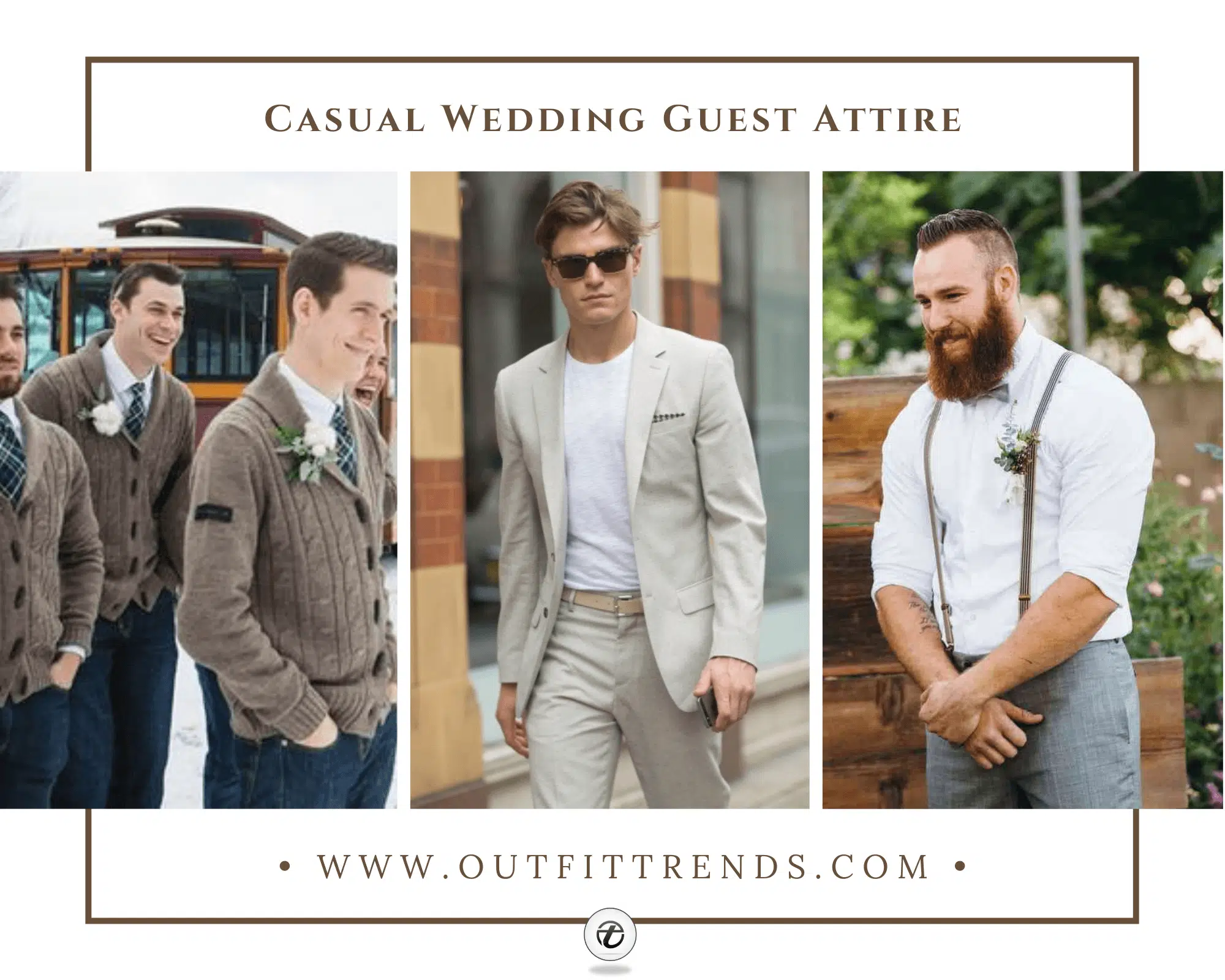
Casual Wedding Guest Attire For Men | 25 Outfits & Tips

28 Best Casual Outfits Ideas for Men with Styling Tips
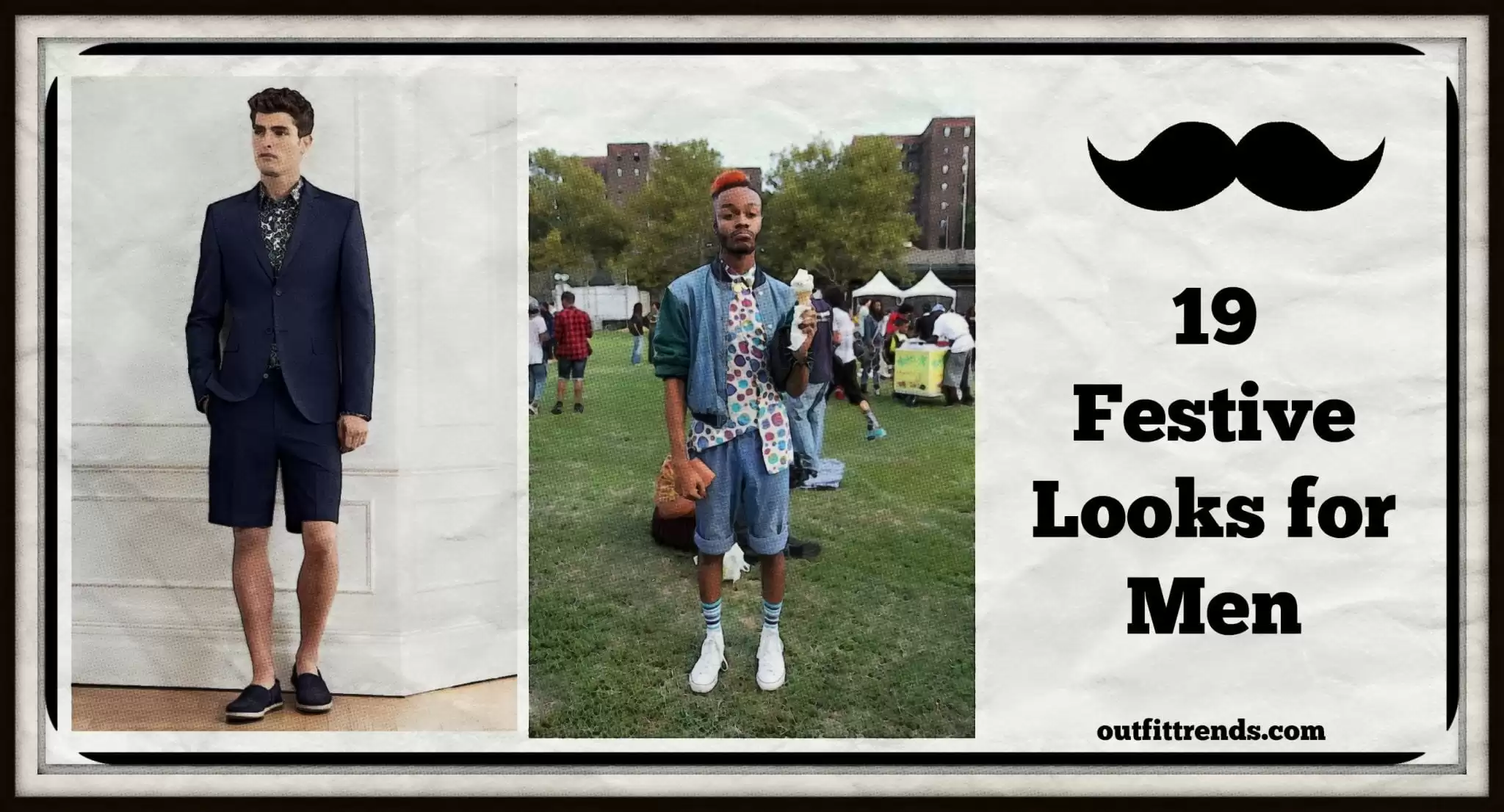
Festive Attire for Men 19 Outfit Ideas with Style Tips

Men’s Business Casual Shoes Guide and 20 Tips for Perfect Look
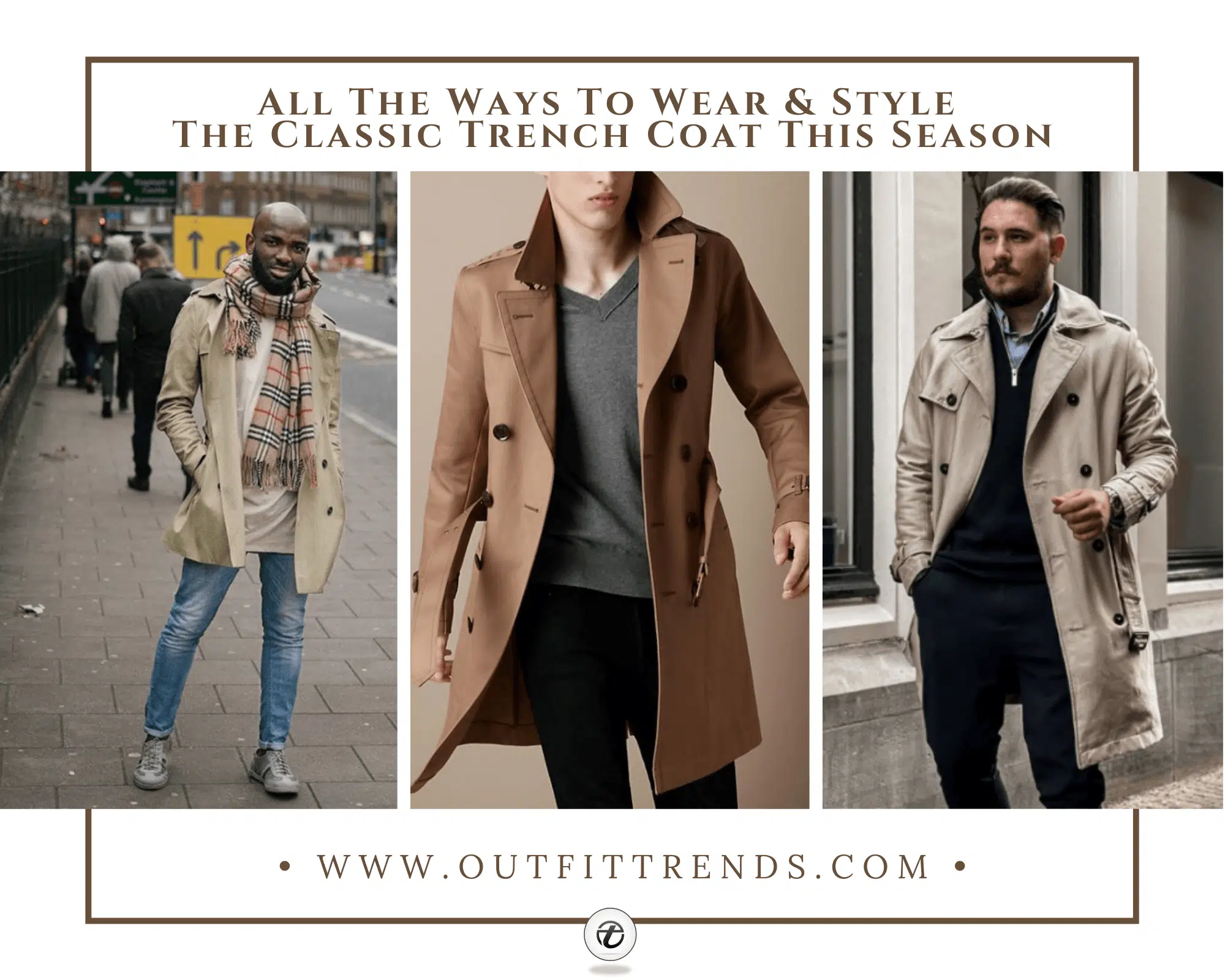
How to Wear Trench Coats? 36 Outfit Ideas for Men
Invest in versatile colour foundations. Navy, grey, and white form the backbone of every business casual wardrobe. Build from these colours outward rather than starting with statement pieces. A navy blazer works with khaki chinos, grey trousers, or dark denim — giving you three different looks from one piece.
The term “business casual” was invented by Levi Strauss in the 1990s to sell more khakis to office workers. Before then, men wore either business attire or casual clothes — nothing in between.
Pay attention to collar details. Button-down collars lean more casual, while spread collars lean more formal. The same shirt in the same colour can hit different formality levels based purely on collar style. Use this to fine-tune your outfit’s appropriateness for specific situations.
Quality over quantity with accessories. A good leather belt and matching watch strap do more for your business casual credibility than five cheap accessories combined. Stick to classic metals — either all silver-toned or all gold-toned, never mixed. Simple rules prevent expensive-looking mistakes.
Dos & Don’ts
Building Your Foundation
Start with five essential pieces that work together in multiple combinations. A navy blazer, white button-down shirt, grey wool trousers, dark wash jeans, and brown leather loafers create the foundation for dozens of business casual outfits. Each piece should fit perfectly and work with at least three other pieces in your wardrobe.
Quality matters more than quantity in business casual dressing. One well-made button-down shirt that fits properly serves you better than three cheaper shirts that pull or gap. The same principle applies to trousers, blazers, and shoes. Build slowly with pieces that will last years, not seasons.
Consider your daily routine when building your wardrobe. If you walk to meetings, invest in comfortable leather shoes with good support. If you present frequently, choose fabrics that don’t wrinkle easily. Your business casual wardrobe should support your work demands, not create additional challenges.
Classic Business Casual Outfits
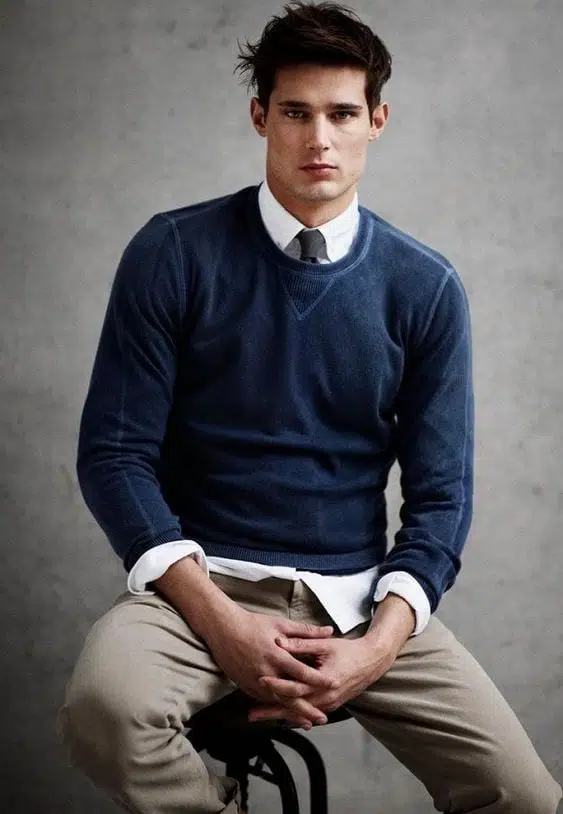
Navy Sweater with Dress Shirt and Chinos
A navy crew neck sweater worn over a white dress shirt and tie creates the perfect smart-casual balance. The layered approach adds visual interest while keeping you appropriately dressed for client meetings or office presentations. This combination works best for guys who need to look professional without the formality of a full suit.
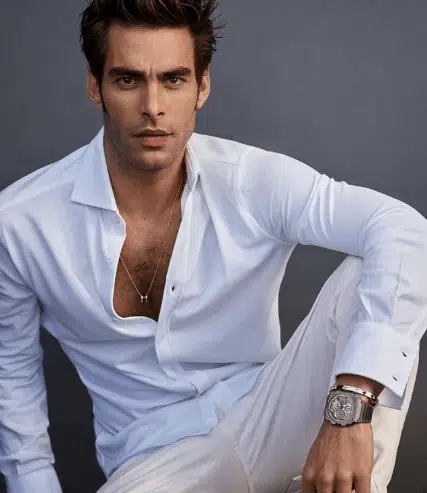
Open White Shirt with Relaxed Styling
A crisp white button-down worn open at the collar offers a clean, approachable look that works in creative or tech environments. The unbuttoned styling keeps things casual while the quality of the shirt maintains professionalism. Perfect for guys in industries where personality matters as much as competence.
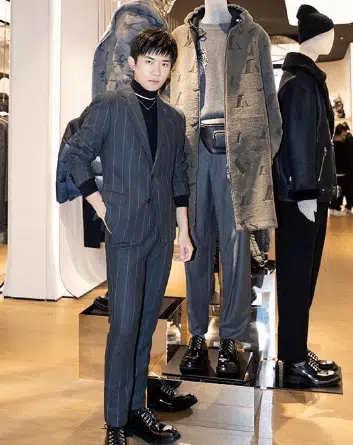
Pinstripe Suit with Modern Fit
A well-tailored pinstripe suit in navy demonstrates how traditional patterns can work in business casual settings. The slim-fit cut updates the classic look for younger professionals who want to appear both serious and contemporary. Best suited for finance or consulting roles where polish is non-negotiable.
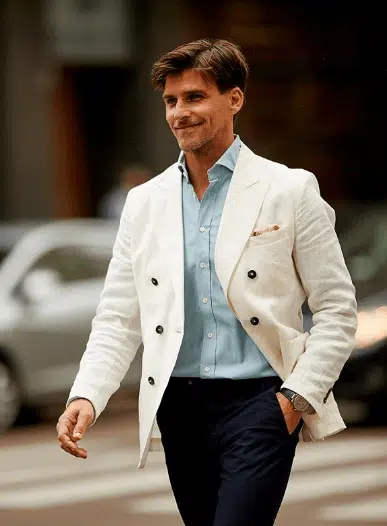
Cream Blazer with Denim Shirt
A light-colored blazer paired with a casual denim shirt bridges formal and relaxed in an unexpected way. The contrasting textures create visual interest while maintaining a professional silhouette. This works particularly well for guys in advertising or media where creativity is valued alongside professionalism.
Grey Suit with White T-Shirt
A tailored grey suit worn with a simple white tee underneath the blazer modernizes traditional suiting for today’s workplace. The casual underlayer keeps the look approachable while the structured blazer maintains authority. Ideal for tech executives or creative directors who need to look polished but not stuffy.

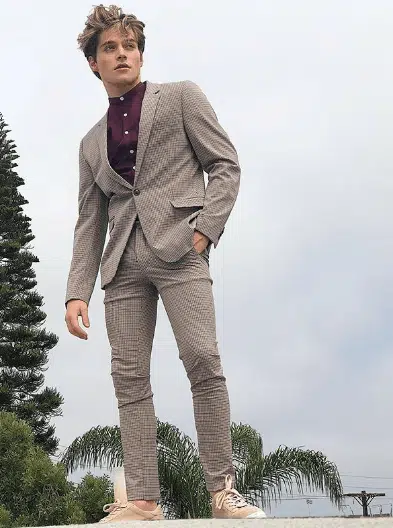
Patterned Suit in Warm Tones
A checked suit in neutral tones with a burgundy shirt adds personality without crossing into flashy territory. The tonal coordination keeps the pattern from overwhelming while showing attention to detail. This works best for guys confident enough to stand out while still respecting dress codes.
Quick tip
Choose wool-blend fabrics over pure wool for durability and wrinkle resistance.
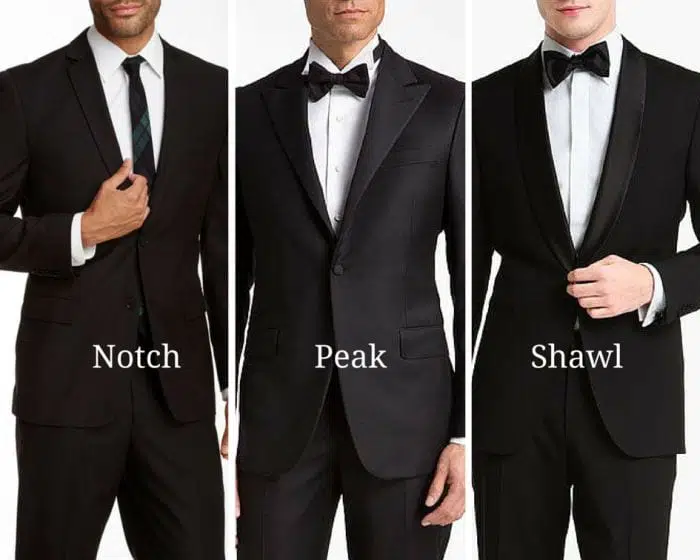
Classic Black Suit Options
Three variations of black formal wear show the versatility of a well-cut suit across different occasions. The lapel differences between notch, peak, and shawl styles demonstrate how subtle details change the overall formality level. Essential knowledge for guys who need one suit to work multiple ways.
Dark Suit with Classic Styling
A charcoal suit with traditional proportions represents timeless business casual done right. The conservative cut ensures this look ages well and works across industries where reliability matters more than trends. Perfect for guys building their first professional wardrobe who need versatile, safe choices.

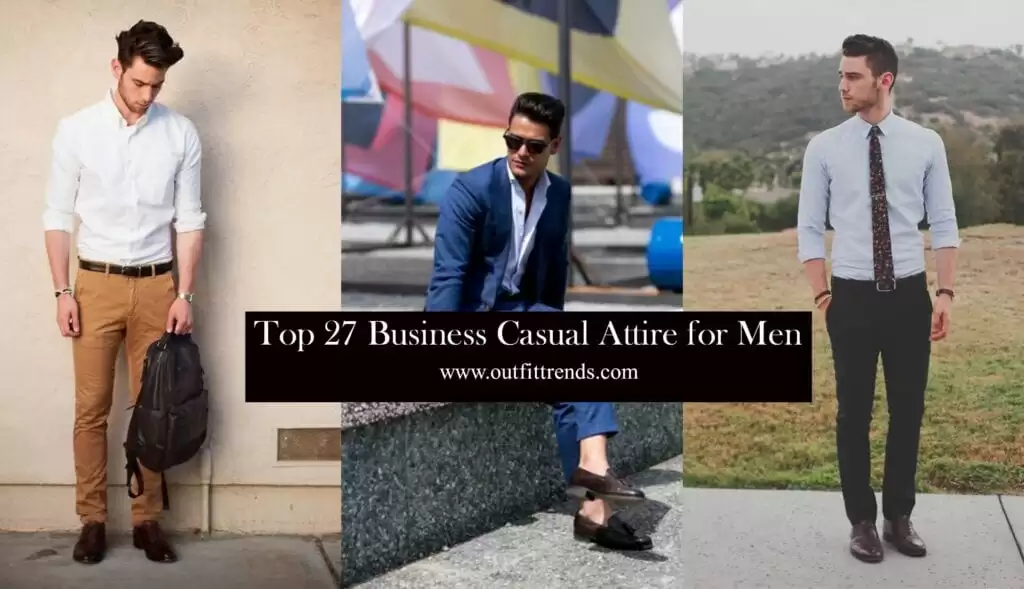
Smart Casual Shirt and Trouser Combinations
Three different approaches to shirt and trouser pairing show how small changes create distinct looks for various business casual settings. The mix of colors and patterns demonstrates how to add personality while maintaining professionalism. These combinations work for guys who need multiple looks from a limited wardrobe.
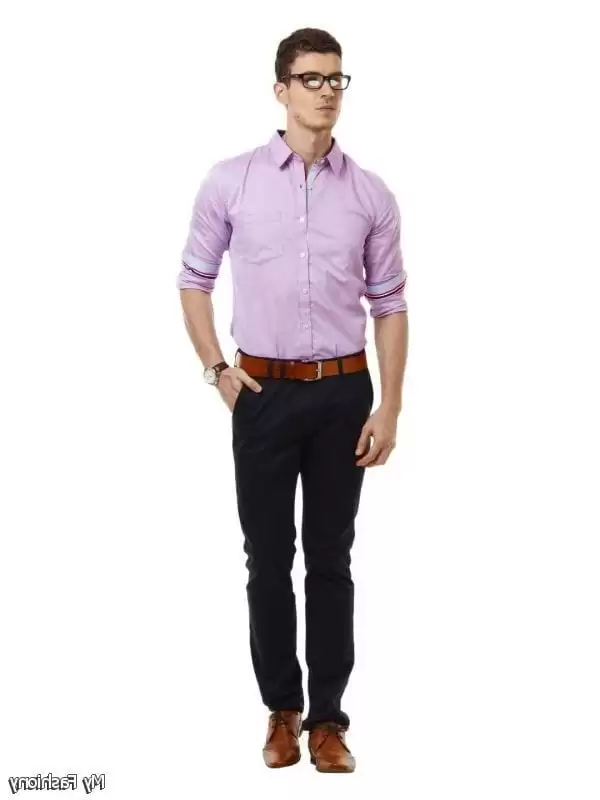
Purple Shirt with Navy Chinos
A lilac button-down paired with dark navy chinos and brown accessories creates a confident, modern business casual look. The unexpected color combination shows personality while the clean lines keep everything professional. Best for guys comfortable making subtle style statements in conservative work environments.
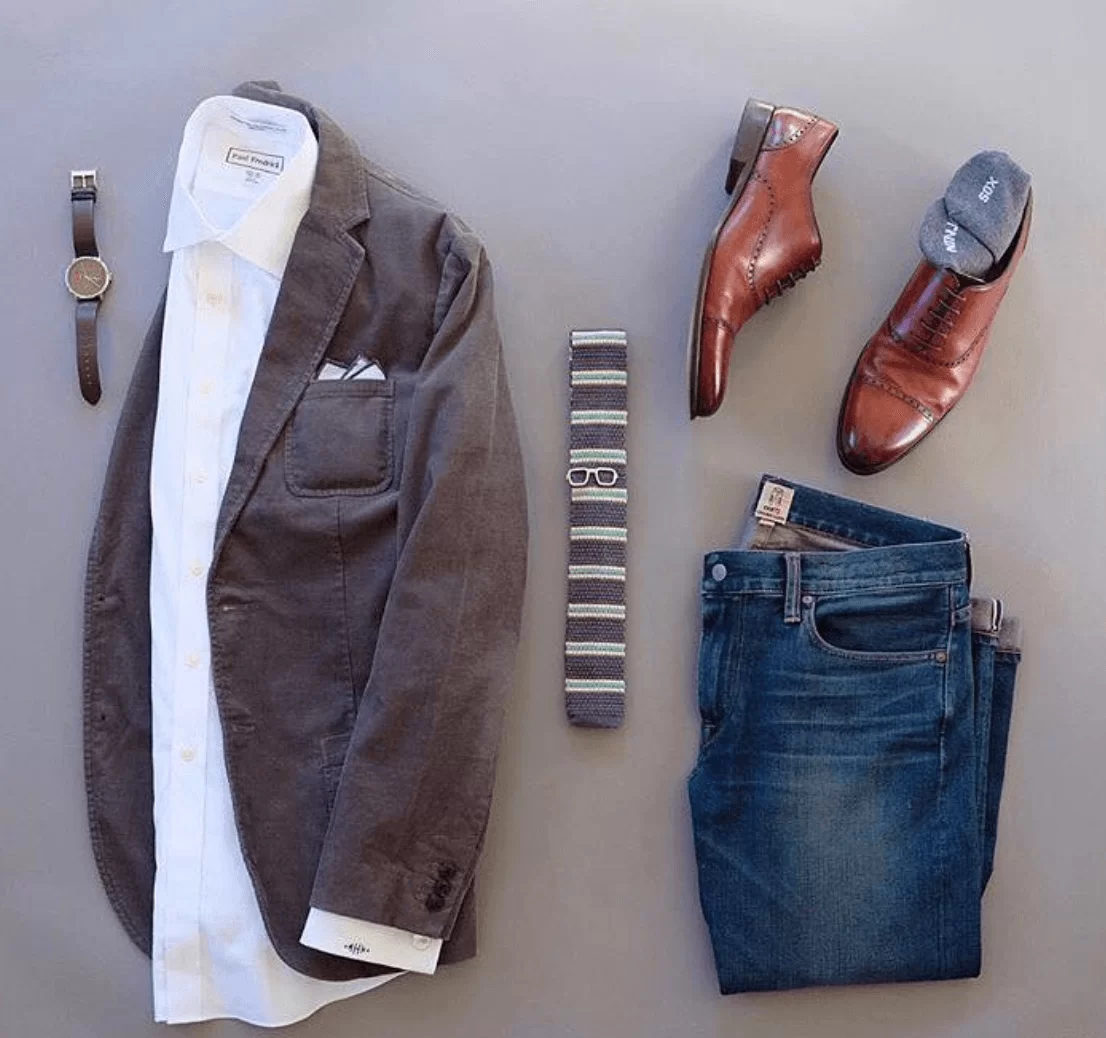
Layered Blazer and Jeans
This brown blazer with a white shirt and dark jeans creates a perfect balance between professional and relaxed. The brown leather shoes and matching accessories pull the earth tones together, while the knit tie adds texture without being too formal. Ideal for creative professionals who need to look polished but approachable.
Quick tip
Keep shirt sleeves half an inch beyond jacket cuffs for proper proportions.
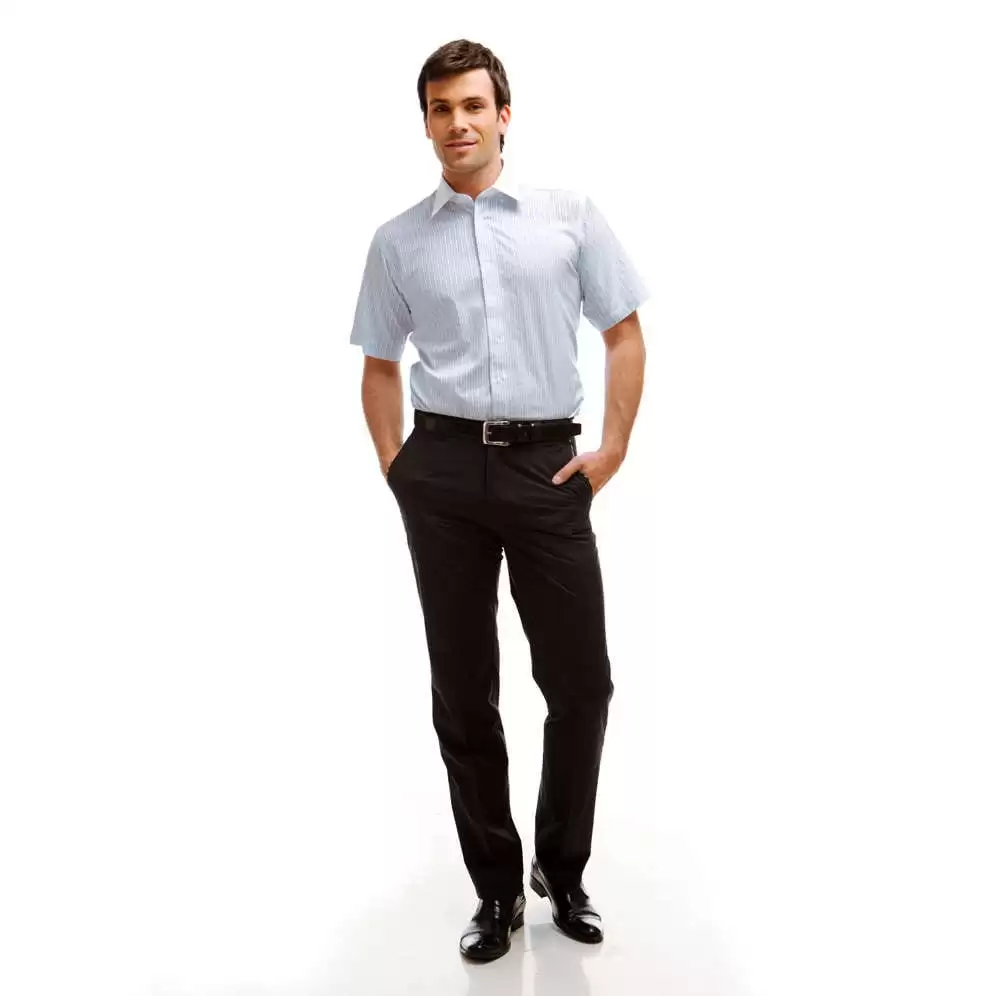
Short Sleeve Dress Shirt with Formal Trousers
A pale blue pinstripe short-sleeve shirt paired with black dress pants offers a clean, professional look for warm weather business settings. The tucked-in shirt and leather dress shoes maintain formality despite the short sleeves. Perfect for office environments where full sleeves aren’t required but you still need to look sharp.
Light Blue Shirt with Patterned Tie
This light blue dress shirt with a burgundy patterned tie and black trousers delivers classic business casual styling. The fitted shirt and slim tie create a modern silhouette while staying within traditional color boundaries. Works well for client meetings or office presentations where you need to appear polished.

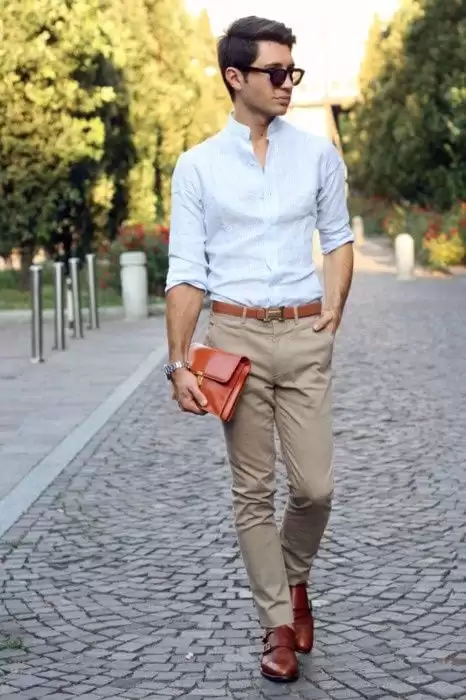
Casual Button-Down with Chinos
A light blue shirt with rolled sleeves paired with khaki chinos strikes the right note for relaxed business environments. The brown leather accessories and casual styling make this approachable yet put-together. Best suited for casual Fridays or creative workplaces where comfort meets professionalism.
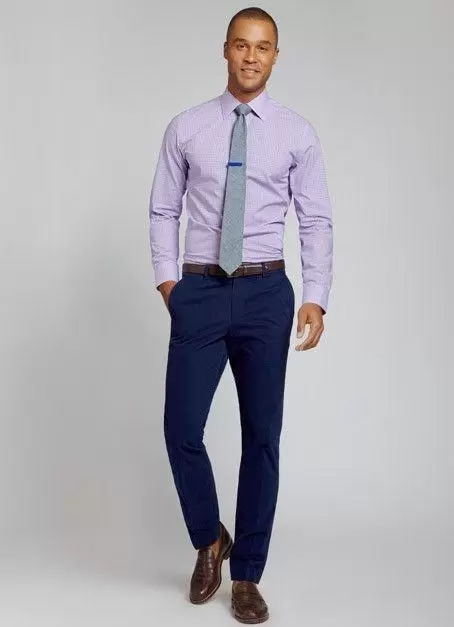
Purple Dress Shirt with Navy Trousers
This lavender dress shirt with a grey tie and navy trousers demonstrates how to use color effectively in business casual. The complementary purple and navy combination feels fresh while remaining workplace-appropriate. Perfect for men who want to show personality through color choices without breaking dress codes.
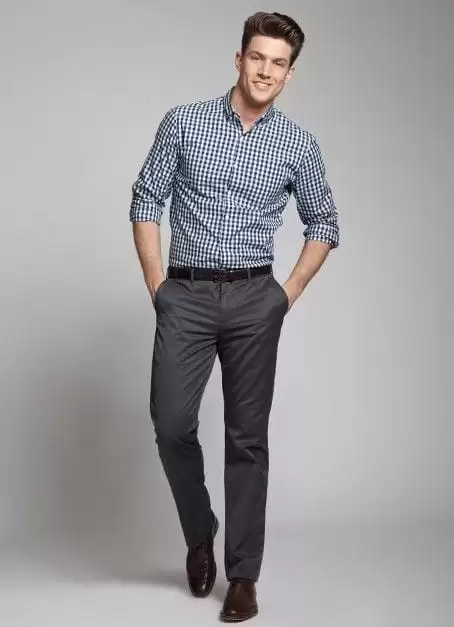
Navy Gingham with Grey Trousers
A navy and white gingham shirt with charcoal trousers creates visual interest through pattern while staying professional. The small check pattern adds texture without being distracting, and the brown leather shoes provide a warm contrast. Excellent for business casual environments where subtle patterns are welcomed.
Quick tip
Match your belt to your shoes — brown with brown, black with black.
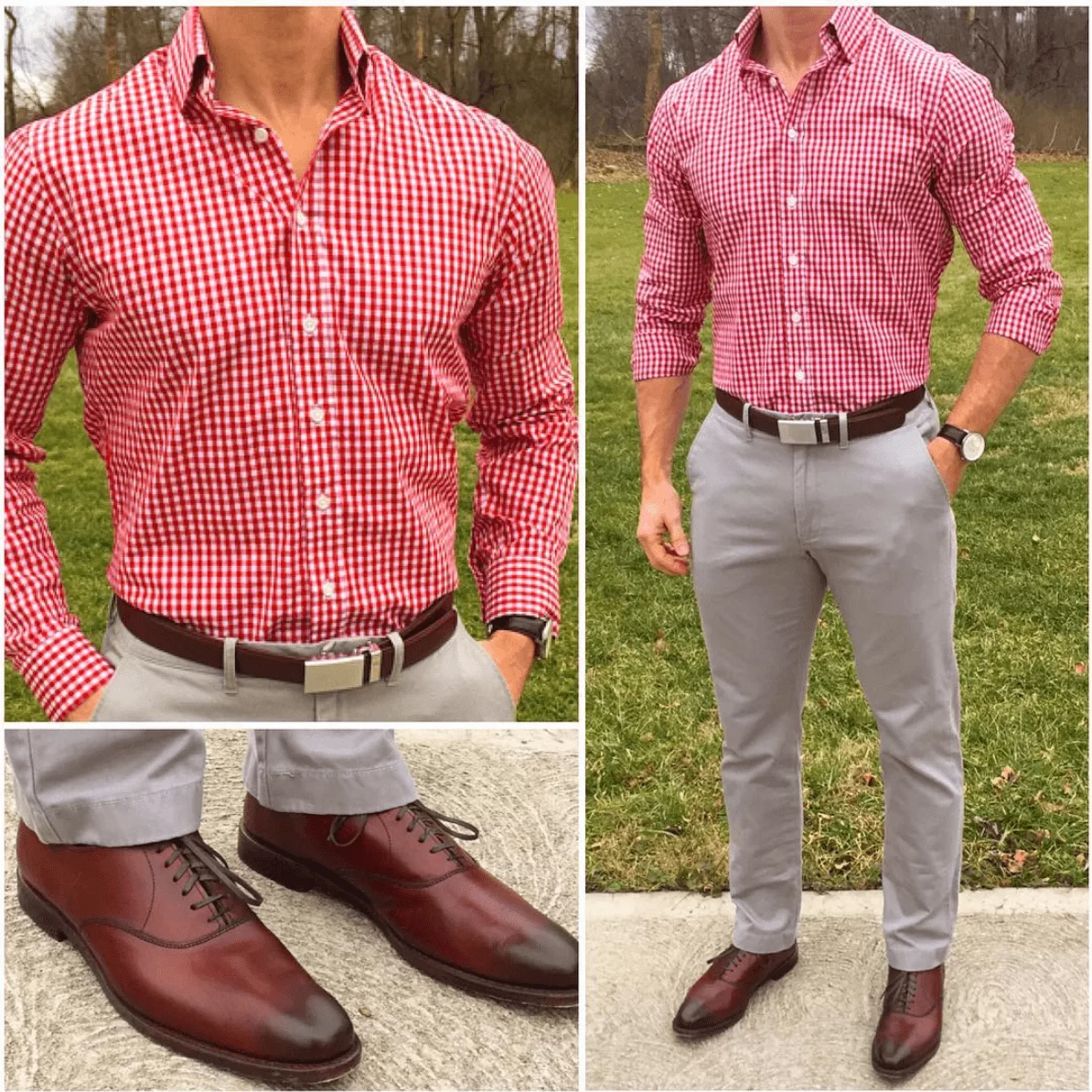
Red Gingham Tucked In
This red and white gingham shirt with light grey trousers shows how to make bold patterns work in business settings. The clean tuck and brown leather belt keep the look structured despite the casual pattern. Works best in creative or relaxed business environments where personality is encouraged.
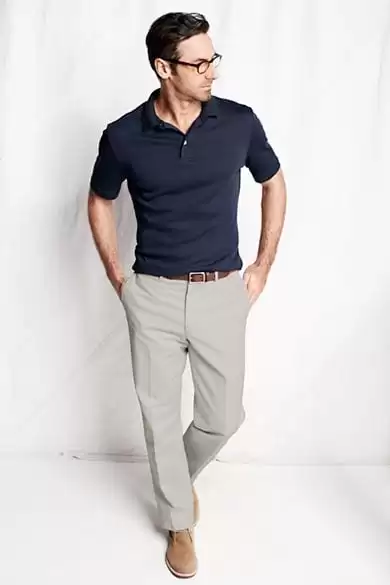
Navy Polo with Dress Trousers
A navy polo shirt paired with light grey dress pants bridges the gap between casual and formal perfectly. The polo’s structured collar maintains a professional appearance while offering more comfort than a dress shirt. Ideal for warm weather business casual or industries with relaxed dress codes.
Grey Sweater Over Dress Shirt
A grey V-neck sweater layered over a light blue dress shirt with navy trousers creates a sophisticated layered look. The sweater adds warmth and texture while the visible shirt collar maintains business appropriateness. Perfect for cooler weather or office environments where layering is both practical and stylish.

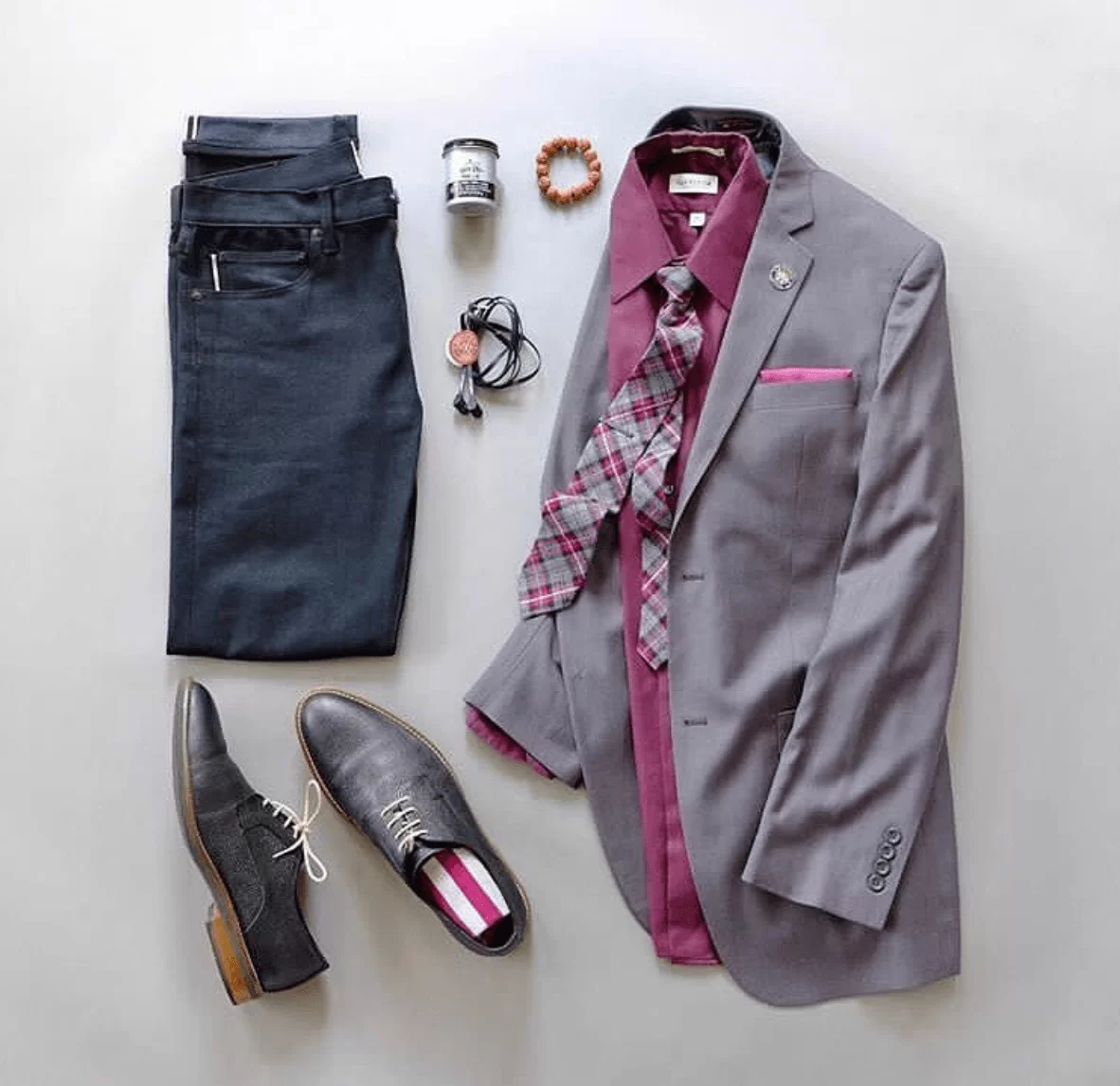
Grey Blazer with Coordinated Accessories
This grey blazer with matching pocket square, burgundy shirt, and plaid tie demonstrates advanced color coordination. The tonal grey palette with burgundy accents creates depth while staying cohesive, and the dark jeans add a modern casual element. Best for creative professionals who understand how to mix formal and casual pieces effectively.
White Shirt with Dark Chinos
The white button-down with charcoal chinos creates a clean foundation that works in most business casual environments. The rolled sleeves and brown leather shoes keep it relaxed enough for Friday meetings but sharp enough for client calls. This combination works because the neutral colors let you focus on fit rather than coordination.
Quick tip
Avoid overly tapered trousers that create an unbalanced silhouette with broader shoulders.
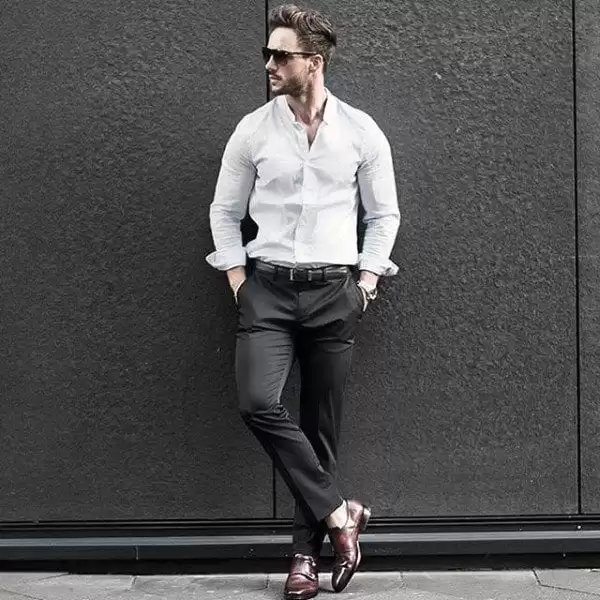
Light Blue Shirt with Tan Chinos
Light blue paired with tan chinos is one of the most reliable color combinations in menswear because both colors are neutral enough to work together without competing. The rolled sleeves and brown shoes create a cohesive look that reads as put-together but not overly formal. This works particularly well for men who want to look professional without wearing a tie.

Gingham Shirt with Black Chinos
The small gingham check adds visual interest without being loud, while black chinos provide a sleek foundation that elevates the casual shirt. Adding a solid black tie transforms what could be a weekend look into something office-appropriate. The brown shoes prevent the black-and-white combination from looking too stark.

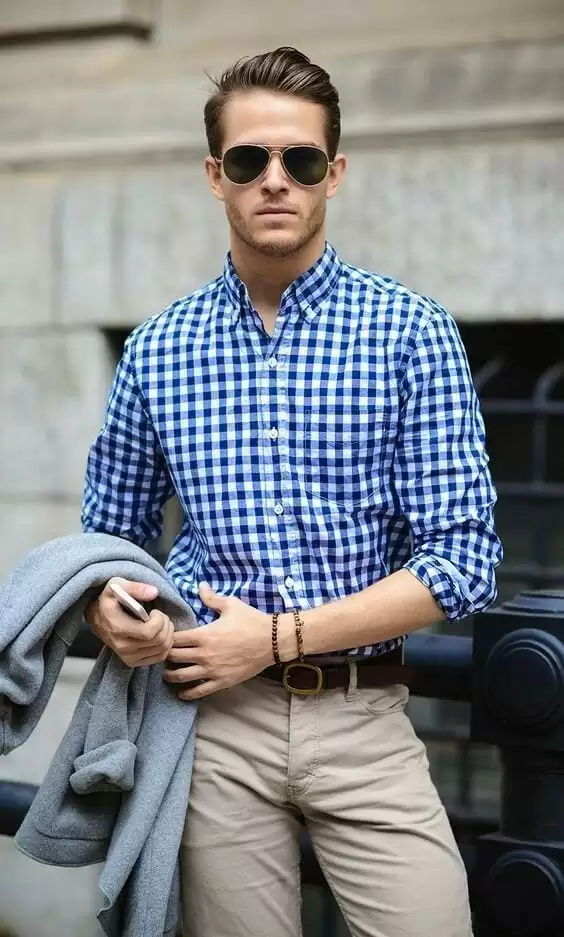
Blue Gingham with Khaki Chinos
Larger gingham checks work well in business casual because they add pattern without being distracting during meetings. The khaki chinos and brown belt create a classic American preppy look that translates well to most office environments. This combination works because both pieces are traditional business casual staples that complement rather than compete.
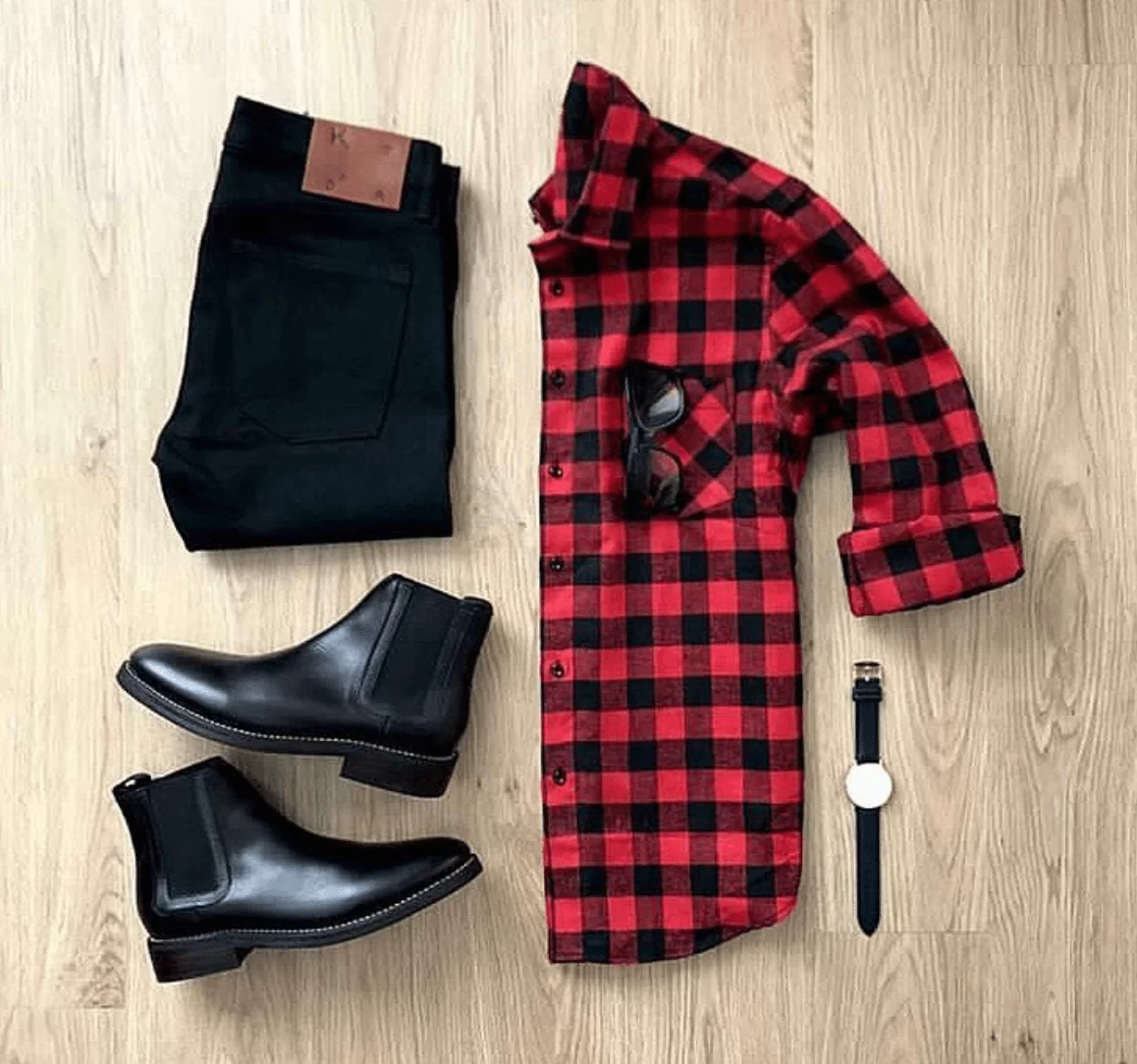
Buffalo Check Shirt with Dark Jeans
Buffalo plaid works in relaxed business casual environments because the bold pattern reads as confident rather than casual when paired with dark, well-fitted jeans. The black Chelsea boots elevate the look beyond weekend wear. This outfit works best in creative industries where traditional business wear feels too formal.
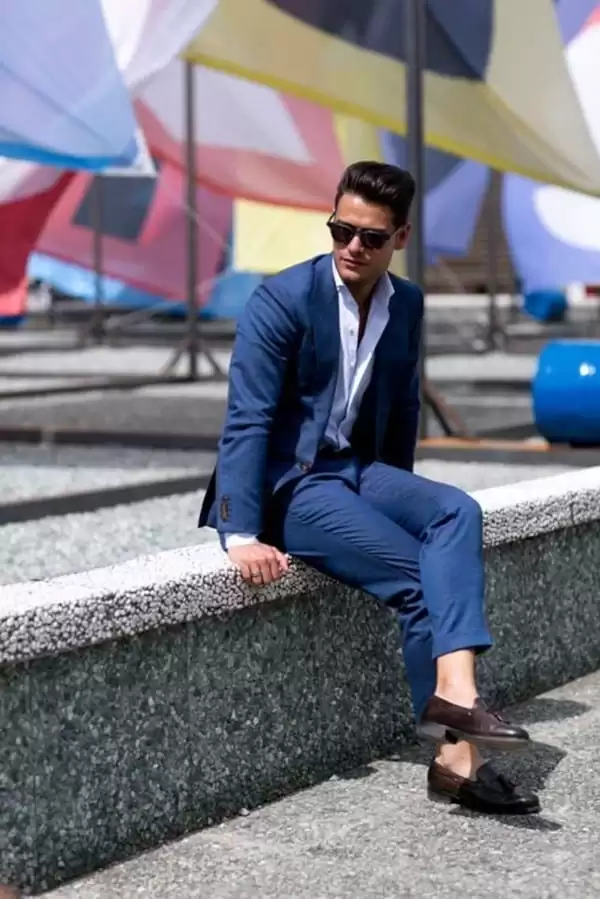
Navy Suit with No Tie
A navy suit without a tie creates the perfect balance between formal and approachable for business casual environments. The open collar and loafers instead of dress shoes signal that this isn’t formal business wear while maintaining a polished appearance. This works because the suit structure provides authority while the styling keeps it relaxed.
Quick tip
Press shirts the night before — morning wrinkles immediately downgrade any outfit.
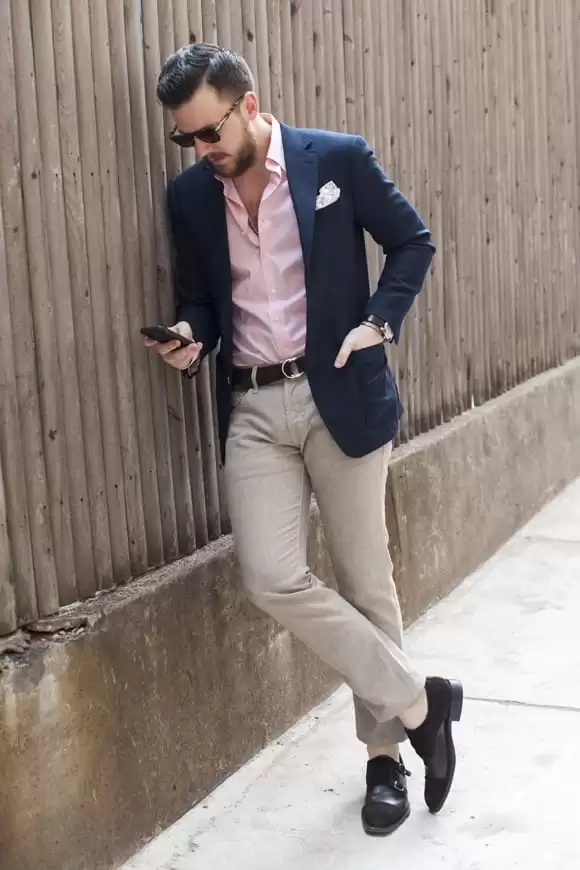
Navy Blazer with Stone Chinos
The navy blazer and stone chino combination is a business casual classic because it provides the structure of a suit with more relaxed styling. The pink shirt and pocket square add personality without crossing into flashy territory. This outfit works well for client meetings where you need to look professional but not intimidating.
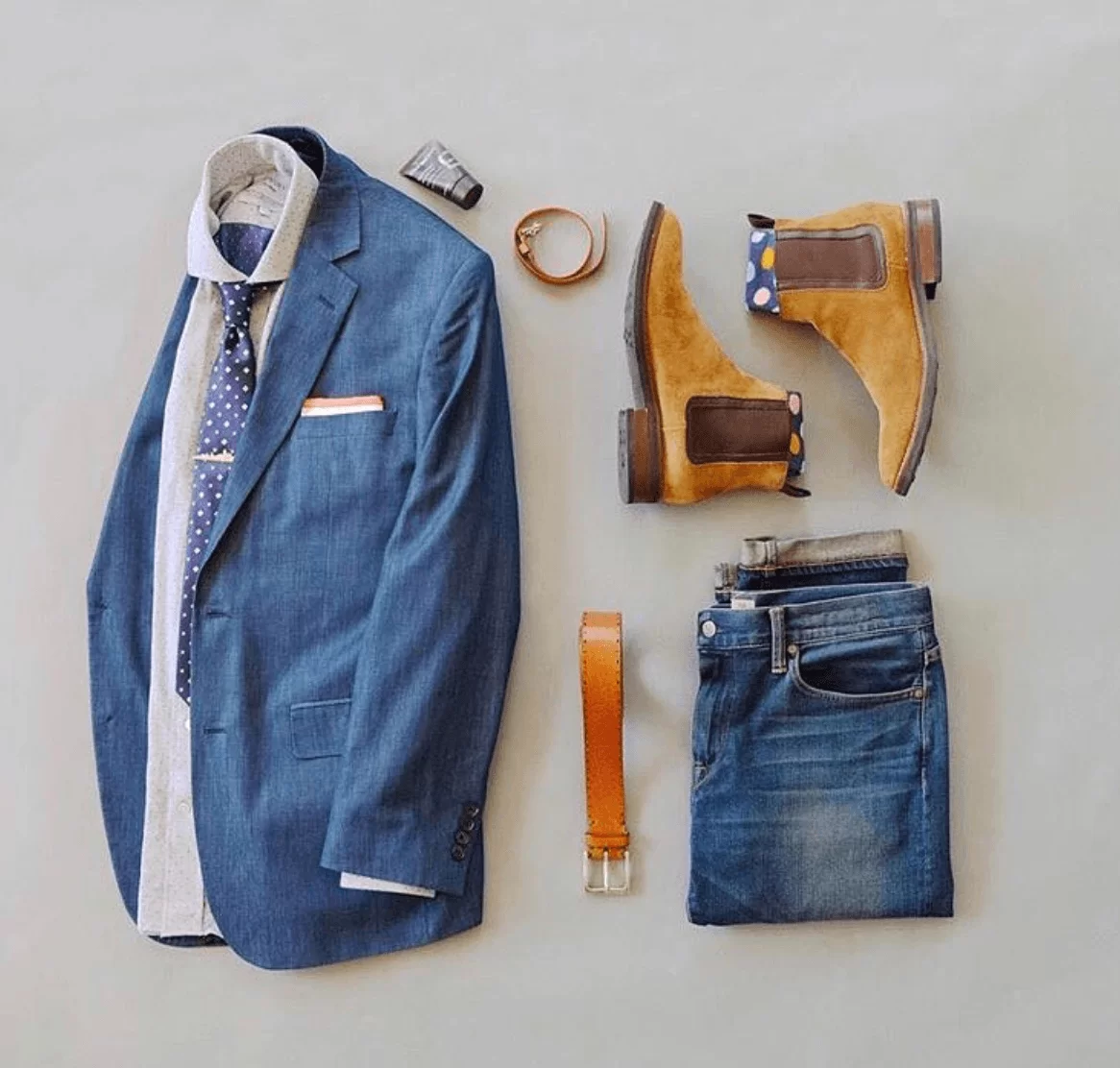
Sport Coat with Jeans
A textured sport coat with dark jeans creates an approachable professional look that works well in creative or tech environments. The polka dot tie and Chelsea boots add formal elements that prevent the jeans from reading as too casual. This combination works because the sport coat provides structure while the jeans keep it modern and relaxed.
Navy Blazer with Dark Chinos
Navy blazer with dark chinos creates a streamlined look that photographs well and works in most business settings. The light blue shirt provides contrast without being bold, while brown shoes add warmth to the cool navy tones. This outfit succeeds because every piece is a wardrobe staple that works together effortlessly.

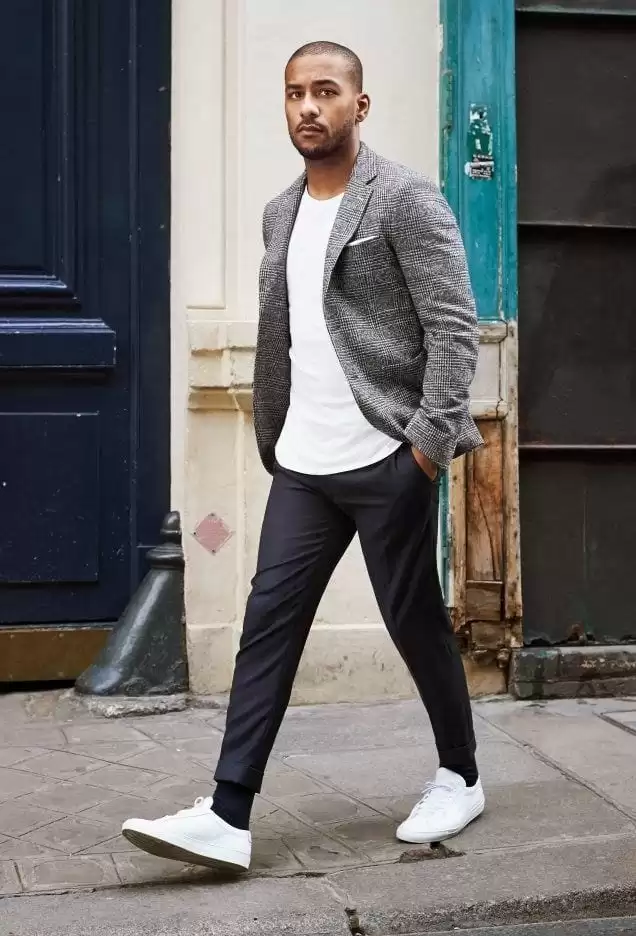
Grey Blazer with Black Chinos
A grey glen plaid blazer adds texture and visual interest while remaining business-appropriate, paired with black chinos for a modern foundation. The white t-shirt and white sneakers bring the formality down to contemporary business casual levels. This works well in environments where traditional suiting feels outdated but you still need to look polished.
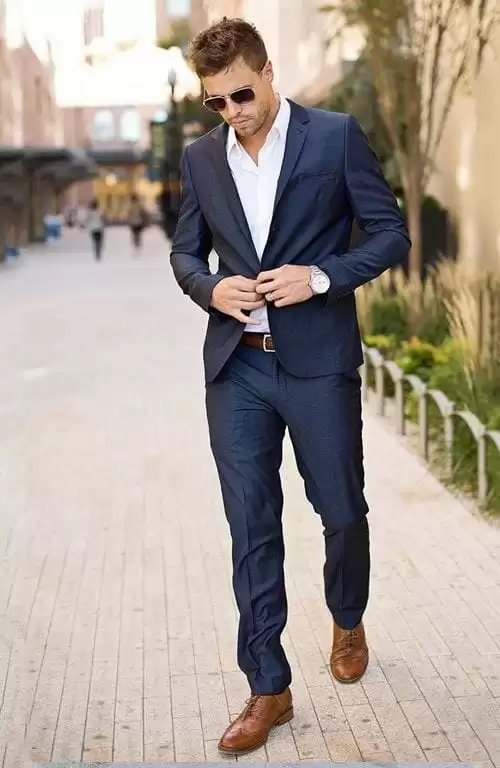
Navy Suit with Open White Shirt
A navy suit worn without a tie creates the perfect bridge between formal and relaxed. The open collar and brown leather shoes soften the business edge while maintaining professional credibility. This works for client meetings where you need to look serious but approachable.
Quick tip
Invest in quality dress shoes before adding trendy casual pieces to your wardrobe.
Striped Shirt with Regimental Tie
The classic combination of pinstripe shirt and diagonal stripe tie demonstrates traditional business dressing at its best. Keep the shirt pattern smaller than the tie pattern — this prevents visual competition between the two elements. Perfect for conservative industries like finance or law.

Light Blue Shirt with Dark Jeans
This combination works because the pressed shirt and leather belt create structure while the dark wash jeans keep things relaxed. Always choose your darkest jeans for business casual — anything lighter reads as weekend wear. The long sleeves maintain professionalism even in casual environments.

Lilac Dress Shirt with Navy Tie
A lilac shirt paired with a navy tie shows confidence without crossing into flashy territory. Light purple works as a neutral when you treat it like you would white or light blue. The formal trouser and belt combination keeps this appropriate for traditional office settings.
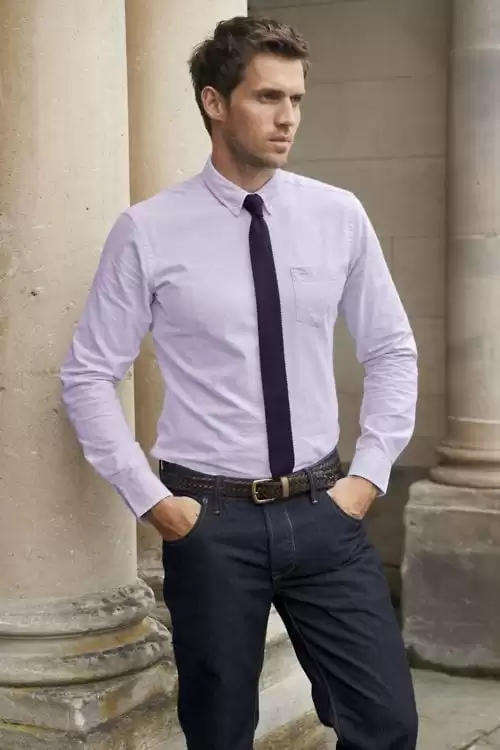
Charcoal Blazer with Light Blue Shirt
Separating a blazer from matching trousers instantly creates business casual from formal wear. The contrast between charcoal and light blue provides visual interest without pattern complications. Beige chinos soften the look further while brown shoes add warmth.
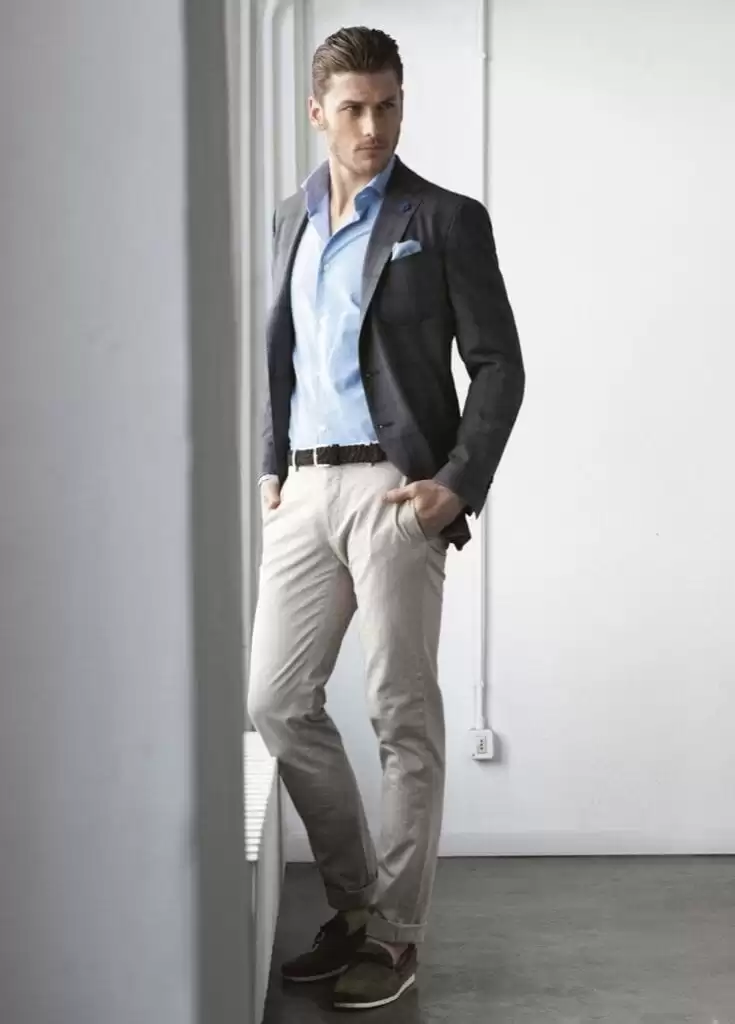
White Shirt with Grey Trousers
The most reliable business casual combination relies on perfect fit rather than interesting pieces. White shirt tucked into pressed grey trousers works in every office environment. Brown leather shoes and a matching belt complete this foolproof formula.

Grey Tweed Blazer with Navy Chinos
Tweed adds texture and visual weight that makes casual trousers look more substantial. The grey and navy combination provides contrast without being loud about it. This works particularly well in creative industries where some personality is expected.

Light Blue Chambray with Navy Trousers
Chambray bridges the gap between casual denim and formal dress shirts perfectly. The subtle texture and casual buttons make it more interesting than a standard dress shirt while remaining office-appropriate. Navy trousers ground the look professionally.
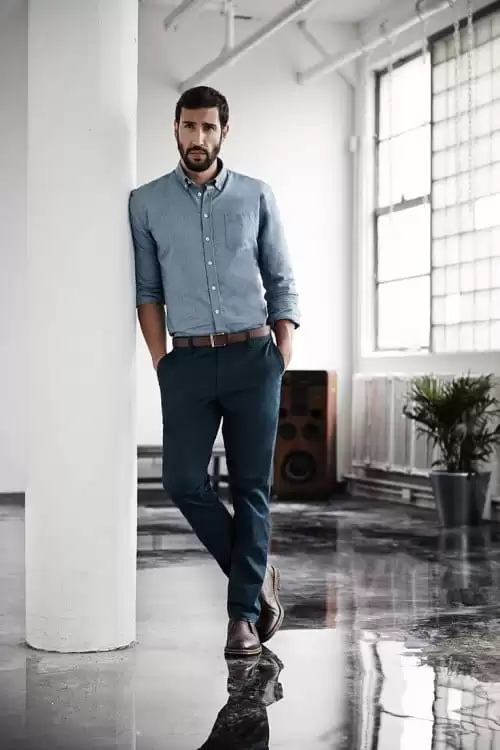
Camel Blazer with Checked Shirt
A camel-colored blazer over gingham checks creates warmth and approachability in business settings. Choose smaller check patterns for easier styling — they work like stripes rather than competing for attention. Dark trousers anchor the lighter top half.

Brown Blazer with Blue Shirt and Tie
Brown and blue create one of menswear’s most reliable color combinations because they appear together in nature. The formal shirt and tie maintain business credibility while the brown blazer adds warmth and personality. Navy trousers complete the earth-and-sky palette.
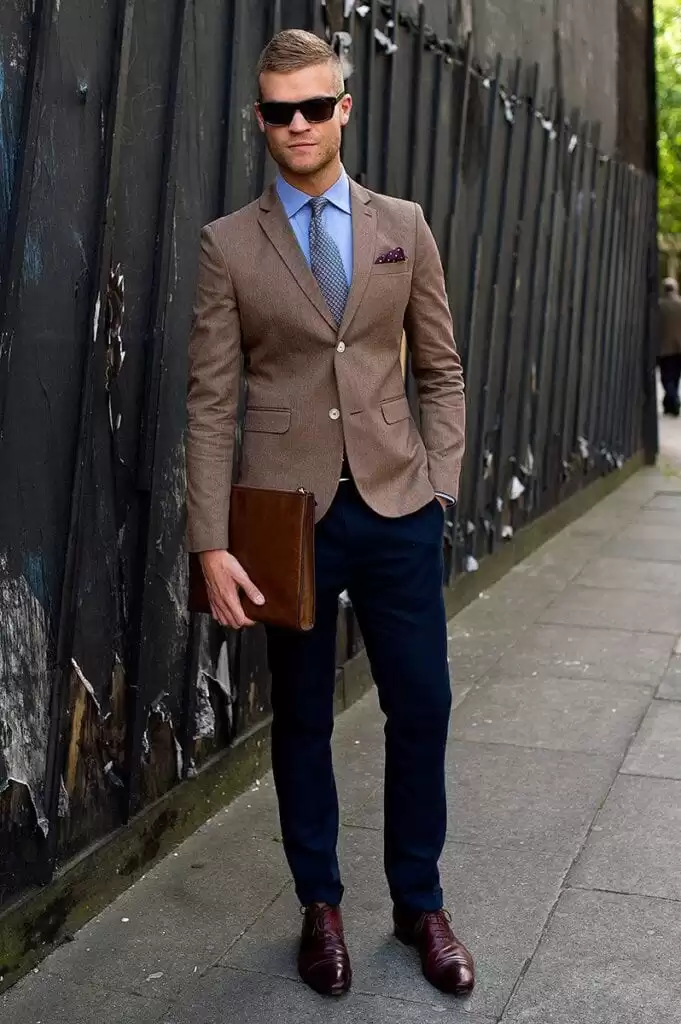
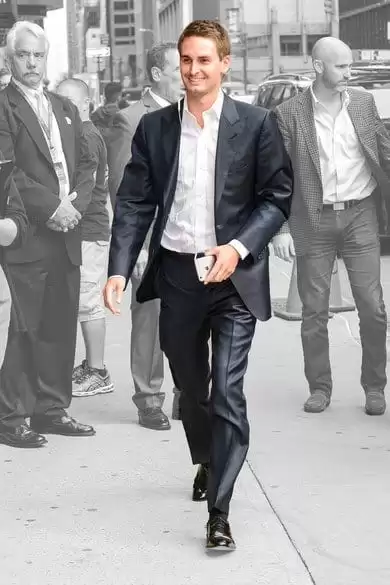
Navy Suit with White Shirt
A navy suit paired with a crisp white shirt creates the foundation of professional dressing. The slim-fit cut through the body maintains a modern silhouette without being too tight, while the clean lines work across industries from finance to tech. This combination gives you maximum versatility — dress it up with a tie for client meetings or leave it open for casual Fridays.
Key takeaways
- Perfect fit beats expensive fabric — ensure shoulder seams sit exactly at your shoulder point
- Navy suits work harder than black — they pair with brown or black shoes equally well
- Business casual means no tie required — but the option should always be there
- White shirts provide the cleanest base — avoid patterns until you master the basics
- Trouser break should show minimal to no pooling at the ankle for modern proportions
- Investment order: suit first, shoes second — everything else can be upgraded gradually
Men’s Smart Casual Attire Guide: 22 Outfit Ideas
30 Casual Outfit Ideas For Black Men with Styling Tips
30 Best Summer Business Attire Ideas for Men
Casual Wedding Guest Attire For Men | 25 Outfits & Tips
28 Best Casual Outfits Ideas for Men with Styling Tips
Festive Attire for Men 19 Outfit Ideas with Style Tips
Men’s Business Casual Shoes Guide and 20 Tips for Perfect Look
How to Wear Trench Coats? 36 Outfit Ideas for Men