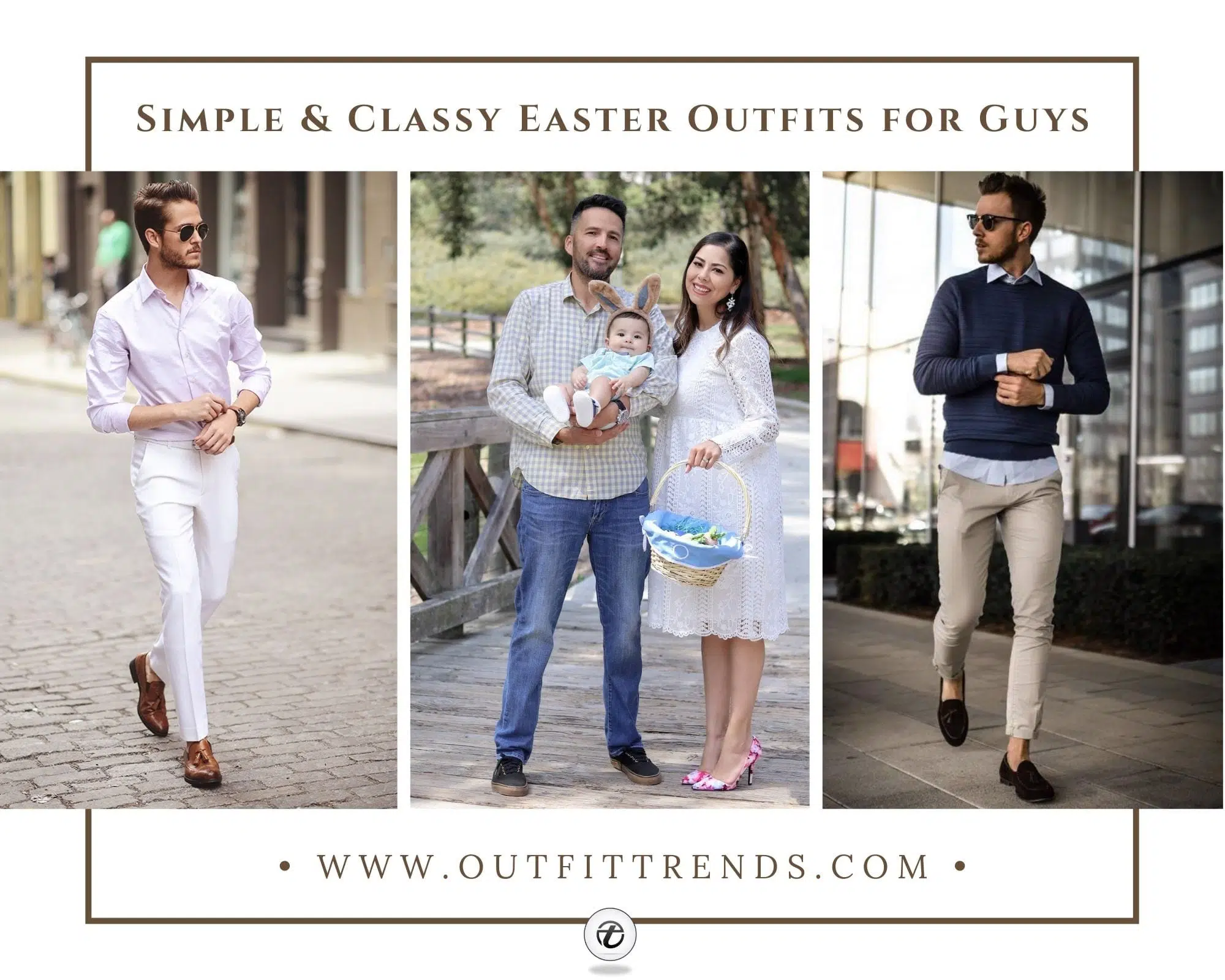

The biggest mistake I see men make in business casual isn’t the wrong tie or ill-fitting pants — it’s wearing athletic shoes with chinos and calling it professional. I’ve watched guys walk into client meetings in $300 joggers thinking they nailed the dress code, only to wonder why they weren’t taken seriously.
Your shoes dictate the entire energy of your outfit. The same navy chinos and white button-down can look like weekend dad uniform or sharp business casual depending on what’s on your feet. After ten years of dressing men for everything from startup pitches to board meetings, I’ve learned that the shoe always wins — it either elevates everything above it or drags it all down.
Business casual footwear isn’t about finding one perfect pair and wearing them every day. It’s about understanding which styles work with your specific wardrobe and workplace culture, then building from there. Most men own either too-formal dress shoes or too-casual sneakers with nothing useful in between.
How to Choose Right Shoes
Leather trumps everything else in business casual. Suede looks great but can’t handle daily wear or weather changes the way smooth leather can. I tell every client to start with brown or black leather before considering any other material — it’s the foundation that makes every other shoe choice make sense.
The sole tells the formality story. Leather soles scream dress shoe even on casual styles like loafers, while rubber soles instantly make wingtips feel more approachable. If you’re only buying one pair for business casual, choose rubber soles — they’re more versatile and practical for guys who walk to work or stand all day.
Lacing changes everything about perception. Oxfords with closed lacing look formal even in brown, while bluchers with open lacing can work in business casual settings. Most men don’t know this distinction exists, but it’s why some leather shoes feel too dressy while others hit the sweet spot.
How to Wear Grey Pants with Brown Shoes? 7 Tips for Men
24 Brogue Shoes Outfits For Men with Styling Tips

Men’s Outfits To Wear With Oxford Shoes – 20 Styling Tips

22 Mens Outfits With Sperry Shoes & Styling Tips

How to Wear Shoes without Sock ? 27 Tips for Men
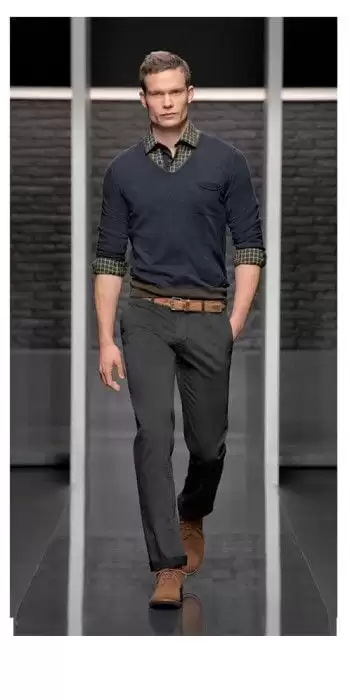
16 Brown Shoes Outfit Ideas For Men with Styling Tips

What to Wear with Green Shoes? 30 Outfit Ideas for Men
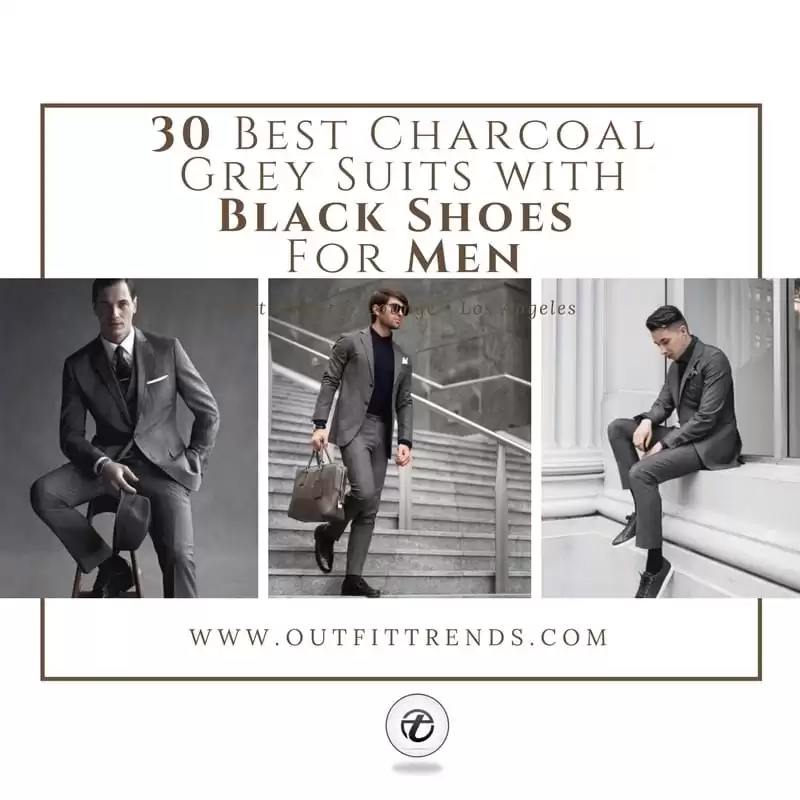
30 Best Charcoal Grey Suits with Black Shoes For Men
The penny loafer got its name from the actual pennies college students would slip into the leather strap during the 1930s — not for luck, but to pay for emergency phone calls when payphones cost exactly one cent.
Color intensity matters more than the actual color. A rich cognac brown works better than a pale tan, and deep burgundy looks more intentional than bright cherry red. The shoe needs to hold its own against dark business casual pieces like navy chinos and charcoal blazers.
Toe shape affects your entire silhouette. Chisel toes look modern and work with contemporary fits, while round toes can make sleek pants look frumpy. Square toes are still fighting their way back from the early 2000s — skip them unless you’re absolutely certain about your workplace culture.
Construction quality shows immediately in business settings. Cemented soles look cheap up close, while Goodyear welted shoes signal that you understand quality. You don’t need to spend $500, but anything under $150 usually looks and feels like exactly what you paid for.
Dos & Don’ts
Business Casual Shoe Styles That Actually Work
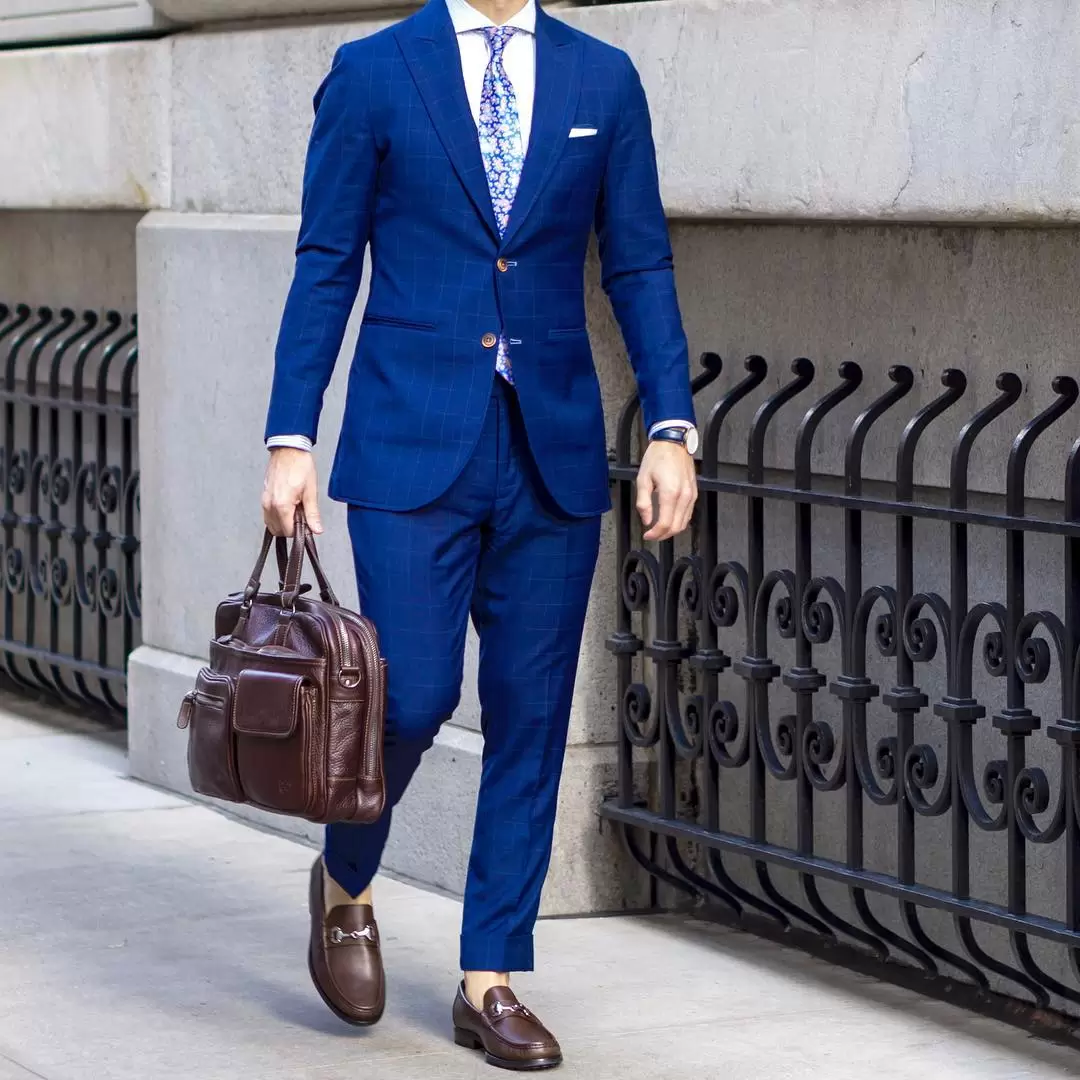
Royal Blue Suit with Brown Leather Loafers
The fit here is spot-on — jacket sleeves hit exactly at the wrist bone, trousers break perfectly on the shoe. Brown loafers with a royal blue suit create intentional contrast instead of safe matching. The floral tie adds personality without competing with the strong suit color, proving that business casual works best when you commit to one bold choice.
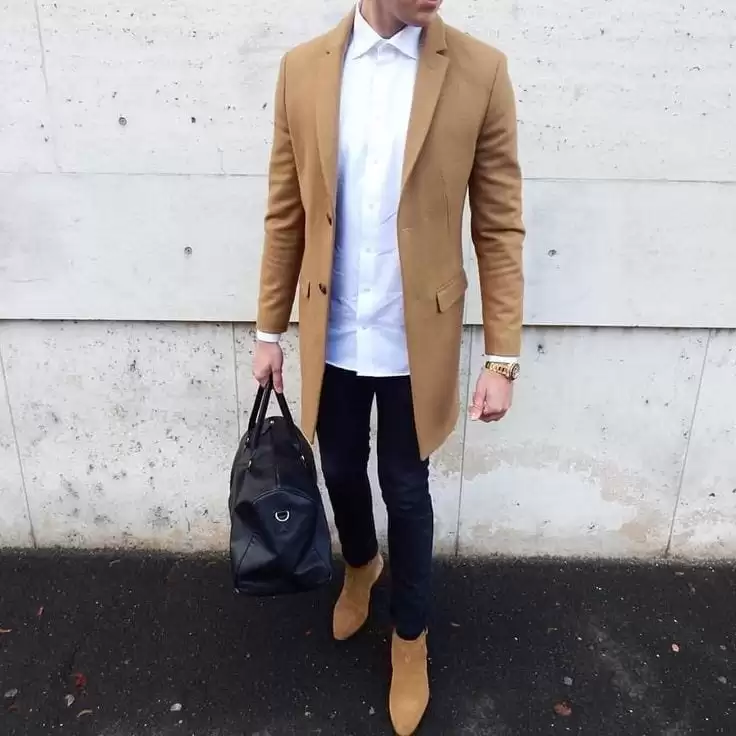
Camel Overcoat with Suede Chelsea Boots
This demonstrates tonal layering — camel coat, tan boots, navy trousers create depth without clashing. The coat length hits mid-thigh, which elongates the leg line and works with the slim trouser cut. Chelsea boots bridge the gap between dress shoes and casual footwear, making this combination work for both client meetings and weekend errands.
Casual White Shirt with Clean White Sneakers
Simple execution that most guys overthink. The white shirt is properly fitted through the torso — not billowing or pulling. White sneakers only work here because the rest of the outfit is deliberately understated. The key is keeping everything clean and structured; baggy trousers or an oversized shirt would make this look sloppy instead of intentionally casual.

Gray Check Suits with Oxford Dress Shoes
Both suits show perfect trouser length — hitting the shoe with minimal break. The left suit pairs brown shoes with gray fabric, while the right goes tonal with black shoes and darker gray. Notice how the brown shoes make the outfit more approachable for business casual, while black shoes push it toward formal territory.
Quick tip
Choose leather brogues or loafers as your go-to business casual shoes — they work with both jeans and chinos.

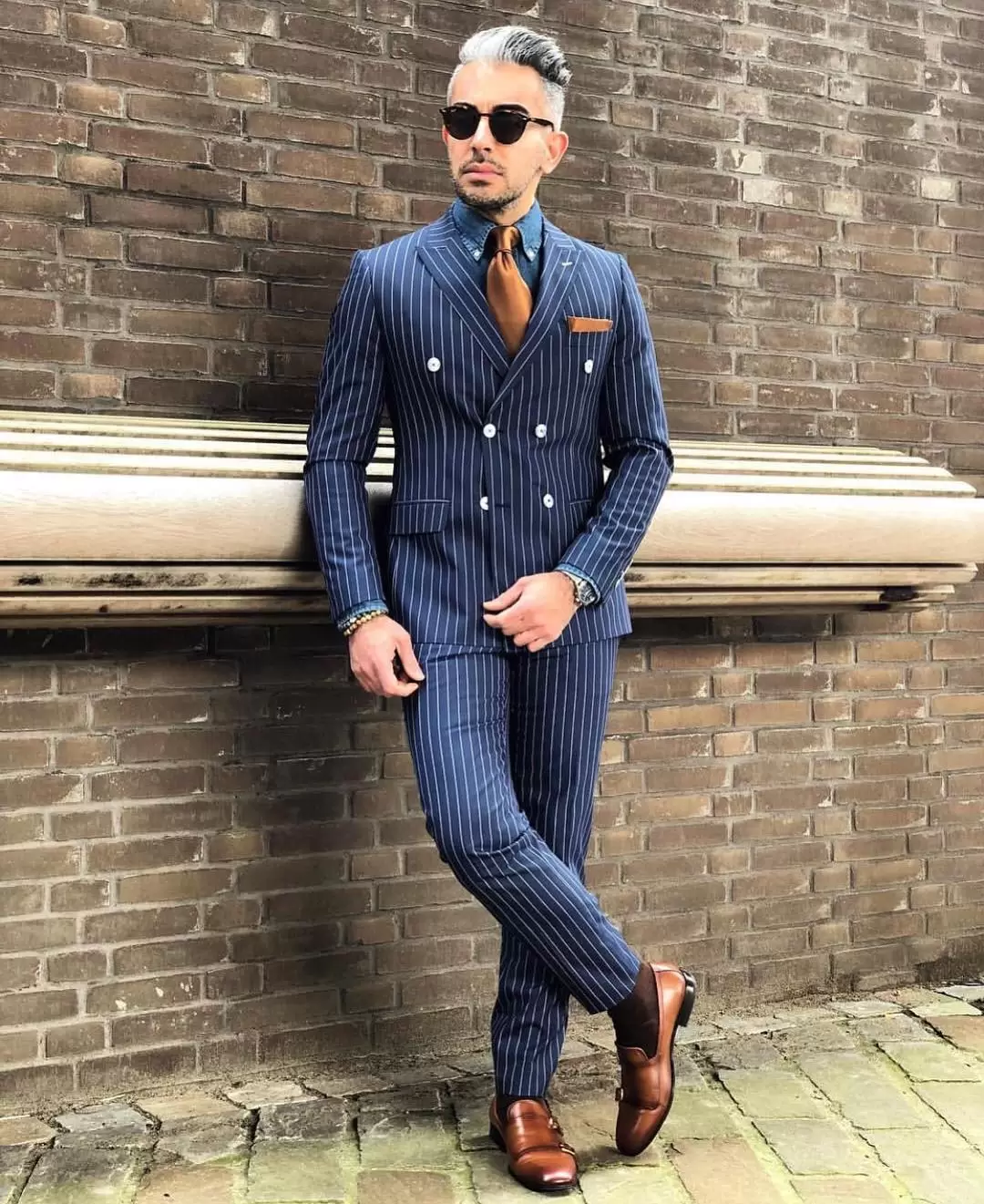
Navy Pinstripe Double-Breasted with Brown Monk Straps
Double-breasted suits require confident posture and proper buttoning — never leave it hanging open. The brown monk strap shoes add texture and visual interest against the sharp pinstripes. This works because the shoe style has enough formality to match the suit’s structure while the brown leather keeps it from looking too stiff.

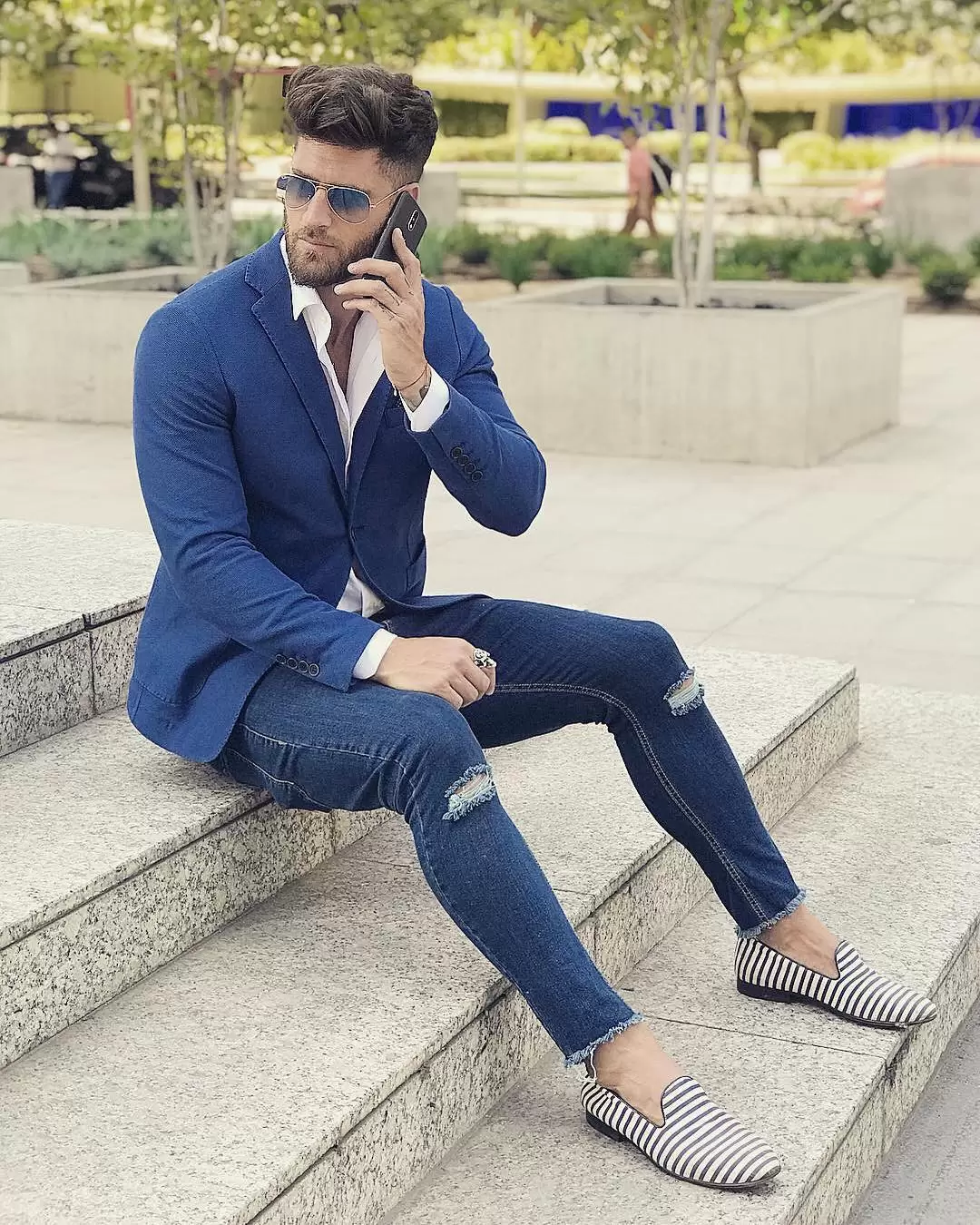
Smart Casual Blazer with Striped Loafers
The blazer-jeans combination succeeds because of deliberate contrast in formality levels. Structured blazer, casual ripped jeans, and the striped loafers split the difference perfectly. The key detail is the jean fit — slim but not tight, allowing the blazer to drape properly without competing proportions.

Navy Peacoat with Gray Suede Chelsea Boots
Winter business casual done right through proper coat proportions. The peacoat hits at mid-thigh, creating a clean line with the slim trousers underneath. Gray suede boots work because they’re substantial enough for the coat’s weight while staying neutral enough to not compete with the navy. The light blue shirt adds just enough color contrast.
Quick tip
Match your belt to your shoe color for an instantly more polished appearance.

Textured Sweater with Dark Leather Dress Shoes
This proves you can wear dress shoes with casual pieces when the fit is right. The cream sweater has enough texture to feel relaxed, but the clean lines keep it structured. Dark gray trousers and brown dress shoes maintain formality while the sweater brings approachability. The belt matches the shoes — a small detail that pulls everything together.

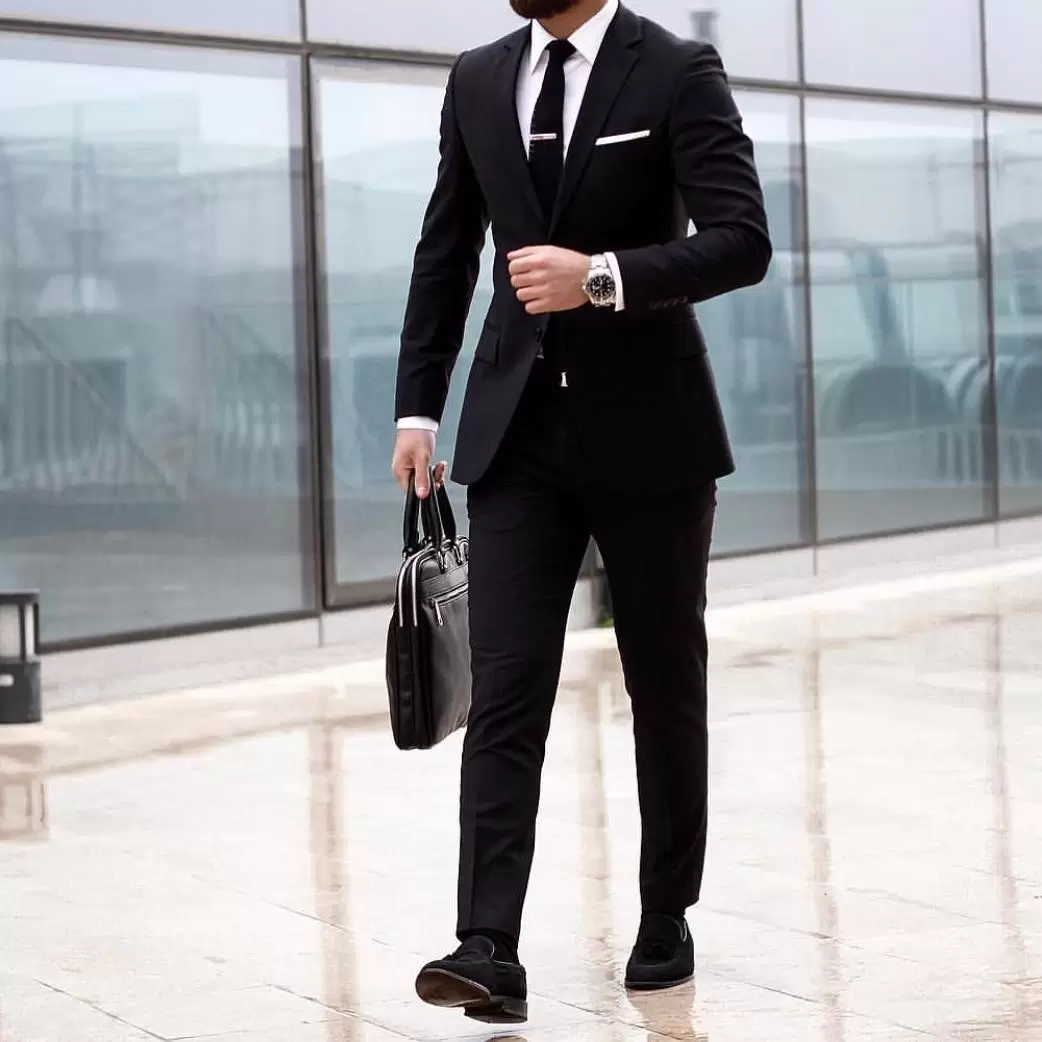
Classic Black Suit with Black Oxford Shoes
Sometimes the most effective choice is the obvious one. This black suit demonstrates perfect formal proportions — jacket length, trouser break, and sleeve reveal all exactly where they should be. Black oxfords are the only shoe choice here because anything else would distract from the suit’s clean lines. The white pocket square adds the only contrast needed.
Navy Pinstripe Double-Breasted with Tan Leather Shoes
The second pinstripe suit shows how shoe color changes the entire outfit’s energy. Same suit style as image 5, but the tan leather makes this more approachable for business casual settings. The double-breasted style requires the jacket to stay buttoned, which this outfit handles correctly. The denim shirt underneath keeps it from feeling too banker-like.
Quick tip
Dark wash jeans can replace chinos when topped with a structured blazer and leather shoes.
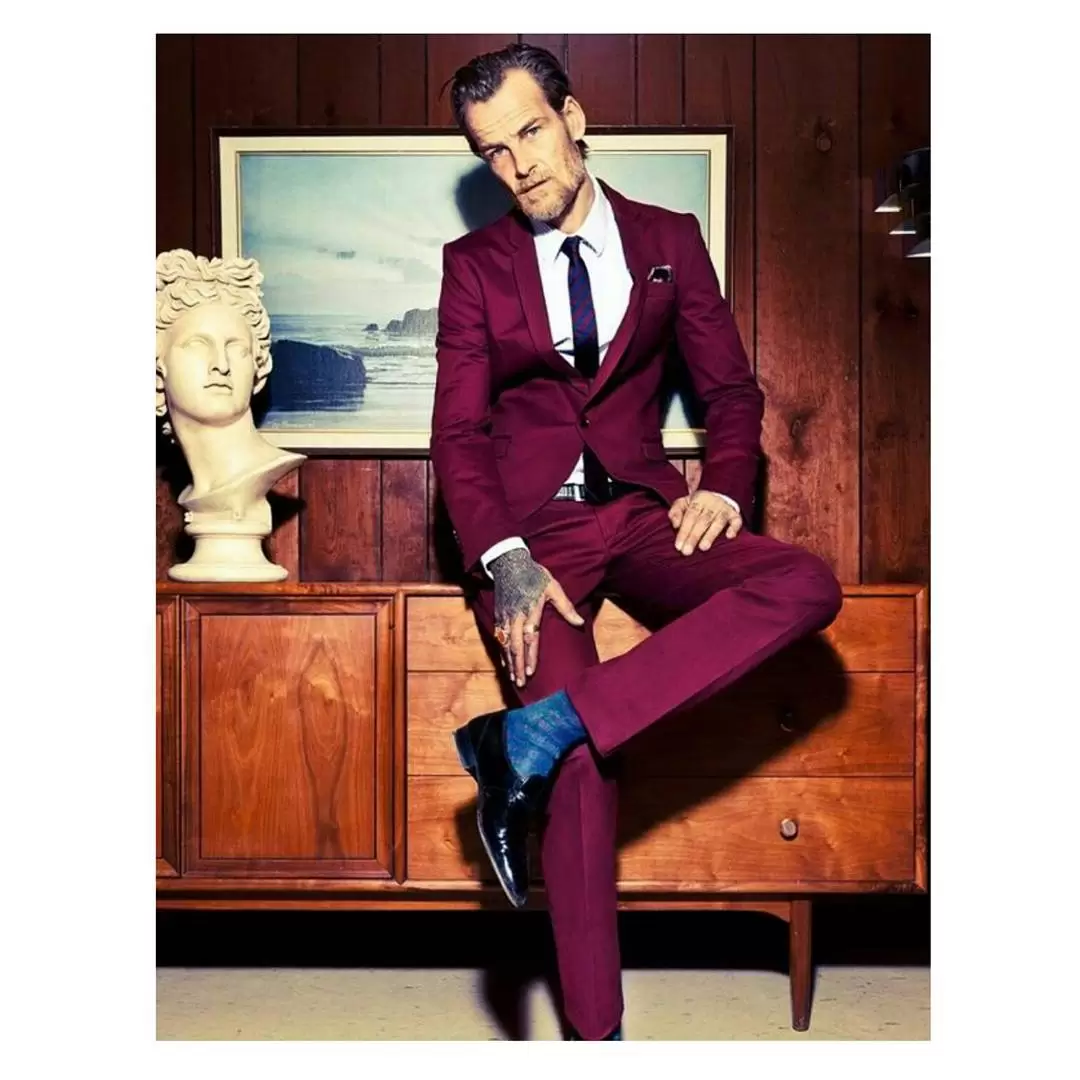
Burgundy Power Suit with Navy Pattern Tie
A burgundy suit commands attention while the navy dotted tie keeps it grounded in traditional menswear. The key is the perfect fit — notice how the trouser break sits exactly right on those black patent shoes. This works for men who want to stand out at evening events or creative industries where bold color choices are welcomed.
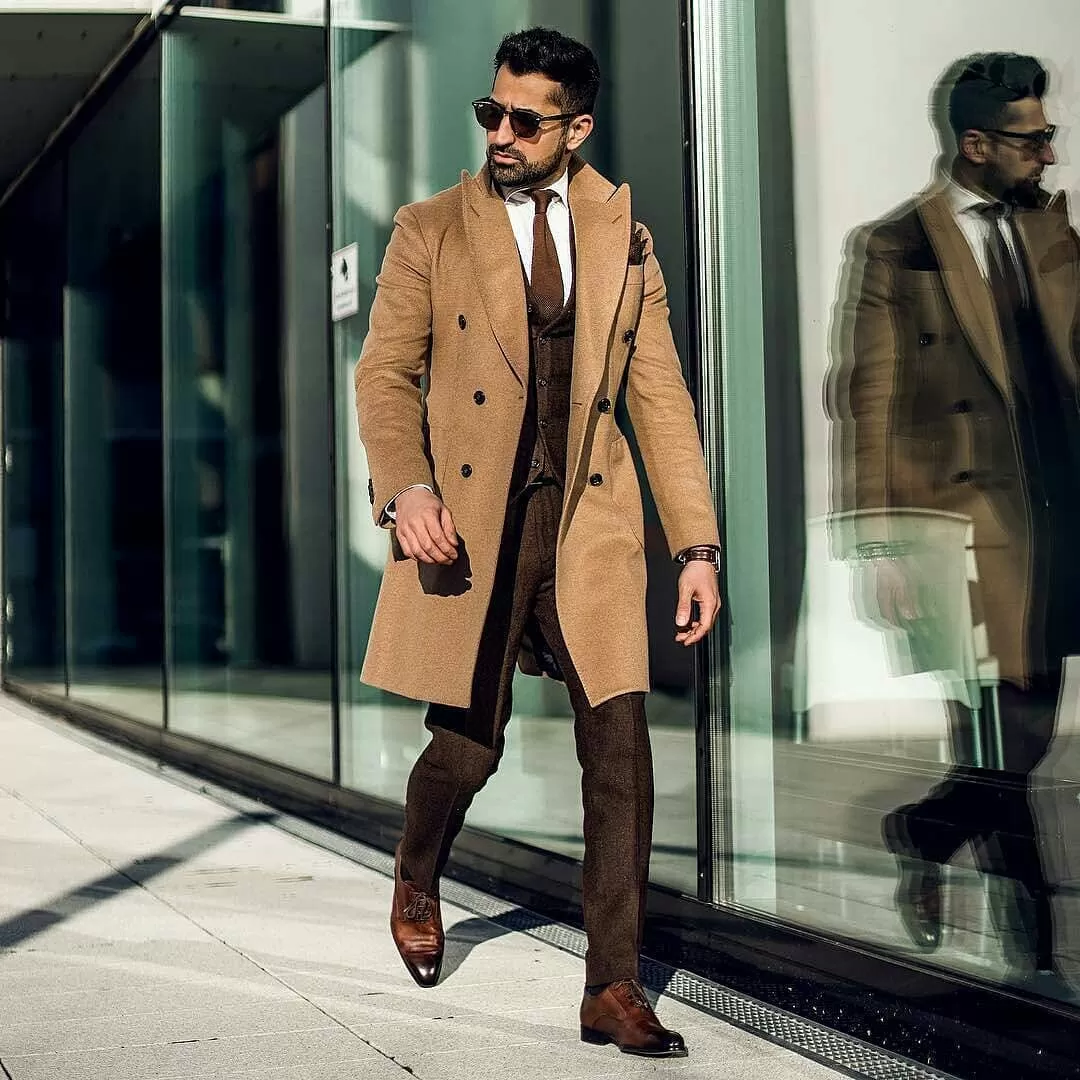
Camel Overcoat Over Brown Three-Piece Suit
Layering a camel overcoat over a brown three-piece creates serious winter formality without looking stuffy. The brown leather shoes tie everything together while the white shirt provides necessary contrast. Perfect for men who need to look polished during cold weather business meetings or formal daytime events.
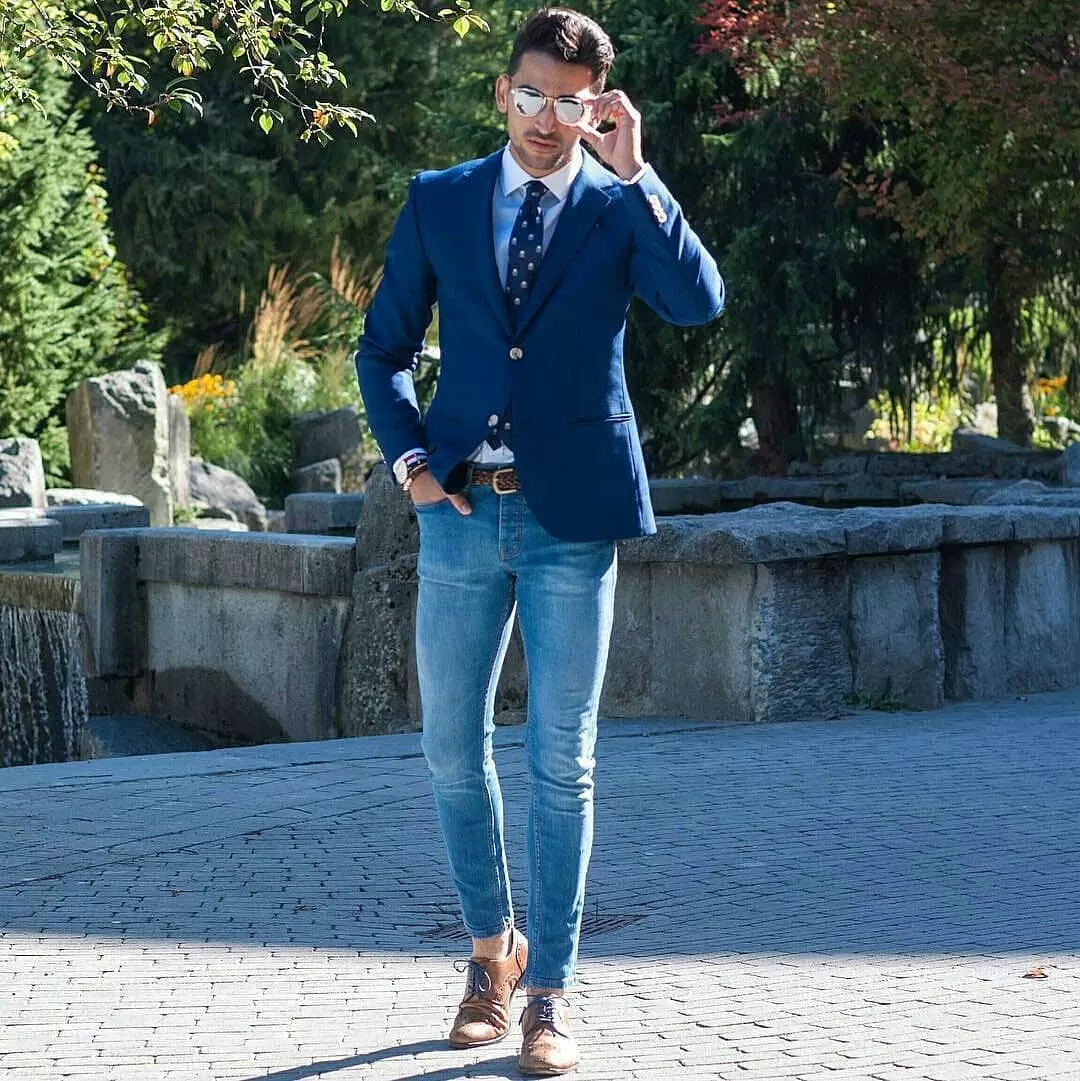
Navy Blazer with Light Wash Jeans and Brown Leather Shoes
This is textbook smart casual — navy blazer grounds the casual jeans while brown leather shoes elevate the whole look. The dotted tie adds personality without going overboard, and the fit on everything is spot-on. Works for any man navigating that tricky space between office casual and weekend wear.
Quick tip
Brown leather shoes are more versatile than black for business casual because they complement navy, grey, and earth tones.
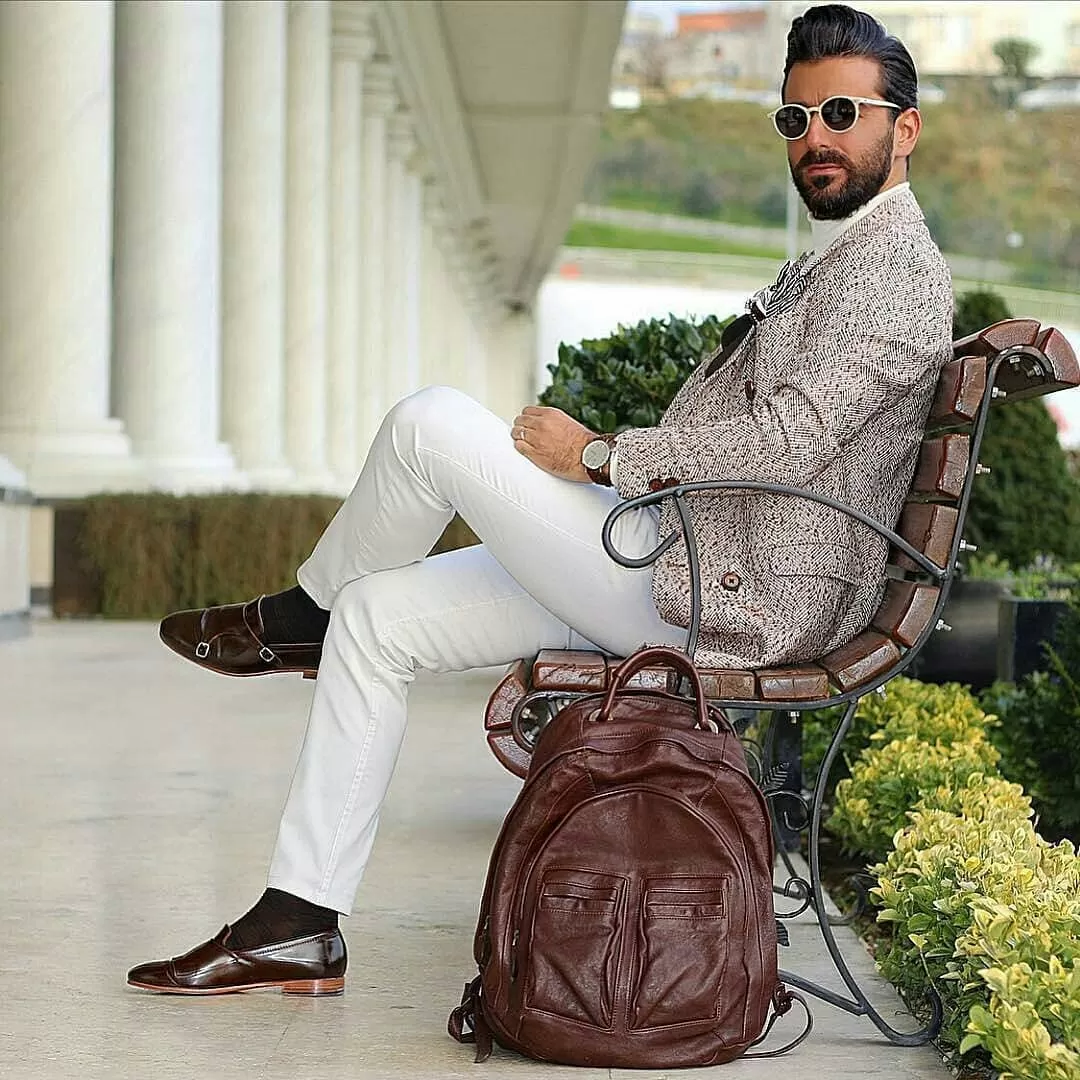
Textured Knit Blazer with White Chinos and Monk Strap Shoes
A textured knit blazer offers more visual interest than solid wool while staying professional enough for business casual settings. White chinos keep it fresh and the double monk strap shoes add a touch of European refinement. This combination works well for men in creative fields or warm-weather business environments.
Navy Overcoat with Patterned Scarf and Brown Oxford Shoes
The navy overcoat is a winter essential, and this styling shows why — clean lines, perfect length, and the patterned scarf adds personality without competing. Brown leather shoes create warmth against the cooler tones above. Essential for any man who needs to look sharp walking to winter meetings or formal events.

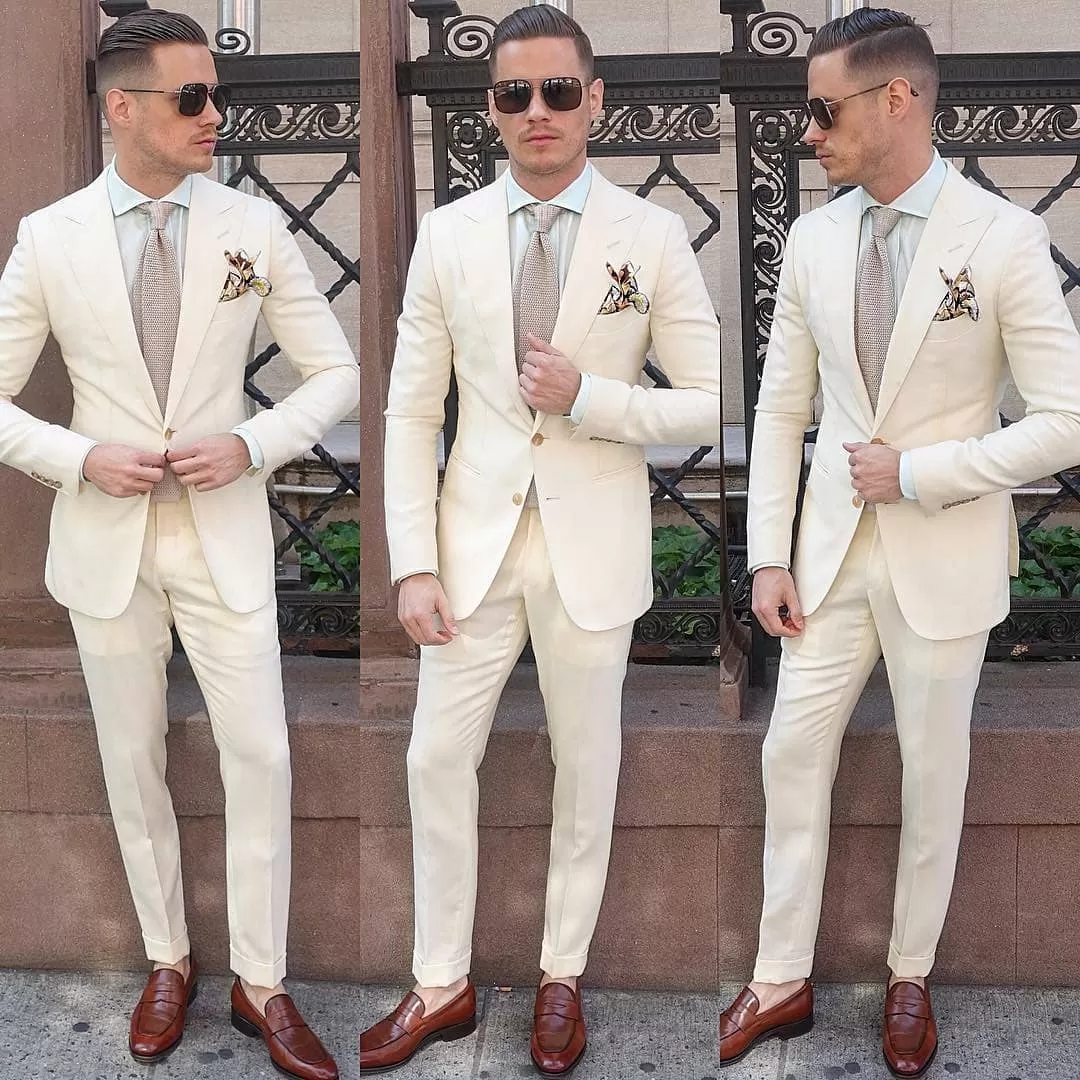
Cream Linen Suit with Woven Tie and Penny Loafers
Light-colored suits require confidence, but when the fit is this precise, they’re incredibly striking for warm-weather events. The textured tie prevents the look from being too matchy, while brown penny loafers keep it relaxed enough for outdoor celebrations. Perfect for men attending summer weddings or garden parties.
Quick tip
Keep your business casual shoes well-maintained and polished — scuffed leather instantly downgrades any outfit.
White Dress Shirt with Dark Jeans and Brown Leather Belt
Sometimes the simplest combinations work best — a crisp white shirt tucked into well-fitted dark jeans creates an effortlessly polished look. The brown leather belt matches those shoes perfectly, creating a cohesive foundation. This is the go-to formula for men who want to look put-together without overthinking it.

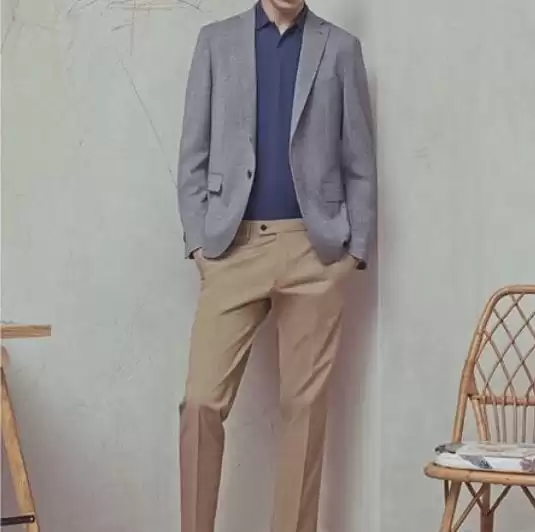
Grey Blazer with Navy Polo and Tan Chinos
Swapping a dress shirt for a navy polo under a grey blazer creates approachable business casual that still looks intentional. Tan chinos provide the right amount of contrast without being too bold. This combination works for men in client-facing roles who need to appear professional but not intimidating.
Blue Blazer with Ripped Jeans and Striped Espadrilles
This high-low mix takes serious skill to pull off — the structured blazer balances the casual ripped jeans, while striped espadrilles keep it summer-appropriate. The proportions have to be perfect for this to work without looking confused. Best suited for creative professionals or weekend events where you want to show personality.
Quick tip
Avoid athletic shoes in business casual settings unless they’re premium leather sneakers in neutral colors.
Camel Overcoat with Logo Sweatshirt and Black Skinny Jeans
A tailored overcoat instantly elevates casual pieces like graphic sweatshirts and skinny jeans, creating modern street style that still looks considered. The white sneakers keep it youthful while the coat provides sophistication. This works for younger men who want to look sharp but not overly formal in urban settings.

Smart Navy Blazer with Brown Leather Brogues
This polished business casual look pairs a tailored navy blazer with light wash jeans and brown leather brogues. The contrast between the structured blazer and relaxed denim creates that perfect smart-casual balance, while the brown leather shoes add warmth and sophistication. This combination works exceptionally well for creative professionals who need to look put-together without being overly formal.

Key takeaways
- Business casual shoes bridge the gap between sneakers and dress shoes — leather loafers and brogues are your safest bets
- Match your belt to your shoes for a cohesive look — brown leather with brown leather creates instant polish
- Dark jeans can substitute for chinos in business casual settings when paired with structured blazers and leather shoes
- The formality of your shoe should match your top half — blazer equals leather shoes, polo shirt allows for clean sneakers
- Brown leather shoes are more versatile than black for business casual because they work with both navy and grey pieces
How to Wear Grey Pants with Brown Shoes? 7 Tips for Men
24 Brogue Shoes Outfits For Men with Styling Tips
Men’s Outfits To Wear With Oxford Shoes – 20 Styling Tips
22 Mens Outfits With Sperry Shoes & Styling Tips
How to Wear Shoes without Sock ? 27 Tips for Men
16 Brown Shoes Outfit Ideas For Men with Styling Tips
What to Wear with Green Shoes? 30 Outfit Ideas for Men
30 Best Charcoal Grey Suits with Black Shoes For Men