Most sisters think saree and hijab don’t belong together — but I’ve been proving them wrong for the last five years. The first time I draped a saree with my hijab, my aunt actually gasped and said I looked more graceful than she’d ever seen me. That moment changed how I see traditional wear completely.
Here’s what I’ve learned: a saree with hijab isn’t just possible, it’s powerful. The key lies in understanding how the hijab becomes part of the drape itself, not something fighting against it. I’ve worn this combination to weddings, Eid celebrations, and formal dinners, and each time I discover new ways to make both pieces work in harmony.
The secret is treating your hijab as an extension of the saree’s pallu rather than a separate element. This shift in thinking transforms everything — suddenly you’re not covering up, you’re completing the look with intention and grace.
Styling Tips
Layer a Long-Sleeved Blouse Under Sheer Sarees
This gives you the coverage you need while maintaining the saree’s elegant silhouette. I use fitted modal or jersey tops in neutral colors that disappear under the drape. The key is choosing sleeves that end exactly at your wrist — any longer and they bunch awkwardly under the saree fabric.

Drape the Pallu Over Your Shoulder, Not Your Head
Let your hijab be the head covering and allow the saree’s pallu to fall naturally over one shoulder. This prevents the bulky layered look that happens when you try to use both for coverage. The pallu should complement your hijab, not compete with it for space around your face.

Choose Statement Earrings That Frame Your Face
With your neck covered by the hijab, your ears become the focal point for jewelry. I go for chandelier or jhumka styles that peek out from under the hijab fabric. The movement and sparkle draw attention upward to your face, which is exactly where you want it when wearing traditional pieces.

Pin Your Hijab at the Shoulder for Stability
This keeps everything secure when you’re moving around, especially during long events. I use small safety pins hidden under the saree fabric at the shoulder point. This prevents the hijab from shifting when you raise your arms or lean forward — crucial for maintaining modesty throughout the day.

The saree’s draping style varies by region, with over 80 different traditional methods across India. Each style affects how the fabric falls around the neckline, which directly impacts how you’ll position your hijab for the most flattering combination.
Dos & Don’ts
Saree and Hijab Styling Guide
Olive Green Draped Saree with Matching Hijab
This monochromatic approach pairs a flowing olive saree with a perfectly matched hijab in the same shade. The draped style creates elegant movement while maintaining full coverage, and the earthy tone works beautifully for both day and evening events. This look is ideal for sisters who want to make a statement without bright colors.
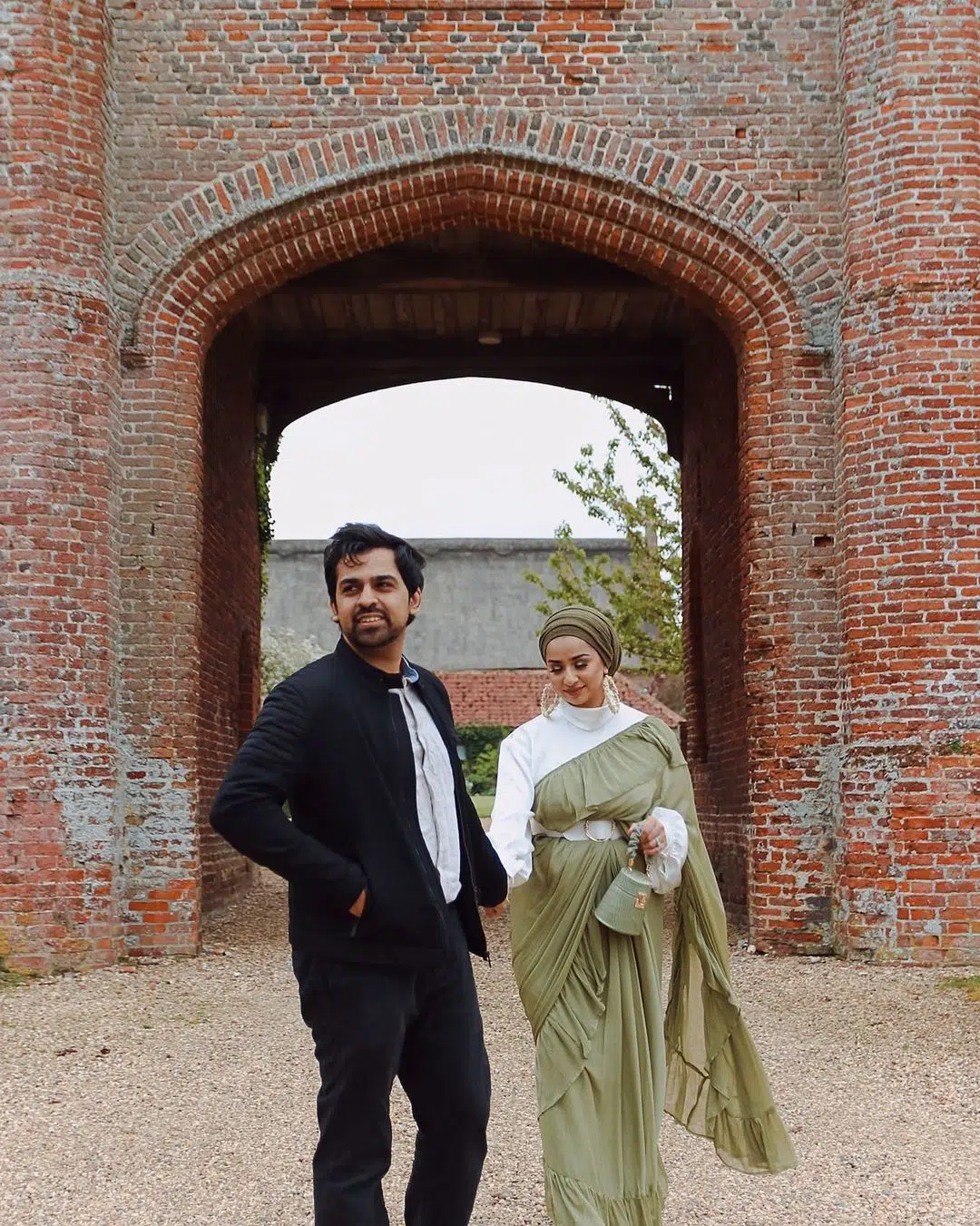
Tip: Match your hijab exactly to your saree fabric when possible — it creates a seamless, intentional look that photographs beautifully.
Sage Green Saree with Nude Hijab Contrast
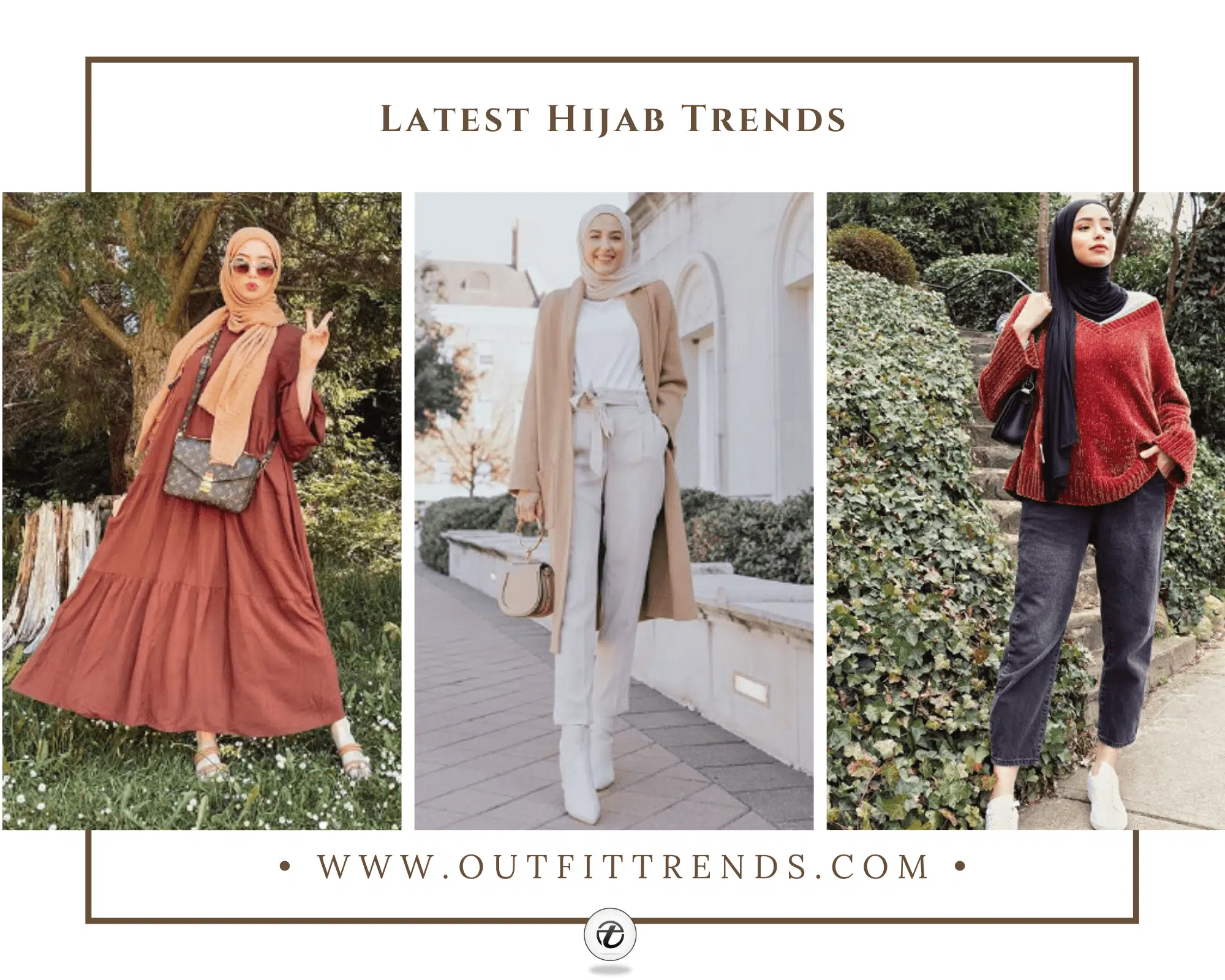
How to Wear Hijab Fashionably 25 Styling Tips
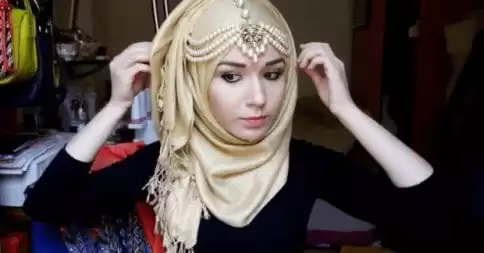
How to Wear Maang Tikka With Hijab ? 17 Styling Tips
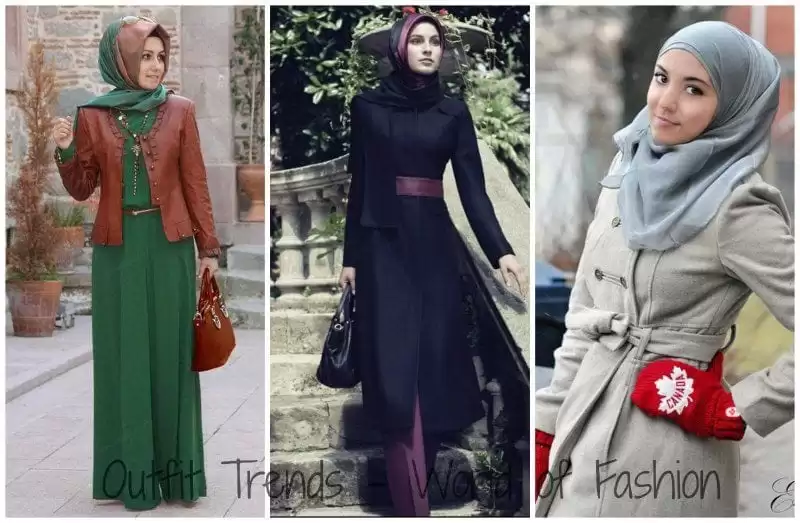
14 Stylish Winter Hijab Outfits & Styling Tips
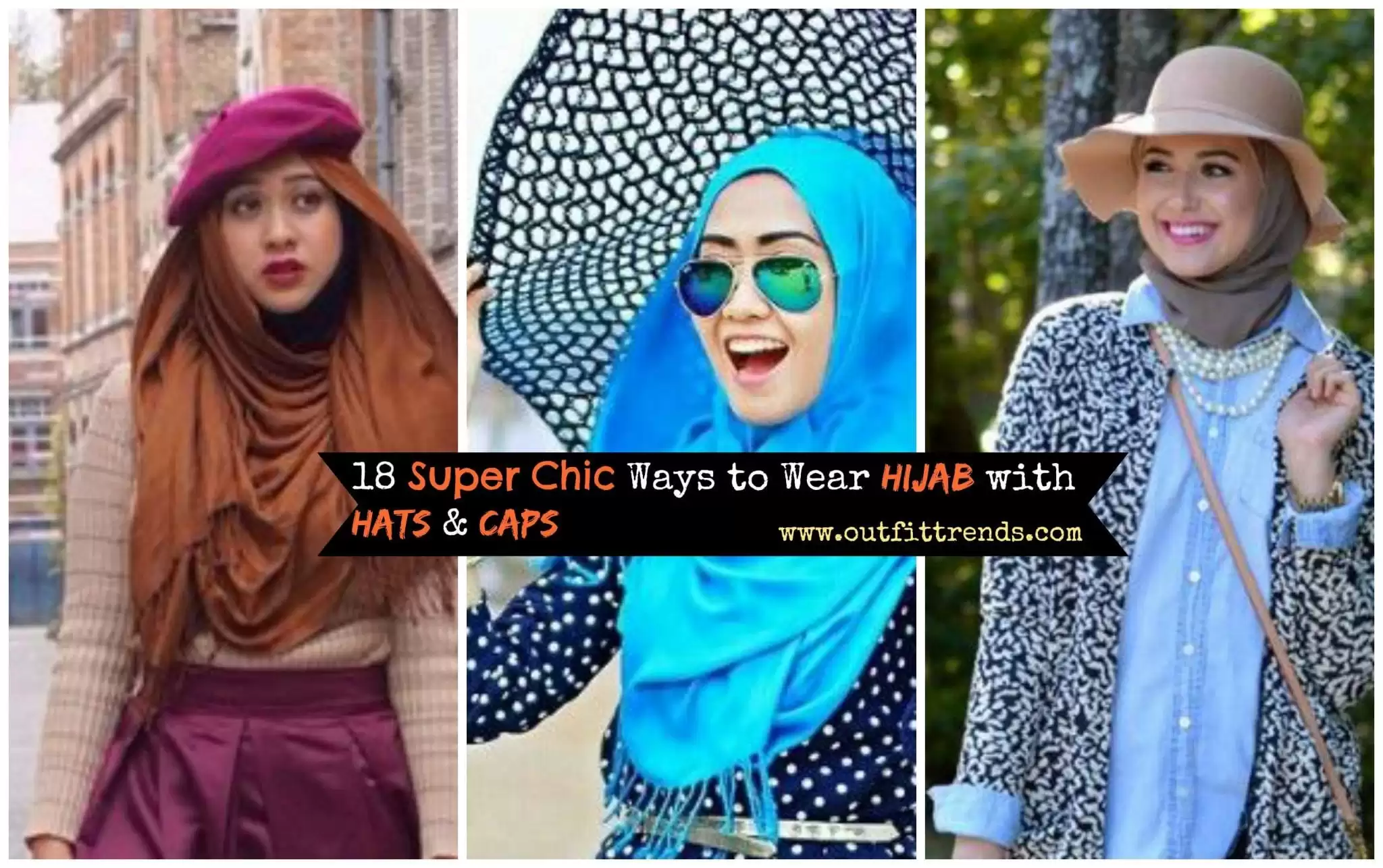
How to Style Hats with Hijab? 18 Styling Tips
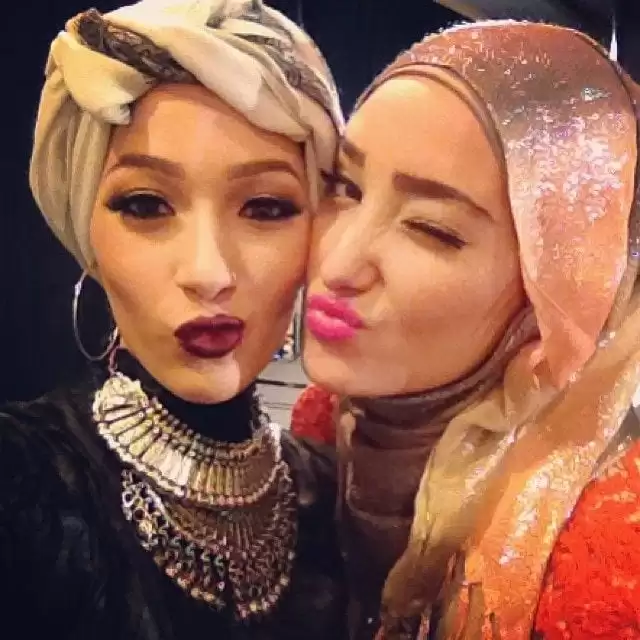
Hijab Swag Style 20 Styling Tips to Get a Swag Look
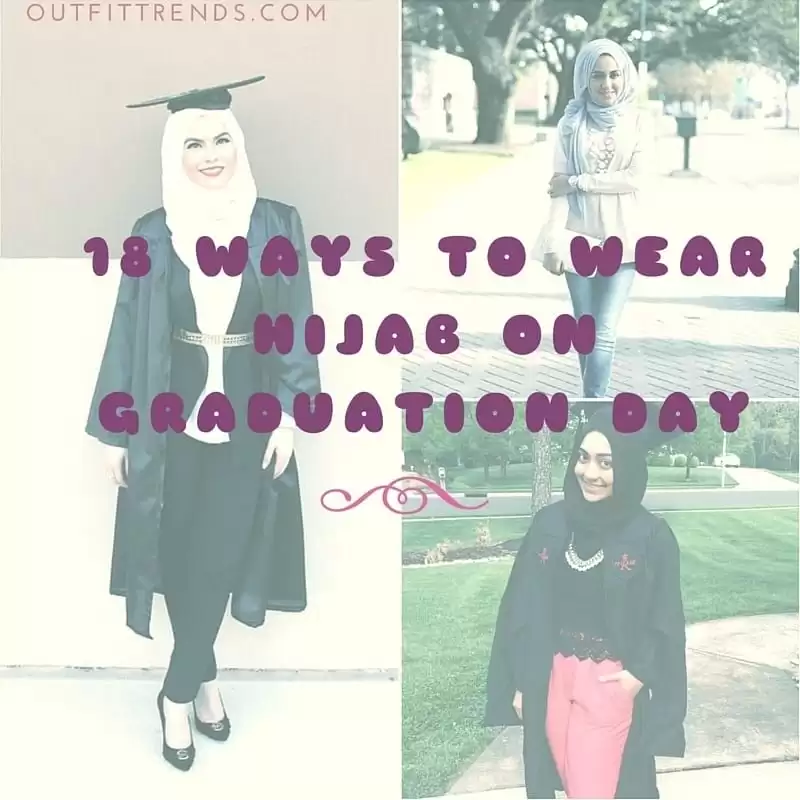
18 Modest Hijab Graduation Outfit With Styling Tips
20 Cute Hijab Styles for Black Girls with Styling Tips
30 Beautiful Hijab Wedding Dresses with Styling Tips
A soft sage saree paired with a nude-toned hijab creates subtle contrast without competing colors. The lighter hijab frames the face beautifully while letting the saree’s gentle hue take center stage. This combination works perfectly for daytime celebrations and family gatherings.
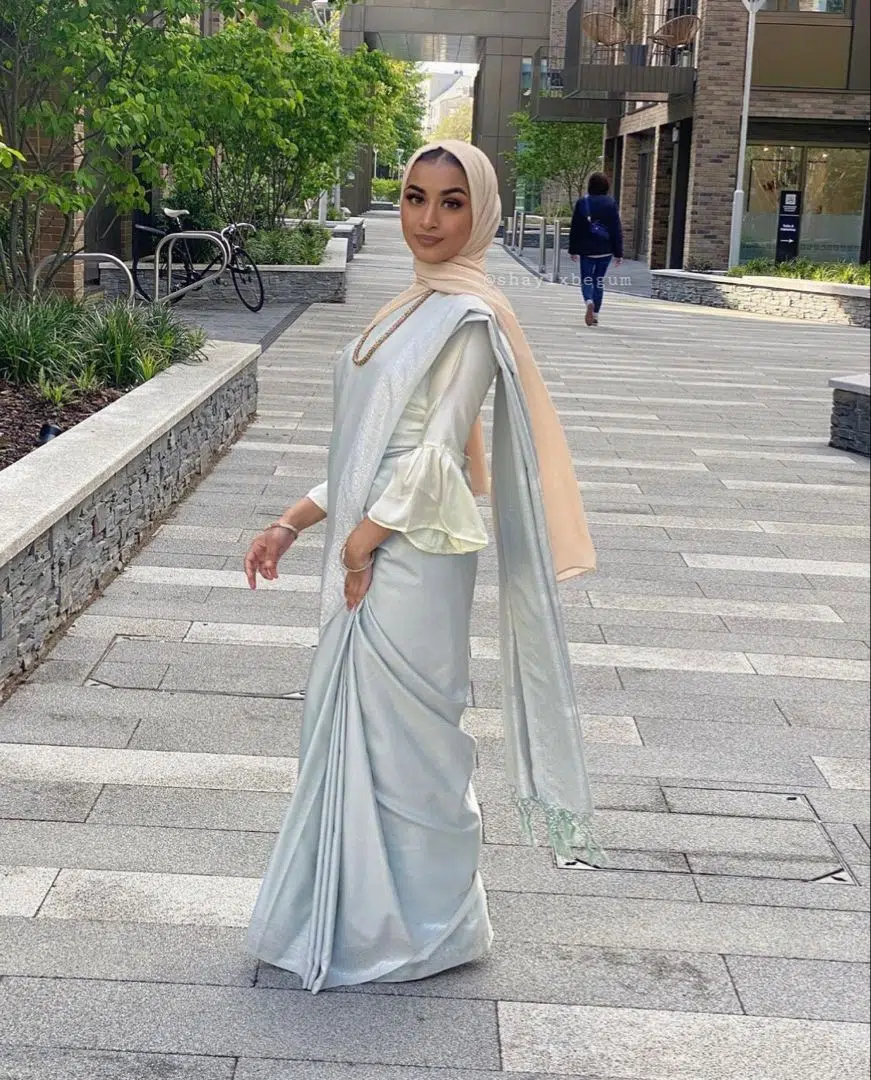
Tip: Choose a hijab that’s 2-3 shades lighter than your saree to create soft contrast that enhances rather than overwhelms your look.
Rich Chocolate Saree with Coordinated Hijab
Deep chocolate brown creates a luxurious base for this traditional saree style, with the hijab wrapped to complement the draping. The rich tone is universally flattering and works for formal occasions where you want to look polished but not flashy. Gold accessories add the perfect finishing touch.
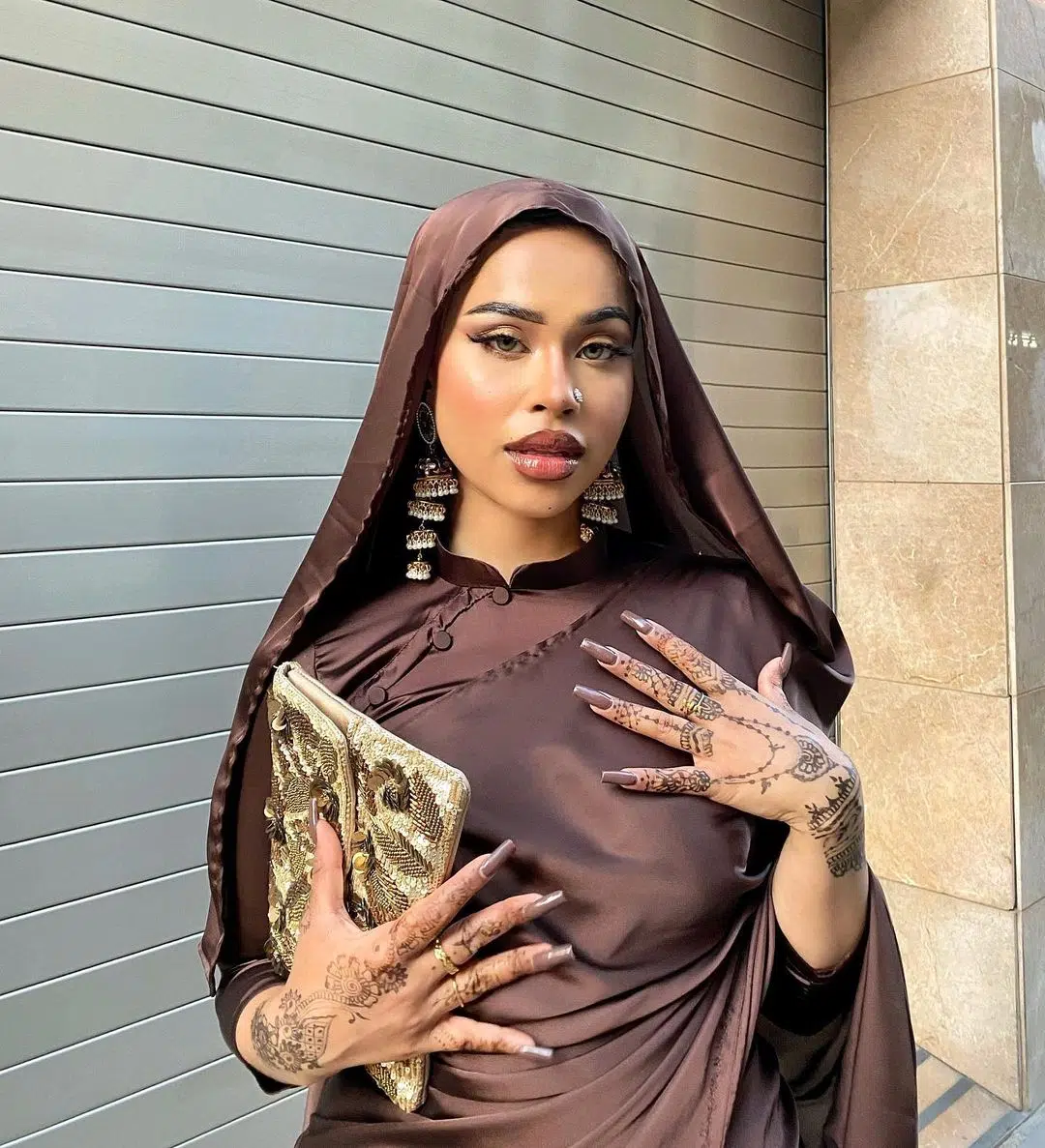
Tip: Brown sarees are incredibly versatile — pair with gold jewelry and you’re formal-ready, or keep accessories minimal for a more casual approach.
Chocolate Brown Draped Style with Statement Earrings
This flowing chocolate saree demonstrates how proper draping can create beautiful silhouettes while maintaining modesty. The matching hijab keeps the look cohesive, while bold traditional earrings add personality without overwhelming the outfit. The rich color is perfect for evening events.
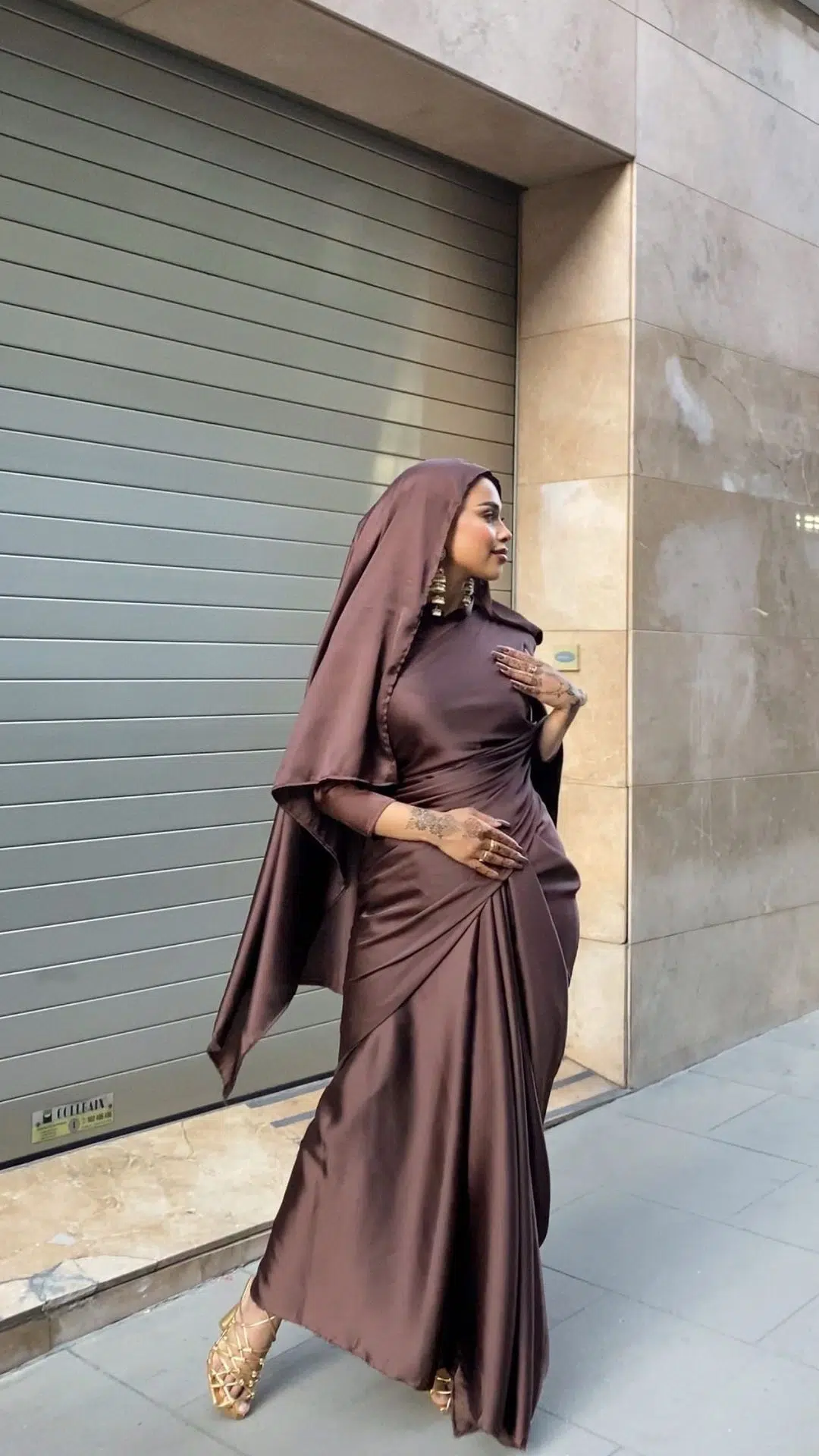
Tip: When wearing a monochrome saree and hijab, let your jewelry be the focal point — choose one statement piece like dramatic earrings.
Quick tip
Match your hijab to your saree’s base color for a cohesive look.
Coordinated Grey Sarees for Special Occasions
Two sisters in matching grey sarees show how this neutral shade works beautifully for group events like weddings or Eid celebrations. The soft grey provides an elegant backdrop for traditional jewelry, and the consistent color palette creates a harmonious, sophisticated appearance for family photos.
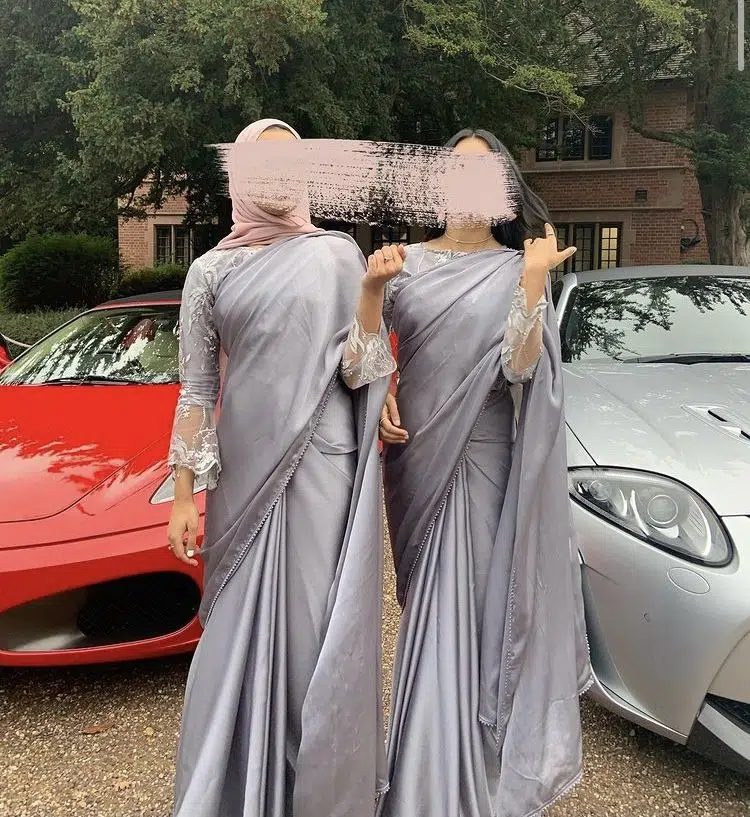
Tip: Grey is the most underrated saree color — it photographs beautifully and works with both gold and silver jewelry.
Navy Blue Traditional Saree with Lace Details
A classic navy saree with white lace trim paired with a matching navy hijab creates timeless elegance. The traditional draping style with the coordinated head covering shows how to honor both cultural and religious dress codes beautifully. This look works for formal religious ceremonies and cultural celebrations.
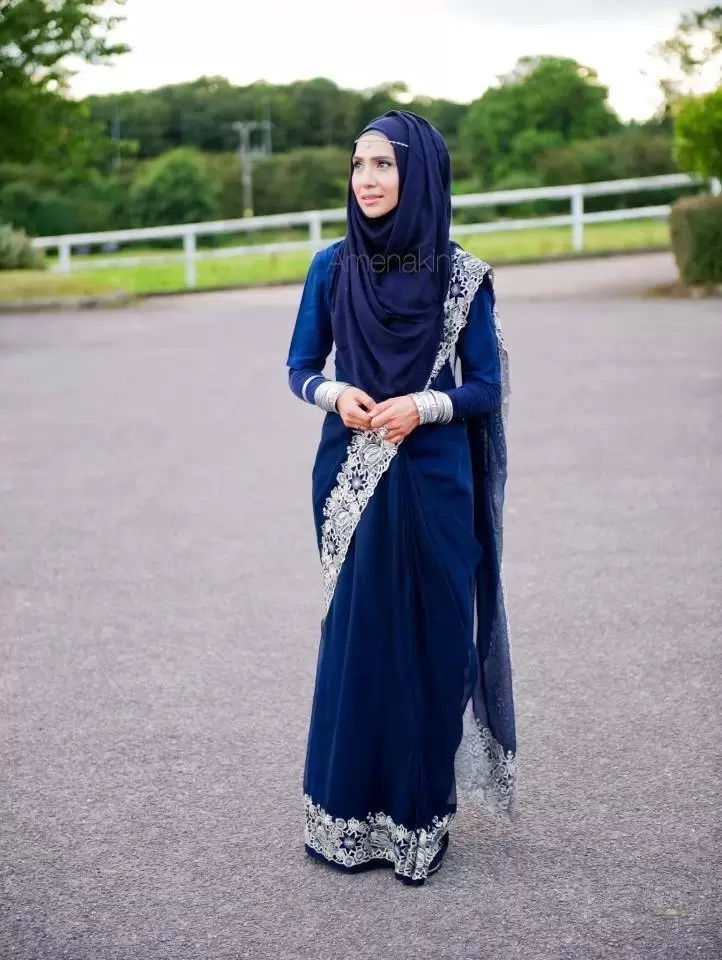
Tip: Navy blue is foolproof for formal events — it’s as elegant as black but feels more appropriate for daytime religious occasions.
Blush Pink Embellished Saree for Celebrations
This heavily embellished blush pink saree paired with a simple matching hijab strikes the perfect balance between ornate and modest. The intricate gold and pink embroidery makes this ideal for weddings and major celebrations, while the coordinated hijab keeps the focus on the beautiful detailing.
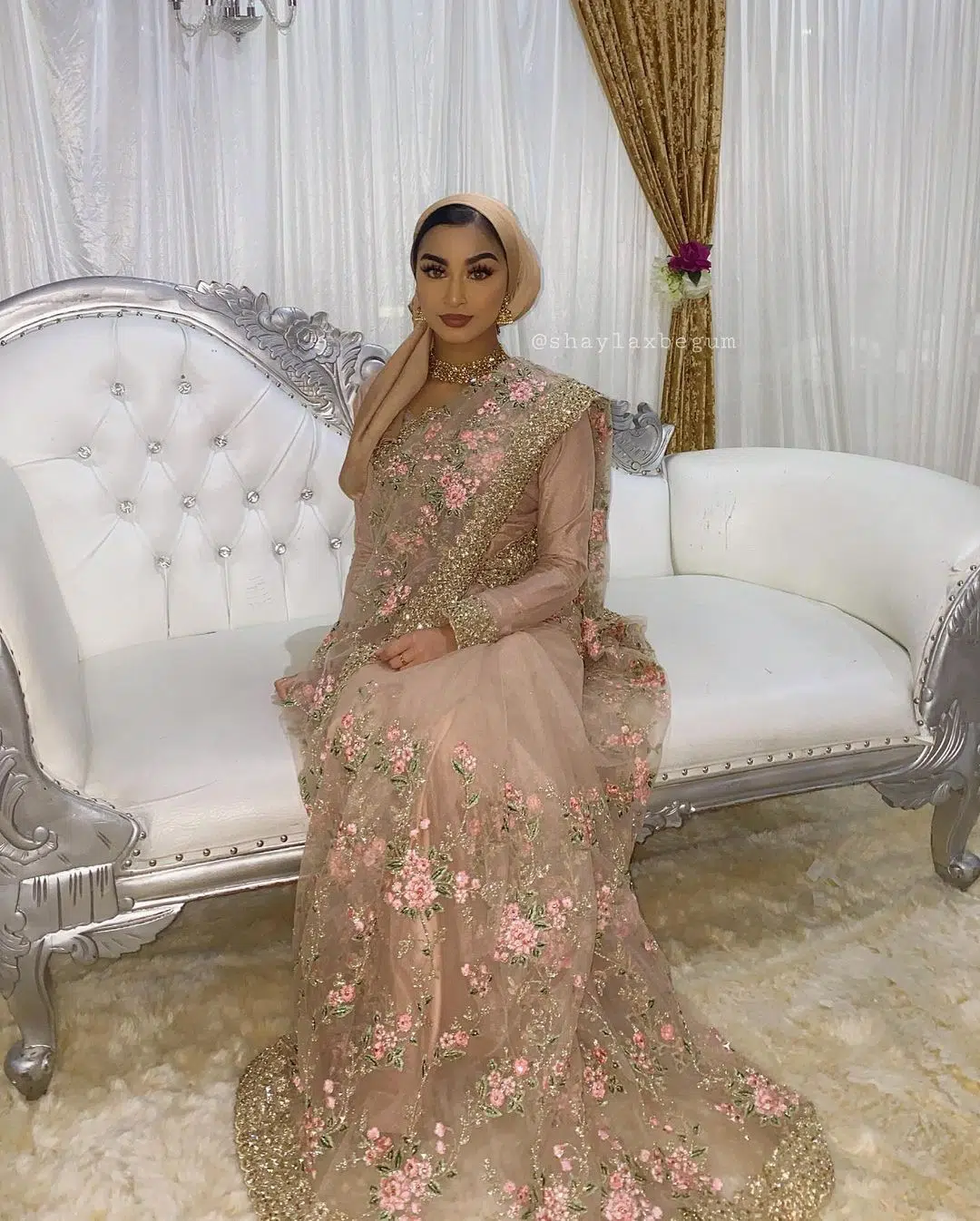
Tip: When your saree has heavy embellishment, keep your hijab simple in the same color family to avoid competing elements.
Quick tip
Use jersey or chiffon hijabs for better drape with formal sarees.
Pale Blue Casual Saree with Relaxed Styling
A soft blue saree worn in a more relaxed style with a coordinating hijab proves that sarees don’t have to be formal. The lighter fabric and casual draping make this perfect for daytime gatherings or cultural events where you want to be comfortable while still looking put-together.
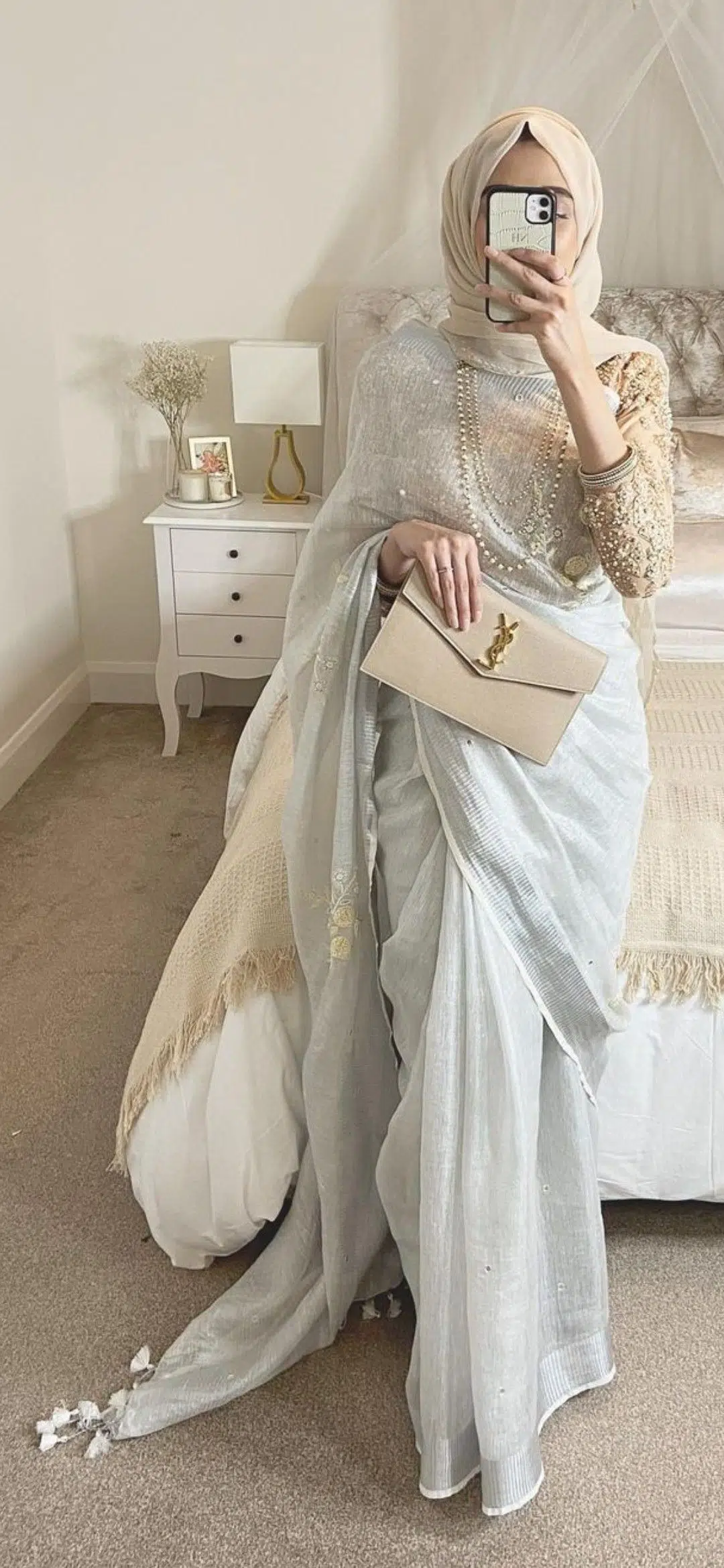
Tip: Choose lighter fabrics like cotton or linen for casual saree wearing — they’re easier to manage and more comfortable for everyday occasions.
Teal Blue Traditional Saree with Lace Blouse
Rich teal blue creates a striking backdrop for this traditional saree style, with the matching hijab completing the polished look. The lace-detailed blouse adds texture and interest while maintaining modesty, making this perfect for formal cultural events and religious celebrations.
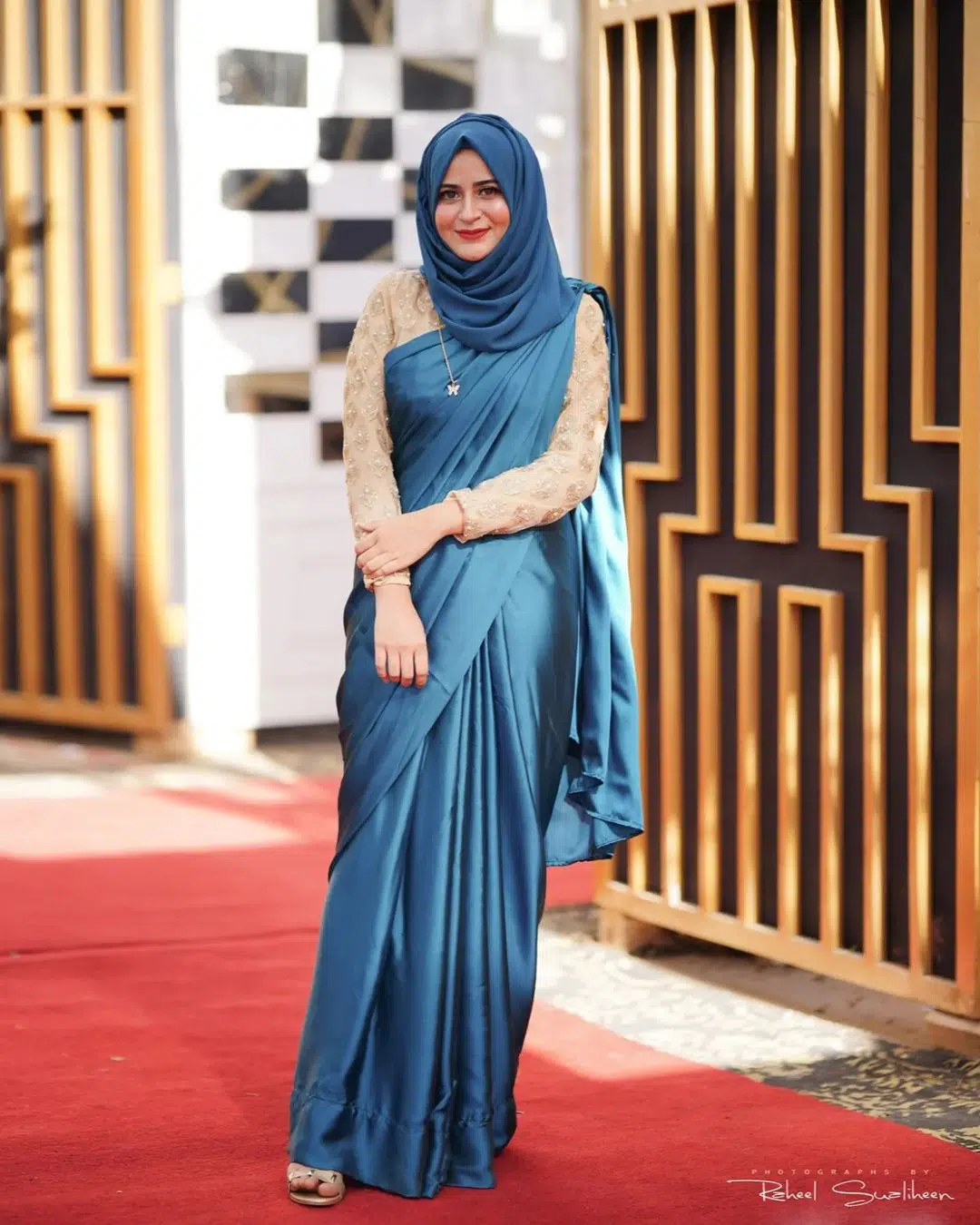
Tip: Teal blue is incredibly photogenic and works beautifully in both indoor and outdoor lighting — perfect for special occasion photography.
Bright Yellow Celebration Saree
A vibrant yellow saree with gold trim paired with a soft lavender hijab shows how contrasting colors can work beautifully together. The bright yellow is perfect for joyful occasions like Eid or weddings, while the purple hijab adds an unexpected but harmonious color combination that’s both traditional and fresh.
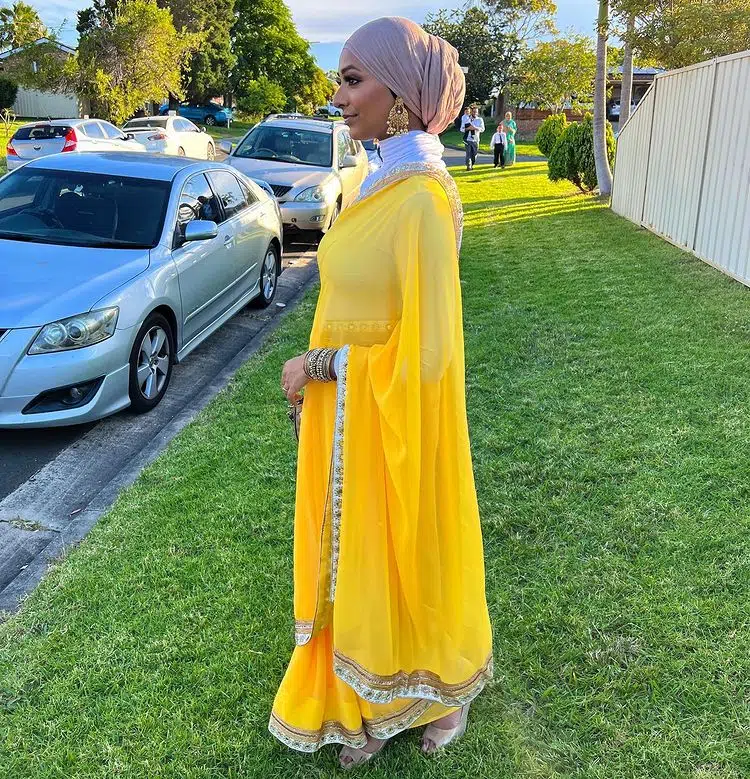
Tip: Don’t be afraid to pair your saree with a contrasting hijab color — purple and yellow are complementary colors that create a beautiful, balanced look.
Quick tip
Keep blouse sleeves full-length when pairing saree with hijab.
Navy Floral Saree with Matching Hijab
This navy blue floral saree creates a harmonious look when paired with a matching hijab in the same color family. The vibrant pink and green florals pop against the deep navy base, while the solid navy hijab grounds the entire outfit without competing with the print. This approach works beautifully for weddings or formal events where you want maximum impact.
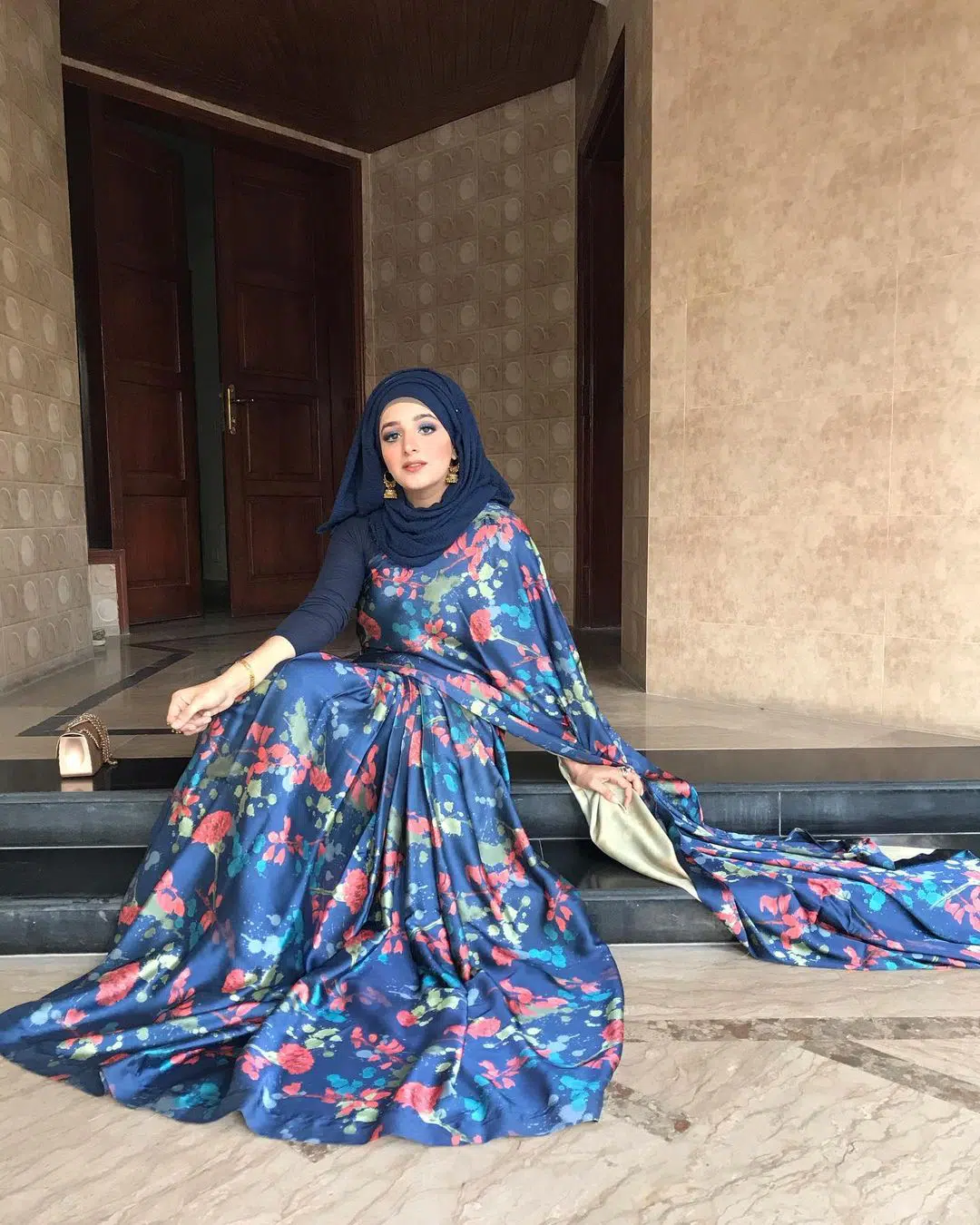
Tip: Choose a hijab that matches your saree’s base color rather than trying to coordinate with the print colors — this creates visual unity without overwhelming the look.
Key takeaways
- Match your hijab to the base color of your saree, not the accent colors in the print
- Use jersey or chiffon hijabs for formal saree looks — they drape better than cotton
- Keep your blouse sleeves full-length when wearing hijab to maintain modesty
- Position your hijab pin at shoulder level to avoid interfering with the saree drape
- Choose complementary jewelry that works with both your hijab and saree colors
- Practice your saree pleating beforehand — rushing while wearing hijab creates bulk around the waist
How to Wear Hijab Fashionably 25 Styling Tips
How to Wear Maang Tikka With Hijab ? 17 Styling Tips
14 Stylish Winter Hijab Outfits & Styling Tips
How to Style Hats with Hijab? 18 Styling Tips
Hijab Swag Style 20 Styling Tips to Get a Swag Look
18 Modest Hijab Graduation Outfit With Styling Tips
20 Cute Hijab Styles for Black Girls with Styling Tips
30 Beautiful Hijab Wedding Dresses with Styling Tips