Paris hijab styling is the most copied technique on social media — and the most misunderstood. I see sisters wrapping their hijab around their face like they’re battling winter winds, when the Parisian method is actually about creating loose, effortless volume that frames your face perfectly.
For everyday inspiration, see how to wear hijab fashionably.
I learned this technique from a French-Algerian sister in Marseille who could achieve that coveted undone-but-polished look in thirty seconds flat. The secret isn’t in the fabric or the pins — it’s in understanding that less tension creates more elegance. Most of us pull our hijab too tight, flattening our face and losing all the softness that makes this style so appealing.
The Paris method works because it mimics how French women approach their hair — with just enough structure to look intentional, but loose enough to move naturally. Once you understand the basic principle, you can adapt it for any face shape or occasion.
How to Wear a Paris Hijab
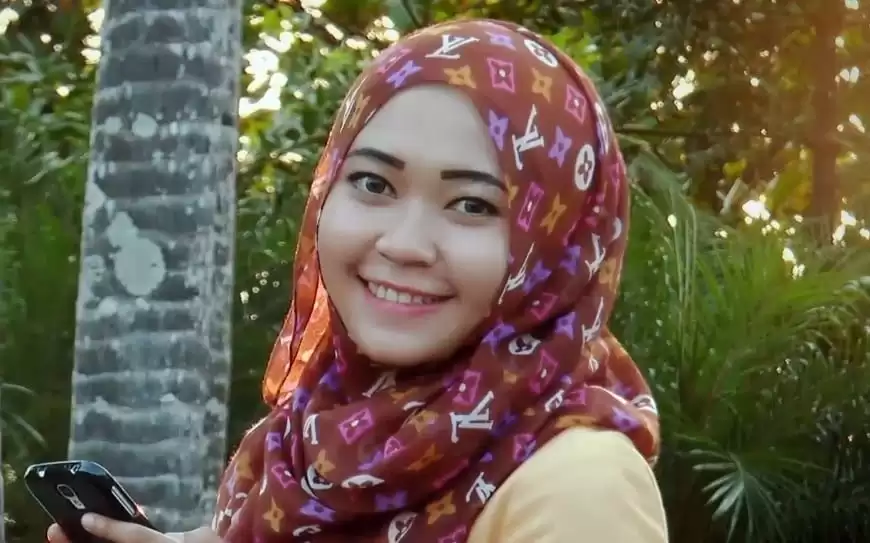
Choose prints that complement your outfit’s secondary colour
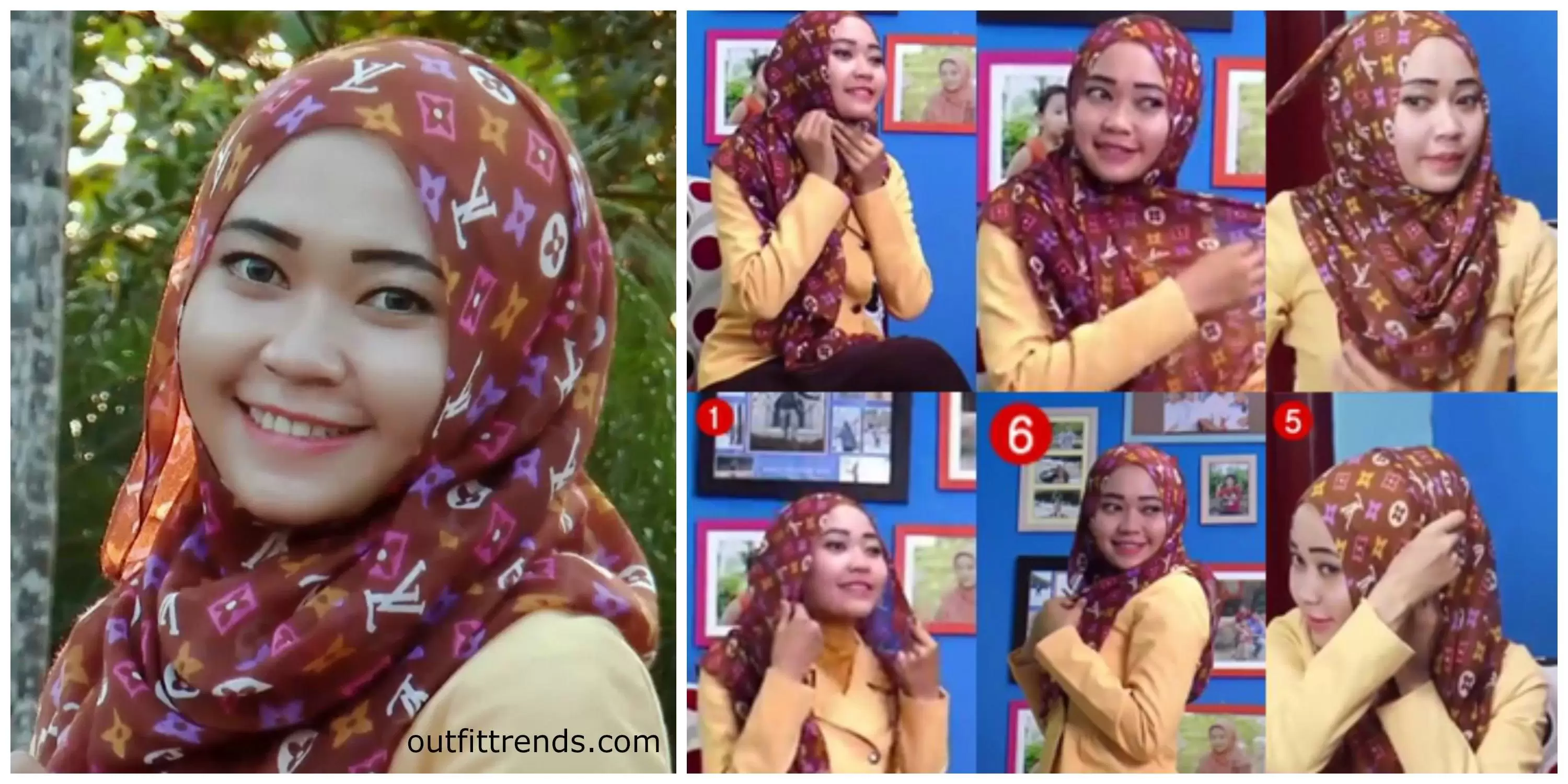
This Louis Vuitton-inspired print works beautifully because the burgundy and gold tones pull from her cream top without competing for attention. When selecting patterned hijabs for the Paris style, look for designs where one colour matches something you’re already wearing — this creates cohesion without being matchy-matchy. The loose draping of this technique actually shows off prints better than tight wrapping because the fabric has room to fall naturally and display the pattern.
Leave strategic gaps for movement and breathing room
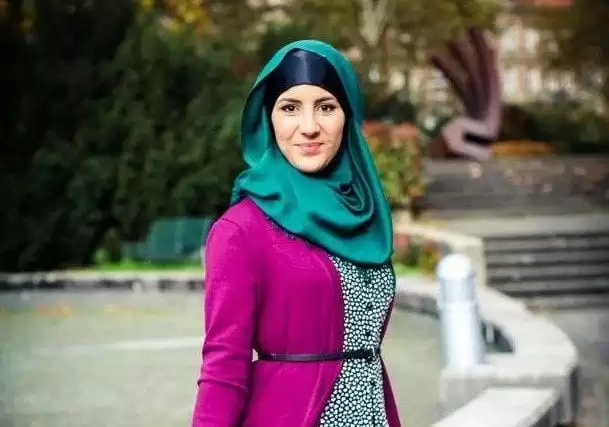
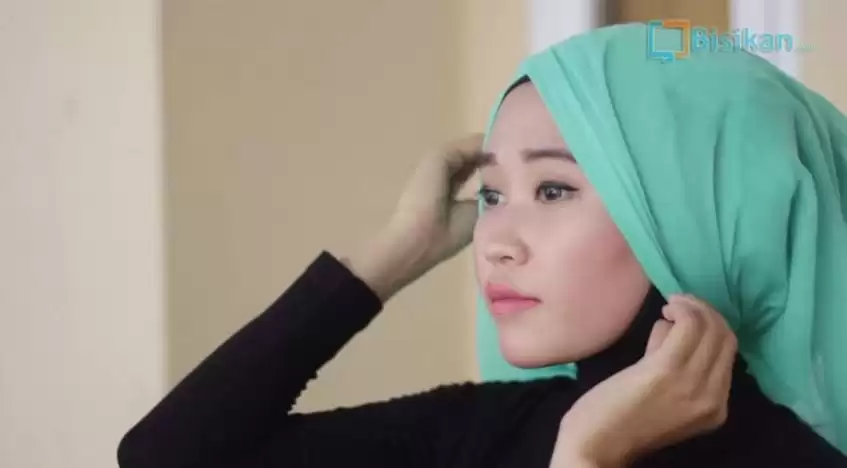
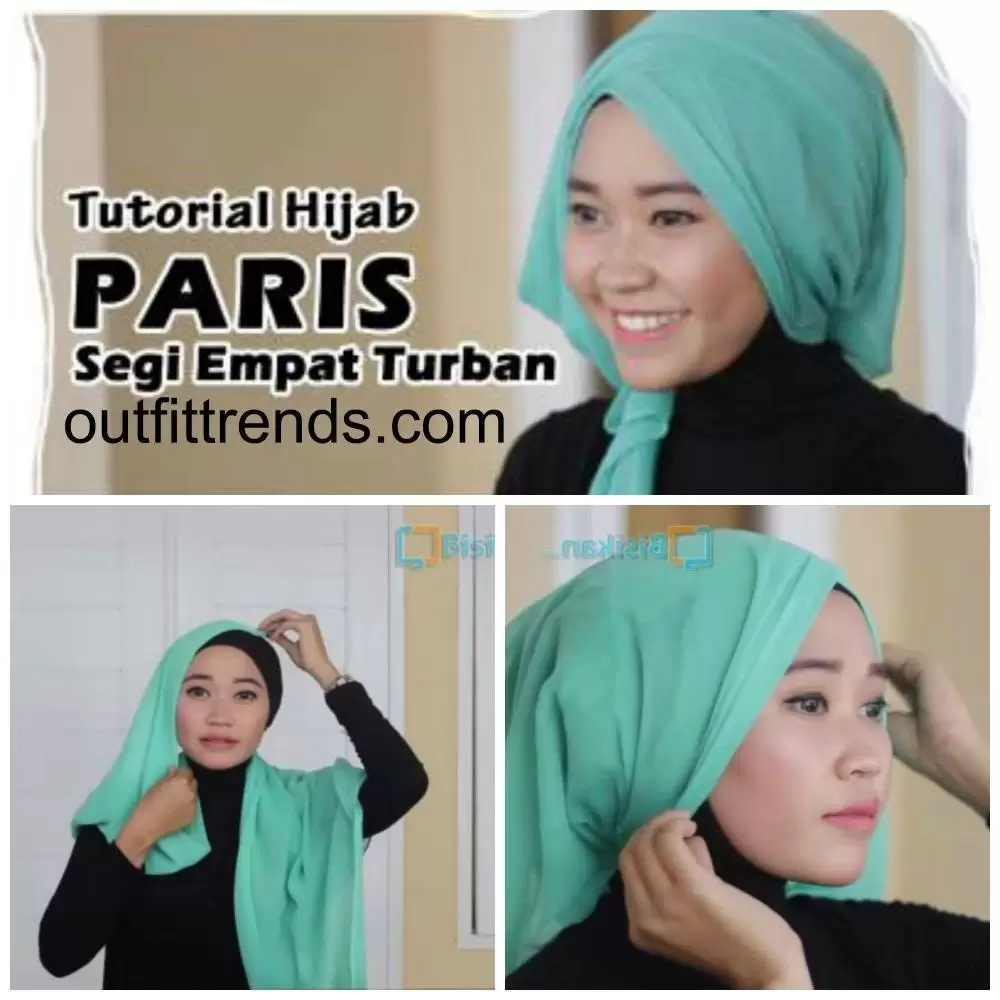
Notice how this mint green hijab sits away from her neck rather than being pulled tight against her throat. This is crucial for the Paris look — the fabric should drape with some air between it and your skin. I always tell sisters who are new to this style to imagine they’re wearing a loose scarf, not securing a headwrap. The gentle looseness around the face and neck is what creates that effortless French aesthetic we’re after.
Makeup with Hijab – Simple Tutorial with Tips
10 Simple DIY Hijab Accessories Tutorials You Can Do Easily
Complete Guide on How to Wear Hijab Underscarf & Tutorials
How to Wear a Hijab? Step by Step Tutorials and 35 Styles
How To Wear Hijab? 10 Hijab Tutorials & Styles To Try Now
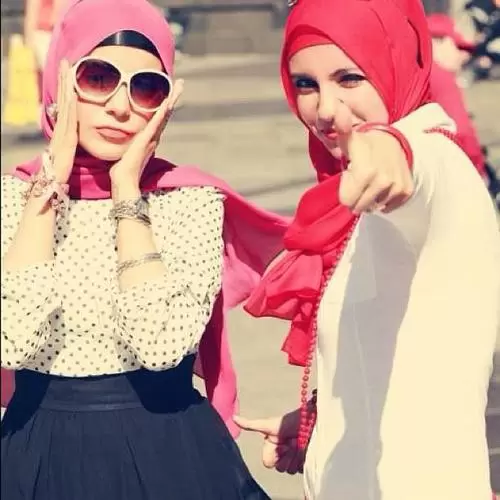
20 Chic Summer Hijab Styles and Outfit Ideas
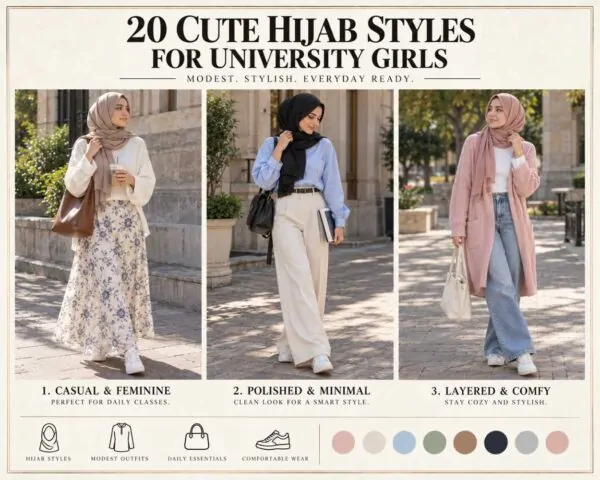
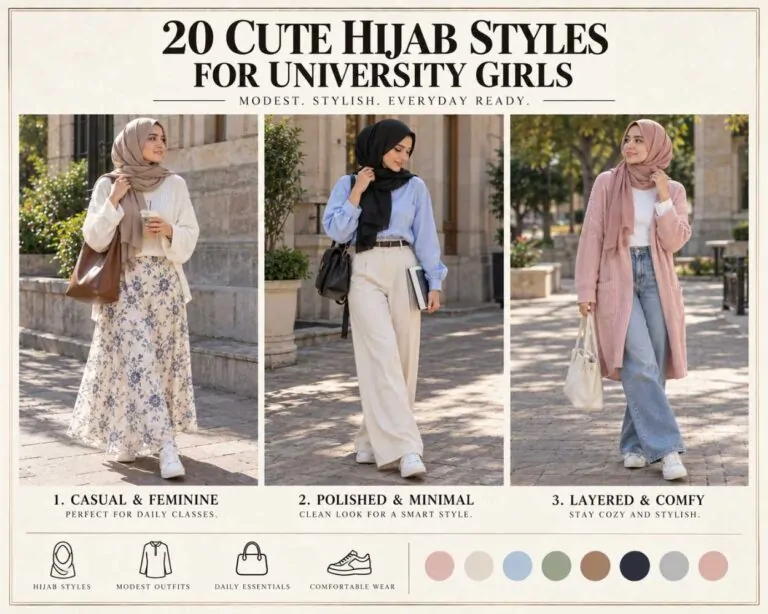
20 Cute Hijab Styles for University Girls
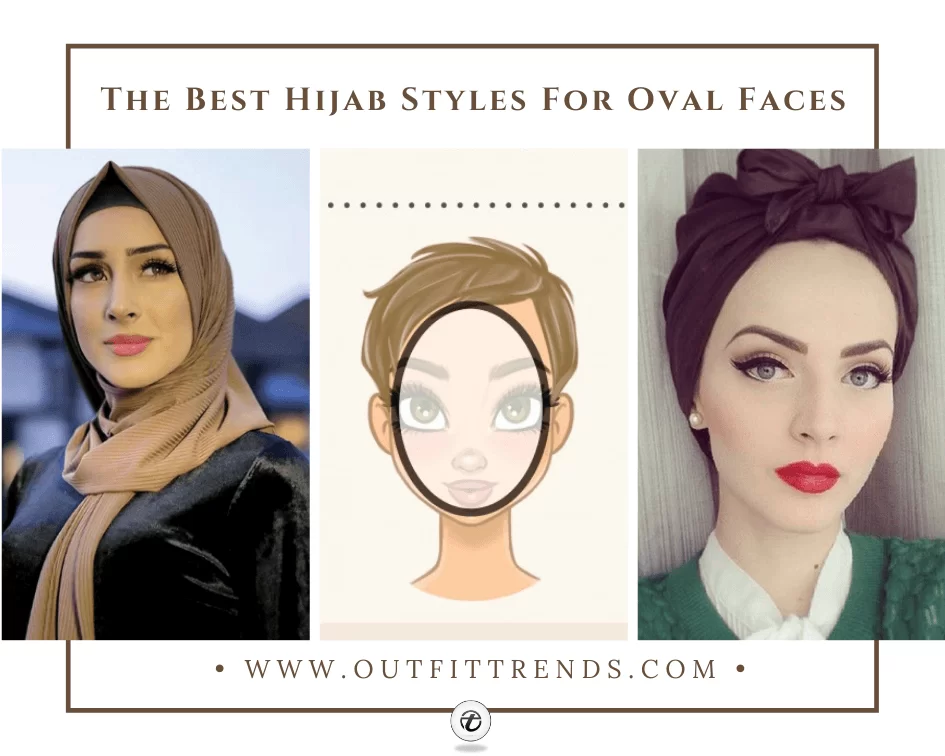
13 Stylish Hijab Wrapping Ideas For Women With Oval Face
The Paris hijab technique was actually popularized by Moroccan students in 1970s France who adapted traditional wrapping methods to blend with European fashion sensibilities.
Dos & Don’ts
Quick Hijab Paris Styles
Classic Triangle Wrap
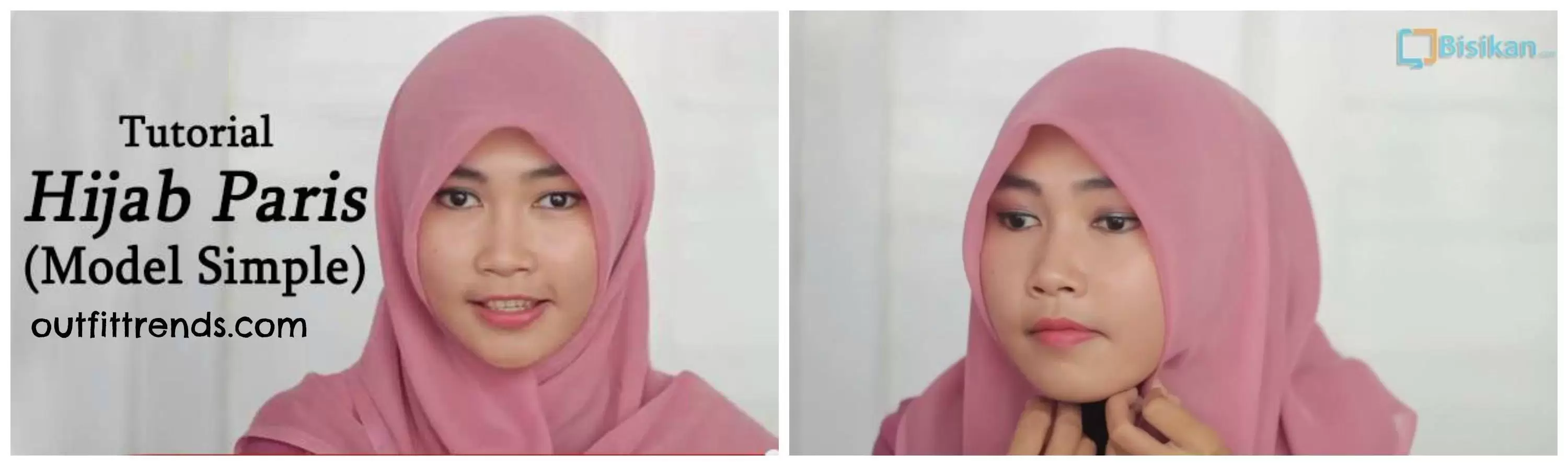
The dusty pink hijab creates a simple triangle shape that frames the face naturally. This foolproof technique works because you’re not fighting against the fabric — just letting it fall where it wants to. Perfect for sisters who want maximum coverage with minimum fuss.
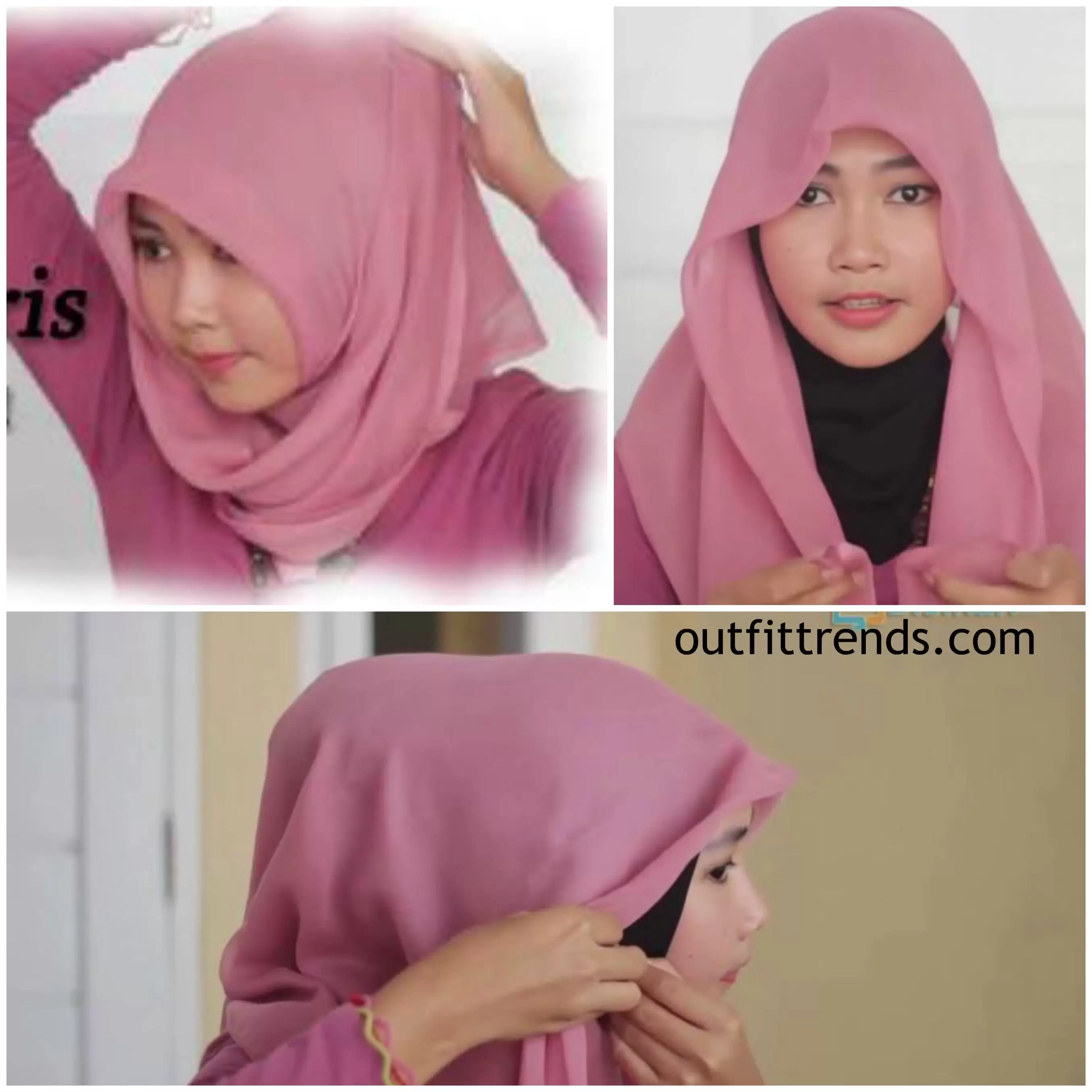
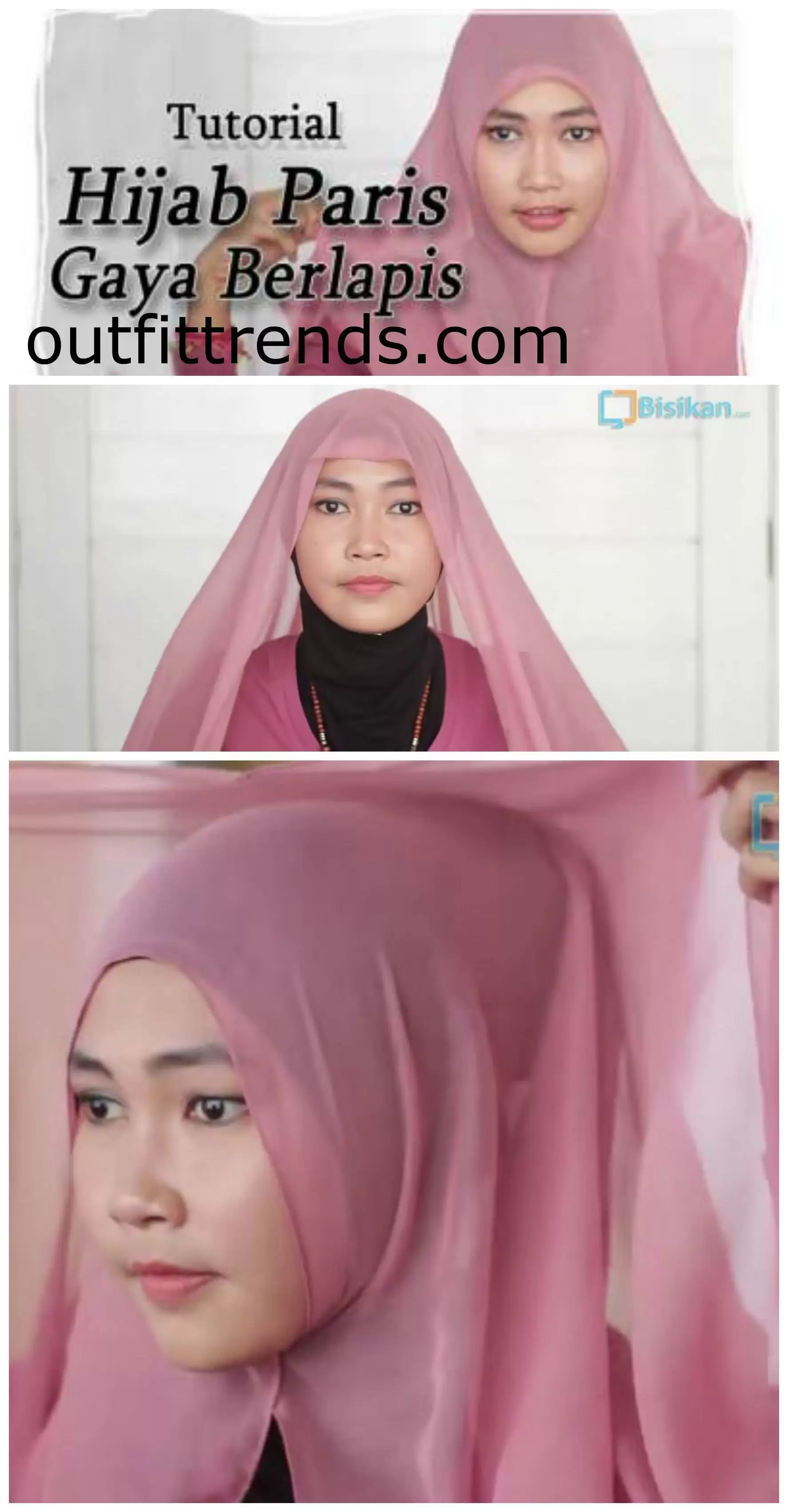
Layered Side Drape
One side gets multiple folds while the other stays clean and simple — this creates visual interest without looking overdone. The extra fabric on one shoulder adds dimension and prevents that flat, pinned-down look that happens with basic wraps. Great for oblong face shapes who need width around the jawline.
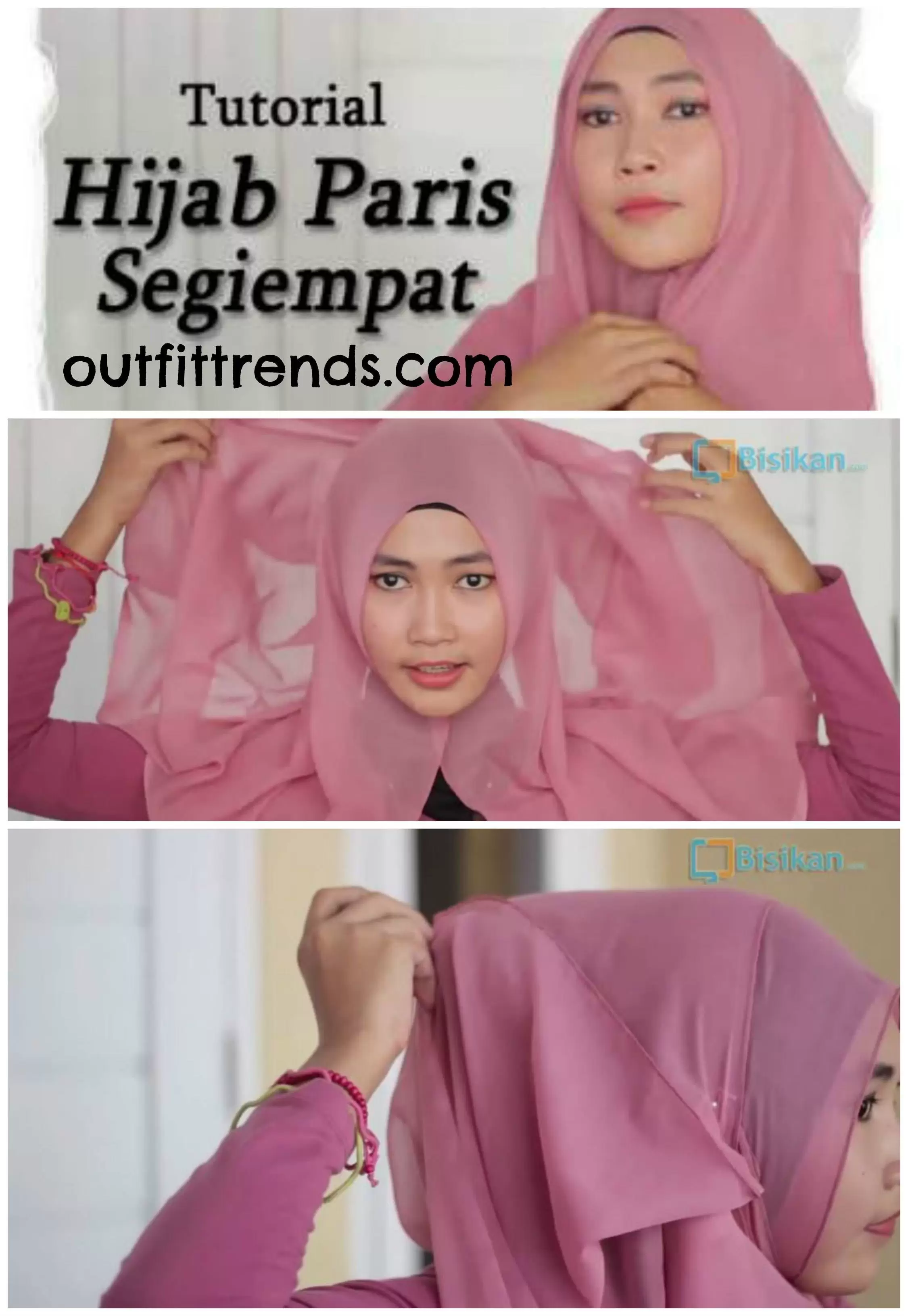
Loose Front Volume
Instead of pulling the hijab tight across the forehead, this style creates gentle volume at the front before draping back. I use this technique when I want coverage but my face is looking drawn — the soft fullness adds life to tired skin. Works best with medium-weight fabrics that hold their shape.
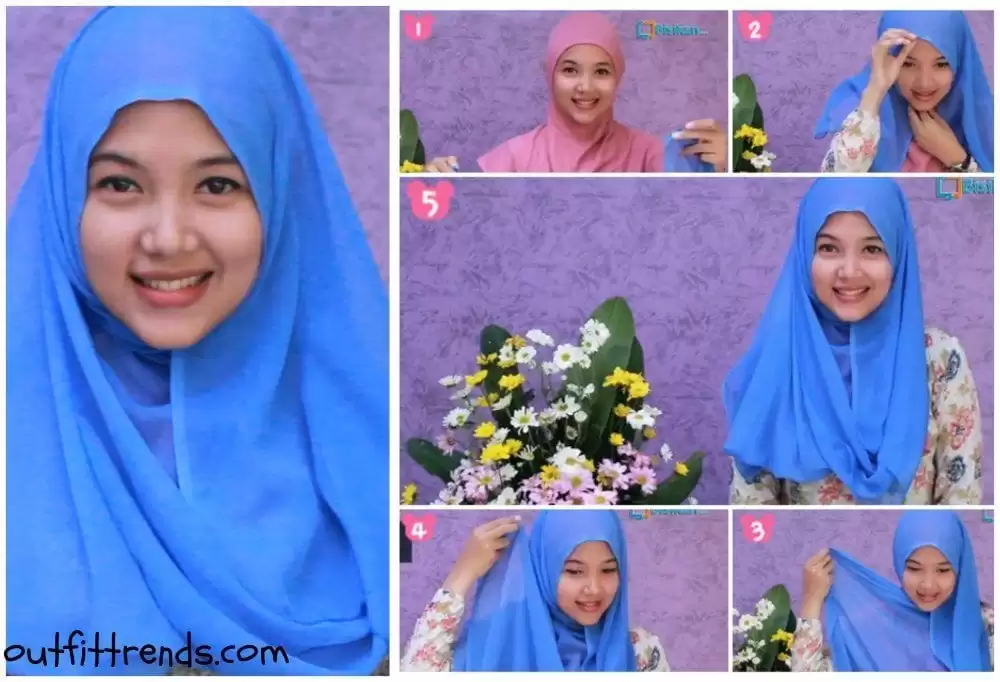
Multi-Layer Twist
The bright blue hijab gets twisted and layered to create texture without pins showing. This technique keeps everything secure during long days because the twists lock the fabric in place naturally. Best for round faces since the vertical lines add length.
Quick tip
Use an inner cap first — it prevents the hijab from shifting during long days.
Turban-Style Front Knot
The mint green fabric gets knotted at the forehead and draped over the shoulders for a modern turban effect. This works when you want your hijab to be the statement piece — the structured front draws attention upward. Perfect for square face shapes who want to soften angular features.
Basic Side-Pinned Wrap
The rose-toned hijab stays put with one simple pin at the shoulder, creating clean lines that work for professional settings. This is my go-to for job interviews because it’s conservative but not severe. The single pin placement means less fiddling throughout the day.
Printed Scarf with Side Tuck
The Louis Vuitton-style pattern gets tucked and secured at one side, letting the print be the focus rather than complex wrapping. When you have a beautiful print, simple styling shows it off better than elaborate folds. This works for special occasions when you want understated luxury.
Quick tip
Pin at the shoulder rather than under the chin for a cleaner, more modern look.
Bright Color Block Wrap
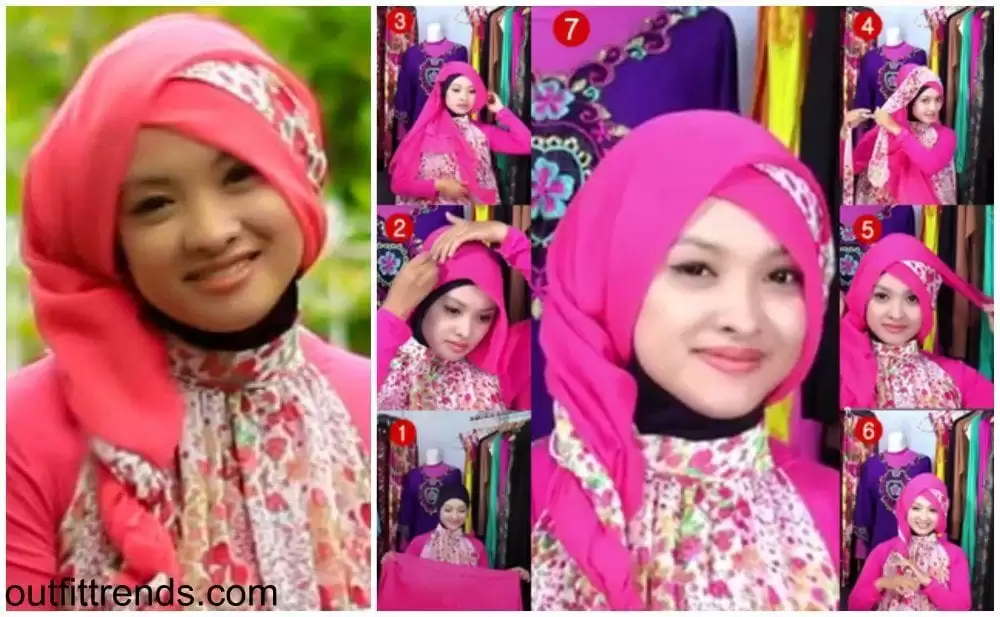
The hot pink hijab makes a bold statement with clean, geometric lines around the face. Bright colors like this need simple styling — too many folds would compete with the intensity of the hue. Perfect for younger sisters who want their hijab to reflect their personality.
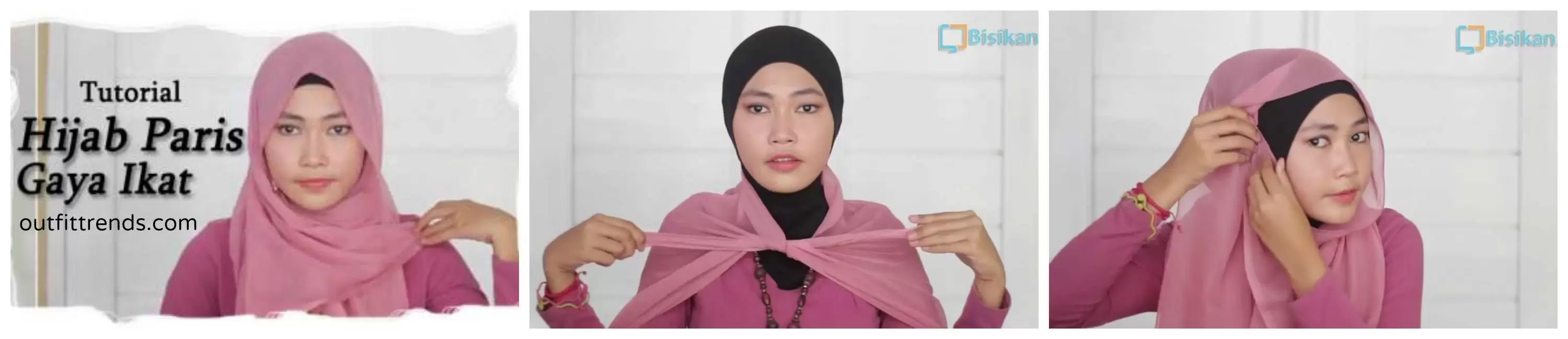
Tied-Back Style with Inner Cap
Using a black inner cap first, then draping the pink hijab loosely creates the most secure foundation. I tell new hijabis to start here — the inner cap prevents slipping and gives you confidence to try different draping styles. The tied-back method works for active days when you need everything to stay put.
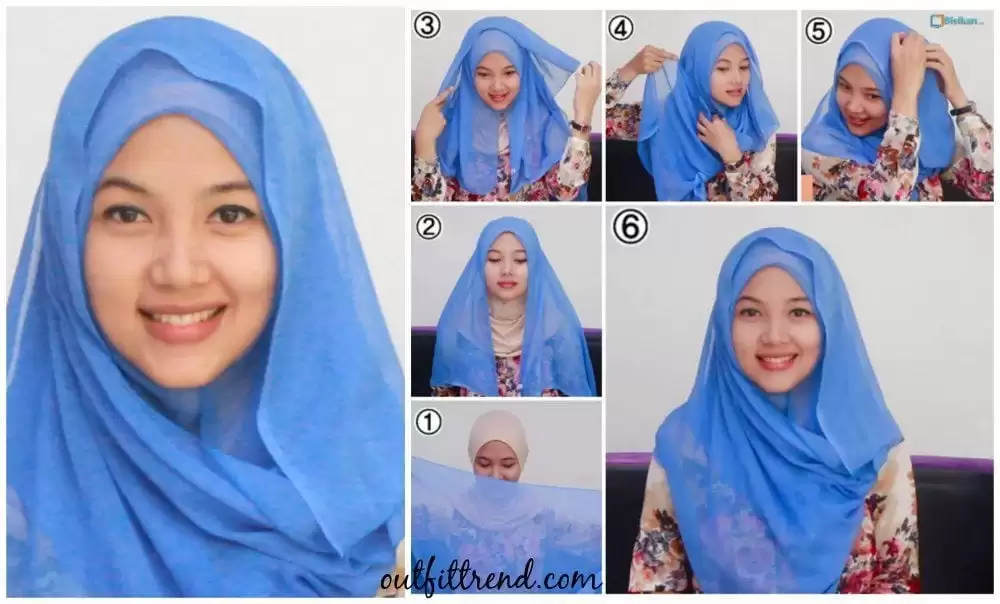
Voluminous Side-Swept Look
The powder blue hijab gets maximum volume by not pulling it tight anywhere — instead letting it fall in natural folds. This technique adds softness to angular features and creates a romantic, flowing silhouette. Best for formal events where you want movement and grace rather than sharp, structured lines.
Quick tip
Twist sections before draping to create natural texture without obvious manipulation.
Key takeaways
- Start with an inner cap or underscarf — it prevents slipping and creates a smooth foundation.
- Use single pin placement rather than multiple pins for cleaner lines and faster styling.
- Let fabric weight guide your technique — heavy fabrics drape naturally while light fabrics need more structure.
- Create asymmetrical draping for visual interest instead of perfectly balanced sides.
- Match wrapping complexity to print intensity — busy patterns need simple styles, solid colors can handle elaborate folds.
- Build volume at strategic points to flatter your face shape rather than pulling everything tight.
Makeup with Hijab – Simple Tutorial with Tips
10 Simple DIY Hijab Accessories Tutorials You Can Do Easily
Complete Guide on How to Wear Hijab Underscarf & Tutorials
How to Wear a Hijab? Step by Step Tutorials and 35 Styles
How To Wear Hijab? 10 Hijab Tutorials & Styles To Try Now
20 Chic Summer Hijab Styles and Outfit Ideas
20 Cute Hijab Styles for University Girls
13 Stylish Hijab Wrapping Ideas For Women With Oval Face
Which look is your favourite?
Tap the outfit you would wear. Results show right after you vote.