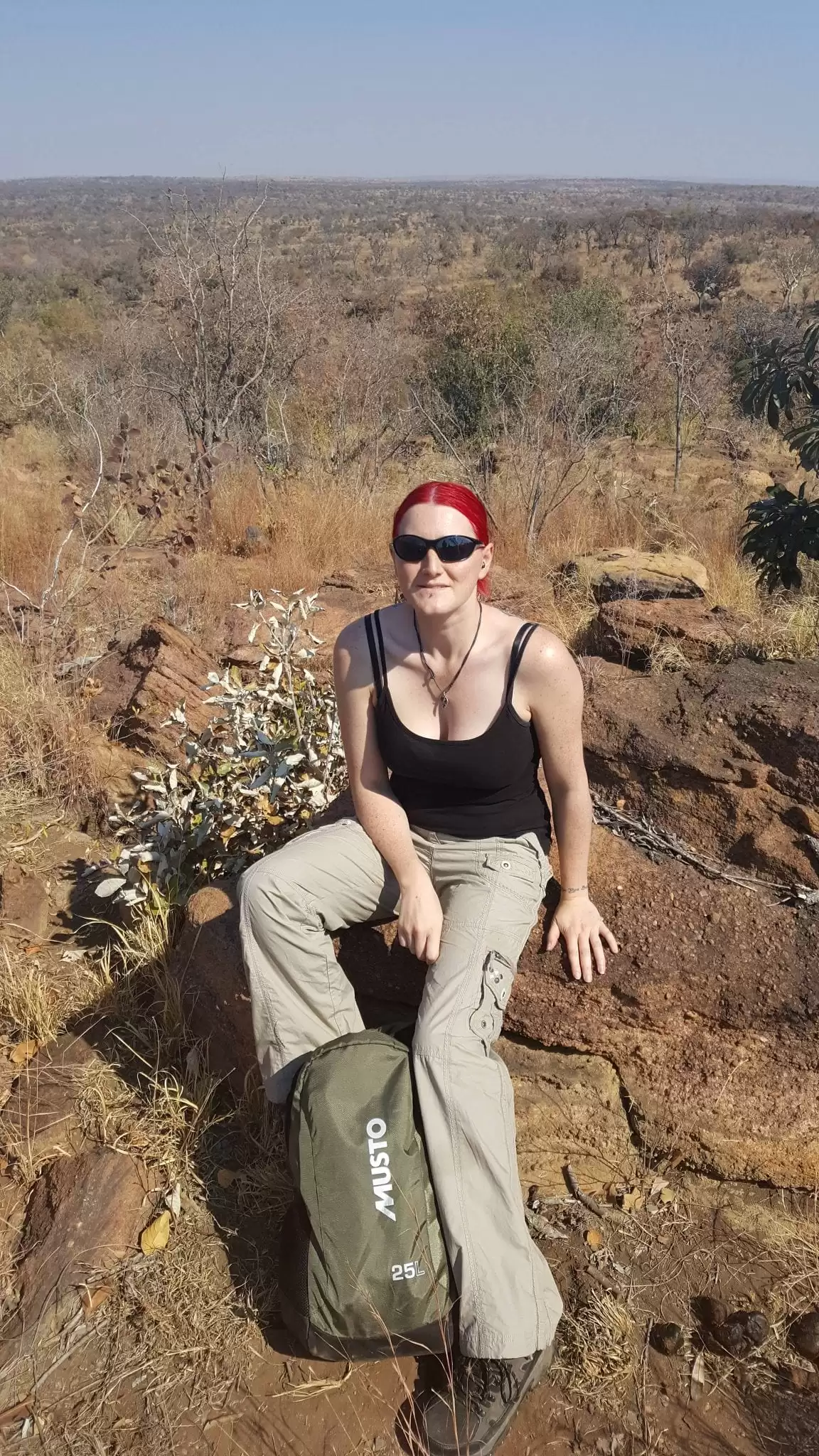
Scotland’s weather doesn’t care about your plans. One hour it’s sunny enough to take your jacket off, and two hours later you’re catching horizontal rain on a hilltop with nowhere to shelter. I’ve worn everything from a light cardigan to a full waterproof shell in the same afternoon here. That’s just Scotland.
Packing for a warmer trip too? See how to wear flip flops.
Traveling in the cold months? See these outfits to wear in February.
The good news: dressing for it is simple once you know the formula. Layer well, pack waterproof, bring good boots. The biggest mistake visitors make is packing too light because “summer” sounds warm — Scotland in July can still dip to 10°C in the Highlands.
This guide covers 22 outfits that work here, from Edinburgh’s cobblestones to Isle of Skye trails, plus a packing list for each season so you bring what you need and nothing else.
Packing List
What you pack depends heavily on when you’re going. Season by season:

What to Wear in Ukraine? 12 Outfit Ideas, Packing List & Tips

How to Wear Lace Pants? 18 Outfit Ideas with Styling Tips
What to Wear in Puerto Rico? 20 Outfit Ideas & Packing List

How to Wear Maxi Skirts? 24 Outfit Ideas and Tips
What To Wear In Thailand? 22 Outfit Ideas and Packing List
What to Wear in Italy: Packing List & 15 Outfit Ideas
What to Wear in the Maldives? 20 Outfit Ideas & Packing List

How to Wear Black Midi Skirts? 21 Outfit Ideas &Styling Tips
Spring (March – May)
Cool, damp, changeable — four seasons in an afternoon is normal. Layers are everything.
Pack: A waterproof jacket (non-negotiable), 2–3 lightweight jumpers or long-sleeve tops, a fleece or quilted vest as a mid-layer, dark jeans or slim trousers, waterproof walking shoes or ankle boots, a light scarf, and a compact umbrella. Temperatures run 6–14°C, so leave anything flimsy at home.
Summer (June – August)
The mildest and most popular season — but “mild” means 15–20°C on a good day, not hot. Rain is still frequent, especially in the Highlands and islands.
Pack: A packable waterproof, 2–3 T-shirts or light tops, 1–2 jumpers or cardigans, mid-weight jeans or chinos, one casual dress or skirt with tights if you run warm, comfortable walking shoes, and a small daypack. Bring sunscreen too — Scottish sun bounces hard off water and hills.
Autumn (September – November)
Stunning colours, thinner crowds, and a real drop in temperature. By October you need proper warm layers.
Pack: A warm waterproof coat (wool or padded), chunky knits, thermal underlayers for November, dark jeans or cords, waterproof ankle boots with grip, hat, gloves, and a thick scarf. Expect 4–12°C and more rain than summer.
Winter (December – February)
Raw, wet, sometimes icy — especially the Highlands and Cairngorms. Edinburgh stays lively with festive markets, though, and it’s genuinely magical if you dress for it.
Pack: A heavy insulated or wool coat, thermal base layers, thick jumpers, waterproof boots with ankle support and grip, warm hat, insulated gloves, and a wool or cashmere scarf. Don’t bother with lighter items; you’ll barely touch them. Average 2–7°C, and the wind chill makes it feel colder.
Styling Tips
Master the Layering System
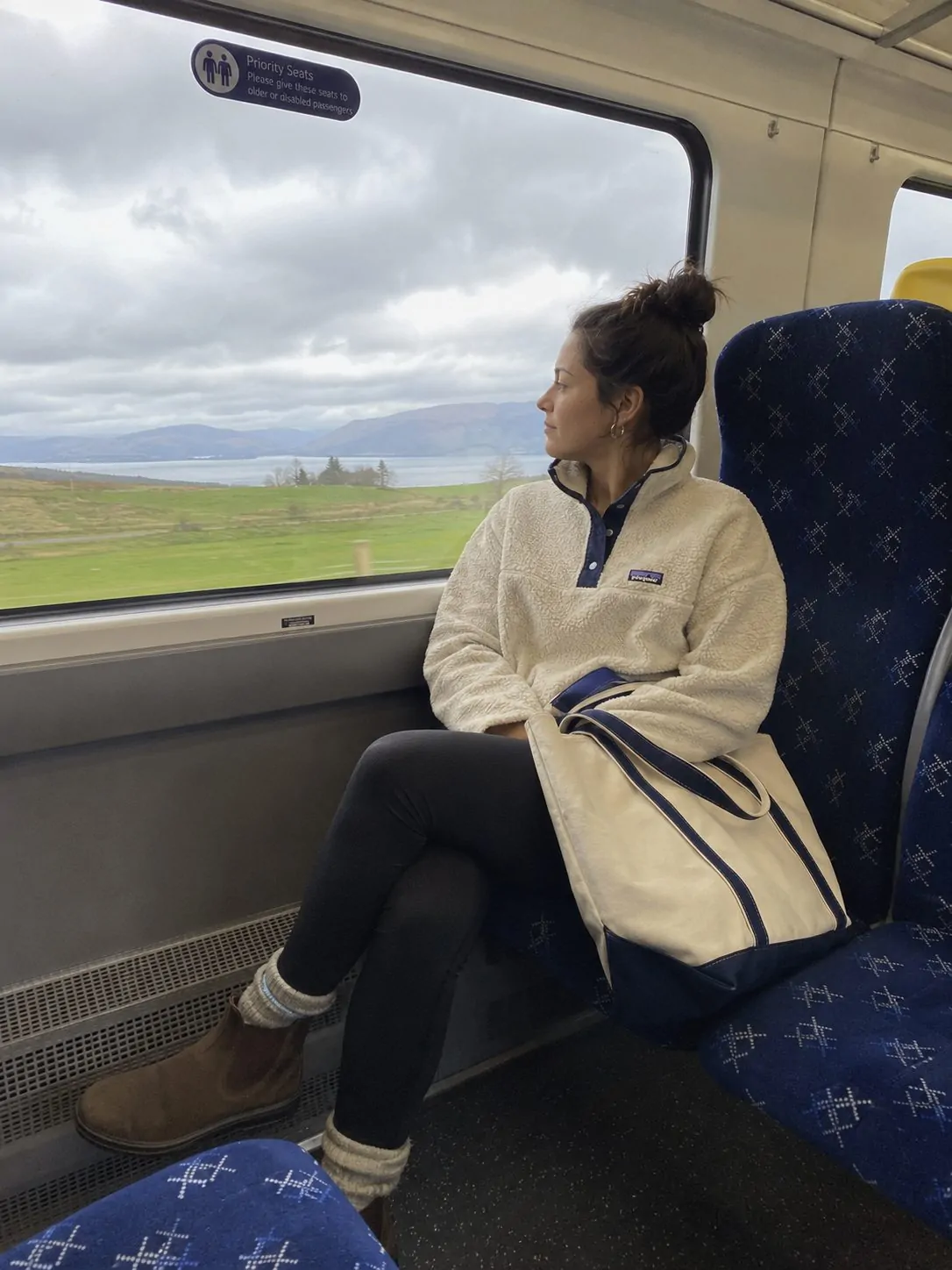
One outfit won’t survive a Scottish day. Three layers will: a moisture-wicking base against your skin, a fleece or chunky knit for warmth, and a waterproof shell on top. Add and subtract as the day shifts. Merino base, cable-knit sweater, packable waterproof — that combination handles almost anything Scotland throws at it, whether you’re hiking the Highlands or walking the Royal Mile.
Waterproof Everything Matters More Than Style
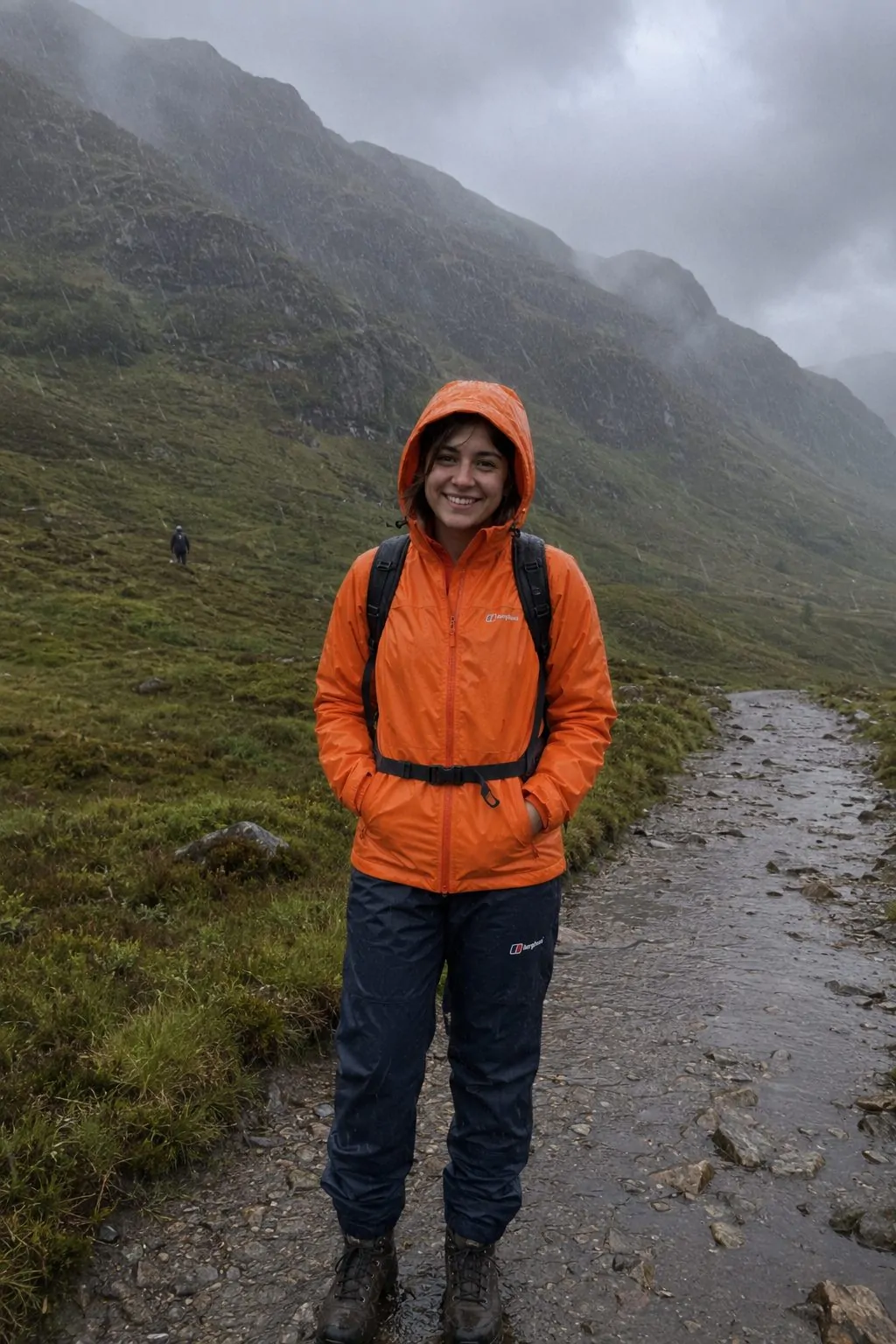
Rain here isn’t a drizzle; it comes at you sideways. Water-resistant isn’t enough — you want fully waterproof with sealed seams, and the same standard applies to your feet. I ruined a pair of suede Chelsea boots on my first visit and spent three days with wet feet, so learn from me: waterproof leather or Gore-Tex lined boots, treated with waterproof spray before you fly.
Embrace Tartan and Plaid the Right Way
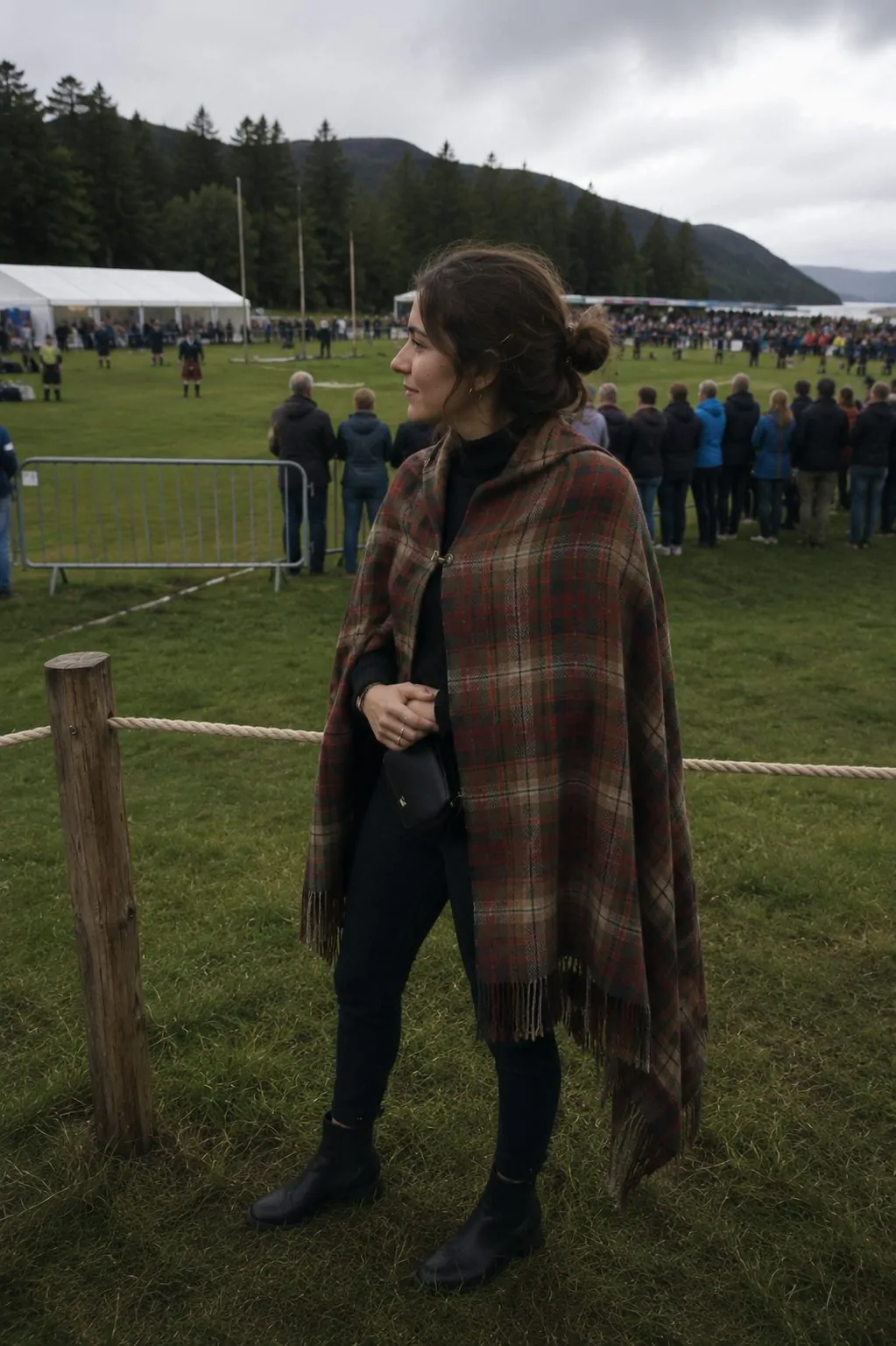
Plaid isn’t a tourist costume — locals genuinely wear it. A tartan scarf or plaid coat is practical and a nice nod to where you are. The rule: one plaid piece per outfit. A tartan scarf with a solid coat looks intentional; head-to-toe tartan looks like fancy dress. Navy, forest green, and burgundy tartans wear the most easily.
Shoes Make or Break the Trip
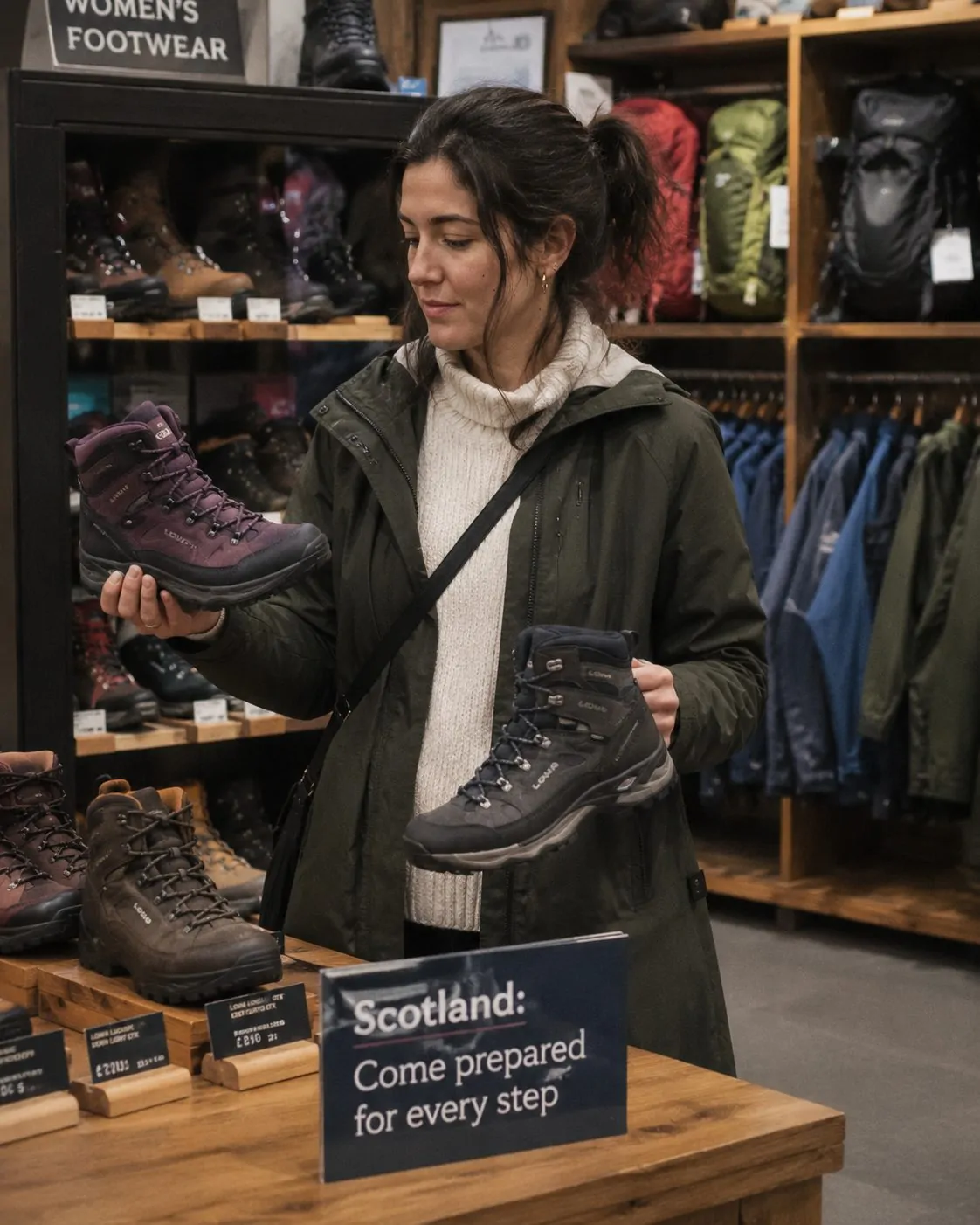
Edinburgh’s cobblestones are slippery, Highland trails are muddy, and Hebridean beaches are all pebbles. Thin-soled trainers and flip flops fail at all three. Pack two pairs: a sturdy waterproof walking boot for active days, and a comfortable ankle boot or chunky loafer for cities and evenings. Renting wellies is worth it if you’re doing serious outdoor time. And break new boots in at home first — blisters on cobblestones are misery.
Dos & Don’ts
Scotland has over 900 tartan patterns registered with the Scottish Register of Tartans — clans, regions, even corporations have official designs. Tartan as a clan identifier dates to the 16th-century Highlands, though most of the colourful clan tartans people recognise today were standardised during the Highland Revival of the early 1800s.
Scotland Travel Outfit Ideas
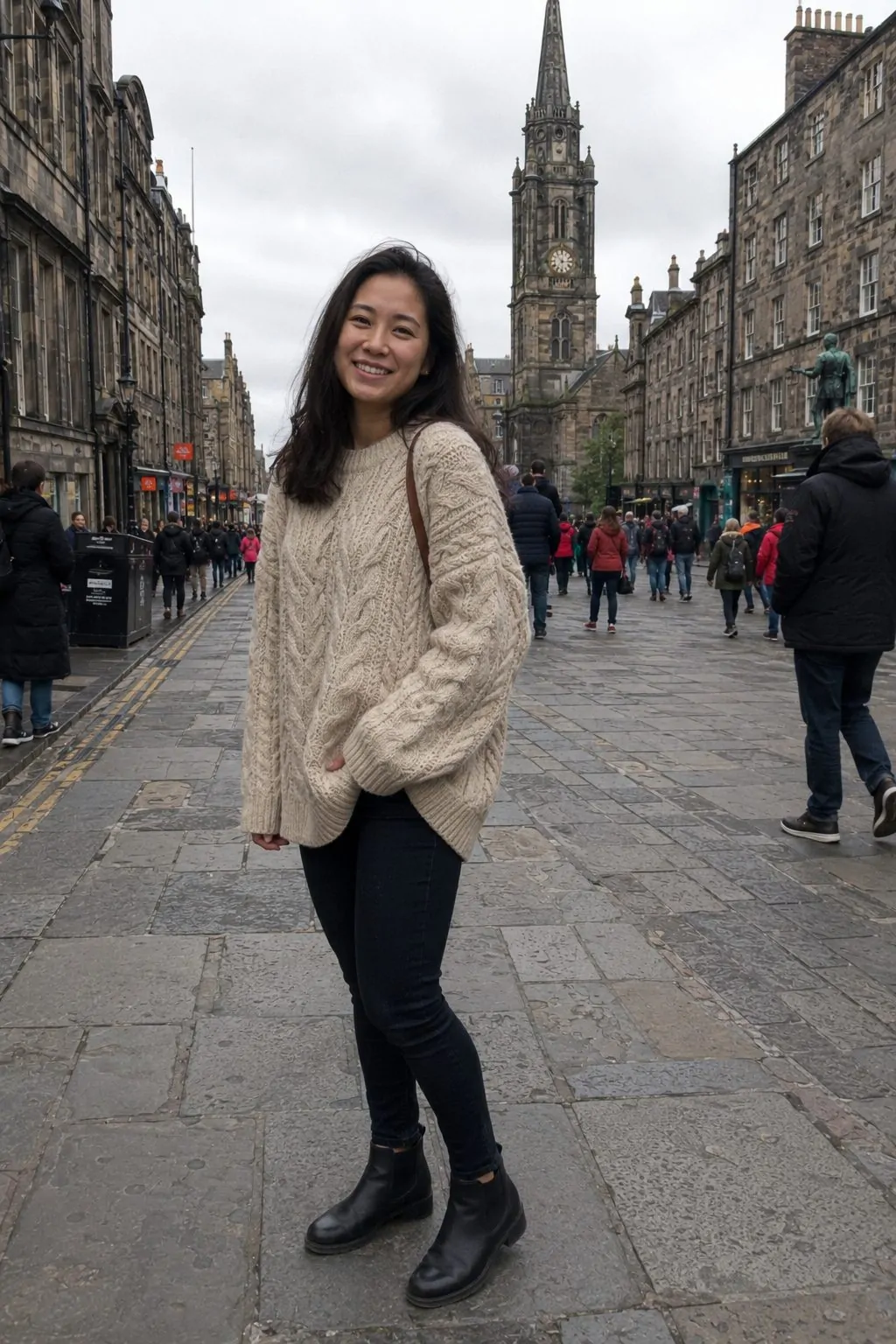
Chunky Knit Sweater and Slim Jeans
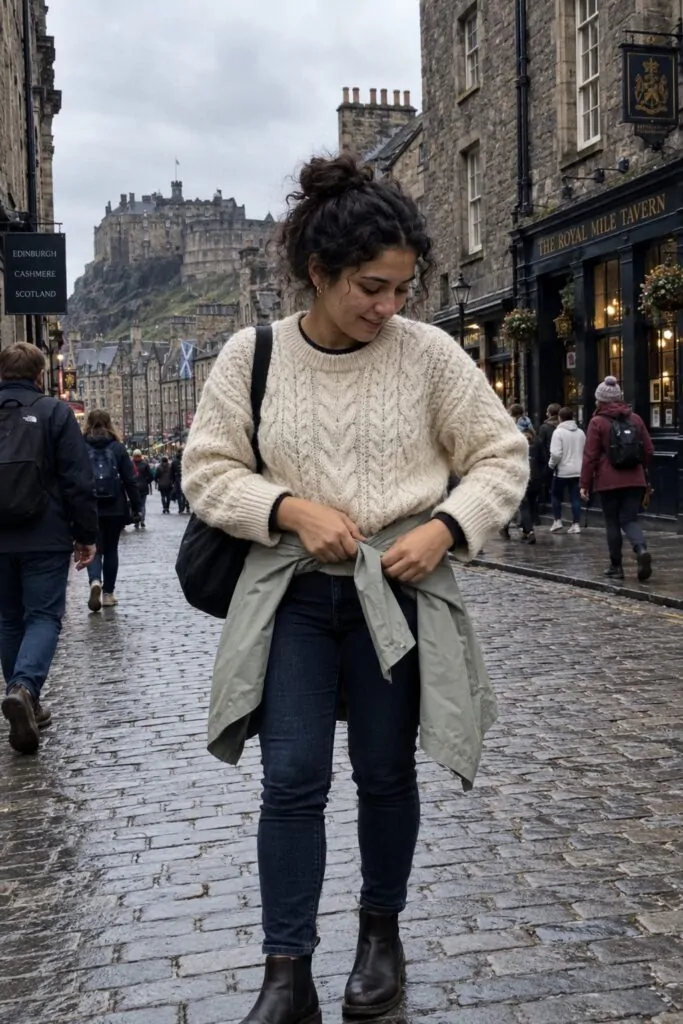
The default city outfit for a mild Scottish day. An oversized cable-knit in oatmeal, navy, or forest green with slim dark jeans and Chelsea boots — plus a light waterproof folded in your bag for when the rain arrives, because it will. This covers Edinburgh’s coffee shops, museums, and the Royal Mile.
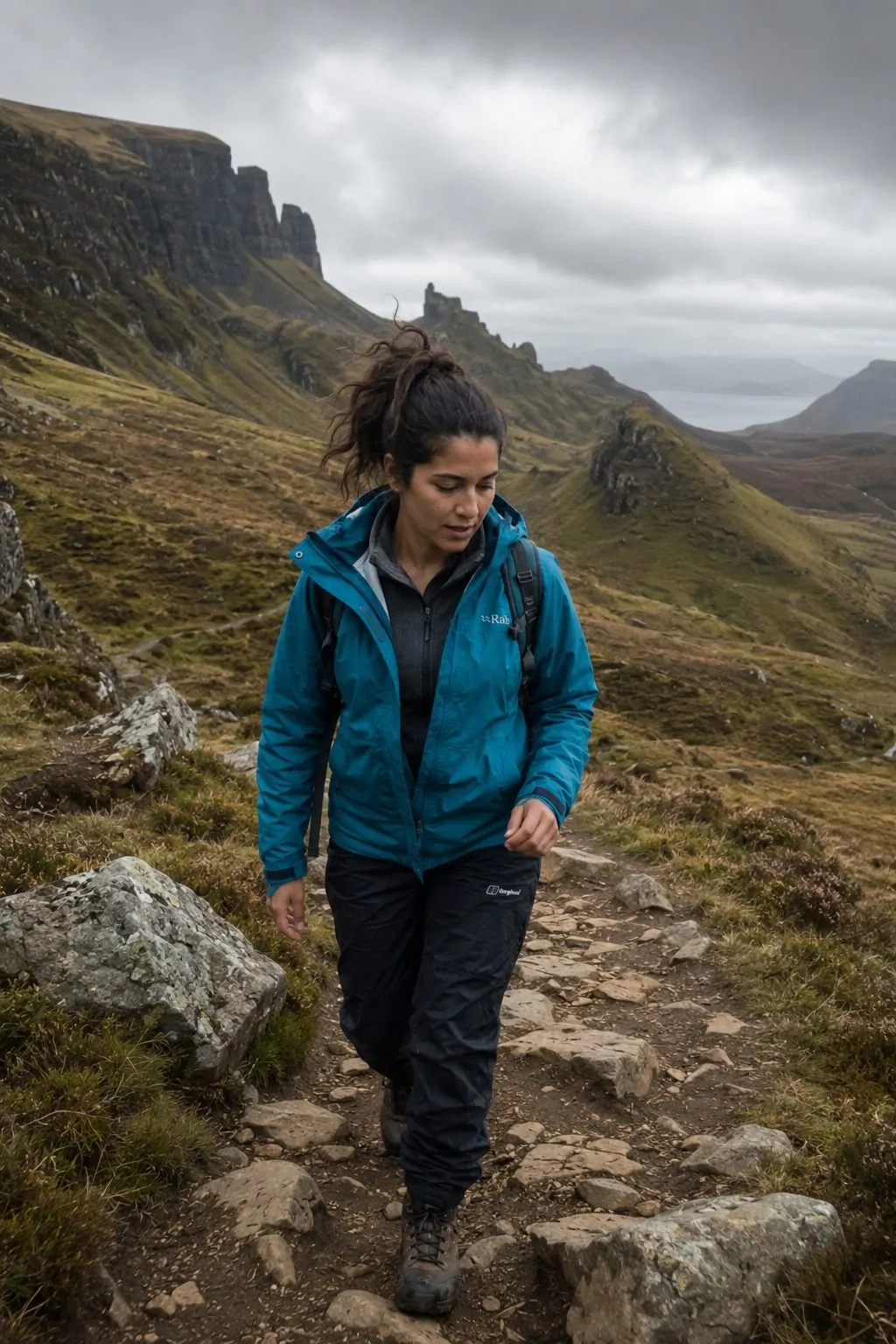
Waterproof Hiking Jacket and Trekking Trousers
For the Highlands, function comes first and second. Moisture-wicking base layer, fleece mid-layer, fully waterproof hooded shell, waterproof trekking trousers, proper hiking boots. Merino socks keep your feet warm and blister-free. This is the kit for Skye, Ben Nevis, and the Cairngorms — nothing less will do.
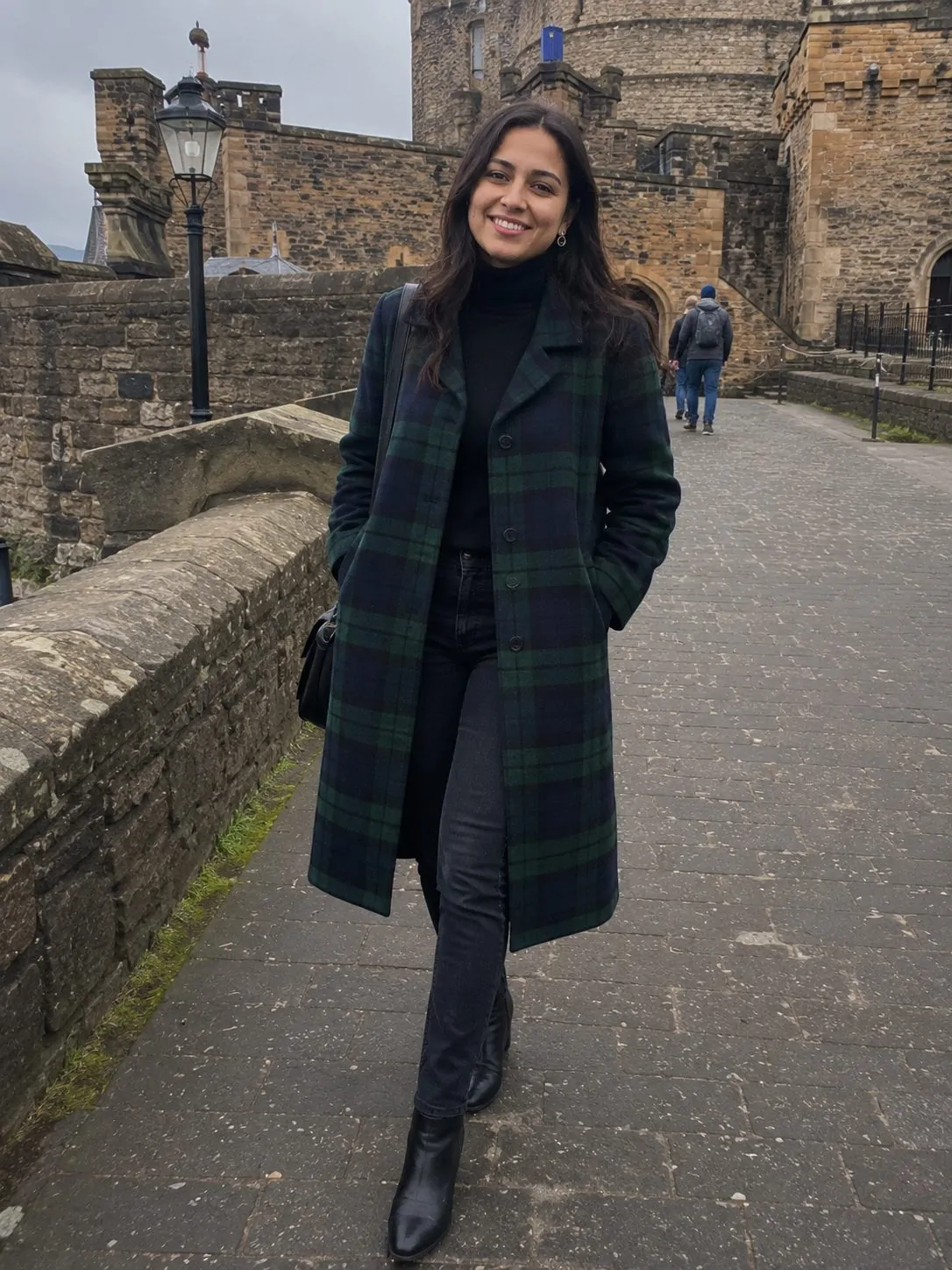
Plaid Wool Coat and Dark Jeans
The look that photographs best against Scottish stone. A mid-length plaid coat in red, green, or navy tartan over a black turtleneck, dark straight-leg jeans, block-heel ankle boots. Wear it castle-hopping, then straight to a pub dinner.
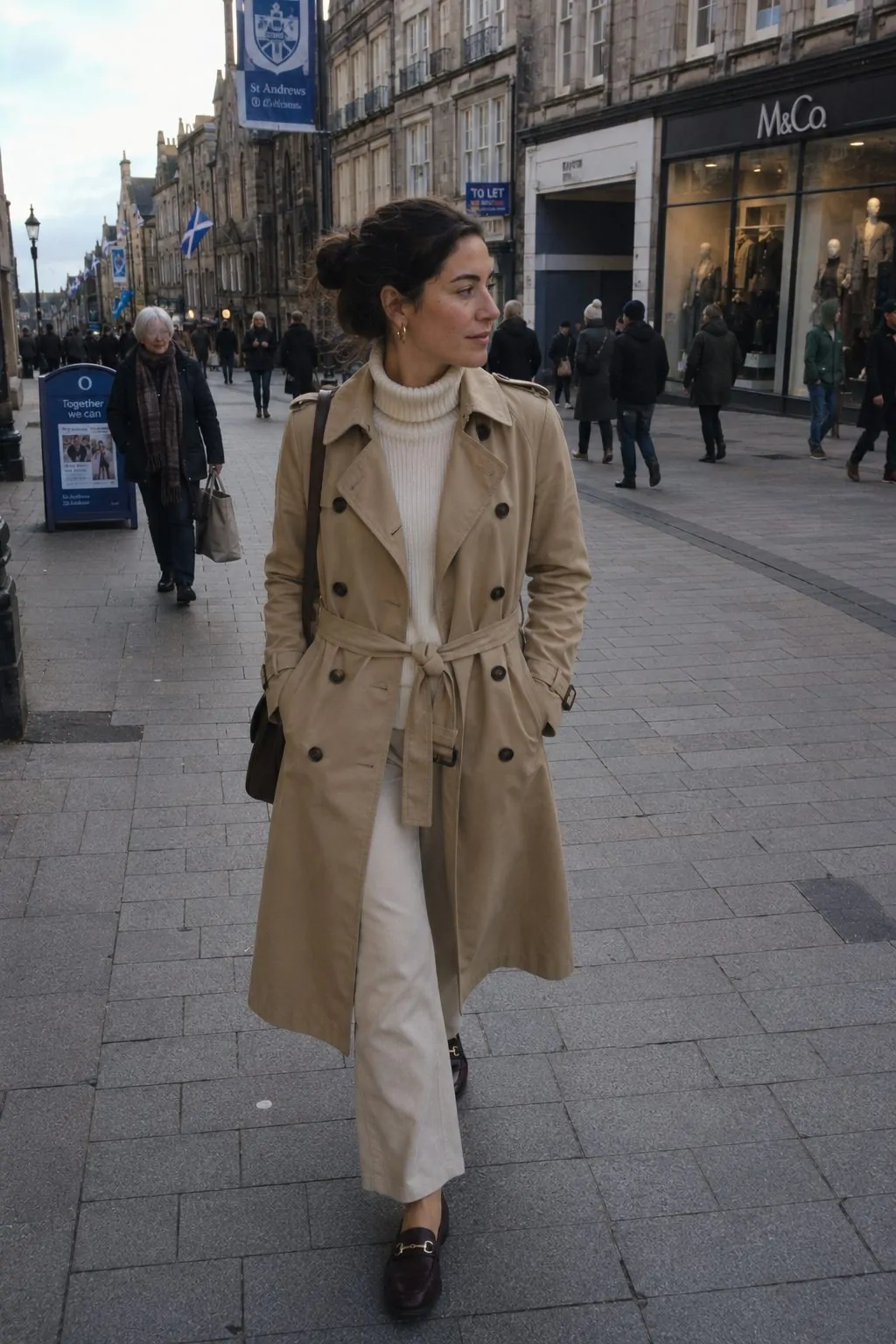
Trench Coat and Turtleneck
A trench earns its suitcase space here: it shrugs off light rain, layers over knits, and looks pulled together without being formal. Classic beige trench coat, black or cream turtleneck, straight-leg jeans, knee-high leather boots. Made for city days in Edinburgh, St Andrews, or Inverness.
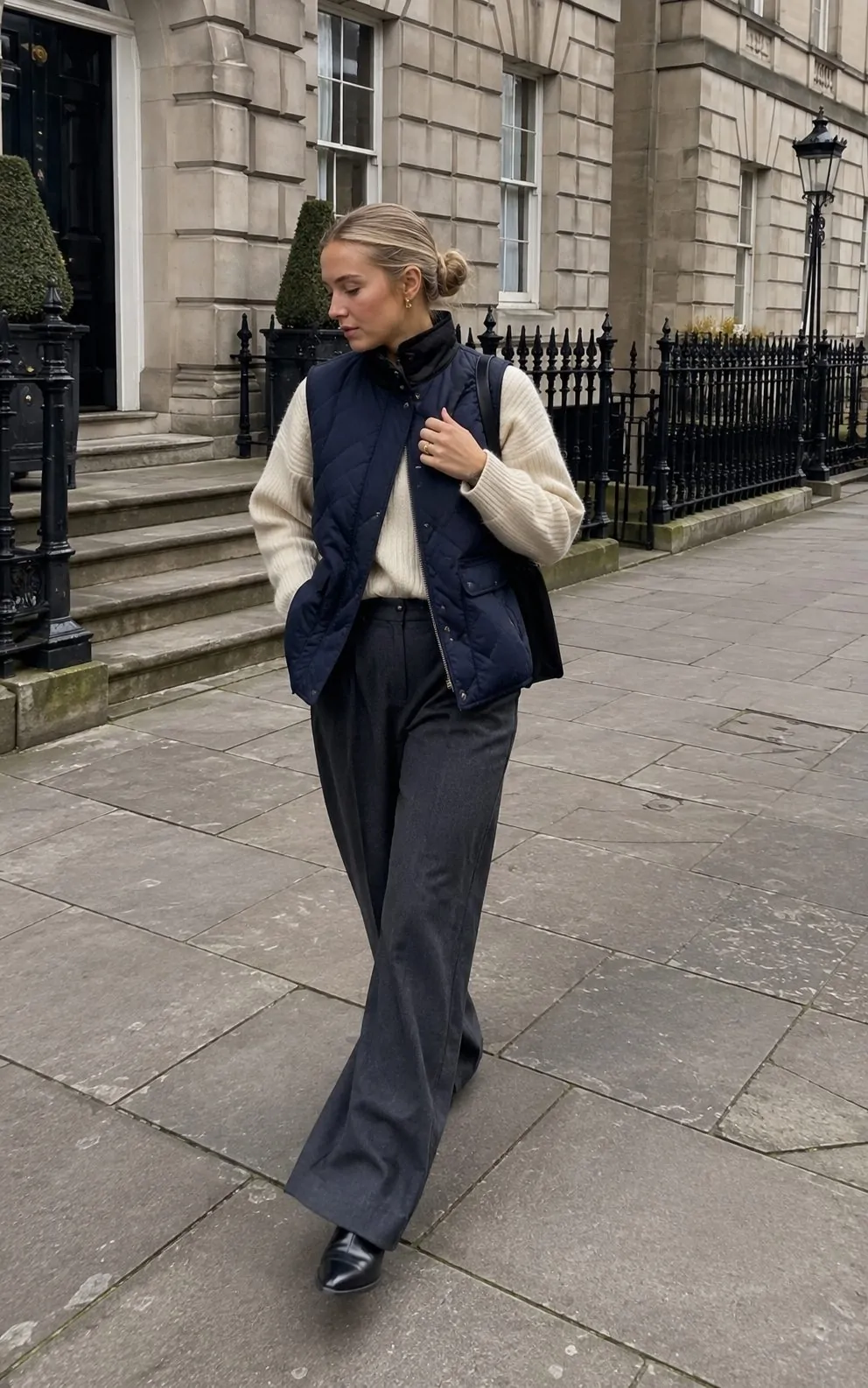
Quilted Gilet and Wide-Leg Trousers
A gilet keeps your core warm without the bulk of full sleeves, which matters when you’re layering underneath. Pair a navy or olive quilted gilet over a chunky ribbed jumper, wide-leg wool trousers, and pointed flat boots. The wide leg balances the gilet’s boxy shape and still looks put-together for lunch reservations. Ideal for New Town brunches or wandering Stockbridge on a dry, cold morning.
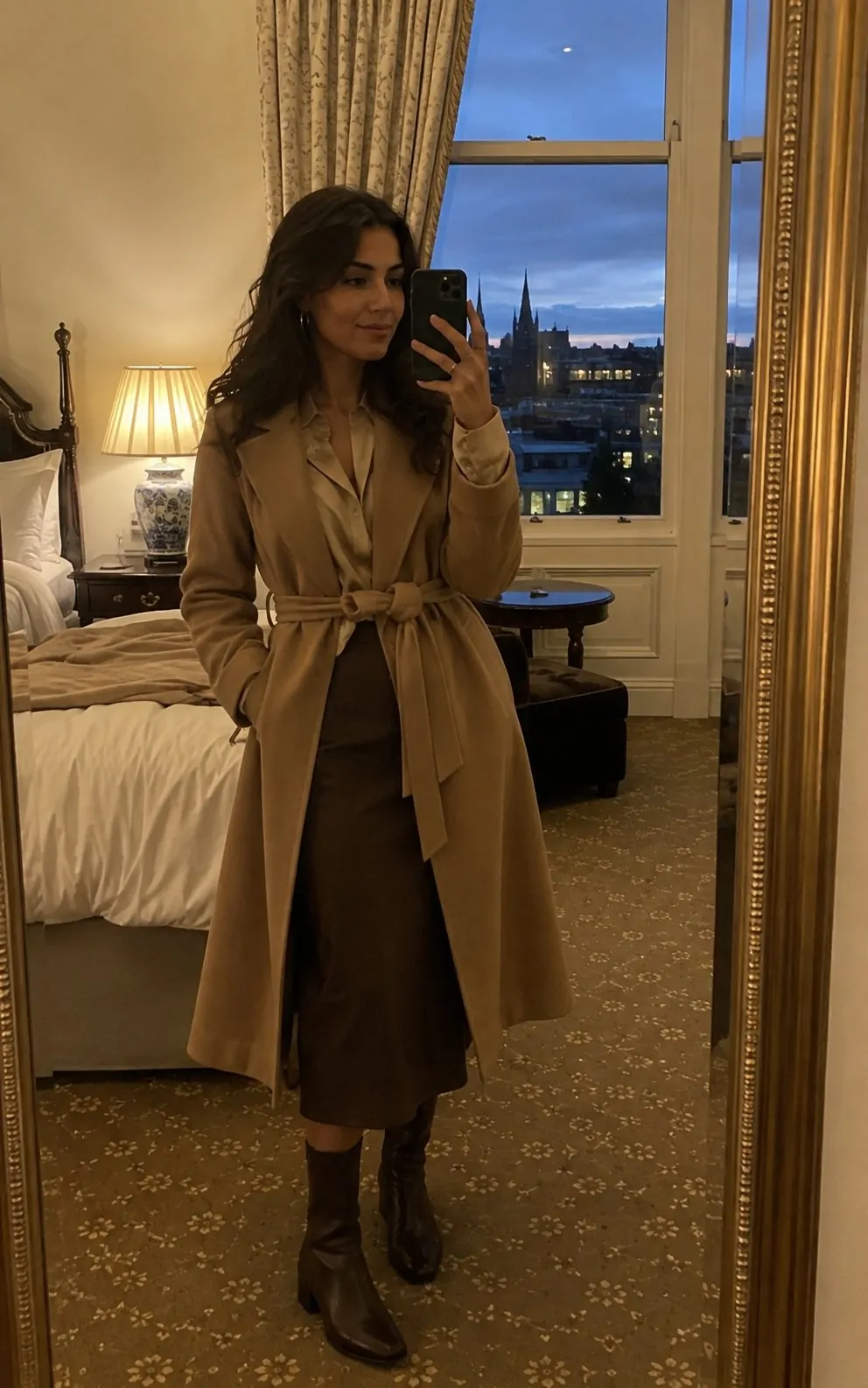
Cashmere Wrap Coat and Midi Skirt
Save this for evenings when you’re not fighting the weather, just dressing for it. A camel or grey cashmere wrap coat over a fitted midi skirt, silk blouse, and block-heel boots reads polished without trying too hard. Tie the coat at the waist rather than buttoning it — it photographs better against Georgian stone and moves easier walking cobbled streets. Perfect for a reserved table in the New Town or a show at the Usher Hall.
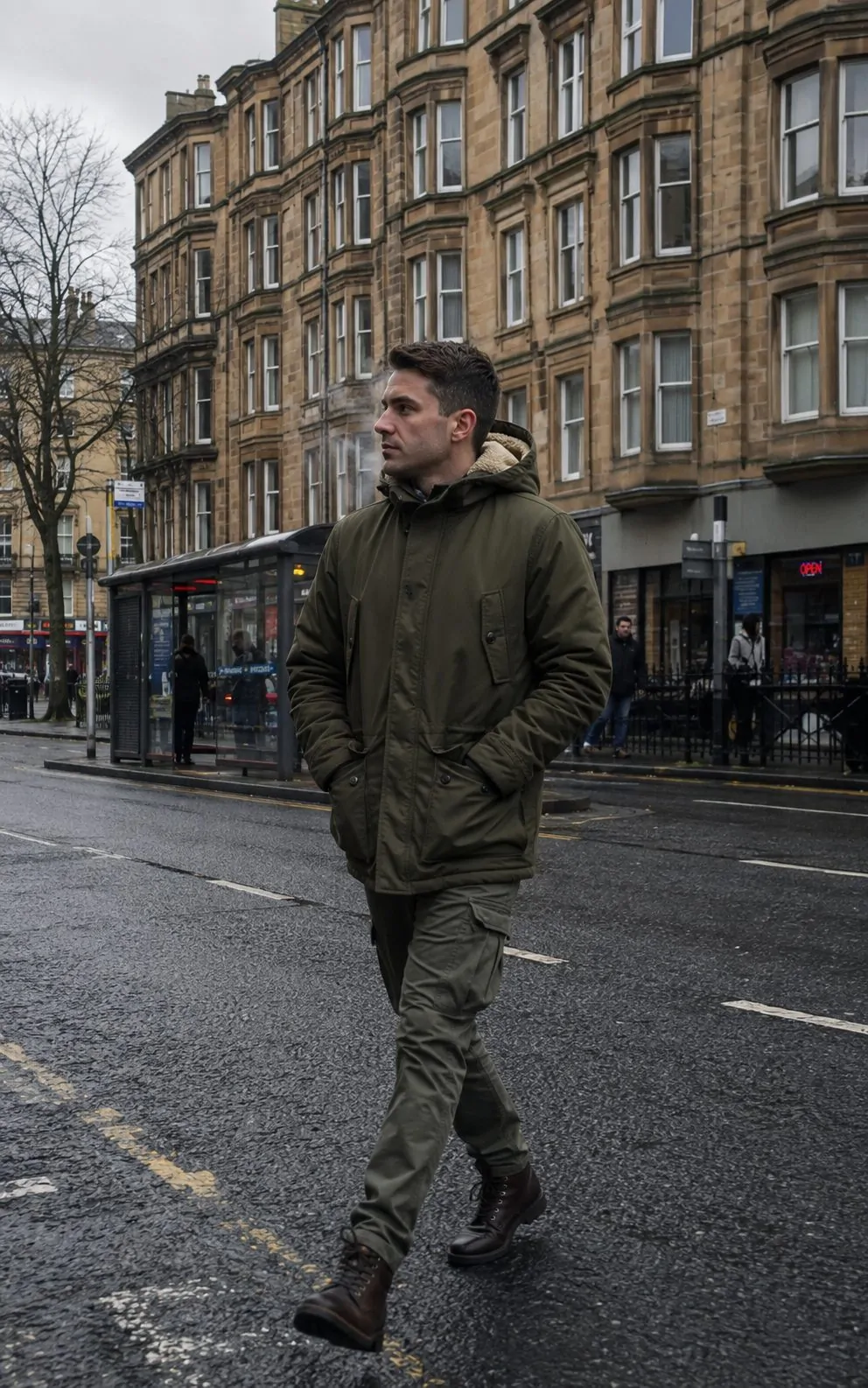
Fleece-Lined Parka and Cargo Pants
Scotland’s winter wind cuts through anything less than a proper parka, and a fleece lining does the work of an extra jumper. Olive or black parka, straight cargo pants, thermal layer underneath, and lace-up boots with real tread. Keep the parka’s hood cinched — Glasgow wind funnels down the main streets and will have it flapping open in seconds. Built for grocery runs, museum hopping, and standing at bus stops in January.
Wool Blazer and Turtleneck
Distillery visits are indoors but often unheated in the older buildings, so a blazer with real wool weight earns its place. A structured tweed or herringbone blazer over a fine merino turtleneck, straight trousers, and low block heels or brogues works for tastings in Speyside or the Isle of Islay. Choose a blazer with some stretch in the shoulders — you’ll be lifting glasses and leaning over barrels more than you’d think. Bring a scarf; distillery warehouses run cold even in summer.

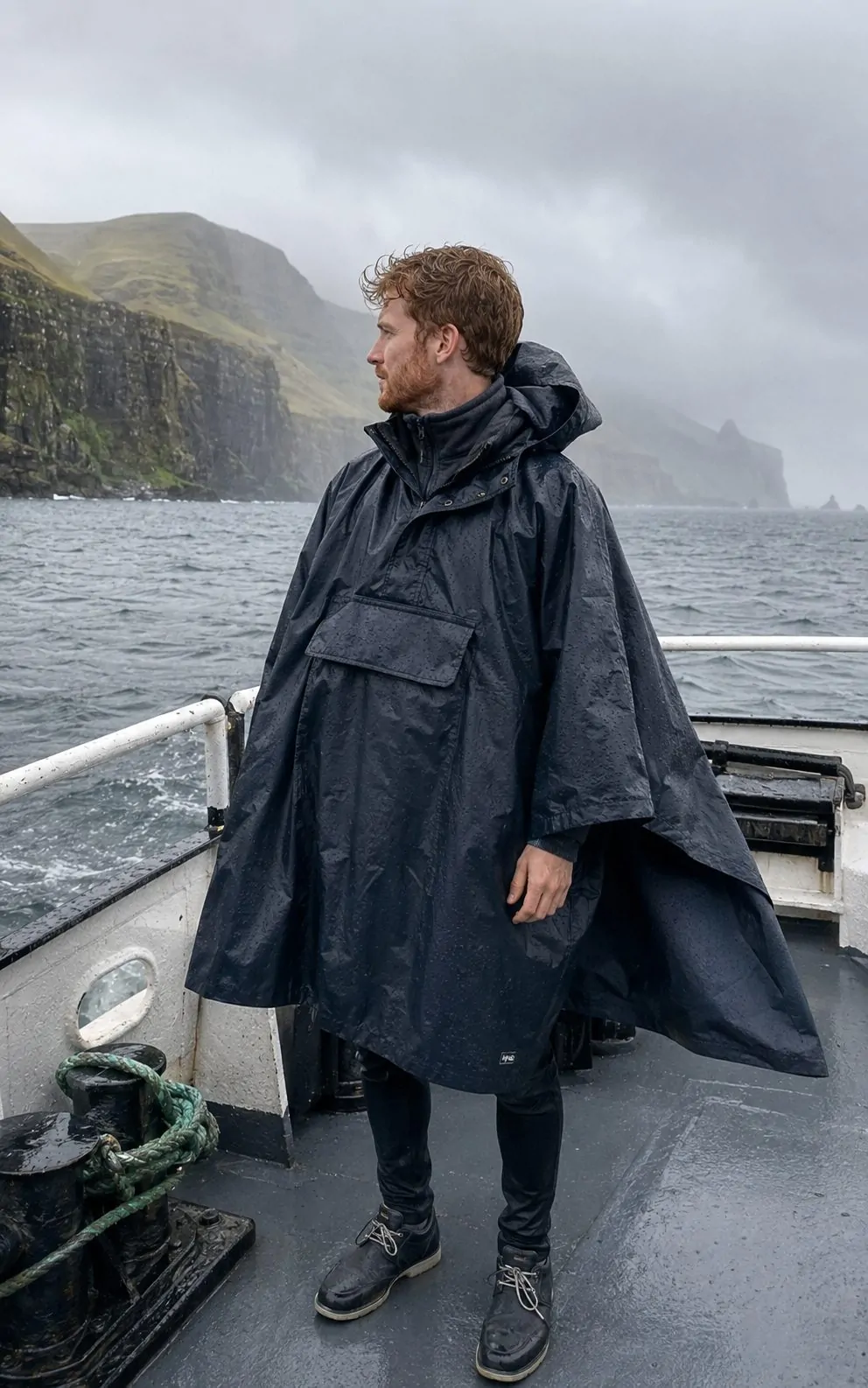
Rain Poncho Layered Over Fleece
Boat trips to Skye or the smaller islands put you directly in sea spray, which is a different kind of wet than rain on land. A full-coverage rain poncho over a zip fleece, quick-dry leggings, and waterproof deck shoes handles the spray without trapping sweat underneath. Skip anything with a fabric hood — a stiff-brimmed poncho hood keeps rain off your face even in wind, where soft hoods just collapse. Pack it small; most boat operators have limited dry storage.
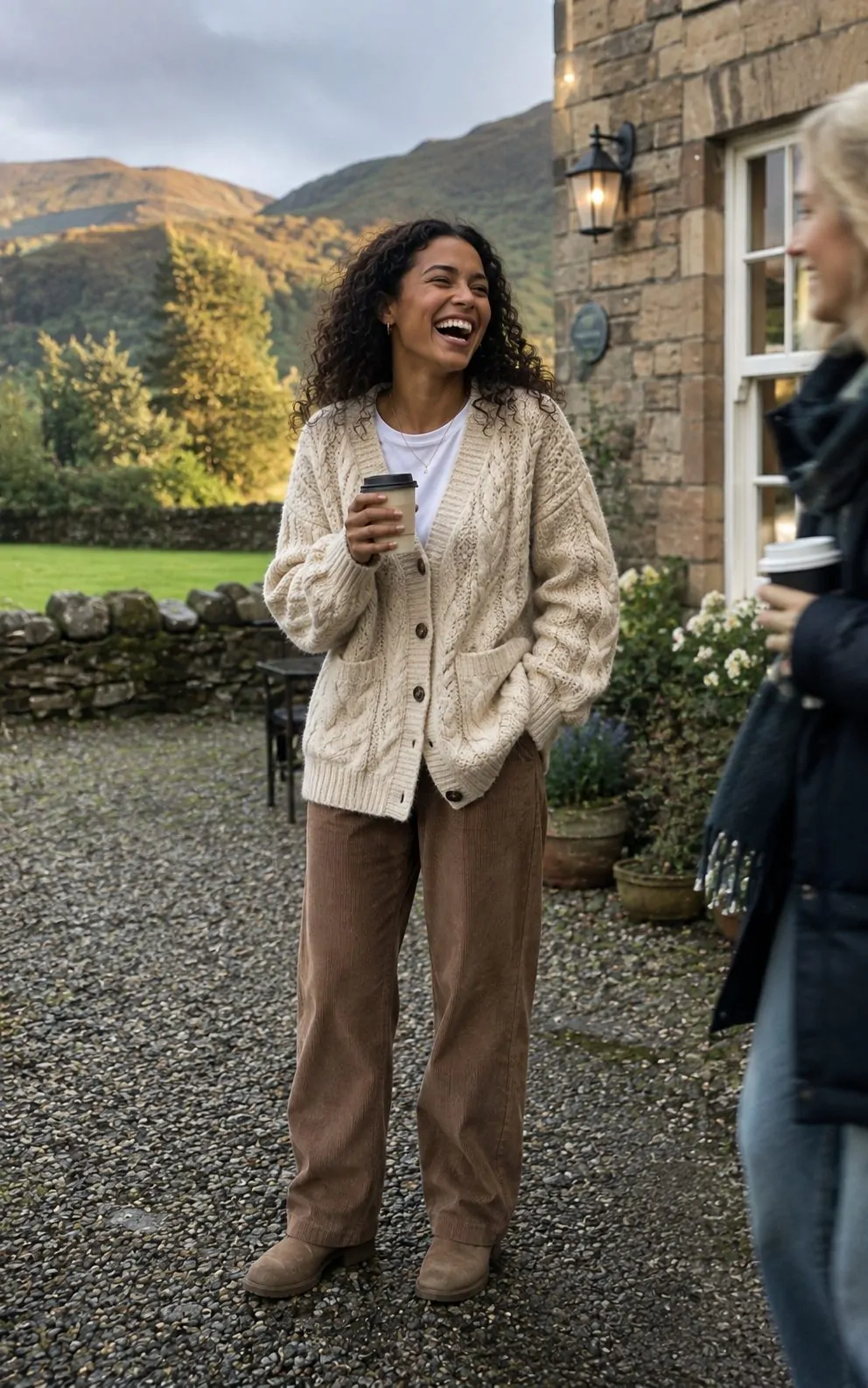
Cable Knit Cardigan and Corduroy Trousers
This is the outfit for slow mornings at a countryside guesthouse, coffee in hand, before a day of driving. An oversized cable-knit cardigan over a plain tee, tan or forest corduroy trousers, and treated suede-look ankle boots feels warm without looking like hiking gear. Corduroy holds its shape better than denim after a full day in the car, which matters more than you’d expect on a Highlands road trip. Works from breakfast through an afternoon distillery stop.
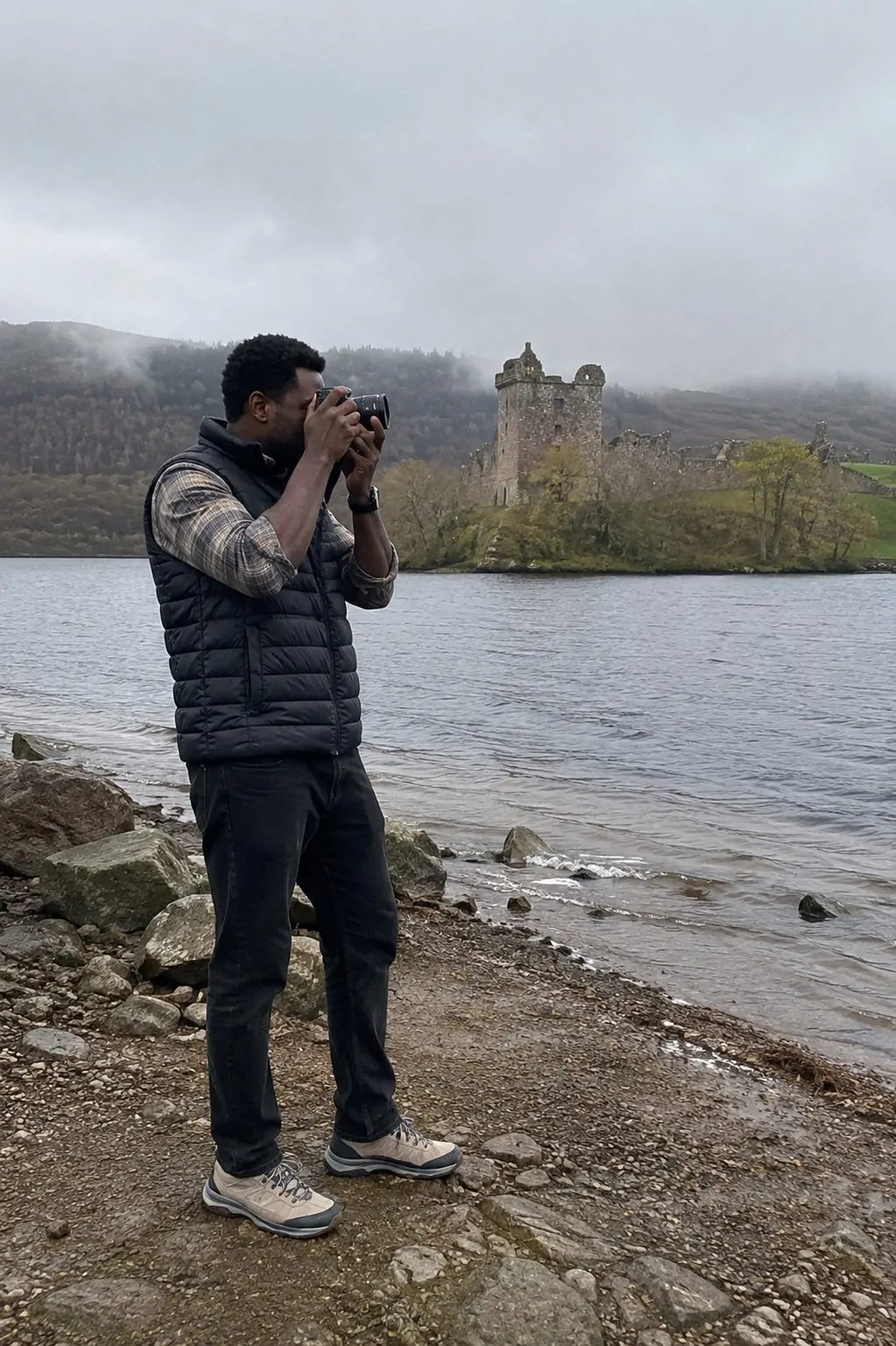
Puffer Vest Over Flannel Shirt
Loch-side wind has a bite even when the sky looks calm, and a vest keeps your arms free for photos while still cutting the chill. Plaid flannel shirt, black quilted vest, dark jeans, and waterproof trainers or light hikers cover a full day around Loch Ness or Urquhart Castle. Roll the flannel sleeves to the elbow under the vest — it stops bulk building up at your wrists when you’re gripping a camera. Layers you can shed fast if the sun actually breaks through.
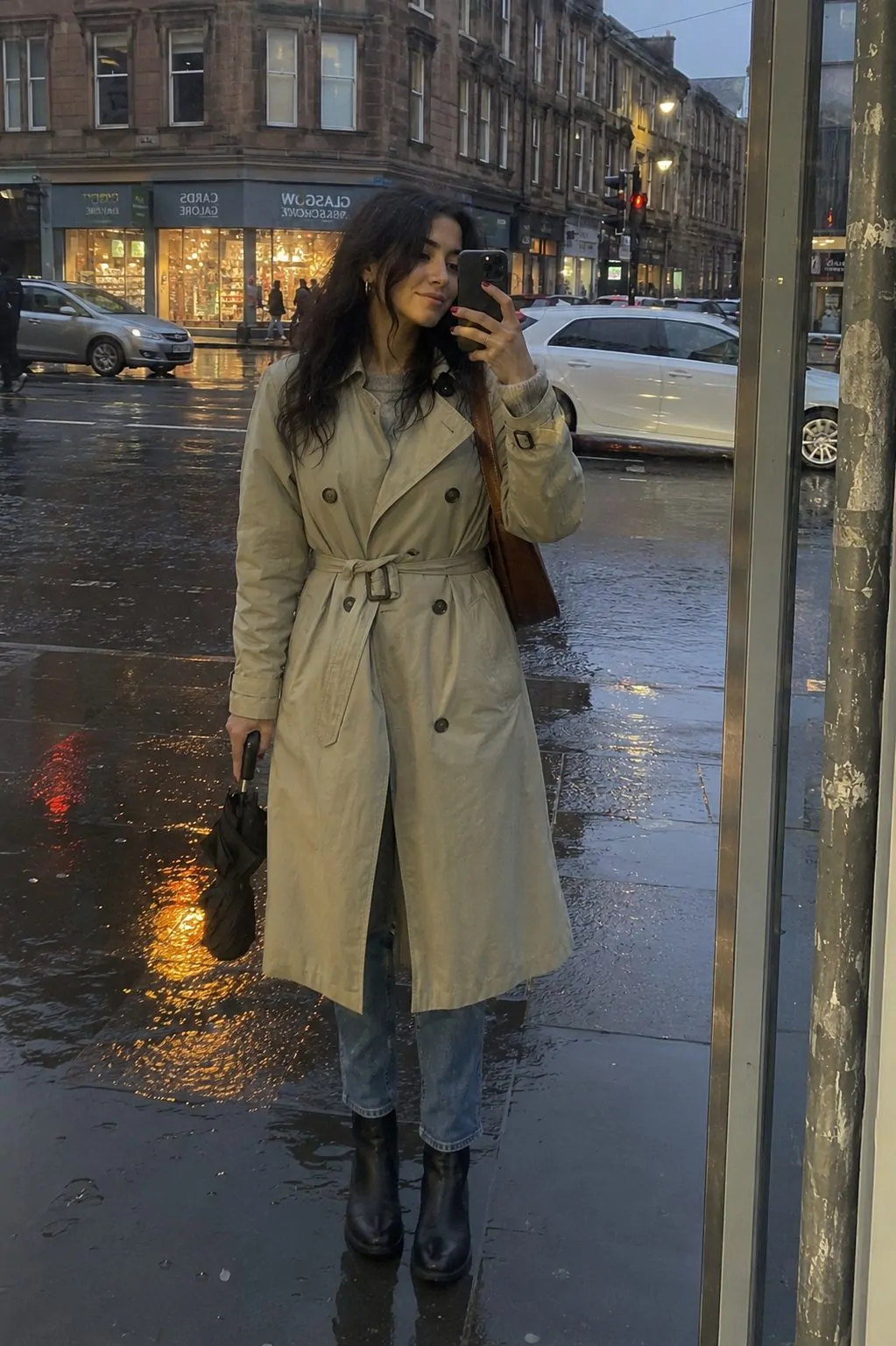
Belted Trench and Ankle Wellies
Glasgow rain is more persistent than dramatic, and this pairing handles hours of it without you looking like you dressed for a storm. A knee-length belted trench over a knit dress or jeans and jumper, paired with sleek ankle-height wellies (not the tall festival kind), keeps you dry and still looks like city clothing. Ankle wellies read as normal boots from a few feet away, which matters if you’re going straight from museum to restaurant. Add a small folding umbrella for when the trench hood isn’t enough.
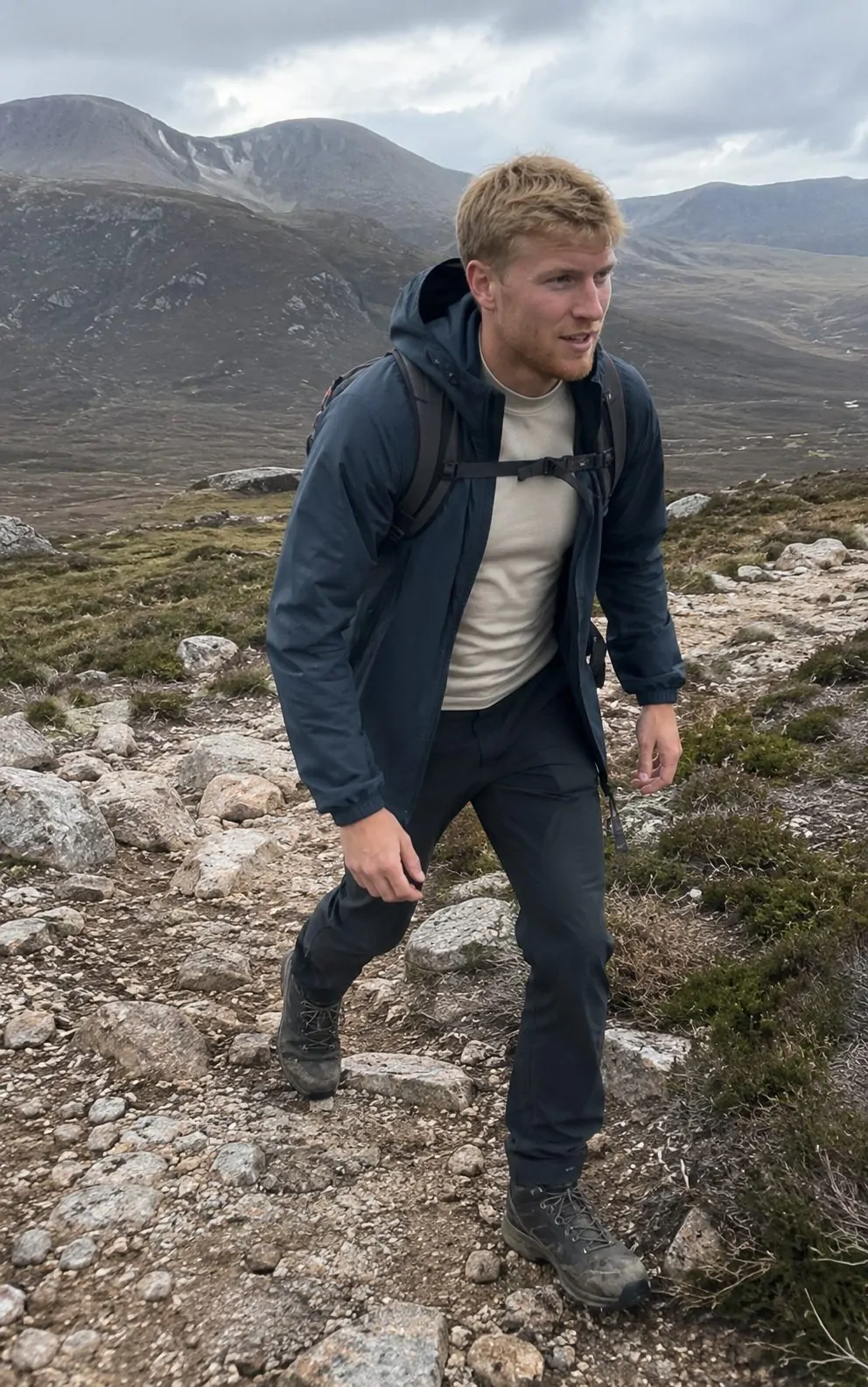
Merino Base Layer and Softshell Jacket
Serious hill walking needs kit that manages sweat, not just blocks rain, and a softshell breathes better than a hard waterproof shell on a steady climb. Merino base layer, softshell jacket (not fully waterproof — that’s what your pack cover is for), technical hiking trousers, and stiff-soled boots with ankle support are the standard for bagging a Munro. Carry the waterproof shell in your pack rather than wearing it on the way up — you’ll overheat and soak the inside faster than the rain would from outside. Save the shell for the exposed summit and the way down.
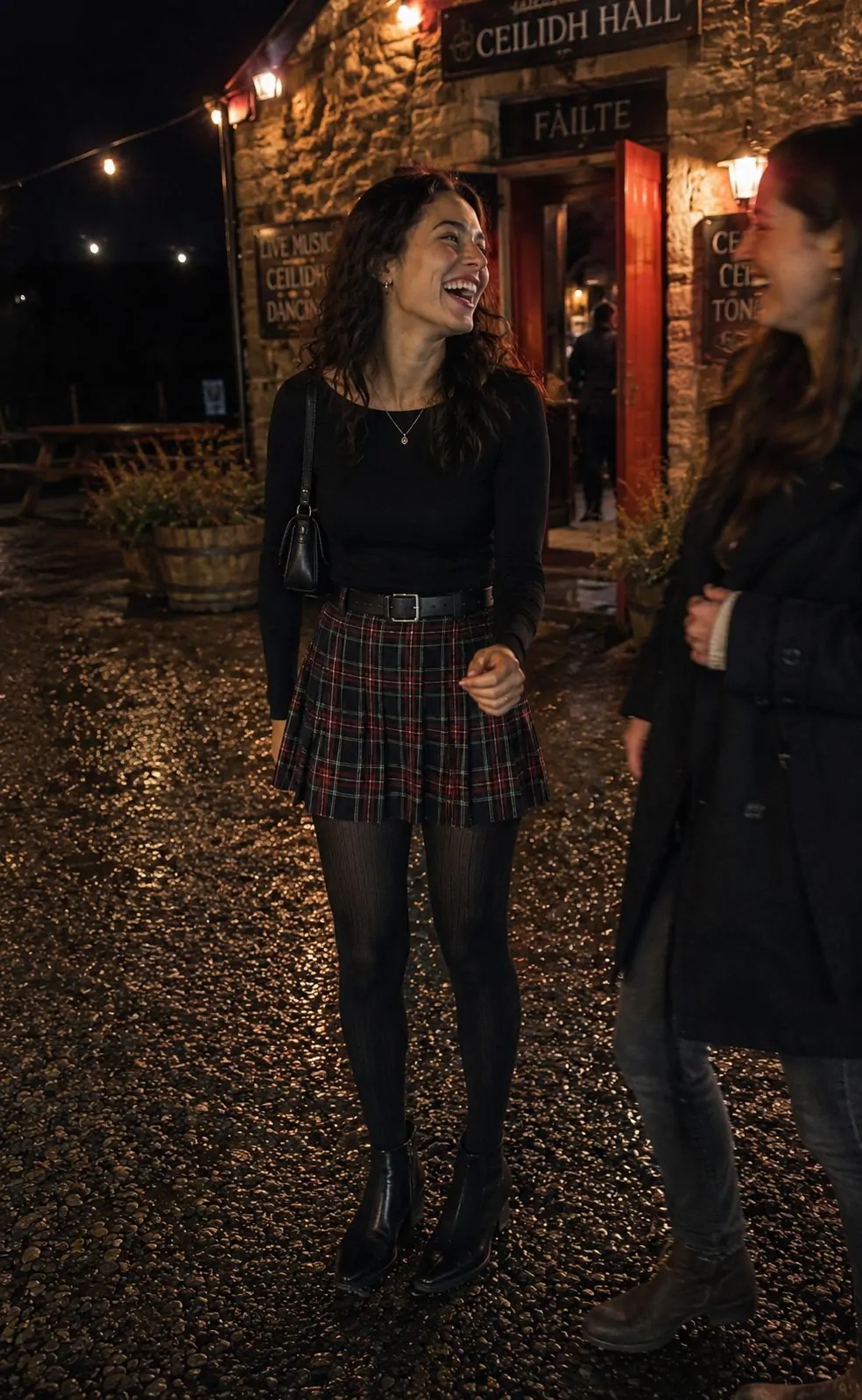
Tartan Skirt and Ribbed Tights
A ceilidh means dancing for hours, so comfort has to win over anything precious. A knee-length tartan skirt with box pleats, a fitted black top, thick ribbed tights, and flat ballet pumps or low block heels move easily through reels and won’t wilt after two hours on your feet. Choose tights with real opacity — thin ones run the second you’re spun across a dance floor. A cropped cardigan is worth carrying for the walk between venue and taxi.
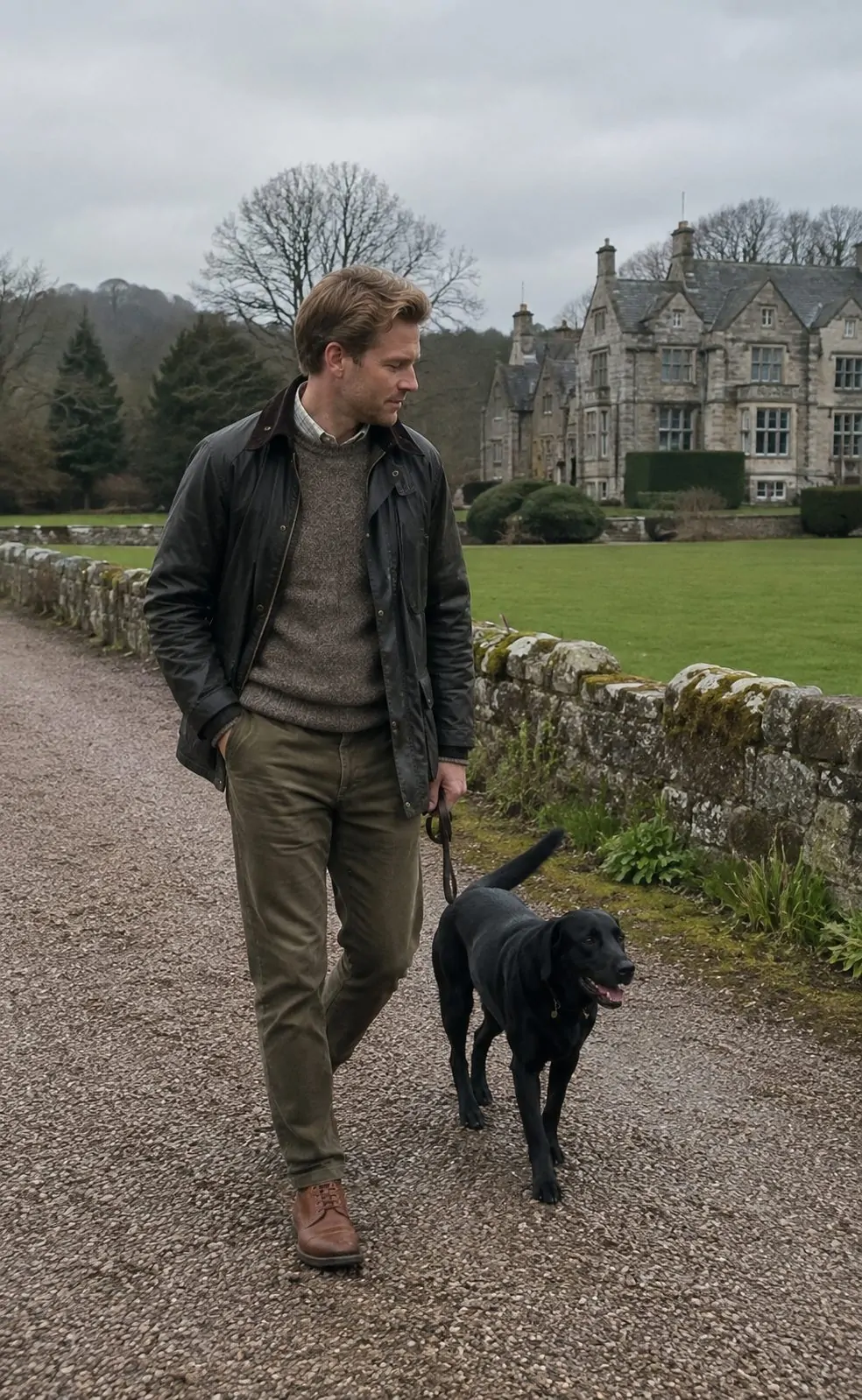
Waxed Cotton Jacket and Moleskin Trousers
Estate walks and shooting-lodge visits call for the kind of clothing that’s genuinely built for weather, not styled to look like it. A waxed cotton jacket, moleskin trousers, a checked shirt, and sturdy leather boots are the local uniform in rural Perthshire and the Borders. Re-wax the jacket before your trip if it’s more than a year old — dry wax cracks and stops repelling water exactly when you need it most. Add a flat cap if you want to fully commit to the look.
Oversized Cardigan and Leggings
Some evenings just call for warmth and nothing else, especially after a full day outdoors. A long oversized cardigan over a fitted tee, thermal or fleece-lined leggings, thick socks, and slip-on boots is exactly what a Highland pub evening calls for. Pick a cardigan with real length — past the hip — so it works as outerwear for the short, cold walk between pub and accommodation. This is the outfit for staying past last call without shivering on the walk home.

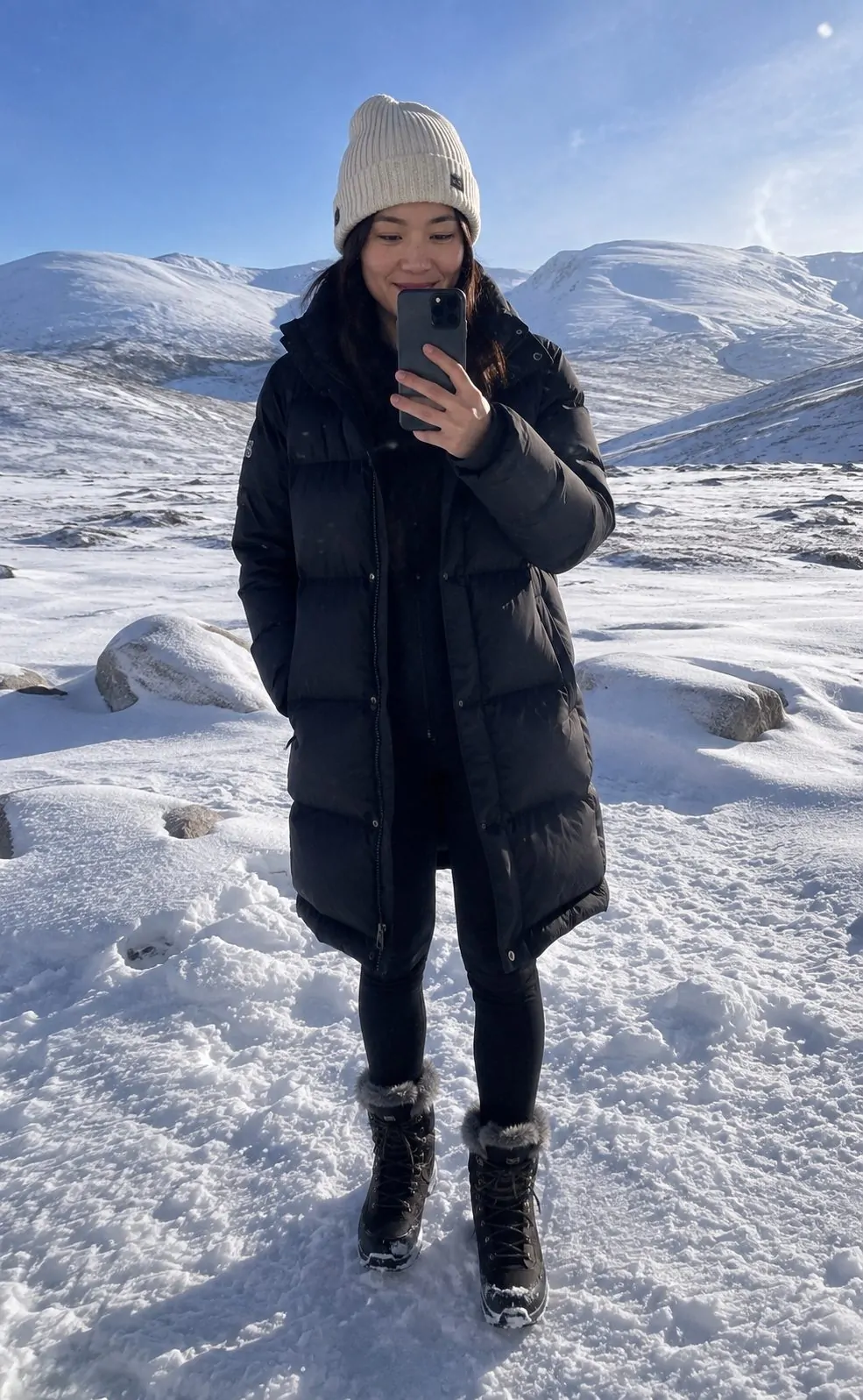
Down Jacket and Thermal Leggings
Snow in the Cairngorms is genuinely cold, not just Scottish-cold, and a proper down jacket earns its bulk here. A long down jacket, thermal leggings under waterproof snow trousers, insulated snow boots, and a wool hat with ear coverage handle a full day in the snow. Bring hand and toe warmers even if you don’t think you’ll need them — Cairngorm wind chill drops the real feel far below the forecast number. This is winter sports kit, not city winter kit; don’t try to substitute one for the other.
Denim Jacket Layered Over Hoodie
On the rare mild autumn afternoon, a denim jacket over a hoodie gives you enough warmth without overdressing for weather that might actually hold. Classic denim jacket, plain hoodie underneath, straight jeans, and canvas trainers work for a walk through Glasgow’s West End or an outdoor market. Keep a packable rain shell in your bag regardless — mild afternoons in Scotland flip to rain with almost no warning. This look reads casual and local rather than obviously tourist.

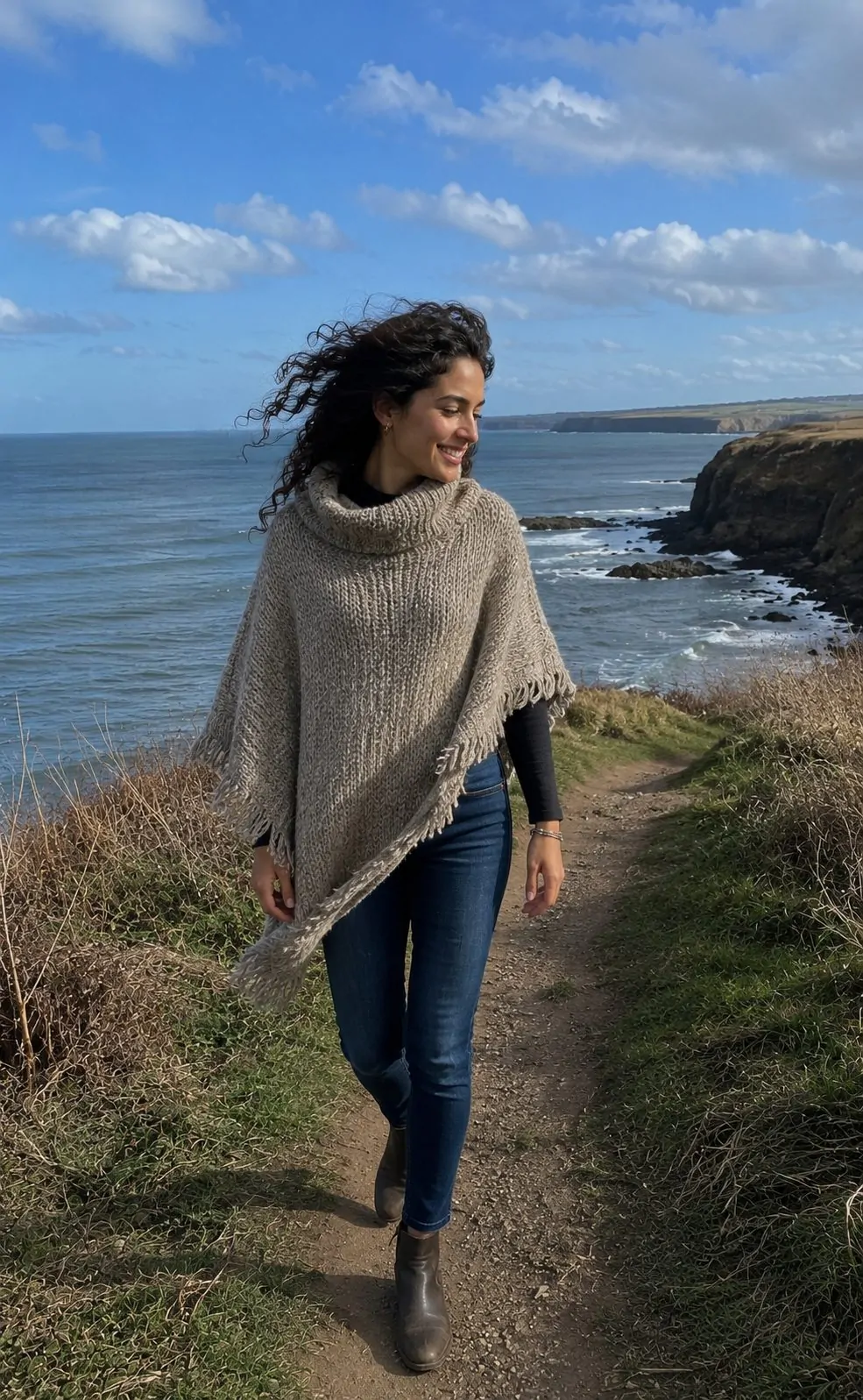
Wool Poncho and Skinny Jeans
Coastal wind along the Fife Coastal Path moves through loose layers, and a wool poncho blocks it while still letting your arms move freely for balance on uneven paths. Chunky wool poncho, skinny jeans tucked into ankle boots, and a fitted base layer underneath work well for a day walking between fishing villages like Crail and Anstruther. Choose a poncho with side snaps or ties — an open one catches wind like a sail on an exposed clifftop. Pack sunglasses even in cloud; coastal glare off the water is real.
Quilted Field Jacket and Chinos
St Andrews’ coastal wind makes golf-course dressing a genuine layering challenge, not just a style choice. A quilted field jacket over a collared polo or fine knit, flat-front chinos, and waterproof golf shoes handle both the game and a walk around the Old Course afterward. Choose a jacket that stops at the hip, not the thigh — anything longer restricts your swing. A cap does double duty against wind and glare off the water.

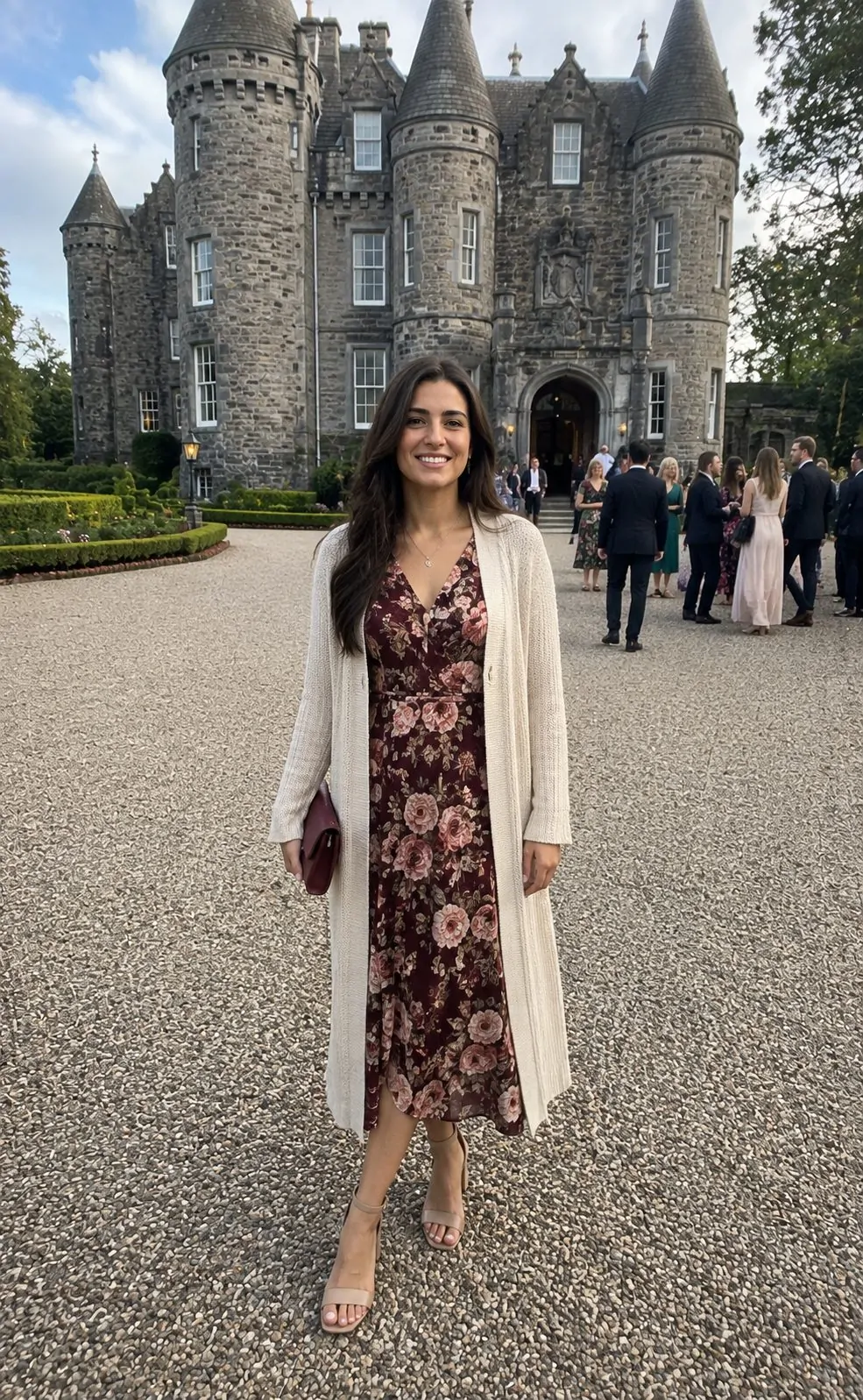
Long Cardigan and Midi Dress
Scottish castle wedding guest looks run cold even in summer, since stone walls hold the chill regardless of the season. A fitted midi dress in a rich jewel tone, a long open-front cardigan or shrug, and block-heel shoes that can handle grass and gravel courtyards work for both ceremony and reception. Bring the cardigan even if the forecast looks warm — castle interiors and evening marquees drop several degrees after sunset. Skip stiletto heels entirely; they sink straight into estate lawns.
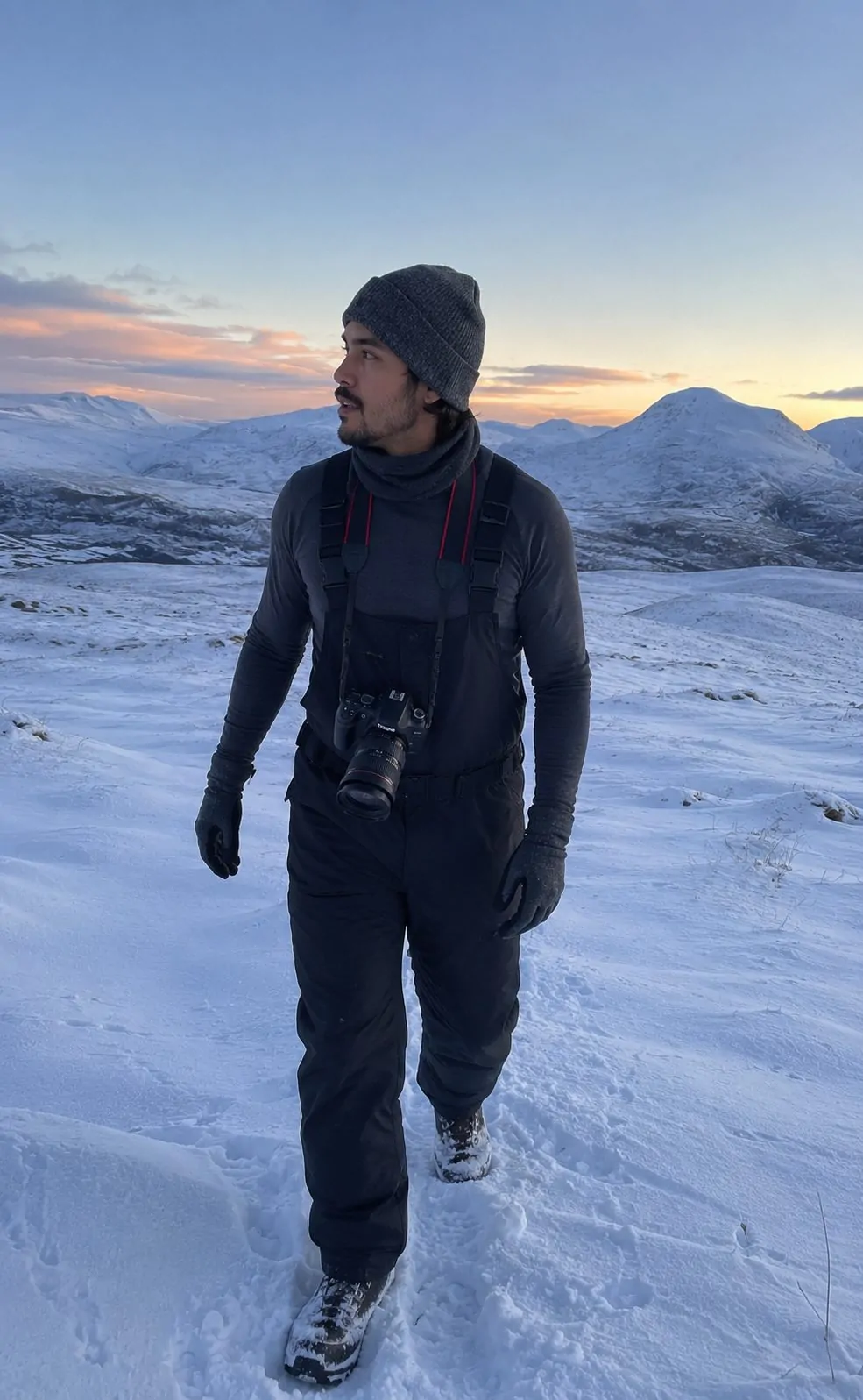
Insulated Overalls and Thermal Layers
Standing still for long stretches waiting for the right light is colder than walking, and photographers heading into the winter Highlands need kit built for that stillness. Insulated ski-style overalls over thermal base layers, a heavyweight down jacket, insulated boots, and glove liners you can shoot in without losing dexterity are the difference between a productive shoot and a miserable one. Keep spare batteries in an inside pocket — cold kills camera battery life fast, sometimes within an hour. This is specialist kit, but if you’re chasing Highland sunrise light in January, nothing less will keep you out there long enough.
Frequently Asked Questions
What is the best time of year to visit Scotland for weather?
May and June: the longest daylight, fewer midges than July and August, and less rain than autumn or winter. That said, no month is safe from surprises. July and August are peak season with warm stretches and heavy rain in roughly equal measure. Spring and early autumn trade a few degrees for far fewer crowds.
Do I need hiking boots for Scotland even if I’m not doing big hikes?
If you’re leaving the cities, yes. Even short walks to viewpoints and loch shores are frequently uneven, muddy, and slippery. Proper waterproof boots with grip buy you freedom that trainers can’t. If you’re strictly in Edinburgh and Glasgow, grippy waterproof ankle boots will do.
How cold does Scotland get in summer?
Lowland averages run 15–18°C (59–64°F), and it rarely tops 22–23°C even on the warmest days. The Highlands, altitude, and exposed coasts feel considerably colder with wind chill. Pack layers regardless: a tee for warm middays, a knit and waterproof for mornings and evenings.
What should I wear to a Scottish ceilidh?
A ceilidh is a traditional social dance, and smart casual is the standard. Women usually wear a midi or knee-length dress with flat or low-heeled shoes — you’ll be dancing hard, so comfort genuinely matters. Men wear dark trousers and a shirt, sometimes a kilt. Tartan accessories are always welcome.
Can I wear jeans in Scotland?
Absolutely — everyone does. Dark or mid-wash straight or slim fits look smartest and pair well with boots. Just don’t hike in them; wet denim is heavy, slow-drying, and cold. For city days, thick dark denim with ankle boots and a warm layer is exactly right.
What to Wear in Ukraine? 12 Outfit Ideas, Packing List & Tips
How to Wear Lace Pants? 18 Outfit Ideas with Styling Tips
What to Wear in Puerto Rico? 20 Outfit Ideas & Packing List
How to Wear Maxi Skirts? 24 Outfit Ideas and Tips
What To Wear In Thailand? 22 Outfit Ideas and Packing List
What to Wear in Italy: Packing List & 15 Outfit Ideas
What to Wear in the Maldives? 20 Outfit Ideas & Packing List
How to Wear Black Midi Skirts? 21 Outfit Ideas &Styling Tips
Which look is your favourite?
Tap the outfit you would wear. Results show right after you vote.