Most guys think a checkered suit is either for work or weddings — and that’s exactly why they end up looking like they borrowed their father’s outfit. I’ve watched countless men walk into important meetings wearing checks that fight their body type, or pair patterns that clash so badly they distract from everything else in the room.
The fit determines everything with checkered suits. Too loose and you look like you’re swimming in fabric — the checks become overwhelming and age you instantly. Too tight and the pattern warps across your chest and thighs, creating visual chaos where there should be sharp lines. I tell every client the same thing: the jacket should skim your body without pulling anywhere, and the trousers should sit flat against your leg when you’re standing straight.
After ten years of dressing men in checkered suits, I’ve learned that the pattern itself is never the problem — it’s how you handle everything around it. The wrong shirt choice can make a beautiful windowpane check look cheap. The wrong shoe kills the formality level you’re aiming for. Get the details right, and a checkered suit becomes the most versatile piece in your wardrobe.
How to Wear Check Suits for Guys
Master the Three-Piece Power Move
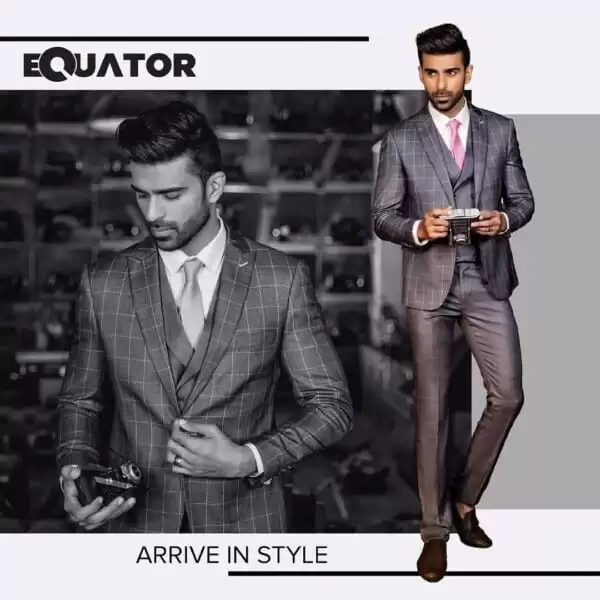
The waistcoat in these images proves why three-piece suits work so well with checks — it breaks up the pattern and creates visual hierarchy. The vest anchors your torso and makes the overall look feel intentional rather than busy. Choose a waistcoat in the same fabric as your suit, and keep it buttoned except for the bottom button.
Separate Your Checks for Smart Casual
Breaking up a checkered suit changes the entire formality level, as this blazer-and-navy-trouser combination demonstrates. The checked jacket becomes a statement piece rather than part of a matching set. This approach works because navy trousers ground any pattern, and the contrast creates visual interest without pattern clash.

Balance Formal Elements with Pattern
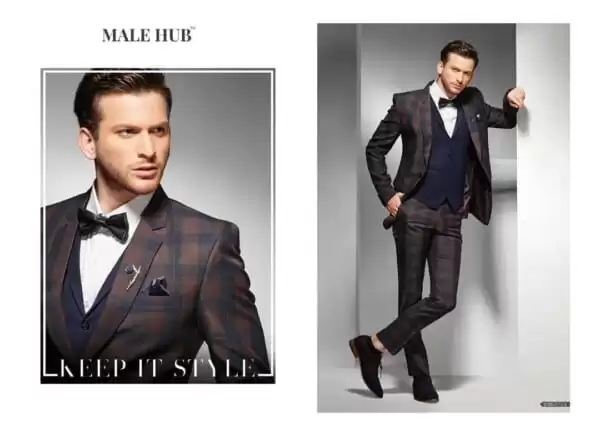
Notice how the bow tie and pocket square in this image elevate the checkered suit to black-tie territory. The key is using solid accessories that pick up colors from within the check pattern. The bow tie creates a focal point at your neckline, while the pocket square adds polish without competing with the suit’s pattern.
20 Best Striped Suits Outfit Ideas for Men all Seasons

30 Casual Outfit Ideas For Black Men with Styling Tips
How to Wear Trench Coats? 36 Outfit Ideas for Men
30 Best Summer Outfit Ideas For Men Over 50

How to Wear Blue Jeans for Men ? 45 Outfit Ideas
How to Wear Mint Pants for Men ? 30 Outfit Ideas

What to Wear for Holi ? 17 Outfit Ideas for Men
How to Wear Shackets for Men? 10 Outfit Ideas

Mix Patterns with Confidence
The checkered shirt under this checkered suit breaks the “no pattern mixing” rule — and works because the scales are completely different. The suit has a large windowpane check while the shirt shows a micro pattern. The trick is ensuring one pattern dominates while the other stays subtle.

Choose the Right Check Scale for Casual Wear
This lighter checkered suit demonstrates how smaller checks translate better to relaxed settings. The pattern reads more like texture than bold geometry, making it appropriate for daytime events. The loafers and relaxed styling prove that checks can work outside traditional formal contexts.

The Duke of Windsor popularized bold checkered suits in the 1930s, making them a symbol of confident masculine style. His preference for large windowpane patterns influenced menswear for decades.
Layer Textures Within the Pattern
The textured shirt and tie combination here shows how to add depth to a checkered suit without overwhelming it. The gingham shirt provides subtle pattern variation, while the knitted tie adds texture contrast. This layering approach prevents the suit from looking flat or one-dimensional.
Control Formality with Neckwear Choices
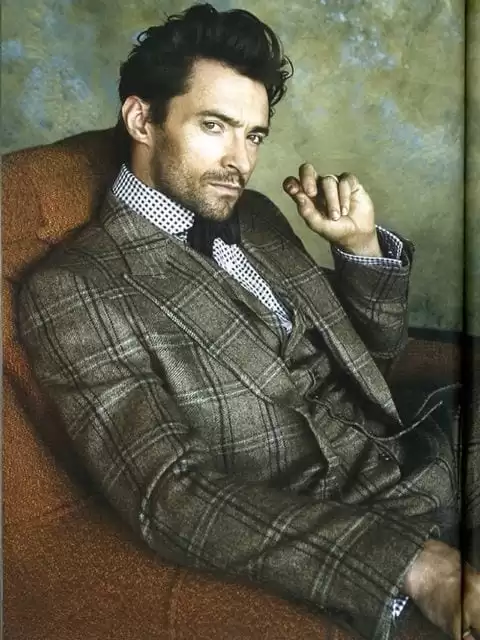
The bow tie in this formal checkered suit ensemble demonstrates how your neckwear choice dictates the occasion appropriateness. A bow tie signals black-tie formality, while a regular necktie would make the same suit appropriate for business. The pattern on the suit remains constant — your accessories change the message.
Coordinate Colors Within the Check
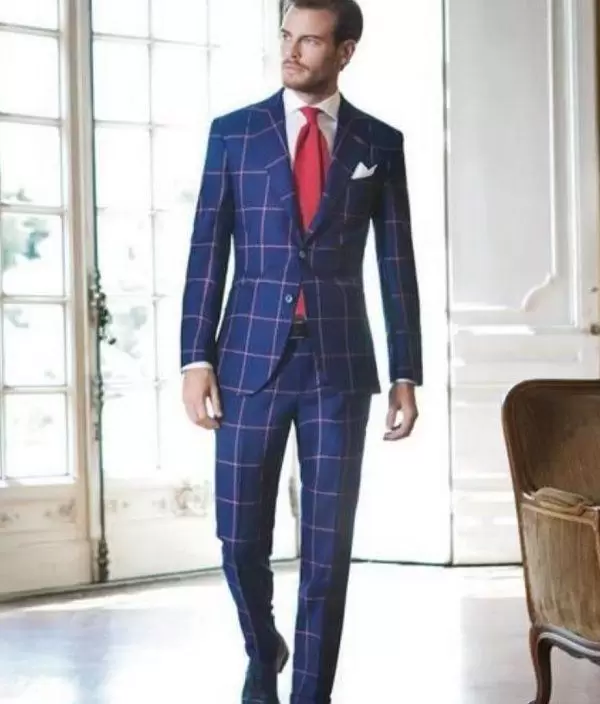
This red tie pulls directly from the red threads in the blue windowpane check, creating cohesion without being overly matched. The white pocket square provides contrast and keeps the look from becoming too coordinated. Always choose solid accessories in colors that already exist within your check pattern.
Dos & Don’ts
Tailored Checkered Suits: Classic to Contemporary
Traditional Wedding Check Suits
Two classic checkered suits in complementary tones create a perfect groomsmen pairing. The seated man wears a three-piece grey check with burgundy accents, while his companion opts for a lighter windowpane pattern suit. Both maintain traditional proportions with proper trouser length and fitted jackets that hit at the right hip level.
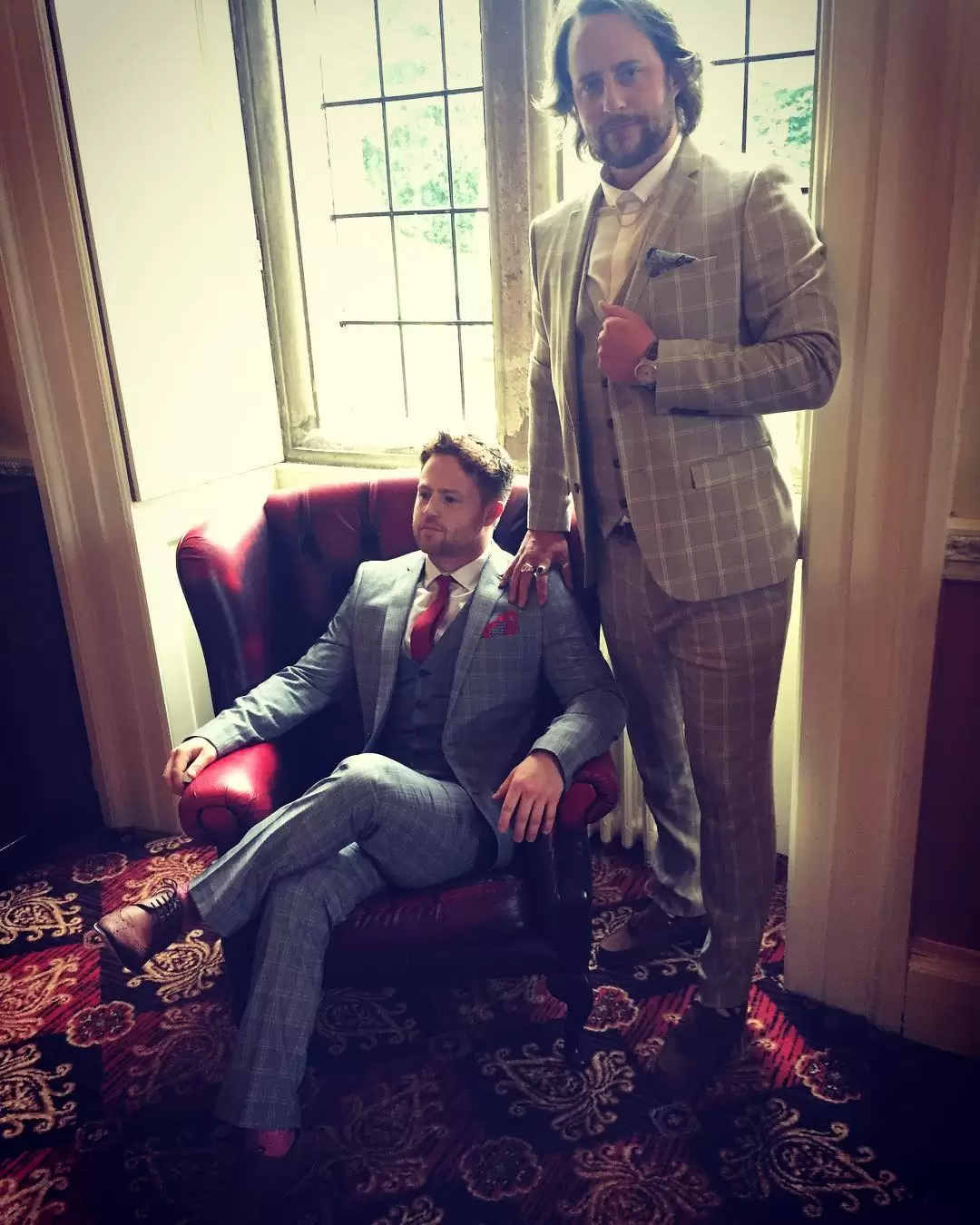
Tip: When wearing a three-piece checkered suit, keep your pocket square subtle — the pattern is already doing the talking.
Bold Black and White Check with Statement Vest
This striking black and white checkered suit gets elevated with a contrasting black vest and matching tie. The high-contrast pattern works because every other element stays monochrome. White sneakers add a modern twist that prevents the look from feeling too costume-like.
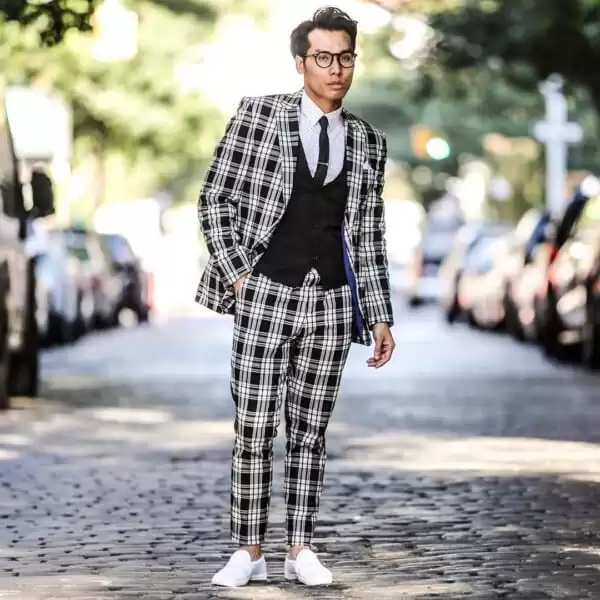
Tip: Bold checkered patterns need breathing room — stick to solid colors for all accessories and underlayers.
Navy Windowpane with Colorful Accents
A navy windowpane suit becomes the perfect canvas for personality-driven accessories. The orange shirt and tropical print tie create visual interest without competing with the suit’s geometric lines. Navy suede tassel loafers and a blue pocket square tie the whole look together while maintaining sophistication.
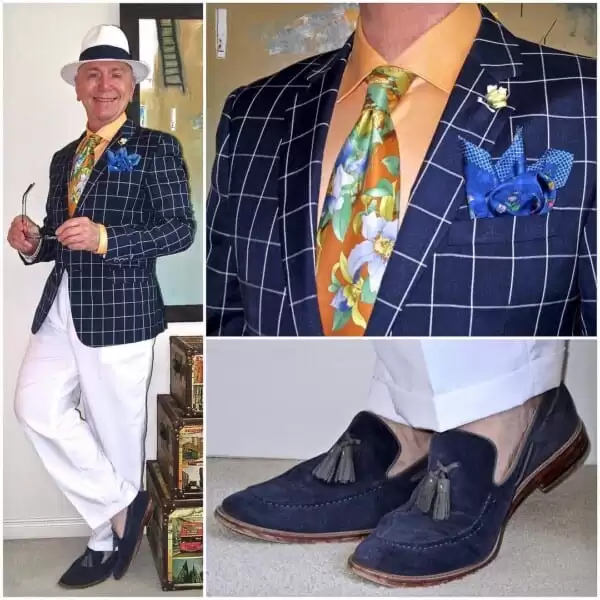
Tip: Windowpane patterns are forgiving with color — the wide spacing gives your accessories room to shine without clashing.
Subtle Navy Check for Business
This navy check suit demonstrates how to wear pattern in professional settings. The small-scale check reads almost solid from a distance but adds texture up close. Paired with a crisp white shirt and navy tie, it’s business-appropriate while showing more personality than a plain navy suit.
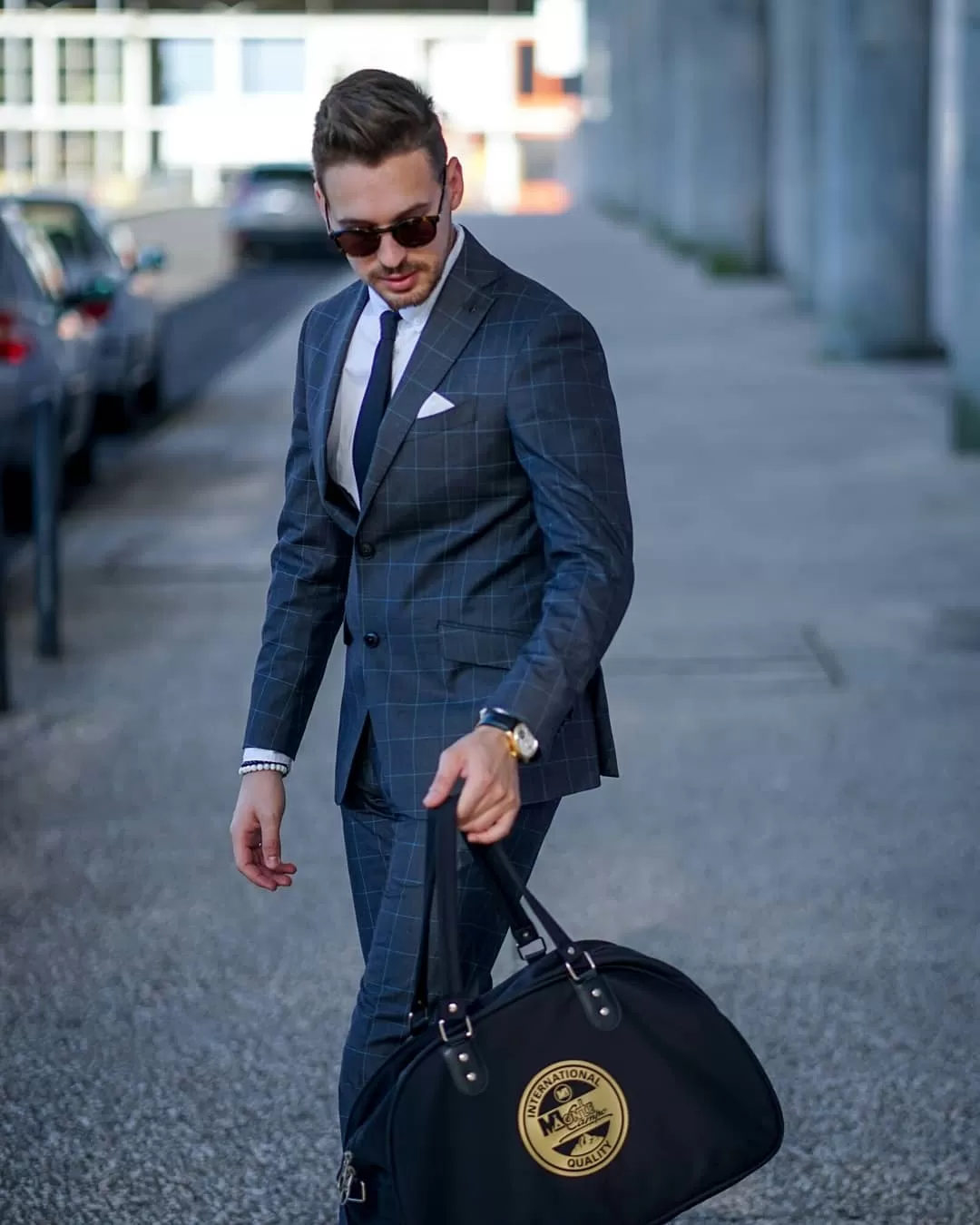
Tip: Small checks work best for office wear — they add interest without broadcasting “fashion risk-taker” in conservative environments.
Grey Check Blazer with Casual Trousers
Breaking up a checkered suit creates more versatile pieces. This grey check blazer pairs with dark olive chinos and white sneakers for a smart-casual approach that works for weekend events or casual Fridays. The blazer’s pattern adds formality while the trouser choice keeps it relaxed.
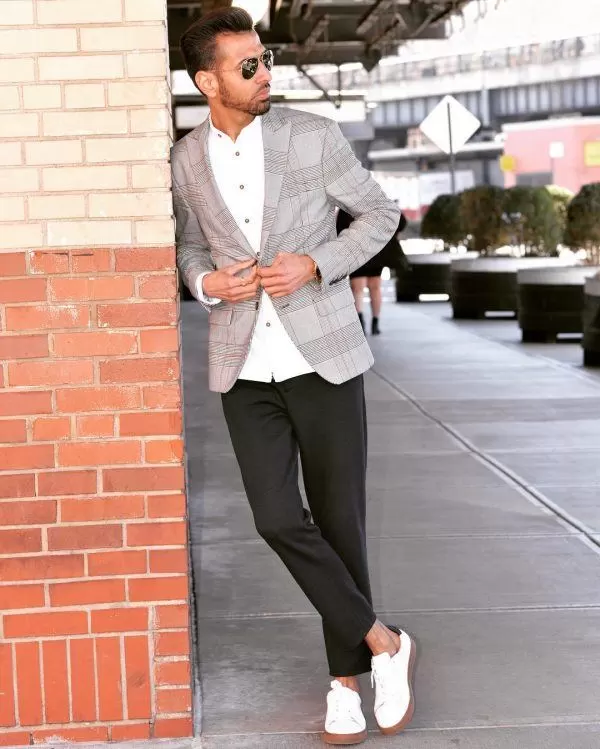
Tip: When separating suit pieces, choose solid trousers in colors that appear within your jacket’s pattern — here, the dark grey from the check.
Statement Double-Breasted Check
A double-breasted checkered blazer makes a bold statement when paired with solid black trousers. The wider lapels and structured shoulders of the DB style complement the pattern’s boldness. This approach works for evening events where you want to stand out without wearing a full patterned suit.
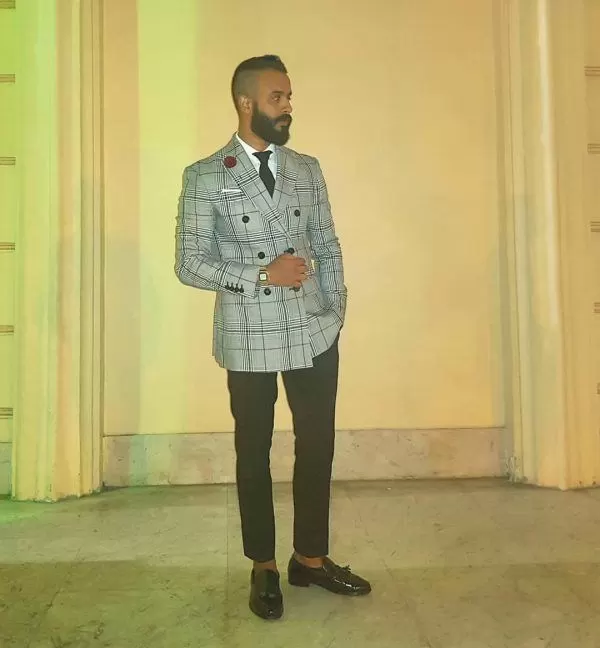
Tip: Double-breasted jackets amplify any pattern — if your check is bold, this styling choice will make it a true statement piece.
Fine Grid Pattern Suiting
This charcoal suit features a fine grid pattern that’s subtle enough for business but interesting enough for special occasions. The pattern’s small scale means it photographs well and won’t date quickly. A black tie and white shirt keep the focus on the suit’s refined texture.
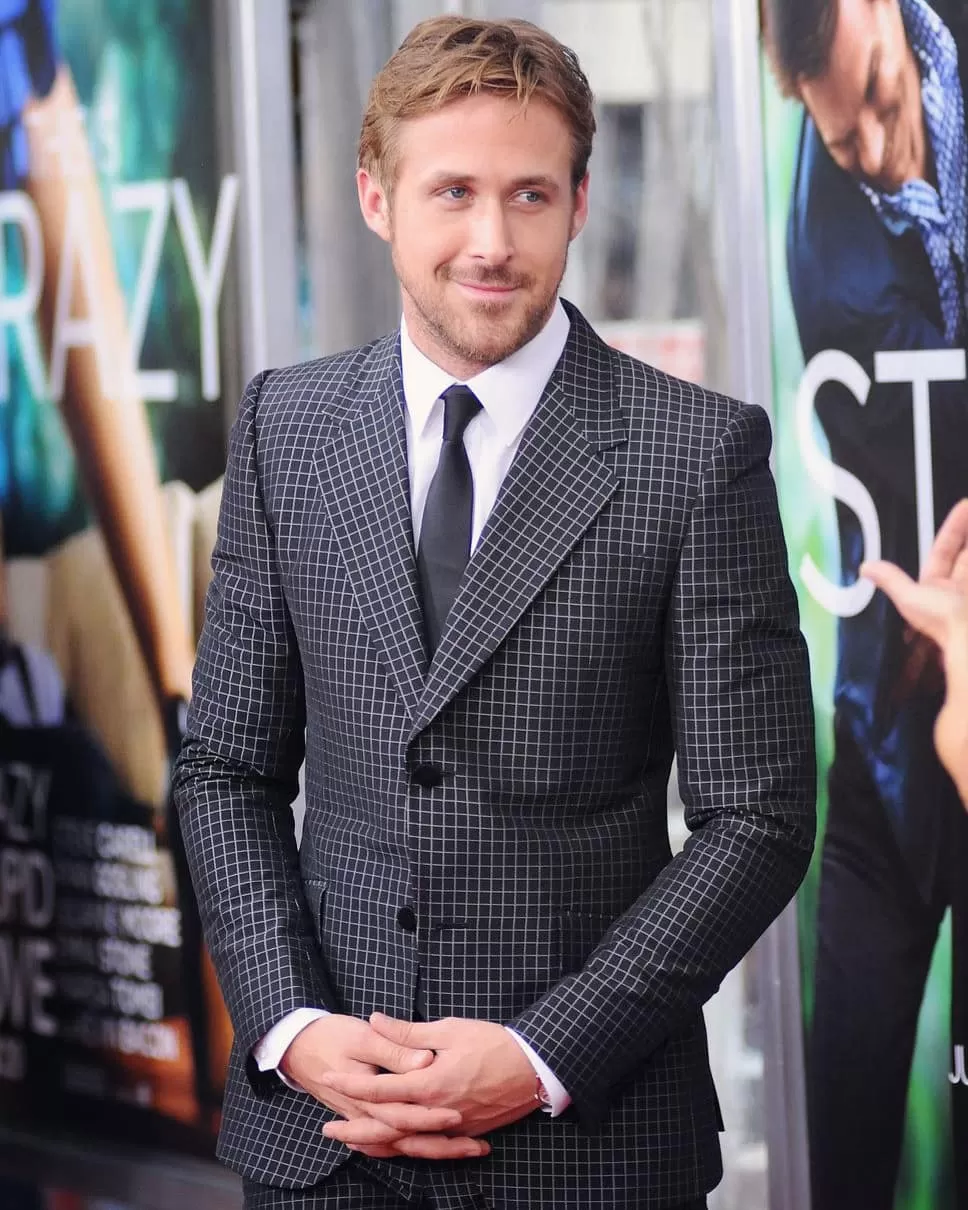
Tip: Fine grid patterns are the safest entry point into checkered suiting — they’re nearly foolproof and work in almost any professional setting.
Glen Plaid with Red Accent
Classic glen plaid gets a modern update with a bold red tie that picks up the subtle red threads in the pattern. This traditional British pattern works exceptionally well for business and formal events. The red pocket square creates a coordinated look without being too matchy.
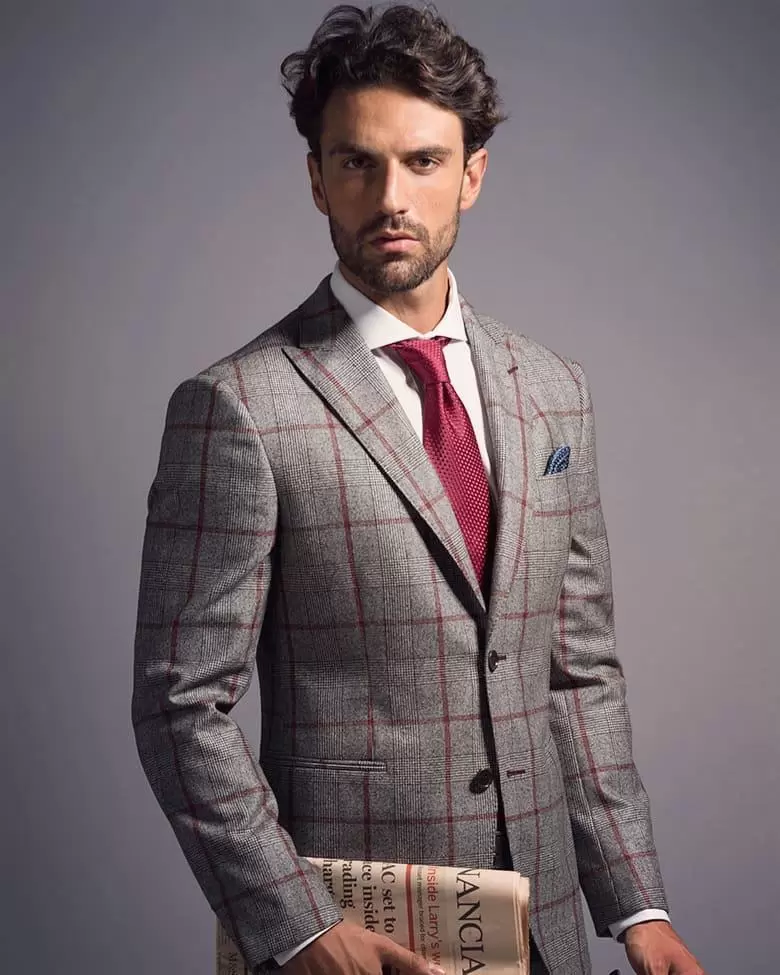
Tip: Glen plaid often contains subtle color threads — use accessories to highlight these hidden hues for a pulled-together appearance.
Layered Check with Overcoat
A grey checkered suit layered under a solid overcoat creates sophisticated winter styling. The coat’s solid color grounds the pattern while maintaining the suit’s impact when the outer layer is removed. This demonstrates how checkered suits work year-round with proper layering.
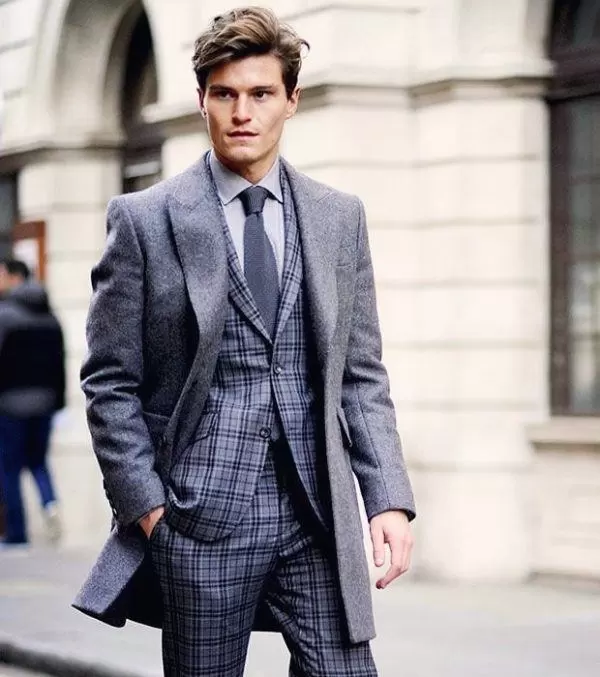
Tip: Always choose solid outerwear over patterned suits — mixing patterns requires more skill and often creates visual chaos.
Contrast Check Mixing
This bold approach combines a striped shirt with a checkered jacket, proving that pattern mixing can work with careful execution. The key is keeping one pattern much smaller than the other — here, the shirt’s fine stripes don’t compete with the jacket’s larger check. The solid tie provides a visual break.
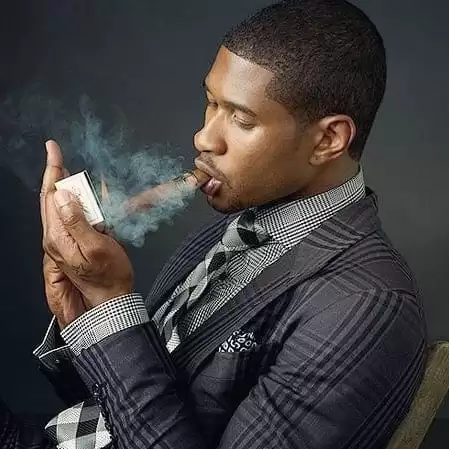
Tip: When mixing patterns, ensure one is significantly smaller in scale than the other — this creates hierarchy rather than competition.
Double-Breasted Check Suit with Wine Tie
A charcoal check double-breasted suit paired with a burgundy tie creates serious boardroom presence. The wide lapels and structured silhouette demand confidence, while the wine-colored tie adds warmth against the cool grays. This works for men who need to command a room — senior executives, lawyers, or anyone making important presentations.
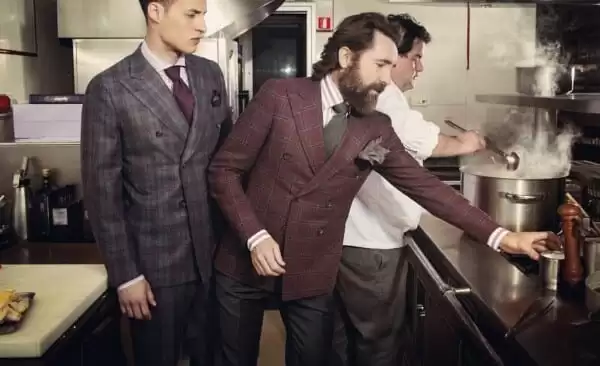
Tip: Double-breasted jackets require perfect fit through the waist — too loose and you look like you’re borrowing your father’s suit.
Brown Houndstooth Suit with Dotted Tie
This camel and brown houndstooth suit proves that earth tones can be just as powerful as navy or gray. The light blue shirt provides perfect contrast, while the brown dotted tie ties the whole look together without competing. Perfect for creative professionals or anyone who wants to stand out in a sea of dark suits.
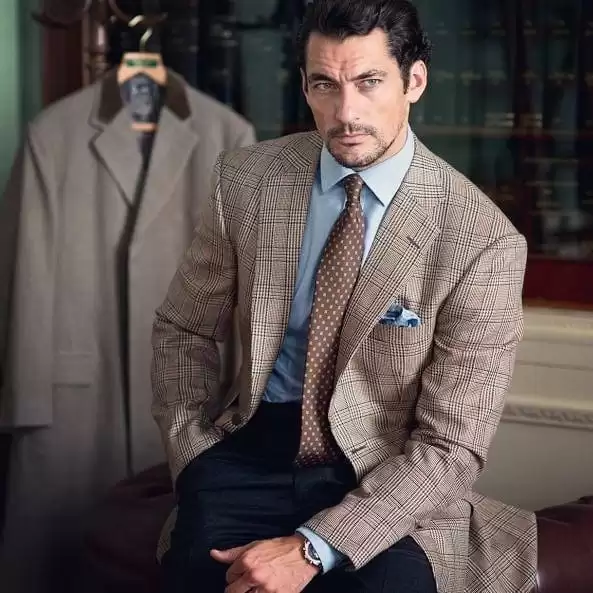
Tip: When wearing brown suits, choose shoes in a darker brown leather — never lighter than your jacket.
Gray Check Blazer with Navy Scarf
A gray checked blazer becomes weekend-ready when paired with dark jeans and a navy scarf. The casual styling — no tie, relaxed fit — transforms what could be office wear into smart casual territory. This approach works for men who want to look put-together without the formality of a full suit.
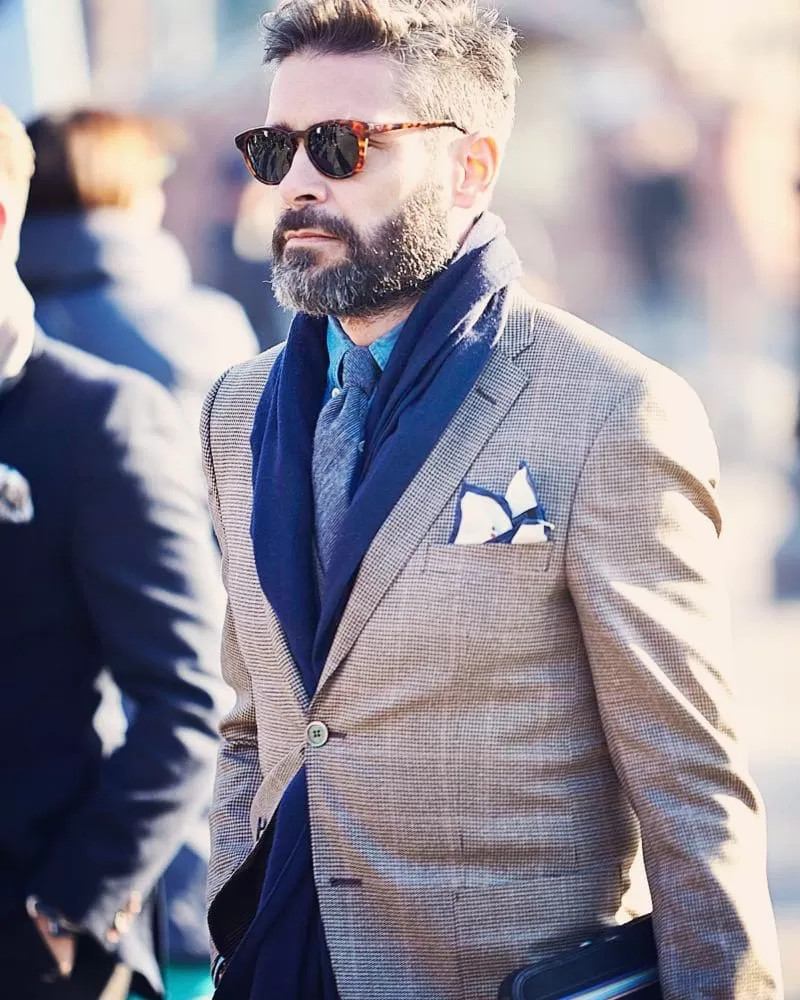
Tip: When going tieless with a blazer, make sure your shirt collar has enough structure to stand properly on its own.
Navy Windowpane Suit with Open Shirt
A navy windowpane check suit worn with an unbuttoned white shirt creates modern business casual appeal. The subtle pattern adds texture without being loud, while the open collar suggests approachable confidence. This works for younger professionals or anyone in creative industries where full formality isn’t required.

Tip: Open shirts work best when the collar points sit flat — if they curl up, choose a different shirt or add a tie.
Charcoal Check Three-Piece Suit
A charcoal check three-piece suit represents peak formal dressing for business. The waistcoat adds gravitas while the subtle check pattern prevents the look from being boring. The clean lines and perfect tailoring make this ideal for senior executives, formal events, or anyone who needs to project serious authority.
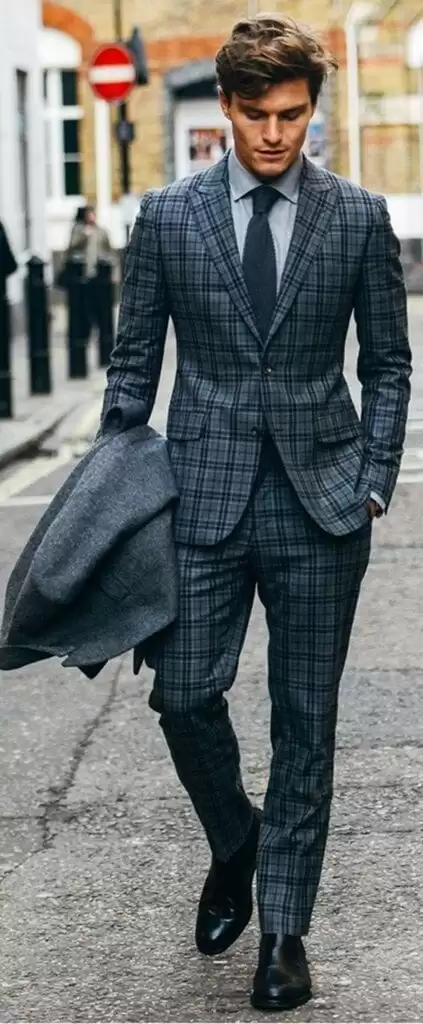
Tip: With three-piece suits, leave the bottom button of both jacket and waistcoat unfastened — always.
Brown Check Three-Piece with Burgundy Tie
This rich brown check three-piece suit with burgundy tie creates a powerful autumn palette. The warm tones work particularly well for evening events or fall weddings, while the three-piece construction adds formality without the severity of black. Perfect for men who want to make an impression while staying approachable.

Tip: Brown suits photograph beautifully in natural light but can look muddy under fluorescent office lighting — consider your environment.
Gray Windowpane Three-Piece Suit
A light gray windowpane three-piece suit offers maximum versatility across seasons and occasions. The subtle pattern adds visual interest while remaining professional, and the lighter color works year-round. This suits men who want one statement suit that can handle everything from board meetings to weekend weddings.
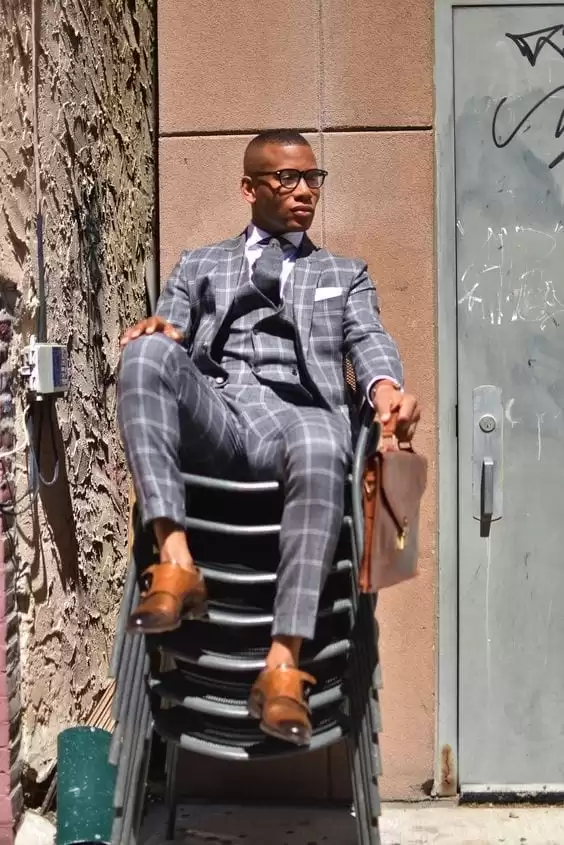
Tip: Light gray suits show wrinkles and dirt more easily — invest in proper care and always hang immediately after wearing.
Brown Three-Piece Suit with Dark Waistcoat
A brown check suit with contrasting dark waistcoat creates sophisticated layering without matching everything exactly. The tonal variation adds depth while maintaining cohesion, perfect for formal events where you want to stand out subtly. This approach works for men comfortable with more complex styling choices.
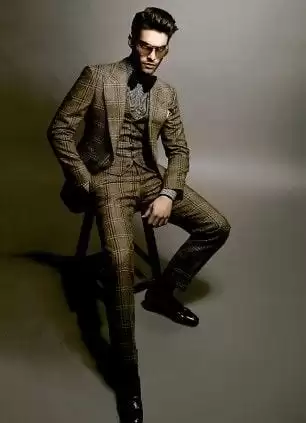
Tip: When mixing waistcoat colors, keep them in the same tonal family — different shades of brown, gray, or blue work better than completely different colors.
Gray Check Blazer with Charcoal Trousers
A gray check blazer paired with solid charcoal trousers creates smart separates that feel less formal than a full suit. The pattern mixing — checks with solid — adds visual interest while the similar tones keep everything harmonious. Perfect for business casual environments or weekend social events.

Tip: When wearing blazer and trouser separates, ensure the trouser color appears somewhere in the blazer pattern for cohesion.
Light Blue Houndstooth Three-Piece Suit
A light blue houndstooth three-piece suit pushes pattern boundaries while remaining surprisingly wearable. The classic houndstooth in an unexpected color creates a statement piece for special occasions or creative environments. This bold choice works for confident dressers who want to own their personal style completely.
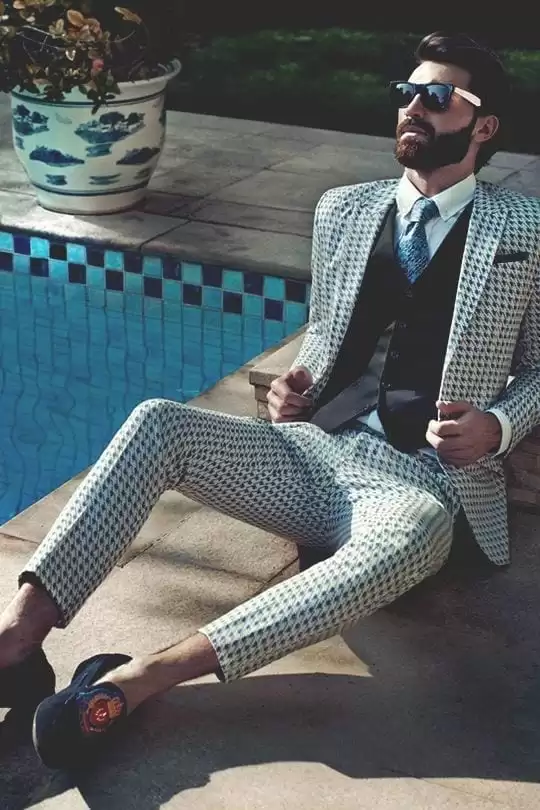
Tip: Bold patterned suits work best with simple accessories — white shirt, solid tie, minimal jewelry to let the suit be the star.
Dark Navy Windowpane Check with Paisley Pocket Square
This navy windowpane check suit paired with a crisp white shirt and burgundy paisley pocket square creates a refined business look that works from boardroom to dinner. The larger windowpane pattern is easier to wear than tight checks and won’t overwhelm your frame. Perfect for men who want pattern without looking like they’re trying too hard.
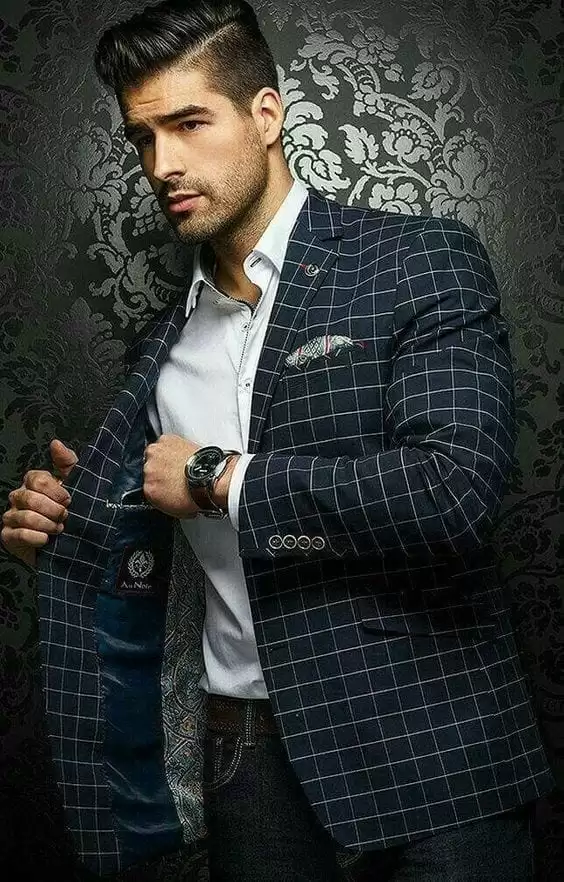
Tip: Match your pocket square to one accent color in the check pattern — here the burgundy threads in the windowpane tie everything together.
Light Grey Windowpane Three-Piece Suit
A light grey windowpane check three-piece suit offers maximum versatility — wear all three pieces for formal occasions or just the jacket and trousers for business casual. The monochromatic check pattern in grey-on-grey is subtle enough for conservative dress codes while still adding visual interest. This works particularly well for daytime events and spring/summer occasions.
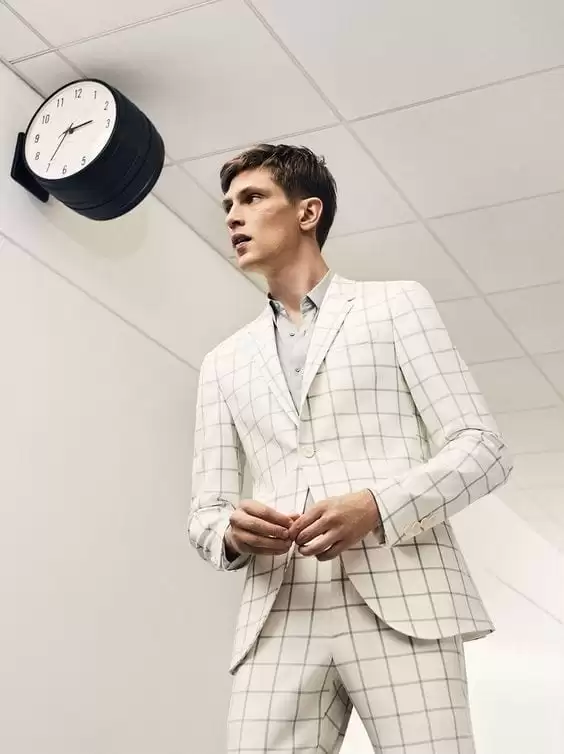
Tip: Light grey checks photograph beautifully but can wash out pale complexions — add contrast with a darker shirt or bold tie.
Grey Suit with Contrasting Check Waistcoat
Mixing a solid grey suit with a darker check waistcoat creates depth without the commitment of a full check suit. The tonal contrast between the solid jacket and patterned waistcoat adds sophistication while keeping the overall look grounded. This approach works for men who want to experiment with checks but prefer subtlety.
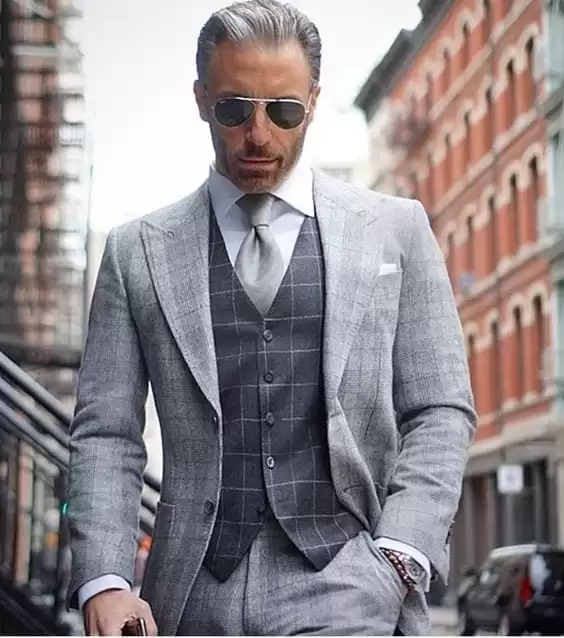
Tip: When mixing patterns, keep the check smaller on the waistcoat than on any other piece — it prevents visual competition.
Large Prince of Wales Check Two-Piece
This oversized Prince of Wales check suit demonstrates how larger patterns work better on taller frames — the scale doesn’t overwhelm because there’s enough body to carry it. The brown leather shoes ground the grey tones while the navy tie adds a classic contrast. Best suited for men over 6 feet who can handle bold patterns.
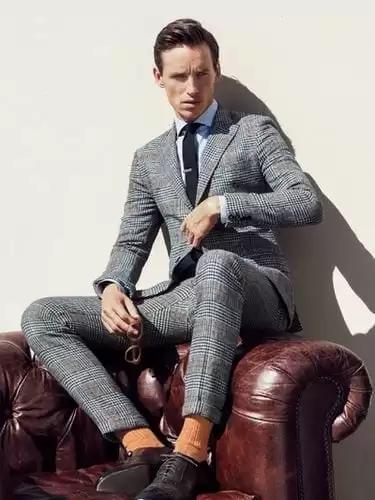
Tip: Large checks require confidence — if you feel self-conscious, the pattern is too big for your comfort zone and will show in your posture.
Earth-Tone Check with Patterned Tie
This brown and green check suit paired with a geometric tie shows how to successfully mix patterns within the same color family. The muted earth tones create a cohesive palette that’s less stark than traditional navy or grey options. Ideal for creative professionals or weekend formal events where you want to stand out tastefully.

Tip: When wearing earth-tone checks, stick to brown leather accessories — black looks harsh against the warmer palette.
Navy Blue Windowpane with Peak Lapels
A navy windowpane check suit with peak lapels elevates the formality while the pattern keeps it from being too serious. The structured tailoring with peak lapels works beautifully with the geometric lines of the windowpane pattern. This combination suits men with broader shoulders who can carry the strong lapel line.
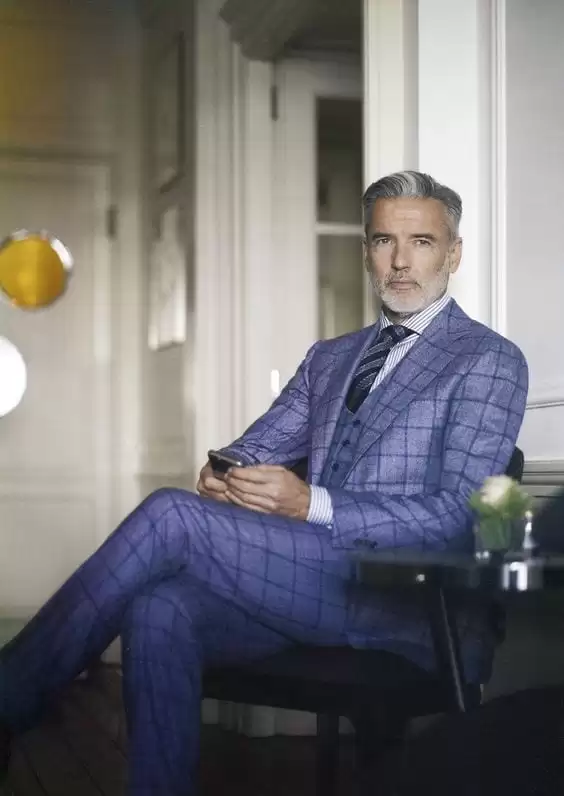
Tip: Peak lapels on check suits work best when the check pattern is geometric rather than organic — the angular lines complement each other.
Bright Navy Check for Black Tie Alternative
This vibrant navy check suit proves that formal doesn’t have to mean boring — the rich blue tone and precise tailoring make it appropriate for evening events where black tie isn’t required. The saturated color photographs beautifully under artificial lighting and creates more personality than standard navy. Perfect for galas, premieres, or upscale parties.
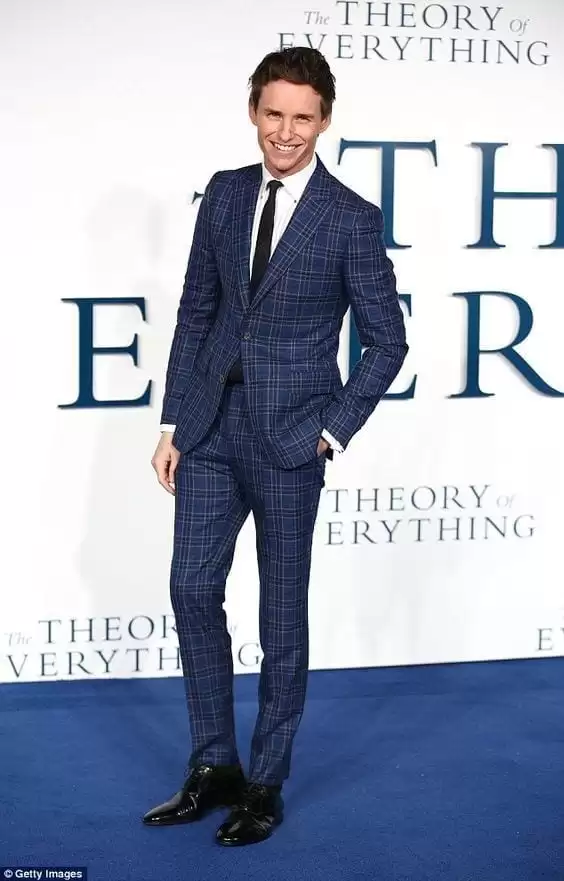
Tip: Bright colored checks work best in evening lighting — what looks bold at night can appear garish in daylight.
Burgundy Check for Statement Occasions
A deep burgundy check suit makes a powerful statement while remaining surprisingly wearable thanks to the rich, sophisticated base color. This works exceptionally well for evening events, holiday parties, or any occasion where you want to command attention without wearing black. The color complements most skin tones and pairs beautifully with black accessories.
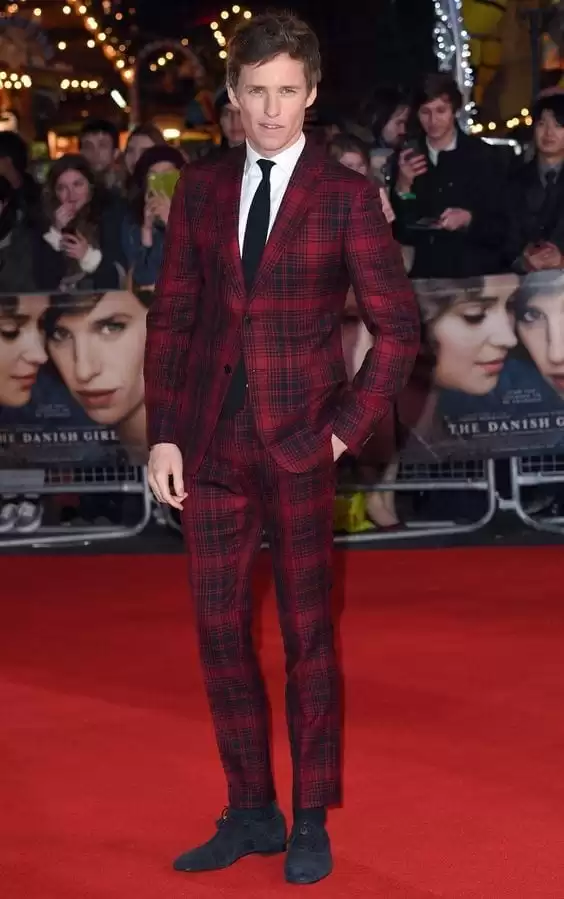
Tip: Burgundy checks look best with minimal accessories — let the suit be the star and keep everything else simple.
Forest Green Tartan Double-Breasted
This forest green tartan suit in a double-breasted cut channels traditional British tailoring with a modern edge. The deep green base with navy and red accent lines creates a rich, complex pattern that works for both business and social occasions. Best for men who appreciate classic menswear with heritage appeal.

Tip: Tartan patterns have historical significance — research the pattern’s origin if wearing to Scottish events or formal Highland gatherings.
Three-Piece Grey Check with Textural Interest
This three-piece grey check suit demonstrates how texture and pattern can work together — the tactile fabric adds depth beyond just the visual pattern. The relaxed styling with an open shirt collar shows how formal pieces can be dressed down while maintaining their impact. Great for creative industries or casual networking events.
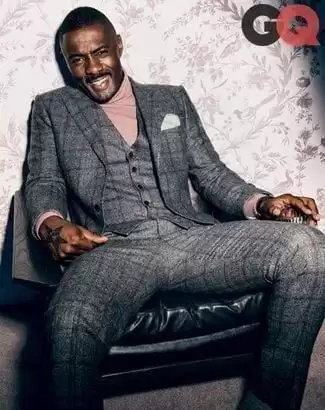
Tip: Textured check fabrics photograph differently than flat weaves — test how your suit looks in photos before important events.
Brown Check Three-Piece with Blue Accents
This brown windowpane check suit shows how three-piece styling elevates any pattern. The matching waistcoat creates a complete look while the blue tie and pocket square add controlled contrast. Perfect for men who want to stand out at formal events without looking overdressed.
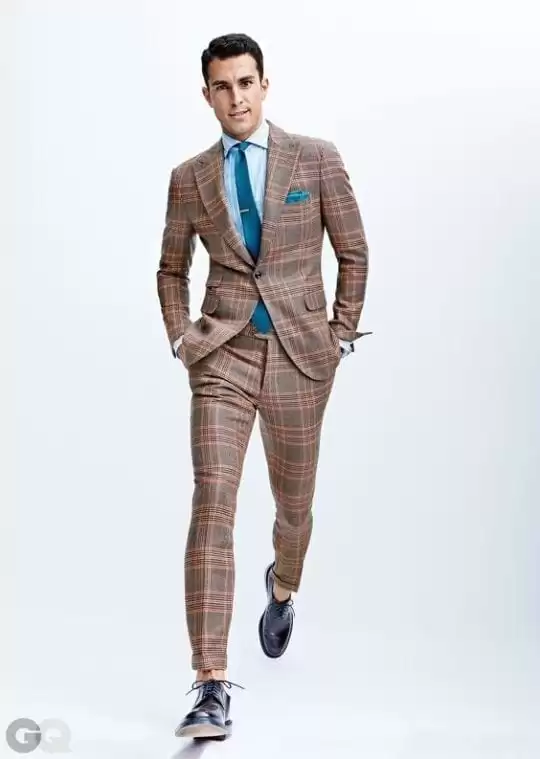
Tip: The waistcoat should always be one shade darker or lighter than the jacket to create subtle depth within the same pattern.
Bold Blue Check with Three-Piece Confidence
This electric blue check demonstrates that larger patterns need simpler styling. The three-piece construction and white shirt keep the focus on the suit itself, while the bold pattern makes a statement without additional accessories. Works best for men with confident personalities who can carry strong colors.

Tip: When wearing bright checked suits, keep your shirt crisp white and avoid patterned ties — the suit should be the only statement piece.
Key takeaways
- Fit comes first — tailored shoulders and proper trouser length make any check pattern look intentional
- Start with subtle checks in navy or grey before attempting bold patterns or bright colors
- Match your check size to your build — larger men wear larger checks, smaller men wear smaller patterns
- Three-piece suits work best with checks because the waistcoat unifies the pattern across your torso
- Keep accessories simple — solid ties and minimal jewelry let the pattern be your statement
- Context matters — windowpane checks for business, bold plaids for events, micro-checks for versatility
20 Best Striped Suits Outfit Ideas for Men all Seasons
30 Casual Outfit Ideas For Black Men with Styling Tips
How to Wear Trench Coats? 36 Outfit Ideas for Men
30 Best Summer Outfit Ideas For Men Over 50
How to Wear Blue Jeans for Men ? 45 Outfit Ideas
How to Wear Mint Pants for Men ? 30 Outfit Ideas
What to Wear for Holi ? 17 Outfit Ideas for Men
How to Wear Shackets for Men? 10 Outfit Ideas