Most women treat snowboarding like regular skiing when it comes to clothing — and that’s their first mistake. I learned this the hard way during my first snowboarding trip to Whistler, when I showed up in a borrowed ski jacket that was too long and snow pants that bunched at all the wrong places. Snowboarding demands different movement, different falls, and completely different gear priorities.
After years of styling women for mountain trips, I’ve realised that snowboarding outfits require a specific balance of mobility, protection, and yes — style. The key difference? Everything needs to work when you’re sitting, falling, and getting back up repeatedly. Your jacket length, pant fit, and layering strategy all change when you’re strapped to a board instead of gliding on skis.
The good news is that snowboarding gear has never looked better, and with the right combinations, you can look incredible while staying warm and dry on the mountain.
Styling Tips
Choose cropped or regular-length jackets
Long ski jackets work against you when snowboarding because you’re constantly sitting down to strap in and adjust bindings. A jacket that hits at your hip bone or just below gives you the coverage you need without bunching up awkwardly when you sit. I always tell clients to test this by sitting on a chair while trying on jackets — if it pulls or rides up uncomfortably, it’s too long for snowboarding.
Layer thermal tops under your outer shell

How to Style a Sports Bra? 20 Outfit Ideas & Styling Tips

147 Super Cool Adidas Outfits for Girls with Styling Tips
30 Coolest Soccer Mom Outfits That You Can Actually Wear
25 Girls Athleisure Outfit Ideas That Are Trending This Year

21 Best Soccer Game Outfit Ideas for Girls
How to Wear a Skort? 20 Best Skort Outfits for all Ages
39 Lug Sole Boots Outfit Ideas & Styling Tips
What to Wear to a Hockey Game? 22 Trending Outfit Ideas
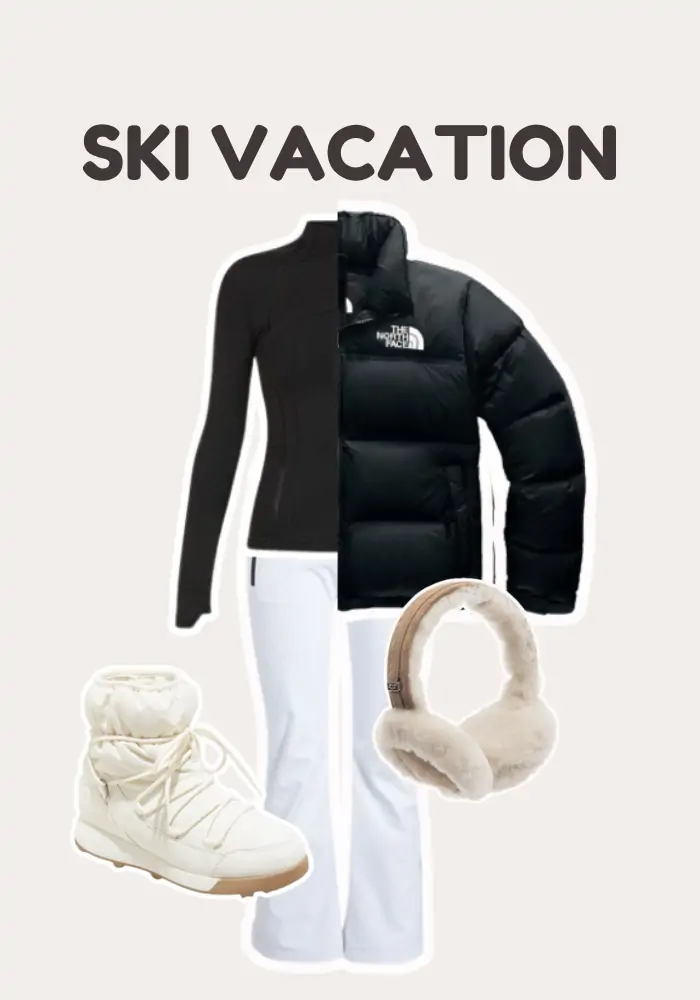
The secret to staying warm without overheating is a good base layer system. A fitted thermal top in merino wool or synthetic fabric wicks moisture away from your skin while providing insulation. I prefer merino because it doesn’t hold odours even after a full day on the mountain, and it regulates temperature better than cotton or polyester blends.
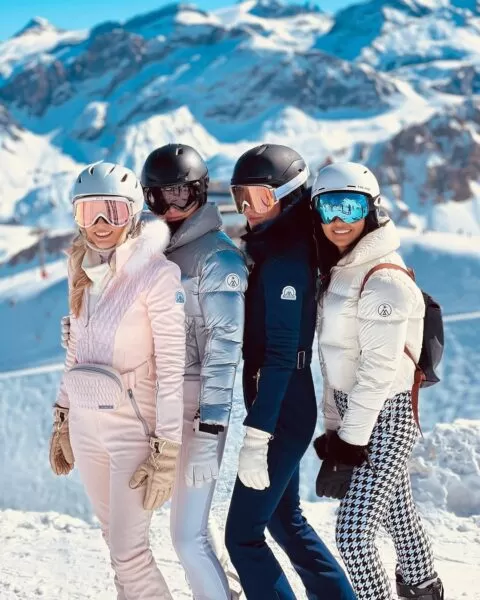
Invest in proper snow pants, not ski pants
Snow pants are cut differently from ski pants — they’re roomier through the seat and thighs to accommodate the wider stance and frequent sitting that snowboarding requires. Look for pants with reinforced knees and seat areas, because you’ll be kneeling and falling more than skiers do. The extra durability in these high-wear areas makes a real difference.
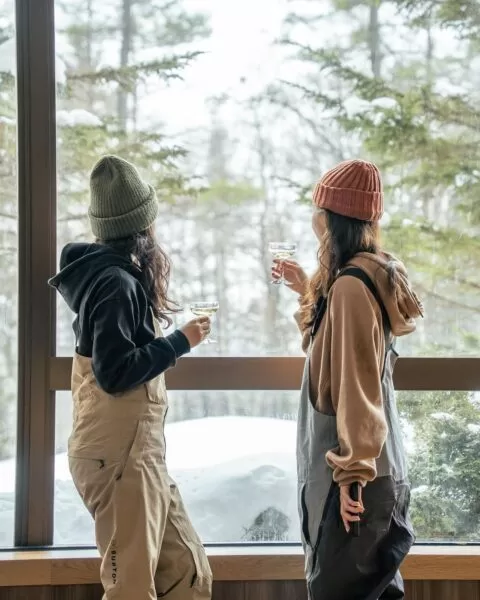
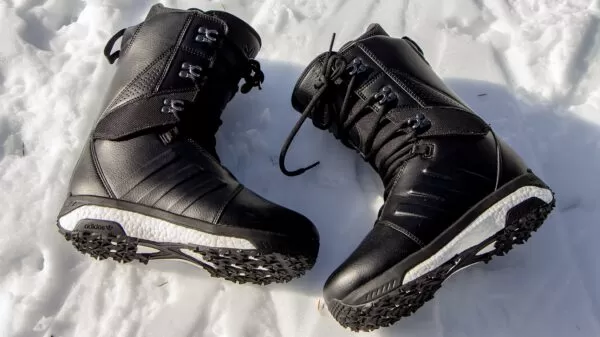
Pick boots with good ankle support
Snowboard boots need to be stiffer than you might expect, especially around the ankle. Unlike ski boots that transfer all power through your shins, snowboard boots rely on ankle movement to control the board. A boot that’s too soft will leave you fighting for control all day and create painful pressure points.
Snowboarding was banned at most ski resorts until the 1980s because mountain operators thought it was too dangerous and would damage slopes. Today, snowboarders make up nearly 25% of all mountain visitors.
Add colour strategically with accessories
While technical gear tends to come in muted colours, your accessories are where you can inject personality. A bright helmet, colourful goggles, or patterned gloves add visual interest without compromising function. I love how a pop of pink or purple can transform an otherwise all-black setup into something that photographs beautifully.
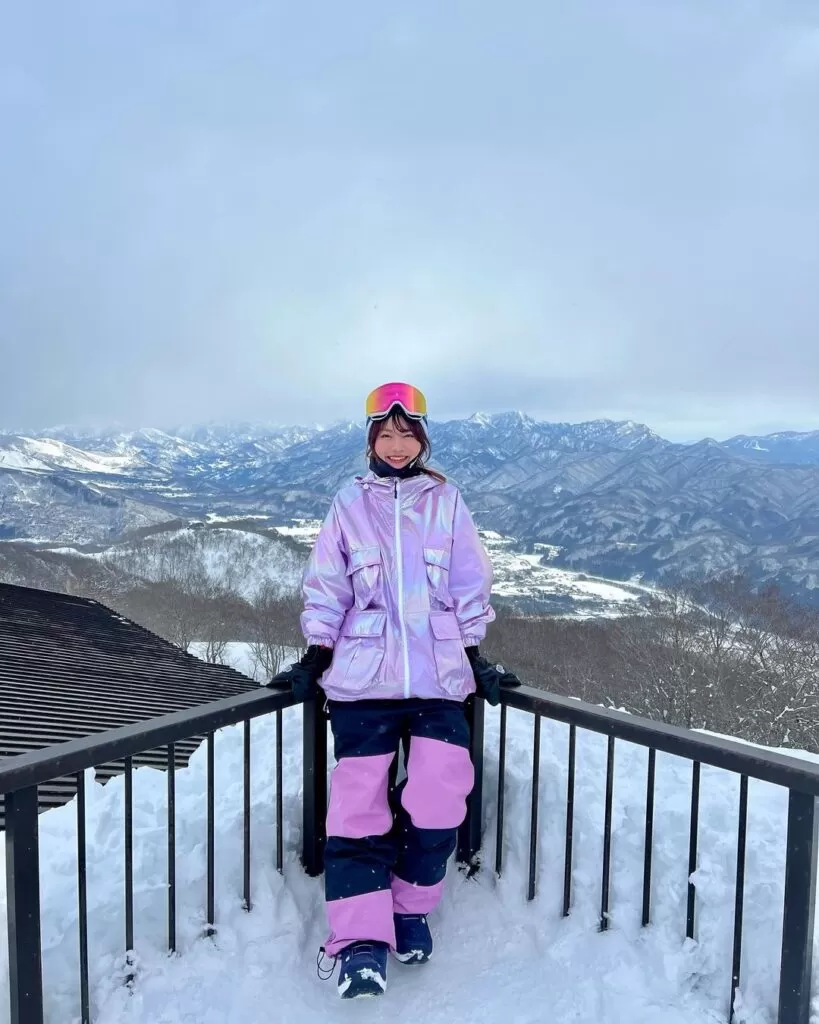
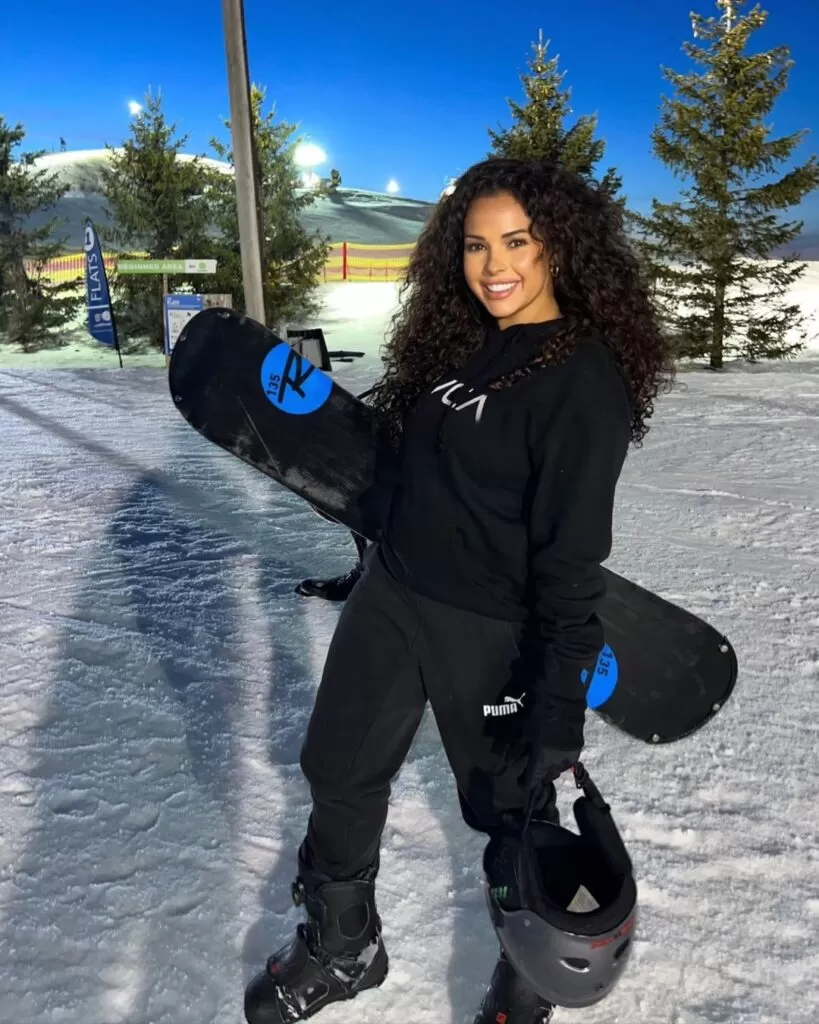
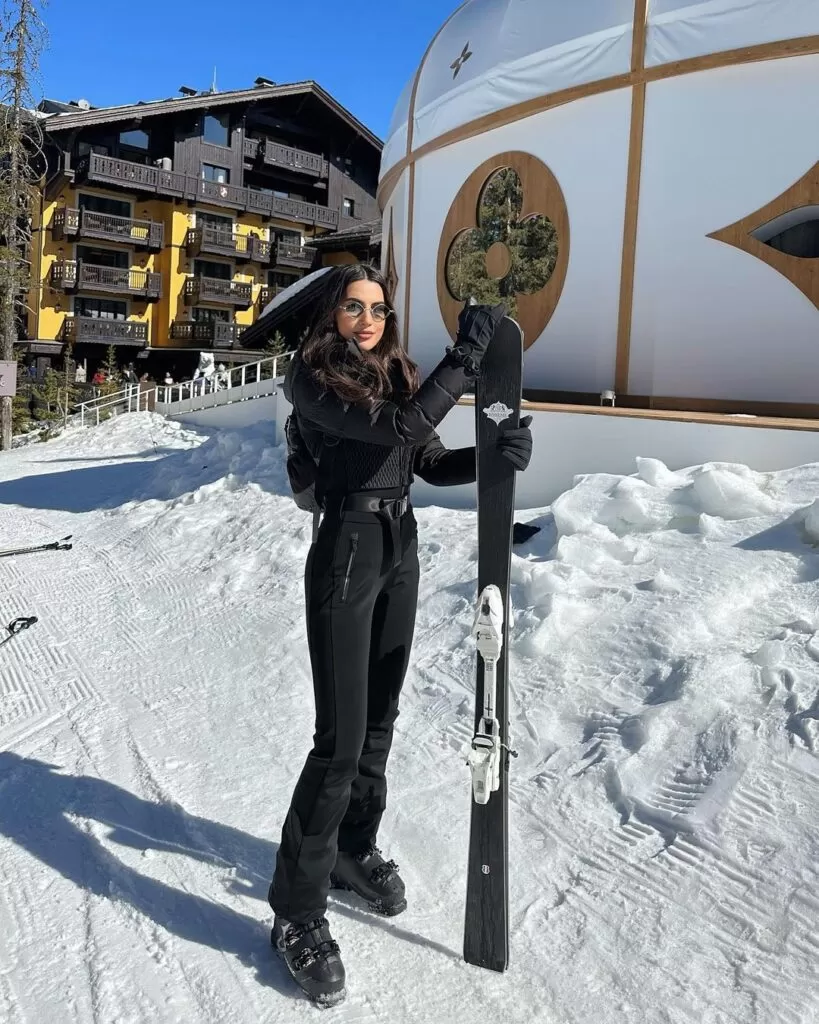
Choose all-black for a sleek mountain look
An all-black snowboarding outfit never fails because it’s practical and effortlessly cool. Black hides dirt and scuffs better than light colours, and it creates a streamlined silhouette that looks good in action shots. Plus, if you’re renting gear, black pieces are easier to mix and match with whatever’s available.
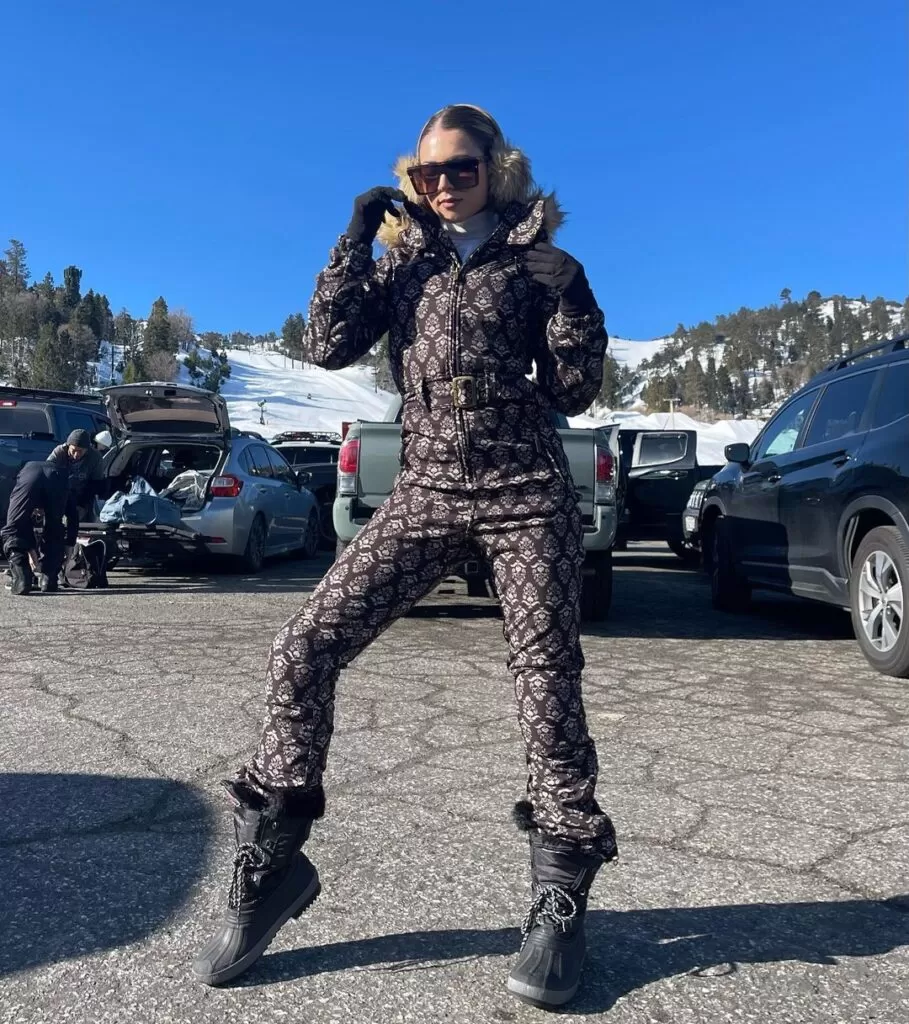
Try patterned pieces for Instagram-worthy shots
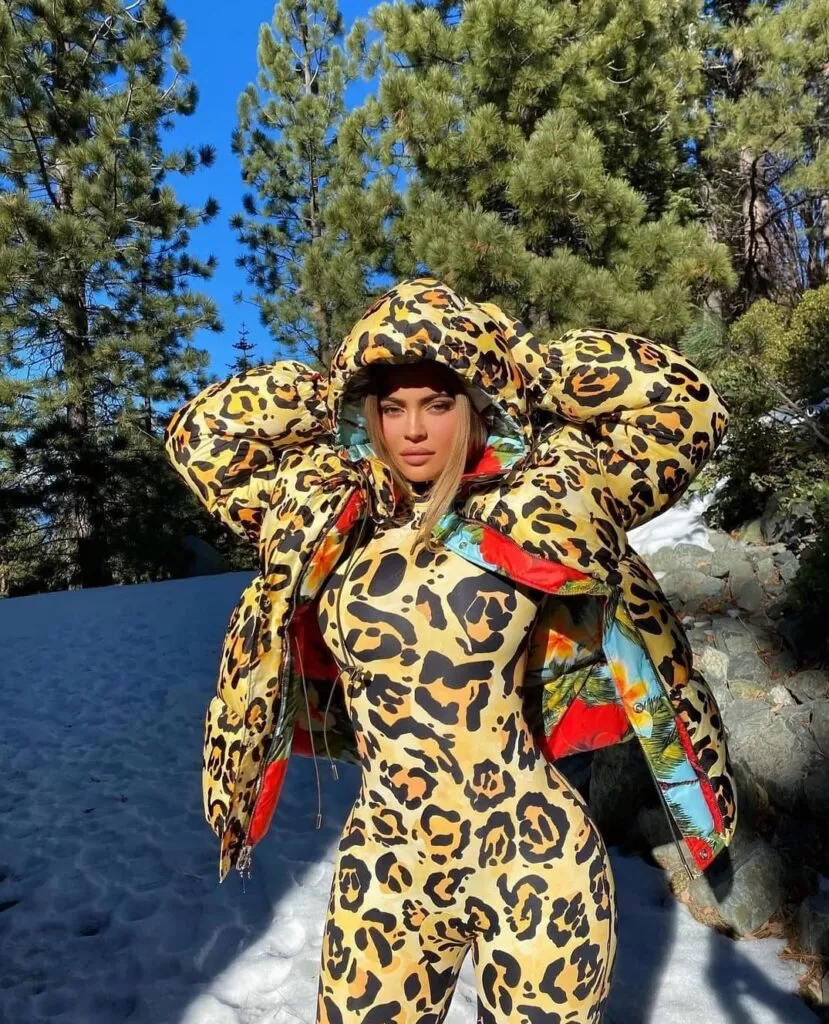
A bold pattern on your jacket or pants creates visual interest against snowy backgrounds and makes you easier to spot on the mountain. Designer collaborations with mountain brands often feature eye-catching prints that photograph beautifully. Just make sure the pattern doesn’t overwhelm your frame — keep everything else simple when you’re wearing a statement piece.
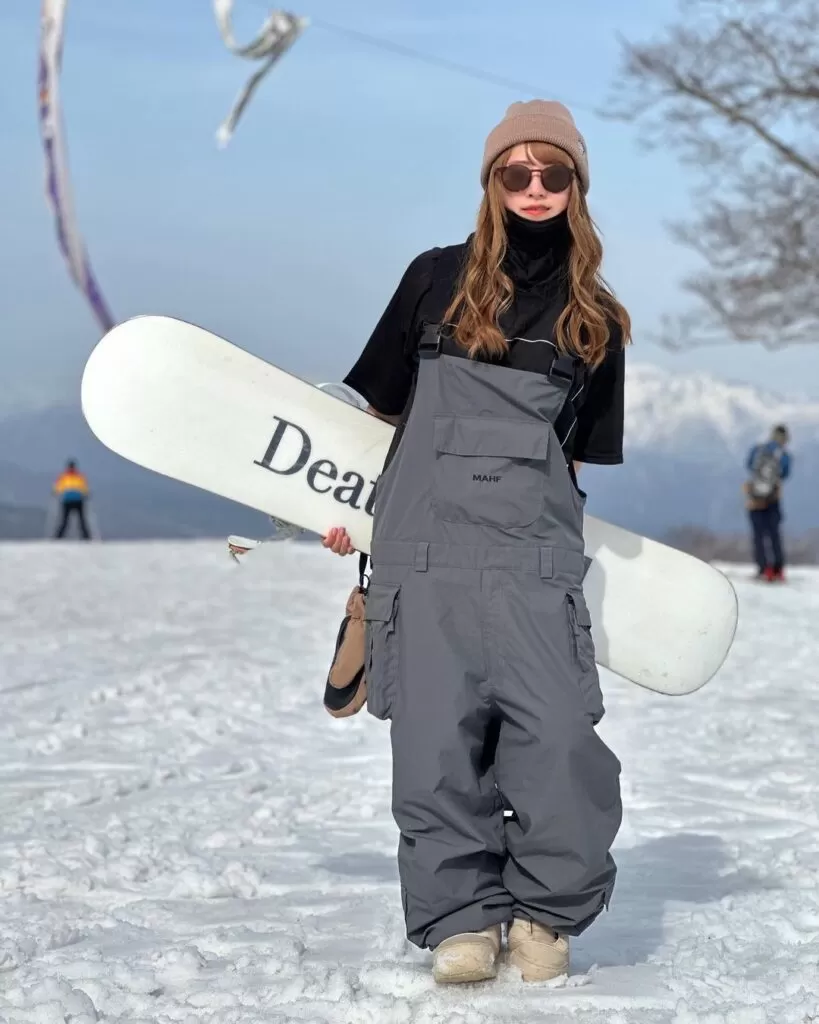
Consider snow bibs for extra protection
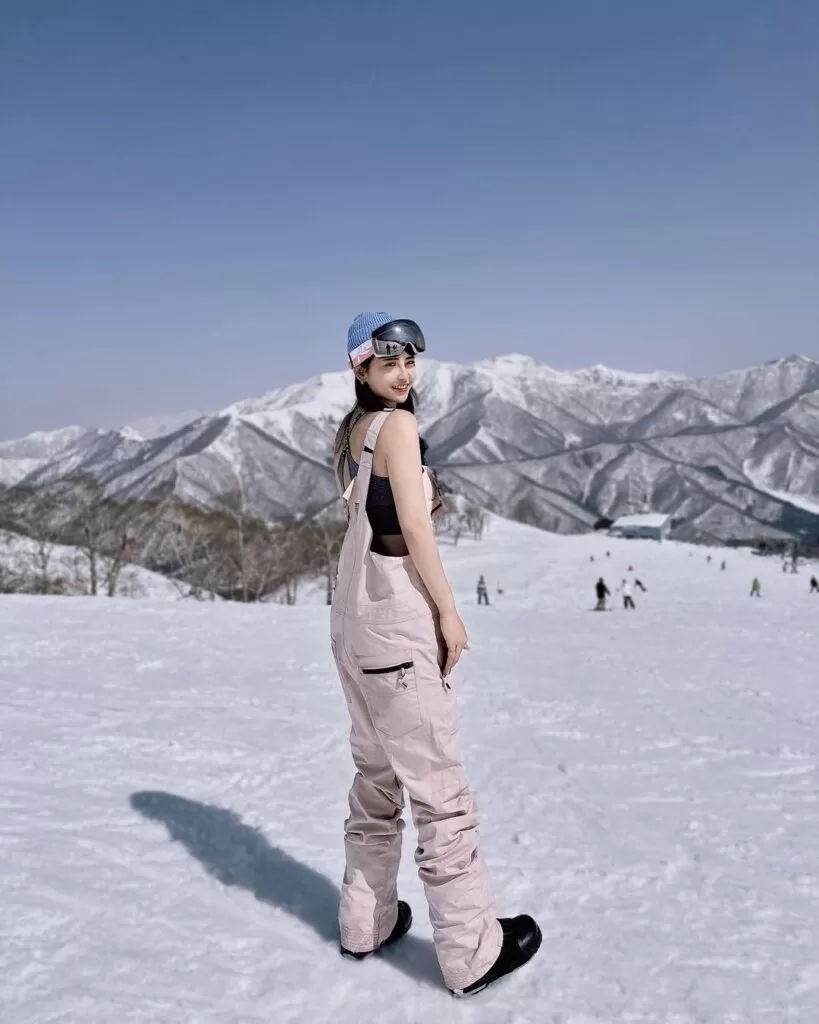
Bibs might look less stylish than separate pants, but they’re incredibly practical for snowboarding. They prevent snow from getting up your back when you fall, and they eliminate the gap between your jacket and pants. Modern bibs are much more flattering than the baggy styles from the ’90s — look for ones with adjustable straps and a tailored fit through the waist.
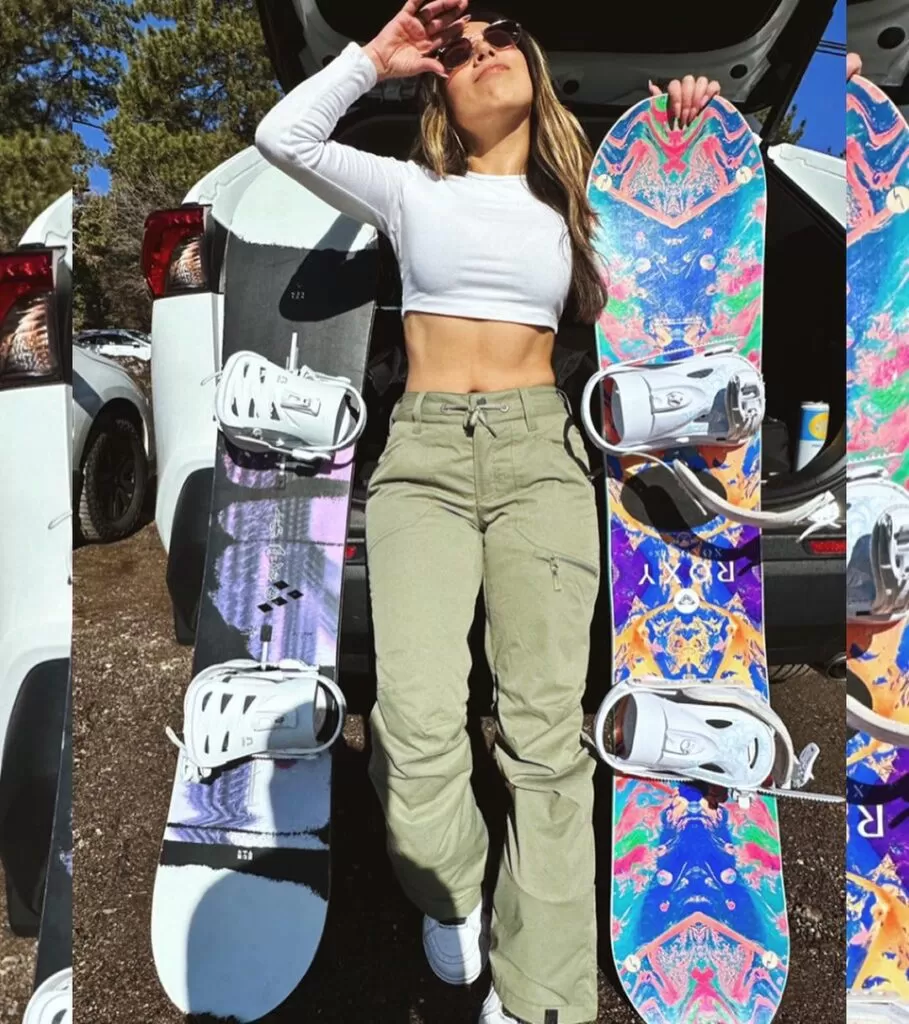
Wear a long-sleeved crop for sunny spring days
When temperatures warm up in late season, you can get away with just a base layer on top. A cropped long-sleeve in white or light colours reflects heat while still covering your core. This only works if you’re an experienced rider who doesn’t fall often — beginners should stick to full coverage regardless of temperature.
Mix textures with your outerwear
Combining different textures in your snowboarding outfit adds visual depth. A matte jacket with glossy pants, or a smooth shell over a textured fleece mid-layer creates contrast that looks intentional. This works especially well in monochromatic colour schemes where texture becomes the primary design element.
Go bold with bright colours
Bright colours serve a dual purpose on the mountain — they look great in photos and make you visible to other riders. Hot pink, electric blue, and neon yellow all photograph beautifully against white snow. If you’re nervous about committing to a bright jacket, try it on snow pants first since they’re a smaller investment.
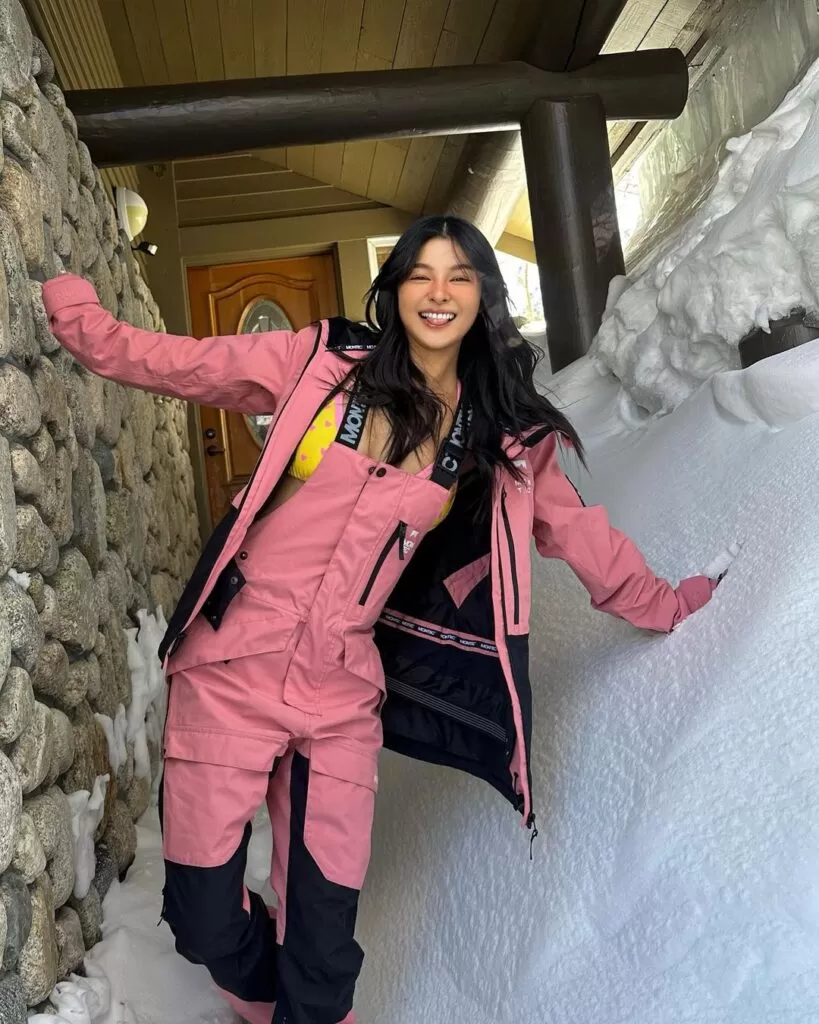
Layer sports bras for active comfort
A good sports bra is essential under your base layer, especially for snowboarding where you’re constantly moving your arms and torso. Look for one with wide straps that won’t dig in under pack straps, and avoid anything with too much padding that might create weird lumps under your fitted thermal layer.
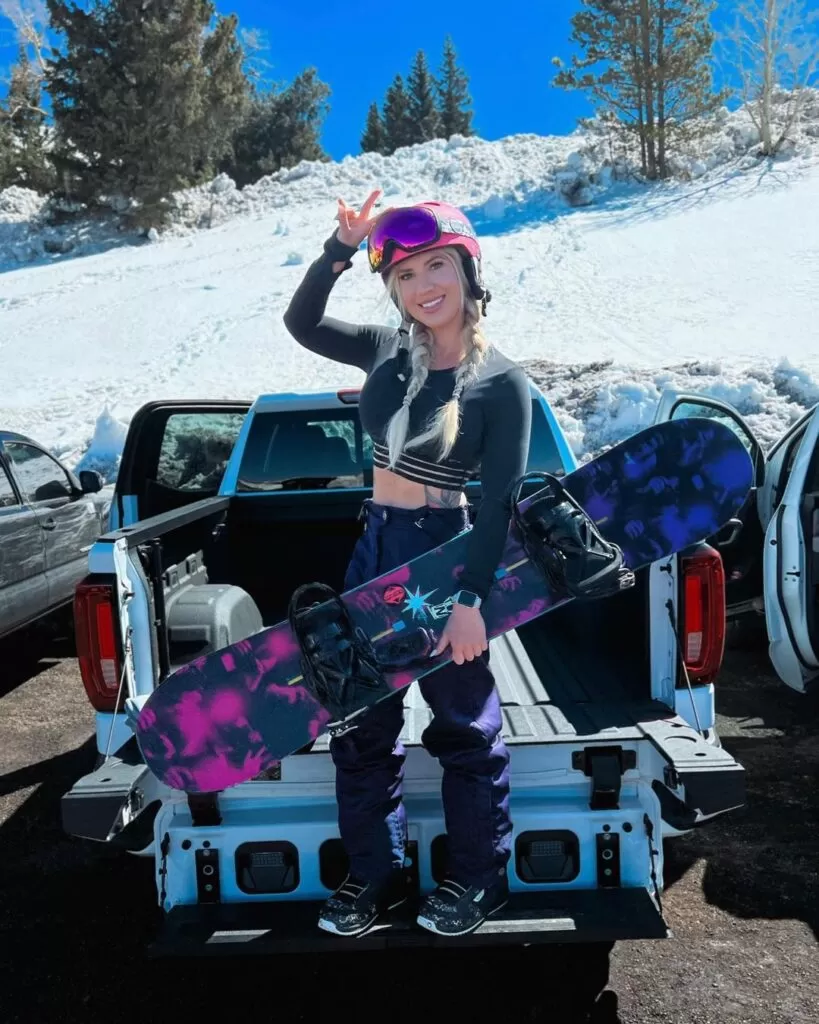
Choose neutral tones for versatile styling
Beige, taupe, and soft grey are becoming popular alternatives to traditional bright snow gear colours. These neutral tones look sophisticated and pair well with any coloured accessories you might want to add. They also tend to be more flattering in photos than stark white or black, creating a softer contrast against snow.
Dos & Don’ts
Statement Snowboard Outfits
Bold Leopard Print Ski Suit
This head-to-toe leopard print suit makes a serious statement on the slopes. The fitted silhouette shows you can have fun with patterns while staying warm, and the matching hood creates a cohesive look that photographs beautifully. Perfect for confident skiers who want to stand out in a sea of black and navy gear.
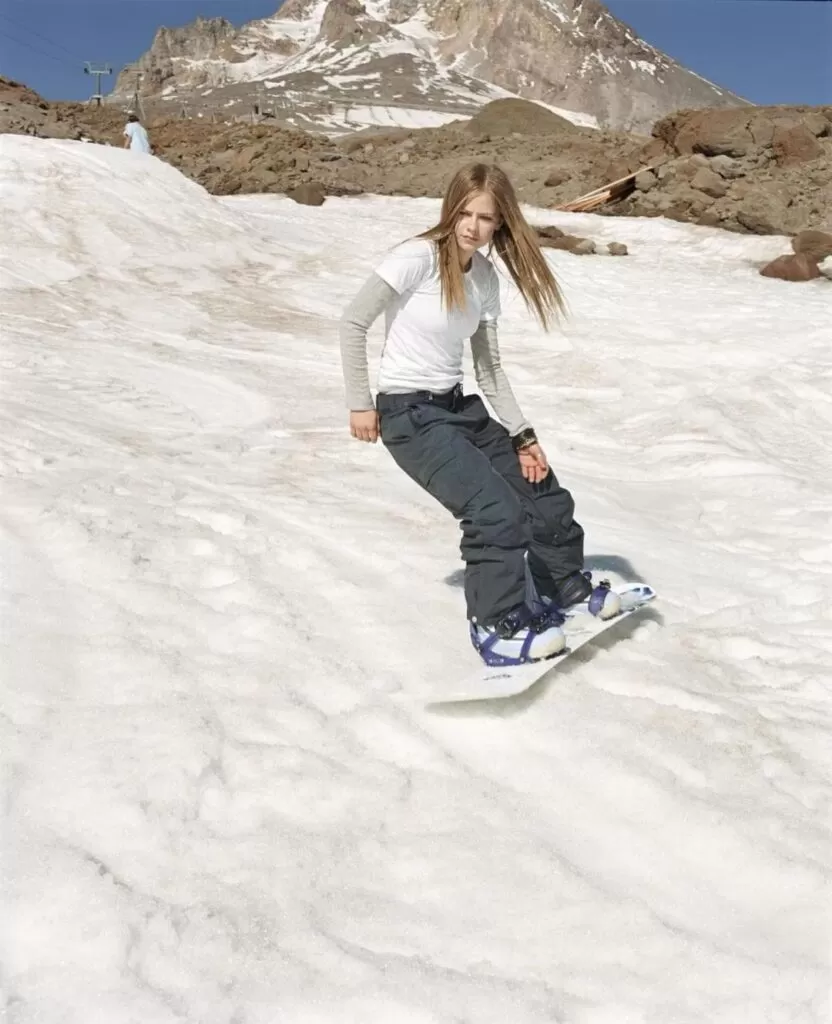
Classic White and Grey Base Layers
A white quarter-zip layered over grey long sleeves creates the perfect foundation for any snowboard outfit. This combination works because it’s neutral enough to pair with any outer shell, while the contrasting sleeves add visual interest. The fitted cut ensures your layers won’t bunch up under your jacket.
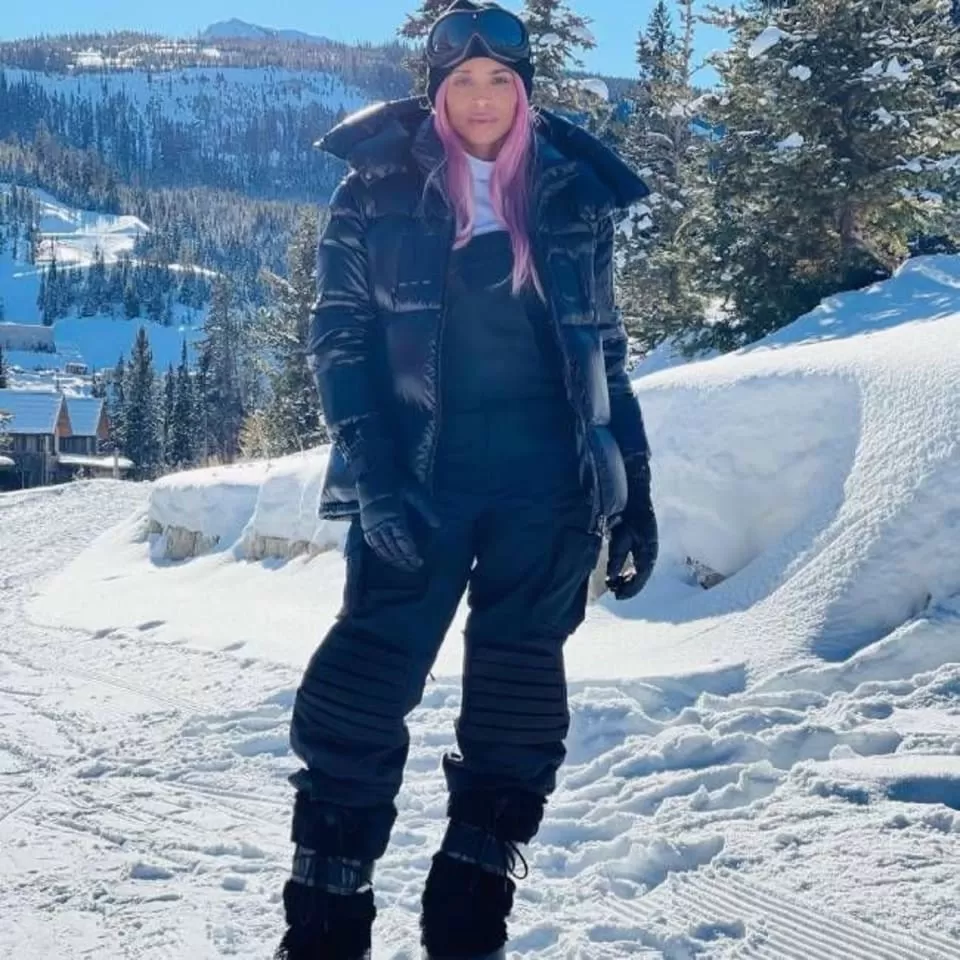
All-Black Technical Outfit
This monochromatic black look proves that simple can still be striking on the mountain. The oversized puffer jacket provides serious warmth while the matching pants create a streamlined silhouette. The pink hair adds the perfect pop of color against all that black technical fabric.
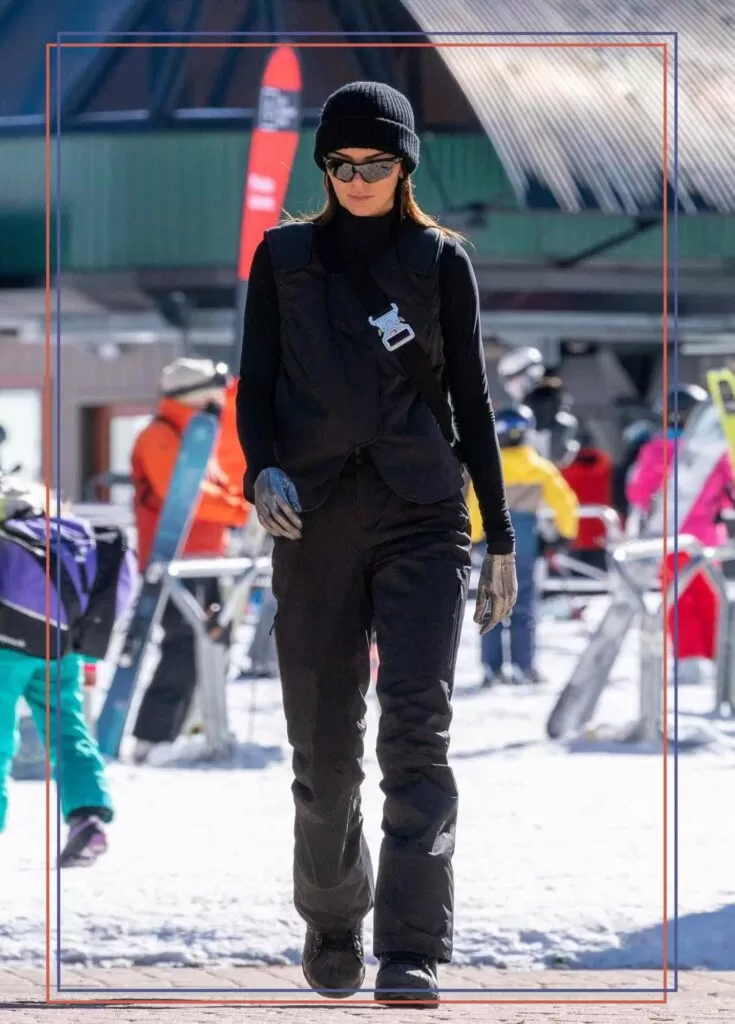
Sleek All-Black Ski Setup
Another take on the all-black approach, this outfit focuses on clean lines and technical performance. The fitted base layer under the jacket prevents bulk, while the streamlined pants work with the boots for a professional ski look. This is what serious skiers wear when function matters most.
Quick tip
Layer a contrasting long sleeve under your quarter-zip for added warmth and style.
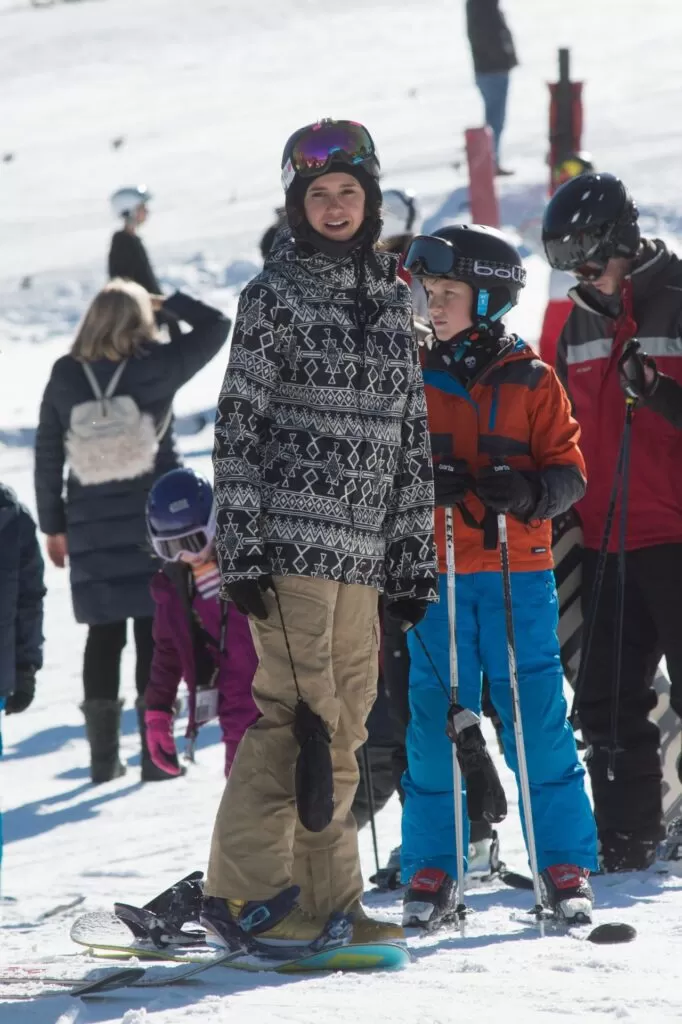
Patterned Jacket with Neutral Pants
The geometric black and white jacket paired with tan pants shows how to balance bold prints with solid colors. This combination works because the neutral pants ground the busy pattern, while the contrasting colors create visual interest without overwhelming the look. Smart choice for intermediate skiers who want some personality in their gear.
Key takeaways
- Choose fitted base layers to prevent bunching under your outer shells
- Balance bold patterns with solid neutral bottoms for a polished mountain look
- Invest in quality technical fabrics that perform in harsh mountain conditions
- Create visual interest with contrasting sleeve colors even in simple outfits
- Consider monochromatic schemes in black for a sleek, professional appearance
- Add personality through one statement piece rather than multiple busy patterns
How to Style a Sports Bra? 20 Outfit Ideas & Styling Tips
147 Super Cool Adidas Outfits for Girls with Styling Tips
30 Coolest Soccer Mom Outfits That You Can Actually Wear
25 Girls Athleisure Outfit Ideas That Are Trending This Year
21 Best Soccer Game Outfit Ideas for Girls
How to Wear a Skort? 20 Best Skort Outfits for all Ages
39 Lug Sole Boots Outfit Ideas & Styling Tips
What to Wear to a Hockey Game? 22 Trending Outfit Ideas