The kurta is the most misunderstood piece in South Asian fashion — and most women are wearing it completely wrong. I see it everywhere: kurtas paired with the wrong trousers, styled too casually for the occasion, or drowning petite frames because nobody explained the proportion rules.
Growing up, my mum always said a kurta should make you look put-together without trying too hard. She was right. After years of styling kurtas for everything from Eid lunches to corporate meetings, I’ve learned that the difference between looking polished and looking like you’re wearing your pyjamas outdoors comes down to five specific techniques. The fabric matters, the fit is everything, and your choice of bottoms can make or break the entire look.
The kurta works because it solves the eternal South Asian fashion dilemma: how to look appropriately modest while still showing your personal style. But only if you know these rules.
Styling tips
Choose straight-leg bottoms for balance
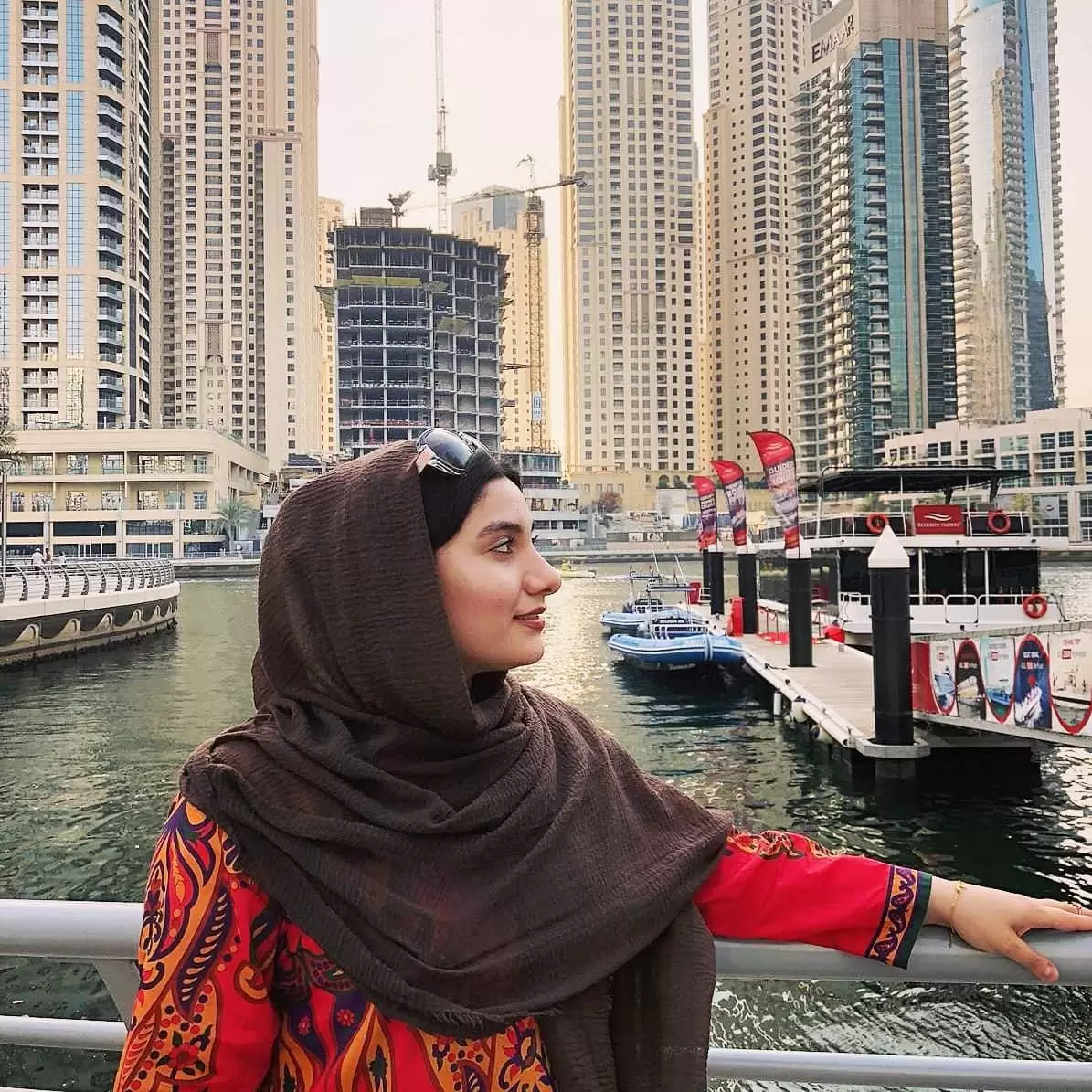
This floral kurta demonstrates exactly why straight or cigarette pants work better than wide-leg options with most kurta styles. The fitted bottom creates a clean silhouette that lets the kurta’s print be the focal point without overwhelming your frame. Wide-leg bottoms with a loose kurta create too much fabric volume.

Match your print intensity to the occasion
This paisley kurta shows perfect print scaling — busy enough to be interesting but not so overwhelming that it screams “casual only.” The key is choosing prints that can transition from day to evening with just a shoe change. Tiny florals read too young, massive botanicals look like curtain fabric.

Layer with structured pieces for definition
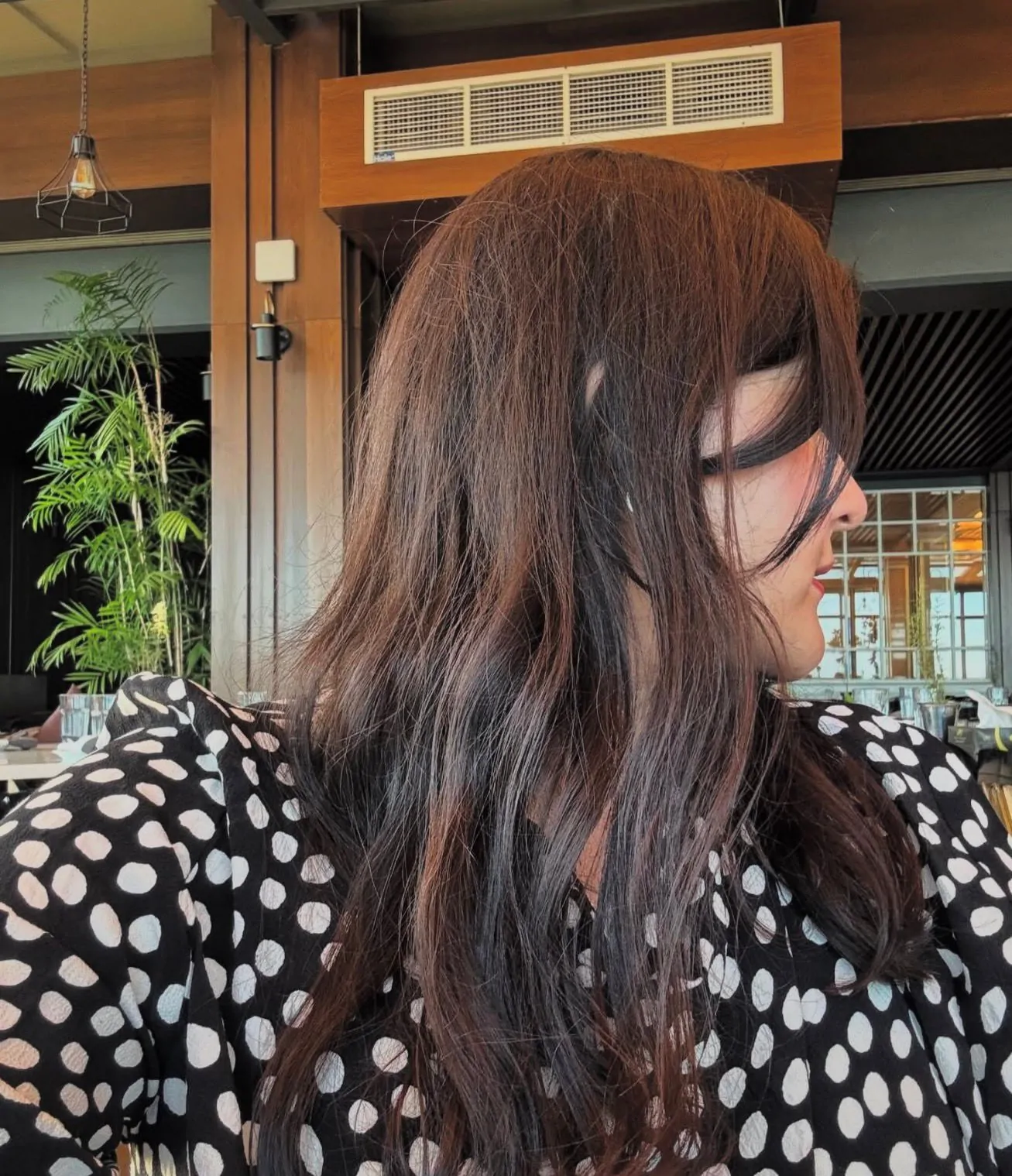
The black kurta here proves that solid colours need texture or layering to avoid looking flat. Notice how the small embroidered motifs add visual interest without competing with other elements. When wearing solid kurtas, always add one point of contrast — whether through jewellery, shoes, or subtle embellishment.

What to Wear to a Summer BBQ? 20 Outfit Ideas for Women

15 Board Shorts Outfits for Women to Wear (Beach & Casual)

How to Wear Crochet Tops 13 Tips & Outfit Ideas

How to Wear Sweatshorts? 21 Best Outfit Ideas for Women

How to Wear Tank Tops? 25 Outfit Ideas & Styling Tips
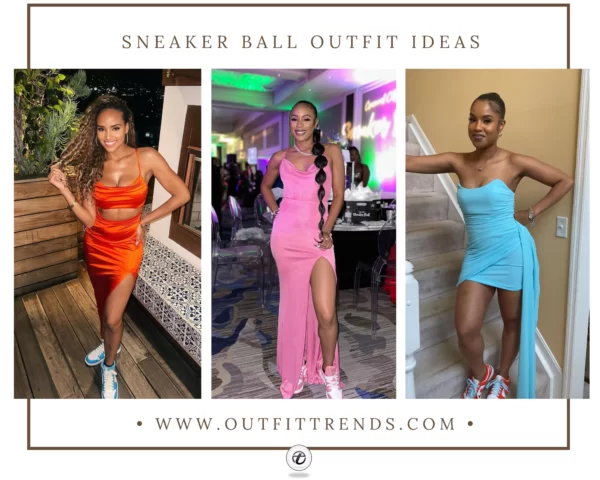
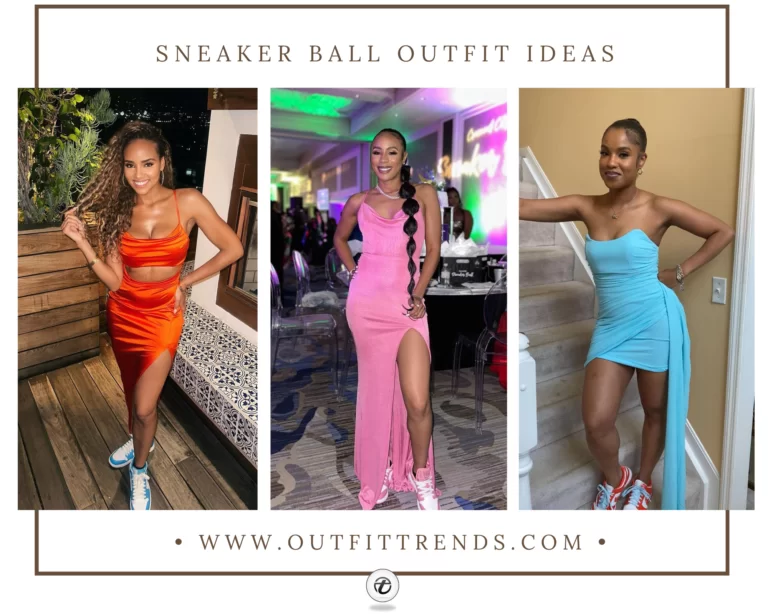
14 Cool Sneaker Ball Outfit Ideas & Styling Tips
How to Style Windbreakers ? 43 Outfit Ideas
How To Wear A Long Cardigan? 26 Outfit Ideas

Master the shirt-style kurta for versatility
This button-down kurta in blush demonstrates why the shirt style is the most practical cut you can own. The collar adds structure, the button placket creates vertical lines that elongate, and you can easily roll the sleeves for a more casual look. It bridges Eastern and Western aesthetics perfectly.

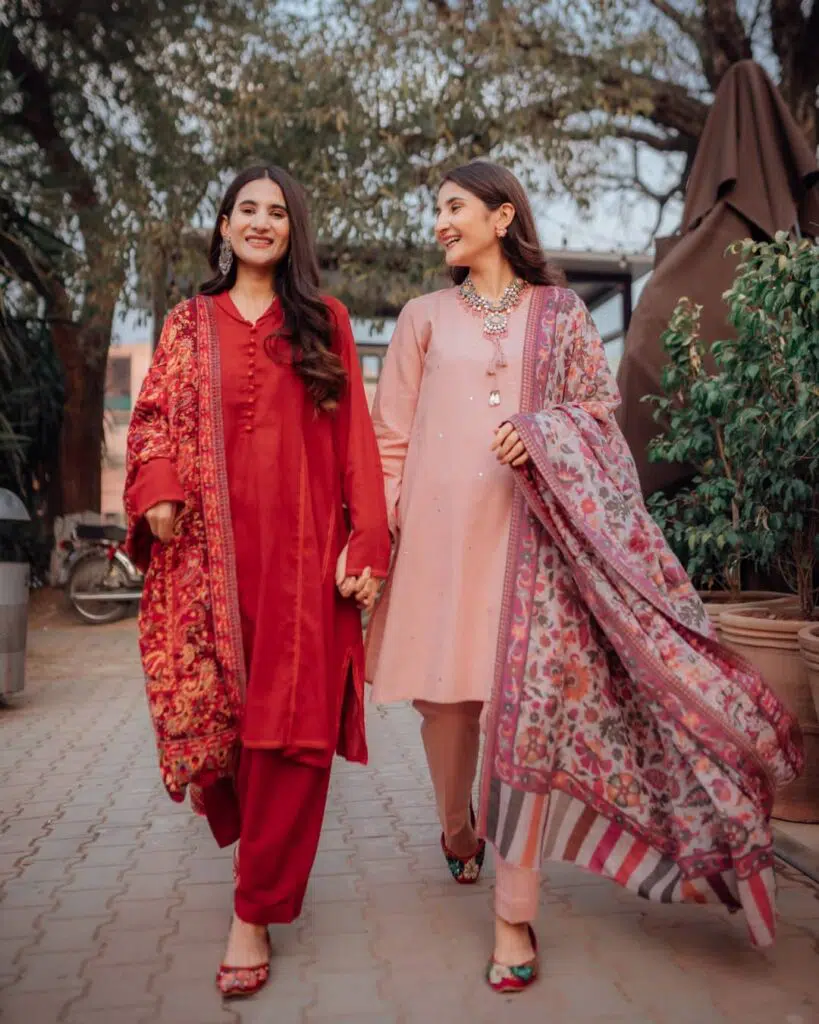
Coordinate colours without exact matching
These two looks show the right way to coordinate — picking up one colour from the other person’s outfit rather than matching exactly. The red and pink work together because they share undertones, while the prints complement rather than compete. Exact matching looks staged and juvenile.
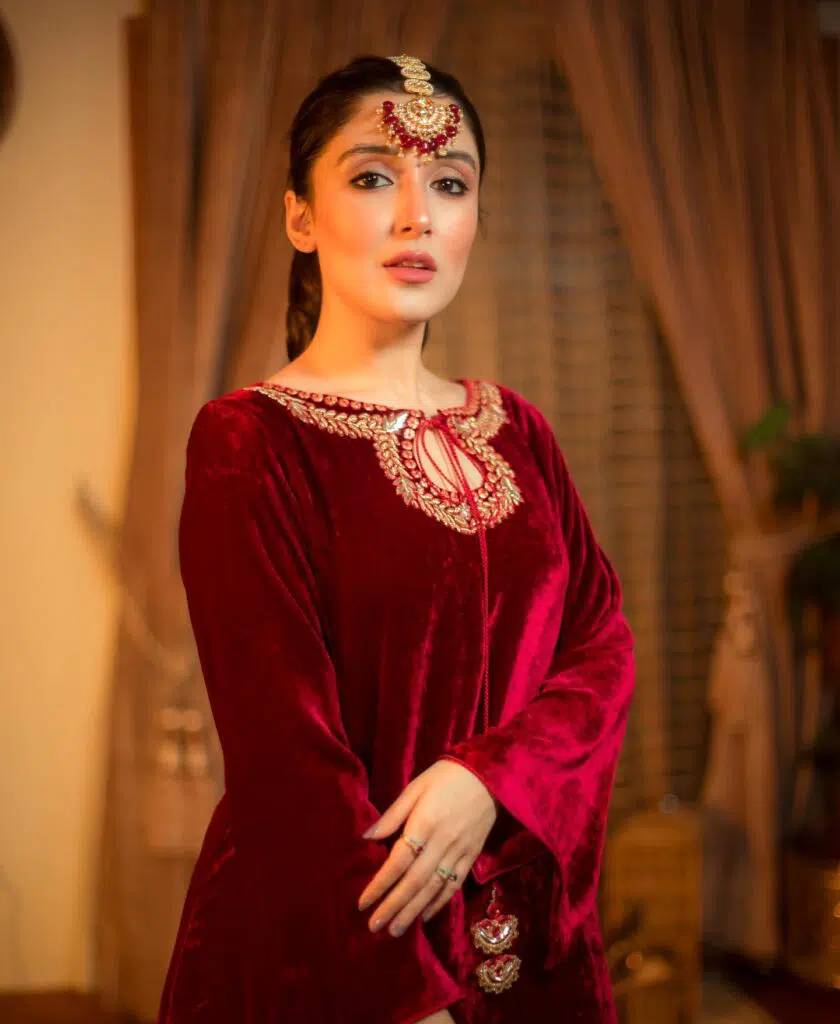
Add traditional accessories for authenticity
The velvet kurta with maang tikka demonstrates how traditional jewellery transforms a simple kurta into something special. But notice the restraint — just one statement piece, not every traditional accessory at once. The maang tikka draws attention upward and balances the rich fabric beautifully.
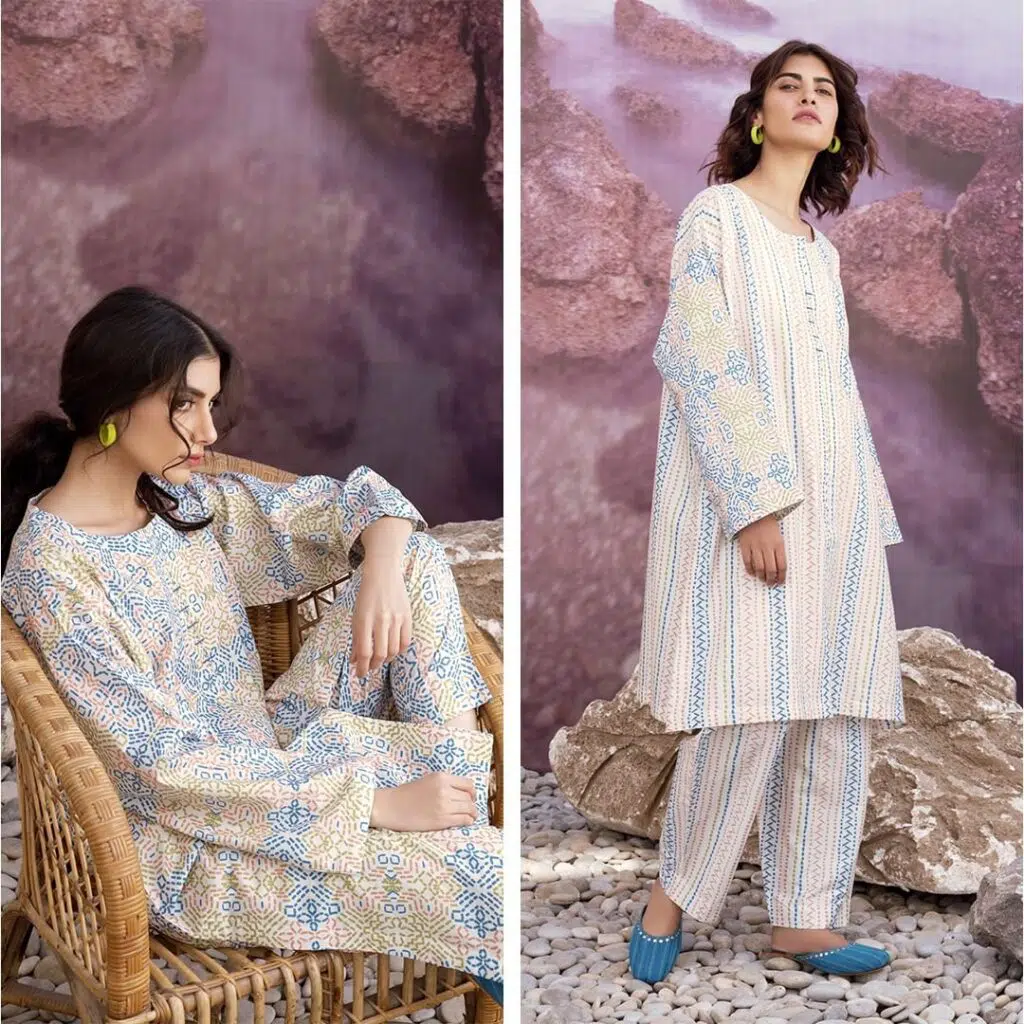
Mix prints with confidence
This geometric kurta set proves that tonal print mixing works when you stick to the same colour family. The block print on the kurta pairs with the striped trousers because both use similar blues and creams. The trick is keeping one pattern larger and one smaller to create hierarchy.
The kurta’s A-line silhouette was originally designed for horse-riding warriors in medieval India, allowing freedom of movement while maintaining modesty. This is why traditional kurtas always have side slits — they’re functional, not decorative. That structural logic still shapes how designers recommend styling kurtas today.
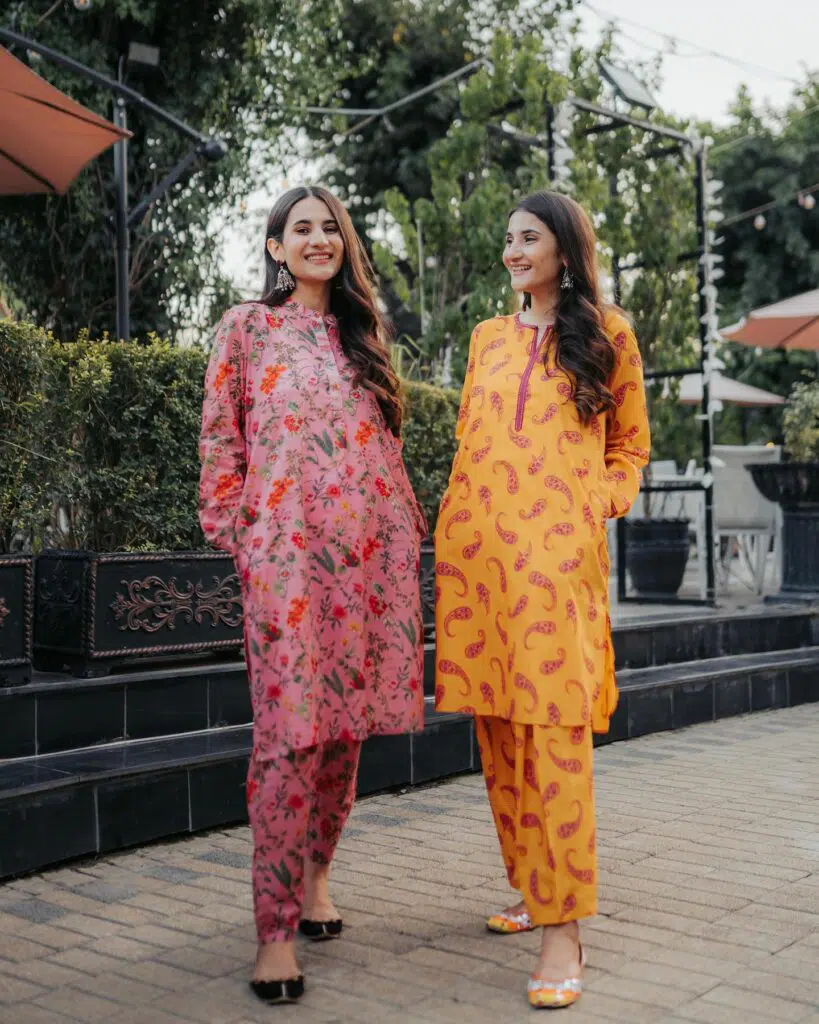
Embrace bold colour combinations
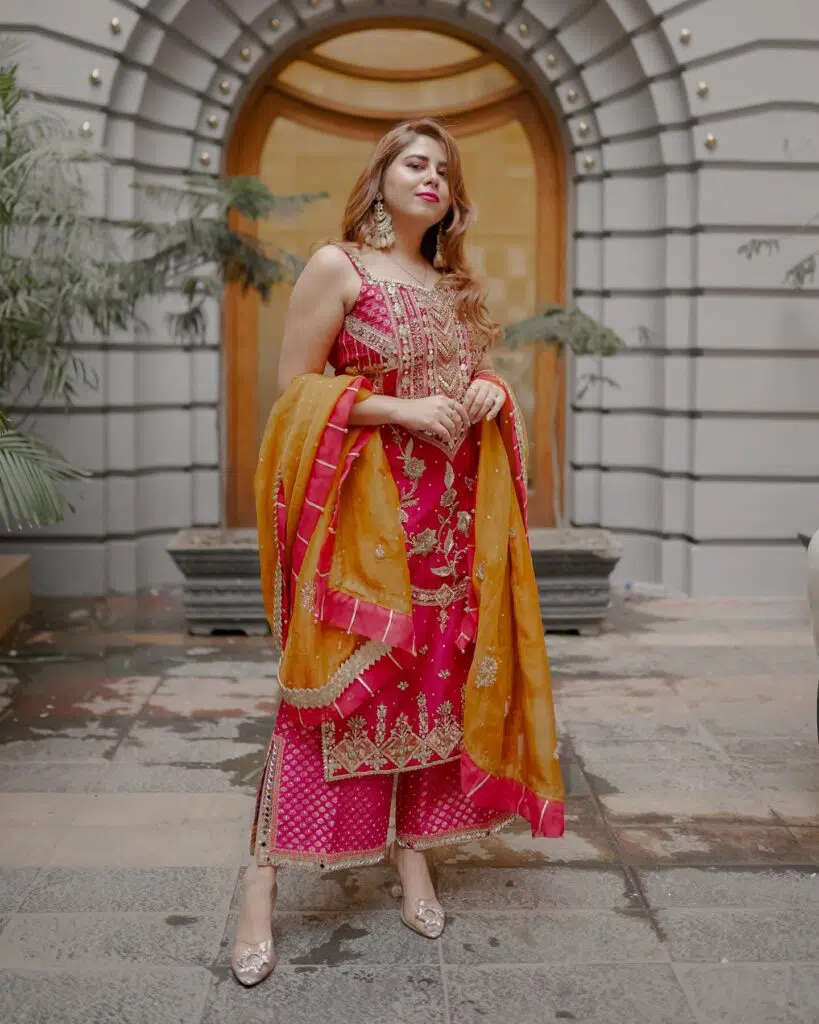
The pink floral and yellow paisley pairing here shows how to wear bright colours without looking like a walking rainbow. Both kurtas share similar print scales and warm undertones, which unifies the look despite the colour contrast. The key is ensuring your bright colours harmonise rather than clash.
Choose embellishment placement carefully
This red kurta demonstrates perfect embroidery placement — focused around the neckline and hem rather than scattered randomly. Strategic placement draws the eye to your face and creates visual anchors. Random embellishment all over the kurta looks busy and cheapens the overall effect.
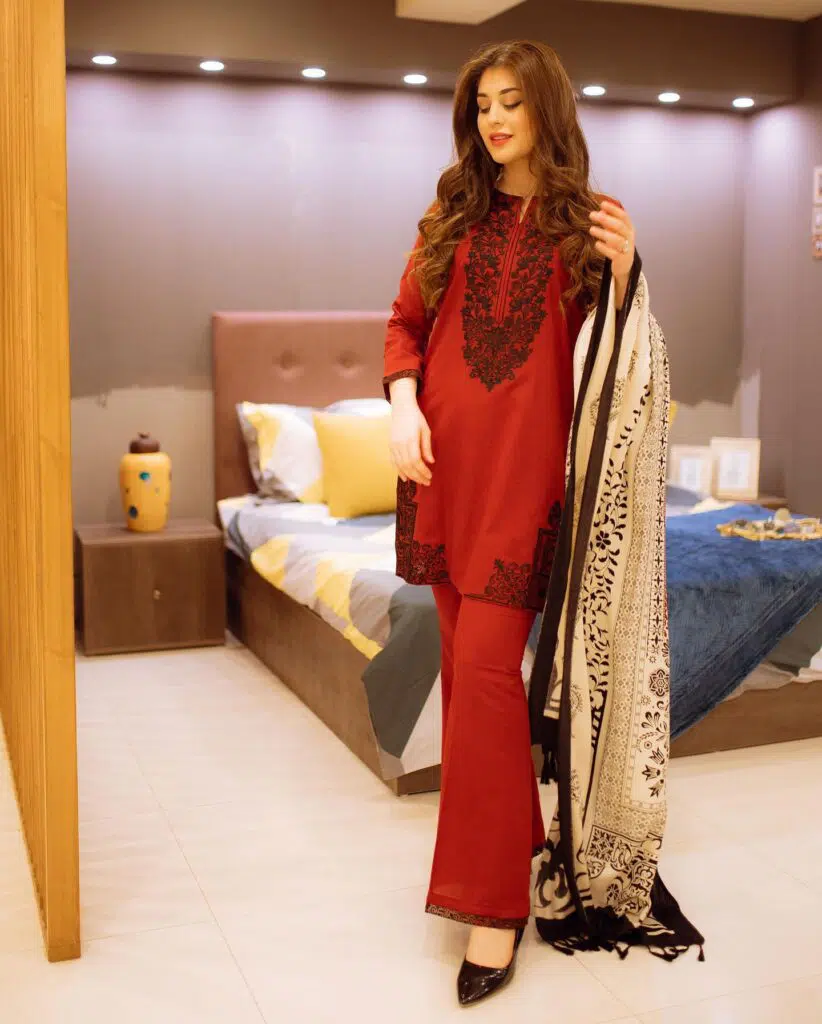
Go formal with rich fabrics and metallics
The silk kurta with gold work shows how fabric choice elevates the same silhouette from casual to formal. The dupatta adds another layer of sophistication, but notice how it’s draped simply over one shoulder rather than wrapped elaborately. Sometimes restraint creates more impact than complexity.
Dos & Don’ts
Modern Kurta Styling Ideas That Actually Work
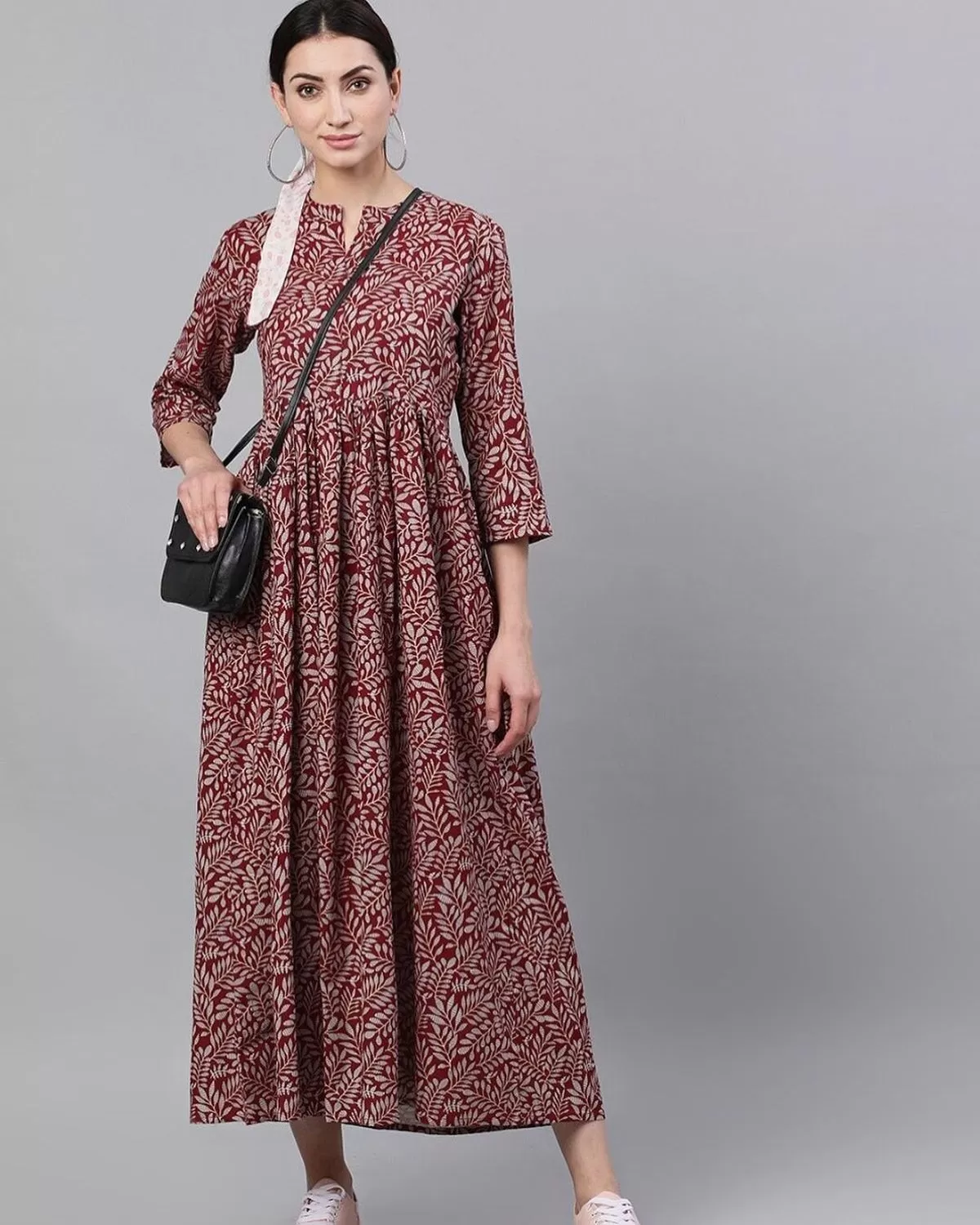
Burgundy Block-Print Maxi Kurta
This ankle-length kurta in deep burgundy with cream block printing proves that longer lengths create the most flattering silhouette for most body types. The fitted bodice and flared skirt section balance proportions perfectly, while the three-quarter sleeves keep it modern. Pair with simple white sneakers like shown here — it grounds the traditional print and makes the whole look wearable for daily errands.
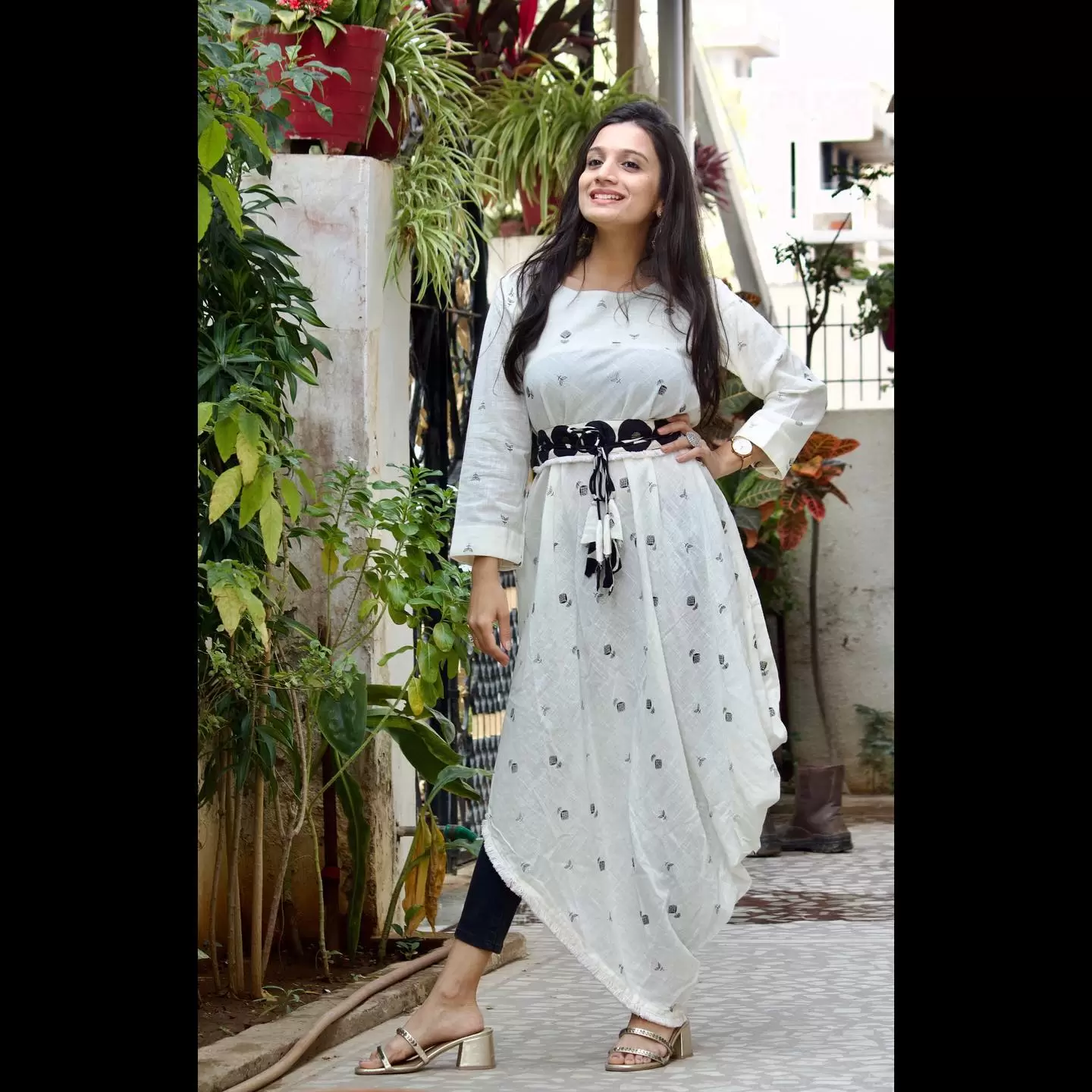
White Asymmetrical Kurta with Belt
The asymmetrical hemline transforms a basic white kurta into something special, but the real styling win here is the black rope belt that defines the waist. This proves that even the most flowing kurtas benefit from structure — the belt creates shape without compromising comfort. The delicate dotted print keeps it interesting without being overwhelming.
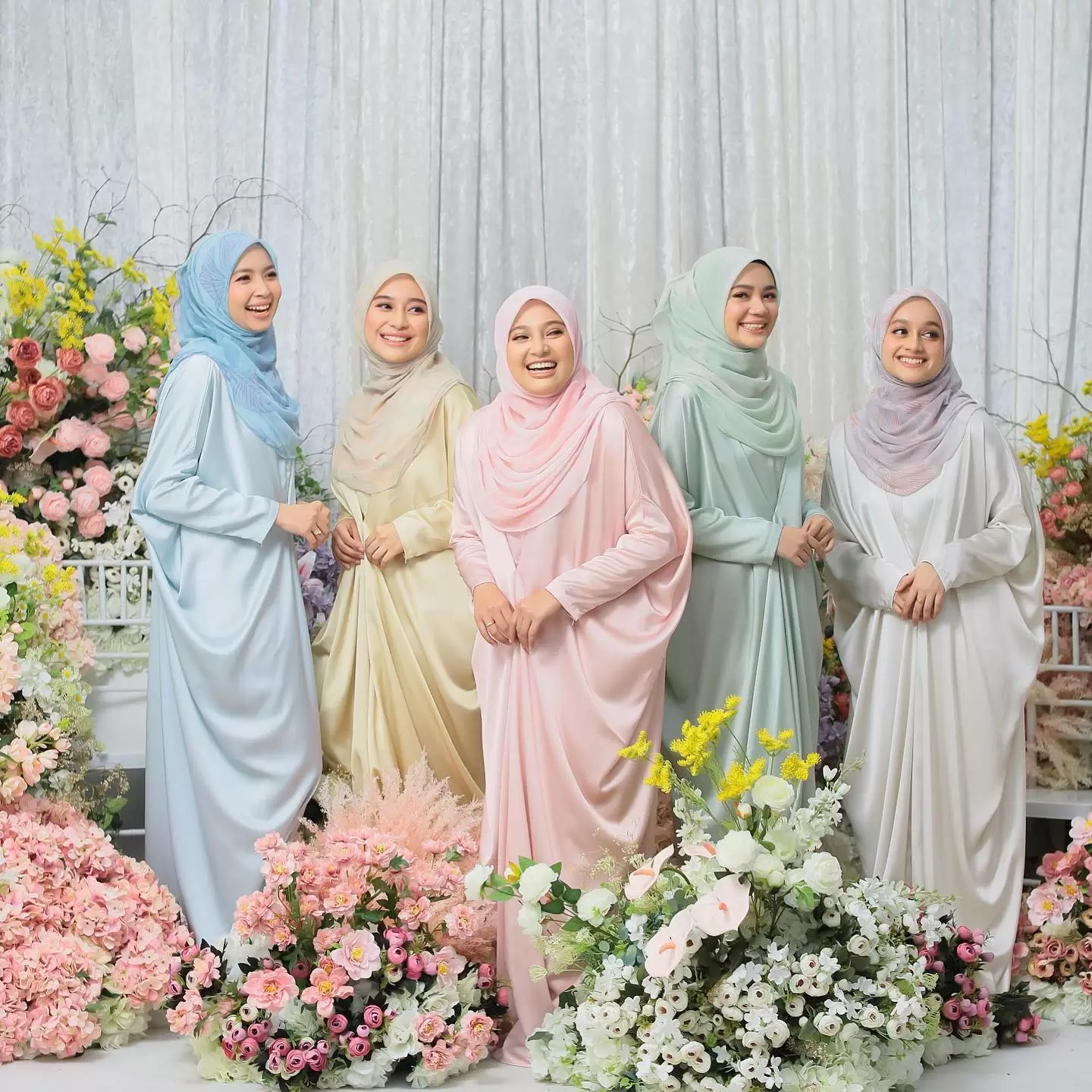
Pastel Coordinated Group Look
Five women in soft pastels — powder blue, cream, blush pink, sage green, and lavender — show how tonal coordination works for group occasions. Each kurta has similar draping and length but different subtle details, creating unity without uniformity. This approach works beautifully for family photos, bridal parties, or any event where you want to look cohesive but not identical.
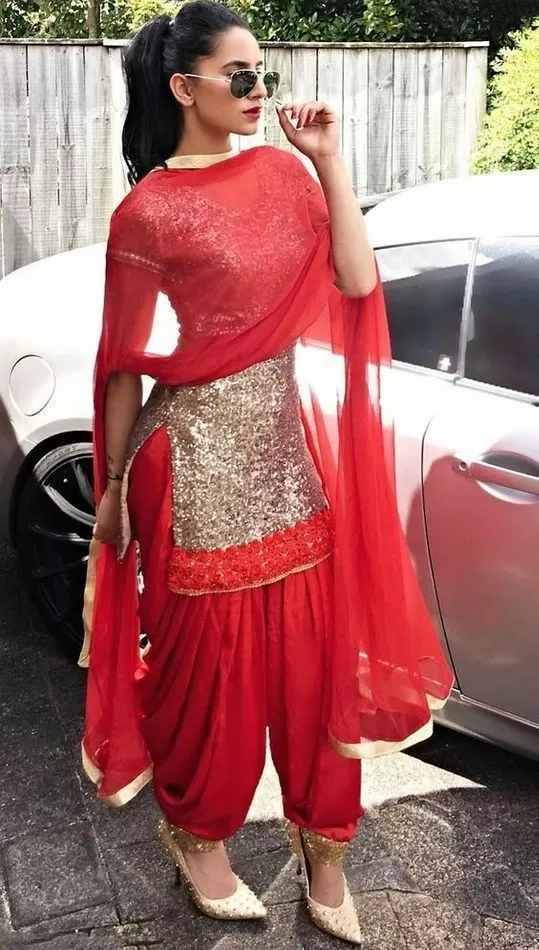
Red Sequin Kurta with Gold Sharara
The combination of red chiffon kurta with gold sequined sharara creates maximum impact for evening events. The contrasting metallics — red sequins on the kurta, gold on the pants — add richness without being too matchy. The flowing dupatta draping and statement sunglasses show how to style traditional pieces with contemporary confidence.
Quick tip
Choose ankle-length kurtas over shorter styles — they’re more flattering and versatile.
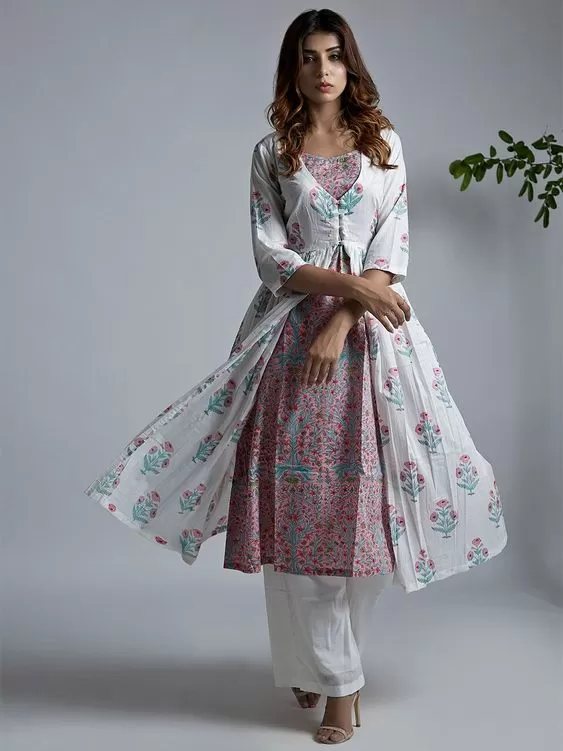
Mixed-Print Anarkali Style
This flowing anarkali combines two complementary prints — small florals on the main fabric and tiny motifs on the contrasting panels. The print mixing works because both patterns share the same color palette of coral, teal, and cream. The jacket-style opening and fitted sleeves make it more structured than typical anarkalis, perfect for women who want traditional silhouettes with modern tailoring.
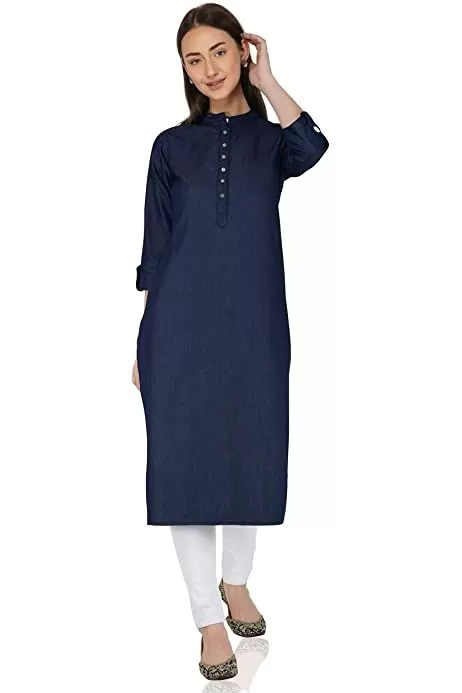
Navy Denim Kurta
A straight-cut navy kurta in what appears to be denim or denim-like fabric proves that non-traditional fabrics can work beautifully in classic cuts. The button-front placket and simple silhouette make it incredibly versatile — dress it up with heels or keep it casual with flats. This style bridges the gap between Eastern and Western wardrobes effortlessly.
Key takeaways
- Longer kurtas are more universally flattering — ankle-length styles create better proportions than mid-thigh cuts
- Add structure to flowing kurtas with belts at the natural waist — even rope belts work better than no definition
- For group events, coordinate through similar tones rather than identical colors — it’s more sophisticated than exact matches
- Mix metallics confidently by keeping one warm and one cool tone — red and gold, silver and navy work beautifully together
- Print mixing works when both patterns share the same base color palette — ignore scale, focus on color harmony
- Non-traditional fabrics like denim elevate basic kurta cuts — unexpected textures make simple silhouettes more interesting
What to Wear to a Summer BBQ? 20 Outfit Ideas for Women
15 Board Shorts Outfits for Women to Wear (Beach & Casual)
How to Wear Crochet Tops 13 Tips & Outfit Ideas
How to Wear Sweatshorts? 21 Best Outfit Ideas for Women
How to Wear Tank Tops? 25 Outfit Ideas & Styling Tips
14 Cool Sneaker Ball Outfit Ideas & Styling Tips
How to Style Windbreakers ? 43 Outfit Ideas
How To Wear A Long Cardigan? 26 Outfit Ideas
Which look is your favourite?
Tap the outfit you would wear. Results show right after you vote.