

The blazer is the most misunderstood piece in any teen boy’s wardrobe — especially for funerals. I’ve watched countless young men show up to services looking like they’re heading to prom or a job interview, completely missing the mark on what respectful actually means. The biggest mistake? Thinking formal equals appropriate, when what you really need is understated respect.
Most guys panic about funeral dress codes because they’ve never learned the difference between occasion-appropriate and fashion-forward. A funeral isn’t about looking sharp or making an impression — it’s about blending in while showing respect. That means your outfit should never be the first thing people notice about you. I’ve dressed hundreds of young men for these occasions, and the same errors come up every time: too flashy, too casual, or trying so hard to look “dressed up” that they end up looking uncomfortable.
The reality is simpler than most teens think. You need one well-fitted dark suit or blazer combination, and you’re covered for every funeral you’ll attend. The key is nailing the fit first — everything else is just details.
Styling Tips
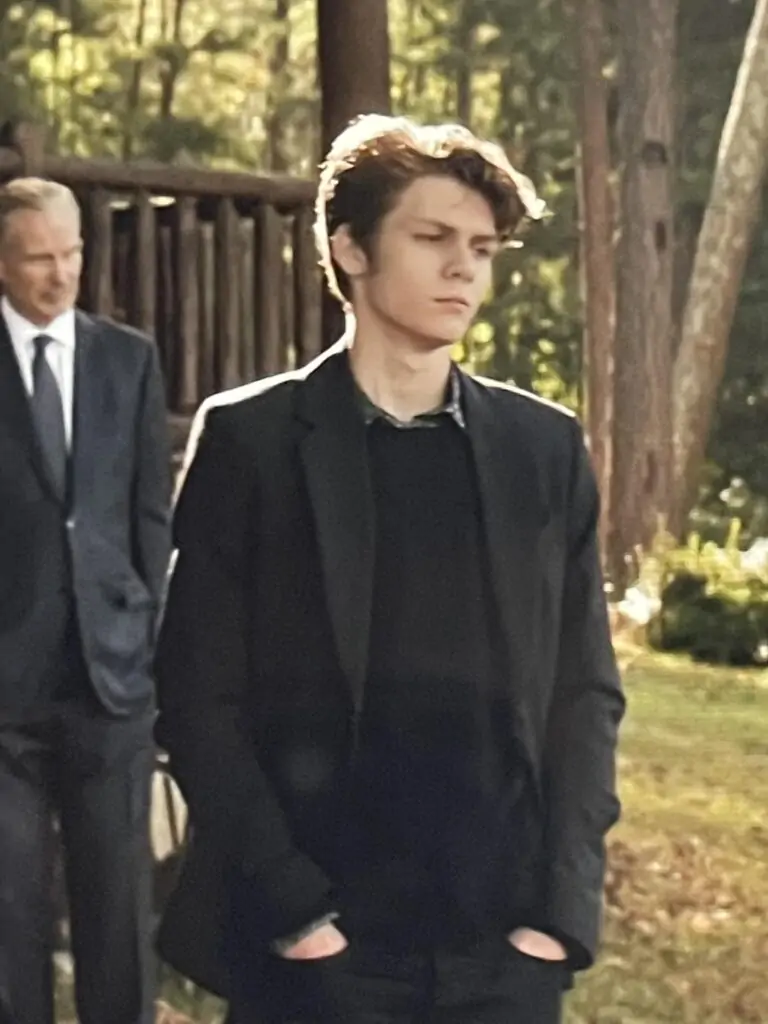
Classic Black Suit Foundation
This is your gold standard — a well-fitted black suit with a white shirt and simple tie. Notice how the jacket sits properly at the shoulders and the trouser length hits just right at the shoe. This combination works because it’s timeless and respectful without trying too hard.
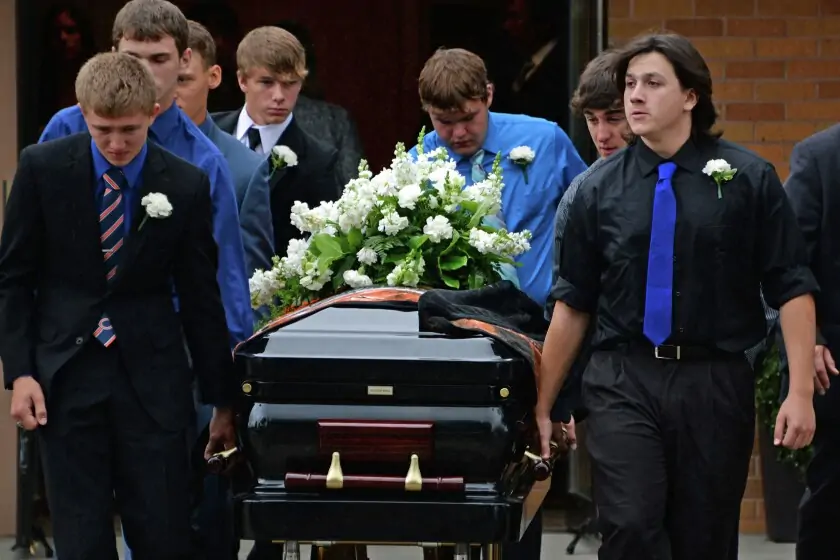
Pallbearer Protocol
When you’re carrying the casket, fit becomes crucial for movement and respect. These young men show proper funeral attire — dark suits, coordinated but not identical, with the kind of sombre dignity the occasion demands. The key is looking unified as a group while individual pieces fit well.
Casual Funeral Alternative
Not every funeral requires a full suit. Dark chinos with a navy blazer and simple shirt work for less formal services. This combination maintains respect while being more accessible for teens who don’t own formal wear. The brown leather shoes add just enough polish without being flashy.
28 Cool Easter Outfit Ideas for Teen Guys

20 Fashionable Winter Outfits For Teen Guys
What to Wear to a Funeral? 30 Outfit Ideas for Men

What to Wear Camping for Teens ? 20 Outfit Ideas
25 Adoreable Back-to-School Outfits for Boys
20 Best First Date Outfit Ideas for Boys to Impress Her
23 Cute First Day of College Outfits for Boys for Sharp Look
How To Dress Like Nerdy Boy 28 Outfit Ideas
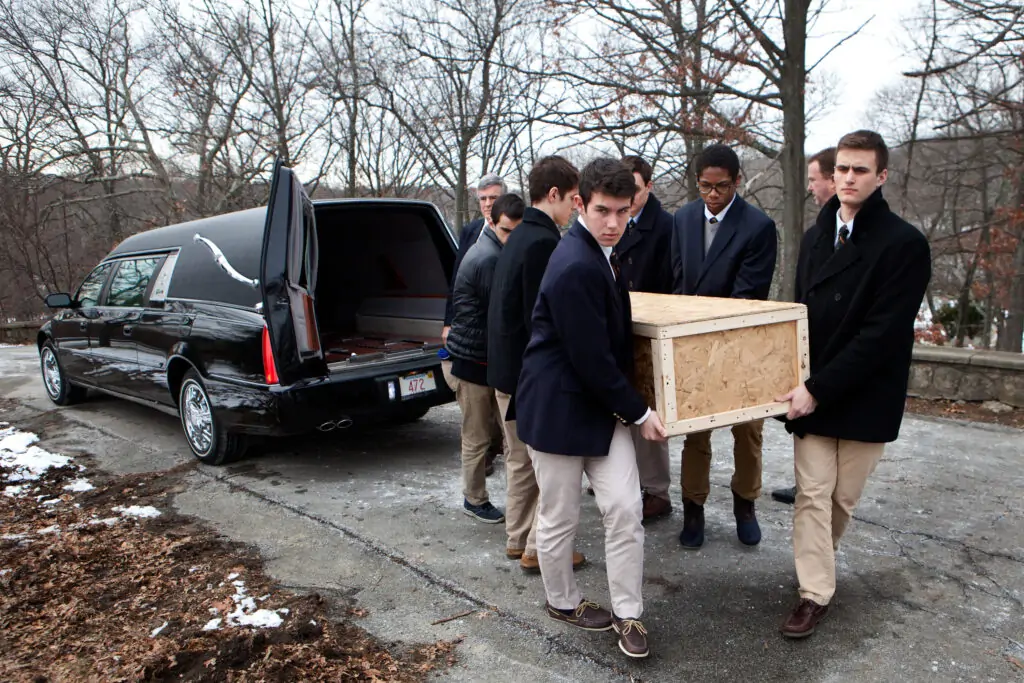
Traditional Formal Setup
The full black suit with matching vest represents maximum formality for funerals. This three-piece approach works for very traditional services or when you’re part of the immediate family. The key is ensuring every piece fits properly — an ill-fitted formal outfit looks worse than a well-fitted casual one.
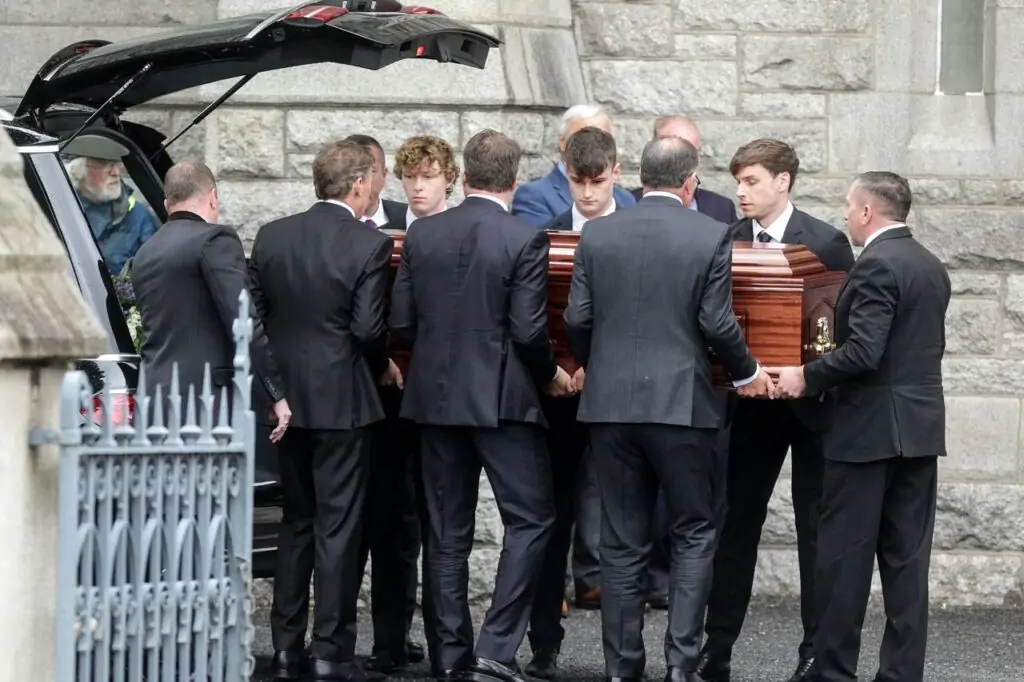
Family Member Standard
When you’re closely related to the deceased, this level of formality shows appropriate respect. The red boutonnière adds a personal touch that’s still tasteful. Notice how the suit is modern-fitted but not trendy — it’s about looking respectful, not fashionable.
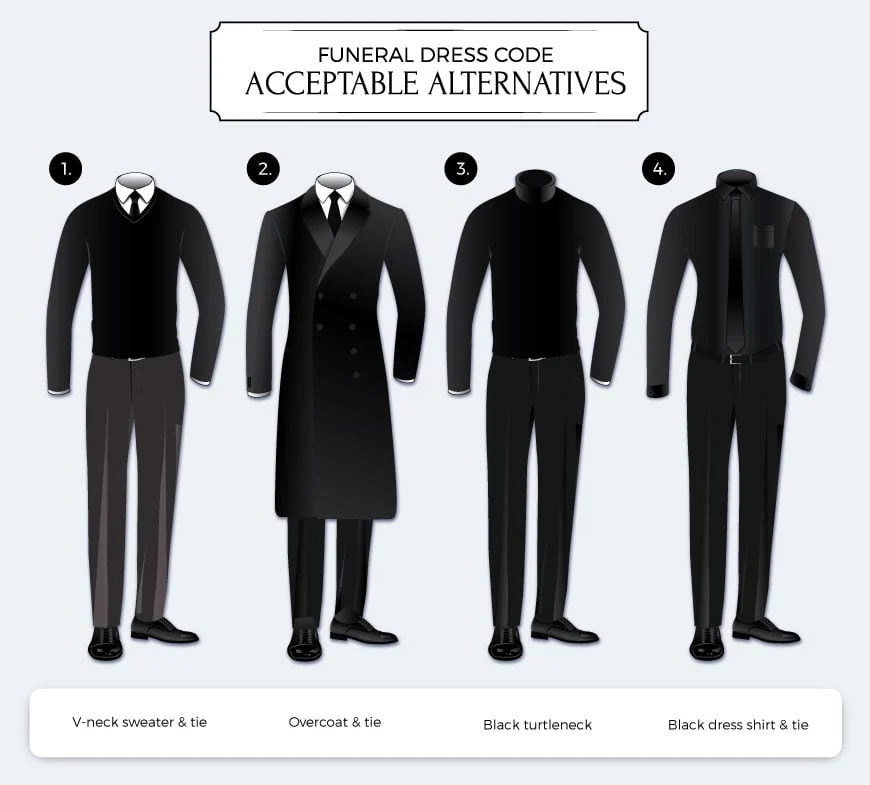
Acceptable Alternatives Guide
This chart shows your options when you don’t own a black suit. The V-neck sweater with tie option is particularly good for teens — it’s formal enough for most services while being more affordable and versatile than a full suit investment.
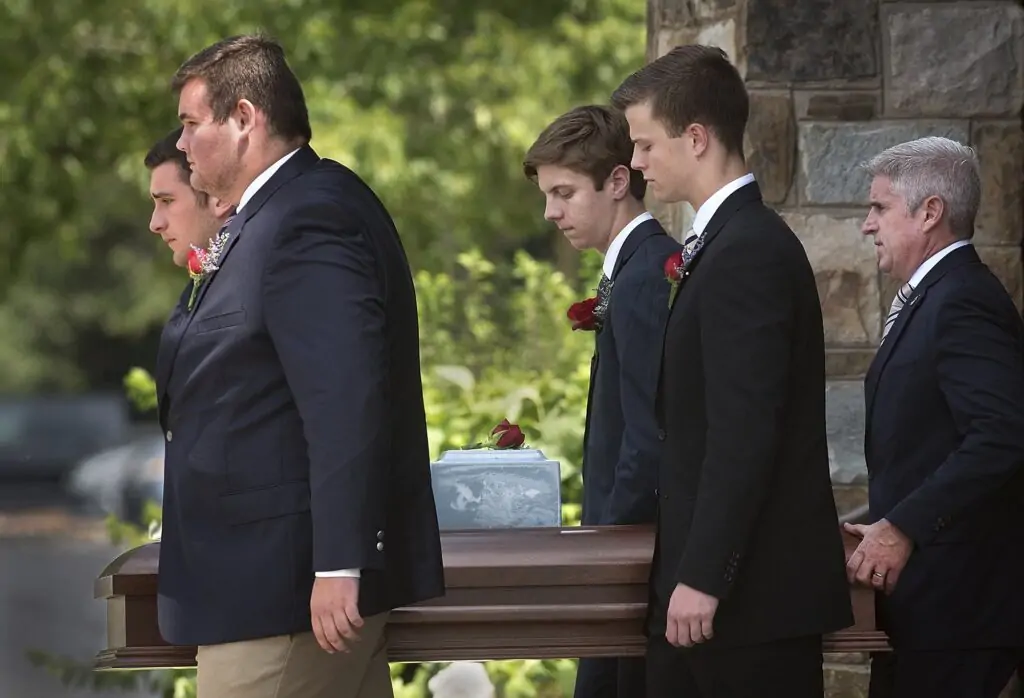
Budget-Friendly Formal
A striped tie with a basic black suit proves you don’t need expensive accessories to look appropriate. The key is keeping patterns subtle and colours muted. This combination works because it focuses on fit and simplicity rather than trying to make a statement.

The tradition of wearing black to funerals only became widespread in the Victorian era. Before that, mourning colours varied by culture — white in many Asian countries, purple in ancient Rome, and brown in medieval Europe.
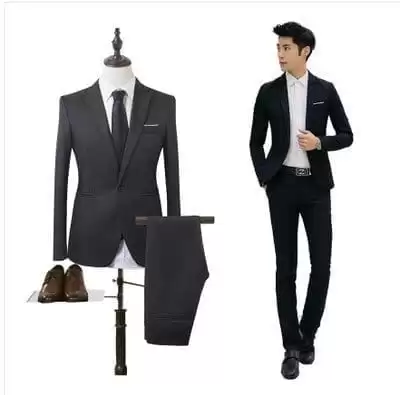
Modern Suit Styling
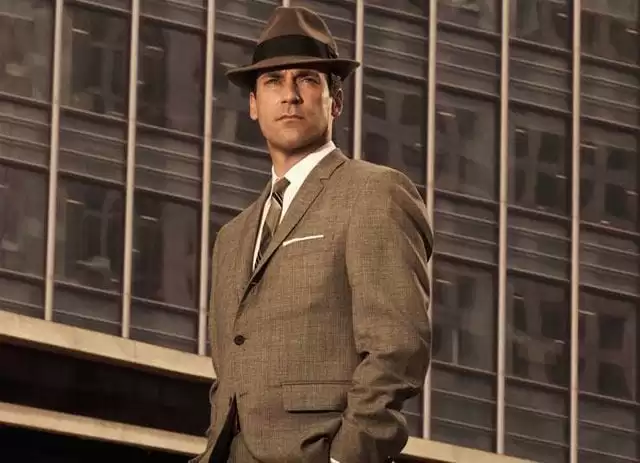
Contemporary cut suits work for funerals as long as they’re not too fitted or trendy. This charcoal option with clean lines shows how modern tailoring can still be respectful. The key is avoiding anything that looks like clubwear or fashion-forward styling.
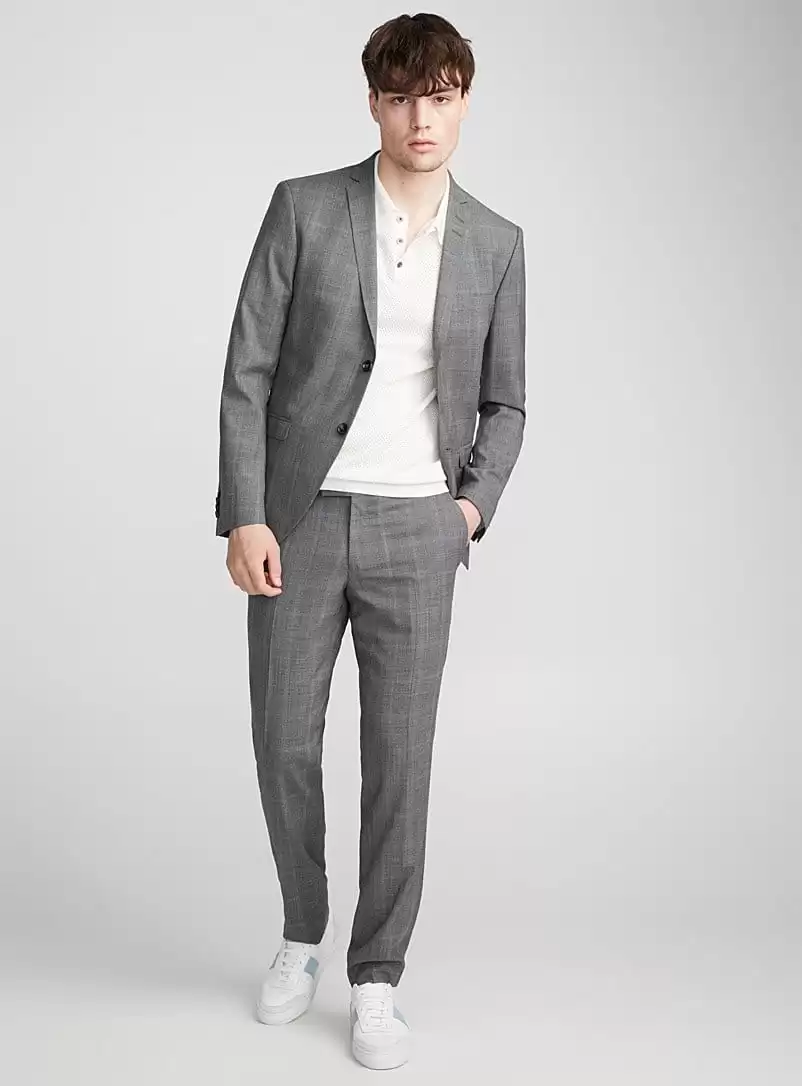
Smart Casual Approach
When the service calls for less formal attire, a grey suit with casual styling works well. The lack of a tie makes this more approachable for younger attendees while maintaining dignity. This works best for celebration-of-life services rather than traditional funerals.
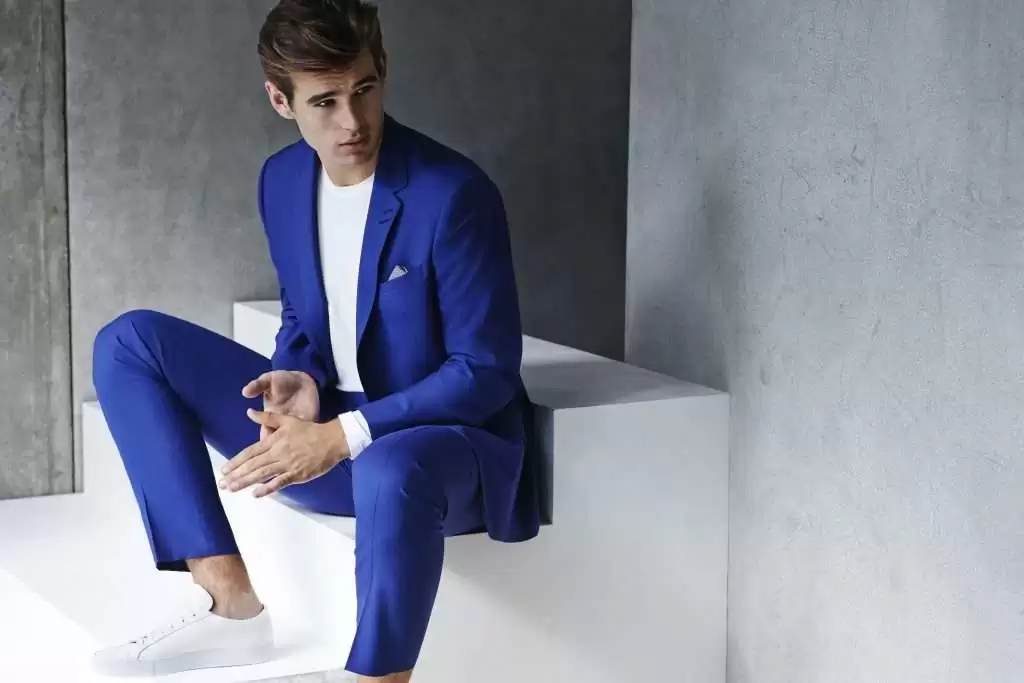
Bold Colour Boundaries
This bright blue suit shows what to avoid — colours this vibrant draw attention in ways that aren’t appropriate for funerals. While the fit is excellent, the colour choice makes this unsuitable for mourning occasions. Save bold colours for celebrations, not memorials.
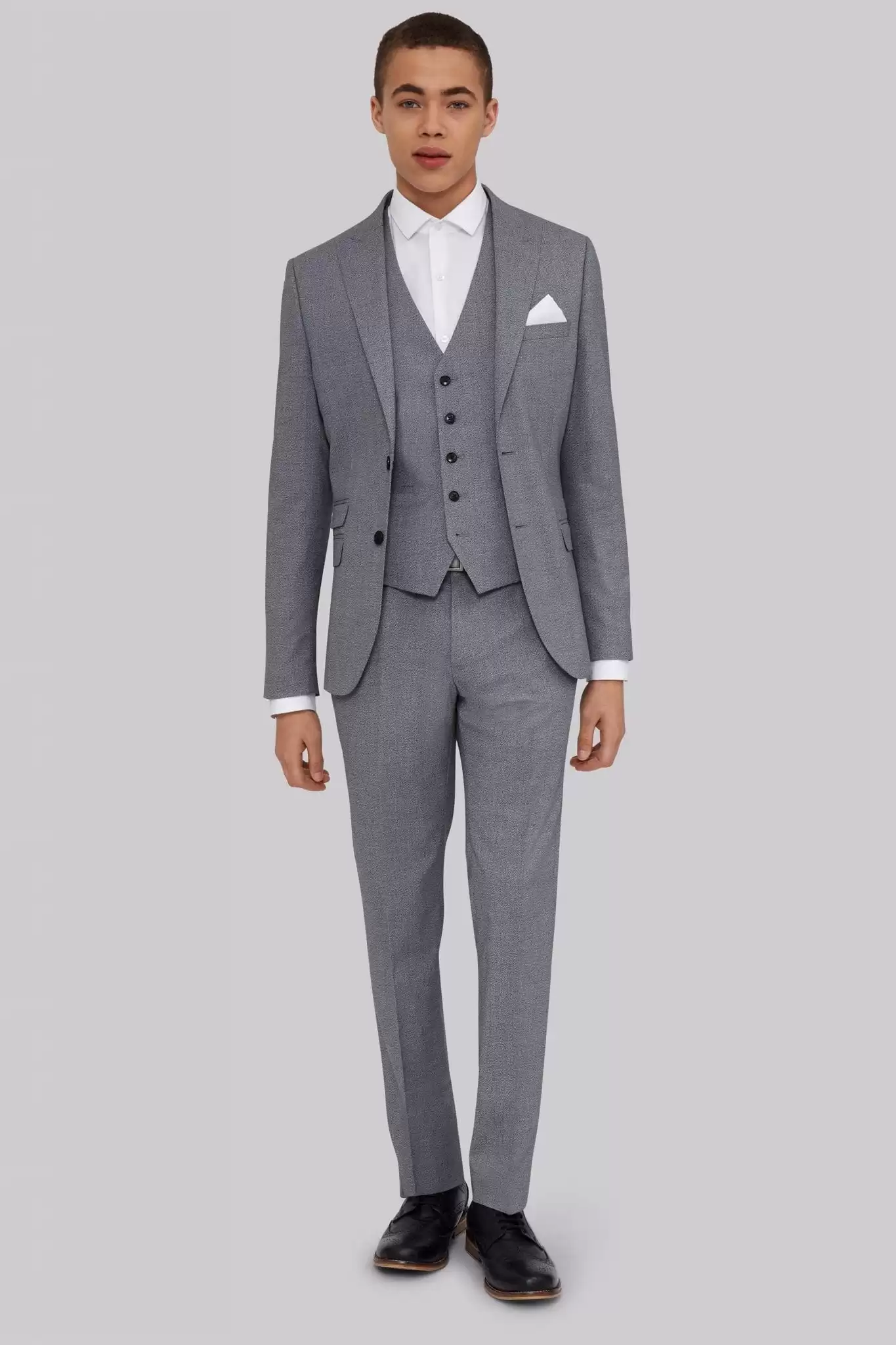
Three-Piece Precision
A properly fitted three-piece suit in grey offers a formal alternative to black. The waistcoat adds structure and tradition while the overall colour palette remains appropriately subdued. This level of formality works well for traditional religious services.
Navy Alternative
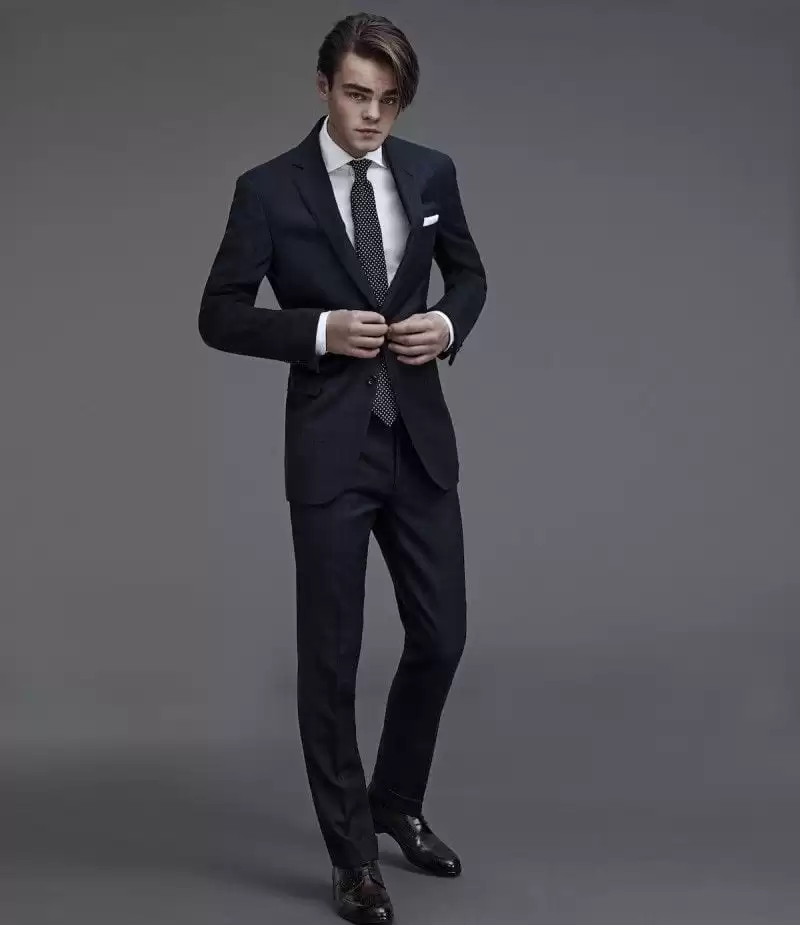
Dark navy suits work almost as well as black for funeral services. The key is ensuring the navy is deep enough to read as formal and sombre. This dotted tie adds subtle texture without being distracting — exactly the right approach for funeral accessories.
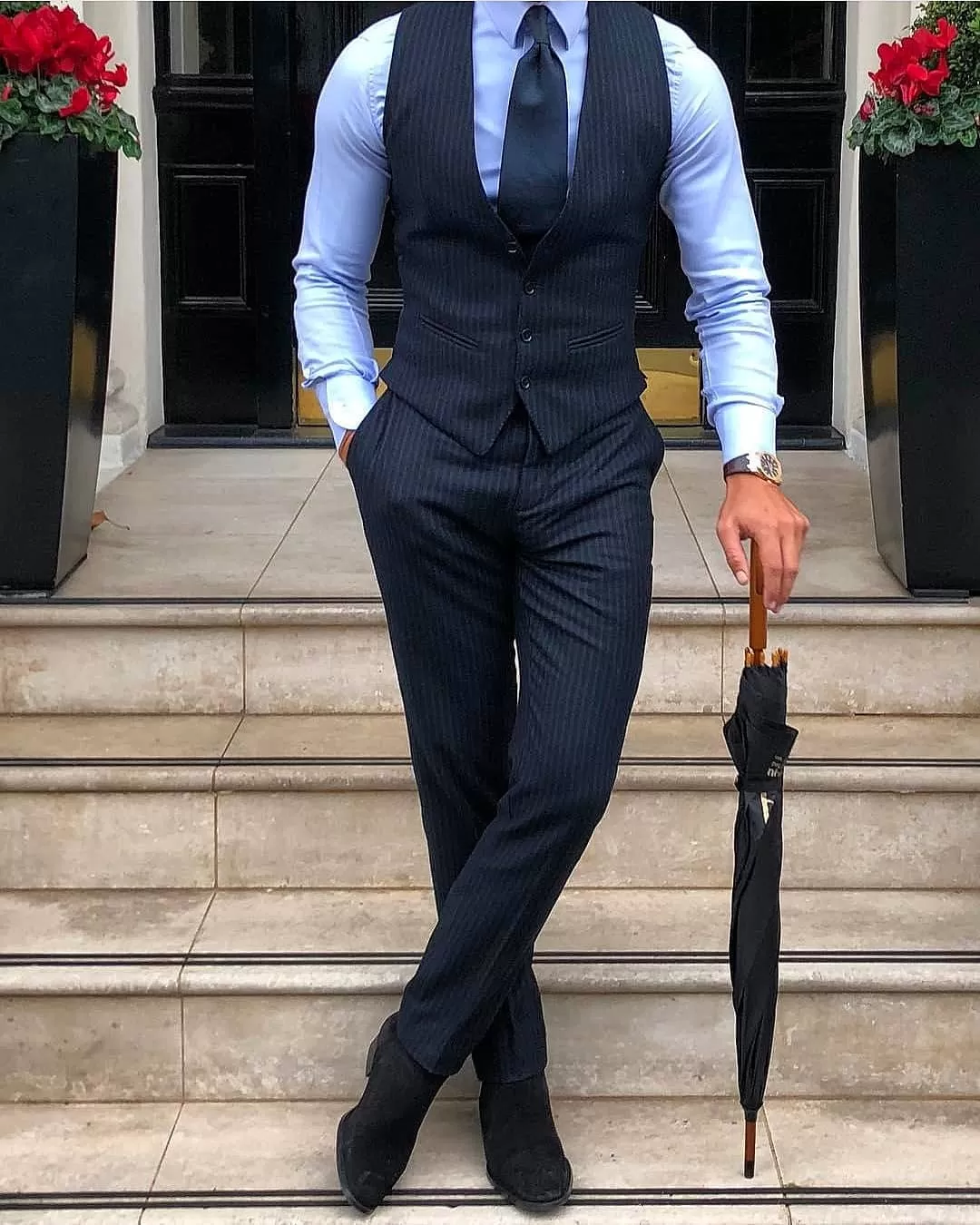
Waistcoat Styling
Wearing a waistcoat without the jacket can work for indoor services or warmer weather. The pinstripe pattern is subtle enough for the occasion while the overall silhouette maintains formality. This approach works when you need to look dressed up but not overwhelmingly formal.
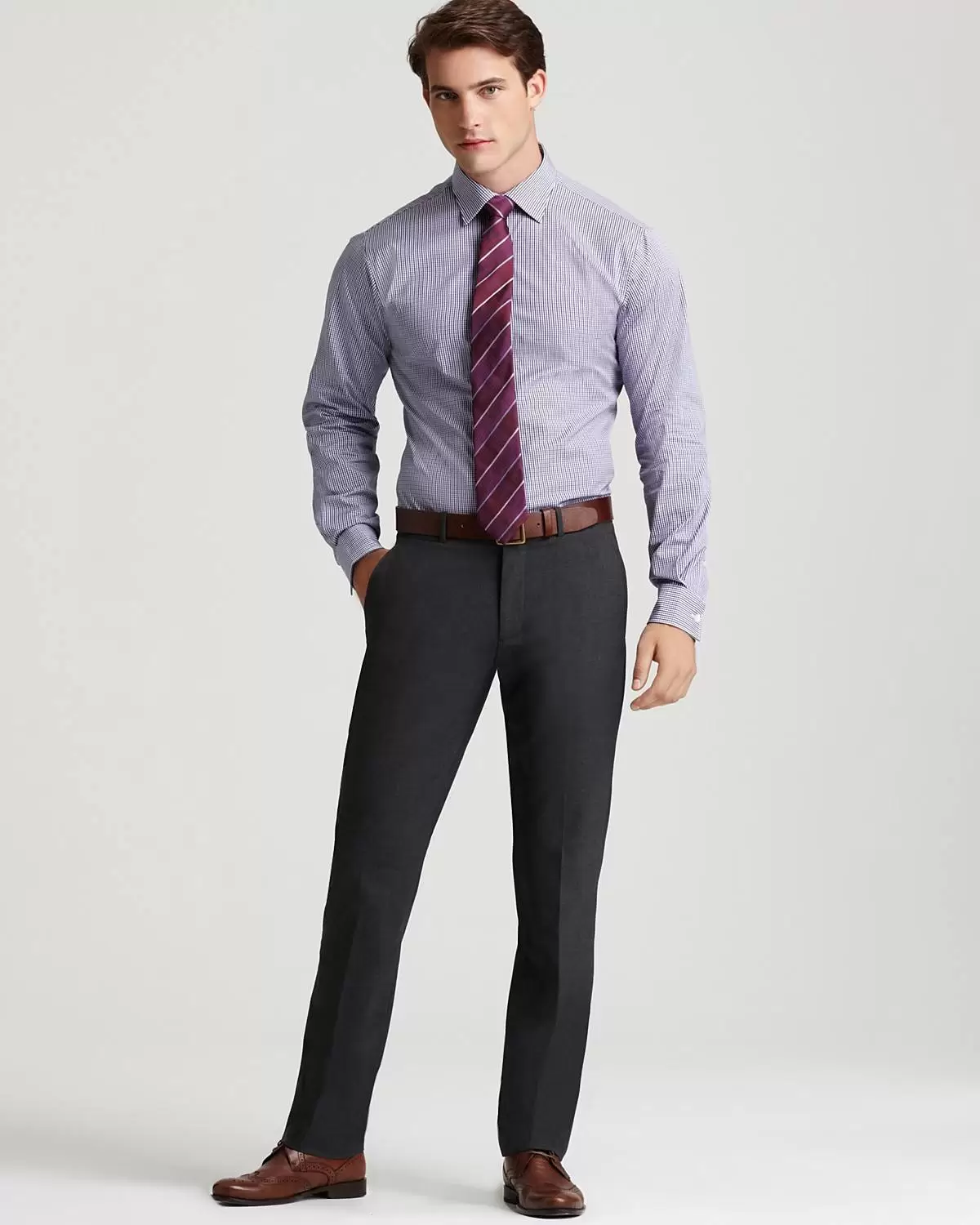
Shirt and Trouser Balance
Sometimes separates work better than a full suit, especially for teens still growing. This combination of dress shirt and dark trousers maintains respect while being more practical. The brown leather shoes add polish without being too formal for the overall look.
Casual Respect
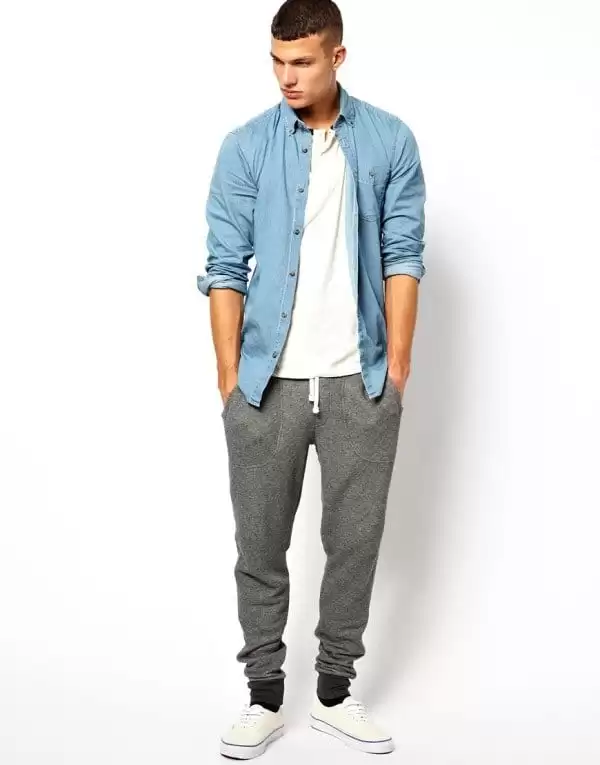
For very casual services or when specifically requested by the family, dark jeans with a button-down shirt can work. The key is ensuring everything is clean, well-fitted, and dark-toned. This approach only works when the family has specifically indicated casual dress is welcome.
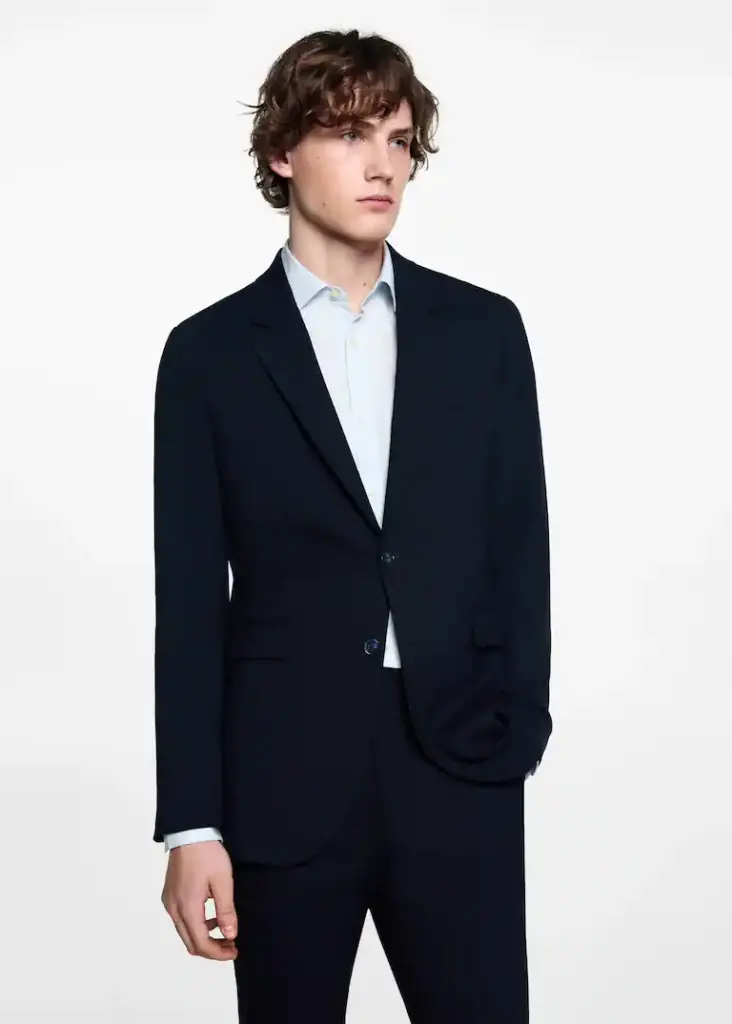
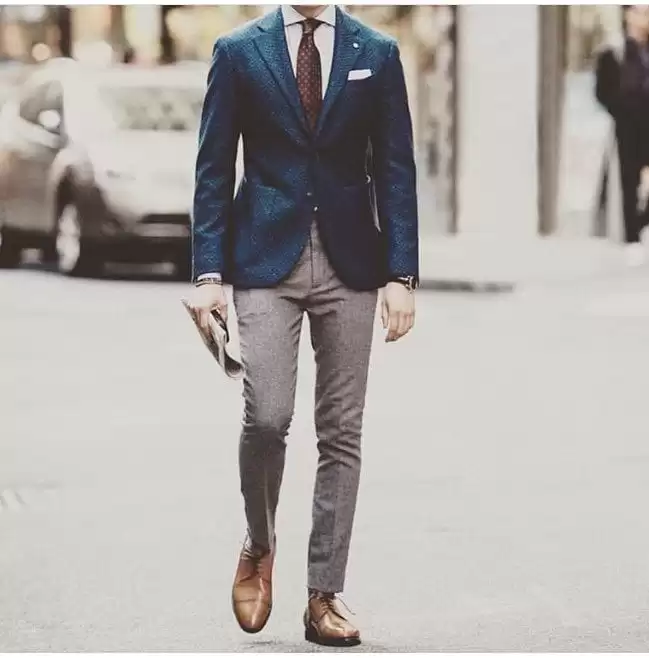
Business Casual Boundary
A navy blazer with grey trousers represents the casual end of appropriate funeral wear. This works for services where the family has requested “no black” or celebration-of-life events. The brown accessories add warmth while maintaining dignity.
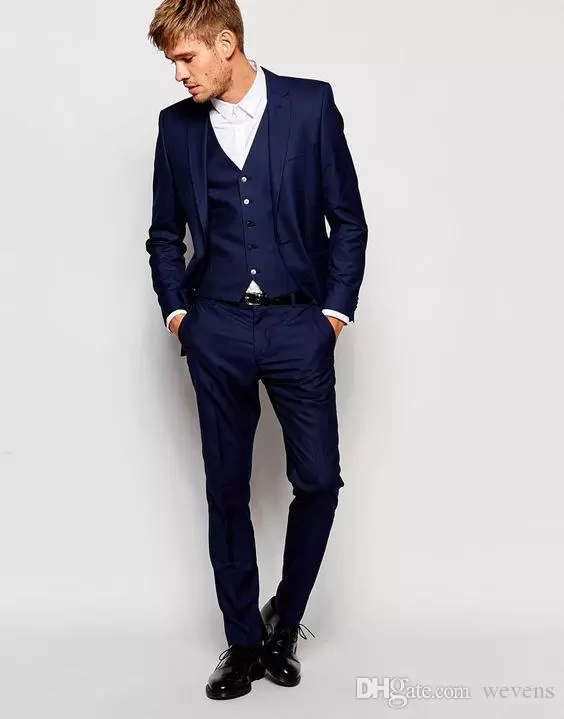
Sweater Layer Logic
A fine-knit sweater over a collared shirt offers warmth and formality without a full suit. This camel colour is neutral enough for most services while being more interesting than basic black. The approach works well for autumn or winter services in casual venues.
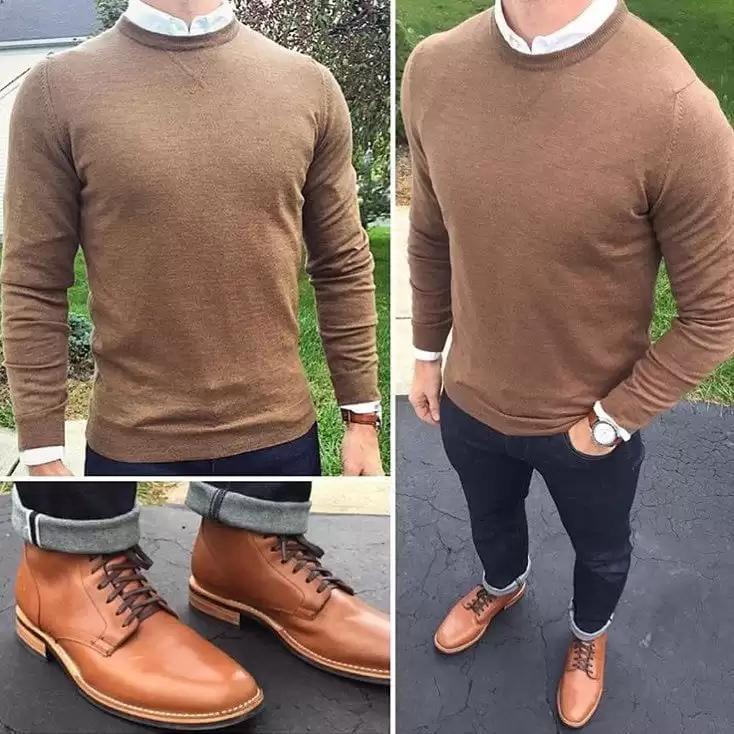
Double-Breasted Drama
Double-breasted suits can work for funerals but require careful styling. This pinstripe version maintains traditional formality while the cut adds visual interest. The key is ensuring the styling doesn’t become the focus — you want to blend in, not stand out.
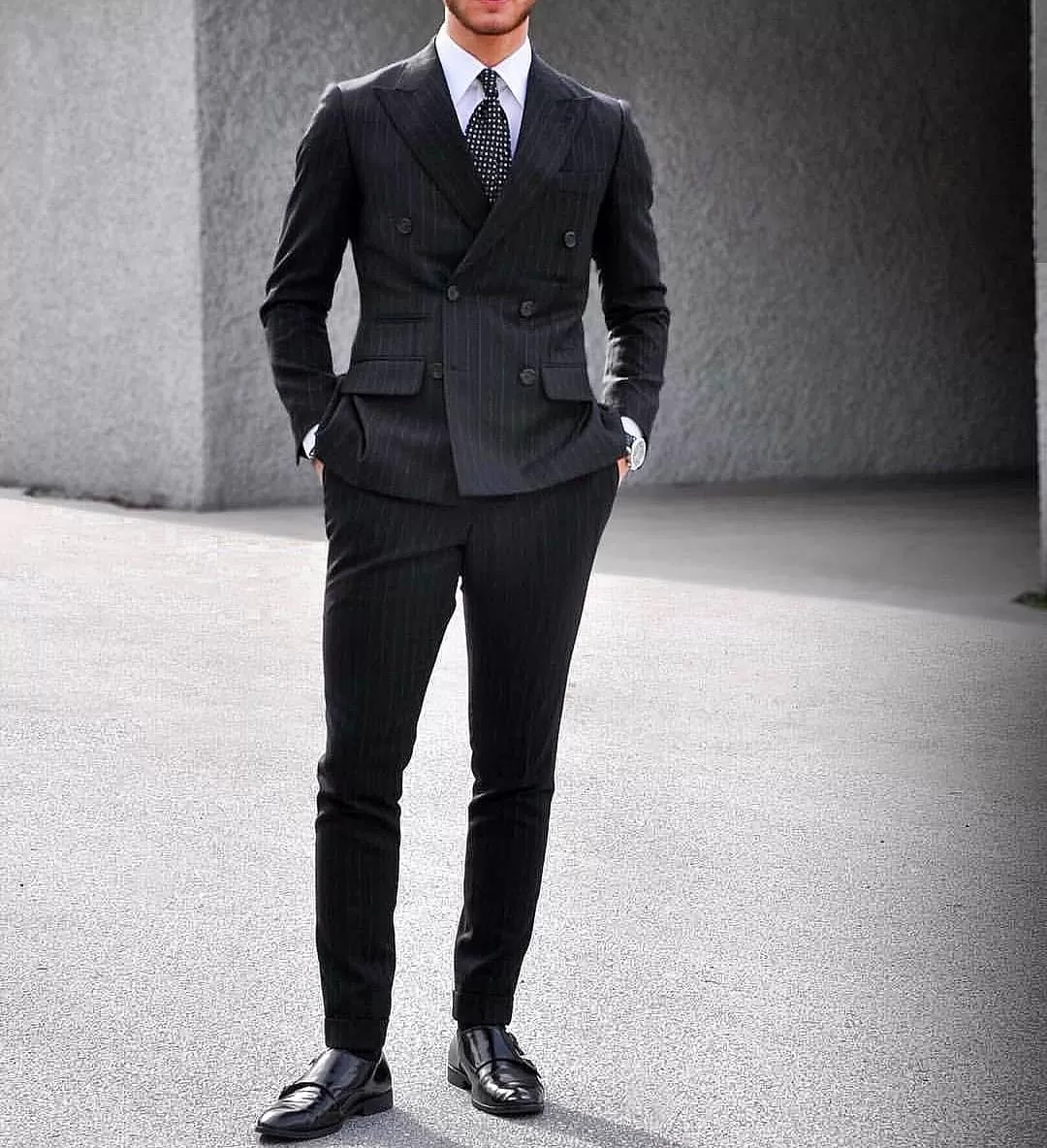
All-Black Everything
Monochromatic black from head to toe can work but risks looking too severe or fashion-forward. The key is varying textures and ensuring perfect fit — any imperfections show more clearly in all-black outfits. This approach works best for very formal or evening services.
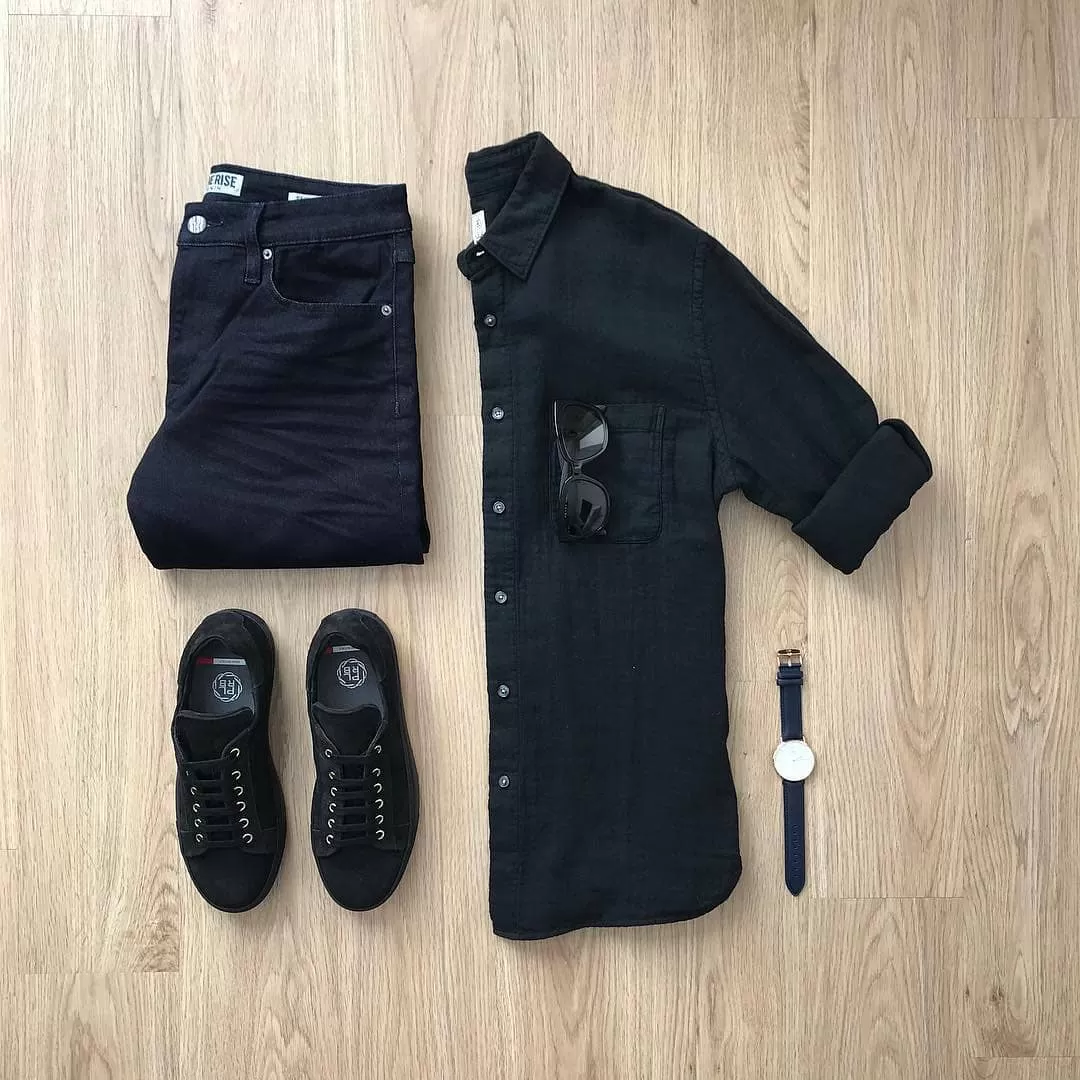
Mixed Formality
Combining formal and casual elements — like a suit jacket with dark jeans — can work for less traditional services. The key is ensuring both pieces are high quality and the overall effect looks intentional rather than mismatched.
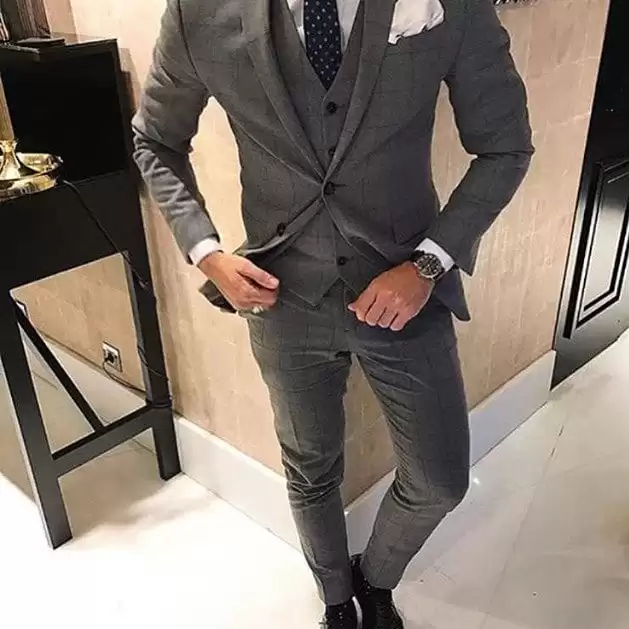
Three-Piece Tradition
A complete three-piece suit in charcoal offers maximum formality without being stark black. This approach works well when you’re part of the wedding party or immediate family. The lighter colour makes it more versatile for future formal occasions.
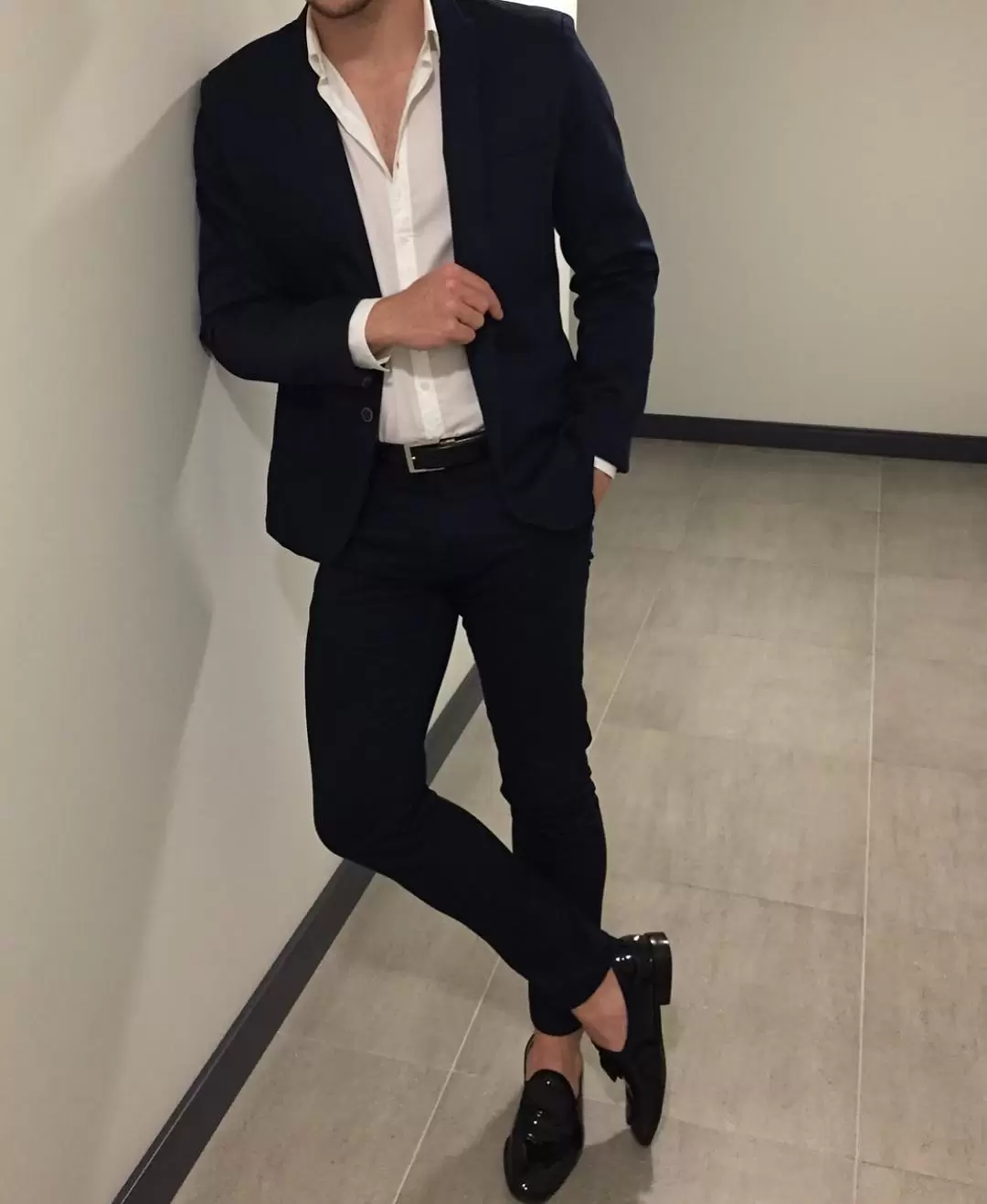
Open Shirt Styling
Wearing a suit with an open shirt (no tie) can work for contemporary services where the family has requested less formal attire. This approach maintains respect while feeling more approachable for younger attendees. Only appropriate when specifically indicated by the family.
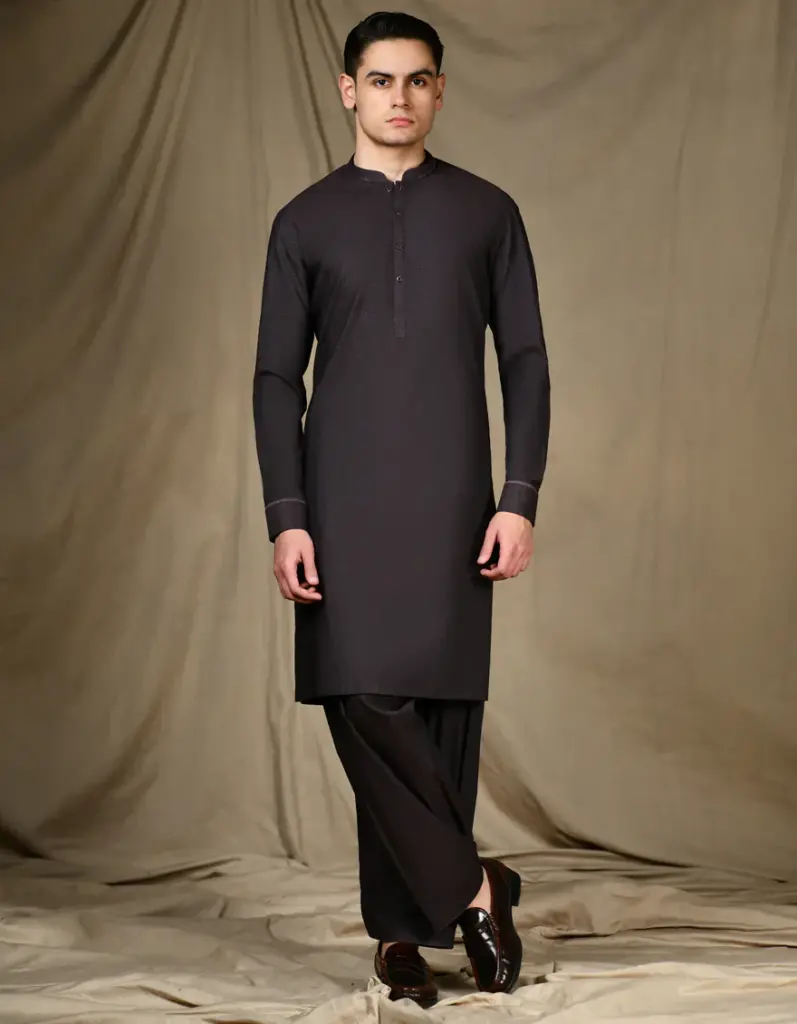
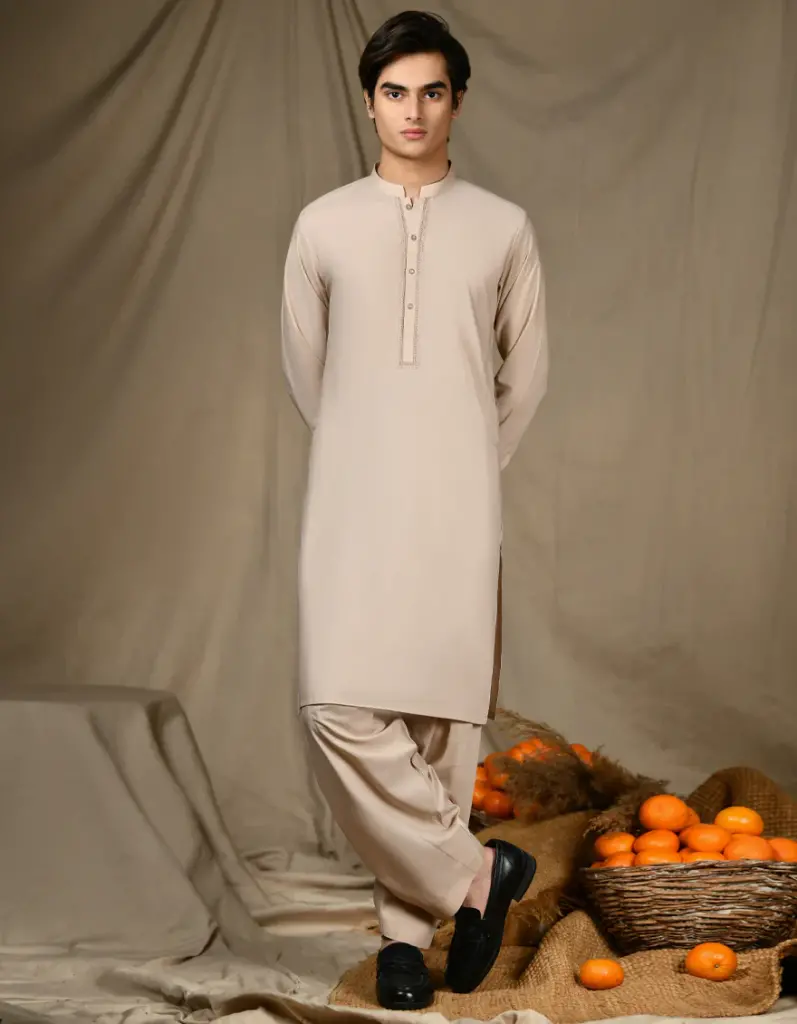
Cultural Considerations
Traditional cultural dress can be more appropriate than Western formal wear depending on the family’s background and preferences. This kurta demonstrates how cultural clothing can maintain the dignity and respect required for funeral services while honoring heritage.
Cultural Formal Wear
Different cultures have different expectations for funeral attire. This traditional outfit shows how formal cultural dress can be more appropriate than a standard suit for certain services. Always follow the family’s cultural expectations over general Western dress codes.
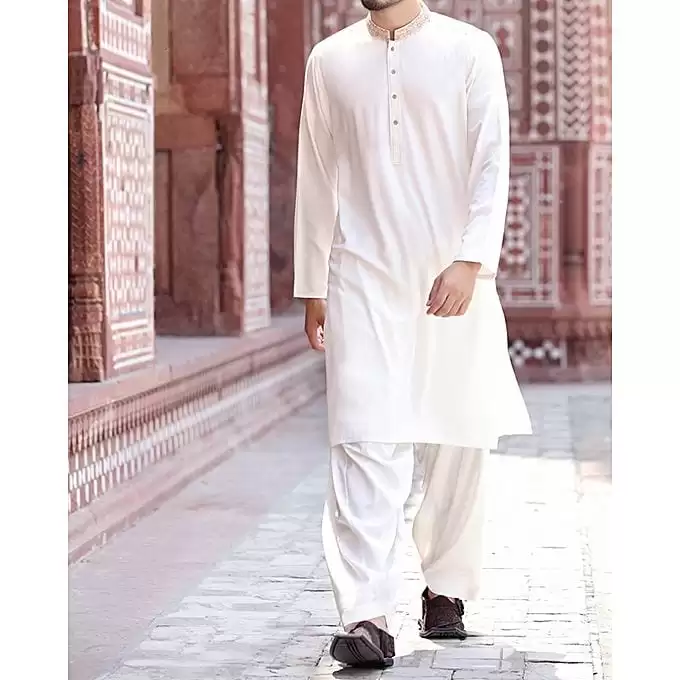
Traditional Cultural Option
White traditional dress can be appropriate for certain cultural or religious services where white represents mourning or purity. This demonstrates why it’s important to understand the specific cultural context of each service rather than assuming black is always required.
Dos & Don’ts
28 Cool Easter Outfit Ideas for Teen Guys
20 Fashionable Winter Outfits For Teen Guys
What to Wear to a Funeral? 30 Outfit Ideas for Men
What to Wear Camping for Teens ? 20 Outfit Ideas
25 Adoreable Back-to-School Outfits for Boys
20 Best First Date Outfit Ideas for Boys to Impress Her
23 Cute First Day of College Outfits for Boys for Sharp Look
How To Dress Like Nerdy Boy 28 Outfit Ideas