
The most common mistake I see with gajra styling? Women treat flower garlands as an afterthought, pinning them anywhere without considering hair texture or face shape. I learned this lesson the hard way at my cousin’s mehndi, where my hastily placed mogra looked more like a wilted corsage than traditional elegance.
Growing up in a Pakistani household, I watched my mum transform simple jasmine strands into sophisticated hair art. The secret isn’t just placement — it’s understanding how different flowers complement your hair’s natural movement and the outfit’s neckline. Whether you’re working with fine baby’s breath or full mogra blooms, each gajra style serves a specific purpose.
After years of trial and error across countless weddings and Eid celebrations, I’ve discovered that the most beautiful gajra hairstyles aren’t about following trends. They’re about creating harmony between your hair’s texture, the flower’s weight, and the occasion’s formality level.
How to Style Your Hair With Gajras?
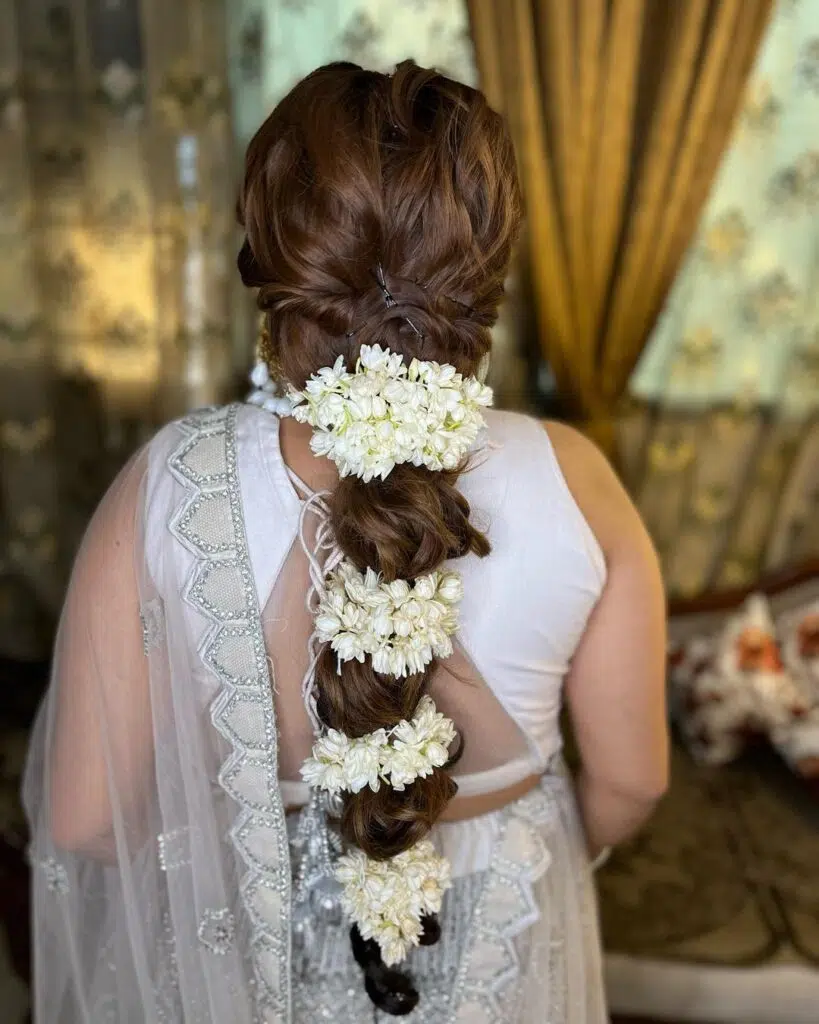
Layer multiple gajra sizes for dramatic length
This cascading effect works because smaller flowers create texture while larger blooms anchor the design. The graduated sizing prevents the arrangement from looking too heavy at any one point, making it perfect for thick hair that can support the weight.
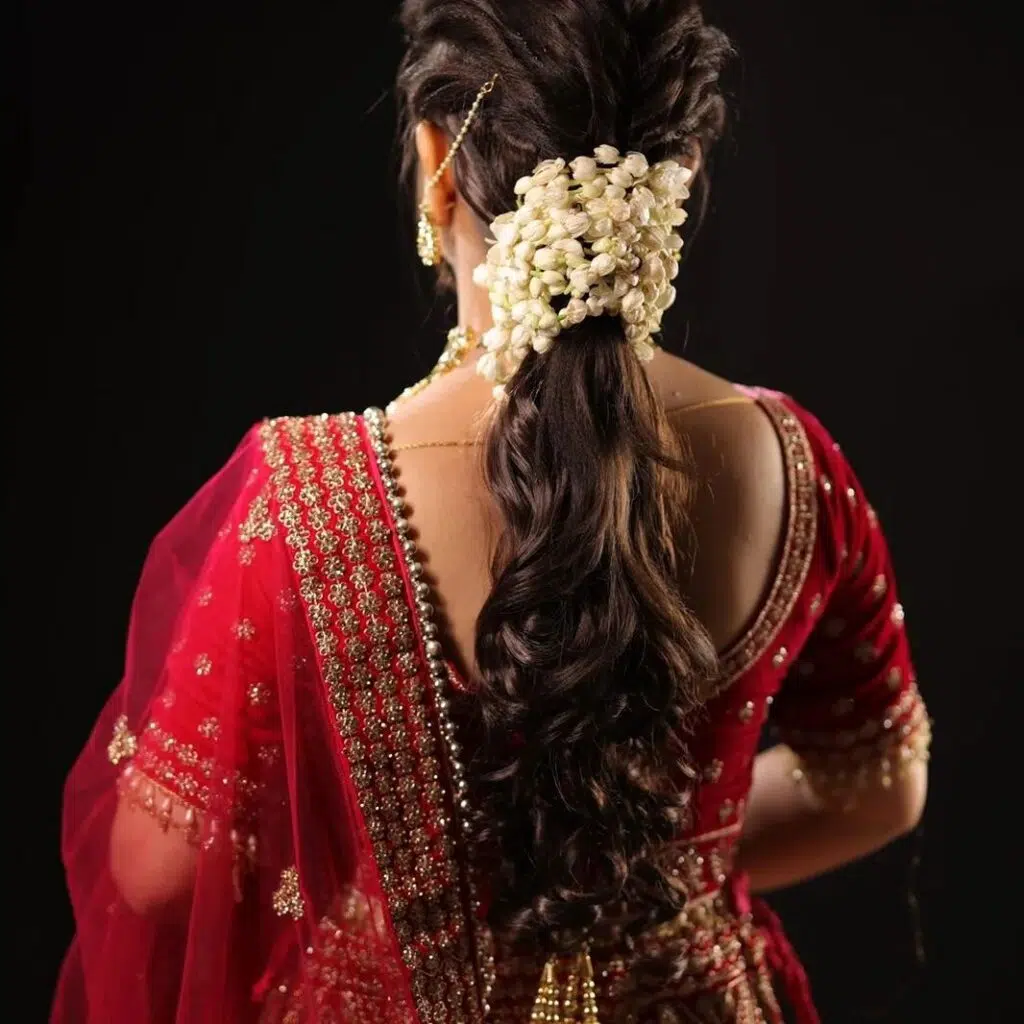
Wrap gajra around a low ponytail base
Starting the flower placement at the hair elastic creates a clean foundation that won’t slip during movement. This technique works especially well with jasmine because the small blooms naturally follow the ponytail’s curve without creating bulk.
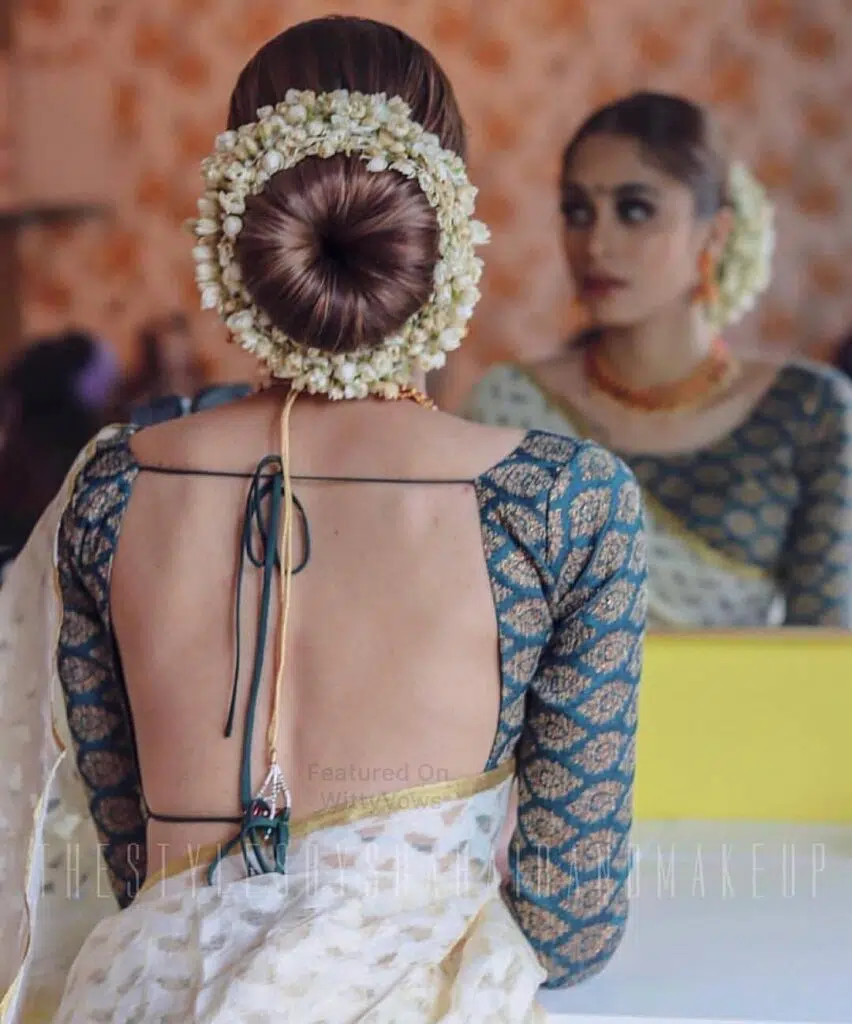
Frame a perfect bun with circular gajra placement
The round mogra arrangement emphasizes the bun’s shape while creating a halo effect that photographs beautifully. This placement draws attention upward, making it ideal for lehengas with heavy embroidery that might otherwise overwhelm your features.

30 Most Creative and Unique Shoes In the World
25 Best Earrings to Wear With Long Hair
18 Beautiful Maang Tikka Styles For All Face Types

22 World’s Most Creative, Weird and Unique Earrings for Women
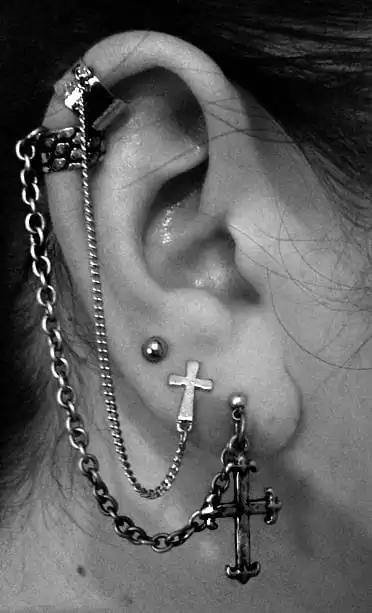
Cartilage Piercings Guide – Every Thing You Need to Know About it
Getting A Dermal Piercing – What You Should Know
Tragus Piercing Guide – Everything You need to Know
Surface Piercings – Everything You need to Know About It
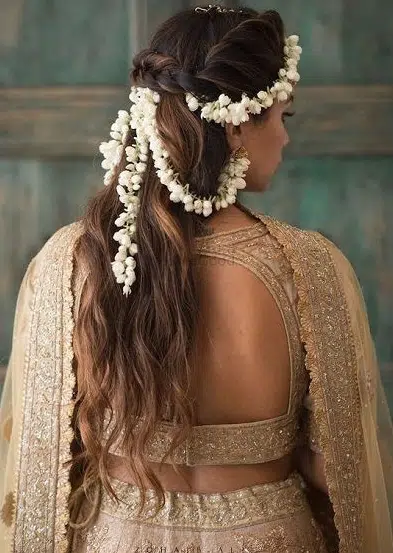
Weave flowers through loose side braids
Integrating small blooms directly into the braid structure keeps them secure throughout long celebrations. This organic placement looks intentional rather than decorative, which is why it works so well with casual traditional wear like simple kurtas.
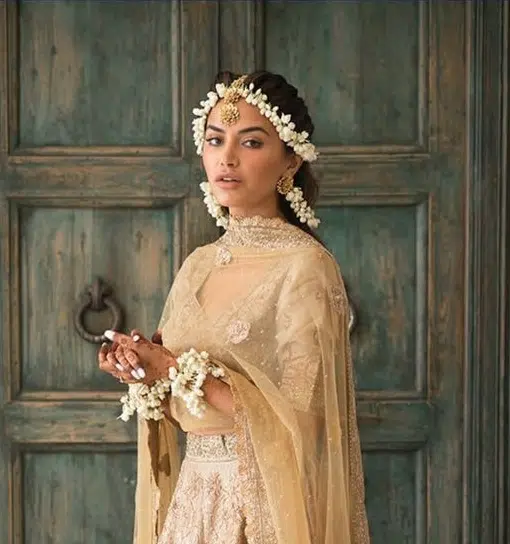
Create a floral crown with temple-to-temple placement
This regal positioning works because it frames your face symmetrically while leaving the back hair free to move naturally. The continuous line of flowers creates a cohesive look that complements heavy kundan jewelry without competing for attention.
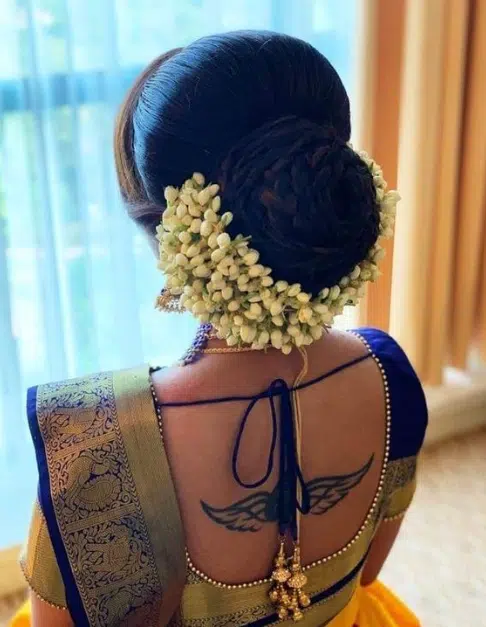
Position gajra at the nape for elegant updos
Low placement keeps the focus on intricate hair work while adding fragrant finishing touches. This works particularly well with silk sarees because it creates a sophisticated line that mirrors the blouse’s neckline without overwhelming delicate fabrics.
Jasmine flowers release their strongest fragrance in the evening hours, which is why traditional gajras were originally worn for nighttime celebrations. The cooling properties of fresh flowers also helped women stay comfortable during long outdoor ceremonies.
Drape flowers through half-up romantic styles
The combination of secured and flowing sections creates movement that complements the gajra’s natural draping quality. This style works beautifully with anarkalis because both elements share the same flowing, feminine aesthetic.
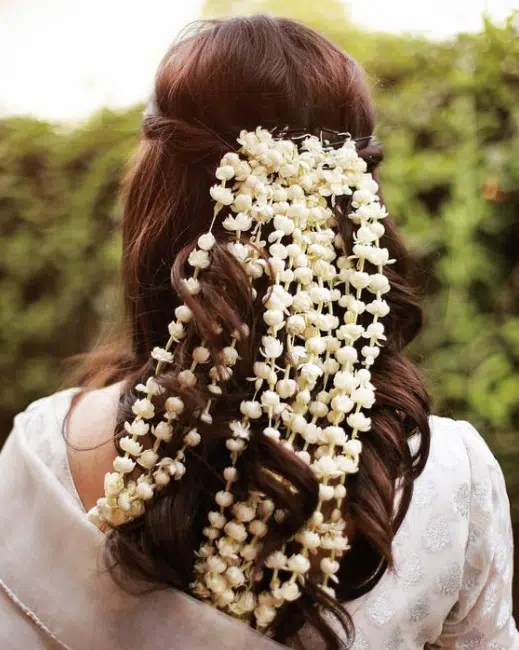
Secure gajra behind one ear for asymmetrical elegance
Single-side placement creates visual interest while keeping hair away from your face during eating and greeting guests. This positioning is perfect for heavily embellished outfits where symmetrical flower placement might look too busy.
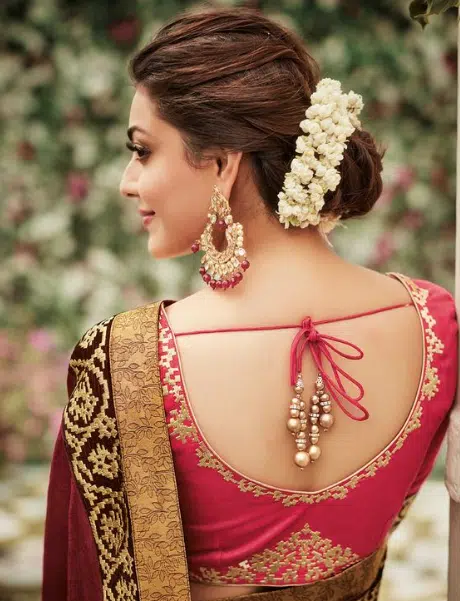
Incorporate gajra into French twist variations
Threading flowers through the twist’s curves adds texture without disrupting the style’s clean lines. This technique works especially well for formal occasions because it maintains sophistication while honoring traditional elements.
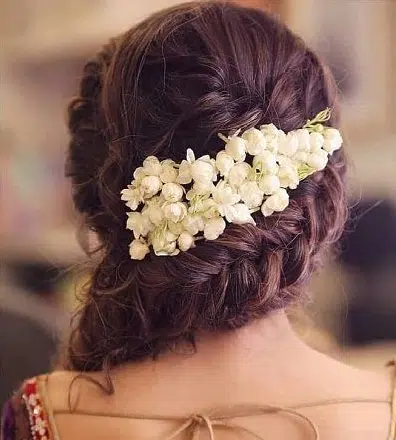
Combine gajra with loose waves for soft romanticism
The contrast between structured flower placement and free-flowing hair creates balanced femininity. This pairing is ideal for sangam ceremonies where you want to look polished but not overly formal.
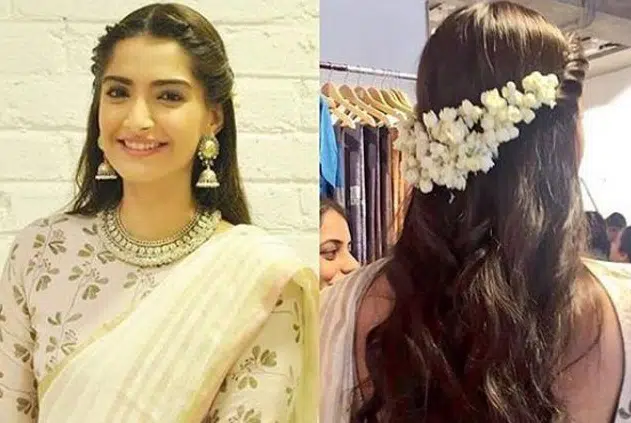
Arrange flowers in a dramatic side-swept style
Concentrating all the floral elements on one side creates bold asymmetry that photographs beautifully. This placement works particularly well with one-shoulder blouse designs because it echoes the outfit’s directional emphasis.
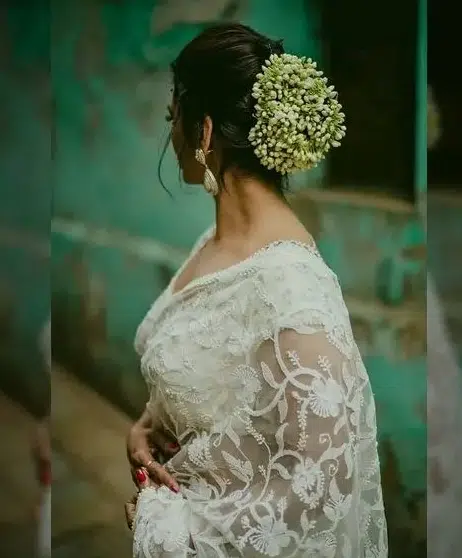
Build volume with clustered gajra placement
Grouping flowers together rather than spreading them creates intentional density that adds height to fine hair. This technique is essential for balancing heavy jewelry sets that might otherwise overwhelm delicate features.
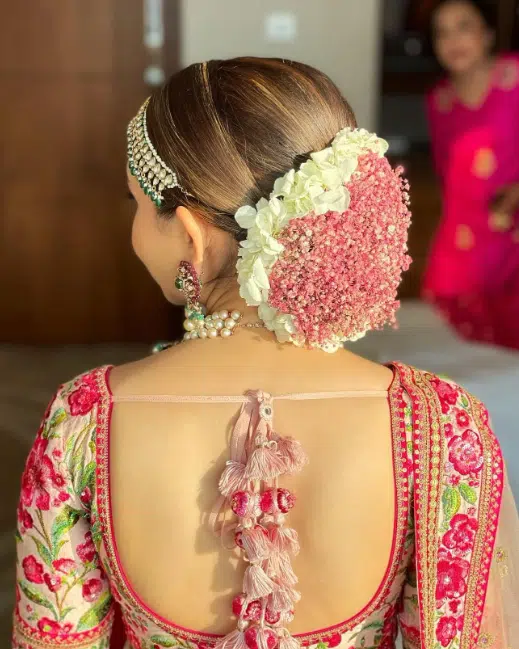
Add color contrast with mixed flower varieties
Combining white jasmine with colored blooms creates visual interest without sacrificing traditional appeal. The key is maintaining one dominant flower type while using accent colors sparingly for sophisticated contrast.
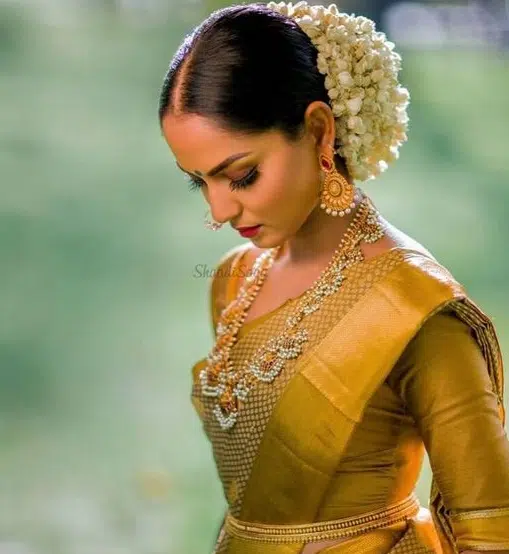
Create texture with varied flower sizes in updos
Mixing small mogra with larger roses adds dimensional interest that prevents formal styles from looking flat. This layered approach works best with elaborate lehengas where the hair needs enough presence to balance ornate clothing.
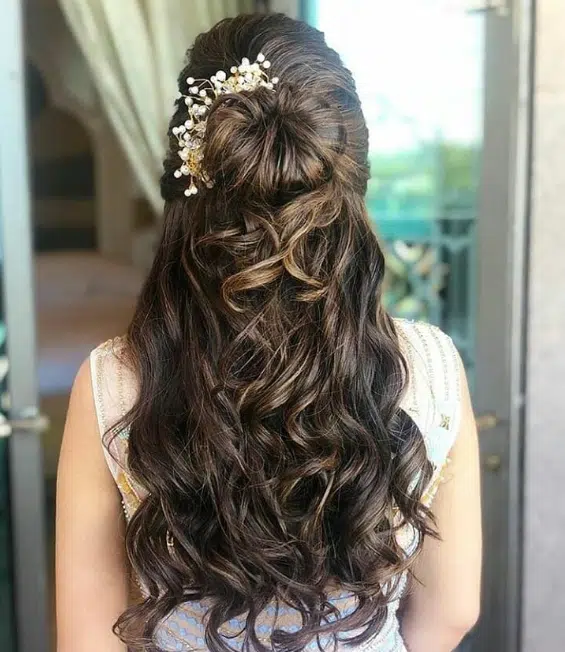
Position gajra to complement face-framing pieces
Strategic flower placement behind shorter front sections creates depth without hiding carefully styled face-framing layers. This technique is crucial for maintaining modern hair movement while honoring traditional aesthetics.
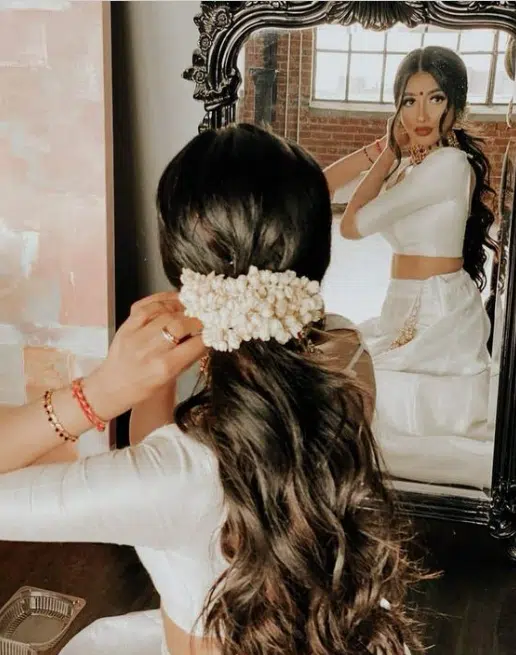
Weave gajra through multi-strand braids
Complex braiding provides multiple anchor points for flower attachment, ensuring security during active celebrations. This intricate approach suits grand occasions where elaborate styling matches the event’s formality level.
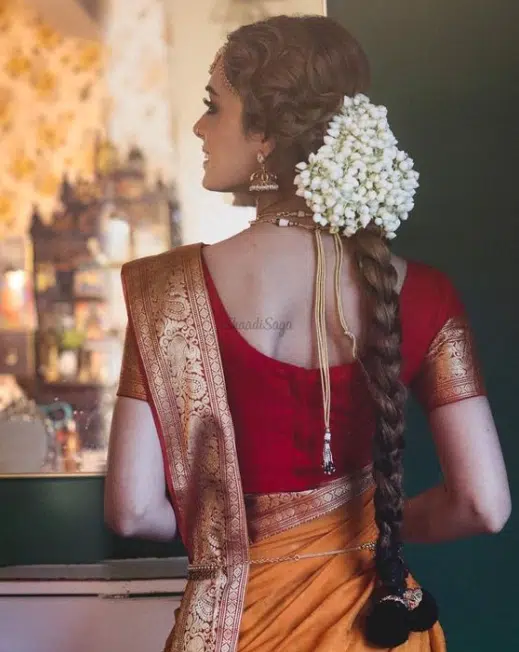
Balance heavy gajra with sleek front sections
Keeping the hairline smooth while building texture in the back creates sophisticated contrast. This technique works beautifully with high-neck blouses because it maintains clean lines while adding traditional elements behind the shoulders.
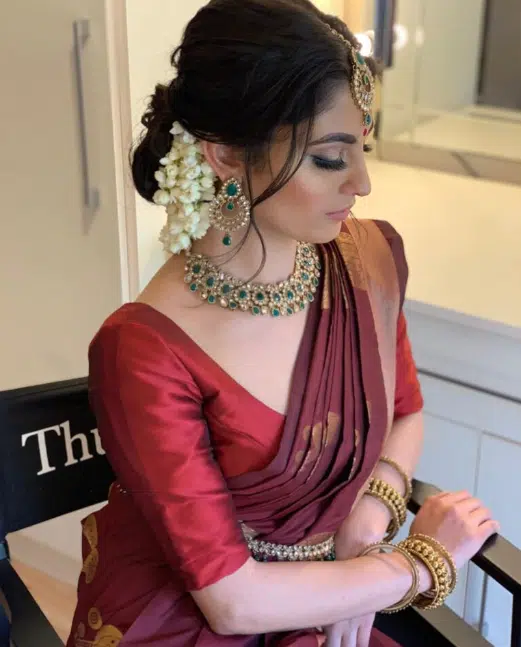
Anchor large flower clusters at strategic points
Positioning substantial gajra arrangements at the crown or nape distributes weight effectively while creating focal points. This approach is essential for thick, long hair that can support dramatic floral displays without losing the style’s structure.
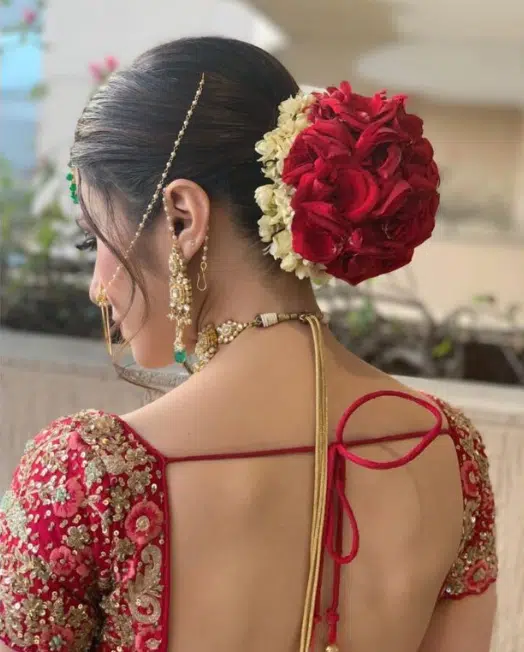
Incorporate gajra into modern messy buns
The relaxed bun structure accommodates natural flower draping while maintaining contemporary appeal. This casual-formal balance is perfect for daytime functions where traditional elements need to feel fresh rather than stuffy.
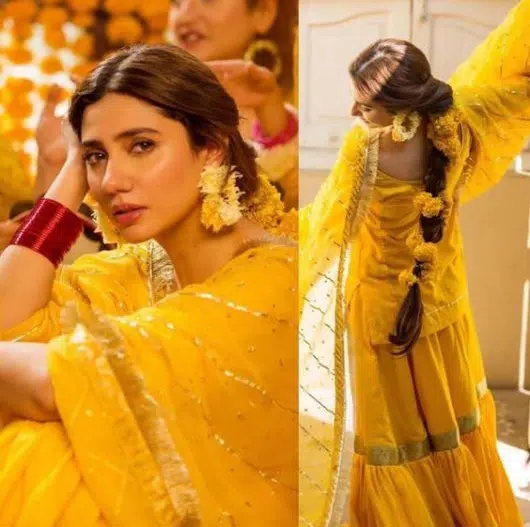
Create symmetry with identical gajra placement
Matching flower arrangements on both sides provide balanced elegance that suits formal photography and ceremonial moments. This approach works particularly well with center-parted styles where symmetry enhances facial features naturally.
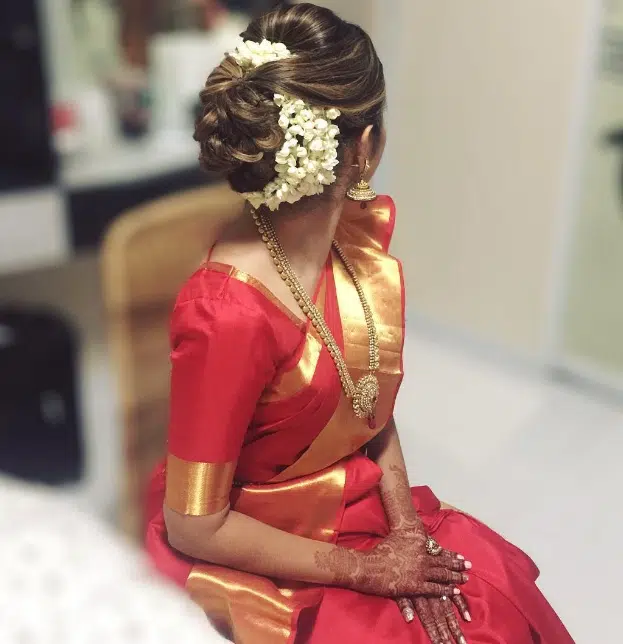
Finish sleek styles with delicate gajra accents
Small flower touches add traditional elements without disrupting clean, modern lines. This minimal approach is ideal for reception looks where you want cultural authenticity without overwhelming contemporary outfit choices.
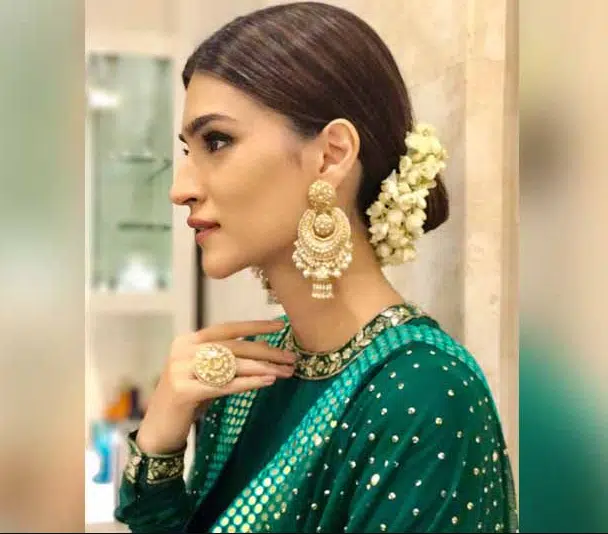
Build dramatic volume with full gajra integration
Completely incorporating flowers throughout the hairstyle creates maximum impact for grand celebrations. This comprehensive approach requires careful weight distribution but delivers unmatched traditional elegance for once-in-a-lifetime occasions.
Dos & Don’ts
30 Most Creative and Unique Shoes In the World
25 Best Earrings to Wear With Long Hair
18 Beautiful Maang Tikka Styles For All Face Types
22 World’s Most Creative, Weird and Unique Earrings for Women
Cartilage Piercings Guide – Every Thing You Need to Know About it
Getting A Dermal Piercing – What You Should Know
Tragus Piercing Guide – Everything You need to Know
Surface Piercings – Everything You need to Know About It