


Piercings have developed into a very common must-have for a lot of people worldwide. The extra bling with a very diverse range of styles to suit everyone, the increase in street credibility and the joy of more employers being more accepting of them are all great reasons to warrant wanting one.
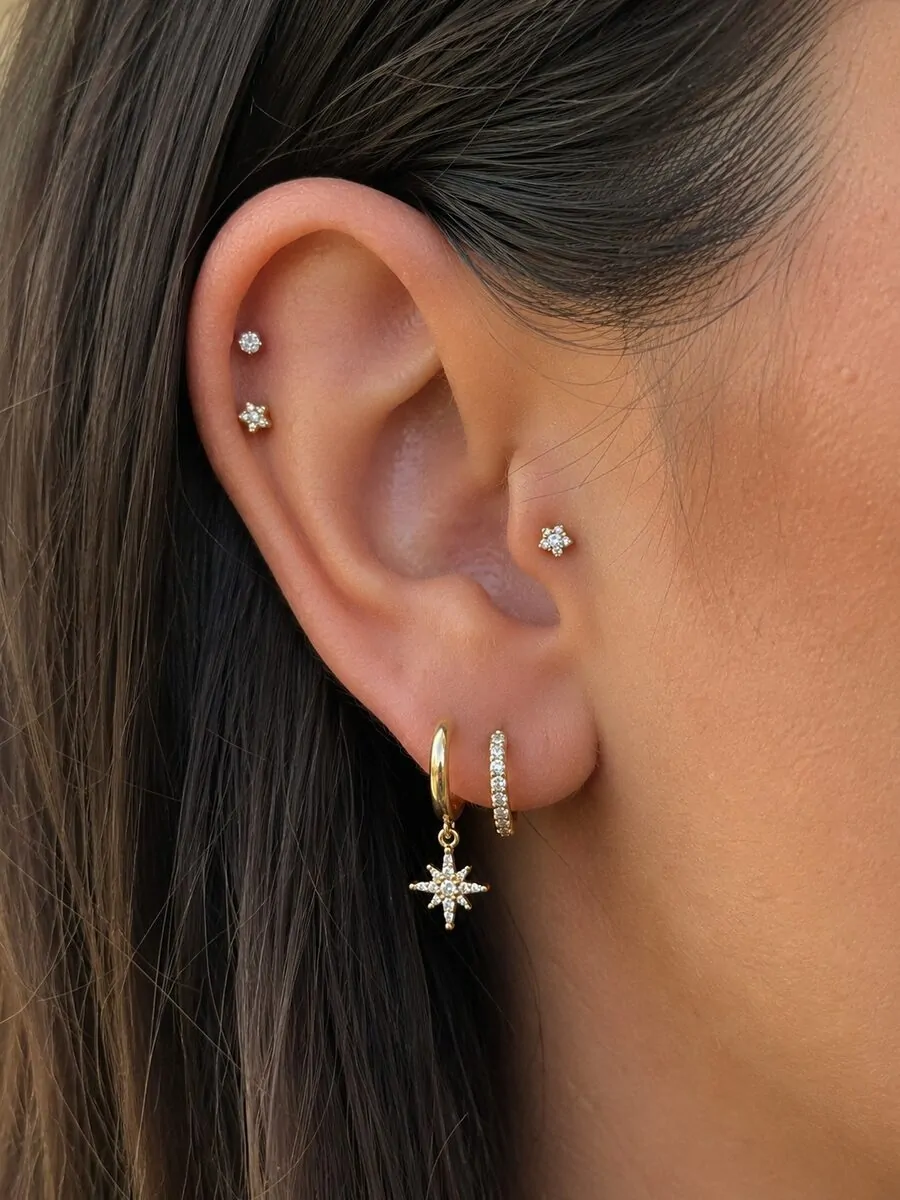
The tragus piercing is a bit of a marmite piercing; you either like them or you don’t. Nine times out of ten it is more the fear of getting it pierced than the actual piercing itself that puts people off due to the nature of its structure and location. The tragus is the small triangular shape found at the front of the entrance to the ear canal and is made up of thick cartilage. As everyone is different, they come in all shapes and sizes. If your tragus is quite small then it may not be likely that you can have it pierced due to the possibility of the jewellery growing out or becoming infected.
If this is the case then an antitragus piercing could be a viable option for you instead. Also, I recommend that you check out our Cartilage Piercings Guide for more information on all types of ear piercings.
How is a Tragus Piercing Done?
A small gauged hollow needle is projected through the tragus to cut out an area of flesh which allows jewellery to be inserted. This is done slowly to prevent the back of the ear being damaged. The tragus can be pierced either centrally or vertically, depending on the look that is required. Studs, barbells and rings are all preferred choices in jewellery.
It is not just bars and rings that can be used to decorate the tragus. Dermal implants can be used alongside the tragus for added decoration without the need for a full piercing. Anti tragus piercings are a great option for dermal implants and those with smaller tragus’. These however require a thorough and regular hygiene regime to ensure a smooth healing process. As they are anchored inside the subcutaneous layer of the skin, they will also require surgery for removal should that be needed at any point. For more on dermal implants, see our dermal piercing guide.
Does a Tragus Piercing Hurt?
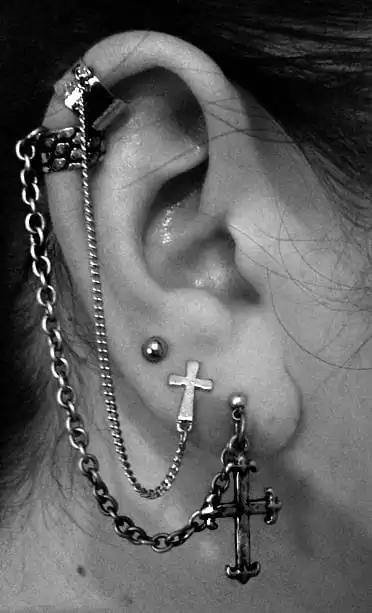
Cartilage Piercings Guide – Every Thing You Need to Know About it

Surface Piercings – Everything You need to Know About It

Getting A Dermal Piercing – What You Should Know
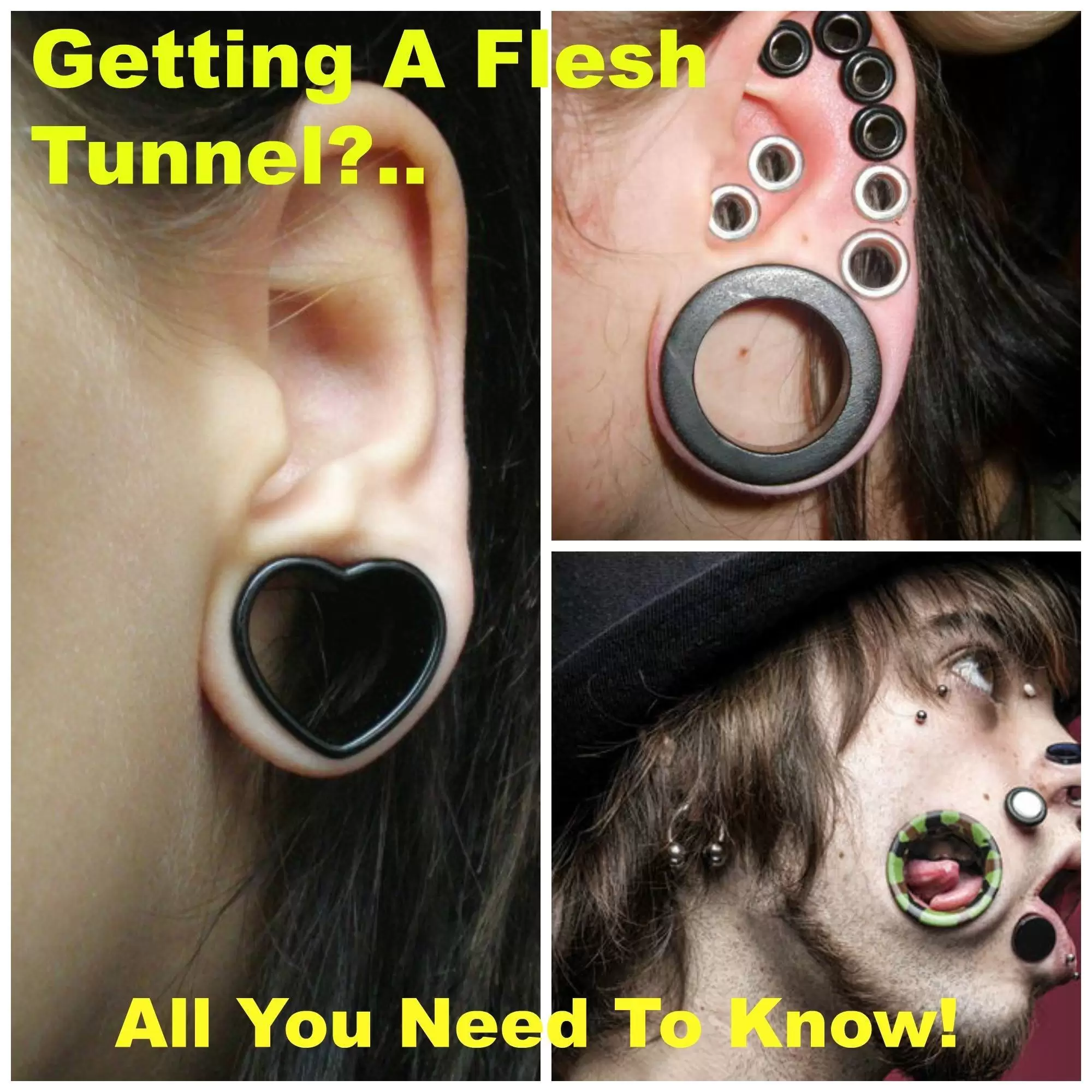
Getting A Flesh Tunnel – All You Need To Know

Swag Accessories – 5 Accessories You Need For A Swag Look

30 Most Creative and Unique Shoes In the World

25 Best Earrings to Wear With Long Hair

20 Most Beautiful Gajra Hairstyles For All Hair Lengths
People ask ‘does this piercing hurt?’. Well the answer is yes it does. It is a hole cut out of part of your ear. However do not fear! It is a temporary pain which subsides straight away and to be honest, everyone has a different pain threshold. It should also be known that the tragus piercing is one that is likely to bleed. So before you go to get it done be aware that it may bleed and yes it will hurt. Aspects of pain afterwards will most likely be caused by sleeping on it or even brushing your hair. There are things that can ease pain such as Emla cream and ice, however these wear off quickly and do not make much of a difference. You still have nerve endings and they still work!
Tragus Piercing Aftercare
After care is a vital part of any piercing. With the tragus being thick cartilage your body will need more time to recover and repair the damage caused.
In some worse cases, shampoos getting into the piercing can cause infection or flare up allergies. Another point to be considered is sleeping. Avoid sleeping on the pierced side for the first week as this can also cause irritation. It should be noted however, that a tragus piercing can take anywhere from six weeks to a year to heal properly so be prepared for a long term care plan. This is obviously dependent on your body and also your aftercare regime. There are creams available that your piercer can offer or recommend for after care should you prefer to use a cream.
Changing the jewellery in your new tragus piercing should not be done until it is completely healed. When changing the jewellery ensure the new bar or ring is sterilised and clean. Rings may sometimes need a bit of manipulation to open as they can seize if hygiene regimes have not been followed so extra care should be taken with these.
Tragus Piercing Prices
Tragus piercing prices vary hugely depending on where you go. You can expect to pay anywhere from £20 to £50 in the UK for the piercing itself, and then you also need to factor in the cost of your starter jewellery. Always go to a reputable, professional piercer — this is not an area to cut costs. A cheap piercing done incorrectly can lead to infection, scarring, and permanent damage to the cartilage.
Types of Tragus Jewellery
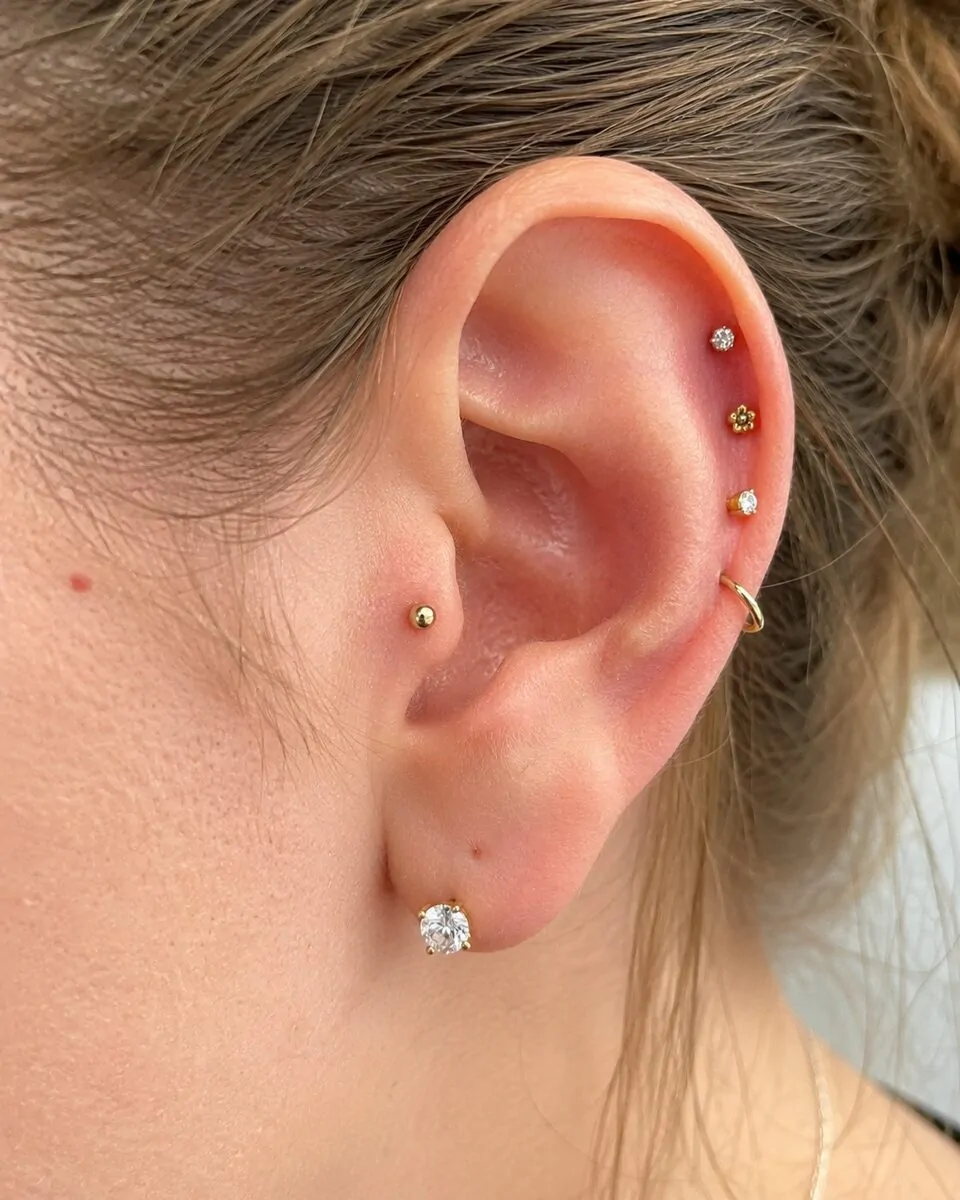
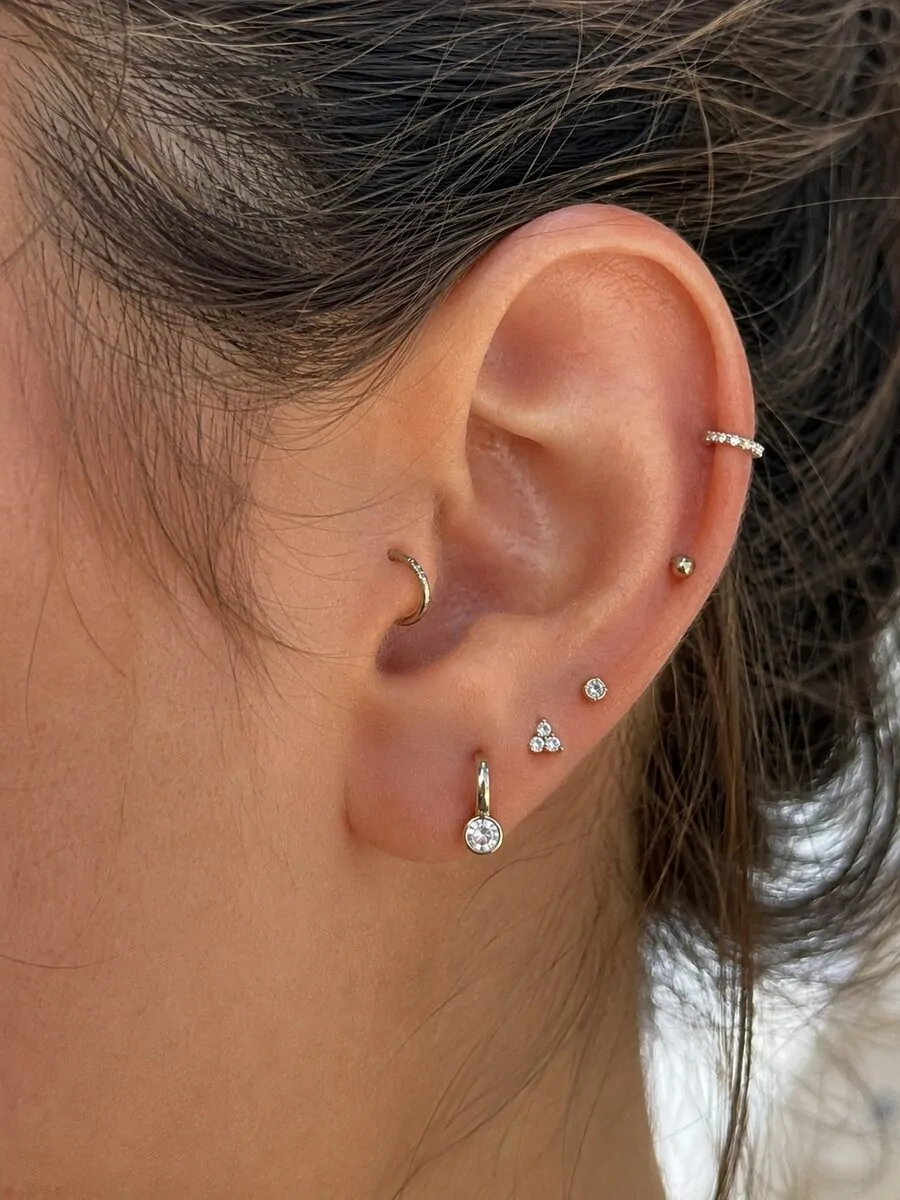
There are many different types of jewellery that work for a tragus piercing. Here are some of the most popular:
- Flat back labret studs — the most comfortable for healing and day-to-day wear
- Curved barbells — give a more visible, bold look with a ball at each end
- Seamless rings / hoops — only suitable once fully healed; give a delicate, elegant look
- Captive bead rings — a classic option that works well on the tragus
- Dermal tops — flat decorative pieces that sit flush against the tragus
For titanium implant-grade jewellery options and sizing guidance, always consult your piercer. Titanium is the recommended starter material as it is hypoallergenic and suitable for sensitive skin.
Tragus Piercing Styles and Ideas
The tragus works beautifully as part of a full ear stack. For inspiration on planning your complete ear composition — helix, conch, daith, rook, and industrial alongside your tragus — see our full cartilage piercings guide.
For stretch piercings rather than standard placements, our guide to flesh tunnels covers the gradual stretching process. And for earring styling that complements your tragus, see our earrings for long hair guide.
Key takeaways
- Tragus healing takes 6 weeks to 1 year — patience is essential; don’t change jewellery early
- Always go to a reputable professional piercer — never cut costs on cartilage piercings
- Use titanium implant-grade jewellery for initial healing to minimise allergy risk
- Avoid sleeping on the pierced side for the first week
- For full ear stack planning, see our cartilage piercings guide
- For dermal implant options, see our dermal piercing guide
Cartilage Piercings Guide – Every Thing You Need to Know About it
Surface Piercings – Everything You need to Know About It
Getting A Dermal Piercing – What You Should Know
Getting A Flesh Tunnel – All You Need To Know
Swag Accessories – 5 Accessories You Need For A Swag Look
30 Most Creative and Unique Shoes In the World
25 Best Earrings to Wear With Long Hair
20 Most Beautiful Gajra Hairstyles For All Hair Lengths