The biggest mistake I see women make when packing for Egypt is treating it like any other warm-weather destination. I learned this the hard way during my first trip to Cairo when I stepped off the plane in a sleeveless sundress, only to realise I’d need to cover my shoulders for most of the places I wanted to visit. Egypt isn’t just about temperature — it’s about respect, comfort, and looking put-together while navigating ancient sites in desert heat.
After three trips and countless conversations with local guides, I’ve figured out what actually works. The key isn’t packing more — it’s packing smarter. Every piece needs to earn its space by serving multiple purposes: protecting you from sun and sand, keeping you cool, and ensuring you can enter any mosque or temple without scrambling for a cover-up.
Styling Tips
Layer with lightweight pieces rather than relying on single heavy items. A cotton cardigan over a sleeveless top gives you instant coverage for religious sites, then comes off easily when you’re back at your hotel pool. I always pack at least two lightweight layers because they’re easier to wash and dry overnight than one thick piece.
Choose breathable fabrics over synthetic blends — your skin will thank you when temperatures hit 35°C. Cotton, linen, and bamboo fibres actually keep you cooler than moisture-wicking synthetics in dry desert heat. I made the mistake once of wearing a polyester travel shirt and felt like I was wrapped in plastic wrap.
Opt for closed-toe shoes for most activities even though it seems counterintuitive in hot weather. Sand gets everywhere — and I mean everywhere. Walking through the Valley of the Kings in sandals means spending your evening picking grains out from between your toes. Breathable canvas sneakers or leather flats work better than you’d expect.
Pack versatile bottoms that work for multiple occasions — lightweight wide-leg trousers are your secret weapon. They’re cooler than jeans, appropriate for temples, and look intentional with both casual tops and dressier blouses. I live in mine during Egypt trips because they transition from day to night seamlessly.
What to Wear in Greece ? 23 Travel Outfit Ideas from Experts
What to Wear in Scotland: 22 Outfit Ideas with Packing Tips
What to Wear to the Full Moon Party? 18 Outfit Ideas
How to Wear Corduroy Skirts? 16 Outfit Ideas

How to Wear Lace Pants? 18 Outfit Ideas with Styling Tips
How to Wear Chinos For Women? 15 Best Outfit Ideas
What to Wear in Ukraine? 12 Outfit Ideas, Packing List & Tips
What to Wear in Puerto Rico? 20 Outfit Ideas & Packing List
Ancient Egyptians invented kohl eyeliner partly as sun protection — the dark pigment around their eyes helped reduce glare from desert sand, much like modern athletes use eye black.
Invest in a wide-brimmed hat that won’t blow away in desert winds. Those floppy sun hats look great in photos but become useless when you’re climbing pyramid steps in a breeze. A structured hat with a chin strap or a baseball cap stays put and actually protects your face from the intense Egyptian sun.
Choose muted colours over bright patterns for practical reasons beyond modesty. Light colours reflect heat better, while busy prints show every speck of dust and sand you’ll inevitably collect. Sage green, soft blues, and cream shades photograph beautifully against golden monuments without making you a walking dust magnet.
Dos & Don’ts
What is the Best Time to Travel?
The sweet spot for Egypt travel runs from November through March when daytime temperatures hover around 20-25°C instead of the brutal 40°C summer heat. I’ve been in both seasons, and the clothing requirements are completely different. Winter means you can actually wear jeans during the day and need a light jacket for evenings, while summer demands the lightest possible fabrics and constant shade-seeking.
Spring and autumn shoulder seasons offer the best balance — warm enough for lightweight dresses but not so hot that you’re miserable in anything with sleeves. If you’re visiting during Ramadan, pack more conservative options regardless of season, as the cultural atmosphere becomes more formal during this holy month.
Outfit Recommendations Season-wise
Winter Travel (November-February)
Winter in Egypt is surprisingly cool, especially in the evenings and early mornings. I pack lightweight sweaters and long-sleeve shirts that I can layer over tank tops. Temperatures can drop to 10°C at night in desert areas, so a proper cardigan or light jacket becomes essential rather than optional.
This is the only season where I bring jeans to Egypt — the lighter-weight stretch varieties that don’t trap heat. Pair them with breathable cotton tops and you’re comfortable for both temple exploration and Nile dinner cruises. Closed-toe shoes are perfect year-round, but winter means you won’t overheat in leather boots or substantial sneakers.
Spring/Autumn Travel (March-May, September-November)
These transition seasons require the most versatile wardrobe because temperatures can swing 15 degrees between morning and afternoon. Start your day in lightweight long sleeves and be prepared to strip down to short sleeves by noon. Midi-length dresses with sleeves work beautifully because they transition from cool morning mosque visits to warm afternoon market wandering.
Pack both sandals and closed-toe shoes for shoulder seasons — mornings might be cool enough for comfortable sandals, but you’ll want foot protection for extensive walking once the day heats up. A lightweight jacket or blazer handles evening temple visits and air-conditioned restaurants.
Summer Travel (June-August)
Summer in Egypt tests every piece of travel advice you’ve ever heard. The heat is intense and unforgiving, making fabric choice critical for survival rather than just comfort. Everything must be loose, light, and breathable. Forget fitted anything — your clothes need to create airflow around your body.
Linen becomes your best friend, despite the wrinkles. Wide-leg pants in cotton or linen blends keep you cooler than any shorts or skirts because they create shade for your legs while allowing air circulation. Long sleeves might seem counterintuitive, but they protect from sunburn better than any sunscreen when you’re spending full days outdoors.
Cultural/Religious Considerations
Modest dress in Egypt isn’t just about religious sites — it’s about comfort and respect in daily interactions. I’ve found that covering my shoulders and knees actually gets me better service in markets and restaurants, plus more genuine conversations with local women. It’s not about suppressing yourself; it’s about fitting in rather than standing out as obviously foreign.
For mosque visits, you’ll need to cover everything except hands and face regardless of season. Pack a lightweight long-sleeve shirt and full-length pants or a maxi skirt that you can slip on over whatever else you’re wearing. Many sites provide coverings, but they’re often heavy, hot, and smell like they’ve been shared by thousands of tourists.
The key is choosing modest pieces that don’t feel like costume changes. Wide-leg trousers, midi dresses with sleeves, and tunic-style tops work for both cultural sensitivity and personal comfort. You’ll blend in better and feel more confident exploring without constantly adjusting hemlines or checking if your shoulders are showing.
Egypt Travel Outfit Ideas
Striped Turtleneck with High-Waisted Trousers
A long-sleeved striped turtleneck paired with cream wide-leg trousers creates the perfect balance of coverage and breathability for desert climates. The high neckline protects against sun and sand while the loose fit allows air circulation. This combination works brilliantly for anyone who wants to stay cool while visiting outdoor archaeological sites.
Quick tip
Choose linen over cotton blends for better heat management in Egypt’s dry climate.

Black Crop Top with Patterned Wide-Leg Trousers
This sleeveless black crop top with flowing printed palazzo pants offers maximum comfort in Egypt’s heat while maintaining modest coverage. The wide-leg silhouette catches breezes and the dark floral print hides dust from ancient sites. Perfect for petite frames as the high waistline creates length without overwhelming your proportions.

Mustard Tank with Long Coat and Jeans
A lightweight duster coat over a simple tank and straight-leg jeans provides versatile layering for Egypt’s temperature swings. The long coat protects your arms from sun during day trips while being easy to remove indoors. This outfit works especially well for taller women as the vertical lines of the coat create a streamlined silhouette.

Black Off-Shoulder Top with Striped Palazzo Pants
The off-shoulder black top with striped wide-leg trousers combines breezy comfort with subtle elegance for boat trips or waterfront dining. The horizontal stripes on the pants create movement while the solid top keeps the look grounded. This style flatters fuller figures by balancing proportions between top and bottom.

White Tee with Black Tapered Trousers
A classic white cotton t-shirt tucked into black tapered pants delivers effortless comfort for long sightseeing days. The neutral palette reflects heat while the tapered legs feel more polished than shorts. This combination works for every body type and transitions seamlessly from temple visits to hotel dinners.
Quick tip
Pack a lightweight scarf to cover shoulders quickly when entering mosques or conservative areas.

Red Off-Shoulder Maxi Dress
This vibrant red off-shoulder dress with a flowing silhouette captures the drama of ancient Egyptian sites while providing full coverage. The ruffled neckline adds feminine detail without restricting movement, and the maxi length protects legs from sun and sand. The bold color photographs beautifully against desert backdrops.

Striped Cropped Sweater with High-Waisted Jeans
A multi-colored striped sweater with dark wash high-waisted jeans offers warmth for cooler Egyptian evenings or air-conditioned spaces. The cropped length shows off the jean’s high waistline while the stripes add visual interest to a simple silhouette. This outfit works particularly well for women with longer torsos who want to create waist definition.

Blue Checkered Shirt with Relaxed Jeans
An oversized checkered shirt worn open over a tank with relaxed-fit jeans creates a laid-back look perfect for market browsing or casual exploration. The loose fit allows for comfortable movement while the layering provides sun protection when needed. This style suits women who prefer a more casual, tomboyish aesthetic while traveling.

Pink Floral Wide-Leg Jumpsuit
This sleeveless floral jumpsuit with a deep V-neckline and wide legs offers one-piece convenience for busy travel days. The pink and red print adds femininity while the palazzo-style legs provide coverage and airflow. The jumpsuit works best on women with defined waists, as the loose fit can overwhelm smaller frames without proper belt styling.
Quick tip
Wear closed shoes with breathable materials rather than sandals to avoid sand burns.

Red Printed Wrap Dress
A short-sleeved wrap dress in a red paisley print combines modest coverage with breathable fabric for comfortable temple visits. The wrap style flatters most body types by cinching at the waist, while the knee-length hem provides appropriate coverage. The rich print complements the warm tones of Egypt’s desert landscape beautifully.

Striped Blazer with Button-Front Denim Skirt
A lightweight striped blazer over a burgundy top creates the perfect temple-appropriate coverage while staying cool in desert heat. The button-front denim skirt adds structure without bulk, and the whole combination works because each piece can be mixed with other items in your suitcase. This outfit handles Egypt’s conservative dress codes while keeping you comfortable during long sightseeing days.

Emerald Shirt with White Midi Skirt
Jewel tones photograph beautifully against Egypt’s sandstone temples, and this emerald green creates stunning contrast without competing with the ancient architecture. The white midi skirt keeps you cool while providing full leg coverage, and the combination reads as respectful yet stylish. I’ve found this color pairing works especially well at Abu Simbel where the lighting can wash out pastels completely.

Patterned Kimono over Black Base Layers
A flowing kimono-style cover-up gives you instant arm coverage for mosque visits while creating beautiful movement in photos. The black base keeps you looking pulled-together even when it’s dusty, and the kimono can be removed and tied around your waist when it gets too hot. This works particularly well for Nubian village visits where the colorful walls complement bold patterns.
Quick tip
Select pants with a loose fit through the leg to allow air circulation while walking.

Wide-Brimmed Hat with Casual Separates
The wide-brimmed hat isn’t just for photos — it’s essential protection during long temple walks where shade is minimal. A simple black tee and light-colored bottoms create a foolproof base that works everywhere from the Egyptian Museum to local cafes. This combination lets you focus on the experience rather than worrying about your outfit, which is exactly what Egypt travel requires.

Long Tunic for Cultural Sites
A knee-length or longer tunic solves multiple Egypt dressing challenges at once — full coverage for religious sites, loose fit for heat, and elegant proportions for photos. This golden yellow works beautifully with Egypt’s warm-toned architecture, and the flowing silhouette keeps air circulating around your body. I always pack at least one tunic because it works as a dress, beach cover-up, or layering piece.

Denim Jacket for Desert Contrast
A classic denim jacket creates perfect color contrast against sandy backgrounds while providing light coverage for air-conditioned museums and early morning temple visits. The structured shoulders photograph well, and denim is forgiving with dust and sand. This outfit proves you don’t need elaborate clothes to look great in Egypt — sometimes the simplest combinations work best.

Earth Tones with Traditional Scarf
Incorporating a traditional scarf shows cultural respect while solving practical problems — it protects your neck from sun and sand while adding authentic detail to photos. The neutral earth tones blend beautifully with Egypt’s natural palette, and this approach works especially well in desert locations where bright colors can look out of place against the vast landscape.
Quick tip
Bring a crossbody bag with zippers to keep belongings secure in crowded markets.

Light Layers for Souk Shopping
Market shopping requires clothes that can handle crowds, bargaining, and dust, which makes this simple layered approach perfect. The light cardigan protects your arms from sun while keeping you cool enough to browse comfortably. White bottoms show dust easily, but they’re worth it for the way they brighten photos in Egypt’s often dim market alleys.

Double Denim for Desert Adventures
The denim-on-denim combination works surprisingly well in Egypt because it’s practical and photographs beautifully against sandy backdrops. The jacket provides coverage when needed, while the fitted jeans are comfortable for camel rides and desert walks. This outfit handles Egypt’s temperature swings better than most because you can easily adjust your layers throughout the day.

Light Blue Shirt for Pyramid Visits
A crisp button-down shirt creates clean lines that complement Egypt’s geometric architecture while providing the coverage most sites require. Light blue photographs beautifully against sand and stone, and the structured fit looks intentional rather than tourist-casual. The traditional headscarf adds cultural sensitivity and practical sun protection — essential for long pyramid complex visits where shade is scarce.

Souk Shopping in Covered Markets
A white linen shirt over black pants strikes the perfect balance for navigating Egypt’s bustling souks. The loose white fabric keeps you cool while providing full arm coverage that’s essential for conservative areas and protection from the sun. This combination lets you blend in respectfully while staying comfortable during hours of haggling and exploring.
Quick tip
Choose darker pants over light ones since they hide dust better on long sightseeing days.

Evening Dinner in Striped Shirt
A red and white striped button-up with dark jeans works perfectly for Egypt’s evening dining scene. The long sleeves and modest neckline show cultural awareness while the fitted silhouette keeps you looking polished at nicer restaurants. This outfit transitions seamlessly from daytime sightseeing to dinner without feeling overdressed or inappropriate.

Temple Visiting in Midi Dress
A brown polka dot midi dress with sleeves is ideal for temple visits and archaeological sites. The midi length covers your knees which is required at most religious sites, while the breathable fabric and modest neckline keep you comfortable in the heat. Pair with comfortable flats since you’ll be walking on uneven ancient stones for hours.

Casual Sightseeing in Perforated Shoes
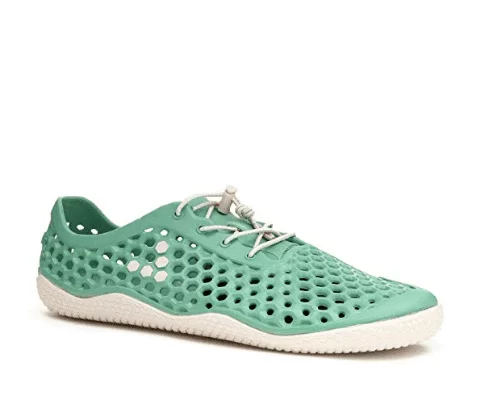
Mint green perforated sneakers are a game-changer for Egypt’s dusty streets and long walking days. The ventilated design lets air flow while keeping sand and debris out better than open sandals. Choose lighter colors that won’t show dust as much and ensure they’re broken in before you travel since new shoes and Egyptian cobblestones don’t mix.
Key takeaways
- Choose breathable natural fabrics like linen and cotton that won’t trap heat in Egypt’s climate
- Opt for loose-fitting silhouettes that allow air circulation while providing sun protection
- Select midi or maxi lengths for dresses and pants to respect local customs at religious sites
- Prioritize closed-toe shoes with ventilation over sandals to protect from sand and dust
- Stick to light colors that reflect heat and hide the inevitable desert dust
- Layer with long sleeves and cardigans for air-conditioned spaces and conservative areas
What to Wear in Greece ? 23 Travel Outfit Ideas from Experts
What to Wear in Scotland: 22 Outfit Ideas with Packing Tips
What to Wear to the Full Moon Party? 18 Outfit Ideas
How to Wear Corduroy Skirts? 16 Outfit Ideas
How to Wear Lace Pants? 18 Outfit Ideas with Styling Tips
How to Wear Chinos For Women? 15 Best Outfit Ideas
What to Wear in Ukraine? 12 Outfit Ideas, Packing List & Tips
What to Wear in Puerto Rico? 20 Outfit Ideas & Packing List