

The trapeze dress is fashion’s most polarising silhouette — women either worship it or avoid it completely. I’ve been wearing these A-line beauties for over a decade, and I understand both camps. When done right, a trapeze dress gives you movement, comfort, and an undeniably feminine shape. When done wrong, it turns you into a walking tent.
The mistake most women make is treating trapeze dresses like maternity wear — something loose to hide in. That’s exactly backwards. The trapeze works because it creates a deliberate contrast between fitted and flowing. The key is getting the proportions right and knowing where to add structure. I’ve learned this through plenty of my own styling disasters, including one memorable wedding where I looked like I’d borrowed the tablecloth.
Styling Tips
Nail the fit at the shoulders and bust. A trapeze dress lives or dies by how it fits through the bodice. The top half should skim your body without pulling or gapping, while the skirt flows freely from just under the bust or at the natural waist. I size down if I’m between sizes because the A-line cut gives you room where you need it.
Add definition with a belt or structured jacket. The flowing silhouette needs an anchor point to prevent that “drowning in fabric” effect. I belt mine at the narrowest part of my torso, usually just above the natural waist. A cropped denim jacket or blazer works the same way — it breaks up the expanse of fabric while maintaining the dress’s relaxed vibe.
Choose the right length for your proportions. Trapeze dresses come in every length, but not every length works on everyone. If you’re petite, stop the hem at mid-thigh to avoid being overwhelmed. Taller women can handle midi and maxi lengths, but watch that the proportions don’t make your torso look shorter than it is.
Mind your undergarments. The wrong bra or shapewear will ruin the line completely. I wear a smooth-cup bra that doesn’t add bulk, and I skip shapewear that creates bumps or edges under the flowing fabric. The trapeze shape should look natural, not like you’re wearing armour underneath.
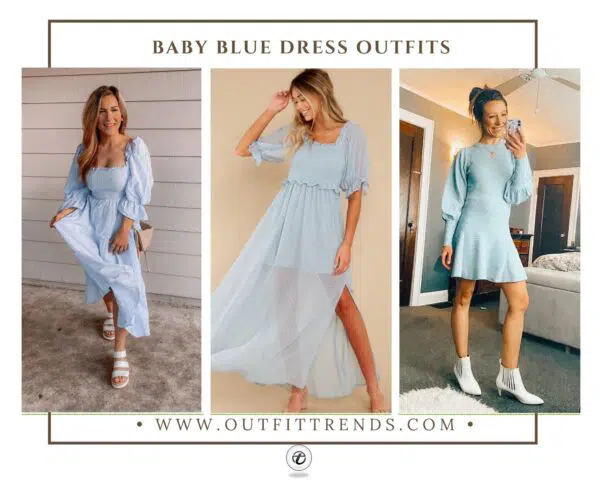
20 Best Baby Blue Dresses & Tips on How to Style Them
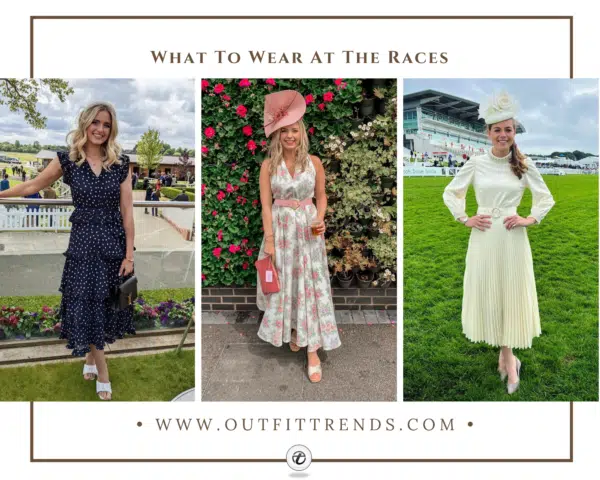
What To Wear At The Races – 20 Dress Code Guide & Tips
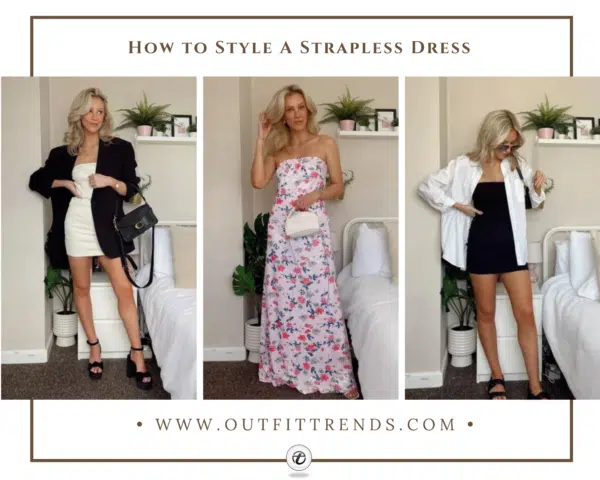
How To Wear a Strapless Dress? 24 Styling Ideas & Tips
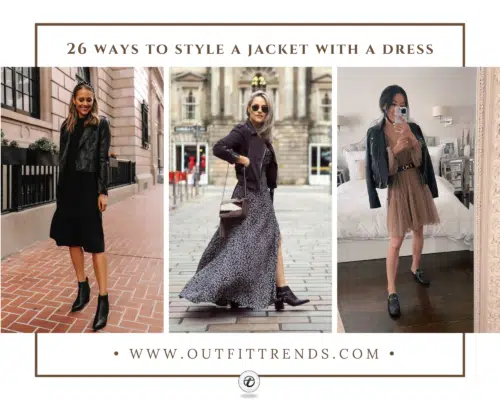
How to Pair Jackets with Dresses – 26 Outfit Ideas & Tips
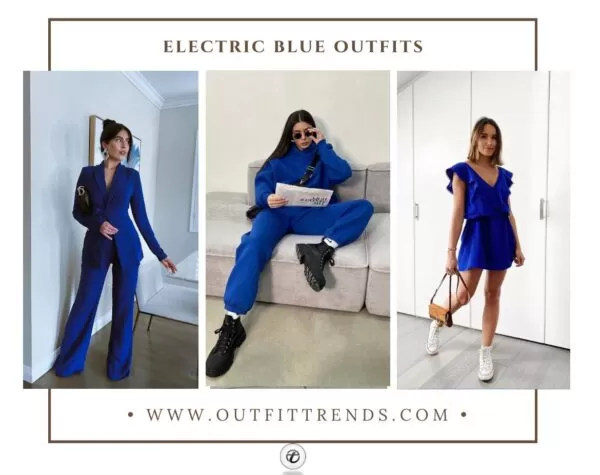
26 Best Electric Blue Outfits & Tips On How To Style Them
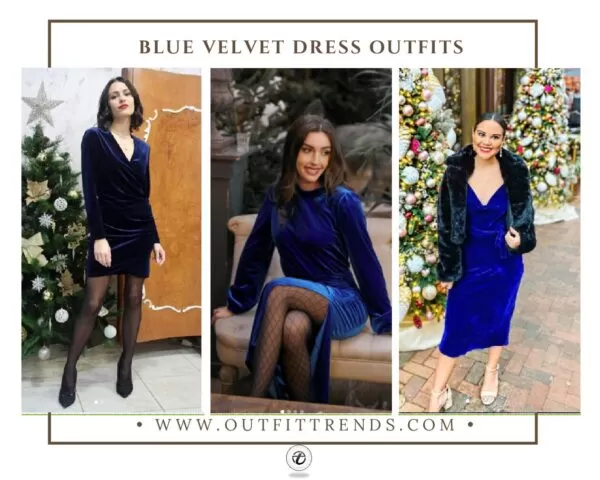
How To Wear Blue Velvet Dresses – 20 Styling Tips
How To Wear A Slip Dress ? 21 Outfit Ideas & Styling Tips
20 Latest Angrakha Dress Designs & Tips on How to Style Them
Yves Saint Laurent created the trapeze dress in 1958 when he was just 21 years old, working as Christian Dior’s successor. The revolutionary A-line shape was considered radical because it freed women from the corseted waists that had dominated fashion for decades.
Consider your shoes carefully. Trapeze dresses can make your legs disappear if you’re not strategic about footwear. I avoid ankle boots with midi and maxi lengths because they cut the leg line at an awkward point. Instead, I choose shoes that either blend with my skin tone or create a clear contrast — nude pumps to lengthen, or bold colours to make a statement.
Layer thoughtfully in cooler weather. A trapeze dress needs layers that respect its silhouette. Fitted cardigans and structured jackets work perfectly. Avoid anything bulky or oversized on top — you’ll look like you’re wearing two tents. I learned this the hard way during a cold snap when I threw a chunky sweater over a trapeze dress and spent the day looking shapeless.
Dos & Don’ts
Best Trapeze Dress Styles
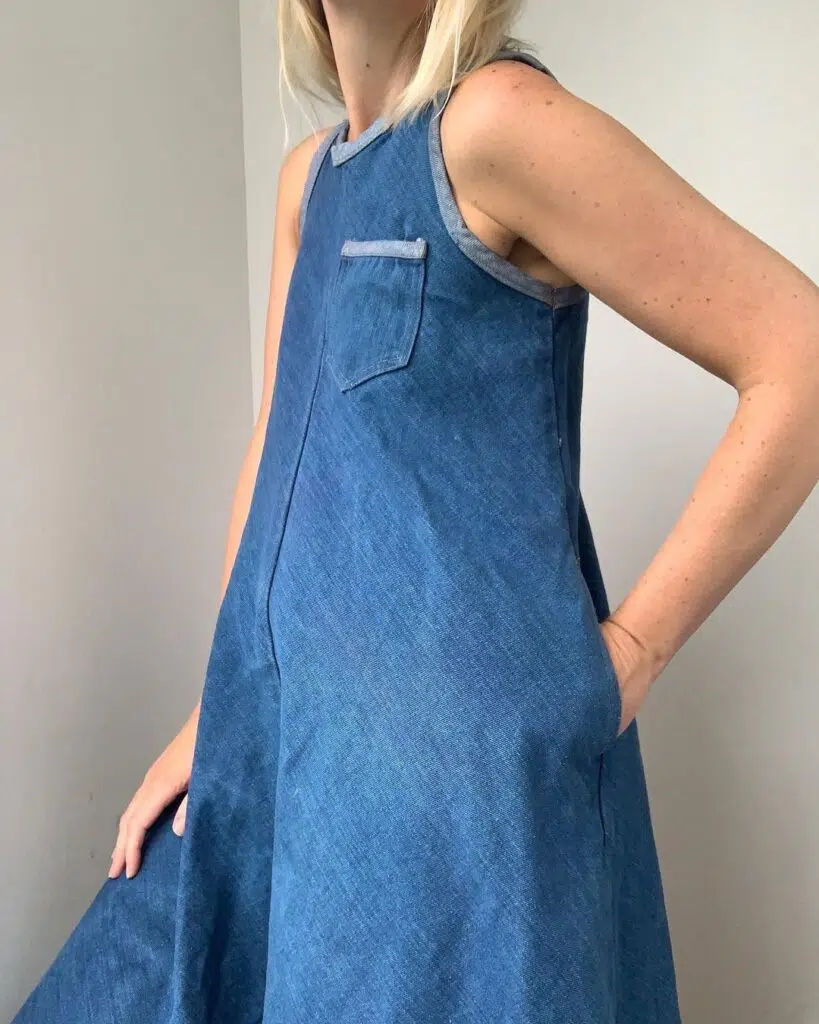
Denim Trapeze Shift with Pocket Detail
This sleeveless denim trapeze dress proves the style works in every fabric, not just flowy materials. The chest pocket and structured shoulders prevent it from looking too casual, while the A-line silhouette skims the body without clinging. Perfect if you want the comfort of a tent dress but need something that looks intentional rather than oversized.
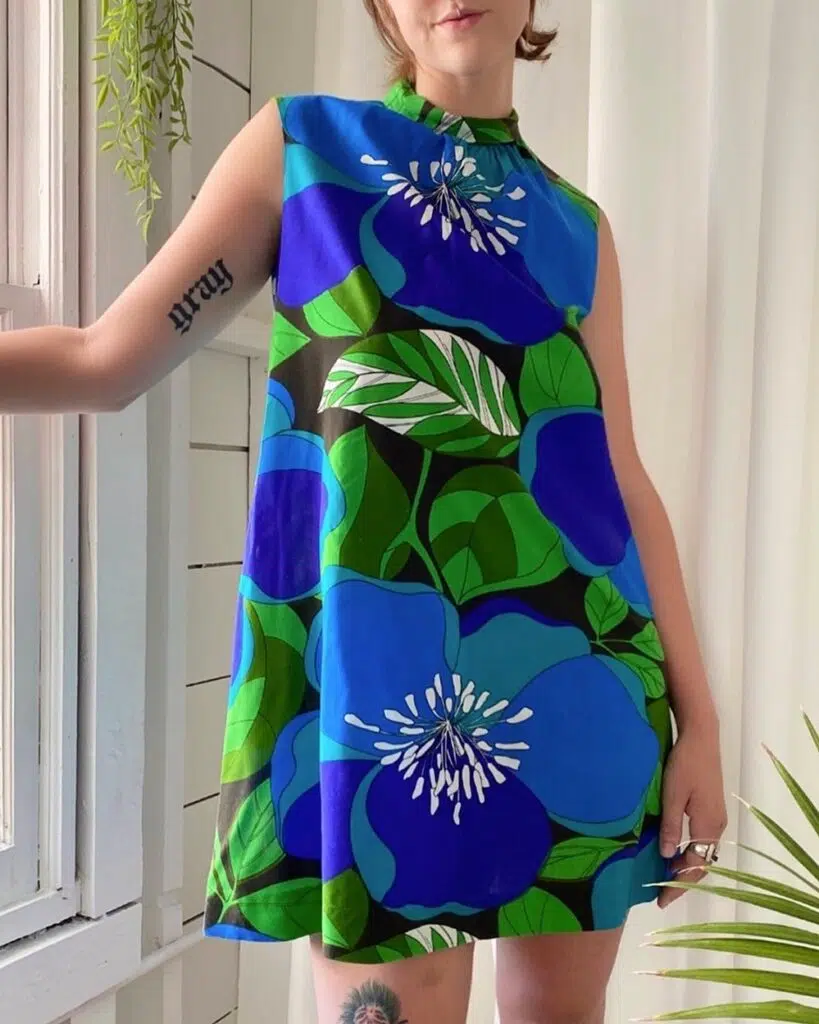
Bold Floral Print Trapeze Mini
Large-scale florals work brilliantly on trapeze dresses because the loose silhouette gives the print room to breathe without overwhelming your frame. The high neckline balances the shorter hemline, while the blue and green color palette feels fresh rather than overly sweet. This style suits women who want to wear prints but find fitted dresses make busy patterns look chaotic.
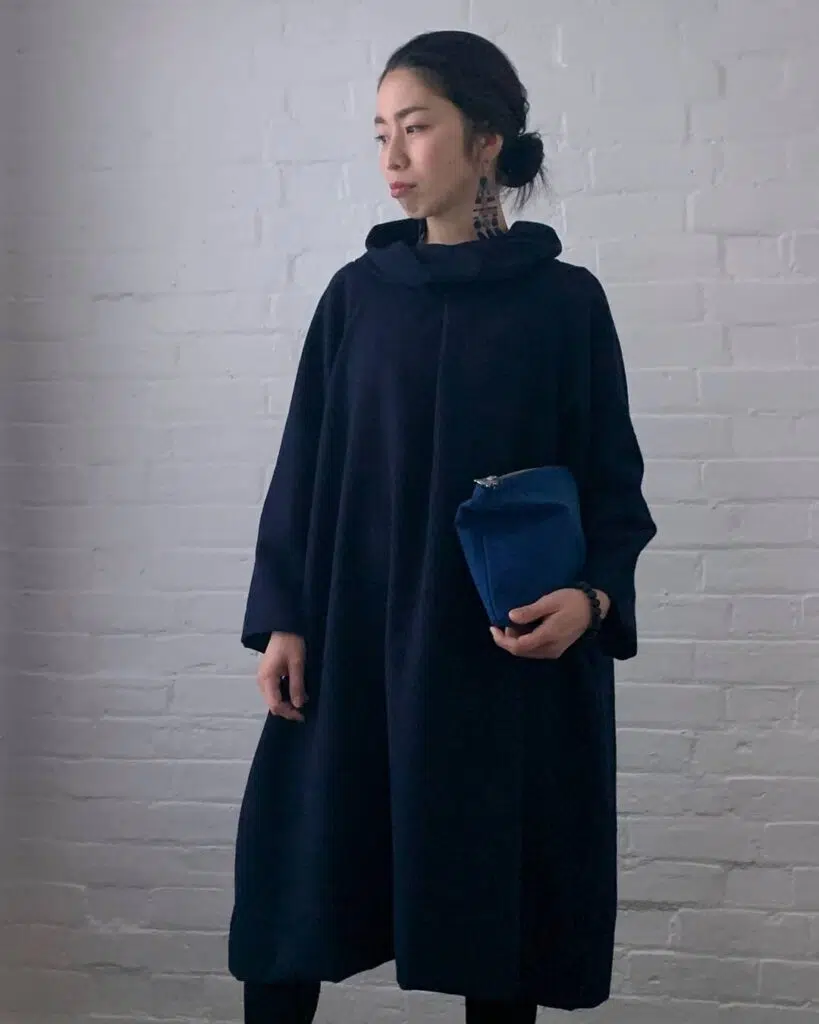
Oversized Black Hooded Trapeze
This dramatic hooded trapeze takes the silhouette to its extreme — and it works because of the monochrome styling and structured accessories. The blue clutch provides just enough contrast without competing with the dress’s architectural shape. Best for confident dressers who aren’t afraid of volume, though the dark color keeps it from looking costume-like.
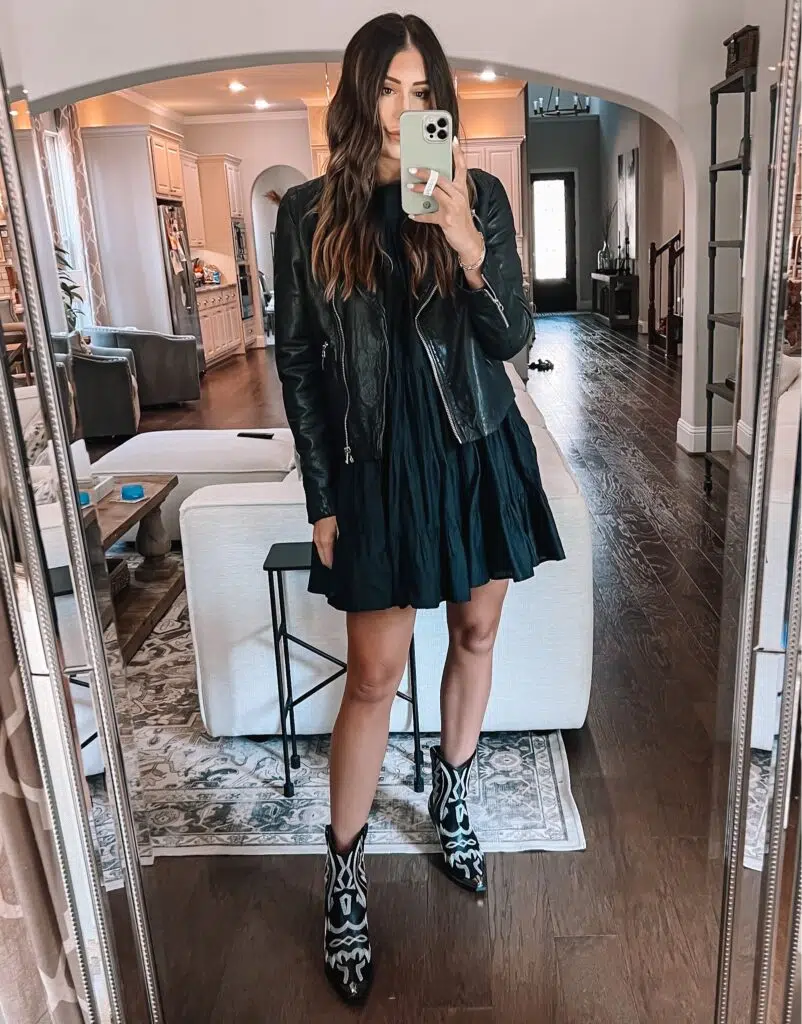
Leather Jacket Over Pleated Mini Trapeze
The leather jacket transforms this dark trapeze dress from ethereal to edgy, proving these dresses don’t have to look precious or bohemian. The pleated fabric adds texture while the shorter length keeps proportions modern rather than matronly. The pointed boots echo the jacket’s tough attitude — this combination works for women who find regular trapeze styling too soft.
Quick tip
Choose nude or metallic accessories with bright trapeze dresses to let the color shine.
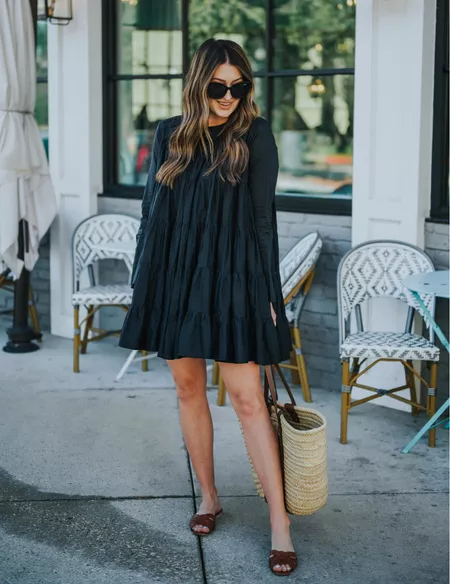
Long Sleeve Black Trapeze with Tiered Hem
Long sleeves make trapeze dresses work for cooler weather, while the tiered bottom hem adds movement without bulk. The key here is the knee-length hemline — any longer and this would risk looking like a nightgown. The brown sandals keep it grounded and prevent the all-black outfit from feeling too severe.
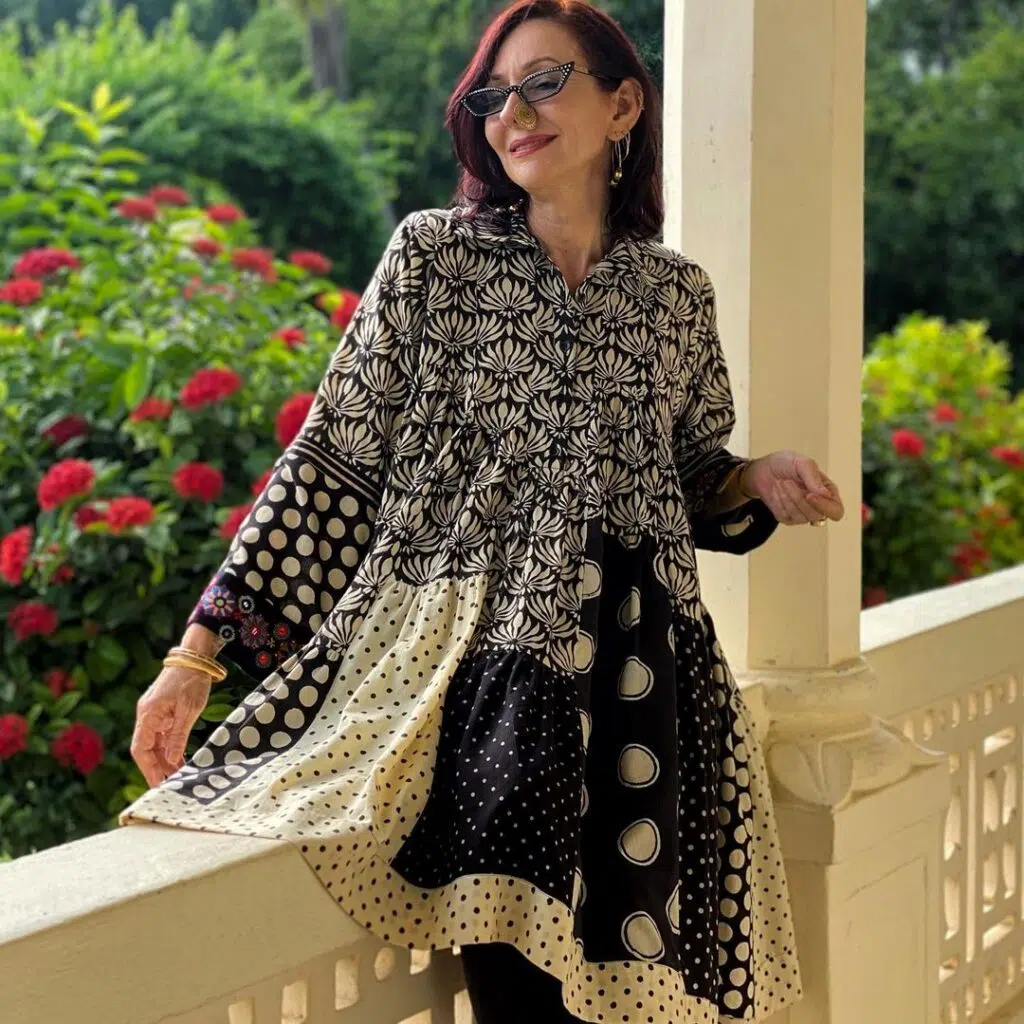
Mixed Print Patchwork Trapeze
This mixed-print trapeze proves you can combine multiple patterns successfully when the silhouette is simple. The black and white palette unifies different prints — dots, florals, and geometric patterns — while the loose cut prevents any single pattern from dominating. This style works for creative dressers who find solid colors boring but struggle with pattern mixing in fitted clothes.
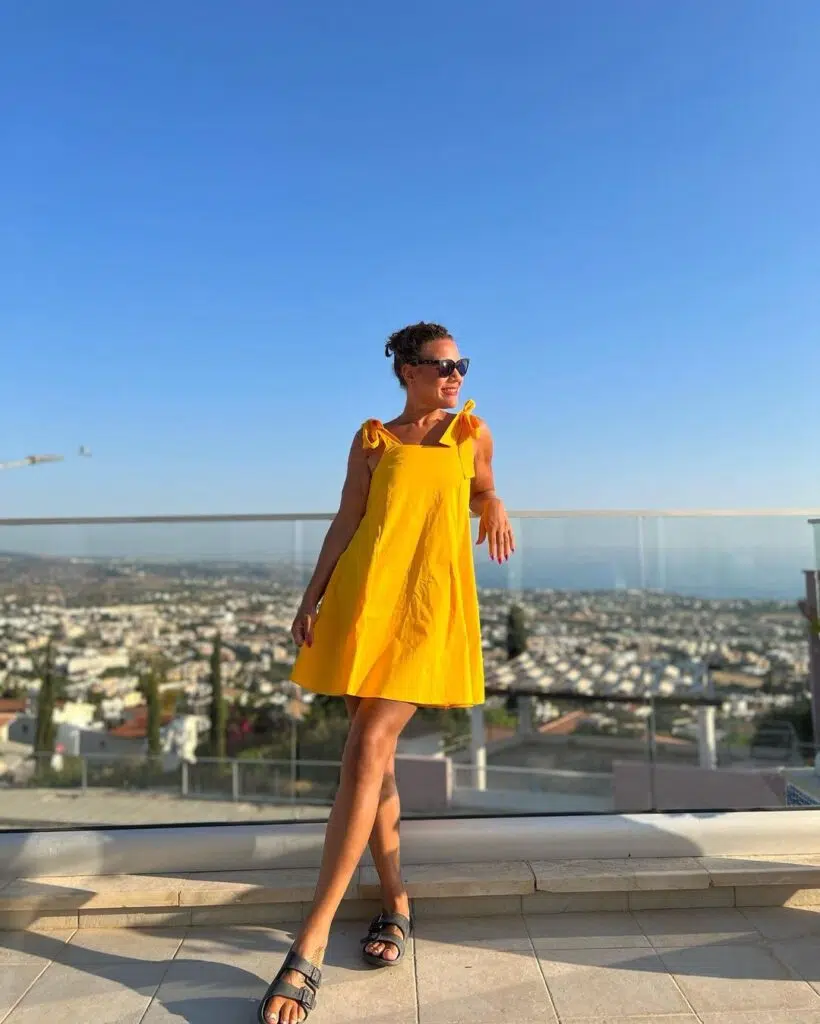
Bright Yellow Sleeveless Trapeze
Yellow can be tricky, but the trapeze silhouette makes bold colors more wearable by creating distance from your face and torso. The structured shoulder straps and chest seaming prevent this from looking shapeless, while black sandals ground the sunny color. This works particularly well on women who love color but find fitted bright pieces too intense.
Quick tip
Avoid chunky jewelry with trapeze silhouettes — delicate pieces work better with the flowing fabric.
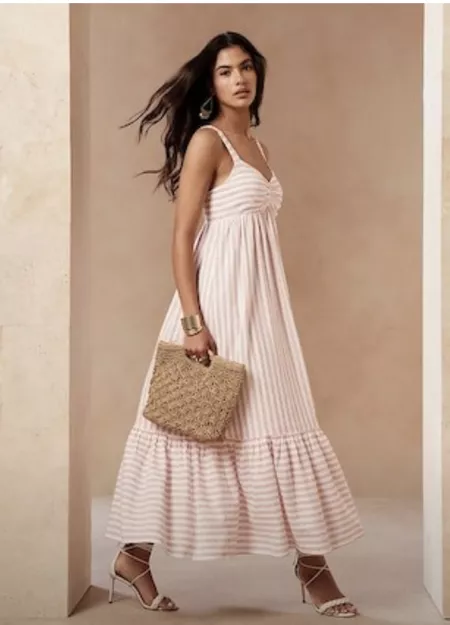
Pink Striped Maxi Trapeze with Ruffle Hem
Stripes in a trapeze silhouette create vertical lines that elongate rather than widen — the opposite of what happens in fitted striped dresses. The tiered ruffle hem adds femininity without fuss, while the soft pink and white palette feels fresh for spring. The lace-up sandals echo the dress’s romantic vibe without looking too matching.
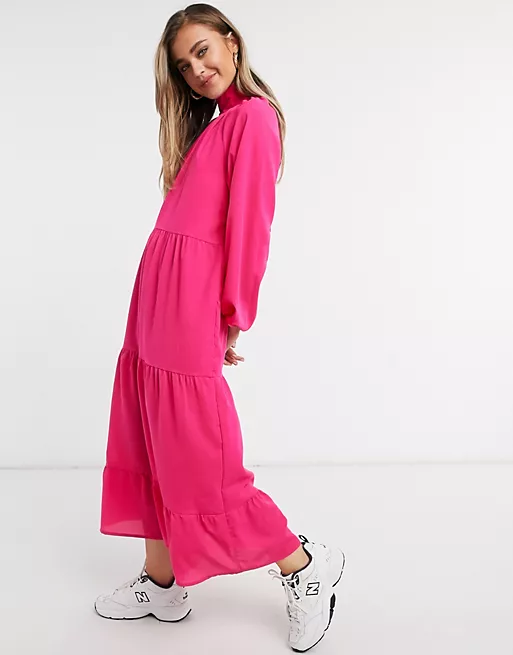
Hot Pink Long Sleeve Maxi Trapeze
This fuchsia maxi proves trapeze dresses can handle intense colors because the loose silhouette diffuses their impact. The high neckline and long sleeves make the bright color sophisticated rather than attention-seeking, while white sneakers add an unexpected casual element. Perfect for women who want to wear bold colors but find body-conscious dresses in bright shades too overwhelming.
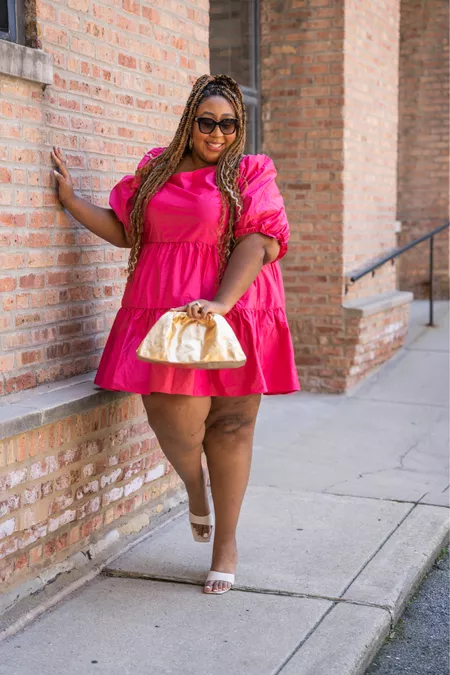
Bright Pink Tiered Trapeze with Gold Accessories
This vibrant fuchsia trapeze dress proves that bold colors work beautifully on curvier figures when the silhouette is right. The tiered design adds movement without clinging, while the three-quarter sleeves provide coverage that balances the shorter hemline. The gold clutch and nude strappy sandals create a polished contrast that elevates the playful dress for day-to-evening wear.
Quick tip
Size down in trapeze dresses if you’re between sizes — they’re meant to be roomy but not overwhelming.
Key takeaways
- Choose trapeze dresses that hit mid-thigh or just above the knee — any shorter looks childish, any longer loses the dress’s youthful energy
- Balance the loose silhouette with fitted sleeves or structured accessories to avoid looking shapeless
- Darker trapeze dresses need contrasting shoes or bags to prevent the outfit from appearing too heavy
- The key to wearing bright trapeze dresses is keeping accessories simple — let the dress be the statement
- Trapeze dresses work best on pear and apple body types because they skim rather than cling to the midsection
- Always consider undergarments carefully — the wrong bra line will show through the loose fabric
20 Best Baby Blue Dresses & Tips on How to Style Them
What To Wear At The Races – 20 Dress Code Guide & Tips
How To Wear a Strapless Dress? 24 Styling Ideas & Tips
How to Pair Jackets with Dresses – 26 Outfit Ideas & Tips
26 Best Electric Blue Outfits & Tips On How To Style Them
How To Wear Blue Velvet Dresses – 20 Styling Tips
How To Wear A Slip Dress ? 21 Outfit Ideas & Styling Tips
20 Latest Angrakha Dress Designs & Tips on How to Style Them