The biggest mistake I see with bandhani sarees is treating them like any other printed saree. Last month at my cousin’s mehendi, three women wore gorgeous Rajasthani bandhej pieces that looked completely flat because they’d styled them wrong. Bandhani isn’t just tie-dye — it’s a textural craft where every dot creates dimension, and that changes everything about how you wear it.
I’ve been collecting bandhani sarees since my early twenties, starting with a bright yellow piece from Jaipur that my mum insisted was “too loud for London.” She was wrong. The key is understanding that bandhani’s raised dots catch light differently than flat prints, which means your draping, jewellery, and even your blouse choices need to work with this texture, not against it.
Growing up, I watched my nani choose her bandhej sarees for specific occasions — never randomly. The red ones for weddings, the yellows for festivals, the subtle ones for prayers. She knew something most of us have forgotten: bandhani has rules, and when you follow them, the results are spectacular.
How to Style Bandhani Saree
Match Your Bandhani Colors Strategically
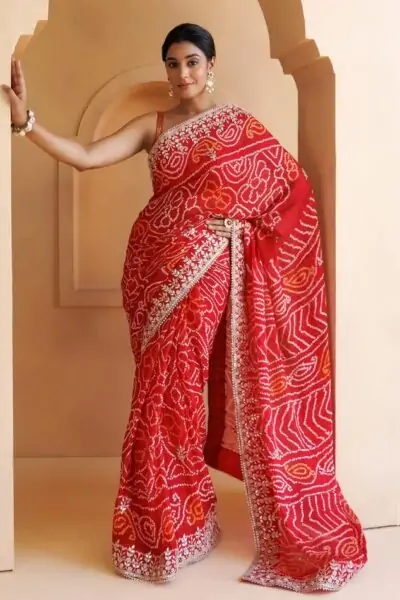
This red bandhani with its geometric patterns works because the model has kept the styling monochromatic. When your bandhani has multiple colors in the tie-dye, pick one shade for your blouse and accessories rather than trying to match them all. The texture already provides enough visual interest without competing colors.
Layer Contrasting Textures
The silk bandhani paired with what appears to be a velvet or brocade blouse creates perfect textural contrast. Bandhani’s bumpy surface looks best against smooth fabrics — silk blouses, cotton linings, or even satin. Avoid other textured fabrics that will compete with the dots.
Choose Simple Jewelry for Busy Bandhani
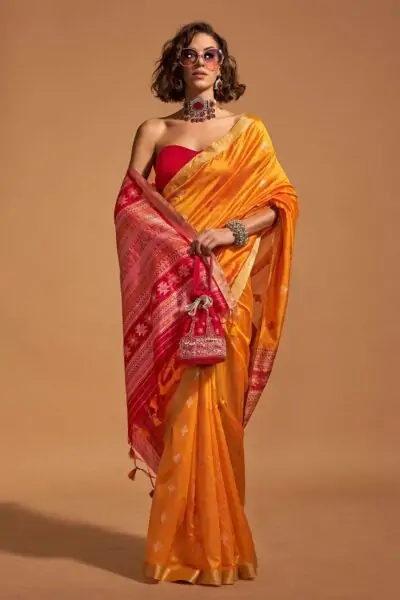
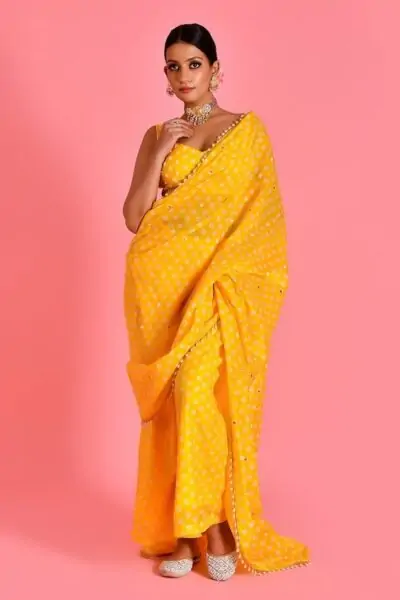
This yellow bandhani is covered in dots, so the jewelry stays minimal — just earrings and a simple necklace. The busier your bandhani pattern, the cleaner your jewelry should be. Save your heavy kundan sets for plain silk sarees, not textured bandhej.
How To Wear A Net Saree? 23 Best Styling Tips & Ideas
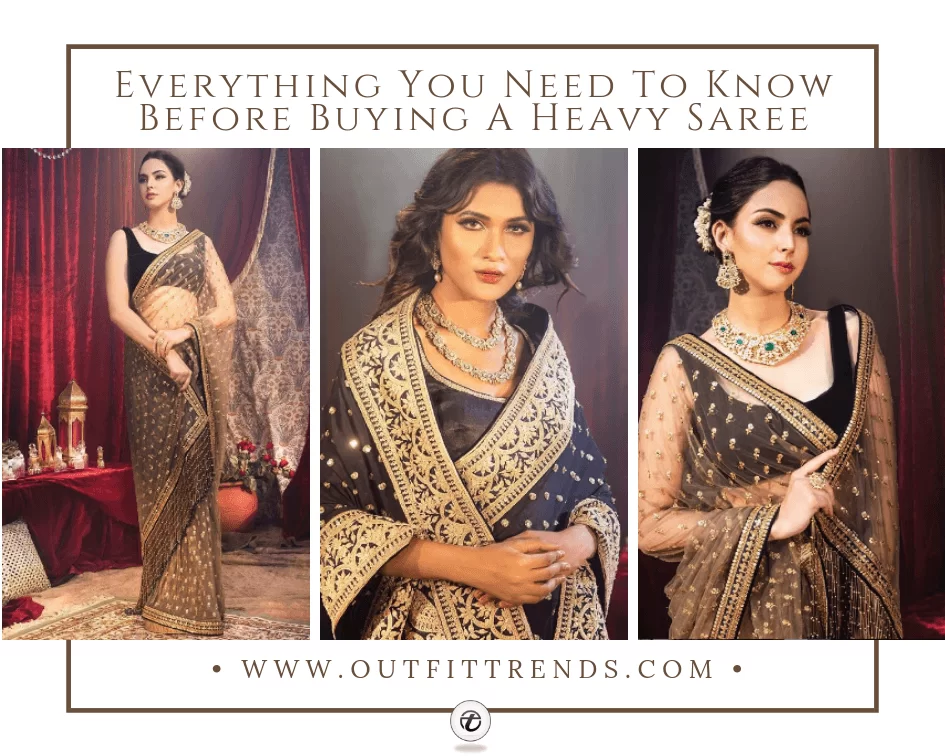
How To Wear A Heavy Saree – 10 Best Styling Tips & Ideas
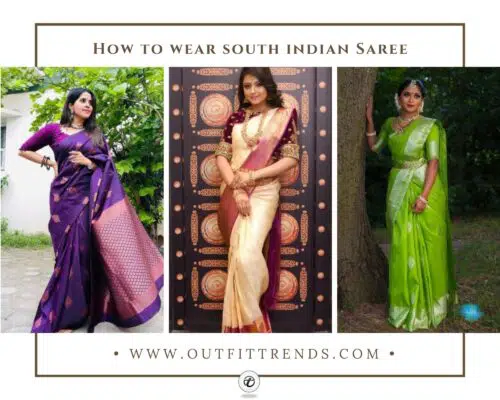
How To Wear South Indian Saree – 20 Designs And Styling Tips
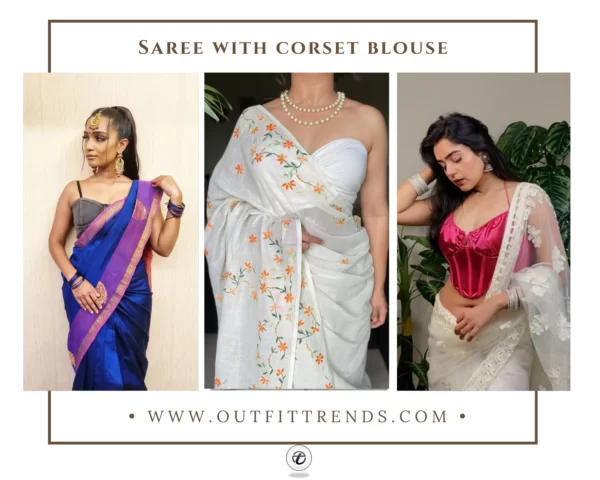
How To Wear A Saree With A Corset Blouse? 20 Tips
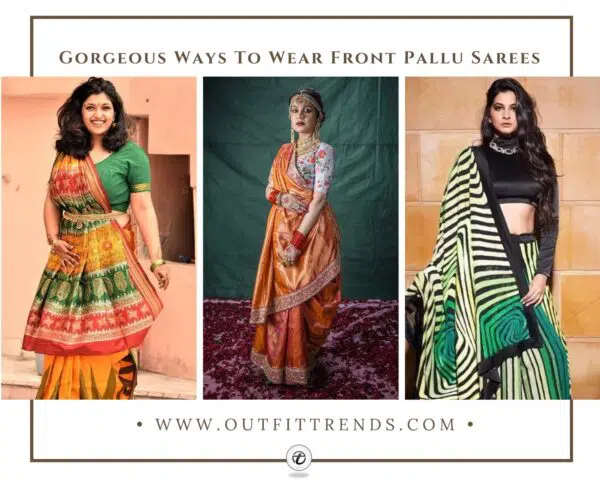
How to Wear Front Pallu Sarees 15 Styling Ideas
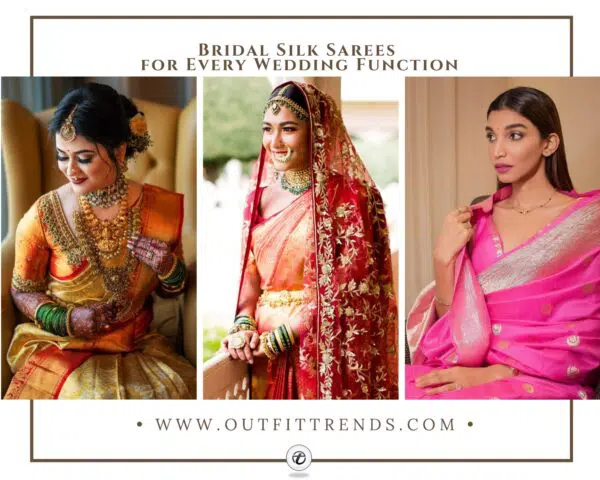
14 Latest Bridal Silk Saree Designs and Styling Tips
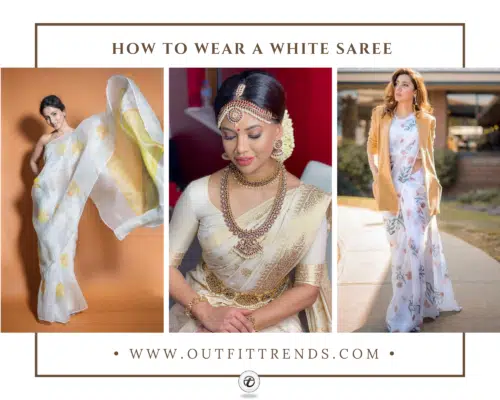
How To Wear A White Saree? 22 Styling Ideas
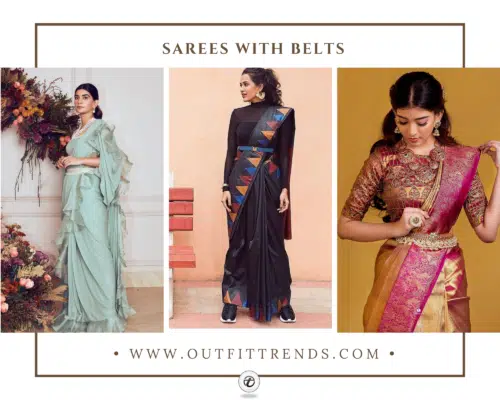
How to Wear Sarees With Belts – 30 Tips And Tutorial
Master the Bandhani Drape
Notice how this saree is draped with generous pleats that allow the fabric to fall naturally. Bandhani needs room to breathe because the tied dots create natural volume. Don’t pull it too tight or pin it too flat — you’ll lose the dimensional effect that makes bandhani special.
Pick the Right Blouse Color
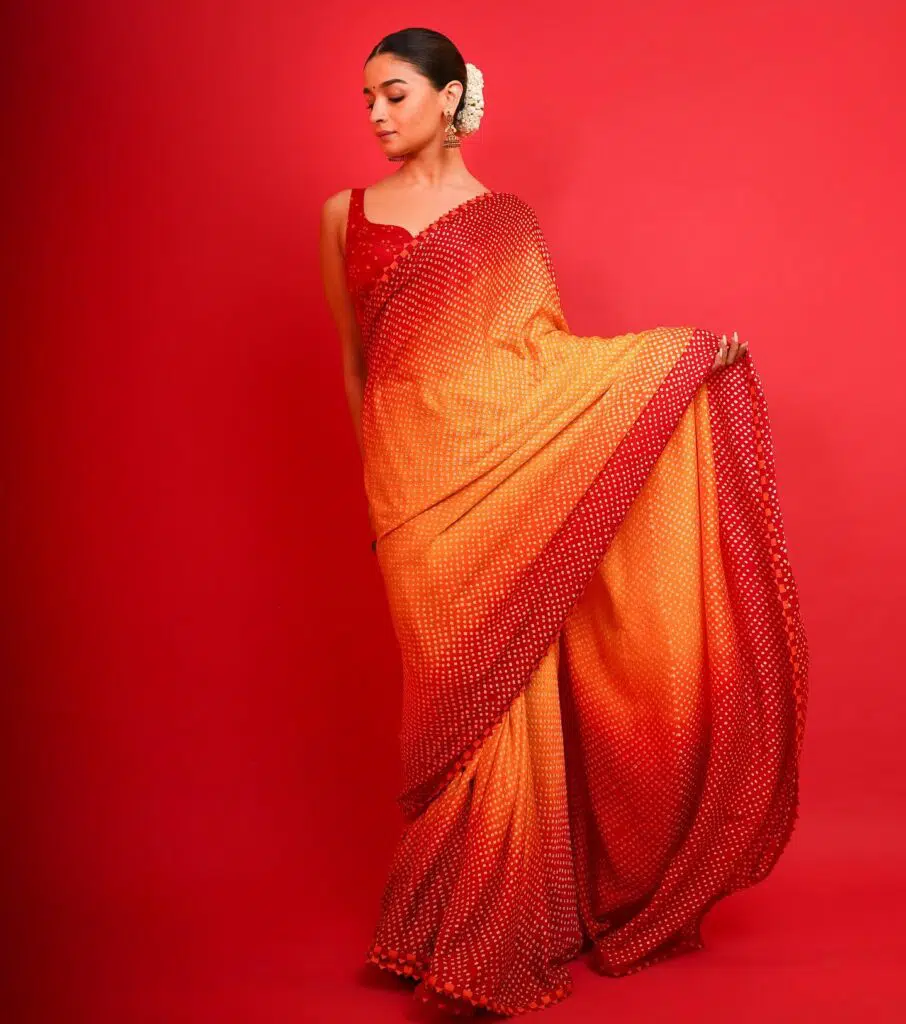
This gradient bandhani works with a tonal red blouse that picks up the deeper shade in the tie-dye. For ombre or gradient bandhani, choose your blouse color from either the lightest or darkest tone in the pattern, never from the middle tones.
Balance Traditional and Modern Elements
The brocade dupatta adds traditional richness to this outfit, but the styling stays contemporary. This is how you honor bandhani’s heritage while making it relevant — pair traditional weaves but keep hair and makeup modern.
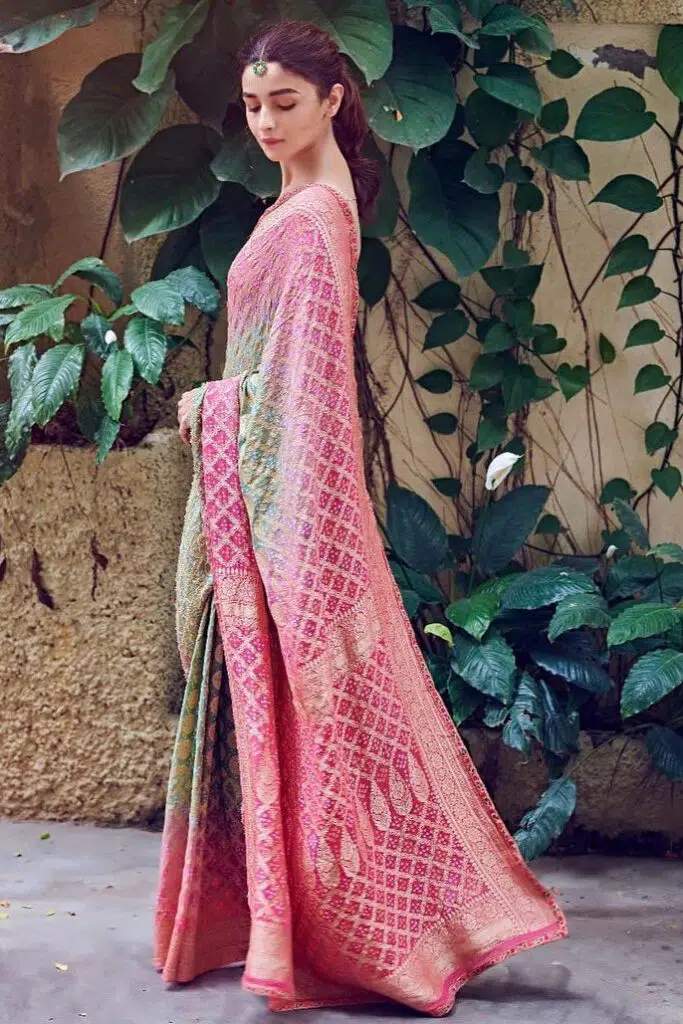
Authentic bandhani can have up to one lakh tiny knots in a single saree, with each dot individually tied by hand before dyeing. Master craftsmen can identify different regions’ bandhani just by the dot patterns and spacing.
Style Bandhani for Festivities
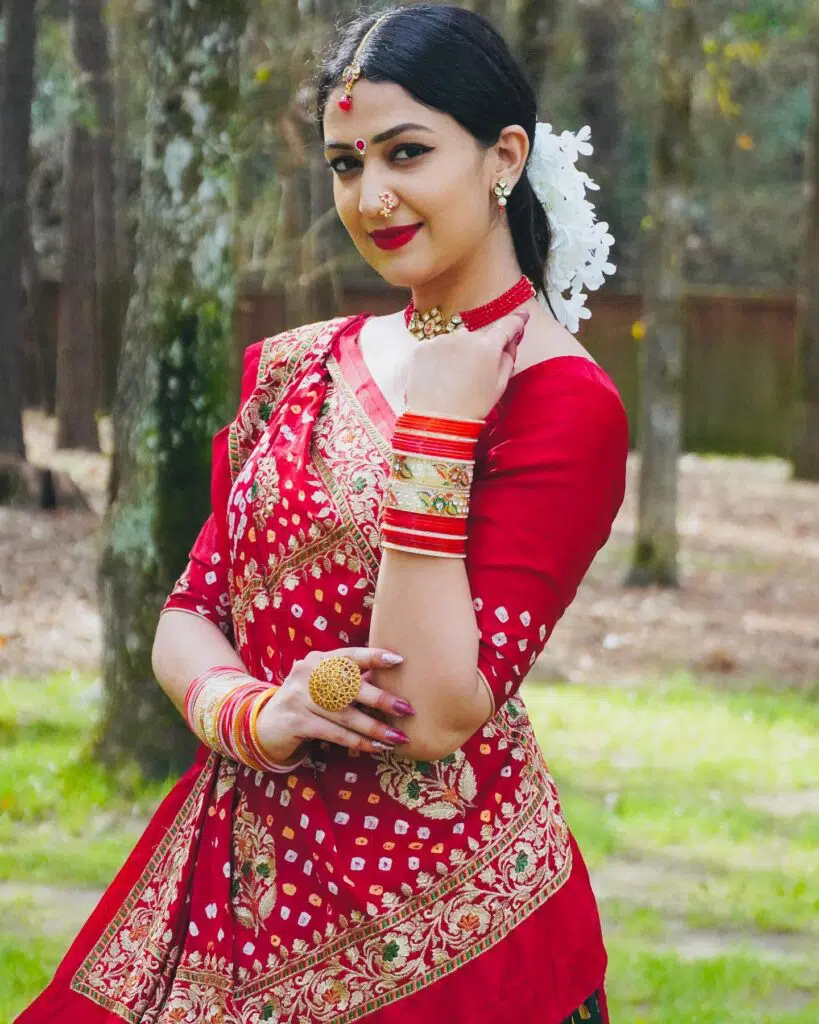
This red bandhani styled with traditional jewelry and flowers shows bandhani at its most festive. The heavy gold jewelry works because the saree pattern is relatively simple — just scattered dots rather than complex geometric designs. For Karva Chauth or other celebrations, this level of ornamentation is perfect.
Try Contemporary Bandhani Styling
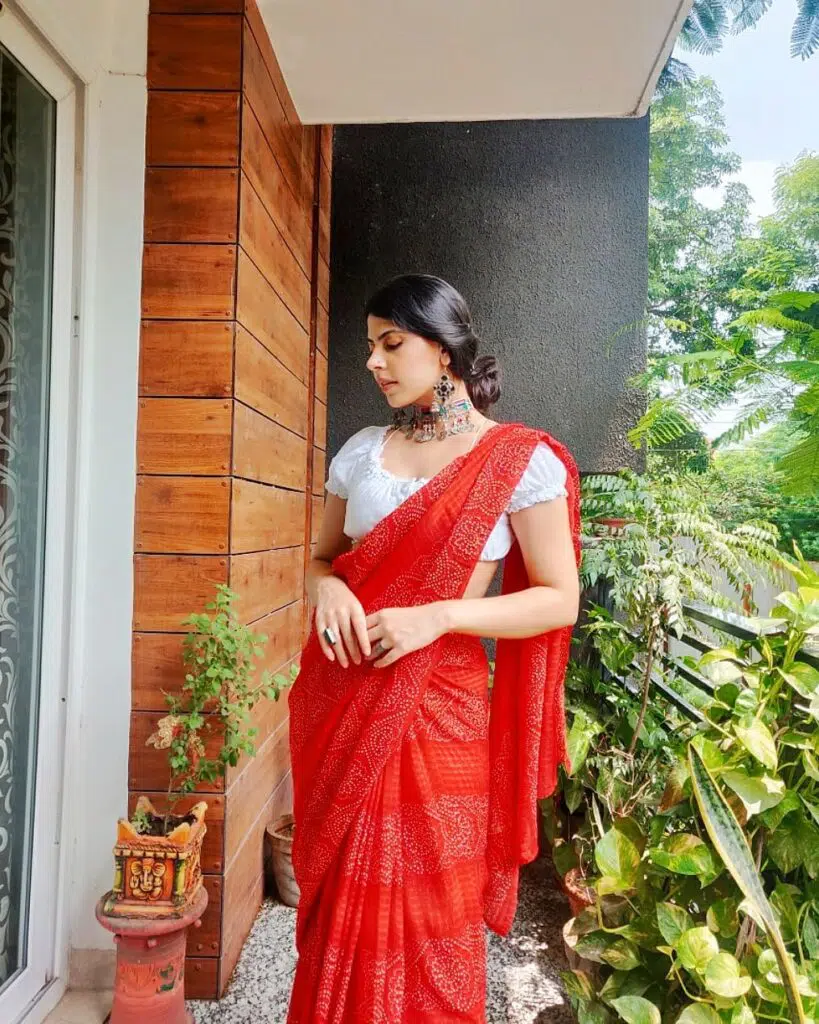
This red bandhani is styled with a simple white blouse and modern hair styling, proving bandhani doesn’t have to look costume-like. The key is balancing one traditional element (the bandhani) with contemporary styling choices everywhere else.
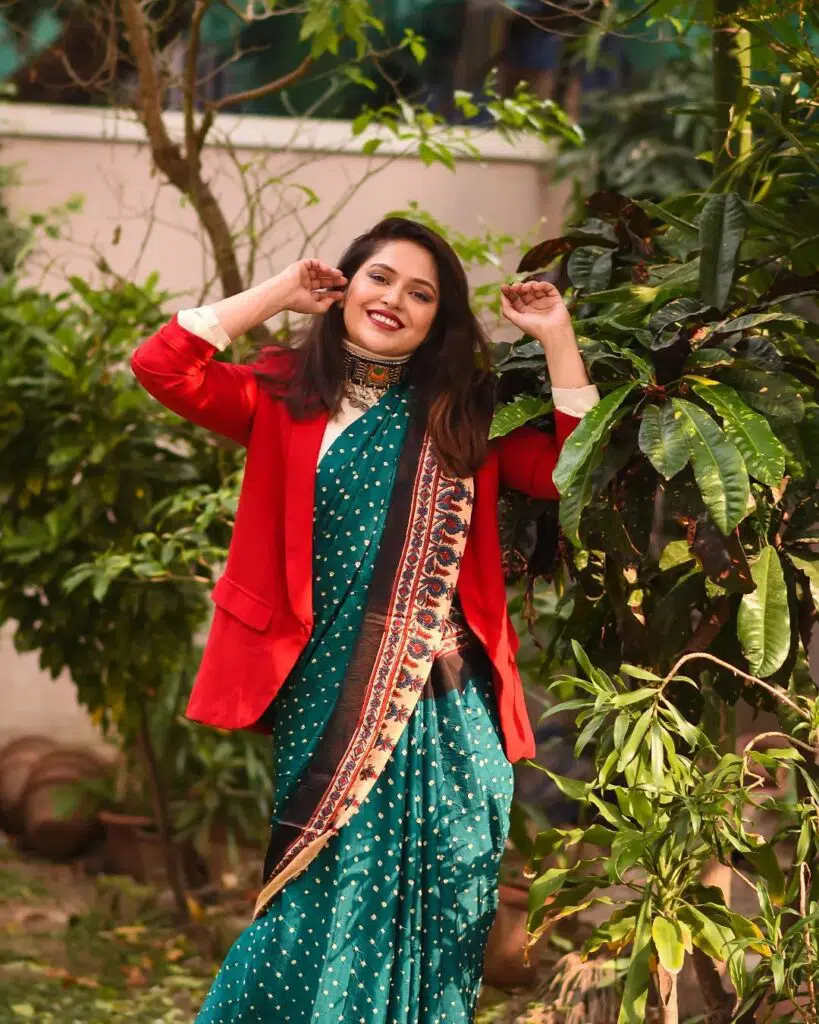
Mix Bandhani with Western Elements
The red blazer over this green bandhani creates an unexpected but successful fusion look. When mixing Western pieces with bandhani, choose structured pieces like blazers or jackets that complement the saree’s flowing lines rather than competing with them.
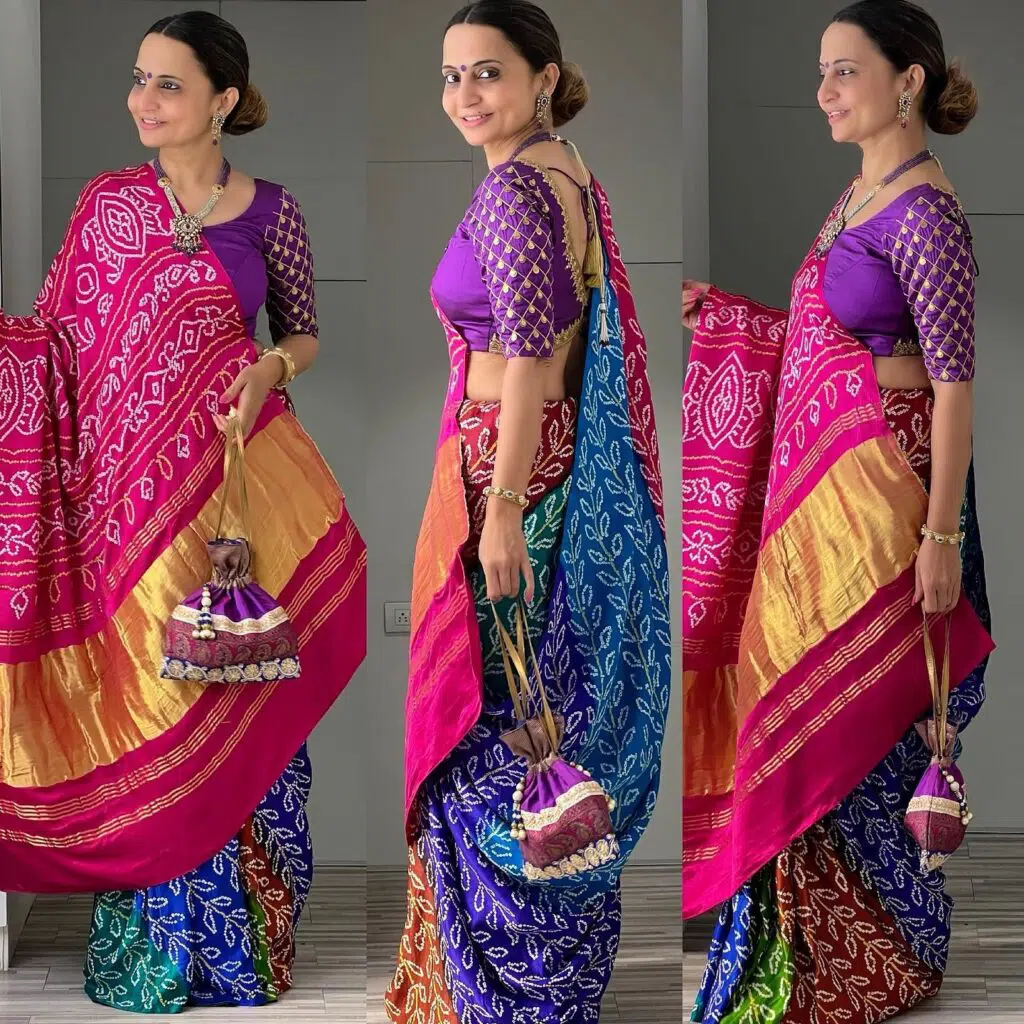
Embrace Bold Color Combinations
This multicolored bandhani works because each color segment is clearly defined. When choosing rainbow bandhani like this, keep everything else simple — plain blouse, minimal jewelry, clean hair styling. The saree should be the only busy element in your look.
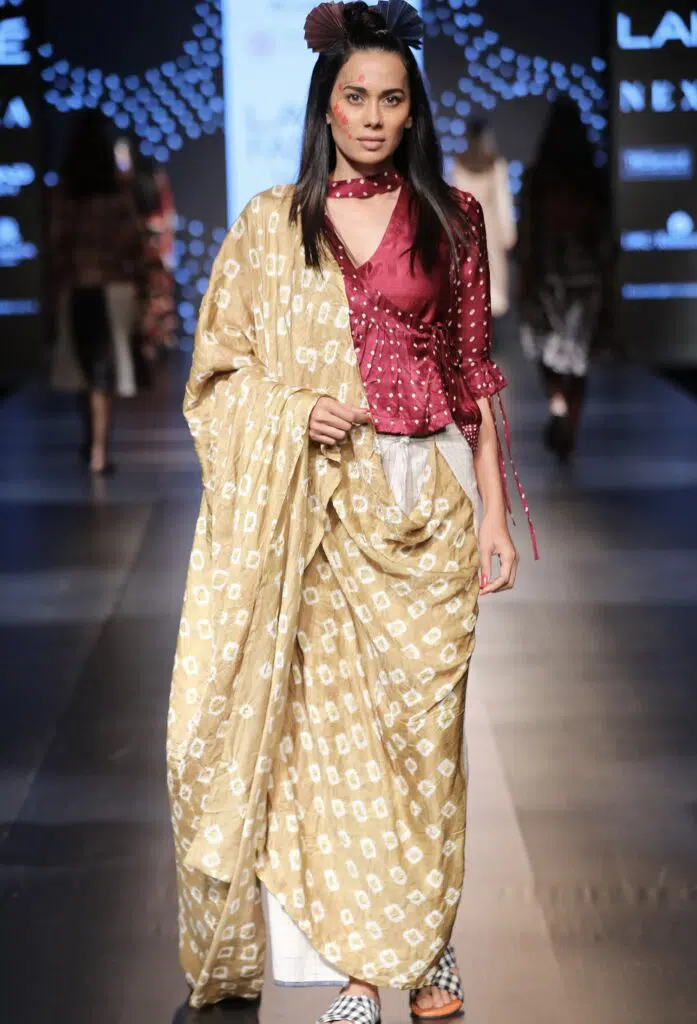
Choose Modern Blouse Cuts
This bandhani is styled with what appears to be a halter or high-neck blouse, showing how contemporary blouse styles can refresh traditional bandhani. Modern cuts work especially well with geometric bandhani patterns rather than floral ones.
Perfect the Formal Bandhani Look
This gold and red combination shows bandhani at its most formal. The metallic tones in the border complement the tie-dye pattern without overwhelming it. For evening events or formal occasions, this level of richness works perfectly.
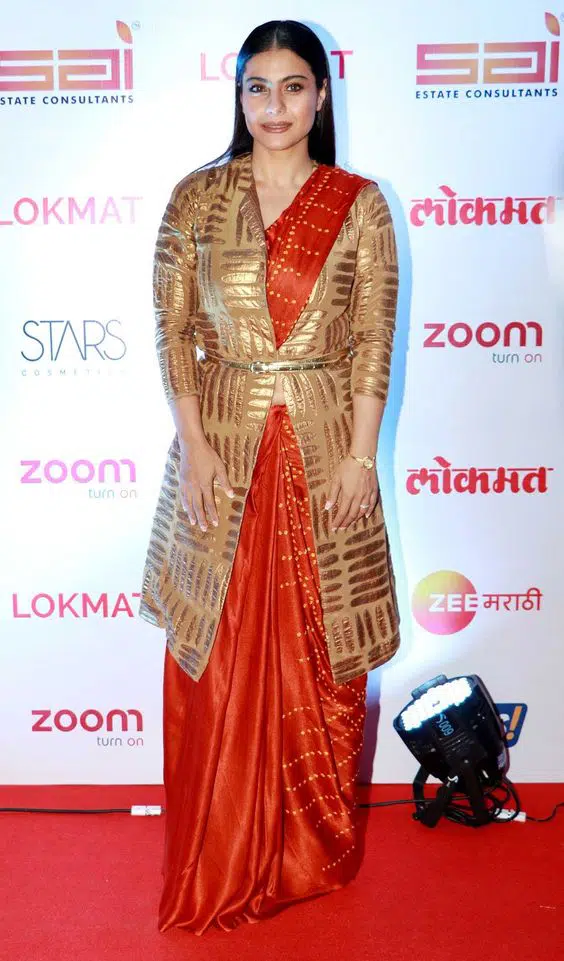
Master Bandhani Color Blocking
This red bandhani with gold border demonstrates perfect color blocking — the solid border grounds the busy tie-dye pattern. Always ensure your bandhani has some solid color areas to give the eye a place to rest.
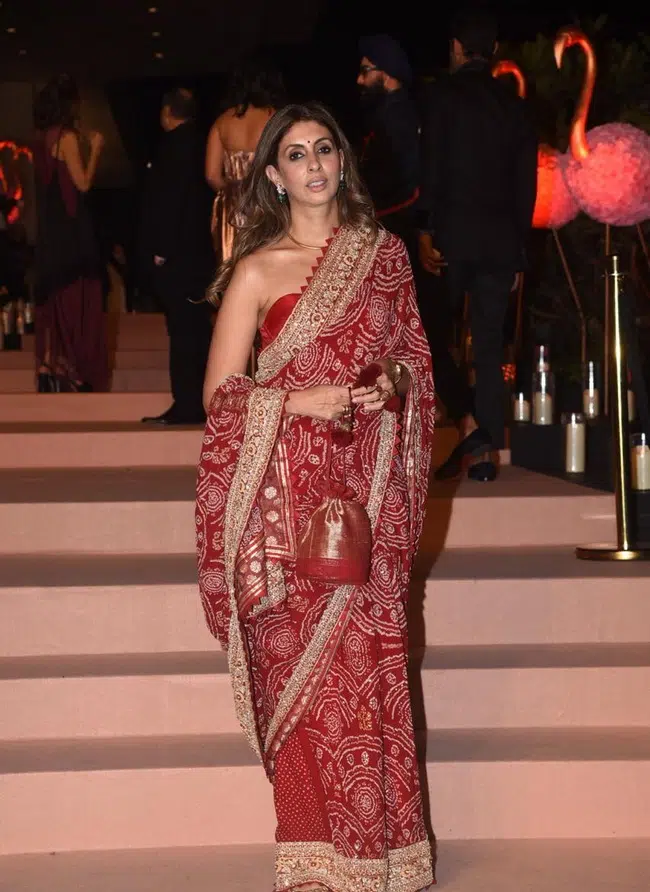
Style Bandhani for Day Events
This yellow bandhani styled simply shows how bandhani can work for daytime occasions. The minimal jewelry and relaxed draping make it appropriate for brunches, day weddings, or festival celebrations where you want traditional style without evening formality.
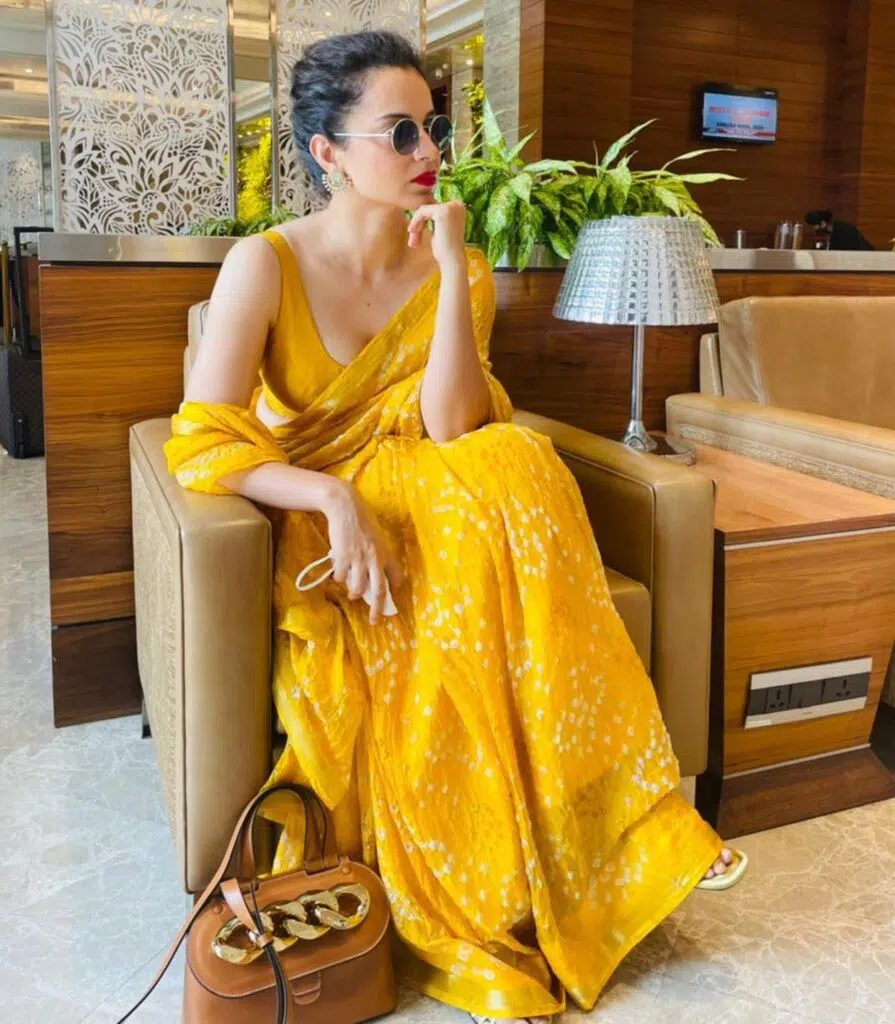
Pair Bandhani with Contemporary Blouses
This bandhani is styled with what appears to be a shirt-style blouse, creating an interesting traditional-modern fusion. When choosing contemporary blouse styles for bandhani, ensure the colors complement rather than clash with the tie-dye pattern.
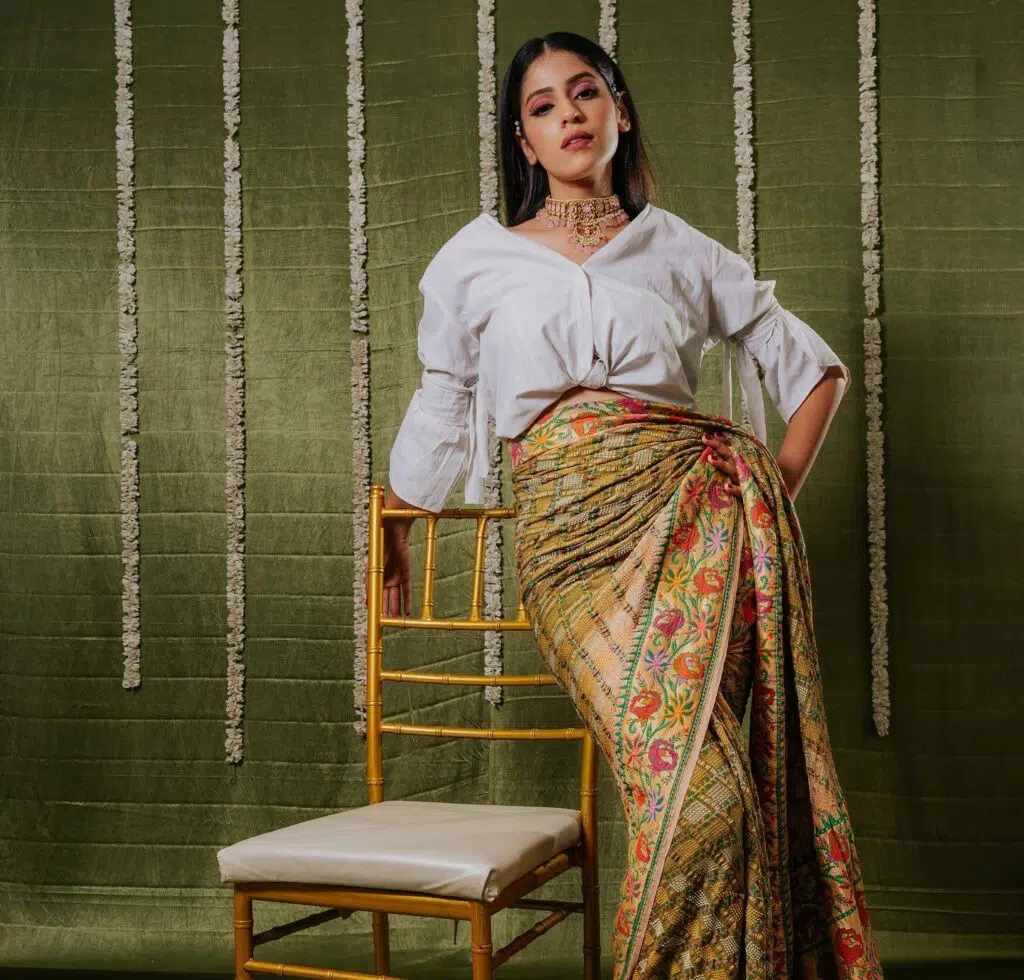
Choose Complementary Color Schemes
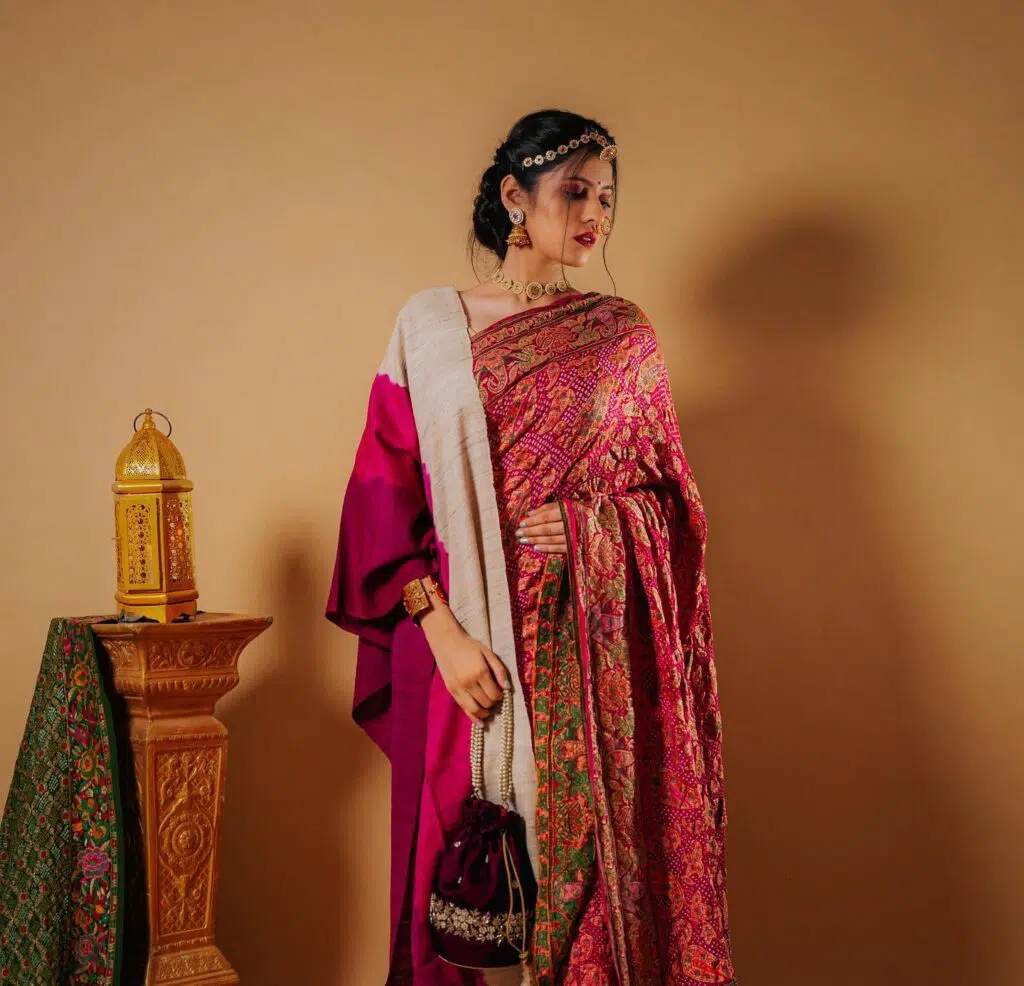
This pink and gold bandhani demonstrates how metallic elements enhance tie-dye patterns. The gold threads or zari work picks up light similarly to how the raised bandhani dots catch light, creating visual harmony throughout the saree.
Perfect the Flowing Bandhani Drape
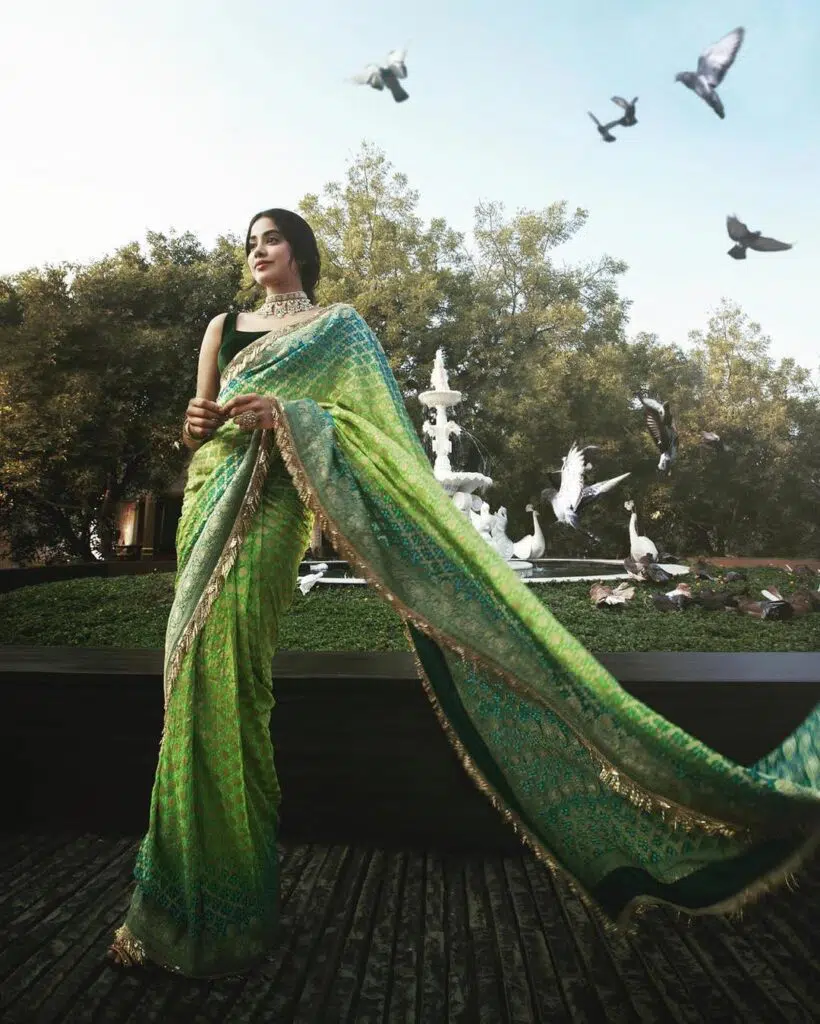
This green bandhani is draped to show maximum flow and movement, which is exactly how bandhani should be worn. The fabric needs to move freely to show off the textural dots — avoid tight draping that flattens the dimensional effect.
Dos & Don’ts
How To Wear A Net Saree? 23 Best Styling Tips & Ideas
How To Wear A Heavy Saree – 10 Best Styling Tips & Ideas
How To Wear South Indian Saree – 20 Designs And Styling Tips
How To Wear A Saree With A Corset Blouse? 20 Tips
How to Wear Front Pallu Sarees 15 Styling Ideas
14 Latest Bridal Silk Saree Designs and Styling Tips
How To Wear A White Saree? 22 Styling Ideas
How to Wear Sarees With Belts – 30 Tips And Tutorial