The peplum blouse was supposed to be saree styling’s answer to flattering every figure — and yet I see women constantly getting it wrong. The issue isn’t the peplum itself, it’s understanding that this dramatic hip emphasis needs careful balance with your saree draping, or you’ll end up looking like you’re wearing a costume rather than owning your look.
I’ve been wearing sarees with peplum tops since my university days, and the difference between looking polished versus looking like you tried too hard comes down to understanding proportion. The peplum adds volume at your hips, which means your saree draping and pleating technique becomes twice as important. Get it right, and you create this gorgeous hourglass silhouette that photographs beautifully at weddings. Get it wrong, and you’ll spend the entire function tugging at fabric that just won’t sit right.
How to Style a Saree Peplum Top?
Master the Half-Saree Approach
The structured peplum top works perfectly when you treat your saree like a lehenga, with the pallu draped over one shoulder and the fabric flowing freely from the waist. This creates clean lines that complement rather than compete with the peplum’s flare, giving you that modern princess look that’s perfect for mehendi functions.
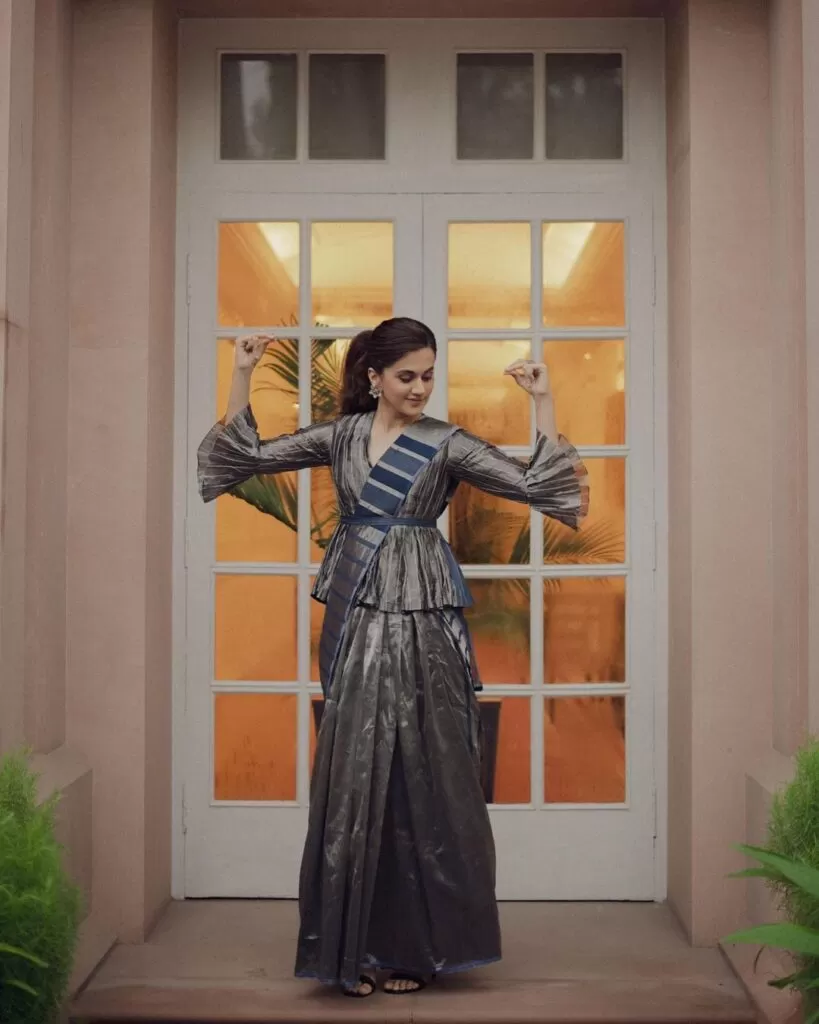
Mix Patterns with Confidence
A geometric peplum blouse can absolutely work with a printed saree if you keep the colour palette cohesive. The key is ensuring one pattern dominates — here, the blouse’s structured print frames the softer saree beautifully. This combination works particularly well for daytime celebrations where you want to make a statement without going full traditional.
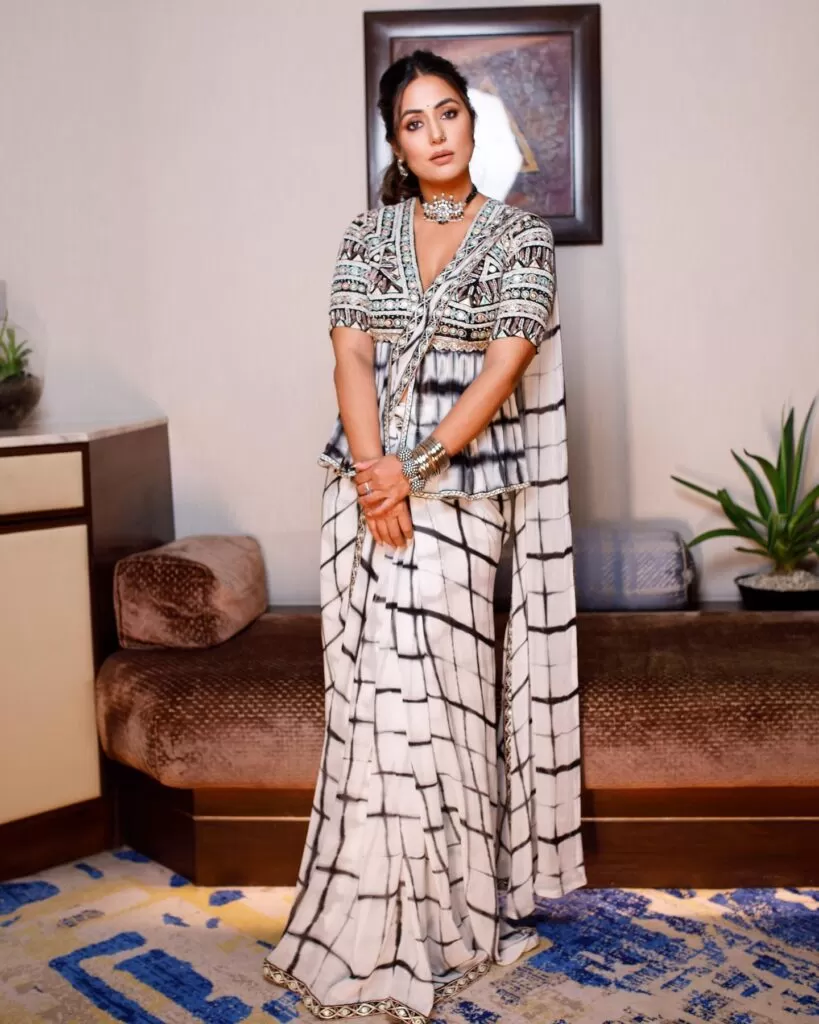
Choose Sleeveless for Silk Sarees
When your saree fabric has weight and structure like silk, a sleeveless peplum top maintains the elegance while adding contemporary edge. The clean neckline keeps focus on your jewellery, and the lack of sleeves prevents the overall look from becoming too busy. This approach works especially well for evening functions where you want sophistication over playfulness.
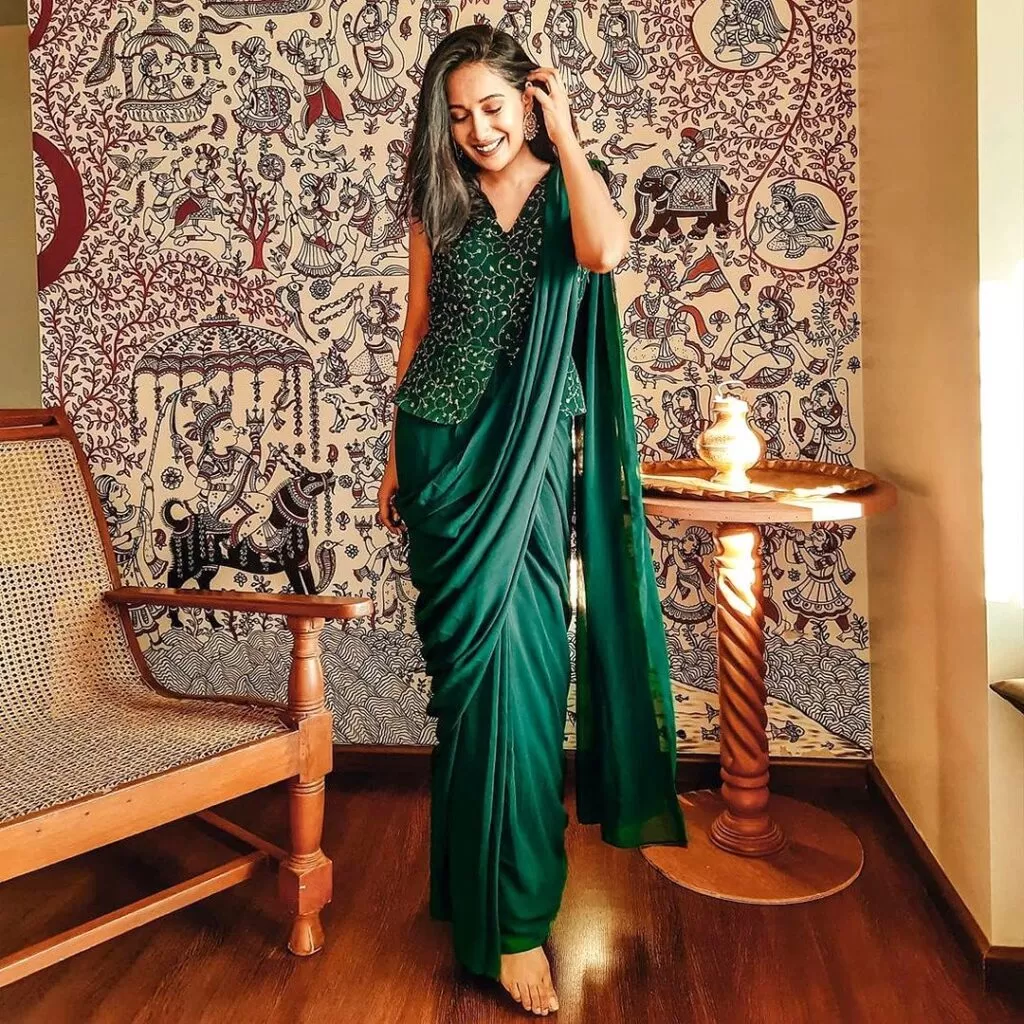
Go Minimal with Heavy Embroidery
A heavily embellished peplum top needs a plain saree to let the detailing shine. The intricate work on this blouse would be completely lost against a printed or textured saree. This is your go-to combination for wedding receptions where you want maximum impact with your outfit photos.
How to Wear Sarees With Belts – 30 Tips And Tutorial

20 Cute Boat Neck Blouse Designs and Ideas to Wear
How to Wear Front Pallu Sarees 15 Styling Ideas
How To Wear A White Saree? 22 Styling Ideas
16 Stylish Ways to Wear a Jacket with a Saree
16 Best Banarasi Saree Designs and Styling Tips
How to Style a Sequin Saree? 16 Ways to Drape it
How To Wear A Saree With A Corset Blouse? 20 Tips
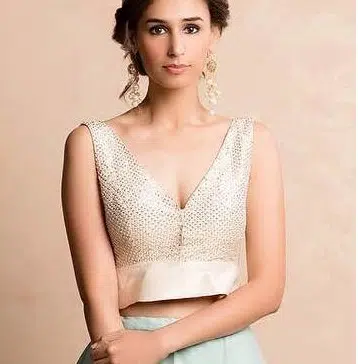
Perfect the High-Neck Statement
A high-neck peplum blouse with traditional embroidery creates stunning contrast against a modern saree drape. The coverage balances the contemporary silhouette, making this appropriate for religious functions while still feeling fashion-forward. The key is keeping your hair up to showcase the neckline’s beautiful detailing.
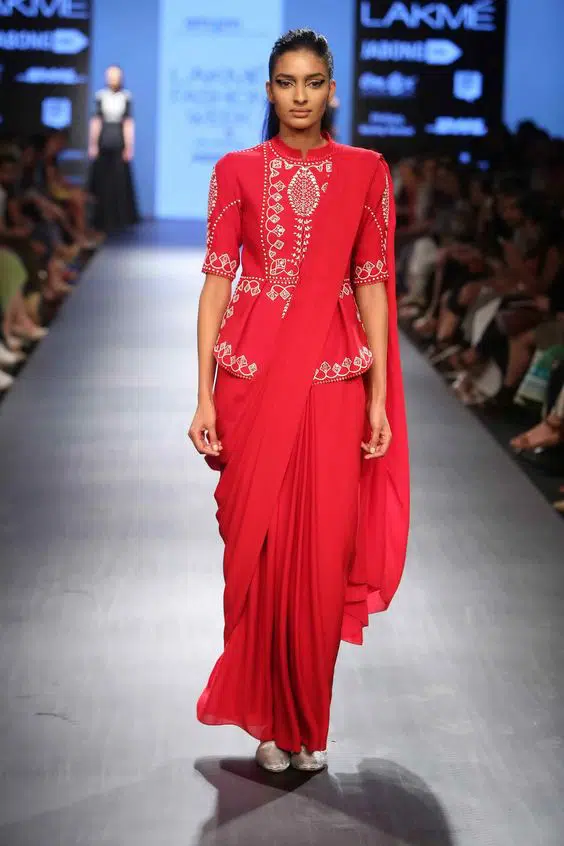
The peplum style originated in 14th century European fashion, but when adapted for Indian wear, it became the perfect solution for creating an hourglass silhouette with traditional draping. Designers found that the structured hip flare naturally accommodated the pleated portion of a saree without adding bulk.
Dos & Don’ts
Choosing the Right Saree Fabric
Your peplum blouse choice should dictate your saree fabric, not the other way around. I learned this lesson the hard way at my cousin’s wedding when my heavily structured peplum completely overpowered my delicate chiffon saree — I looked like I was wearing two separate outfits.
Silk sarees work beautifully with any peplum style because the fabric has enough body to hold its shape against the structured top. The weight of silk also helps your pleats sit properly without bunching up around the peplum area. Kanjeevaram and Banarasi silk are particularly forgiving if you’re still learning to balance proportions. For more ideas, see silk sarees.
Cotton sarees need careful consideration — while they’re comfortable, lightweight cotton can look cheap against an elaborate peplum blouse. If you’re going with cotton, choose handloom varieties with some texture or subtle border work. Plain cotton sarees can work, but only with equally simple peplum tops.
Georgette and chiffon require expert draping skills with peplum tops. These fabrics tend to cling and bunch around the peplum’s flare, creating unflattering lumps. Unless you’re very comfortable with saree draping, save these fabrics for traditional fitted blouses.
Getting the Fit Right
The biggest mistake I see with peplum saree blouses is treating them like regular fitted tops. A peplum blouse needs to fit snugly through the bust and waist, then flare out sharply — any looseness in the fitted portion will make the entire silhouette look sloppy.
Your peplum should hit at your hip bone, not below it. I see women wearing peplums that fall mid-thigh, which completely ruins the proportions and makes legs look shorter. The ideal peplum length covers just the hip area where your saree pleats begin.
The armholes need special attention because you’ll be draping fabric over your shoulder. Too-tight armholes will restrict movement and cause the blouse to pull uncomfortably when you adjust your pallu. Too loose, and you’ll have gaping issues that show your undergarments.
For the back, I always recommend a corset-style closure over a simple hook-and-eye system. The multiple ties or hooks distribute weight better and prevent the peplum from riding up throughout the day. This is especially important for wedding functions where you’ll be sitting and standing repeatedly.
Seasonal Styling Considerations
Summer peplum styling requires breathable fabrics and smart colour choices. I stick to cotton or cotton-silk blends in light colours that won’t show sweat stains. White, cream, and pastel peplum tops work beautifully with darker sarees, creating contrast while keeping you cool.
Monsoon season is tricky for peplum blouses because the extra fabric can get waterlogged quickly. If you must wear one during rainy season, choose synthetic fabrics that dry fast and avoid long peplums that might drag in puddles. Shorter, structured peplums are your best bet for monsoon weddings.
Winter is peplum blouse season — you can go heavy on fabrics, embroidery, and layering. Velvet peplum blouses look incredibly rich against silk sarees, and the extra coverage actually helps with warmth. This is when you can experiment with deeper colours and metallic threads that might feel too heavy in summer heat. For more ideas, see sarees in winter.
Key takeaways
- Pin your peplum to your petticoat to prevent riding up and ensure smooth lines throughout the day
- Choose structured fabrics like cotton or silk blends that hold their shape better than clingy materials
- Match your petticoat colour exactly to your saree since colour differences show through peplum gaps
- Keep saree pleats minimal and flat since the peplum already adds volume at your waist
- Let either your blouse or saree dominate the look — never compete with busy patterns on both pieces
- Ensure proper fit through the bust and waist with sharp flare at hip bone level for ideal proportions
**QUICK TIPS:**
Pin your peplum to your petticoat at both side seams to prevent it from riding up when you move or dance at functions.
Match your petticoat colour exactly to your saree fabric since any difference will be visible through the peplum gaps when you sit.
Keep minimal pleats at the waist since the peplum already adds volume — too many pleats create unflattering bulk.
Choose the right peplum length that hits at your hip bone, not below, to maintain proper proportions and avoid shortening your legs.
Avoid competing patterns by keeping either your blouse or saree plain when the other has prints or heavy embroidery.
Opt for structured fabrics like cotton or silk blends over clingy materials that won’t hold their shape against the peplum’s flare.
How to Wear Sarees With Belts – 30 Tips And Tutorial
20 Cute Boat Neck Blouse Designs and Ideas to Wear
How to Wear Front Pallu Sarees 15 Styling Ideas
How To Wear A White Saree? 22 Styling Ideas
16 Stylish Ways to Wear a Jacket with a Saree
16 Best Banarasi Saree Designs and Styling Tips
How to Style a Sequin Saree? 16 Ways to Drape it
How To Wear A Saree With A Corset Blouse? 20 Tips