The biggest mistake men make in video interviews isn’t their answers — it’s assuming the camera only sees their top half. I learned this the hard way when a client called me panicked after standing up mid-interview to grab documents, revealing bright red boxer shorts below his navy suit jacket. The interviewer’s expression said everything.
Fit comes first, even on camera. Your shoulders need to sit flat against the chair back, and your jacket can’t pull or bunch when you lean forward. The camera amplifies every wrinkle and gap, so what looks acceptable in person reads as sloppy on screen. I always tell clients to do a test run sitting in their interview chair — if the jacket rides up or the collar stands away from your neck, you need a different size.
Video interviews demand a different approach to dressing because the camera lies about colours, flattens textures, and makes patterns dance. After coaching hundreds of men through virtual interviews, I’ve identified the exact combinations that photograph well and the common mistakes that cost jobs before you even speak.
Styling Tips
Choose solid colours in the middle range. Navy, charcoal, and mid-grey photograph beautifully on camera, while black disappears into shadows and light colours wash you out under most lighting setups. I’ve seen too many men choose white shirts that turn their faces ghostly pale on screen.
Skip patterns entirely above the waist. Even subtle pinstripes can create a strobing effect on camera that’s distracting for interviewers. Your tie should be solid or have a very simple pattern — nothing with small repeating elements that will vibrate on screen.
Sit-test your entire outfit beforehand. Set up your laptop exactly as it will be for the interview and check how everything looks while seated. Pay attention to how your collar sits, whether your tie stays centred, and if your jacket pulls across the chest when you gesture.
How to Dress Up for University Interview?10 Best Outfits for Men
30 Casual Outfit Ideas For Black Men with Styling Tips
How to Wear Trench Coats? 36 Outfit Ideas for Men
30 Best Summer Outfit Ideas For Men Over 50
How to Wear Blue Jeans for Men ? 45 Outfit Ideas
How to Wear Mint Pants for Men ? 30 Outfit Ideas
What to Wear for Holi ? 17 Outfit Ideas for Men
What To Wear In India? 15 Best Outfits & Packing Tips for Men
Keep accessories minimal and meaningful. A simple watch and wedding ring if applicable — nothing else. Cufflinks, tie clips, and lapel pins can catch light oddly and become distractions. The interviewer should focus on your words, not wonder why your cufflinks keep flashing.
Most video conferencing software automatically adjusts colour temperature, which can turn your carefully chosen navy suit purple on the interviewer’s screen. This is why mid-range greys photograph more consistently across different platforms and devices.
Test your lighting with your outfit choice. Natural light from a window works best, but if you’re using artificial light, warm bulbs can make blues look muddy while cool bulbs can wash out your skin tone. Do a five-minute test call with a friend to see how your colours translate.
Dress fully from head to toe. Yes, even the parts they can’t see. It affects your posture, confidence, and prevents embarrassing moments if you need to stand up. I recommend dress shoes over sneakers because they change how you sit and hold yourself, even if they’re out of frame.
Dos & Don’ts
Video Interview Outfits That Actually Work
Casual Friday Weekend Look
This oversized blue t-shirt, cream shorts, and slides combination is what happens when you confuse a video call with friends for a job interview. The relaxed fit and casual styling scream weekend mode, not professional readiness. Save this look for actual casual Fridays once you’ve landed the job.
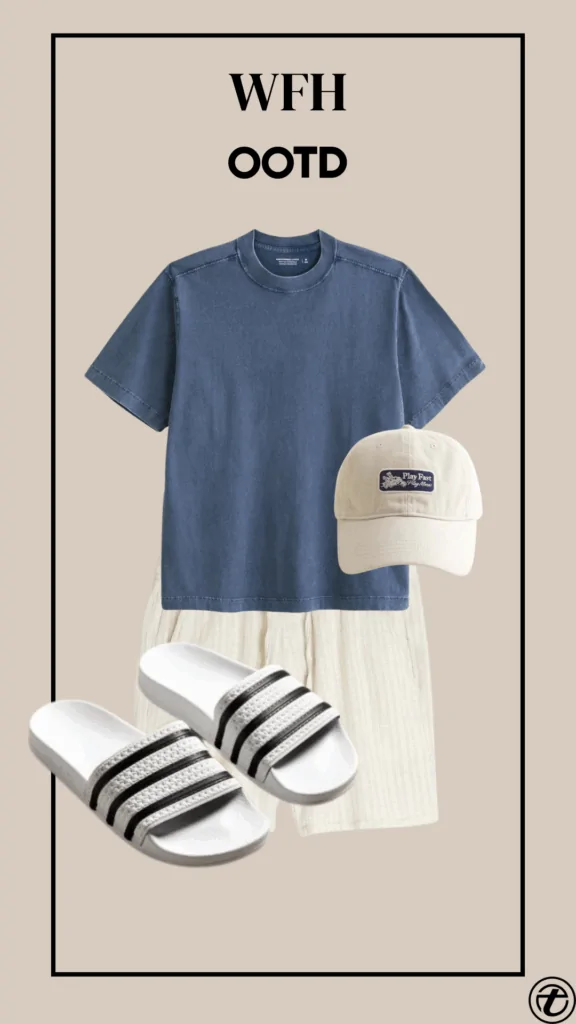
Tip: Never wear slides to any interview – video or in-person – as they suggest you’re not taking the opportunity seriously.
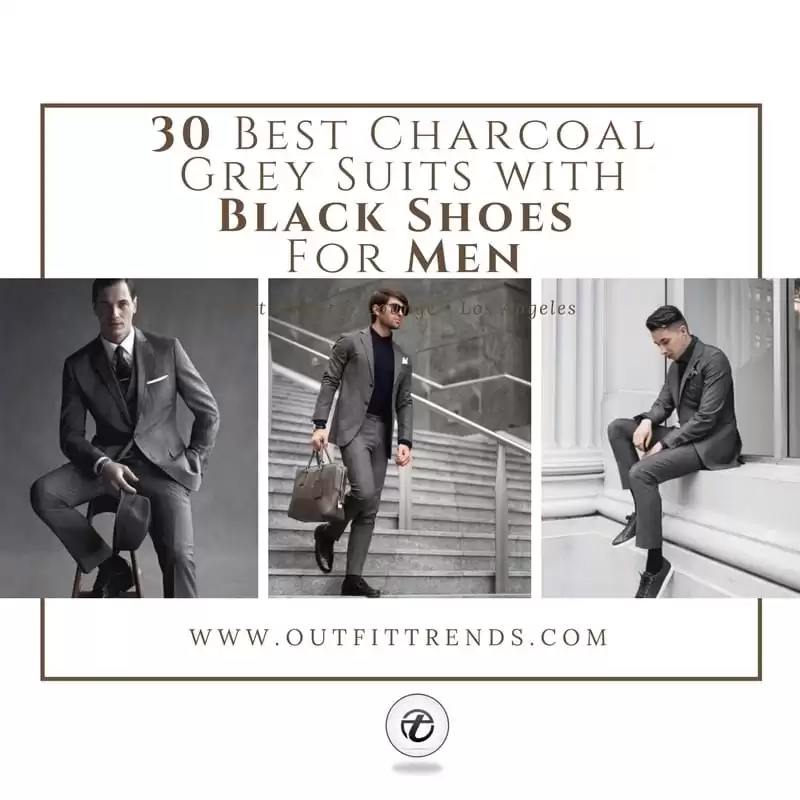
Classic Charcoal Double-Breasted Suit
A perfectly tailored charcoal double-breasted suit delivers serious executive presence on camera. The structured shoulders and clean lines read beautifully through video, while the neutral color works across all lighting conditions. This works for senior-level positions where authority and polish are non-negotiable.
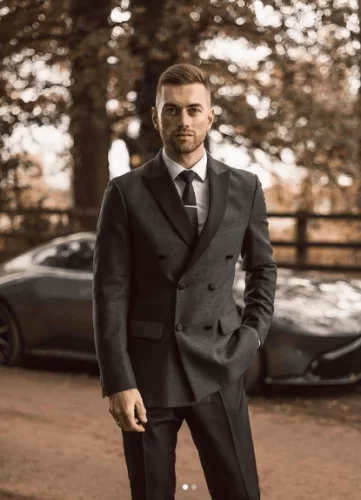
Tip: Double-breasted jackets should always stay buttoned during video calls – unbuttoning creates awkward fabric bunching that looks messy on screen.
Statement Navy Double-Breasted with Pattern Mixing
The navy double-breasted suit paired with a patterned shirt shows confidence and style awareness. However, the busy shirt pattern can create visual noise on camera, especially with lower-quality webcams. This look works better for creative industries where personal style is valued over conservative dress codes.
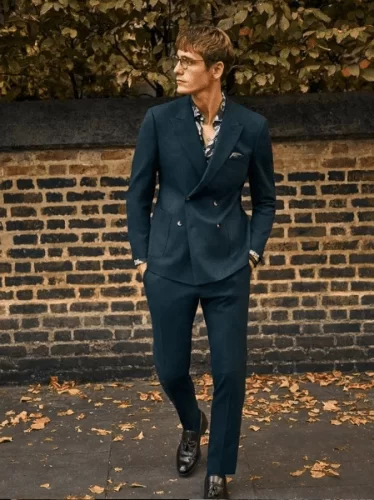
Tip: Test patterned shirts on your actual video setup beforehand – what looks great in person can appear blurry or distracting on camera.
Modern Navy Suit with Smart Casual Styling
This navy suit with a black crew neck creates a contemporary, approachable look that works well for tech and creative interviews. The glasses add intellectual credibility while the relaxed styling shows you understand modern workplace culture. Perfect for companies with business casual environments.
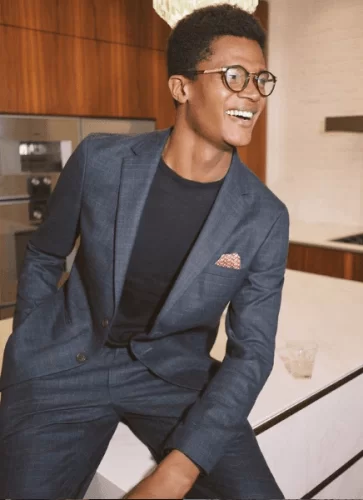
Tip: Black crew necks under suits work best in navy or charcoal – avoid this combination with brown or lighter colored suits.
Traditional Navy Suit with White Dress Shirt
The gold standard for video interviews – a well-fitted navy suit with crisp white shirt creates maximum contrast and clarity on camera. This combination photographs beautifully under any lighting and signals serious professionalism. Works for finance, law, consulting, and any traditional corporate environment.
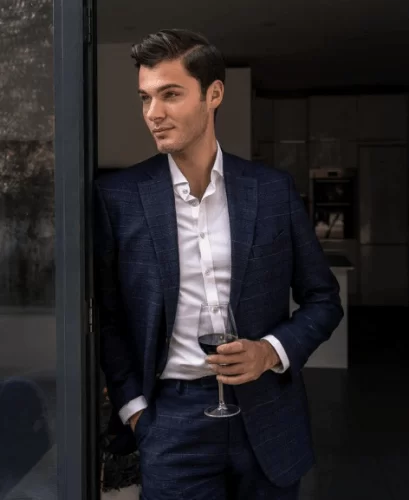
Tip: White shirts reflect light better than any other color, making your face appear brighter and more alert on camera.
Business Casual White Shirt and Chinos
A white button-down with tan chinos strikes the perfect balance for companies with relaxed dress codes. The combination looks polished without being overly formal, and the neutral colors work well for video. This approach works for startups, tech companies, and modern corporate cultures.
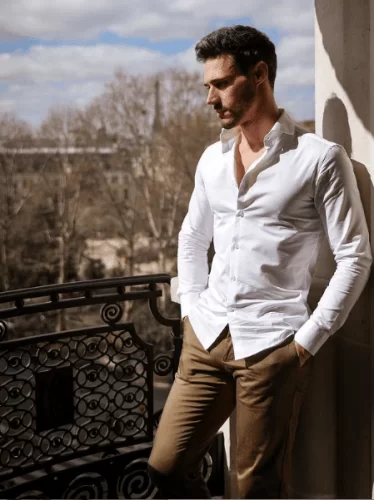
Tip: Always tuck in your shirt for video interviews, even in casual environments – it creates a cleaner silhouette and shows attention to detail.
Smart Casual Blazer with Knitwear
A navy blazer over a white crew neck sweater creates sophisticated casualness that works for many modern workplaces. The textural contrast adds visual interest while maintaining professionalism. This look suits companies where creativity and personality are valued alongside competence.
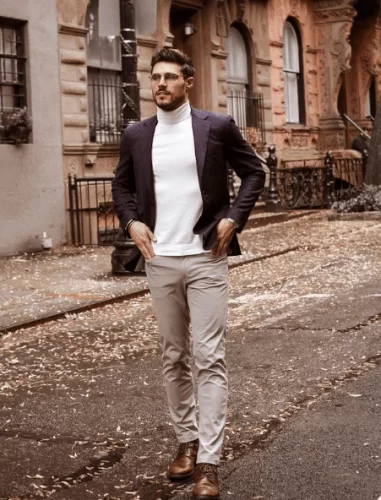
Tip: Crew neck sweaters under blazers should fit close to the neck – loose fits create unflattering bunching that looks sloppy on video.
Corporate Power Suit with Statement Tie
A sharp black suit with diagonal striped tie delivers serious corporate authority. The high contrast works perfectly for video calls, while the tie pattern adds visual interest without being distracting. This is your choice for traditional industries like banking, law, or consulting where conservative dress is expected.
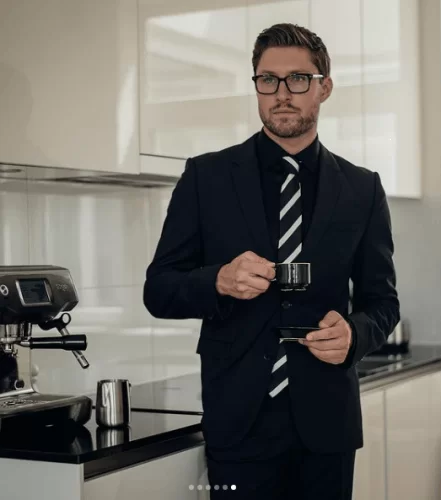
Tip: Diagonal stripes on ties create more dynamic visual lines on camera than horizontal patterns, which can appear static and boring.
Bold Camel Double-Breasted Statement Suit
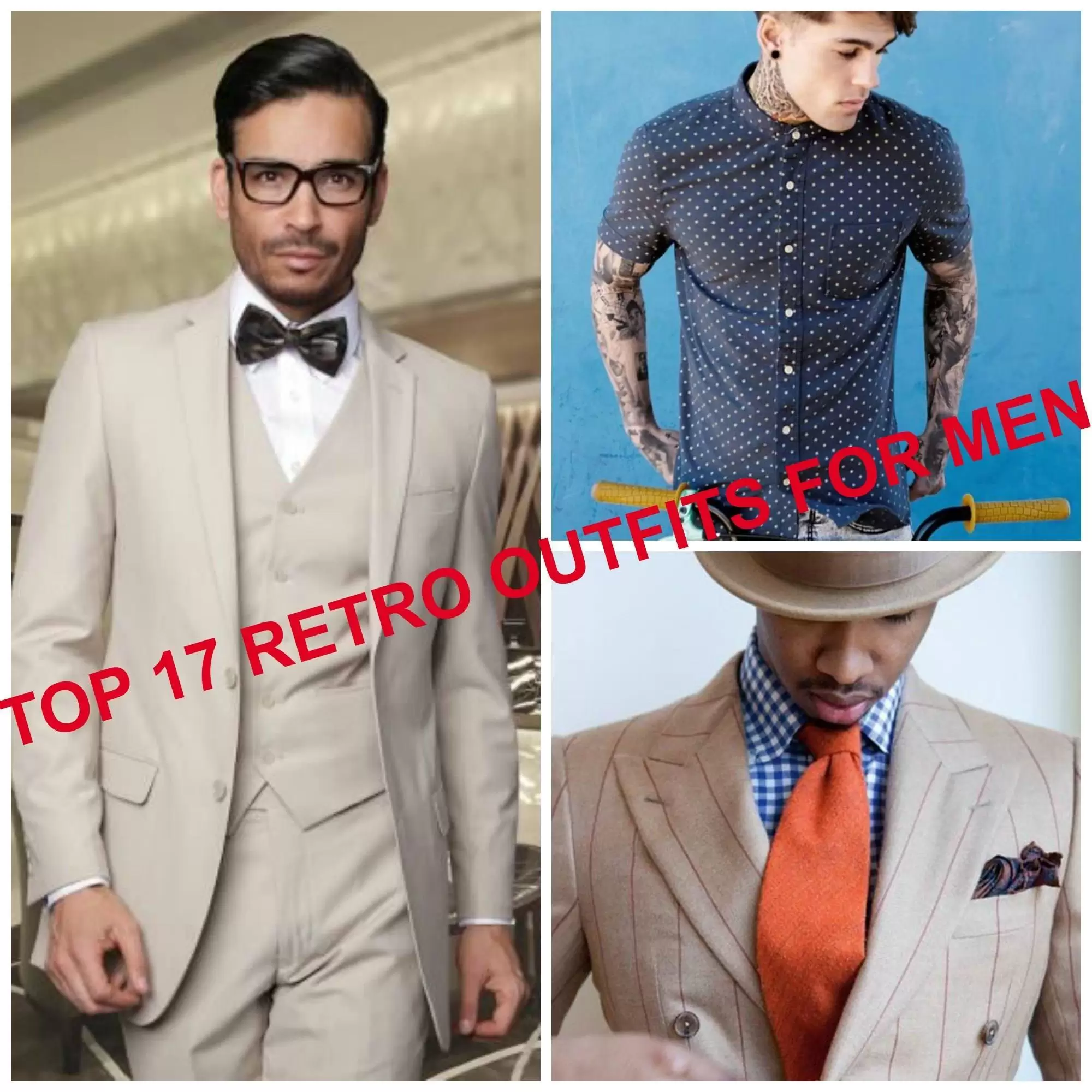
This camel-colored double-breasted suit makes a strong style statement that can work in creative industries. However, the bold color and dramatic styling might be too fashion-forward for conservative environments. Reserve this look for agencies, fashion companies, or design-focused roles where personal style is part of your professional brand.
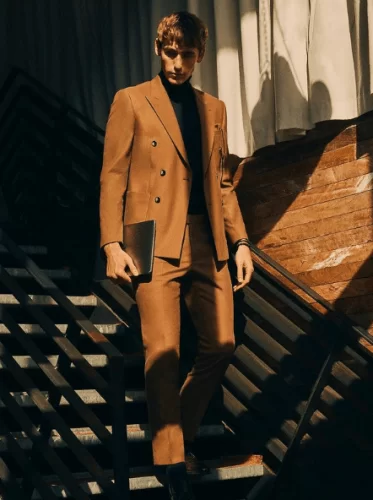
Tip: Bold colored suits work best when everything else stays minimal – avoid busy shirts or statement accessories that compete for attention.
Executive Black Suit for Evening Interviews
A black suit with white shirt creates maximum contrast for video calls, especially useful for evening interviews or poor lighting conditions. The formal styling communicates serious professional intent and works well for senior positions. The clean lines photograph beautifully and command respect through the screen.
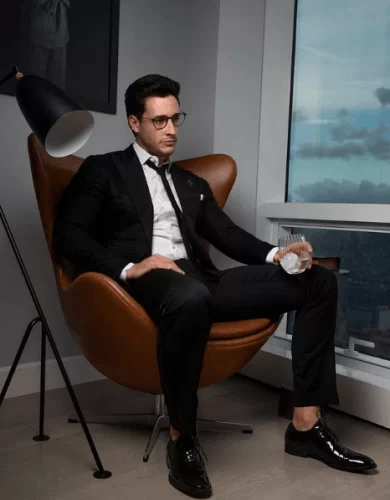
Tip: Black suits work better for video interviews than in-person meetings because cameras handle high contrast better than subtle color variations.
Textured Blazer with Turtleneck
This rust-colored textured blazer over a cream turtleneck creates visual interest without being distracting on camera. The neutral color palette reads as professional while the turtleneck adds warmth that translates well in video calls. Perfect for creative professionals who want to show personality while maintaining credibility.
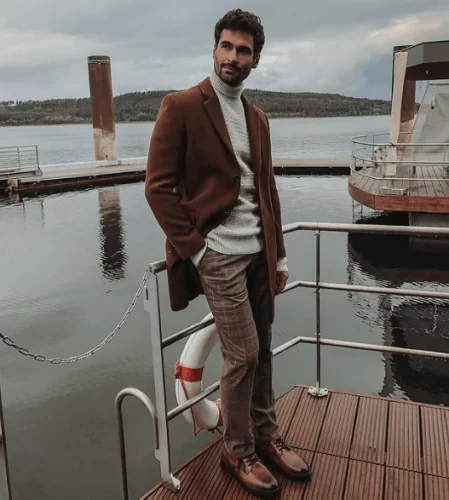
Tip: Textured fabrics like this corduroy or wool blend photograph better than flat materials — they add depth without creating busy patterns that can pixelate on screen.
All-Black Smart Casual
A black button-down with beige chinos strikes the perfect balance for video interviews — professional enough for traditional roles but relaxed enough for modern workplaces. The monochromatic top half keeps the focus on your face, while the lighter trousers prevent the look from being too heavy on camera.
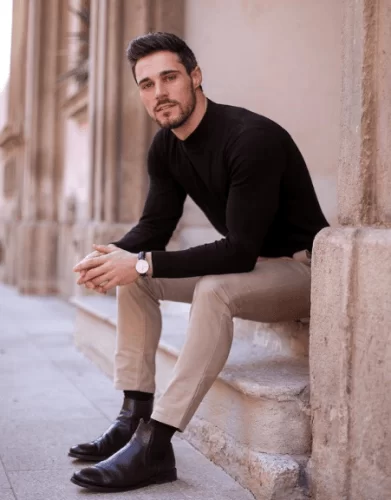
Tip: Black shirts can wash you out on camera if you have fair skin — test your setup beforehand and adjust your lighting or choose charcoal instead.
Light Grey Blazer with Crew Neck
This light grey blazer over a simple grey crew neck tee demonstrates how to dress down suiting for video calls. The tonal grey combination looks intentional rather than lazy, and the lighter colors reflect light better than dark options, making you appear more vibrant on screen.
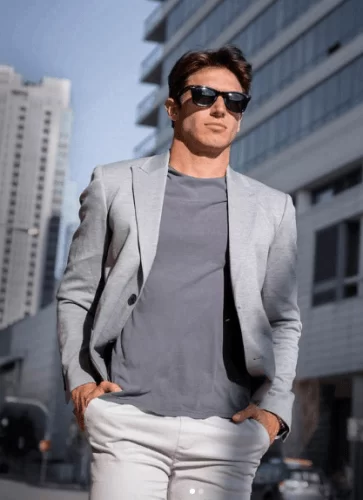
Tip: Crew neck tees under blazers work better than V-necks on video — they create a cleaner neckline that doesn’t compete with your collar bones.
Classic Pinstripe Suit
A black pinstripe suit with crisp white shirt represents traditional interview attire done right. The vertical stripes are subtle enough not to cause camera interference while adding visual interest. This outfit works best for formal industries like finance or law where conservative dress codes still apply.
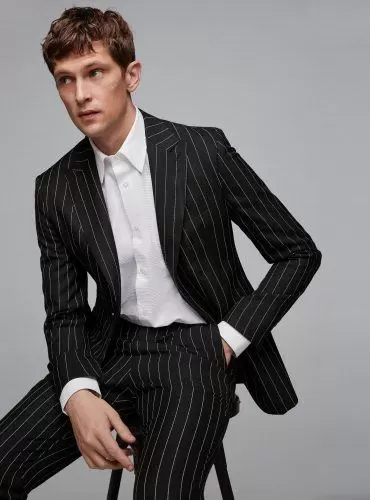
Tip: Keep pinstripes thin and widely spaced — dense or thick stripes can create a moiré effect on camera that’s distracting and unprofessional.
Rolled Sleeve Business Look
A burgundy shirt with rolled sleeves and black trousers shows you’re serious but approachable. The rolled sleeves suggest you’re ready to work while the darker colors create a sharp contrast that reads well on most camera setups. Ideal for managerial or client-facing roles.
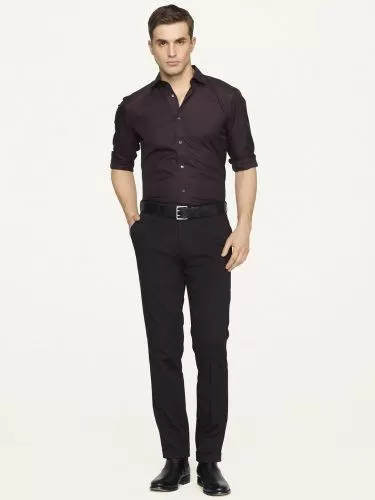
Tip: Roll sleeves to just below the elbow — any higher looks casual, any lower appears sloppy, especially when your arms move during gesticulation.
Brown Leather Sneakers
While you won’t see feet on most video calls, having proper footwear helps you feel put-together and professional. These brown leather sneakers bridge the gap between casual and formal — comfortable enough for all-day wear but polished enough if you need to stand during the call.
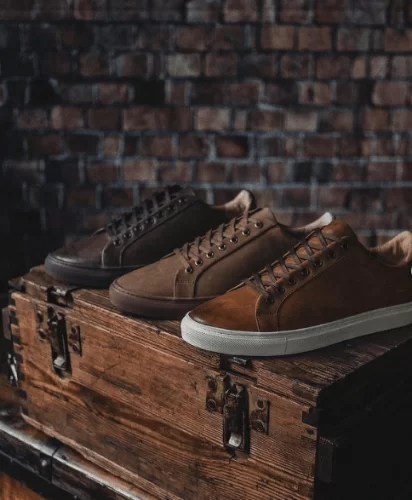
Tip: Even if shoes aren’t visible, wearing proper footwear affects your posture and confidence — your body language will reflect this unconscious boost.
Complete Wardrobe Planning
Having multiple outfit options planned prevents last-minute scrambling before important video calls. This flat lay approach helps you see how different pieces work together and ensures you have backup options if something doesn’t look right on camera during your pre-call test.
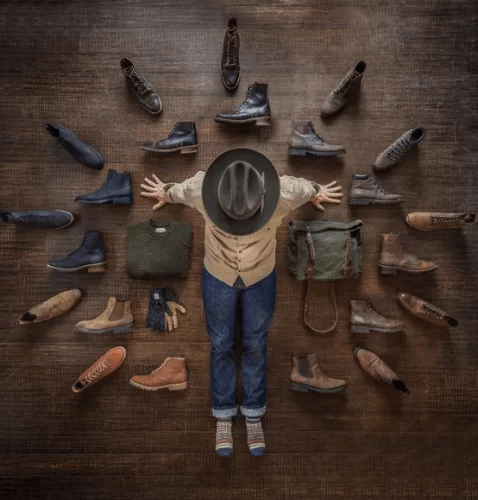
Tip: Prepare three complete outfits the night before — your first choice, a backup, and a completely different style in case the interview tone shifts.
Navy Waistcoat Style
A navy waistcoat over a white shirt creates a polished look that’s less formal than a full suit but more dressed up than just a shirt. This three-piece approach works particularly well for video calls because the structured silhouette looks sharp even when sitting, and the vest prevents shirt bunching.
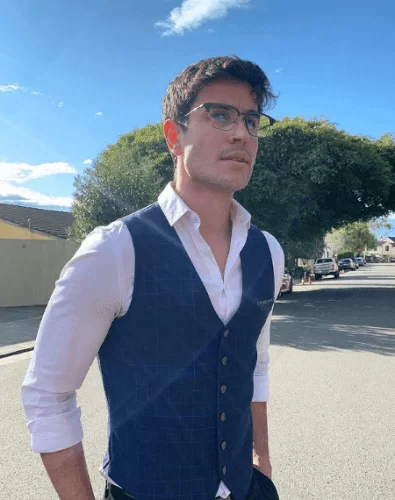
Tip: Ensure your waistcoat fits properly across the chest — too tight will pull and create unflattering lines, too loose will gap and look sloppy on camera.
Minimalist Interview Setup
This clean outfit combination of a brown polo and white trousers with simple sneakers represents the modern approach to video interviews. The neutral colors work well against most backgrounds, and the relaxed but intentional styling suits companies with casual dress codes or remote-first cultures.
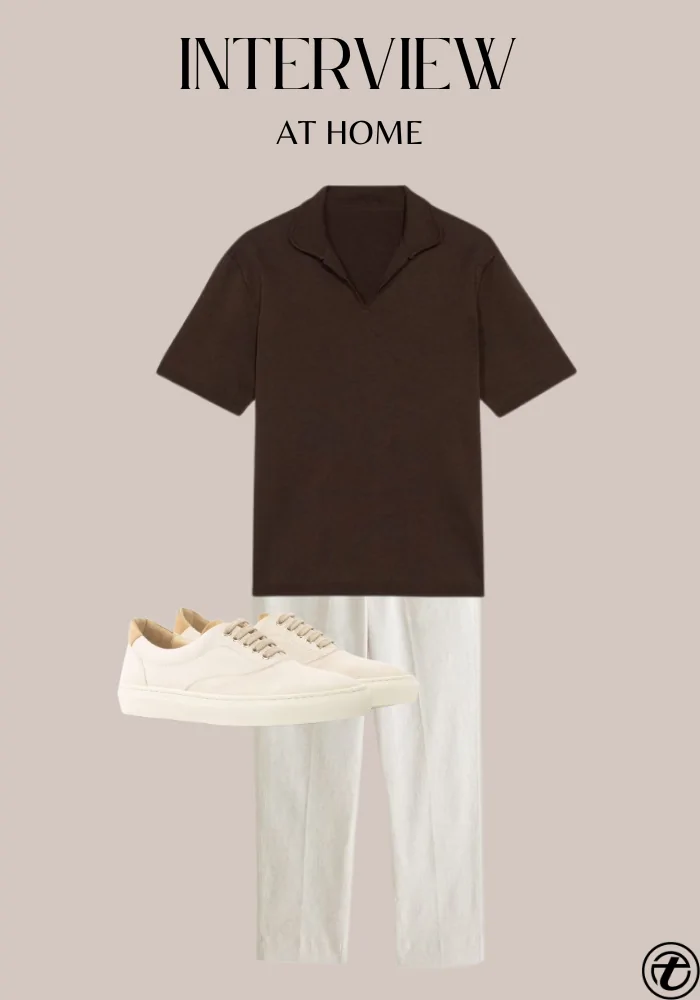
Tip: Polo shirts should fit close to the body without being tight — loose polos can look pajama-like on video, while tight ones emphasize any extra weight around the midsection.
Key takeaways
- Test your outfit on camera beforehand — what looks good in person may not translate well to video
- Choose colors that contrast with your background — avoid wearing the same tones as your wall or virtual background
- Stick to solid colors or subtle patterns — busy prints and thin stripes can create distracting visual effects on camera
- Focus on fit above the waist — your shirt and jacket should lie flat when sitting to avoid bunching on screen
- Dress slightly more formal than the company culture — it’s easier to remove a jacket than to add professionalism mid-interview
- Prepare complete backup outfits — technical issues or spills happen, so have alternatives ready to go
How to Dress Up for University Interview?10 Best Outfits for Men
30 Casual Outfit Ideas For Black Men with Styling Tips
How to Wear Trench Coats? 36 Outfit Ideas for Men
30 Best Summer Outfit Ideas For Men Over 50
How to Wear Blue Jeans for Men ? 45 Outfit Ideas
How to Wear Mint Pants for Men ? 30 Outfit Ideas
What to Wear for Holi ? 17 Outfit Ideas for Men
What To Wear In India? 15 Best Outfits & Packing Tips for Men