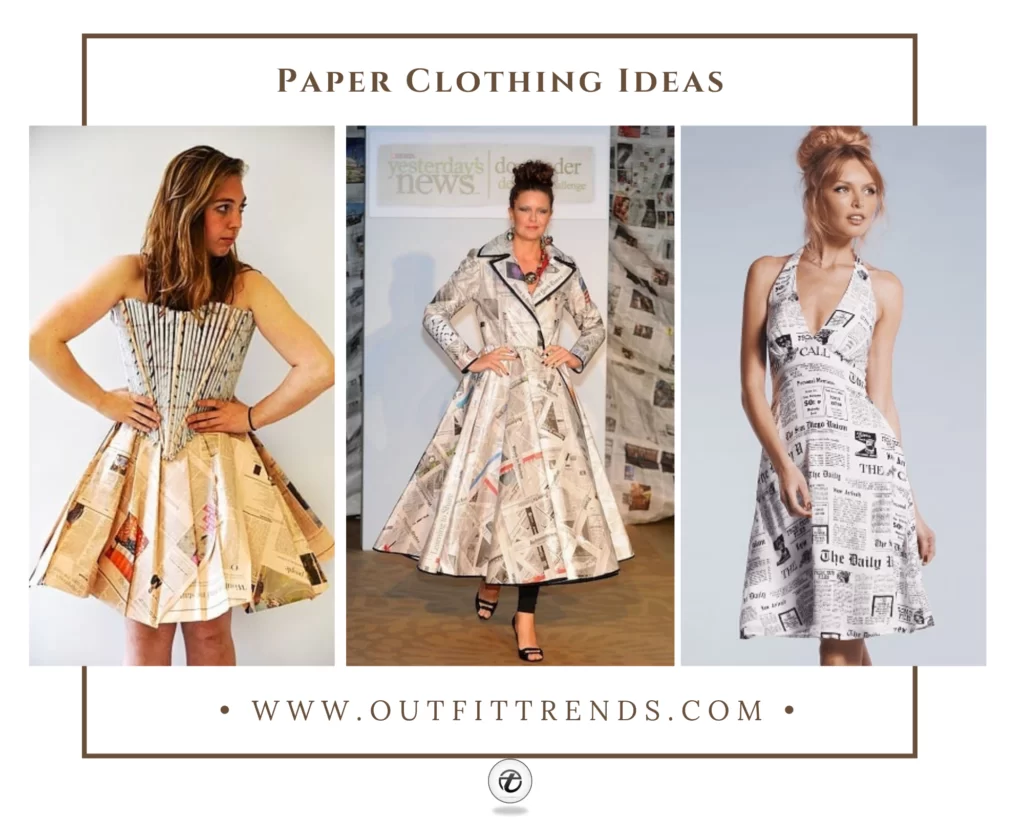
Paper clothing might sound like a ridiculous concept until you see it done properly. I’ve watched fashion students transform ordinary newspapers into dresses that wouldn’t look out of place at a gallery opening. The secret isn’t just in the construction — it’s in understanding that paper behaves completely differently from fabric, and fighting against that will leave you looking like you’re wearing yesterday’s headlines.
The newspaper dress trend has exploded precisely because it challenges every assumption we have about what clothing should be. These aren’t costume pieces or art projects — they’re wearable statements that require a completely different styling approach. I’ve seen women nail the look by treating paper garments as the focal point they naturally are, and others fail spectacularly by trying to style them like regular dresses.
How To Style Paper Clothing
Embrace structured silhouettes
This strapless fit-and-flare design works because paper naturally holds architectural shapes. The newspaper print creates visual interest without competing patterns, while the knee-length hem keeps proportions classic. Paper clothing looks most convincing when it mimics garments that already have structure built in.
Layer with confidence
The trench coat style proves paper can handle complex construction. This works because the belt creates a defined waist and the coat’s natural structure aligns with paper’s stiffness. When styling paper outerwear, treat it like a statement piece — keep everything else simple and let the texture do the talking.
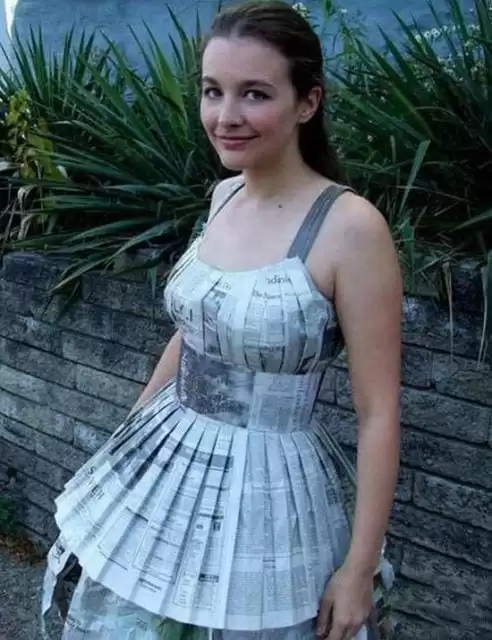
Choose fitted bodices
This corset-style top demonstrates how paper can create dramatic silhouettes when properly structured. The newspaper print becomes part of the design rather than fighting against it. The key is ensuring the paper lies flat against the body in the bodice area while allowing volume in the skirt.
Mix textures strategically
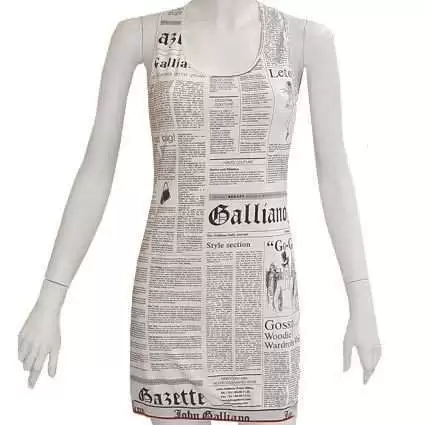
This mini dress shows how newspaper print can look sophisticated when the silhouette is clean and modern. The straight neckline and simple straps let the paper texture be the star. When wearing paper clothing, avoid competing textures in accessories — smooth leather and simple metals work best.
30 Beautiful Kitenge Dresses for Wedding
20 Chic Mehndi Dresses For Pakistani Brides & Mehndi Guests
How To Style Fit And Flare Dresses 20 Outfit Ideas To Try
How to Style Knee Length Dresses: 18 Outfit Ideas
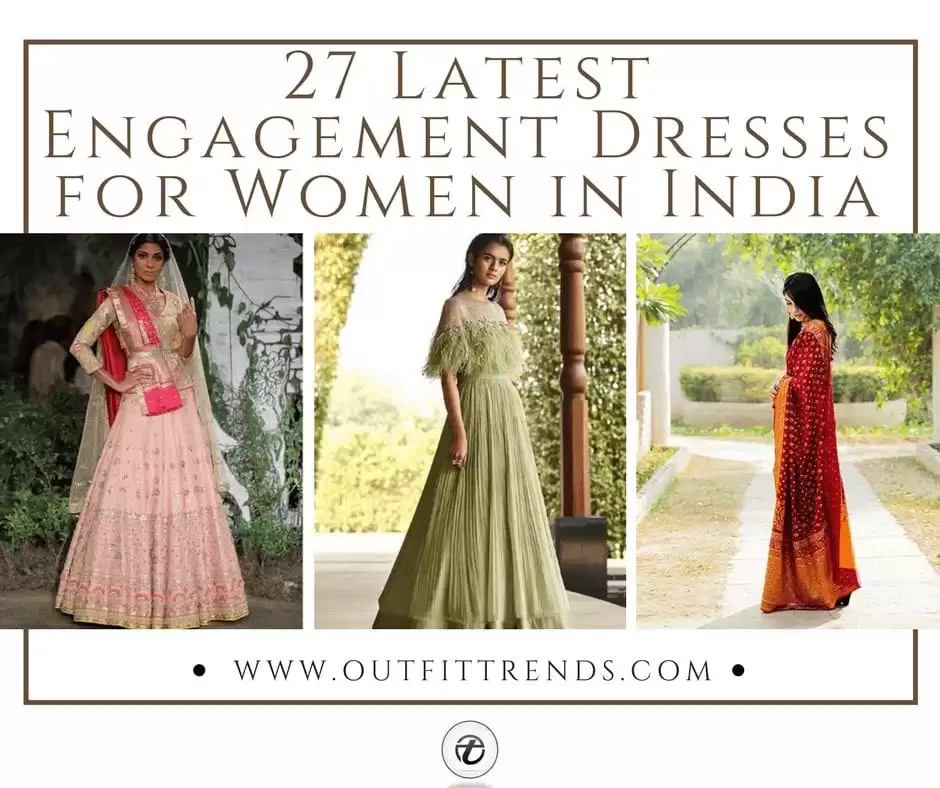
35 Latest Engagement Dresses For Women In India
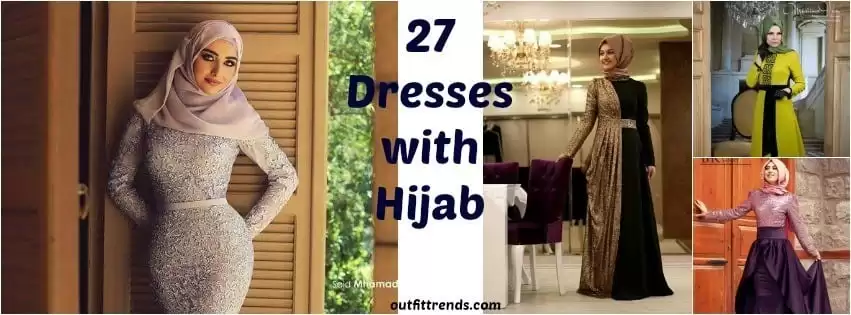
27 Beautiful Engagement Dresses for Hijabis
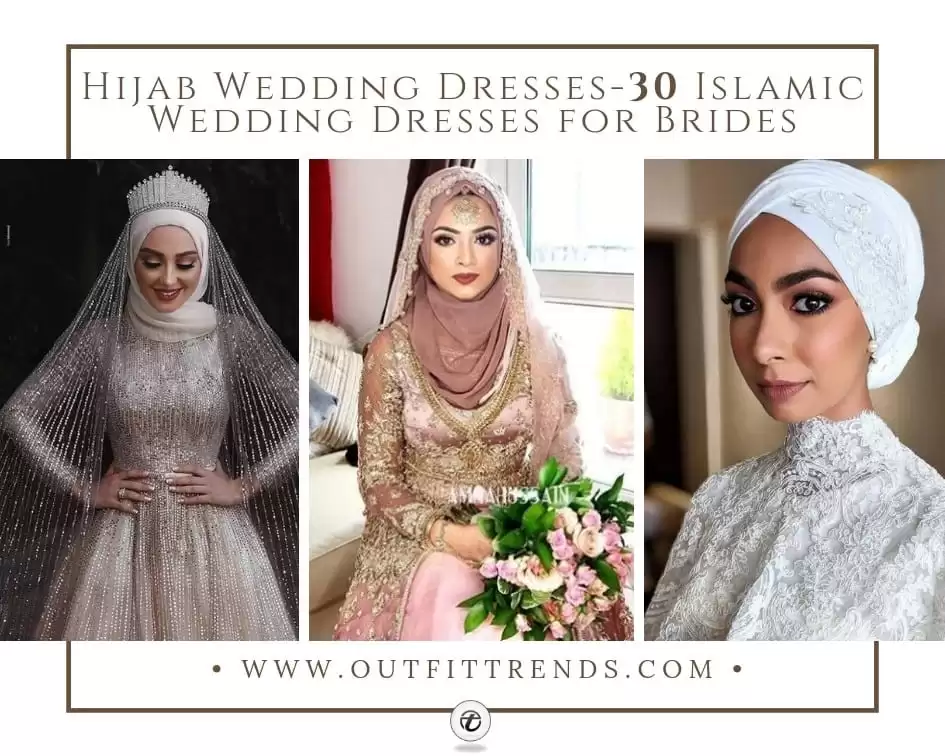
30 Beautiful Hijab Wedding Dresses with Styling Tips
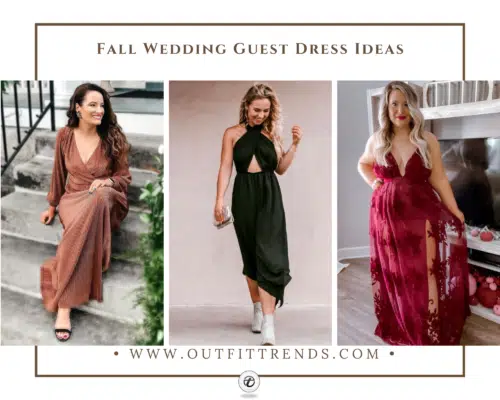
20 Fall Wedding Guest Dress Ideas For This Wedding Season
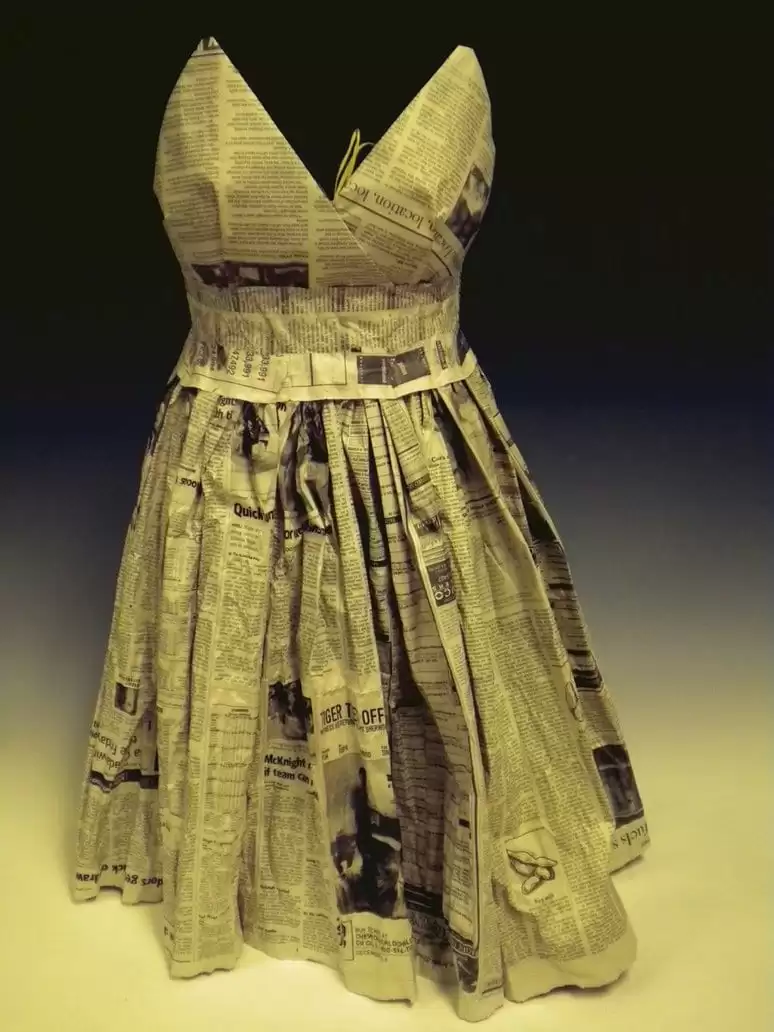
Create dramatic necklines
The wide V-neck collar turns newspaper into a fashion statement rather than a craft project. Paper allows for bold architectural details that would be impossible with regular fabric. This style works because it uses paper’s natural tendency to hold crisp edges as a design feature.
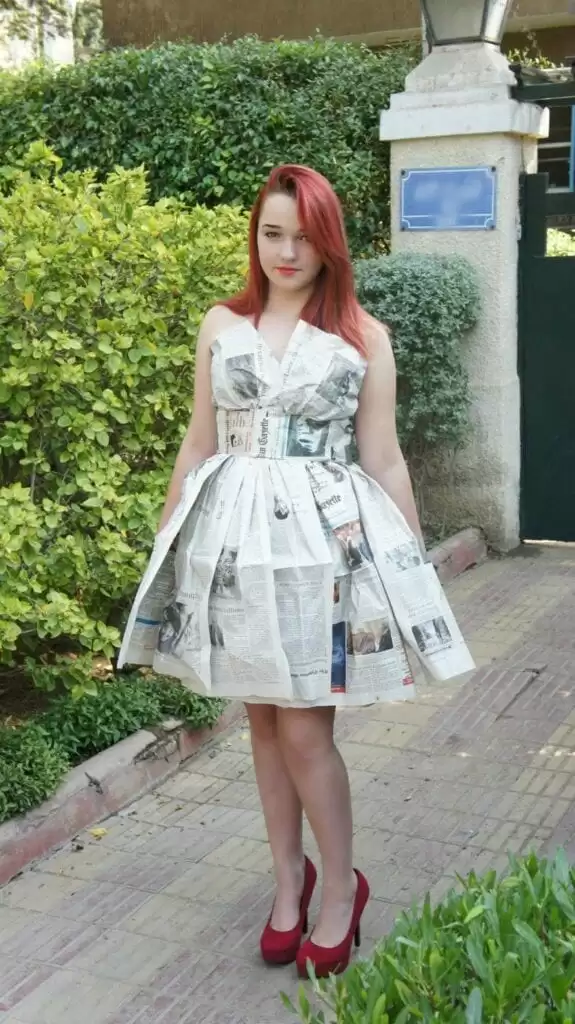
Balance proportions carefully
This sweetheart neckline dress succeeds because it creates a fitted bodice that contrasts with the full skirt. The newspaper print reads as intentional texture rather than makeshift material. When styling paper dresses, the silhouette needs to be more deliberate than with regular fabric.
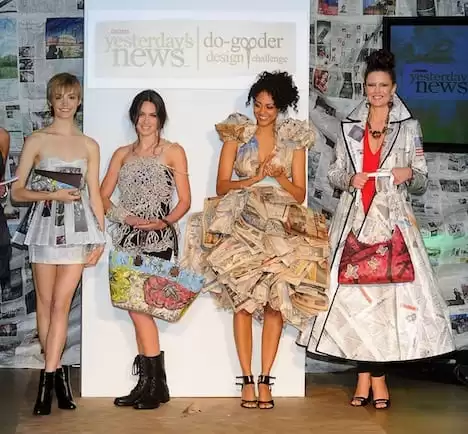
Layer different paper types
Multiple models wearing different newspaper styles shows how varied the medium can be. Each piece uses the paper’s natural properties — some structured, others flowing — rather than trying to make it behave like fabric. The key is working with paper’s limitations rather than against them.
Paper dresses were actually a mainstream fashion trend in the 1960s, with disposable paper garments sold in department stores as an affordable alternative to regular clothing. The trend lasted about three years before safety concerns ended it.
Go full drama
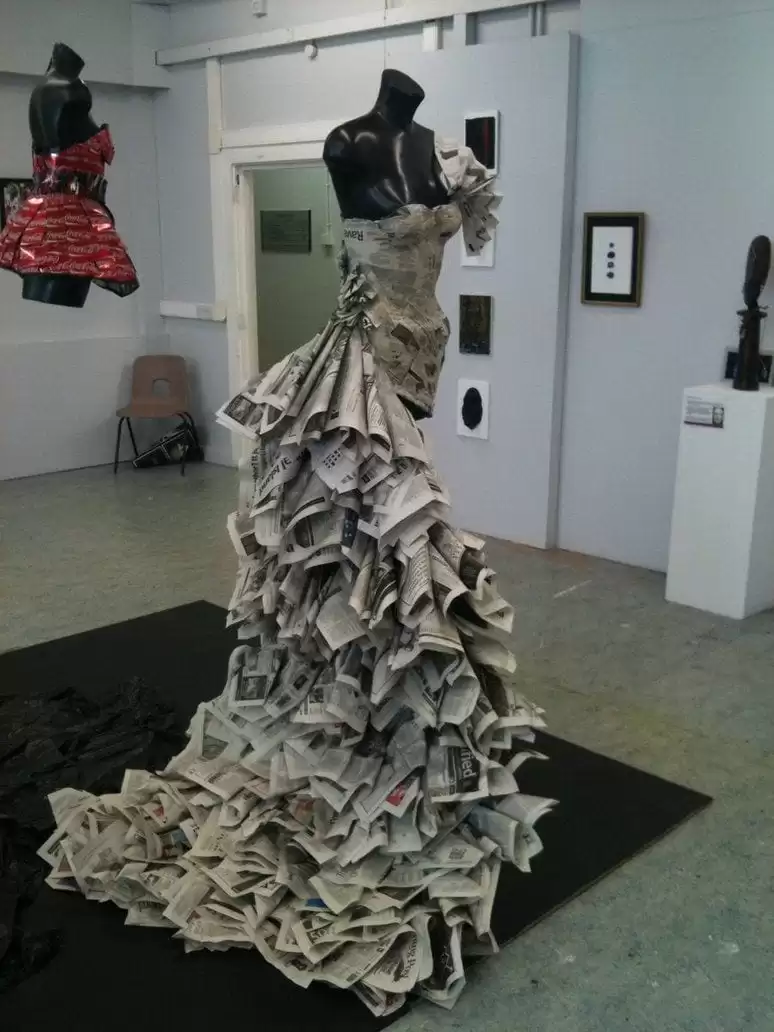
This mermaid-style gown with cascading newspaper layers proves paper can create formal wear impact. The graduated layers use paper’s natural tendency to hold shape while creating movement. This approach works because it doesn’t try to hide what the dress is made from — it celebrates it.
Try fitted sheaths
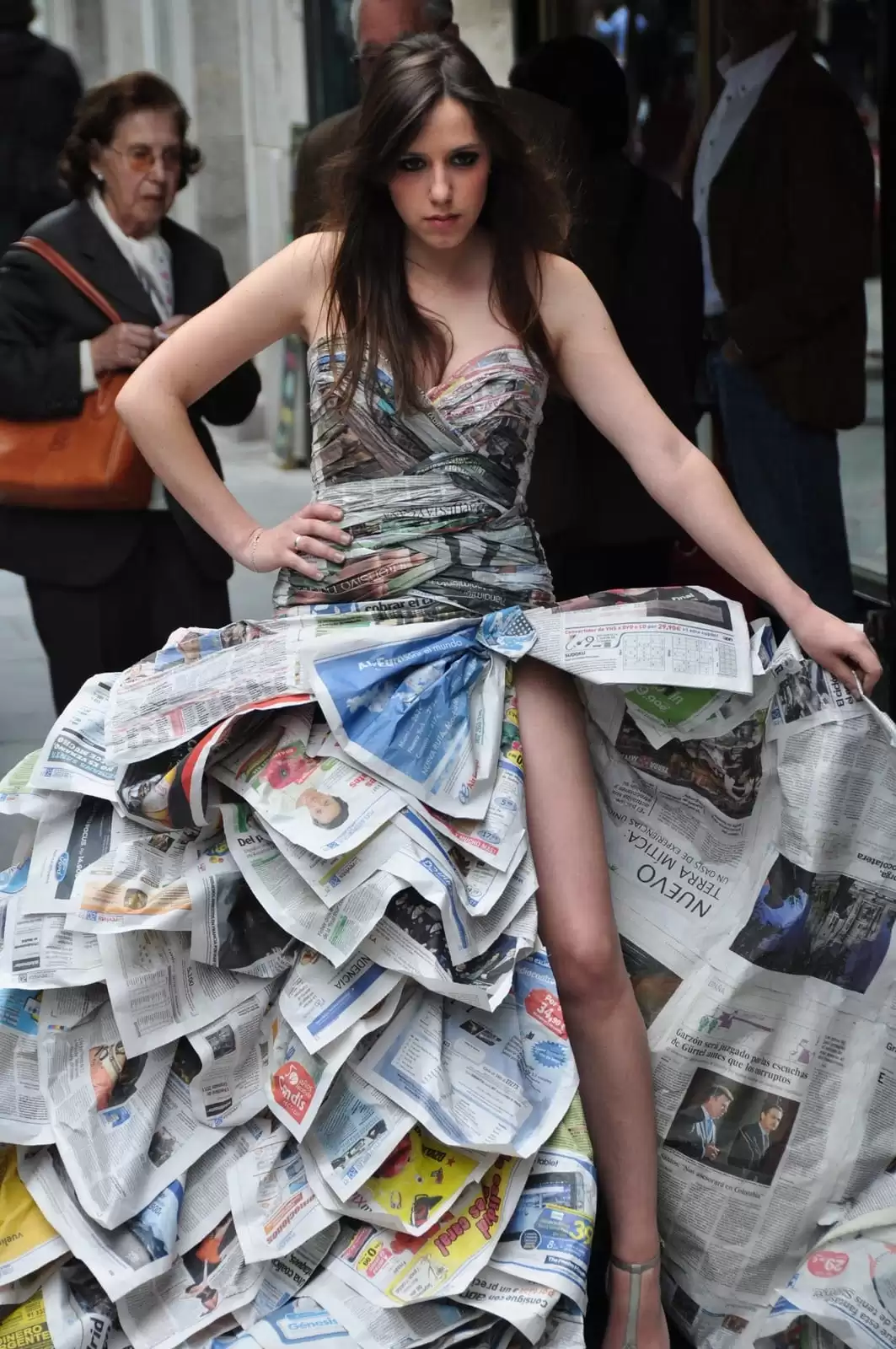
The bodycon newspaper dress demonstrates how paper can work for form-fitting styles when properly lined or backed. The bustier top creates structure while the skirt maintains the paper’s natural texture. This silhouette requires careful construction to avoid tearing with movement.
Add dimensional details
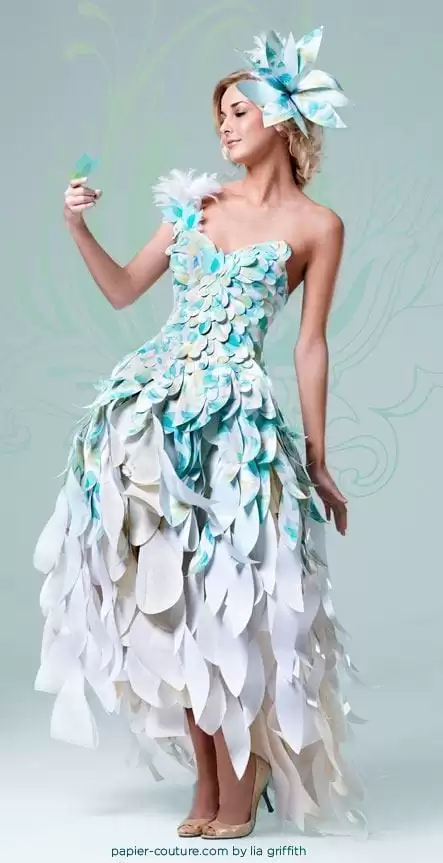
Paper scales or petals create texture that’s impossible with regular fabric. This design uses paper’s ability to hold three-dimensional shapes as the main design element. The key is ensuring each piece is securely attached — paper details are more fragile than fabric embellishments.
Create fringe effects
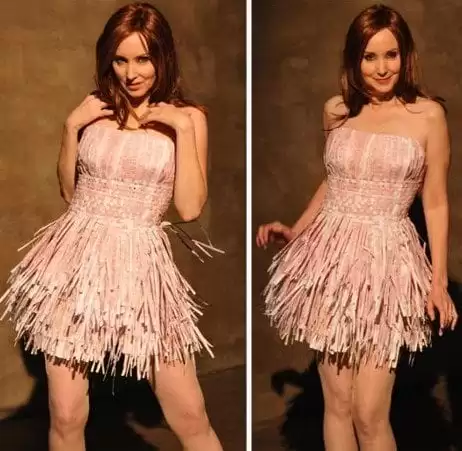
Shredded newspaper creates movement while maintaining the material’s identity. This works because it uses paper’s natural tendency to fray in interesting ways. The neutral newspaper print keeps the focus on the texture rather than competing with bold colors or patterns.
Keep styling minimal
This simple strapless design lets the newspaper print be the main attraction. Black ankle boots ground the look without competing for attention. When wearing paper clothing, accessories should be deliberately understated — the garment itself provides all the visual interest needed.
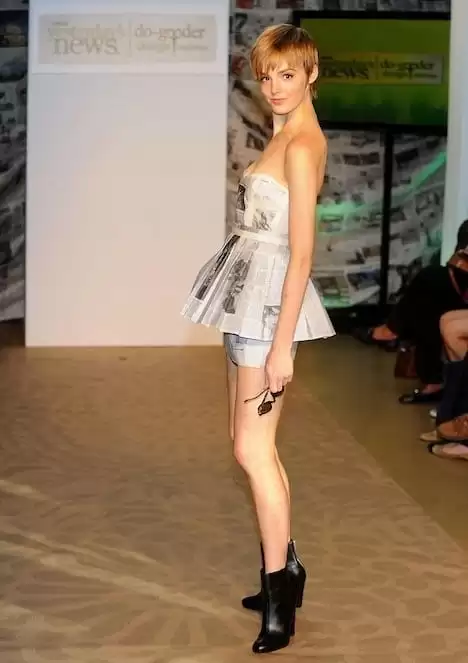
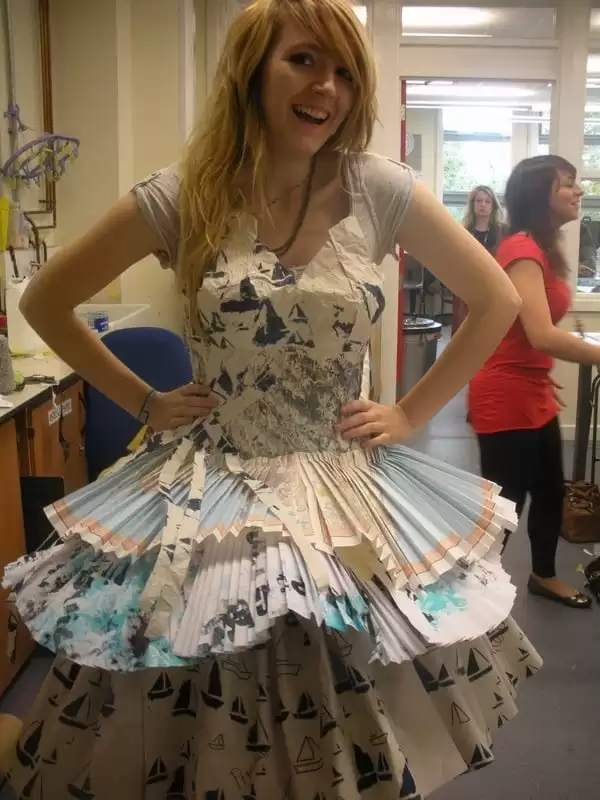
Add structured details
The layered skirt with defined tiers shows how paper can create volume while maintaining crisp lines. This construction method takes advantage of paper’s ability to hold pleats and folds that might soften in regular fabric. The result looks intentionally architectural rather than makeshift.
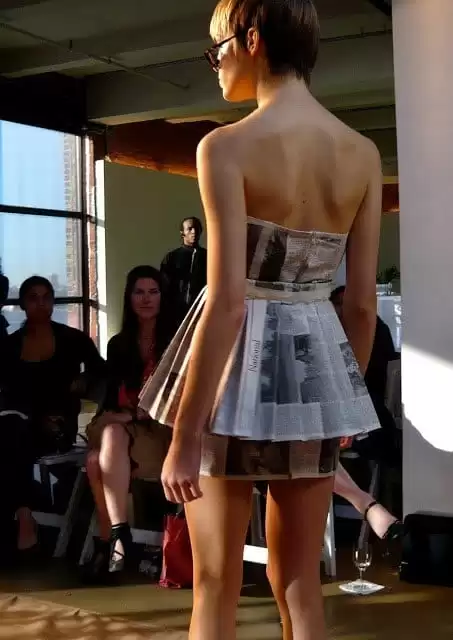
Try modern cuts
The mini dress with geometric lines proves paper clothing doesn’t have to look costume-like. Clean construction and a simple silhouette make the newspaper print read as a deliberate design choice. Modern cuts help paper clothing feel contemporary rather than gimmicky.
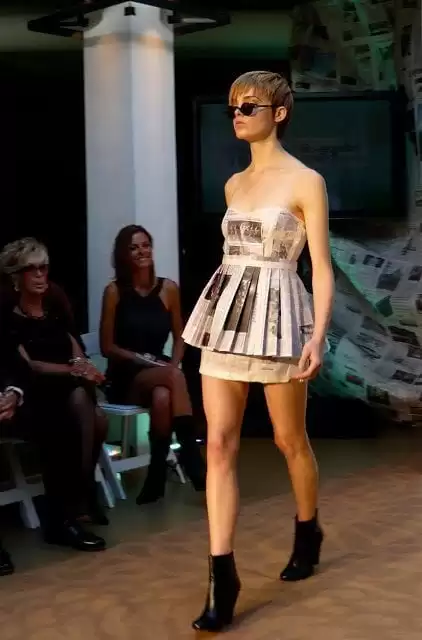
Focus on clean lines
Multiple angles of the same structured dress show how important construction details are with paper clothing. Every seam and edge needs to be crisp because paper doesn’t have fabric’s natural drape to hide imperfections. The payoff is clothing with incredible architectural presence.
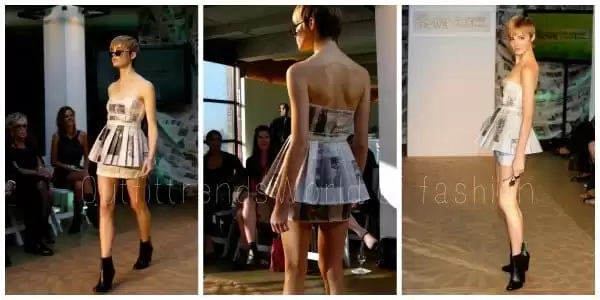
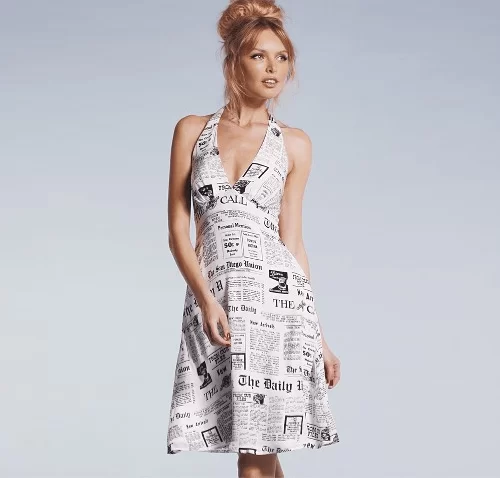
Choose halter styles
The halter neckline works perfectly with newspaper print because it creates clean lines while providing necessary support. The knee-length hem keeps proportions flattering while letting the paper texture take center stage. This combination feels intentional rather than experimental.
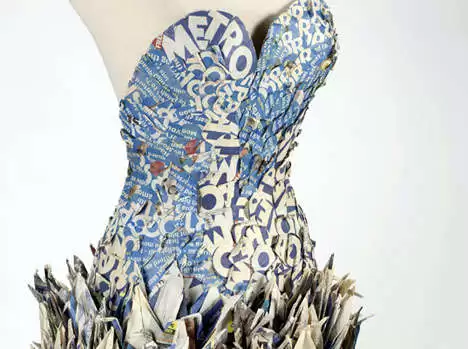
Create sculptural shapes
This avant-garde bustier demonstrates paper’s potential for creating impossible silhouettes. The material’s stiffness becomes an asset when you’re trying to achieve dramatic shapes that regular fabric couldn’t hold. This approach treats paper as a sculptural medium rather than trying to make it behave like cloth.
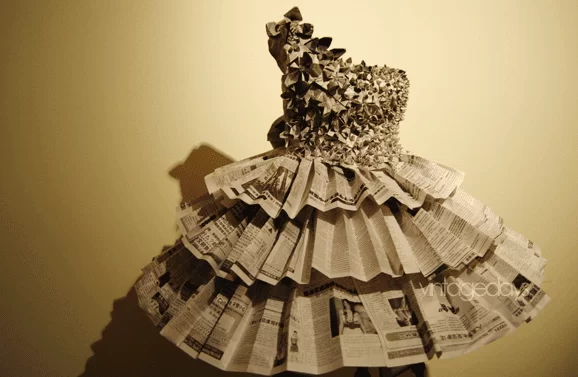
Layer for complexity
Multiple tiers of newspaper create depth while maintaining the material’s identity. This construction technique uses paper’s natural stiffness to create structure without requiring internal support. The result is clothing that moves uniquely while maintaining its architectural integrity.
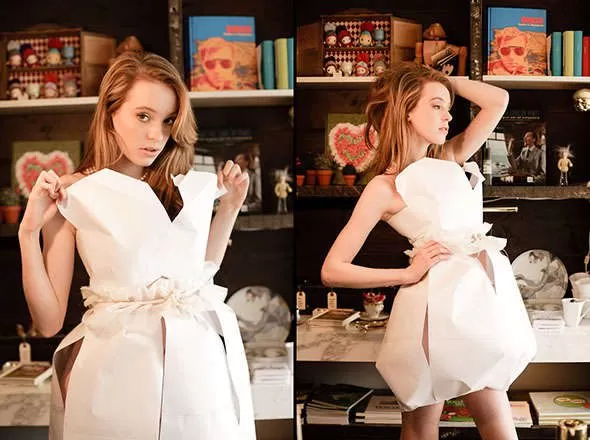
Add whimsical touches
This flowing white design mixed with black elements shows paper can create romantic silhouettes. The material allows for details that would be impractical in regular fabric — like perfectly crisp ruffles that maintain their shape. This approach balances the industrial nature of newspaper with feminine design elements.
Use contrasting elements
The layered skirt construction creates visual interest through repetition of the newspaper pattern. Each tier builds on the last while maintaining crisp edges that only paper can achieve. This technique turns the material’s limitations into design features.
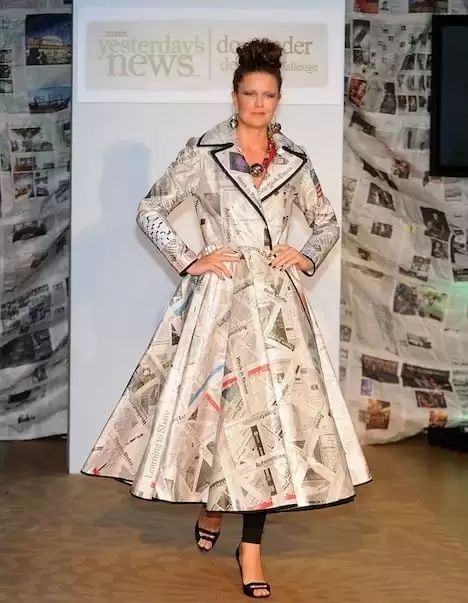
Try trench details
The newspaper trench coat proves paper can handle complex tailoring details like lapels, belts, and collars. This works because traditional outerwear already has structure that aligns with paper’s natural properties. The result looks like a deliberate fashion choice rather than an art project.
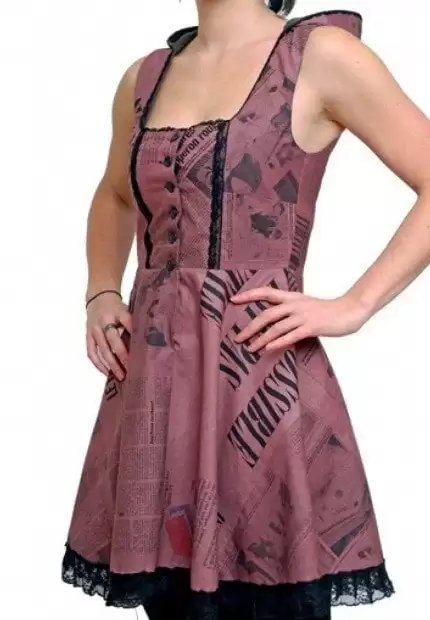
Consider color variations
This burgundy-tinted paper dress shows how color can change the entire perception of newspaper clothing. The darker tone makes the material feel more luxurious while maintaining its textural interest. Colored paper or treatments can elevate the look beyond basic black-and-white newsprint.
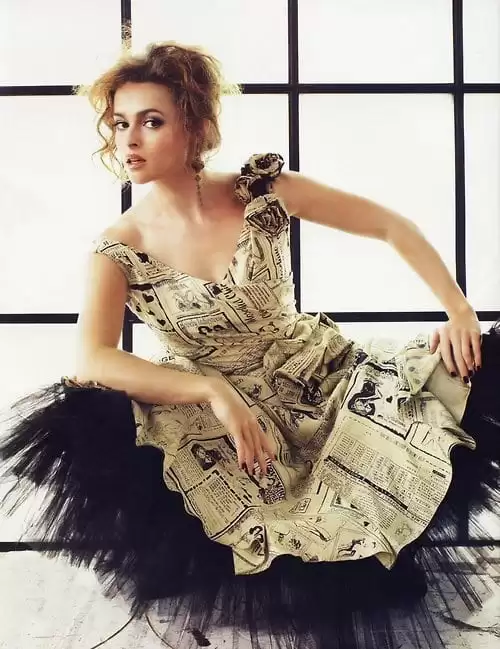
Create flowing drama
This seated pose shows how paper clothing can create beautiful silhouettes even in movement. The full skirt maintains its shape while creating romantic volume around the figure. This demonstrates that paper garments can be both structural and graceful when properly designed.
Try bodycon silhouettes
The fitted strapless dress proves paper can work for form-fitting styles with proper backing. This approach requires careful construction but creates a sleek silhouette that lets the newspaper print become a sophisticated pattern rather than a novelty material. White accessories keep the look clean and modern.
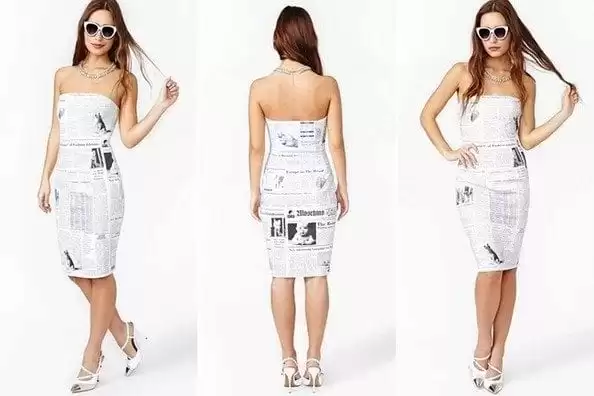
Create woven effects
This basket-weave technique transforms flat newspaper into dimensional texture. The overlapping strips create a completely different visual effect while maintaining the material’s identity. This construction method requires patience but creates surfaces that are impossible to achieve with regular fabric.
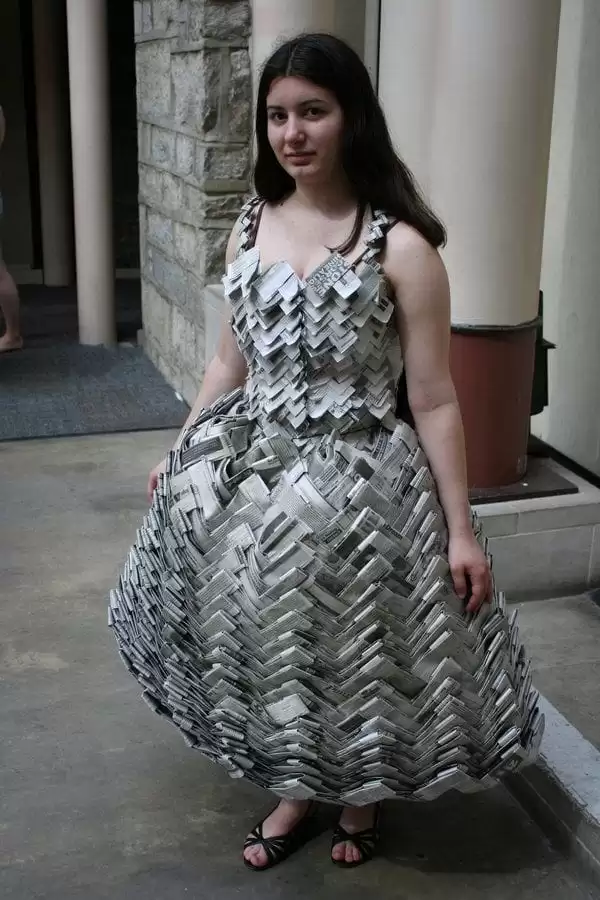
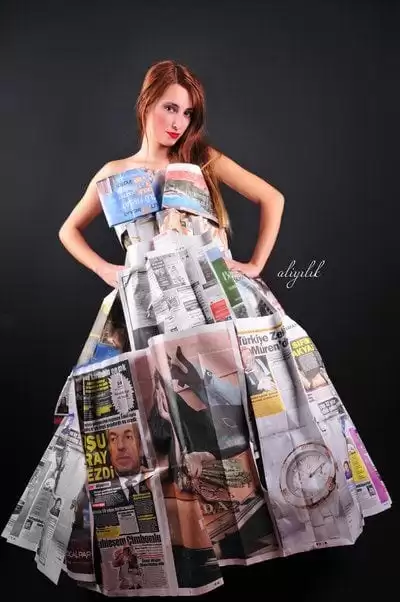
Add unexpected volume
This ball gown silhouette with newspaper sections shows paper can create formal drama. The full skirt uses the material’s natural stiffness to maintain an impressive silhouette without requiring extensive internal structure. This approach treats newspaper as a luxury material rather than a substitute.
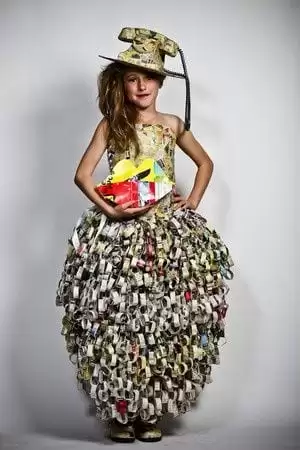
Mix different paper types
This design combines various newspaper sections and possibly magazines to create a complex pattern. Different paper types can add visual interest while maintaining the overall newspaper aesthetic. The key is ensuring all elements work together rather than creating chaos.
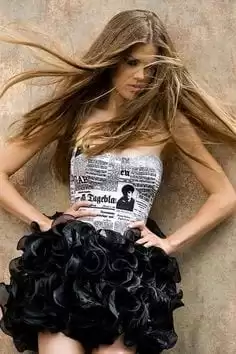
Try corseted bodices
The structured top with newspaper print shows how paper can create supportive garments with proper construction. This approach uses the material’s stiffness as an asset for creating shaped bodices that maintain their form. The result is both functional and visually striking.
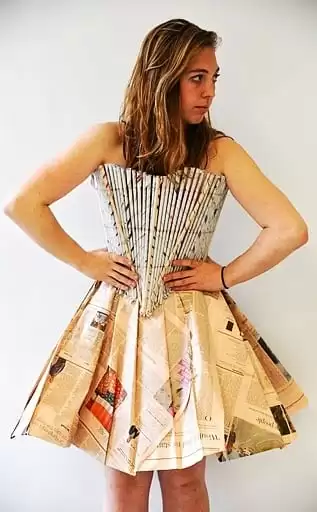
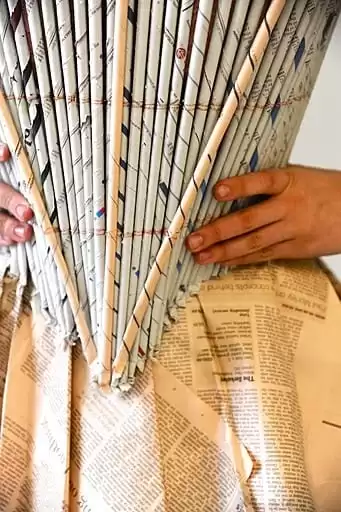
Create textured surfaces
This construction technique uses rolled or twisted paper elements to create three-dimensional texture. The technique transforms flat newspaper into sculptural elements that catch light and create shadow. This approach celebrates paper’s unique properties rather than trying to mimic fabric.
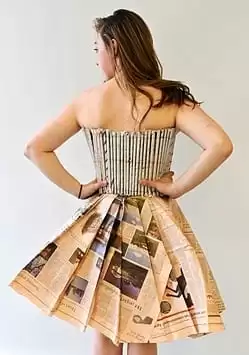
Balance structure and flow
The fitted bodice with full skirt shows how to combine paper’s structural capabilities with graceful silhouettes. This design uses the material’s strengths — crisp lines in the top, dramatic volume in the skirt — to create a cohesive garment that works with paper’s natural properties.
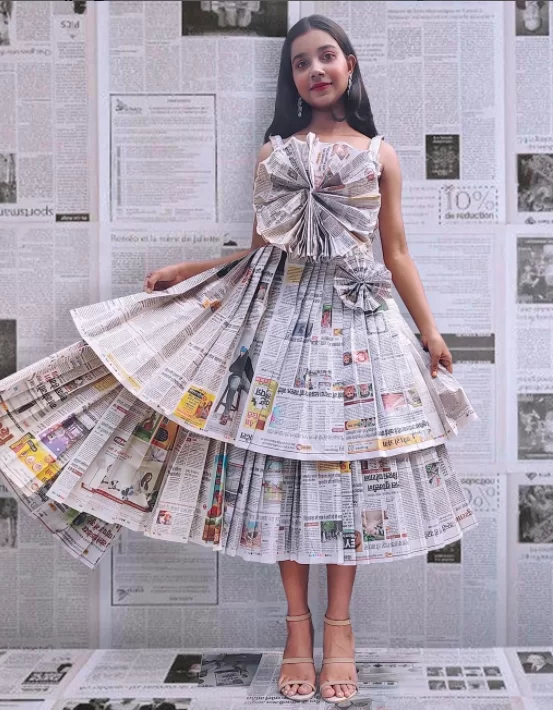
Add bow details
Large newspaper bows create focal points while showcasing the material’s ability to hold dramatic shapes. This technique uses paper’s natural stiffness to create details that would be impossible with regular fabric. The oversized bows become sculptural elements rather than simple decorative touches.
Dos & Don’ts
30 Beautiful Kitenge Dresses for Wedding
20 Chic Mehndi Dresses For Pakistani Brides & Mehndi Guests
How To Style Fit And Flare Dresses 20 Outfit Ideas To Try
How to Style Knee Length Dresses: 18 Outfit Ideas
35 Latest Engagement Dresses For Women In India
27 Beautiful Engagement Dresses for Hijabis
30 Beautiful Hijab Wedding Dresses with Styling Tips
20 Fall Wedding Guest Dress Ideas For This Wedding Season