Most guys walk into university interviews looking like they’re either heading to a funeral or a nightclub — and wonder why they feel uncomfortable the entire time. I’ve watched too many talented men sabotage their chances before they even speak, simply because they misjudged what “smart casual” actually means in an academic setting.
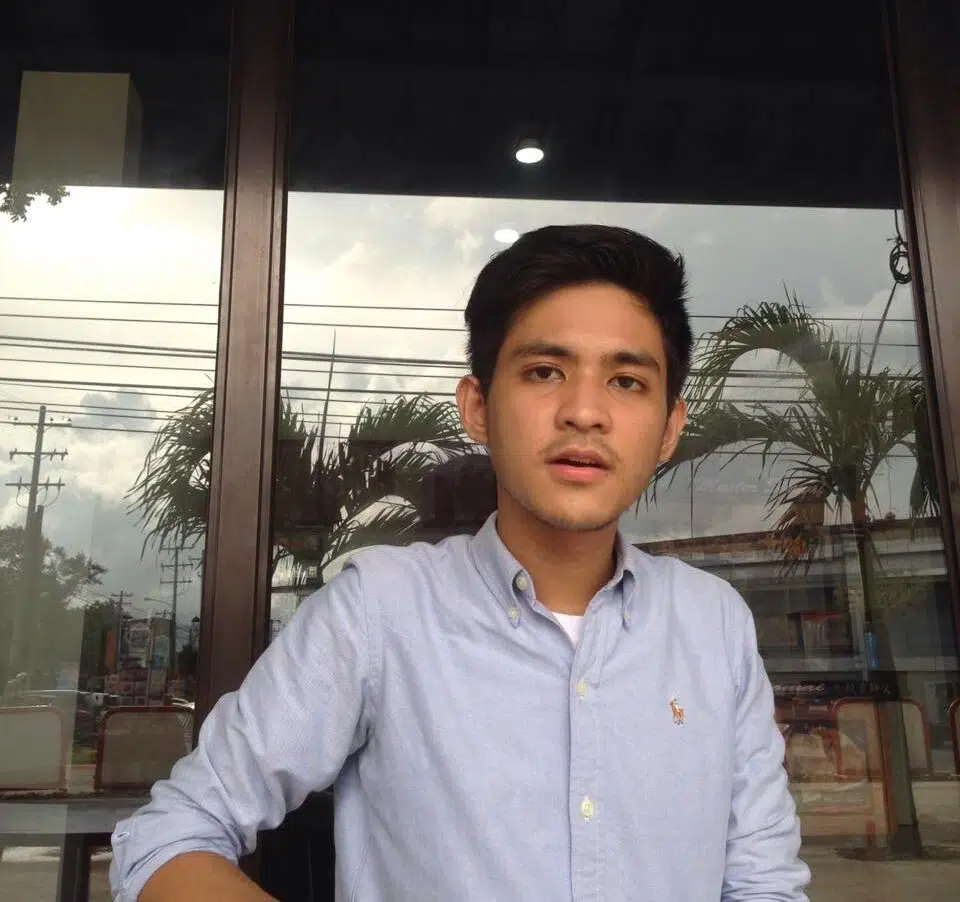
The fit is everything here. Your clothes should look like they belong on your body, not like you borrowed them from someone else. Shoulders that hit at the right point, trousers that don’t bunch at the ankles, and sleeves that end where your wrist meets your hand — these basics matter more than the brand on the label. I’ve seen expensive shirts look terrible because they were two sizes too big, and budget pieces look sharp because they actually fit properly.
University interviews occupy a specific space on the formality spectrum — more polished than your regular classes, but less formal than a job interview at Goldman Sachs. Get this balance wrong and you’ll either look like you don’t take the opportunity seriously, or like you completely misunderstood the environment you’re entering.
Styling Tips
Master the Business Casual Foundation
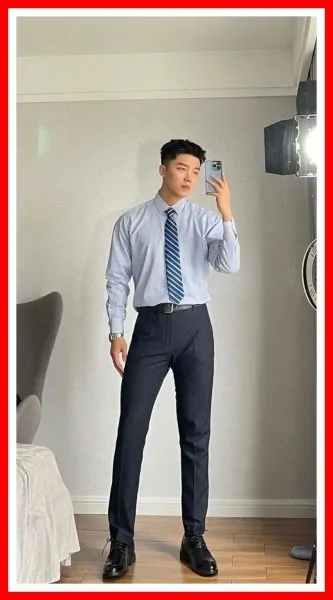
This combination of a light blue dress shirt, navy trousers, and leather dress shoes creates the perfect baseline for any university interview. The colours work in every lighting condition, the formality level hits exactly where you need it, and you can add or remove a blazer depending on the specific program you’re interviewing for. Notice how the belt matches the shoes — this detail matters more than most guys realize.
Stripe Patterns Done Right
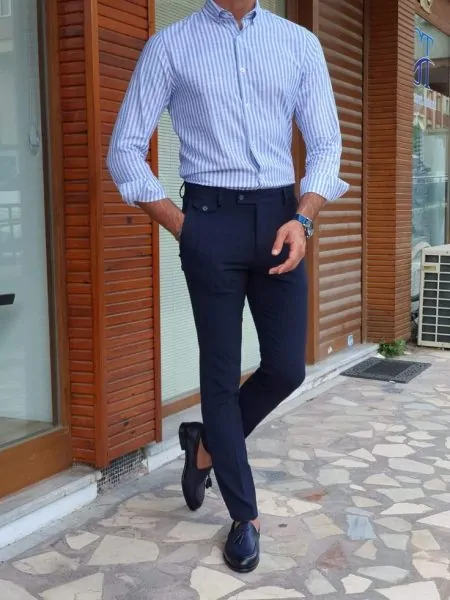
Vertical stripes in shirts work because they create clean lines without being distracting during conversation. The key is keeping the stripes subtle — thin, evenly spaced lines that don’t compete with your words. This blue and white combination photographs well under fluorescent lights, which matters more than you think since many interviews happen in academic buildings with harsh lighting.
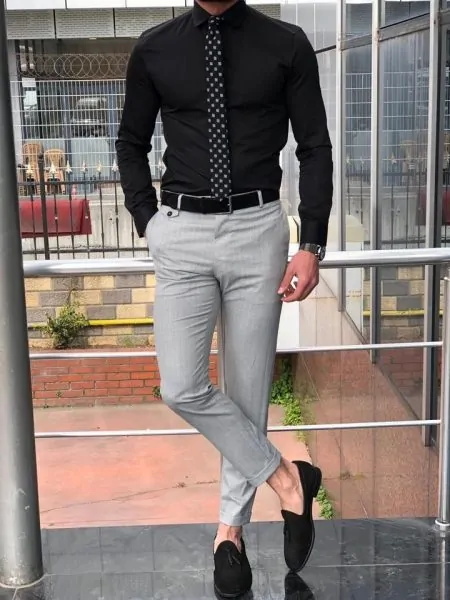
Dark Shirt Smart Casual Alternative
A black dress shirt with grey trousers shows you understand colour coordination while staying appropriately formal. The polka dot tie adds personality without being loud — exactly what you want in an interview setting. This approach works particularly well for creative programs where you want to show some individual style while respecting the formal nature of the process.
How To Dress Preppy For Men – 12 Outfit Ideas
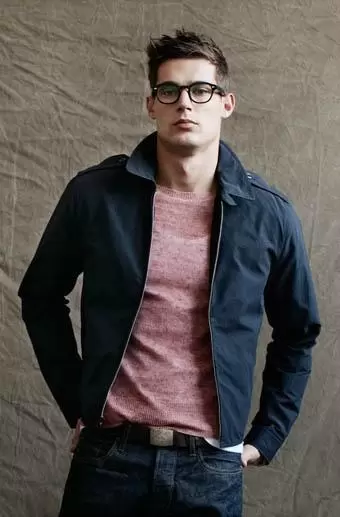
How To Dress Like Nerdy Boy 28 Outfit Ideas
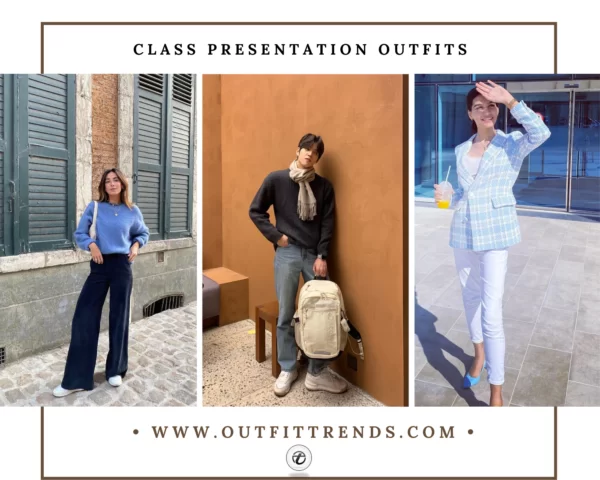
How To Dress For Class Presentation? 20 Outfit Ideas

How to Dress Like Gentlemen ? 20 Outfit Ideas & Styling Tips
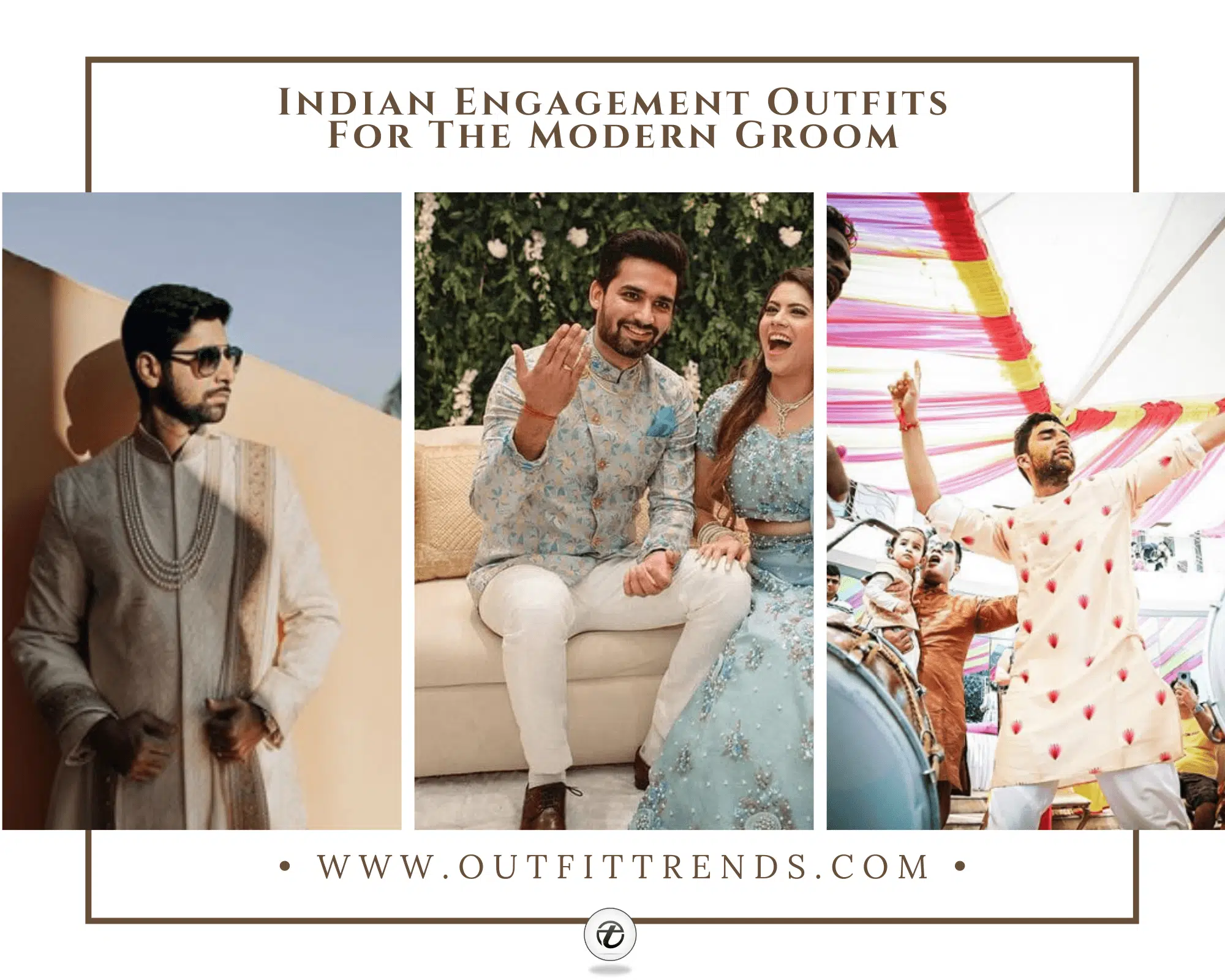
35 Latest Style Engagement Dresses For Men In India
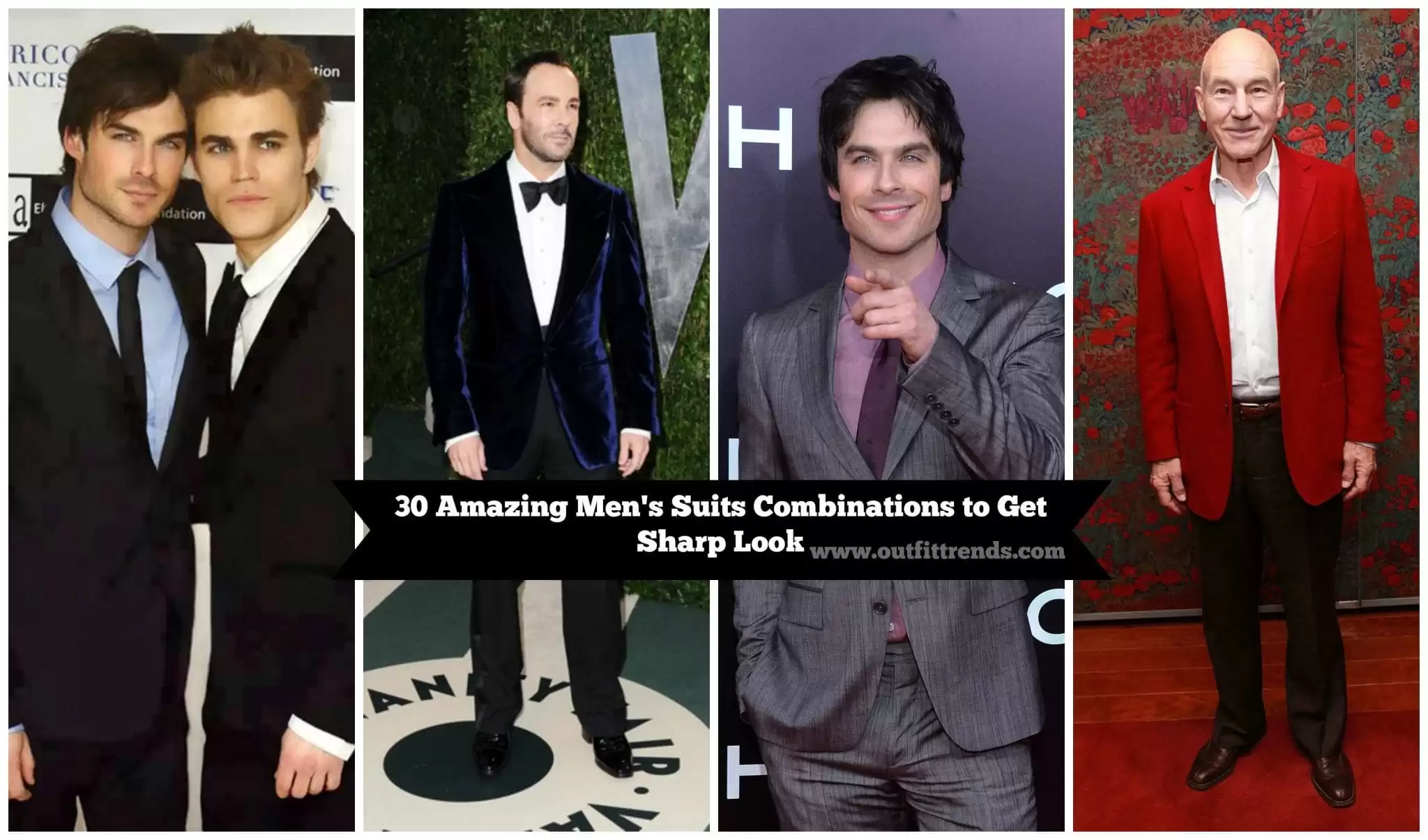
30 Amazing Men’s Suits Combinations to Get Sharp Look
15 Best Video Interview Outfits for Men – The Dos and Dont’s
Men’s Outfits For New Year’s Eve – 27 Ideas for Dressing Up on NYE
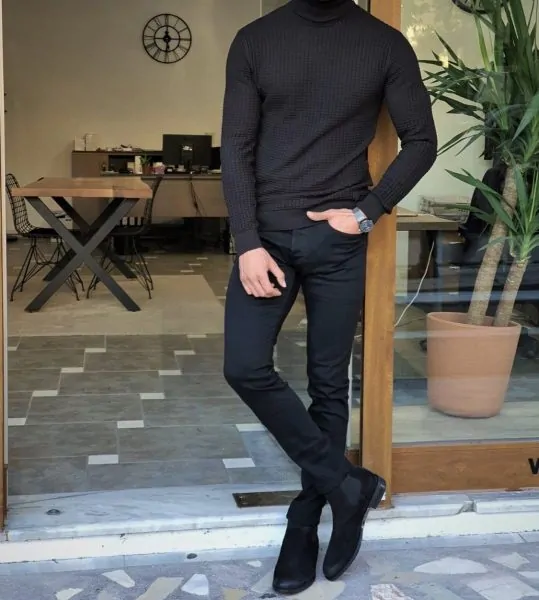
Knitwear for Approachable Professionalism
A fitted turtleneck with dark trousers strikes the perfect balance between being taken seriously and appearing approachable. This works especially well for programs in humanities or social sciences where you want to look thoughtful rather than corporate. The key is the fit — loose knitwear looks sloppy, but when it’s properly fitted, it shows attention to detail.
Button-Down Collar Authority
The button-down collar on this white shirt creates a more casual feel than a spread collar, which is exactly what you want for most university interviews. Paired with brown accessories, it shows you understand that not everything needs to be navy and black. The brown tie and belt combination demonstrates colour coordination skills that many interviewers notice subconsciously.

Dos & Don’ts
Research shows that interviewers form their first impression within seven seconds of meeting you — before you’ve even spoken. Your clothing choices are literally the first thing they process about your candidacy, making fit and appropriateness more important than any specific brand or trend.
Formality Mapping for Different Programs
Business and economics programs expect you to understand professional dress codes, so lean slightly more formal — always include a blazer and ensure your shoes are polished leather. Engineering and science programs typically value practical thinking over fashion sense, making a clean shirt and trousers combination perfectly appropriate without additional layers.
Liberal arts and humanities programs often appreciate individual expression within professional boundaries — this is where a subtle pattern in your shirt or a non-traditional color like burgundy in your accessories can work in your favor. Medical and law programs require absolute precision in your appearance, as these fields have strict professional standards you’ll need to meet throughout your career.
Never dress down for what you think is a “casual” program — I’ve never seen anyone criticized for being slightly overdressed for an interview, but I’ve watched underdressed candidates struggle to be taken seriously regardless of their qualifications.
University Interview Outfits That Actually Get Results
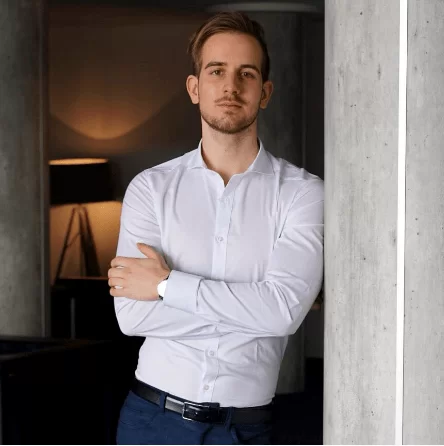
White Shirt and Navy Chinos
The white dress shirt tucked into navy chinos creates the perfect balance between formal and approachable. This combination shows you understand professional dress codes without looking like you’re heading to a corporate boardroom. Best for students interviewing at traditional universities where you need to demonstrate maturity and respect for institutional values.
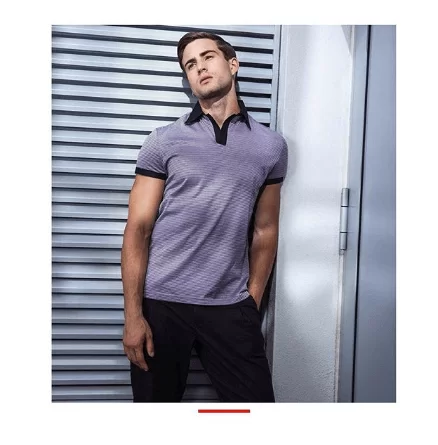
Polo Shirt with Dark Trousers
A grey polo with black trousers offers a modern take on smart casual that works especially well for STEM or creative program interviews. The polo collar maintains formality while the knit fabric suggests you’re comfortable with contemporary workplace norms. Perfect for applicants who want to appear professional but not overly rigid.
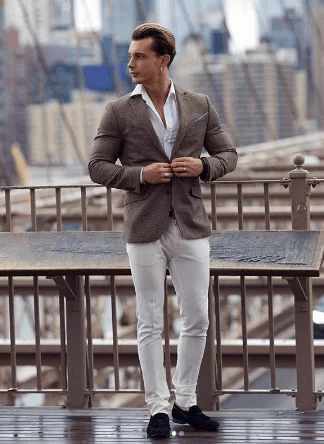
Blazer and White Jeans
The brown blazer paired with white jeans and an open white shirt strikes an ideal note for creative programs or liberal arts interviews. This outfit demonstrates confidence and personal style while maintaining appropriate formality through the structured blazer. Works best for students applying to programs that value individual expression alongside academic achievement.
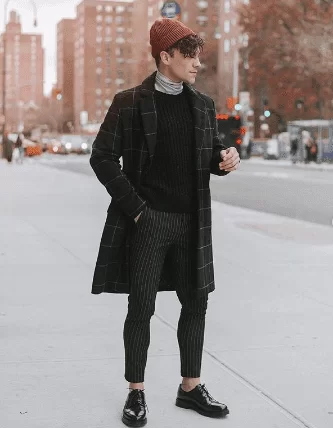
Overcoat with Patterned Trousers
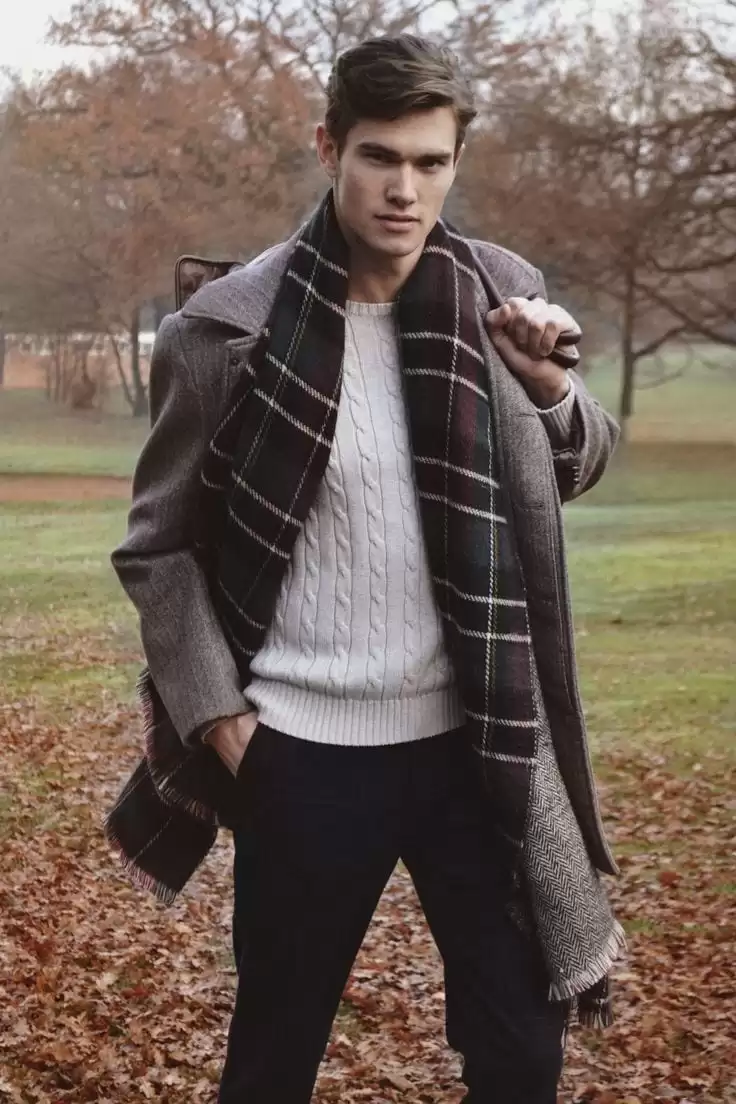
A dark overcoat over pinstripe trousers with leather loafers creates a sophisticated winter interview look that suggests attention to detail. The layering shows you can handle seasonal dressing while maintaining professionalism, and the subtle pattern adds personality without being distracting. Ideal for interviews at prestigious institutions where presentation standards are particularly high.
Quick tip
Choose navy or grey trousers as your foundation — they pair with any shirt color and never look wrong.
Key takeaways
- Always tuck your shirt in — untucked shirts immediately signal casualness inappropriate for interviews
- Choose one standout element like a blazer or patterned trouser, but keep everything else neutral and classic
- Your shoes must be leather dress shoes or loafers — sneakers kill any professional impression instantly
- Fit trumps everything — well-fitted basic pieces beat expensive clothes that don’t fit properly
- Match your outfit to your program — creative fields allow more personality than traditional academic disciplines
- Layer appropriately for weather but ensure your base outfit works on its own when you remove outerwear
How To Dress Preppy For Men – 12 Outfit Ideas
How To Dress Like Nerdy Boy 28 Outfit Ideas
How To Dress For Class Presentation? 20 Outfit Ideas
How to Dress Like Gentlemen ? 20 Outfit Ideas & Styling Tips
35 Latest Style Engagement Dresses For Men In India
30 Amazing Men’s Suits Combinations to Get Sharp Look
15 Best Video Interview Outfits for Men – The Dos and Dont’s
Men’s Outfits For New Year’s Eve – 27 Ideas for Dressing Up on NYE