Last year, I watched my cousin struggle through her brother’s wedding reception in a heavily embellished silk saree that weighed more than her handbag. By the third event, she’d developed actual shoulder pain from the weight of the fabric and zardozi work. That’s when I understood why organza sarees have become the secret weapon of women who want all the drama of traditional formal wear without feeling like they’re carrying a small child around their waist.
The beauty of organza lies in its contradiction — it’s simultaneously structured enough to hold dramatic pleats and light enough that you forget you’re wearing six yards of fabric. I’ve worn organza sarees to everything from my friend’s walima to corporate Diwali parties, and the fabric never fails to photograph beautifully while letting me actually enjoy the event. The sheer nature means you can layer it over contrasting blouses or experiment with colour combinations that would look heavy in silk or cotton.
Growing up, my mum always said that organza was the fabric for women who knew how to dress — it requires confidence because there’s nowhere to hide, but rewards you with movement and lightness that makes every gesture look intentional. After years of wearing organza sarees across different occasions, I’ve learned that the key isn’t just in choosing the right saree, but in understanding how this particular fabric behaves and what it needs to look its best.
How To Drape Organza Sarees in Different Ways?
Layer contrasting textures and prints
The black floral organza over fitted trousers creates depth without overwhelming the silhouette. Organza works beautifully when you play with opacity — the sheer fabric allows glimpses of what’s underneath, so choose your base pieces deliberately. This approach works particularly well for evening events where you want drama without the weight of heavily embellished fabrics.
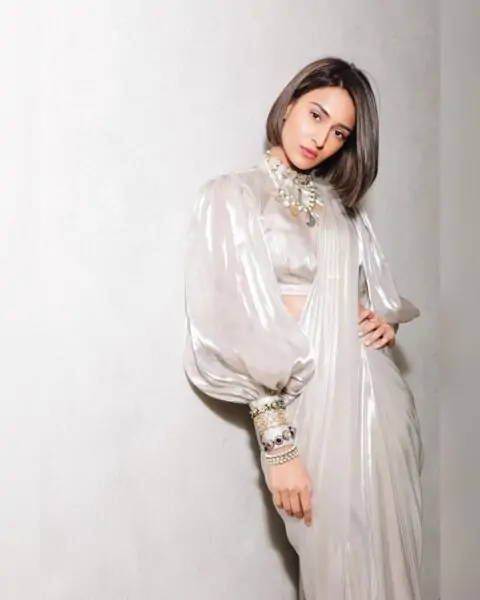
Choose metallic organza for evening glamour
The shimmer in this silver organza catches light from every angle, creating movement even when you’re sitting still. Metallic organza photographs beautifully under artificial lighting, which makes it perfect for indoor events and evening photography. The key is keeping the blouse simple so the fabric remains the star.
Opt for subtle embellishments over heavy work
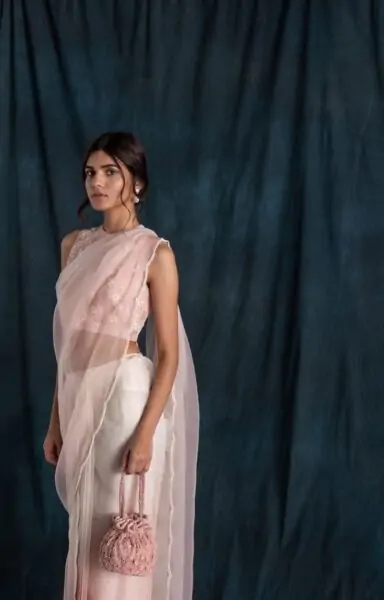
This pale pink organza demonstrates how minimal embroidery can create maximum impact. The delicate work doesn’t compete with the fabric’s natural texture, and the light colour shows off organza’s ability to create volume without visual weight. This style works beautifully for daytime events where heavy embellishment would look overdone.
How to Wear Saree with Hijab ? 14 Styling Tips

20+ Celebrities Inspired Hairstyles to Wear With Saree

How to wear Plaid Pants? 20 Outfit Ideas & Styling Tips

How to Wear Skirts With Sweaters? 23 Fab Ideas & Styling Tips
How To Wear a Pashmina Hijab 10 Best Styling Tips

20 Best Outfits to Wear with Grey Shorts with Styling Tips
How to Wear Beanie Hats? 20 Styling Tips

How to Wear Sweatpants ? 42 Outfit Ideas with Styling Tips
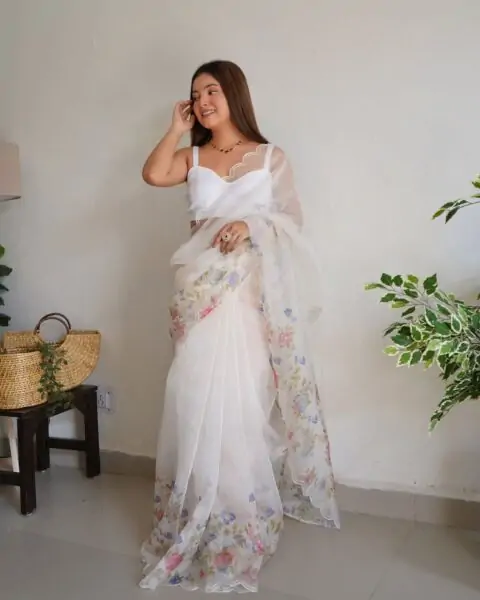
Mix organza with floral prints strategically
The soft floral pattern here proves that organza can carry prints without looking busy. The key is choosing designs that complement the fabric’s ethereal quality rather than fighting against it. Watercolor-style florals work better than bold geometric patterns because they enhance organza’s romantic nature.
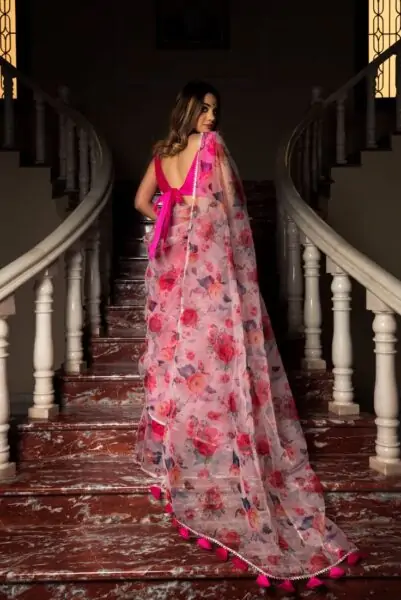
Create drama with trailing pallu arrangements
This pink floral organza shows how the fabric’s natural stiffness helps create and maintain dramatic pallu styles. Unlike softer fabrics that droop, organza holds its shape, making it ideal for statement draping. The trailing effect works because organza is light enough not to pull at your shoulder or restrict movement.
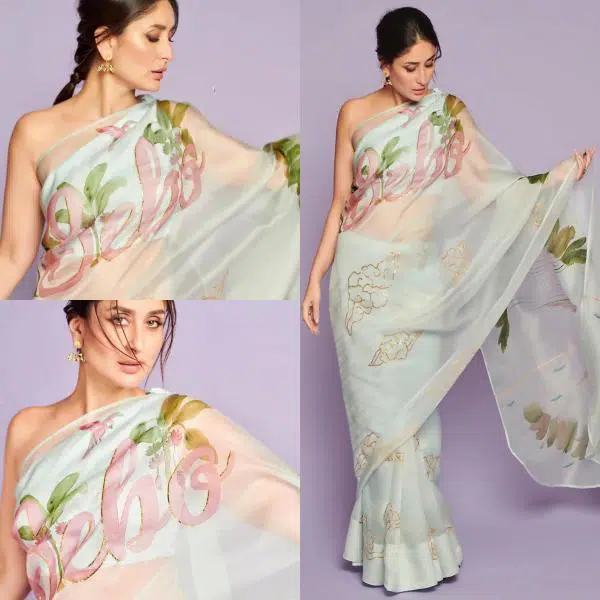
Use transparency to your advantage with layering
The pale mint green here demonstrates how organza’s sheer quality can create sophisticated layering effects. The transparency adds depth without bulk, and the subtle print shows through beautifully. This technique works especially well when you want to create visual interest without relying on heavy embellishments.
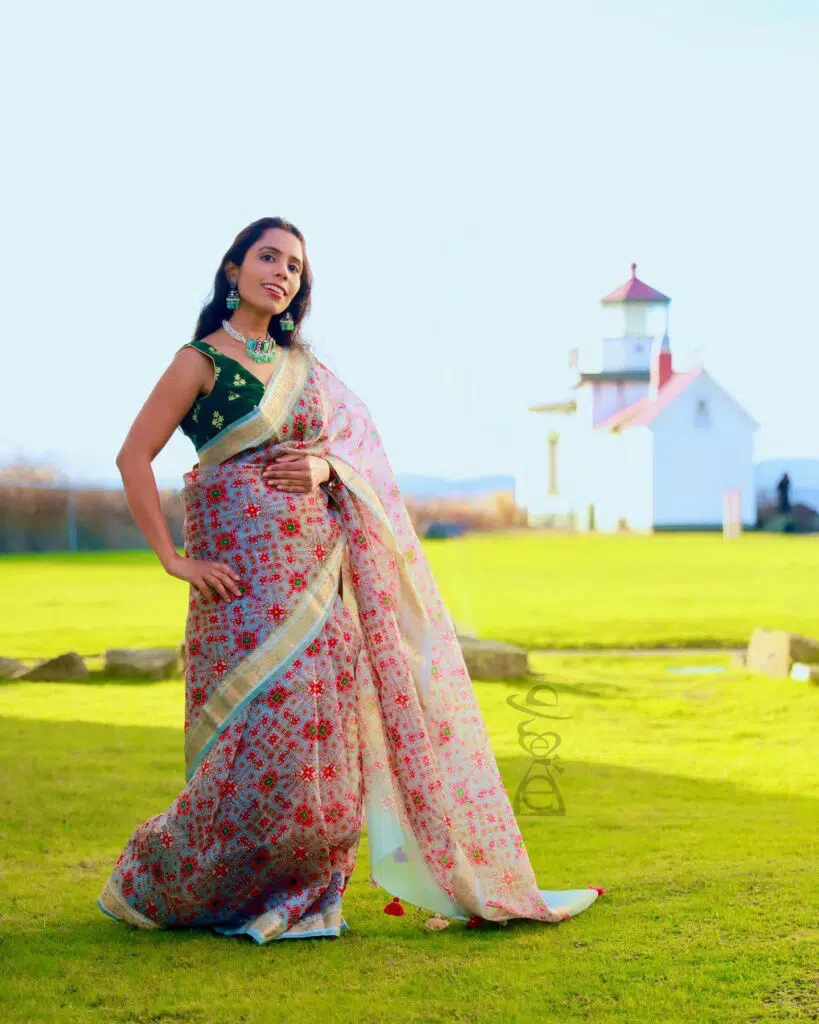
Balance printed organza with solid-coloured blouses
The geometric print on this organza is balanced by what appears to be a coordinating solid blouse. When your saree has busy patterns, let the blouse ground the look. Organza prints can be overwhelming if every element competes for attention, so strategic simplicity in your blouse choice is crucial.
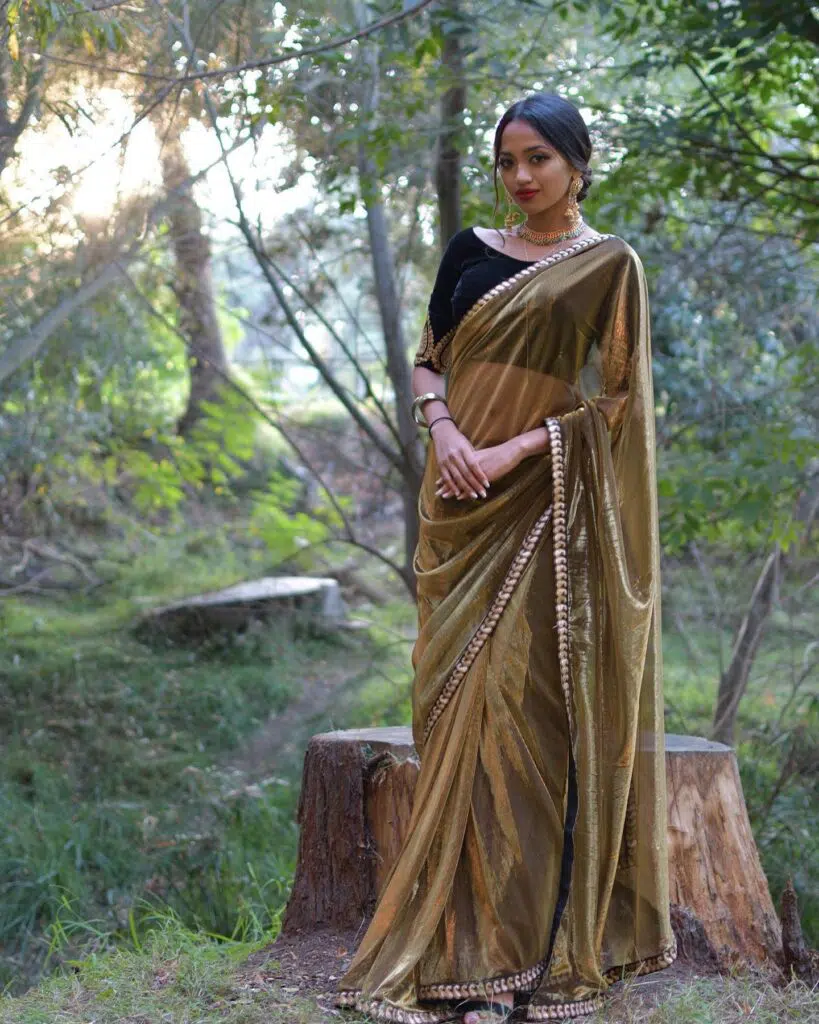
Choose rich colours for depth and sophistication
This deep gold organza proves that the fabric works beautifully in saturated colours. The richness prevents the sheer quality from looking washed out, while the organza’s natural structure prevents heavy colours from appearing too dense. Deep jewel tones in organza offer all the richness of silk with none of the weight.
Organza was originally made from silk and named after the town of Urgench in Uzbekistan. Modern organza is often made from synthetic fibers, but the weaving technique that creates its characteristic crisp texture and transparency remains unchanged from centuries-old methods.
Experiment with soft pastels for daytime elegance
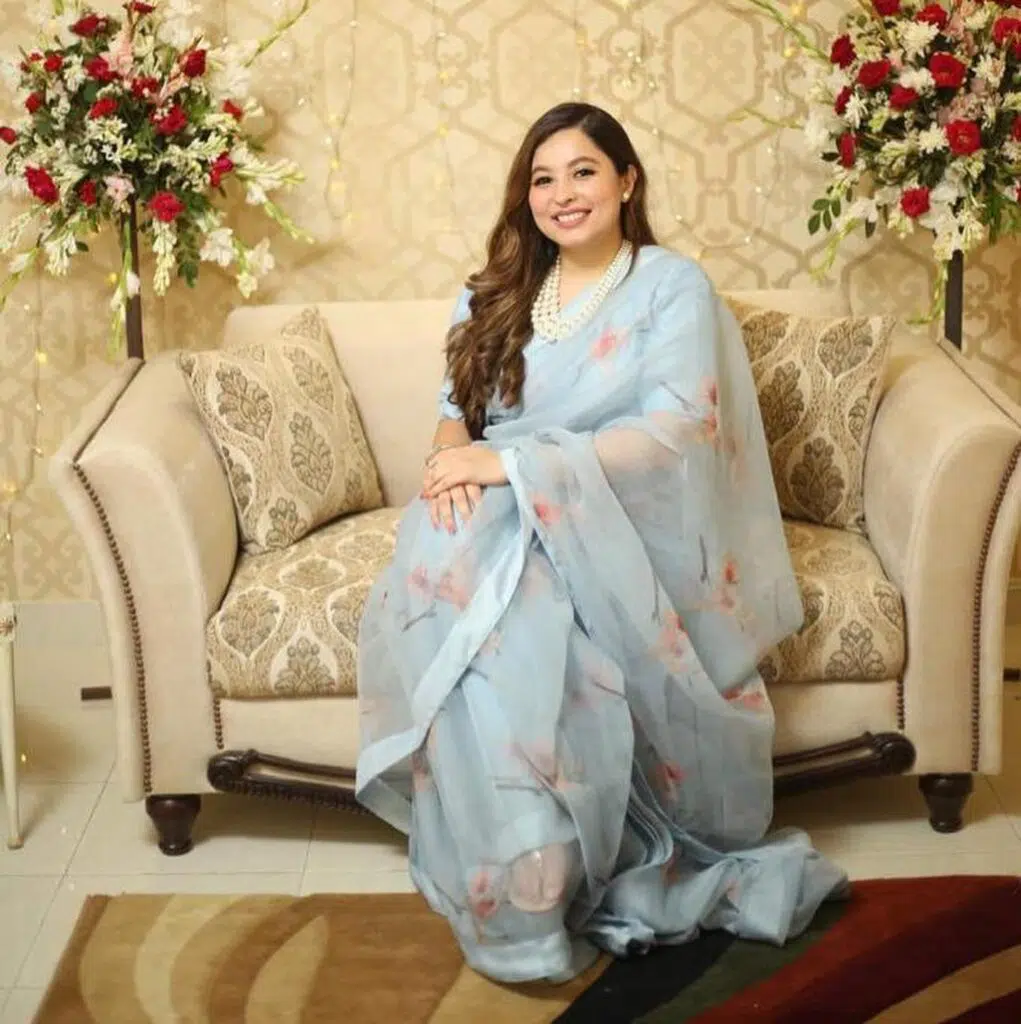
This powder blue organza with delicate florals shows how pastels in organza create an almost watercolor effect. The light colour enhances the fabric’s natural luminosity, and the soft print adds interest without competing with the organza’s inherent beauty. This combination is particularly flattering in natural daylight.
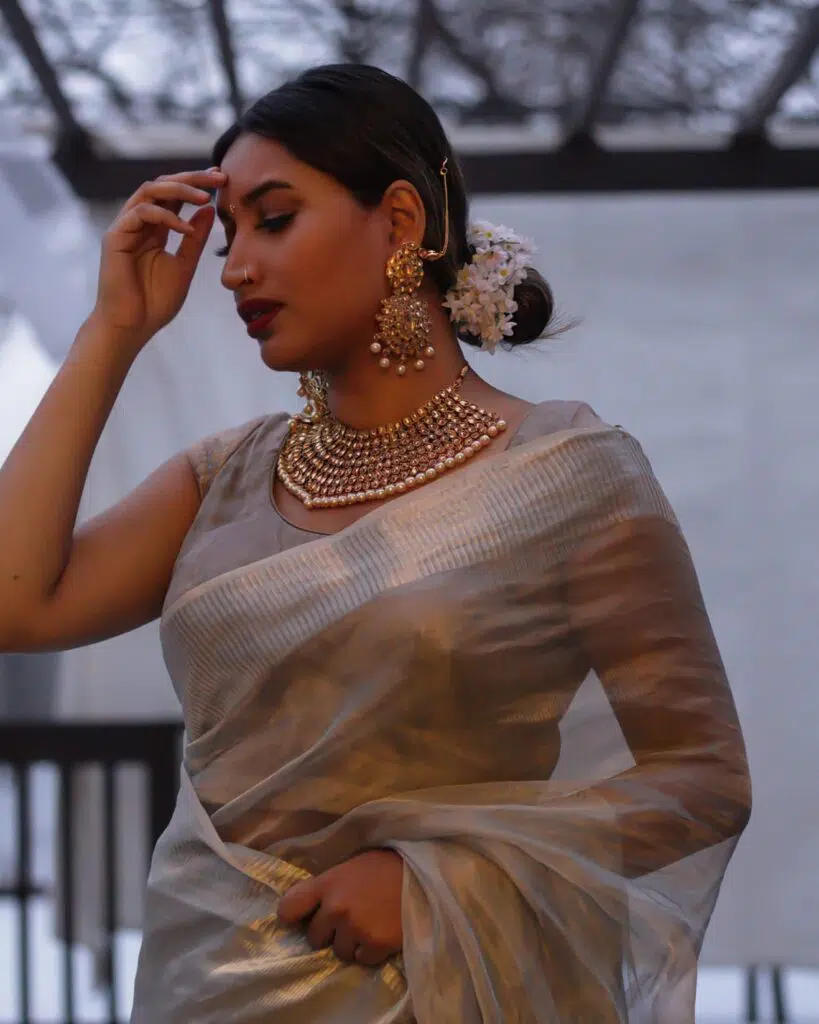
Ground metallic organza with classic draping
The traditional drape style here lets the golden organza’s metallic finish take center stage without gimmicky arrangements. Sometimes the fabric is striking enough that simple, classic draping is the most effective approach. The metallic finish provides all the drama you need without additional styling tricks.
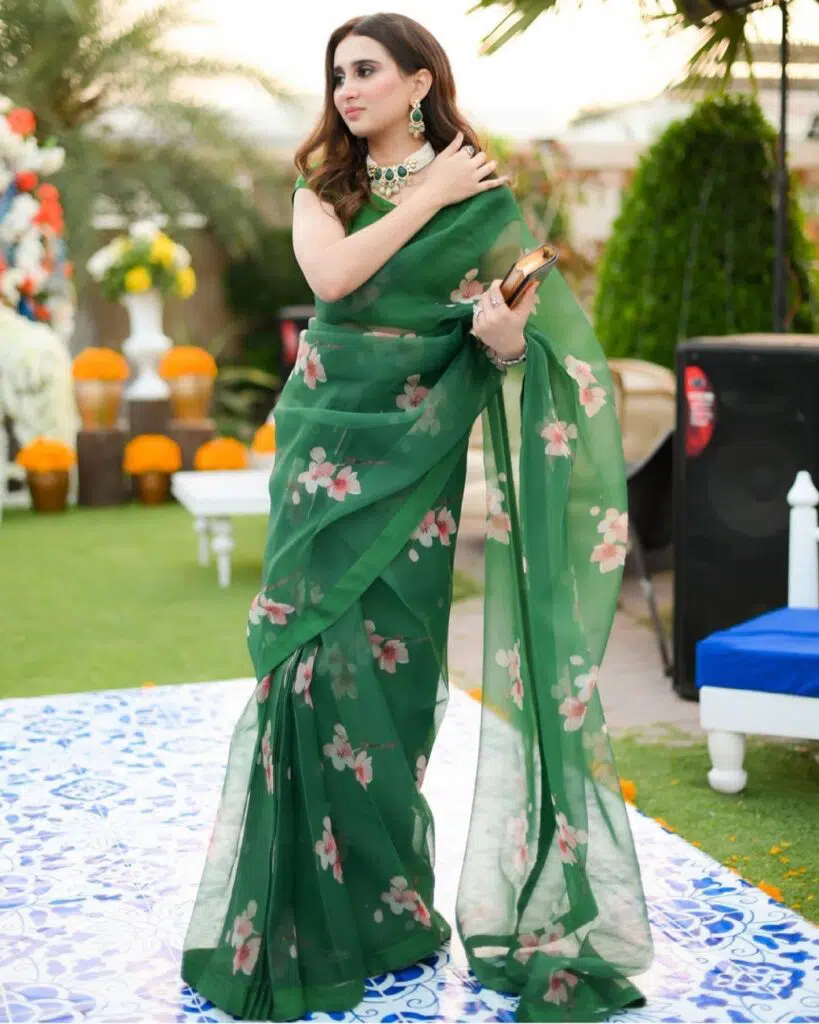
Pair bold colours with statement jewellery confidently
This emerald green organza demonstrates how rich colours in this fabric can support substantial jewellery without looking overdone. The fabric’s lightness means you can wear heavier necklaces and earrings without feeling weighed down. The transparency also prevents solid colours from appearing too flat or one-dimensional.
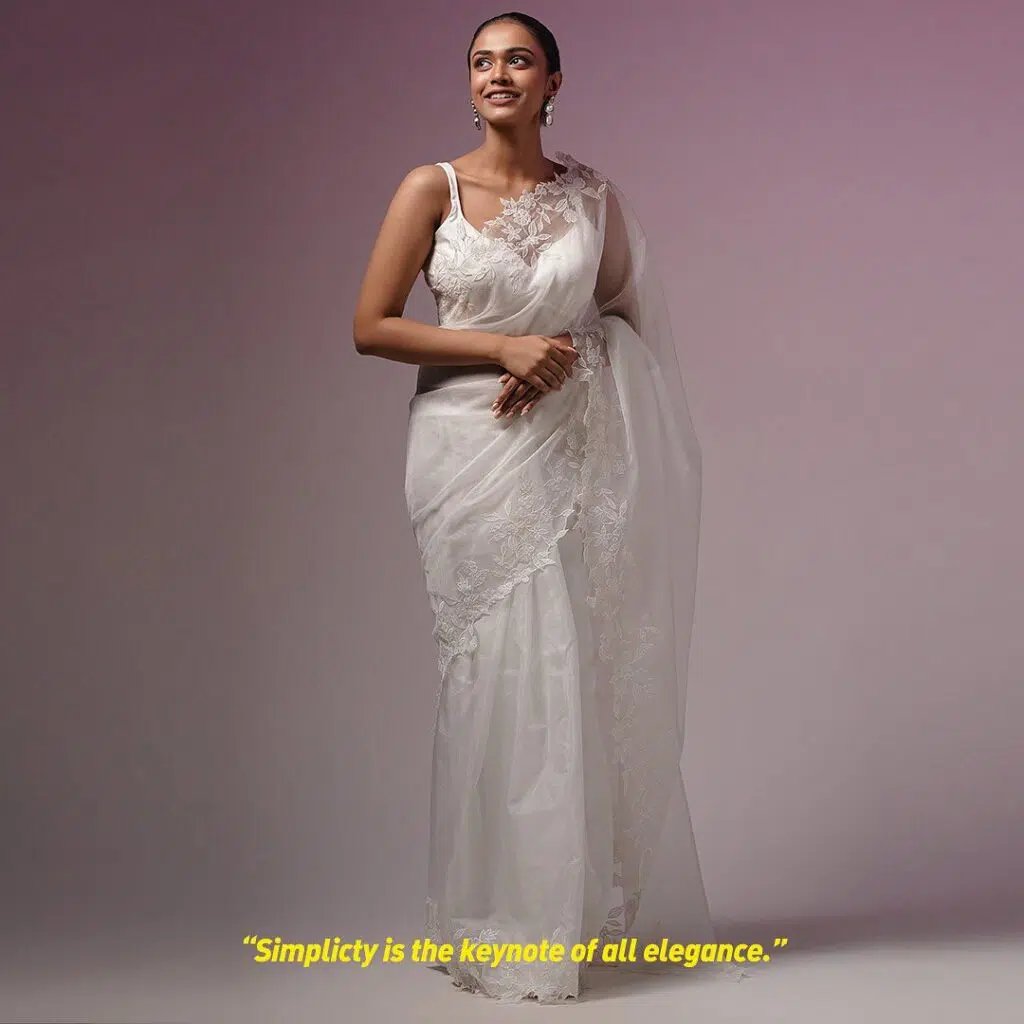
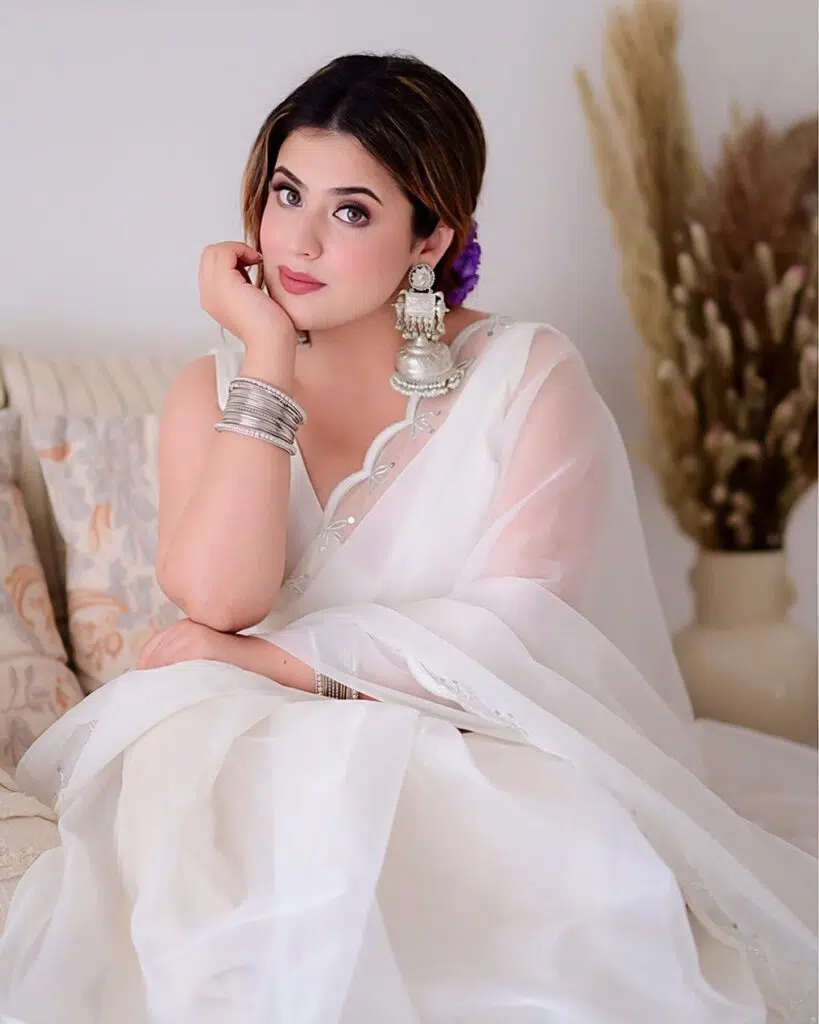
Embrace white organza for understated elegance
White organza offers sophistication that’s hard to achieve with other fabrics in the same colour. The texture and slight transparency add visual interest that prevents white from looking plain or bridal when it shouldn’t be. The subtle embroidery work here enhances rather than overwhelms the fabric’s natural beauty.
Let minimal styling highlight organza’s natural beauty
This ivory organza with delicate embroidery proves that sometimes the best approach is restraint. The fabric’s inherent elegance doesn’t need excessive styling to make an impact. Simple draping and minimal accessories let the organza’s texture and subtle embellishment work speak for themselves.
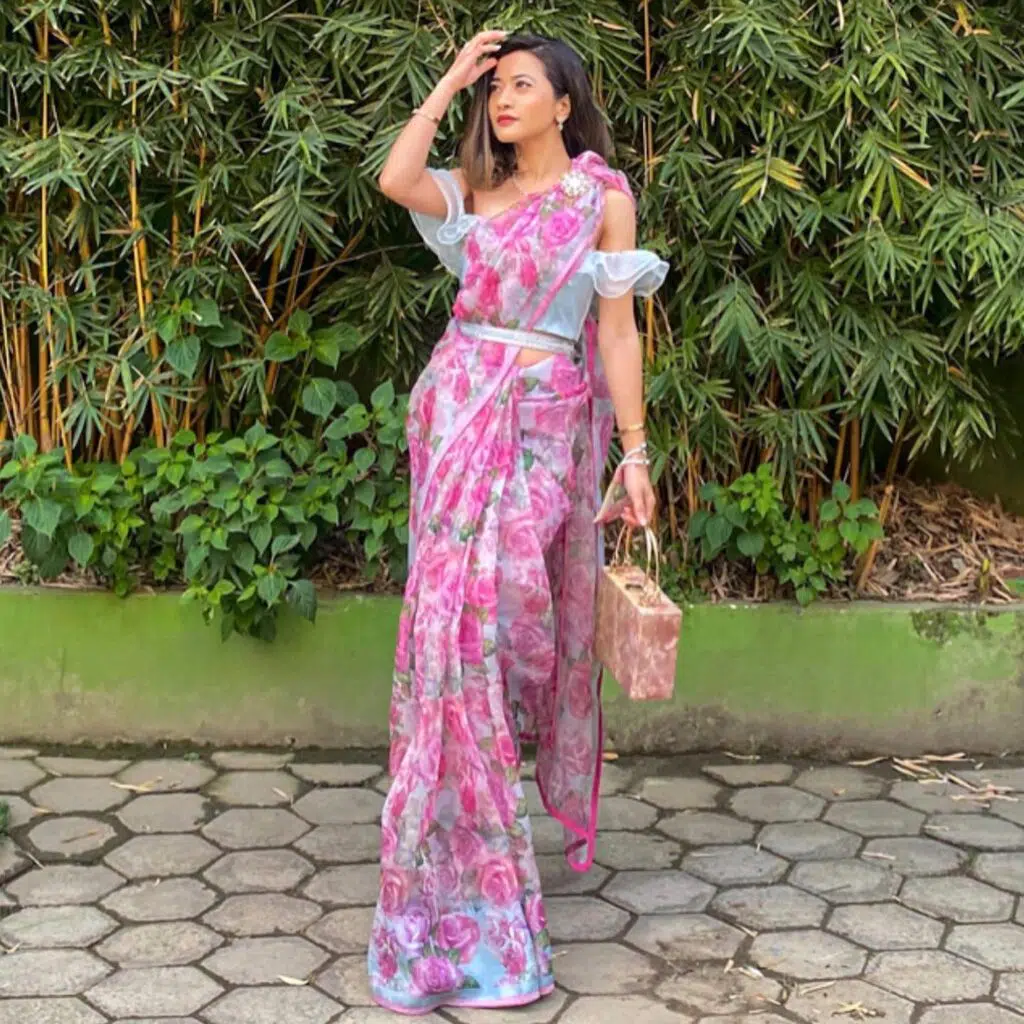
Use bold prints to add personality to sheer fabric
The vibrant floral print here shows how organza can carry bold patterns without looking overwhelming. The fabric’s transparency softens even dramatic prints, creating a sophisticated balance between statement-making and wearable. This approach works well when you want your saree to be a conversation starter.
Dos & Don’ts
How to Wear Saree with Hijab ? 14 Styling Tips
20+ Celebrities Inspired Hairstyles to Wear With Saree
How to wear Plaid Pants? 20 Outfit Ideas & Styling Tips
How to Wear Skirts With Sweaters? 23 Fab Ideas & Styling Tips
How To Wear a Pashmina Hijab 10 Best Styling Tips
20 Best Outfits to Wear with Grey Shorts with Styling Tips
How to Wear Beanie Hats? 20 Styling Tips
How to Wear Sweatpants ? 42 Outfit Ideas with Styling Tips