The biggest mistake I see plus-size women make with hijab styling? Choosing oversized everything because they think it’s more modest or flattering. As someone who wears a size 18, I learned this the hard way — drowning in fabric doesn’t create the graceful silhouette you’re after.
After years of experimenting with different hijab styles and outfits, I’ve discovered that the key isn’t hiding your curves but understanding how to work with them. The right proportions, strategic tailoring, and thoughtful color choices can create stunning modest looks that celebrate your figure rather than disguise it. From finding tunics that actually fit properly at the bust to mastering the art of layering without adding bulk, I’ve made every mistake so you don’t have to.
Fabric Guide
Flowy Maxi Skirts Need Structure Up Top
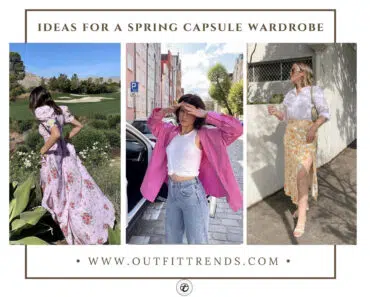
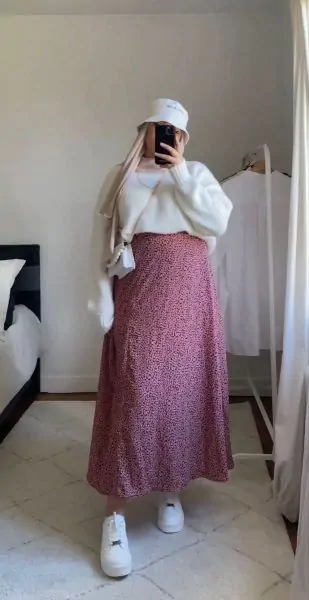
This pink floral maxi demonstrates exactly why you need a fitted white sweater when wearing voluminous bottoms. The cropped cardigan defines the waist without competing with the skirt’s movement, while white sneakers keep the look grounded and casual.
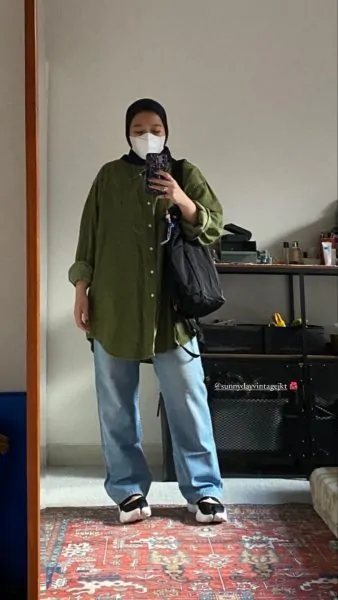
Oversized Shirts Work When Everything Else is Fitted
The olive green oversized shirt only works here because it’s paired with slim-fit jeans. When one piece is loose, the other must be tailored — this prevents the boxy, shapeless silhouette that swallows your figure completely.
20 Pink Outfit Ideas for Plus Size Women for Chic Look
37 Funeral Outfit Ideas for Plus Size Women To Wear
20 Best Clubbing Outfit Ideas For Plus Size Women
24 Stylish Palazzo Pant Outfit Ideas for Plus Size Women
19 Plus Size Beach Outfit Ideas with Styling Tips
26 Plus Size Shorts Outfit Ideas with Styling Tips
24 Best Plus Size Wedding Guest Outfit Ideas to Try This Year
17 Elegant Plus Size Workwear Outfits Ideas with Styling Tips
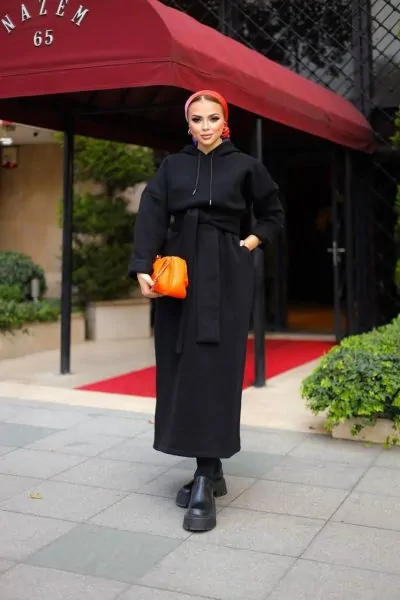
All-Black Outfits Need Texture Variation
This black hoodie dress combination shows how different textures — matte jersey, structured outerwear, and leather accessories — prevent an all-black look from appearing flat. The orange clutch adds the perfect pop without overwhelming the palette.
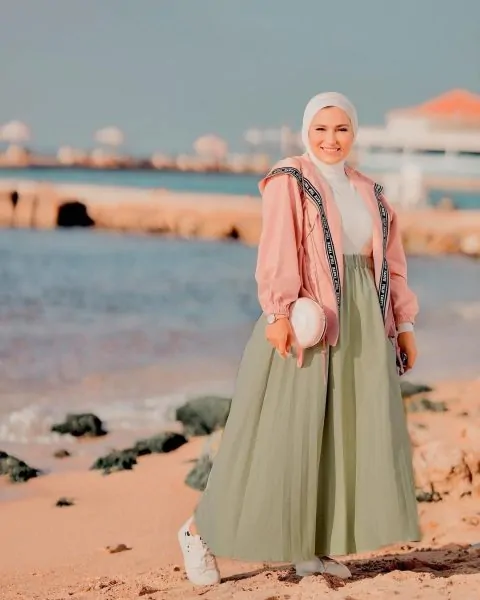
Lightweight Cardigans Layer Without Bulk
The pink cardigan over this olive maxi skirt proves that layering doesn’t have to add unwanted volume. Choose cardigans in thin knits that drape rather than thick materials that create lumps and bumps around your midsection.
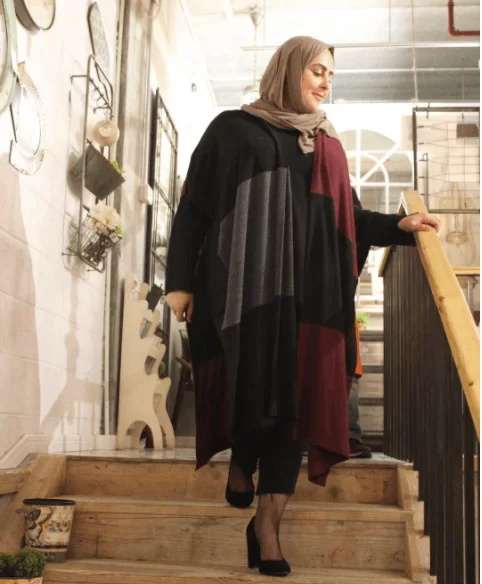
Long Cardigans Need High-Contrast Underlayers
This black and burgundy combination works because the darker cardigan creates a vertical line while the lighter dress beneath provides contrast. Without that color differentiation, long cardigans can make you appear shorter and wider.
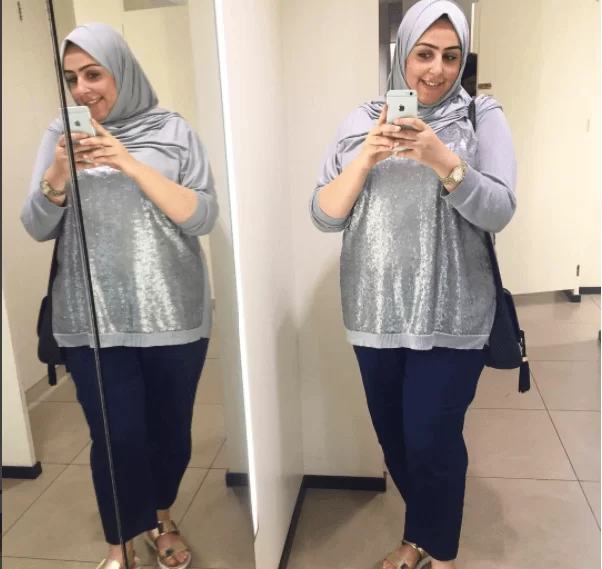
Sequin Tops Require Minimal Styling
The silver sequined top paired with simple black pants proves that when you’re wearing statement pieces, everything else should be understated. Too many competing elements will overwhelm your frame and create visual chaos.
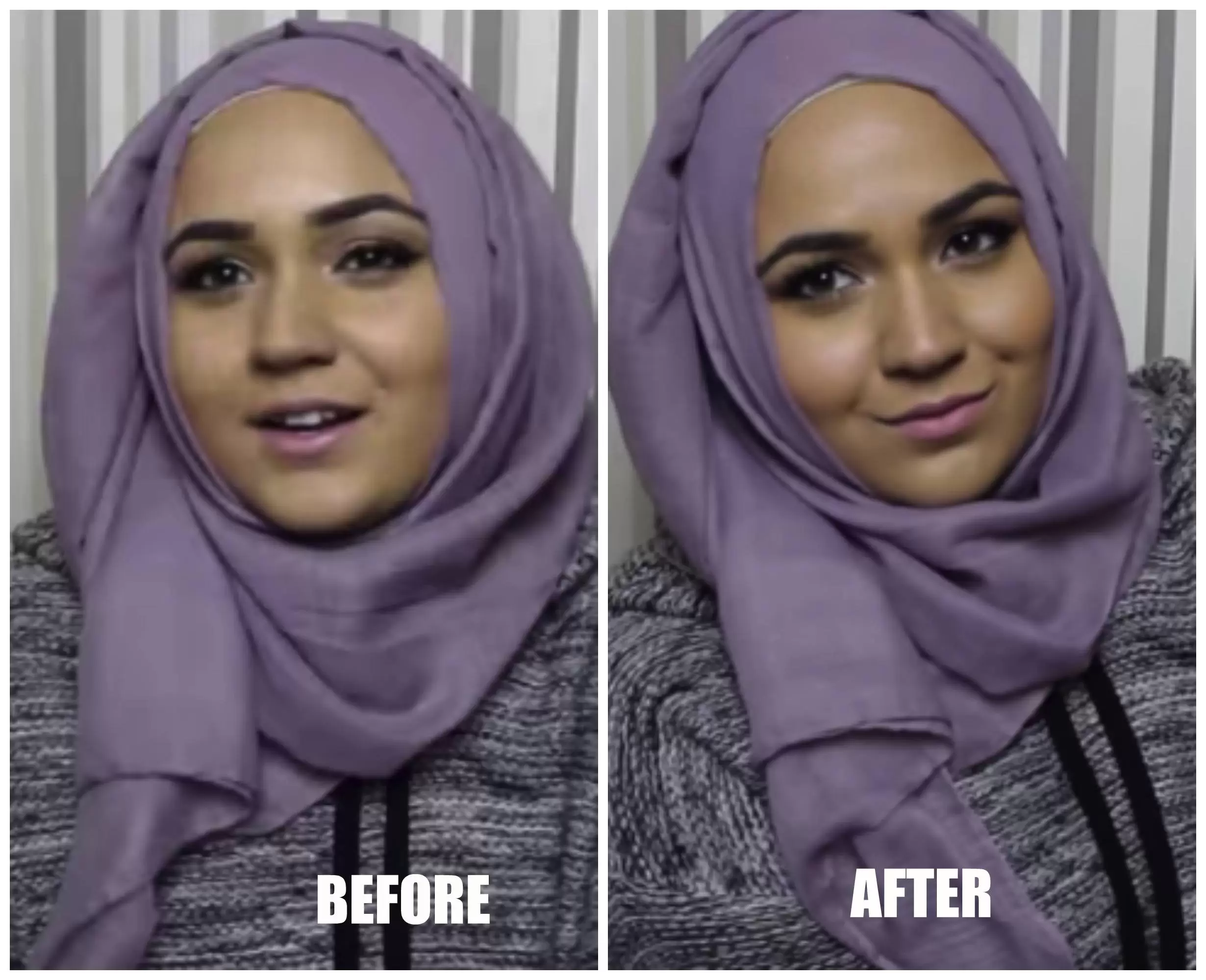
Proper Hijab Draping Creates Clean Lines
Notice how the purple hijab is draped with intentional folds rather than bunched randomly. Clean, structured draping around the face and shoulders creates a polished look that complements rather than competes with your outfit.
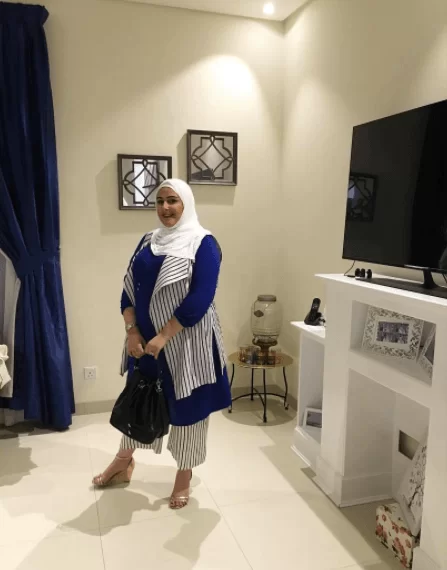
Striped Dresses Need Solid Accessories
The navy and white striped dress works beautifully with the solid navy cardigan because it doesn’t introduce competing patterns. When wearing stripes, keep everything else in coordinating solids to avoid looking busy.
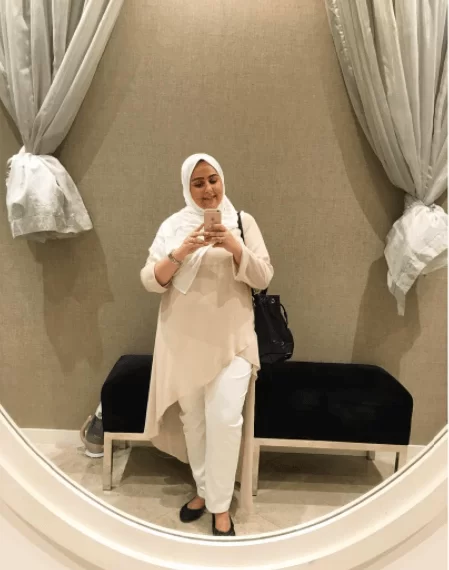
All-White Outfits Depend on Fit
This white ensemble only looks polished because each piece fits properly — the tunic skims rather than clings, and the pants have a clean line. Ill-fitting white clothes will show every wrinkle and bulge mercilessly.
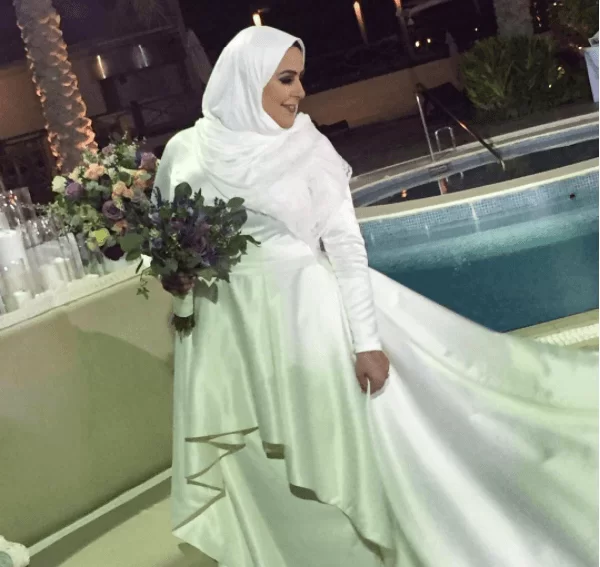
Wedding Whites Need Structure
The structured bodice and full skirt of this white dress create a defined waist without relying on a belt. For formal occasions, structured silhouettes work better than flowing fabrics that can look shapeless in photos.
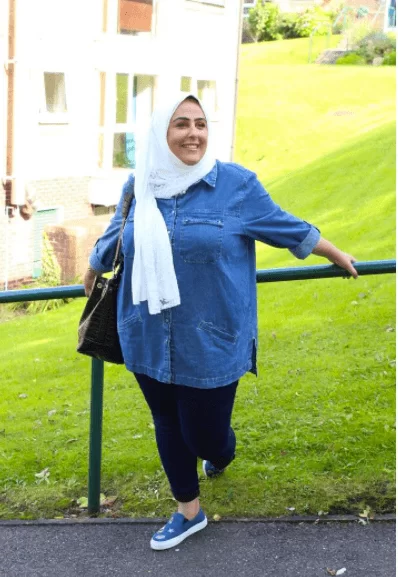
Denim Tunics Should Hit Below the Hip
This denim tunic length is perfect — it covers the hips completely while still showing enough leg to maintain proportion. Tunics that hit at the widest part of your hip will make you appear wider than you actually are.
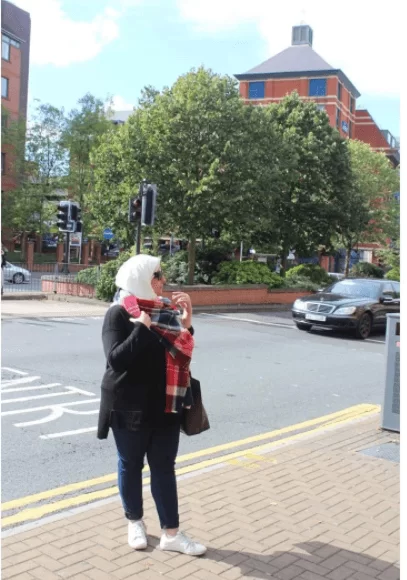
Pattern Mixing Requires Scale Awareness
The polka dot scarf with the solid black outfit shows how to add pattern without overwhelming your frame. Small-scale patterns work better for accessories, while larger patterns should be reserved for single statement pieces.
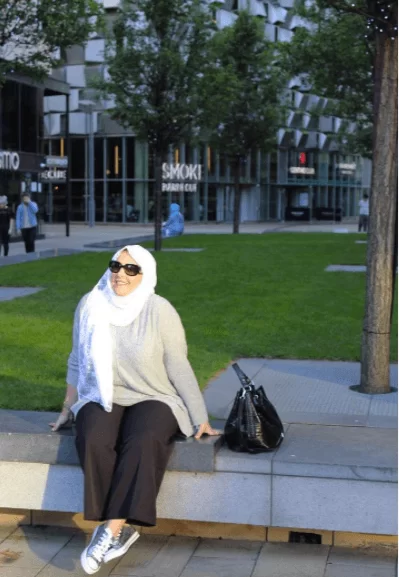
Neutral Tones Need Texture Interest
This beige sweater and dark pants combination relies on the textural difference between knit and woven fabrics to create visual interest. Without texture variation, neutral outfits can appear dull and lifeless.
Casual Family Moments Allow Relaxed Fits
The loose blue tunic works for casual home settings because the proportions are balanced with fitted bottoms. This relaxed approach to modest dressing proves you don’t always need ultra-structured pieces.

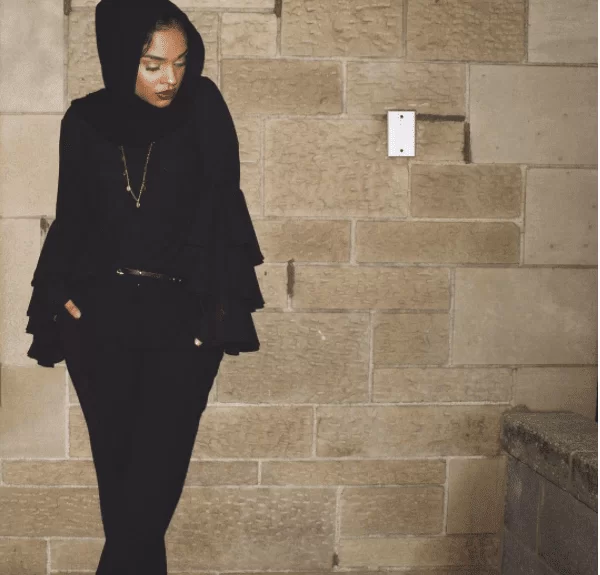
All-Black Creates Dramatic Silhouettes
This flowing black ensemble demonstrates how monochromatic dressing can be incredibly striking. The key is ensuring the draping is intentional rather than accidental — every fold should serve the overall silhouette.
Red Sneakers Add Unexpected Color
The red sneakers with this neutral outfit show how footwear can completely change your look’s personality. Bold shoe choices work best when the rest of your outfit remains relatively subdued and coordinated.
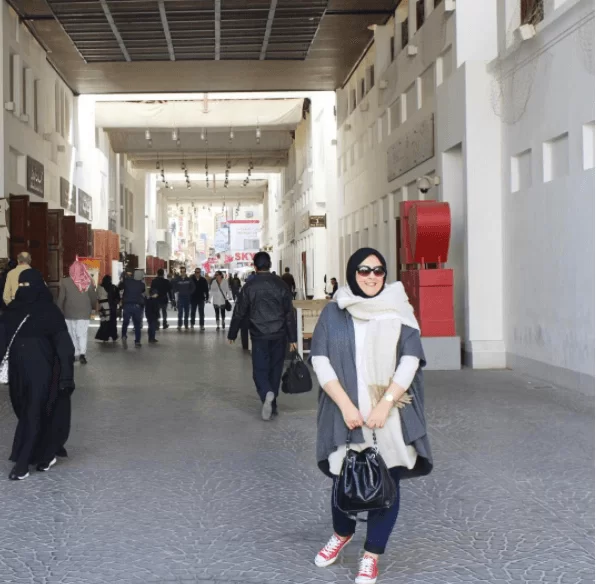
Professional Grays Need Clean Lines
This gray hijab with the red top demonstrates how professional colors can still feel fresh and modern. The key is choosing saturated accent colors rather than muted tones that can wash out your complexion.
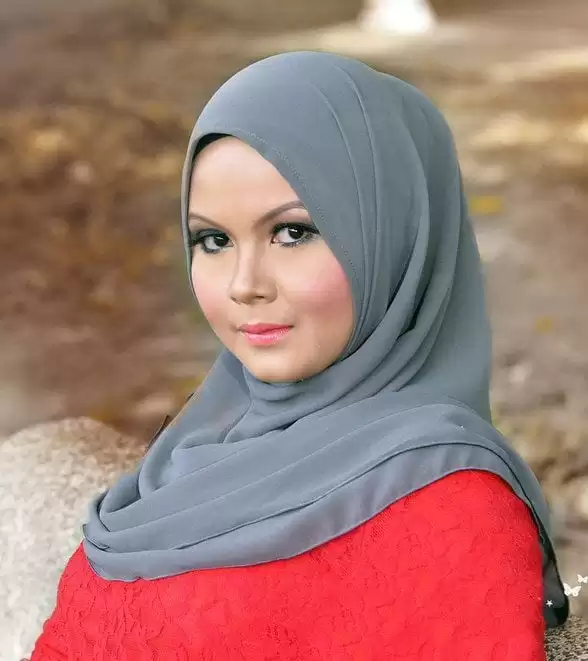
Bright Colors Require Confident Styling
The fuchsia tunic makes a bold statement that requires minimal additional elements. When wearing bright colors, let the hue be the star rather than competing with busy accessories or patterns.
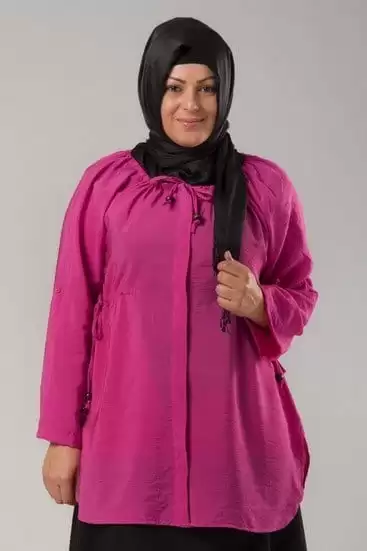
Cape-Style Coats Create Drama
This green cape demonstrates how outerwear can be both modest and fashion-forward. The structured shape prevents the flowing fabric from overwhelming your frame while creating an elegant silhouette.
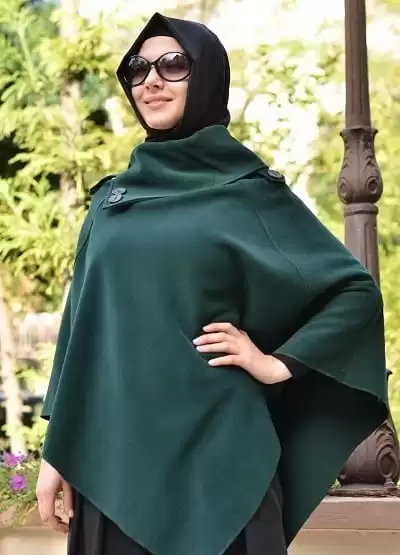
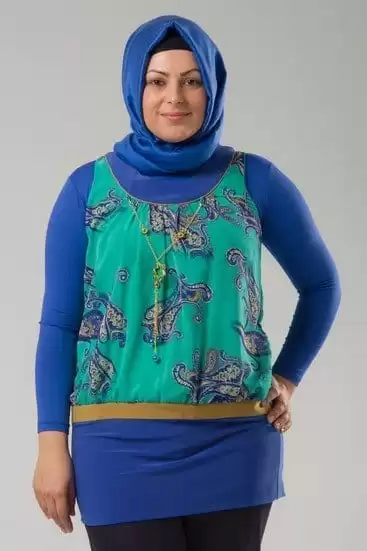
Layered Blues Create Depth
The royal blue hijab with the turquoise printed vest shows how different blue tones can work together harmoniously. The key is choosing blues with similar undertones rather than mixing warm and cool variations.
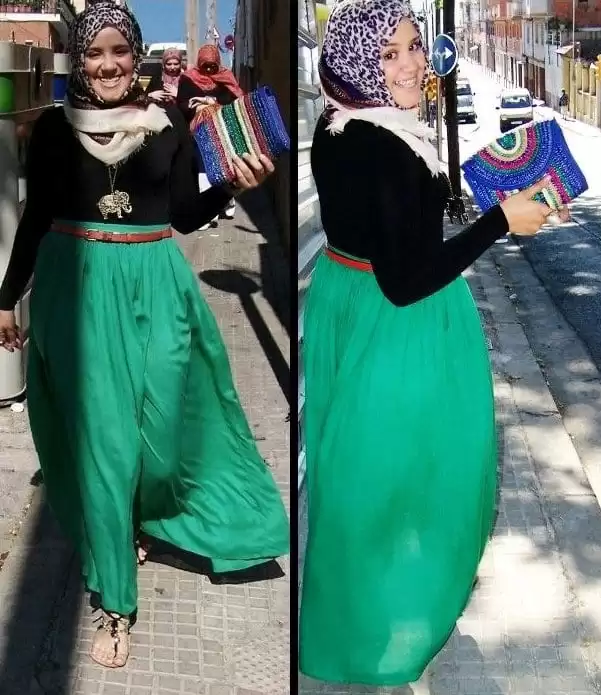
Color Blocking Requires Careful Planning
This black and green combination works because the colors share similar intensity levels. When color blocking, match the saturation of your colors rather than mixing pastels with brights or deep tones with pale ones.
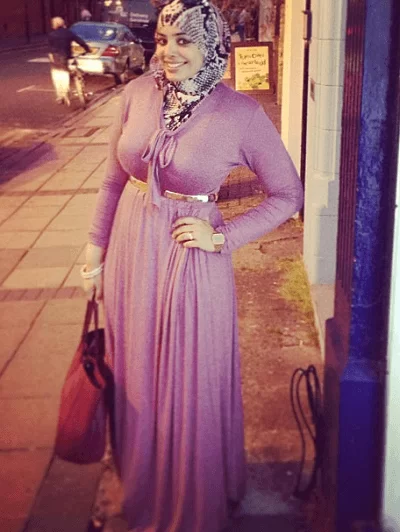
Empire Waists Need Proper Proportions
The purple empire waist dress creates a flattering silhouette because the waist sits at the narrowest part of the torso. This style works particularly well for plus-size figures when the skirt portion flows without clinging.
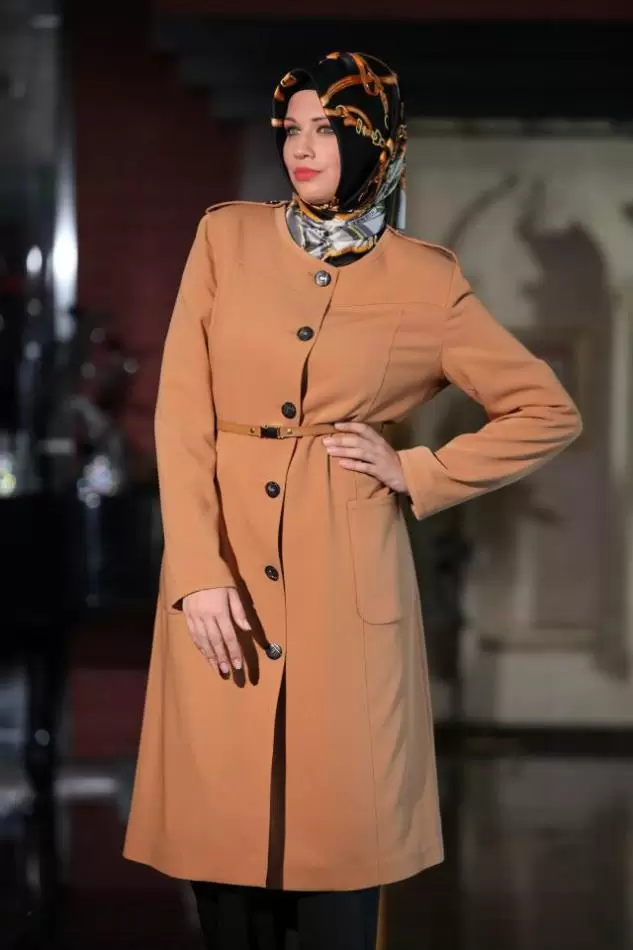
Camel Coats Are Universally Flattering
This camel-colored coat demonstrates why this shade works on everyone — it’s warm enough to complement most skin tones while remaining neutral enough to pair with any outfit underneath. The structured silhouette prevents it from looking oversized.
Printed Blazers Need Simple Bases
The floral blazer paired with solid navy pieces shows the right way to incorporate bold prints. The blazer becomes the focal point while the coordinating solid pieces provide visual rest for the eye.
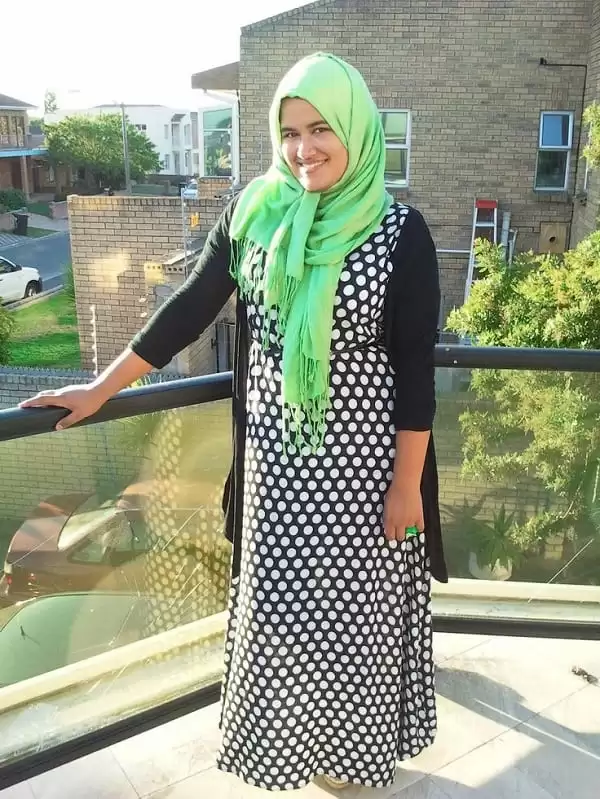
Coral Pink Softens Strong Features
This coral tunic demonstrates how warm pink tones can be incredibly flattering, especially when paired with black accents. The color adds warmth to your complexion while the black provides necessary contrast and definition.
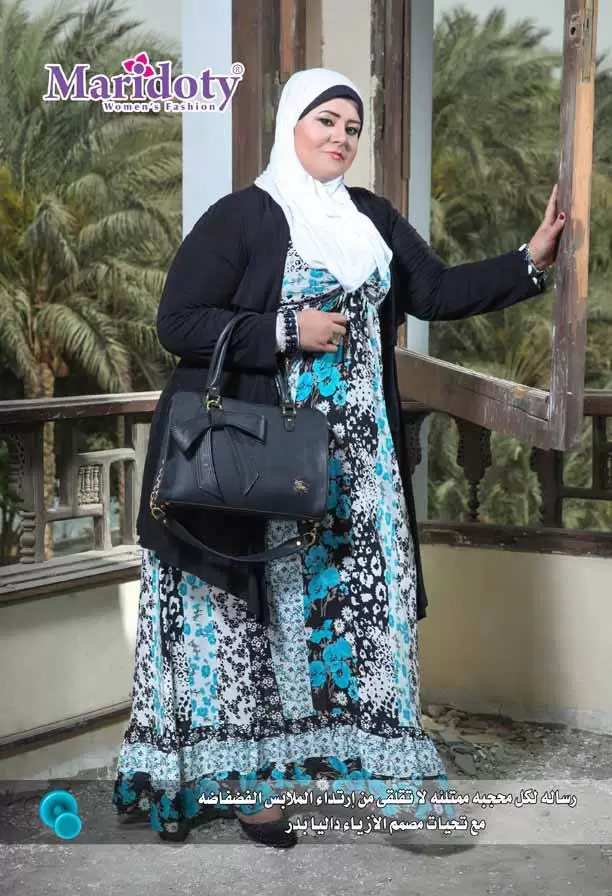
Maxi Dresses Need Defined Waists
The black cardigan over this blue floral maxi creates the waist definition that many maxi dresses lack on their own. Without this visual break, long dresses can create an unbroken column that overwhelms shorter torsos.
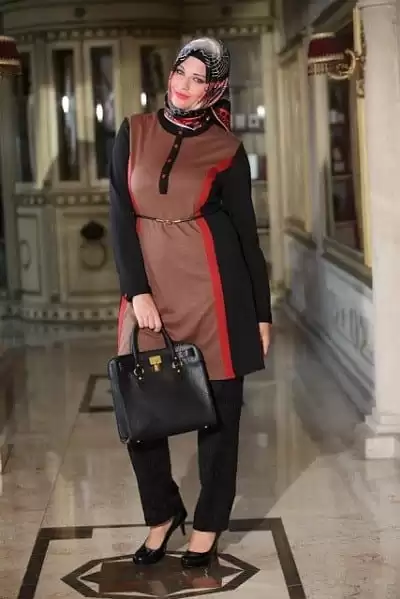
Matching Sets Create Effortless Polish
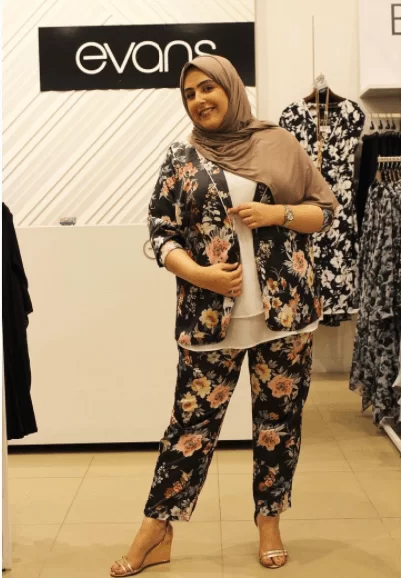
This coordinated floral blazer and pants combination proves that matching sets take the guesswork out of getting dressed. The key is choosing sets in proportions that flatter your specific body type rather than overwhelming it.
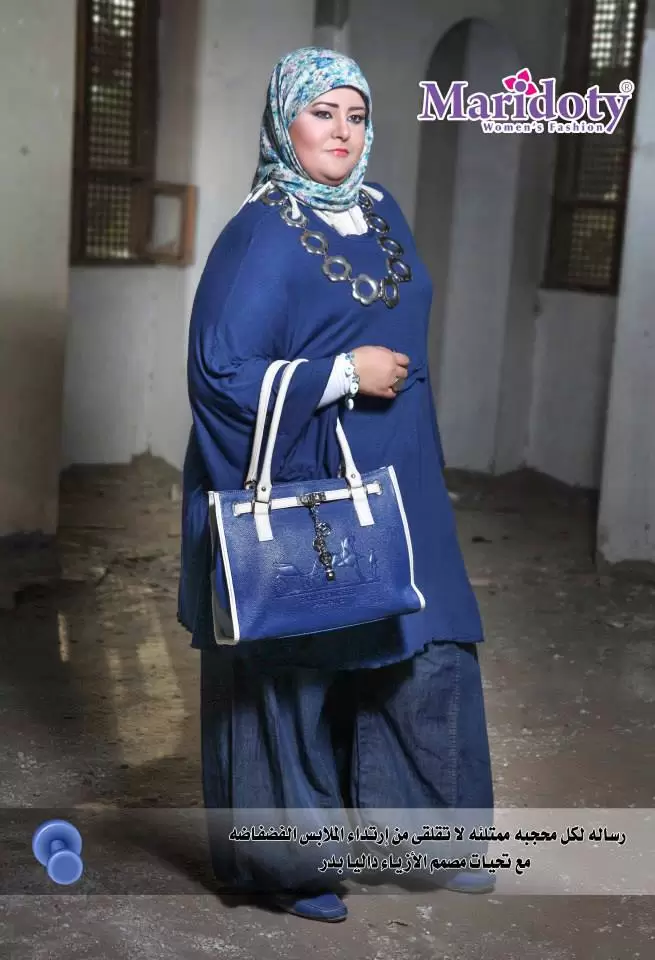
Statement Necklaces Define the Neckline
The geometric necklace with this beige outfit shows how jewelry can create structure around your face and neckline. This is especially important with hijab styling, where the neckline area needs definition to prevent a shapeless appearance.
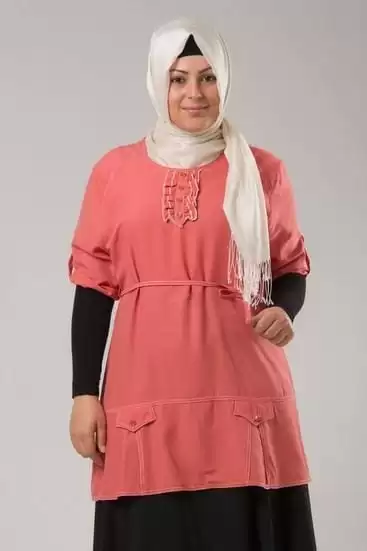
High-Low Hemlines Add Visual Interest
This coral tunic with the high-low hemline creates movement and visual interest while maintaining modesty. The asymmetrical hem prevents the outfit from looking too serious while still providing appropriate coverage.
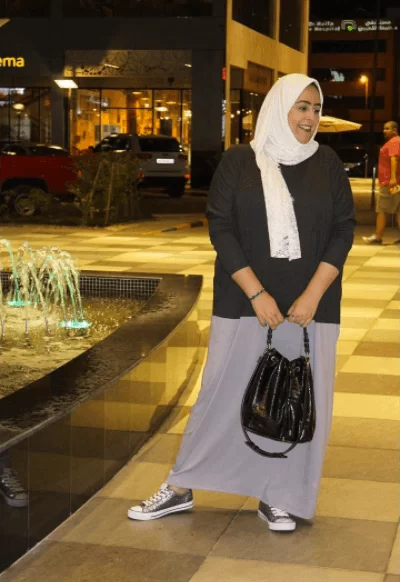
Sneakers Make Formal Pieces Approachable
The gray maxi dress paired with white sneakers shows how casual footwear can make elegant pieces wearable for everyday activities. This mix of formal and casual elements creates a modern, relaxed approach to modest dressing.
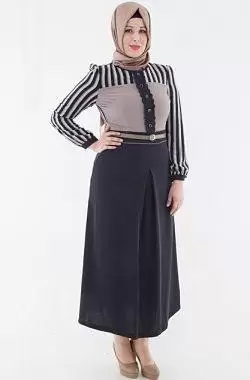
Striped Blouses Need Strategic Styling
The black and white striped top with the solid navy skirt demonstrates how to wear stripes without adding visual width. Vertical stripes work better than horizontal ones, and pairing them with solid bottoms keeps the focus upward.
Pattern Details Add Interest to Basics
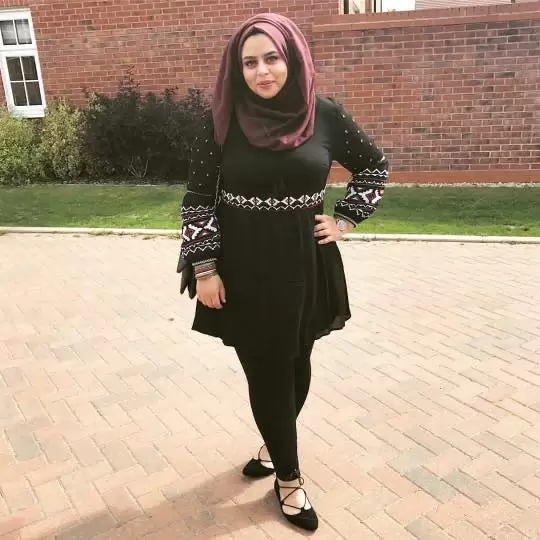
The geometric trim on this black dress shows how small pattern details can elevate simple pieces without overwhelming your silhouette. These subtle embellishments work better than large-scale prints for creating interest without bulk.
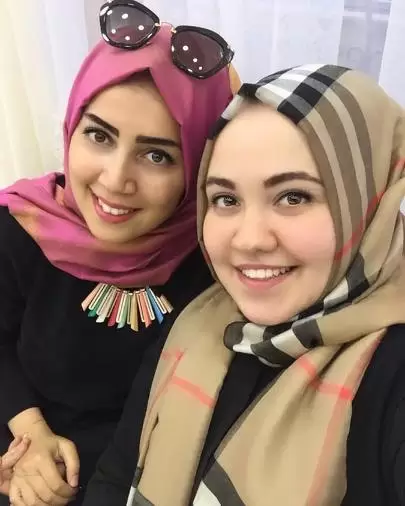
Plaid Scarves Coordinate with Neutral Bases
The Burberry-style plaid scarf with simple black clothing demonstrates how classic patterns can add sophistication to basic outfits. The key is choosing one patterned element and keeping everything else solid and coordinating.
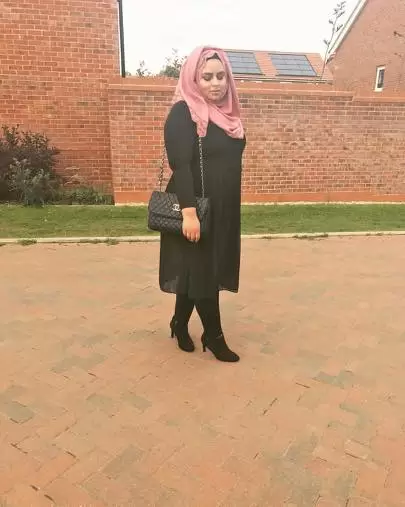
Black Midi Dresses Are Wardrobe Essentials
This pink hijab with the black midi dress shows how changing your headscarf color can completely transform a basic outfit. Black dresses provide the perfect neutral canvas for experimenting with different hijab colors and styling techniques.
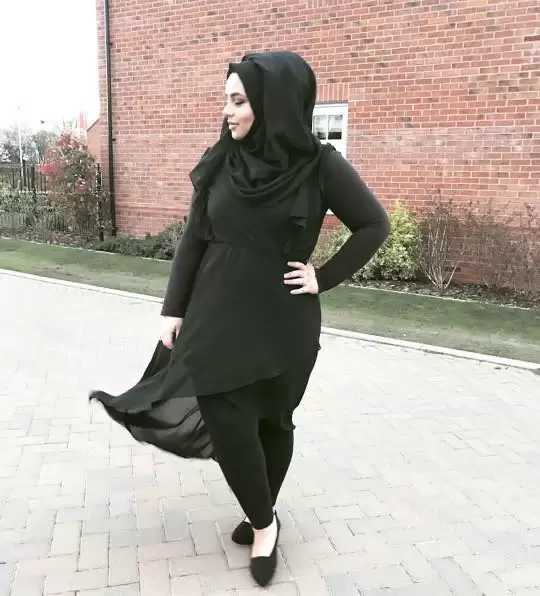
Monochromatic Green Creates Cohesion
The forest green hijab with the matching tunic demonstrates how monochromatic dressing creates a sophisticated, pulled-together appearance. This technique works especially well when you want to appear taller and more streamlined.
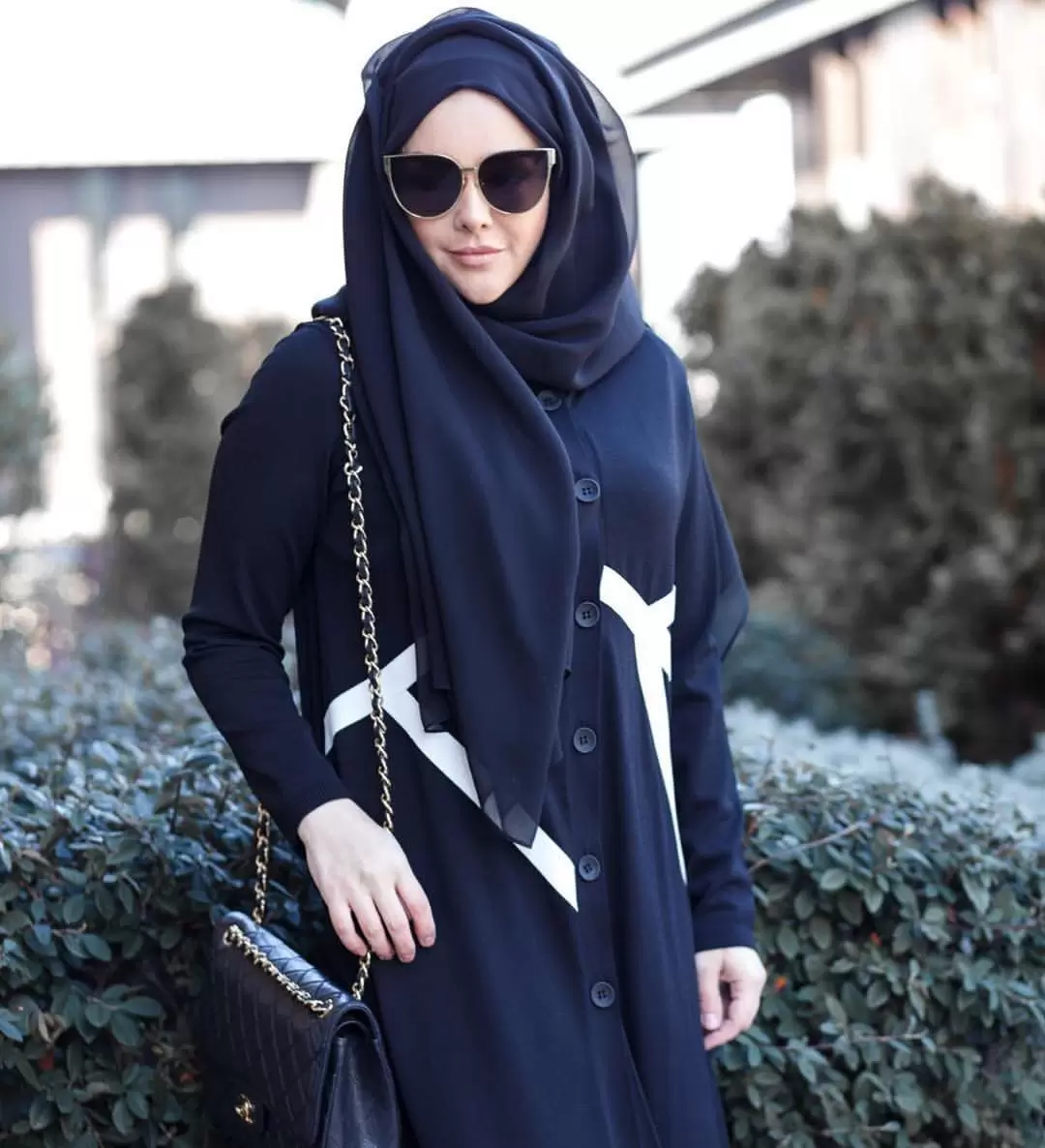
Navy Outerwear Coordinates with Everything
This navy coat with white star details proves that navy is just as versatile as black for outerwear. The playful star pattern adds personality without being too bold, making it appropriate for both casual and semi-formal occasions.
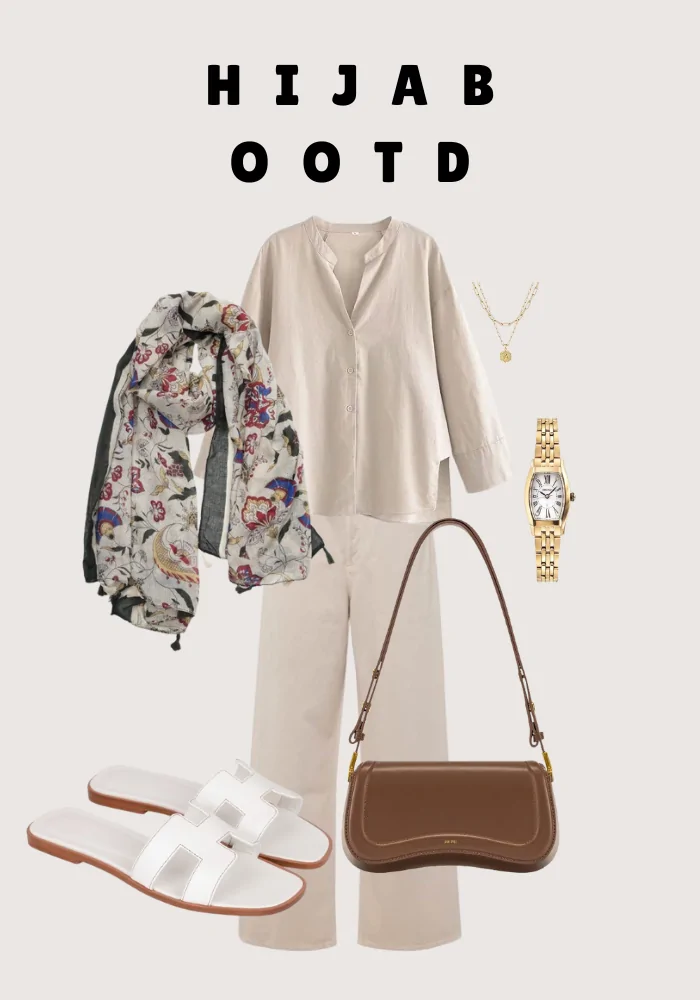
Neutral Styling Guides Apply Universally
This flat lay styling guide demonstrates the key elements of a perfectly coordinated modest outfit — floral scarf for pattern, neutral base pieces for versatility, and metallic accessories for polish. These principles work regardless of your size or personal style preferences.
Key Considerations While Choosing the Outfit
Popular Recommended Outfit Choices
The most versatile pieces in my plus-size modest wardrobe are tunics that hit just below the hip, straight-leg trousers in ponte fabric, and lightweight cardigans that don’t add bulk. These form the foundation of countless outfit combinations because they work with my body rather than against it.
For everyday wear, I reach for midi dresses in ponte or jersey fabric — they’re comfortable enough for all-day wear but structured enough to look put-together. The key is finding styles with subtle waist definition, either through seaming or gentle gathering. When choosing travel outfits, these pieces pack well and transition easily from day to evening.
My go-to formal outfit formula combines a well-fitted blazer with straight-leg trousers and a silk blouse. The blazer creates structure and polish, while the straight leg creates a long, clean line. For special occasions, I prefer A-line dresses with three-quarter sleeves — they’re modest without being matronly and photograph beautifully.
Color-wise, I’ve found that jewel tones like emerald, sapphire, and deep purple are incredibly flattering and photograph well. They’re rich enough to look expensive but not so bold that they overwhelm my frame. Navy, burgundy, and forest green serve as my neutral alternatives to black, offering sophistication with more warmth and personality.
20 Pink Outfit Ideas for Plus Size Women for Chic Look
37 Funeral Outfit Ideas for Plus Size Women To Wear
20 Best Clubbing Outfit Ideas For Plus Size Women
24 Stylish Palazzo Pant Outfit Ideas for Plus Size Women
19 Plus Size Beach Outfit Ideas with Styling Tips
26 Plus Size Shorts Outfit Ideas with Styling Tips
24 Best Plus Size Wedding Guest Outfit Ideas to Try This Year
17 Elegant Plus Size Workwear Outfits Ideas with Styling Tips