Most women pack all wrong for German winters — they bring either too much or completely the wrong pieces. After spending three winters in Berlin and Munich, I learned this the hard way. My first December there, I showed up with a basic wool coat and leather boots, thinking European winter meant slightly chilly weather. I was wrong on every level.
German winters are serious business. The temperatures drop well below freezing, snow is frequent, and the wet, biting cold cuts right through inadequate layers. But here’s what surprised me most: German women dress incredibly well in winter, combining practical warmth with genuine style. They understand something most visitors miss — winter dressing isn’t about hiding under bulky coats, it’s about strategic layering and choosing pieces that work together.
The key is building outfits around a few essential pieces that handle both the weather and the culture. Germans appreciate put-together looks, even in winter, but they value function as much as form. After years of trial and error, I’ve figured out exactly what works.
Styling Tips
Layer strategically, not randomly — German winter layering follows a system. Base layer should be moisture-wicking (merino wool or synthetic), middle layer provides insulation (cashmere sweater or fleece), outer layer blocks wind and moisture. I learned this when my cotton t-shirt under a wool sweater left me clammy and cold all day in Dresden.
Choose knee-high boots over ankle boots for most outfits. German sidewalks get slushy, and ankle boots leave that vulnerable gap where snow sneaks in. Knee-high boots tuck under straight-leg jeans perfectly and give you complete coverage. I switched after getting soaked feet three days running in Munich.
Invest in a proper wool coat length — it should hit mid-thigh at minimum. German winters are long, and a short coat looks out of place after November. The extra length protects your legs when walking between trams and keeps you warmer when waiting outdoors. I see tourists shivering in cropped jackets while locals stay comfortable in longer cuts.
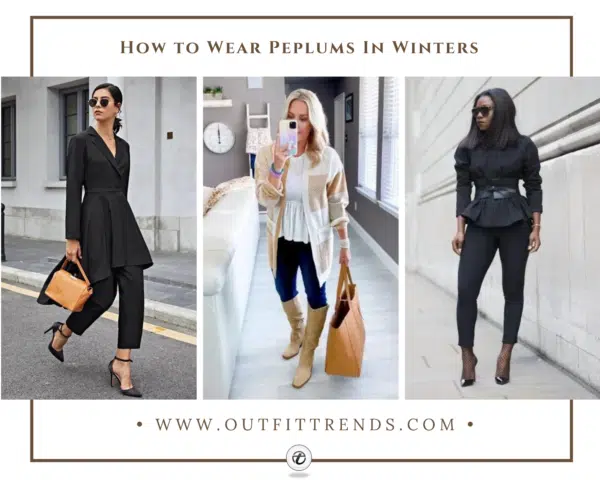
How to Wear Peplum Tops in Winter? 40 Outfit Ideas
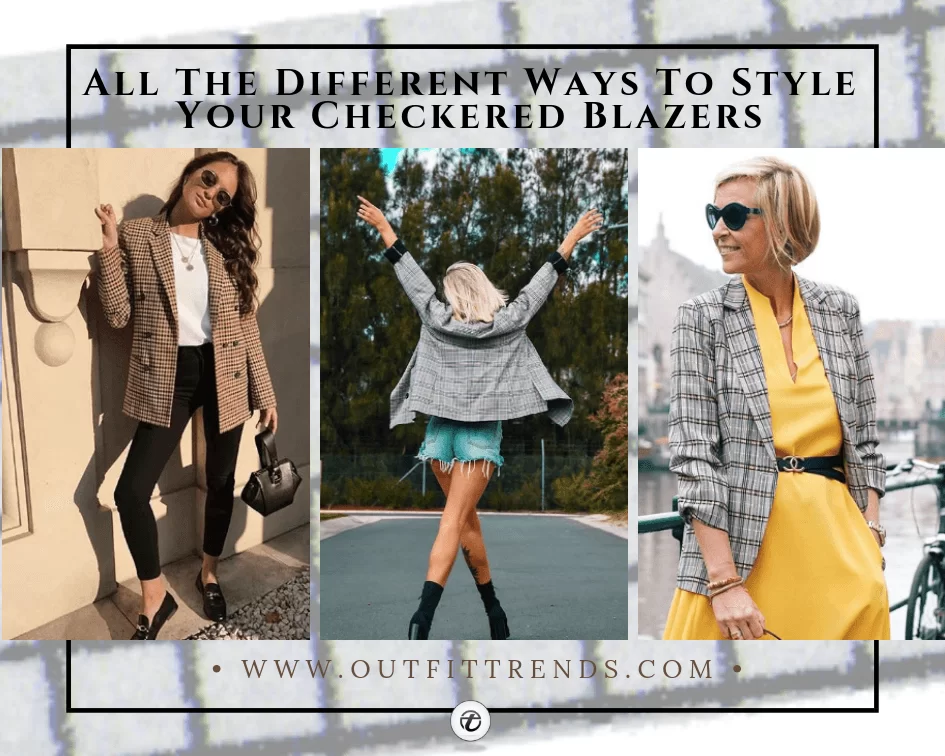
How To Wear Checkered Blazers? 20 Outfit Ideas
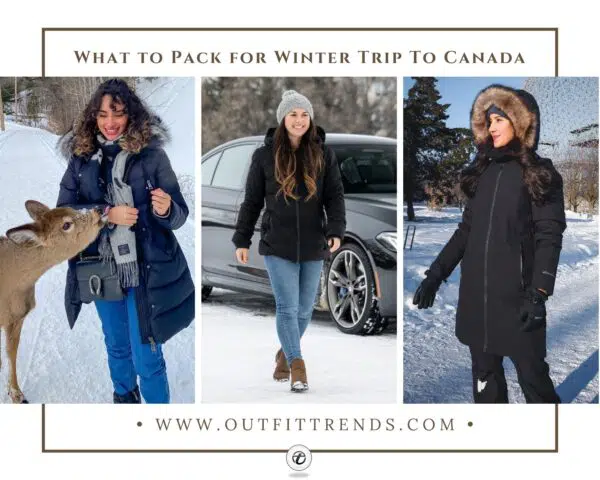
What to Wear in Canada in Winter? 21 Outfits and Packing List
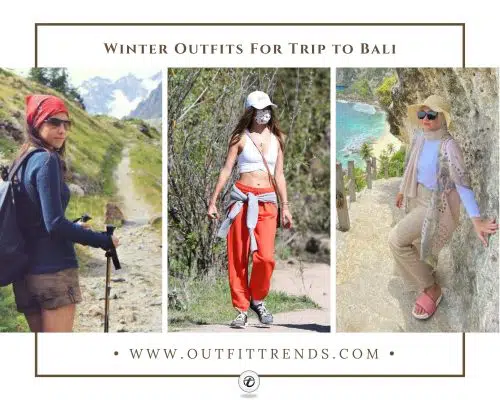
What to Wear in Bali in Winters? 10 Outfits & Packing List
What to Wear in France in Winters? 22 Outfits & Packing List
What to Wear in Japan in Winters? 20 Outfits & Packing List
How To Wear A Red Blazer – 20 Outfit Ideas

What to Wear with Velvet Pants? 25 Outfit Ideas
Embrace turtlenecks as your base piece — they’re not just trendy, they’re essential in German winter. A good turtleneck eliminates the need for scarves indoors and provides neck protection that crew necks can’t match. Choose merino wool over cotton for better temperature regulation and odor resistance.
German fashion icon Claudia Schiffer popularized the minimalist winter look in the 1990s — tailored coats, quality boots, and strategic accessories rather than lots of layers. This aesthetic still influences German street style today.
Master the scarf-coat relationship — your scarf should complement, not compete with your coat. If your coat has a statement collar or texture, choose a simple scarf. If your coat is plain, you can add pattern or color with your scarf. Germans rarely wear both a statement coat and a busy scarf together.
Plan for indoor-outdoor transitions — German buildings are well-heated, so you’ll be constantly removing and adding layers. Choose pieces you can easily carry or tie around your waist. Avoid anything too bulky to remove or too delicate to stuff in a bag.
Dos & Don’ts
Stylish Winter Outfits for Germany
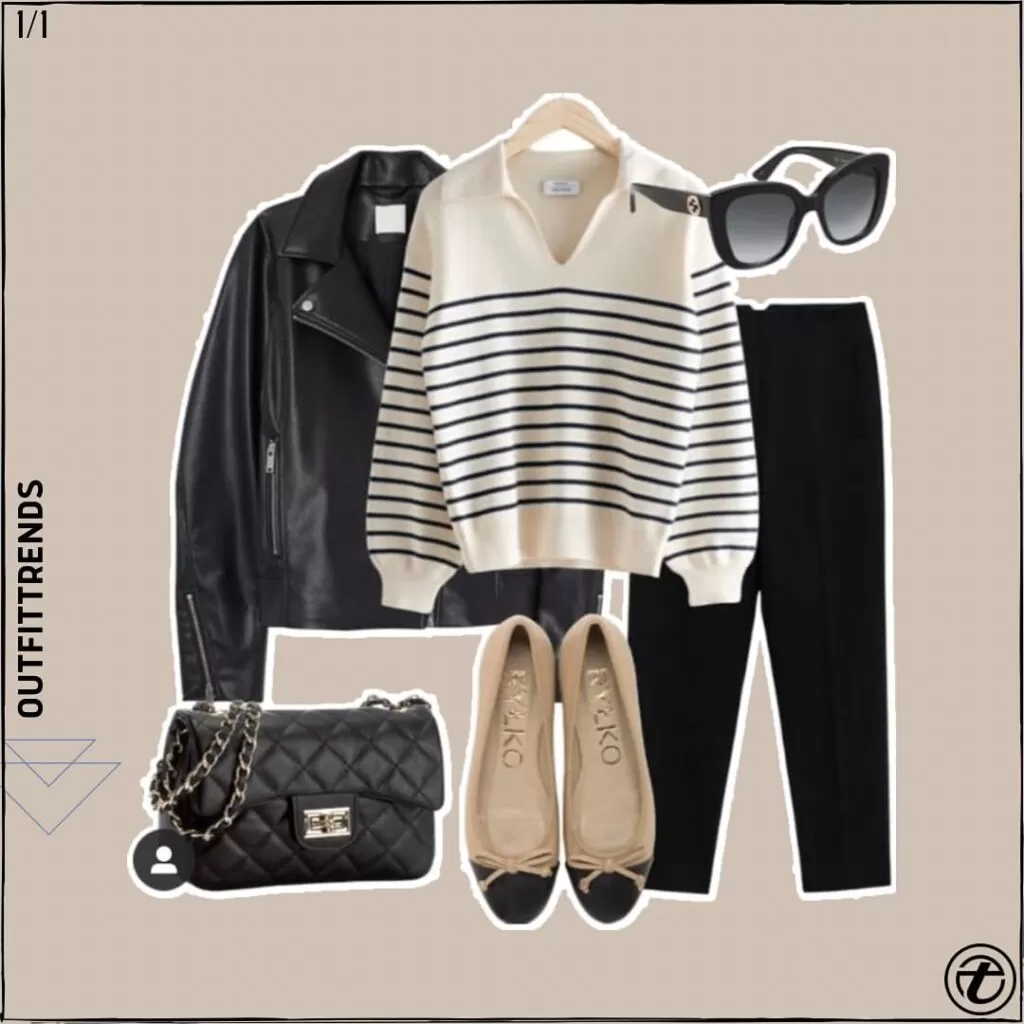
Classic Striped Sweater and Leather Jacket
A cream and navy striped sweater paired with black trousers and a leather jacket creates the perfect balance of casual and put-together. The ballet flats with contrast caps add a Parisian touch that works beautifully for city walks or café meetings. This combination keeps you warm without looking bulky — essential for Germany’s unpredictable winter weather.
Camel Blazer with Distressed Denim
An oversized camel blazer transforms ripped boyfriend jeans into something surprisingly polished. The neutral color palette makes this outfit work for both daytime shopping and evening dinner plans. I’ve worn similar combinations countless times — the blazer’s structure balances the casual denim perfectly.

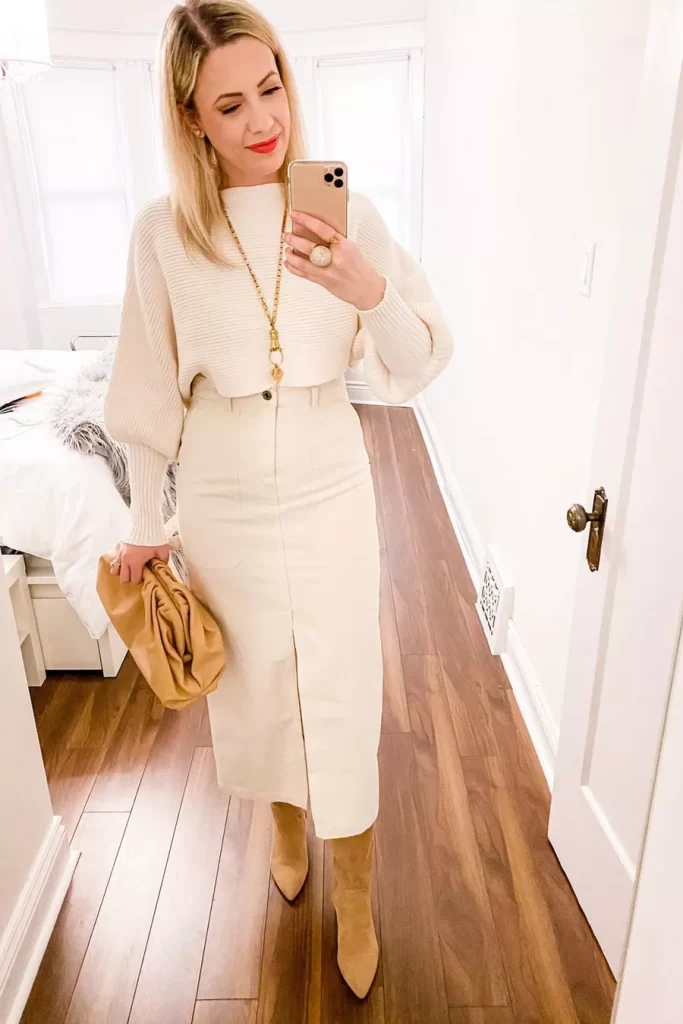
Tonal Cream Ensemble
A ribbed cream sweater with a matching midi skirt creates an effortlessly refined look. The suede ankle boots add texture and warmth while the long necklace breaks up the monochrome palette. This type of tonal dressing photographs beautifully and works especially well in Germany’s historic city centers.
Bold Red Sweater Dress
A bright red knit dress stands out beautifully against Germany’s grey winter skies. The crossbody bag keeps your hands free for navigating cobblestone streets, while the midi length provides warmth without sacrificing style. Red is surprisingly versatile in winter — it pairs with everything from black coats to camel outerwear.
Quick tip
Choose ankle boots with pointed toes to elongate legs when wearing cropped pants.

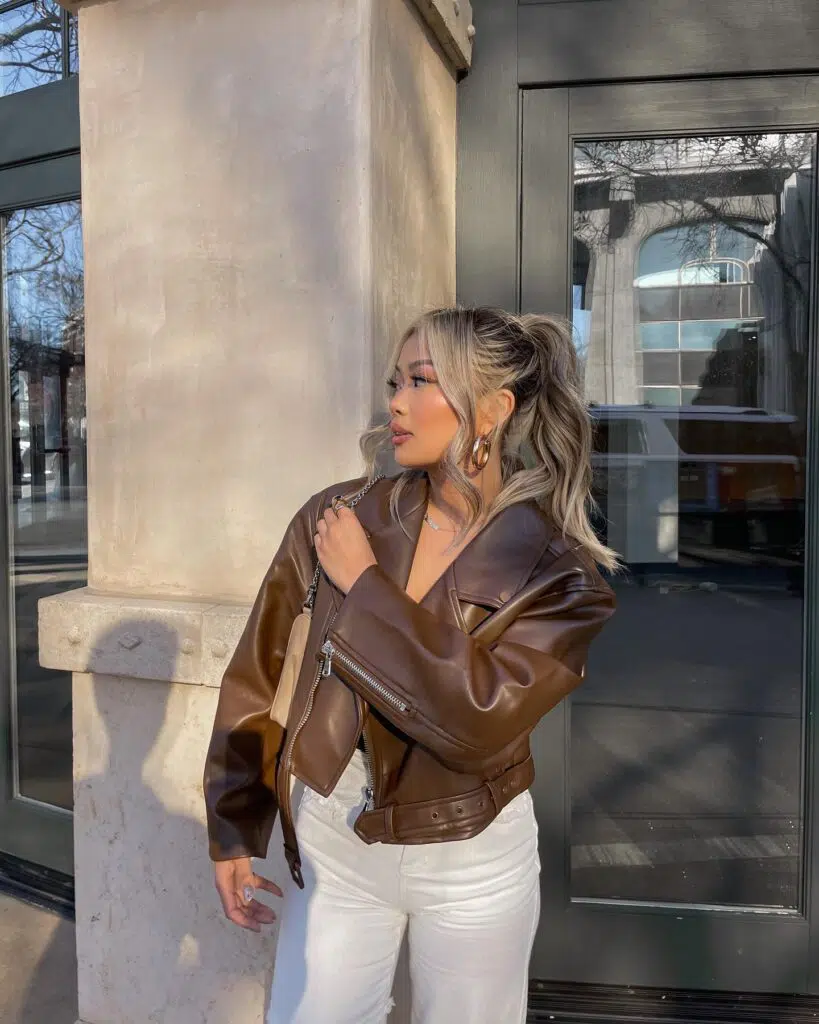
Chocolate Brown Leather Jacket
A cropped brown leather jacket over white denim creates an unexpectedly fresh winter look. The high ponytail shows off the jacket’s collar detail and keeps hair neat under winter hats. Brown leather is often overlooked in favor of black, but it’s actually more versatile with winter neutrals.
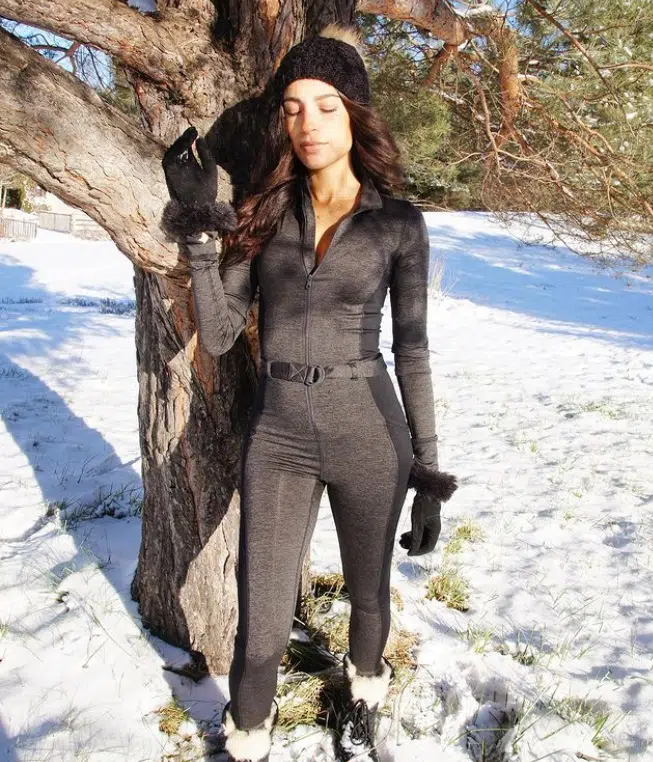
Athletic Ski-Inspired Jumpsuit
A fitted grey jumpsuit with a utility belt channels après-ski style perfectly. The knit beanie and gloves aren’t just practical — they complete the sporty-luxe aesthetic. This type of one-piece dressing is ideal for Germany’s outdoor winter activities while still looking intentional in urban settings.
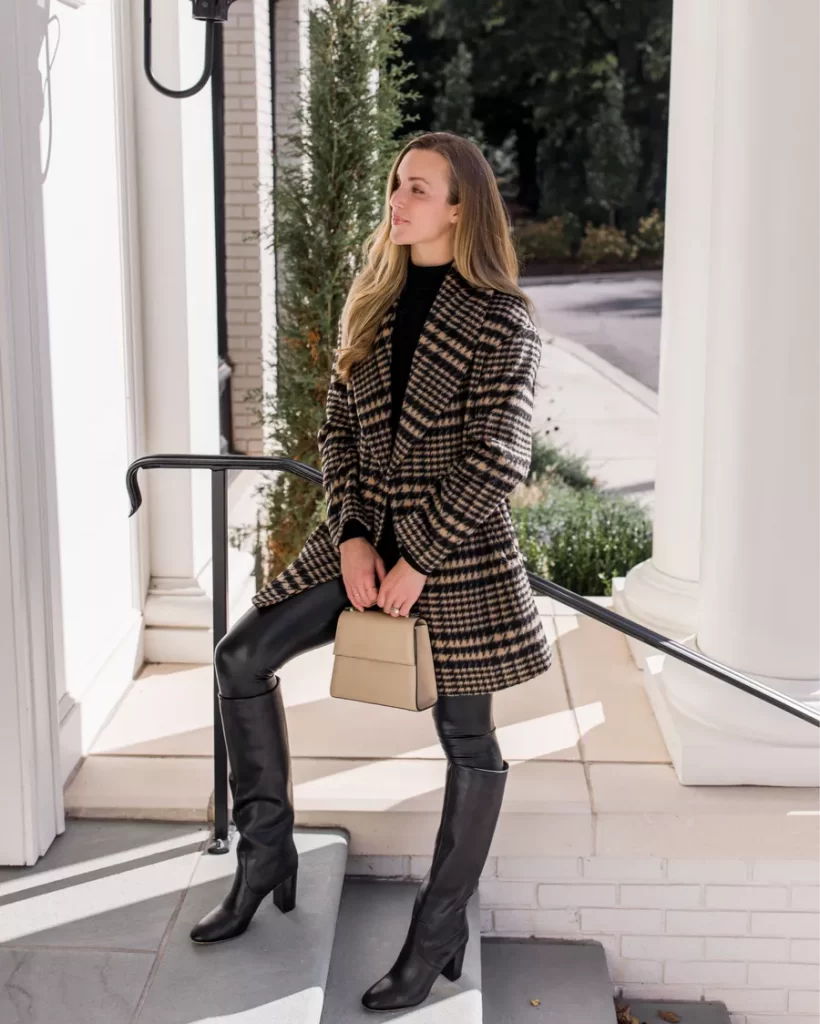
Houndstooth Coat with Tall Boots
A classic houndstooth coat paired with black knee-high boots creates timeless winter elegance. The tall boots black turtleneck underneath provides warmth while keeping the focus on the coat’s pattern. This combination works beautifully for Germany’s more formal winter occasions — from theater visits to business meetings.
Quick tip
Layer thin base layers under chunky sweaters for maximum warmth without bulk.
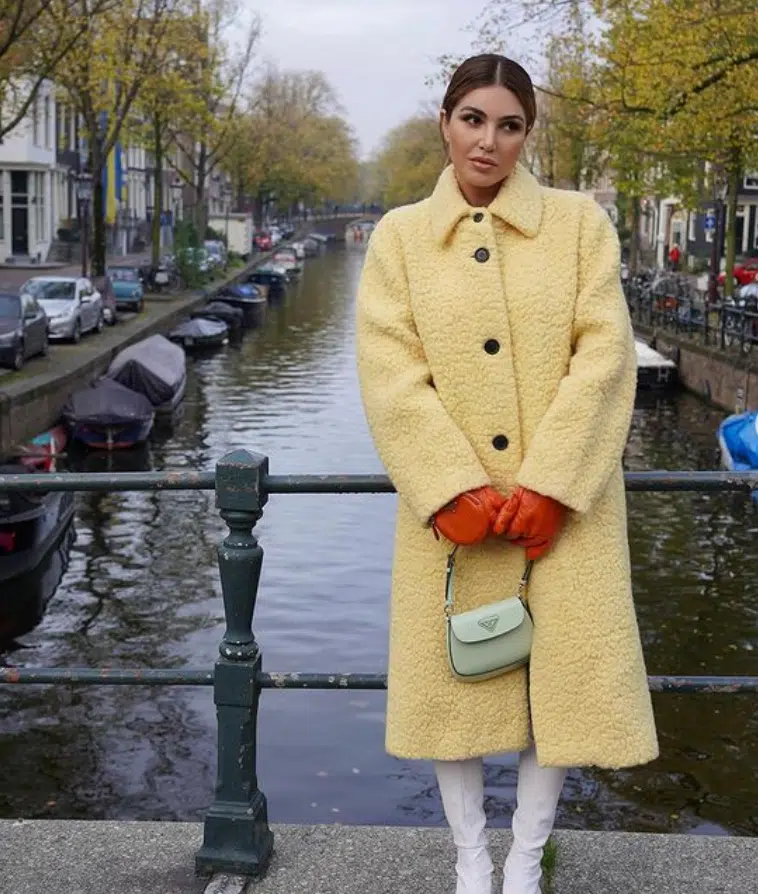
Statement Yellow Teddy Coat
A bright yellow shearling coat makes a bold statement against winter’s muted palette. The white trousers underneath keep the look fresh rather than overwhelming, while the small crossbody bag maintains proportional balance. I love how this type of coat instantly transforms any basic outfit into something memorable.
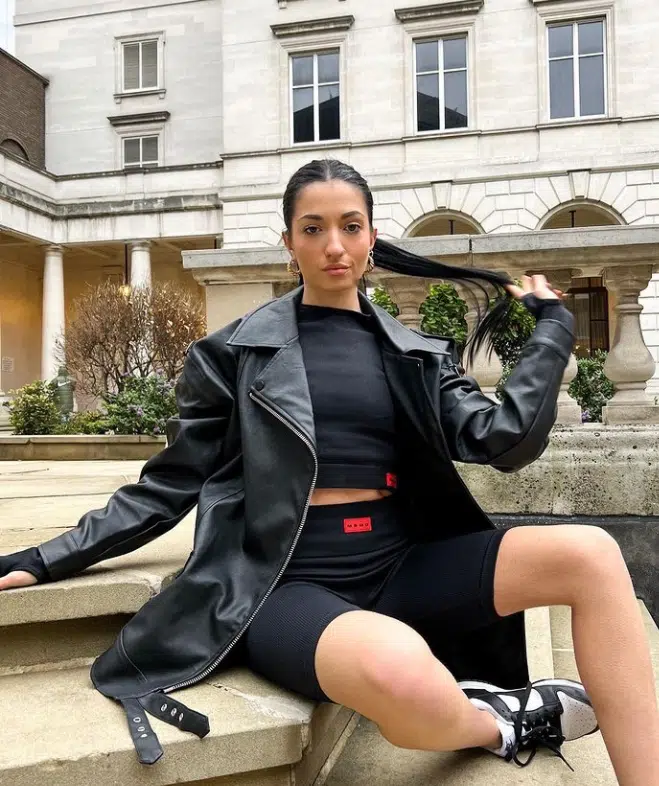
All-Black Athletic Luxe
A black crop top and mini skirt combination layered under an oversized leather jacket creates modern edge. The platform boots add height and drama while providing practical warmth. This look works particularly well for Germany’s nightlife scene — it’s polished enough for dinner but edgy enough for late-night venues.
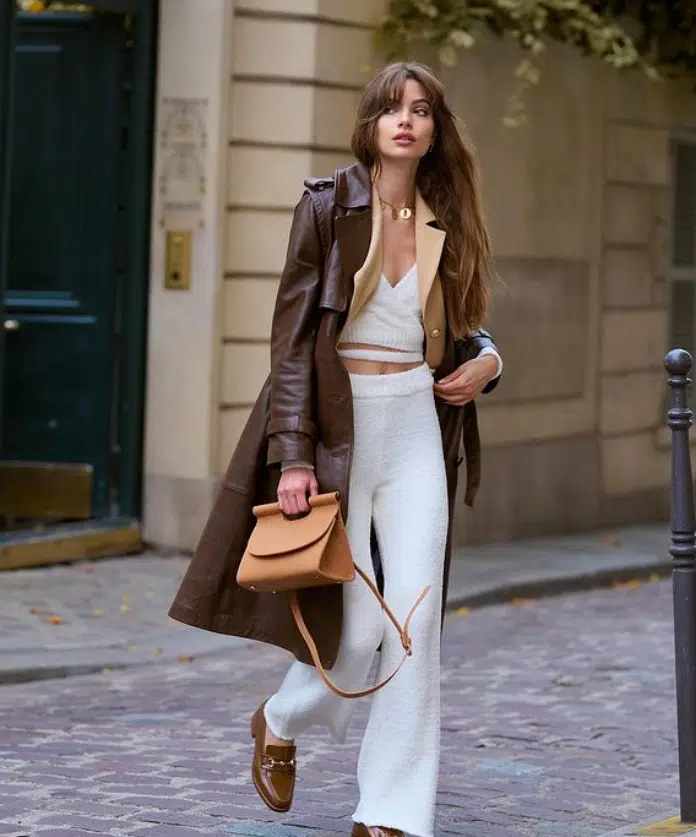
Brown Trench with White Co-ords
A chocolate brown trench coat over cream separates creates sophisticated contrast. The structured handbag adds polish while the neutral palette ensures versatility across different winter settings. This type of layering is essential in Germany — you can easily remove the coat indoors while still looking completely put-together.
Quick tip
Tuck oversized sweaters into high-waisted bottoms to define your waist.
Colorful Knit Sweater with Beret
A chunky knit sweater covered in bright floral motifs paired with a camel beret creates warmth without sacrificing personality. The oversized fit provides room for layering underneath while the playful pattern breaks up winter’s monotony. This works brilliantly for creative types who refuse to disappear into beige during the cold months.

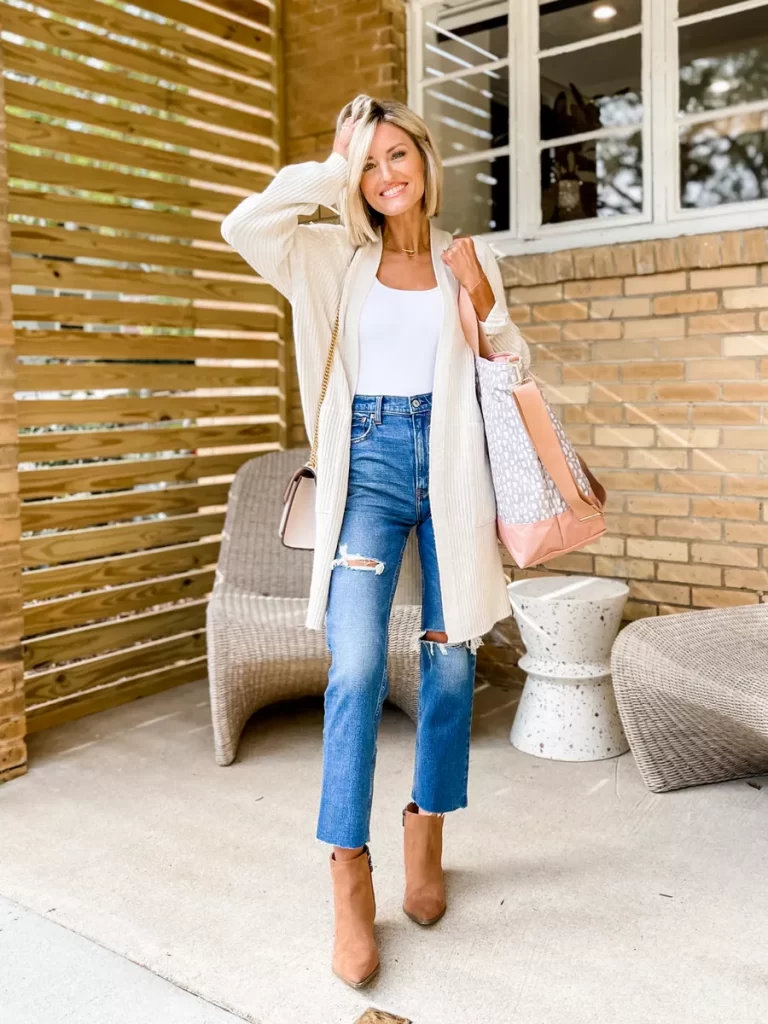
Long Cardigan Over Cropped Jeans
A cream ribbed cardigan worn as an outer layer over a white tank and distressed cropped jeans proves you don’t need a heavy coat for milder winter days. The ankle-length cardigan creates vertical lines that elongate the silhouette while suede ankle boots add texture and warmth. Perfect for transitional weather when you want coverage without bulk.
Textured Cream Sweater with Purple Trousers
A cable-knit cream sweater tucked into wide-leg purple trousers demonstrates how to add color to winter dressing beyond the usual neutrals. The contrasting textures between the chunky knit and smooth trouser fabric create visual interest, while the high-waisted silhouette flatters most body types. Wire-rimmed glasses complete the intellectual-meets-artistic vibe.
Quick tip
Add a structured bag to balance the softness of knitwear.

Key takeaways
- Layer strategically with long cardigans that can substitute for coats in milder weather
- Choose chunky knits with texture or pattern to add visual weight and warmth
- Invest in quality ankle boots that work with both cropped and full-length bottoms
- Don’t fear bright colors in winter — they combat seasonal darkness better than all-black outfits
- Mix textures like cable knits with smooth fabrics to create depth in monochromatic looks
- Use accessories like berets to add European sophistication while keeping your head warm
How to Wear Peplum Tops in Winter? 40 Outfit Ideas
How To Wear Checkered Blazers? 20 Outfit Ideas
What to Wear in Canada in Winter? 21 Outfits and Packing List
What to Wear in Bali in Winters? 10 Outfits & Packing List
What to Wear in France in Winters? 22 Outfits & Packing List
What to Wear in Japan in Winters? 20 Outfits & Packing List
How To Wear A Red Blazer – 20 Outfit Ideas
What to Wear with Velvet Pants? 25 Outfit Ideas