Every client who walks into my studio makes the same mistake with jackets — they think more is better. I’ve watched guys accumulate blazers, bomber jackets, leather pieces, and winter coats until their wardrobes become paralysing puzzles instead of practical tools.
Fit determines everything about how a jacket works. The shoulders need to sit exactly where your natural shoulder ends — no pulling, no excess fabric hanging past the point. I can alter sleeve length and adjust the body, but shoulder fit is permanent. A £50 jacket that fits perfectly will look better than a £500 piece with wrong shoulders. The chest should allow you to button it comfortably with just enough room to slide a flat hand inside. Length matters too: your jacket should cover your belt but not extend past your knuckles when your arms hang naturally.
Most men own the wrong jackets for their actual lives. They buy what they think looks good instead of what works with their daily routine, body type, and existing wardrobe. I’m going to show you exactly which jackets earn their space in your wardrobe and how to wear each one properly.
How to Choose the Right Jacket?
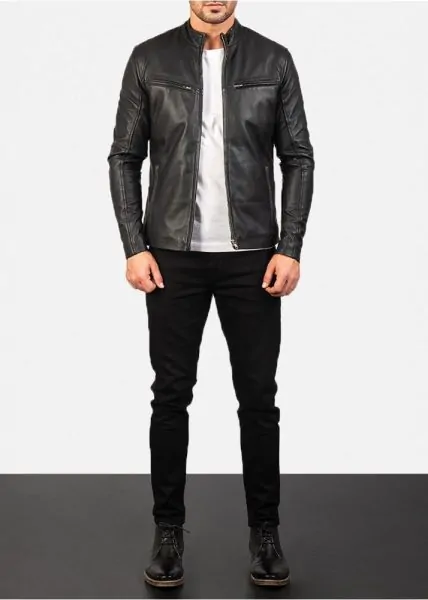
Perfect the black leather jacket foundation
The black leather jacket in this image demonstrates why this piece anchors every man’s casual wardrobe. Notice how it creates a clean silhouette with the white tee and black jeans — no competing patterns or colours. The fitted cut hits right at the hip bone, which elongates the torso without overwhelming a medium frame. This combination works because leather adds texture without bulk, and the monochromatic base lets you focus on fit rather than coordination.
Master the bomber jacket proportions
This olive bomber shows exactly how this style should fit — slightly loose through the body but never baggy. The ribbed cuffs and hem create natural stopping points that define your proportions instead of drowning them. Bombers work best with fitted bottoms because the jacket’s relaxed cut needs balance. Notice how the white tee creates breathing room between the jacket and black trousers — this prevents the outfit from looking too heavy or compressed.

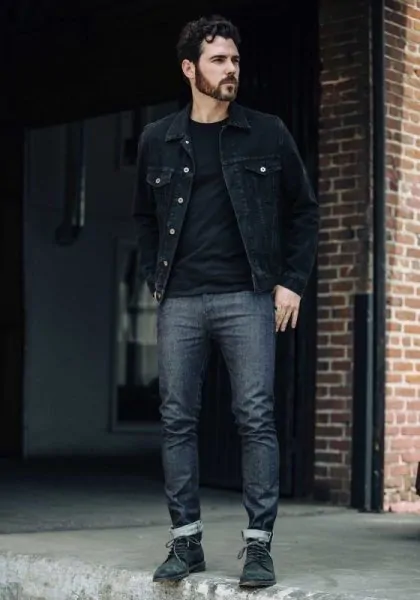
Layer denim jackets strategically
This dark denim jacket proves why this piece works as a middle layer rather than outerwear. The key is contrast — dark jacket over light shirt, worn with different wash jeans. The rolled cuffs show intentional styling rather than poor fit. Most men avoid denim-on-denim, but this works because the jacket and jeans are clearly different shades and the black tee breaks up the denim repetition.
How to Wear Varsity Jacket for Men? 16 Outfit Ideas
30 Best Bomber Jacket Outfits for Men & Styling Tips
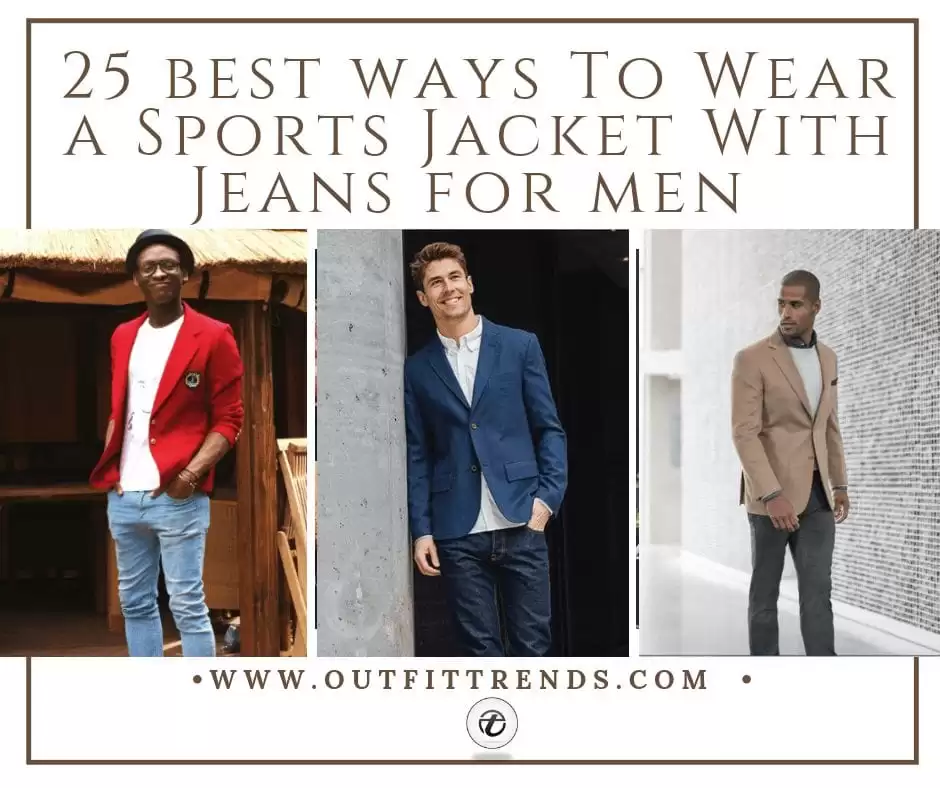
How To Wear a Sports Jacket With Jeans–25 Outfit Ideas for Men
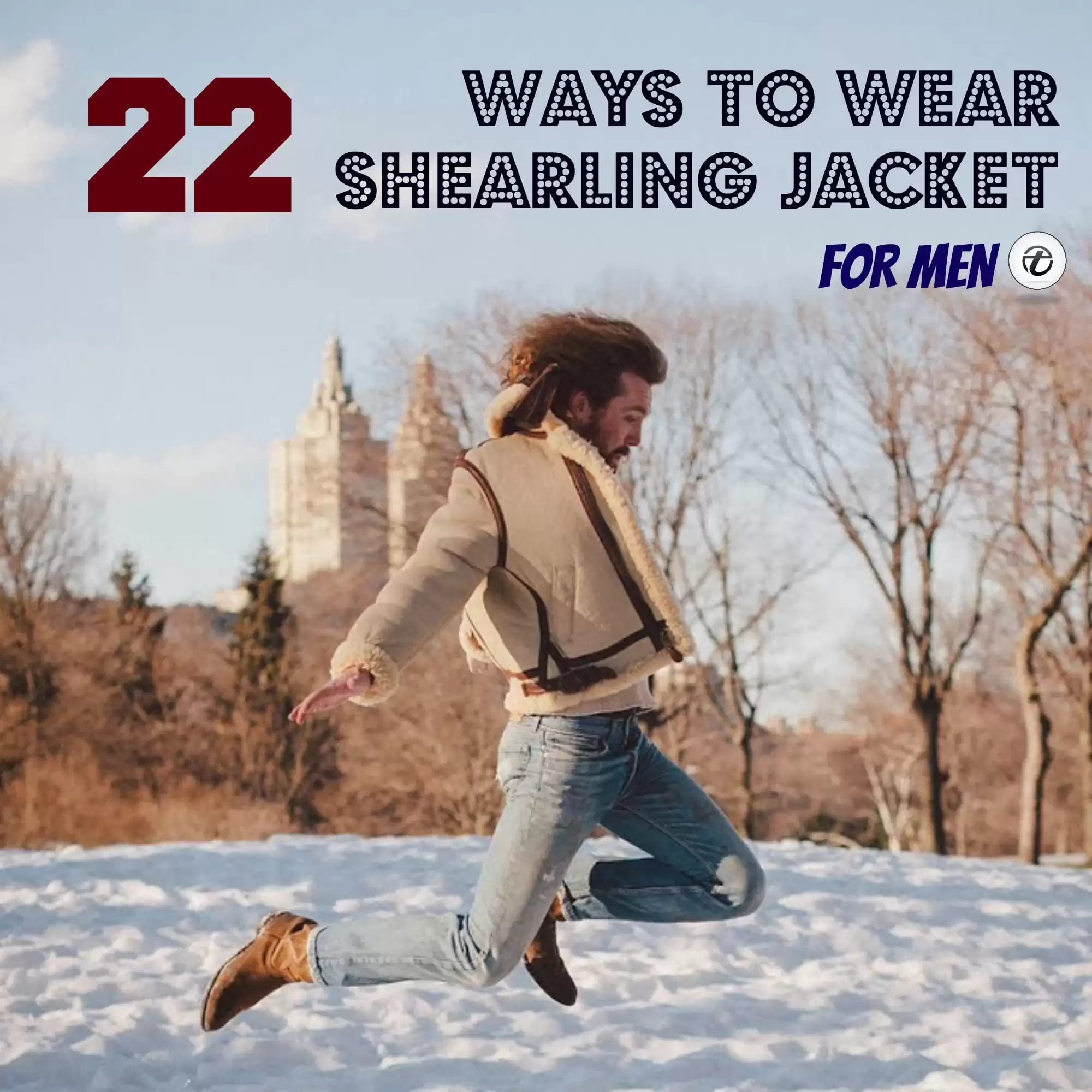
How To Wear Shearling Jacket For Men 22 Outfit Ideas
How To Wear Quilted Jackets for Men? 30 Best Outfit Ideas
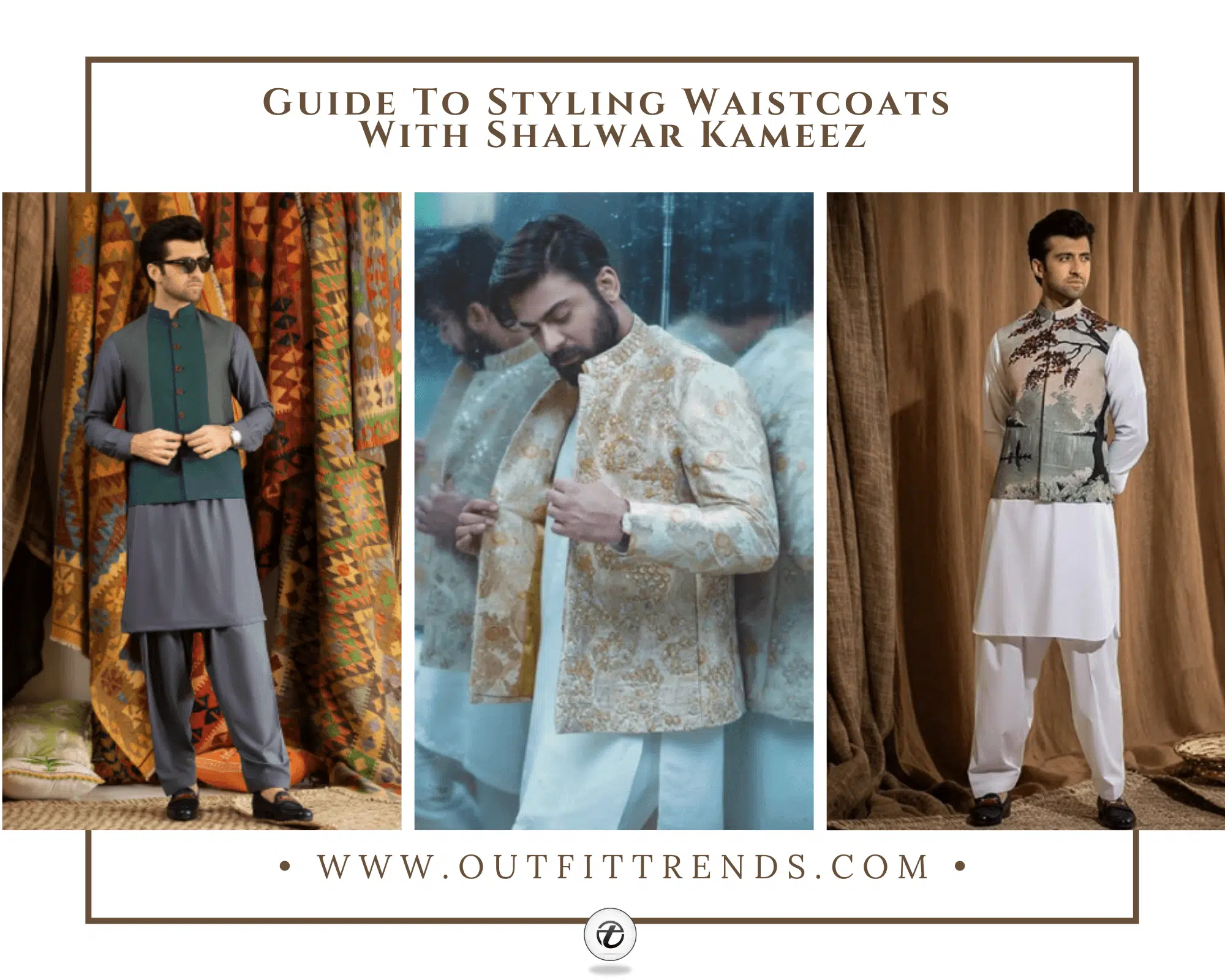
16 Stylish Shalwar Kameez & Waistcoats Combinations For Men
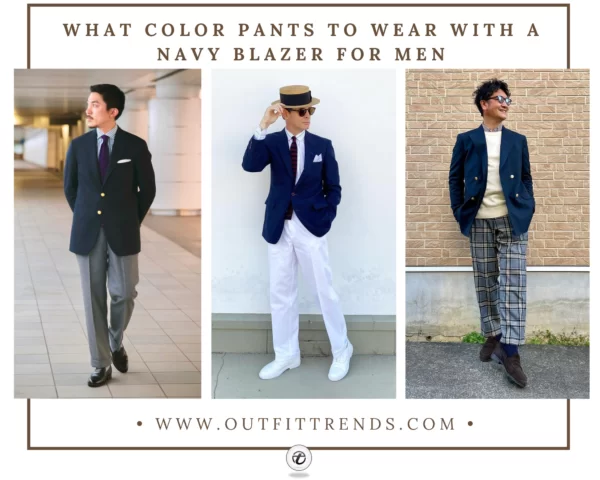
What Color Pants To Wear With A Navy Blazer? 15 Tips for Men
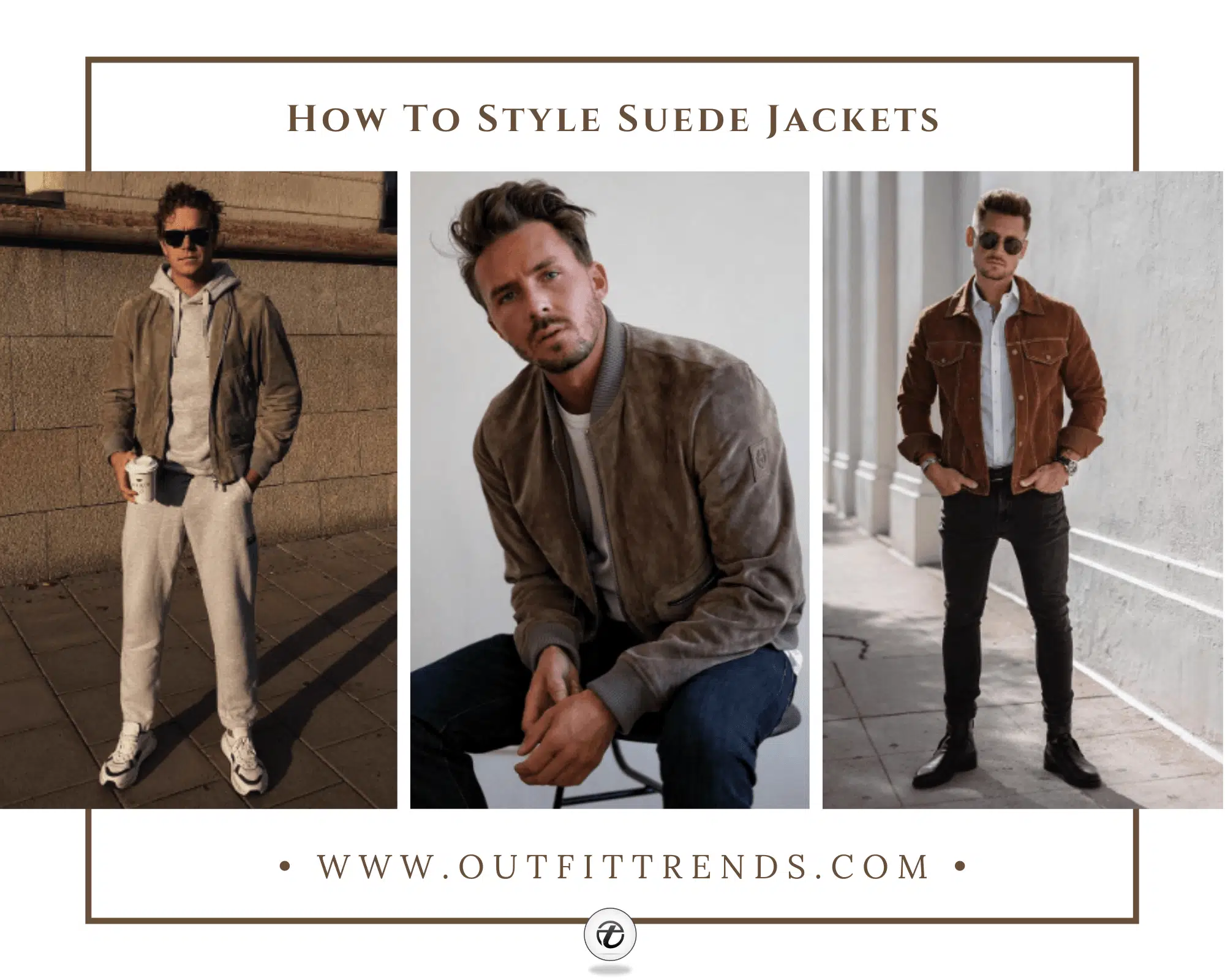
34 Best Suede Jacket Outfit Ideas for Men
Size oversized pieces correctly
This relaxed black jacket demonstrates how to wear oversized styles without looking sloppy. The key is maintaining structure — notice how the shoulders still align with his natural shoulder line despite the loose fit. The cropped length prevents the oversized silhouette from overwhelming his frame. When going oversized, everything underneath should fit closer to the body to create intentional contrast rather than accidental baginess.

The modern bomber jacket originated from military flight jackets worn by US Air Force pilots in the 1950s. The ribbed cuffs and hem were designed to prevent cold air from entering the cockpit at high altitudes.
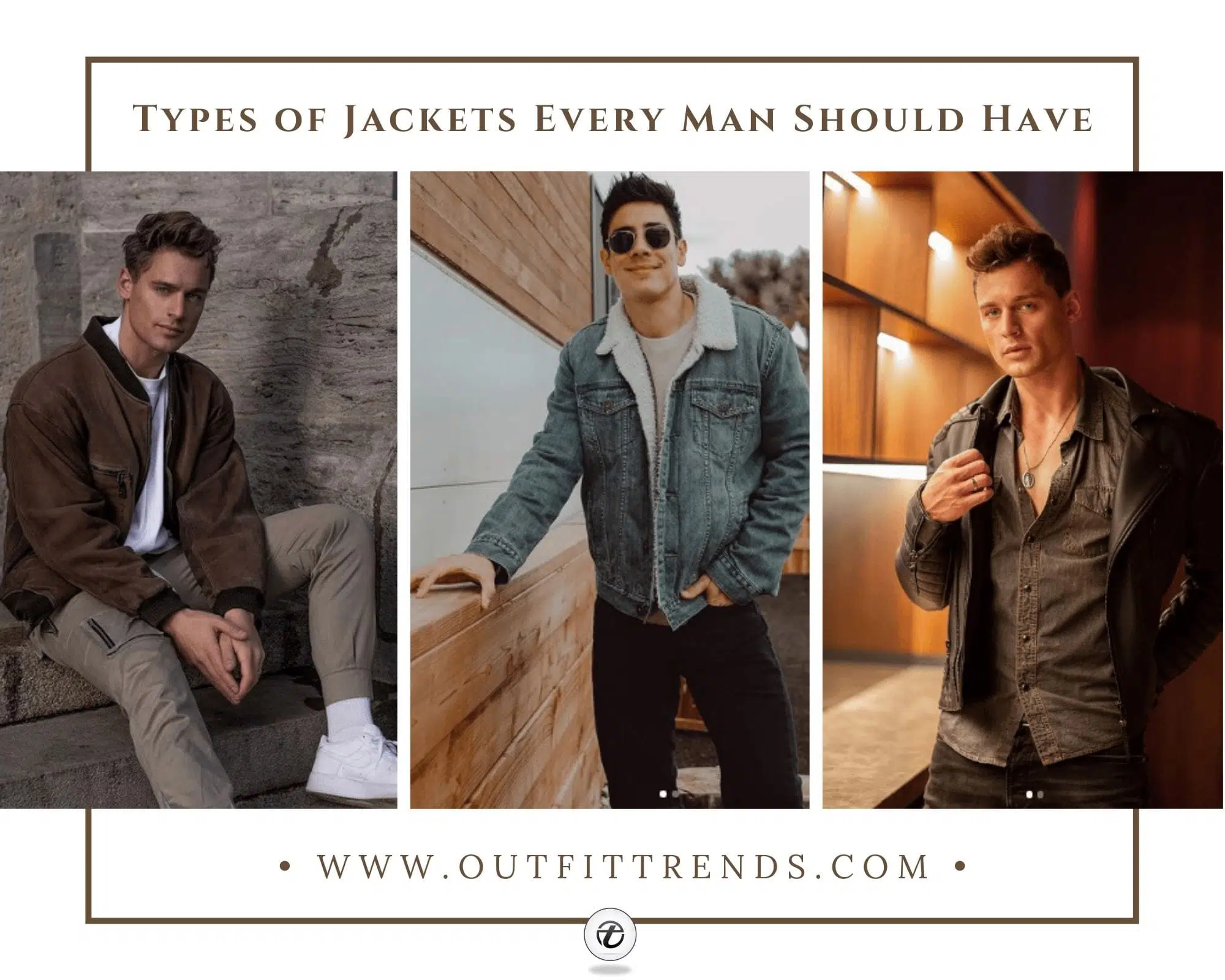
Build a versatile jacket foundation
This styling guide shows the three essential jacket categories every man needs. Notice how each serves a different formality level and weather condition. The bomber handles casual scenarios, denim works for layering, and structured pieces cover smarter occasions. Having one excellent example from each category covers 90% of situations rather than owning multiple variations that serve the same purpose.
Dos & Don’ts
Casual Layered Jackets
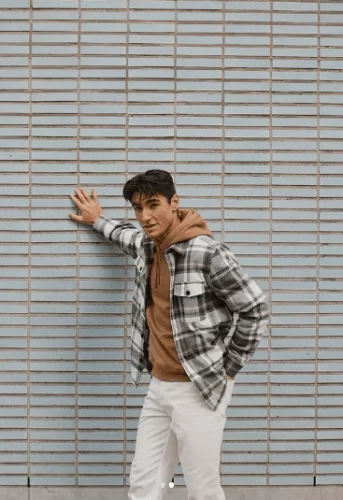
Plaid Flannel Over Hoodie
This layered look combines a brown hoodie with an unbuttoned grey and white plaid flannel shirt, paired with white jeans. The relaxed layering technique adds visual depth without looking bulky because the hoodie provides structure underneath the loose flannel. Perfect for guys who want a laid-back weekend style that still looks intentional rather than thrown together.
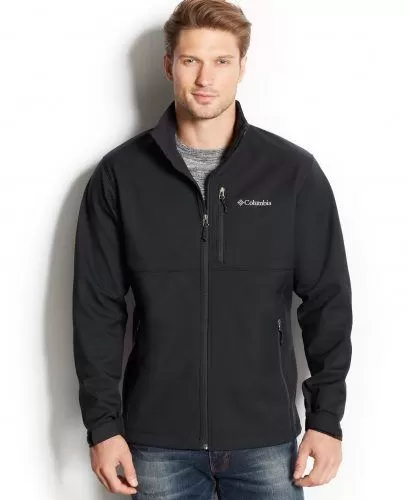
Black Softshell Jacket
A fitted black softshell jacket worn over a grey crew neck sweater creates a clean, versatile outfit that works from casual Friday to weekend errands. The streamlined silhouette avoids the bulky look of traditional outdoor jackets while still providing weather protection. This style works best on guys with a straight or athletic build who want functional outerwear that doesn’t compromise their proportions.
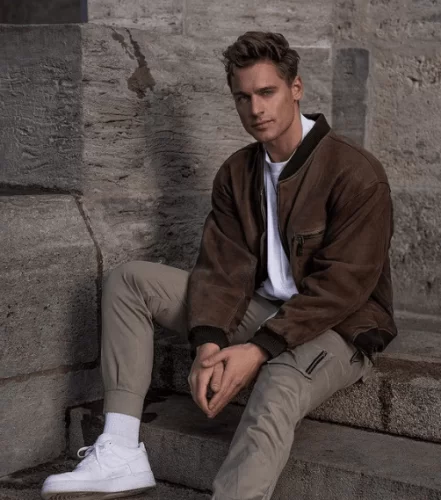
Brown Bomber with Neutral Tones
The brown bomber jacket paired with khaki joggers and white sneakers demonstrates how monochromatic earth tones create a cohesive casual look. The bomber’s relaxed fit balances perfectly with the tapered joggers, avoiding the oversized trend that can make shorter guys look swamped. This combination works especially well for men who prefer comfort-focused style without looking sloppy.
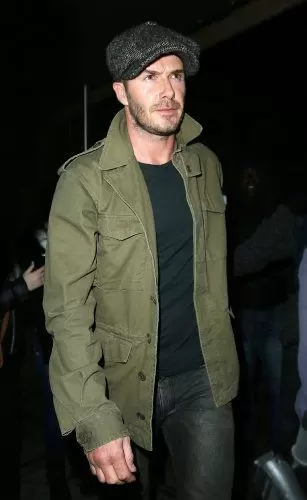
Olive Field Jacket with Beanie
An olive green field jacket over dark jeans creates a rugged, military-inspired look that’s enhanced by the textured beanie. The multiple chest pockets add visual interest and functionality, while the muted color palette keeps the outfit grounded. This style suits men who want to project a tough, practical image without going full tactical gear.
Quick tip
Choose structured jackets over hoodies when you want to look more intentional.
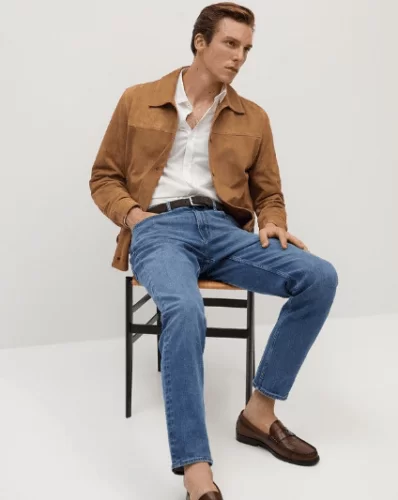
Camel Suede Shirt Jacket
This camel-colored suede shirt jacket worn open over a white button-down creates a smart-casual look that bridges the gap between formal and relaxed. The shirt-jacket hybrid provides more structure than a regular shirt while remaining less formal than a blazer. Best for men who need versatile pieces that work in both office and social settings.
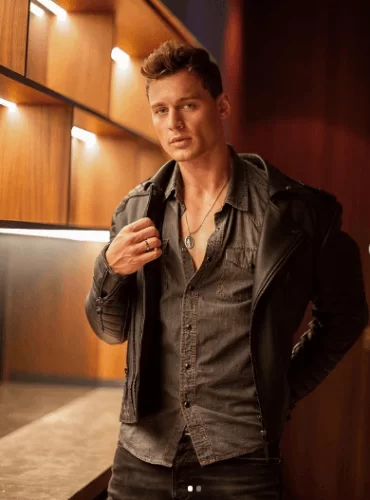
Black Leather Jacket Evening Look
A black leather jacket over a dark button-down shirt creates a classic evening outfit that’s been reliable for decades. The tonal black layering with the shirt worn partially unbuttoned adds subtle edge without trying too hard. This combination works best on men with confident personal style who can carry the inherent attitude of leather jackets.
Denim Jacket with Dark Jeans
Wearing a light-wash denim jacket over a brown t-shirt with dark jeans demonstrates the contrasting denim weights rule – different washes prevent the dreaded double-denim monotony. The lighter jacket against darker pants creates visual balance while the brown tee breaks up the blue tones. Perfect for men who want classic American casual style that doesn’t look dated.
Quick tip
Keep bright jackets simple — let bold colors do the talking without competing patterns.

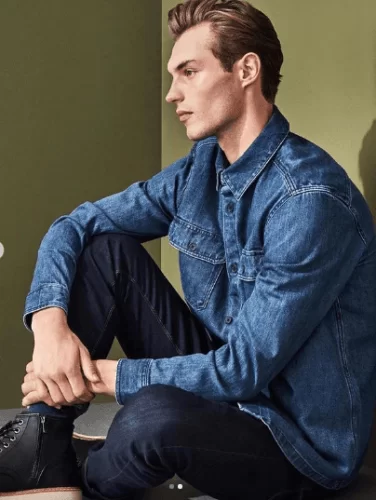
Double Denim Done Right
This all-denim outfit works because of the subtle wash variation between the jacket and dark trousers, avoiding the matchy-matchy pitfall of traditional double denim. The fitted silhouette on both pieces creates a modern take on the classic denim-on-denim look. Best suited for men with lean builds who can pull off the streamlined proportions without looking overwhelmed by fabric.
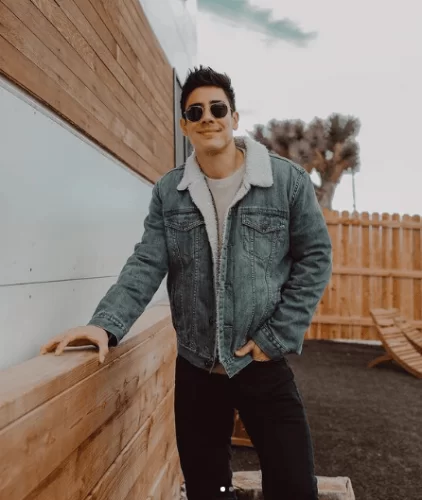
Sherpa-Lined Denim Jacket
The sherpa-lined collar on this denim jacket adds warmth and visual texture while maintaining the classic trucker jacket silhouette. Paired with black jeans, the textural contrast between the fuzzy lining and smooth denim creates interest without clashing. This style works for men who want the durability of denim with added winter functionality.
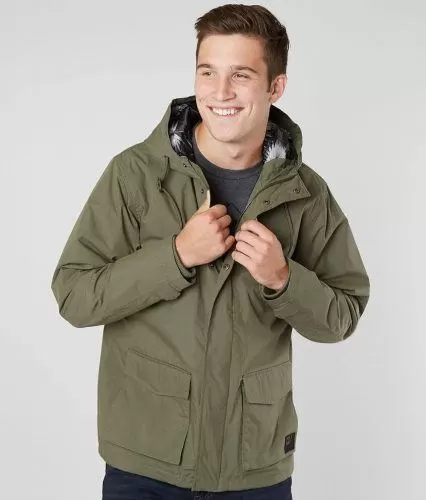
Olive Parka for Cold Weather
This olive green parka demonstrates how utilitarian outerwear can look stylish when properly fitted – notice how it follows the body’s shape rather than hanging like a tent. The multiple pockets and hood provide genuine cold-weather functionality while the military-inspired color remains versatile. Essential for men living in harsh climates who refuse to sacrifice style for warmth.
Quick tip
Layer lightweight pieces under heavy jackets to avoid looking bulky through the torso.
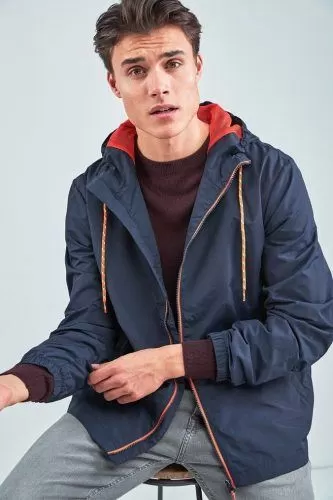
Navy Rain Jacket with Color-Pop Lining
This technical rain jacket proves that functional doesn’t have to be boring. The navy shell keeps you dry while the bright orange lining adds unexpected personality when the hood is up or collar flipped. Perfect for guys who want weather protection that actually looks intentional rather than purely practical.
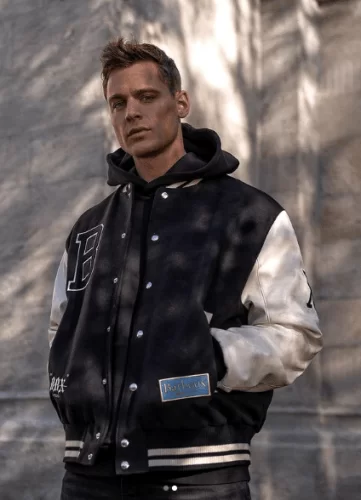
Classic Varsity Jacket in Black and White
The varsity jacket is having a major comeback, and this black-and-white version shows exactly why. The contrast sleeves and clean collegiate styling work over a simple hoodie, creating that perfect balance between sporty and street-ready. Best choice for younger guys who want to tap into the preppy athletic trend without looking like they’re trying too hard.
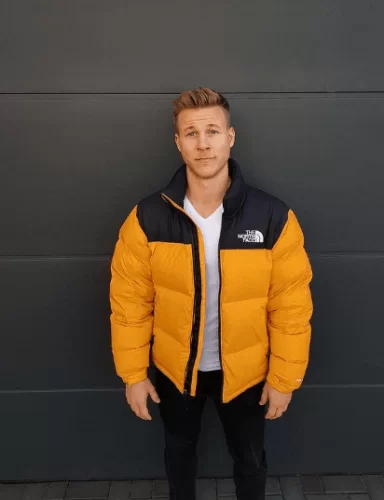
Bright Yellow Puffer Jacket
Bold color puffers like this yellow North Face jacket are statement pieces that require confidence to pull off. The key is keeping everything else neutral — black jeans and a white tee let the jacket do all the talking. Works best for guys with darker hair and skin tones who can handle the intensity of such a vibrant color.
Quick tip
Earth tones like olive and tan work with both warm and cool undertones in your wardrobe.
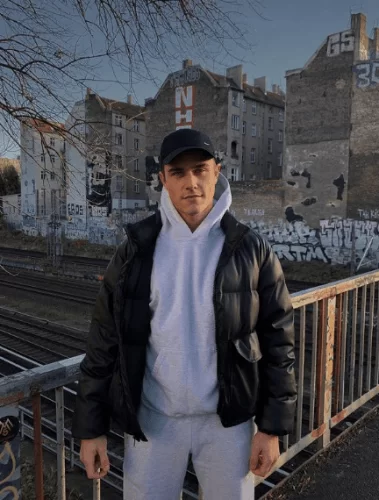
Black Leather Jacket Over Gray Hoodie
The leather jacket and hoodie combination has become a modern classic for good reason. The structured leather adds edge while the soft hoodie keeps things approachable and comfortable. This pairing works particularly well for casual weekend looks where you want to maintain some attitude without looking overdressed.
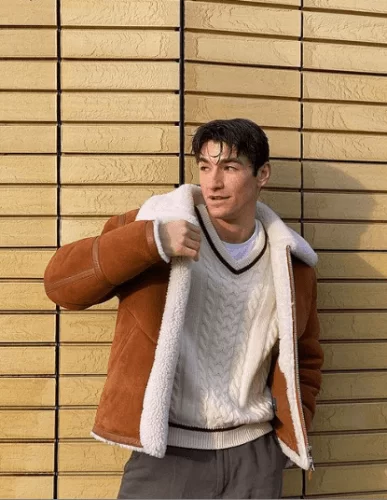
Tan Shearling Jacket Over Cable Knit
Shearling jackets like this tan suede version bring instant warmth and texture to winter outfits. The key is pairing it with equally substantial pieces — that cable-knit sweater has enough weight to balance the jacket’s bulk. Perfect for guys who want to embrace a more rugged, outdoorsy aesthetic without sacrificing style.
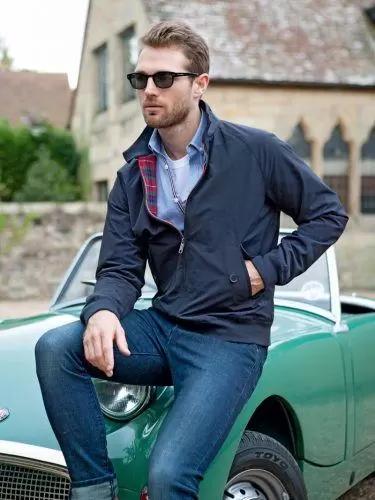
Navy Harrington Jacket with Plaid Shirt
The Harrington jacket is the most versatile piece most men don’t own. This navy version works over everything from t-shirts to button-downs, but pairing it with a plaid shirt creates that perfect preppy-casual vibe. The lightweight construction means it’s your go-to for those tricky in-between weather days when a sweater is too much but a shirt isn’t enough.
Quick tip
Knit blazers bridge casual and formal — unstructured but still polished for versatile styling.
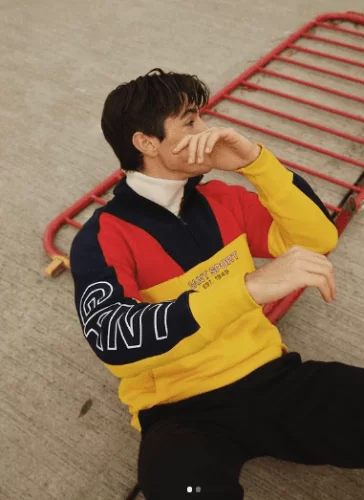
Colorblock Track Jacket in Primary Colors
Retro track jackets bring ’90s sportswear energy to modern wardrobes. This red, yellow, and navy colorblock design works because the colors are bold but classic — avoid neon or overly bright combinations that look costume-like. Best styled with simple dark jeans to let the jacket’s vintage athletic aesthetic take center stage.
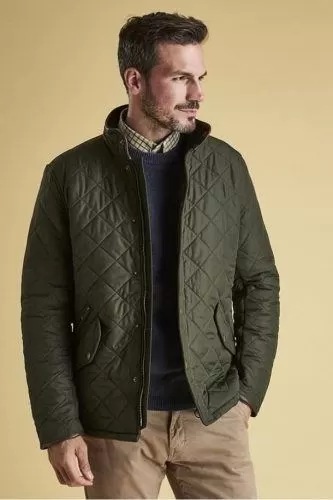
Olive Green Quilted Jacket
Quilted jackets offer texture and warmth without the bulk of a full puffer. This olive green version demonstrates how earth tones can be just as interesting as bright colors while remaining infinitely more versatile. The diamond quilting pattern adds visual interest, and the color works with everything from navy to brown to cream.
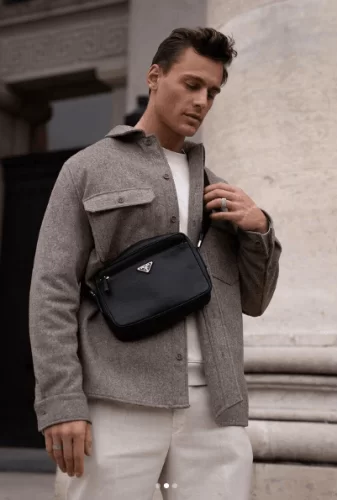
Gray Overshirt with Crossbody Bag
The overshirt bridges the gap between a shirt and a light jacket perfectly. This gray flannel version can be worn open as a jacket or buttoned as a heavy shirt, making it incredibly versatile for layering. The addition of a crossbody bag shows how modern accessories can update classic pieces for contemporary wear.
Quick tip
Match your jacket’s formality to the occasion — track jackets for weekends, blazers for dinner.
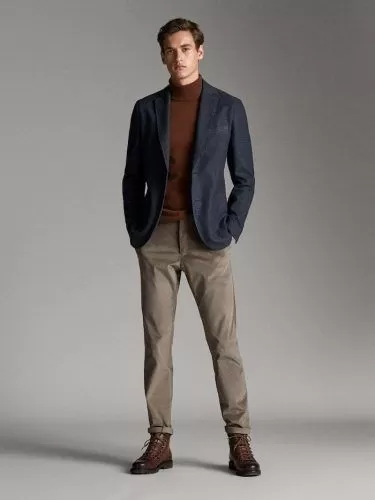
Navy Knit Blazer with Turtleneck
Knit blazers offer the structure of a traditional blazer with the comfort of a sweater. This navy version paired with a brown turtleneck creates a sophisticated yet relaxed look that works for both casual Fridays and weekend dinners. The unstructured construction means you can move comfortably while still looking polished and put-together.
Key takeaways
- Match jacket weight to the rest of your outfit — heavy jackets need substantial pieces underneath to avoid looking unbalanced
- Bright colored jackets work best when everything else stays neutral to avoid visual chaos
- Texture adds interest to simple outfits — quilting, shearling, and knits create visual depth without extra color
- Classic combinations like leather and denim or blazers and turtlenecks work because they balance structure with comfort
- Earth tones like olive, tan, and navy are more versatile than you think — they pair with both warm and cool colors
- Functional details like hoods and pockets should serve a purpose, not just decoration to avoid looking gimmicky
How to Wear Varsity Jacket for Men? 16 Outfit Ideas
30 Best Bomber Jacket Outfits for Men & Styling Tips
How To Wear a Sports Jacket With Jeans–25 Outfit Ideas for Men
How To Wear Shearling Jacket For Men 22 Outfit Ideas
How To Wear Quilted Jackets for Men? 30 Best Outfit Ideas
16 Stylish Shalwar Kameez & Waistcoats Combinations For Men
What Color Pants To Wear With A Navy Blazer? 15 Tips for Men
34 Best Suede Jacket Outfit Ideas for Men