The biggest mistake I see at Pakistani weddings? Women pairing gorgeous lehengas with kurtas that completely overwhelm the silhouette. Last month at my cousin’s mehndi, I watched guest after guest walk in wearing beautiful pieces that looked like they were fighting each other instead of working together.
I’ve been wearing lehenga-kurta combinations since I was twelve, and the secret isn’t about finding the most ornate pieces — it’s about understanding proportion and balance. A long kurta with a lehenga creates one of the most graceful silhouettes in South Asian fashion, but only when you know which lengths work with which cuts, and how to style the dupatta so it enhances rather than hides your shape.
The versatility is what keeps me coming back to this combination. I’ve worn variations to everything from intimate family celebrations to grand wedding receptions, and each time I adjust the styling slightly to suit the occasion. The key is knowing when to let the lehenga be the star and when the kurta should take centre stage.
Styling Tips
Get the kurta length right — it should hit either mid-thigh or just below the knee. Anything in between creates an awkward break in your silhouette. I learned this the hard way at my first wedding wearing a kurta that hit at the wrong spot and made my legs look shorter than they actually are.
Choose contrasting textures over matching sets whenever possible. A silk kurta with a heavily embroidered lehenga creates depth that identical fabrics simply can’t achieve. The contrast draws the eye and prevents that “too matchy” look that screams costume rather than outfit.
Mind your dupatta placement — it can make or break the entire look. Drape it over one shoulder and let it fall behind you to showcase the kurta’s neckline, or bring it across your body if you need more coverage. Never bunch it up at your shoulders where it competes with the kurta’s silhouette.
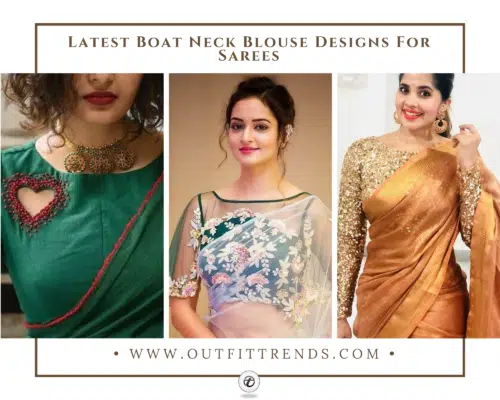
20 Cute Boat Neck Blouse Designs and Ideas to Wear
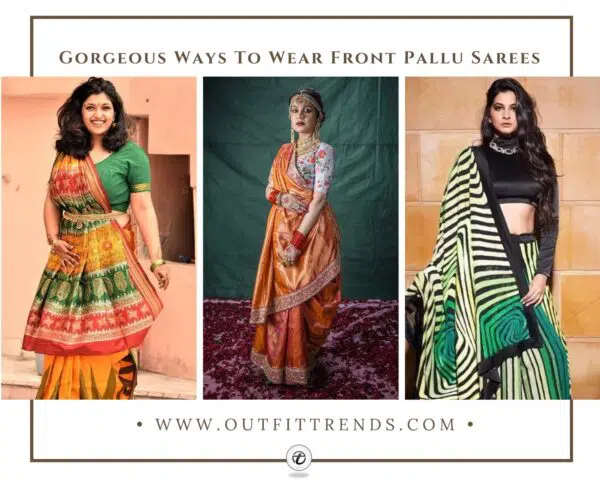
How to Wear Front Pallu Sarees 15 Styling Ideas
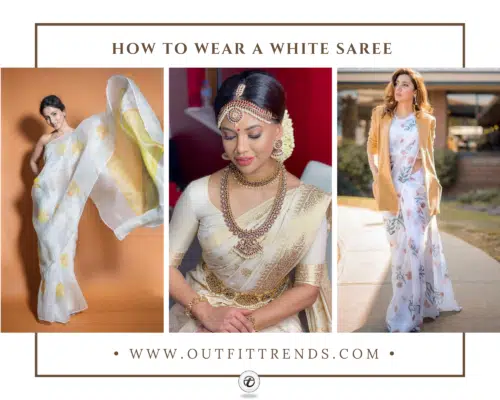
How To Wear A White Saree? 22 Styling Ideas
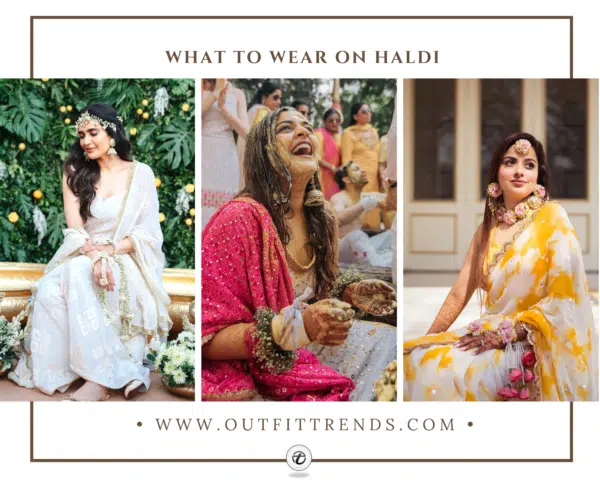
15 Beautiful Haldi Outfit Ideas for the Bride to Wear
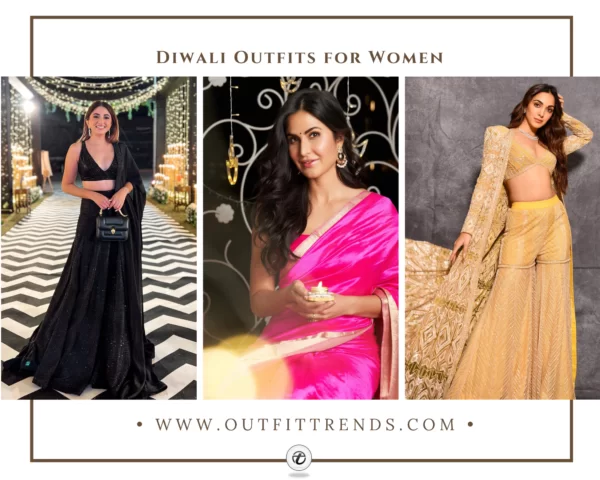
What to Wear on Diwali? 16 Best Outfit Ideas
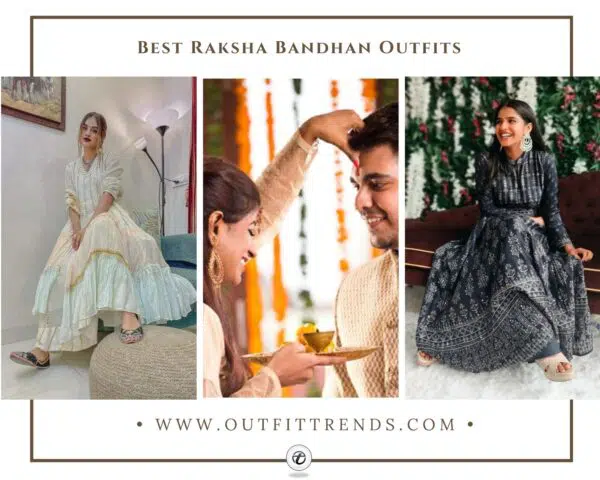
What to Wear on Raksha Bandhan? 18 Stunning Women’s Outfits
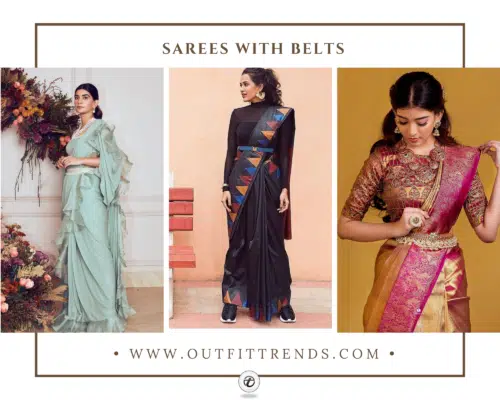
How to Wear Sarees With Belts – 30 Tips And Tutorial
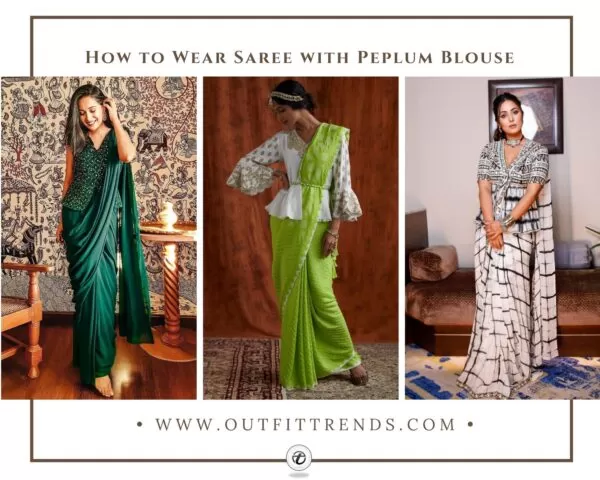
13 Tips on How to Wear Saree with Peplum Blouse or Top
The lehenga-kurta combination became popular during the Mughal era when court dress required both modesty and grandeur. The long kurta provided coverage while the lehenga added the volume and richness expected at royal functions.
Layer your jewellery strategically based on your kurta’s neckline. High necklines call for statement earrings and skip the necklace entirely. Deep necklines can handle both, but keep them in the same metal family to avoid competing elements.
Consider your body’s proportions when choosing kurta fit. If you’re petite, a fitted kurta with a flowing lehenga maintains your waistline. Taller women can handle looser fits, but should still define the waist somehow — either through the kurta’s cut or strategic dupatta draping.
Match your footwear to the occasion’s formality, not just the outfit’s colours. Heavy juttis work for formal events, while simpler mojaris suit family functions. The wrong shoe can make even the most expensive outfit look inappropriate for the setting.
Dos & Don’ts
Long Kurta and Lehenga Style Guide
Purple Dupatta with Nude Lehenga
A cream kurta paired with matching palazzo pants gets instant drama from a deep purple dupatta draped over one shoulder. The monochromatic base keeps the look grounded while the contrasting dupatta color adds richness without overwhelming the silhouette. This works beautifully for mehendi functions where you want color impact but need to move freely.
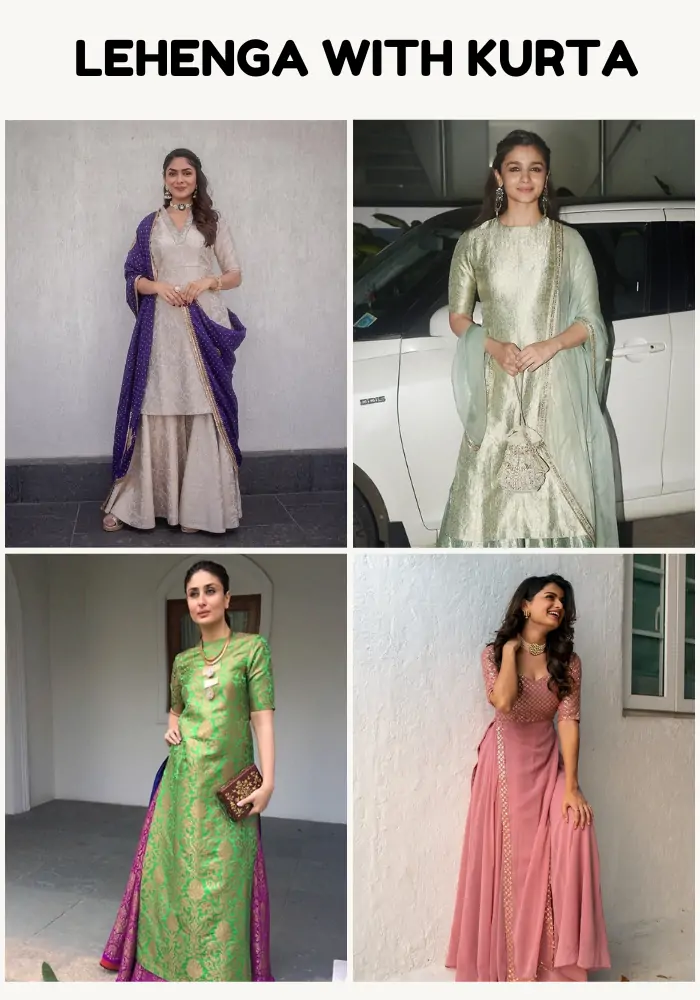
Mint Green Brocade Set
This mint green brocade lehenga proves that matching your kurta and skirt fabric creates seamless elegance for formal events. The heavy gold work throughout maintains visual continuity, while the longer kurta length provides coverage that works for conservative family gatherings. The key is choosing fabrics with enough body to hold their shape under the weight of embroidery.
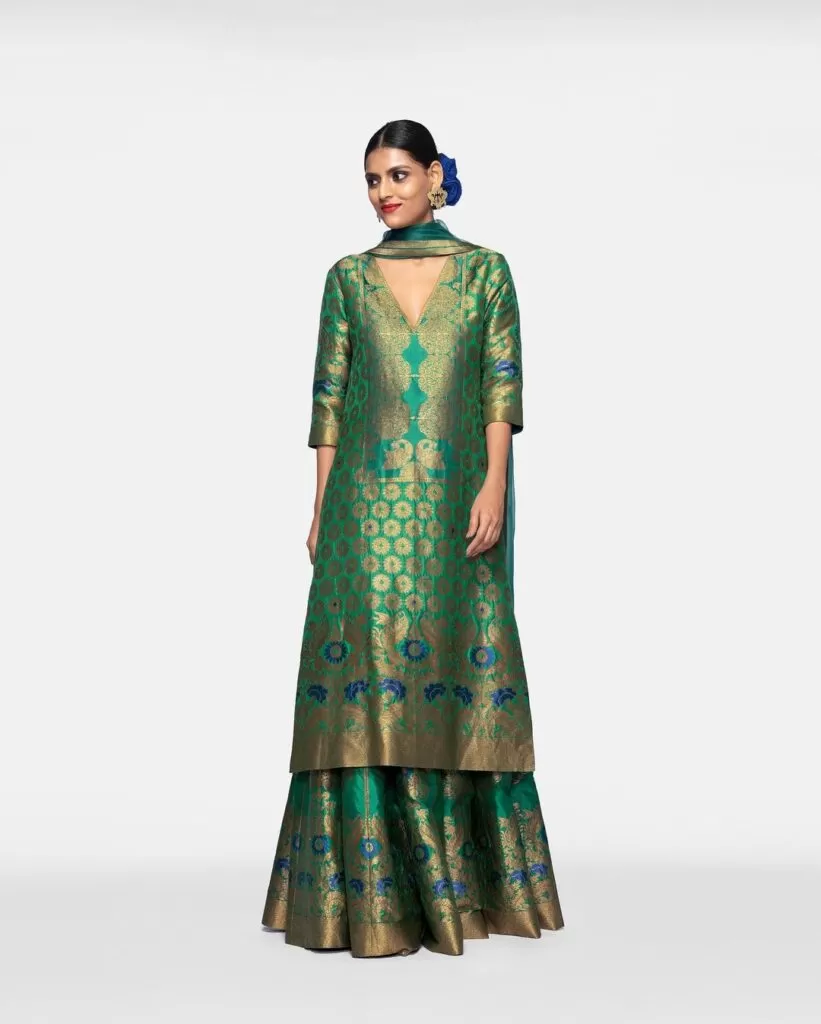
Emerald Green Banarasi Combination
A fitted emerald kurta over a flowing banarasi lehenga demonstrates how mixing textures within the same color family adds depth without chaos. The straight kurta silhouette balances the voluminous skirt, creating proportions that flatter most body types. This approach works particularly well with rich jewel tones that can handle heavy metallic threadwork.
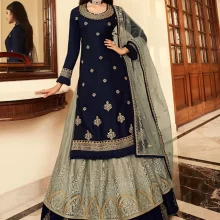
Navy and Gold Anarkali Style
This navy kurta with gold embroidery paired with a coordinating lehenga shows how anarkali-style kurtas work beautifully over traditional skirts. The fitted bodice and flared kurta hemline create an elegant transition to the lehenga, while the consistent color palette keeps everything cohesive. Perfect for evening celebrations where you need both coverage and movement.
Quick tip
Choose gradient fabrics for effortless color coordination between kurta and lehenga.
Forest Green Silk Ensemble
A straight-cut silk kurta in forest green paired with a matching lehenga creates timeless appeal through luxe fabric choices over heavy embellishment. The minimal gold work lets the rich silk speak for itself, making this ideal for daytime celebrations or when you prefer understated elegance. The longer kurta length provides modesty while maintaining the lehenga’s feminine silhouette.
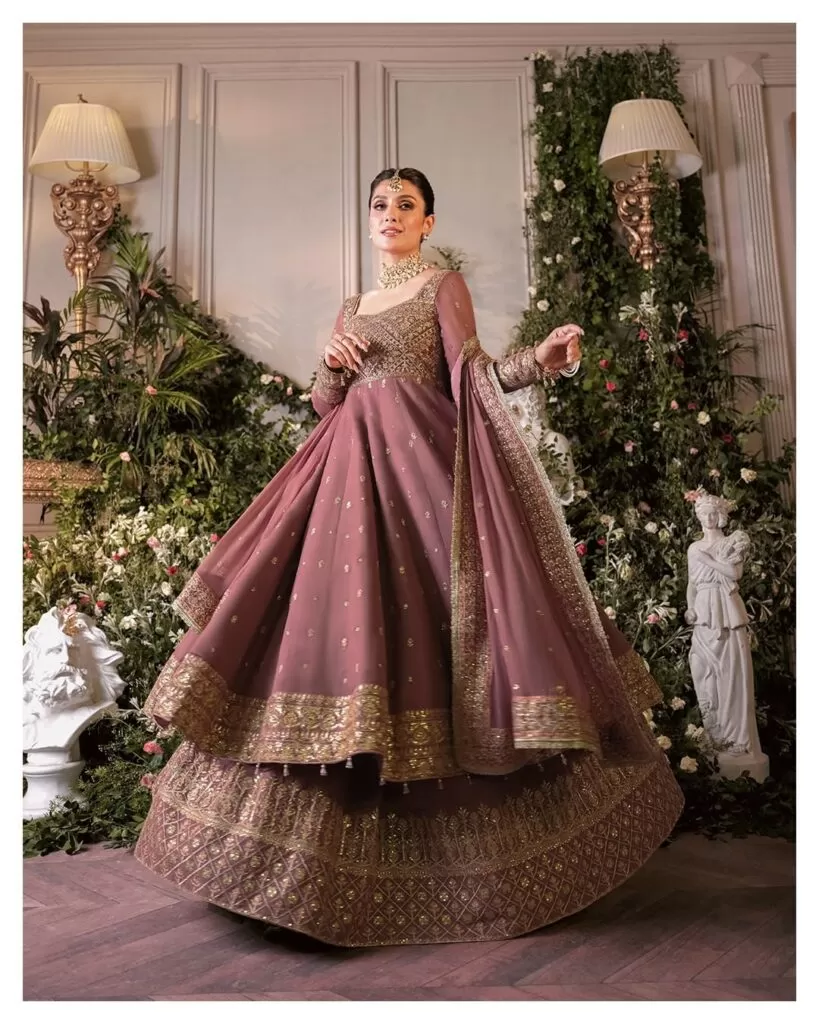
Dusty Rose Bridal Lehenga
This dusty rose ensemble shows how tone-on-tone embroidery creates depth without overwhelming the eye. The fitted kurta bodice with flared sleeves provides structure, while the heavily embellished lehenga adds traditional bridal glamour. The matching dupatta completes the look with subtle contrast through varied embroidery patterns.
Navy Kurta with Powder Blue Lehenga
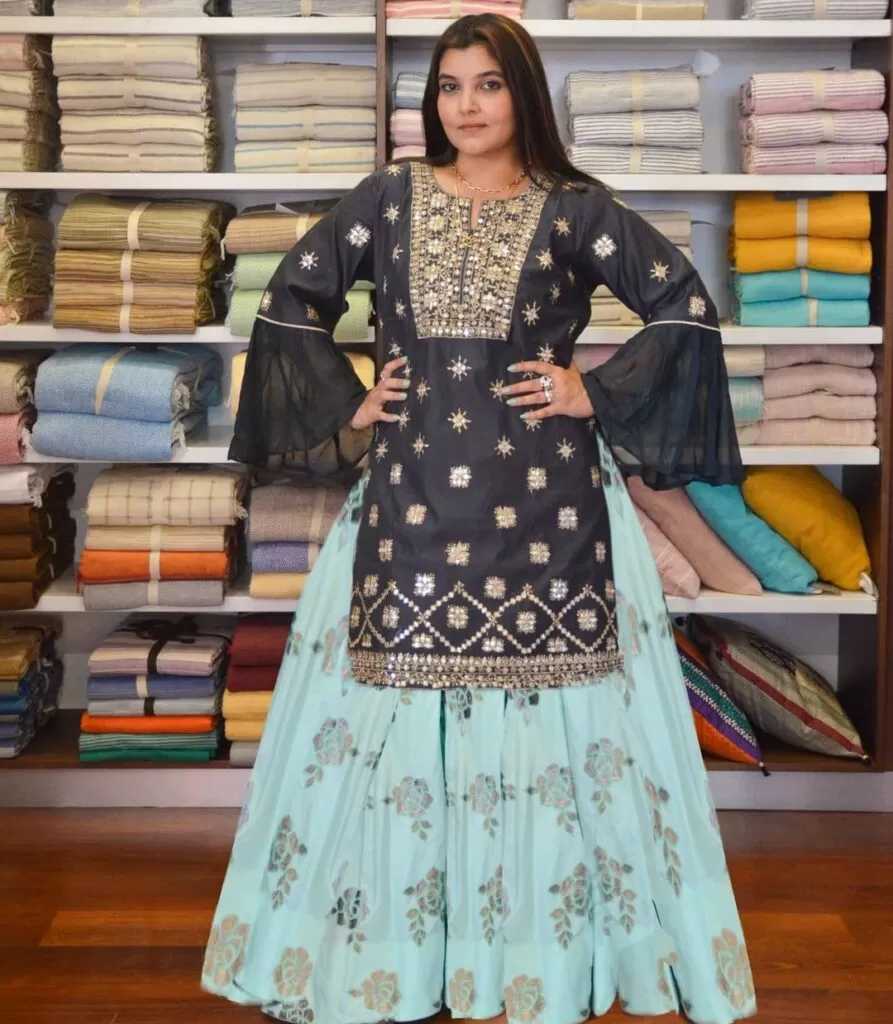
A navy blue kurta with mirror work paired with a powder blue floral lehenga demonstrates how complementary blues create harmony while maintaining visual interest. The contrast between the geometric mirrors and organic florals prevents the look from feeling too matchy. This color combination works especially well for spring and summer celebrations.
Quick tip
Use matching metallic threads in embroidery to tie contrasting colors together.
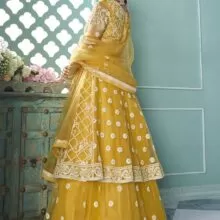
Mustard Yellow Bridal Set
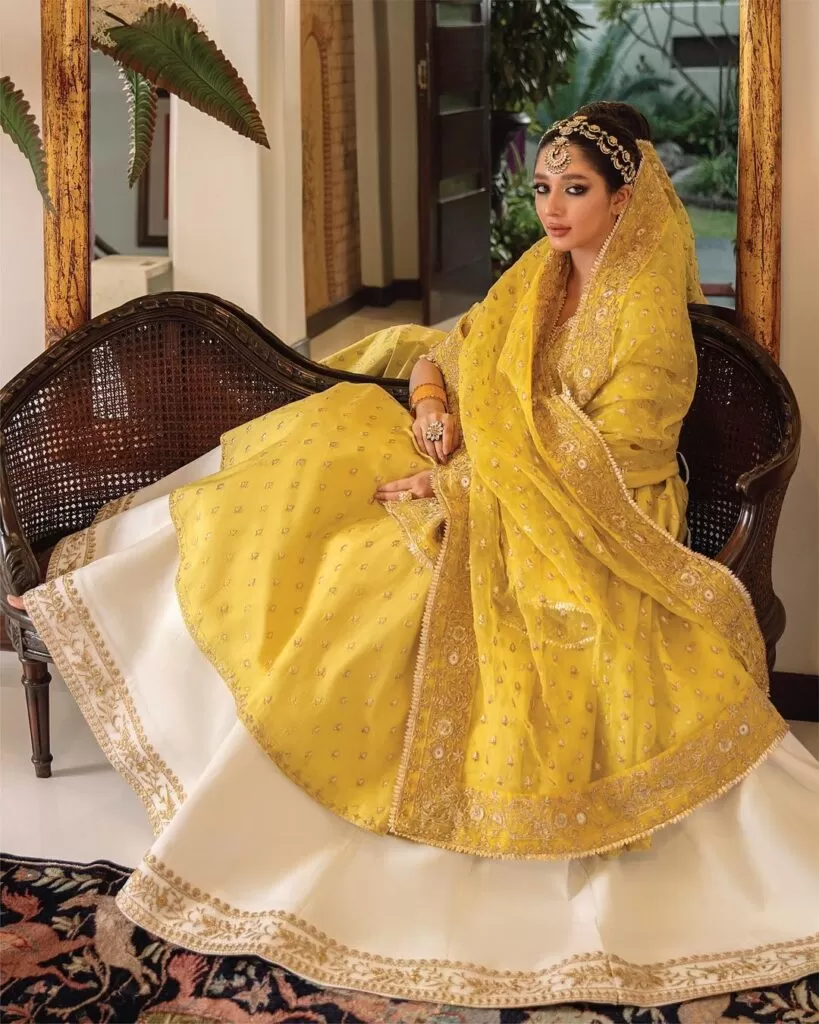
This mustard yellow ensemble proves that monochromatic dressing in bold colors makes a powerful statement for special occasions. The heavily embroidered kurta and lehenga in matching fabric create luxurious cohesion, while the dupatta adds layers of richness. The warm yellow works beautifully with gold jewelry and is particularly striking for haldi or mehendi ceremonies.
Teal Blue Heavy Embroidered Lehenga
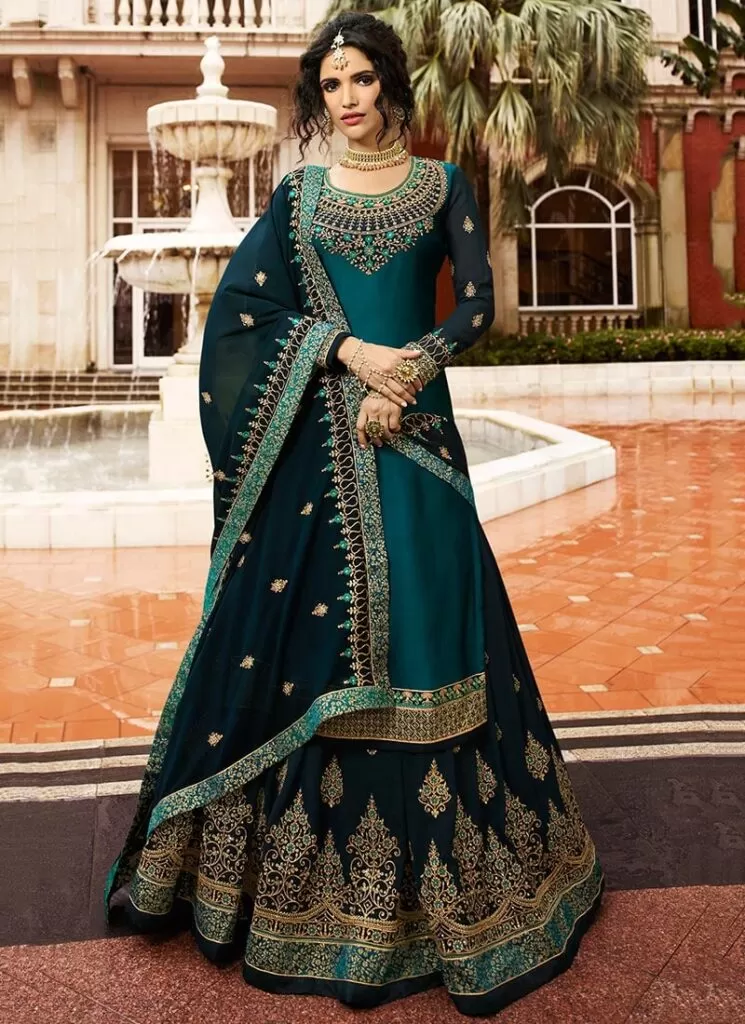
A teal blue kurta with intricate gold embroidery paired with a matching lehenga showcases how consistent metallic threadwork unifies the entire look. The fitted kurta silhouette balances the full skirt, while the rich teal provides a sophisticated backdrop for the gold detailing. This depth of color and embellishment works perfectly for evening wedding functions.
Blush Pink Bridal Ensemble
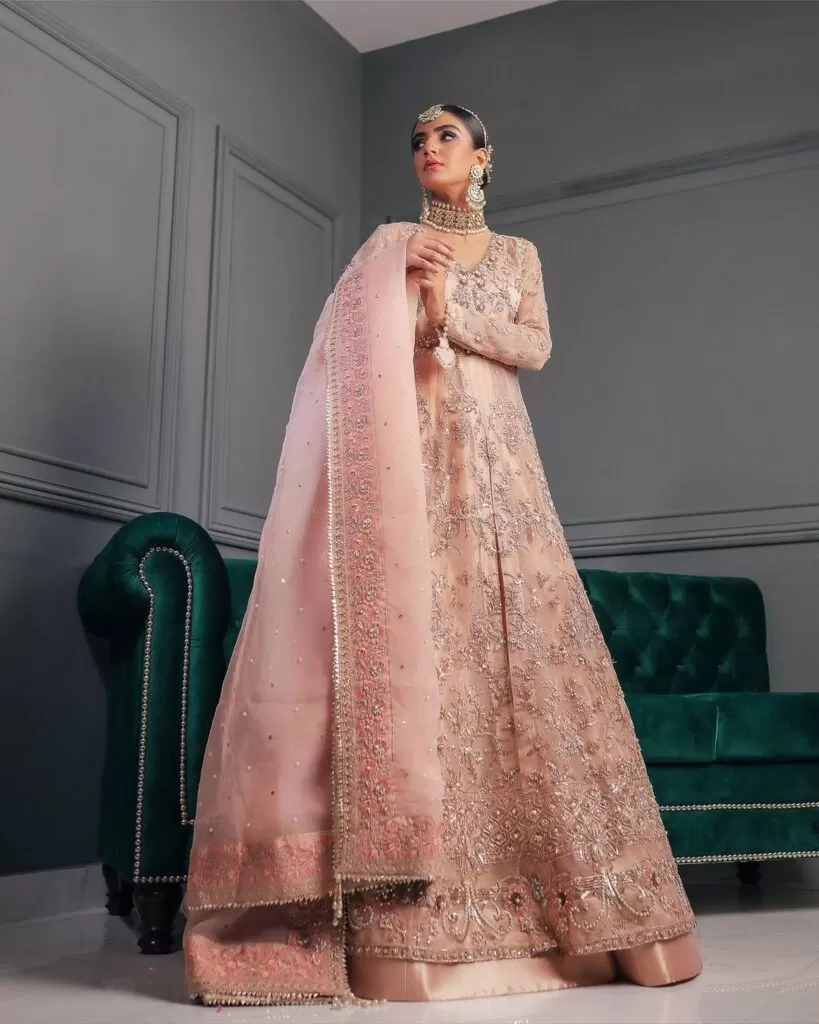
This blush pink heavily embroidered set demonstrates how soft pastels can carry substantial embellishment without looking overdone. The long kurta with intricate threadwork paired with a matching lehenga creates bridal-appropriate glamour in a romantic colorway. The subtle pink base allows the gold and silver work to shine while maintaining feminine appeal.
Quick tip
Balance a heavy lehenga with a simpler kurta design for better proportions.
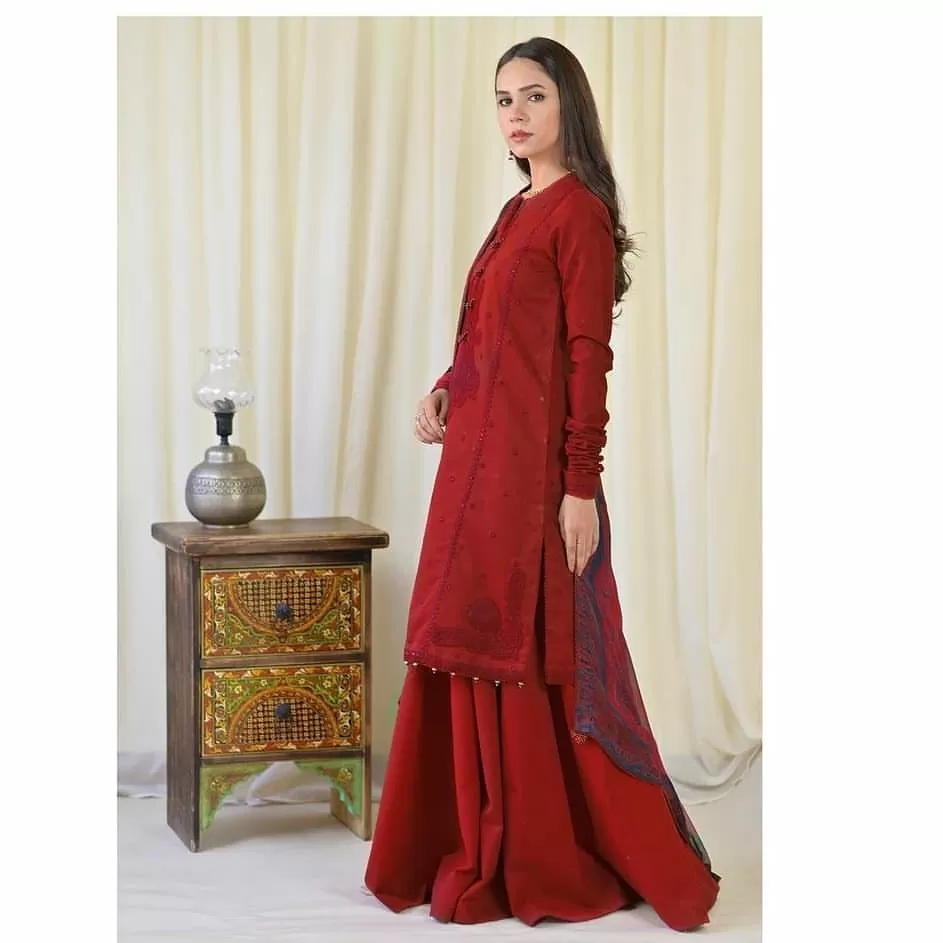
Deep Red Sharara With Minimalist Kurta
This burnt red ensemble proves that sometimes the silhouette does all the talking. The straight-cut kurta keeps the focus on those voluminous sharara pants, while the subtle embellishment along the neckline adds just enough detail without competing with the dramatic bottom half. Perfect for women who want maximum impact with minimal fuss — the kind of outfit that photographs beautifully and feels comfortable enough for a full day of festivities.
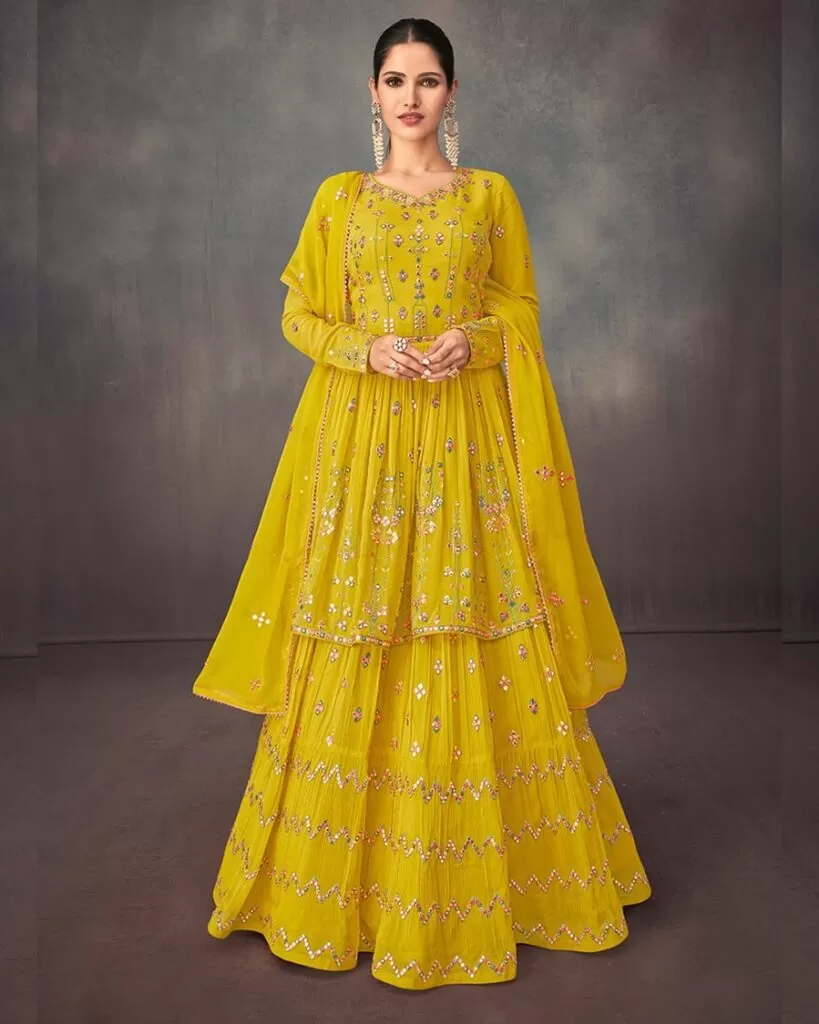
Bright Yellow Anarkali With Heavy Embroidery
Yellow can be tricky, but when it’s done right like this, it’s absolutely radiant. The tiered anarkali silhouette creates movement while the intricate mirror work and thread embroidery catch every bit of light. This works particularly well for daytime functions where you want to stand out — though fair warning, yellow washes out some skin tones, so try it on in natural light before committing.
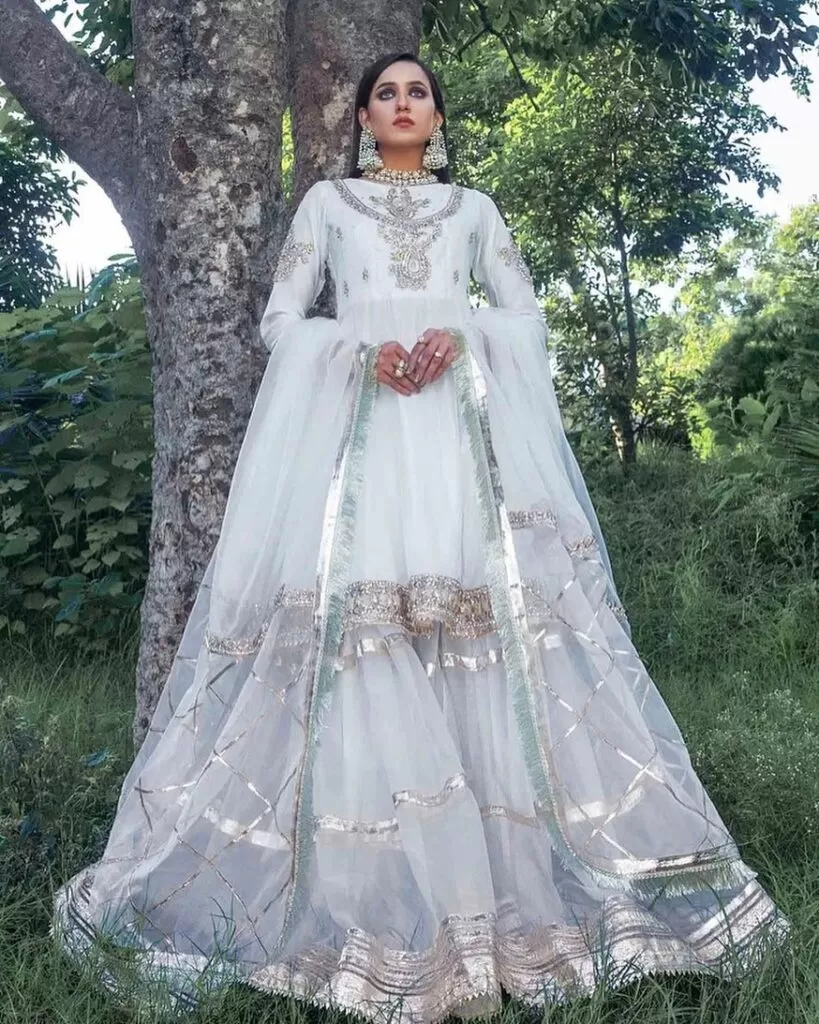
White Gharara With Silver Accents
There’s something timelessly elegant about white with silver work, and this gharara set captures that perfectly. The fitted kurta with flared gharara pants creates a balanced silhouette that’s both modest and striking. The silver embellishment is dense enough to feel special but not so heavy that it overwhelms the base colour — ideal for women who prefer understated glamour over bold statements.
Quick tip
Pick dupatta colors that complement rather than match your main pieces.
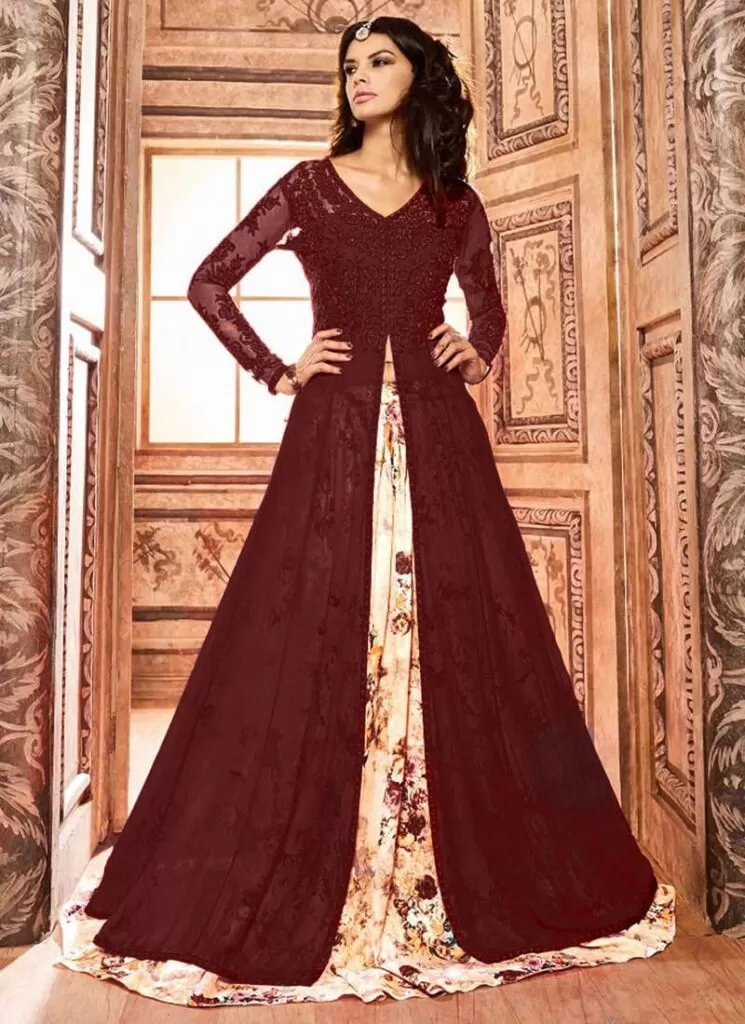
Burgundy Cape-Style Anarkali
The cape detail on this burgundy anarkali transforms a classic silhouette into something more contemporary. What makes this work is how the contrasting printed lining peeks through when the cape moves, adding visual interest without being too obvious. This style suits women with broader shoulders who want to balance their proportions — the flowing cape creates a beautiful drape that’s both modest and dramatic.
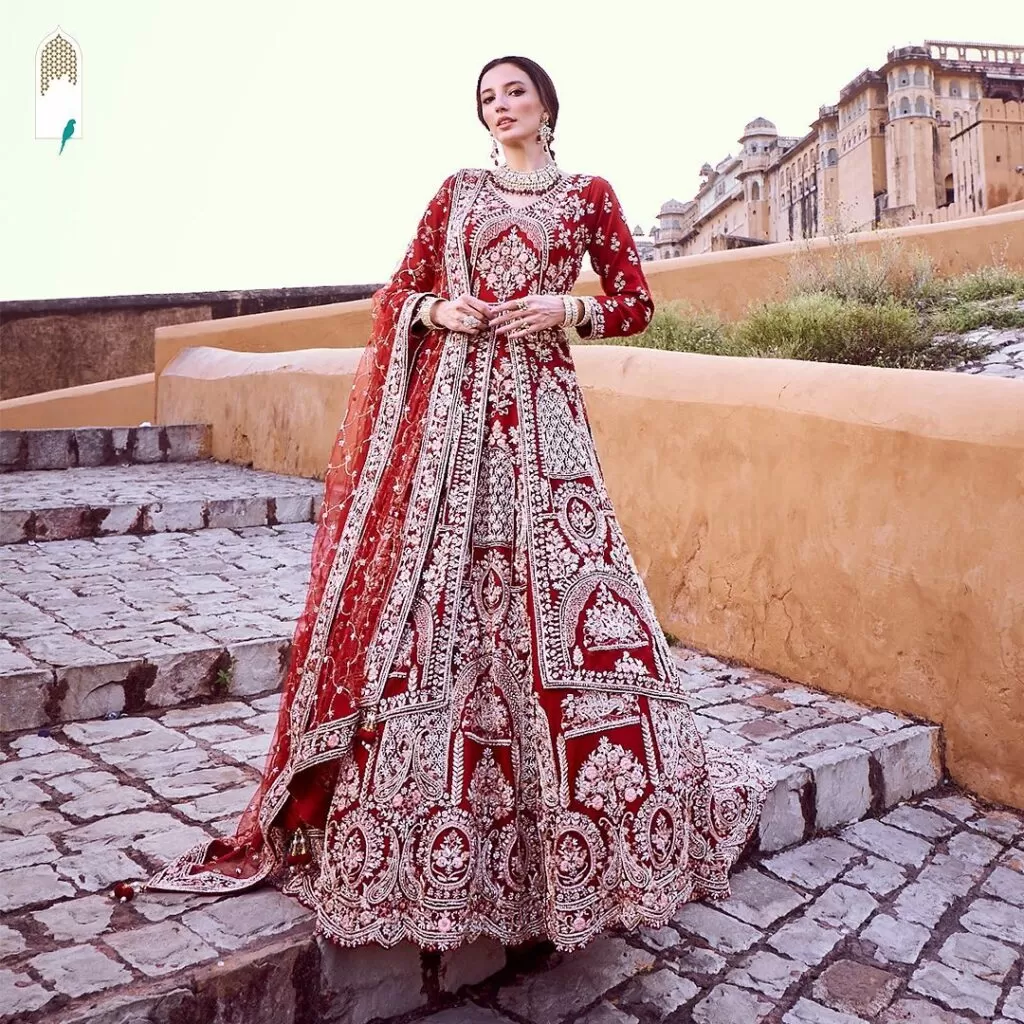
Red Bridal Lehenga With Intricate Gold Work
This is what a proper bridal lehenga should look like — rich, detailed, and utterly unapologetic. The extensive gold embroidery covers every inch of the deep red fabric, creating the kind of heirloom piece that gets passed down through generations. The traditional cut with a fitted choli and voluminous skirt is classic for a reason — it creates the most flattering silhouette for the majority of body types.
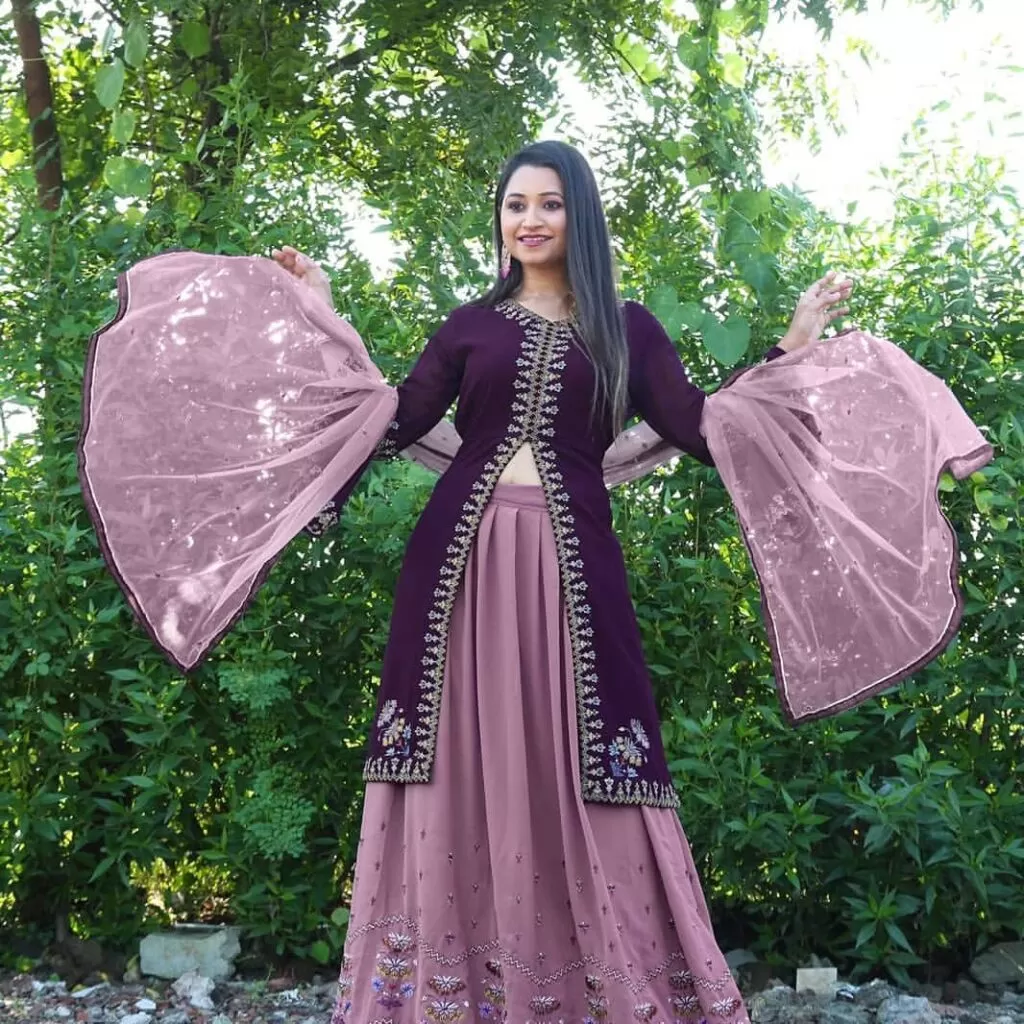
Purple Jacket-Style Sharara Set
The jacket-style kurta over these flowing sharara pants strikes the perfect balance between traditional and modern. That deep purple paired with dusty pink is unexpectedly beautiful — colours that shouldn’t work together but somehow create this rich, sophisticated palette. The sheer dupatta with scattered embellishment ties it all together without overwhelming the look.
Quick tip
Consider fabric texture — velvet adds richness while georgette keeps things light.
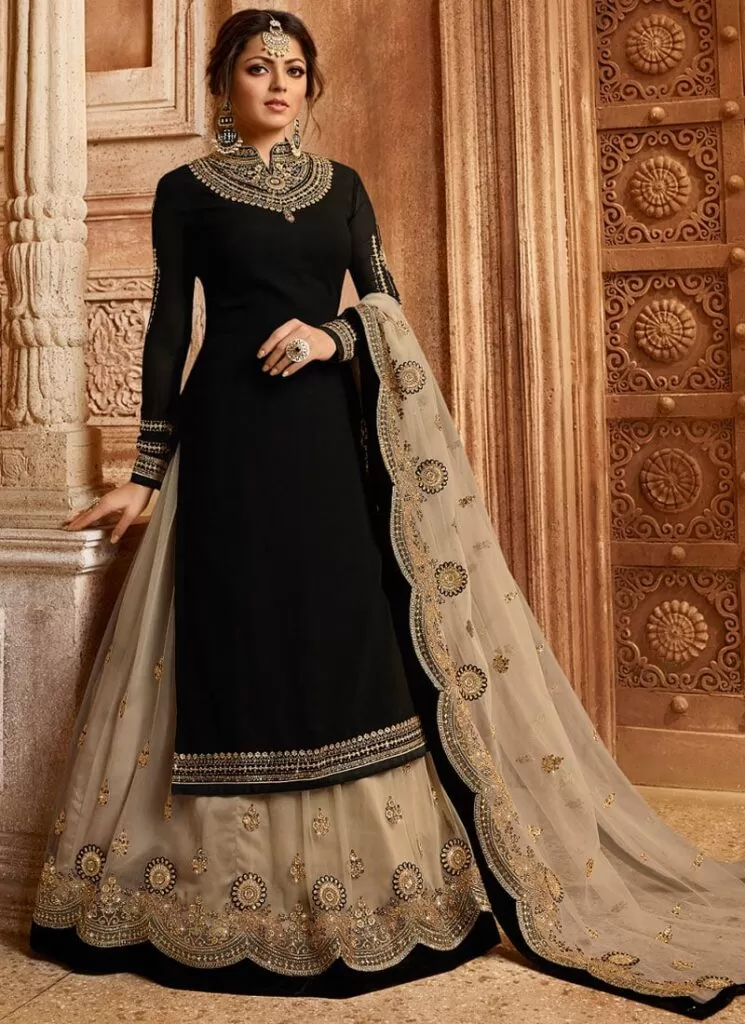
Black Sharara With Gold Contrast Dupatta
Black might seem like a safe choice, but this outfit shows how to make it anything but boring. The heavily embroidered neckline and sleeves draw the eye upward, while the gold dupatta adds just the right amount of contrast. This combination works beautifully for evening functions — black is slimming and the gold accents catch the light perfectly under artificial lighting.
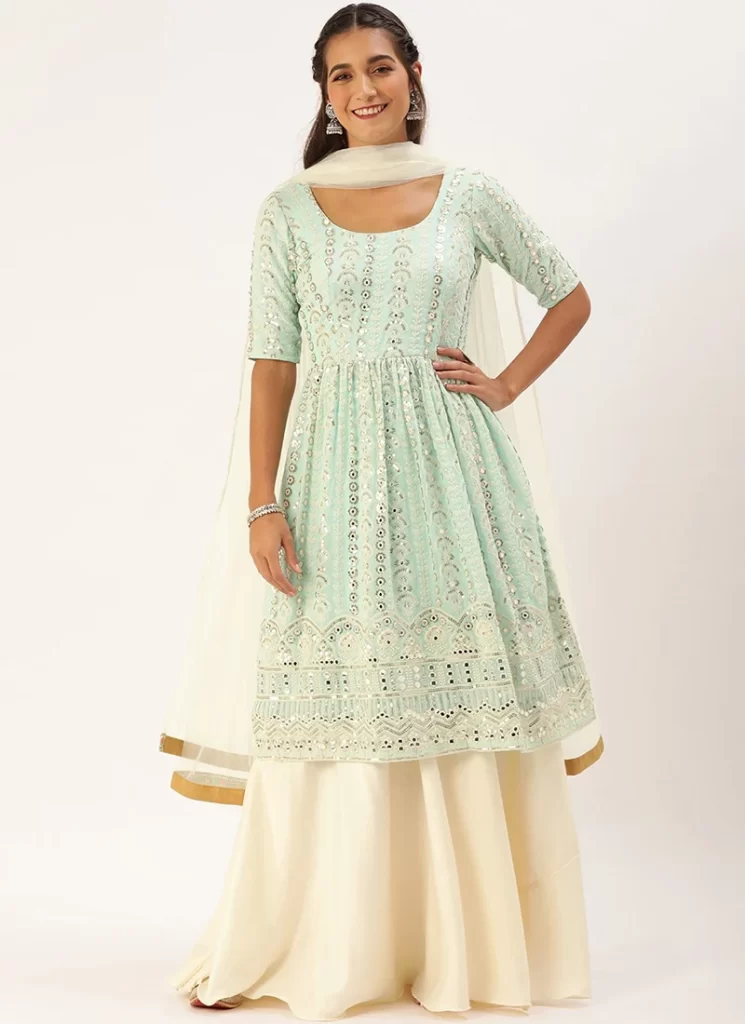
Mint Green Anarkali With White Gharara
This mint green and white combination feels fresh and youthful without being too casual for formal occasions. The short anarkali over wide gharara pants creates an interesting proportion play that works especially well for petite women. The eyelet embroidery adds texture without weight, making this perfect for summer functions where heavy fabrics would be uncomfortable.
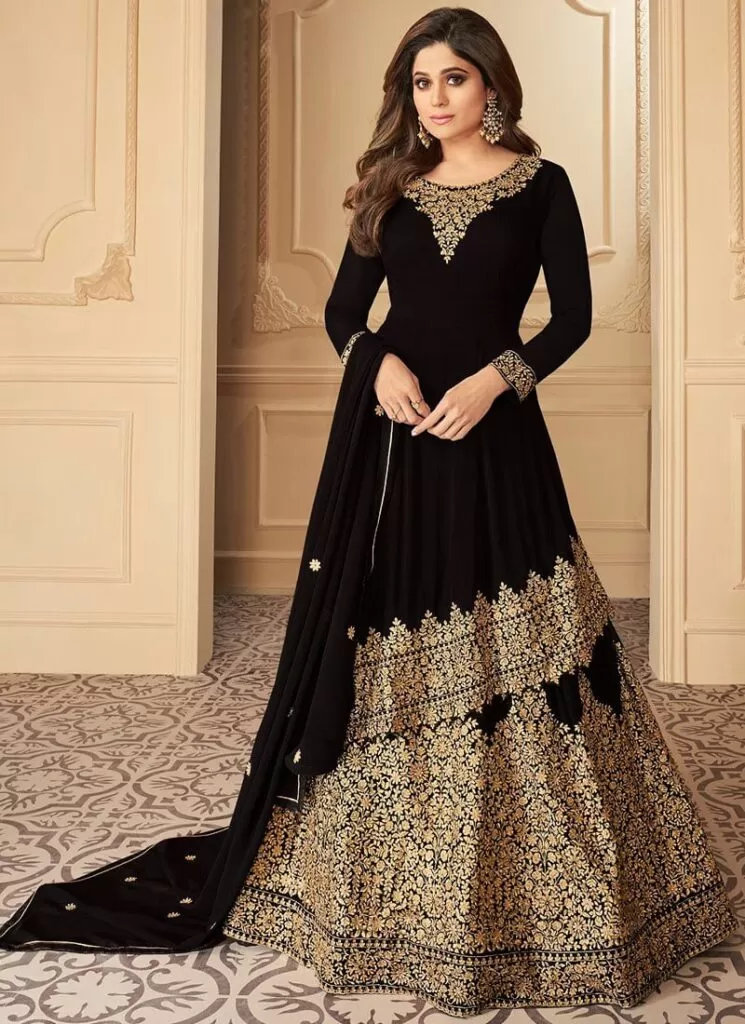
Black Anarkali With Gold Border Work
Sometimes the most dramatic looks are the simplest ones, and this black anarkali proves that point beautifully. The concentrated gold embroidery at the hem creates a striking contrast that draws the eye downward, elongating the silhouette. This style works particularly well for taller women who can carry the length, and the black base makes it appropriate for evening functions where you want to make a statement.
Quick tip
Let your most embellished piece be the star while others play supporting roles.
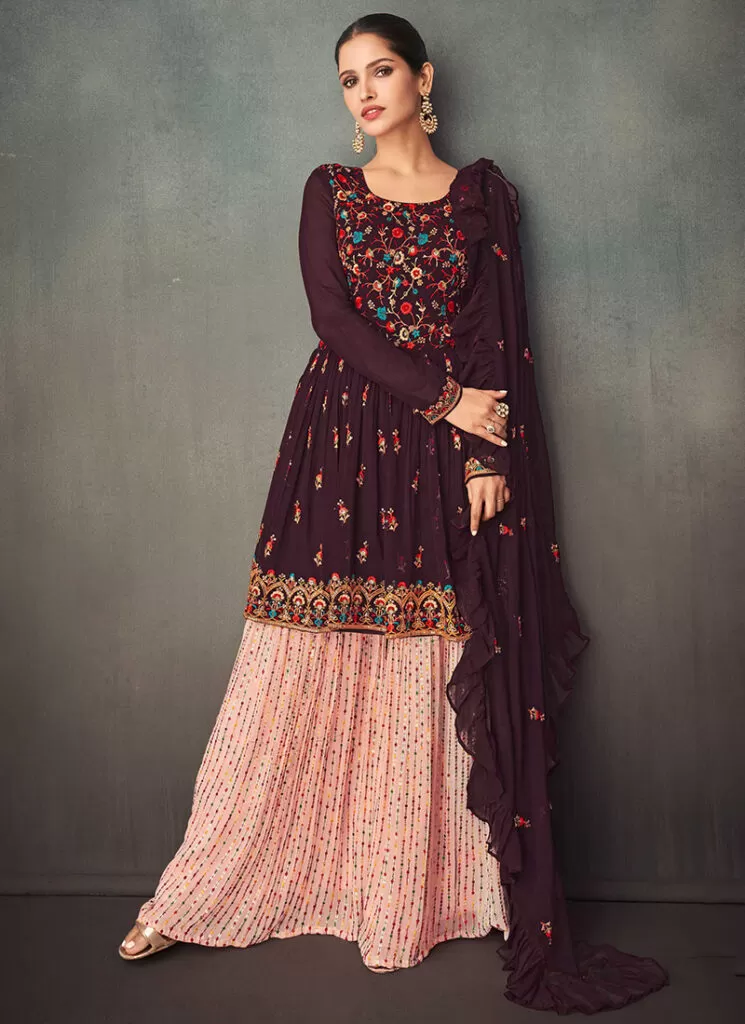
Maroon Sharara With Pink Contrast Bottom
The unexpected colour blocking in this outfit — maroon kurta with pink sharara pants — creates visual interest that’s both modern and rooted in traditional colour palettes. The heavy embroidery on the kurta bodice balances the lighter bottom half, while the matching maroon dupatta ties the whole look together. This works well for women who want to experiment with colour but aren’t ready for anything too bold.
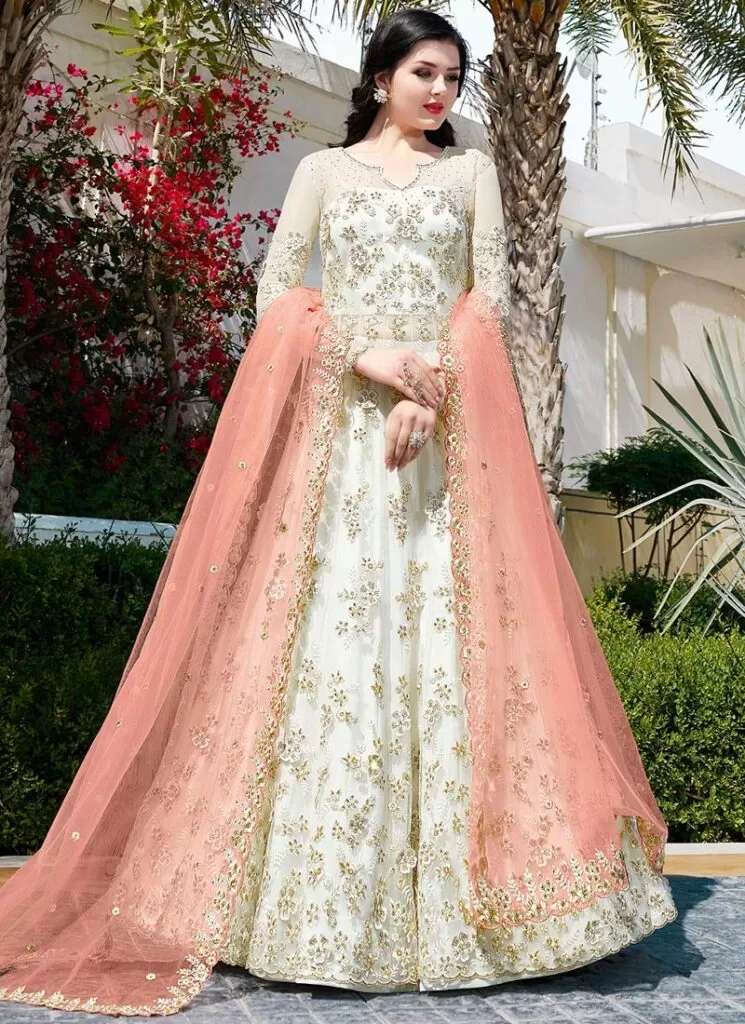
Cream Anarkali with Coral Dupatta
This cream anarkali with delicate gold embroidery pairs beautifully with a coral dupatta that adds warmth without overwhelming the subtle base. The tonal embroidery creates texture while keeping the look refined, and the coral dupatta bridges the neutral base with just enough color. Perfect for daytime mehendi or smaller family gatherings where you want grace without competing with the bride.
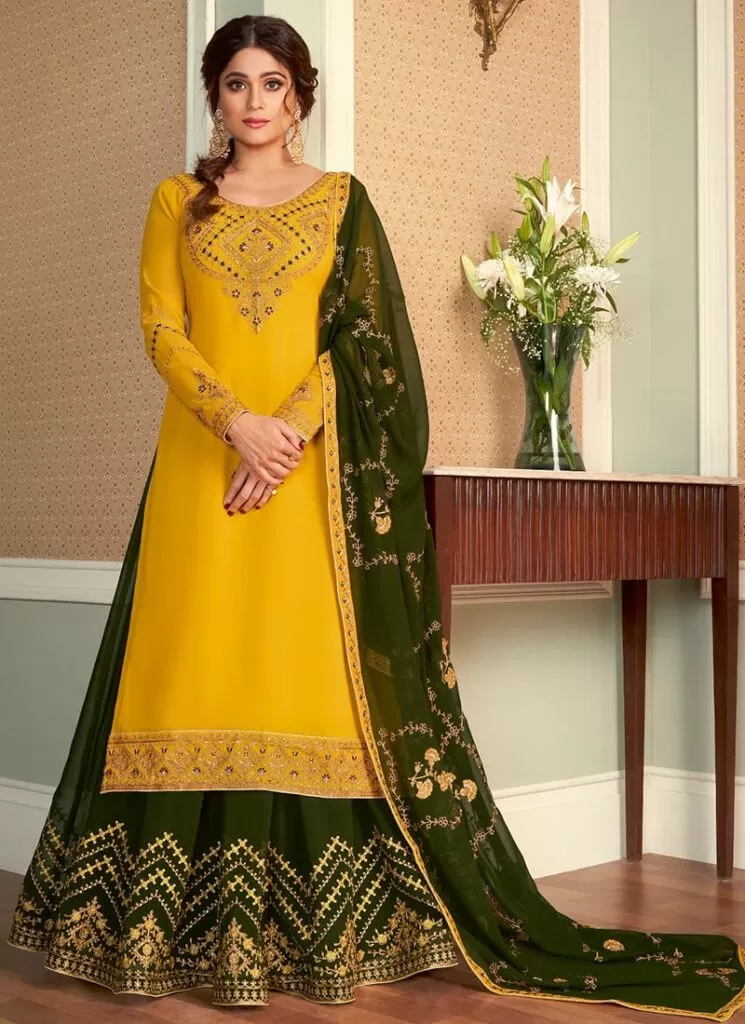
Mustard Kurta with Forest Green Sharara
Bold mustard yellow meets deep forest green in this striking combination that proves contrasting colors can work beautifully together. The geometric neckline embroidery in gold thread ties the two colors together, while the heavily embroidered sharara hem adds weight to balance the longer kurta. This works especially well for autumn celebrations and suits women who can carry strong colors confidently.
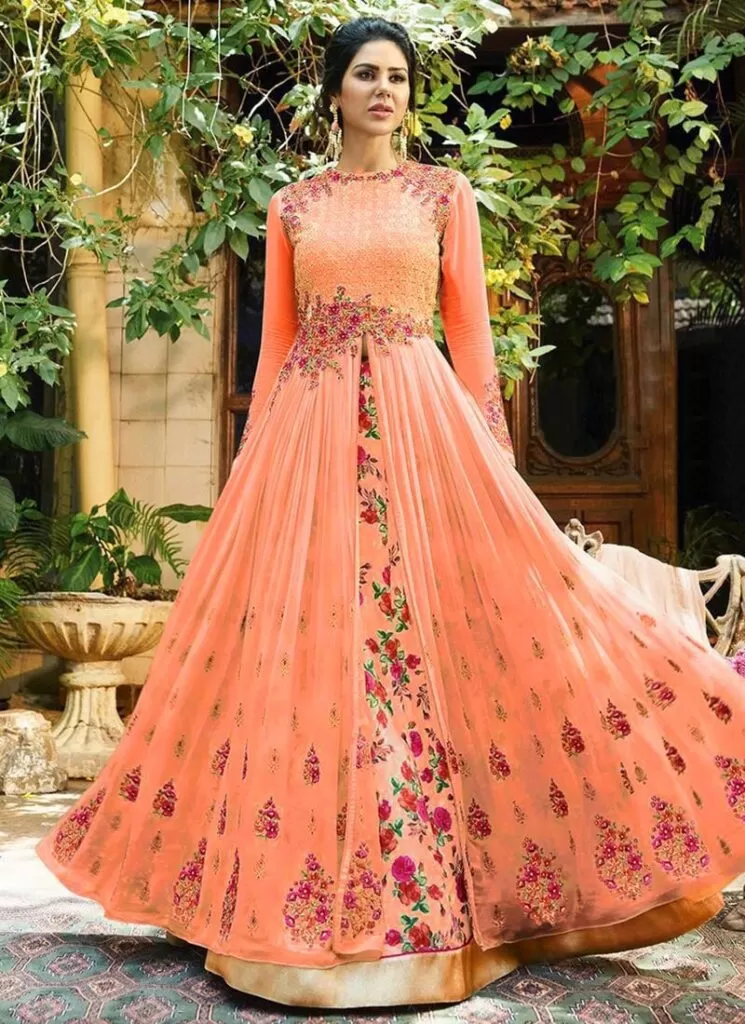
Peach Gradient Anarkali with Floral Embroidery
The gradient effect from coral to soft peach creates beautiful movement in this voluminous anarkali, enhanced by delicate floral embroidery throughout. The ombre coloring eliminates the need for a contrasting bottom piece while the scattered floral motifs add femininity without heaviness. Ideal for spring weddings or daytime celebrations where you want to look fresh and romantic.
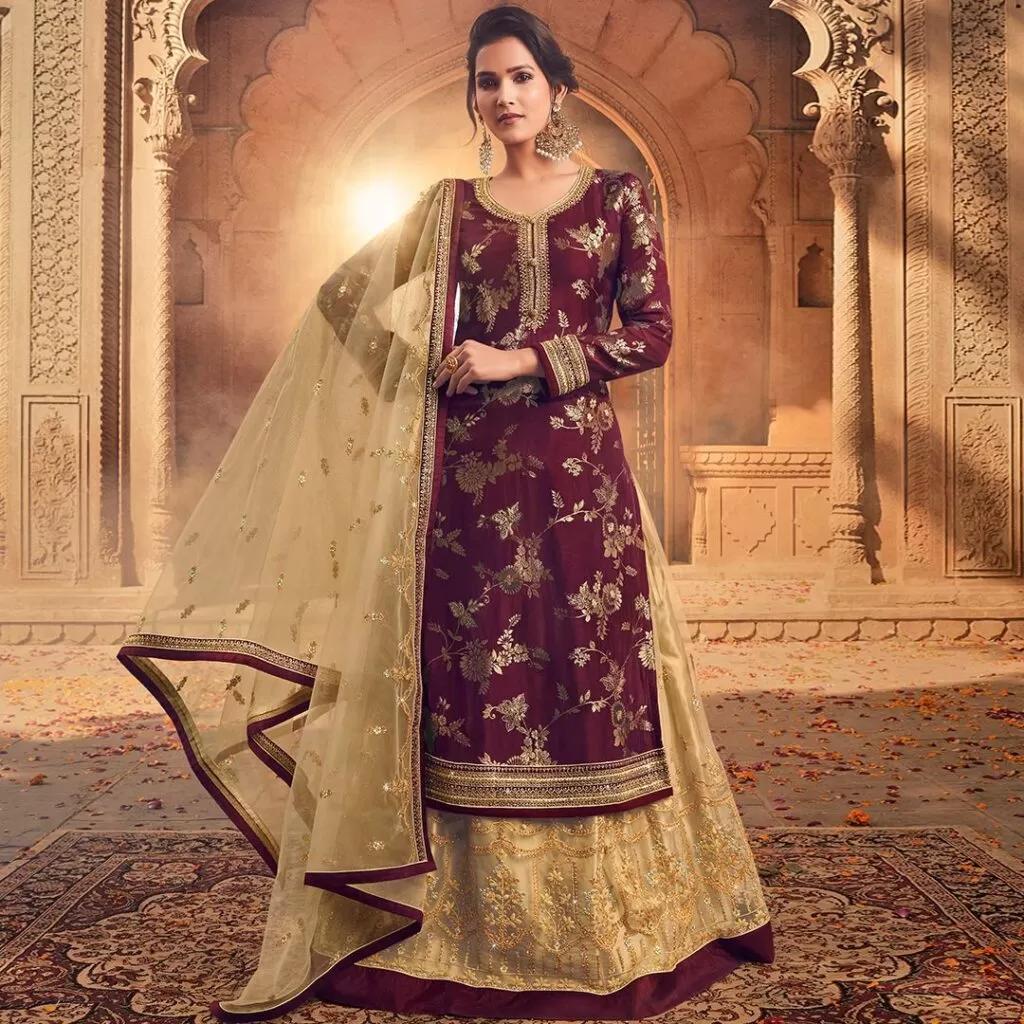
Wine Velvet Kurta with Gold Brocade Lehenga
Rich wine velvet forms the perfect backdrop for intricate gold embroidery, paired with a complementary gold brocade lehenga that echoes the kurta’s metallic threads. The matching metallic elements create cohesion between the two pieces, while the luxurious fabrics elevate the entire ensemble. This combination works beautifully for winter weddings or evening celebrations where opulence is appropriate.
Key takeaways
- Choose complementary dupatta colors that bridge your kurta and lehenga rather than matching exactly
- Use metallic thread embroidery as the connecting element between contrasting fabric colors
- Balance heavily embroidered lehengas with simpler kurta designs to avoid visual overwhelm
- Consider fabric weight and season — velvet for winter celebrations, lighter fabrics for spring
- Let one statement piece dominate while keeping other elements more subdued
- Match the formality level of all three pieces to create a cohesive look
20 Cute Boat Neck Blouse Designs and Ideas to Wear
How to Wear Front Pallu Sarees 15 Styling Ideas
How To Wear A White Saree? 22 Styling Ideas
15 Beautiful Haldi Outfit Ideas for the Bride to Wear
What to Wear on Diwali? 16 Best Outfit Ideas
What to Wear on Raksha Bandhan? 18 Stunning Women’s Outfits
How to Wear Sarees With Belts – 30 Tips And Tutorial
13 Tips on How to Wear Saree with Peplum Blouse or Top