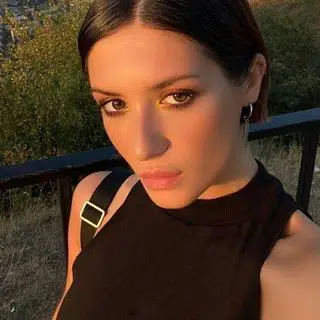
The blazer hanging in my closet has been to more interviews than I have — and it’s failed at least half of them. Not because it wasn’t professional enough, but because I wore the same power-suit formula to a creative agency that I’d worn to a law firm. The biggest mistake women make with interview outfits isn’t being too casual — it’s being tone-deaf to the company culture they’re trying to join.
I’ve dressed women for interviews across every industry, from tech startups where a pencil skirt would make you look completely out of place, to investment banks where anything less than full business formal sends the wrong message. The truth is, there’s no universal interview uniform. But there are principles that work everywhere: looking intentional, understanding your audience, and choosing pieces that make you feel genuinely confident rather than costume-y.
Styling Tips
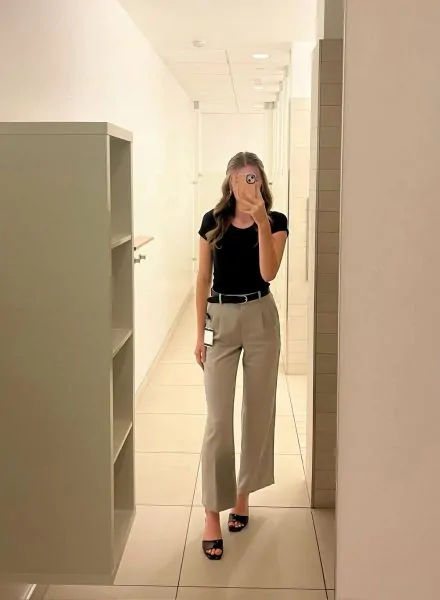
Master the Neutral Base Formula
This taupe and black combination works because it’s professional without being predictable. The wide-leg trousers create a modern silhouette while the fitted black top keeps everything grounded. I always tell clients to start with neutrals for interviews — they photograph well under office lighting and won’t distract from what you’re saying.
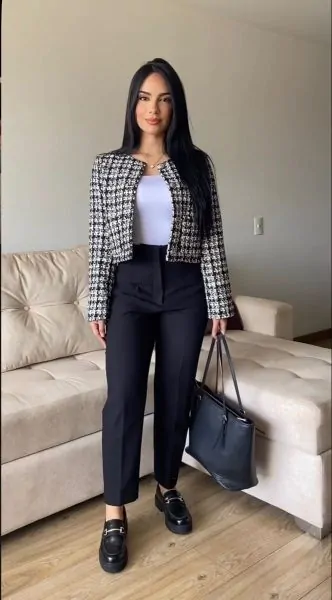
Layer a Structured Jacket for Instant Authority
That houndstooth blazer transforms a simple tank and trousers into serious business attire. The key is the cropped length — it doesn’t overwhelm her frame or hide her waistline. When you’re nervous, having a structured layer gives you something to adjust and helps you feel more put-together. Plus, you can always remove it if the office feels more casual than expected.
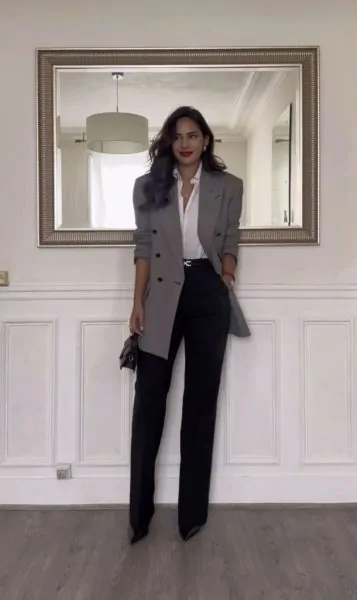
Use an Oversized Blazer to Command Attention
The proportions here are everything — the oversized blazer creates presence while the fitted trousers keep the silhouette from looking sloppy. This is particularly effective for younger women who want to project seniority, or for creative roles where you need to show personality within professional boundaries. The gray works harder than black because it’s less severe but equally authoritative.
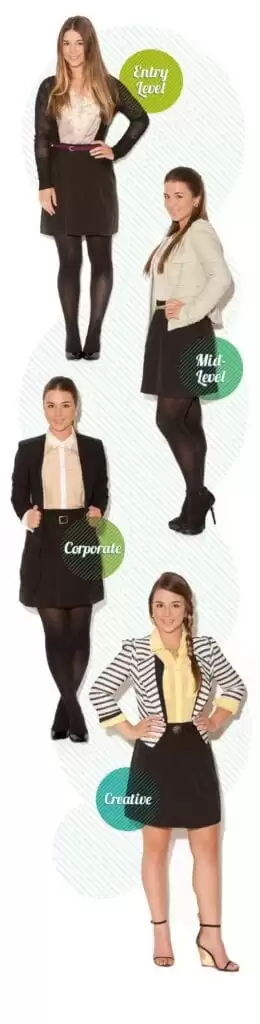
Adapt Your Formality to Match the Role
This chart gets it exactly right — your interview outfit should reflect the job you want. The corporate look works for traditional industries, but would feel completely wrong at a startup. I’ve seen women lose opportunities because they showed up looking like they didn’t understand the company culture. Research the dress code beforehand and aim to be slightly more polished than their everyday standard.
What To Wear To Theatre? 35 Best Outfit Ideas for Women
21 New Year’s Eve Date Outfits for Women
How to Style a Dress Shirt ? 27 Outfit Ideas
18 Trendy Equestrian Inspired Outfit Ideas for Women
How to Wear Corduroy Pants for Women ? 16 Outfit Ideas
80s Theme Party Outfit Ideas – 18 Tips from 1980s
18 Best Check Shirt Outfit Ideas for Girls for All Seasons
What To Wear to a House Party? 25 Outfit Ideas
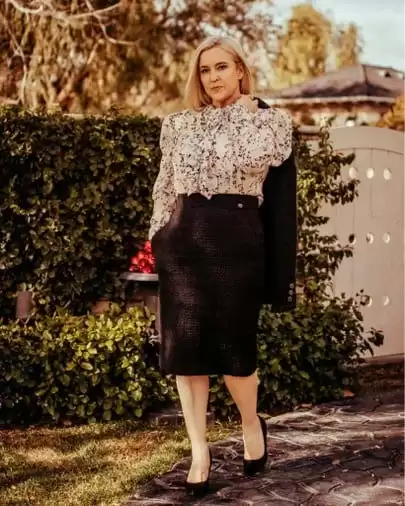
Embrace Feminine Details When They Fit Your Industry
The pussy bow blouse adds personality without sacrificing professionalism — perfect for roles in fashion, PR, or marketing where creativity matters. But know your audience: this level of detail would feel excessive in more conservative fields. The dark skirt grounds the look and keeps it appropriate, while the midi length hits the sweet spot between modern and modest.
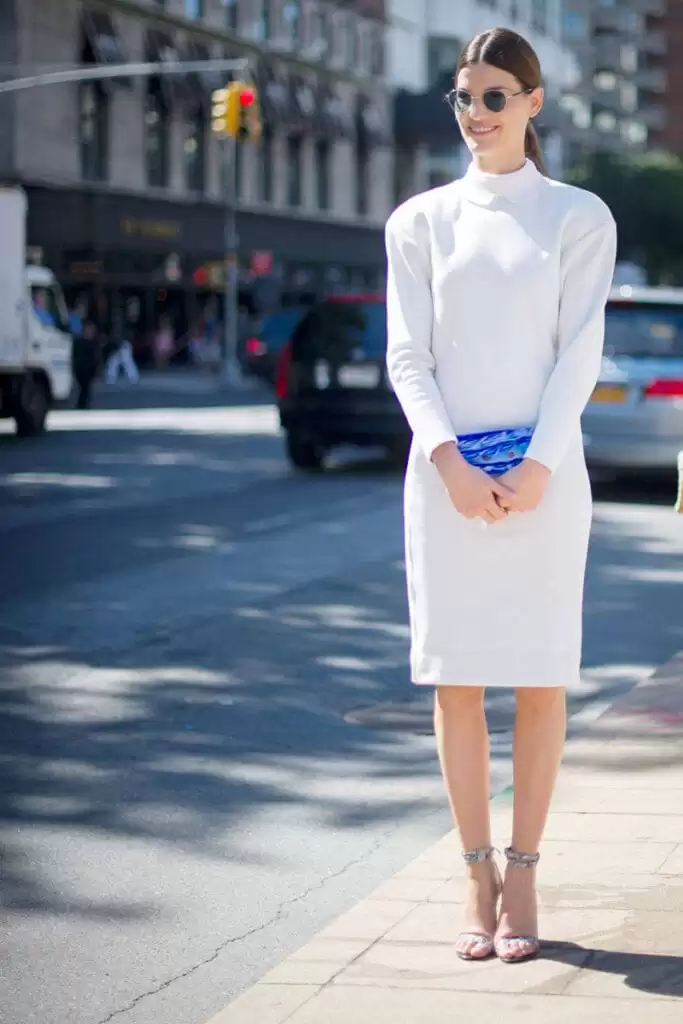
Consider a Dress for Simplicity
A well-fitted turtleneck dress eliminates decision fatigue — you only need to think about shoes and accessories. This works particularly well for phone or video interviews where you want to look polished but feel comfortable. The knee-length hem and high neckline read as appropriate for almost any industry, while the clean lines feel current rather than dated.
Dos & Don’ts
Industry-Specific Guidelines
Corporate finance, law, and consulting still expect traditional business formal — think structured blazers, tailored trousers, and closed-toe pumps. I learned this the hard way when I showed up to a banking interview in what I thought was a perfectly professional midi dress, only to realize every woman in the office was wearing a suit. The dress wasn’t wrong, but it wasn’t right for that environment.
Tech companies and startups usually prefer smart casual — you might wear well-fitted high-waisted trousers with a quality knit top and minimal blazer. The key is looking put-together without looking like you’re trying too hard to fit a corporate mold.
Creative industries give you more flexibility, but that doesn’t mean anything goes. You still need to look professional — just with more personality. A printed blouse with solid trousers, or a sweater dress with interesting accessories can show your creative side while maintaining interview appropriateness.
Healthcare and education tend toward conservative professional — think business casual with covered shoulders and modest necklines. The focus should be on competence and trustworthiness rather than fashion-forward thinking.
10 Professional Interview Outfits That Actually Work
Burgundy Tweed Mini Dress with Black Ankle Boots
This burgundy tweed dress hits that sweet spot between professional and approachable. The three-quarter sleeves and modest neckline keep it office-appropriate, while the textured fabric adds visual interest without being distracting. The black ankle boots with buckle details ground the look and add a touch of personality that shows you understand modern workplace style.
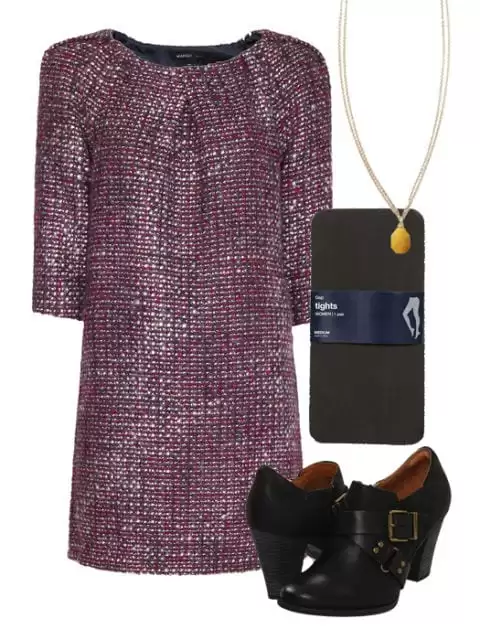
Tip: The delicate gold necklace is the perfect finishing touch — it adds professionalism without competing with the dress’s texture.
Black Blazer with White Skirt and Tank Combination
This is interview dressing at its most strategic. The black blazer provides the authority you need, while the white pieces underneath keep you looking fresh and confident. The structured handbag and pointed-toe pumps complete a look that says you understand the assignment. This combination works especially well for corporate environments where polish is non-negotiable.
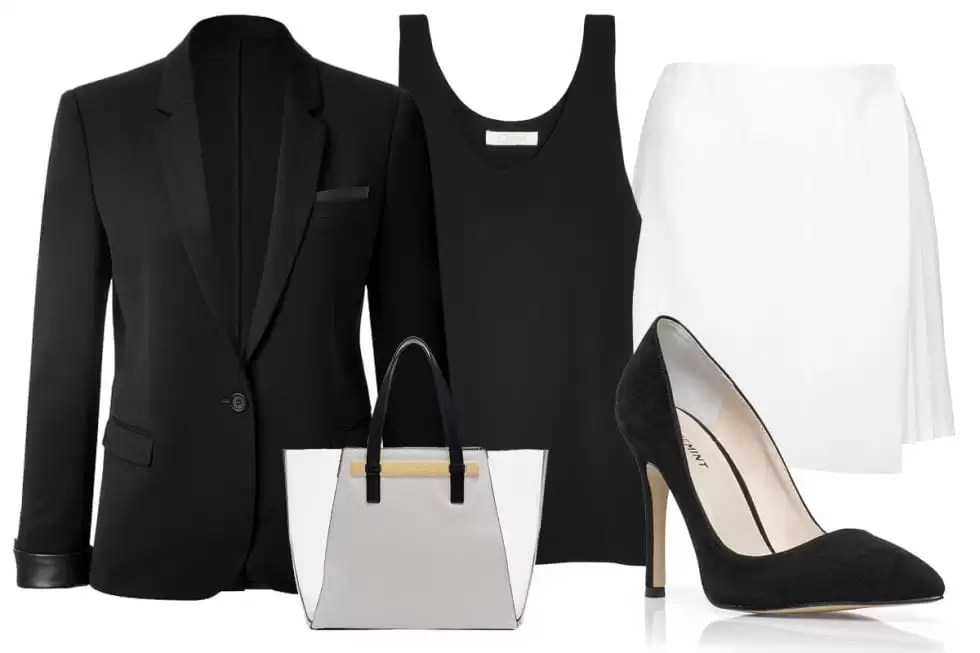
Tip: The monochrome palette is foolproof — you’ll never look overdressed or underdressed in black and white.
Tailored Black Suit with White Button-Down
Emma Watson demonstrates why the classic suit remains unbeatable for interviews. The clean lines, perfect fit, and crisp white shirt create an instantly credible impression. The pointed-toe pumps elongate the leg line, while the structured clutch keeps accessories minimal and purposeful. This look works across industries because it’s universally understood as serious business attire.
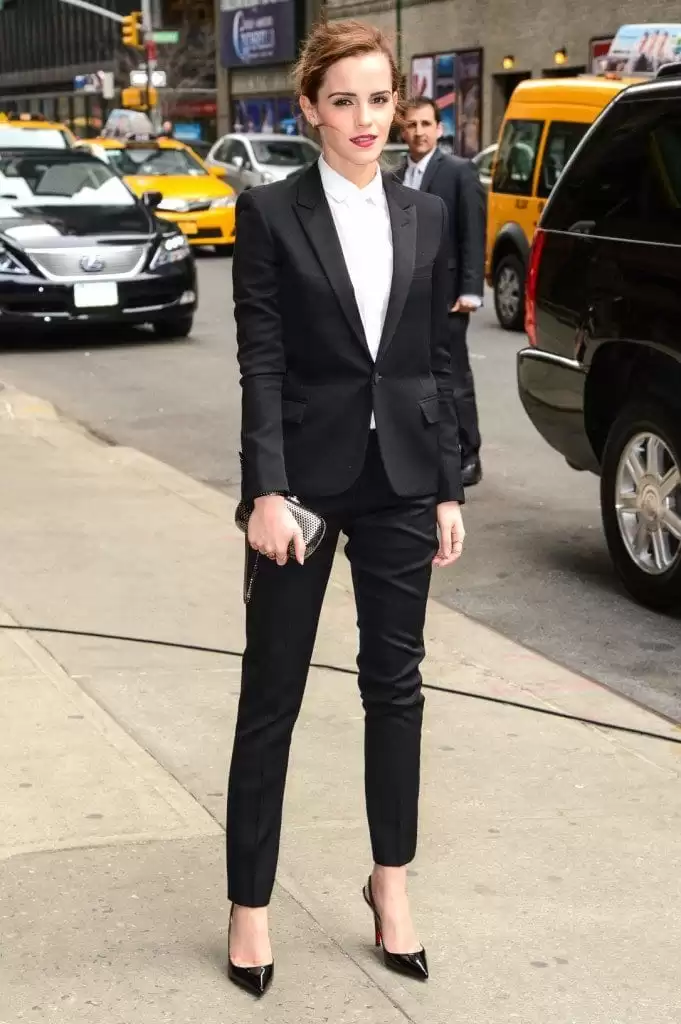
Tip: Notice how the pants hit at exactly the right length — this precise tailoring is what separates a good suit from a great one.
Royal Blue Blouse with Black Pencil Skirt
The royal blue blouse creates an instant focal point while remaining thoroughly professional. Paired with a black pencil skirt, this combination strikes the right balance between personality and polish. The black pumps and structured handbag keep the focus on the beautiful color combination. This works particularly well for roles where you want to show creativity within professional boundaries.
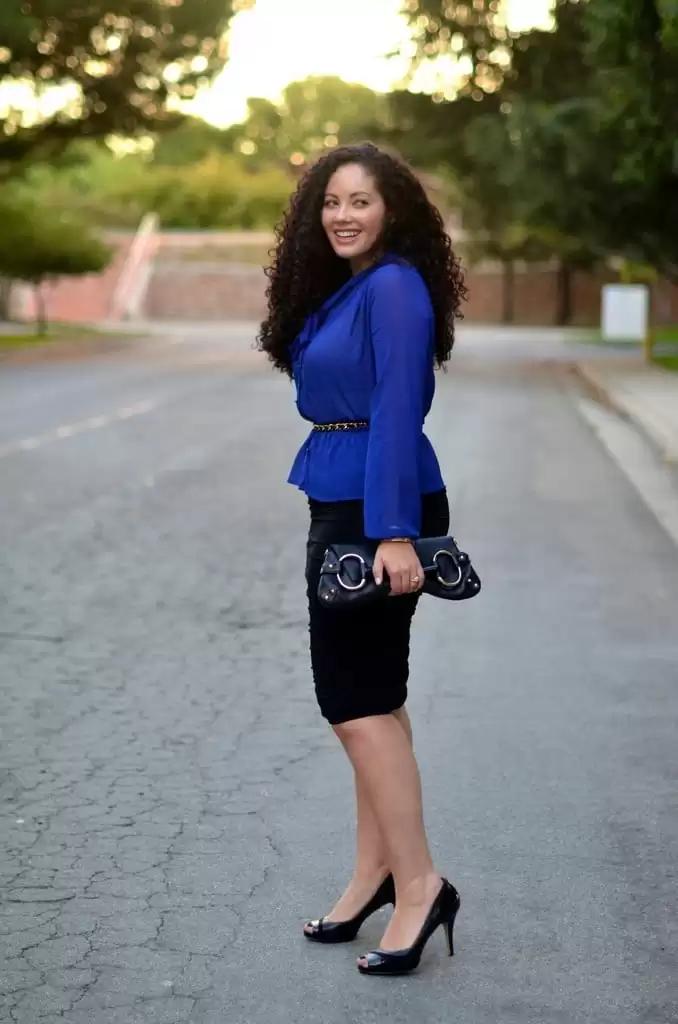
Tip: Blue is psychologically associated with trustworthiness — a subtle advantage in any interview situation.
Black Vest over Plaid Shirt with Cropped Pants
This layered look shows how to make separates work together for a modern interview outfit. The black vest adds structure over the plaid shirt, while the cropped pants and white pumps keep everything feeling current. This approach works well for creative industries or startups where traditional suiting might feel too formal.
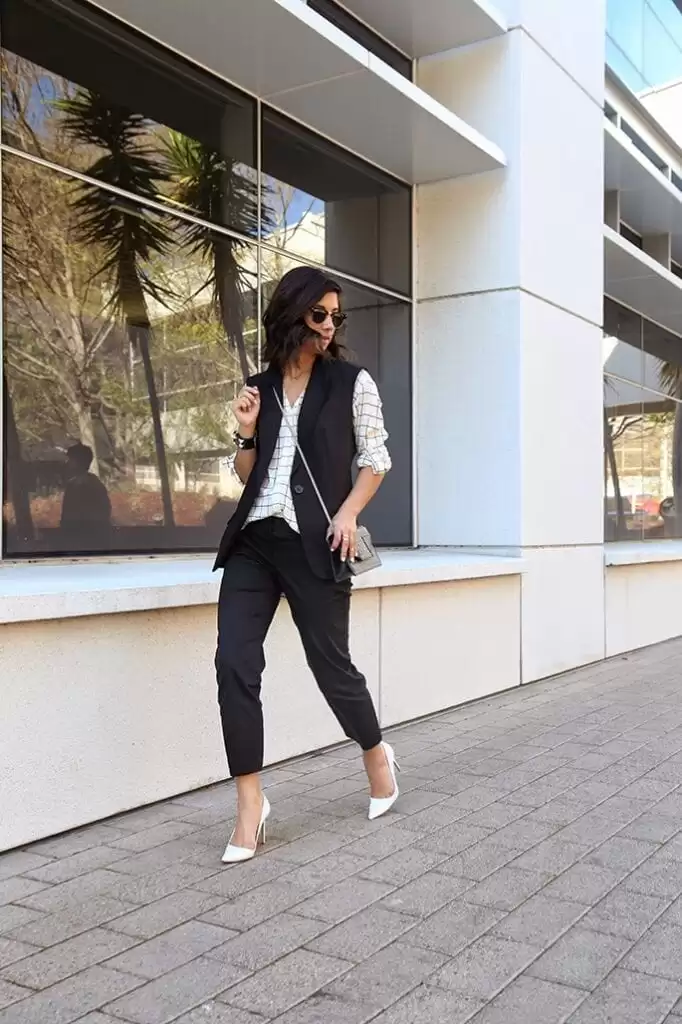
Tip: The key to pulling off cropped pants is ensuring they hit at the narrowest part of your ankle for the most flattering line.
Navy Blazer with Yellow Tie-Neck Blouse
The yellow blouse under this navy blazer proves you can add personality to professional dressing. The tie-neck detail adds visual interest while remaining work-appropriate, and the color combination feels fresh without being loud. The green earrings and brown flats complete a look that’s polished but not stuffy. This works well for industries where you want to show both professionalism and creativity.
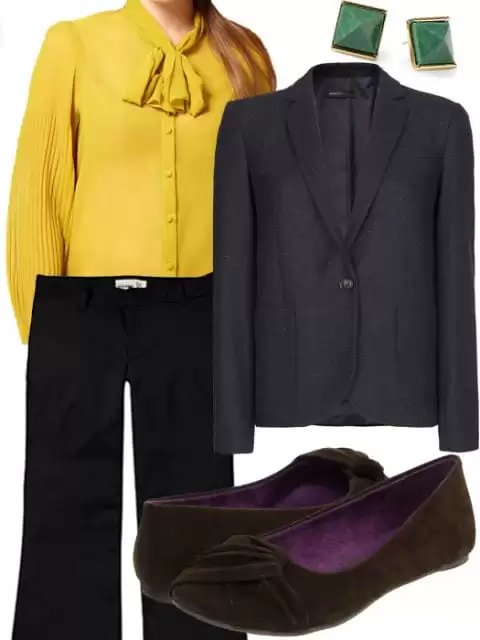
Tip: The brown flats are a smart choice — they’re comfortable enough for a long interview day while still looking intentional.
Black and White Houndstooth Dress with Brown Accessories
This houndstooth dress is a masterclass in pattern done right for interviews. The classic print feels timeless and professional, while the brown accessories add warmth and personality. The blue earrings provide just enough color to keep the look interesting without being distracting. This outfit works particularly well for traditional industries where you want to show style awareness within conservative boundaries.
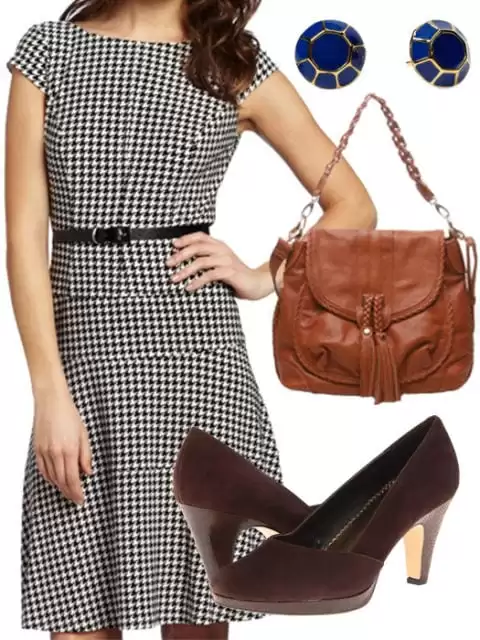
Tip: When wearing patterns to interviews, keep accessories simple — let the dress be the statement piece.
Colorful Striped Sweater with Green Pencil Skirt
This outfit shows how to incorporate color and pattern in interview dressing. The striped sweater over a crisp white collar adds personality, while the green pencil skirt grounds the look in professionalism. The brown accessories and black pumps complete an outfit that feels both polished and approachable. This works well for creative roles or modern workplaces where personality is valued.
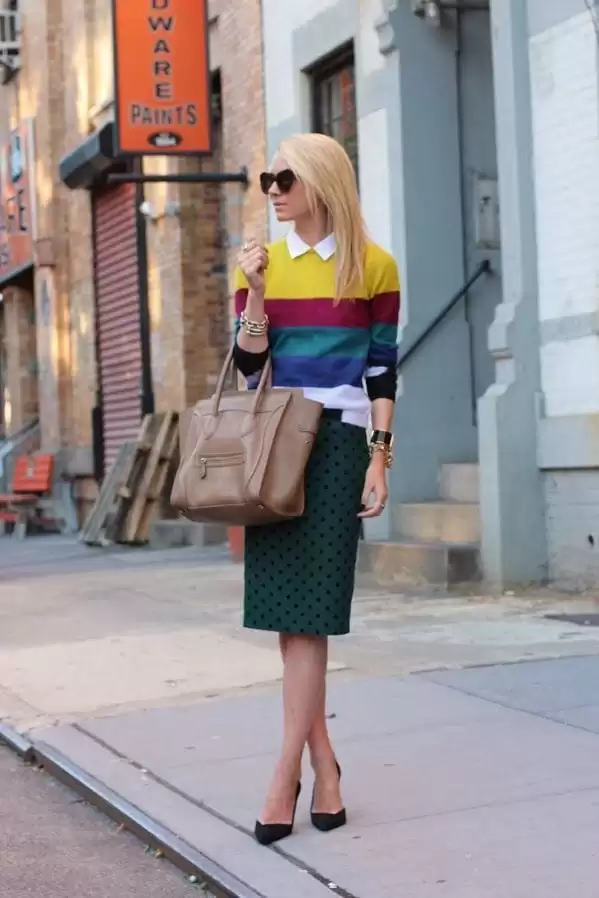
Tip: The white collar peeking out adds a classic touch that makes the colorful sweater more interview-appropriate.
Navy and Blue Color-Block Top with Black Skirt
The color-blocked top creates visual interest while maintaining professionalism through its structured silhouette. Paired with a black skirt and ankle-strap heels, this look feels modern and confident. The long chain necklace adds a contemporary touch without being distracting. This combination works well for roles where you want to demonstrate both style awareness and business acumen.
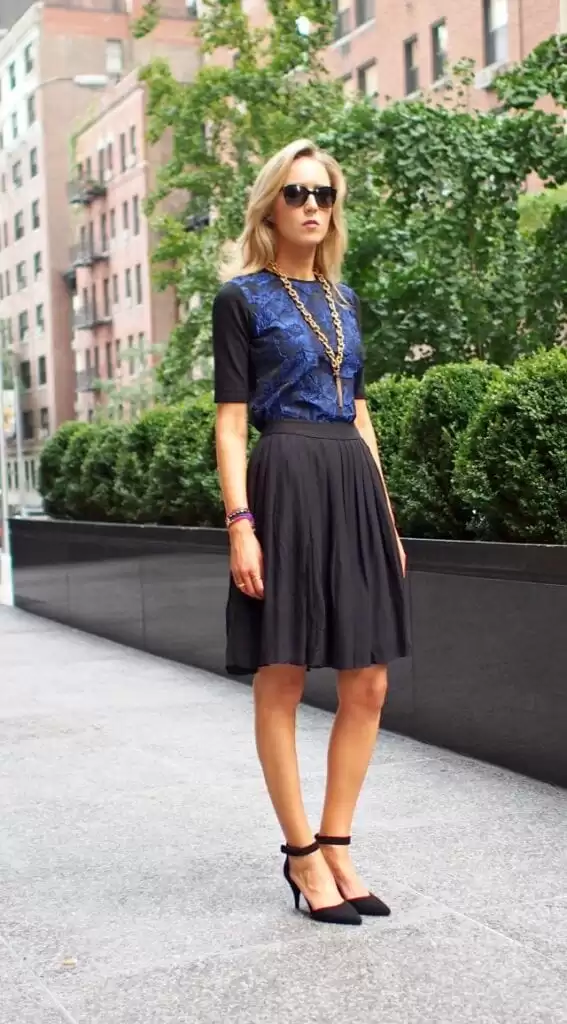
Tip: The ankle-strap heels are both stylish and practical — they’ll stay secure during a long interview day.
Sleeveless Denim Dress with Printed Blouse Layering
This layered look demonstrates sophisticated casual dressing for interviews at less formal companies. The denim jumper-style dress feels current and approachable, while the printed blouse underneath adds pattern and interest. The belt defines the waist, and the black pumps elevate the whole look. This works particularly well for creative agencies or tech companies with relaxed dress codes.
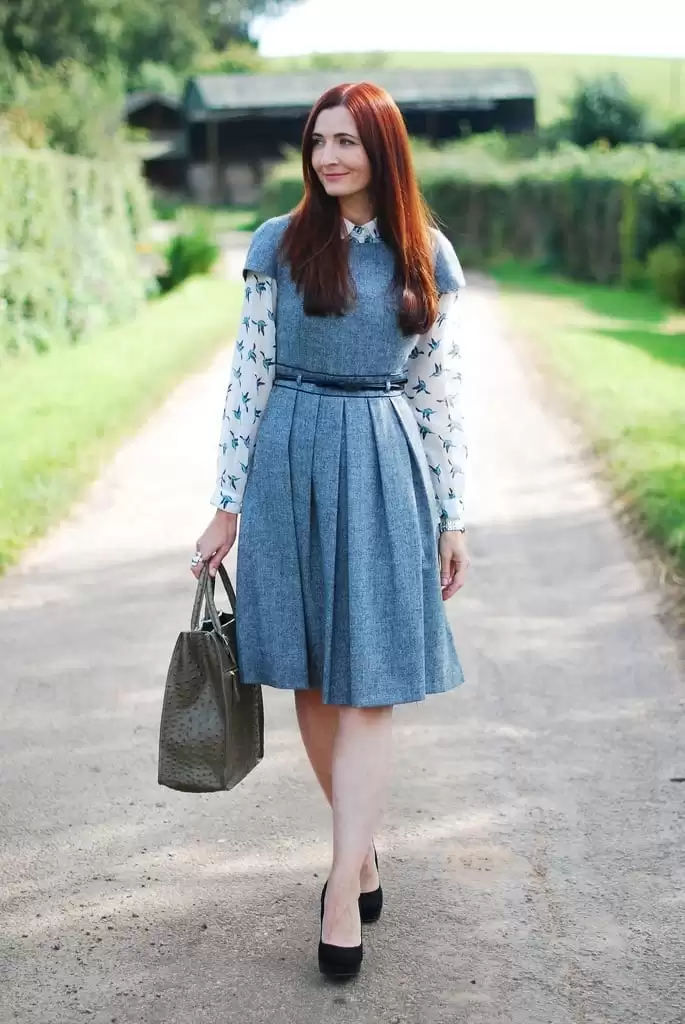
Tip: The key to making denim work for interviews is choosing structured pieces and elevating them with polished accessories.
Black Color-Block Sheath Dress with Statement Bag
This color-blocked dress proves that simple can still be striking. The black and cream combination creates visual interest through shape rather than pattern, while the crocodile-textured pumps add subtle luxury. The structured handbag and gold earrings complete a look that’s polished without being boring. This works across most industries because it’s professional yet memorable.
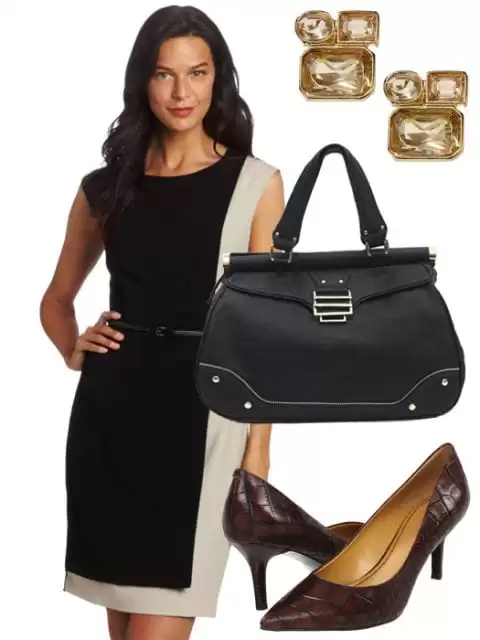
Tip: The asymmetrical color-blocking is more interesting than a solid dress but won’t photograph poorly or distract during video interviews.
Black Blazer with Polka Dot Blouse
The polka dot blouse under this black blazer shows how to incorporate playful elements into professional dressing. The pattern is classic and small-scale enough to remain appropriate, while the black blazer provides the structure needed for interviews. The black pumps and simple styling keep the focus on the beautiful pattern play. This works well for roles where personality is valued alongside professionalism.
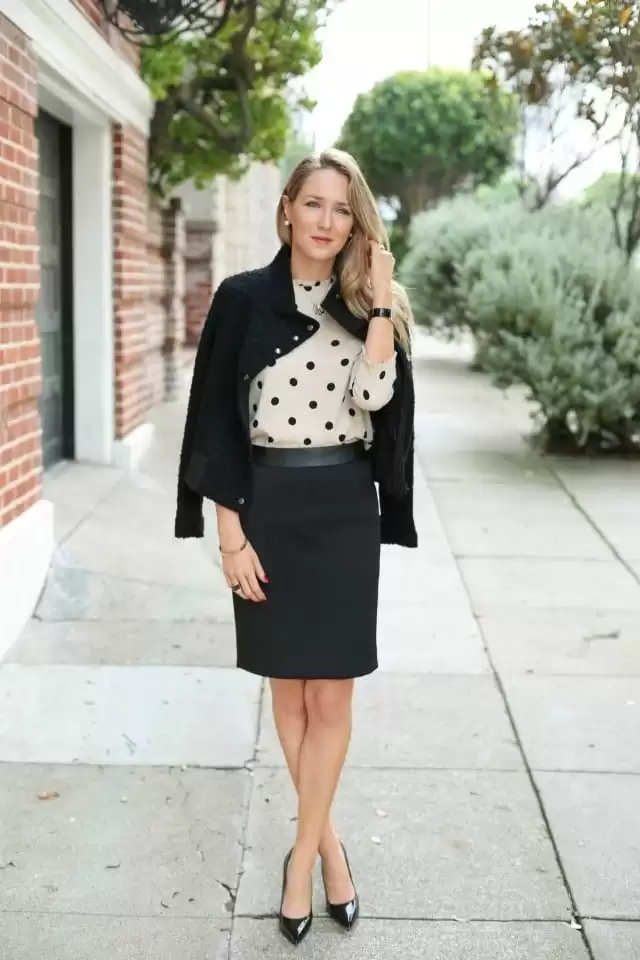
Tip: Small-scale polka dots are more interview-appropriate than large ones — they read as sophisticated rather than costume-y.
Black Suit with Bright Blue Button-Down
The bright blue shirt transforms this black suit from basic to memorable. The color is bold enough to show personality but professional enough for any interview setting. The black pumps and structured handbag keep everything grounded in business appropriateness. This combination works particularly well for finance, law, or consulting interviews where you need to project both competence and confidence.
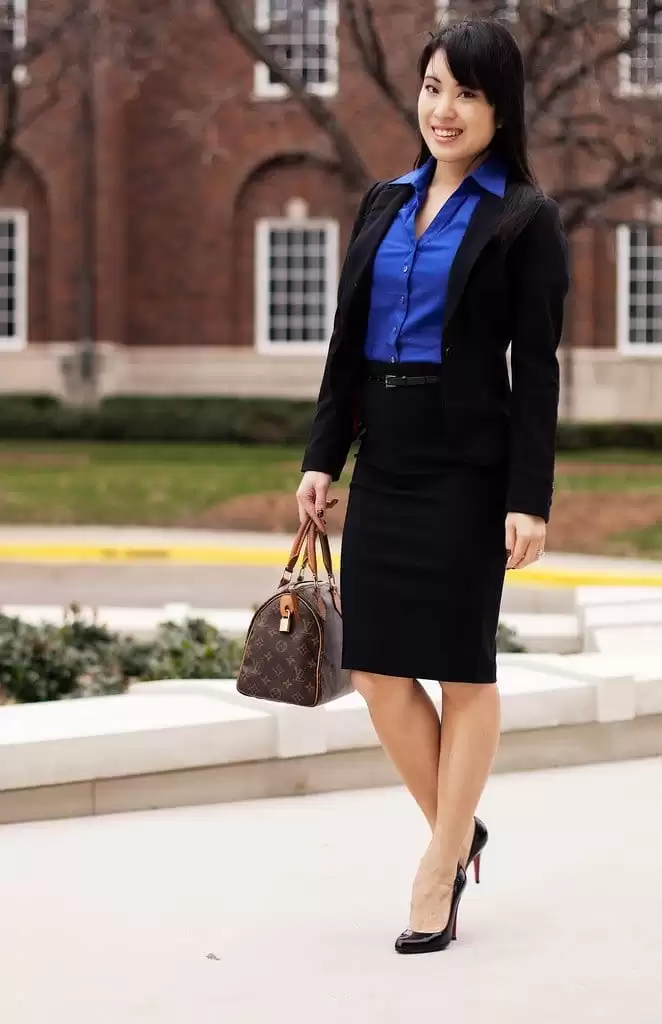
Tip: A colorful shirt is often safer than a colorful suit — it shows personality while maintaining the structure of traditional business dress.
Grey Blazer with White Sheath Dress
This grey and white combination is interview gold — it’s impossible to get wrong. The grey blazer adds sophistication while the white dress underneath keeps everything feeling fresh and modern. The black pumps ground the look, while the bow detail adds just enough personality. This works across all industries because it’s universally flattering and appropriate.
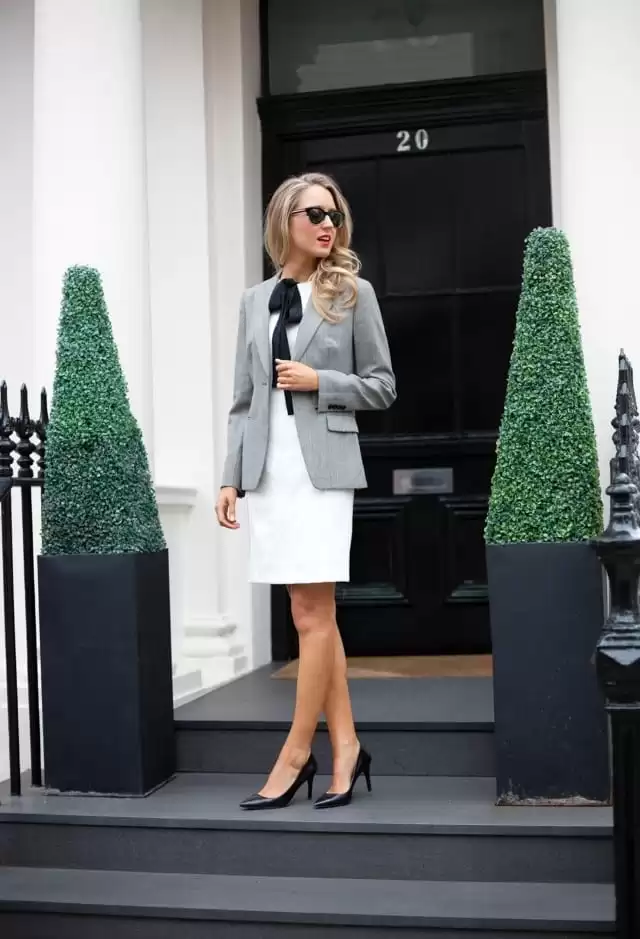
Tip: Grey is more approachable than black while still being authoritative — perfect for interviews where you want to seem competent but not intimidating.
Plaid Suit with White Button-Down
This plaid suit demonstrates how to wear pattern with confidence in professional settings. The matching blazer and pants create a cohesive look, while the white shirt provides clean contrast. The ankle-strap heels and structured bag complete an outfit that’s both polished and personality-driven. This works well for creative industries or modern workplaces where individual style is celebrated.
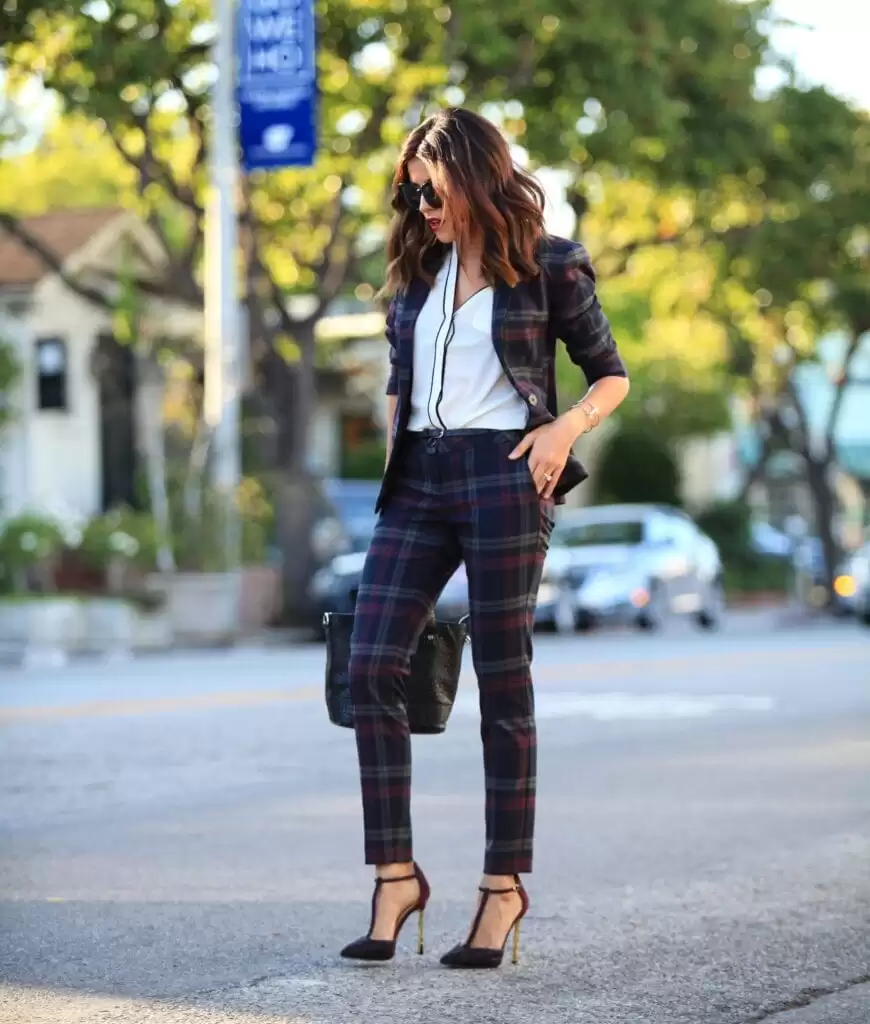
Tip: When wearing a patterned suit, keep everything else simple — the suit should be the only statement piece.
Long Black Coat with Metallic Heels
This minimalist approach to interview dressing relies on impeccable fit and subtle luxury details. The long black coat creates a sleek silhouette, while the metallic heels add just enough interest without being flashy. The structured bag maintains the clean lines. This look works particularly well for fashion, luxury goods, or design interviews where aesthetic awareness is crucial.
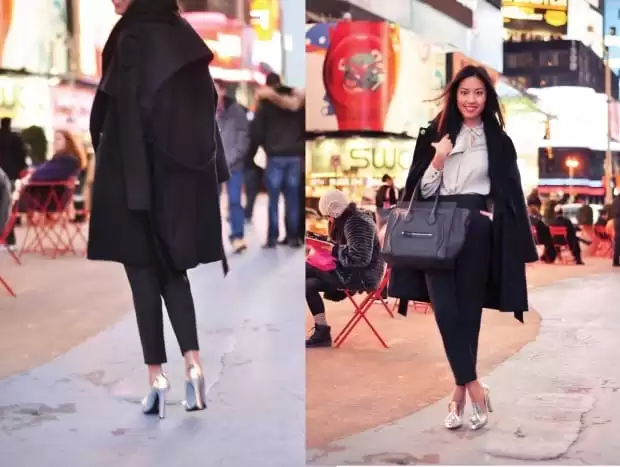
Tip: The metallic heels are subtle enough to be professional but special enough to show you understand the power of thoughtful details.
Small-Check Shirt with Navy Pants
This gingham shirt and navy pant combination feels fresh and modern while remaining completely appropriate for interviews. The small check pattern adds visual interest without being distracting, while the brown bag and cap-toe heels complete a look that’s both polished and approachable. This works well for most professional environments, particularly those with business casual dress codes.
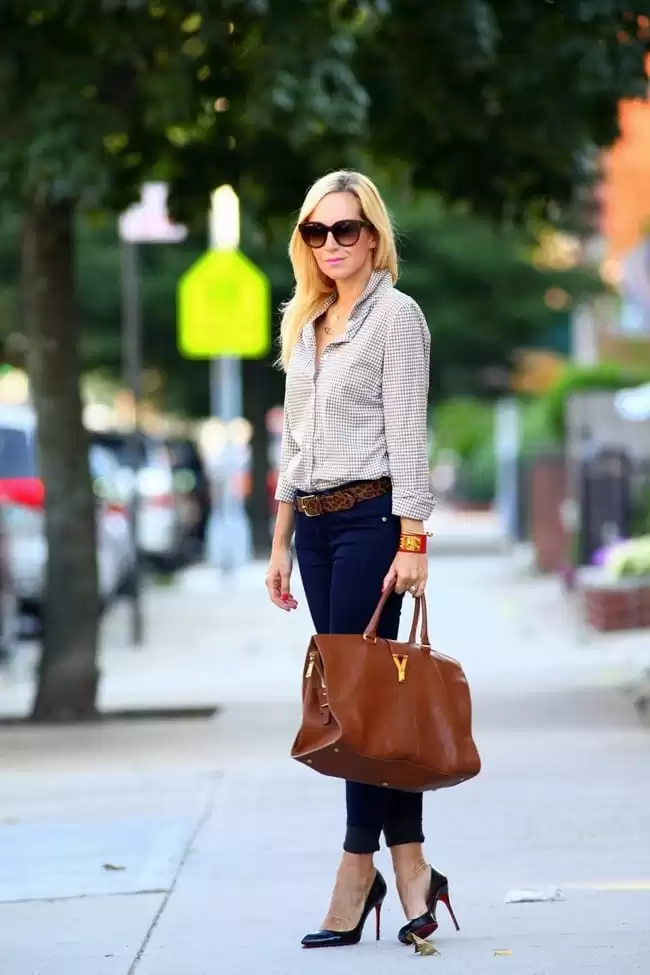
Tip: The cap-toe heels are a sophisticated choice — they’re more interesting than plain pumps but still thoroughly professional.
White Tee with Beige Pants and Block Heels
This casual combination shows how to dress appropriately for interviews at relaxed companies. The white tee is elevated by the tailored beige pants and brown block heels, creating a look that’s polished but not formal. The black bag adds structure to keep everything feeling intentional. This works well for startups, tech companies, or creative agencies with casual dress codes.
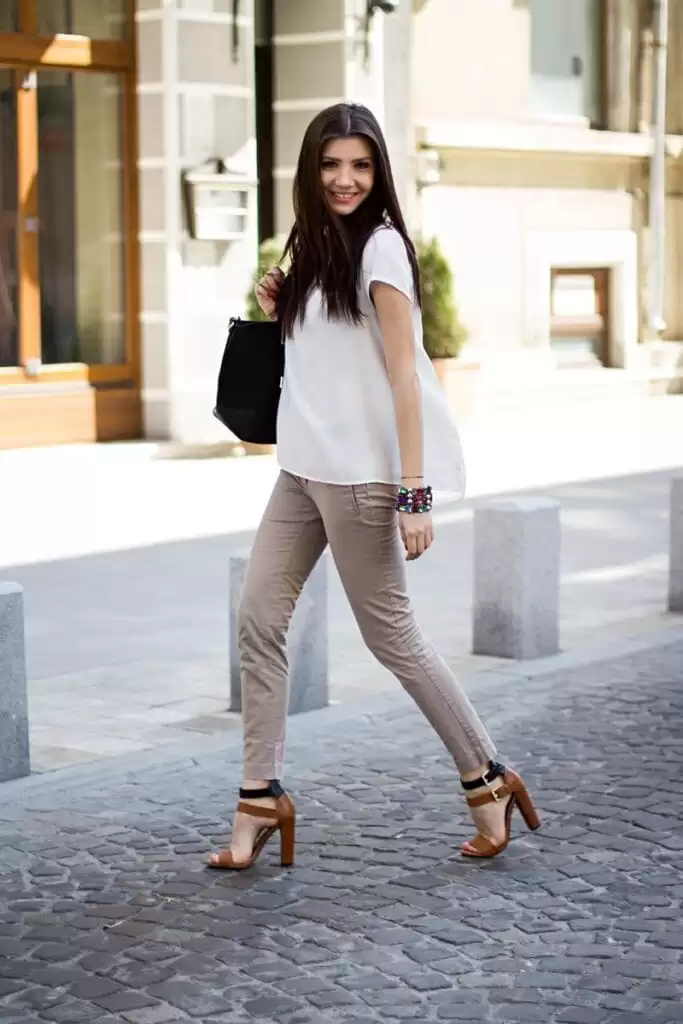
Tip: Block heels are perfect for long interview days — they’re comfortable enough to walk in but still look polished and professional.
Professional Black Suit Comparison
This comparison perfectly illustrates the difference between appropriate and inappropriate interview attire. The left look demonstrates proper business dress — conservative skirt length, classic blazer, professional shoes. The right shows common mistakes that can undermine your candidacy — too short skirt, overly tight fit, distracting accessories. The contrast makes the importance of conservative choices clear.
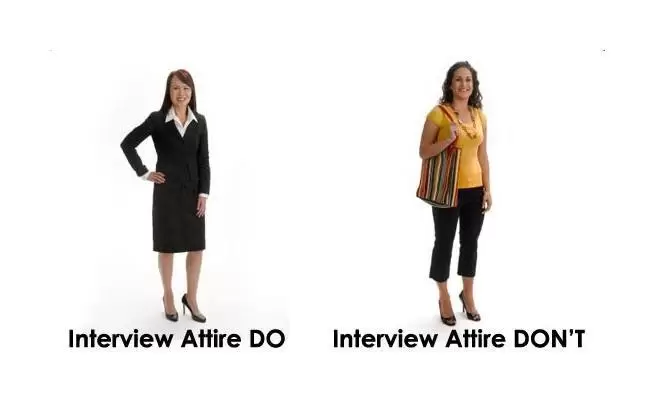
Tip: When in doubt, err on the side of conservative — you can always show more personality once you get the job.
Business Suit Do’s and Don’ts
This side-by-side comparison shows exactly what works and what doesn’t in interview attire. The left demonstrates proper professional dressing with appropriate skirt length, classic blazer, and understated accessories. The right shows how easily things can go wrong with too-short hemlines, overly fitted clothing, and attention-grabbing details. Use this as your guide for making smart interview outfit choices.
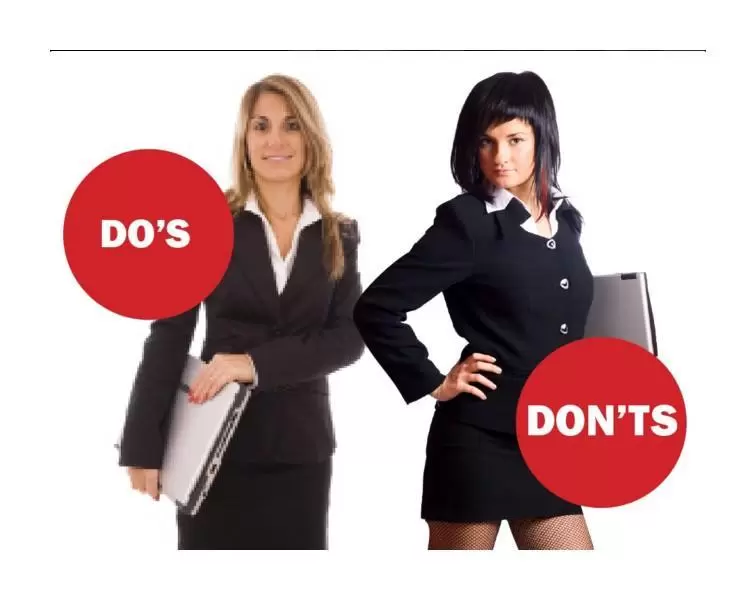
Tip: The woman on the left looks confident and competent — the woman on the right risks having her outfit overshadow her qualifications.
Graphic Tee Interview Mistake
This image shows exactly what not to wear to an interview. The graphic tee, while fine for casual settings, sends the wrong message about your understanding of professional dress codes. Even for the most casual companies, a plain tee or blouse would be more appropriate. Save graphic tees for after you’ve established yourself in the workplace and understand the culture.
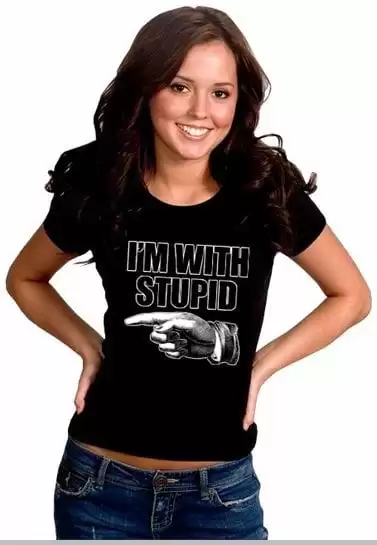
Tip: Your interview outfit should show respect for the process and the company — save personal expression for after you get the job.
What To Wear To Theatre? 35 Best Outfit Ideas for Women
21 New Year’s Eve Date Outfits for Women
How to Style a Dress Shirt ? 27 Outfit Ideas
18 Trendy Equestrian Inspired Outfit Ideas for Women
How to Wear Corduroy Pants for Women ? 16 Outfit Ideas
80s Theme Party Outfit Ideas – 18 Tips from 1980s
18 Best Check Shirt Outfit Ideas for Girls for All Seasons
What To Wear to a House Party? 25 Outfit Ideas
Which look is your favourite?
Tap the outfit you would wear. Results show right after you vote.