Most men make the same mistake with suits — they buy one that fits and wear it exactly the same way for the next decade. I’ve watched clients walk into boardrooms looking like they borrowed their father’s clothing, not because the suit was bad, but because they never learned how to make it work for their body and their life.
The difference between a man who looks sharp in a suit and one who looks like he’s playing dress-up isn’t the price tag or the brand. It’s understanding that fit comes first, then styling comes second. A £200 suit that fits your shoulders perfectly will always look better than a £2000 suit that doesn’t. Once you get the fit right, the real work begins — learning how to style it for different occasions, body types, and seasons.
After ten years of dressing men for everything from job interviews to red carpet events, I’ve learned that the guys who consistently look great in suits follow specific rules. They understand proportions, they know when to break traditional rules, and they’ve mastered the art of making formal wear feel natural. Here’s what actually works.
How to Look Your Best in a Suit
Master the Black Tie Foundation
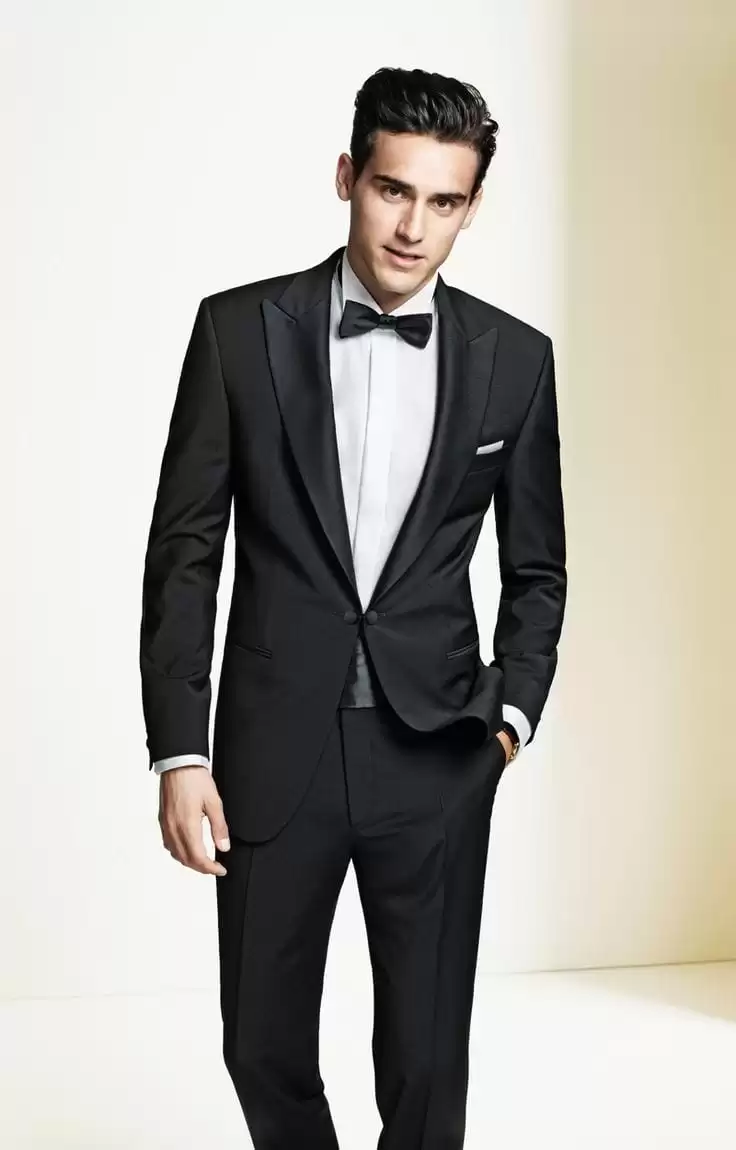
A perfectly fitted tuxedo starts with the shoulder line — it should sit exactly where your natural shoulder ends, creating a clean silhouette without pulling or bunching. The bow tie should feel snug but not tight, and your shirt studs should lie flat. This is your formal baseline that everything else builds from.
19 Holiday Outfit Ideas for Men for Sharp Look
17 Retro Outfits For Men and Tips to Get Retro Look
20+ Latest Designs Of Jodhpuri Suit For Men- New Collections
Outfits For The Short Men-20 Fashion Tips How To Look Tall
35 Outfits for Short Men to Look Tall
34 Amazing Croc Outfit Ideas for Men
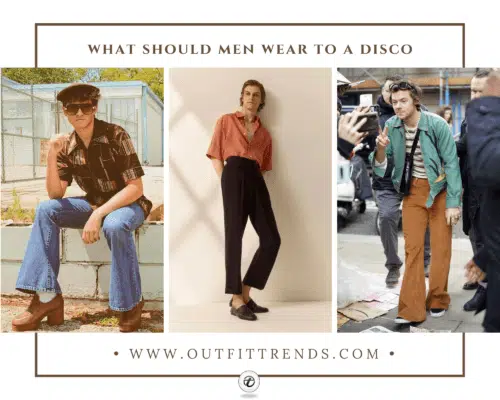
21 Amazing Disco Party Outfit Ideas for Men
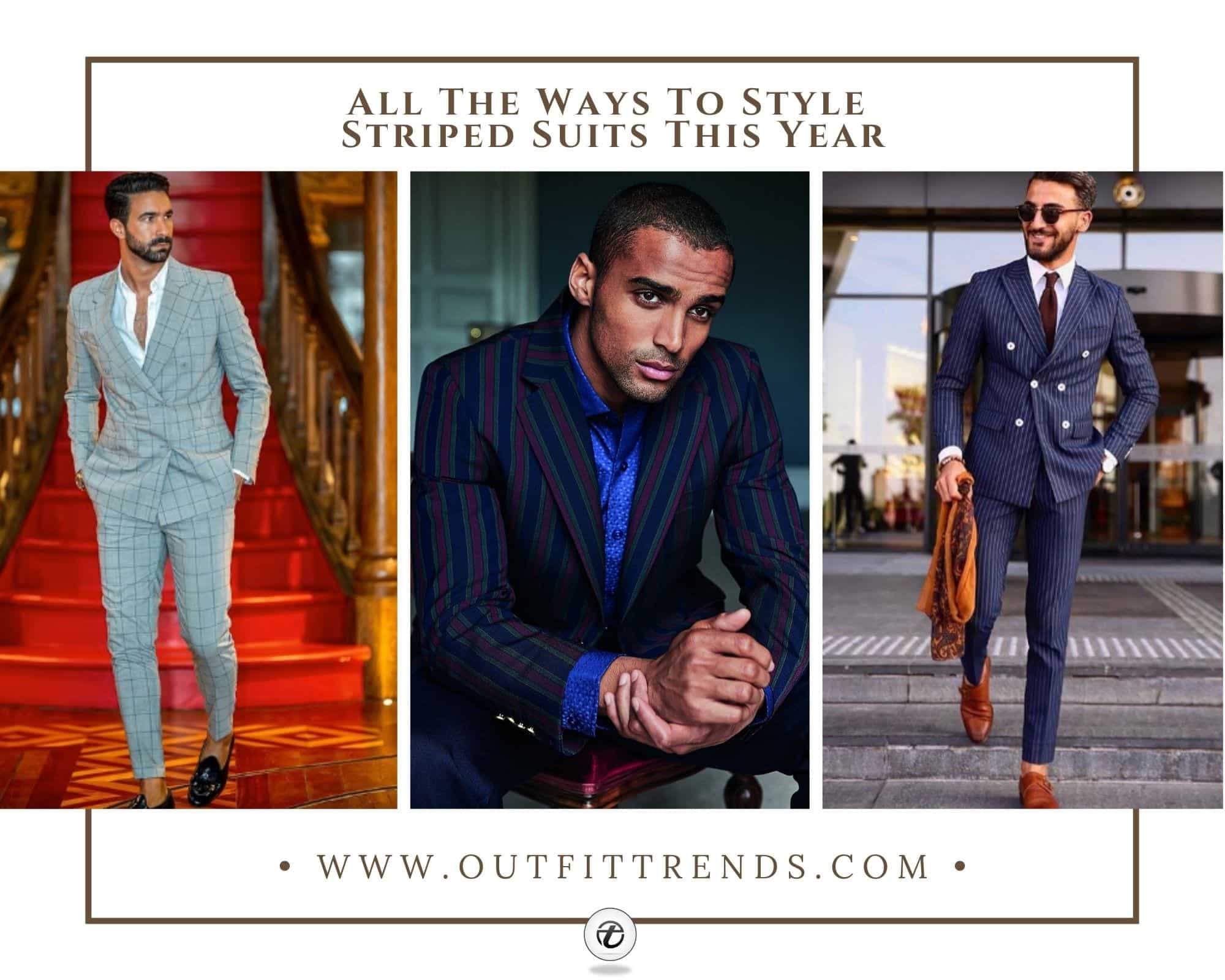
20 Best Striped Suits Outfit Ideas for Men all Seasons
Choose the Right Shirt Collar
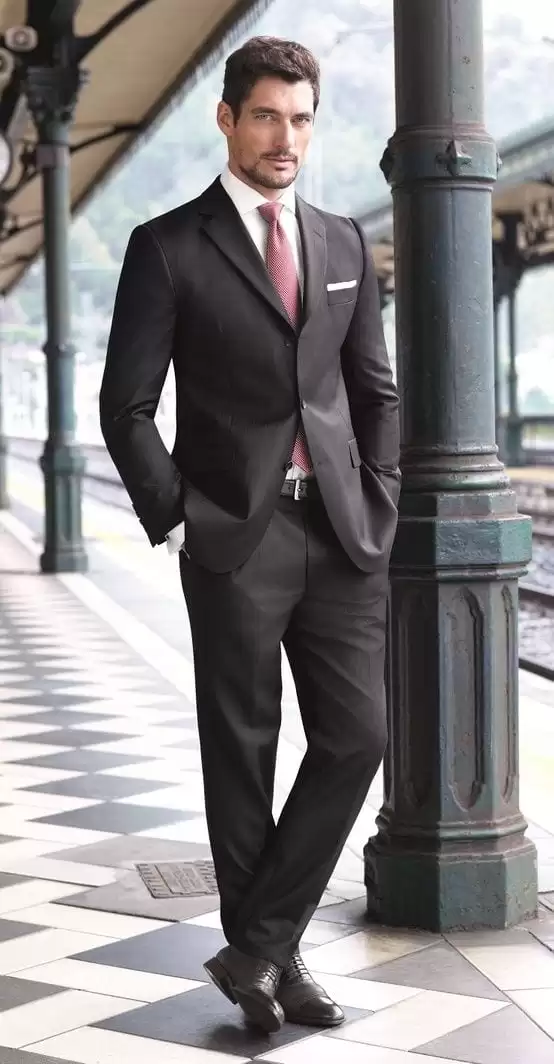
Your shirt collar should complement your face shape and tie choice. A spread collar works with most tie knots and face shapes, while a point collar is better for narrow ties and slim builds. The collar should sit flush against your neck without gapping.
Layer with a Three-Piece
A waistcoat adds structure and sophistication, but only if it fits properly. The bottom button should never be fastened, and the vest should cover your trouser waistband completely. It’s particularly effective for formal events and cooler weather.
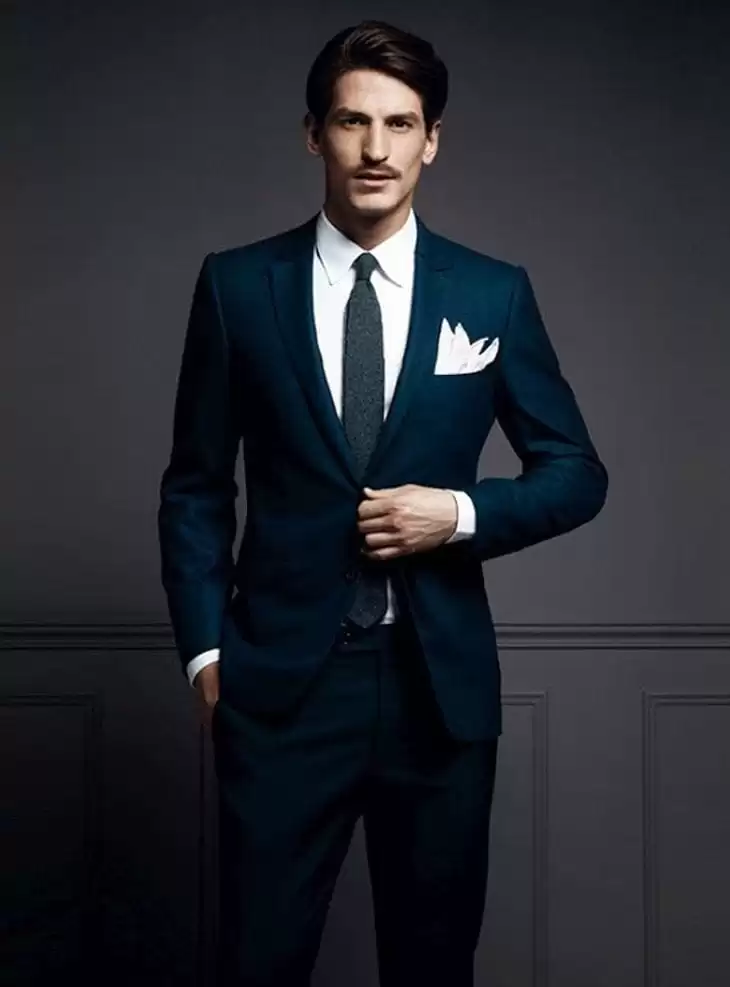
Go Light for Summer Events
Cream and light-colored suits work for daytime weddings and summer events, but require careful attention to fabric weight. Choose lightweight wool or linen, and pair with brown leather shoes rather than black to maintain the relaxed sophistication.
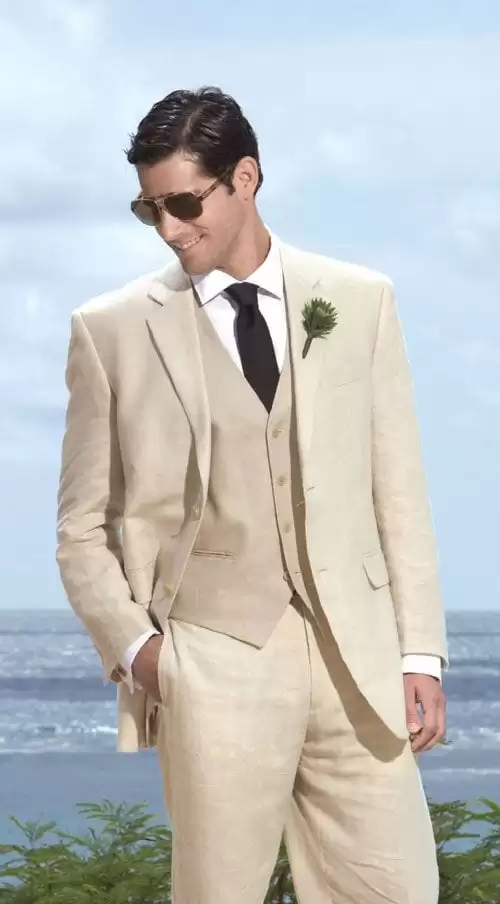
Add Texture with Tweed
Textured fabrics like tweed add visual interest and work particularly well for autumn and winter events. The key is balancing the rustic texture of the suit with refined accessories — a silk pocket square and leather shoes ground the look.
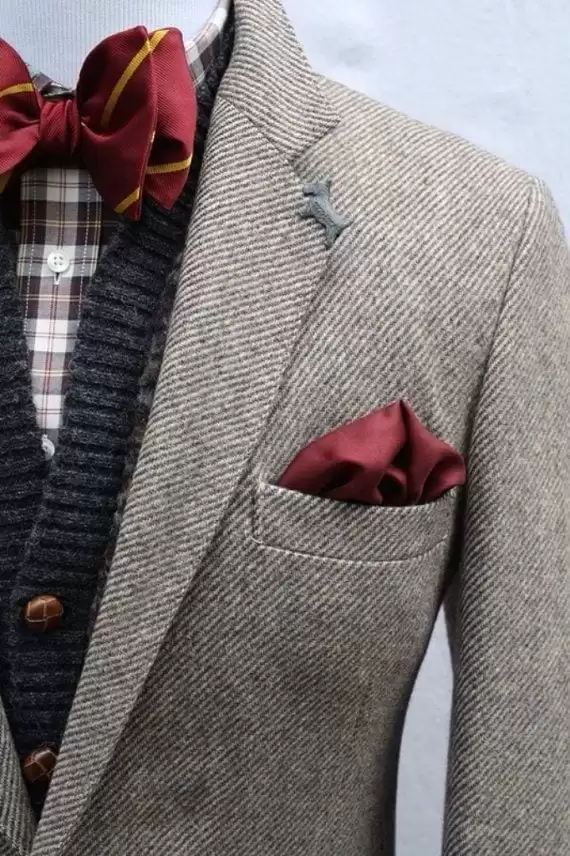
Experiment with Bold Colors
Statement suits in deep purple or burgundy can work for evening events, but they require confidence and careful styling. Keep everything else understated — white shirt, simple tie, classic shoes. Let the suit be the only bold element.
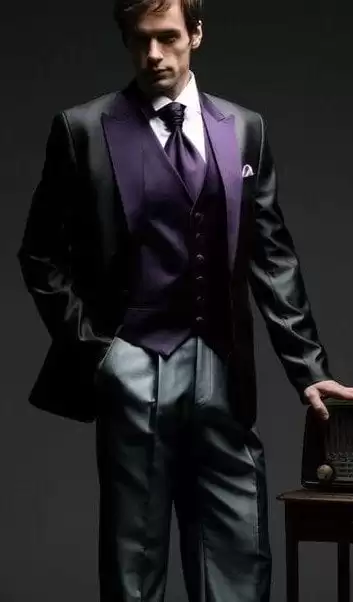
Try Tonal Dressing
Wearing different shades of the same color creates a sophisticated, modern look. A charcoal suit with a lighter grey shirt and darker grey tie shows understanding of subtle styling. It’s more interesting than navy-and-white but less risky than contrasting colors.
The modern business suit evolved from military uniforms of the 17th century. King Charles II introduced the three-piece suit to English court in 1666 as a more practical alternative to elaborate robes, and the style spread across Europe as a symbol of masculine refinement.
Master Color Coordination
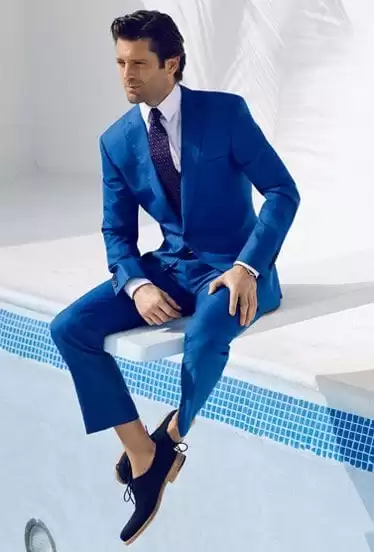
Blue suits offer the most versatility for color combinations. Navy works with almost any shirt and tie combination, while lighter blues pair beautifully with warm-toned accessories like brown leather and gold hardware. The orange tie here creates energy without being overwhelming.
Embrace Casual Suiting
Modern suits don’t always need ties. A well-fitted blue suit with an open white shirt and brown shoes works for business casual environments and weekend events. The key is ensuring the suit fits impeccably when worn more casually.
Style Without a Tie
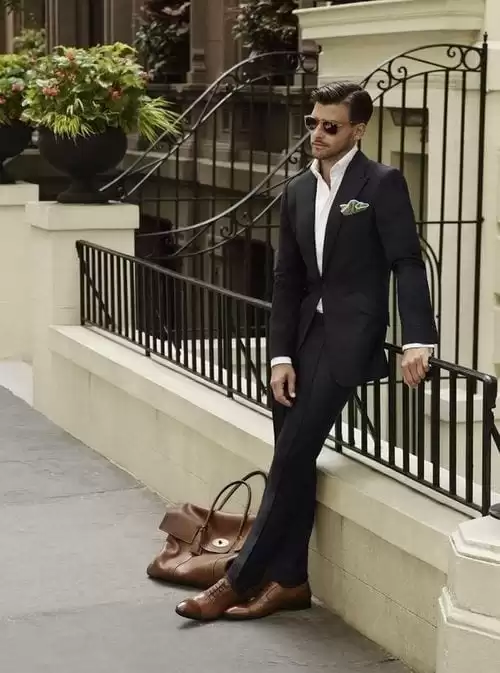
When going tieless, the shirt becomes more important. Choose a shirt with a structured collar that maintains its shape when open. Leave only the top button undone, and ensure your suit jacket fits well enough to look intentional rather than incomplete.
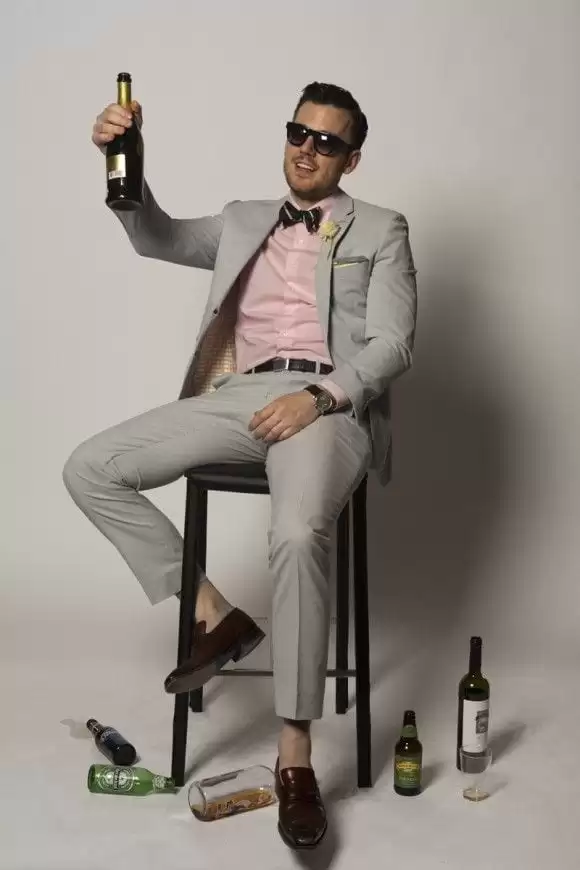
Play with Party Styling
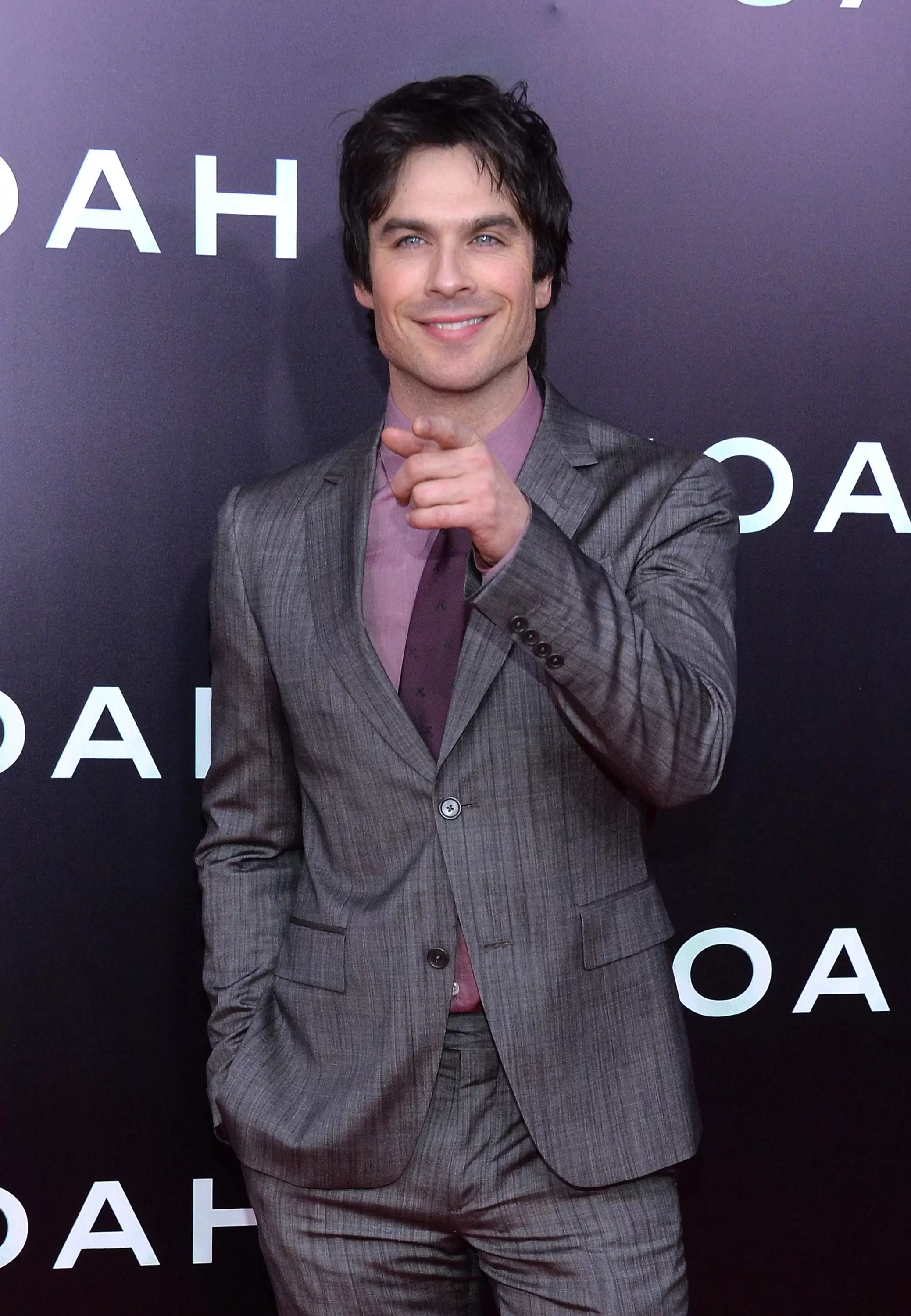
For less formal events, you can break traditional rules — like pairing a grey suit with a pink shirt and bow tie. The key is confidence and ensuring all the basics (fit, grooming, shoe quality) remain impeccable while you experiment with color.
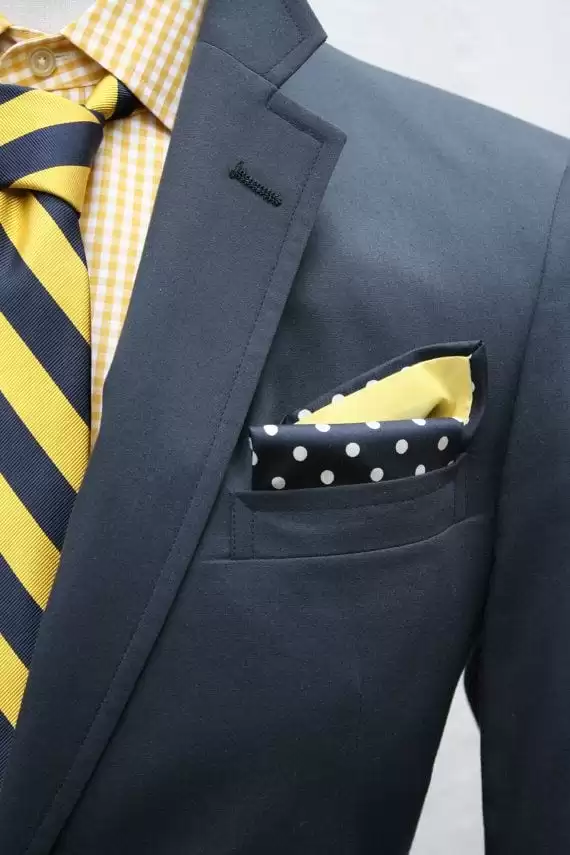
Coordinate Patterns Carefully
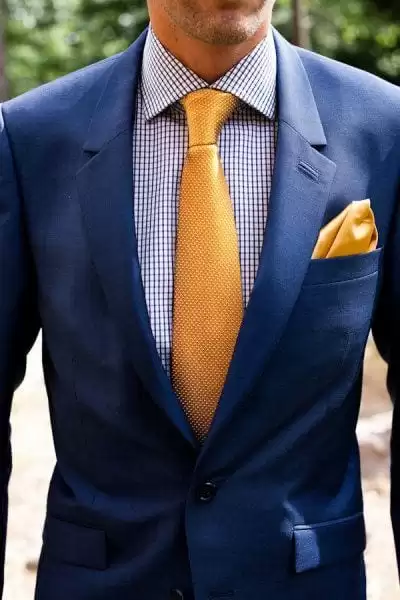
Mixing patterns requires following the scale rule — if your shirt has small checks, your tie should have a larger pattern or be solid. The yellow striped tie works with the gingham shirt because the scales are different enough to create contrast rather than competition.
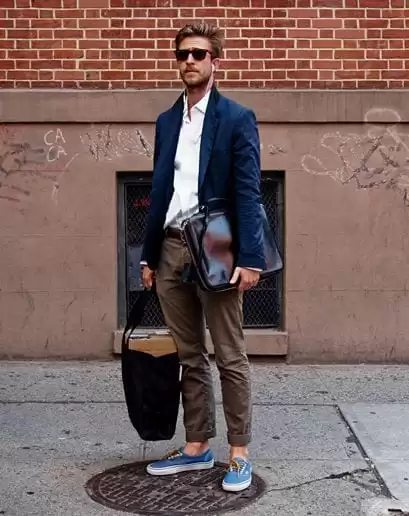
Dress Down with Sneakers
Pairing a suit with sneakers only works when both pieces are high quality. The suit should fit perfectly, and the sneakers should be clean, minimal, and preferably leather. This combination works for creative industries and casual Friday environments.
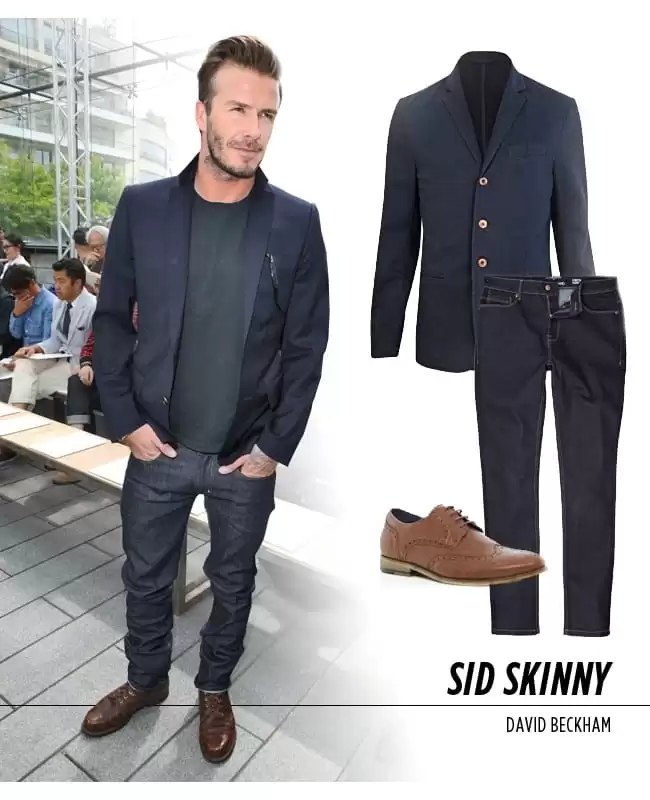
Perfect Smart Casual
David Beckham consistently demonstrates how to wear a blazer casually — fitted through the torso, paired with dark jeans and quality shoes. The key is treating the blazer as a standalone piece rather than part of a suit, which gives you more styling freedom.
Understand Knit Ties
Knit ties add texture and work particularly well with casual suits or blazer combinations. They’re less formal than silk ties but more structured than going tieless. The grey knit tie here bridges formal and casual perfectly.
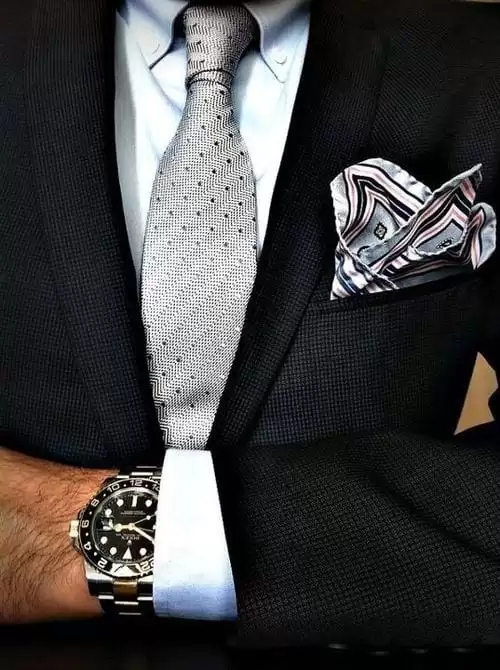
Invest in Quality Watches
A watch should complement your suit’s formality level. Classic dress watches with leather straps work with formal suits, while sport watches suit casual blazer looks. The watch face size should be proportional to your wrist size.
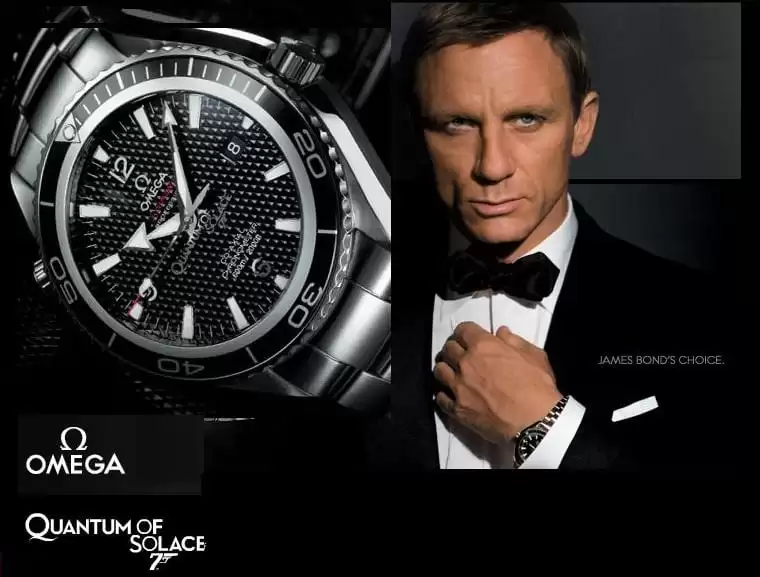
Choose Appropriate Formal Wear
For black-tie events, stick to the rules — black tuxedo, white dress shirt, black bow tie, black shoes. The Leo DiCaprio approach works because it’s classic and unfussy. Trends in formal wear usually look dated in photos later.
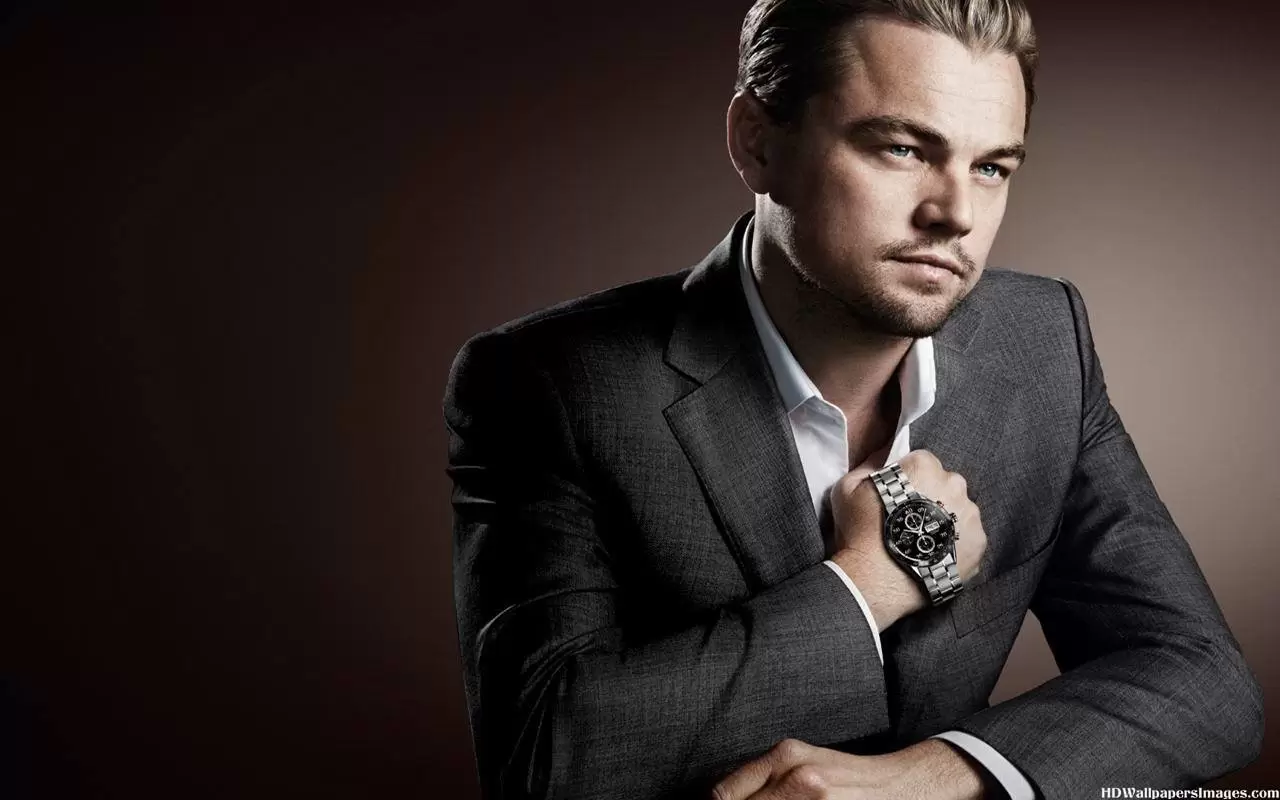
Try Light Summer Suits
White and cream suits require confidence and careful maintenance. They work best for daytime events, beach weddings, and warm climates. The fit must be perfect because light colors show every flaw, and you’ll need professional cleaning more frequently.
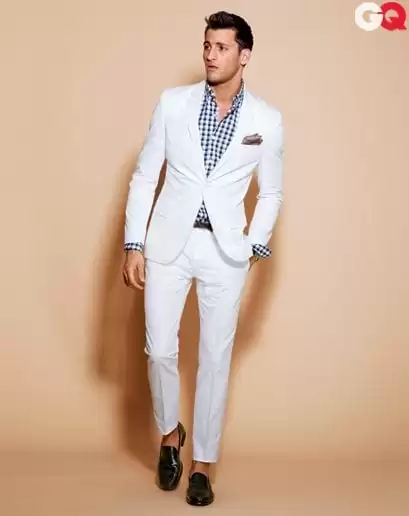
Consider Wedding Coordination
For your wedding, choose colors that photograph well and complement your partner’s outfit. Light grey and cream create a romantic, timeless look that works in most settings and won’t look dated in your wedding photos decades later.
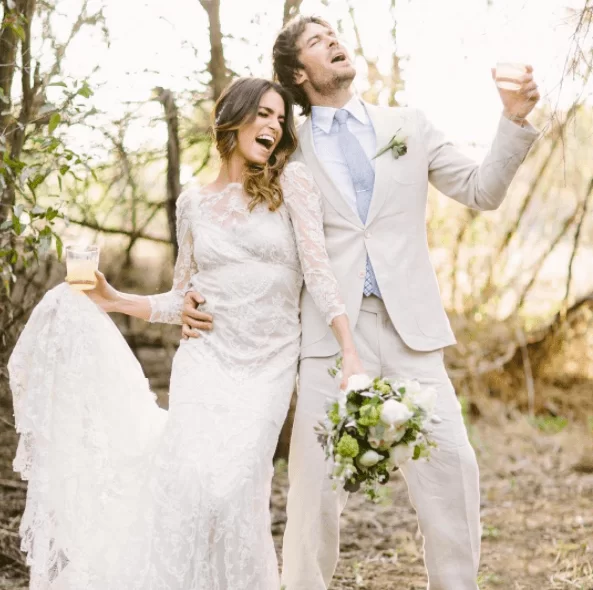
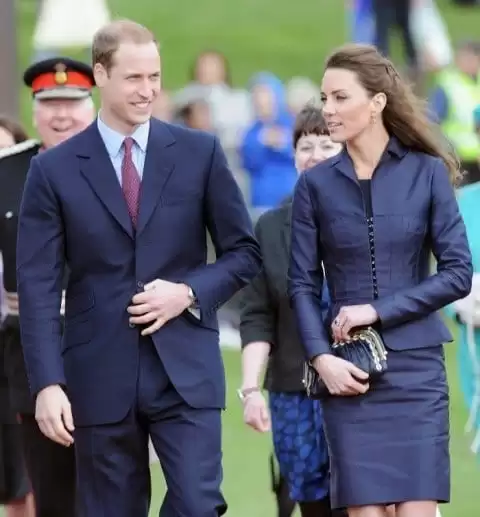
Style Power Couples
When dressing as a couple, coordination doesn’t mean matching exactly. David and Victoria Beckham excel at complementary styling — both wearing black with similar levels of formality and quality. The key is looking like you planned to be together.
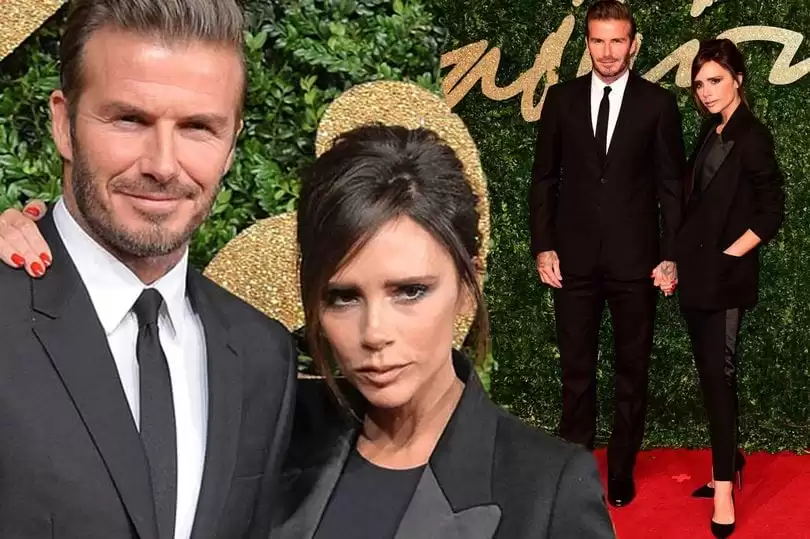
Master All-Black Everything
All-black outfits require attention to texture and fit to avoid looking flat. Different shades of black, varied textures, and perfect tailoring create depth. This works particularly well for evening events and creative industries.
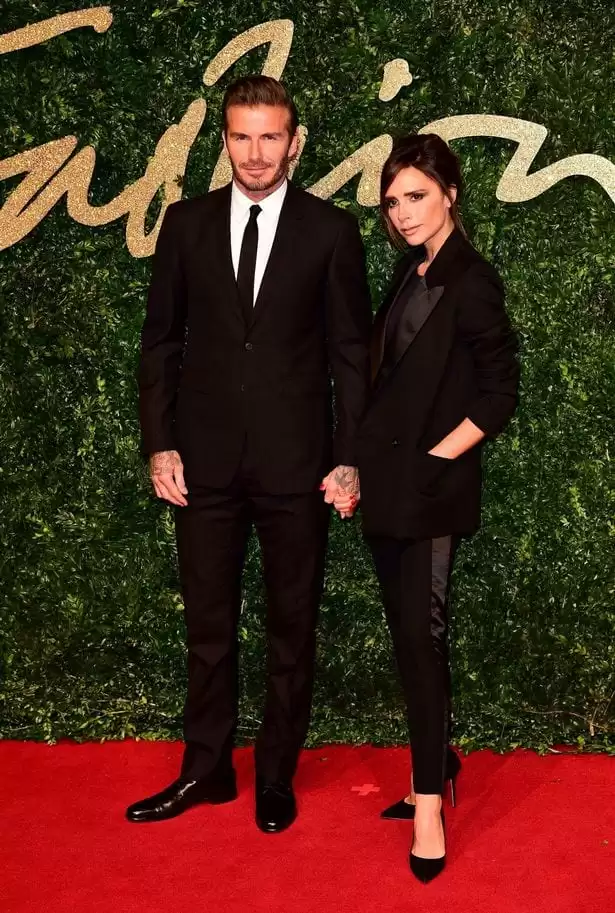
Understand Formal Variations
Different formal events have different requirements. The double-breasted coat here suggests a more formal military-inspired look, appropriate for certain ceremonial events. Understanding dress codes prevents you from being over or under-dressed.
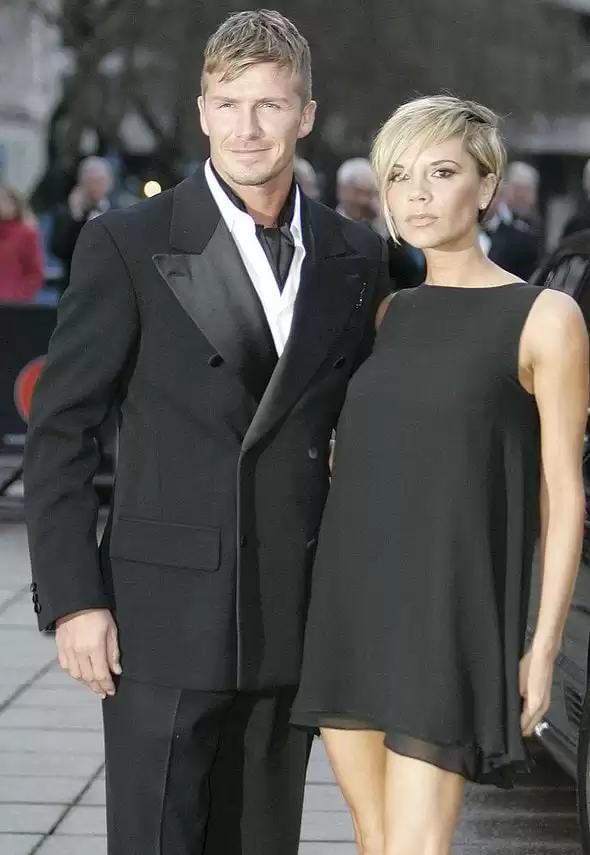
Try White Formal Wear
White dinner jackets are traditional for summer formal events and tropical climates. They require black trousers, not white — the contrast is part of the traditional look. This works for yacht parties, summer galas, and destination weddings.
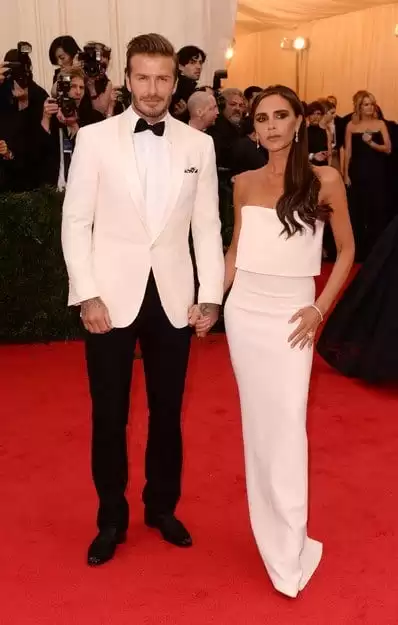
Style for Red Carpets
For high-profile events, choose classic over trendy. The grey suit approach works because it photographs well, fits impeccably, and won’t look dated. Focus on perfect fit and grooming rather than statement pieces.
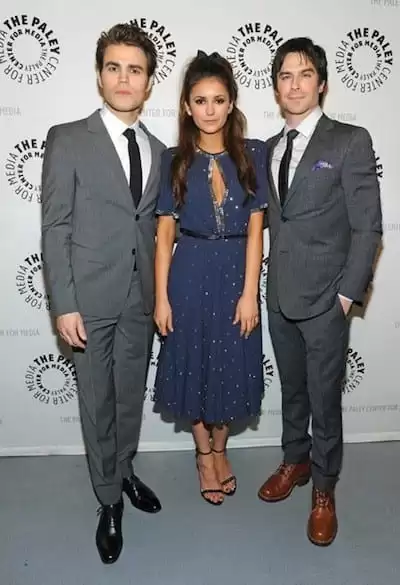
Consider Matching Outfits
Identical outfits only work in specific contexts — like groomsmen, business partners, or themed events. When it works, it creates a strong visual impact. Both people need to be equally comfortable with the matching approach.
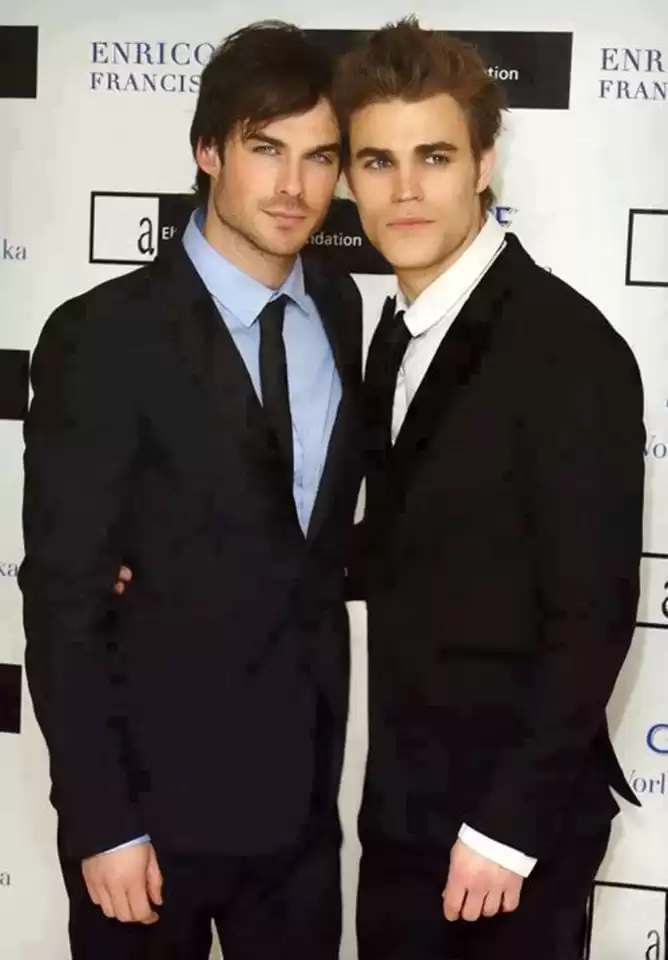
Layer for Smart Casual
Layering a blazer over casual shirts creates versatility. The key is ensuring each layer fits properly — the blazer should accommodate the sweater underneath without looking bulky. This approach works for transitional seasons and varying formality levels throughout the day.
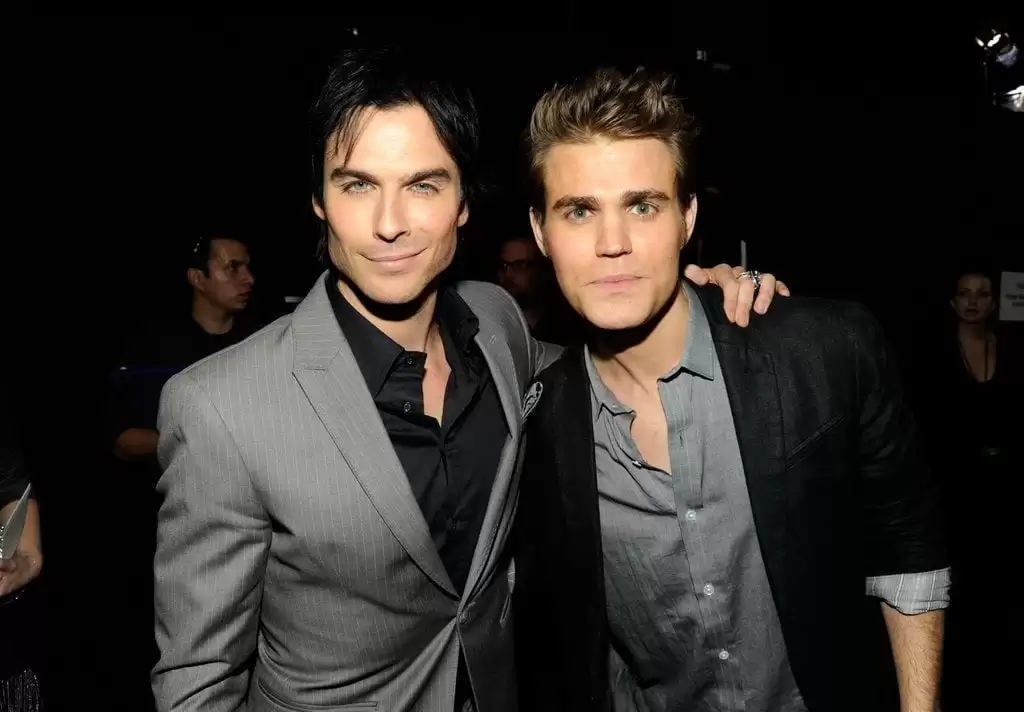
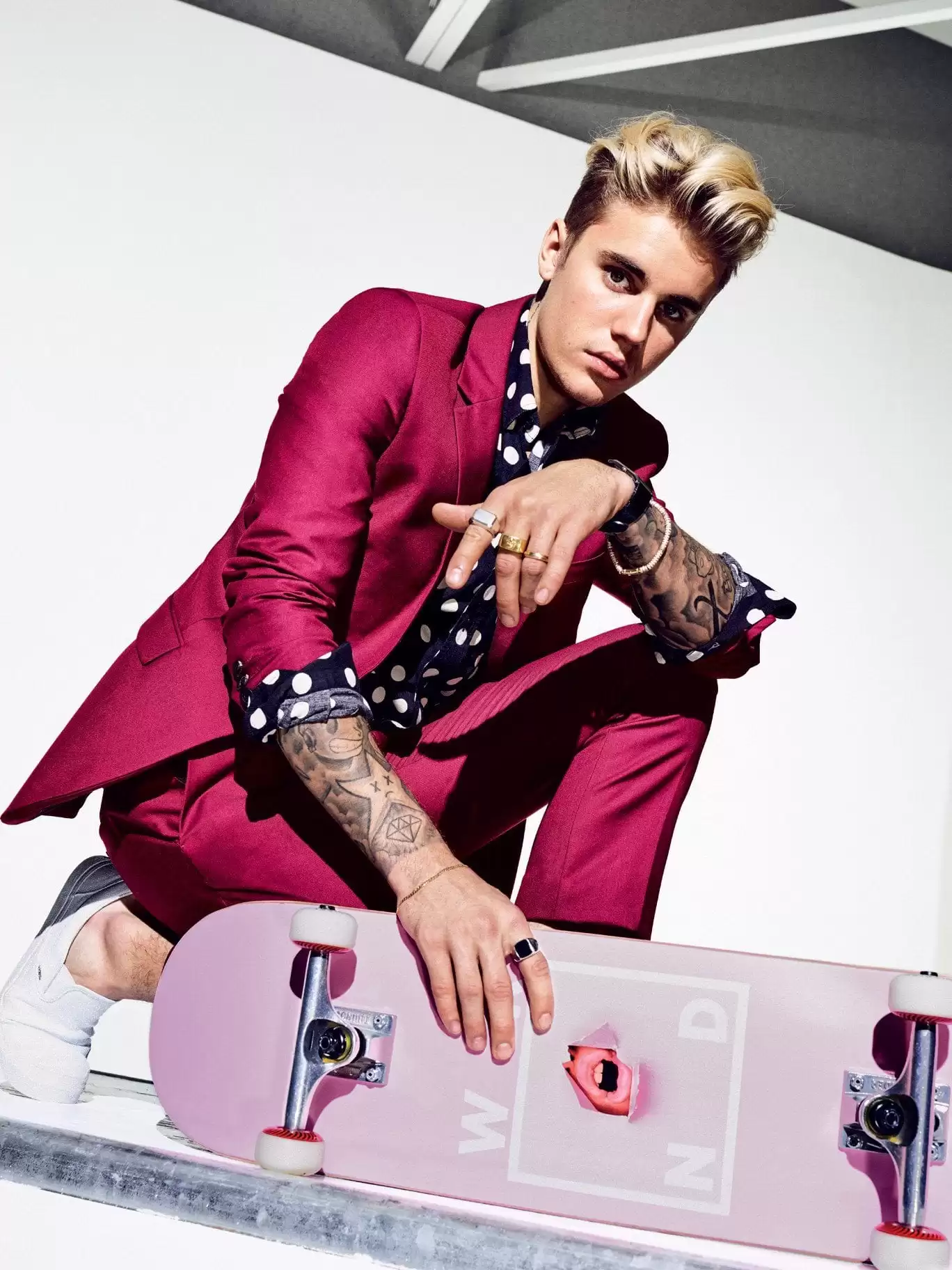
Experiment with Bold Colors
Statement suits in unusual colors like burgundy or deep red require confidence and careful occasion selection. Justin Bieber’s approach works because the fit is perfect and the styling is otherwise understated. These suits work for creative events and evening occasions.
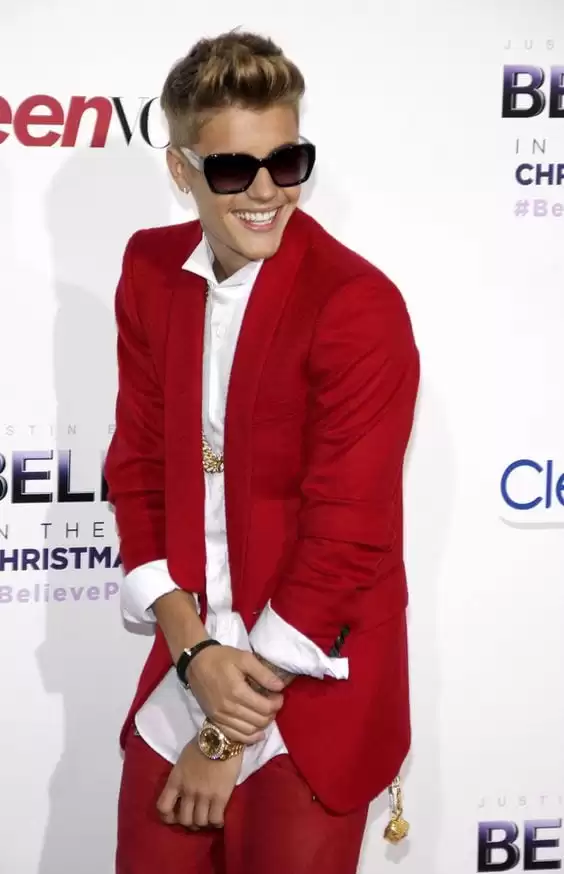
Try Bright Color Blocking
Bright red suits are statement pieces that require careful consideration of the occasion and your comfort level. They work best for entertainment industry events, holiday parties, or situations where standing out is the goal rather than fitting in.
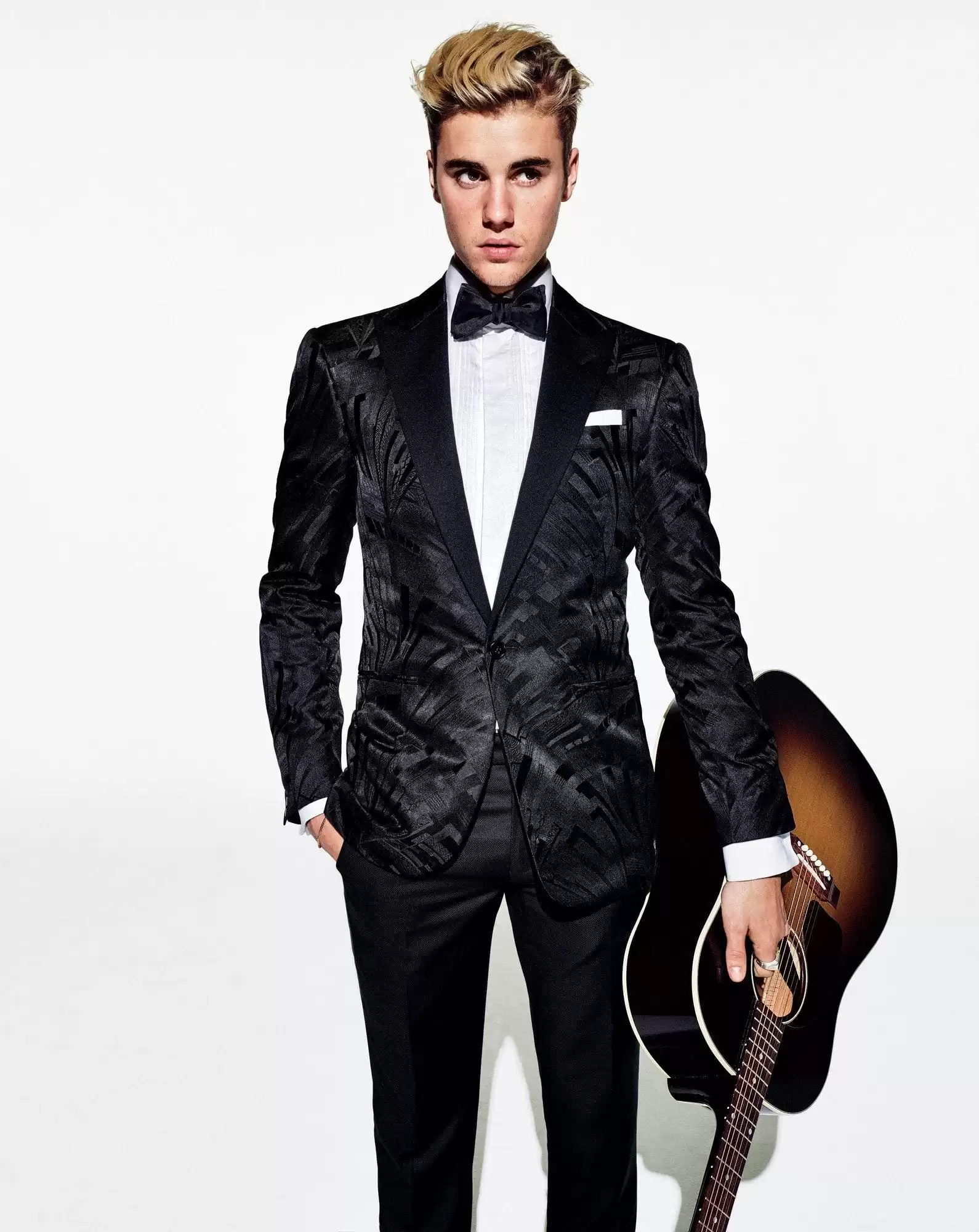
Master Pattern Mixing
The patterned tuxedo jacket shows how to add visual interest to formal wear while maintaining elegance. The key is keeping the pattern subtle and ensuring perfect fit. This approach works for galas, award shows, and upscale evening events.
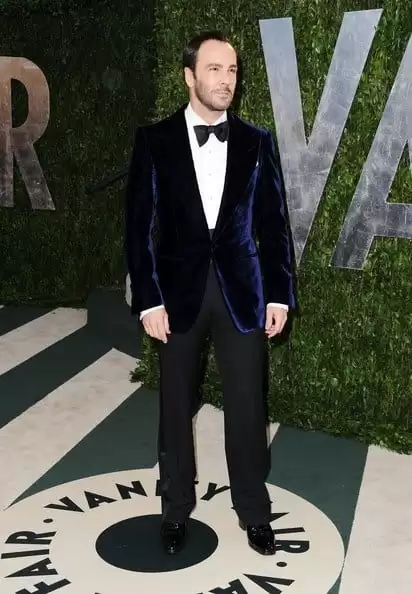
Understand Velvet Formal Wear
Velvet dinner jackets are traditional for formal evening events and add luxury through texture. Navy velvet is more versatile than burgundy or black, and the fabric requires careful maintenance. This works particularly well for winter formal events.
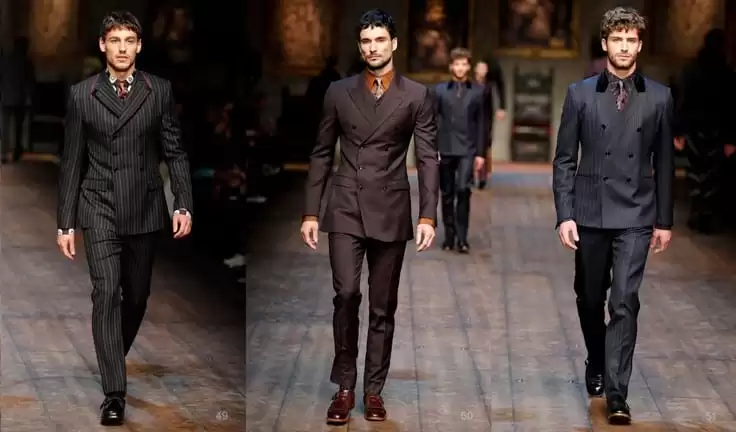
Embrace Double-Breasted Styling
Double-breasted suits require confidence and proper fit — they’re unforgiving of extra weight around the midsection. When they fit well, they create a powerful, authoritative silhouette. Modern versions are cut slimmer than traditional styles.
Style for Mature Men
Patrick Stewart demonstrates how older men can wear suits with authority and style. The key is focusing on fit, quality fabrics, and classic styling rather than trying to follow young men’s trends. Confidence and good grooming matter more than fashion-forward choices.
Add Interest with Accessories
Neil Patrick Harris shows how a colored dinner jacket can work for award shows and formal events. The burgundy creates visual interest while maintaining formality. The key is keeping everything else classic — white shirt, black bow tie, black trousers.
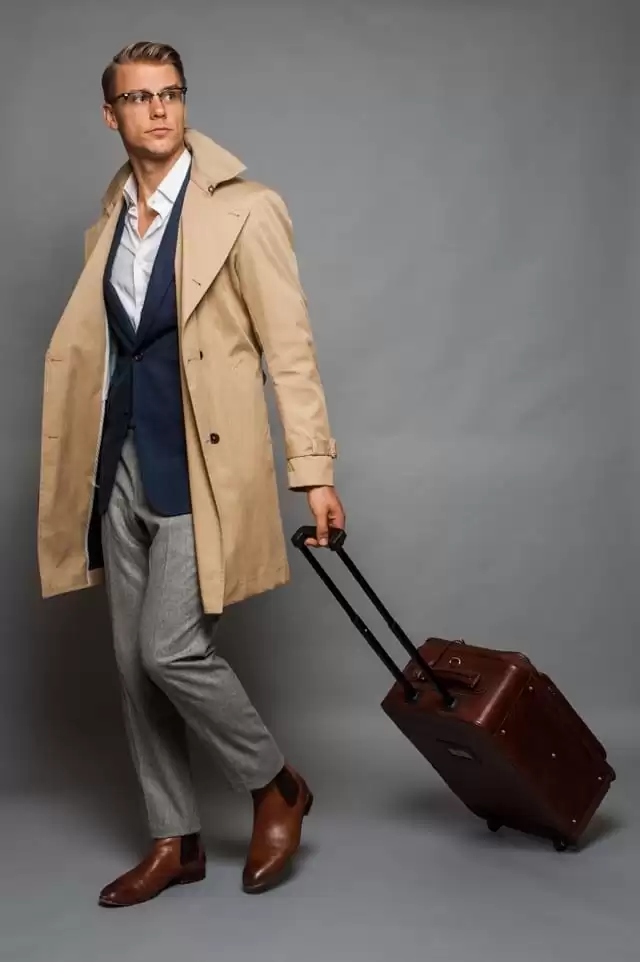
Layer for Travel
Traveling in suits requires strategic layering and wrinkle-resistant fabrics. A blazer over casual pieces gives you options — formal for meetings, casual for travel. Choose fabrics that recover well from packing and wrinkle less easily.
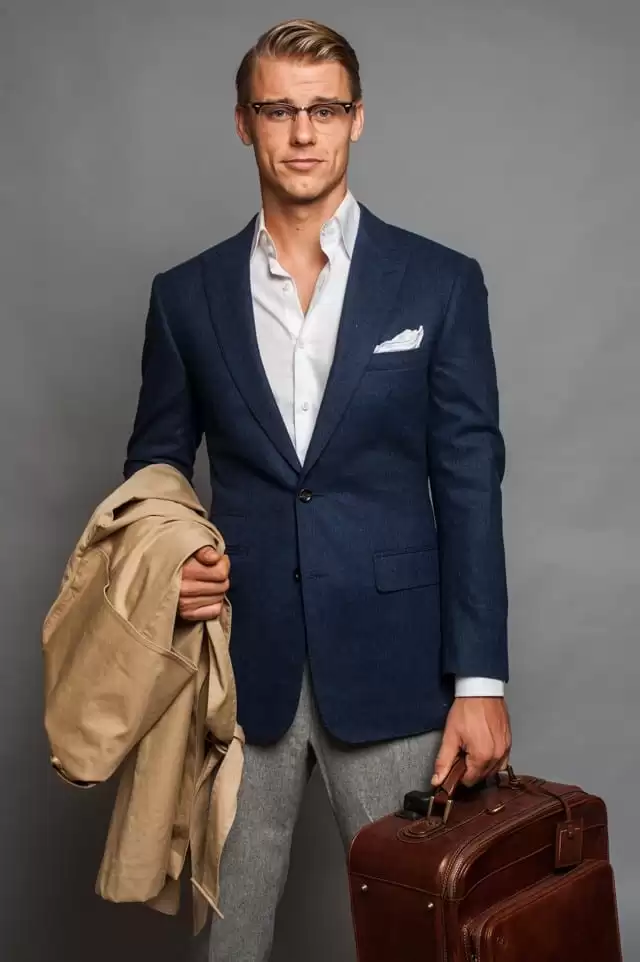
Perfect Business Travel
The ultimate travel suit combines comfort with professional appearance. Choose stretch fabrics, avoid wrinkle-prone materials, and ensure the fit allows for movement. Pack a backup shirt and tie for important meetings.

Understand Airport Style
Business travel requires balancing comfort with professionalism. The suit should be comfortable enough for long flights but sharp enough for immediate meetings upon arrival. Choose breathable fabrics and comfortable shoes you can easily remove for security.
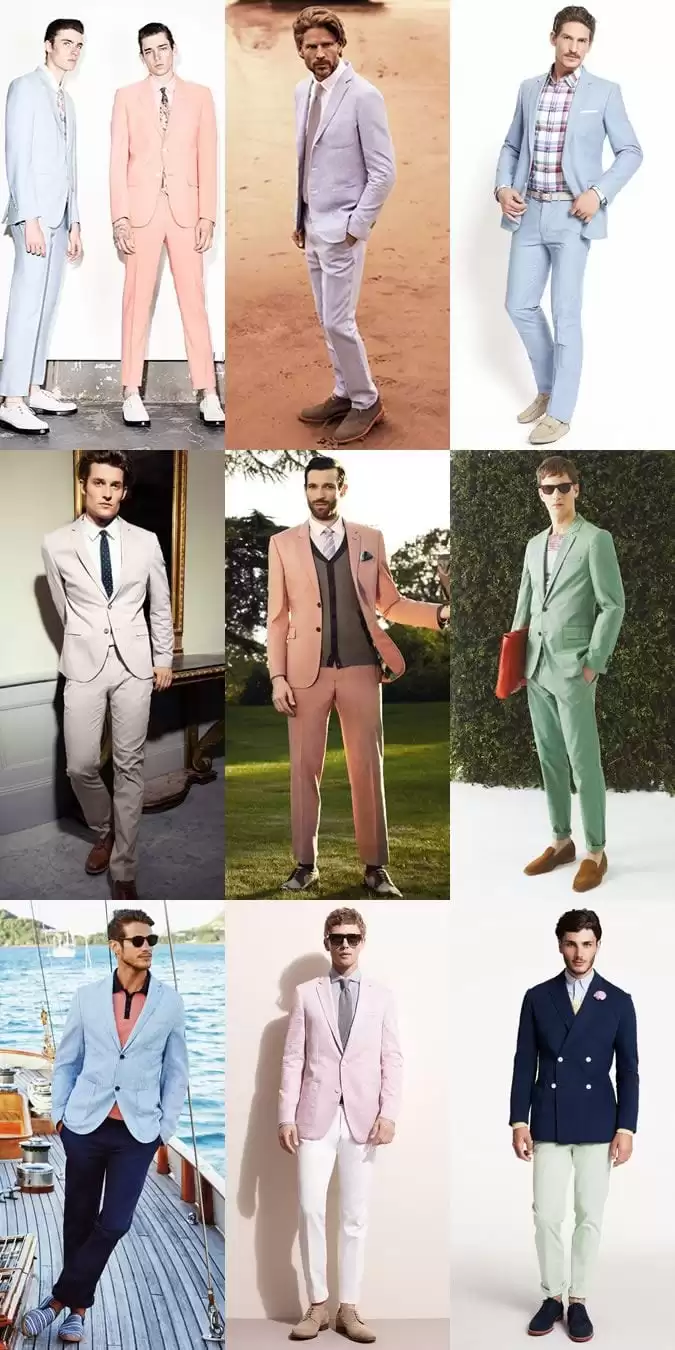
Try Pastel Suiting
Light-colored suits work for spring and summer events but require careful styling. The pastel approach works best for daytime events, garden parties, and warm-weather weddings. Ensure the colors complement your skin tone and the event’s formality level.
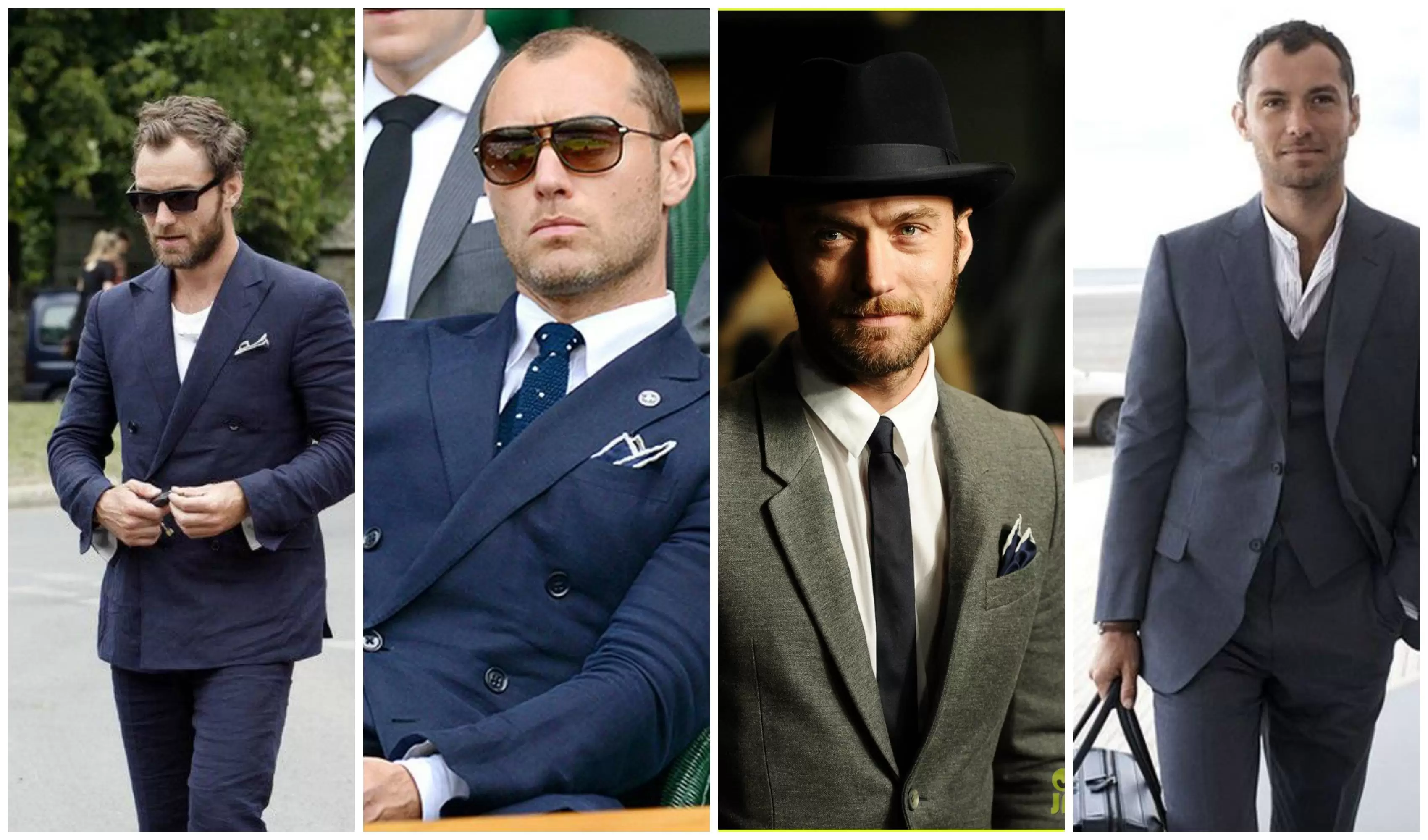
Master Winter Layering
Cold-weather suiting requires strategic layering without bulk. Quality overcoats, scarves, and gloves should complement rather than hide your suit. The layering should look intentional and maintain the suit’s silhouette underneath.
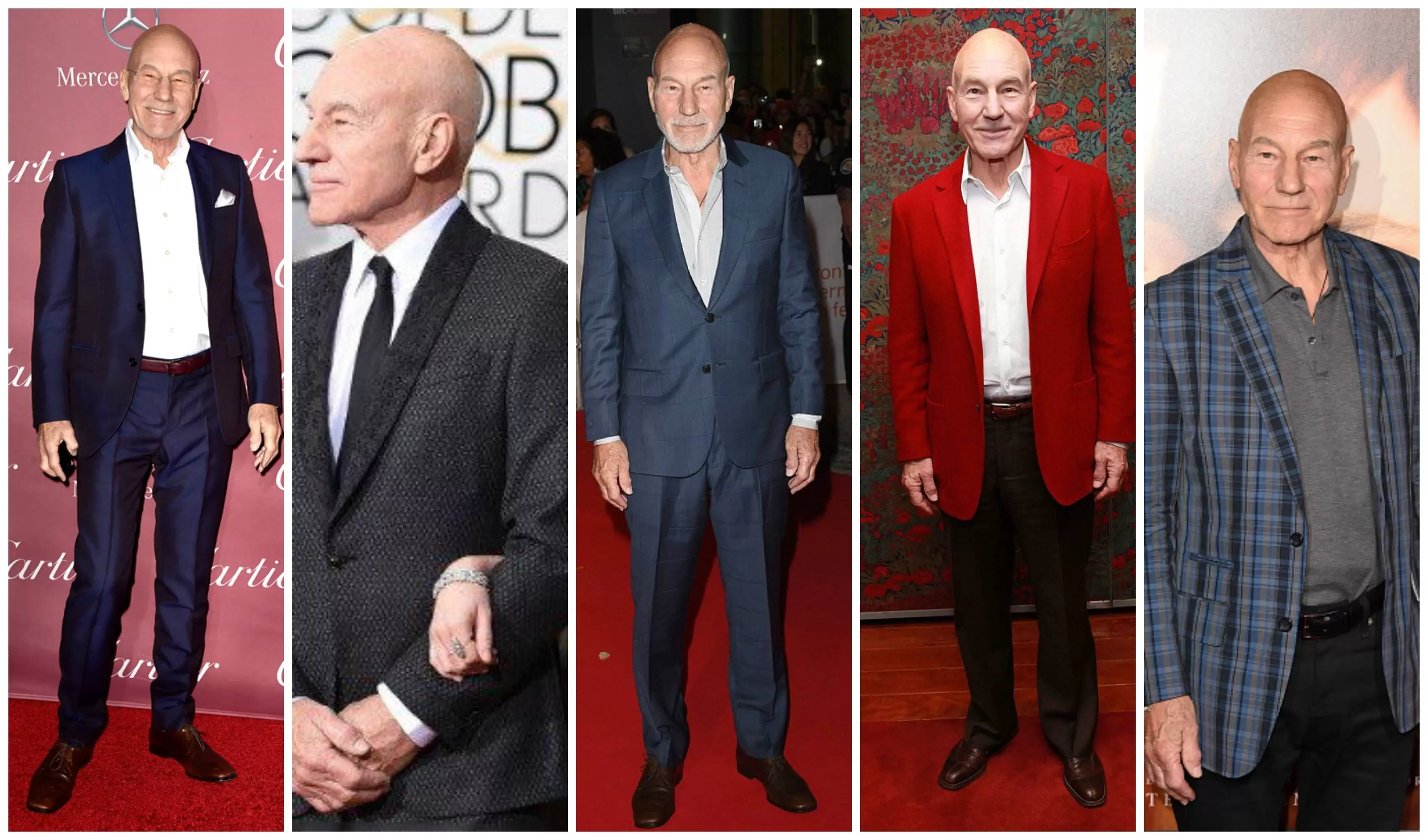
Avoid Novelty Ties
Bright green paisley ties and matching accessories rarely work in professional settings. They can distract from your credibility and date your look. When in doubt, choose classic colors and patterns that won’t overwhelm your message.
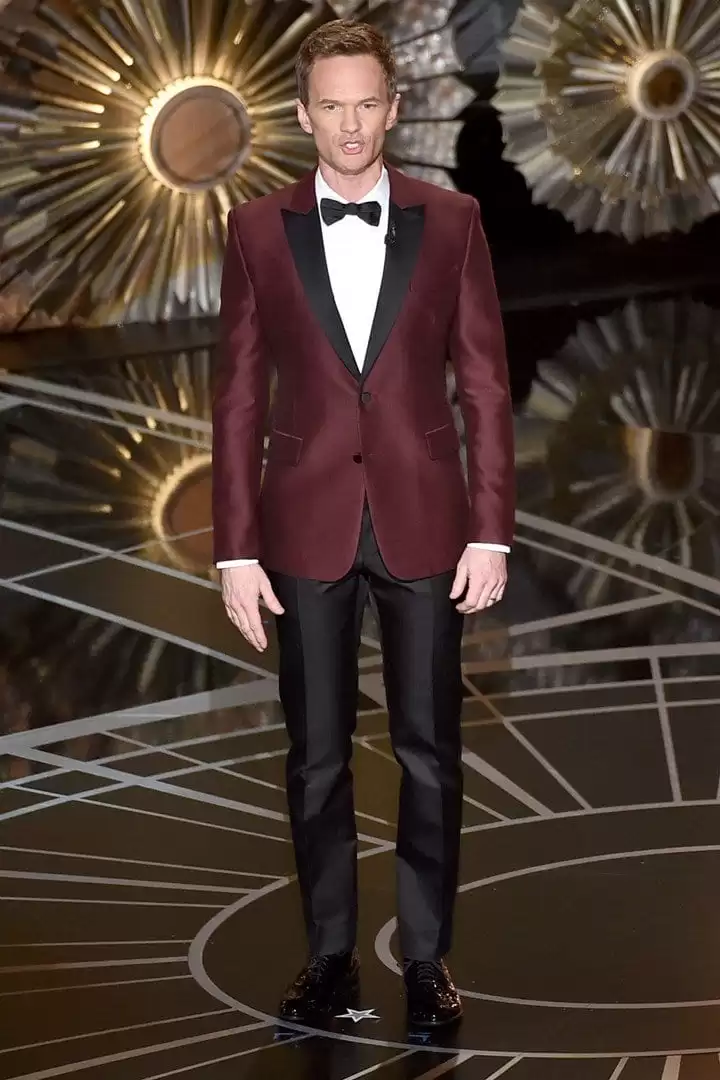
Style for Special Occasions
Award shows and formal events allow for more creative suiting choices, but the basics still matter. Neil Patrick Harris’s burgundy dinner jacket works because the fit is perfect and the styling is otherwise traditional.
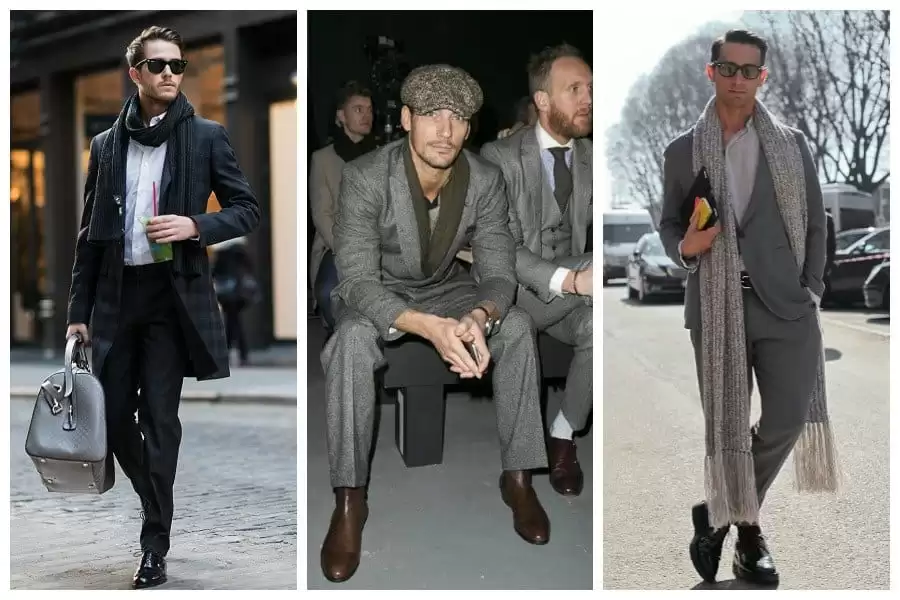
Layer with Scarves
Adding scarves to suit looks requires understanding proportions and textures. The scarf should complement rather than compete with your suit’s fabric and color. Cashmere and silk work better than chunky knits with tailored clothing.
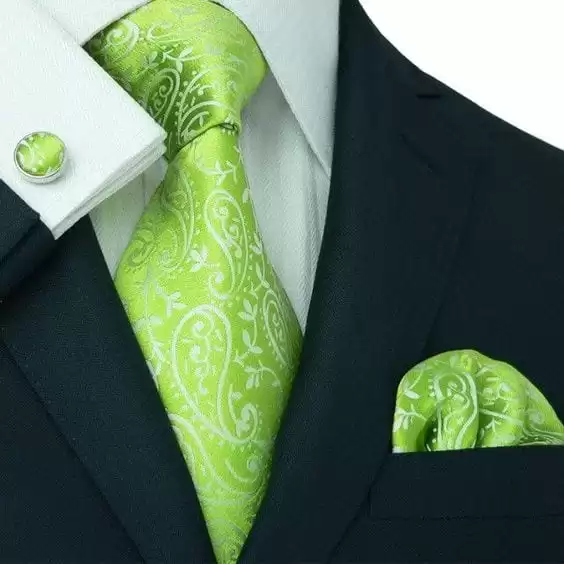
Understand Matching Sets
Coordinated accessories like matching ties, pocket squares, and cufflinks can look overdone. The lime green set here is too matchy and overwhelming. Instead, choose accessories that complement each other without being identical.
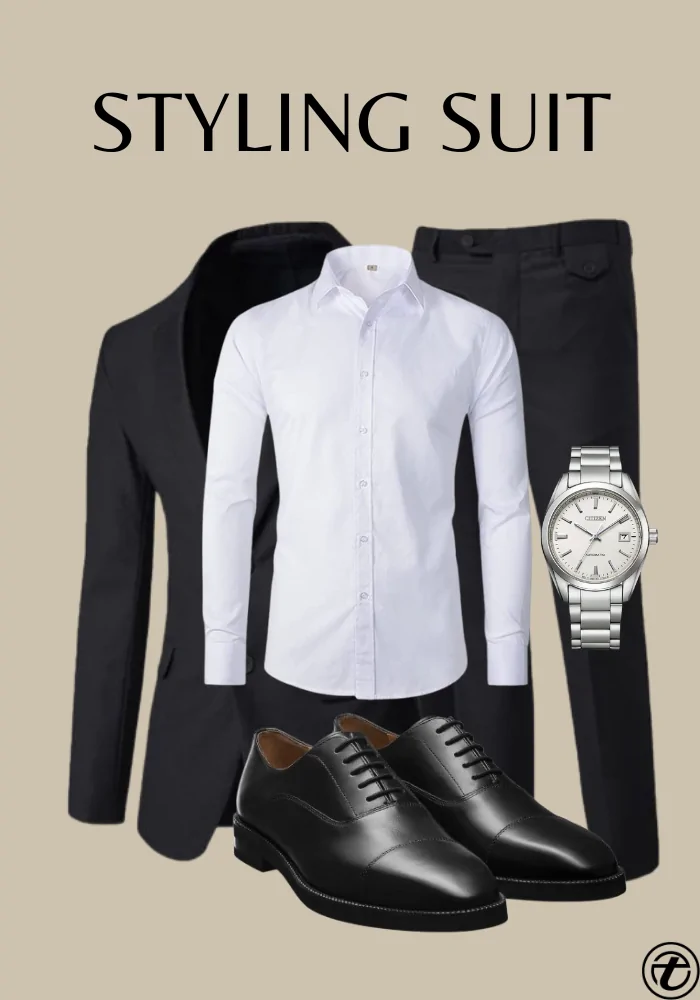
Dos & Don’ts
19 Holiday Outfit Ideas for Men for Sharp Look
17 Retro Outfits For Men and Tips to Get Retro Look
20+ Latest Designs Of Jodhpuri Suit For Men- New Collections
Outfits For The Short Men-20 Fashion Tips How To Look Tall
35 Outfits for Short Men to Look Tall
34 Amazing Croc Outfit Ideas for Men
21 Amazing Disco Party Outfit Ideas for Men
20 Best Striped Suits Outfit Ideas for Men all Seasons