
Most men think retro style means wearing their grandfather’s suits and hoping for the best. I’ve spent ten years watching guys chase vintage looks and fail spectacularly — because they’re missing the most basic rule about retro menswear.
Fit comes first, era comes second. A perfectly fitted modern shirt with vintage details will always look better than an authentic 1960s piece that hangs like a tent. The shoulders need to sit right, the sleeves need to end at your wrist bone, and the torso should follow your natural silhouette — even if you’re channeling Mad Men. I’ve seen too many men drowning in oversized vintage pieces thinking they look authentic when they just look lost.
The beauty of retro style is that it gives you permission to break free from the bland uniformity of modern menswear. But there’s a science to making vintage-inspired pieces work in 2024, and most of the rules you think you know are wrong.
How to Wear Retro Outfits
Master the three-piece waistcoat formula
The waistcoat is your secret weapon for instant vintage authenticity, but it only works when all three pieces — jacket, waistcoat, and trousers — are cut from the same cloth. This creates an unbroken line that elongates your torso and gives you that 1920s proportioned look. Skip the mix-and-match approach that dilutes the impact.
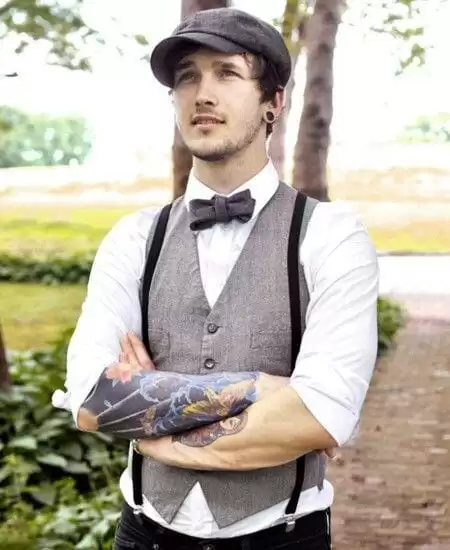
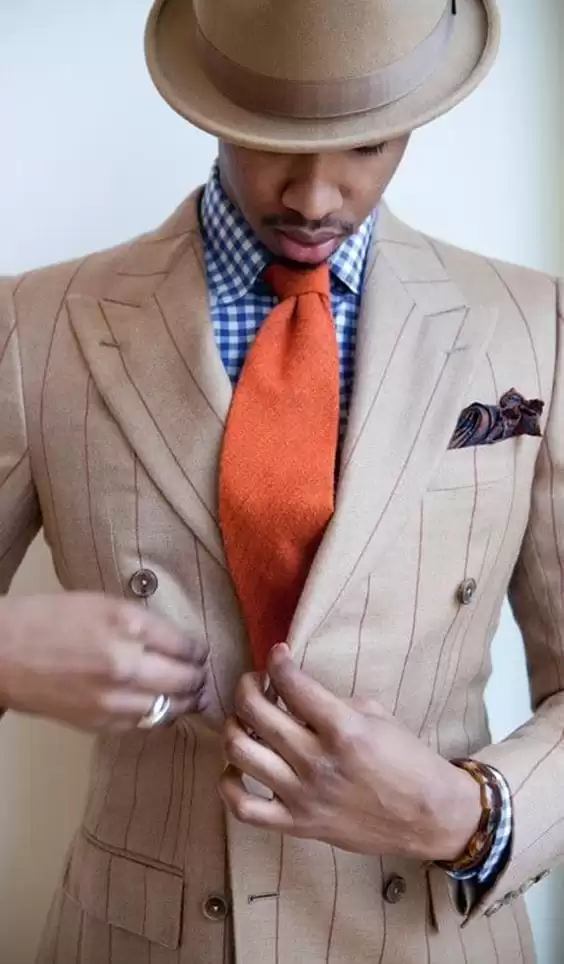
Use pattern mixing to your advantage
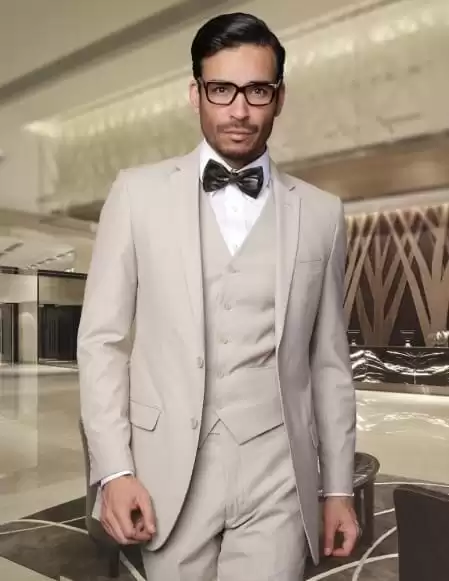
The orange tie against the gingham check shirt works because the patterns operate at different scales — small checks versus solid colour. This prevents visual competition while adding depth to an otherwise neutral beige suit. The key is keeping one pattern subtle and the other bold, never two competing large-scale patterns.
Perfect the monochromatic three-piece approach
This light grey three-piece demonstrates why tonal dressing works so well for formal retro looks. The subtle variations in shade between jacket, waistcoat, and trousers create visual interest without breaking the clean lines. It’s sophisticated without trying too hard — exactly what modern retro styling should achieve.
30 Casual Outfit Ideas For Black Men with Styling Tips
What To Wear In India? 15 Best Outfits & Packing Tips for Men
2026 Outfit Trends for Men 20 Styling Tips from Experts
56 Best Khaki Pant Outfits For Men with Styling Tips
31 Best Summer Outfit Ideas for Men with Styling Tips
20 Best Camo Pants Outfits for Men & Styling Tips
What to Wear in South Africa? 11 Best Outfits & Tips for Men
23 Best Pink Outfit Ideas for Men with Styling Tips
Balance vintage details with modern proportions
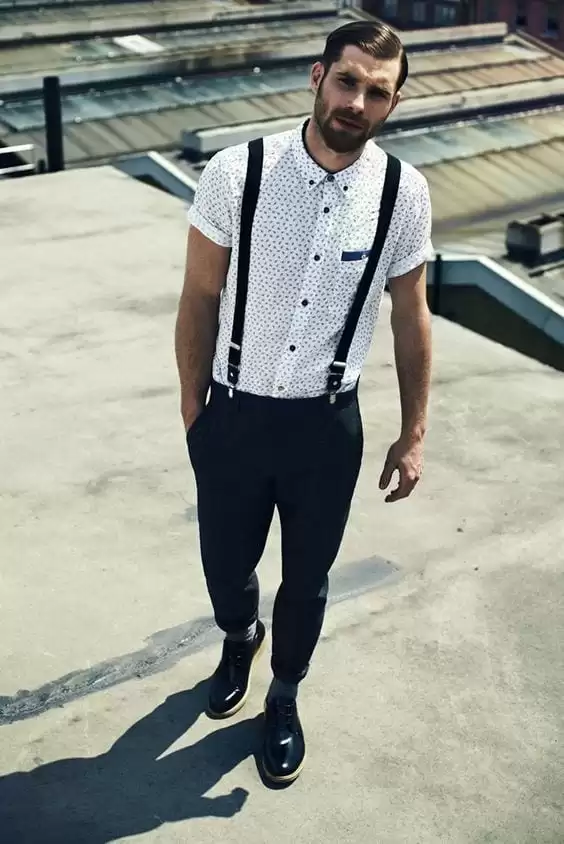
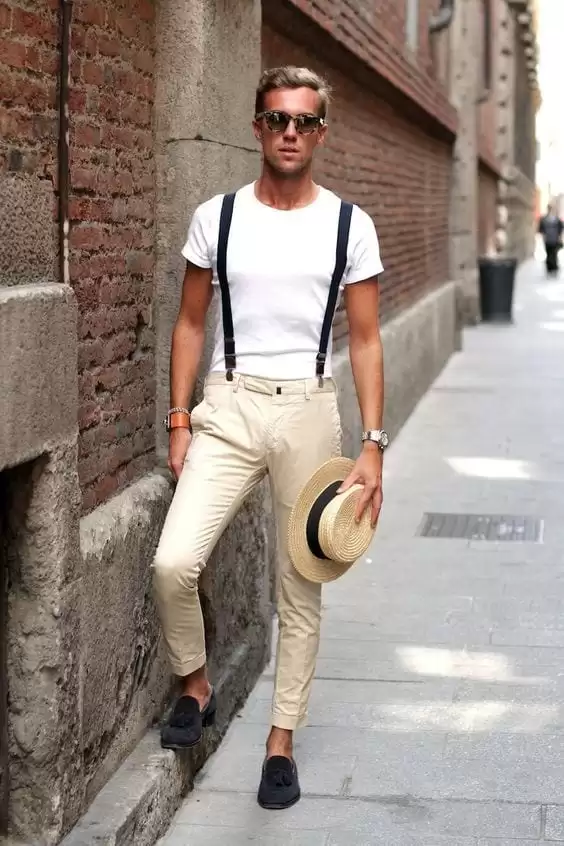
The polka dot shirt and suspenders give clear vintage signals, but notice how the trouser fit remains contemporary — not the baggy cuts you’d find in actual 1940s pieces. This is how you reference the past without looking like you’re wearing a costume. The suspenders add function and style without overwhelming the look.
Scale your patterns to your frame
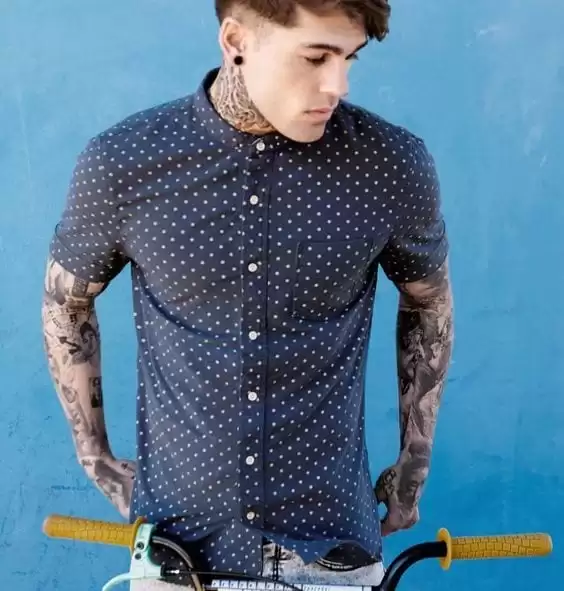
This navy polka dot shirt works because the dots are sized correctly for a fitted modern cut. Larger men can handle bigger patterns, while smaller frames need proportionally smaller details. The dots here create texture without overwhelming the shirt’s clean lines — crucial for vintage-inspired pieces that need to work in contemporary settings.
The modern three-piece suit was actually considered casual wear in the 1900s. Formal occasions required a tailcoat, making today’s “formal” suits the equivalent of weekend attire for Edwardian gentlemen.
Dos & Don’ts
Retro Outfits For Men
White T-Shirt and Cream Chinos with Suspenders
The fitted white tee paired with high-waisted cream trousers and navy suspenders captures 1940s casual style perfectly. The ankle-cropped length shows off the loafers while the suspenders add that authentic vintage touch without looking like a costume. This works best on lean builds where the high waistline creates a flattering silhouette.
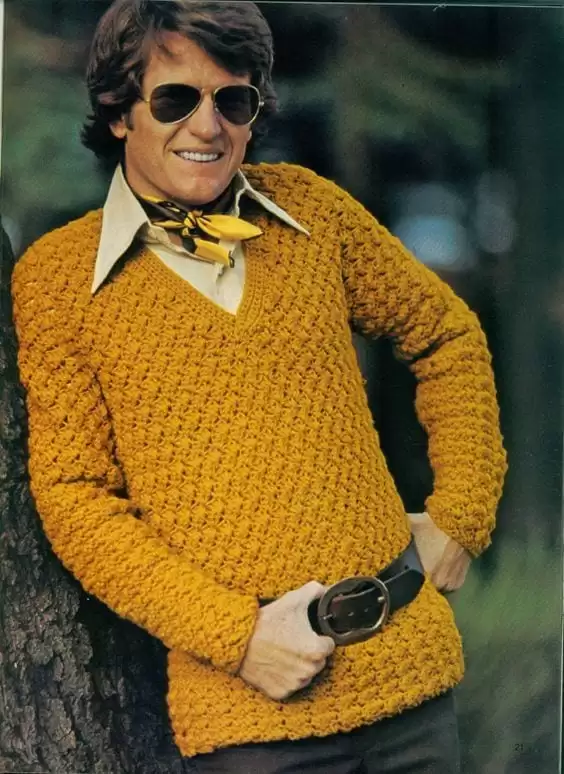
Mustard Cable-Knit Sweater with Patterned Scarf
This thick textured sweater in rich mustard yellow screams 1970s prep style, especially with the layered shirt collar and patterned silk scarf. The chunky knit texture and earthy color palette were hallmarks of that decade’s casual menswear. Perfect for guys who want retro warmth without sacrificing modern comfort.
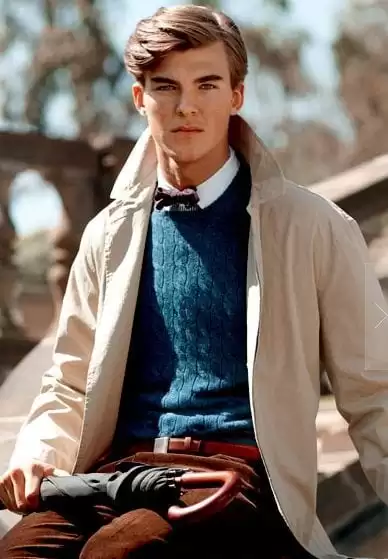
Cable-Knit Sweater over Dress Shirt and Bow Tie
The navy cable-knit pullover layered over a crisp white shirt and bow tie creates an authentic 1950s preppy look. This combination works because the textured sweater adds visual interest while the bow tie keeps it formal enough for smart-casual occasions. Best suited for men comfortable with classic, structured styling.
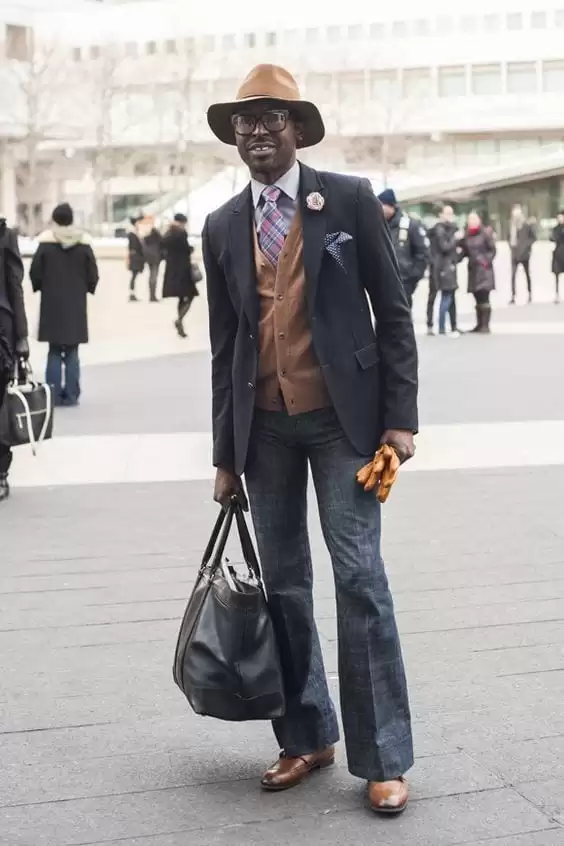
Three-Piece Suit with Wide-Brim Hat
This navy blazer, tan waistcoat, and denim combination with a brown fedora perfectly captures 1930s menswear sophistication. The mixed textures and earth tones create depth while the wide-brim hat adds that essential vintage silhouette. This look requires confidence to pull off but works brilliantly for special occasions or creative professionals.
Quick tip
Match your belt to your shoes — brown leather works with most retro color palettes.
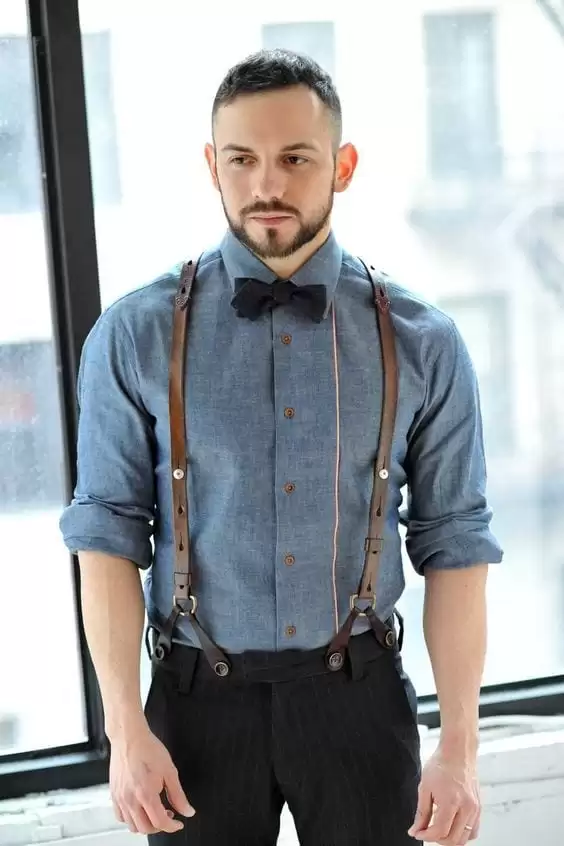
Chambray Shirt with Bow Tie and Leather Suspenders
The light blue chambray shirt paired with a black bow tie and brown leather suspenders creates an authentic 1920s working man’s formal look. The rolled sleeves keep it from feeling too buttoned-up while the suspenders provide both function and vintage appeal. This works particularly well for shorter men as the high-waisted trousers elongate the legs.
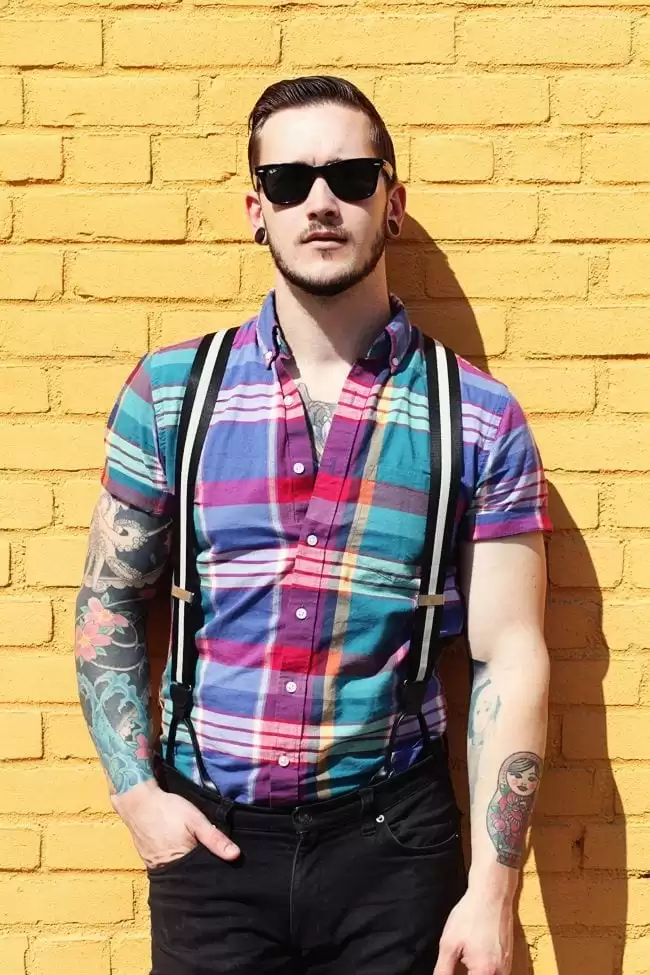
Plaid Shirt with Black Suspenders
This colorful madras plaid shirt with black suspenders and dark trousers captures 1950s American casual style with a modern edge. The bright plaid pattern was a staple of that era’s weekend wear, while the suspenders add structure and vintage authenticity. Perfect for men who want to incorporate retro elements without going full costume.
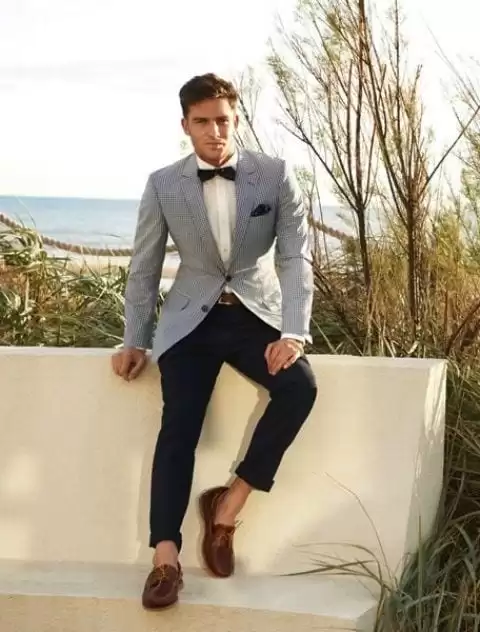
Gingham Blazer with Bow Tie and Navy Trousers
The small-check gingham blazer paired with a bow tie and navy trousers creates a refined 1960s country club aesthetic. The pattern scale is just right—not too bold but distinctive enough to make a statement. This combination works best for spring and summer events where you want to look polished but not overly formal.
Quick tip
Keep patterns small and geometric rather than large or abstract for authentic vintage appeal.
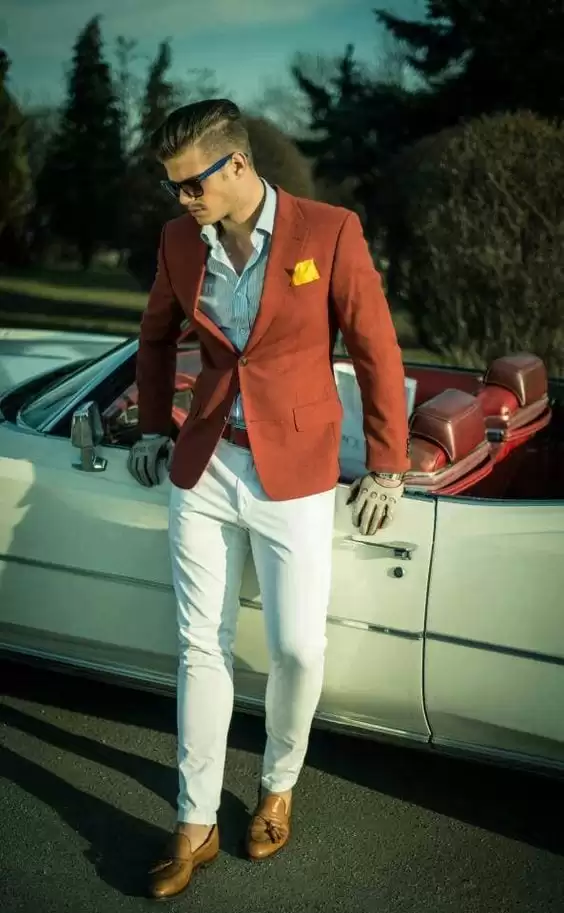
Burnt Orange Blazer with White Trousers
This terracotta-colored sport coat over a chambray shirt with white trousers captures 1970s leisure suit style without the polyester. The earthy blazer color was quintessential to that decade’s menswear palette, while the white trousers keep it fresh and modern. Best for men comfortable making a color statement at casual events.
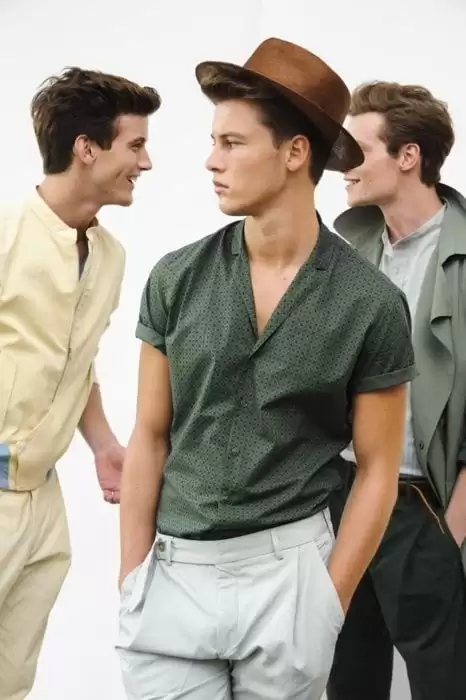
Short-Sleeve Henley with Light Trousers
The forest green henley paired with cream trousers and a brown hat creates a relaxed 1940s summer look. The henley’s buttoned placket adds visual interest while remaining casual, and the neutral color combination feels authentic to that era’s leisurewear. This works well for men who prefer vintage-inspired pieces that don’t scream “costume.”
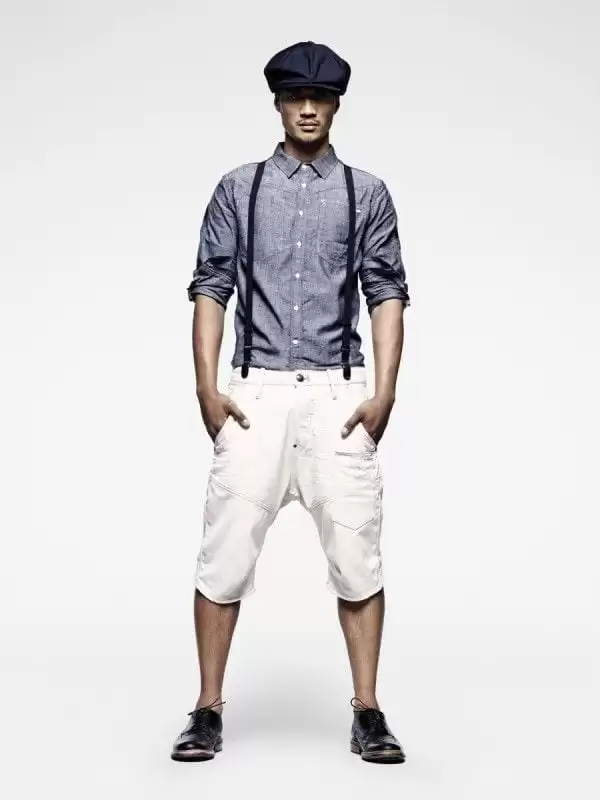
Navy Cap with Chambray Shirt and White Shorts
This button-up chambray shirt with navy suspenders and white shorts captures 1920s seaside holiday style perfectly. The baker boy cap adds an authentic period touch while the rolled sleeves keep it casual and practical. This look works best for summer events or themed occasions where you want historical accuracy with modern comfort.
Quick tip
Choose desert boots or loafers over sneakers to maintain the retro aesthetic.
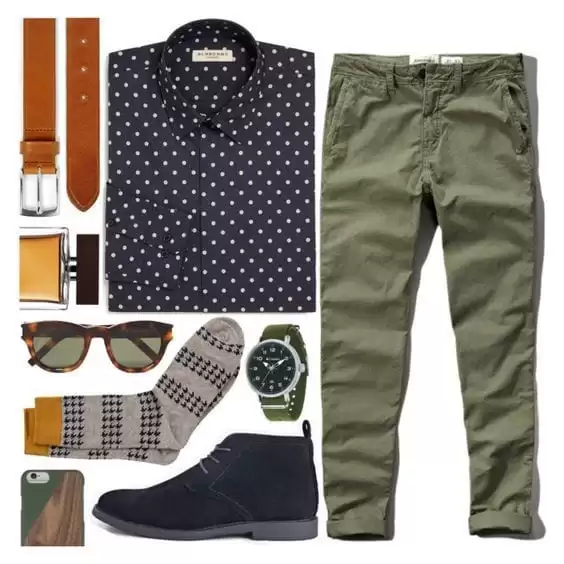
Polka Dot Shirt with Olive Chinos
This outfit centers a navy polka dot shirt with olive green chinos and desert boots — three pieces that shouldn’t work together but absolutely do. The pattern stays refined because the dots are small and evenly spaced, while the earth tones ground what could be a playful combination. Perfect for men who want retro personality without looking like they’re in costume.
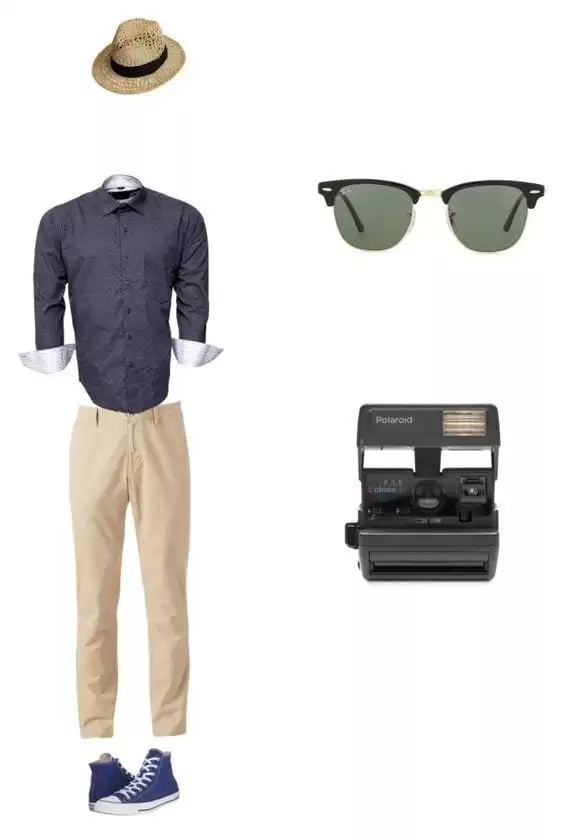
Textured Shirt with Light Khakis
A charcoal textured shirt paired with cream chinos creates that effortless 1950s casual look without trying too hard. The contrast between dark top and light bottom is classic retro styling, while the fedora and clubmaster sunglasses add authentic vintage touches. This works for weekend events where you want to look put-together but not overdressed.
Key takeaways
- Choose fitted, not baggy — retro cuts were closer to the body than modern oversized trends
- Mix one pattern maximum with solid colors to avoid looking like a costume
- Earth tones like olive, tan, and burgundy are more authentic than bright colors for vintage looks
- Accessories like leather belts and classic sunglasses complete retro outfits better than statement pieces
- Start with one vintage-inspired piece and build around it with modern basics
- Quality fabrics like wool, cotton, and leather look more authentic than synthetic alternatives
30 Casual Outfit Ideas For Black Men with Styling Tips
What To Wear In India? 15 Best Outfits & Packing Tips for Men
2026 Outfit Trends for Men 20 Styling Tips from Experts
56 Best Khaki Pant Outfits For Men with Styling Tips
31 Best Summer Outfit Ideas for Men with Styling Tips
20 Best Camo Pants Outfits for Men & Styling Tips
What to Wear in South Africa? 11 Best Outfits & Tips for Men
23 Best Pink Outfit Ideas for Men with Styling Tips