The dupatta is probably the most misunderstood piece in South Asian fashion — I’ve seen women treat it like an afterthought when it should be the hero of their outfit. Growing up, I watched my khala spend twenty minutes choosing her dupatta for every family gathering while rushing through everything else. She knew what most of us are still learning: the dupatta doesn’t just complete your look, it transforms it entirely.
After years of experimenting with different draping styles and fabric combinations, I’ve realised that most women are wearing their dupattas wrong. They either overpower their kameez with heavy fabrics or disappear completely with something too delicate. The secret isn’t in owning more dupattas — it’s in understanding which style works for each occasion and why certain fabrics change the entire mood of your outfit.
Today I’m sharing the dupatta styling techniques that actually work, plus the specific types you need in your wardrobe right now. These aren’t just pretty draping methods — each one serves a purpose and solves a particular styling challenge.
How to Style Dupattas in Different Ways?
Master the One-Shoulder Drape
This style from the first image shows exactly why the one-shoulder drape works so beautifully with heavily embellished outfits. The dupatta creates an elegant diagonal line across the body while keeping the neckline decoration visible. I use this technique when my kameez has intricate neckwork because it frames the embroidery instead of hiding it. The key is letting one end fall longer than the other — it creates movement and prevents the look from feeling too structured.
What to Wear in Scotland: 22 Outfit Ideas with Packing Tips
How to Wear Light Wash Jeans ? 10 Styling Tips
How To Wear A Saree With A Corset Blouse? 20 Tips
How to Wear Lace Pants? 18 Outfit Ideas with Styling Tips
How To Wear A Net Saree? 23 Best Styling Tips & Ideas
What to Wear in Ukraine? 12 Outfit Ideas, Packing List & Tips
How to Wear Maxi Skirts? 24 Outfit Ideas and Tips
How To Wear Mesh Top Outfits ? 18 Styling Tips
Layer Light Over Dark
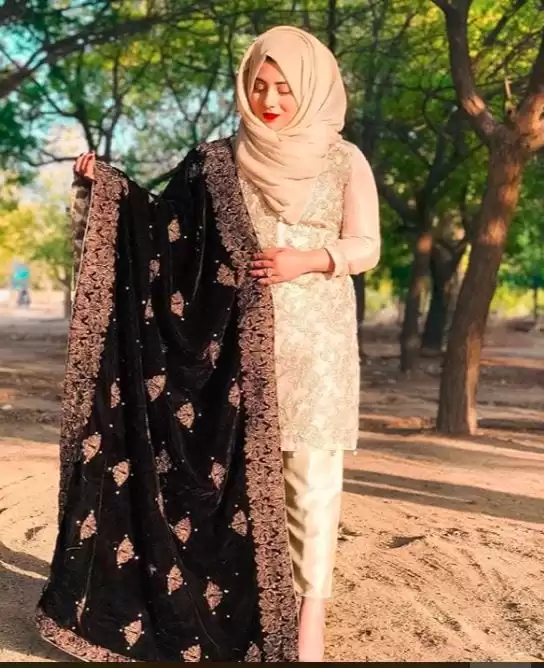
The contrast in this styling demonstrates why colour layering matters so much with dupattas. The light-coloured suit anchored by that rich black dupatta creates depth that a matching set never could. I’ve learned that when your base outfit feels too safe, a contrasting dupatta in a deeper tone adds sophistication without looking overdone. This works especially well for evening events where you want impact but not drama.
Use Colour to Frame Your Face
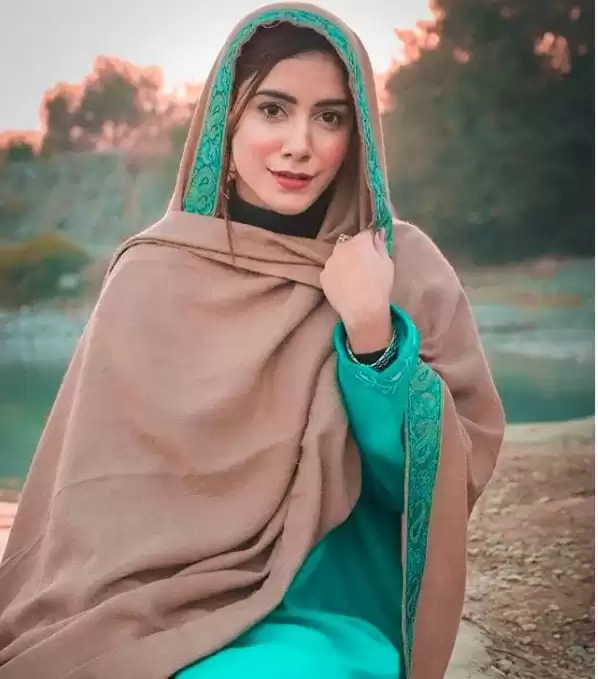
This turquoise and beige combination shows how strategic colour placement changes everything about your look. The bright dupatta edge near her face makes her complexion glow while the neutral base keeps it wearable. I always tell clients to hold their dupatta colours near their face first — if it makes you look tired, it’s wrong regardless of how pretty the fabric is. The contrast here is intentional and flattering.
Mix Patterns with Confidence
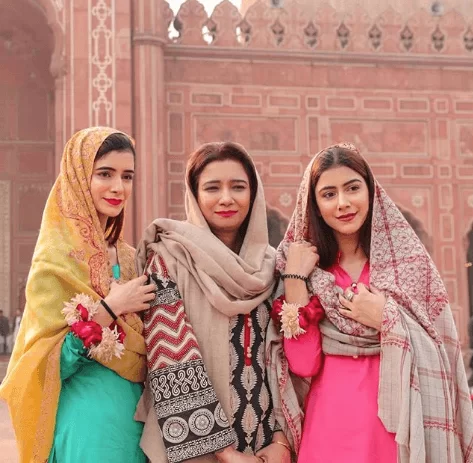
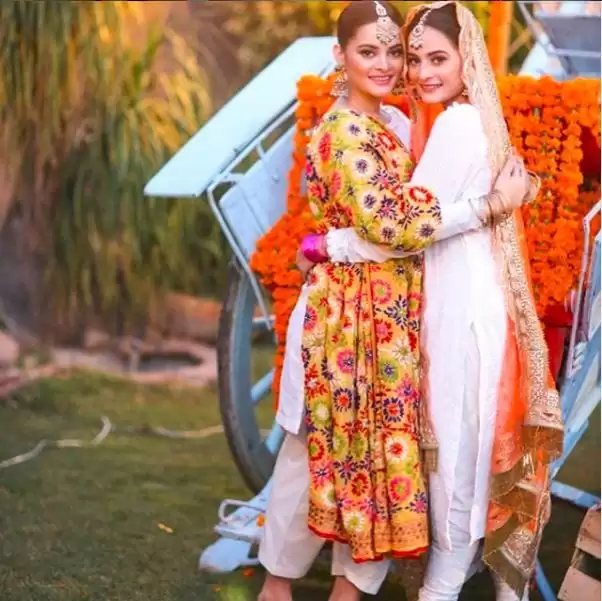
This group styling proves that pattern mixing with dupattas isn’t as scary as everyone thinks. Each woman chose a dupatta that picks up one colour from her outfit while adding a completely different pattern. The secret is ensuring your dupatta shares at least one colour with your kameez — it creates cohesion even when the patterns are totally different. This approach works for casual family gatherings where you want personality without looking chaotic.
Create Focus with Floral Prints
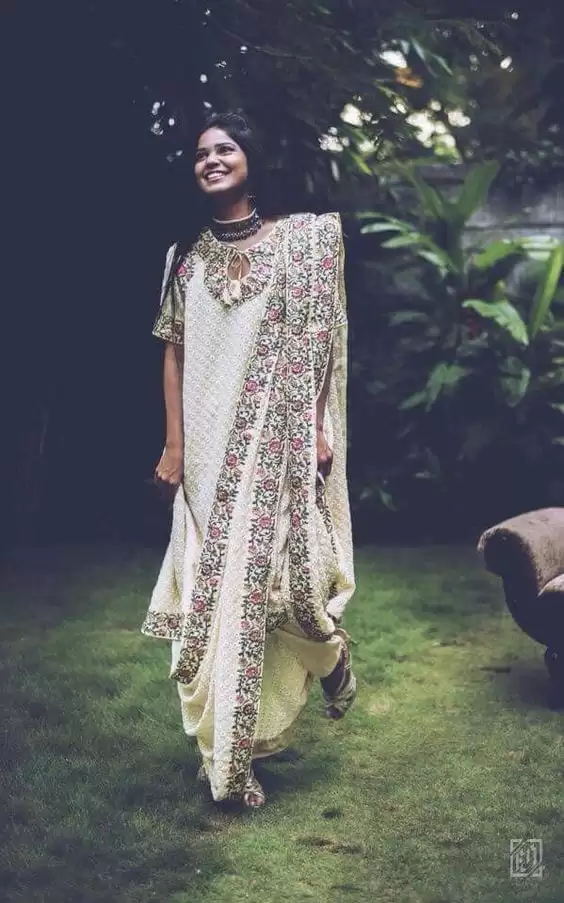
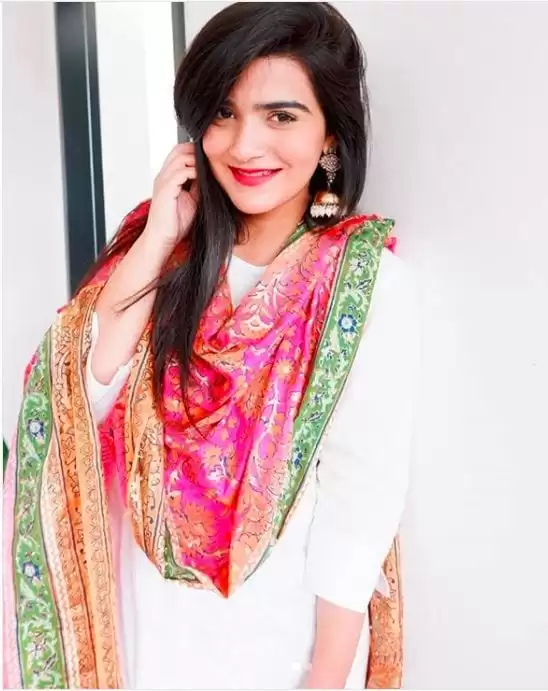
This vibrant floral dupatta demonstrates how to use print as your statement piece. Against the simple white kameez, the dupatta becomes the entire outfit’s focal point. I use this technique when my suit is plain but I want visual interest — the dupatta does all the work while the base stays clean. The trick is choosing florals with colours that complement your skin tone, not just match your outfit.
The word “dupatta” comes from the Sanskrit “du” (two) and “patta” (strip of cloth), originally referring to two pieces of fabric sewn together. This historical construction is why traditional dupattas have that distinctive center seam that modern machine-woven versions often lack.
Dos & Don’ts
10 Ways to Style Your Dupatta for Every Occasion
Ajrak Dupatta with Statement Earrings
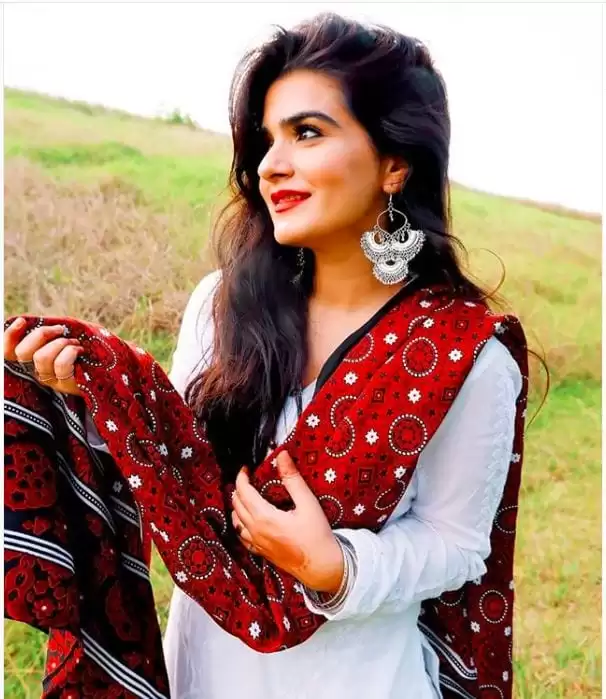
The deep red ajrak dupatta with its traditional circular motifs creates a bold focal point when draped over a simple white kameez. The contrast between intricate patterns and plain fabric prevents the look from becoming overwhelming, while the dupatta’s geometric designs complement those ornate silver chandbali earrings perfectly. This style works best for cultural events where you want to make an impact without going full formal.
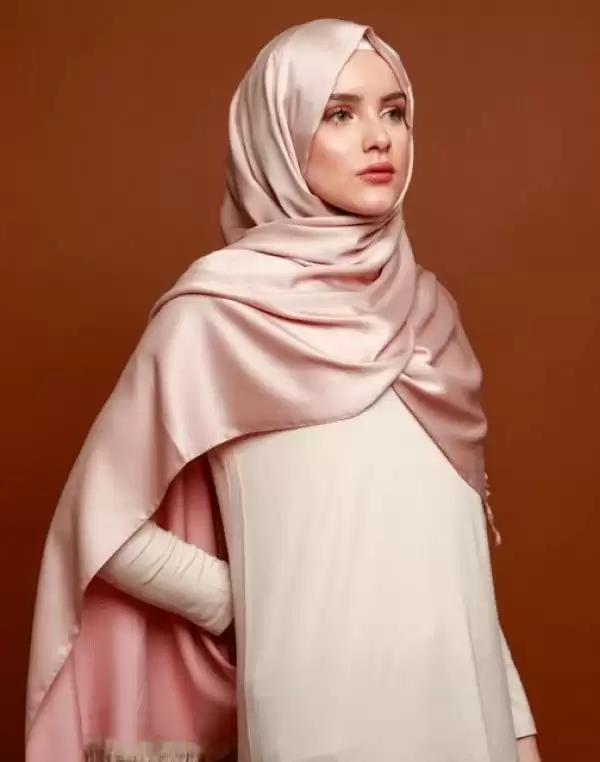
Soft Pink Hijab Dupatta Wrap
A dusty pink dupatta worn as a hijab creates an understated, refined look that works for both religious occasions and everyday wear. The loose, draped style around the shoulders adds volume and movement while maintaining modesty, and the muted tone pairs beautifully with cream or beige outfits. This versatile draping technique suits oval and heart-shaped faces particularly well.
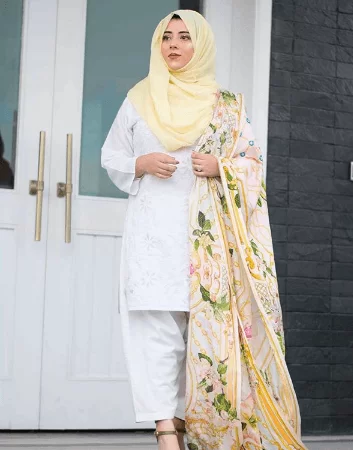
Yellow Floral Dupatta as a Light Layer
A delicate yellow dupatta with small floral prints serves as the perfect finishing touch to an all-white shalwar kameez. The gentle drape over both shoulders creates a balanced silhouette while the soft yellow adds warmth without competing with the outfit’s clean lines. This styling approach works beautifully for daytime events or casual family gatherings.
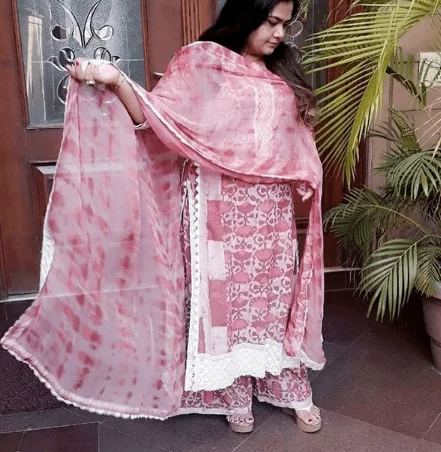
Tie-Dye Dupatta with Lace Details
The pink tie-dye dupatta with white lace trim brings a playful element to traditional wear while maintaining elegance. Draping it loosely over one shoulder creates asymmetry that’s both modern and flattering, and the lace edging adds just enough detail to elevate the casual tie-dye pattern. This style suits younger women who want to blend traditional and contemporary elements.
Quick tip
Choose ruffled or textured dupattas to add dimension to simple solid outfits.
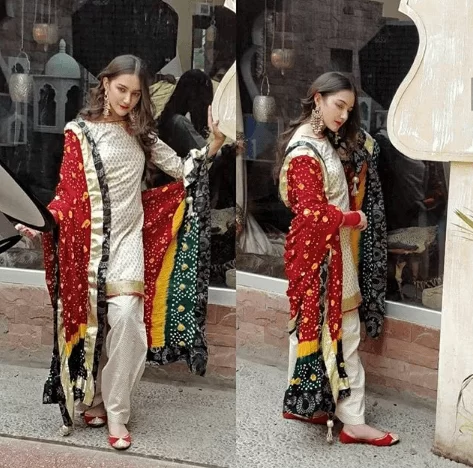
Multicolor Block Print Dupatta
The vibrant red, yellow, and black block print dupatta makes a striking statement when paired with neutral separates. The bold color blocking and traditional motifs create visual interest while the simple draping keeps the focus on the dupatta’s beautiful craftsmanship. This works particularly well for festive occasions where you want your dupatta to be the star of the outfit.
Casual Dupatta Drape with Jeans
A colorful dupatta thrown over a simple top and jeans creates an effortlessly stylish fusion look. The relaxed, asymmetrical draping adds movement and cultural flair to Western separates, proving that dupattas work beautifully beyond traditional outfits. This approach is perfect for cultural festivals or casual gatherings where you want to incorporate traditional elements into everyday wear.
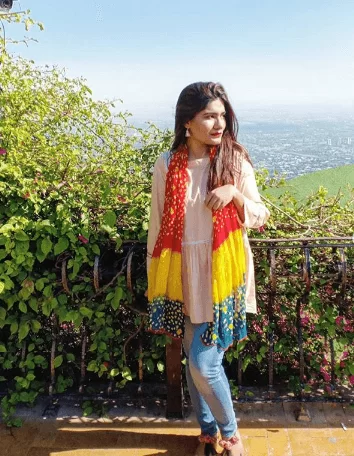
Floral Dupatta with Matching Borders
A large floral dupatta with coordinating border details creates a cohesive, polished look when draped traditionally over both shoulders. The matching border treatment frames the outfit beautifully while the oversized floral motifs add femininity without being overpowering. This styling works exceptionally well for formal daytime events or religious ceremonies.
Quick tip
Match dupatta colors to embroidery accent tones rather than the main fabric color.
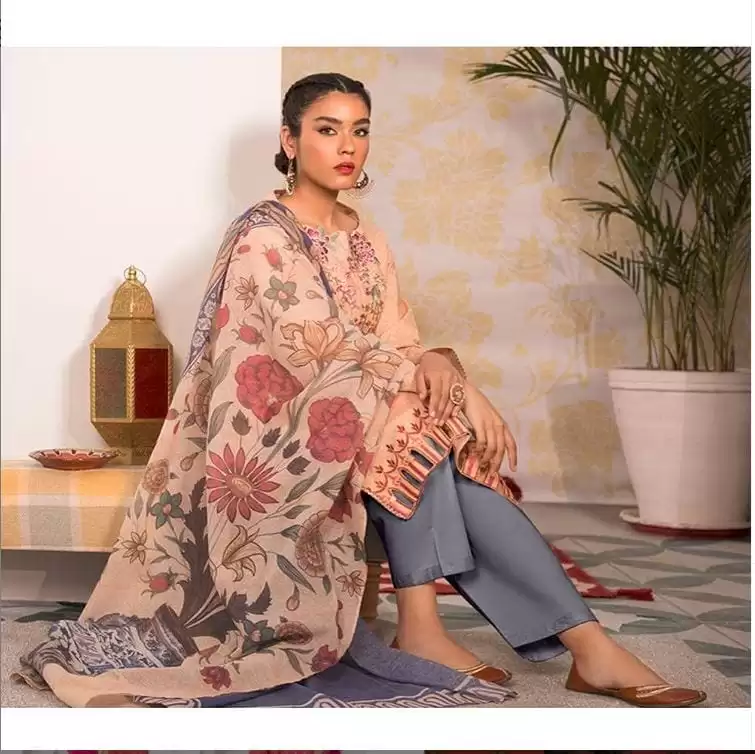
Light Floral Dupatta with Modern Draping
A soft, light-colored dupatta with delicate floral prints creates an airy, romantic feel when worn with contemporary draping techniques. The loose, flowing style adds movement and grace while the subtle pattern provides texture without overwhelming petite frames. This approach suits afternoon gatherings or semi-formal events where you want to look put-together but not overdressed.
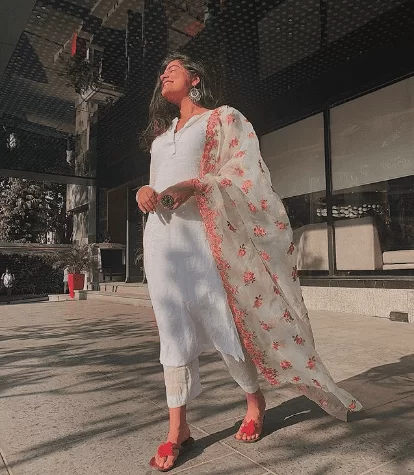
Tropical Print Dupatta as Head Covering
A vibrant tropical print dupatta worn as a head covering brings personality and color to professional or casual outfits. The bold print and bright colors create a cheerful, confident look while the head covering style adds an element of modesty and cultural connection. This works particularly well for outdoor events or when you want to add a pop of color to neutral outfits.

Embroidered Dupatta with Traditional Borders
A peach dupatta featuring intricate embroidery and decorative borders elevates any outfit to formal status. The detailed embellishments and traditional border work create a luxurious feel while the soft color remains versatile enough to pair with various outfit colors. This style is ideal for weddings, formal dinners, or any occasion where you want to showcase traditional craftsmanship.
Quick tip
Drape heavier dupattas with structured pleats to maintain elegant lines.
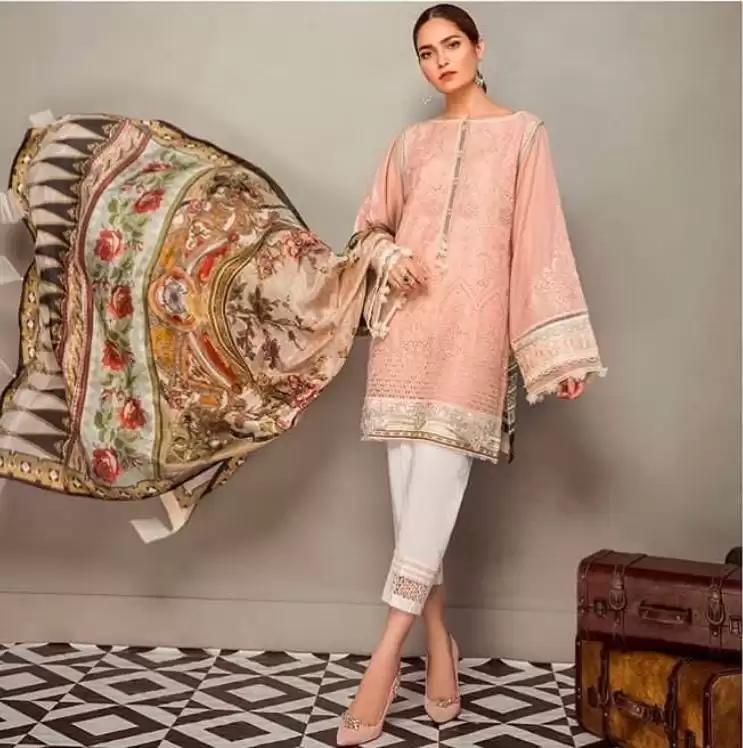
Floral Dupatta with White Sharara
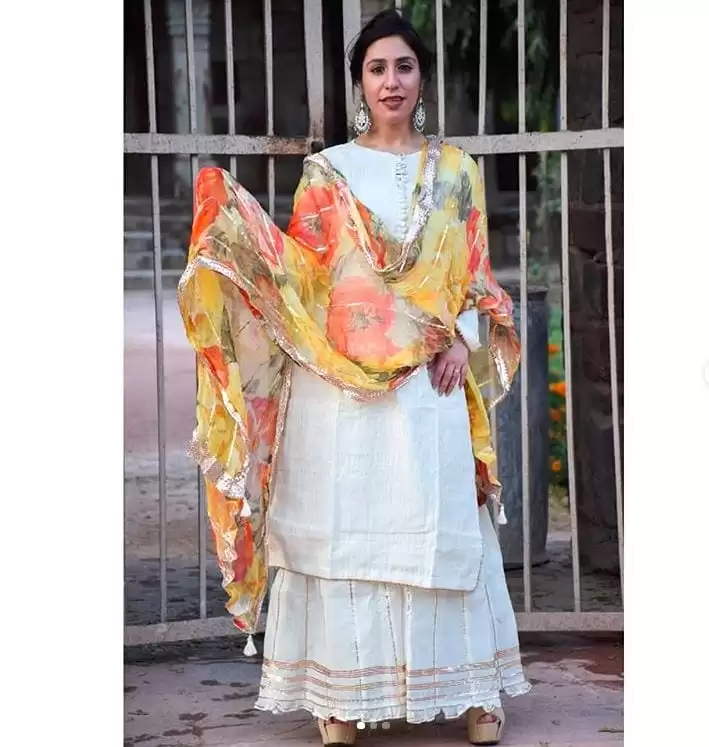
This bright floral chiffon dupatta transforms a simple white sharara set into something special for daytime events. The orange and yellow blooms add warmth without overwhelming the clean lines of the outfit. Drape it loose over both shoulders — the flowing fabric needs space to move and catch light.
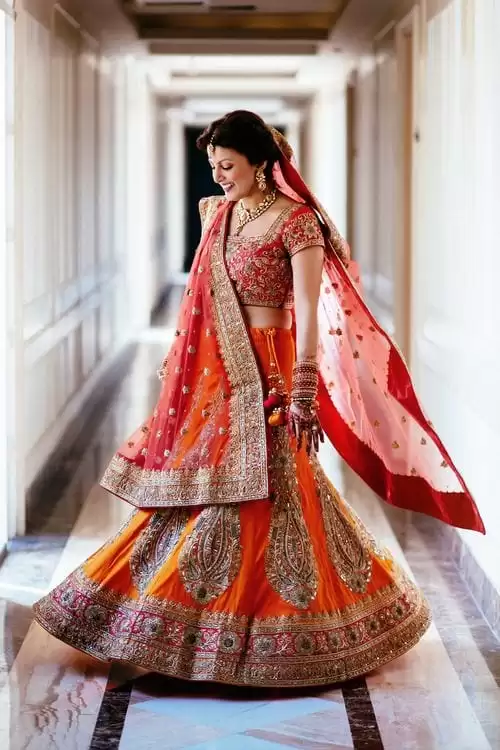
Heavy Bridal Lehenga with Full Dupatta Coverage
When your lehenga has this much embroidery, the dupatta becomes about balance rather than decoration. She’s used the dupatta to create a dramatic silhouette that matches the outfit’s formality. Pin one end at the shoulder and let the rest flow behind for maximum impact during your entrance.
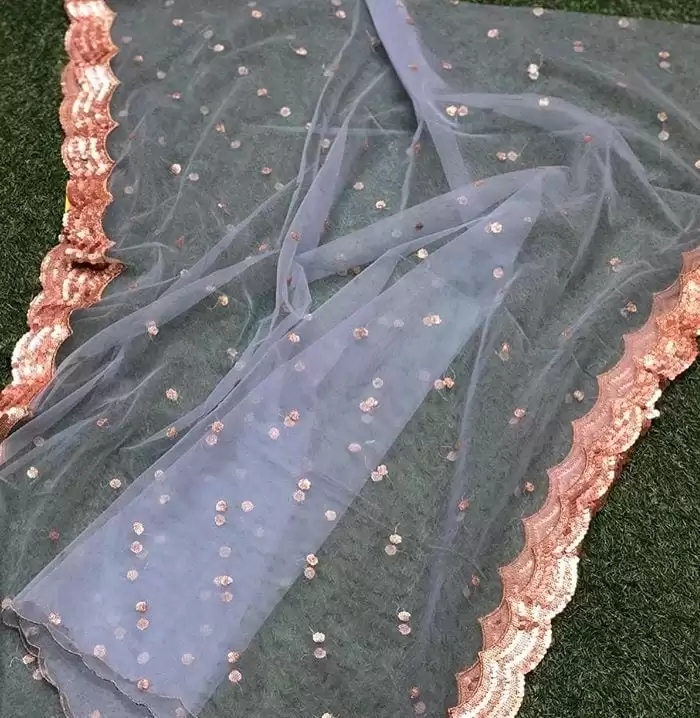
Delicate Net Dupatta with Scattered Sequins
This powder blue net dupatta with rose gold sequin motifs shows how subtle can be striking. The sheer fabric won’t compete with your outfit, while the scattered embellishment catches light beautifully. Choose net dupattas when your suit already has heavy work — they add sparkle without visual weight.
Quick tip
Use contrasting patterns like stripes with florals for modern traditional looks.
Printed Dupatta with Coordinated Suit
The key here is how the dupatta’s print echoes the suit’s blue tones while adding pattern interest. This works because both pieces share a color family but different design elements. Match one color from your dupatta to your suit — it creates cohesion even with mixed patterns.
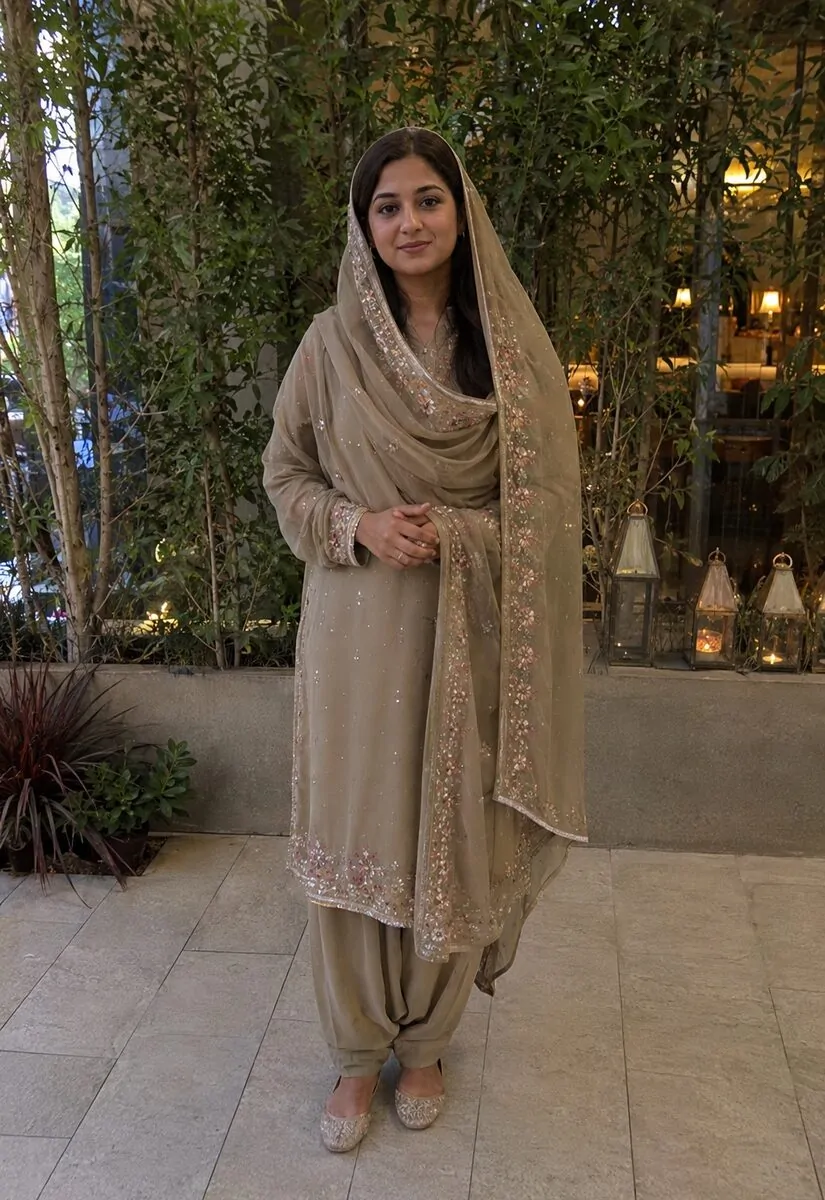
Bright Phulkari Dupatta with Neutral Base
Traditional phulkari embroidery on mustard yellow creates instant festive appeal against a simple white outfit. This combination lets you add cultural richness without overwhelming your silhouette. Pair bold dupatta work with plain suits — the contrast makes both elements shine.
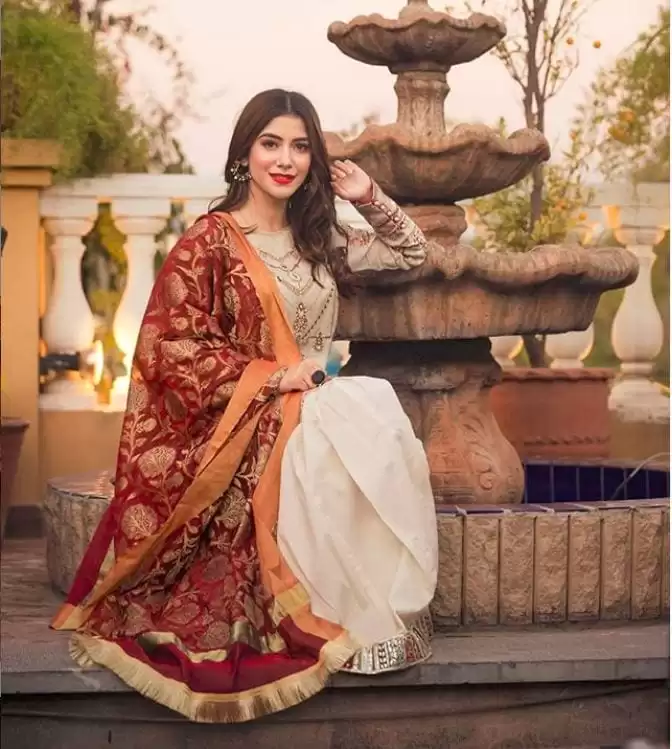
Rich Banarasi Dupatta with Simple Kurta
A deep red Banarasi dupatta with gold motifs elevates a basic white kurta into wedding-appropriate attire. The weave’s inherent richness means you need minimal styling elsewhere. Let heavy silk dupattas drape naturally — their weight creates beautiful folds without additional pinning.
Quick tip
Let your dupatta be the statement element when wearing understated kurta sets.
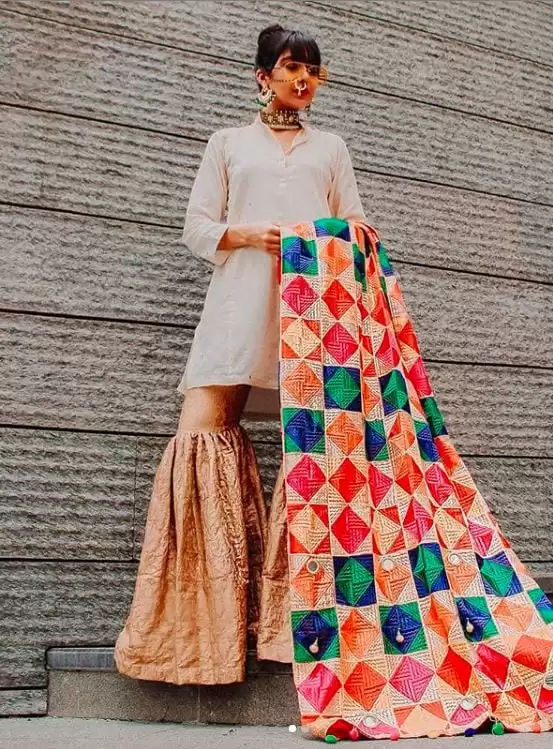
Geometric Print Dupatta with Sharara
This multicolored geometric dupatta proves that traditional shapes can handle contemporary prints. The diamond pattern adds visual interest while the varied colors make it versatile for different occasions. Choose geometric prints when you want modern appeal with classic silhouettes.
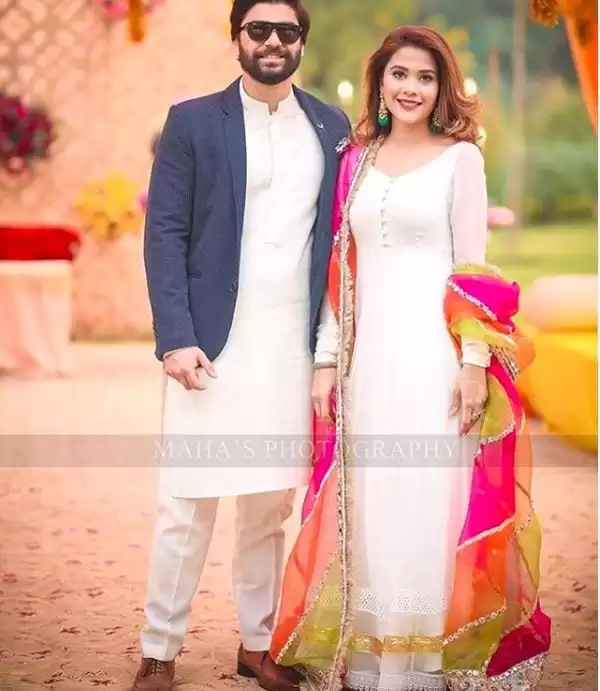
Ombre Dupatta for Coordinated Couple Look
Her pink and orange ombre dupatta creates a soft color bridge with their white outfits while adding subtle festive flair. The gradient effect works beautifully for outdoor celebrations where natural light enhances the color flow. Use ombre dupattas to add color without harsh lines — perfect for daytime events.
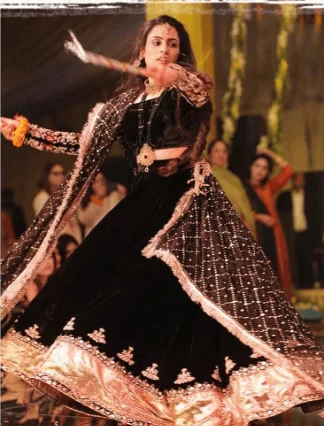
Black Dupatta with Mirror Work
A black dupatta with mirror work creates dramatic contrast while maintaining elegance for evening functions. The reflective elements catch stage lights beautifully during dance performances. Choose dark dupattas with metallic details for night events — they photograph better under artificial lighting than pale colors.
Quick tip
Consider the occasion timing — embellished dupattas work better for evening events.
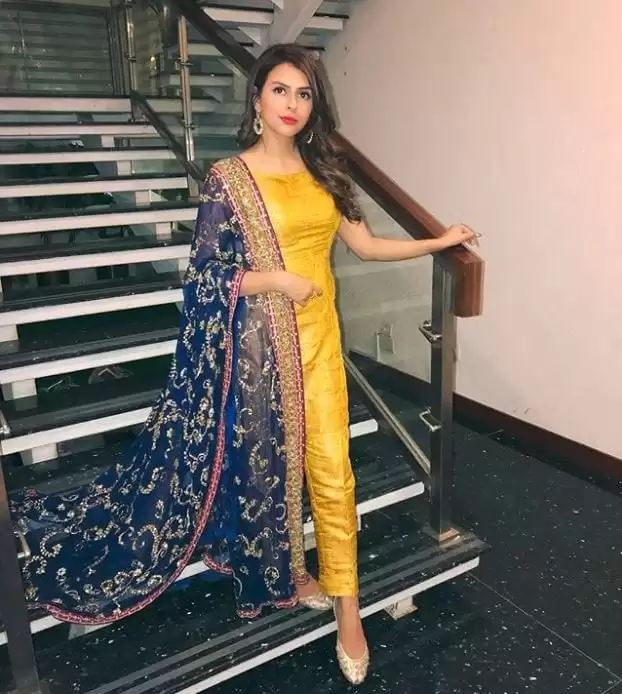
Navy Blue Dupatta with Gold Border
This navy dupatta with intricate gold embroidery provides sophisticated contrast against the bright yellow suit. The rich color combination feels festive without being overwhelming. Use contrasting dupatta colors to break up monochrome outfits — it adds depth and prevents your look from appearing flat.
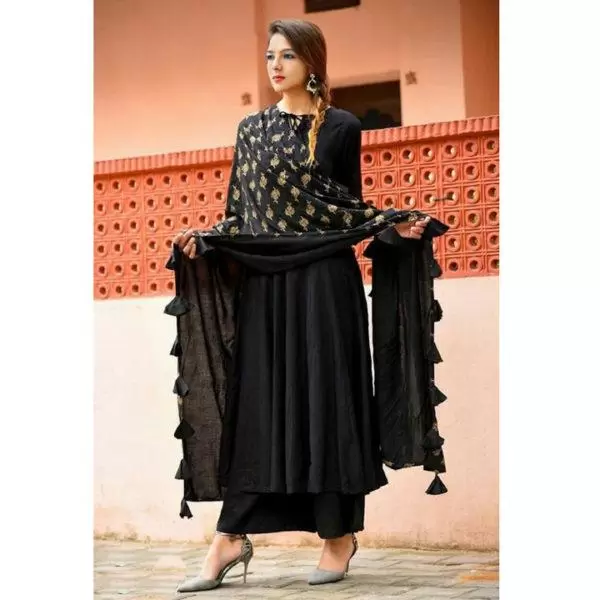
Ruffled Dupatta with Black Palazzo Set
This all-black ensemble proves that monochromatic doesn’t mean monotonous when you choose the right dupatta texture. The heavily ruffled borders create dramatic movement while the tassel details add weight that keeps the fabric draping beautifully. Perfect for evening mehndis or formal dinners where you want impact without competing colors.
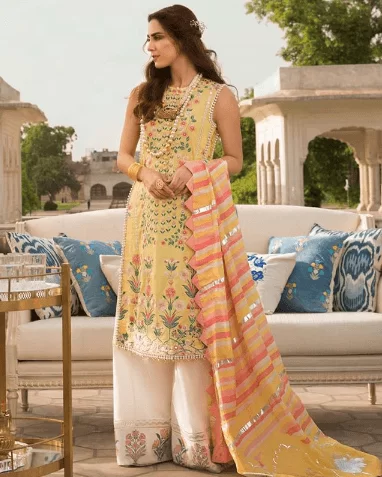
Striped Dupatta with Embroidered Yellow Suit
The coral and yellow striped dupatta transforms this delicate floral kameez into a statement look through smart color blocking. The stripes pick up the coral tones in the embroidery while the dupatta’s width creates elegant draping over one shoulder. This pairing works beautifully for daytime functions where you want traditional elegance with contemporary flair.
Key takeaways
- Match your dupatta weight to the occasion — heavy fabrics with tassels for evening, lighter materials for day events
- Use textured dupattas like ruffles or embroidery to add interest to solid-colored outfits without overwhelming the look
- Color coordination doesn’t mean matching exactly — pick up accent tones from your kameez embroidery in your dupatta
- The draping style should complement your outfit’s silhouette — wide palazzos need structured dupatta draping for balance
- Consider the dupatta as your statement piece — let bold patterns or textures elevate simpler kurta sets
- Seasonal appropriateness matters — heavy embellished dupattas work better in winter while lighter prints suit summer functions
What to Wear in Scotland: 22 Outfit Ideas with Packing Tips
How to Wear Light Wash Jeans ? 10 Styling Tips
How To Wear A Saree With A Corset Blouse? 20 Tips
How to Wear Lace Pants? 18 Outfit Ideas with Styling Tips
How To Wear A Net Saree? 23 Best Styling Tips & Ideas
What to Wear in Ukraine? 12 Outfit Ideas, Packing List & Tips
How to Wear Maxi Skirts? 24 Outfit Ideas and Tips
How To Wear Mesh Top Outfits ? 18 Styling Tips