Surface piercings are the body modification equivalent of that statement necklace you bought but never wear — bold in theory, tricky in practice. I learned this firsthand when I got my first dermal anchor at 19 and spent the next six months explaining to everyone that no, it wasn’t infected, it was just healing. Most people think surface piercings are just about the initial pain, but the real challenge is making them work with your everyday style.
The truth is, surface piercings require a completely different approach to dressing than traditional ear piercings. They sit on flat skin areas — your collarbone, sternum, nape, or hip — which means they interact with your clothing in ways you never considered. I’ve watched too many friends get beautiful dermal anchors only to cover them up constantly because they never thought about how a high neckline would hit their chest piece, or how their favorite low-rise jeans would catch on a hip piercing.
Surface Piercing Guide
Face Piercings Change Your Makeup Game
Multiple facial piercings like these forehead dermals completely shift how you apply makeup and choose jewelry. The key is treating them as part of your face structure, not accessories you can ignore. I always tell clients to map out their piercing placement first, then adjust their makeup routine accordingly — not the other way around. These work because the jewelry is small enough to complement the eye makeup rather than compete with it.

Keep Jewelry Consistent in Tone
This nose piercing demonstrates the golden rule of facial hardware — match your metal tones to create cohesion rather than chaos. The silver jewelry coordinates with cool-toned makeup and hair color, creating a deliberate look instead of an accidental one. When you mix metals on your face, you look like you got pierced at different shops over several years instead of making intentional choices.

Vertical Navel Piercings Need Strategic Clothing
This vertical navel setup shows exactly why placement matters more than jewelry choice. The multiple piercings create a focal point that requires specific waistline considerations — too high and your clothes will constantly catch, too low and the bottom piercing disappears under your waistband. I learned this lesson with my own navel piercing when I kept snagging it on high-waisted jeans until I finally adjusted my entire bottom wardrobe.

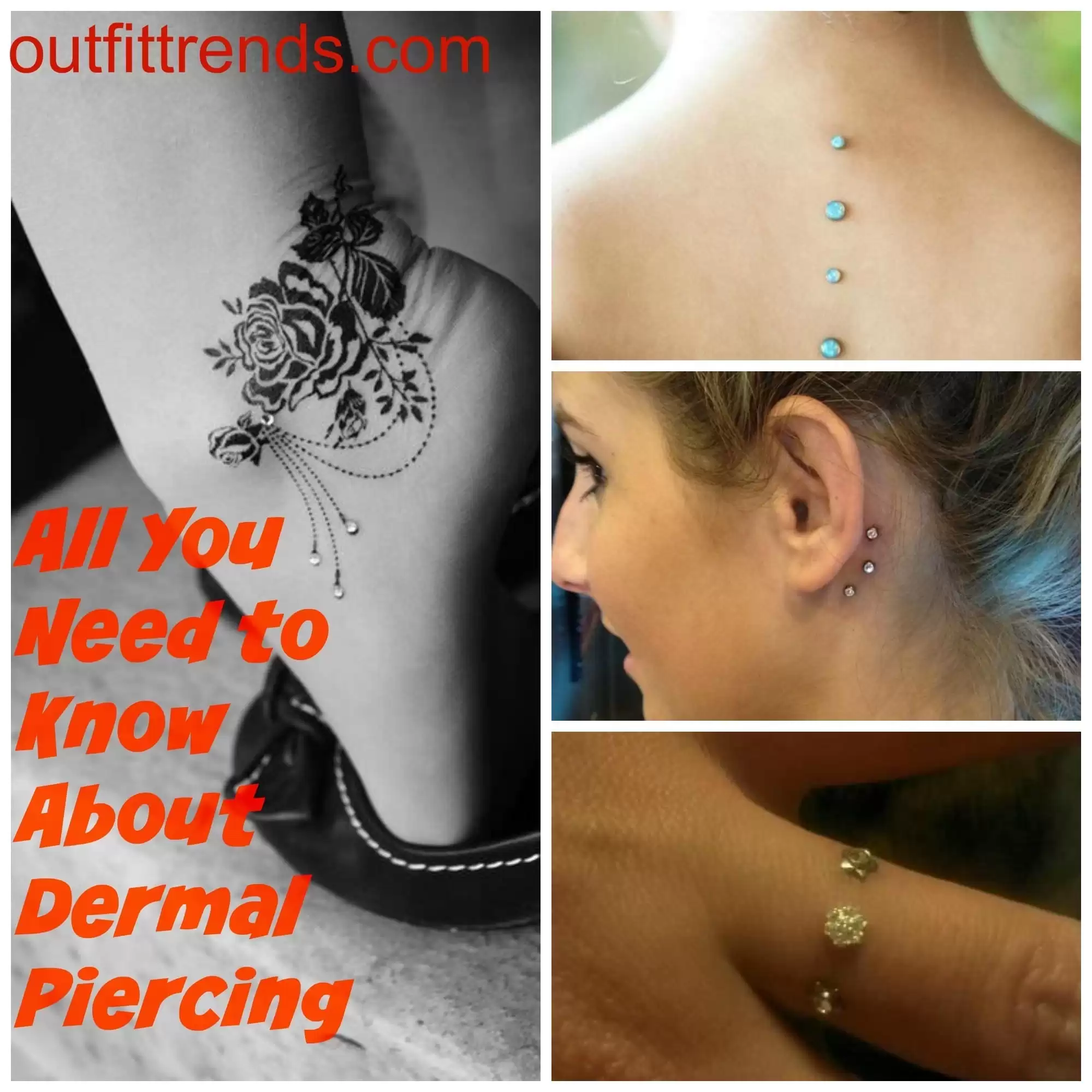
Getting A Dermal Piercing – What You Should Know
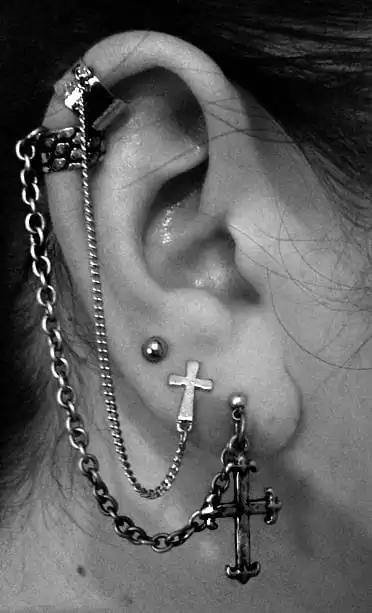
Cartilage Piercings Guide – Every Thing You Need to Know About it
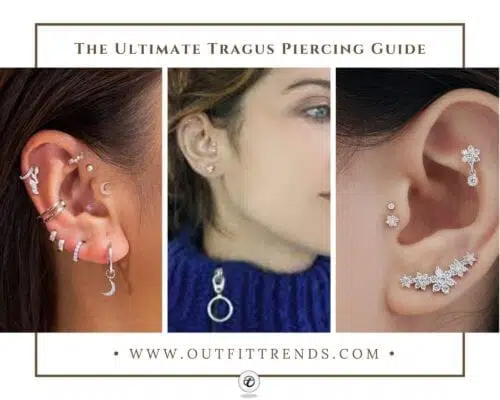
Tragus Piercing Guide – Everything You need to Know
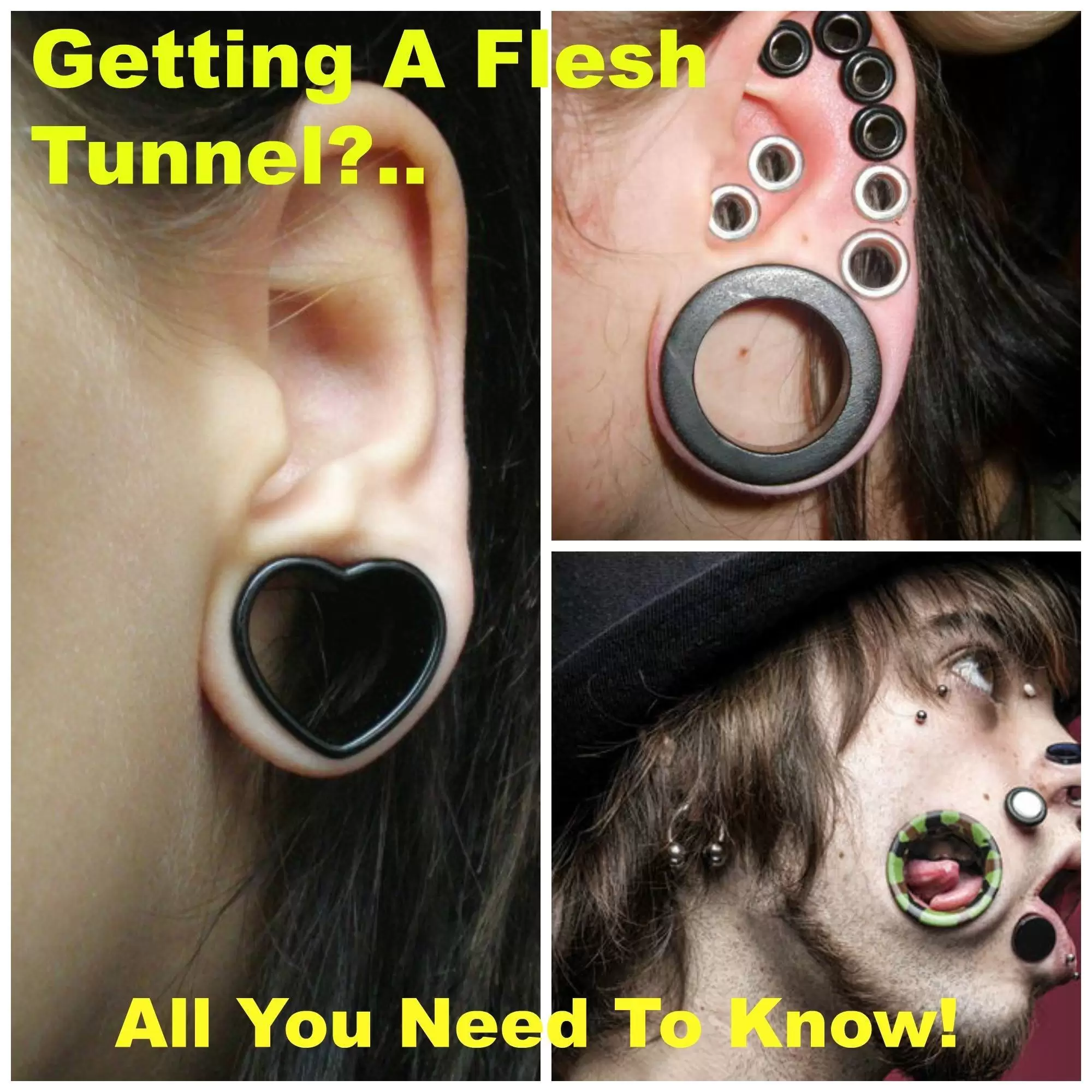
Getting A Flesh Tunnel – All You Need To Know

Swag Accessories – 5 Accessories You Need For A Swag Look
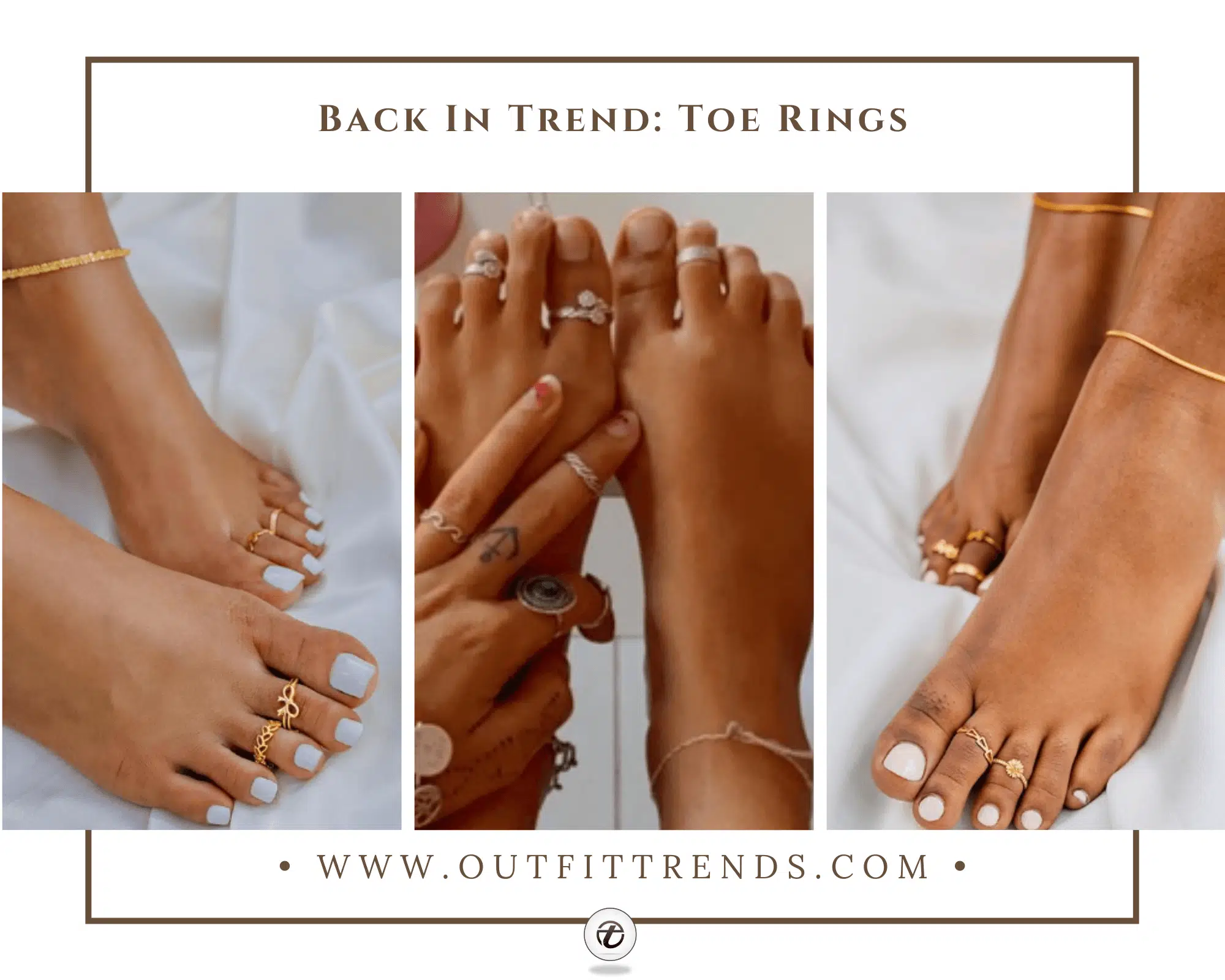
10 Best Toe Ring Styles & Ideas On How to Wear Toe Rings

30 Most Creative and Unique Shoes In the World

25 Best Earrings to Wear With Long Hair
Surface piercings have a 60-70% rejection rate within the first two years, making them one of the most temporary forms of body modification. Unlike traditional piercings that go through tissue, surface piercings rely on your body accepting foreign objects in areas where they naturally want to push them out.
Styling Surface Piercings
The biggest mistake I see with surface piercings is treating them like permanent jewelry instead of temporary art. Your body will likely reject them eventually, so the goal is maximizing their visual impact while you have them. This means choosing clothing that showcases rather than hides your investment.
For chest and sternum piercings, I build entire seasonal wardrobes around showing them off. Summer becomes about strategic necklines — scoop necks, V-necks, and off-shoulder tops that frame the piercing instead of covering it. Winter requires more creativity with layered jewelry that echoes the piercing’s placement, creating visual continuity even under sweaters.
Hip and lower back piercings demand a complete rethinking of your bottom wardrobe. High-waisted anything becomes your enemy during healing, and even after that, you need to consider how different rise levels interact with your piercing placement. I switched to exclusively mid-rise jeans for two years after getting hip dermals because they were the only pants that didn’t constantly press against the jewelry.
Jewelry Selection Strategy
Surface piercing jewelry isn’t about personal taste — it’s about functionality first, aesthetics second. The flat disc ends need to sit flush against your skin without catching on fabric, which eliminates most of the decorative options you see online. I learned this after buying several beautiful opal ends that caught on everything from bra straps to sweater fibers.
Titanium remains the gold standard for surface work, not because it looks best but because it causes the least irritation during the extended healing process. Save your jewelry experimentation for after the piercing has fully settled, which can take anywhere from six months to two years depending on placement and your body’s response.
Surface Piercing Styles and Placements
Triple Lobe Ear Piercings
Three sparkly studs arranged vertically down the earlobe create a graduated effect that works with any hair length. The descending size from top to bottom gives your ear a balanced look, while the clear crystals catch light without being too flashy. This setup works perfectly for anyone wanting multiple piercings without committing to cartilage work.

Belly Button Dangle Piercing
A delicate hanging belly button piercing with pearl and crystal details draws attention to your midsection without overwhelming it. The vertical drop creates length, which flatters shorter torsos, while the neutral tones work with any skin tone. This style works best when you’re wearing low-rise bottoms that show just enough to highlight the piercing.

Bridge and Septum Face Piercings
Double bridge piercings paired with a septum ring create symmetry across the face, but this is definitely an all-or-nothing look. The multiple facial piercings require confidence to pull off and work best with minimal makeup so the hardware becomes the focal point. This combination suits people with strong bone structure who want to make a statement.

Sternum Surface Piercings
Two small studs placed vertically on the sternum create a subtle accent for low-cut tops and dresses. The placement draws the eye to your décolletage while remaining tasteful enough for most occasions. This works particularly well on smaller chest sizes where the piercings won’t get lost in cleavage.
Quick tip
Choose stable body areas like the nape of neck or upper chest for better healing success.

Eyebrow Piercing with Artistic Makeup
A simple eyebrow barbell becomes part of an elaborate eye look when paired with rainbow eyeshadow and dramatic liner. The piercing anchors the colorful design and prevents it from looking too over-the-top. This combination works for creative events or when you want your makeup to be the main attraction.

Multiple Ear Piercings
A curated ear with various gold hoops and studs from lobe to cartilage creates an effortless layered effect. The mix of sizes and styles looks intentionally collected over time rather than done all at once. This approach works for anyone wanting to build their piercing collection gradually while maintaining a cohesive metal tone.

Ankle Surface Piercings
Three small studs placed vertically on the ankle create a delicate accent that peeks out from shoes and adds interest to bare legs. The placement works particularly well with pointed flats or low heels that don’t cover the area. This subtle option suits anyone wanting piercings they can easily hide for work.
Quick tip
Avoid surface piercings in high-movement zones like wrists or lower back for daily wear.

Hip Surface Piercings with Dermal Anchors
Surface piercings along the hip bone using dermal anchors create a modern alternative to traditional piercings. The placement follows your natural curve and works beautifully with low-rise jeans or bikinis. These require serious commitment since dermal anchors are semi-permanent, but they create a sleek line that enhances your silhouette.

Behind-the-Ear Surface Piercings
Small studs placed behind the ear in a vertical line create a hidden surprise that only shows when you pull your hair back. This placement is perfect for professional environments where visible piercings aren’t allowed but you still want body modification. The discrete location works for any hair length and adds interest without being obvious.

Bridge Piercing Placement
Double studs placed horizontally across the bridge of the nose create facial symmetry and draw attention to the eyes. This placement works best on people with wider nose bridges and strong facial features that can handle the additional hardware. The look requires confidence since bridge piercings are impossible to hide with makeup or accessories.
Quick tip
Use implant-grade titanium jewelry to reduce rejection risk and irritation.

Corset-Style Back Lacing Piercing
Pink ribbon threaded through temporary surface piercings creates a dramatic corset effect down the spine. This theatrical body modification mimics the lacing of a corset but uses actual piercings with ribbon instead of fabric eyelets. The look requires professional piercing and is typically temporary due to the high rejection rate of surface piercings in this area.

Wrist Bow Surface Piercings
Delicate purple ribbons threaded through matching surface piercings on both wrists create a feminine bow detail. The symmetrical placement and soft ribbon material contrasts beautifully with the metal jewelry, though these piercings require careful aftercare due to constant wrist movement. This style works best for special occasions rather than daily wear due to the healing challenges.

Single Chest Surface Piercing
A minimalist approach featuring one small surface piercing placed on the upper chest area. The simple metal barbell creates subtle body jewelry that’s easier to heal than multiple piercings and less prone to rejection. This placement works well under most clothing and offers a discreet way to experiment with surface piercings.
Quick tip
Plan for 6-12 month healing times and potential removal if rejection occurs.

Vertical Torso Piercing Pattern
Multiple surface piercings arranged in a vertical line down the torso create geometric body art. Each piercing features small metal balls that catch light and draw attention to the body’s natural lines. This ambitious project requires significant healing time and carries higher risks, making it suitable only for experienced piercing enthusiasts who understand the commitment involved.

Key takeaways
- Surface piercings have high rejection rates compared to traditional piercings, especially in high-movement areas
- Temporary ribbon threading creates dramatic visual impact without permanent commitment
- Single piercings in stable areas heal better than multiple piercings in flexible zones
- Professional piercing is essential for proper depth and placement to minimize complications
- Consider lifestyle factors like clothing, work requirements, and activity levels before committing
- Start with one simple placement to test healing response before attempting complex arrangements
Getting A Dermal Piercing – What You Should Know
Cartilage Piercings Guide – Every Thing You Need to Know About it
Tragus Piercing Guide – Everything You need to Know
Getting A Flesh Tunnel – All You Need To Know
Swag Accessories – 5 Accessories You Need For A Swag Look
10 Best Toe Ring Styles & Ideas On How to Wear Toe Rings
30 Most Creative and Unique Shoes In the World
25 Best Earrings to Wear With Long Hair