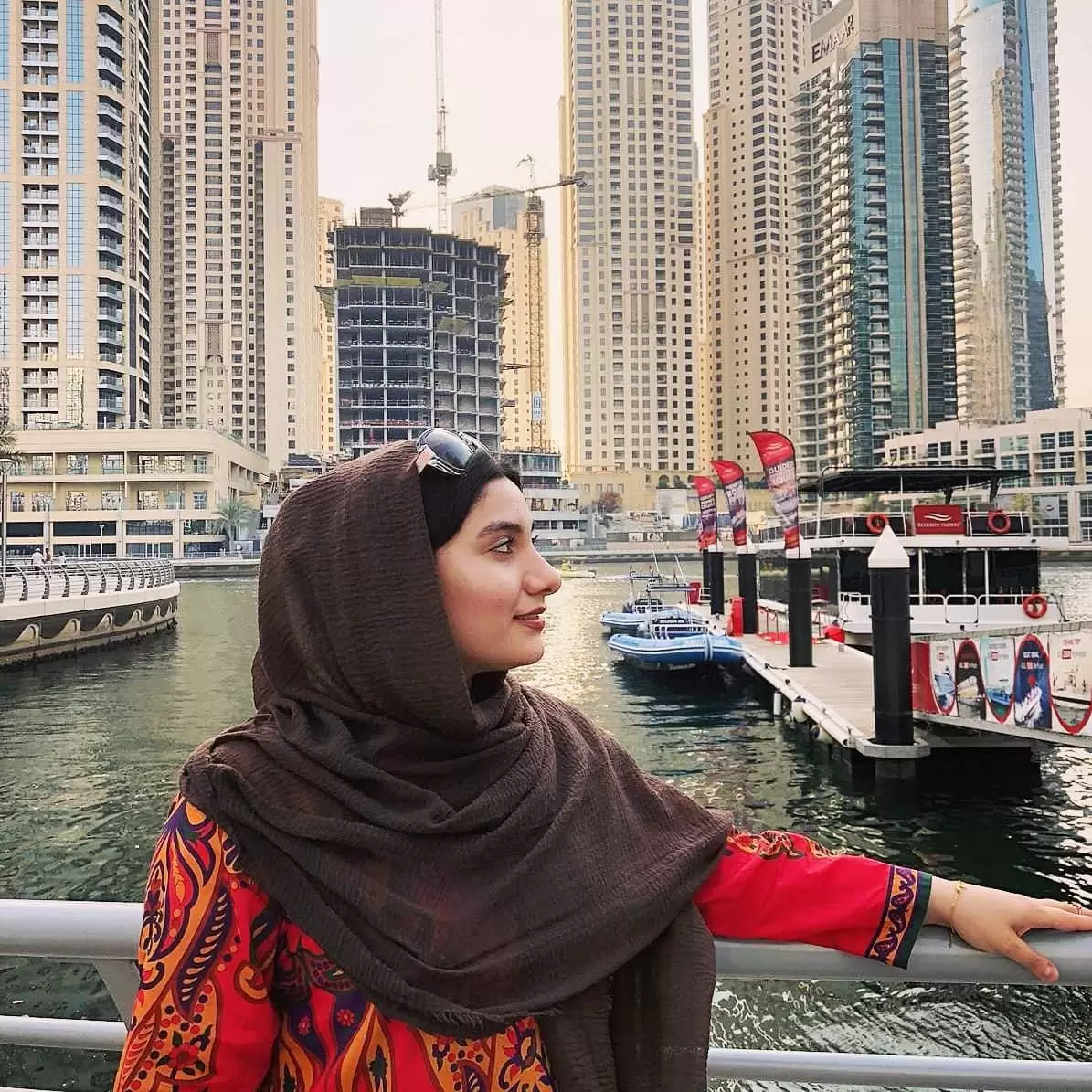
A hijab changes the whole math of a makeup routine. There’s no fringe to soften a hard eyeliner line, no loose hair to distract from a heavy contour, and the fabric sits so close to your hairline and jaw that every choice you make on your face reads twice as clearly. I learned this the hard way at a cousin’s nikkah, where a smoky eye that looked fine in my bathroom mirror turned into something closer to a raccoon by the time the photos came out under fabric and flash together.
The good news is that hijab makeup isn’t harder, just different. Once you know which two or three things to adjust — brow shape, base longevity, and how you frame the eyes — everything else about a normal makeup routine still applies. This guide walks through the basics, six step-by-step techniques worth practicing, nine finished look pairings by hijab color, and the questions hijabis ask most often about getting makeup to survive a full day under fabric.
Before you get into products, it helps to see a few looks I still come back to for weddings, Eid, and regular Fridays — you’ll find those photo pairings a bit further down, alongside the techniques that make them last. If you’re building a full Eid look and not just the makeup, our Eid makeup tutorial with 20 ideas is a good companion piece to this one.
Why Makeup Looks Different Under a Hijab
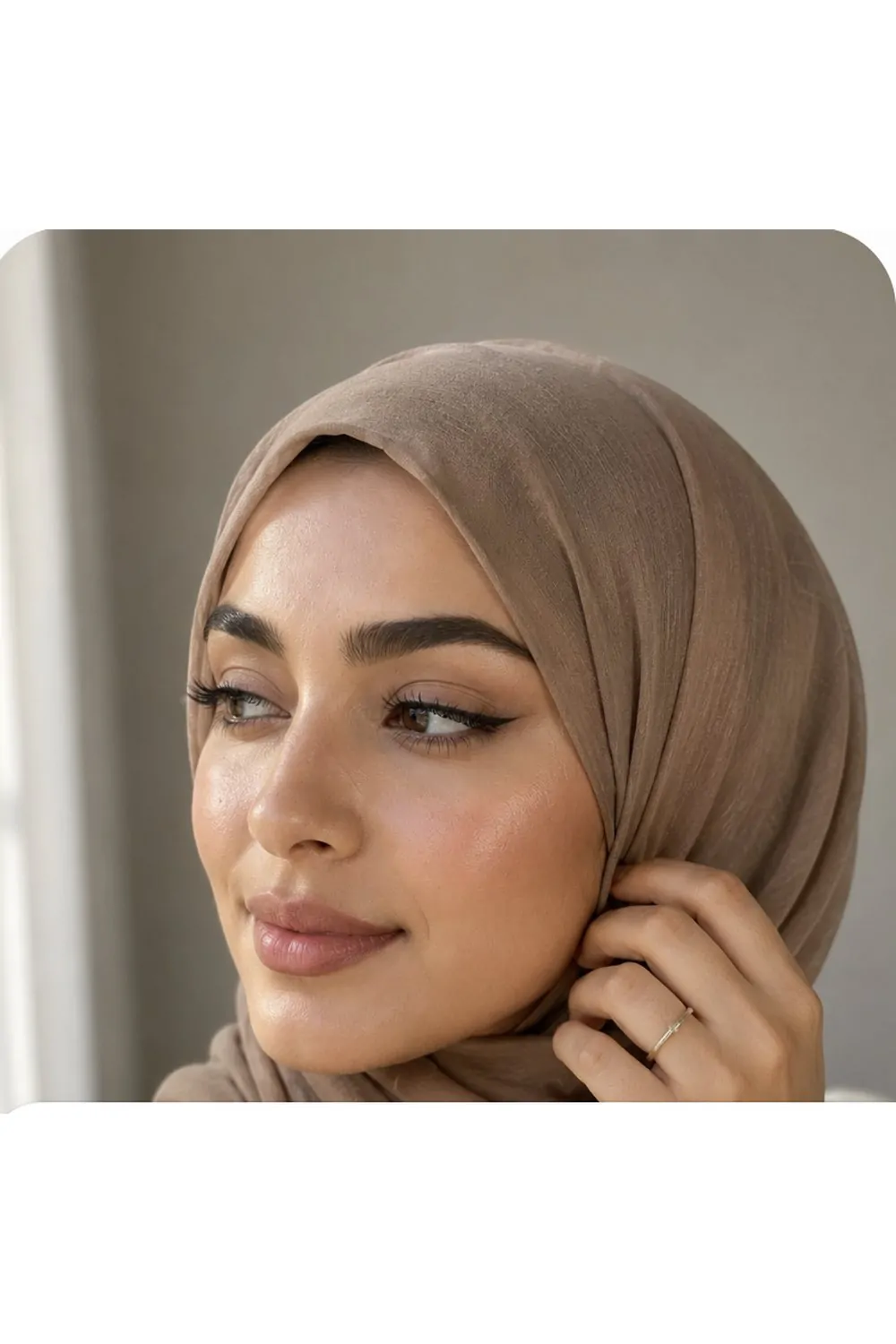
With no hair to frame your face, your eyebrows do the job your fringe or layers usually do. If they’re sparse, uneven, or over-plucked, it shows immediately. The same goes for your hairline and temples — fabric pulls slightly at the skin there all day, which is exactly where foundation tends to crease first. And because the hijab covers your ears and neck, your face is the only part of you doing all the color and contrast work, so even small imbalances between your base, brows, and lips stand out more than they would in an open hairstyle.
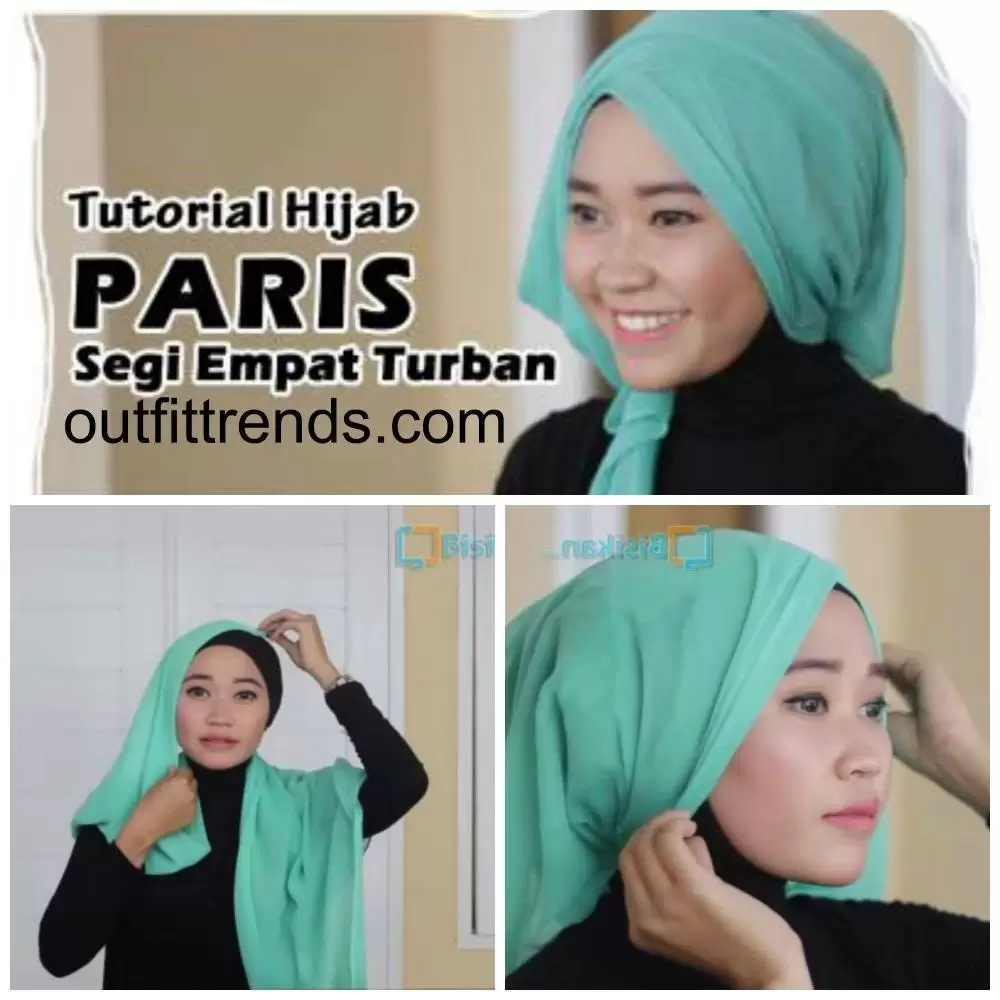
10 Simple Hijab Paris Tutorials In Less Than a Minute
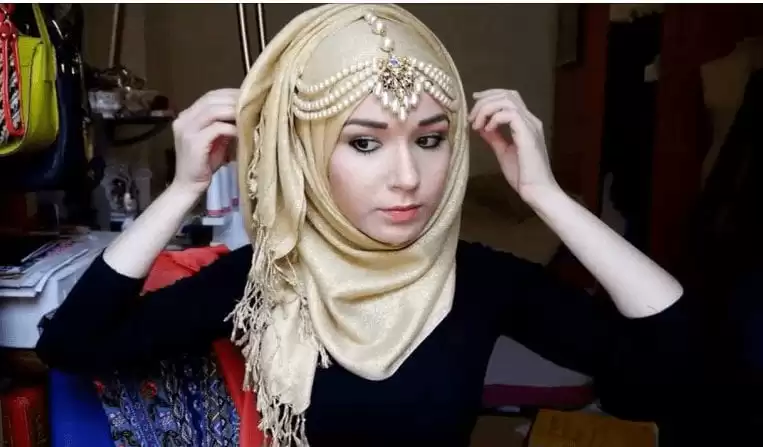
10 Simple DIY Hijab Accessories Tutorials You Can Do Easily
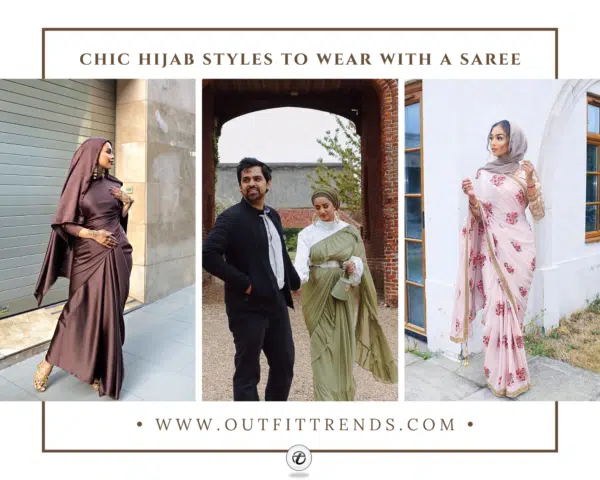
How to Wear Saree with Hijab ? 14 Styling Tips
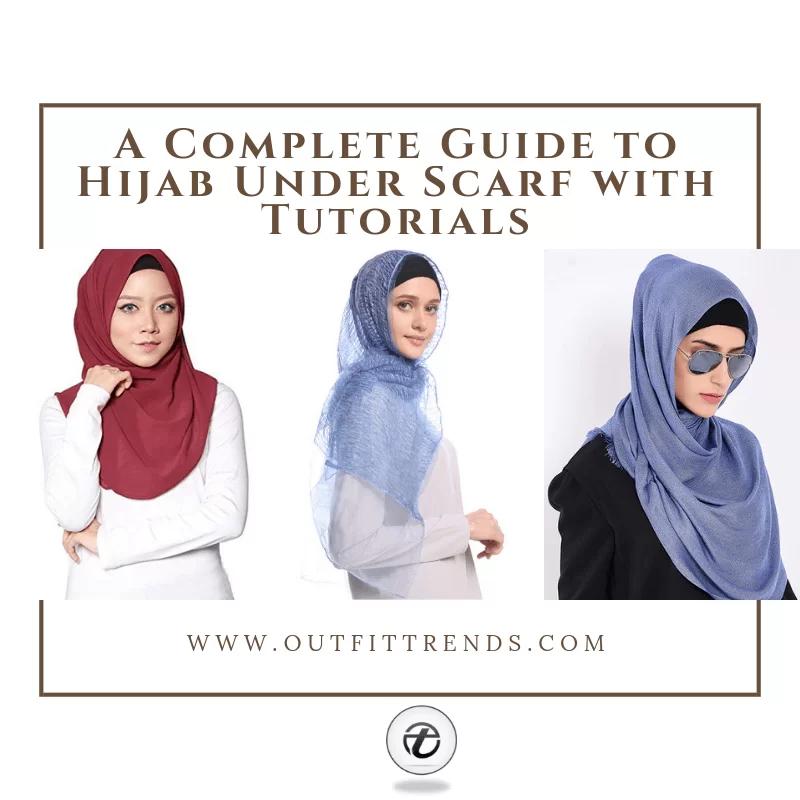
Complete Guide on How to Wear Hijab Underscarf & Tutorials
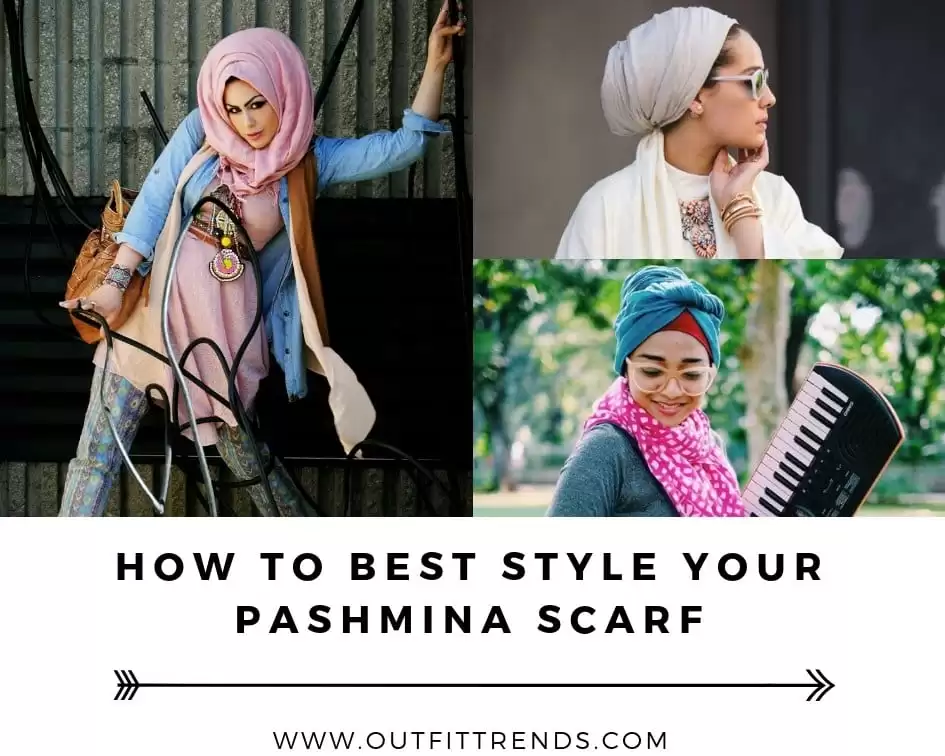
How To Wear a Pashmina Hijab 10 Best Styling Tips
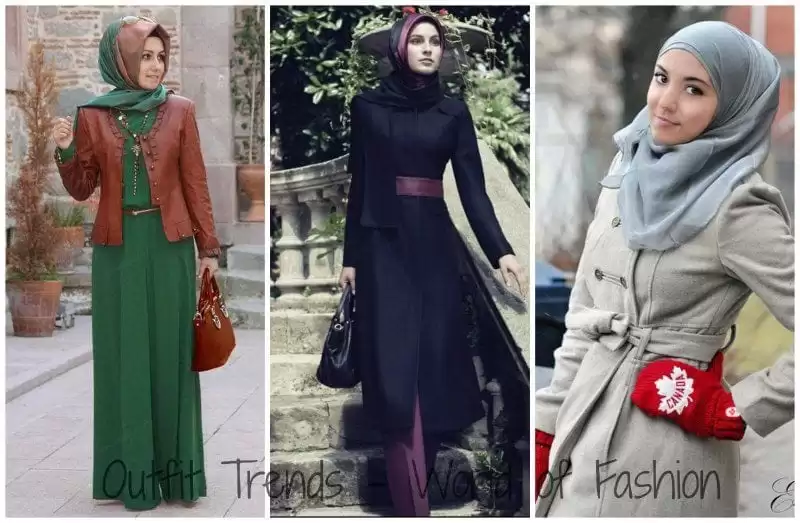
14 Stylish Winter Hijab Outfits & Styling Tips
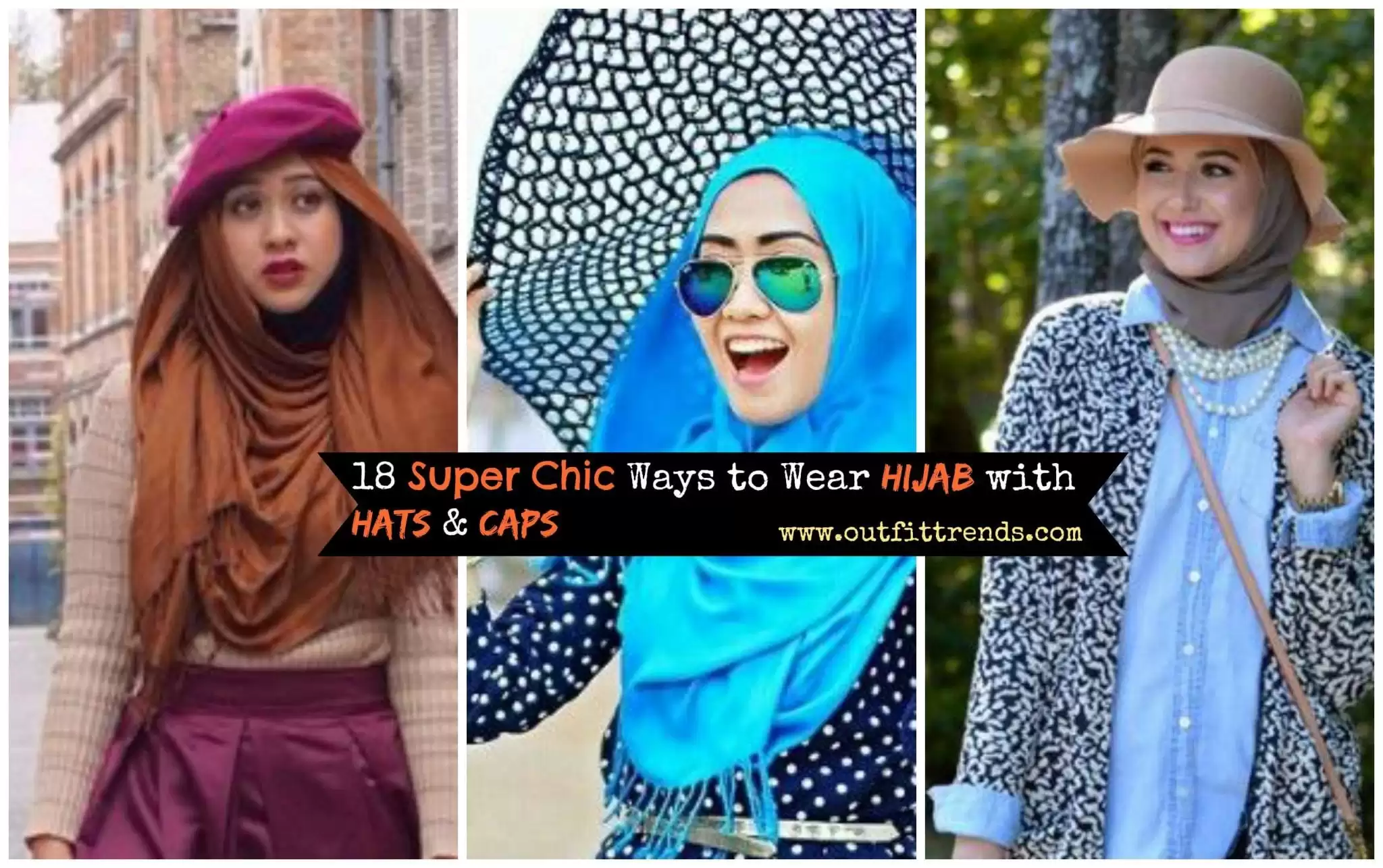
How to Style Hats with Hijab? 18 Styling Tips
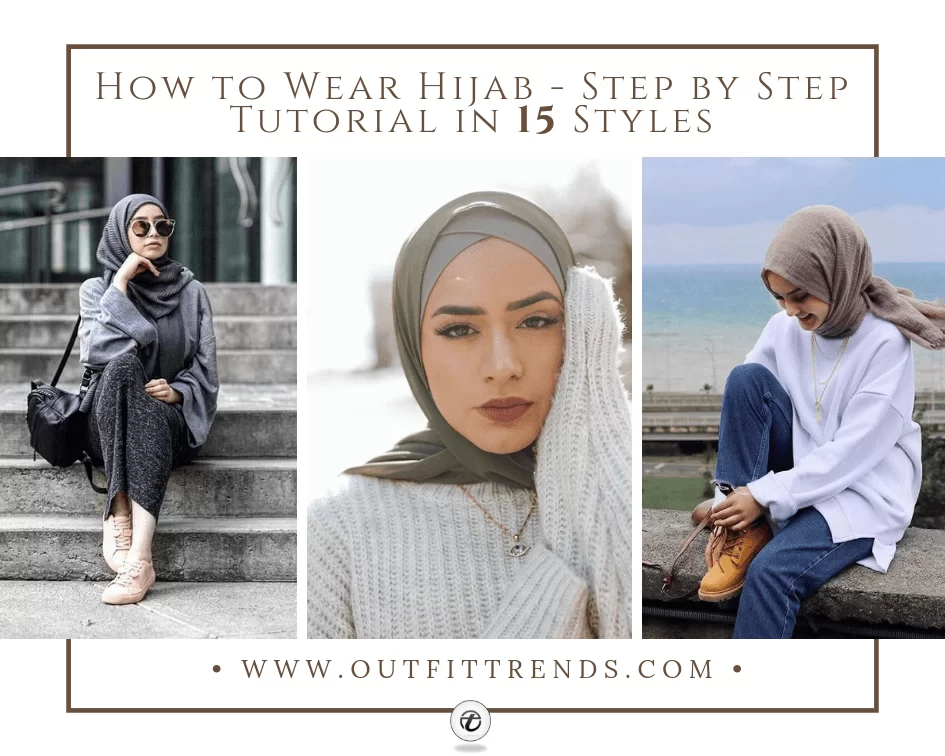
How to Wear a Hijab? Step by Step Tutorials and 35 Styles
None of this means more makeup. It usually means less, applied more precisely, with more attention to brows and to products that won’t budge for 8-10 hours. A drugstore setting spray and two extra minutes on your brows will do more for a hijab look than an extra layer of foundation. If you’re also experimenting with how you wrap the fabric itself, our roundup of 35 hijab styling tutorials pairs well with any of the looks below.
Dos & Don’ts for Hijab Makeup
Step-by-Step Hijab Makeup Tutorials
These are the six techniques that actually change how a hijab makeup look holds up, from priming to the last setting spray pass. Each one is shown as a pictorial, step by step, so you can follow along in order.
Long-Wear Base and Priming Around the Hairline
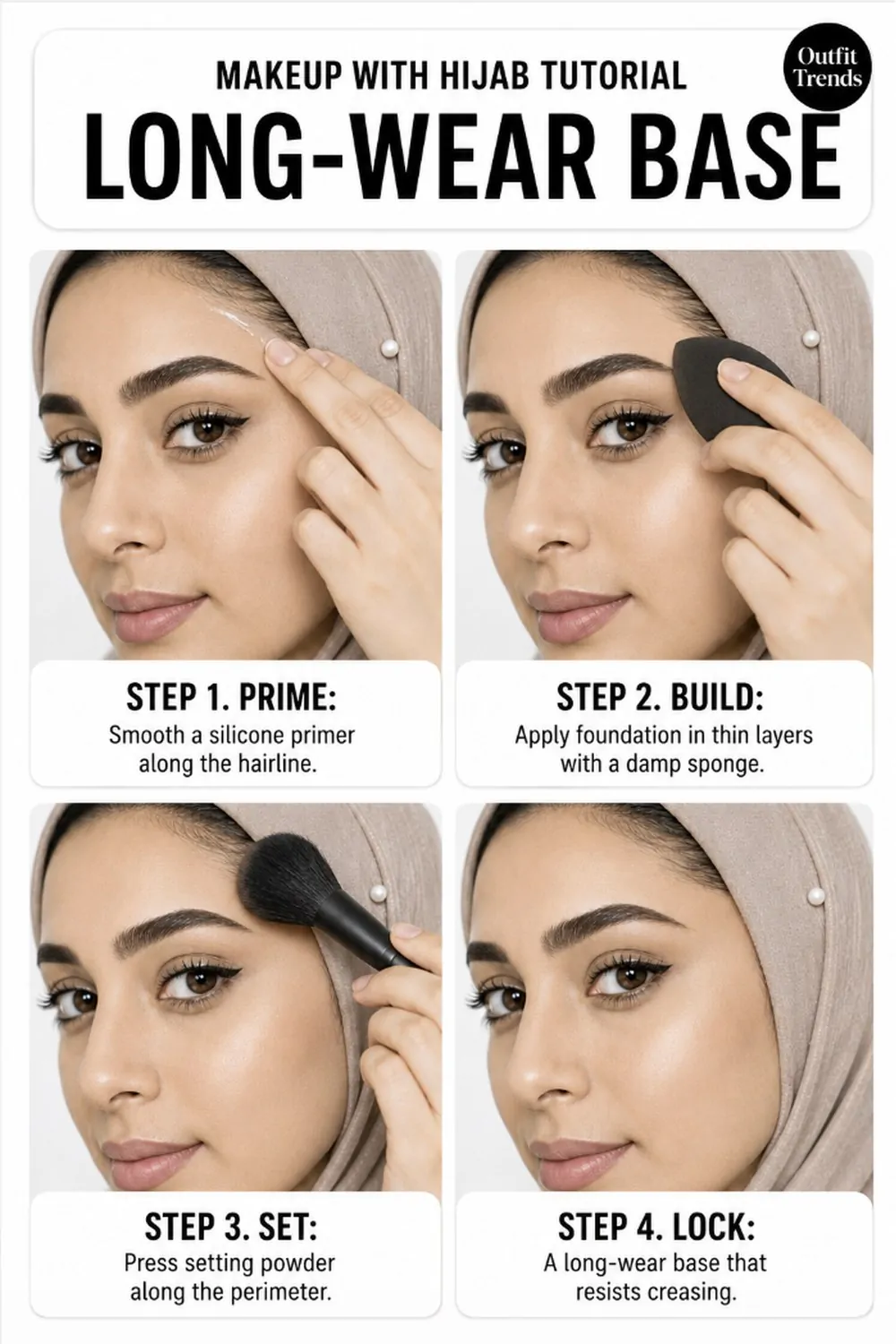
Start with a mattifying primer worked specifically into your hairline, temples, and jaw — the three points where fabric touches skin most. Apply foundation in thin layers rather than one heavy coat, then press translucent powder into the hairline with a damp sponge before you pin your underscarf. This single step is the difference between makeup that survives six hours of fabric friction and makeup that creases by noon.
Reshaping Brows to Frame Your Face Without Hair
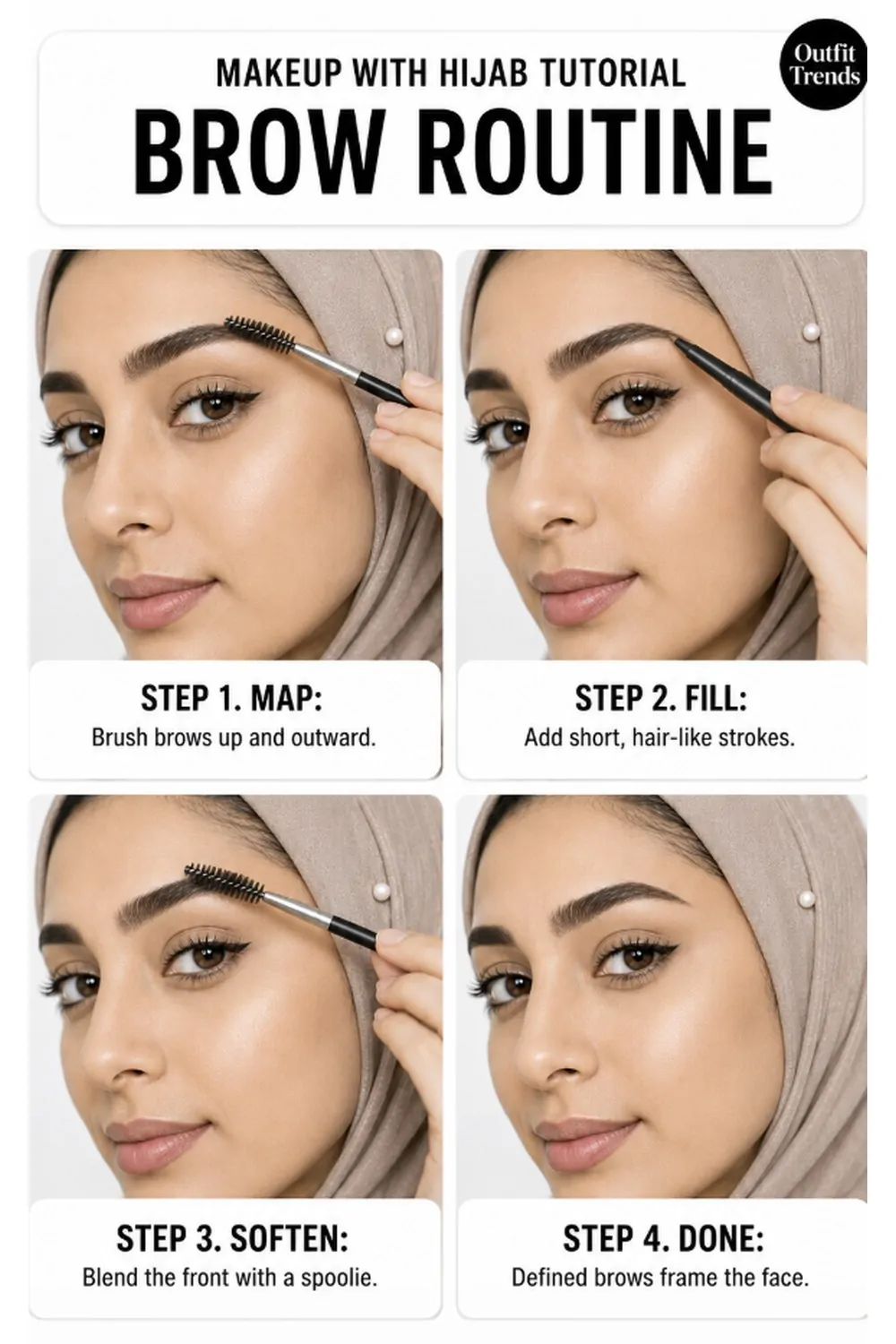
Map your brow shape with a spoolie first, then fill sparse areas with short, hair-like strokes rather than one solid line. Because your brows now do the framing work your hairline used to do, keep the arch soft and the tail slightly longer than you might otherwise — it visually extends your face the way loose hair would.
Winged Eyeliner That Reads Clearly Under Fabric
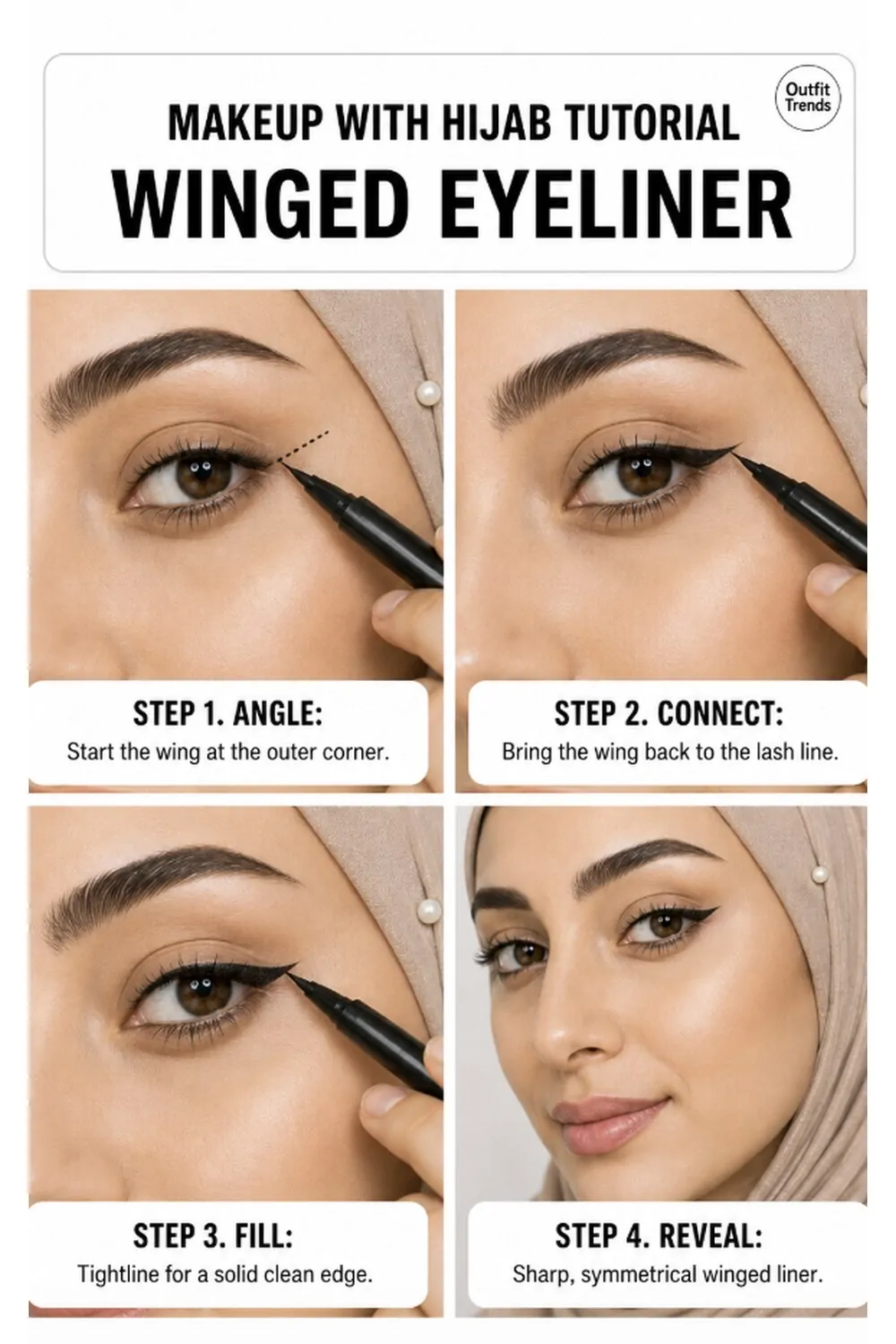
Tape or a straight edge along your lower lash line keeps the wing angle consistent. Draw the wing first at a shallow angle from the outer corner, then connect it back to your lash line rather than starting at the inner corner and working out — it’s easier to correct a wing that’s too short than one that’s already too long.
Contour and Highlight That Hold Their Shape All Day
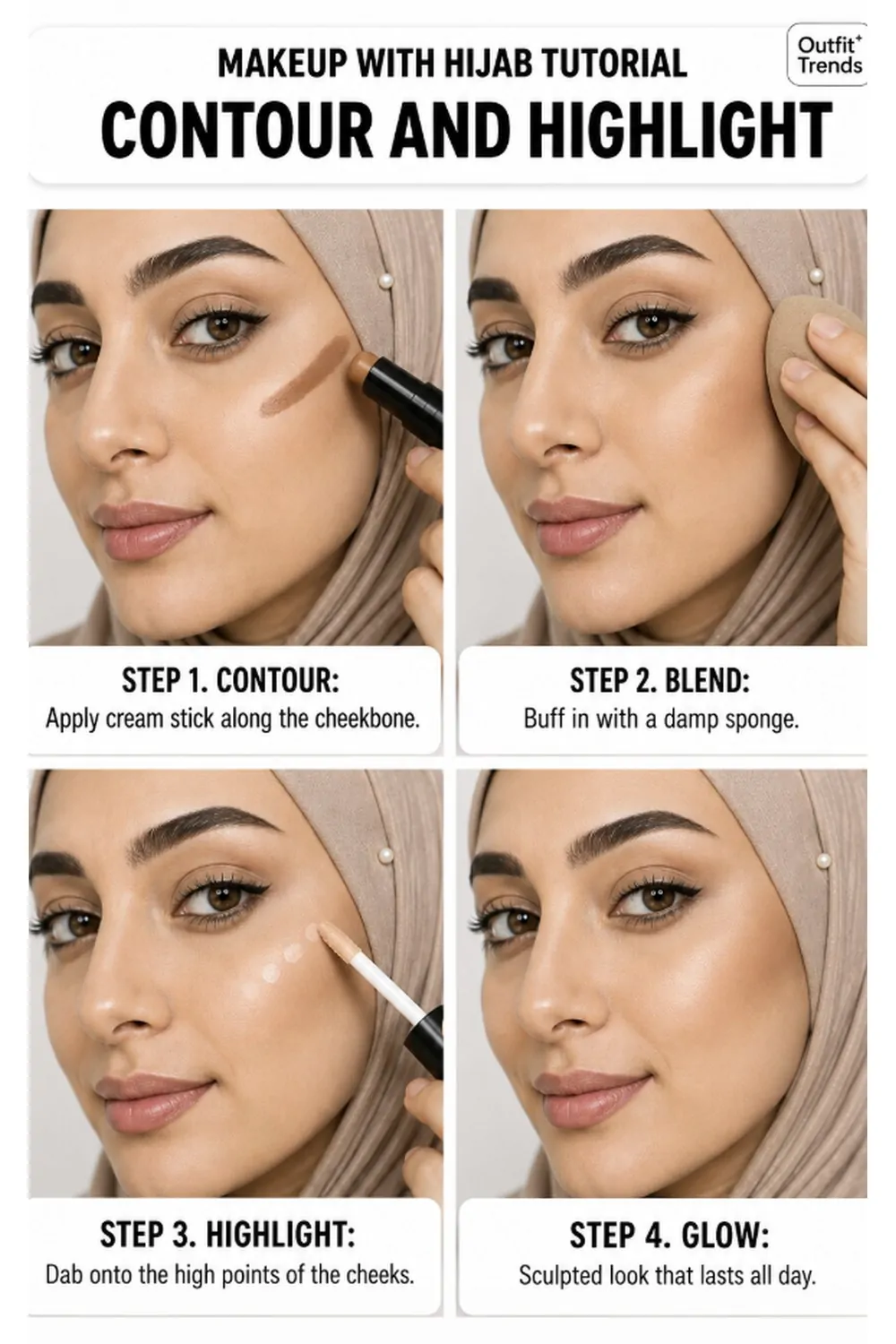
Use a cream contour under your setting powder rather than a powder contour on bare skin — powder-on-powder shifts more easily against the underscarf. Blend along the cheekbone and jaw only, and skip the temples entirely since that’s where the hijab sits closest to your skin and will blur soft edges first.
Ombre Lip Technique for Color That Doesn’t Transfer
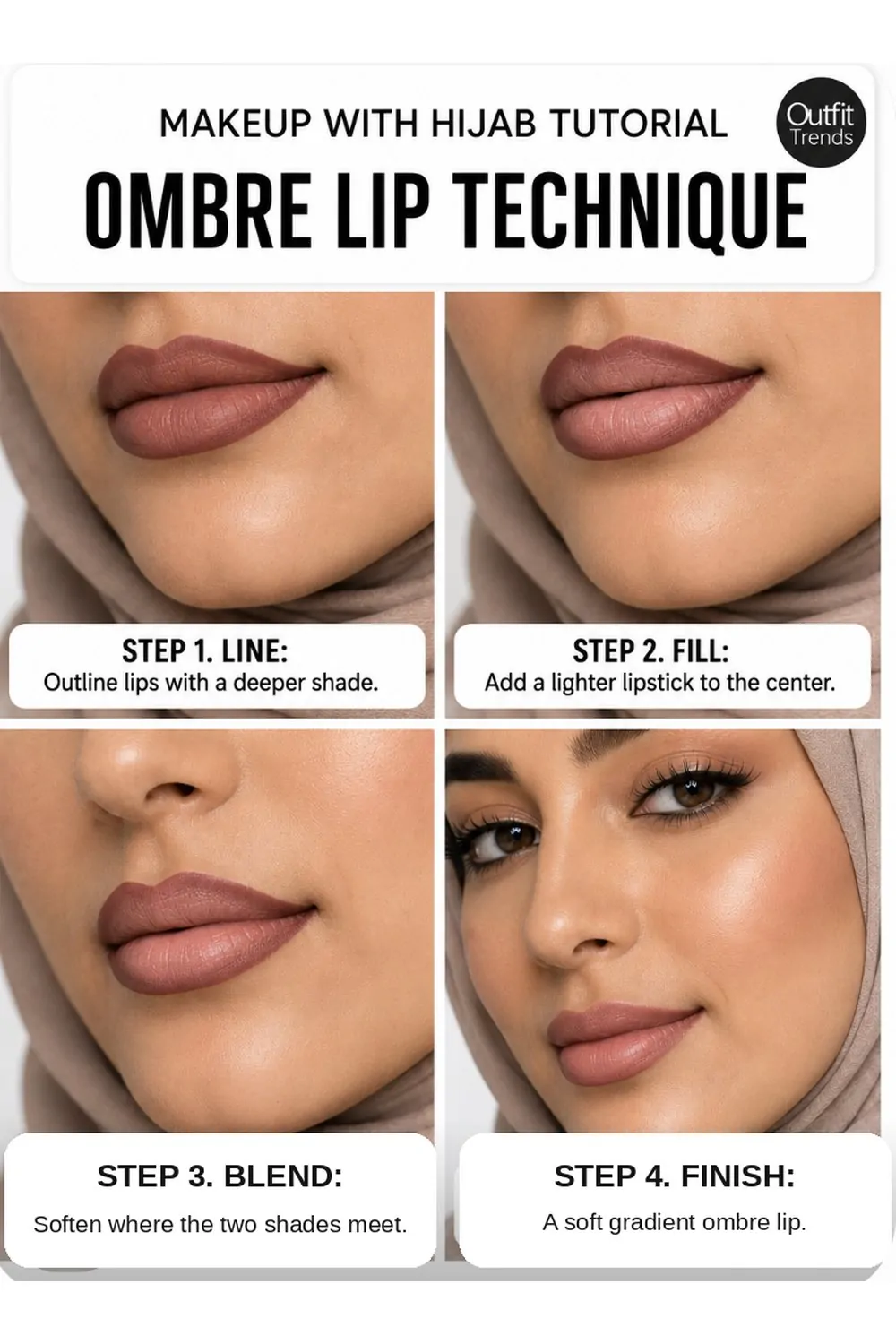
Line your lips first in a shade slightly deeper than your lipstick, fill the center with the lighter shade, and blend where they meet with a lip brush. Blot with tissue, then apply a second thin layer — the two-coat blot method roughly doubles how long the color lasts before it starts transferring onto fabric near your mouth.
Setting Spray Technique for All-Day Humidity Proofing
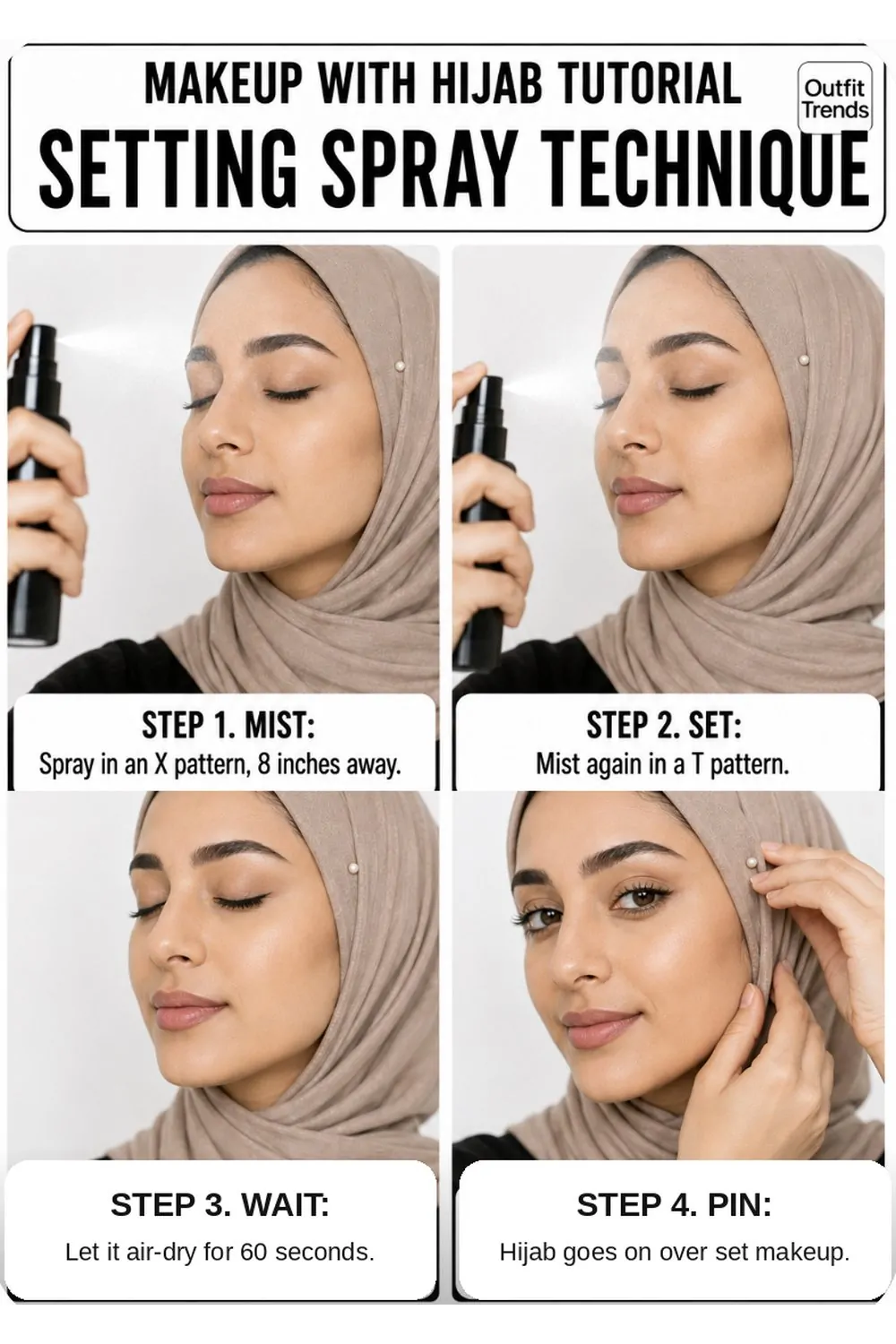
Hold the setting spray about 8-10 inches from your face and mist in a loose X-then-T pattern, rather than spraying directly at any one area. Let it air-dry for a full 60 seconds before you pin your hijab — putting fabric against wet setting spray is what causes patchy transfer onto the underscarf.
Makeup Looks to Pair With Your Hijab Color
Once the base techniques above are second nature, the fun part is matching your makeup to your hijab color rather than ignoring it. These nine pairings are ones I reach for most, from bold event looks to everyday neutral ones.
Classic Red Lip with Black Hijab
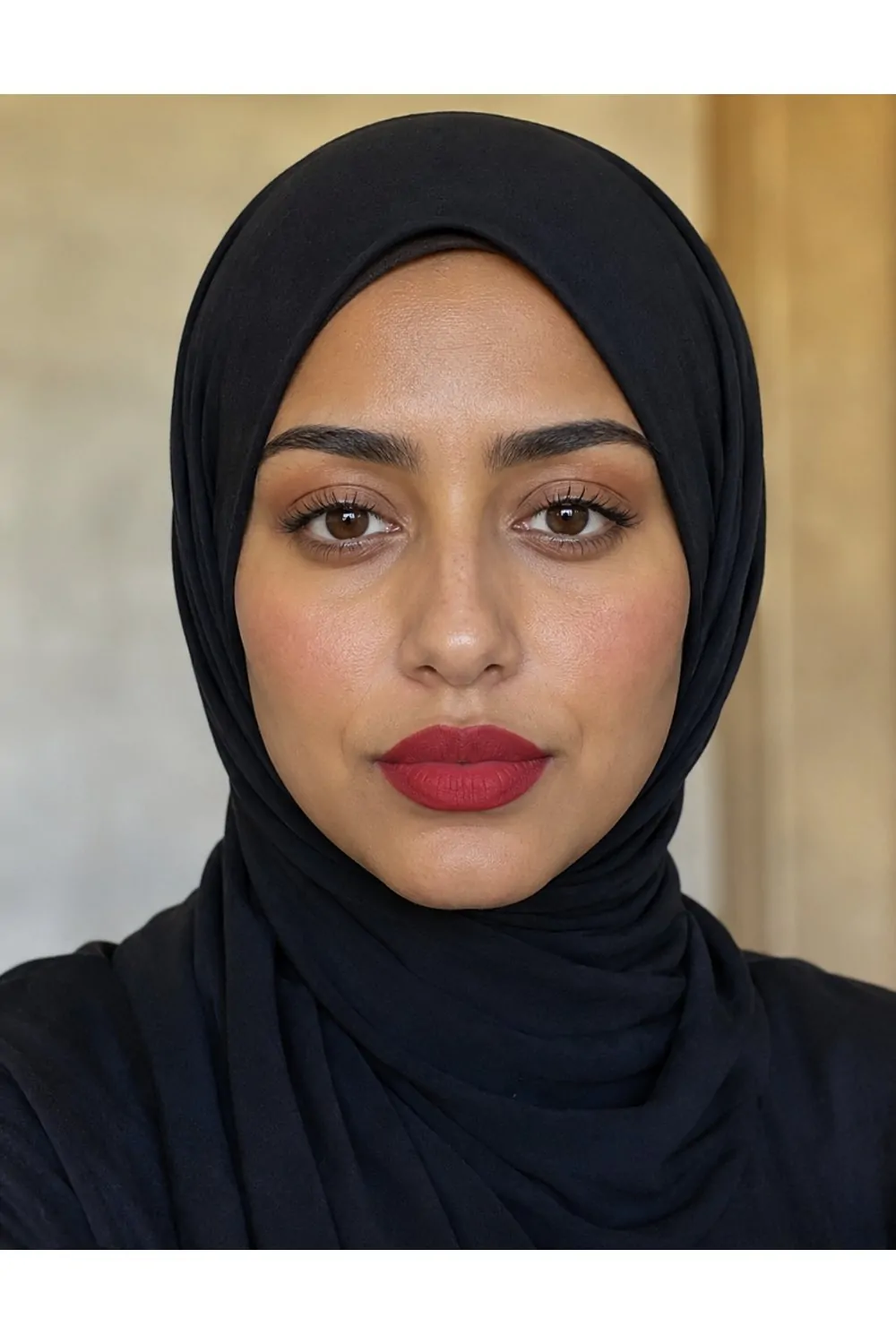
A true blue-red lip against black fabric is the most reliable combination for evening events — it reads as polished without needing much eye makeup at all. Keep the eyes to a soft brown wash and let the lip do the work.
Smoky Eyes with Nude Hijab
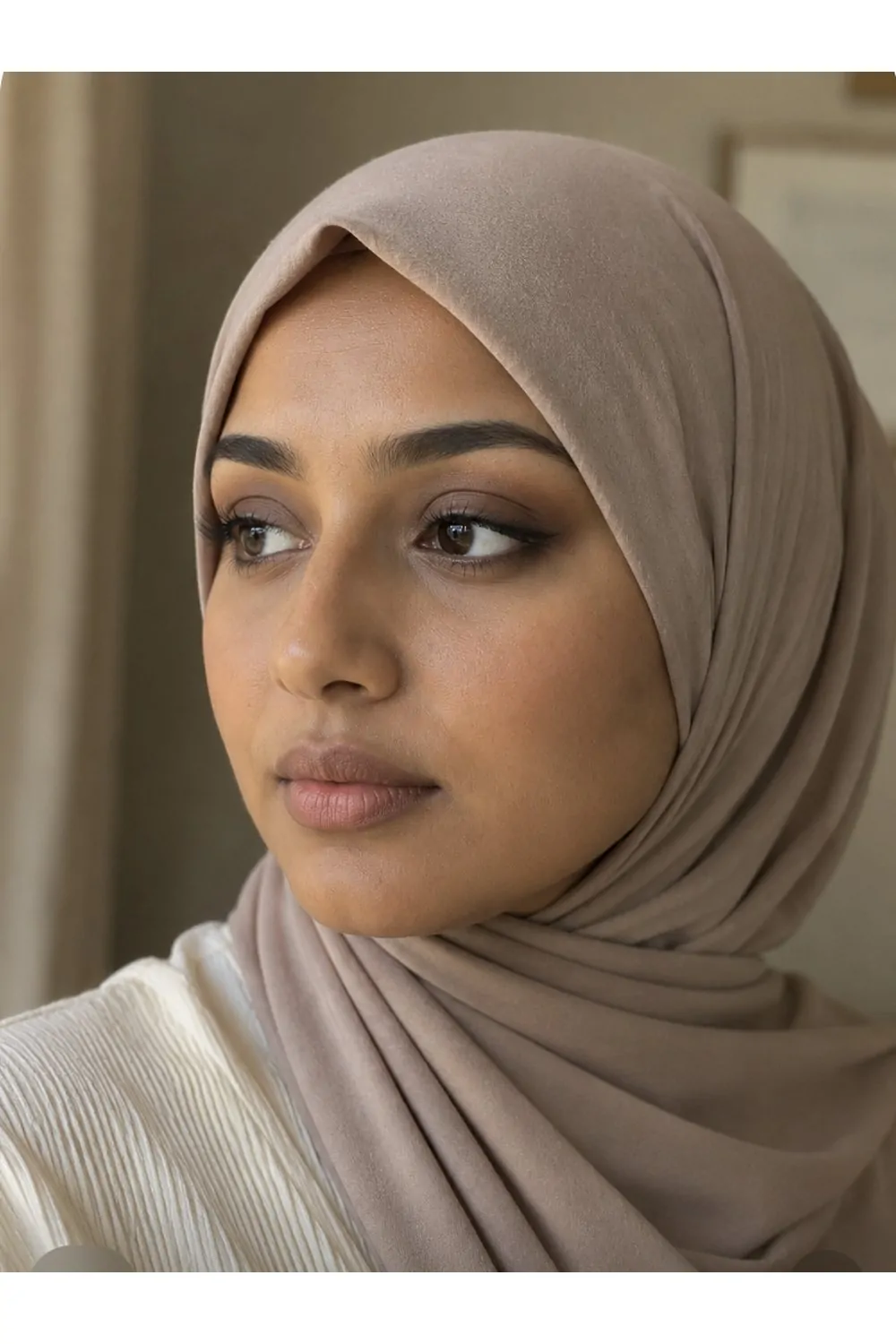
A neutral hijab is the easiest background for a smoky eye because nothing competes with it. Stick to warm taupe and brown tones rather than black for daytime versions — it softens the look without losing definition.
Turquoise Hijab with Coral Lips
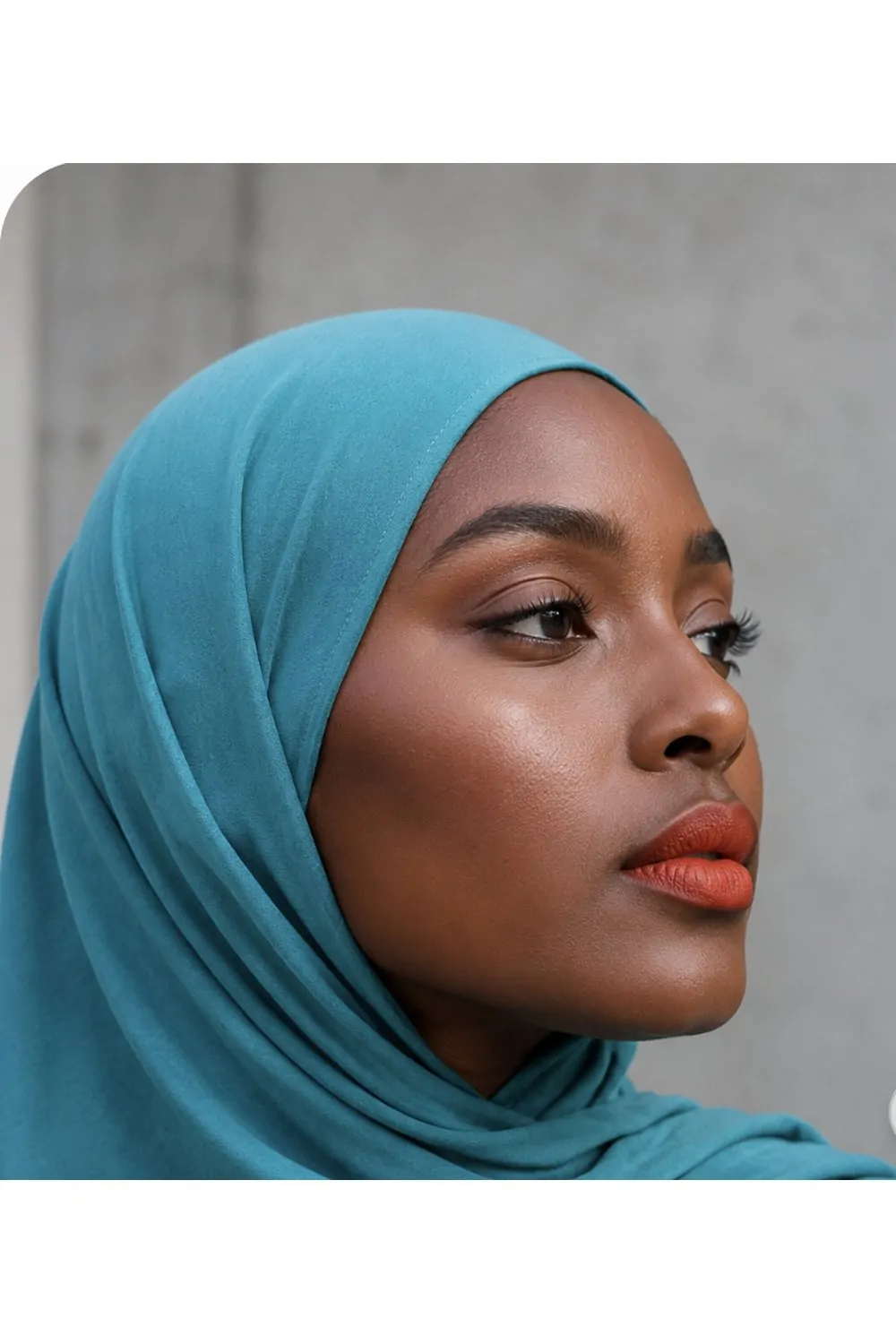
Coral and turquoise sit opposite each other on the color wheel, which is exactly why the pairing works. Use a cream coral rather than an orange-leaning one, since orange can clash with cooler-toned turquoise fabric.
Dramatic Cat Eye with Ivory Hijab
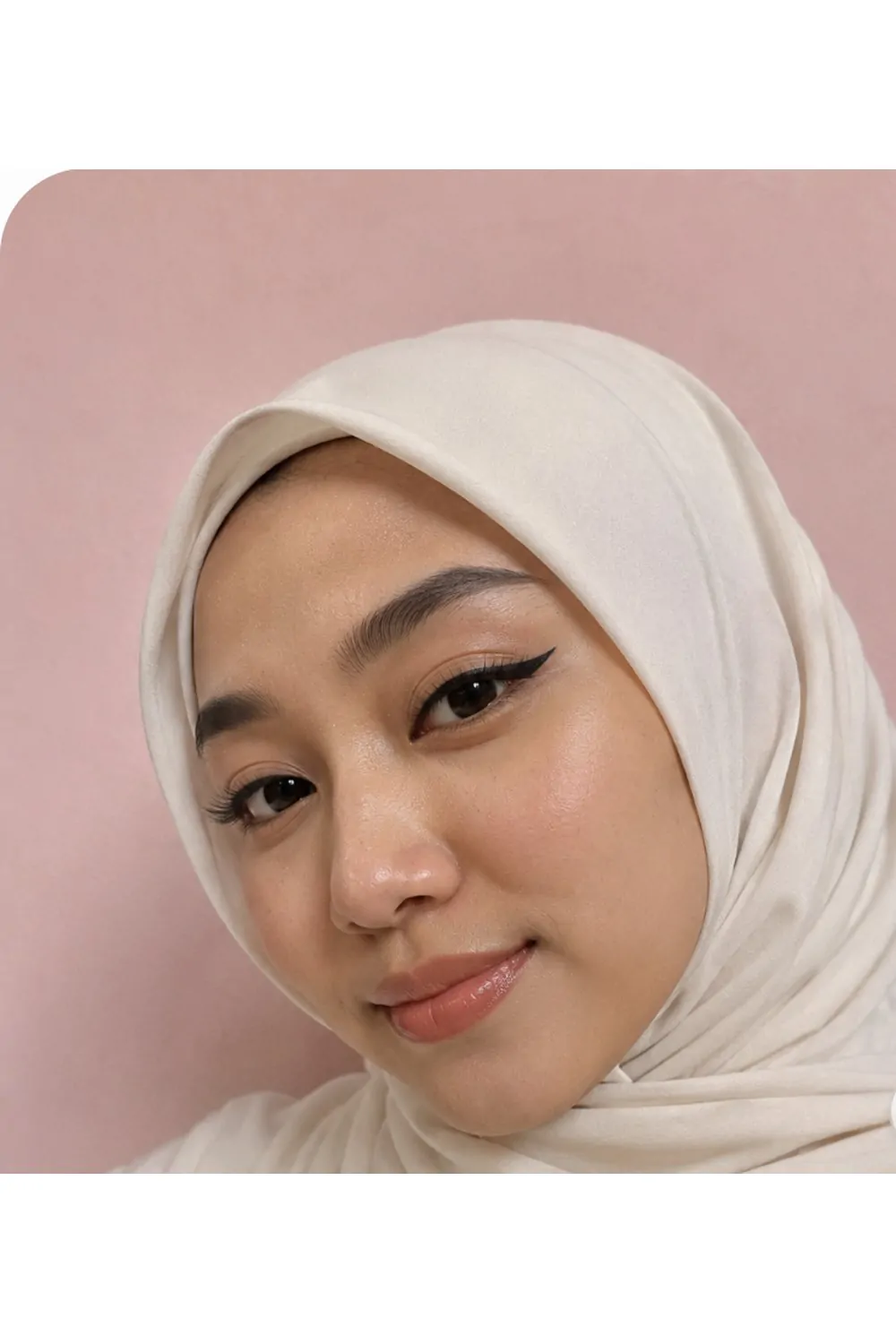
Ivory is forgiving of a sharp black wing because there’s no competing color pulling focus. Keep the base minimal and matte so the eyeliner stays the clear focal point of the look.
Pink Lips with Grey Jersey Hijab
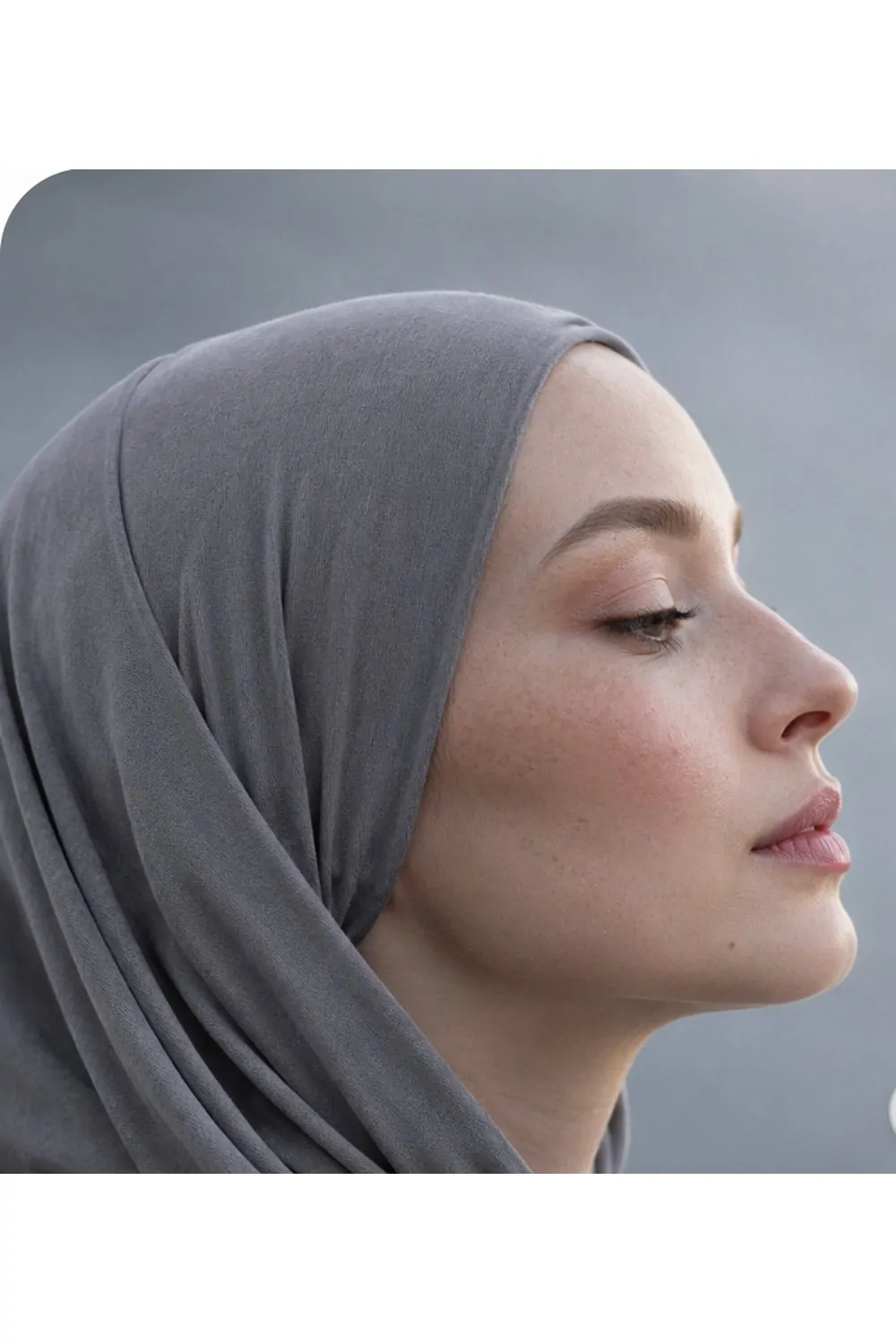
Cool-toned pink lipstick against grey jersey fabric is an easy weekday combination that still photographs well. A jersey hijab drapes closer to the face than chiffon, so keep blush minimal to avoid looking overdone in photos.
Bold Berry Lip with Navy Hijab
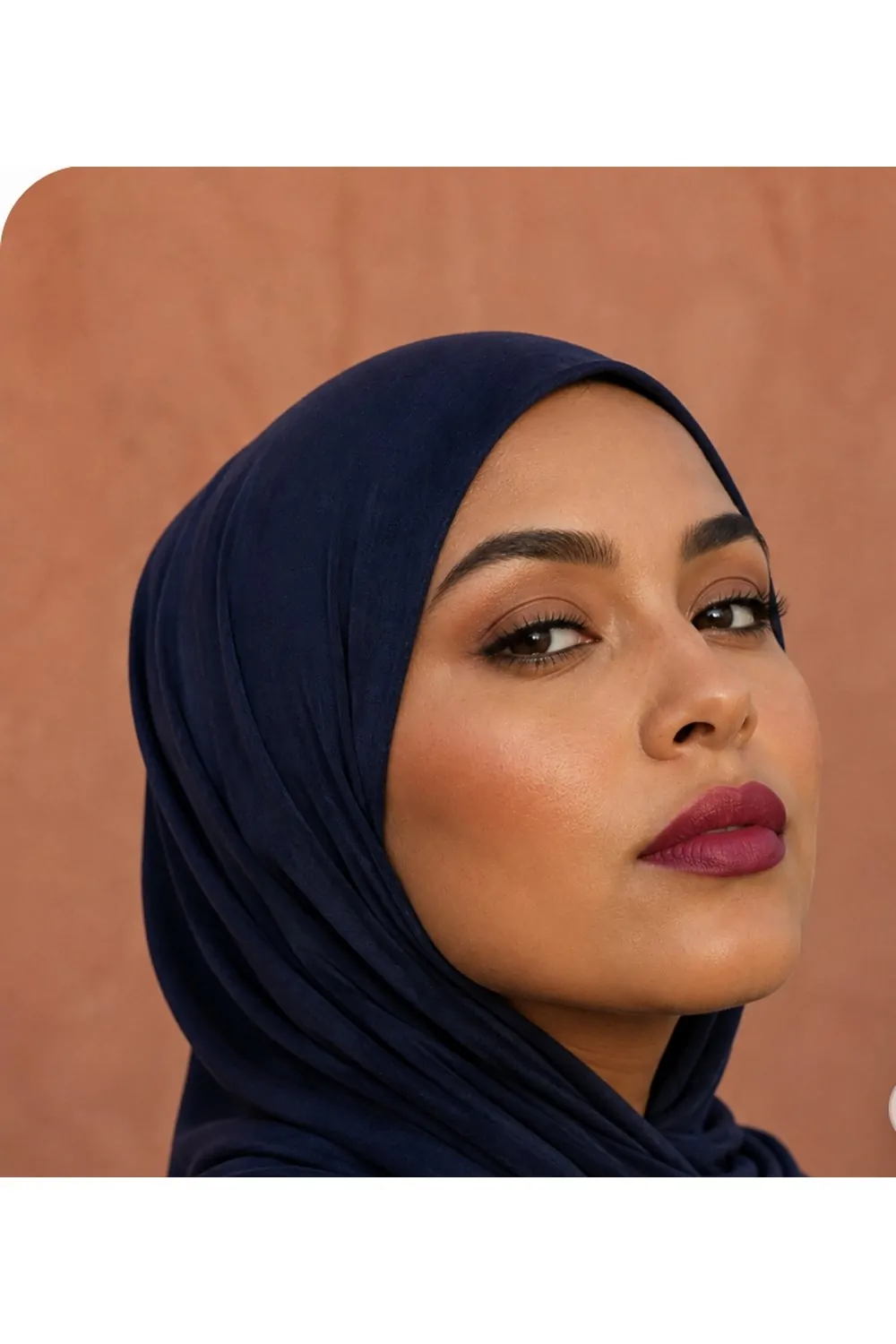
Berry tones read as sophisticated rather than harsh against navy, which is why this pairing works for winter events. Add a touch of berry to the eyes with a cream shadow if you want the look to feel more intentional rather than lip-only, and pair it with a confident wrap style like the ones in our hijab swag style guide.
Golden Glitter Eyes with Emerald Hijab
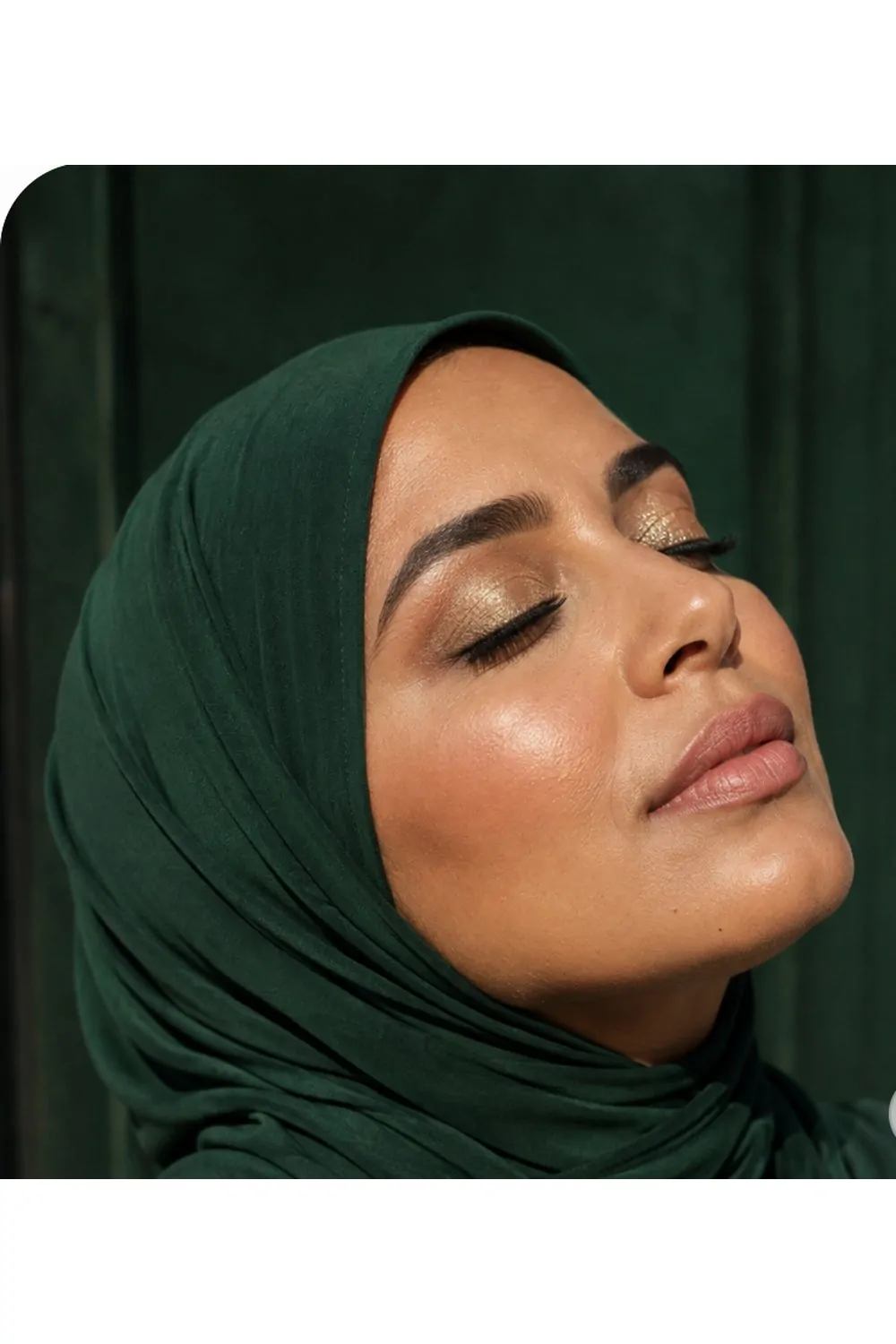
Gold and emerald is a classic jewel-tone pairing that suits Eid and wedding season particularly well. Press glitter onto the lid with a flat brush rather than sweeping it, which keeps fallout off your cheeks and the fabric below.
Soft Peach Glam with Blush Pink Hijab
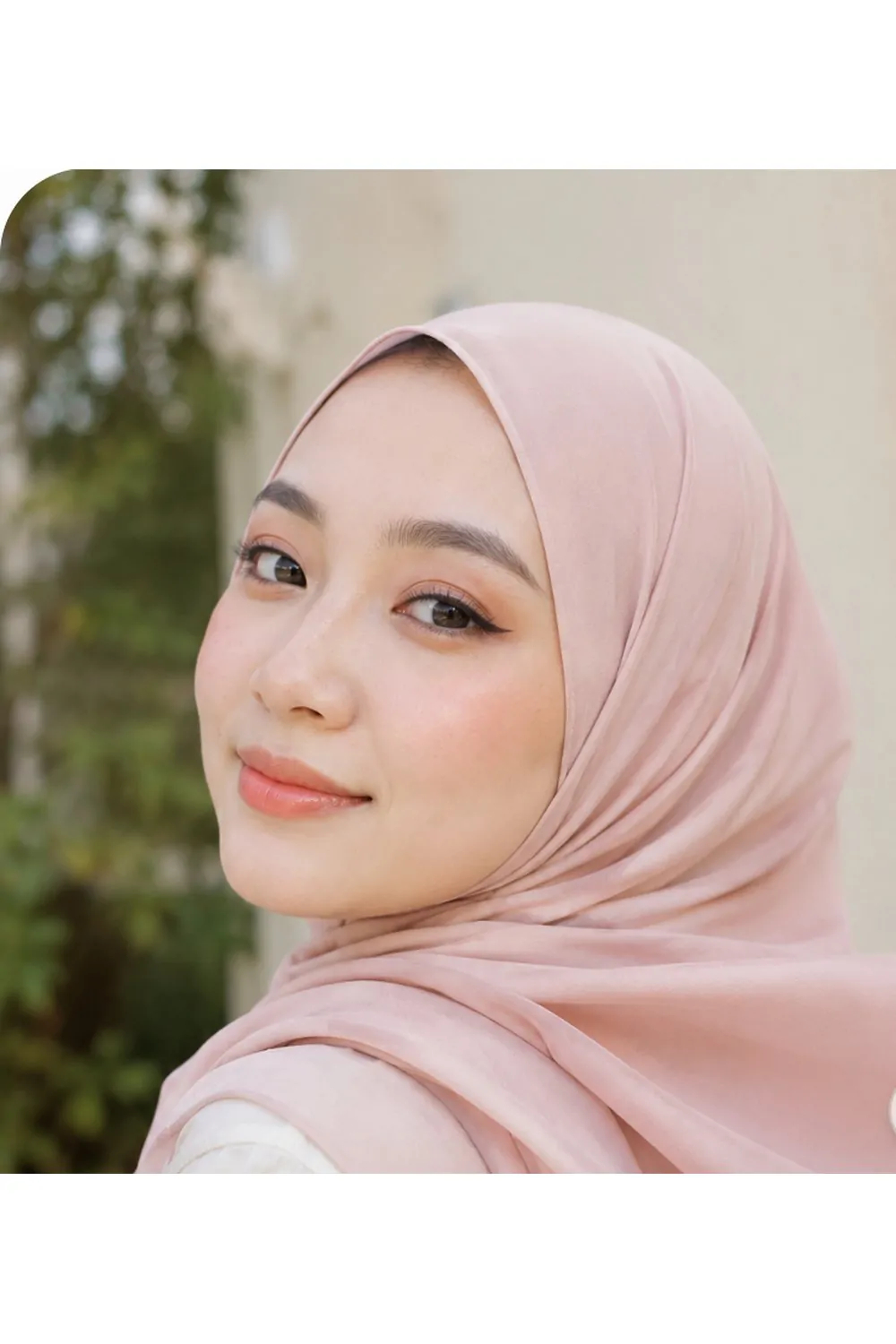
Peach and blush pink sit close enough in tone that the whole look feels monochromatic and soft, which suits daytime events like engagement brunches. Add a touch of highlighter to the cheekbones so the look doesn’t read flat under indoor lighting.
Bronze Sunset Eyes with Rust Hijab
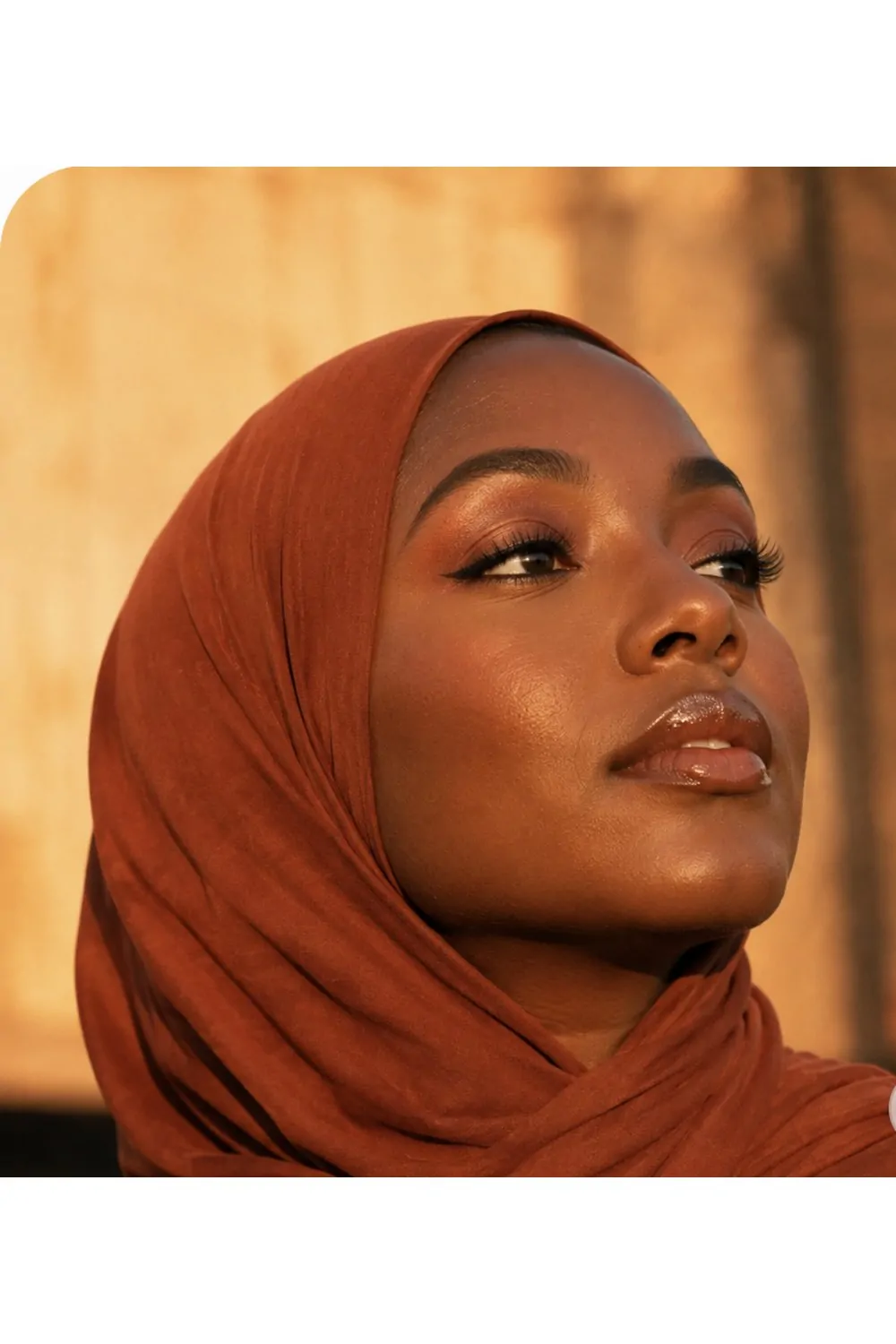
Warm bronze and copper eyeshadow against a rust-toned hijab is one of the better combinations for fall and early winter. Keep the lip nude to bronze-toned so the eyes stay the focal point.
Contouring as a makeup technique dates back to 1930s Hollywood, when film makeup artists used cream-based products to sculpt features for black-and-white cameras long before it became a everyday routine step. The same principle — using product placement instead of hairstyle to shape how a face reads — is exactly why brow work and cream contour matter so much more once hair is no longer part of the picture. Read more on the history of contouring.
Frequently Asked Questions
Why does my foundation crease along my hairline by midday?
This almost always comes down to unset foundation meeting fabric friction. Press translucent powder specifically into the hairline and temples with a damp sponge before you pin your hijab, and avoid swiping powder there — swiping can drag foundation that hasn’t fully set.
What eyeliner style works best if I wear glasses under my hijab?
Keep the wing shorter and slightly thicker rather than long and thin — a thin wing tends to disappear behind lenses, especially in photos. A tightlined upper lash line without a heavy wing also reads clearly through most prescription lenses.
How do I stop my lipstick from staining my hijab near my mouth?
Line and fill your lips, blot with a tissue, then apply a second thin coat — this two-coat blot method sets the color so it transfers to fabric much less. Matte and long-wear liquid lipsticks transfer far less than cream or glossy formulas.
My eyebrows look too thick without hair to balance them out — what should I do?
Soften the front third of the brow with a spoolie after filling, rather than leaving hard product throughout. A brow that’s fuller at the arch and softer at the front reads as groomed rather than heavy once hair isn’t there to offset it.
What setting spray actually holds up through several hours of humidity?
Look for one labeled long-wear or waterproof rather than a basic dewy finish spray, and pair it with a mattifying primer underneath rather than relying on the spray alone. Misting in a loose X-then-T pattern and letting it air-dry a full 60 seconds before pinning your hijab makes a bigger difference than the specific brand.
Can I still wear a full smoky eye with a patterned or printed hijab?
Yes, but pull one color from the print rather than matching it exactly, and keep the rest of the face simple. A busy print with a heavy smoky eye and a bold lip usually competes rather than complements.
Key Takeaways
- Brows do the framing work your hair usually does. Shape and fill them before the rest of your face.
- The hairline is where hijab makeup fails first. Prime and set it specifically, not just the rest of your face.
- Matte, long-wear formulas beat cream and gloss near the mouth. Fabric transfer is the main reason hijab makeup doesn’t last.
- Pair your makeup tone to your hijab color, not against it. Complementary or tonal pairings photograph better than random combinations.
- A setting spray needs 60 seconds to dry before you pin your hijab. Wet spray against fabric is what causes patchy transfer.
- Watching a few creators helps more than reading alone. Our list of hijab bloggers and Instagram influencers to follow is a good next stop for video tutorials.
10 Simple Hijab Paris Tutorials In Less Than a Minute
10 Simple DIY Hijab Accessories Tutorials You Can Do Easily
How to Wear Saree with Hijab ? 14 Styling Tips
Complete Guide on How to Wear Hijab Underscarf & Tutorials
How To Wear a Pashmina Hijab 10 Best Styling Tips
14 Stylish Winter Hijab Outfits & Styling Tips
How to Style Hats with Hijab? 18 Styling Tips
How to Wear a Hijab? Step by Step Tutorials and 35 Styles