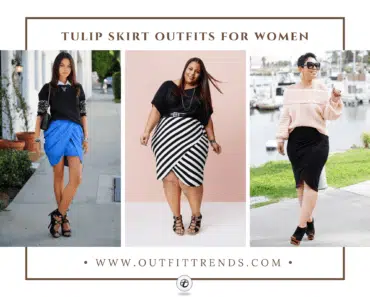


The first time I watched a client try on a pencil skirt, she immediately pulled at the waistband and asked if she looked fat. I’ve seen this reaction hundreds of times since — skirts trigger more body insecurities than any other piece of clothing. The truth is, most women are wearing skirts wrong, and it has nothing to do with their body shape.
After twelve years of styling real women (not models), I’ve learned that looking slim in a skirt comes down to three things: proportion, fit, and strategic styling. The wrong skirt can add pounds and years. The right one, worn correctly, creates an hourglass silhouette on any body type. Most women make the same five mistakes — and once you know what they are, you’ll never make them again.
Styling Tips
Choose the right length for your height. Mini skirts work best on women 5’6″ and under — they create the illusion of longer legs without overwhelming your frame. If you’re taller, midi skirts hit at the most flattering point (mid-calf), while maxis can make shorter women look like they’re wearing their mother’s clothes. I learned this the hard way when I was 5’3″ and obsessed with floor-length skirts that made me disappear.
Master the tuck. A full tuck works for high-waisted skirts, but it can create bulk around your middle. Try a French tuck instead — tuck just the front of your top loosely into the waistband, leaving the back untucked. This creates shape without the stuffed sausage effect that happens when you shove too much fabric into your skirt.
Match your top’s fit to your skirt’s silhouette. Tight skirt means fitted or cropped top — never loose. A-line or pleated skirts can handle more volume on top, but keep it structured. The biggest mistake I see is pairing a bodycon mini with an oversized sweater. You’ll look like you’re hiding something, even when you’re not.
The pencil skirt was originally designed in 1954 to restrict women’s movement — the narrow hem meant they could only take small steps. Designer Christian Dior called it “the H-line” because it created a straight silhouette from shoulders to knees.

How to Wear Skirts With Sweaters? 23 Fab Ideas & Styling Tips
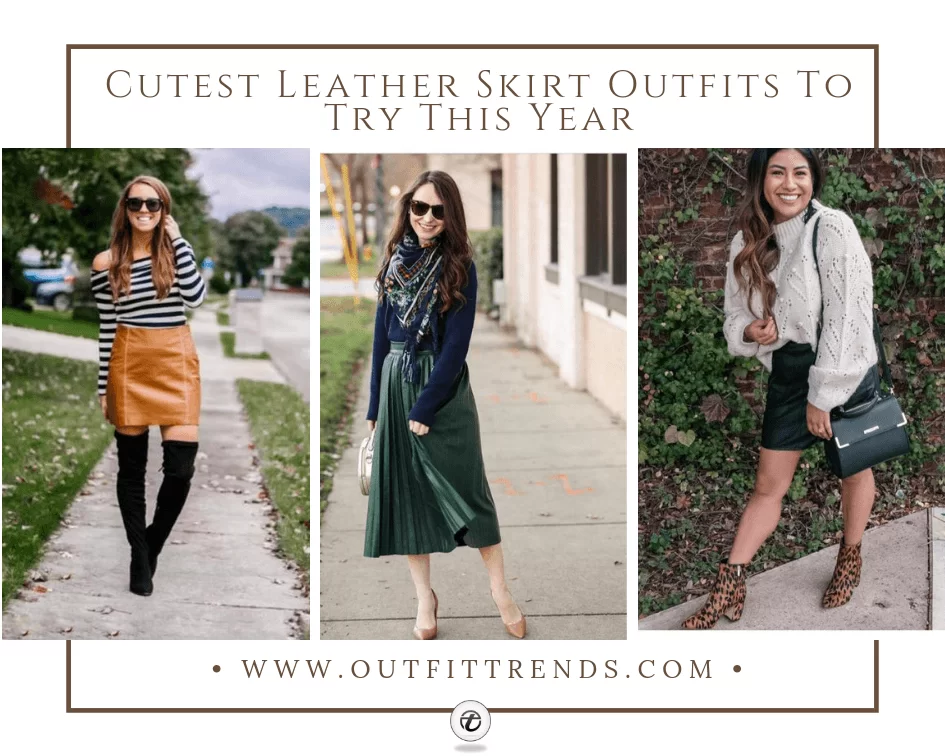
30 Leather Skirt Outfit Ideas with Styling Tips
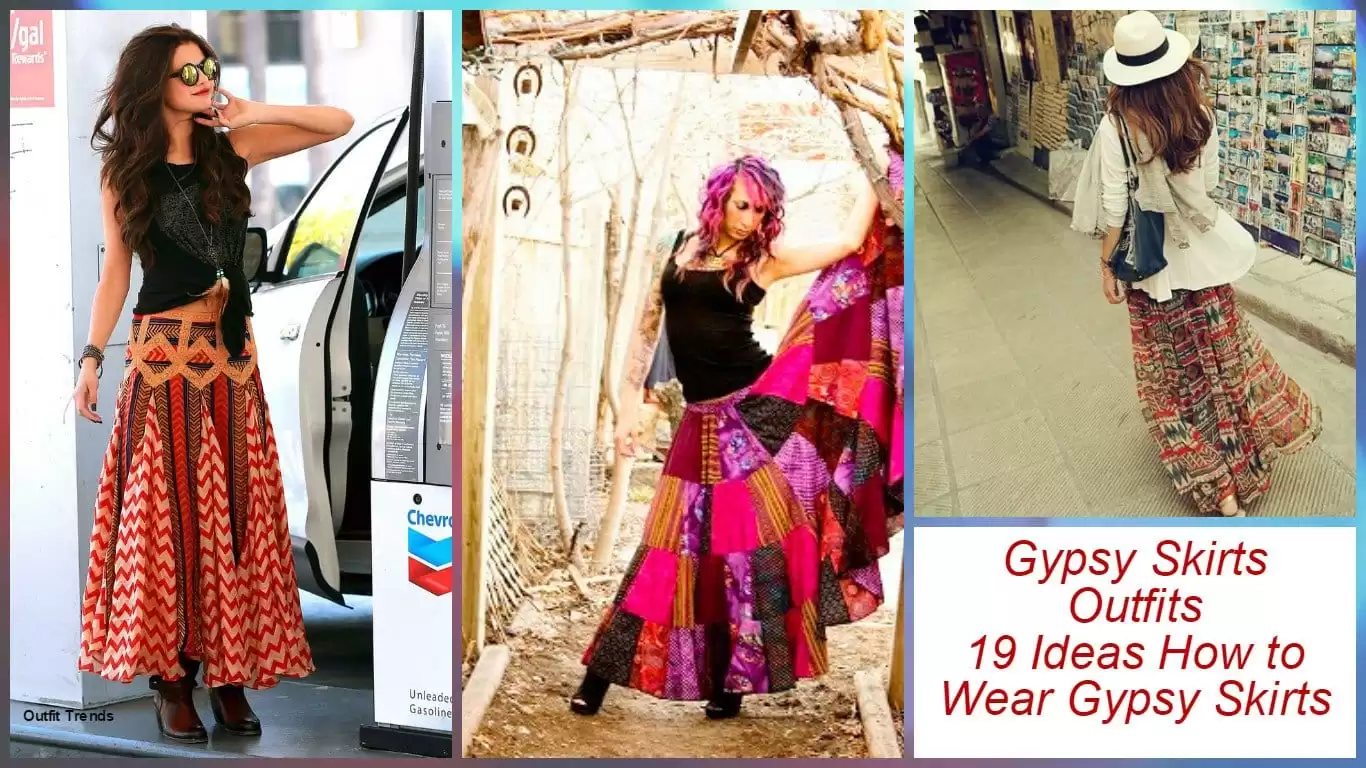
How to Style Gypsy Skirts ? 19 Outfit Ideas & Styling Tips
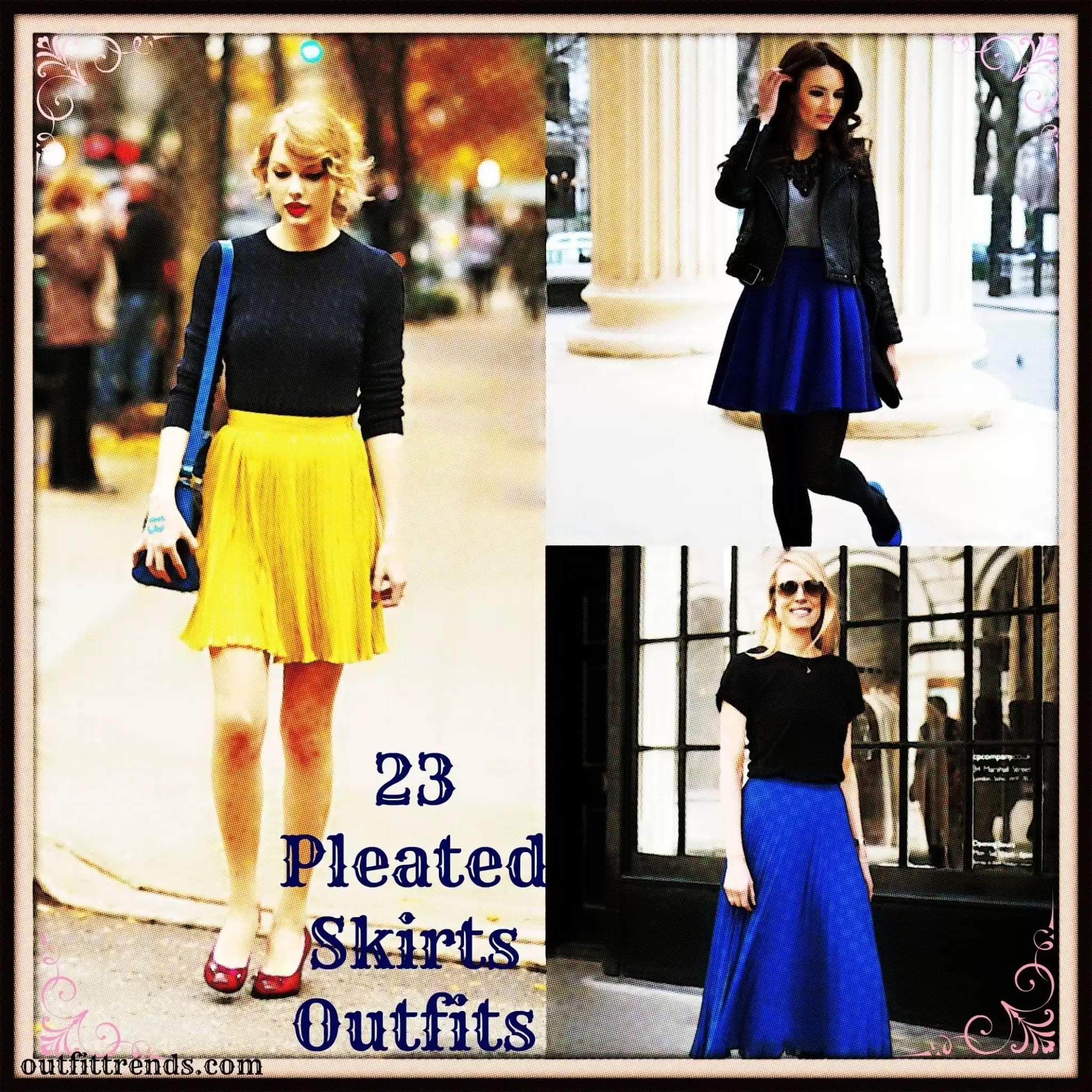
How to Wear Pleated Skirts ? 23 Styling Tips
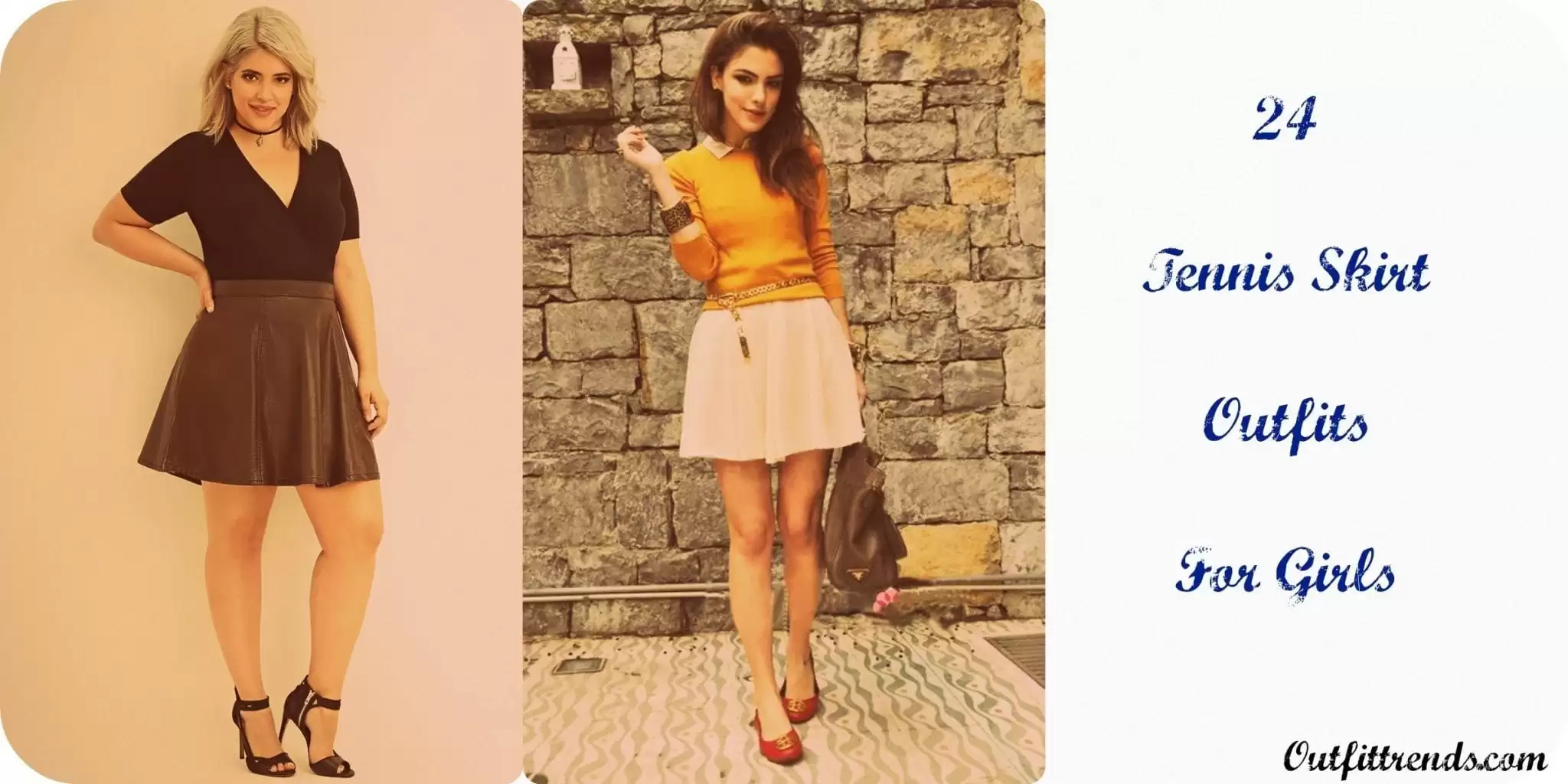
How to Style Tennis Skirt? 24 Outfit Ideas & Styling Tips
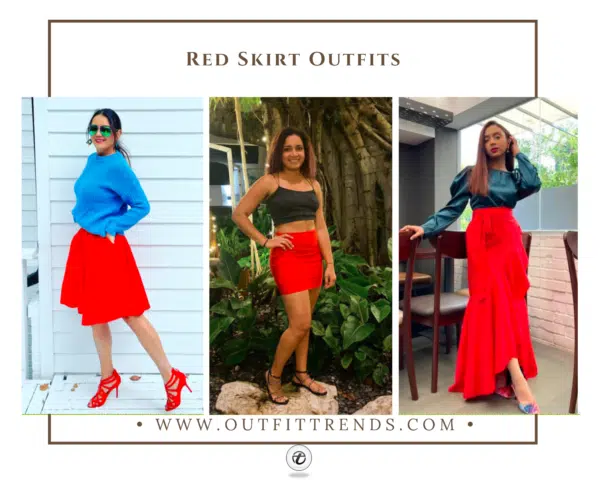
How To Style Red Skirts? 11 Outfit Ideas with Styling Tips
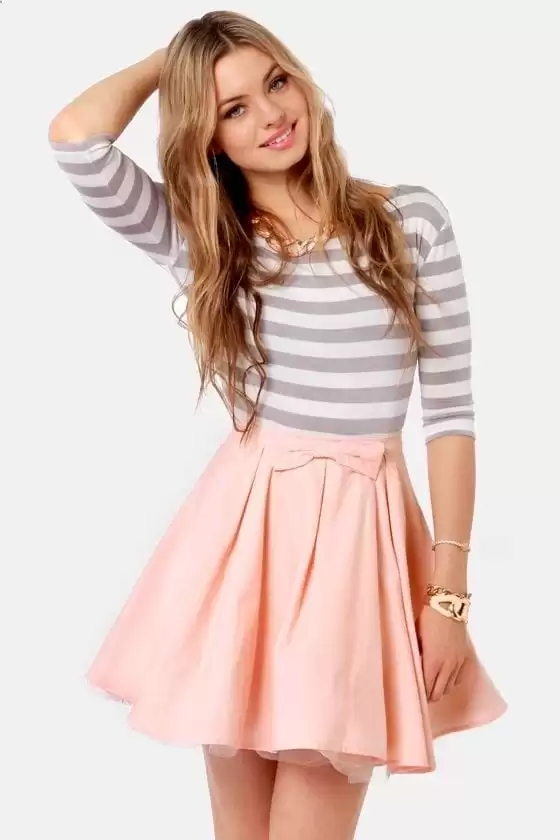
How to Wear Lulu Skirts ? 22 Outfit Ideas & Styling Tips
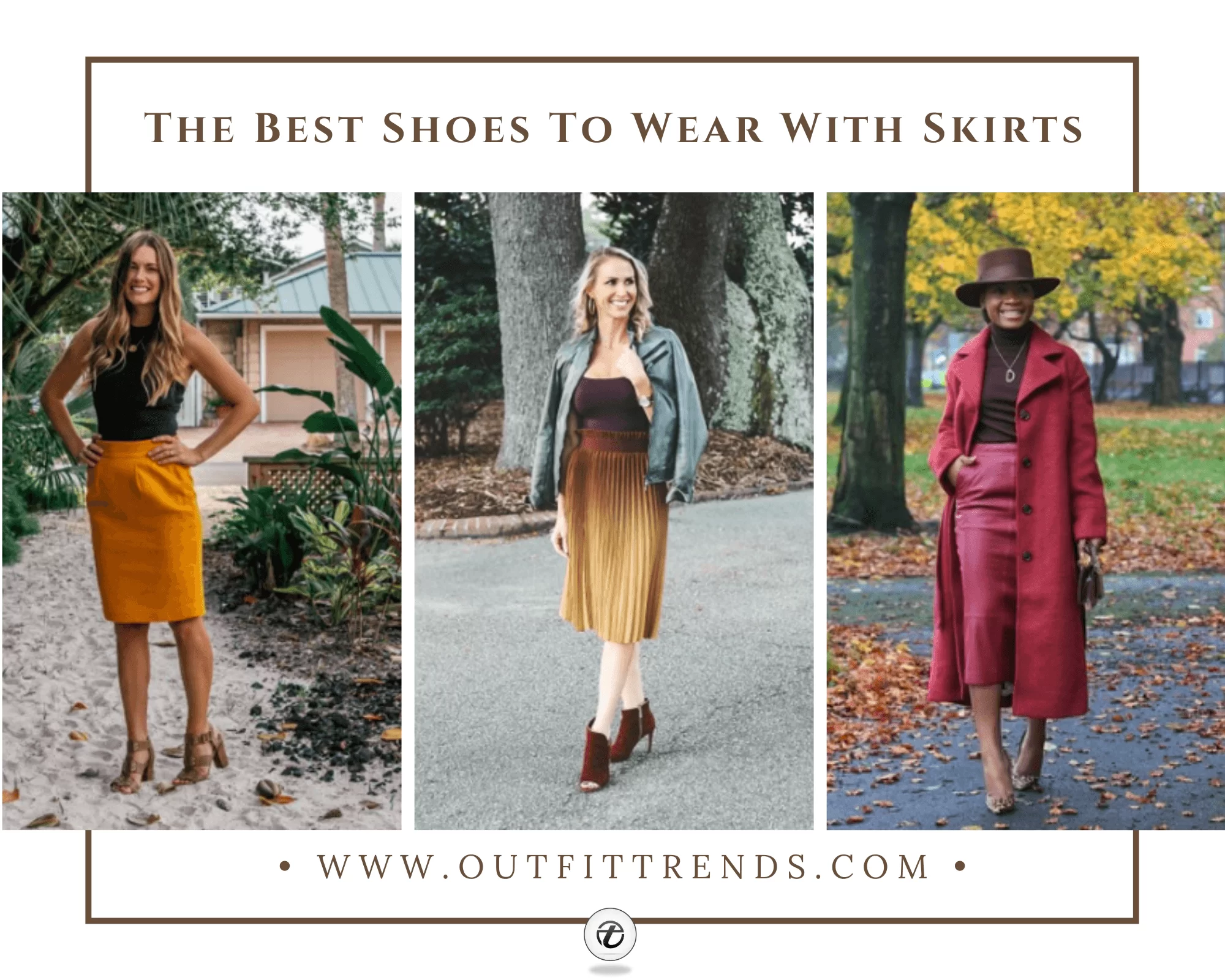
18 Best Shoes to Wear with Skirts & Styling Tips
Pay attention to underwear lines. Visible panty lines destroy the sleek line of any skirt, especially bodycon styles. Invest in seamless underwear or shapewear, but don’t go too tight — shapewear that’s too small creates bulges above and below the compression zone. I once wore Spanx two sizes too small and looked like a squeezed tube of toothpaste.
Consider the fabric’s behavior. Clingy fabrics like jersey and modal show every bump and line, while structured fabrics like ponte and scuba smooth over imperfections. If you’re self-conscious about your stomach or hips, avoid anything that stretches and clings. Structured fabrics hold their shape and create a cleaner silhouette.
Get the proportions right with shoes. Chunky sneakers or ankle boots work with mini skirts because they ground the look and prevent it from looking too delicate. Midi skirts need height — ankle boots, knee-high boots, or heels. Flat sandals with midi skirts often create an unflattering horizontal line that cuts your legs in half.
Dos & Don’ts
Choosing the Right Skirt for Your Body Type
If you carry weight in your middle, choose A-line or fit-and-flare skirts that skim over your stomach without clinging. High-waisted styles draw the eye up and create the illusion of a defined waist. Avoid anything that sits at your natural waist if that’s where you carry weight — instead, look for styles that sit just below.
If you have wider hips, balance your proportions with structure on top. Choose skirts with minimal detailing at the hip line — no pockets, pleats, or gathering that starts at your widest point. Straight or pencil skirts in structured fabrics work better than flowy A-lines, which can make your hips look even wider.
If you’re pear-shaped, embrace it instead of hiding it. Pencil skirts that fit properly are incredibly flattering because they follow your natural curves. Pair them with tops that have interesting details — ruffles, bold patterns, or statement sleeves — to balance your proportions and draw attention upward.
If you have a straight up-and-down figure, create curves with strategic styling. Peplum skirts add hip volume, while high-waisted styles cinch your middle and create the illusion of an hourglass shape. Avoid low-waisted skirts that sit at your hip bones — they’ll make you look even straighter.
Skirt Styling Tips That Actually Make You Look Slimmer
Black Pleated Midi with White Button-Up
The high-waisted placement of this black pleated skirt creates the longest possible leg line, while the crisp white shirt tucked in defines the smallest part of your torso. Black is slimming, yes, but it’s the proportions doing the heavy lifting here — the midi length hits at the most flattering part of your calf, and the pleats add movement without bulk because they’re pressed flat against the body.

Floral Midi Skirt with Cropped Top
This combination works because it creates a defined waistline that’s impossible to miss. The fitted silhouette of both pieces means no fabric is adding unnecessary width, and the soft floral print doesn’t overwhelm because it’s in muted tones. I’ve found that showing a sliver of skin at the waist — even just an inch — can be more slimming than covering everything up.

Pink Full Circle Skirt with Fitted White Top
Here’s proof that volume can be slimming when you balance it right. The fitted white top creates a tiny-looking waist, while the full skirt skims over hips and thighs without clinging. The key is the skirt’s construction — it’s not adding bulk at the waistband where you don’t want it, but creating an hourglass shape by flaring out from your natural waist.

Peach Satin Slip Skirt with Fitted Turtleneck
The bias cut of this slip skirt is what makes it so flattering — it follows your body’s natural curves without creating drag lines or pulling across the hips. The fitted mint turtleneck provides the perfect contrast in texture and silhouette. Snake-print boots add visual interest at the bottom, drawing the eye down and creating a longer leg line.
Quick tip
Belt at your natural waist to create the illusion of an hourglass figure.

High-Waisted Button-Front Pencil Skirt
The vertical button detail down the front creates an unbroken line that lengthens your torso, while the high waist paired with a tucked-in shirt emphasizes the narrowest part of your body. This is classic proportion play — the pencil silhouette hugs your curves without being tight, and the side slit prevents the restrictive look that can make you appear larger.

Black High-Waist Pencil with Front Slit
The genius of this outfit is in the details: the front slit breaks up the solid black expanse, preventing the skirt from looking too heavy or severe. The high waistband creates an incredibly long leg line, especially when paired with strappy heels that don’t cut the ankle. I always tell clients that a pencil skirt should skim, not squeeze — this one clearly does.

White Tiered Maxi Skirt with Tank Top
Tiered skirts can be tricky, but this one works because of the soft, flowing fabric that doesn’t add stiffness or bulk. The white color keeps it light and airy, while the fitted tank creates essential contrast at the top. The key is choosing tiered styles where each layer flows naturally — structured tiers that stick out will add width where you don’t want it.
Quick tip
Choose structured blazers over loose cardigans for better shape definition.

Brown Fitted Tank with Plaid Mini Skirt
This look succeeds because both pieces are body-skimming rather than oversized. The high-waisted mini creates long legs, while the fitted tank shows your natural waistline. The plaid pattern works because it’s small-scale — large plaids can overwhelm, but this size adds interest without visual weight. White sneakers keep the proportions balanced by not adding height where it’s not needed.

Blue Tweed Co-ord Set
Matching sets create a continuous color line that’s incredibly elongating — there’s no visual break to cut your body in half. The cropped jacket shows just enough midriff to define your waist, while the pencil skirt’s fitted silhouette creates a sleek line. Blue boots in the same color family extend the leg line even further, making this monochromatic approach work beautifully.

Pink Floral Midi with Denim Jacket
The bias cut of this floral skirt allows it to skim your body without clinging, while the soft pink hue keeps the look light and fresh. The oversized denim jacket provides textural contrast, but because it’s left open, it doesn’t hide your waistline. The midi length hits at the most flattering part of your leg, and white sneakers keep the look grounded and proportional.
Quick tip
Wear fitted tops with A-line skirts to emphasize your waist and skim your hips.

Black Blazer and Pleated Skirt with Belt
The structured blazer and pleated midi skirt create a powerful silhouette that defines the waist without clinging to problem areas. The wide belt placement at the natural waist draws attention to the narrowest point while the pleated skirt flows away from the hips. This combination works especially well for apple shapes who want to emphasize their waistline and create curves.

Green Wrap Dress and Black Circle Skirt Contrast
Two different approaches to flattering fits — the wrap dress uses diagonal lines and tie details to create an hourglass shape, while the circle skirt paired with a fitted top emphasizes the waist through contrast. The ankle boots on both women show how chunky footwear balances fuller skirts without overwhelming petite frames. Both silhouettes prove that fit matters more than size when creating a slim appearance.

Off-Shoulder Grey Suit Dress
The off-shoulder neckline draws attention upward while the fitted waist and slight A-line skirt create an hourglass silhouette. The asymmetrical shoulder detail adds visual interest at the upper body, balancing wider hips naturally. This structured approach works because it uses tailoring rather than loose fabric to skim over areas you want to minimize.
Quick tip
Add chunky ankle boots to balance the volume of circle or pleated skirts.

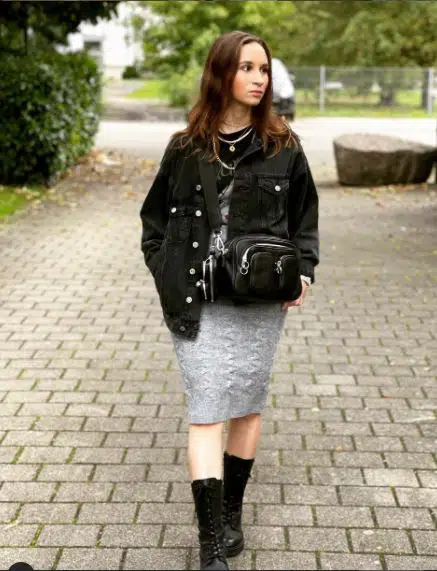
Oversized Denim Jacket with Fitted Dress
The contrast between the boxy denim jacket and form-fitting dress underneath creates depth and visual interest. The cropped length of the jacket hits right at the natural waist, defining this narrow point while the oversized shoulders balance out the hips. This layering technique works because it uses proportion rather than hiding — the fitted dress shows your shape while the jacket adds structure.
Key takeaways
- Use belts at your natural waist to create an hourglass shape, even on straight silhouettes
- Choose structured pieces over loose ones — tailoring skims better than flowing fabric
- Draw attention to your narrowest points with fitted tops, off-shoulder details, or cropped jackets
- Balance proportions with chunky shoes or structured shoulders to ground fuller skirts
- Layer fitted pieces under loose ones rather than hiding everything under oversized clothing
- Use diagonal lines and wrap details to create curves where you want them most
How to Wear Skirts With Sweaters? 23 Fab Ideas & Styling Tips
30 Leather Skirt Outfit Ideas with Styling Tips
How to Style Gypsy Skirts ? 19 Outfit Ideas & Styling Tips
How to Wear Pleated Skirts ? 23 Styling Tips
How to Style Tennis Skirt? 24 Outfit Ideas & Styling Tips
How To Style Red Skirts? 11 Outfit Ideas with Styling Tips
How to Wear Lulu Skirts ? 22 Outfit Ideas & Styling Tips
18 Best Shoes to Wear with Skirts & Styling Tips