The problem with most Indian winter wedding outfits isn’t the cold — it’s that women layer badly and end up looking like they’re wearing their grandmother’s shawl over designer wear. Last December, I watched a perfectly put-together guest ruin her entire look with a random pashmina thrown over silk, creating bulk where she needed elegance and covering the very details she’d paid hundreds for.
I’ve been to enough winter weddings in Delhi and Lahore to know that staying warm while looking appropriate requires strategy, not just piling on layers. The key isn’t finding the warmest option — it’s choosing pieces that work with traditional silhouettes instead of fighting them. A velvet dupatta does more styling work than any coat ever will.
Growing up, my nani taught me that winter wedding dressing is about fabric weight, not fabric quantity. She was right. The heaviest silk will always look more intentional than the most expensive shawl if you don’t know how to integrate it properly.
Styling Tips
Layer with dupatta weight in mind
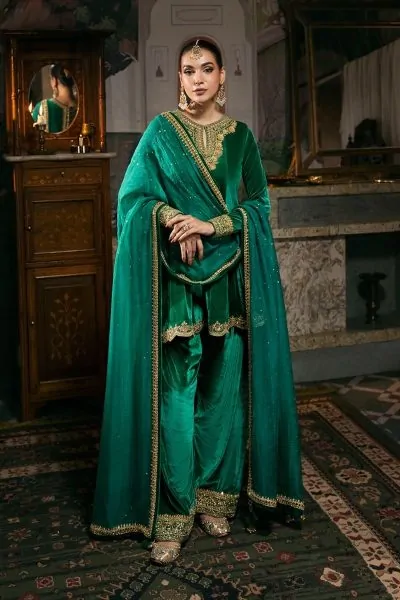
This emerald sharara shows exactly why fabric choice matters more than additional layers. The dupatta has enough body to provide warmth without creating bulk at the shoulders, and the gold work gives it structure that stays put throughout the ceremony. Heavy silk or velvet dupatta like this one eliminates the need for a separate wrap.
Choose deeper necklines for layering potential
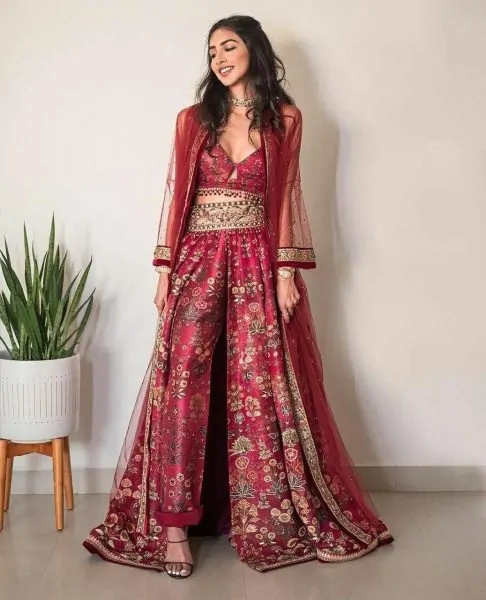
The sweetheart neckline on this red lehenga creates space for a statement necklace while leaving room for a fitted blouse underneath if needed. When temperatures drop, you can add a full-sleeve mesh blouse in matching fabric without disrupting the silhouette. The key is planning for coverage from the blouse stage, not adding it afterward.
Mix Western outerwear with confidence
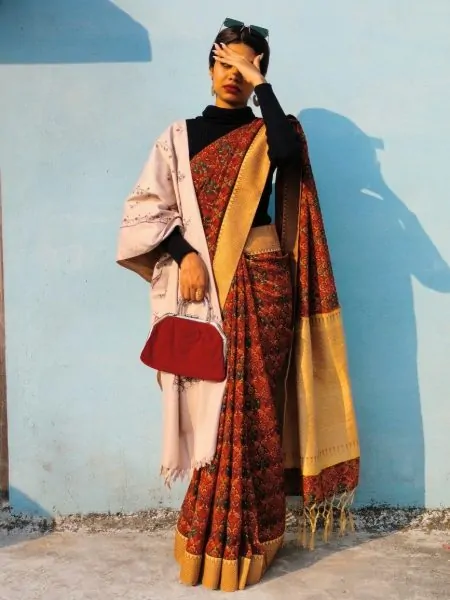
This saree paired with a structured blazer proves that Western pieces can enhance traditional wear when chosen thoughtfully. The neutral blazer doesn’t compete with the bold border, and the tailored shoulders maintain the saree’s elegant line. This approach works because the blazer follows the saree’s proportions instead of overwhelming them.
21 Best Winter Wedding Guest Outfit Ideas
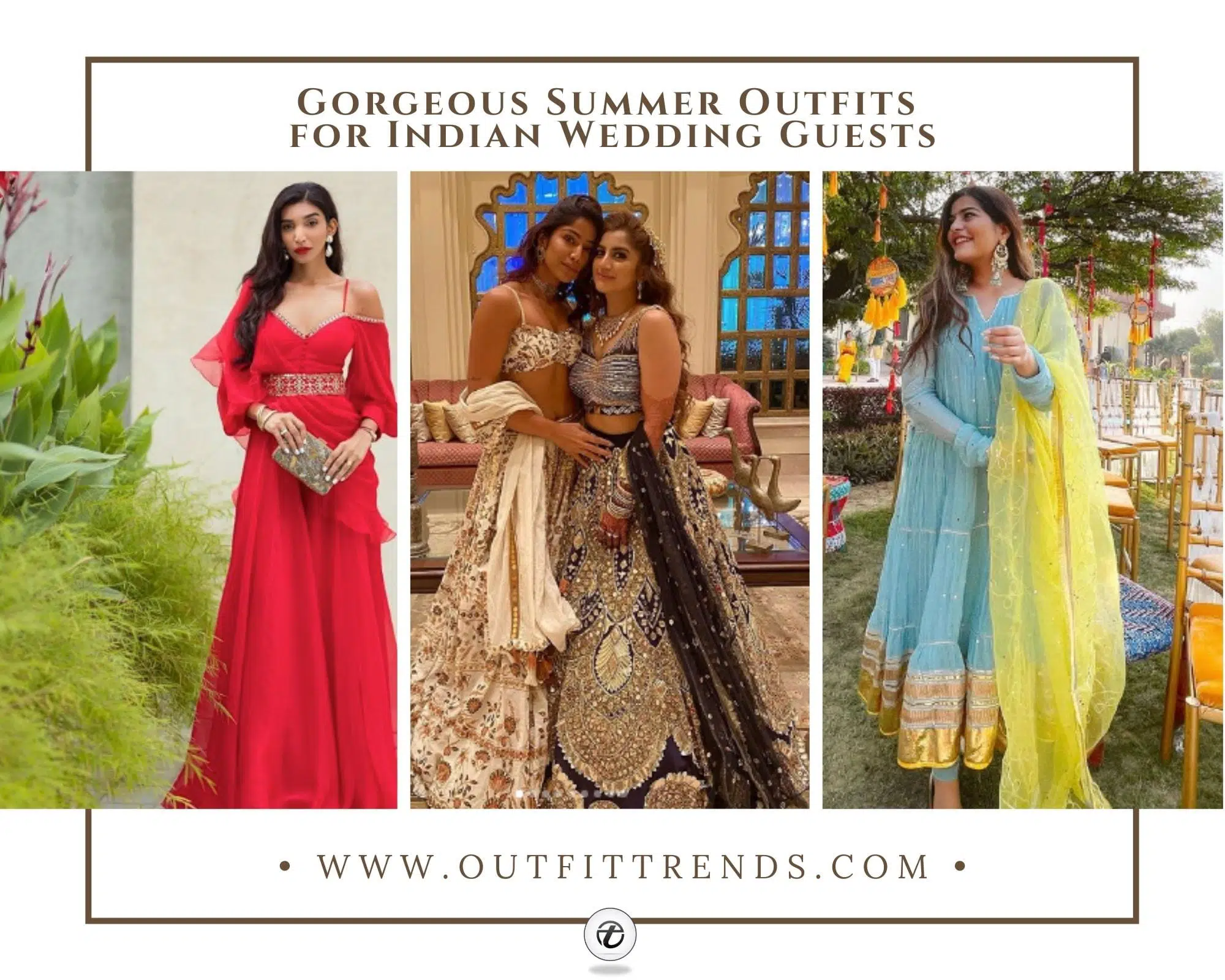
What to Wear to an Indian Summer Wedding – 20 Guest Outfits
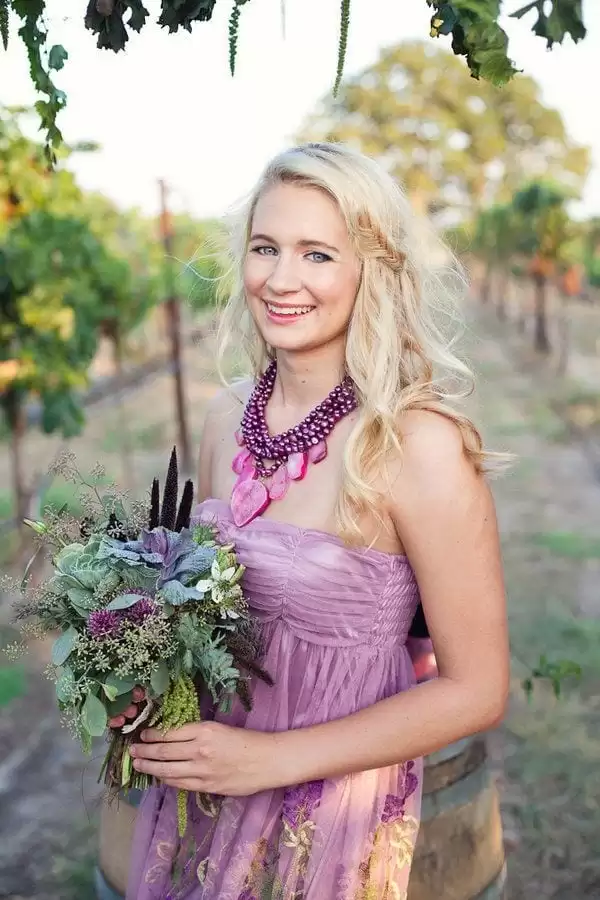
What to Wear for Vineyard Wedding? 18 Outfit Ideas
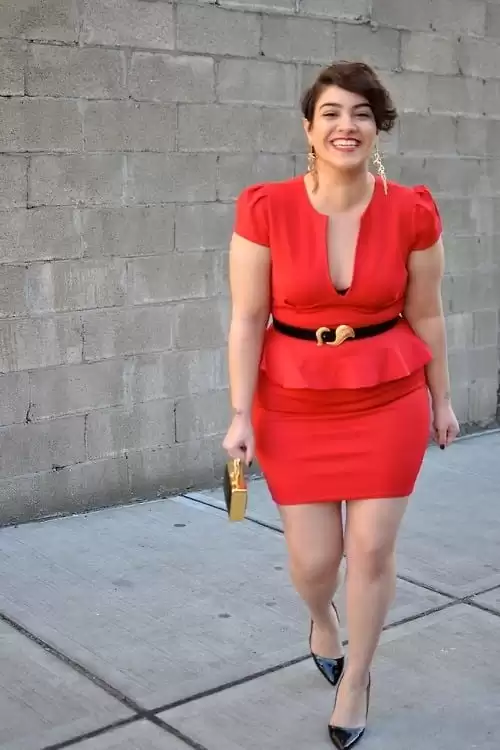
What to Wear for Wedding in a Garden? 19 Outfit Ideas
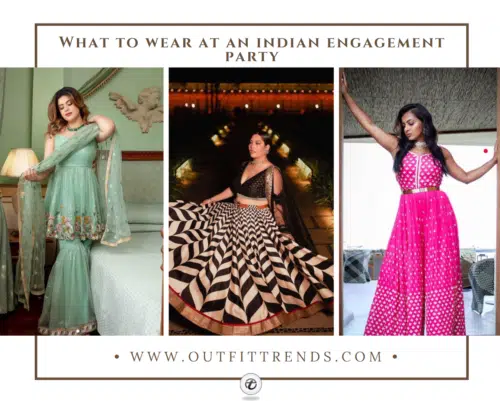
What to Wear to an Indian Engagement Party? 13 Guest Outfits
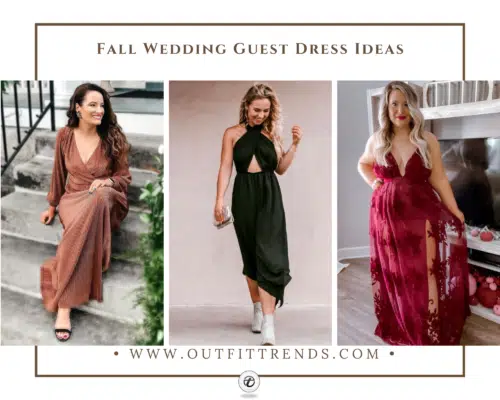
20 Fall Wedding Guest Dress Ideas For This Wedding Season
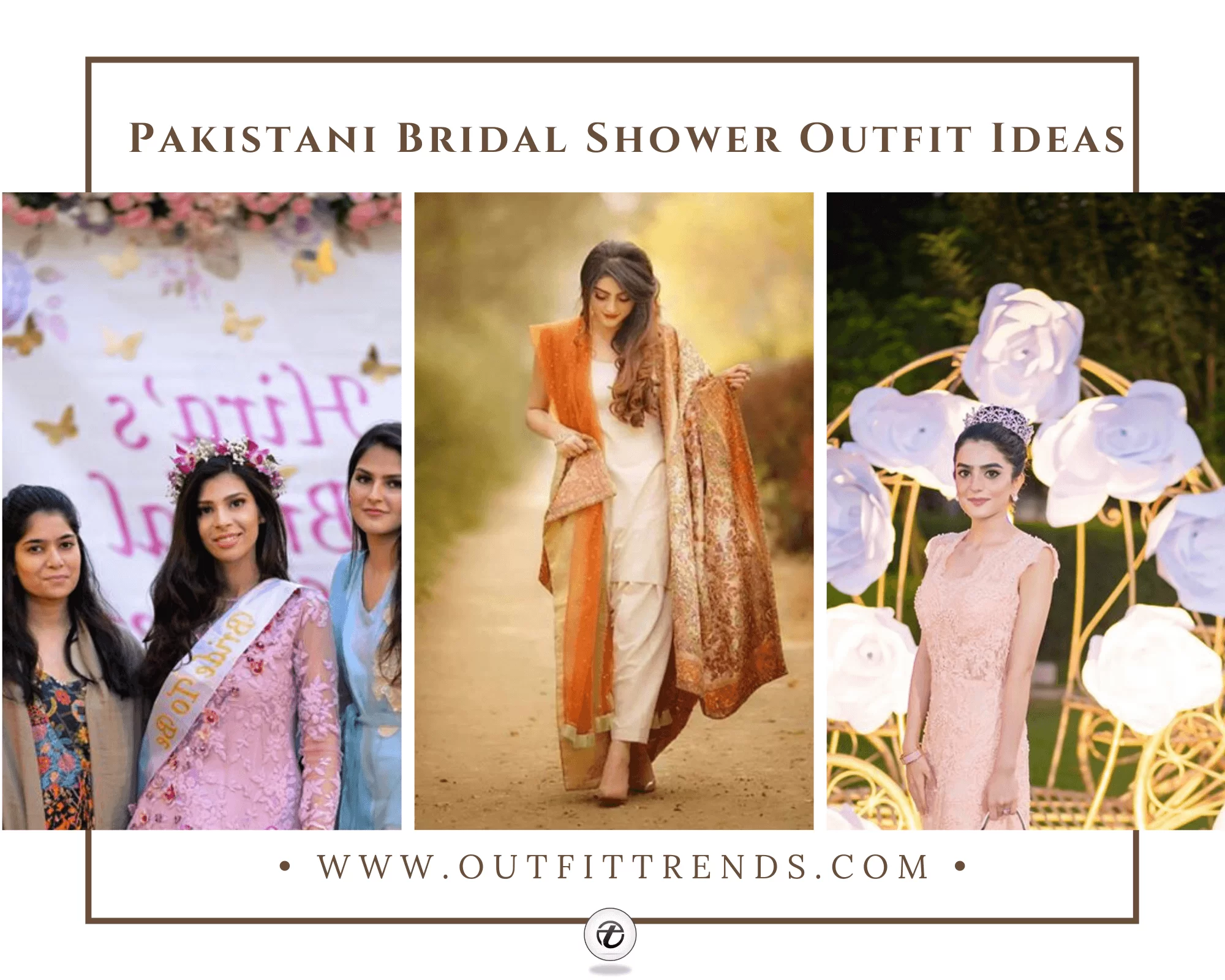
35 Best Bridal Shower Outfit Ideas For Pakistani Weddings
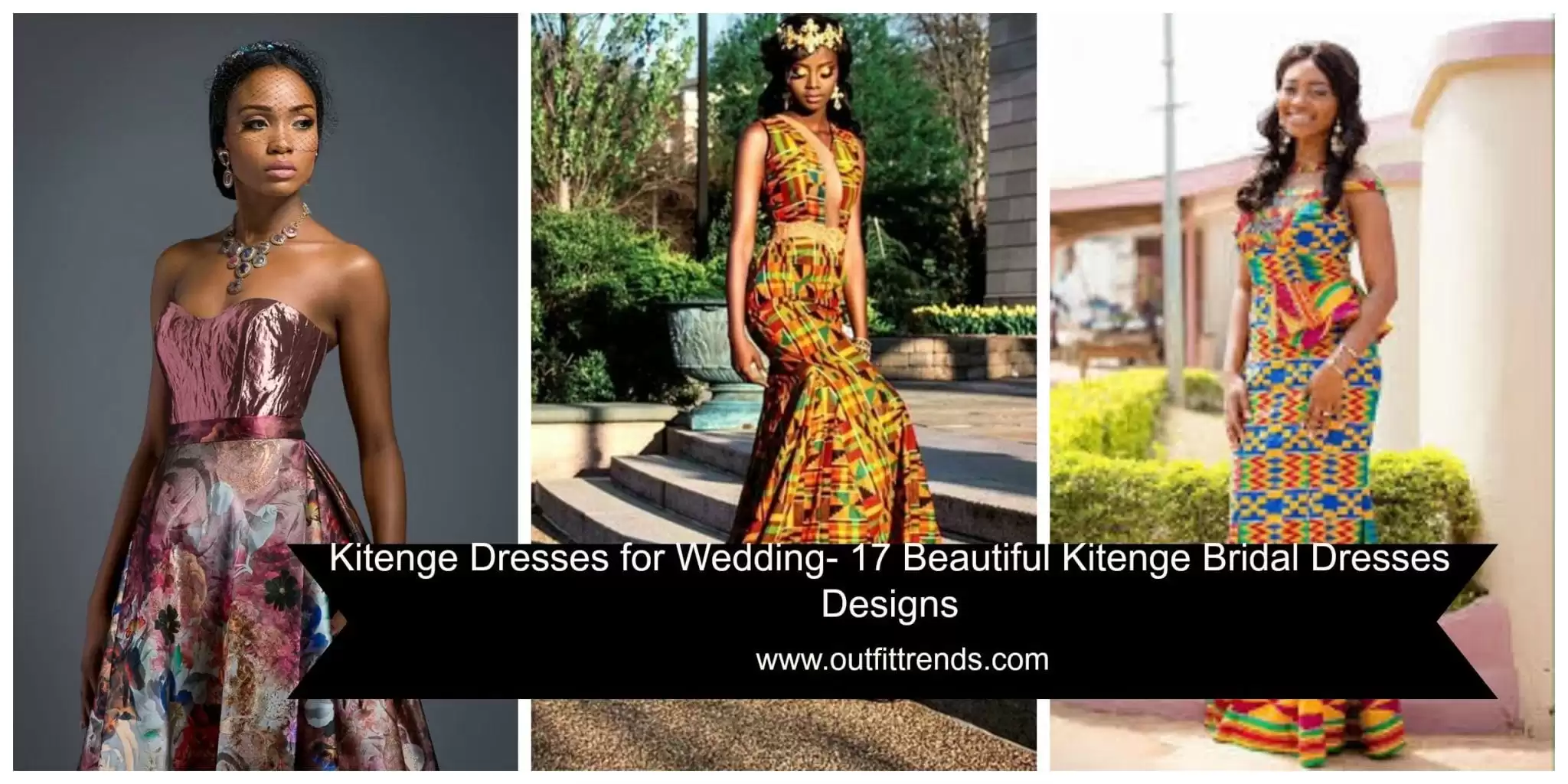
30 Beautiful Kitenge Dresses for Wedding
Use coordinated sets for seamless warmth
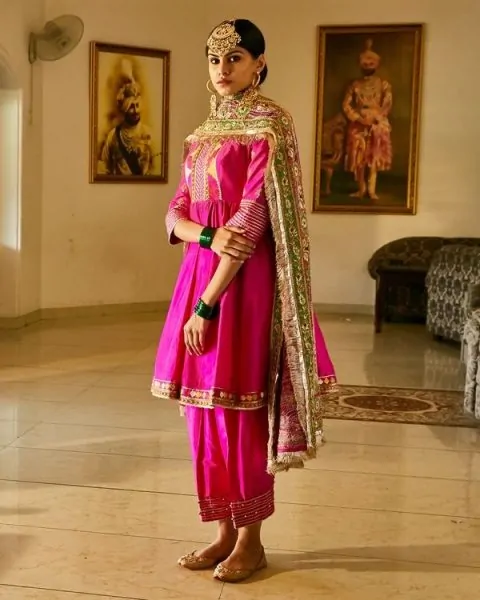
This pink sharara demonstrates why buying coordinated pieces solves the winter layering problem completely. The dupatta, kurta, and bottoms are designed to work together at different temperature levels, so you can adjust coverage without breaking the look’s cohesion. The matching fabric weight across all pieces prevents the mismatched texture problem that ruins most winter outfits.
Plan for dramatic sleeves as built-in coverage
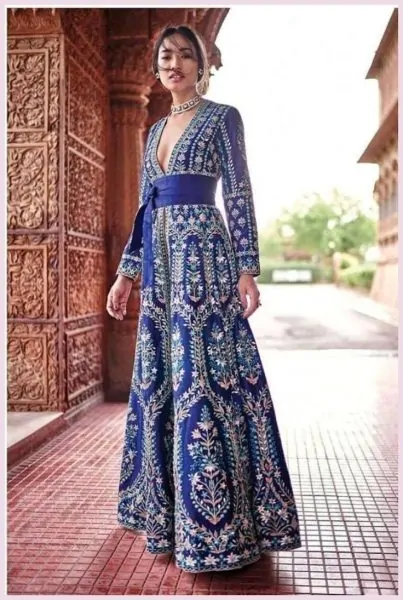
This blue anarkali’s full sleeves provide warmth while maintaining the outfit’s intended silhouette. The sleeves are part of the design, not an afterthought, which means they enhance rather than hide the embellishment work. This is why choosing full-sleeve options beats adding layers every time — the coverage looks intentional.
Velvet was originally reserved for royalty because the fabric required over 750 silk threads per inch and took months to weave by hand. This is why velvet still photographs so richly under wedding lighting — it was designed to catch and reflect light from every angle.
Dos & Don’ts
Fabric Guide for Winter Weddings
The fabric choice determines whether your winter wedding outfit works or fights against the season. I learned this the hard way at a December wedding in Islamabad, where my gorgeous chiffon dupatta kept flying off in the wind while heavier silk pieces stayed perfectly draped.
Velvet remains the ultimate winter wedding fabric because it photographs beautifully under artificial lighting while providing natural insulation. The pile catches light differently at every angle, which means your outfit looks dynamic in both indoor and outdoor photos. Choose jewel tones like emerald or sapphire — they complement most skin tones and work with gold or silver jewelry.
Raw silk offers the best warmth-to-weight ratio for lehengas and sarees that need to maintain their drape. Unlike regular silk, raw silk has enough texture to provide insulation without the bulk of heavier fabrics. It also holds embroidery work better, which matters for pieces with extensive beadwork or thread work.
Brocade works when you need structure and warmth in equal measure. The metallic threads woven into brocade create natural stiffness that helps maintain silhouette even with additional layers underneath. This makes brocade ideal for A-line lehengas where you want the skirt to hold its shape regardless of temperature.
Avoid chiffon, georgette, or any transparent fabrics unless they’re lined with something substantial. Beautiful as they are, these fabrics require so much layering that they lose their intended effect completely.
Winter Wedding Guest Outfits That Actually Work
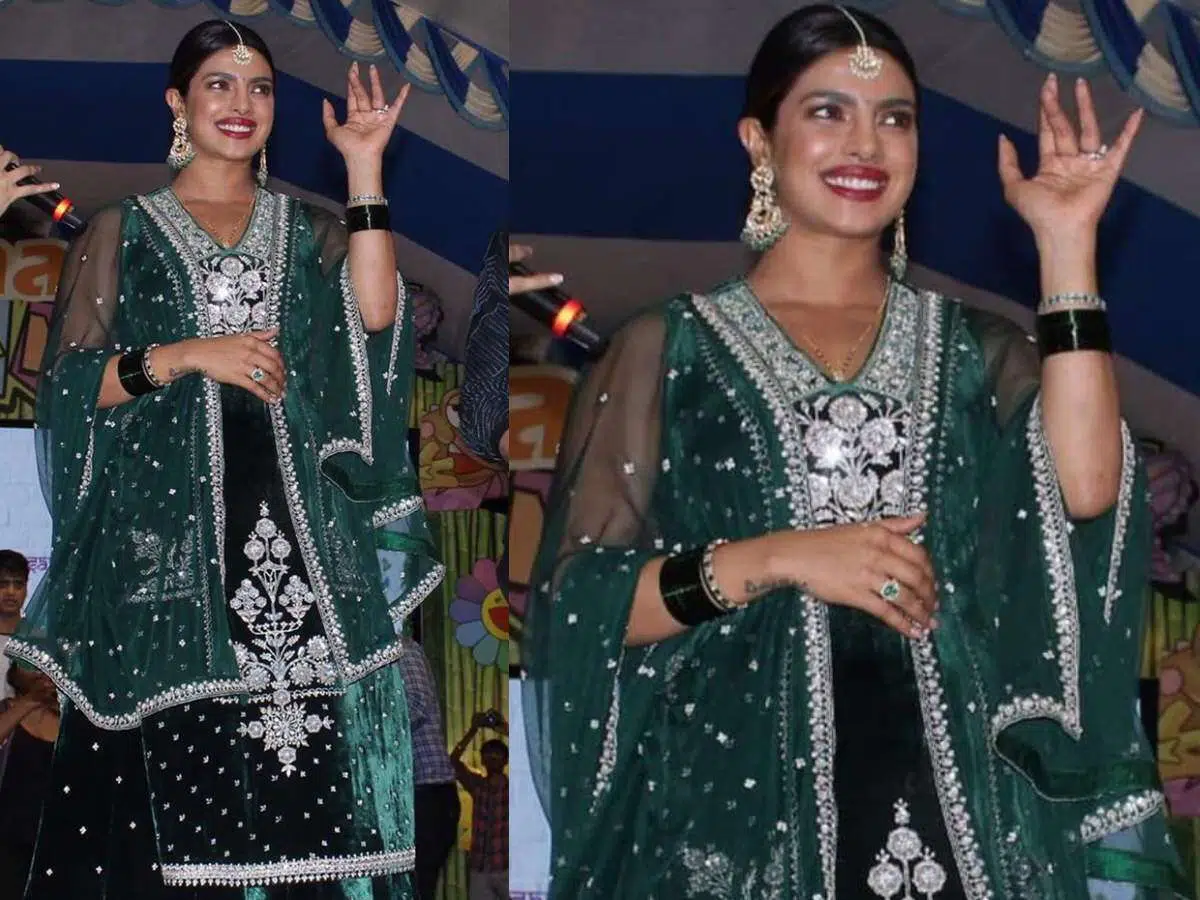
Forest Green Velvet Suit with Mirror Work
This bottle green velvet three-piece proves that Pakistani formal wear can handle December weather beautifully. The heavy fabric provides warmth while the intricate mirror and thread work catches candlelight perfectly at evening ceremonies. Choose this silhouette if you want coverage without compromising on glamour — the long sleeves and high neckline work brilliantly for outdoor baraat ceremonies.
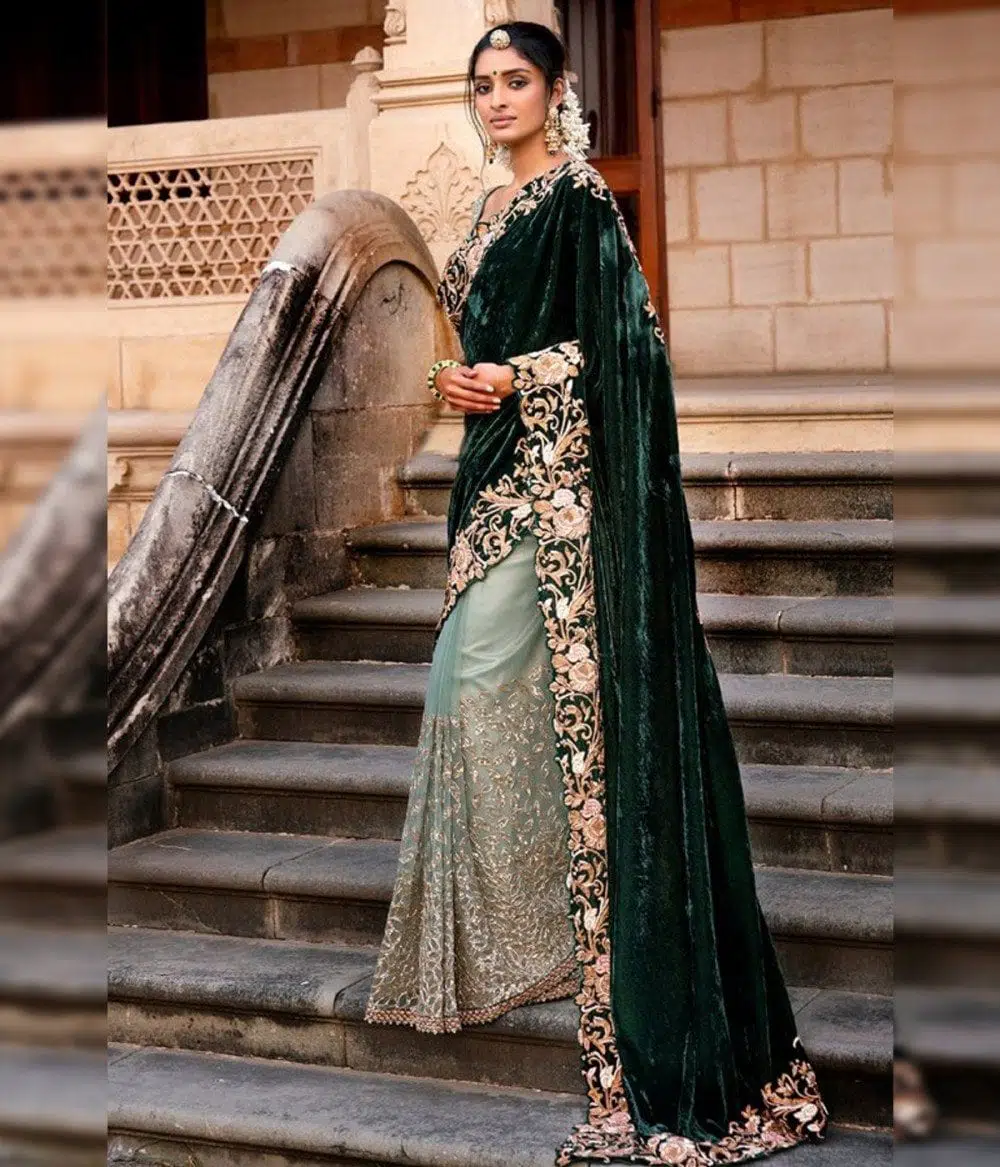
Emerald Velvet Saree with Gold Border
Velvet sarees are unbeatable for winter weddings because the fabric drapes heavily and holds heat naturally. This deep green with ornate gold work demonstrates how rich jewel tones photograph beautifully against winter lighting. The traditional draping style works for guests who want to honour the occasion’s formality while staying genuinely warm.
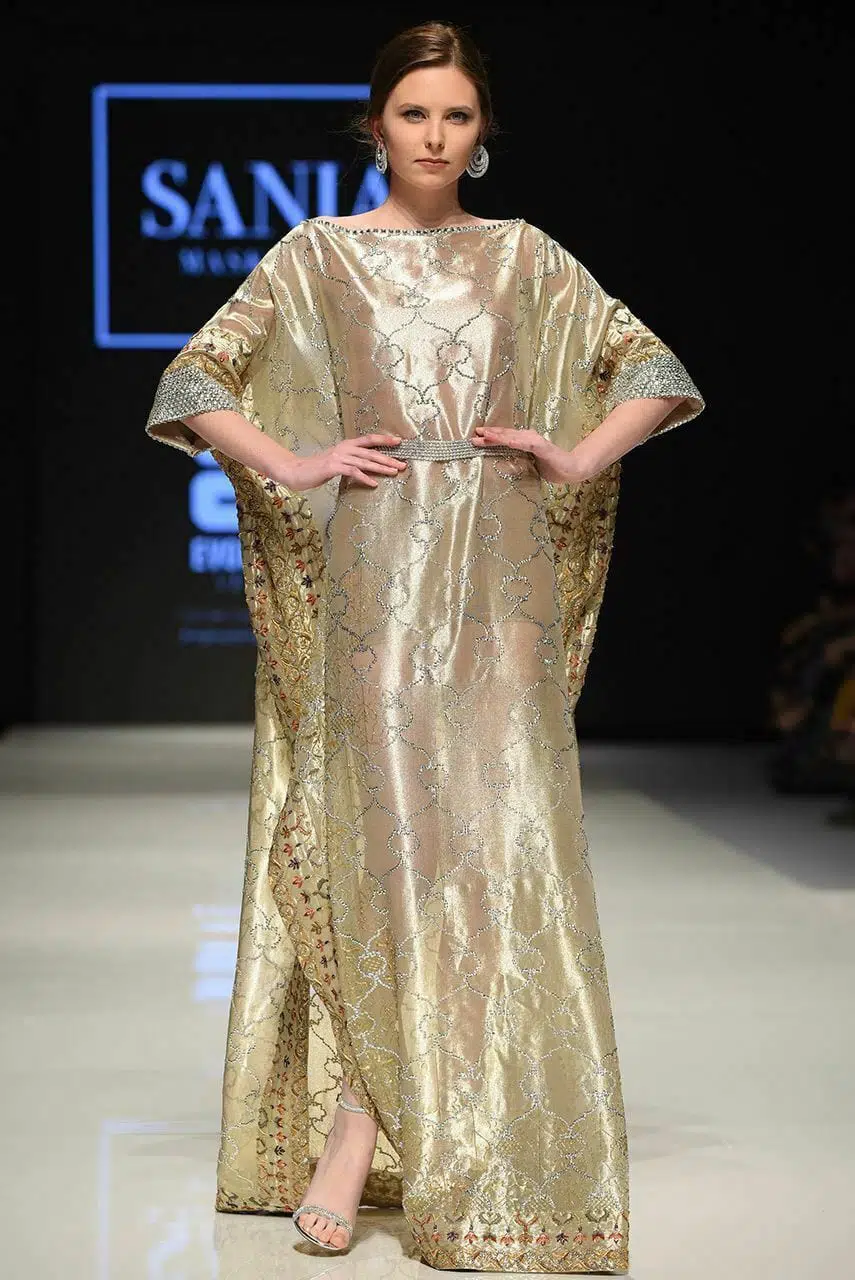
Gold Tissue Kaftan with Crystal Details
This flowing kaftan in metallic tissue silk solves the problem of looking formal while staying comfortable for long ceremonies. The loose fit allows for layering underneath if needed, while the crystal embellishments ensure you still look wedding-appropriate. Perfect for guests who prefer modest coverage without the complexity of managing a dupatta all evening.
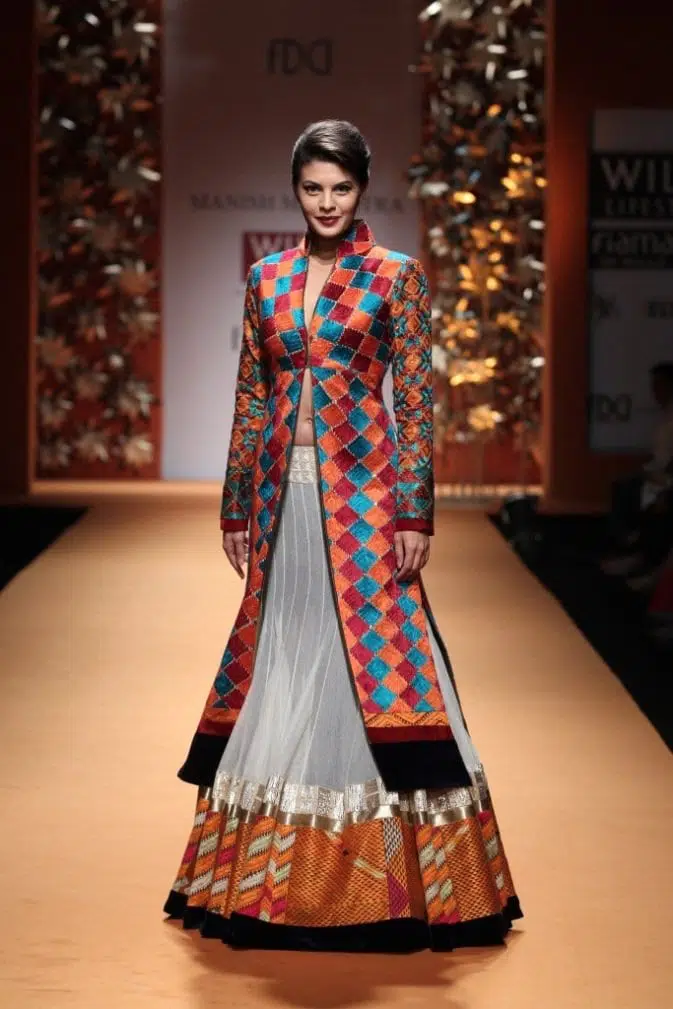
Multicoloured Patchwork Jacket over White Lehenga
The structured jacket provides essential warmth while the geometric patchwork adds visual interest that photographs well. This combination shows how layering can be intentional rather than an afterthought — the jacket becomes the statement piece while the simple white lehenga underneath prevents the look from becoming overwhelming.
Quick tip
Choose velvet or brocade fabrics for natural warmth that looks intentionally luxurious.
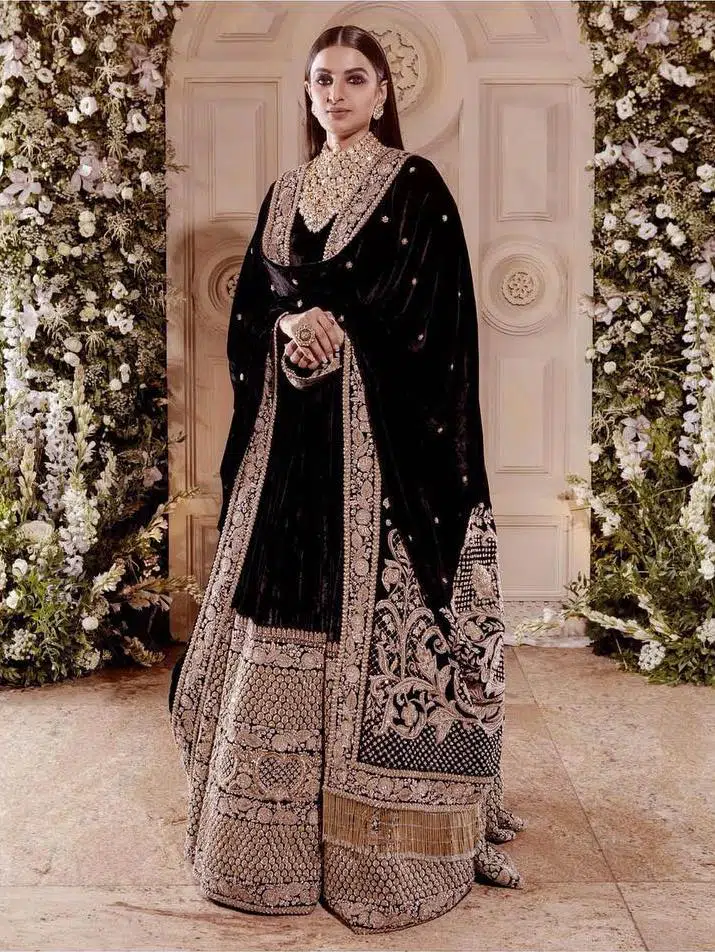
Black Velvet Lehenga with Gold Embroidery
Black velvet works exceptionally well for winter weddings because it photographs dramatically in low light and the heavy fabric provides natural insulation. The elaborate gold threadwork ensures you don’t look too somber for a celebration. Choose this if you want maximum warmth with minimal bulk — velvet’s weight comes from density, not layers.
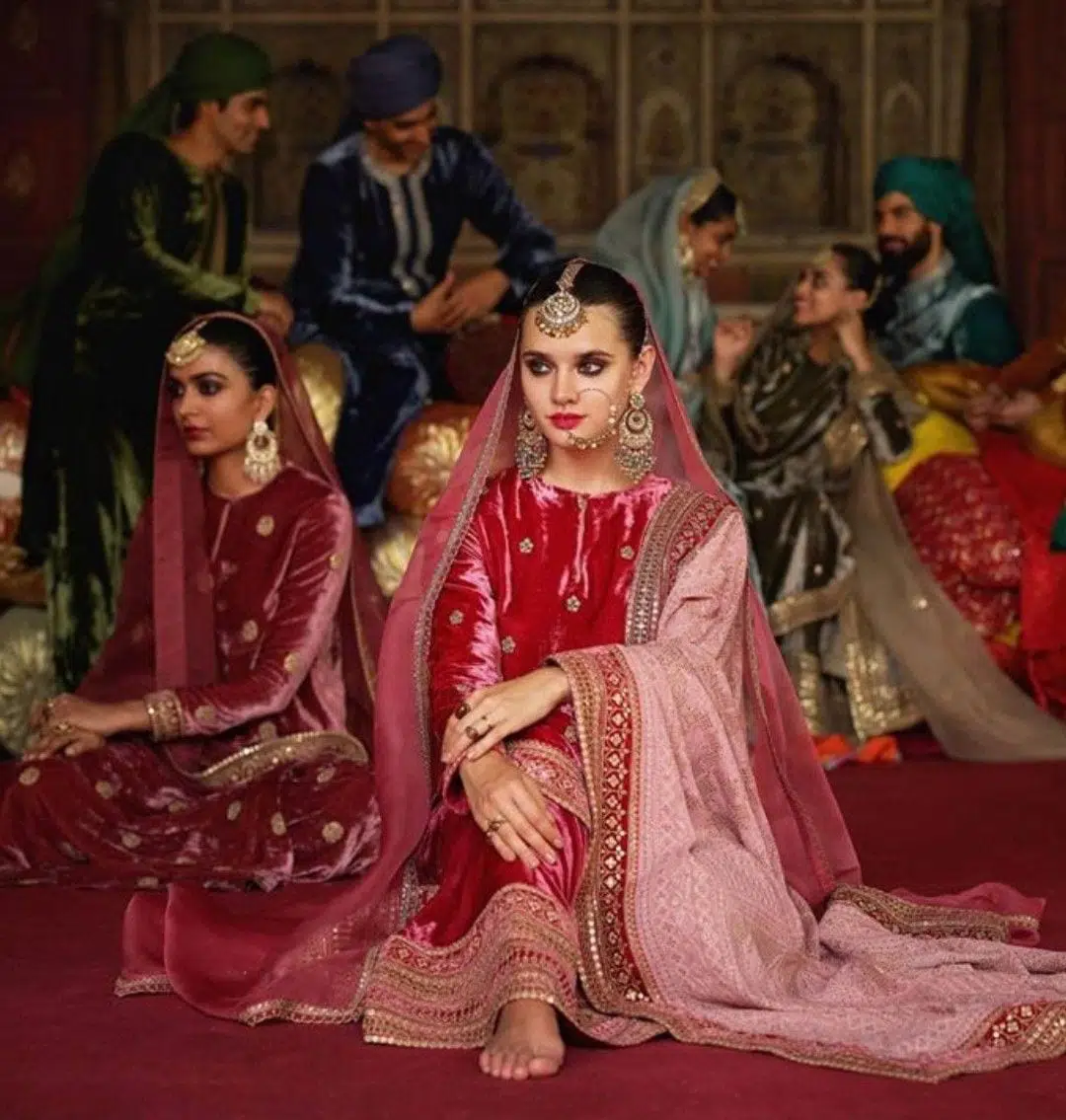
Traditional Red Silk Wedding Ensemble
Deep red silk remains the gold standard for winter wedding attire because the colour complements the season while the fabric has natural insulating properties. The full coverage with long sleeves and high neckline works perfectly for December ceremonies. This style suits guests who want to honour traditional wedding colours while staying practically warm.
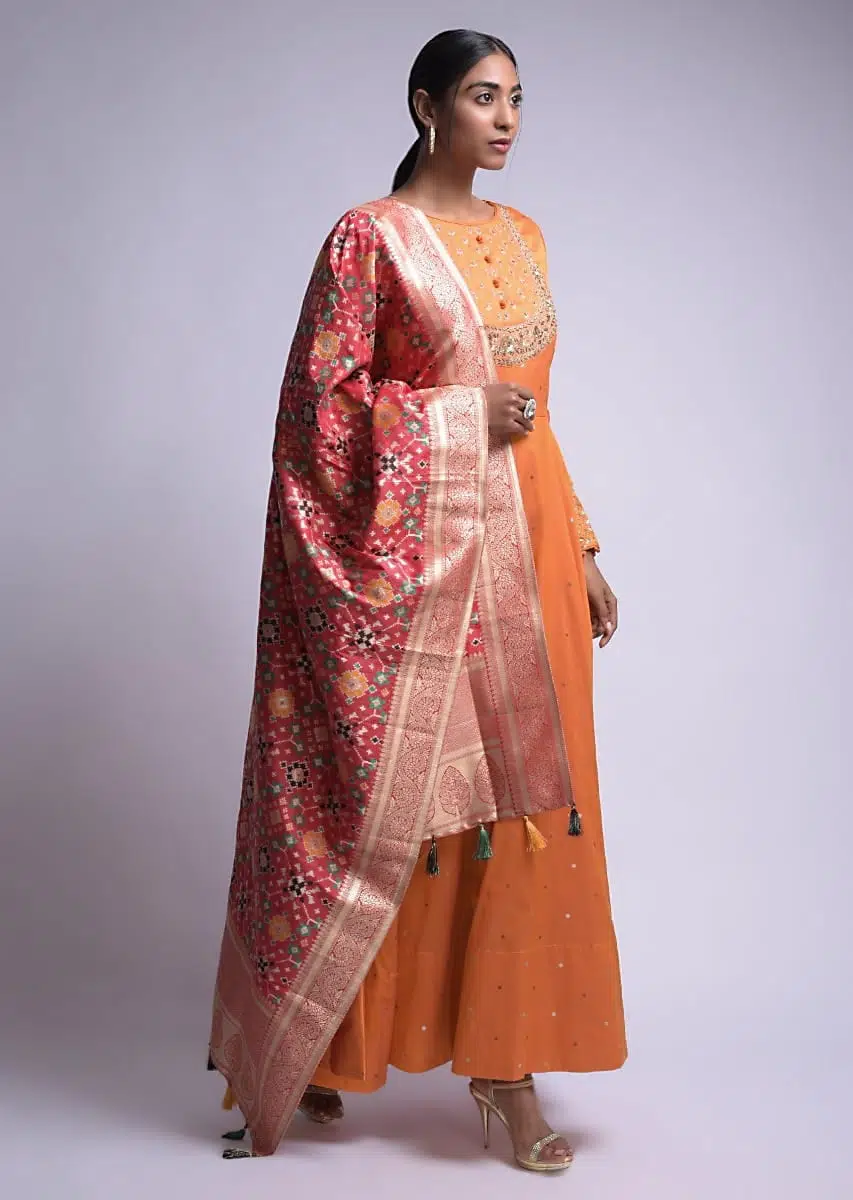
Orange Anarkali with Brocade Dupatta
This bright orange proves that winter weddings don’t require dark colours — the key is choosing rich, saturated tones rather than pastels. The brocade dupatta adds textural warmth while the Anarkali’s full skirt allows for thermal layers underneath. The combination works beautifully for daytime ceremonies when you need colour that shows up in natural light.
Quick tip
Drape your dupatta around your shoulders like a shawl for elegant coverage during outdoor ceremonies.
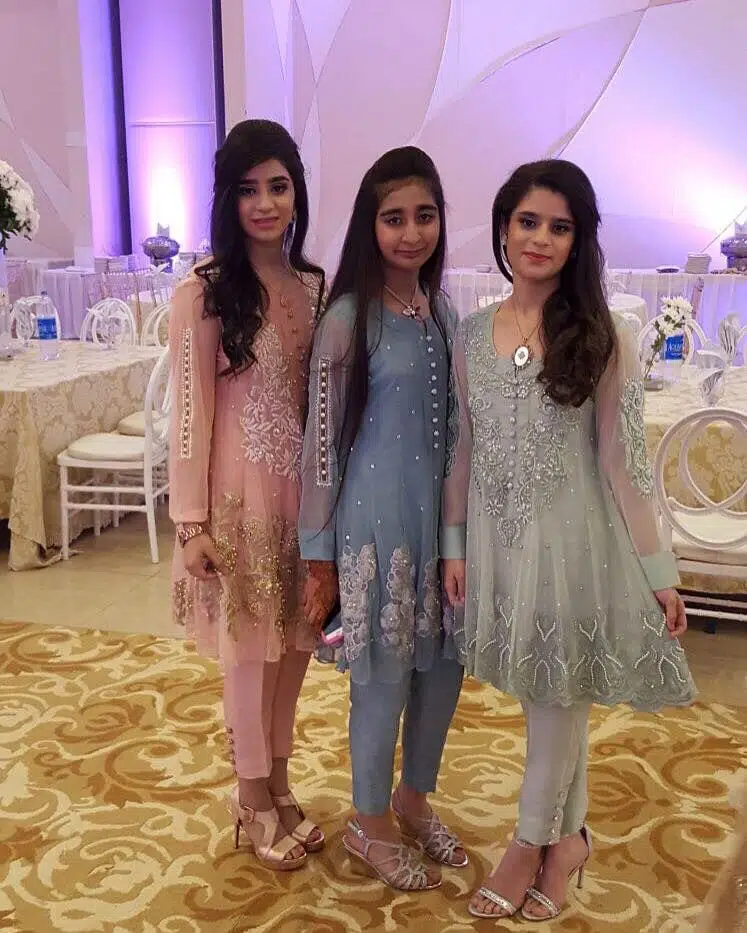
Pastel Party Wear with Metallic Details
These lighter ensembles work for indoor wedding events where heating makes heavy fabrics impractical. The key is choosing pieces with metallic thread work that catches artificial lighting beautifully. These outfits demonstrate how to handle the temperature variations between outdoor ceremonies and heated reception venues.
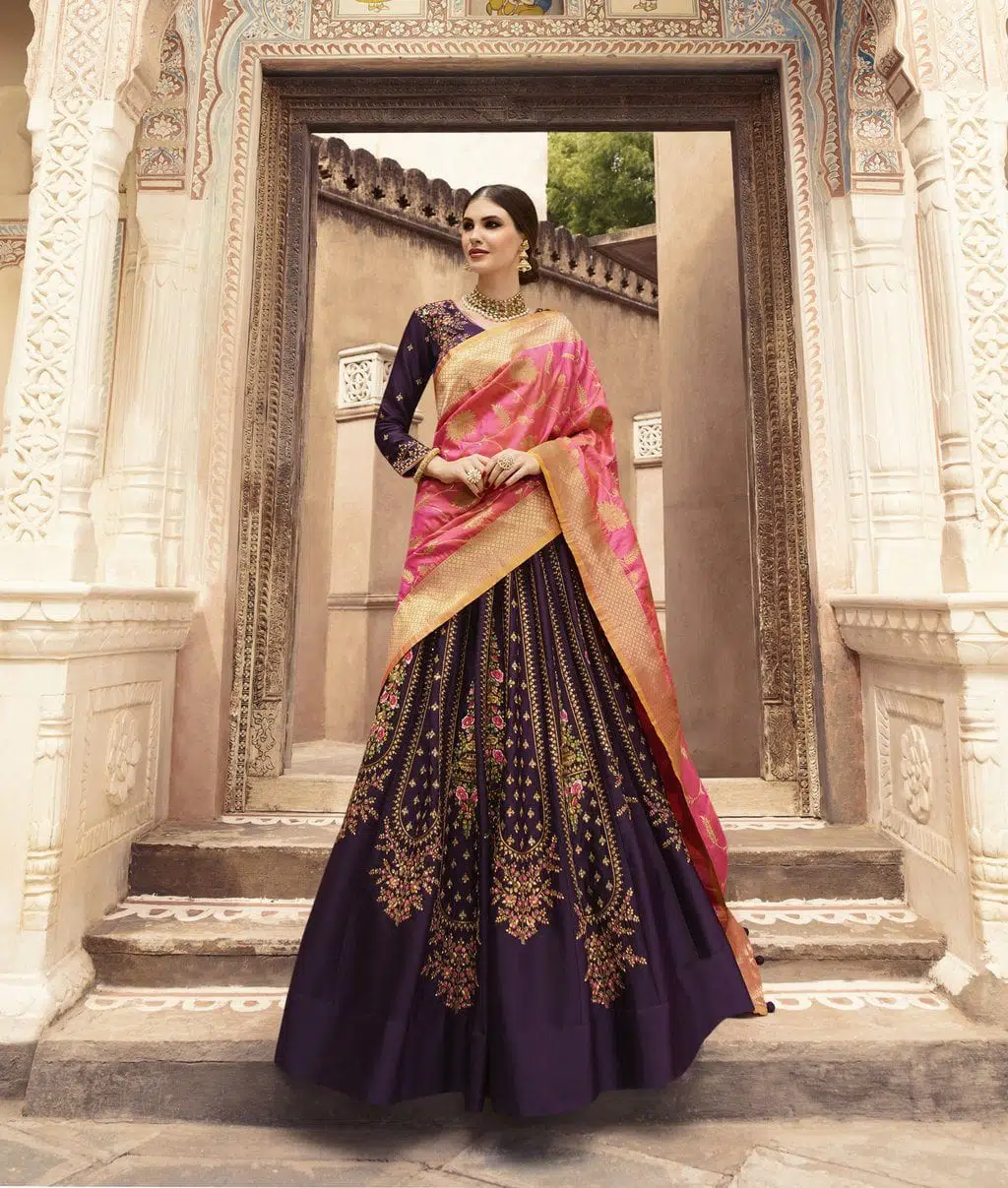
Purple Lehenga with Pink Dupatta
The contrasting dupatta technique works brilliantly for winter weddings because it adds visual warmth through colour layering. Purple and pink create richness that complements winter lighting while the heavy silk construction provides actual warmth. This colour combination photographs beautifully against typical winter wedding décor themes.
Long Embroidered Coats over Simple Bases
These statement coats solve the eternal winter wedding dilemma by making outerwear the focal point rather than an afterthought. The floor-length design provides maximum coverage while intricate embroidery ensures you look intentionally dressed rather than bundled up. Choose this approach when you want one investment piece that transforms multiple simple outfits underneath.
Quick tip
Opt for three-quarter sleeves instead of full sleeves for a more flattering winter silhouette.
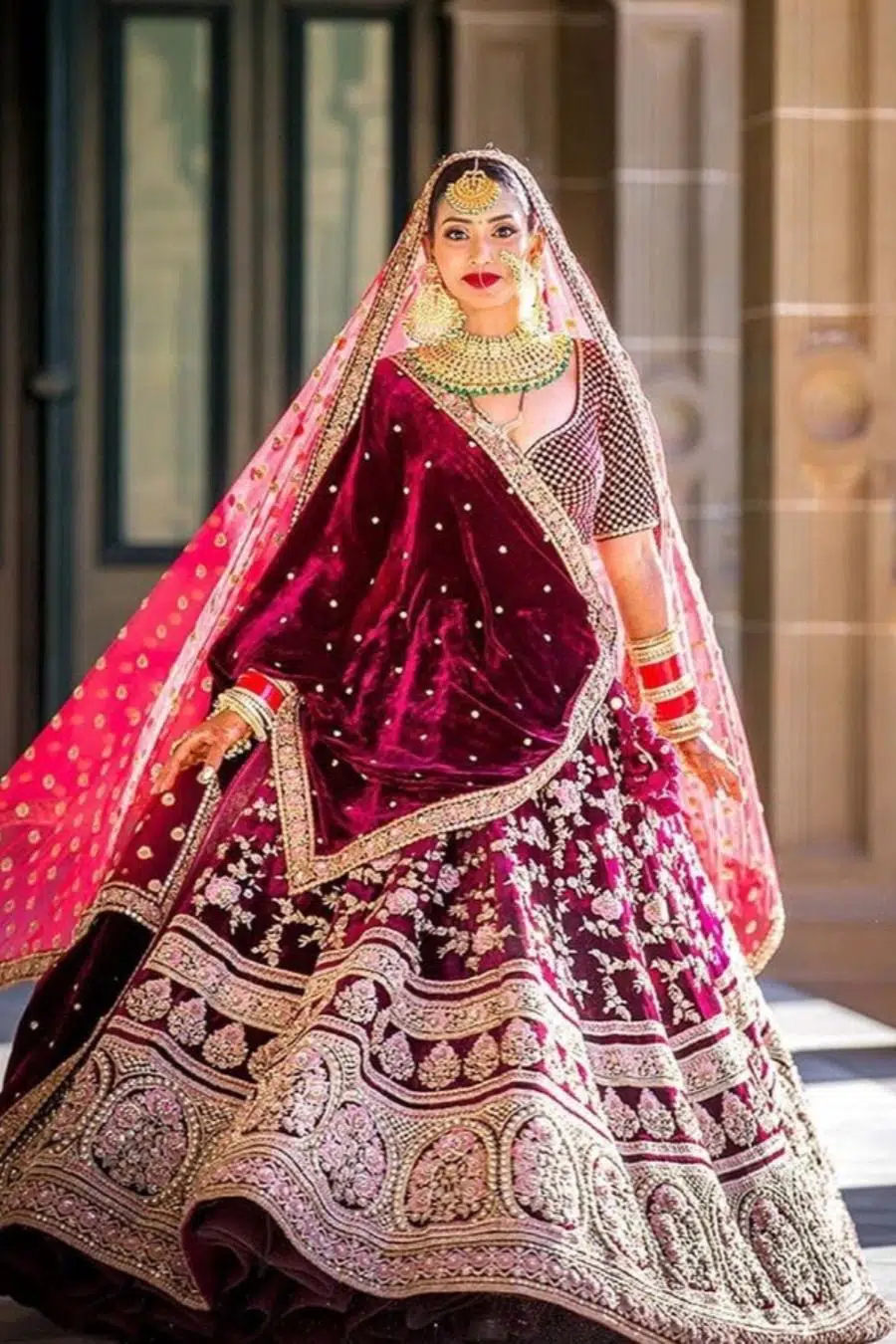
Traditional Bridal Lehenga in Deep Burgundy
This heavily embroidered burgundy velvet lehenga represents the ultimate in bridal luxury, complete with intricate gold work and a dramatic dupatta. The rich texture and deep color create incredible depth under winter lighting, while the full skirt provides warmth without sacrificing the grand silhouette expected at Indian weddings. Perfect for brides or close family members who want to make a statement at evening ceremonies.
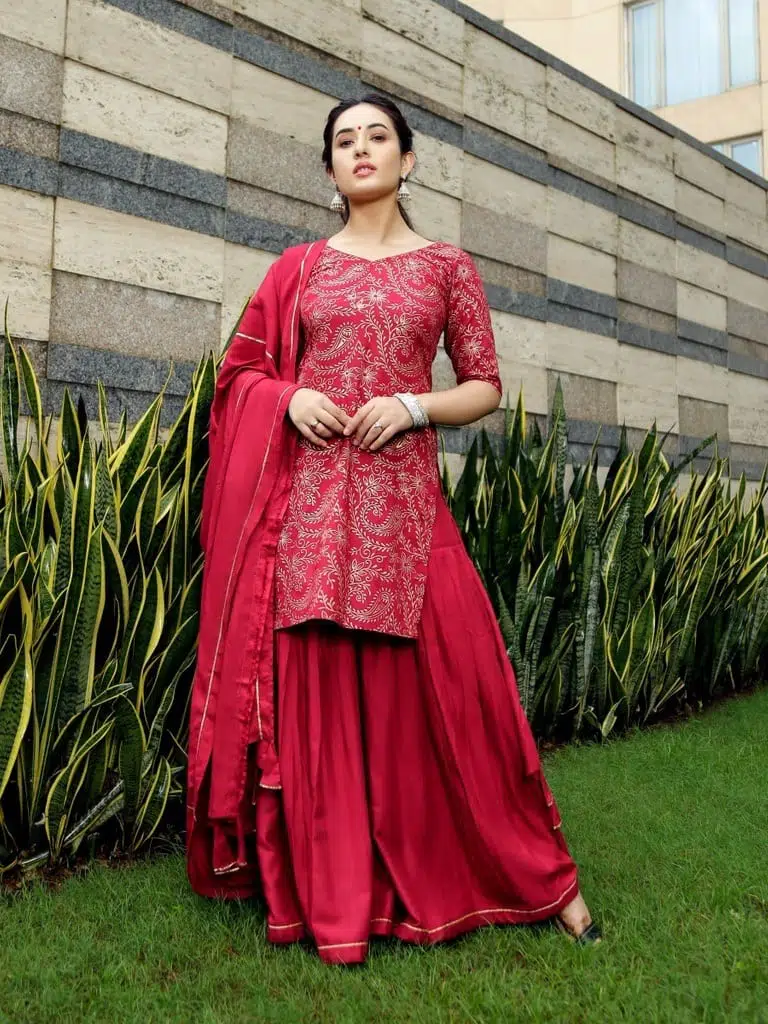
Embroidered Sharara Set in Rich Red
A beautifully detailed kurta paired with flowing sharara pants offers comfort and movement for dancing while maintaining formal elegance. The three-quarter sleeves provide coverage for cooler weather, and the matching dupatta can be draped for additional warmth. This works particularly well for wedding guests who want to look polished without competing with the bridal party.
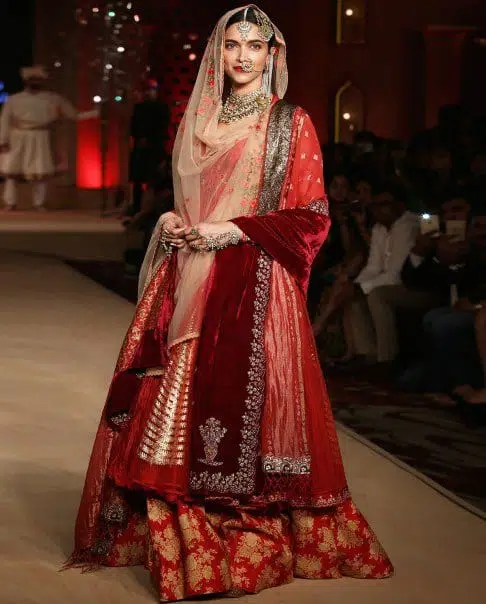
Layered Lehenga with Dupatta Draping
The strategic layering of this red and gold lehenga creates visual interest while the dupatta provides practical coverage for outdoor winter ceremonies. The model’s confident pose shows how proper draping can create elegant lines that flatter while keeping you warm. Ideal for guests attending multiple events who need versatility in their outfit.
Quick tip
Layer a fitted jacket or bolero over lehengas for modern warmth without bulk.
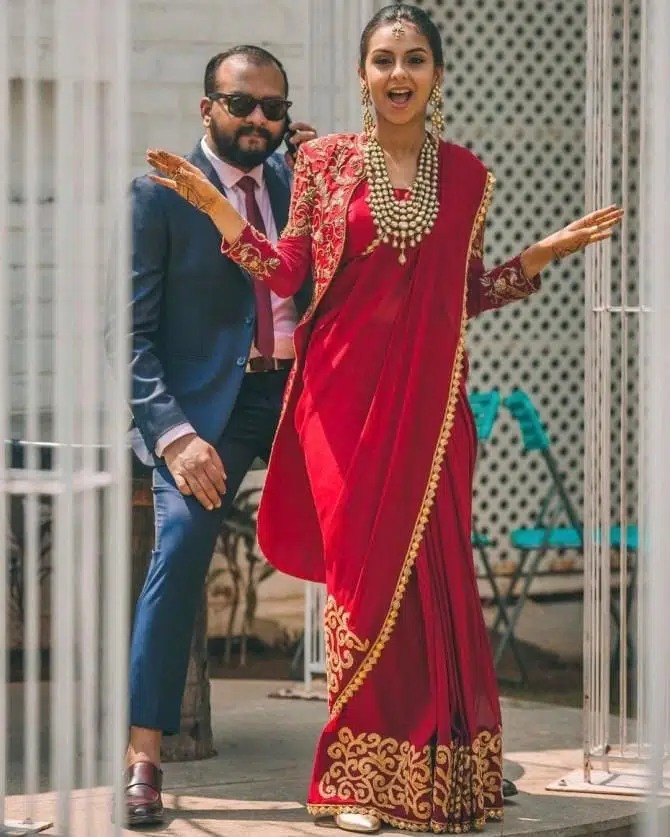
Statement Saree with Heavy Jewelry
This red saree paired with an elaborate pearl and gold necklace set demonstrates how accessories can transform a simple silhouette into wedding-appropriate attire. The couple’s coordinated styling shows how metallic accents tie looks together beautifully. Perfect for reception events where you want to look festive without the bulk of heavy lehengas.
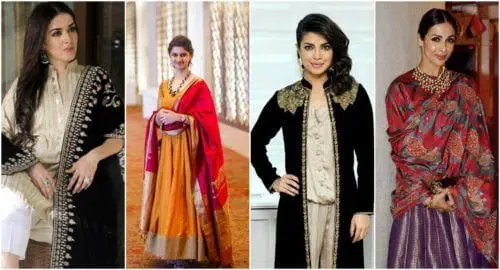
Mixed Occasion Ensemble Inspiration
This collection shows the versatility needed for multi-day wedding celebrations, from casual daywear to full traditional outfits. Notice how each look maintains consistent color families while varying the level of embellishment for different events. These examples work perfectly for wedding party members who need multiple outfit changes throughout the celebrations.
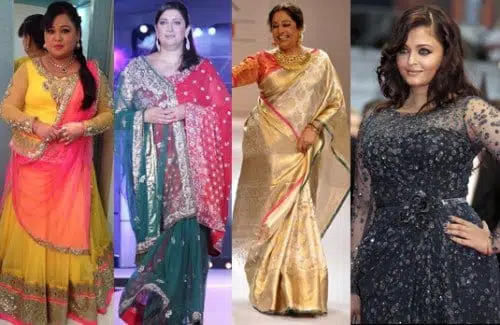
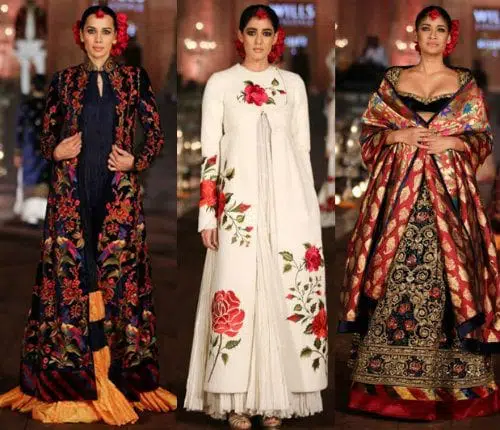
Celebrity-Inspired Formal Looks
These red carpet-worthy outfits demonstrate how to balance traditional elements with contemporary styling for winter weddings. The variety shows different approaches to layering textures — from velvet jackets to silk scarves — that work in cooler weather. Excellent inspiration for guests attending high-profile or destination winter weddings.
Quick tip
Select jewel tones that pop against winter skin tones and photograph well in dim lighting.
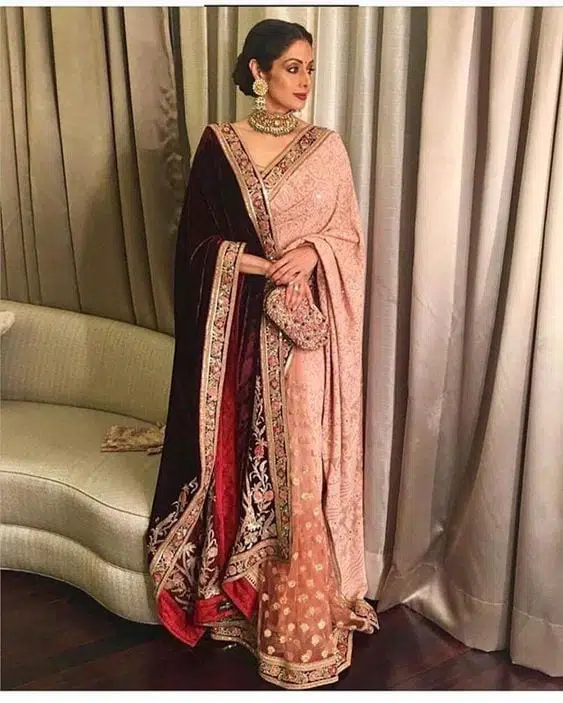
Elegant Saree with Contrasting Dupatta
This peach saree paired with a dramatic black and gold dupatta shows how contrasting colors can create sophisticated depth in winter lighting. The heavy jewelry and sleek hair complement the outfit’s refined aesthetic. Perfect for evening receptions where you want to stand out while maintaining traditional elegance.
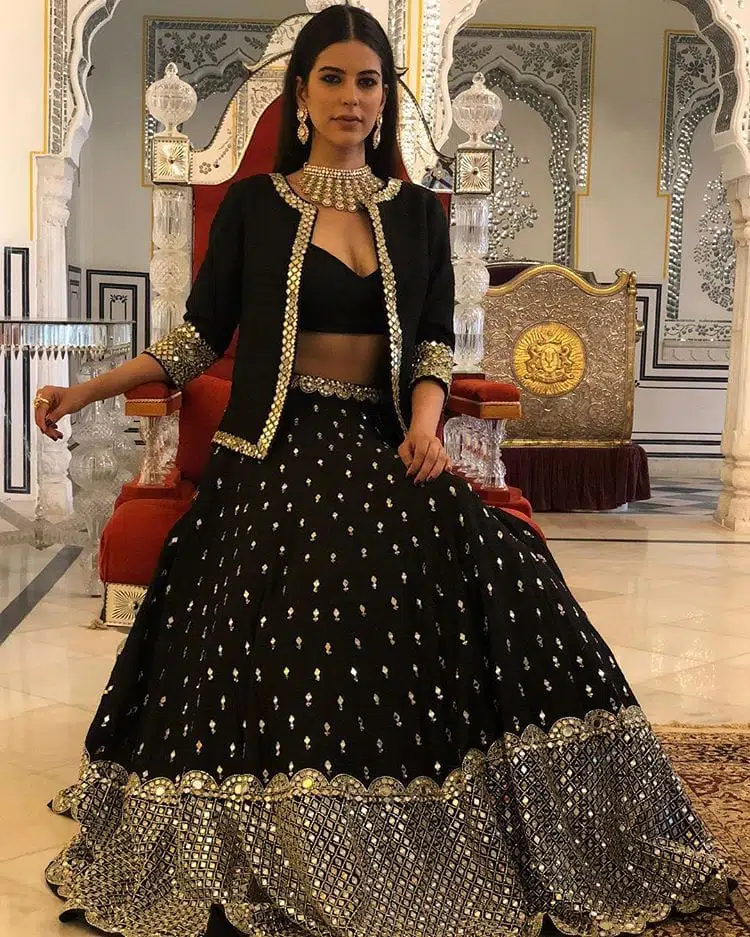
Modern Black Lehenga with Jacket
A contemporary take on traditional wear, this black lehenga features a fitted jacket that provides both warmth and a modern silhouette. The structured layering creates clean lines while the gold detailing maintains the festive feel required for weddings. Ideal for younger guests or those attending more contemporary celebration styles.
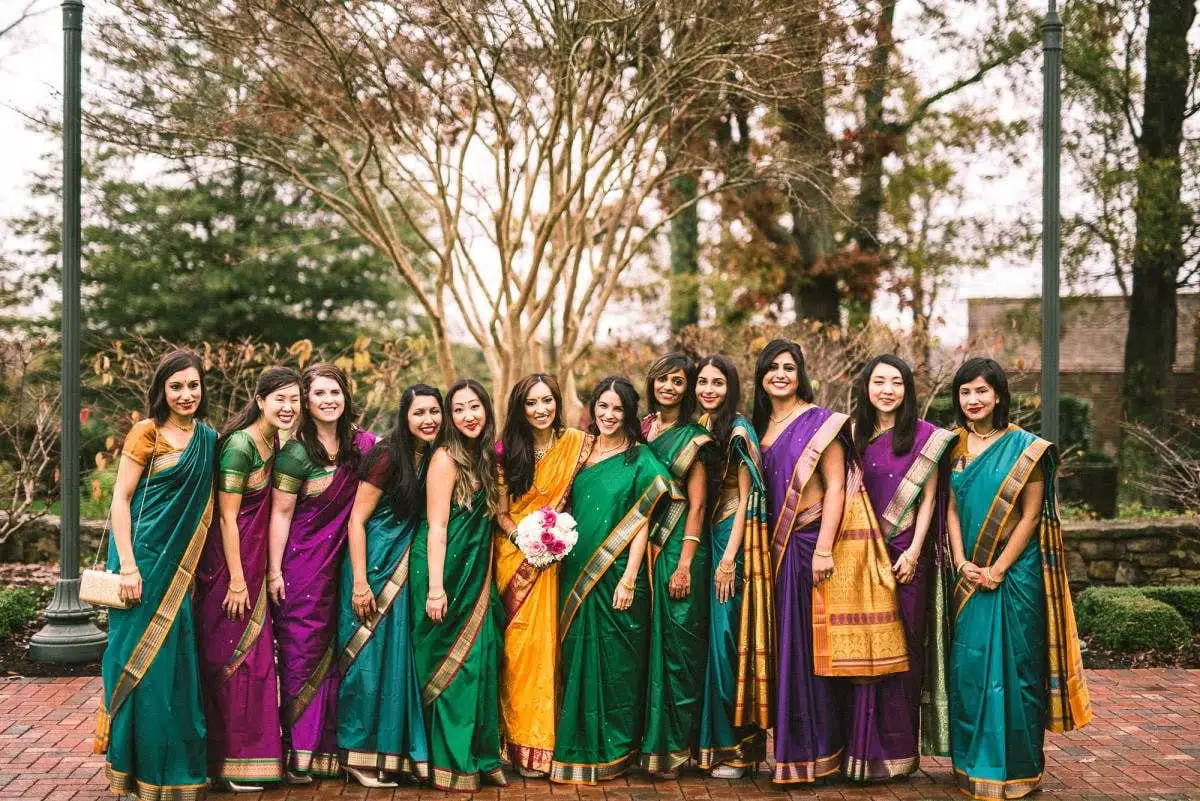
Coordinated Wedding Party Sarees
This bridesmaids group demonstrates the power of coordinated color schemes in jewel tones that photograph beautifully in winter light. Each saree maintains individual style while contributing to the overall aesthetic harmony. Perfect inspiration for wedding parties planning coordinated looks that work across different body types and personal styles.
Quick tip
Coordinate gold accessories across your outfit to create cohesion and catch indoor venue lighting.
Key takeaways
- Choose rich, deep colors like burgundy, emerald, and navy that photograph beautifully in winter lighting
- Layer strategically with jackets, dupatta draping, and wraps to stay warm without losing the traditional silhouette
- Opt for heavier fabrics like velvet, silk, and brocade that provide natural warmth and winter-appropriate texture
- Balance coverage with style by choosing three-quarter sleeves and higher necklines that look intentional, not weather-driven
- Coordinate metallic accents in gold or silver throughout your outfit to create cohesion and catch indoor lighting
- Plan multiple outfit changes for different events, varying embellishment levels from casual ceremonies to formal receptions
21 Best Winter Wedding Guest Outfit Ideas
What to Wear to an Indian Summer Wedding – 20 Guest Outfits
What to Wear for Vineyard Wedding? 18 Outfit Ideas
What to Wear for Wedding in a Garden? 19 Outfit Ideas
What to Wear to an Indian Engagement Party? 13 Guest Outfits
20 Fall Wedding Guest Dress Ideas For This Wedding Season
35 Best Bridal Shower Outfit Ideas For Pakistani Weddings
30 Beautiful Kitenge Dresses for Wedding