Most women treat scarves like afterthoughts — grab whatever’s closest to the door and wrap it around their neck. I’ve watched countless clients do this, then wonder why their entire outfit looks unfinished. The truth is, a scarf can make or break your look, and the difference between stylish and sloppy often comes down to how you wear it, not which one you choose.
I’ve been styling scarves for twelve years, and I’ve learned that the secret isn’t owning the most expensive cashmere or the trendiest patterns. It’s understanding that your scarf needs to work with your coat, your neckline, and your face shape all at once. Get one of these wrong, and even the most beautiful scarf will drag down your entire look.
The women who always look put-together in winter? They know these rules. They understand that a thick scarf requires a different wrapping technique than a silk one, and they never make the mistake of treating every scarf the same way. Once you know what I’m about to show you, you’ll never look at your scarf collection the same way again.
Styling Tips
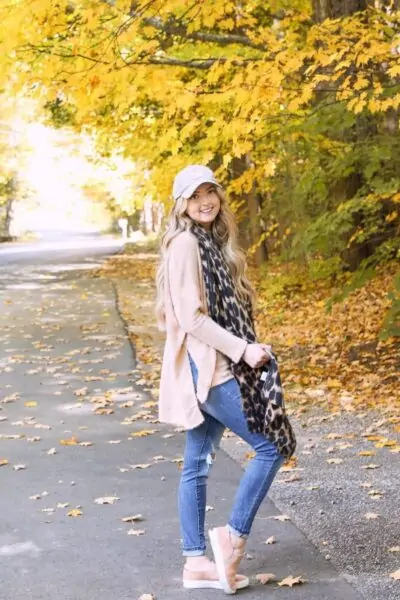
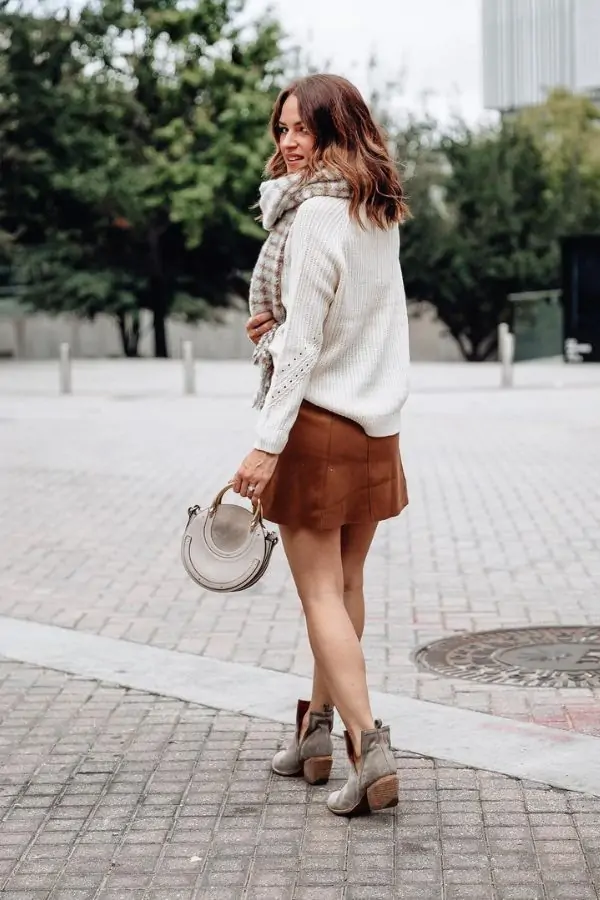
Master the casual loop for everyday wear
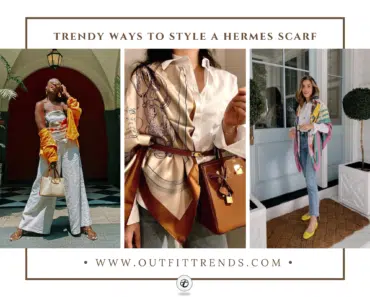
This relaxed styling works because it creates movement without bulk. The loose drape in the first image shows exactly how a patterned scarf should fall — not tight against the neck, but with enough space to breathe. This technique works best with medium-weight scarves and prevents that strangled look you get when you wrap too tightly.
Use a skinny scarf for sleek layering
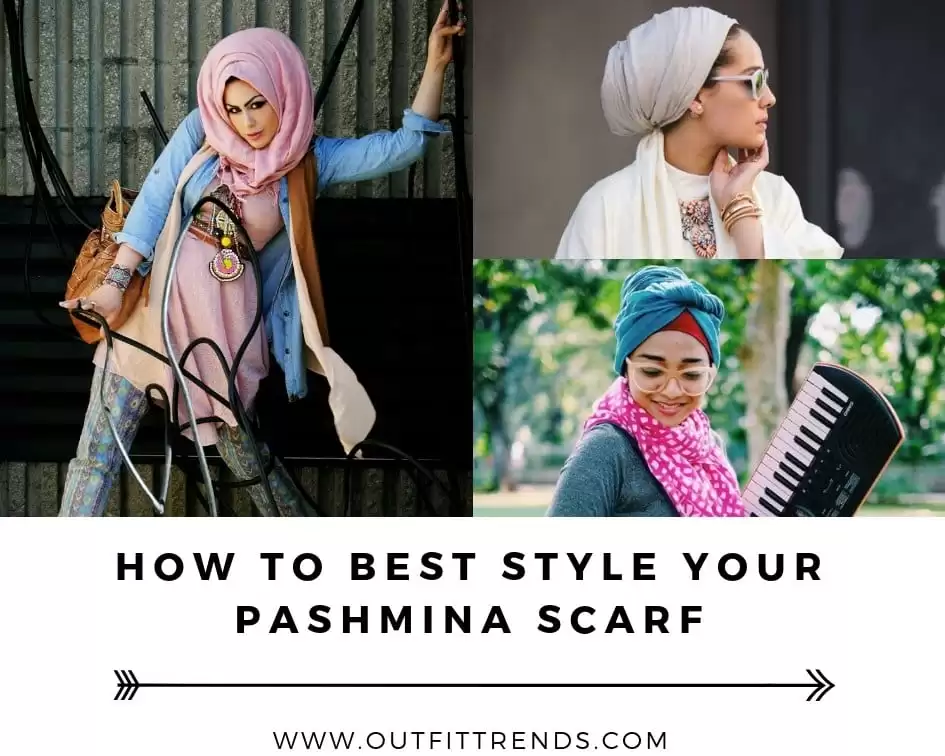
How To Wear a Pashmina Hijab 10 Best Styling Tips
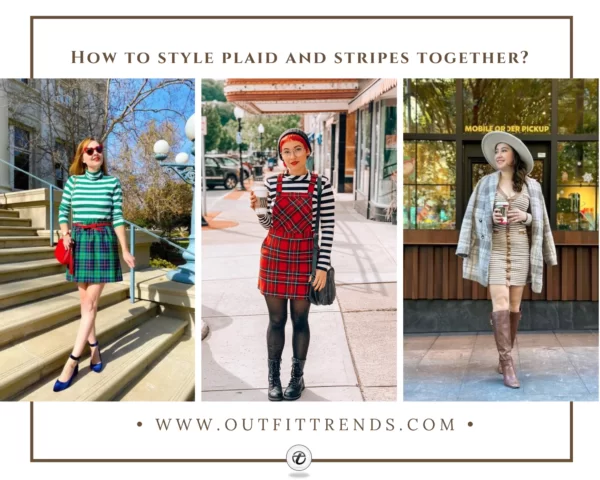
How To Wear Stripes & Plaid Together? 20 Ways To Style Them
Snapback Hairstyles for Girls- 25 Ways to Wear Snapback Hats
How To Wear Fleece Jackets? 20 Outfit Ideas This Winter
20 Modest Ways to Wear Hijab At Work Elegantly
20 Ideas on What to Wear to an Indian Winter Wedding
20 Ways To Wear Hijab With Denim Jackets For A Chic Look
12 Chic Ways to Wear Leather Dress with Styling Tips
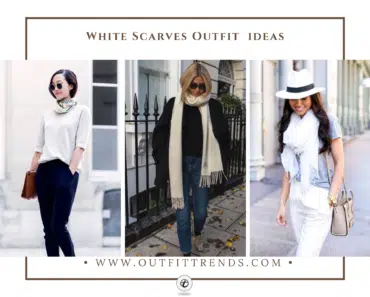
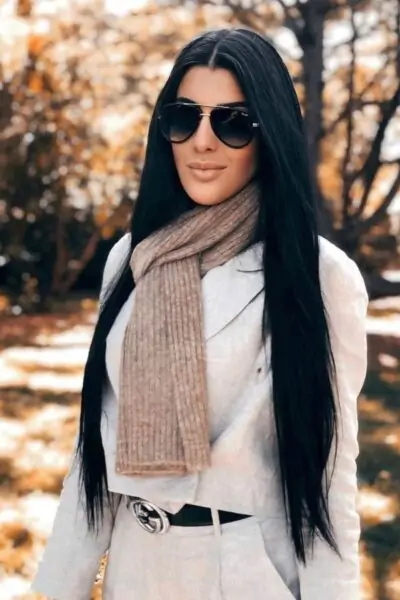
The ribbed scarf in this image demonstrates perfect proportion control. When you’re wearing structured pieces like blazers or tailored coats, a thin scarf maintains clean lines without adding visual weight. This is why fashion editors always choose narrow scarves with fitted outerwear — they enhance the silhouette instead of fighting it.
Let oversized scarves create dramatic texture
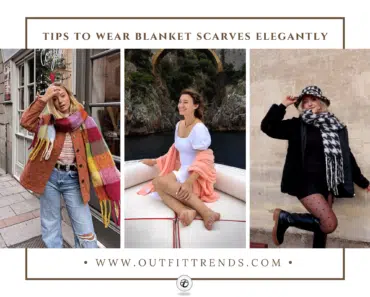
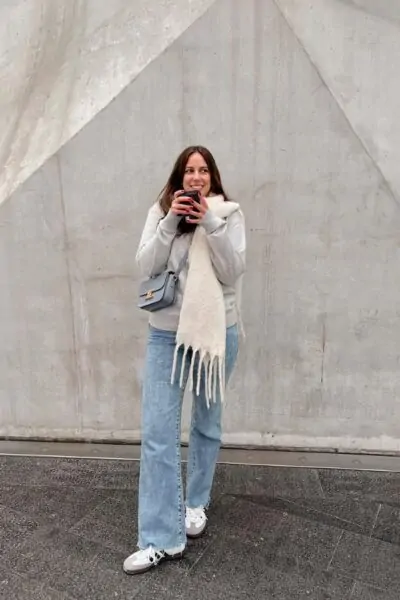
Large scarves work when you treat them as the statement piece, not an accessory. The generous wrap here shows how substantial fabric can balance loose-fitting clothes. The key is ensuring the scarf’s proportions match your outfit’s relaxed fit — mixing oversized with fitted creates visual chaos.
Position small scarves for color-popping contrast
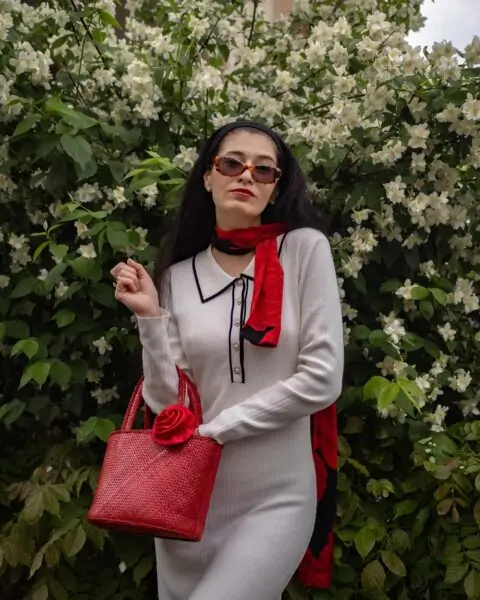
This red necktie-style scarf proves that tiny accessories can carry huge impact. The crisp placement against the neutral dress creates a focal point without competing with the overall look. Small scarves work best when they’re the only pop of color in your outfit — add more and you’ll look scattered.
Wrap blanket scarves for maximum warmth and style
The cocooning effect here shows why oversized scarves are winter workhorses. This wrapping technique — high around the neck and loose at the ends — creates both insulation and visual interest. The neutral tone proves you don’t need patterns to make a statement; sometimes texture and drape are enough.
French women traditionally never wash their silk scarves — they steam them instead. The heat removes wrinkles and refreshes the fabric without damaging the fibers or fading the colors.
Dos & Don’ts
10 Fresh Ways to Style Your Scarf This Season
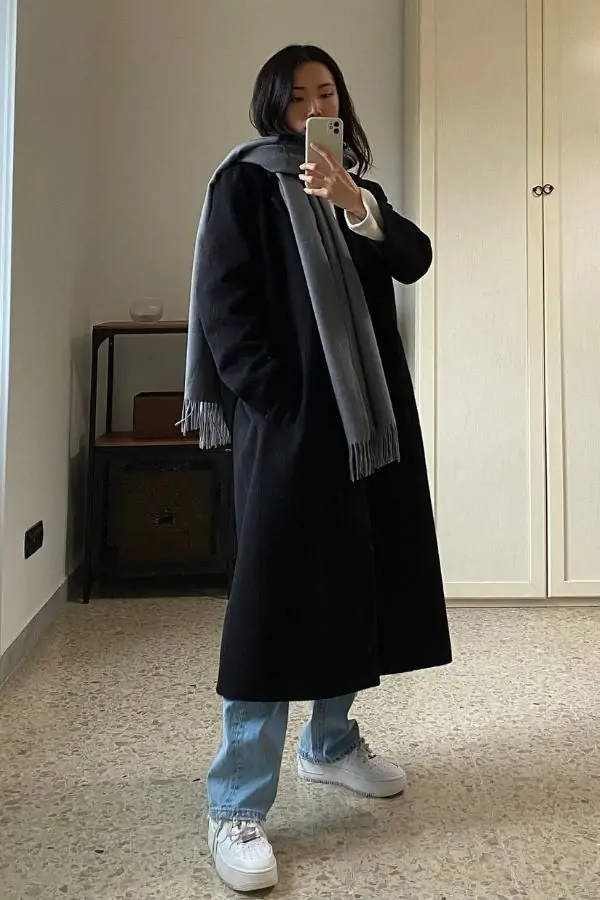
Long Black Coat with Grey Cashmere Scarf
A charcoal grey cashmere scarf transforms this long black wool coat from basic to luxurious. The scarf is draped simply around the neck without any fussy knotting, which keeps the focus on the coat’s dramatic length. This works best on taller frames or when you want to create a streamlined silhouette that won’t overwhelm your proportions.
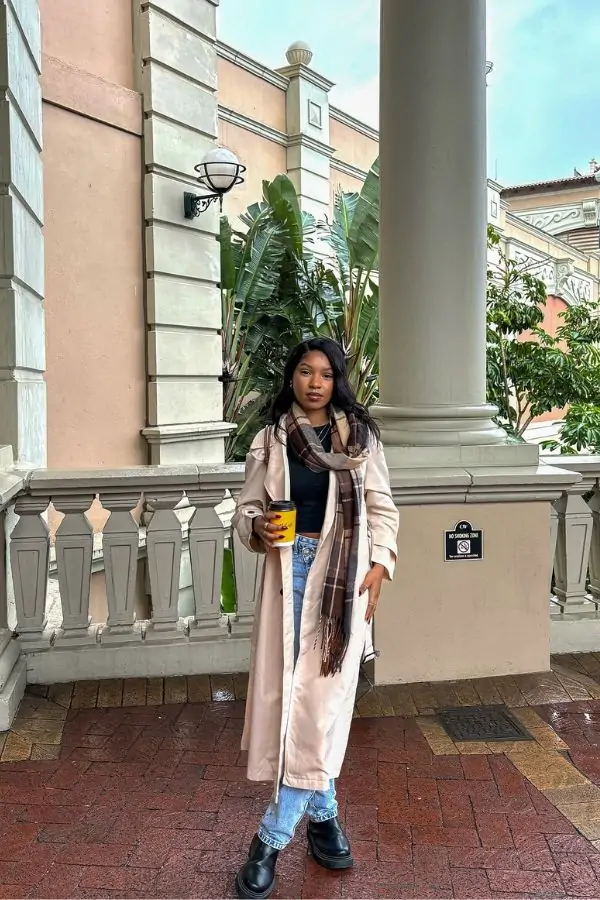
Beige Trench with Brown Plaid Scarf
The brown tartan scarf adds pattern and warmth to this classic beige trench without competing with the coat’s tailored lines. Drape the scarf loosely rather than wrapping it tight — it creates better proportions with an open coat. This combination works particularly well for apple shapes as the vertical lines of the open coat create a lengthening effect.
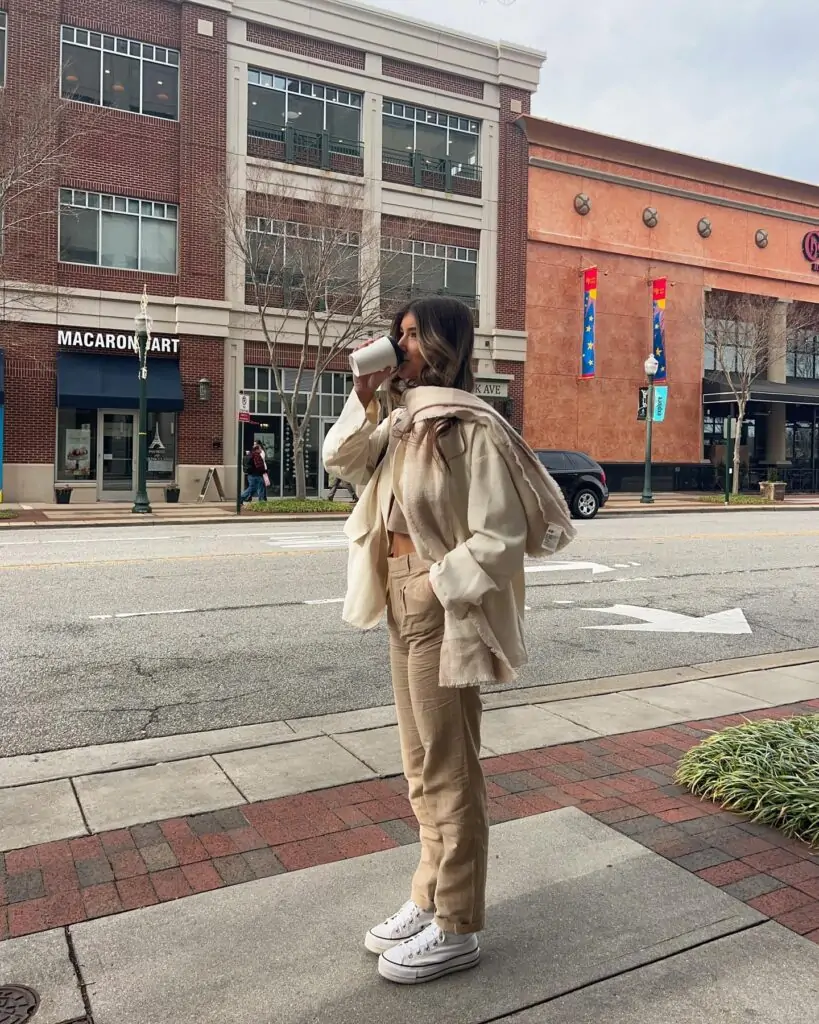
Tonal Beige Styling with Matching Accessories
Every piece here lives in the same warm beige family, from the oversized blazer to the knit scarf and trousers. The scarf serves as both neck coverage and visual texture against the smooth fabrics. Choose scarves in the same color temperature as your outfit — warm beiges with warm beiges, cool greys with cool greys.
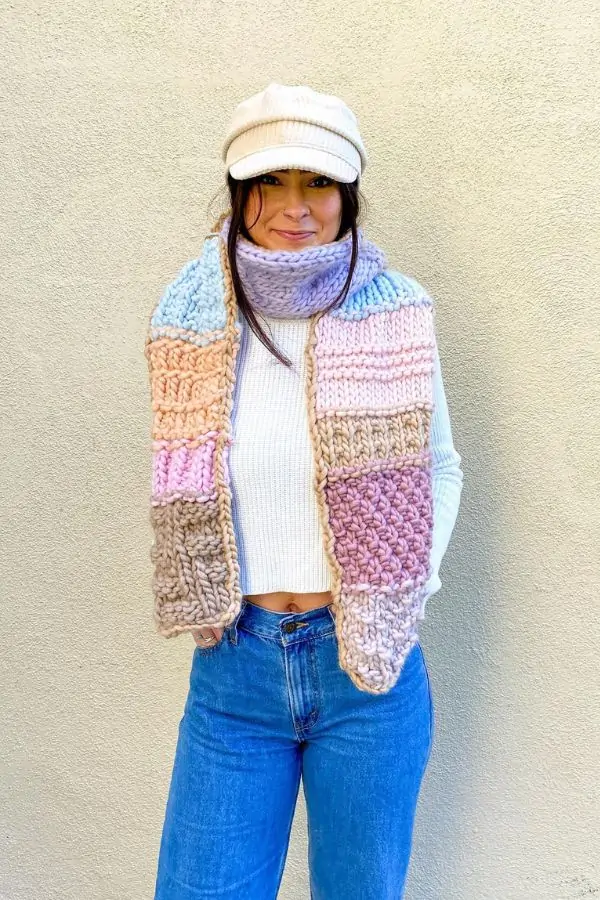
Chunky Patchwork Knit with Cropped White Sweater
This hand-knitted patchwork scarf in pastel squares becomes the star piece against a simple white ribbed sweater. The scarf’s bulky texture and colorful pattern add personality to an otherwise minimal outfit. Let statement scarves breathe — pair them with solid, simple pieces so they can be the focal point.
Quick tip
Choose scarf colors that repeat a tone already in your outfit for instant cohesion.
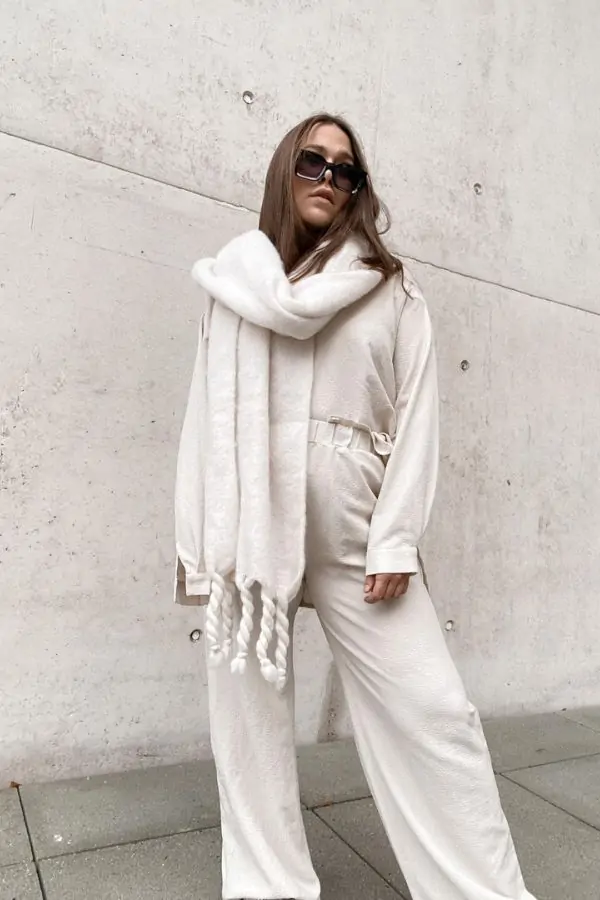
All-Cream Loungewear with Textured Scarf
The cream scarf adds subtle texture variation to this tonal cream tracksuit without disrupting the relaxed, monochromatic aesthetic. Wrap loosely around the neck and let the ends hang naturally for an effortless finish. This styling works because the scarf matches the casual mood of the outfit rather than trying to dress it up.
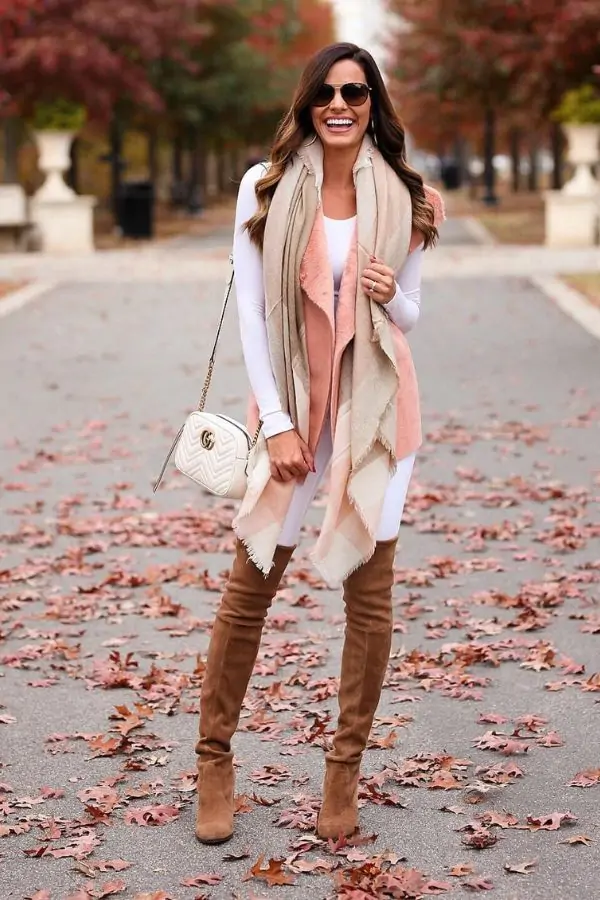
Plaid Blanket Scarf with White Base Layer
This oversized plaid scarf in beige and coral tones becomes an extra layer of warmth over a fitted white top. The scarf’s generous size allows for multiple styling options — wrapped, draped, or worn as a shawl. Choose blanket scarves in neutral patterns that will work with multiple outfits rather than statement colors that limit your options.
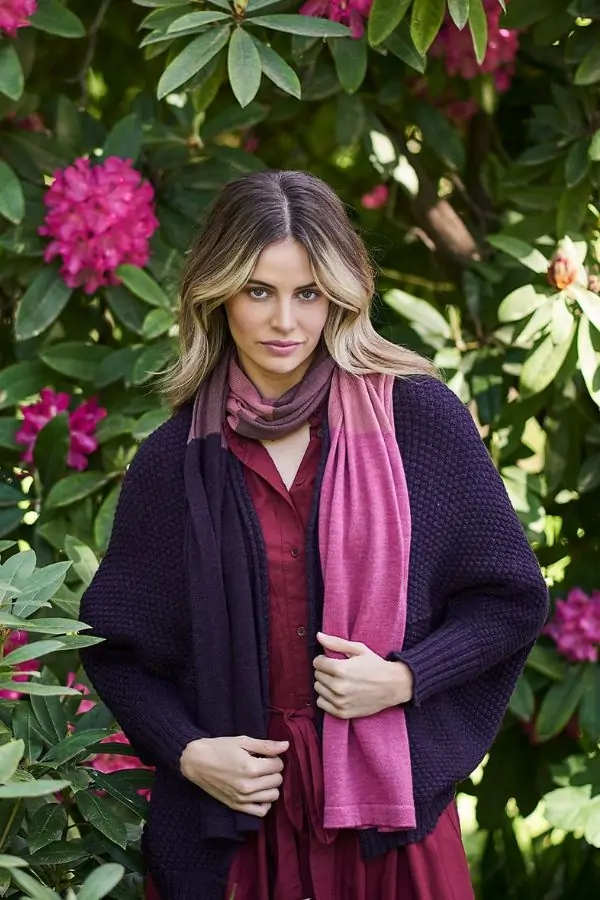
Navy Cardigan with Pink Silk Scarf
The pink silk scarf softens the structured navy cardigan and creates an unexpected color combination that’s both professional and feminine. Tuck one end of the scarf inside the cardigan to create asymmetry and prevent it from looking too formal. This pairing works especially well for pear shapes as the scarf draws attention upward.
Quick tip
Wrap blanket scarves asymmetrically over one shoulder to avoid looking overwhelmed.
Cream Sweater with Checked Wool Scarf
The neutral checked scarf adds pattern and visual interest to this oversized cream knit without overwhelming the relaxed silhouette. Let the scarf hang loose rather than wrapping it tight — it maintains the casual, undone feeling of the outfit. This combination is perfect for weekend styling when you want to look put-together but not overdressed.
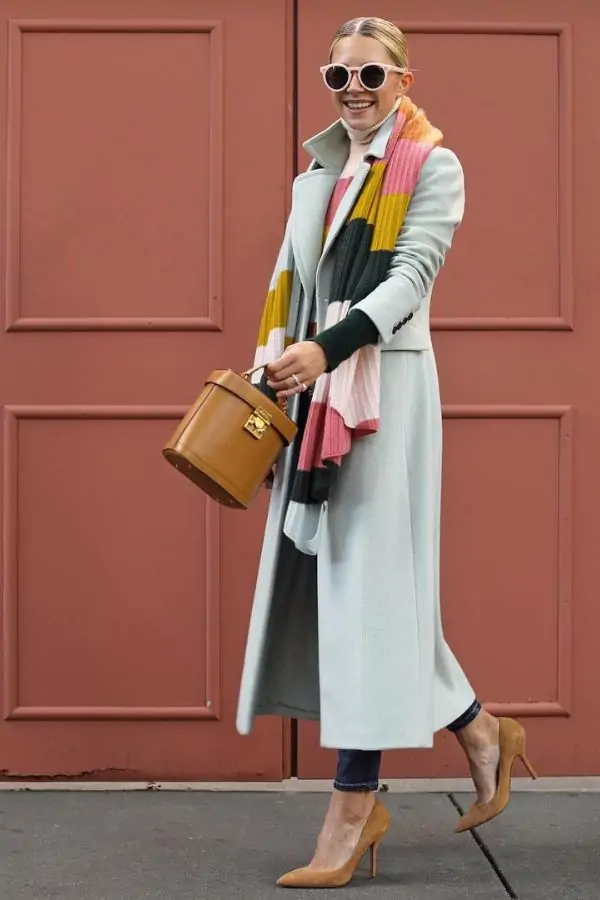
Sage Green Coat with Striped Rainbow Scarf
The multi-colored striped scarf brings playful energy to this structured sage green coat while the muted base color keeps the overall look grounded. Choose one color from the scarf to repeat in your accessories — here, the tan bag picks up the beige stripe. This prevents the outfit from looking too scattered despite the multiple colors.
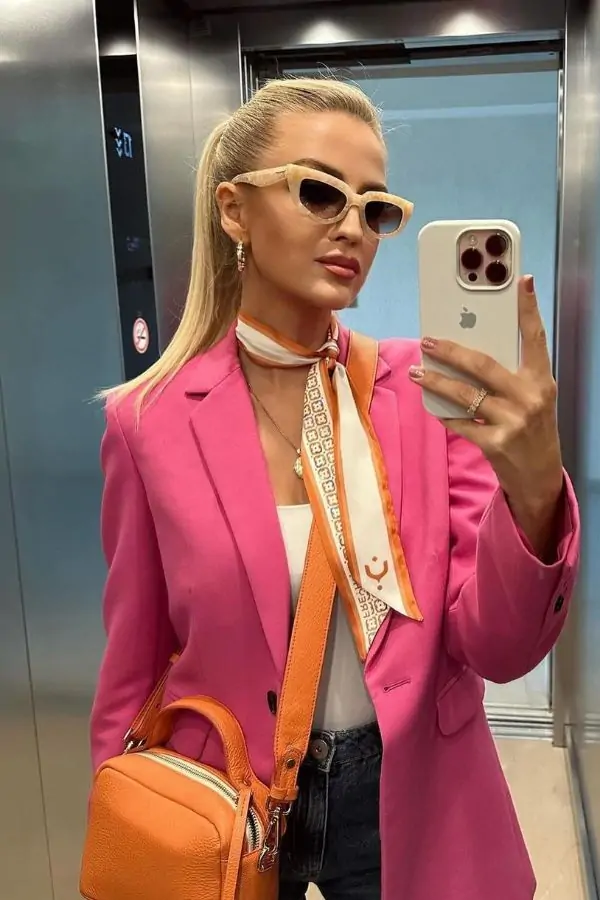
Hot Pink Blazer with Orange-Trimmed Silk Scarf
The cream silk scarf with orange trim bridges the gap between the hot pink blazer and orange bag, creating color harmony in what could be a clashing combination. Use scarves as color connectors when wearing bold, contrasting pieces — they help tie disparate elements together. The scarf’s neutral base keeps the bright colors from overwhelming your face.
Quick tip
Tuck the ends of long scarves into your coat or jacket to prevent them dragging.
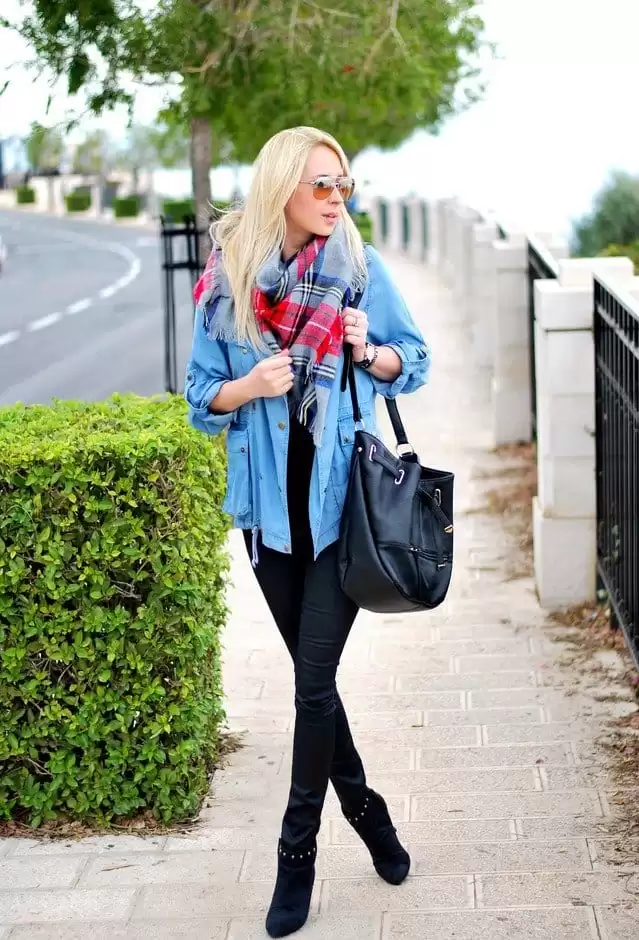
Blanket Scarf Over Denim Jacket
A plaid blanket scarf transforms a casual denim jacket into something that actually keeps you warm. The oversized scarf creates visual weight that balances out the proportions when you’re layering lighter pieces underneath. This works best when you keep the rest of your outfit simple — black jeans and boots let the scarf be the focal point without competing patterns.
Chunky Knit Scarf with Statement Coat
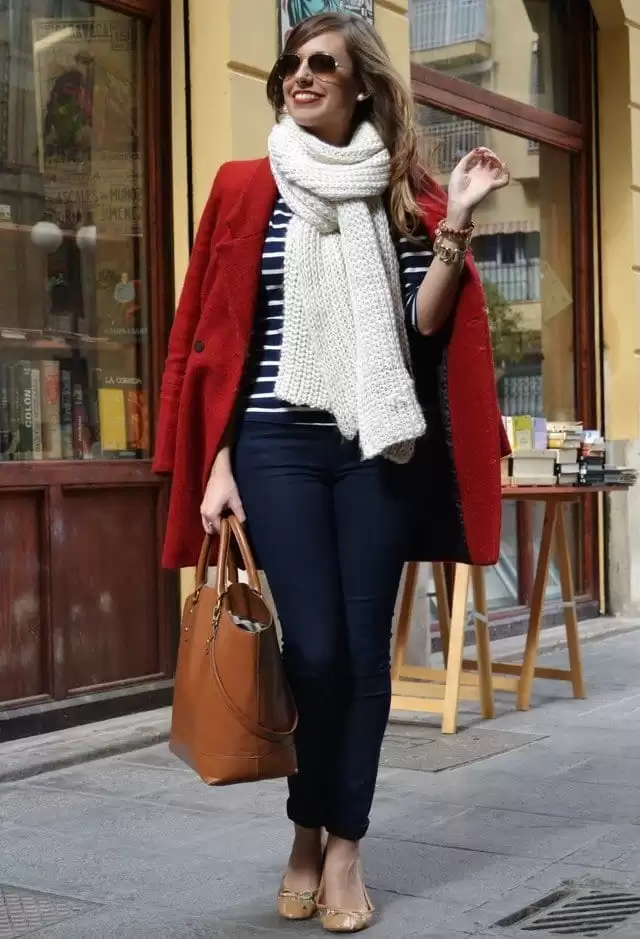
When your coat is already doing the talking, choose a chunky neutral scarf that adds texture without competing for attention. This cream cable knit works because it echoes the texture story without clashing with the red coat’s bold color. The oversized wrap style keeps the proportions balanced against such a structured outer layer.
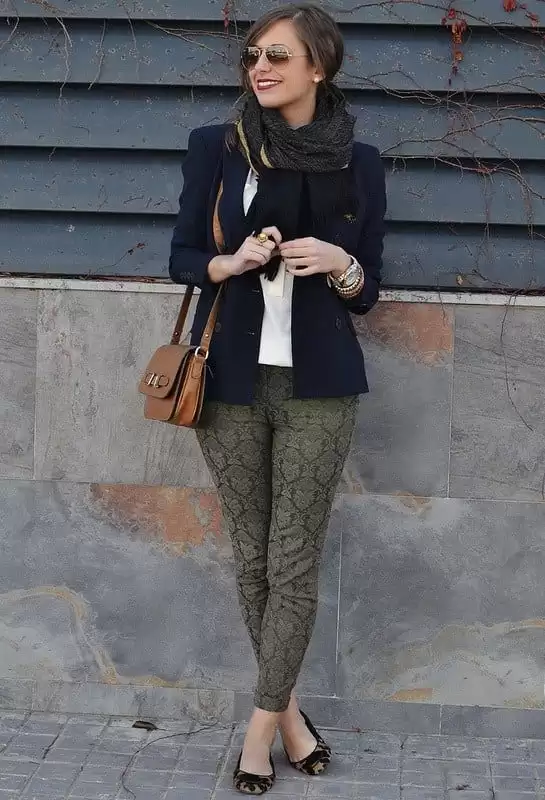
Textured Cowl Scarf with Tailored Blazer
A chunky cowl scarf softens the hard lines of a blazer while adding the warmth that wool suiting lacks. The key is choosing a scarf that contrasts the blazer’s texture — smooth wool against chunky knit creates visual interest without looking messy. This combination works for anyone who needs to look professional but actually wants to stay comfortable.
Quick tip
Match your scarf’s care requirements to your lifestyle — delicate scarves need more attention.
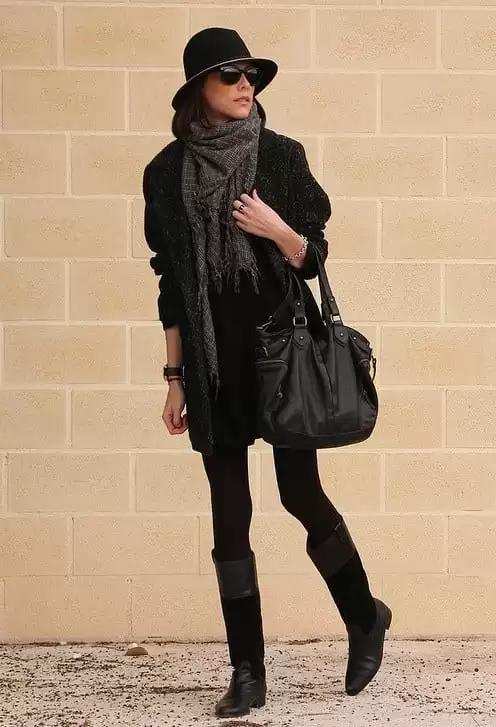
Oversized Scarf as the Main Event
Sometimes the scarf becomes your entire outfit strategy. This oversized wrap is substantial enough to be the primary layer, with everything else — black sweater, black hat, black bag — acting as supporting cast. The monochromatic base lets the scarf’s texture and drape create all the visual interest you need.
Key takeaways
- Match scarf size to your outfit’s existing proportions — chunky scarves need structured pieces to balance them out
- Use texture contrast strategically — smooth coats pair best with textured scarves and vice versa
- Let one pattern dominate — when wearing plaid or prints, keep the rest of your outfit neutral
- Consider your scarf’s visual weight — blanket scarves can replace light jackets in your layering equation
- Monochromatic bases make any scarf work — black, navy, or cream foundations let your scarf be the star
- Wrap styles affect proportions — cowl necks work better with tailored pieces than loose draping
How To Wear a Pashmina Hijab 10 Best Styling Tips
How To Wear Stripes & Plaid Together? 20 Ways To Style Them
Snapback Hairstyles for Girls- 25 Ways to Wear Snapback Hats
How To Wear Fleece Jackets? 20 Outfit Ideas This Winter
20 Modest Ways to Wear Hijab At Work Elegantly
20 Ideas on What to Wear to an Indian Winter Wedding
20 Ways To Wear Hijab With Denim Jackets For A Chic Look
12 Chic Ways to Wear Leather Dress with Styling Tips