


Pattern mixing isn’t rocket science — but most people treat it like brain surgery. I’ve watched women stare at their wardrobes for ten minutes trying to decide if their striped shirt can possibly work with their plaid blazer. The answer is always yes, if you know the one rule that matters.
The secret isn’t about matching colours or counting stripes. It’s about scale difference. When I pair my thin-striped Breton top with my oversized windowpane blazer, it works because the patterns live in completely different worlds — one whispers, one speaks up. The moment you try to combine two patterns that compete for the same visual space, you’ve lost the game.
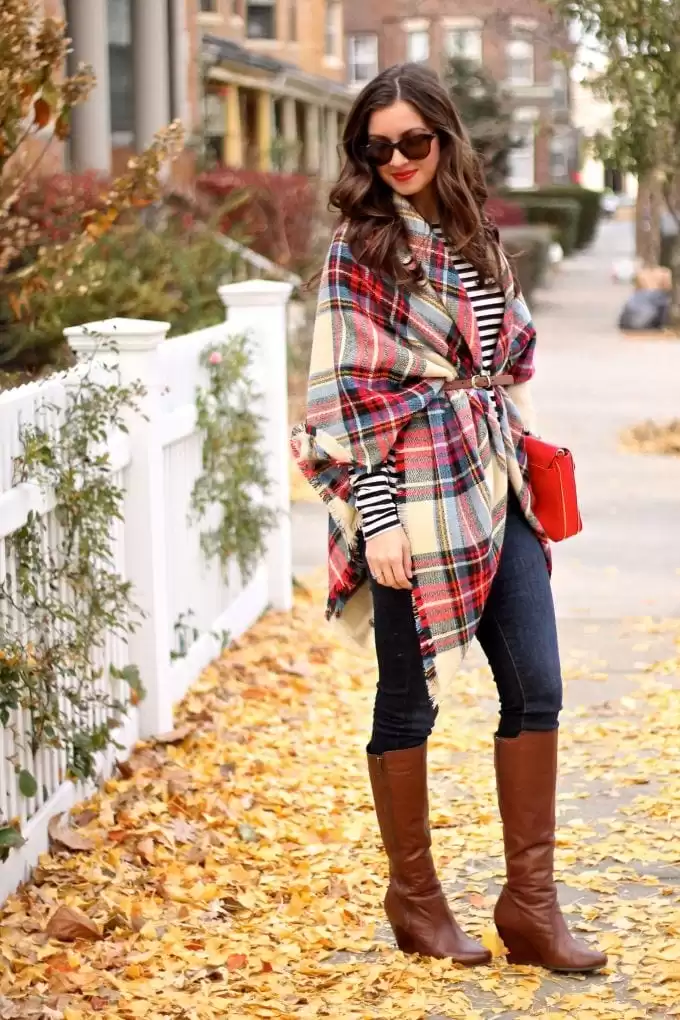
I’ve been mixing stripes and plaid for years, and the combinations that get the most compliments are always the ones that broke a rule I thought I had to follow. That red plaid scarf with my navy striped dress? It shouldn’t work according to colour theory, but it’s become my signature winter look because the patterns respect each other’s territory.
Styling Tips
Start with a neutral base pattern
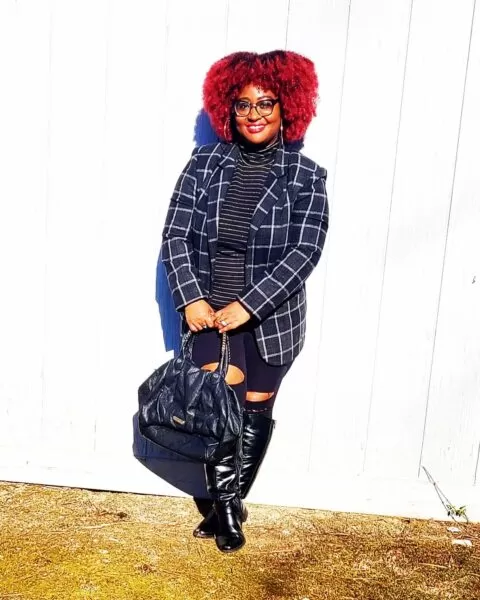
Navy and white stripes create the perfect foundation because they read almost like a solid from a distance. This navy blazer demonstrates exactly why neutral-based plaid works so well — there’s no colour competition, just pattern play. The key is choosing one pattern that could almost pass as a textured solid if you squinted.
Mix different pattern scales
This combination works because the thin stripes stay in their lane while the large windowpane check commands attention. When patterns are different sizes, your eye can process both without getting confused. I always tell clients to think big pattern, small pattern — never two mediums trying to fight it out.

Use scarves as your mixing bridge
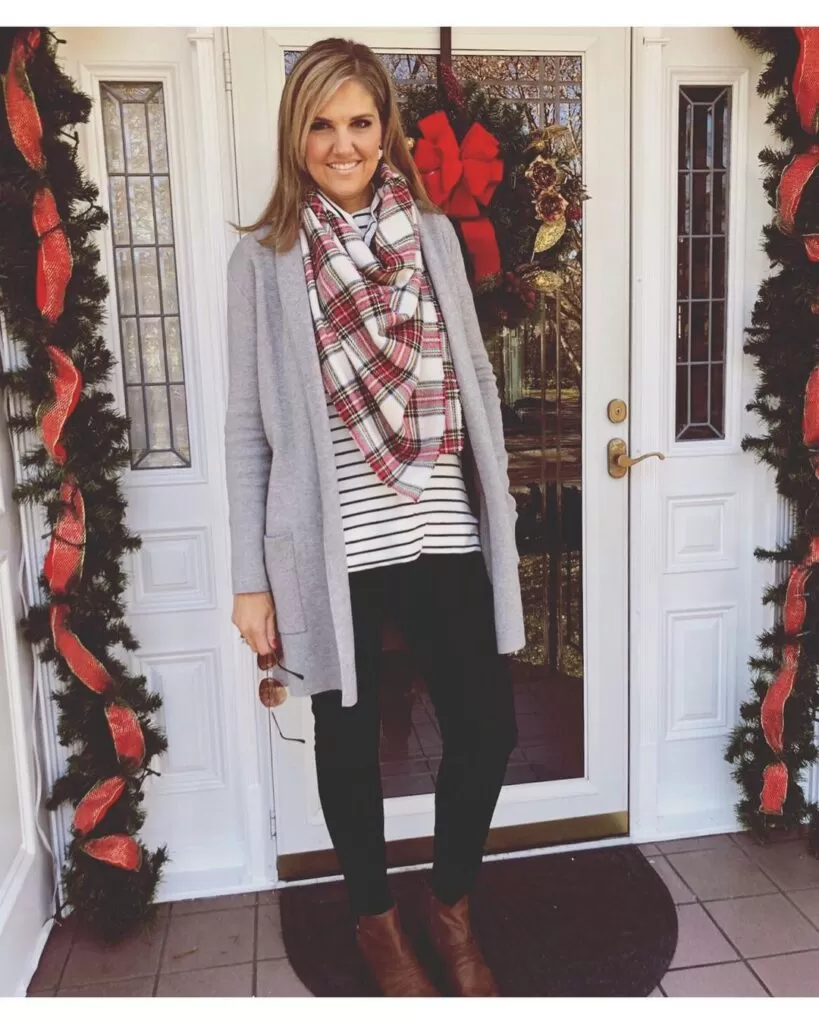
A plaid scarf over stripes is the easiest way to test pattern mixing without commitment. The scarf acts like a frame around your face, while the striped base stays quiet underneath. This red plaid against the grey cardigan proves that you don’t need matching colours — you need confidence and clear pattern hierarchy.

How to wear Plaid Pants? 20 Outfit Ideas & Styling Tips
How to Wear Tartan ? 18 Outfit Ideas & Styling Tips

10 Best Toe Ring Styles & Ideas On How to Wear Toe Rings

What To Wear To A Nautical Themed Party? 20 Tips & Outfits

40 Sweater Outfit Ideas & Tips How to Style Them

27 Fancy Abaya Designs & Ideas to Wear Them

10 Latest Velvet Abaya Styles And Tips On How To Wear Them

How to Wear Same Outfit in Different Ways for New look-57 Styles

Choose one pattern to dominate
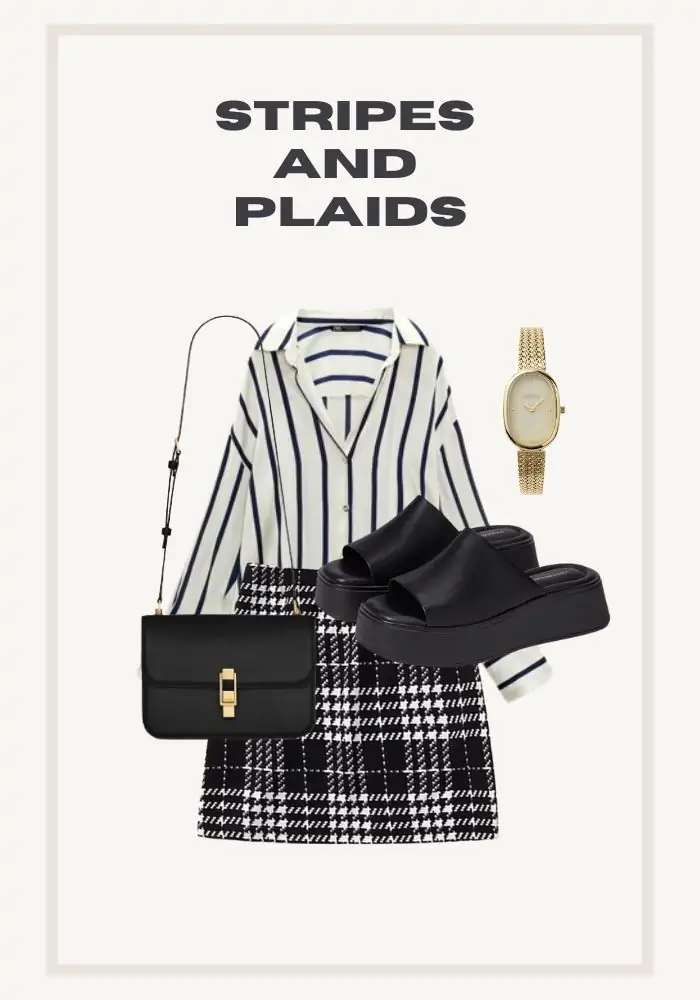
The striped shirt here stays as the supporting actor while the houndstooth skirt takes center stage. This is why the combination feels intentional instead of accidental — there’s a clear leader and follower. When both patterns try to be the star, you end up looking like a fabric store exploded.
Layer with a solid cardigan
The grey cardigan creates breathing room between the plaid scarf and striped top. Sometimes you need a neutral referee to keep two strong patterns from overwhelming each other. This technique works because it gives your eye places to rest while still delivering the pattern punch you’re after.
Try a puffer vest as a pattern breaker
The solid red vest interrupts the stripe-plaid conversation in the best way possible. This shows you can absolutely wear three different textures and patterns together — as long as one of them stays completely neutral. The vest adds warmth and visual weight without adding more pattern chaos.

Coco Chanel popularized mixing patterns in the 1920s by pairing striped sailor shirts with tweed jackets — a combination that became the blueprint for modern pattern mixing. She believed that clothes should never be more important than the woman wearing them.
Match your undertones, not your colours
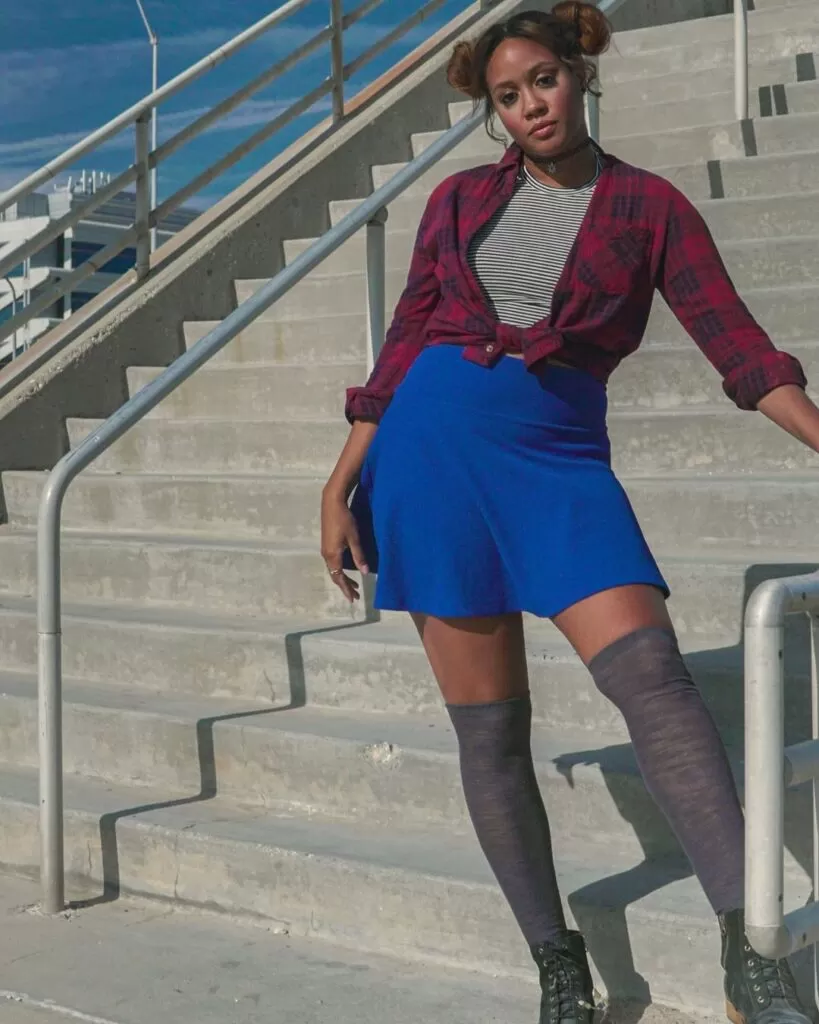
The burgundy plaid shirt and blue skirt shouldn’t work according to traditional colour rules, but they share the same rich, saturated undertones. This is why the combination feels sophisticated instead of clashing — it’s not about matching exact colours, it’s about matching the mood and intensity of the colours.
Keep accessories simple with busy patterns
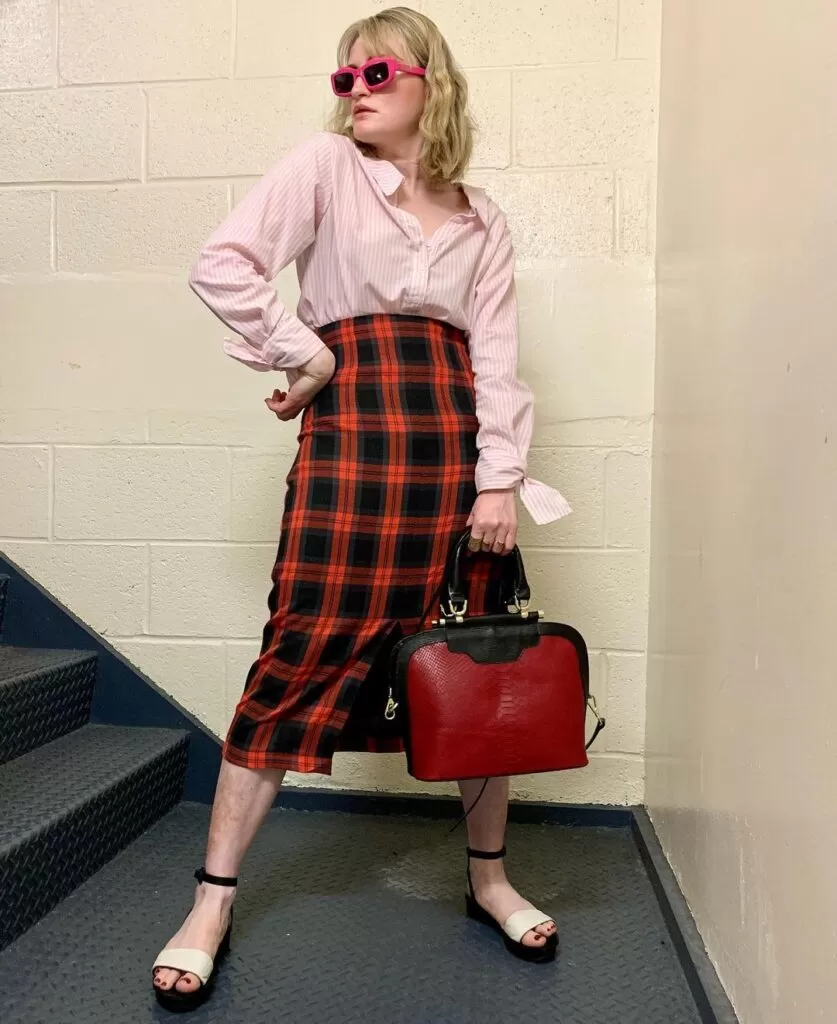
When you’re mixing bold patterns like this orange plaid and pink stripes, your accessories need to stay quiet. The simple black bag and neutral shoes let the patterns be the stars. I learned this lesson the hard way after wearing patterned shoes with mixed patterns — it looked like I’d gotten dressed in the dark.
Use buffalo check as your gateway plaid
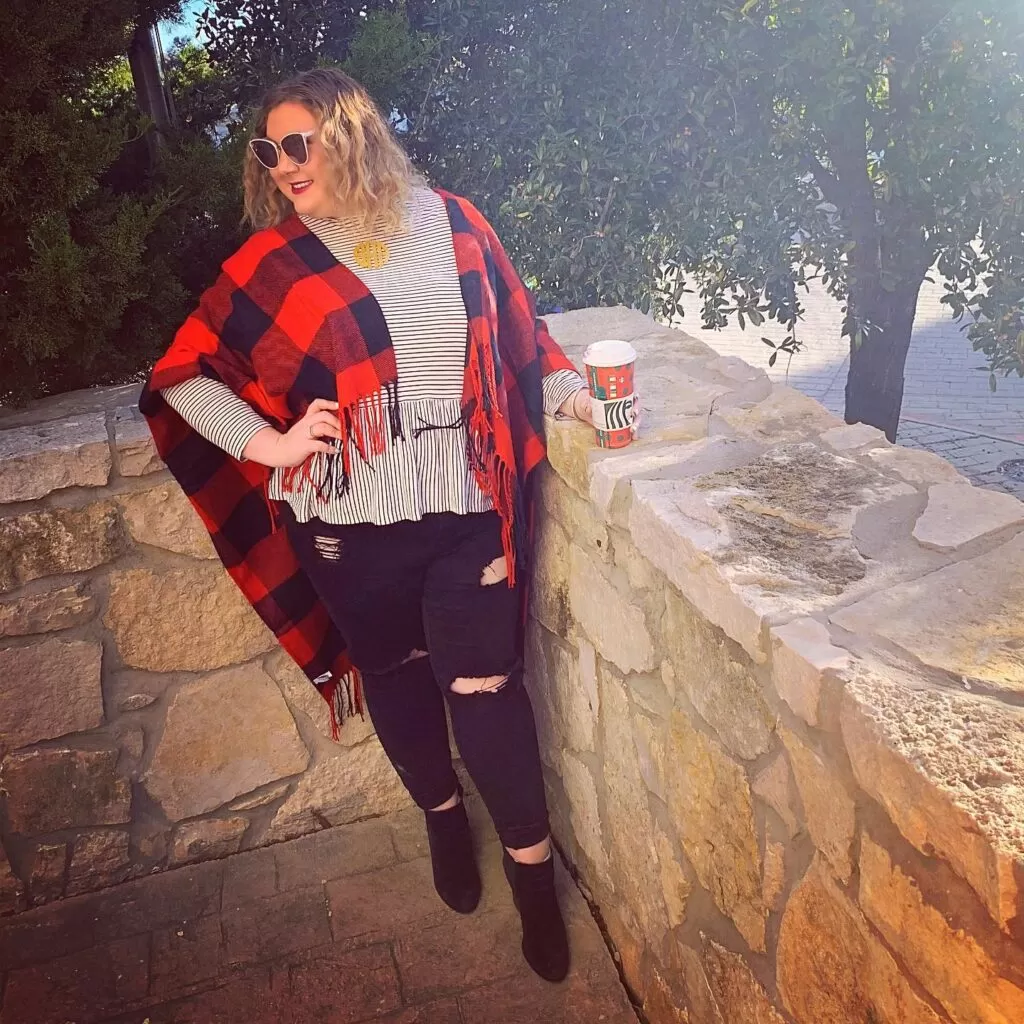
Large buffalo check plaid reads almost like polka dots from a distance, making it incredibly easy to pair with stripes. The bold red and black check here doesn’t compete with the thin stripes because the scales are so different. Buffalo check is basically pattern mixing with training wheels.
Mix warm and cool tones confidently
The camel blazer and yellow striped top prove that mixing warm tones creates a cohesive story. Both pieces share golden undertones, which makes them feel like they belong together even though they’re completely different patterns. Temperature matching trumps exact colour matching every time.

Go oversized with your plaid piece
The loose plaid blazer over fitted striped shorts creates perfect proportion balance. When one pattern is oversized and relaxed, it can handle a tighter, more structured pattern underneath. This combination works because the fit contrast is as strong as the pattern contrast.

Trust classic combinations
Plaid flannel over stripes is a time-tested combination that works because it mimics how men have been dressing for decades. The relaxed plaid shirt creates a casual frame around the fitted striped base. Sometimes the most successful pattern mixing is the combination that doesn’t try too hard to be revolutionary.

Dos & Don’ts
How to wear Plaid Pants? 20 Outfit Ideas & Styling Tips
How to Wear Tartan ? 18 Outfit Ideas & Styling Tips
10 Best Toe Ring Styles & Ideas On How to Wear Toe Rings
What To Wear To A Nautical Themed Party? 20 Tips & Outfits
40 Sweater Outfit Ideas & Tips How to Style Them
27 Fancy Abaya Designs & Ideas to Wear Them
10 Latest Velvet Abaya Styles And Tips On How To Wear Them
How to Wear Same Outfit in Different Ways for New look-57 Styles