Most women think they need 20 different dresses to avoid outfit repetition. I used to believe this too, until I watched a client transform one navy shirtdress into seven completely different looks in a single week. She looked fresh every day, while I was scrambling through my overstuffed closet each morning.
The truth is, one well-chosen dress can work harder than an entire wardrobe of mediocre pieces. I’ve learned that the real skill isn’t buying more — it’s knowing how to change the visual weight of what you already own. A simple belt placement or shoe swap can shift a dress from boardroom to brunch without anyone noticing the repeat.
After years of styling real women with real budgets, I’ve identified the exact techniques that make one dress look like many. These aren’t generic layering tips — they’re specific moves that actually change how others perceive your outfit.
How to Wear the Same Dress in Many Ways
Layer with structured blazers
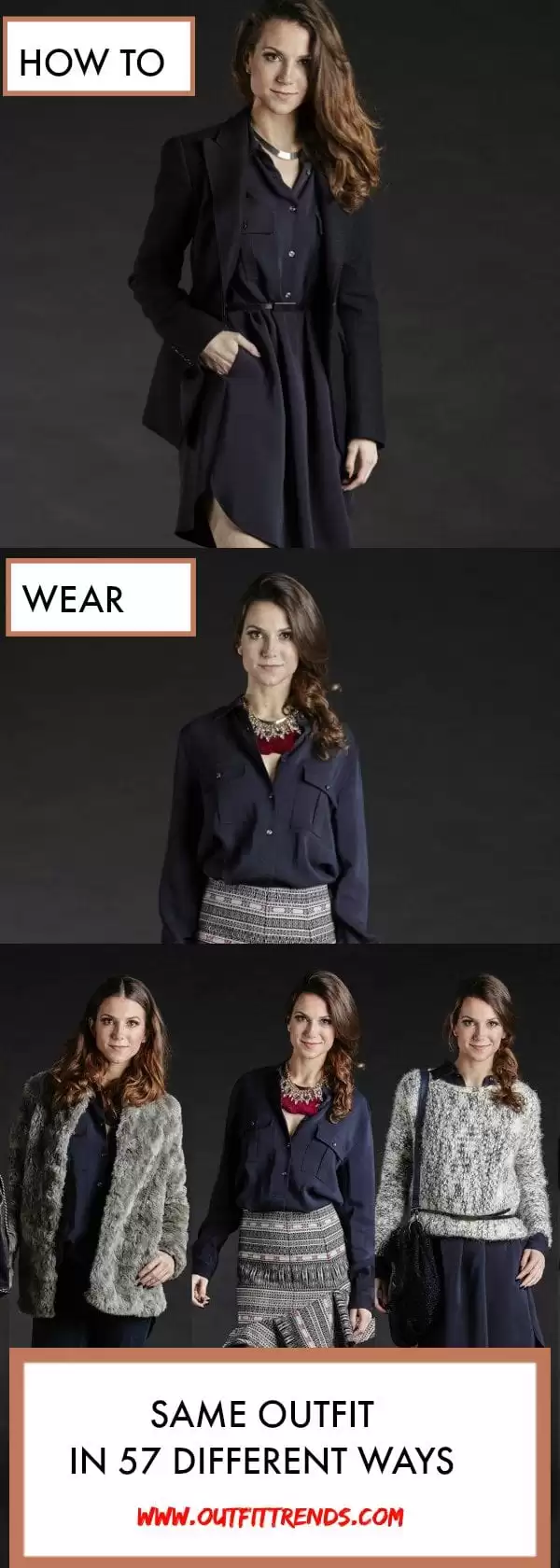
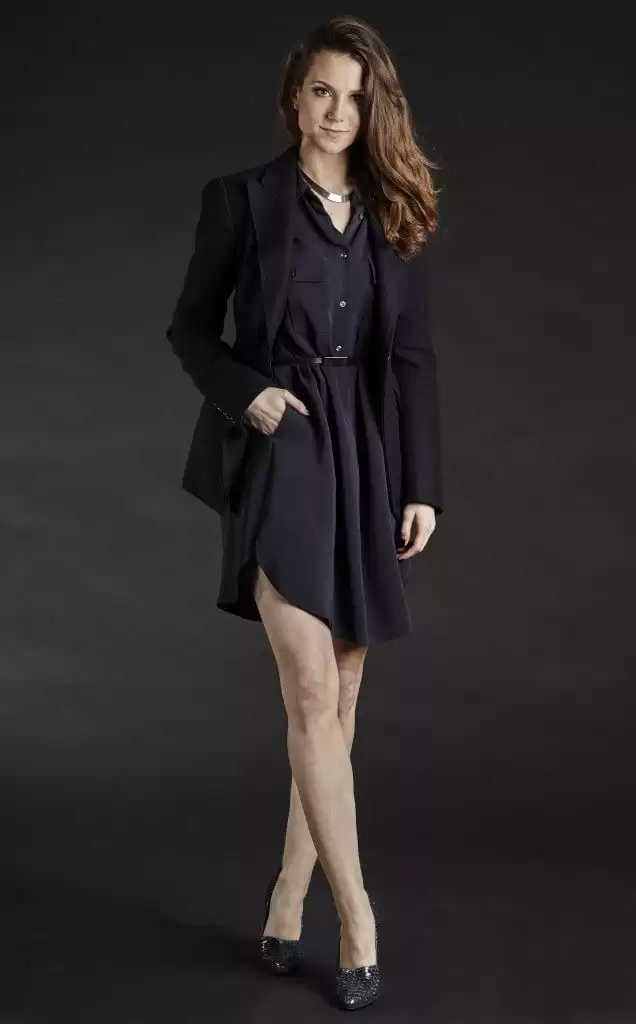
This navy shirtdress demonstrates how a blazer instantly shifts the formality level. The key is choosing blazers that hit at your natural waist — this preserves the dress’s silhouette while adding authority. Black blazers work for meetings, while textured ones soften the look for casual Friday.
Add texture with statement outerwear
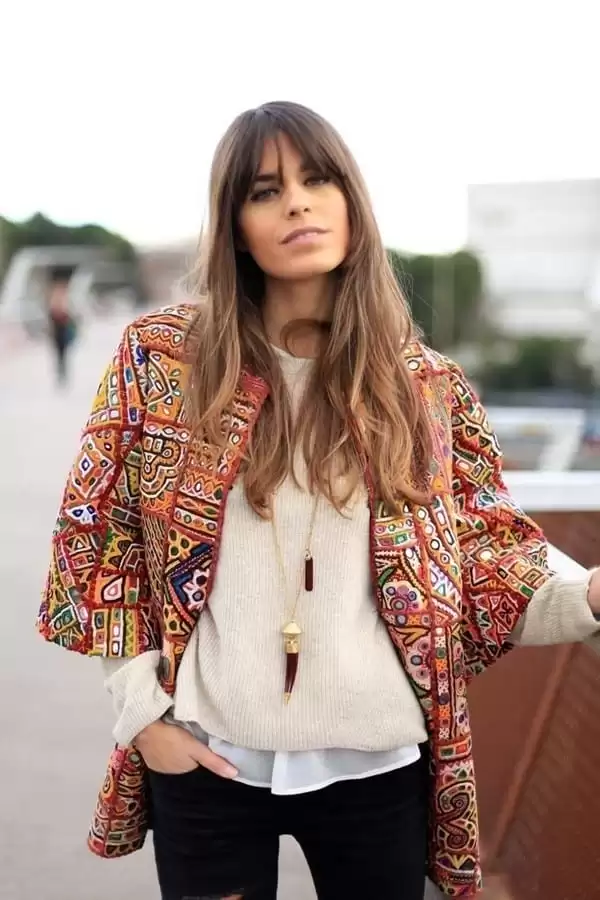
How to Wear Kimonos ? 20 Outfit Ideas and Style Tips
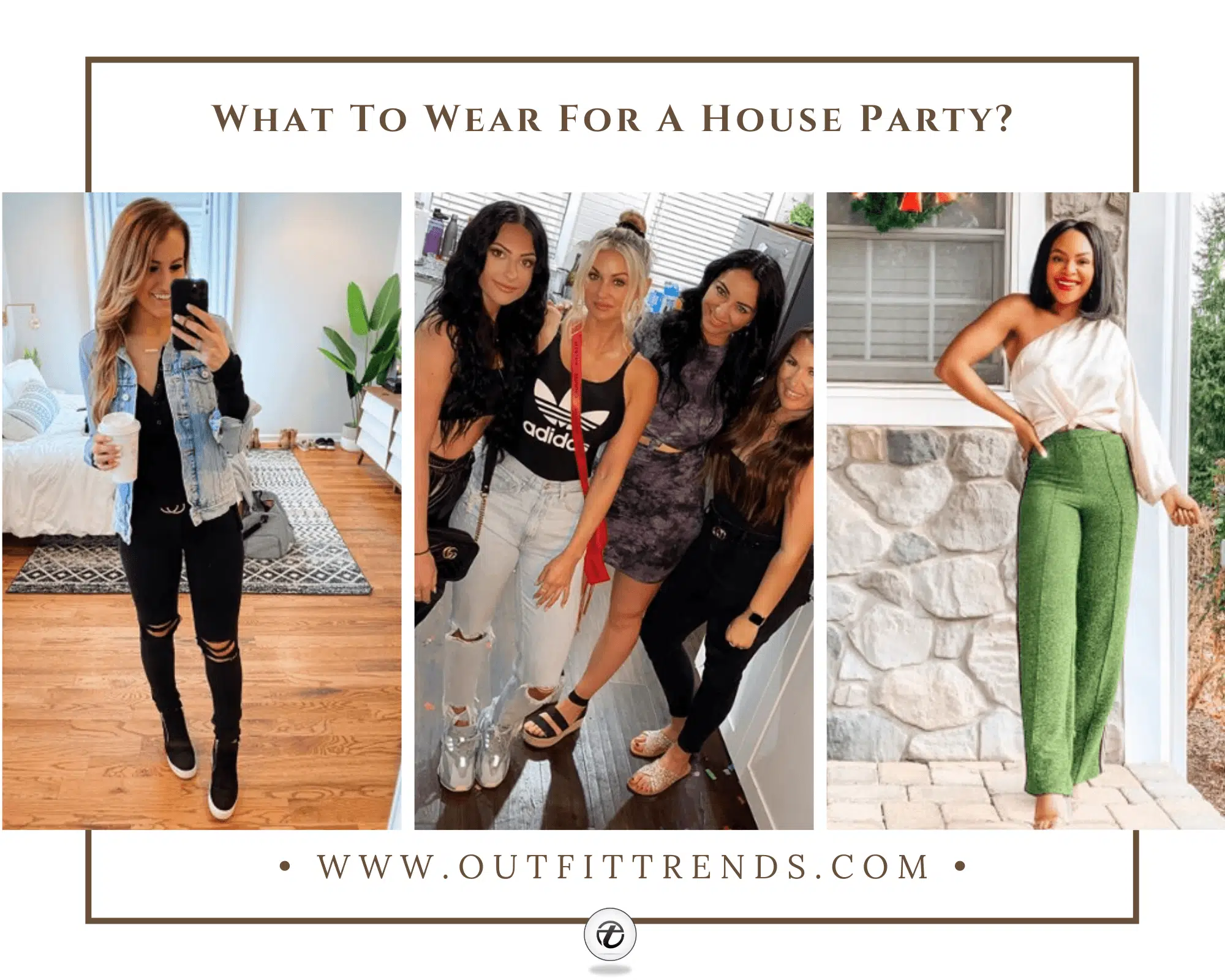
What To Wear to a House Party? 25 Outfit Ideas
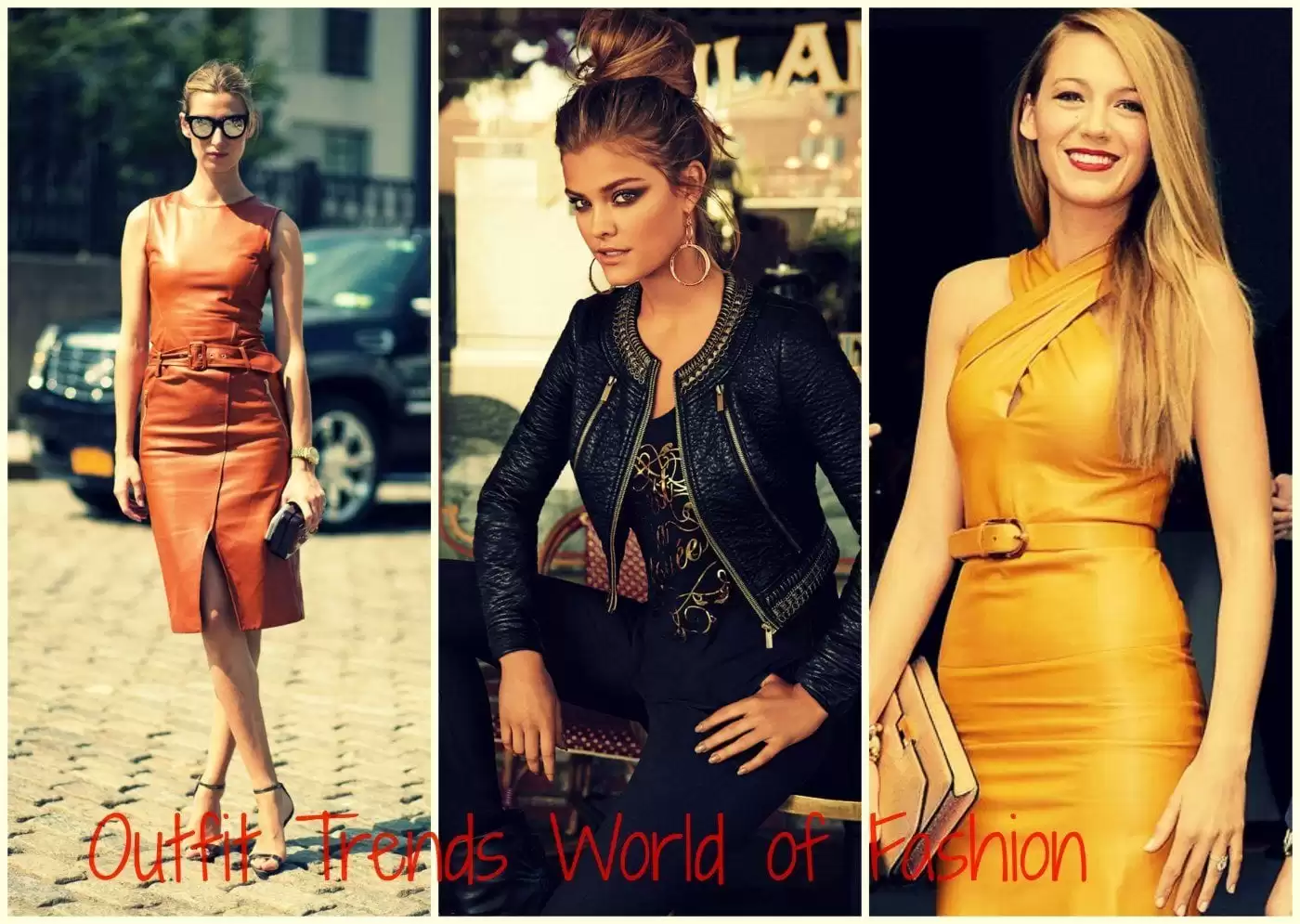
12 Chic Ways to Wear Leather Dress with Styling Tips
What To Wear To Theatre? 35 Best Outfit Ideas for Women
How To Wear A Corset Belt? 35 Outfit Ideas
How To Style Fit And Flare Dresses 20 Outfit Ideas To Try
How to Style Knee Length Dresses: 18 Outfit Ideas

What to Wear for Meeting the Parents ? 16 Outfit Ideas
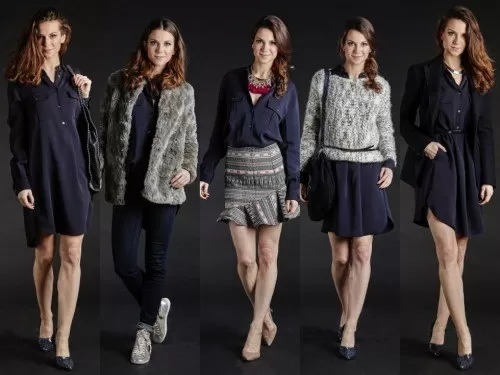
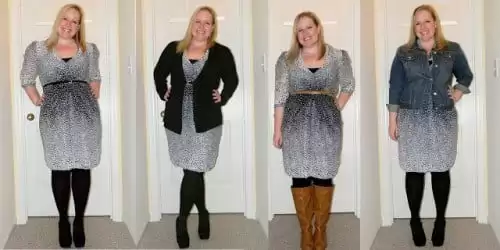
The same base dress takes on completely different personalities with varied outer layers. That grey textured coat transforms the simple shirtdress into something that reads as intentionally layered, not thrown together. Textured pieces trick the eye into seeing a more complex outfit.
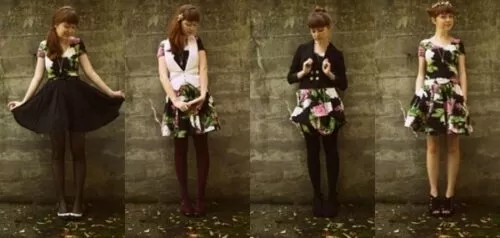
Change the dress length optically
These five variations prove that accessories and layers can make identical dresses appear different lengths. Knee-high boots extend the leg line, while ankle boots create a break that shortens the visual length. The eye reads these as entirely separate outfits.
Transform with statement accessories
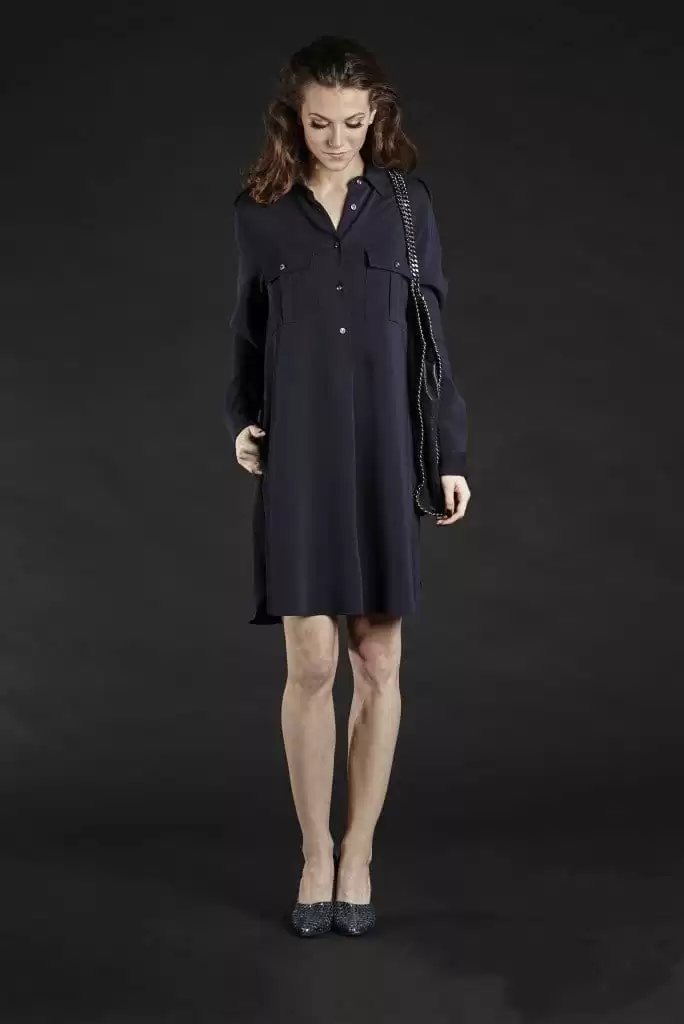
A chain bag and sparkly shoes turn this simple shirtdress into something that works for evening. The metallic elements catch light differently than matte accessories, which changes how formal the entire look appears. This is why I always recommend one pair of shoes that shine.
Layer blazers for professional polish
The blazer-over-shirtdress combination works because both pieces have clean lines that don’t compete. Notice how the blazer is worn open — this prevents the outfit from looking too rigid. Buttoned blazers can make shirtdresses appear boxy.
Add visual interest with patterned bottoms
Wearing the navy shirt with a patterned skirt creates the illusion of a completely different outfit. The key is keeping the shirt simple when the bottom has visual weight — this prevents the look from becoming too busy. One pattern per outfit is usually enough.
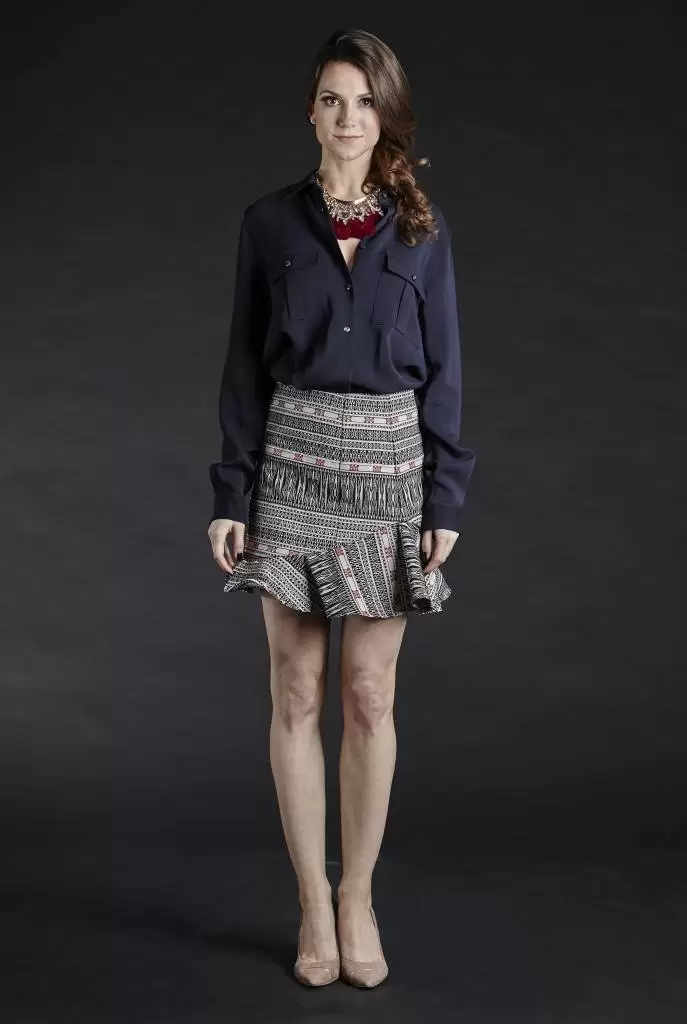
Fashion psychologists have found that people remember three key visual elements from any outfit: the dominant colour, the silhouette, and one standout detail. Change two of these three, and observers perceive it as a completely different look.
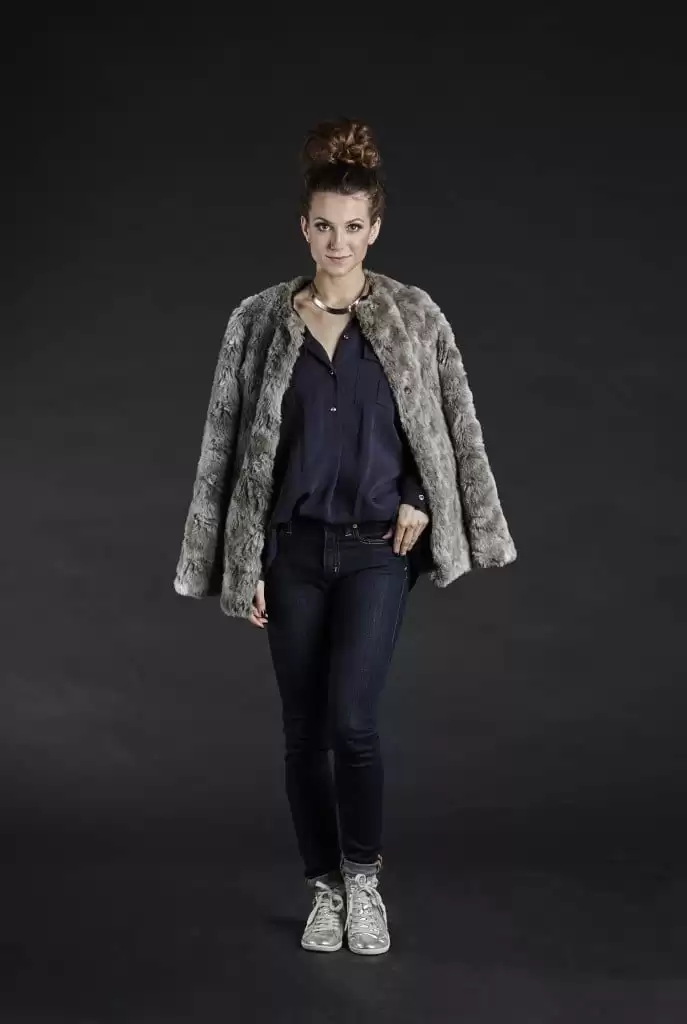
Go casual with denim and faux fur
This combination shows how contrasting textures can completely change a dress’s personality. The soft faux fur against structured denim creates visual tension that makes the outfit more interesting. Plus, the casual denim balances the dressy fur — neither element overwhelms.
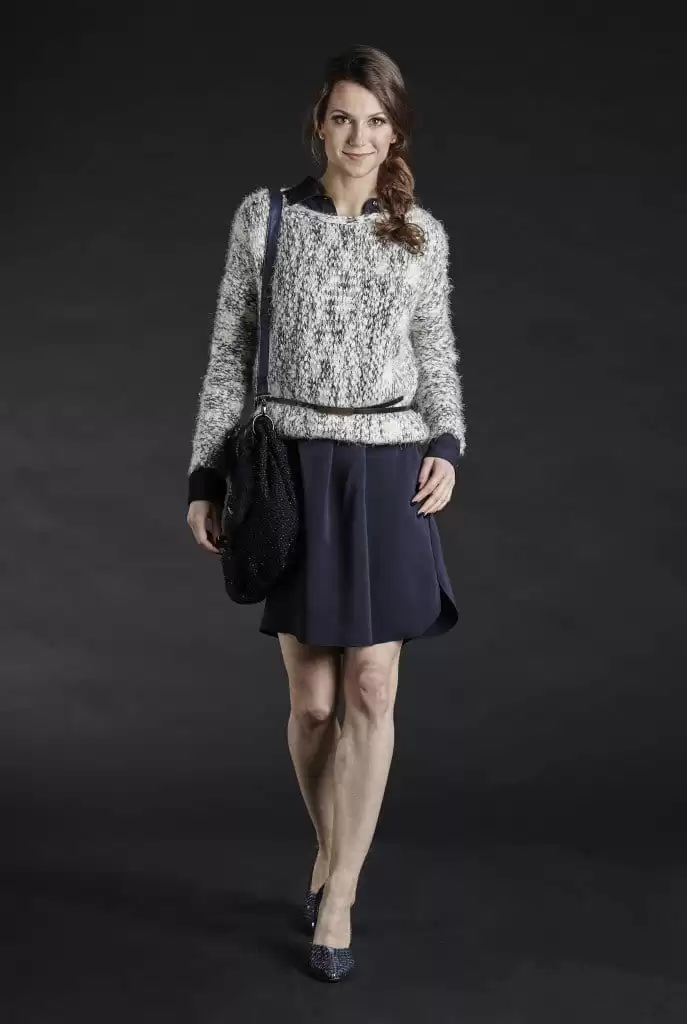
Create sophistication with knitwear layering
Layering a knit sweater over the dress changes both the silhouette and the perceived season. This works because the sweater’s neckline complements rather than hides the dress underneath. Avoid high-neck sweaters over collared dresses — they create too much bulk at the throat.
Master the capsule wardrobe approach
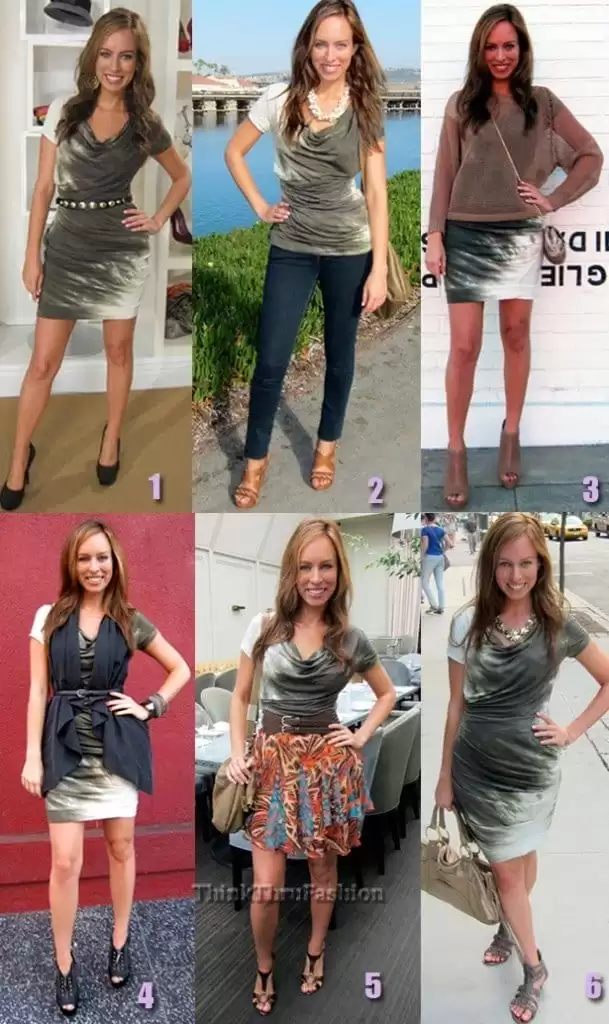
This grey dress shows how one neutral piece can anchor multiple looks. By keeping the base simple, you can experiment with coloured cardigans and different shoe styles without the combinations looking forced. Neutral bases are more versatile than statement pieces.
Use cardigans to change seasons
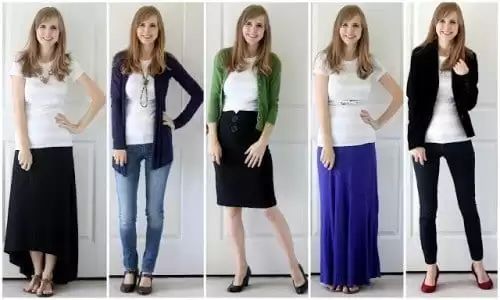
The same white top works across five different bottoms and cardigan combinations. This demonstrates why cardigans are more valuable than blazers for casual looks — they’re softer and less structured, so they work with both pants and skirts without looking overdressed.
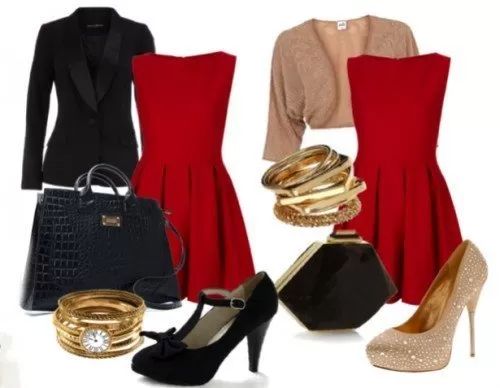
Transform formal dresses with outer layers
This red dress moves from cocktail party to office appropriate simply by adding different blazers. The black blazer makes it more conservative, while the camel cardigan softens the formality. The dress stays the same, but the context completely shifts.
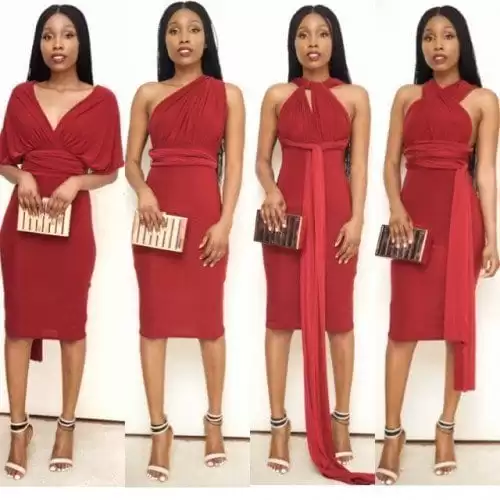
Maximize convertible dress styles
These four red dress variations show the power of convertible designs. Each styling changes where the eye focuses — one emphasizes the shoulders, another the waist. If you’re investing in one dress for multiple occasions, choose one with flexible styling options like this.
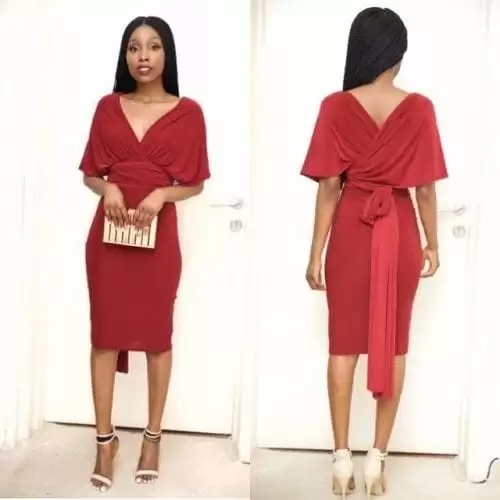
Master the wrap dress formula
This red wrap dress demonstrates three different neckline approaches. The wrap style is particularly good for outfit variations because you can adjust the neckline depth and add different accessories to change the overall vibe. It’s like having three dresses in one.
Create different occasions from one base
These wrap dress variations prove that the same piece can work for vastly different events. The key is understanding that accessories drive appropriateness — the dress is just the canvas. Statement jewelry makes it formal, simple accessories keep it casual.
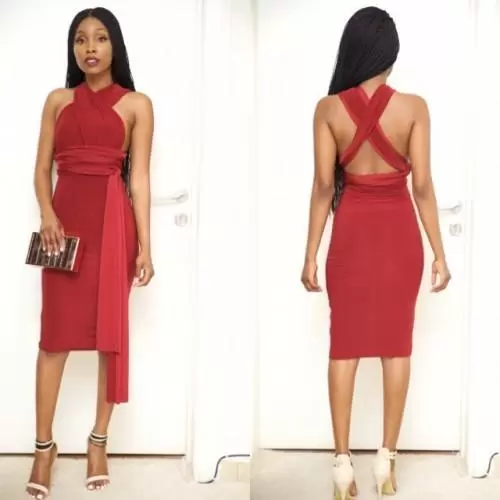
Use neckline changes strategically
This dress shows how different neckline styling creates distinct looks. The halter version reads younger and more casual, while the cross-back appears more sophisticated. Many people don’t realize how much neckline variations affect the overall impression of an outfit.
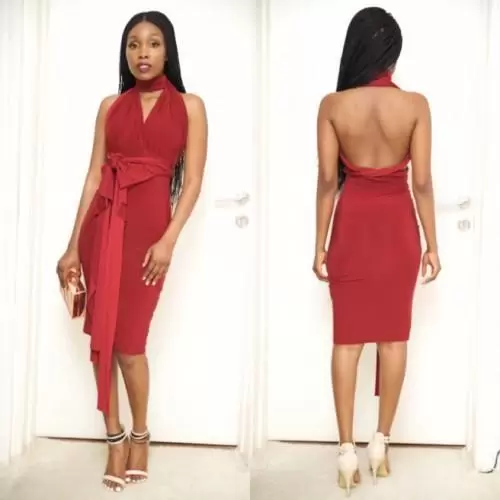
Adapt one dress for different body goals
These two blue dress styles prove that the same colour and length can flatter differently depending on the cut. The sleeveless version emphasizes arms and shoulders, while the cap sleeve provides coverage. Choose based on what you want to highlight.
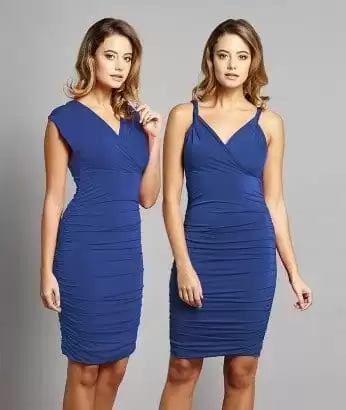
Layer for transitional seasons
This printed dress works across three seasons with different layering approaches. The cardigan makes it spring-appropriate, the denim jacket gives it summer edge, and worn alone it’s perfect for warm weather. One dress, three seasons covered.
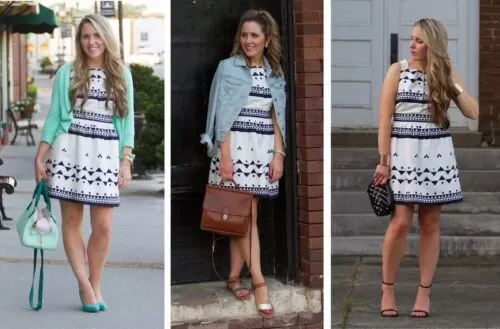
Change formality with shoe choices
The same olive dress reads completely differently with each shoe choice. Heels make it work-appropriate, flats keep it casual, and ankle boots give it an edge. Your shoes communicate more about occasion than almost any other element.
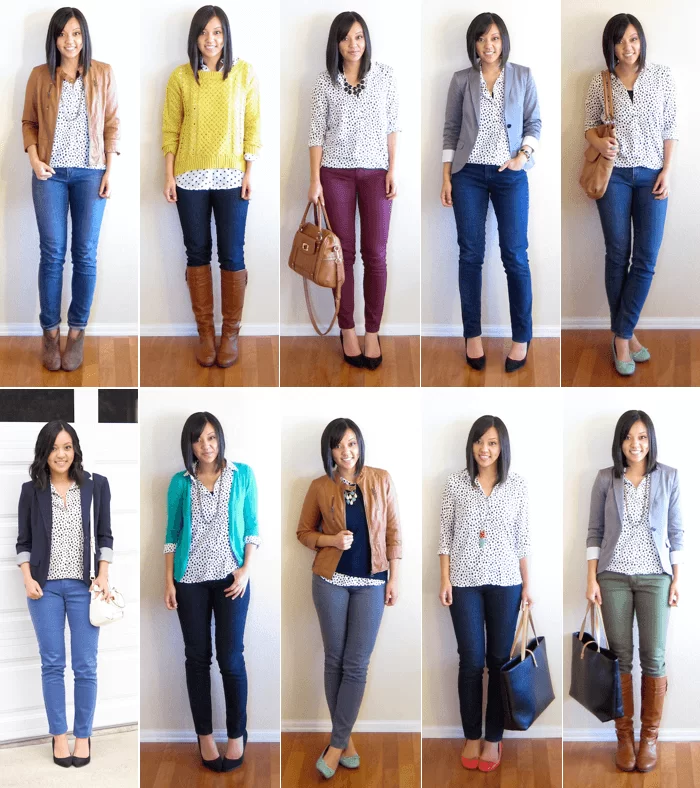
Master the polka dot base
This polka dot top demonstrates how to style one printed piece multiple ways. The key with prints is varying the other elements — different pants, cardigans, and accessories — while keeping the print as your consistent element. The print becomes your signature, not your limitation.
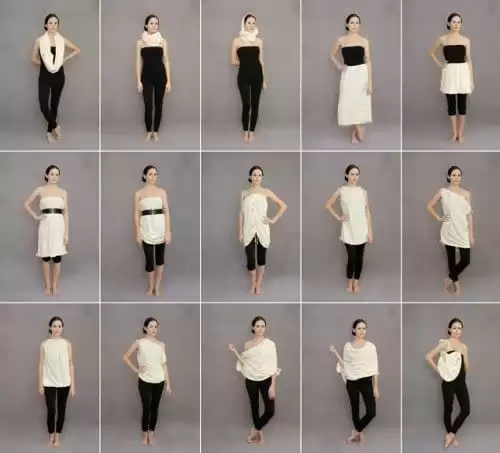
Maximize minimal pieces
This neutral top and black leggings combination shows the ultimate in mix-and-match dressing. By starting with basics, you can create fifteen different looks just by changing the outer layer and accessories. Sometimes the most boring pieces are actually the most versatile.
Dos & Don’ts
How to Wear Kimonos ? 20 Outfit Ideas and Style Tips
What To Wear to a House Party? 25 Outfit Ideas
12 Chic Ways to Wear Leather Dress with Styling Tips
What To Wear To Theatre? 35 Best Outfit Ideas for Women
How To Wear A Corset Belt? 35 Outfit Ideas
How To Style Fit And Flare Dresses 20 Outfit Ideas To Try
How to Style Knee Length Dresses: 18 Outfit Ideas
What to Wear for Meeting the Parents ? 16 Outfit Ideas