

Most pet owners treat holiday costumes like human clothing rules — and that’s exactly the mistake that turns a joyful tradition into a stressful ordeal for everyone involved. After fitting dogs for formal events for nearly a decade, I’ve learned that comfort always trumps cuteness, and the best dressed dogs are the ones whose owners understand this fundamental rule.
The difference between a dog who tolerates their Christmas outfit and one who genuinely enjoys it comes down to three factors: proper fit around the chest and shoulders, fabric choice that allows natural movement, and gradual introduction to wearing clothes. Most store-bought costumes ignore these basics entirely, which is why I always start with safety fundamentals before we even think about style.
Safety Tips To Consider When Dressing Up Your Dog
Check Chest Clearance First
This bulldog’s Santa costume shows exactly why chest measurement matters more than length — the red jacket sits properly across his shoulders without restricting breathing or leg movement. Most owners measure length but forget that chest circumference determines comfort, especially for barrel-chested breeds.

Avoid Restrictive Head Coverage
Notice how this Maltese’s plaid shirt keeps the neckline open and comfortable rather than covering the ears or restricting head movement. Dogs regulate temperature through panting, so any costume that interferes with natural head positioning will cause overheating within minutes.

Test Range of Motion
This Yorkshire Terrier’s plaid bandana demonstrates the safest approach — it adds festive color without limiting any natural movement. Your dog should be able to sit, lie down, and walk normally in any costume, or it’s not worth wearing.

Secure Fastenings Properly
The Shiba Inu’s Santa suit shows good fastening placement — secure but not tight, positioned where the dog can’t easily remove pieces that might become choking hazards. Always check that velcro, snaps, or ties won’t work loose during normal activity.

How To Wear Sherpa Jackets – 23 Outfit Ideas
15 Best Sherling Coat Outfit Ideas for Stylish Look
30 Best Winter Travelling Outfit Ideas for Women Over 50
How to Style a Trench Coat ? 16 Outfit Ideas
How to Wear Navy Blue Coats? 25 Chic Outfit Ideas
41 Stylish Outfits to Wear with Long Boots This Season

25 Best Christmas Nail Designs You Should Try
8 Winter Birthday Party Outfit For Teen Girls

Dogs have a higher body temperature than humans — around 101-102°F normally — which means they overheat in costumes much faster than we realize. Even lightweight fabrics can cause distress within 15-20 minutes of wear.
Dos & Don’ts
Christmas Outfit Ideas for Dogs
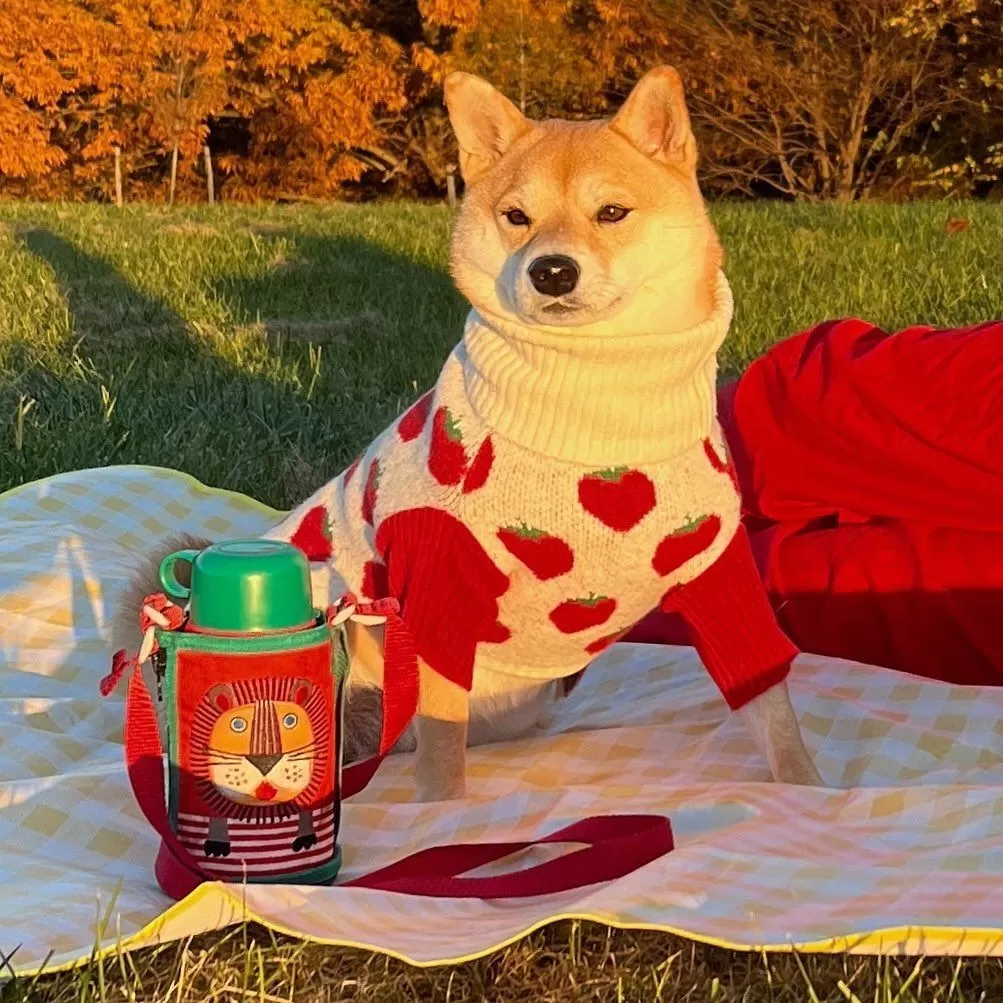
Strawberry Picnic Sweater
This cream turtleneck with red strawberry pattern proves that simple patterns work better than complex designs on dogs. The high neck provides warmth without restricting movement, and the fruit motif adds playful holiday color without screaming “costume.” Perfect for dogs who need extra warmth but won’t tolerate full outfits.
Holiday Tutu Ensemble
The red and green tulle skirt with plaid bow demonstrates how accessories can create impact without full coverage. This approach works brilliantly for smaller dogs who overheat easily — the tutu adds festive flair while leaving the torso free for temperature regulation. The coordinating bow tie completes the look without adding bulk.

Santa Print Harness
This dachshund’s Santa-patterned harness with matching leash shows the smartest approach to dog holiday dressing — functional pieces that double as costumes. The harness serves its primary purpose while the festive print adds holiday spirit, and the white fur collar detail elevates it from everyday gear to party-ready without sacrificing comfort.

Key takeaways
- Measure chest circumference first — it determines comfort more than length or breed-specific sizing
- Choose natural fabrics over synthetics to prevent dangerous overheating during holiday activities
- Start with accessories before full costumes — bandanas and bow ties let reluctant dogs ease into holiday dressing
- Remove costumes between photo sessions — even comfortable outfits shouldn’t be worn continuously for more than an hour
- Watch for stress signals like excessive panting — comfort always trumps getting the perfect holiday photo
- Test full range of motion before the event — your dog should sit, lie down, and walk normally in any costume
**Quick Tips:**
1. **Measure twice, buy once** — chest circumference changes with weight gain, so remeasure before each holiday season.
2. **Choose costumes with front fastenings** — back zippers and ties are harder to adjust and more likely to cause discomfort.
3. **Bring backup accessories** — a simple bow tie or bandana saves the day when elaborate costumes don’t work out.
4. **Match costume complexity to dog personality** — confident, social dogs handle full outfits better than anxious or independent breeds.
5. **Keep removal tools handy** — scissors for emergencies and treats for positive associations with costume time.
6. **Time costume introduction strategically** — start practice sessions weeks before the actual event, not the day of the party.
How To Wear Sherpa Jackets – 23 Outfit Ideas
15 Best Sherling Coat Outfit Ideas for Stylish Look
30 Best Winter Travelling Outfit Ideas for Women Over 50
How to Style a Trench Coat ? 16 Outfit Ideas
How to Wear Navy Blue Coats? 25 Chic Outfit Ideas
41 Stylish Outfits to Wear with Long Boots This Season
25 Best Christmas Nail Designs You Should Try
8 Winter Birthday Party Outfit For Teen Girls