The biggest mistake I see women making after 50 is clinging to hairstyles that worked a decade ago. I learned this the hard way when my longtime bob started looking more librarian than modern. Your hair texture changes, your face shape shifts subtly, and what once looked fresh can suddenly age you by years.
I’ve spent the last three years working with stylists who understand mature hair — the way it holds colour differently, needs more strategic layering, and requires cuts that work with changing texture rather than against it. The right short hairstyle after 50 isn’t about looking younger; it’s about looking like the most polished version of who you are right now.
These cuts prove that short hair can be sophisticated without being severe, modern without being trendy, and flattering without requiring an hour of styling every morning. The key is understanding which techniques actually work for mature faces and which ones stylists default to out of habit.
Care and Styling Tips
Volume at the Crown
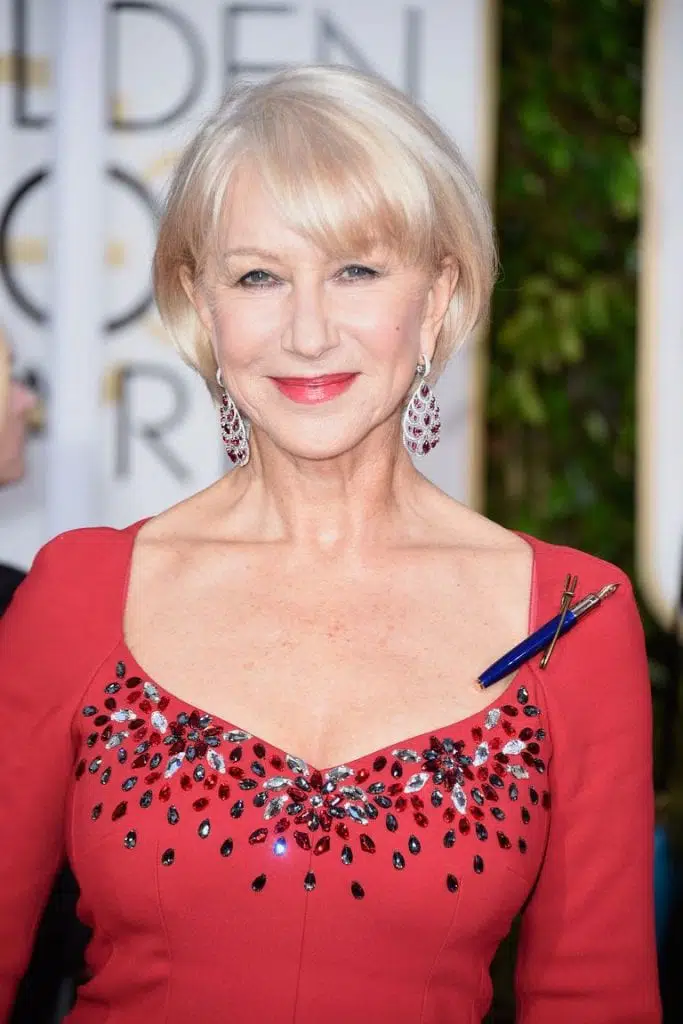
This layered blonde cut shows exactly why height at the crown is non-negotiable after 50. The graduated layers create natural lift that counters the way mature hair tends to fall flat. Notice how the styling focuses volume at the top third of the head — this draws the eye upward and creates a more youthful silhouette than flat, chin-length cuts.
Strategic Grey Blending
Here’s proof that salt-and-pepper highlighting looks more expensive than solid colour. The dimensional grey and blonde tones mimic how hair naturally lightens, making regrowth less obvious and maintenance more manageable. This technique works particularly well with wavy texture because the movement helps blend different tones seamlessly.
Face-Framing Layers
The key to this cut is how the layers graduate around the jawline rather than hitting it bluntly. Blunt cuts at jaw level can emphasize jowls and make faces look wider. These angled layers create movement that softens the face shape while the slight side-swept fringe camouflages forehead lines without looking dated.
Textured Pixie Movement
This demonstrates why texture trumps perfect smoothness in short mature cuts. The piece-y, slightly tousled finish looks modern and deliberately undone rather than over-styled. The key is using a texturizing paste on damp hair, not gel, which can look crunchy and emphasize scalp visibility.
Layered Shag Revival
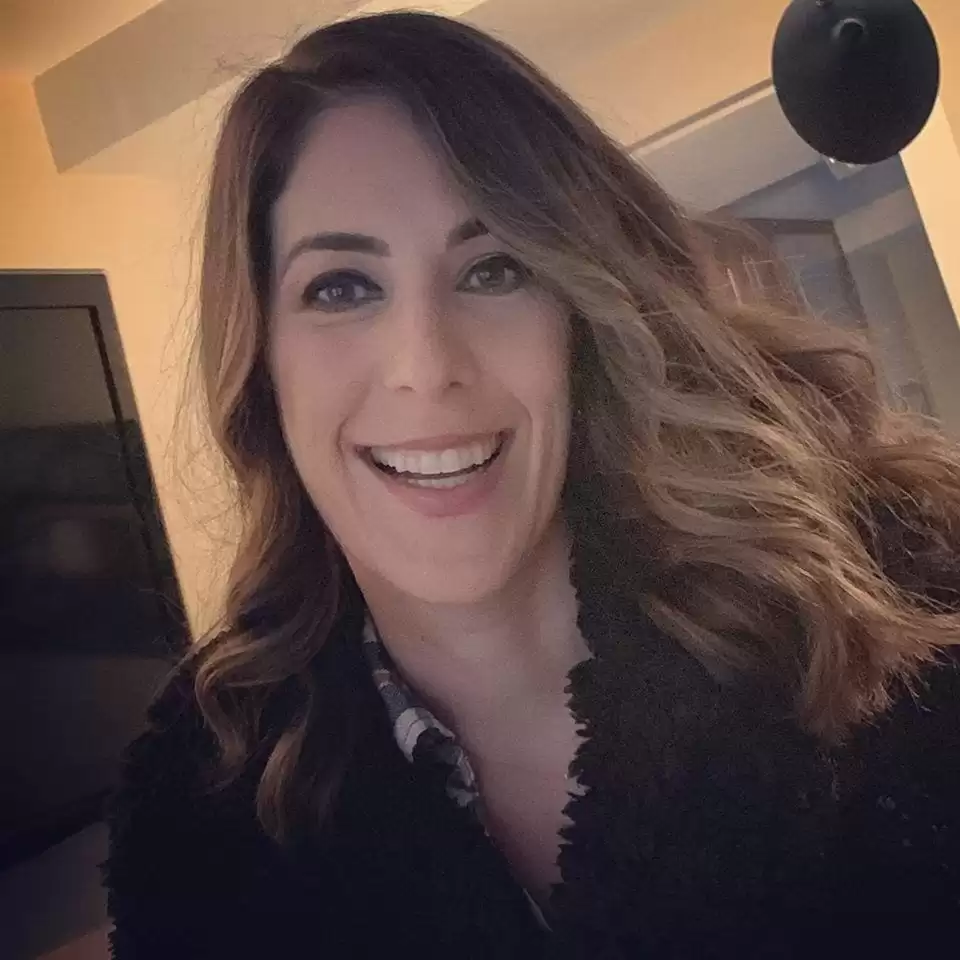
The updated shag works because of strategic layer placement — notice how the shortest layers start at cheekbone level, not at the ears. This creates fullness where faces naturally hollow with age. The highlights follow the layer lines, emphasizing movement and making fine hair appear thicker.
Curly Bob Proportion
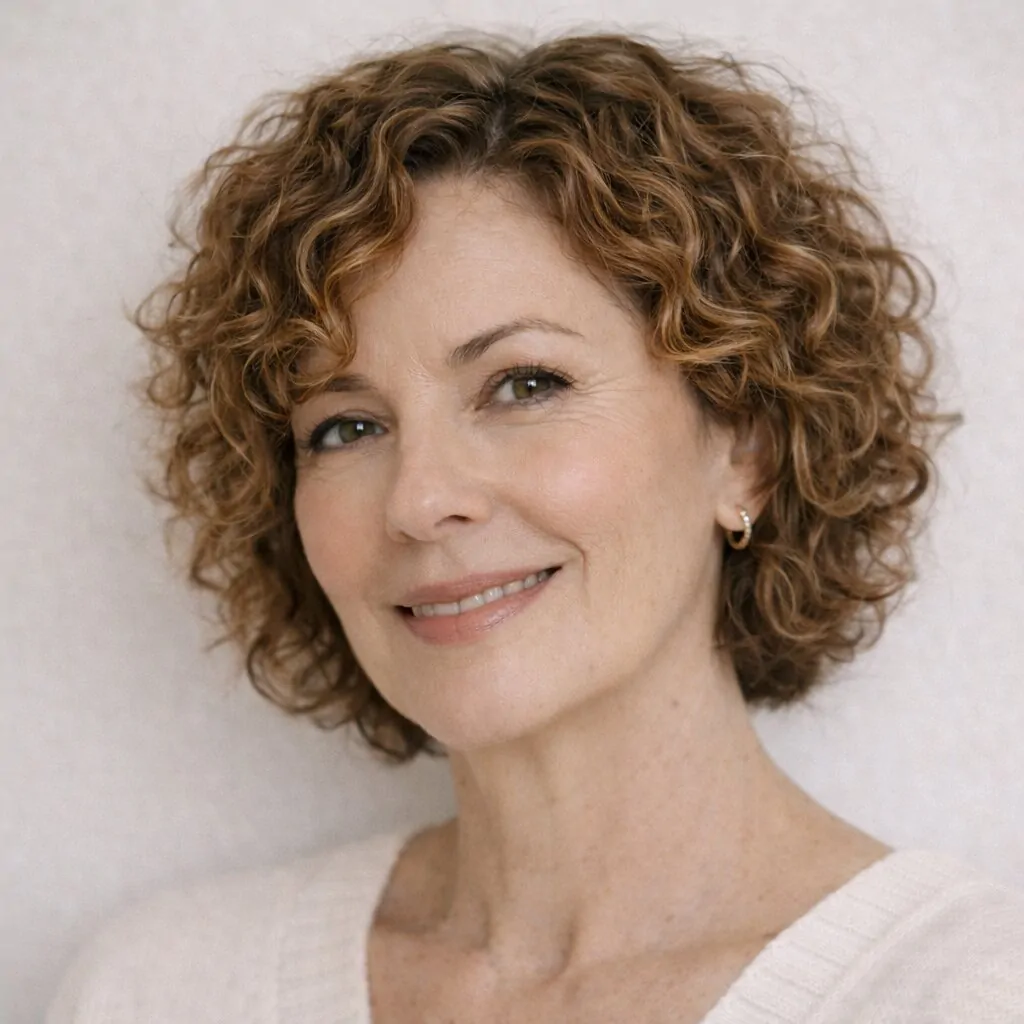
For curly hair, this shows the importance of cutting for the curl pattern, not fighting it. The length hits just below the jawline when curly, which means it was cut longer when stretched. Curly cuts need to account for shrinkage, and this stylist clearly understands that principle.
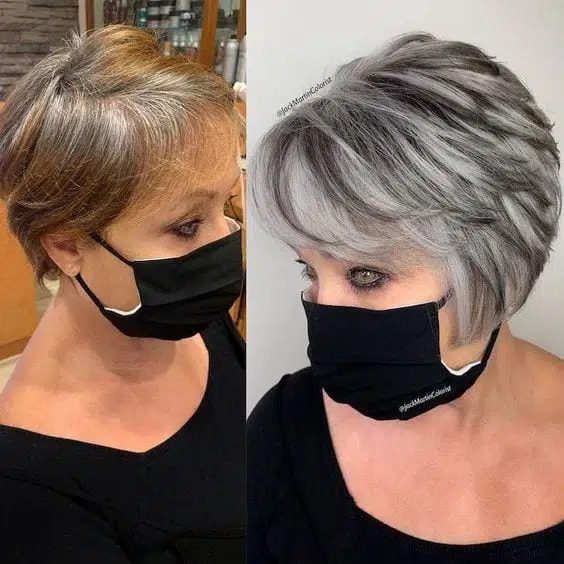
Dramatic Grey Transformation
This before-and-after proves that embracing natural grey can be more dramatic than any colour change. The shorter length makes the silver look intentional and modern rather than neglected. The styling focuses on enhancing natural texture rather than fighting it with excessive heat tools.
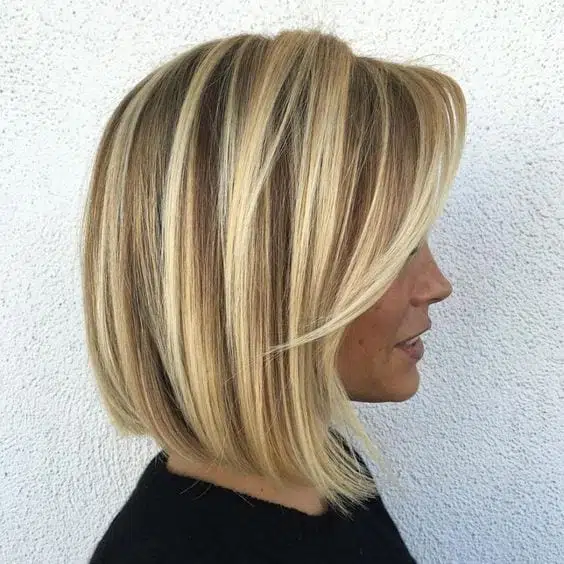
Angled Bob Precision
The key here is the graduated angle from back to front — longer pieces frame the face while the back stays neat and professional. This cut works for straight hair because the precision of the line creates its own drama. The highlights are placed to emphasize the angle, not work against it.
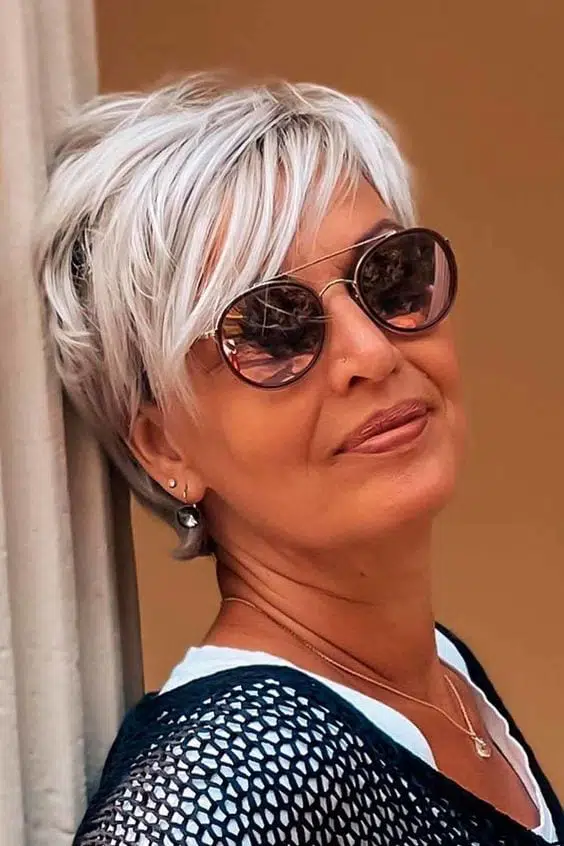
Textured Pixie Confidence
This ultra-short cut succeeds because of confident styling choices — the texture is enhanced, not smoothed down, and the natural grey is worn as a feature. Very short cuts require more frequent trimming but offer maximum versatility in styling. The key is finding a stylist who cuts pixies regularly.
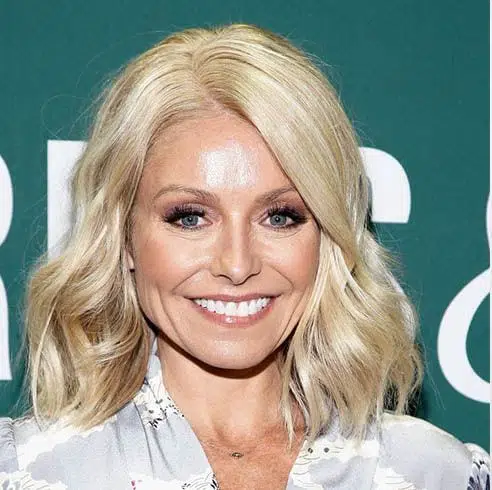
Soft Wave Definition
The success of this cut lies in enhancing natural wave patterns rather than creating artificial curl. The length allows waves to form naturally without being weighed down, while the layers prevent the triangle shape that longer curly cuts can create. The styling enhances texture without making it look overworked.
Textured Crop Modernity
This demonstrates how strategic texturing can make extremely short hair look soft and feminine. The crop is cut to work with natural growth patterns, and the styling adds just enough texture to prevent it from looking too neat or masculine. The key is the contrast between the smooth sides and textured top.
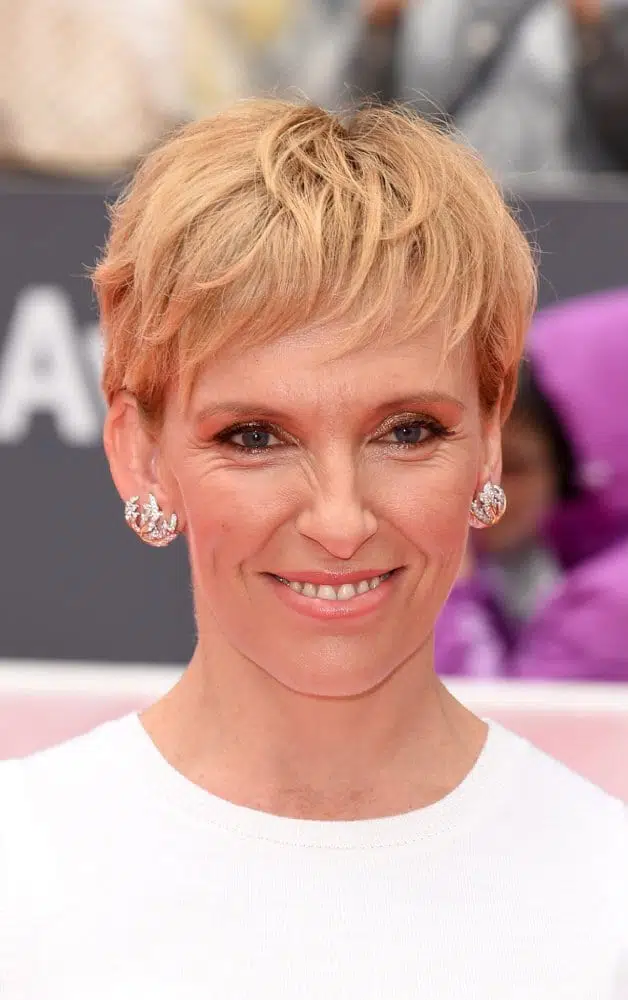
Feathered Layers Classic
This updated take on feathered layers works because the graduation is subtle, not dramatic. The layers blend seamlessly rather than creating obvious steps, and the styling enhances natural movement. This technique works particularly well for fine hair because it creates the illusion of more density.
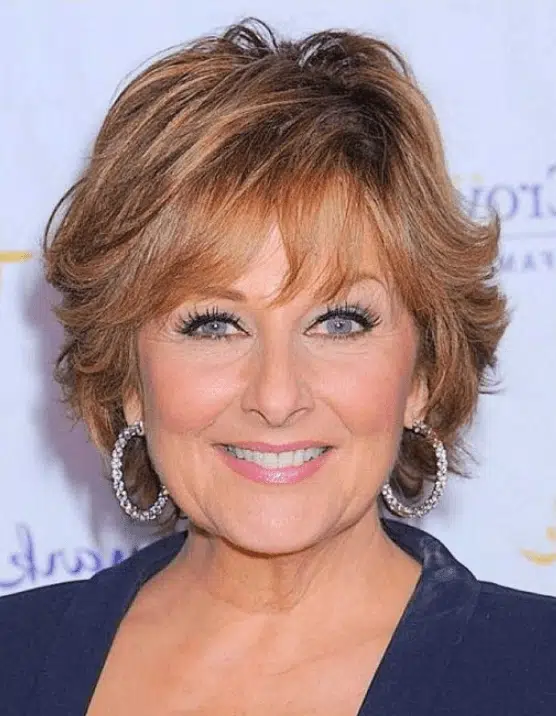
Asymmetrical Bob Edge
The subtle asymmetry here prevents the cut from looking too safe or predictable. One side is slightly longer, creating visual interest without being too trendy. This approach works well for professional environments where you want personality without appearing unprofessional.
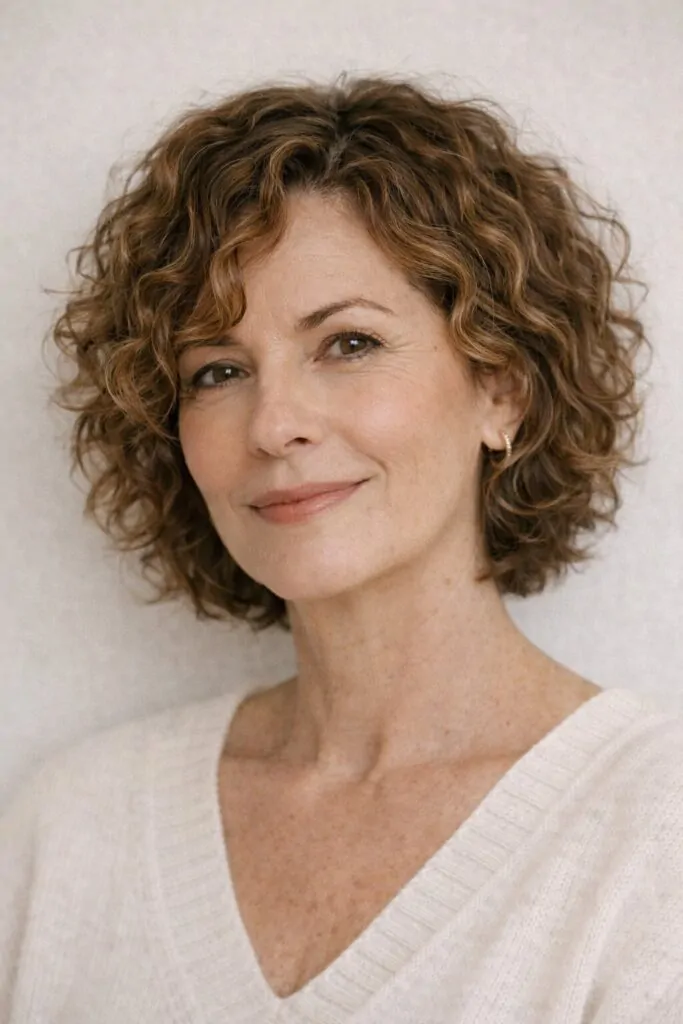
Voluminous Curl Enhancement
For naturally curly hair, this shows the importance of proper curl-enhancing techniques. The volume comes from the curl pattern itself, not from teasing or artificial means. The cut allows curls to form their natural shape while preventing the width that can make faces appear rounder.
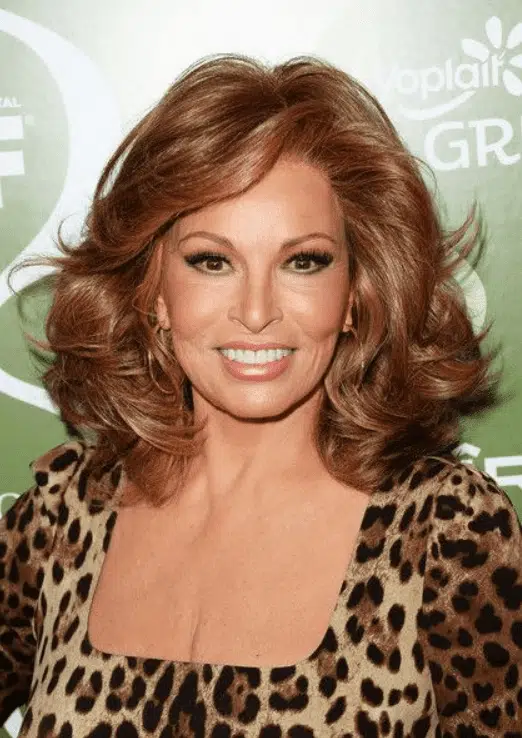
Sophisticated Grey Styling
This proves that all-grey hair can look incredibly sophisticated with the right cut and styling. The key is maintaining the health and shine of the hair — grey hair can look dull if not properly conditioned. The cut creates movement that prevents the colour from appearing flat or lifeless.
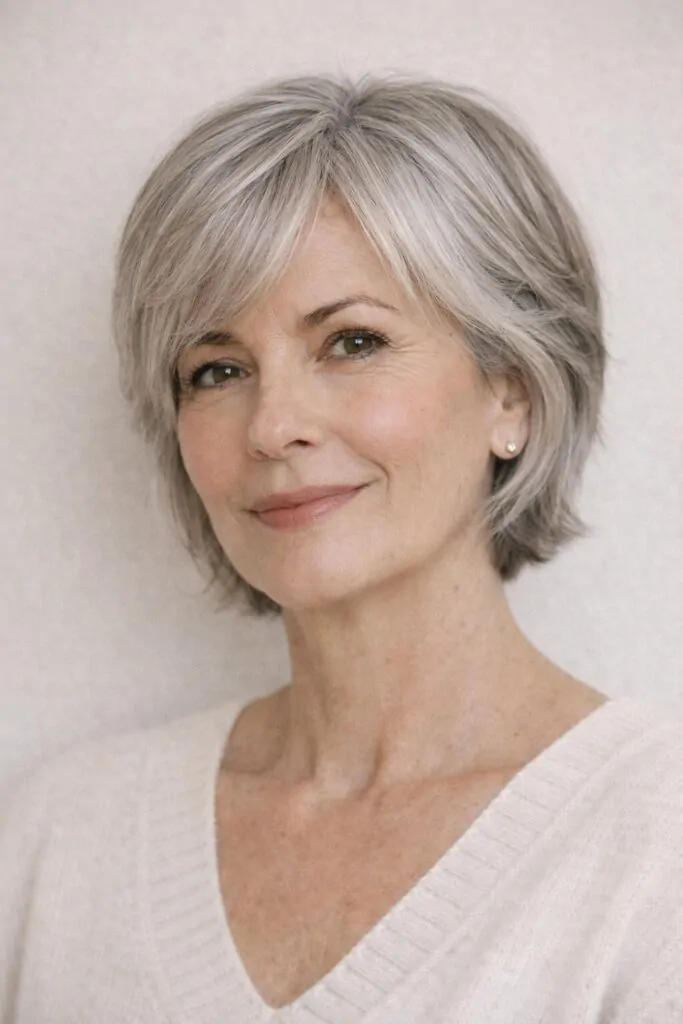
Natural Texture Celebration
This cut succeeds by working with natural hair patterns rather than imposing an artificial style. The length and layers are chosen to complement the natural texture, creating a wash-and-wear style that looks intentional rather than messy. The key is finding a stylist who understands your specific hair type.
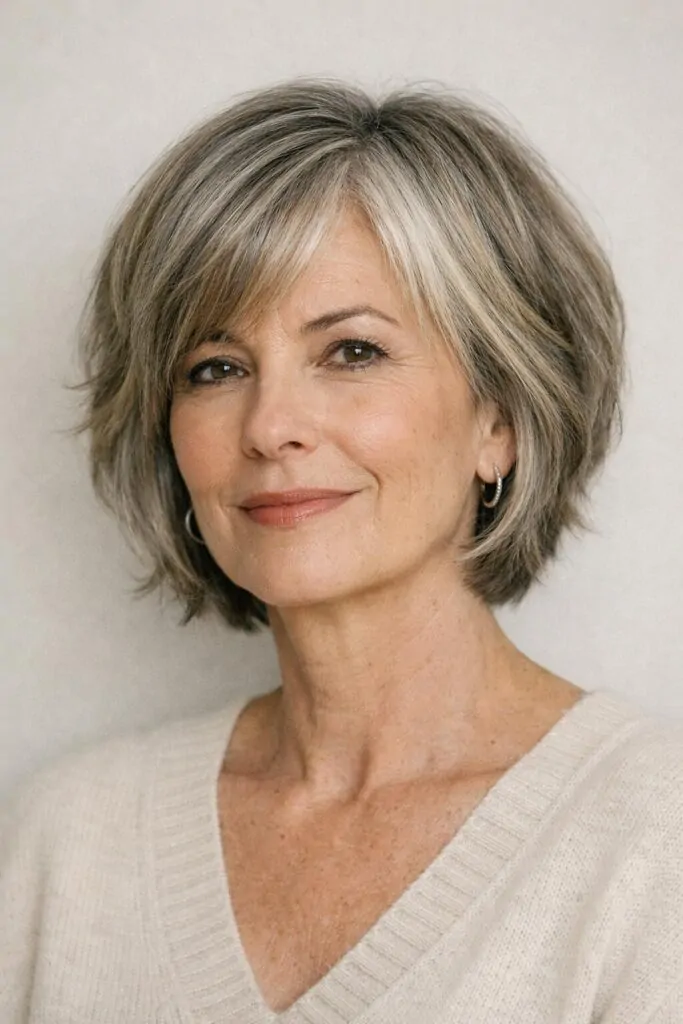
Polished Pixie Elegance
The sophistication here comes from precise cutting and minimal styling. This isn’t a wash-and-go cut — it requires regular trims and daily styling — but the payoff is a look that works from boardroom to cocktail party. The key is the gradual taper that creates shape without harsh lines.

Dimensional Color Depth
This cut demonstrates how multiple tonal variations create depth and interest in shorter styles. The different shades of brown and blonde are woven throughout the cut, making regrowth less noticeable and adding visual texture. This technique is particularly effective for covering grey without going completely artificial.
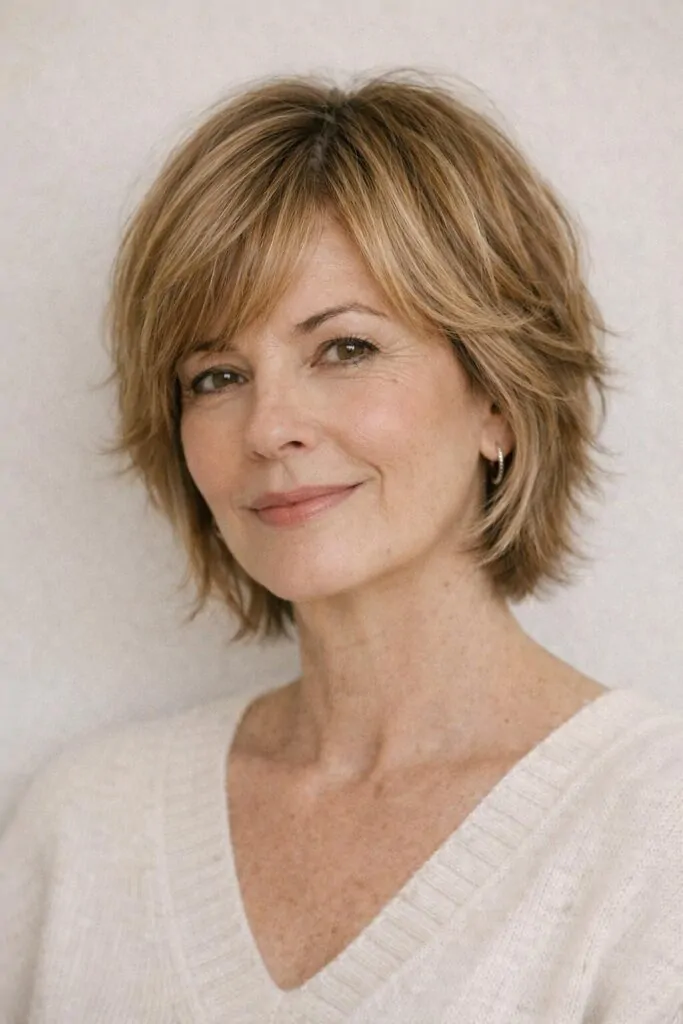
Sleek Bob Sophistication
The power of this cut is in its clean lines and perfect blunt finish. This style requires hair that can hold a smooth line — if your hair is very curly or coarse, this won’t work. But for straight to slightly wavy hair, this creates a polished, professional look that photographs beautifully.
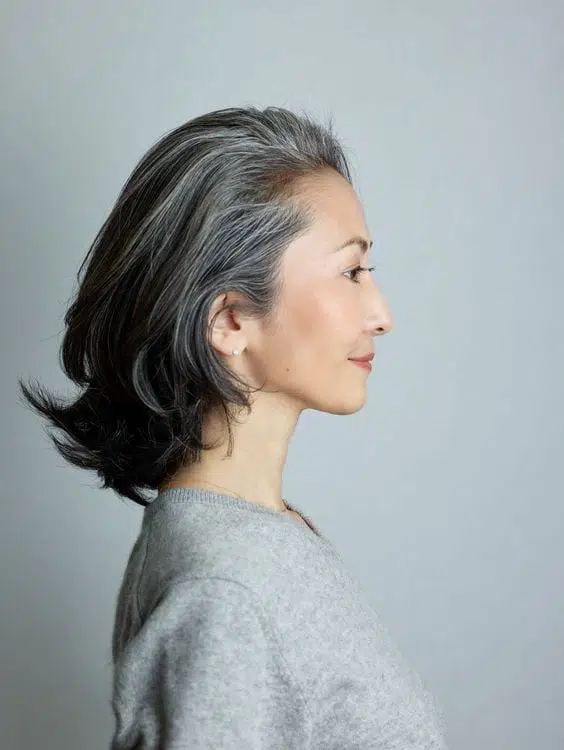
Textured Crop Versatility
This shows how proper texturing techniques can make very short hair incredibly versatile. The cut can be styled sleek for professional settings or tousled for casual wear. The key is the layering pattern — longer on top with gradually shorter sides creates maximum styling options.
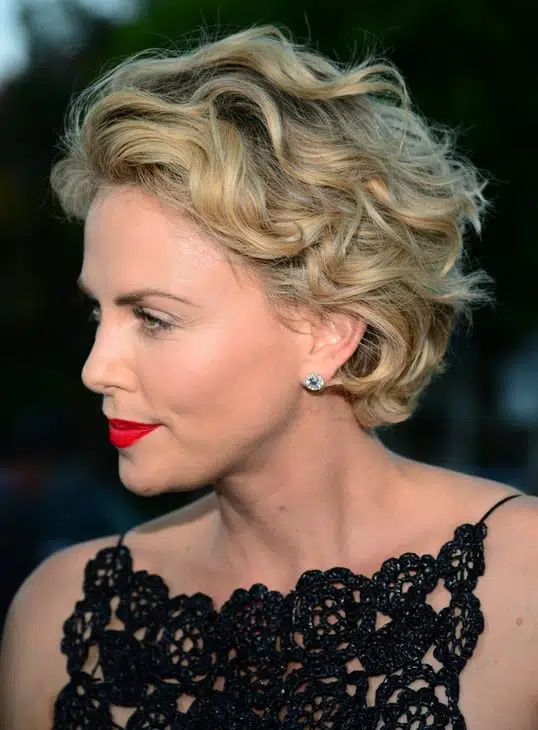
Edgy Asymmetrical Style
The success here is in balancing edge with wearability. The asymmetrical elements are pronounced enough to be interesting but not so dramatic that they limit versatility. This style requires confidence to carry off but offers a modern alternative to safer, more predictable cuts.
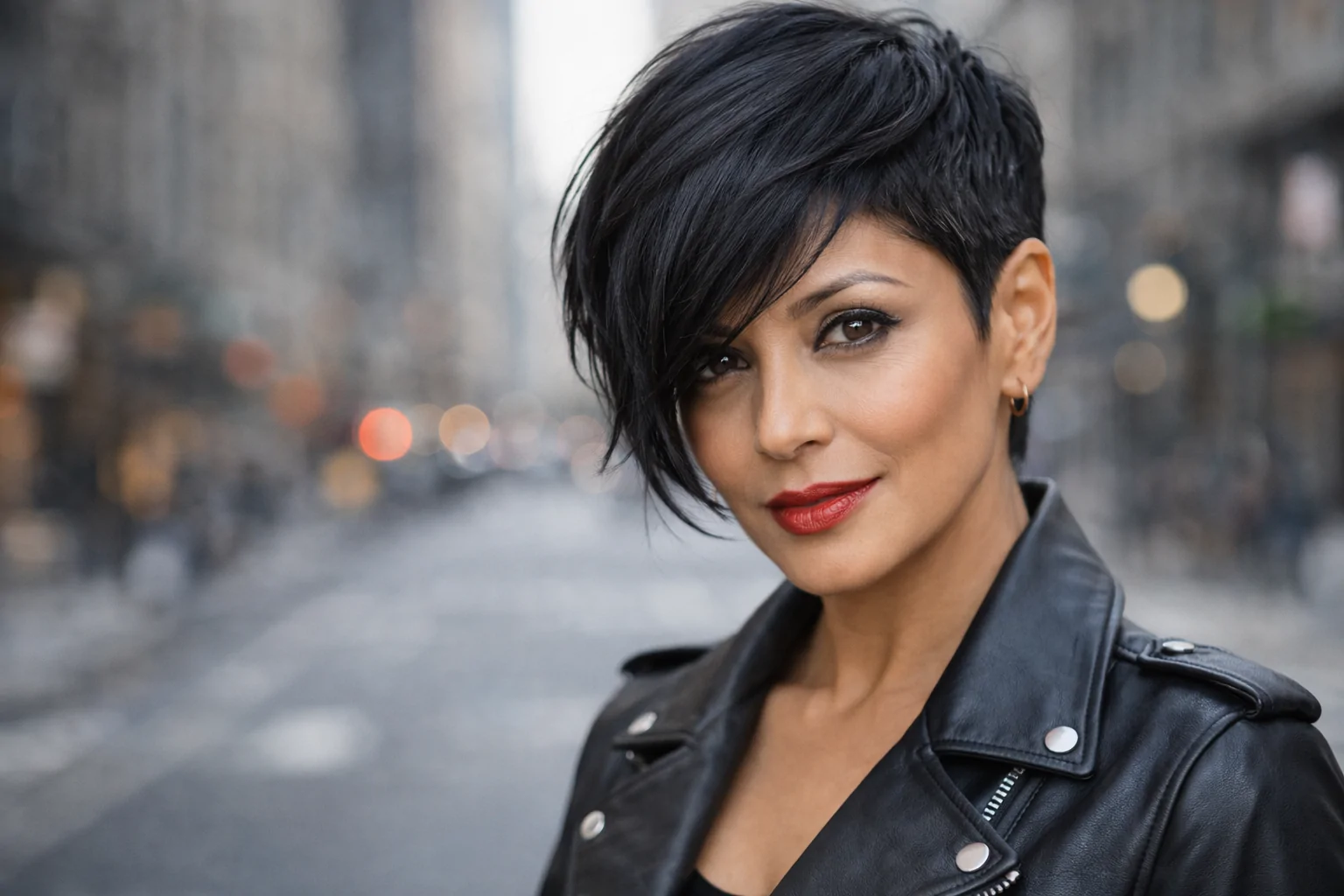
Structured Pixie Precision
This ultra-short cut works because of meticulous attention to shape and line. Every element is deliberate — the length graduation, the way it hugs the head shape, the contrast between smooth and textured areas. This level of precision requires an experienced pixie specialist, not just any stylist.
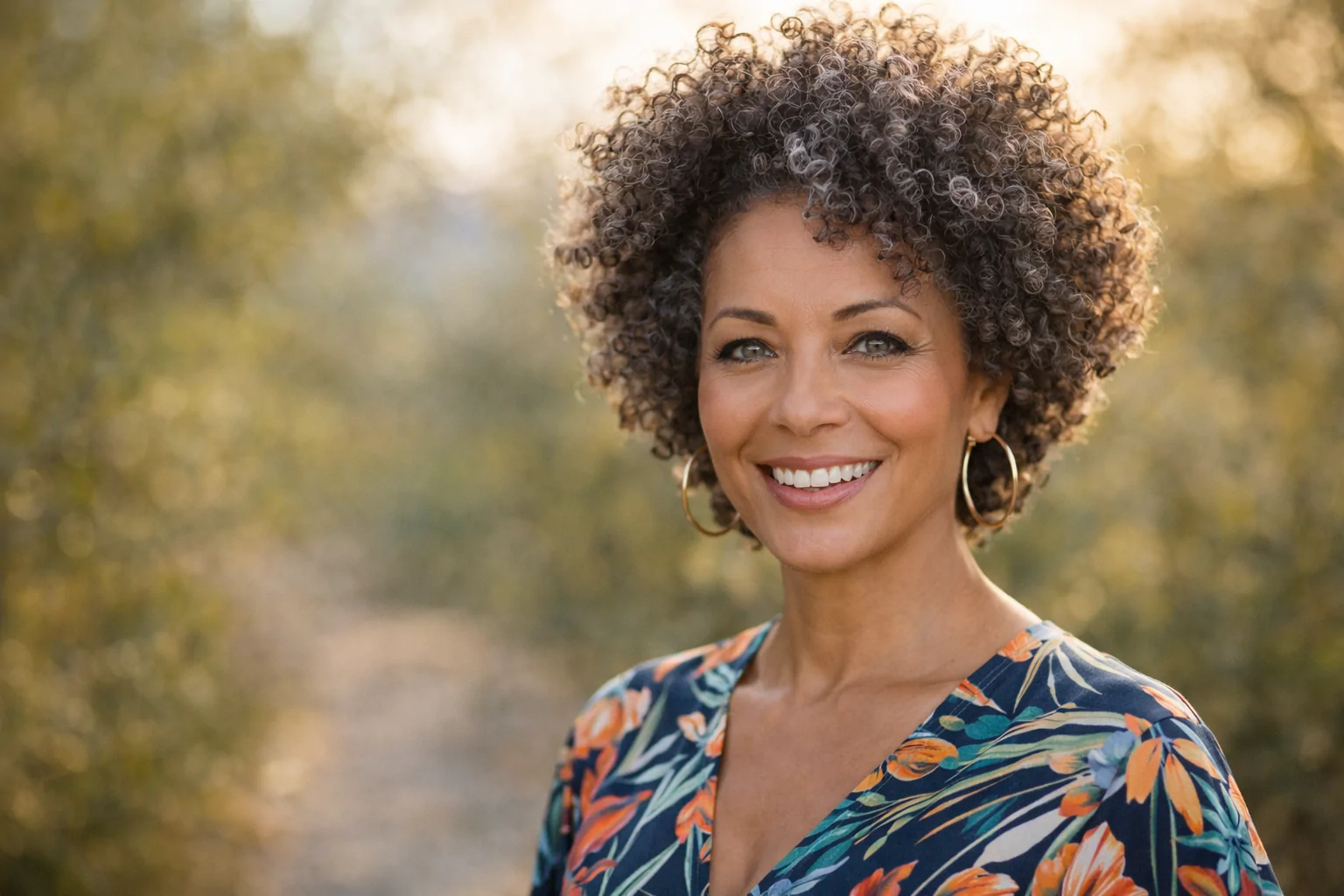
Natural Curl Definition
For naturally curly hair, this demonstrates the importance of cutting for individual curl patterns. The stylist has clearly worked with the natural curl formation rather than imposing a predetermined shape. The result is curls that look healthy and defined rather than frizzy or overworked.
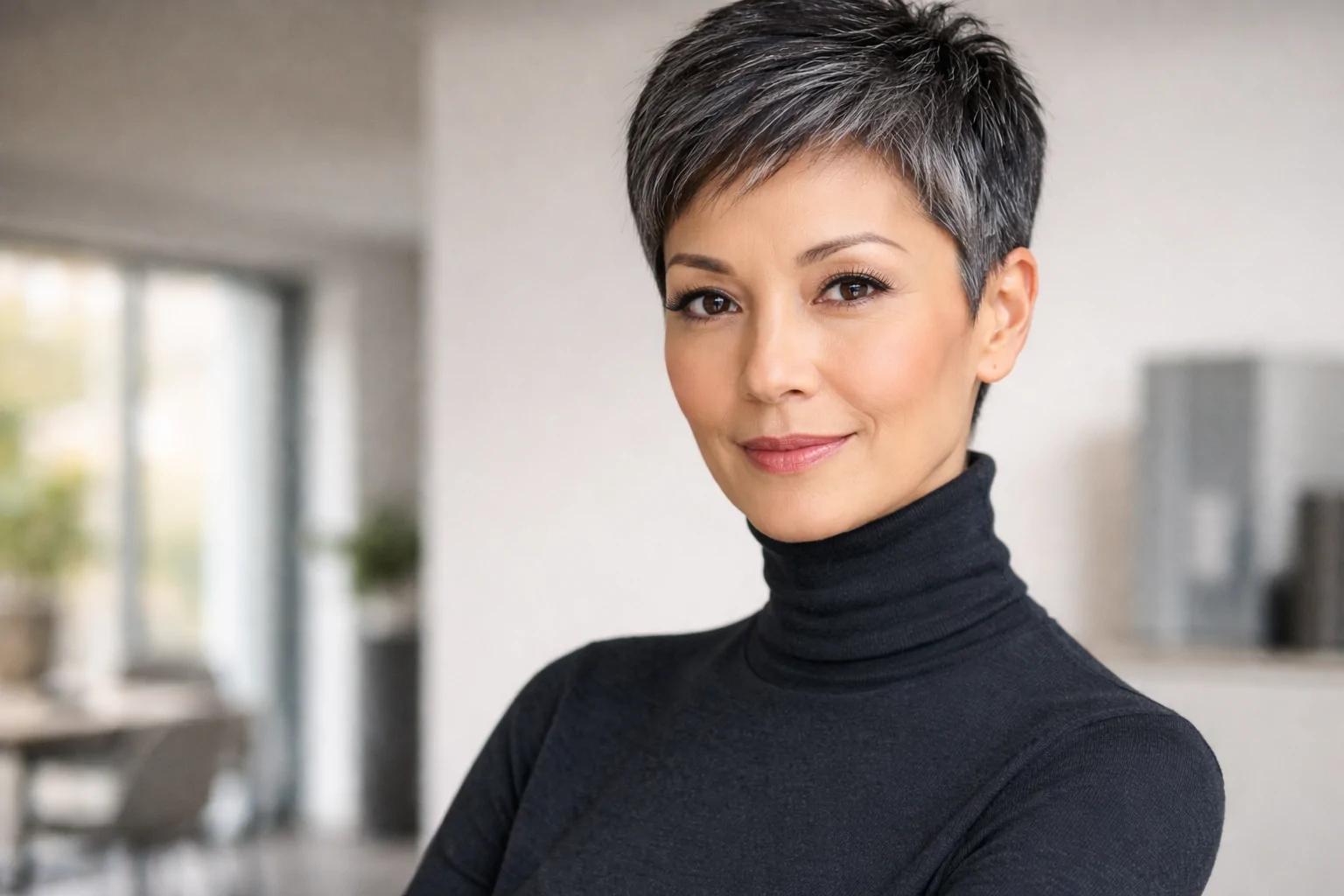
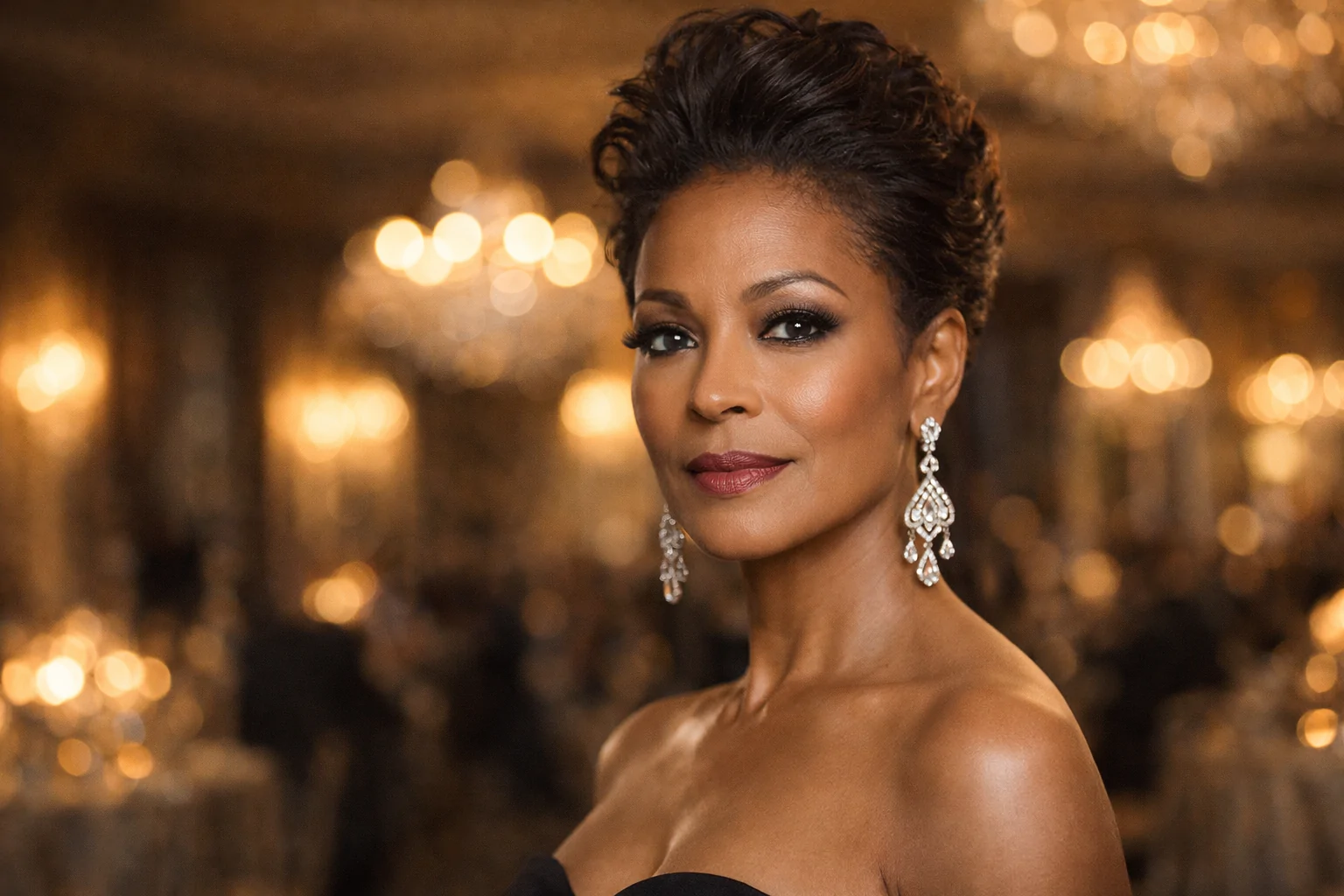
Glamorous Upswept Style
This proves that short hair can be dressed up for formal occasions with the right techniques. The key is having enough length to work with — very short pixies can’t achieve this look. The styling creates height and glamour while working within the constraints of a shorter length.
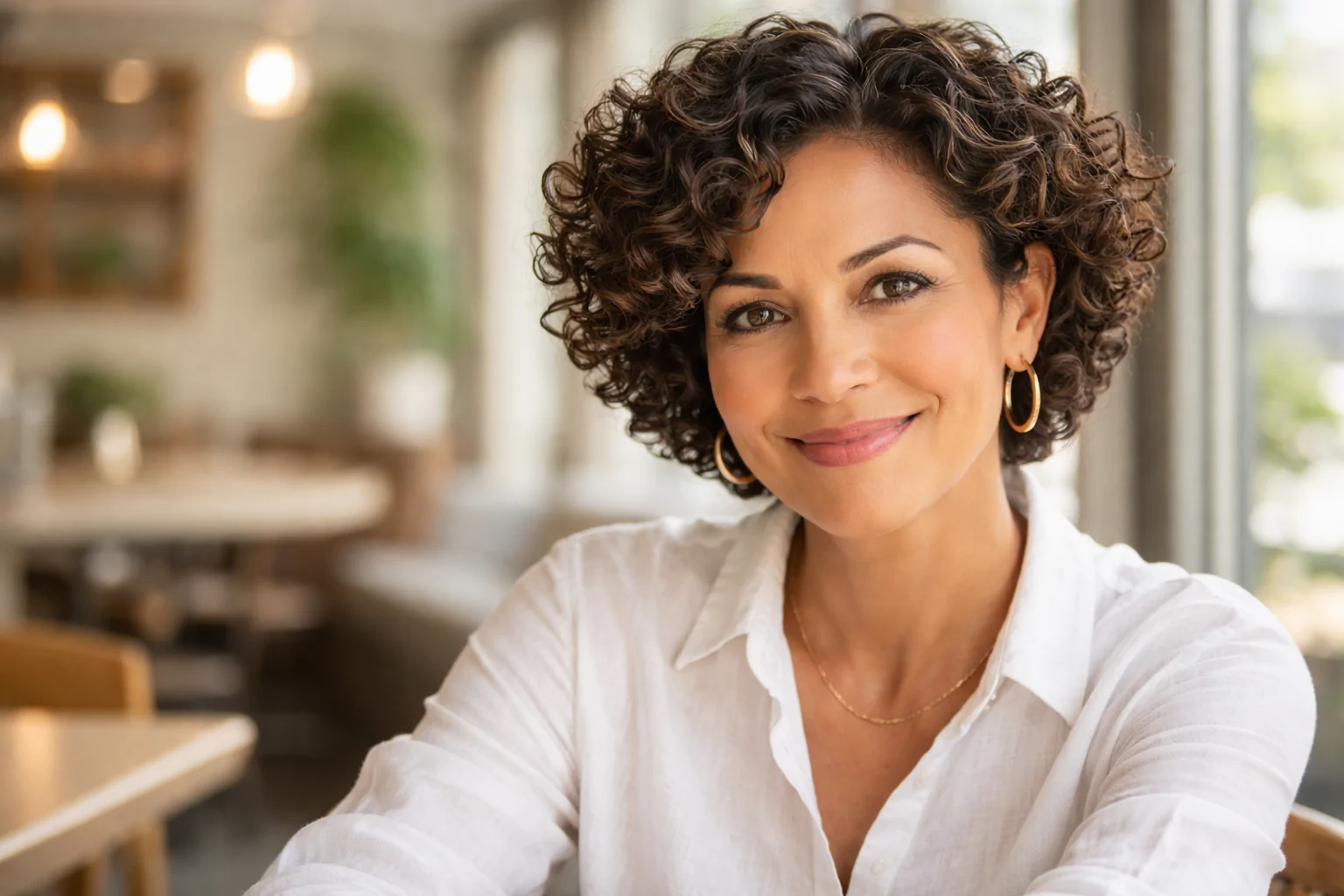
Voluminous Natural Texture
This cut succeeds by maximizing natural volume and texture. The layers are cut to enhance the hair’s natural tendency to spring up and out, creating fullness without artificial teasing. This approach works particularly well for hair that has become finer with age but retains some natural body.
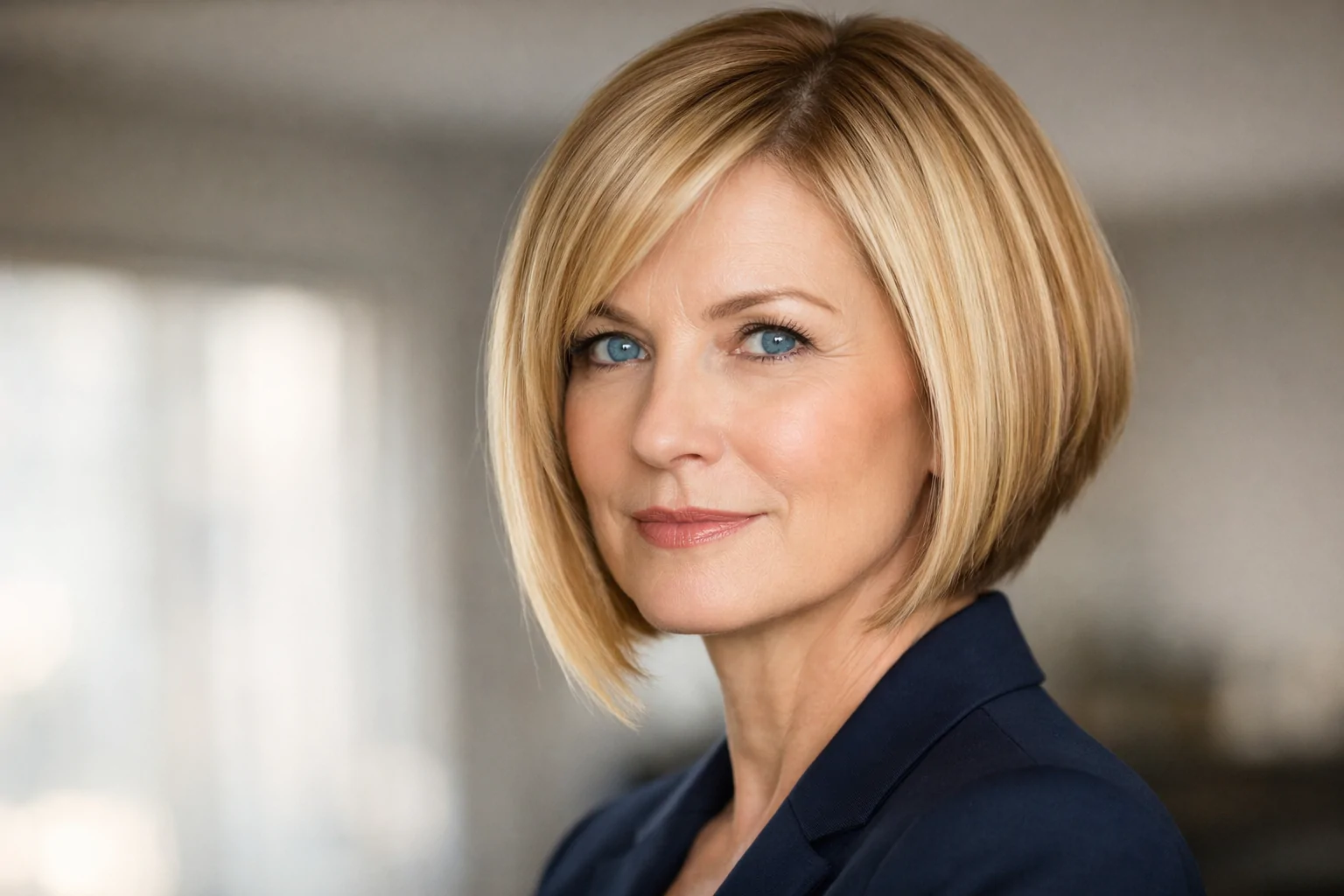
Sleek Angular Bob
The sophistication here comes from clean geometric lines and perfect smoothness. This isn’t a low-maintenance cut — it requires daily styling and frequent trims — but creates a high-impact, professional look. The key is having hair that can achieve and hold this level of sleekness.
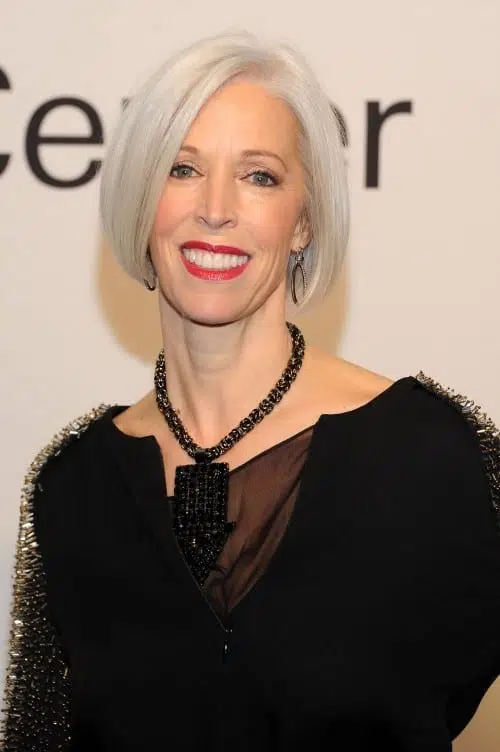
Platinum Sophistication
This demonstrates how dramatic colour choices can be incredibly sophisticated with the right cut. The platinum blonde requires serious maintenance but creates a striking, modern look. The key is ensuring your skin tone can support such a dramatic colour — not everyone can carry off this level of contrast.
Classic Bob Refinement
This timeless cut works because of perfect proportions and flawless execution. The length hits exactly at the jaw point, the layers are graduated to create movement without bulk, and the styling is polished but not overdone. This is a cut that works across decades with minor adjustments.
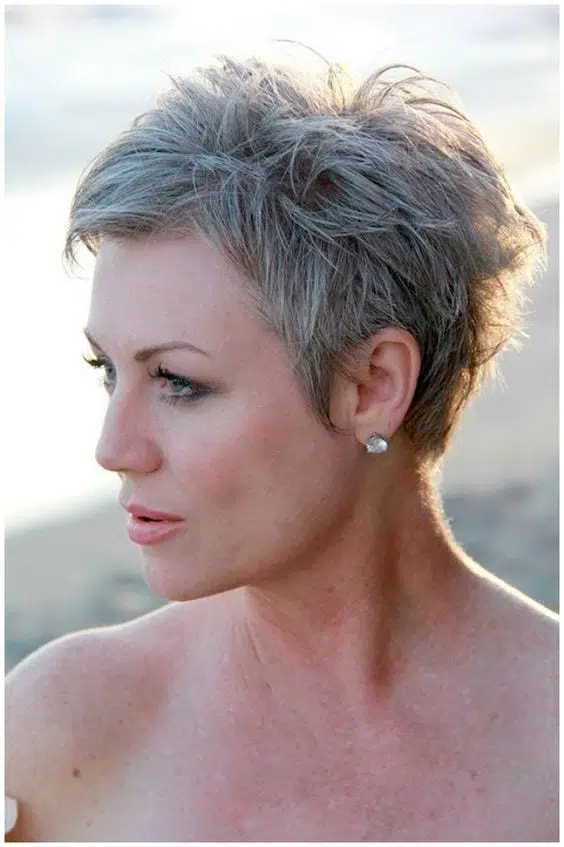
Textured Pixie Confidence
The key to this ultra-short style is embracing texture over smoothness. The slightly messy, piece-y finish looks modern and intentionally undone. This approach works particularly well for fine hair because the texture creates the illusion of more density and movement.
Hair grows approximately half an inch per month, but the rate slows significantly after menopause due to hormonal changes. This is why maintaining the shape of short cuts becomes more critical after 50 — waiting too long between trims can completely change the silhouette.
Dos & Don’ts
21 Best Curly Hairstyles For Women Over 50
18 Practical Outfit Ideas for Women Over 50
13 Amazing Wedding Hairstyles For Women Over 50
13 Best Long Hairstyles For Women Over 50 To Try This Year
19 Perfect Spring Outfit Ideas for Women Over 60
12 Stylish Jumpsuit Outfit Ideas for Women Over 50
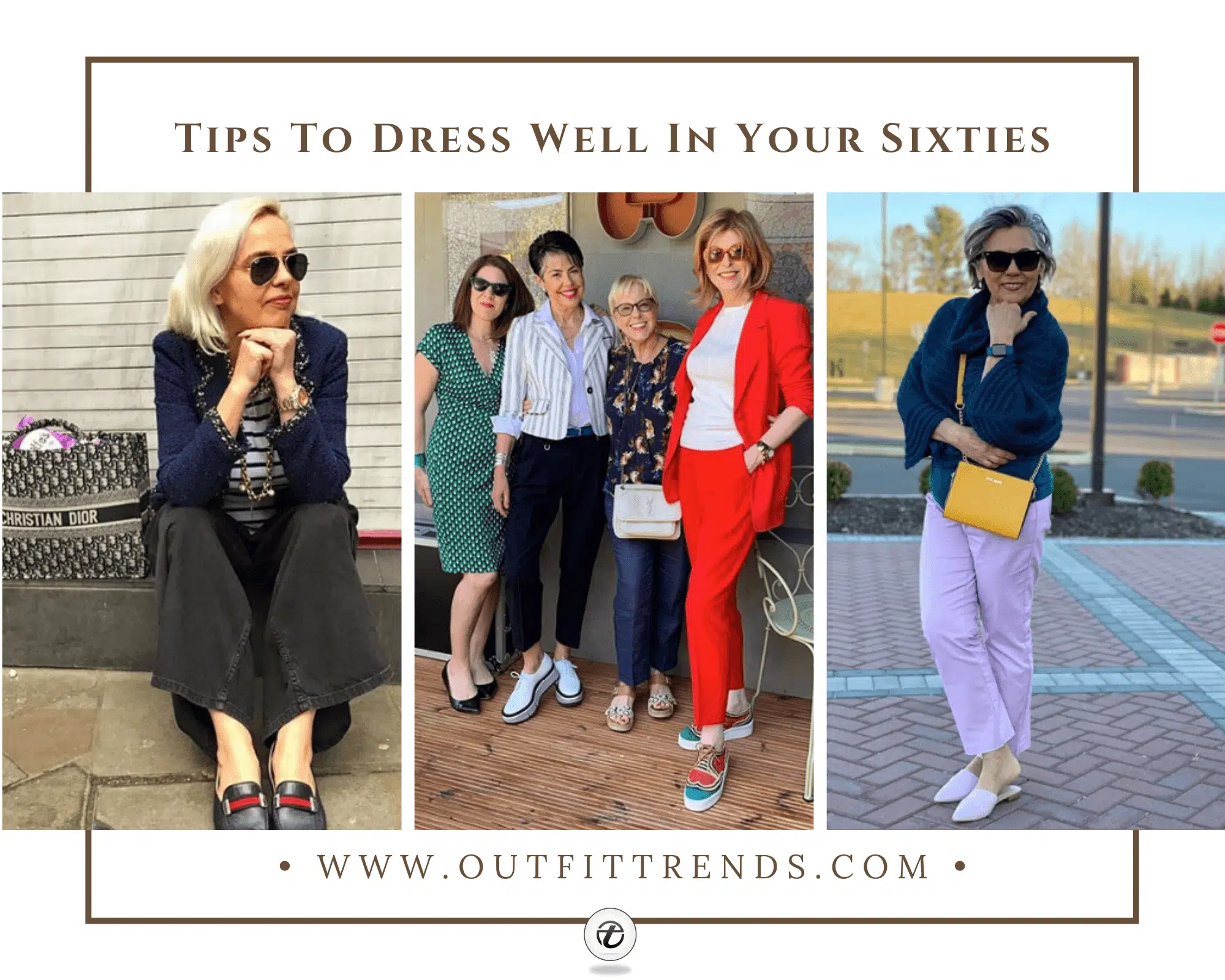
30 Best Outfits for Women Over 60 with Styling Tips
20 Cute Bob Haircuts & Hairstyles For Women
21 Best Curly Hairstyles For Women Over 50
18 Practical Outfit Ideas for Women Over 50
13 Amazing Wedding Hairstyles For Women Over 50
13 Best Long Hairstyles For Women Over 50 To Try This Year
19 Perfect Spring Outfit Ideas for Women Over 60
12 Stylish Jumpsuit Outfit Ideas for Women Over 50
30 Best Outfits for Women Over 60 with Styling Tips
20 Cute Bob Haircuts & Hairstyles For Women