
Mini claw clips have quietly revolutionised how I handle second-day hair. I spent years wrestling with larger clips that dominated my face or elastic bands that left creases, but these tiny workhorses solve styling problems I didn’t even realise I had.
The genius isn’t in their size — it’s in their precision. Where a regular clip creates bulk, these create structure. They hold exactly what you want held without announcing their presence. I’ve used them to rescue everything from a boring work meeting look to date night disasters, and they work on every hair length I’ve encountered.
How To Style Hair Clips
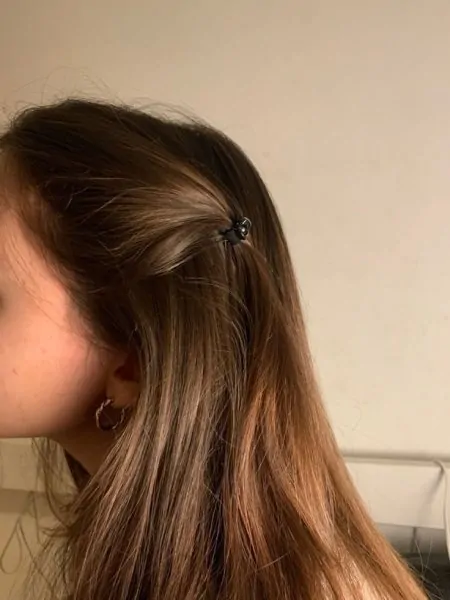
Side Twist Anchor
The single mini clip positioned at temple height creates the most natural face-framing effect. I place it exactly where my hair naturally wants to fall forward, which prevents that artificial pulled-back look that screams “I tried too hard.”
Chain Link Drama
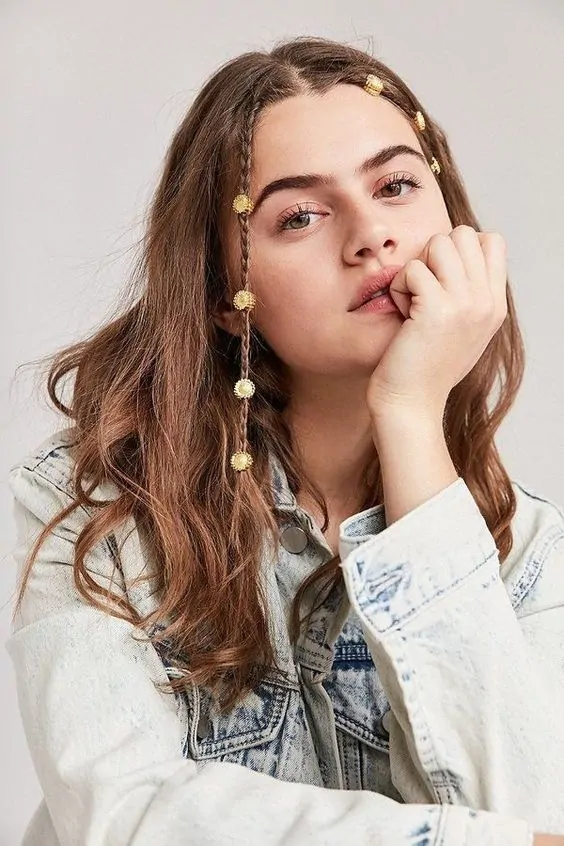
Multiple gold clips arranged in a deliberate line transforms basic waves into something deliberately styled. The key is spacing them unevenly — three clips work better than four, and the middle one should sit slightly higher than the others.
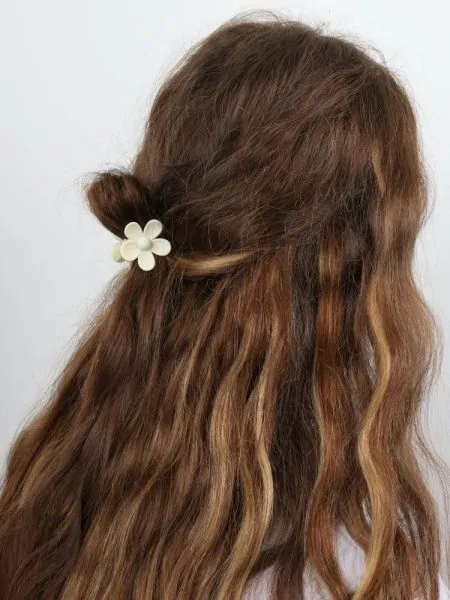
Half-Up Flower Power
A small decorative clip holding back just the crown section works on every hair texture because it doesn’t fight natural movement. I twist the section loosely before clipping to create volume without the harsh line of a traditional half-up style.
Messy Bun Scatter
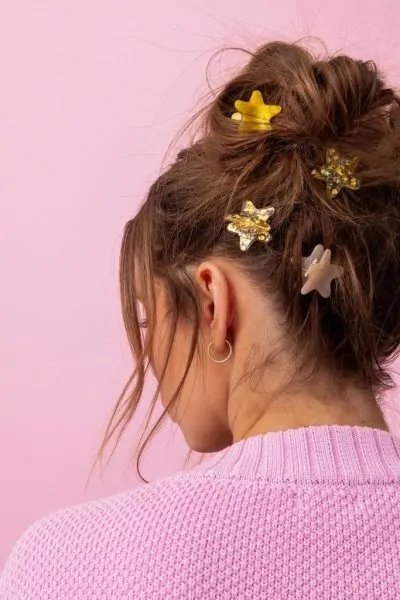
Random placement of different shaped clips throughout an undone bun makes intentional messiness look expensive rather than lazy. The trick is using an odd number — five clips maximum — and varying the heights so your eye travels around the style.
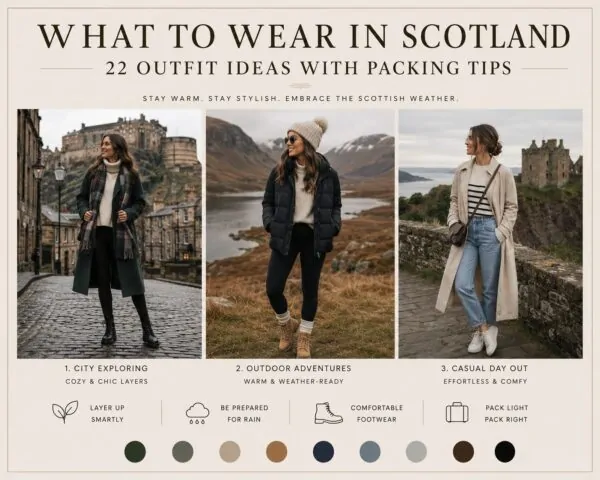
What to Wear in Scotland: 22 Outfit Ideas with Packing Tips
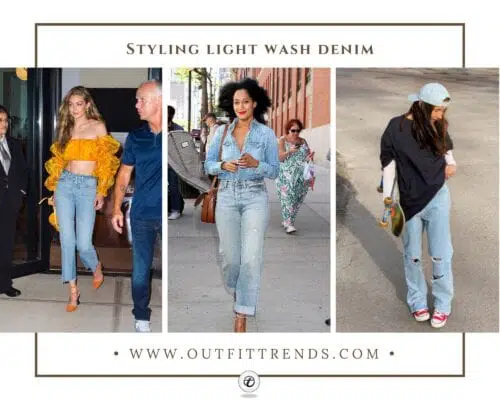
How to Wear Light Wash Jeans ? 10 Styling Tips
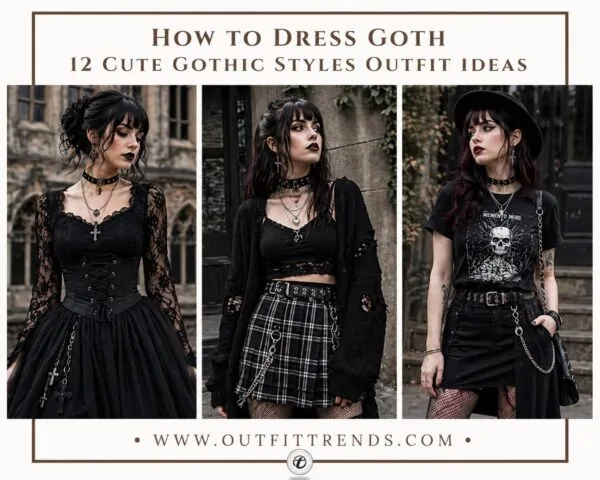
How to Dress Goth? 12 Outfit Ideas & Styling Tips
How To Wear A Saree With A Corset Blouse? 20 Tips
18 Salty Granola Outfit Ideas with Styling Tips
56 Grunge Outfit Ideas with Styling Tips
How to Wear Lace Pants? 18 Outfit Ideas with Styling Tips
Tomboy Outfit Ideas 15 Tips How to Dress Like a Tomboy
Mini Grip Control
Strategic placement of tiny clips in different colours creates structure without the commitment of a full updo. I use them to pin back face-framing pieces while keeping the majority of my hair loose, which photographs beautifully and feels effortless.
Hair Length Guide
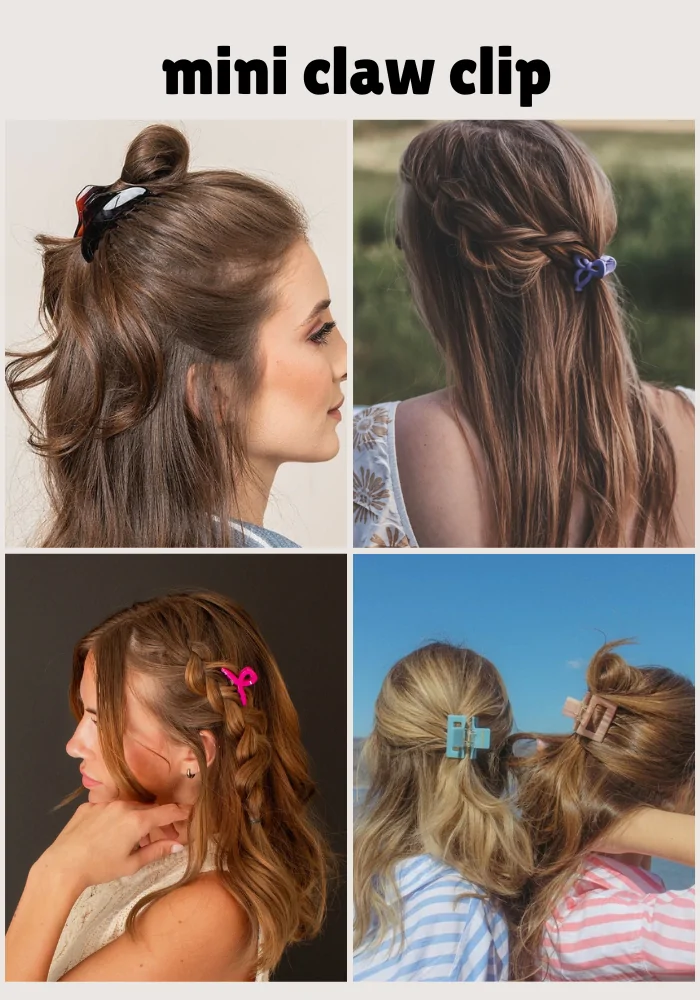
Short hair benefits most from single statement clips positioned just above the ear. I’ve found anything smaller disappears entirely, while clusters compete with the cut itself. Bob-length hair handles multiple clips better because there’s enough canvas to work with.
Hair clips were originally designed as temporary pin curl holders in the 1920s, which explains why they work so well for creating natural-looking bends and curves in modern hairstyles.
Medium-length hair gives you the most versatility. I can create half-up styles, side-swept looks, or scattered accent pieces depending on the occasion. The sweet spot is chin to shoulder length — enough hair to experiment with but not so much that clips get lost.
Long hair requires the most strategic thinking. Placement matters more than quantity because there’s so much visual weight to balance. I focus clips around the face and crown rather than scattering them randomly through the length.
Occasion Styling
Work calls for restraint — one or two clips maximum in neutral tortoiseshell or matte black. I position them functionally rather than decoratively, using them to control pieces that would otherwise distract from professional presence.
Evening events let you play with metallics and crystals. Gold clips catch restaurant lighting beautifully, while silver works better under fluorescent or LED lighting. I’ve learned to consider the lighting of my destination when choosing finishes.
Casual weekend styling benefits from mixing textures and colours freely. This is where I experiment with bright plastics, multiple patterns, or unconventional shapes. The relaxed context lets clips be conversation starters rather than subtle accessories.
Common Mistakes
The biggest error I see is treating mini clips like bobby pins — hiding them completely defeats the purpose. These are meant to be visible design elements, not invisible tools.
Overloading fine hair with too many clips creates a weighted-down effect that flattens natural volume. Three clips is usually the maximum for hair that lacks natural thickness.
Placing clips too low on thick hair makes them slide out within hours. The clips need to grip hair close to the scalp to maintain their position, especially on heavy or coarse textures.
Key takeaways
- Position clips at your natural hair growth patterns rather than fighting against them
- Use odd numbers of clips for the most natural and visually pleasing arrangements
- Match clip size to hair section — mini clips work best on thin pieces, not thick chunks
- Consider your destination’s lighting when choosing metallic finishes for evening wear
- Treat clips as visible design elements, not hidden functional tools like bobby pins
- Limit to three clips maximum on fine or thin hair to prevent weighing it down
**Quick Tips:**
Choose tortoiseshell clips for work settings — they look professional while adding subtle texture interest.
Position clips slightly off-center from your natural part to create asymmetrical balance that’s more flattering than perfect symmetry.
Use day-old hair for better grip — clean hair is too slippery to hold mini clips securely throughout the day.
Mix matte and glossy finishes rather than matching every clip exactly for a more expensive, curated appearance.
Place clips at different heights around your face to create visual movement that draws the eye upward.
Choose clips one shade darker than your hair for subtle definition, or go completely contrasting for statement impact.
What to Wear in Scotland: 22 Outfit Ideas with Packing Tips
How to Wear Light Wash Jeans ? 10 Styling Tips
How to Dress Goth? 12 Outfit Ideas & Styling Tips
How To Wear A Saree With A Corset Blouse? 20 Tips
18 Salty Granola Outfit Ideas with Styling Tips
56 Grunge Outfit Ideas with Styling Tips
How to Wear Lace Pants? 18 Outfit Ideas with Styling Tips
Tomboy Outfit Ideas 15 Tips How to Dress Like a Tomboy