The bearded-without-mustache look is the most misunderstood facial hair choice men make. I see it everywhere — guys who think shaving off their mustache automatically makes their beard look cleaner or more professional. Most of the time, it does the opposite.
How to Style Beard When You Don’t Have a Moustache
The Clean Shave Foundation
Start with a completely smooth upper lip because even the slightest shadow will make your look appear unfinished. This isn’t about personal preference — it’s about visual balance. When you remove the mustache, every other element of your beard needs to be perfectly executed to compensate for that missing piece.

The Goatee Connection
Connect your soul patch directly to your chin beard without any gaps. I’ve seen too many men leave a small space here, thinking it looks intentional. It doesn’t. The connection creates a continuous line that draws the eye downward, compensating for the missing horizontal line where your mustache would be.

The Defined Jawline
Keep your jawline sharp and follow your natural bone structure precisely. Without a mustache to balance the upper portion of your face, your jawline becomes the primary defining feature. Use a quality trimmer with guards to maintain consistent length along this crucial line.

The Controlled Length
Maintain medium length rather than going too long or too short. Extremely short beards without mustaches can look patchy, while overly long ones appear unbalanced. I recommend starting at a #3 guard and adjusting from there based on your face shape and hair density.

The Texture Management
Embrace natural texture but keep it controlled with beard oil and regular trimming. Curly or wavy facial hair actually works better for this style than perfectly straight hair because the texture adds visual interest where the mustache would normally provide it.
The Soul Patch Statement
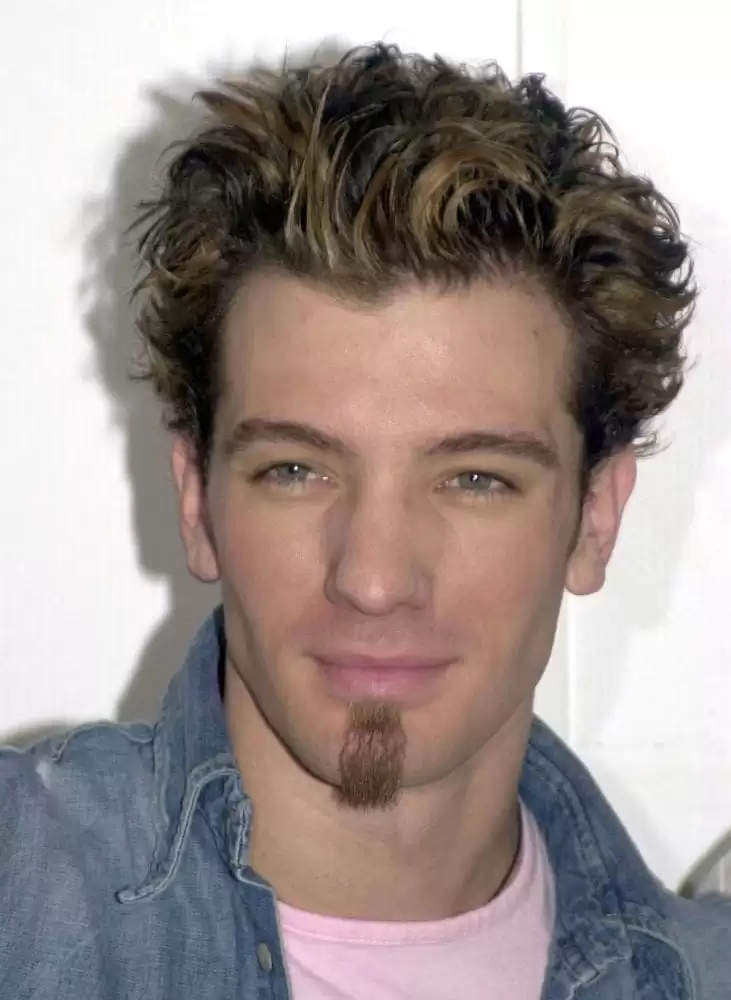
Use your soul patch as an anchor point that connects everything together. This small section of hair becomes crucial in the no-mustache look because it provides continuity between your lower lip and chin beard. Keep it neat but substantial enough to serve its visual purpose.

The Sideburn Integration
Blend your sideburns seamlessly into your beard line. The transition should be so smooth that it’s impossible to tell where your haircut ends and your beard begins. This creates a cohesive frame for your face that compensates for the missing mustache element.

The beard-without-mustache style became popular in the early 2000s because it photographed better on camera than full beards, which often cast shadows over the mouth area in professional headshots.
The Neck Line Precision
Draw your neckline exactly two fingers above your Adam’s apple and keep it religiously maintained. This is non-negotiable with the no-mustache look because you have fewer visual elements to work with. Every line needs to be intentional and perfectly executed.
The Cheek Line Balance
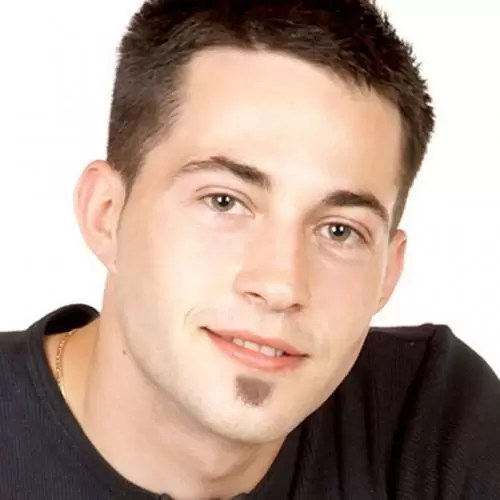
Follow your natural cheek line but clean up any stray hairs above it. Don’t try to create an artificial line that’s too high or too low — your natural growth pattern already provides the most flattering shape for your specific face structure.

The Professional Polish
Keep edges crisp with weekly touch-ups because this style shows imperfections more than a full beard would. Schedule regular maintenance the same way you would a haircut. The no-mustache look requires consistent upkeep to maintain its impact.

The Mature Sophistication
Allow some gray to show through if you have it — this style actually benefits from the distinguished look of salt-and-pepper coloring. The contrast adds depth and character that works especially well when you’re not competing with mustache hair for attention.
The Formal Adaptation
Trim slightly shorter for formal occasions and business settings. While you want to maintain the style’s character, reducing the overall length by one guard size makes it more conservative without losing the essential shape and proportions.

The Youth Factor
Younger men should focus on density over length to avoid a patchy appearance. If your facial hair is still developing, this might not be your ideal style yet. Wait until you can grow a full, even beard before attempting to remove the mustache portion.

The Casual Confidence
Maintain the same grooming standards whether you’re dressed up or down. This style doesn’t get a pass for looking messy just because you’re wearing casual clothes. The precision is what makes it work, regardless of your outfit choice.

The Classic Foundation
Master the basic shape before attempting any variations or creative interpretations. Like any good style, this one requires you to understand the fundamentals completely before you start experimenting with personal modifications or trendy adjustments.

The Personal Style Integration
Match your beard maintenance schedule to your hair appointment frequency. If you get haircuts every three weeks, plan your beard shaping for the same timeline. This ensures both elements of your look stay polished and work together as a cohesive style statement.

Dos & Don’ts
Beard Styles Without Moustache That Actually Work
Corporate Clean Goatee
A precisely trimmed goatee paired with a classic black suit creates the perfect balance between professional and distinctive. The clean-shaven upper lip keeps the look office-appropriate while the defined chin hair adds character without overwhelming his features. This works best for men with strong jawlines who want to maintain a polished appearance in conservative workplaces.

Casual Stud Earring Combination
30 Cool Asian Beard Styles with Styling Tips
35 Cool Indian Beard Styles Ideas These Days
30 Cool Beard Styles for Bald Men
15 Cool Mutton Chops Beard Styles
15 Cool French Beard Styles and Growing Tips
20 Best Beard Styles for Muslims & Sunnah Beards
30 Best Goatee Styles for Bald Men to Get Sharp Look
15 Best Faded Beard Style With Styling Tips
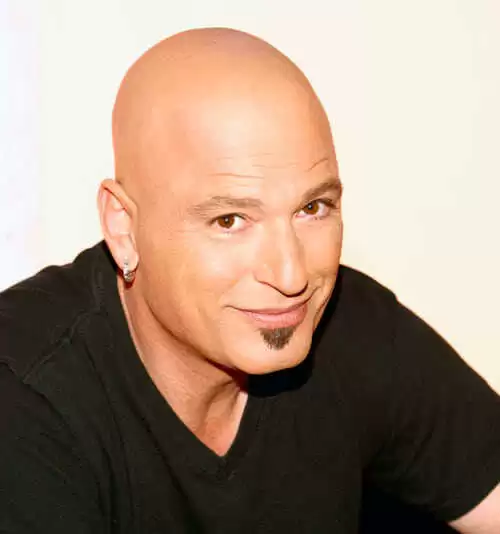
The small diamond stud earring paired with a neat chin beard creates an unexpectedly balanced look that’s both masculine and modern. His well-groomed stubble extends just to the jawline, avoiding any scraggly appearance that could clash with the refined earring. This combination works for men who want to add subtle edge to their style without going full rebel.

Professional Chin Strap
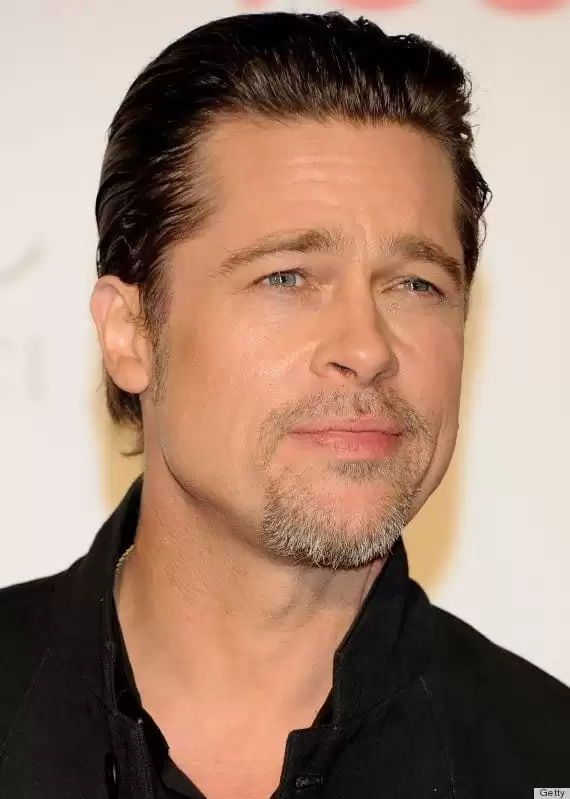
A thin line of facial hair that follows the jawline creates sharp definition without the bulk of a full beard. The precise edges require regular maintenance but deliver a polished result that works in business settings. This style suits men with defined jaw structures who want facial hair that enhances rather than hides their bone structure.

Hollywood Scruff Sans Mustache
The deliberately imperfect stubble covering the jaw and chin while leaving the upper lip clean gives off that effortless leading-man vibe. This controlled scruff requires the right length trimmer setting to avoid looking unkempt — too short and it disappears, too long and it becomes messy. Perfect for men who want to look put-together without appearing overly groomed.
Quick tip
Invest in a quality trimmer with precise length settings for consistent results.
For a bolder style, see these Arabic beard styles.
More grooming ideas: beard styles for college students.
Athletic Buzz Cut Beard
A closely cropped beard that mirrors the short haircut creates a cohesive, no-nonsense appearance that works for active lifestyles. The uniform length across the jaw and chin area requires minimal styling while still providing masculine definition. This practical approach suits men who want facial hair that won’t interfere with sports helmets or require constant touch-ups.

Casual Henley Pairing
The relaxed stubble complements the laid-back vibe of the navy henley perfectly, creating a weekend look that’s approachable yet masculine. His facial hair follows the natural growth pattern rather than forcing artificial lines, which works better with casual clothing choices. This effortless approach suits men who prefer low-maintenance grooming routines.

Athlete’s Game-Day Stubble
Strategic stubble that’s long enough to show intentionality but short enough to stay practical during physical activity. The even distribution across the lower face creates a rugged appearance that photographs well under arena lighting. This length works for professional athletes who need to balance personal style with performance requirements.
Quick tip
Map your natural jawline before trimming to follow bone structure rather than fighting it.

Ginger Full Coverage
The rich red facial hair creates striking contrast against fair skin while the fuller coverage compensates for the absence of a mustache. Regular trimming keeps the edges clean and prevents the beard from looking wild, which is crucial with lighter-colored hair that shows every imperfection. This works best for men with naturally thick facial hair growth who want maximum impact.

Key takeaways
- Clean shaven upper lip requires precise edge maintenance to avoid looking unfinished
- Jawline beards work best on men with defined bone structure to enhance natural angles
- Professional settings need geometric precision in beard lines to appear intentional
- Casual looks benefit from natural growth patterns rather than forced artificial lines
- Fair or red hair shows every imperfection so requires more frequent trimming
- Athletic lifestyles need practical lengths that won’t interfere with equipment or performance
30 Cool Asian Beard Styles with Styling Tips
35 Cool Indian Beard Styles Ideas These Days
30 Cool Beard Styles for Bald Men
15 Cool Mutton Chops Beard Styles
15 Cool French Beard Styles and Growing Tips
20 Best Beard Styles for Muslims & Sunnah Beards
30 Best Goatee Styles for Bald Men to Get Sharp Look
15 Best Faded Beard Style With Styling Tips
Which look is your favourite?
Tap the outfit you would wear. Results show right after you vote.